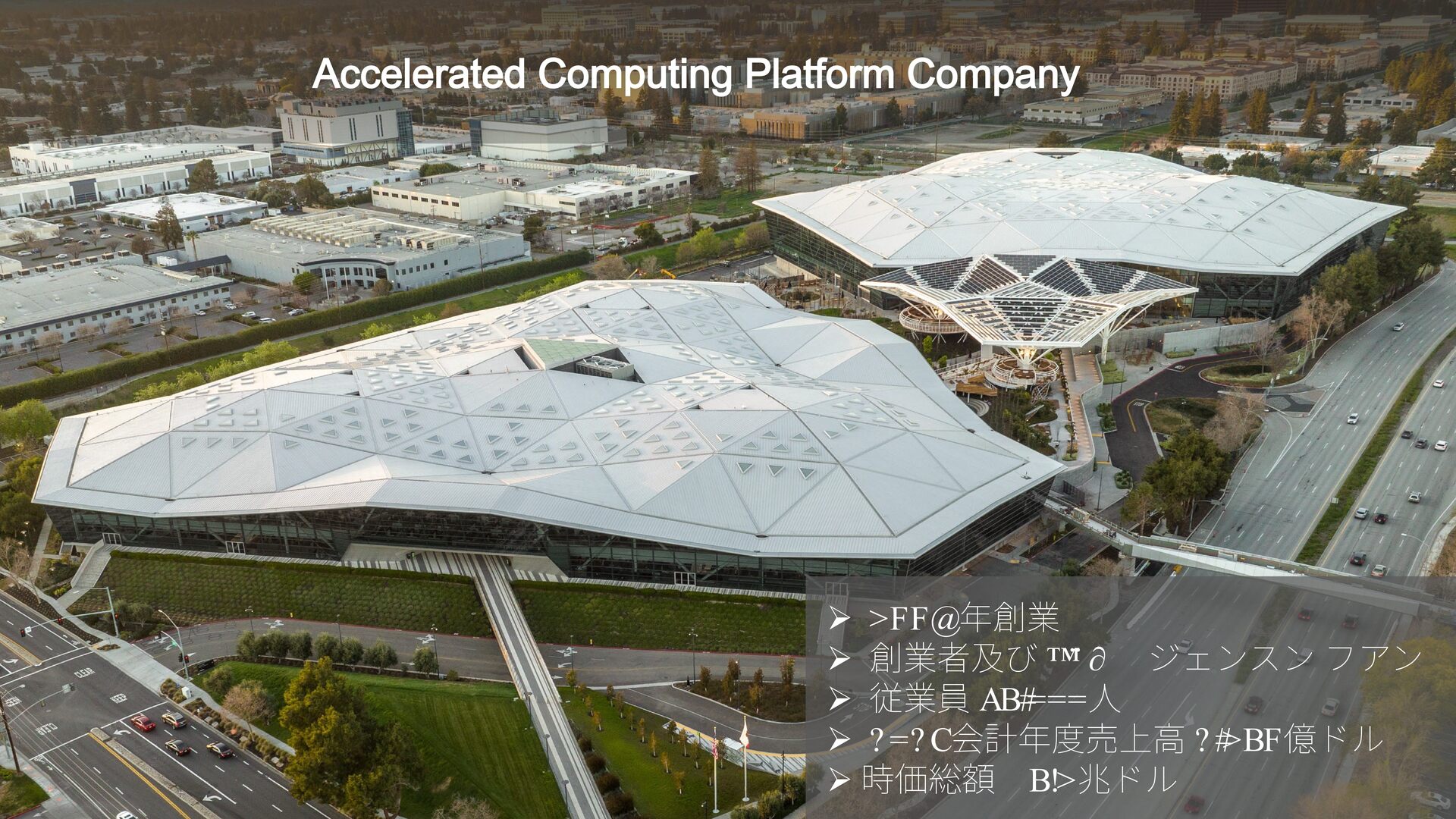
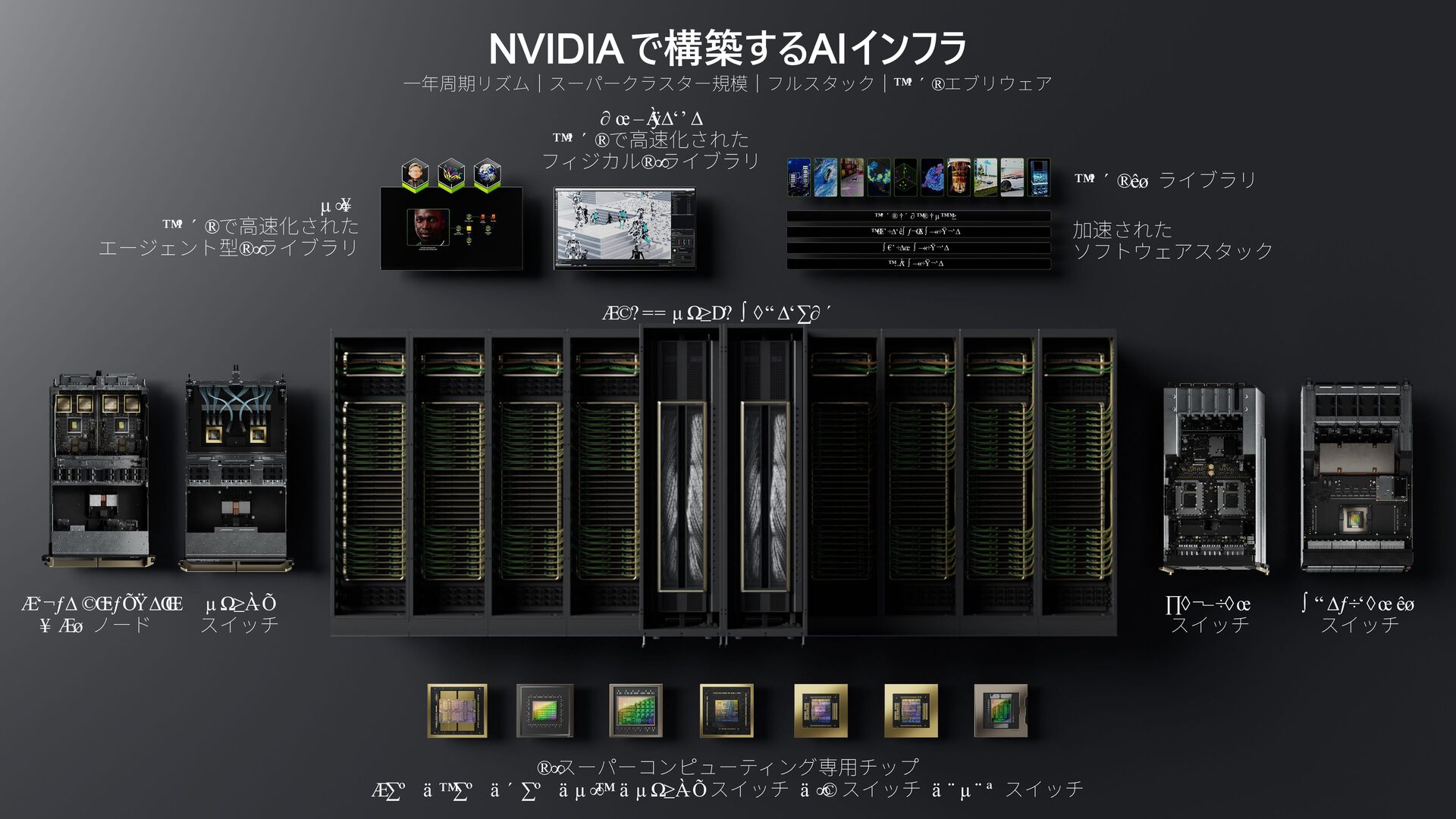
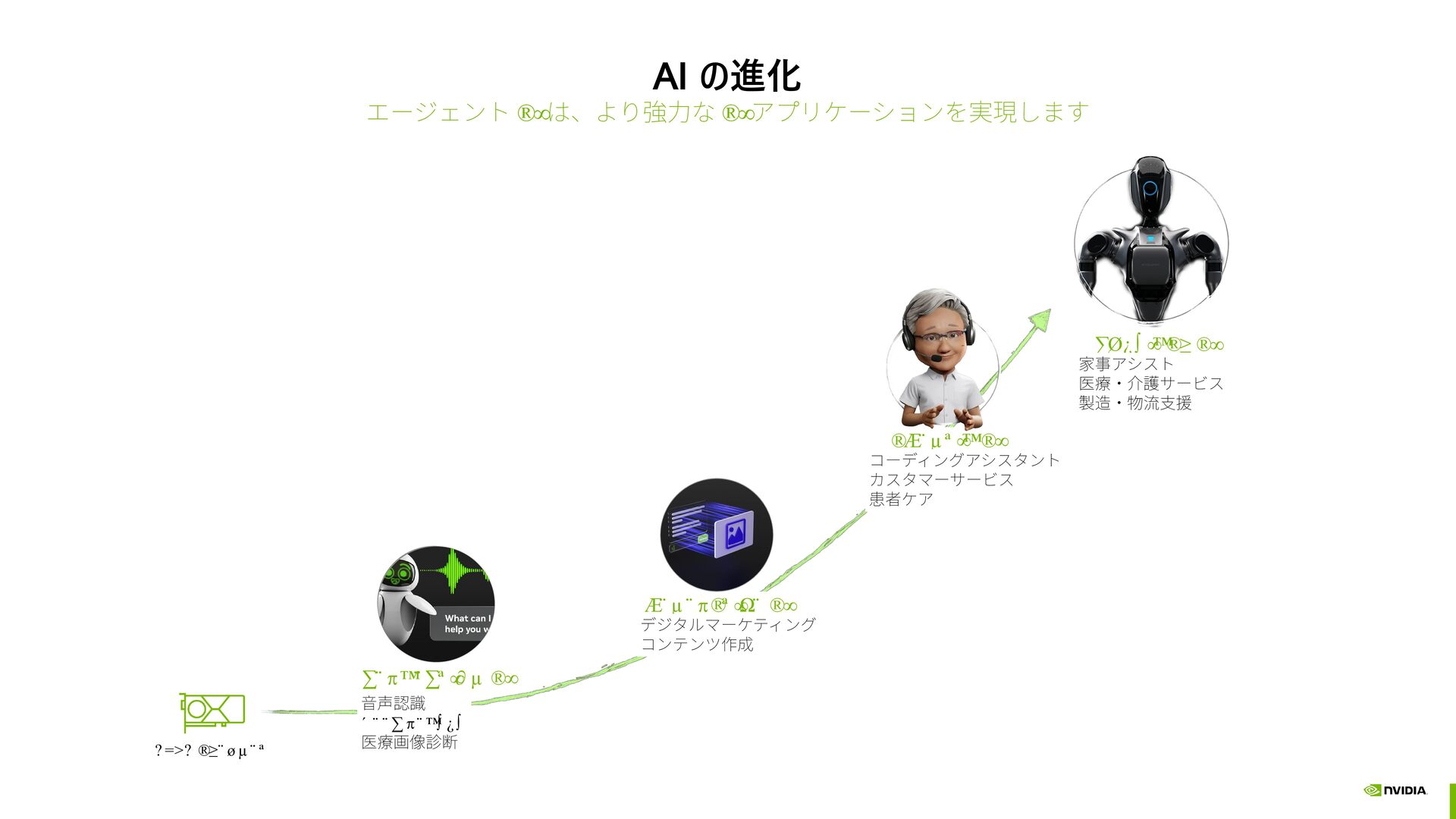
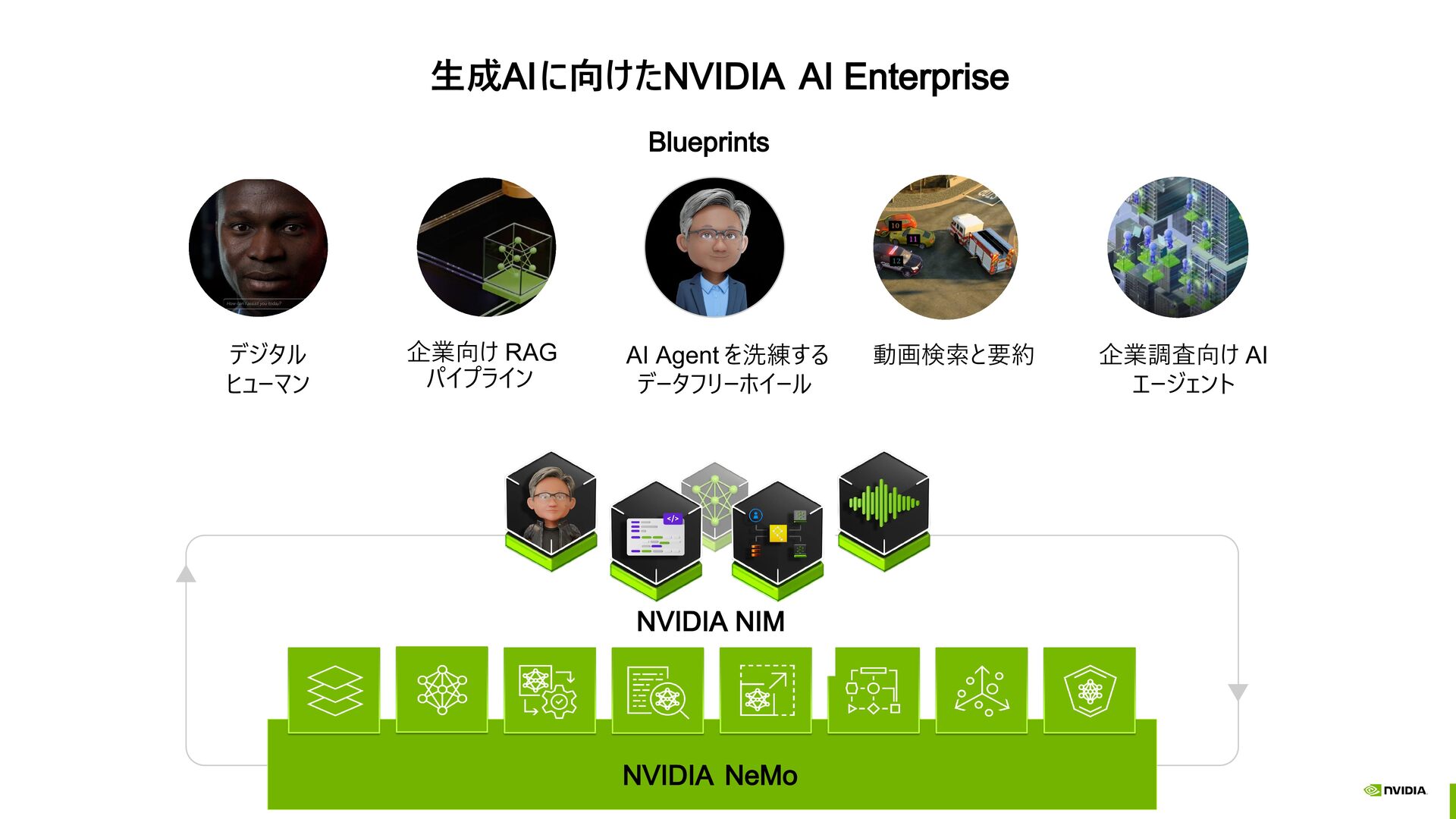
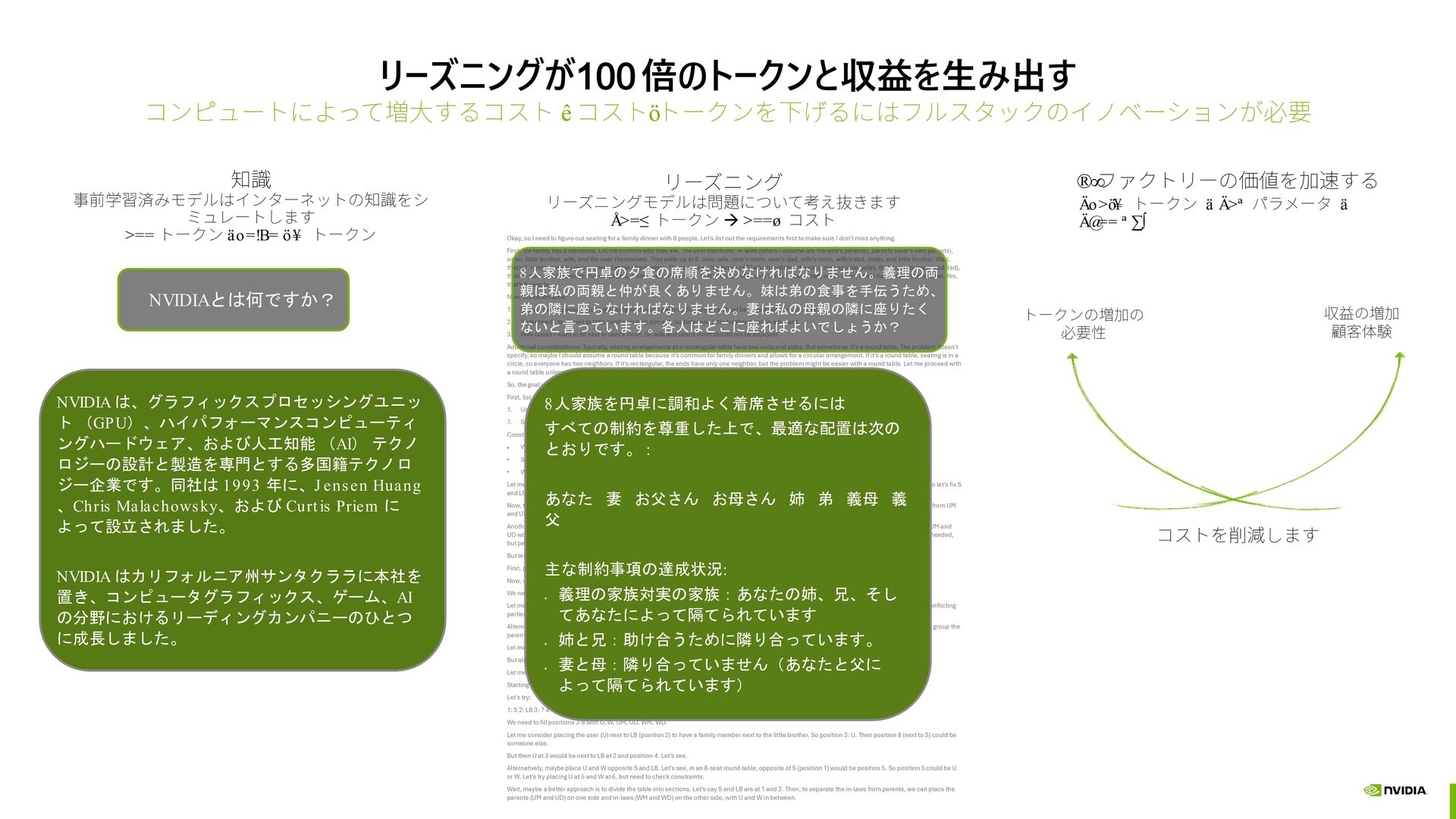
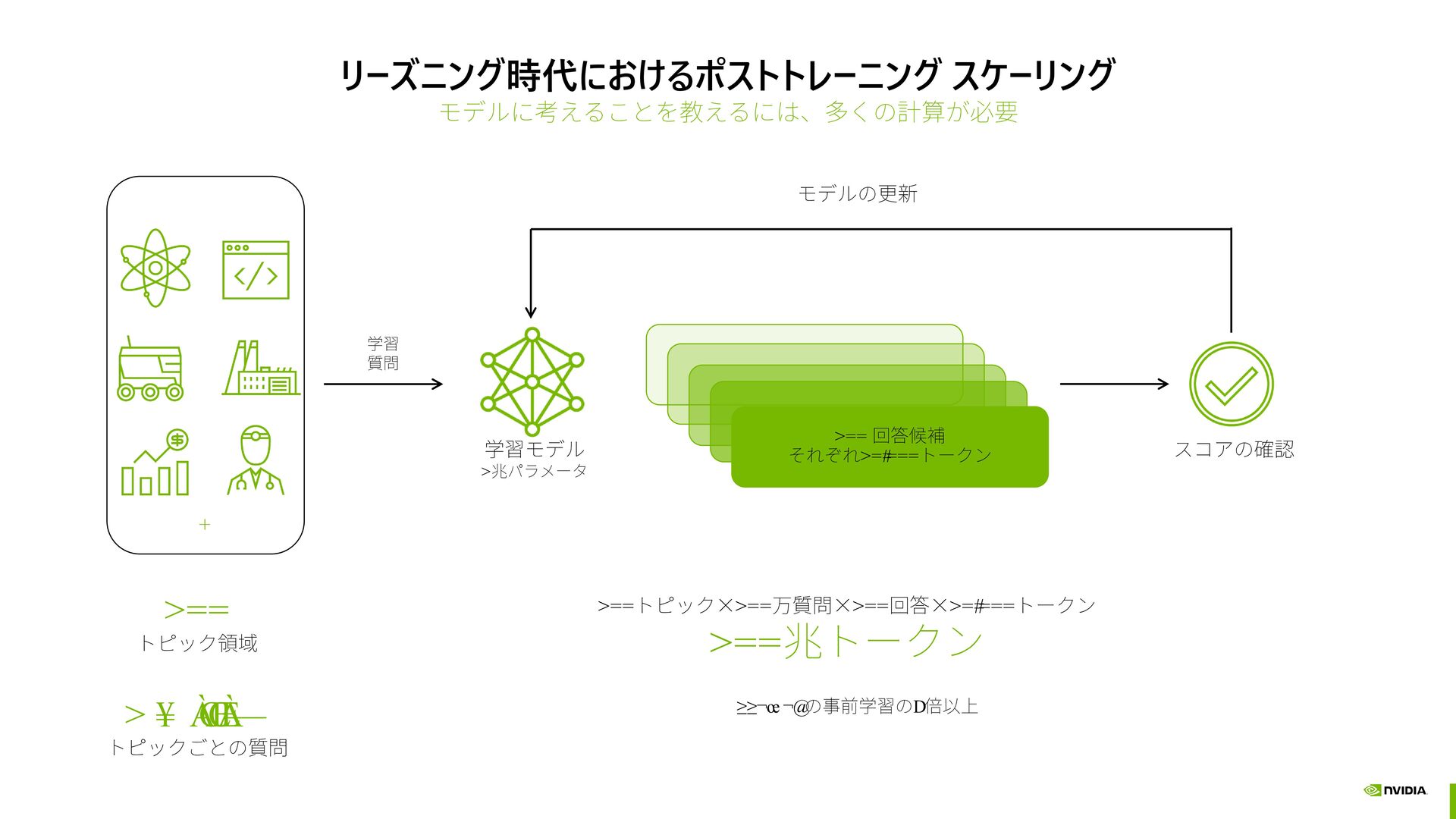
$0.50 / M トークン リーズニング リーズニングモデルは問題について考え抜きます ~10K トークン 100X コスト NVIDIA は、グラフィックスプロセッシングユニッ ト (GPU)、ハイパフォーマンスコンピューティ ングハードウェア、および人工知能 (AI) テクノ ロジーの設計と製造を専門とする多国籍テクノロ ジー企業です。同社は 1993 年に、Jensen Huang 、Chris Malachowsky、および Curtis Priem に よって設立されました。 NVIDIA はカリフォルニア州サンタクララに本社を 置き、コンピュータグラフィックス、ゲーム、AI の分野におけるリーディングカンパニーのひとつ に成長しました。 NVIDIAとは何ですか? Okay, so I need to figure out seating for a family dinner with 8 people. Let's list out the requirements first to make sure I don't miss anything. First, the family has 8 members. Let me confirm who they are. The user mentions: in-laws (which I assume are the wife's parents), parents (user's own parents), sister, little brother, wife, and the user themselves. That adds up to 8: user, wife, user's mom, user's dad, wife's mom, wife's dad, sister, and little brother. Wait, that's 7. Hmm, maybe I miscounted. Let me check again. The user says "my family of 8" which includes the user, their spouse (wife), their parents (mom and dad), their in-laws (wife's parents: mom and dad), sister, and little brother. That's 8: user, wife, user's mom, user's dad, wife's mom, wife's dad, sister, little brother. Yes, that's 8 people. Now, the constraints: 1. In-laws (wife's parents) don't get along with user's parents. So they should not be seated next to each other. 2. Sister needs to sit next to little brother to help him eat. So sister and little brother must be adjacent. 3. Wife doesn't want to sit next to user's mom. So wife and user's mom should not be adjacent. Additional considerations: Typically, seating arrangements at a rectangular table have two ends and sides. But sometimes it's a round table. The problem doesn't specify, so maybe I should assume a round table because it's common for family dinners and allows for a circular arrangement. If it's a round table, seating is in a circle, so everyone has two neighbors. If it's rectangular, the ends have only one neighbor, but the problem might be easier with a round table. Let me proceed with a round table unless specified otherwise. So, the goal is to seat 8 people around a round table with the given constraints. First, list all the people: 1. User (let's call him U) Wife (W) User's Mom (UM) User's Dad (UD) Wife's Mom (WM) Wife's Dad (WD) 7. Sister (S) Little Brother (LB) Constraints: • WM and WD (in-laws) should not be next to UM and UD (parents). So WM and WD cannot be adjacent to UM or UD. • S must sit next to LB. • W should not sit next to UM. Let me start by placing some people to satisfy the strictest constraints first. The sister and little brother needing to be adjacent is a strict requirement. So let's fix S and LB next to each other. Let's place them in two adjacent seats. Let's say positions 1 and 2: S at 1, LB at 2. Now, the next strict constraint is the in-laws (WM and WD) not being next to parents (UM and UD). So we need to ensure that WM and WD are separated from UM and UD by at least one seat. Also, W doesn't want to sit next to UM. Another thing to consider is that in many families, couples might want to sit together, but the problem doesn't mention that. However, it's possible that UM and UD would sit together, and WM and WD would sit together. But the problem doesn't specify, so maybe we can assume that couples can be separated if needed, but perhaps it's better to keep them together unless conflicting with constraints. Let's see. But let's proceed step by step. First, place S and LB next to each other. Let's fix them at positions 1 and 2. Now, we need to place the rest: U, W, UM, UD, WM, WD. We need to keep WM and WD away from UM and UD. Also, W should not be next to UM. Let me try to place the user and wife in positions that can act as buffers. Maybe placing U and W opposite each other or in positions that separate the conflicting parties. Alternatively, since in-laws (WM and WD) don't get along with parents (UM and UD), maybe we can place them on opposite sides of the table. Let's try to group the parents and in-laws into separate groups with others in between. Let me try to create two blocks: one with UM and UD, and another with WM and WD, separated by other people. But also, W shouldn't be next to UM. So W needs to be away from UM. Let me attempt a possible arrangement. Starting with S at 1, LB at 2. Then moving clockwise, let's try to place U and W in positions that can help separate the conflicting groups. Let's try: 1: S 2: LB 3: ? 4: ? 5: ? 6: ? 7: ? 8: ? We need to fill positions 3-8 with U, W, UM, UD, WM, WD. Let me consider placing the user (U) next to LB (position 2) to have a family member next to the little brother. So position 3: U. Then position 8 (next to S) could be someone else. But then U at 3 would be next to LB at 2 and position 4. Let's see. Alternatively, maybe place U and W opposite S and LB. Let's see, in an 8-seat round table, opposite of S (position 1) would be position 5. So position 5 could be U or W. Let's try placing U at 5 and W at 6, but need to check constraints. Wait, maybe a better approach is to divide the table into sections. Let's say S and LB are at 1 and 2. Then, to separate the in-laws from parents, we can place the parents (UM and UD) on one side and in-laws (WM and WD) on the other side, with U and W in between. 8人家族を円卓に調和よく着席させるには すべての制約を尊重した上で、最適な配置は次の とおりです。 : あなた 妻 お父さん お母さん 姉 弟 義母 義 父 主な制約事項の達成状況: • 義理の家族対実の家族:あなたの姉、兄、そし てあなたによって隔てられています • 姉と兄:助け合うために隣り合っています。 • 妻と母:隣り合っていません(あなたと父に よって隔てられています) 8人家族で円卓の夕食の席順を決めなければなりません。義理の両 親は私の両親と仲が良くありません。妹は弟の食事を手伝うため、 弟の隣に座らなければなりません。妻は私の母親の隣に座りたく ないと言っています。各人はどこに座ればよいでしょうか? • AI Factory Value 収益の増加 顧客体験 トークンの増加の 必要性 コストを削減します AIファクトリーの価値を加速する >$1/M トークン | >1T パラメータ | >300 TPS


 ssii
ssii
 baasie
 rocio
rocio
 lauravandoore
 orderedlist
 mclloyd
 chriscoyier
 62gerente
 axbom
axbom
 jacobian
 aleyda




![スライド 39 MH1 [@Pranjali Joshi] - colored ones Madison Huang,](https://files.speakerdeck.com/presentations/173deb3155464fe2bf871c8fe79d5424/slide_40.jpg)
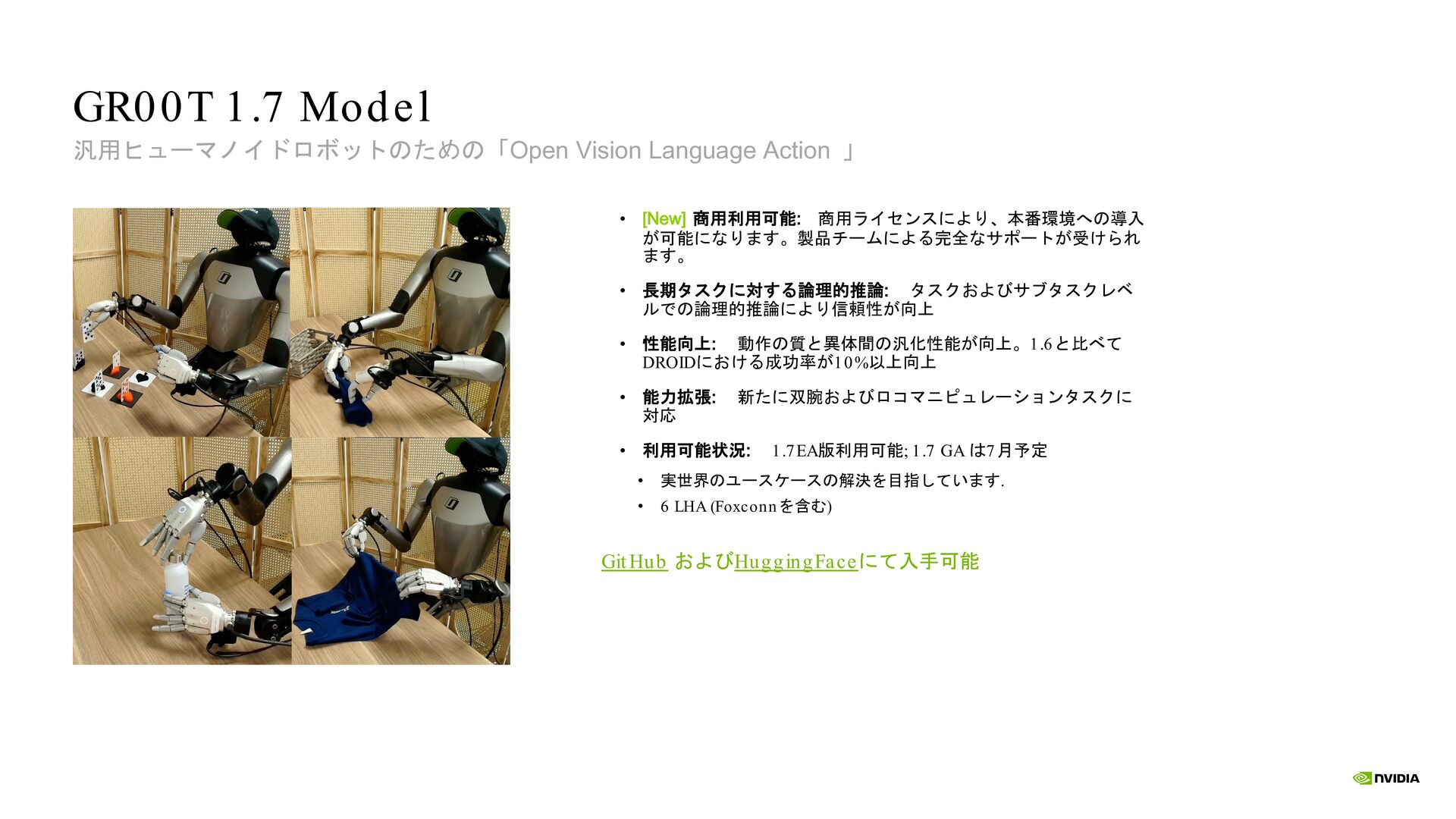
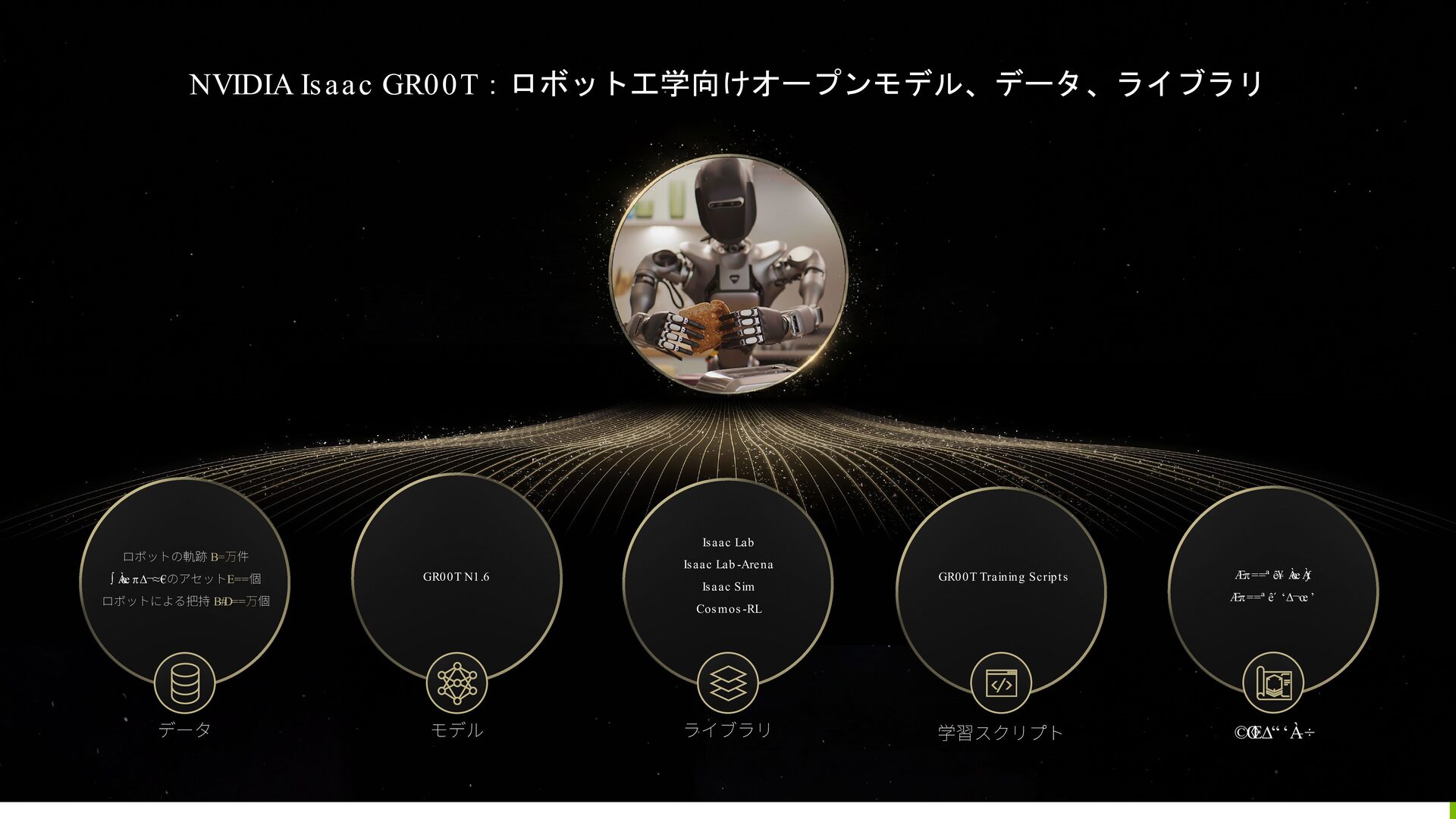
![汎用ヒューマノイドロボットのための「Open Vision Language Action」 GR00T 1.7 Model • [New]商用利用可能: 商用ライセンスにより、本番環境への導入](https://files.speakerdeck.com/presentations/173deb3155464fe2bf871c8fe79d5424/slide_43.jpg)