The Growing Market Share of A.I. in a 21st Century Industry
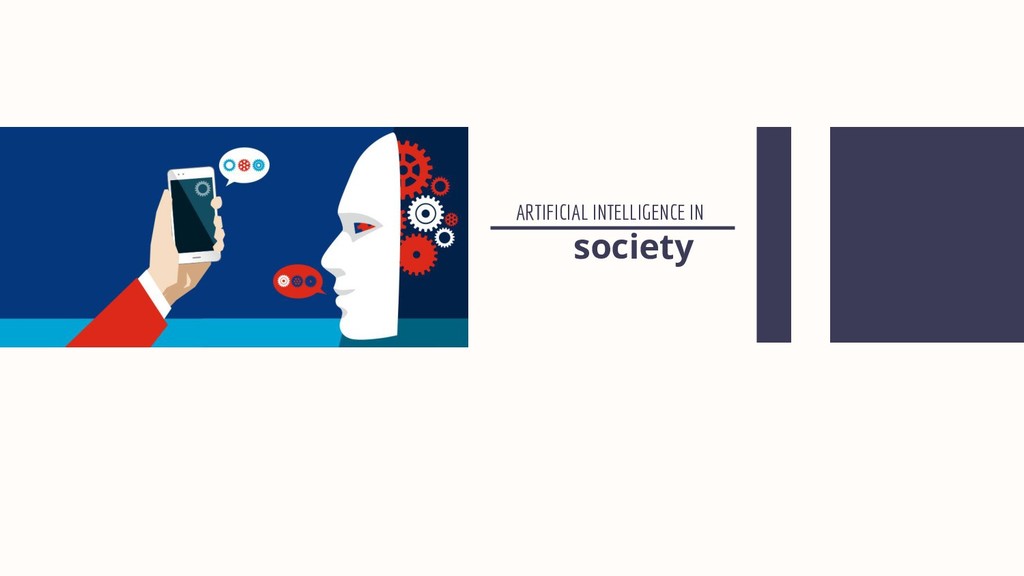
A primer to understanding the domain of artificial intelligence that has spawned so many ideas in both science and fiction. Take a look at how prevalent A.I. agents are in everyday life, their industrial applications and implications for society.
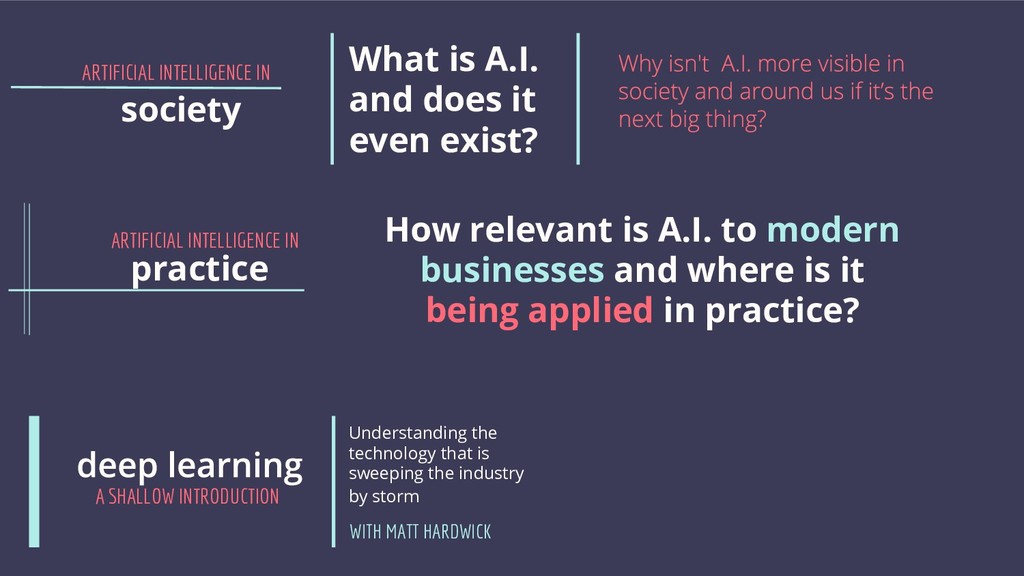
A.I. and does it even exist? A SHALLOW INTRODUCTION How relevant is A.I. to modern businesses and where is it being applied in practice? Understanding the technology that is sweeping the industry by storm WITH MATT HARDWICK
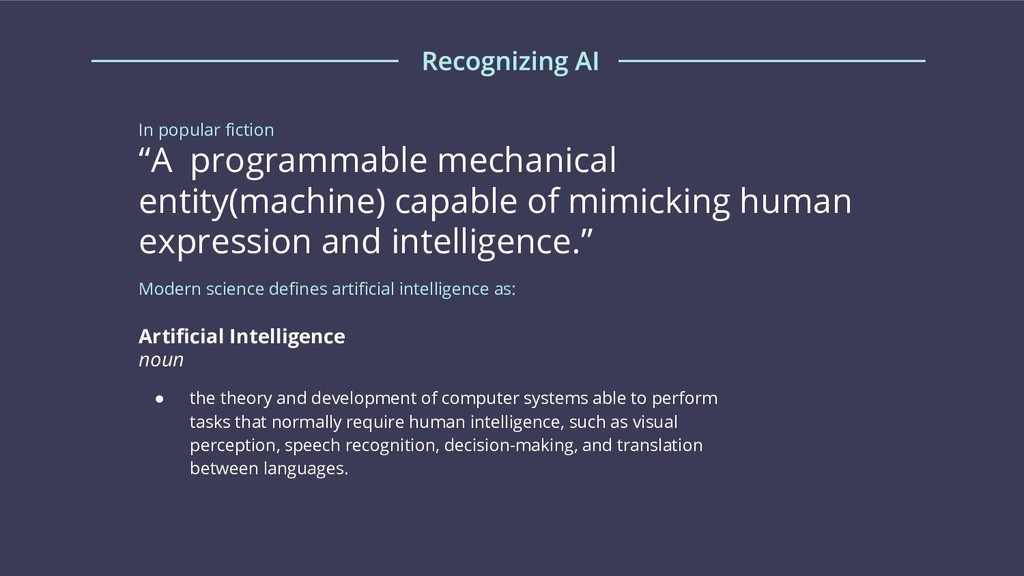
human expression and intelligence.” Modern science defines artificial intelligence as: Artificial Intelligence noun • the theory and development of computer systems able to perform tasks that normally require human intelligence, such as visual perception, speech recognition, decision-making, and translation between languages.
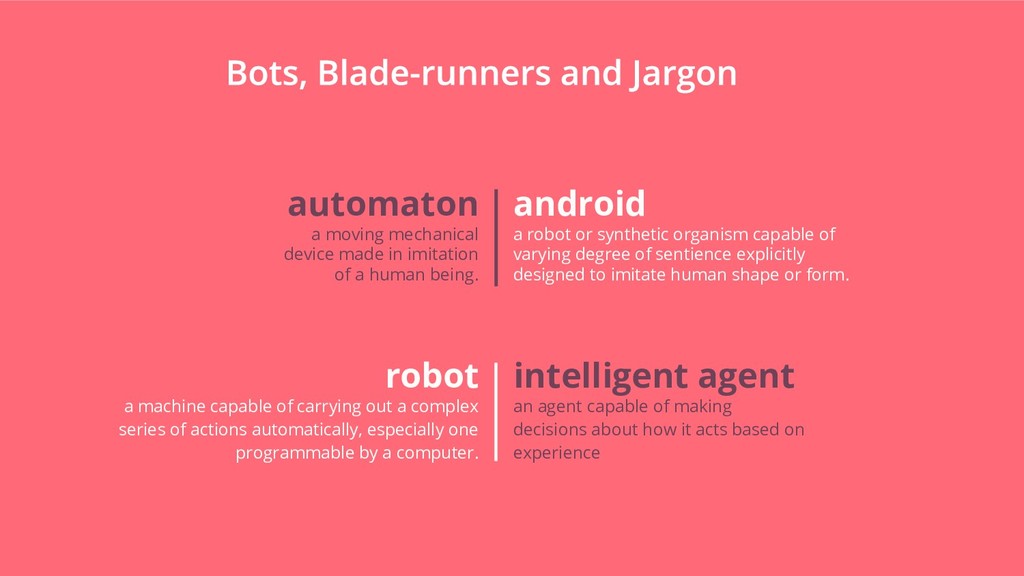
of actions automatically, especially one programmable by a computer. automaton a moving mechanical device made in imitation of a human being. android a robot or synthetic organism capable of varying degree of sentience explicitly designed to imitate human shape or form. intelligent agent an agent capable of making decisions about how it acts based on experience
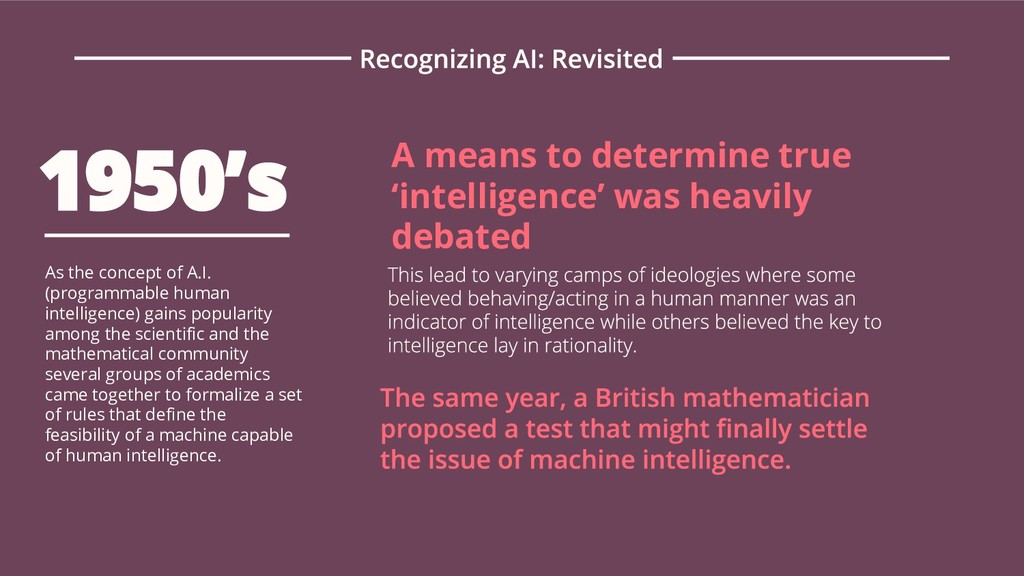
the concept of A.I. (programmable human intelligence) gains popularity among the scientific and the mathematical community several groups of academics came together to formalize a set of rules that define the feasibility of a machine capable of human intelligence.
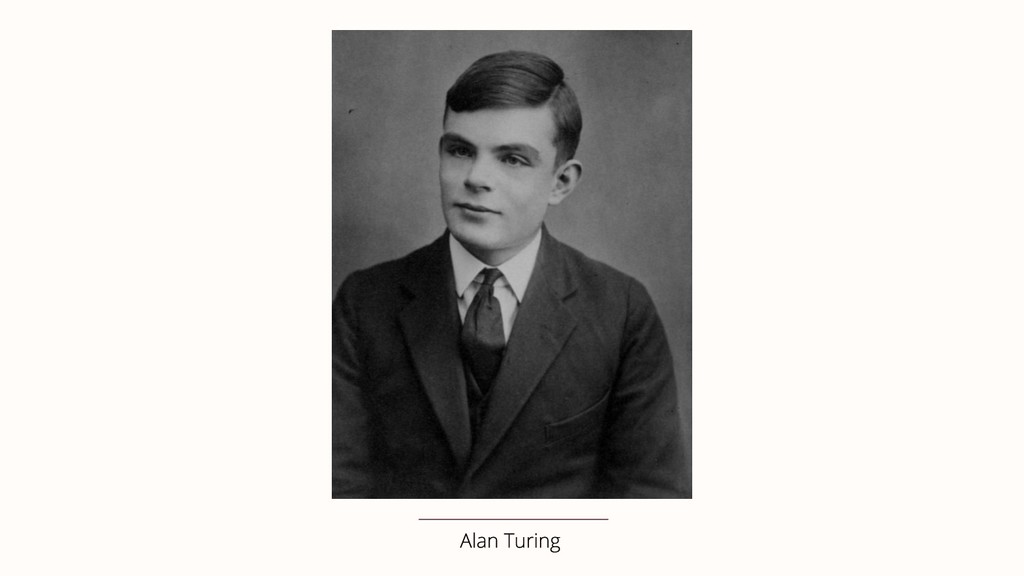
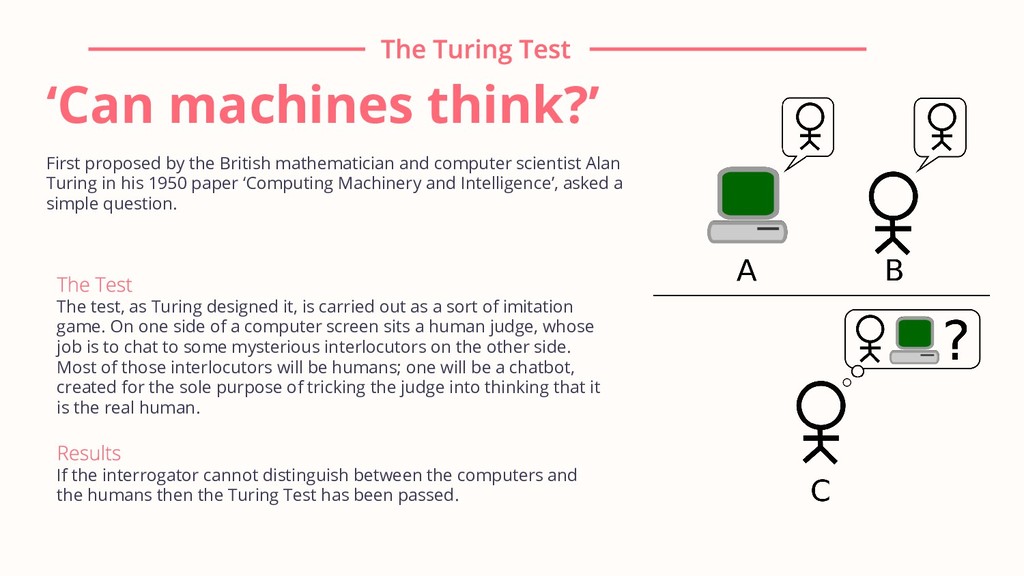
computer scientist Alan Turing in his 1950 paper ‘Computing Machinery and Intelligence’, asked a simple question. The test, as Turing designed it, is carried out as a sort of imitation game. On one side of a computer screen sits a human judge, whose job is to chat to some mysterious interlocutors on the other side. Most of those interlocutors will be humans; one will be a chatbot, created for the sole purpose of tricking the judge into thinking that it is the real human. If the interrogator cannot distinguish between the computers and the humans then the Turing Test has been passed.
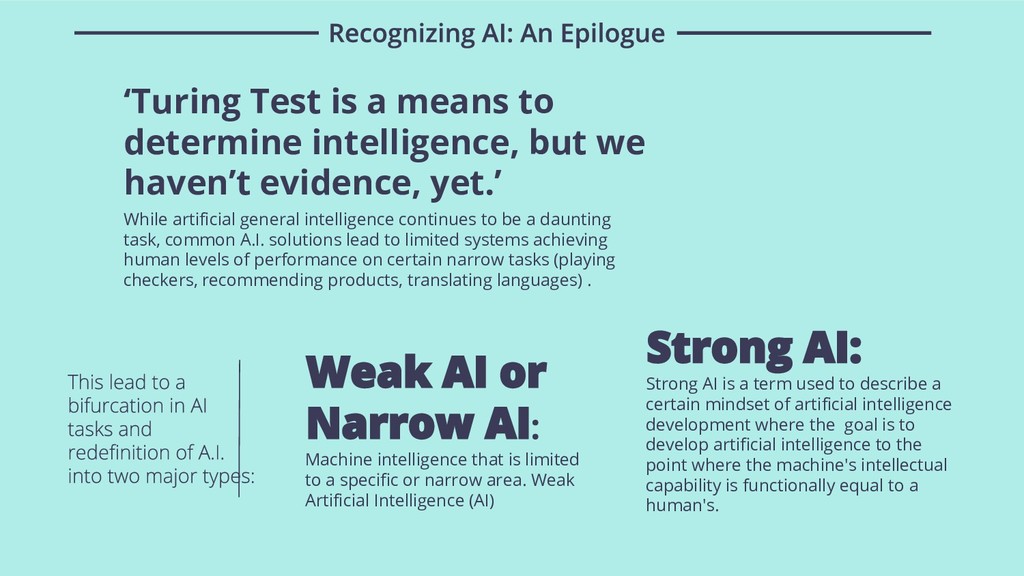
haven’t evidence, yet.’ While artificial general intelligence continues to be a daunting task, common A.I. solutions lead to limited systems achieving human levels of performance on certain narrow tasks (playing checkers, recommending products, translating languages) . Strong AI is a term used to describe a certain mindset of artificial intelligence development where the goal is to develop artificial intelligence to the point where the machine's intellectual capability is functionally equal to a human's. : Machine intelligence that is limited to a specific or narrow area. Weak Artificial Intelligence (AI)
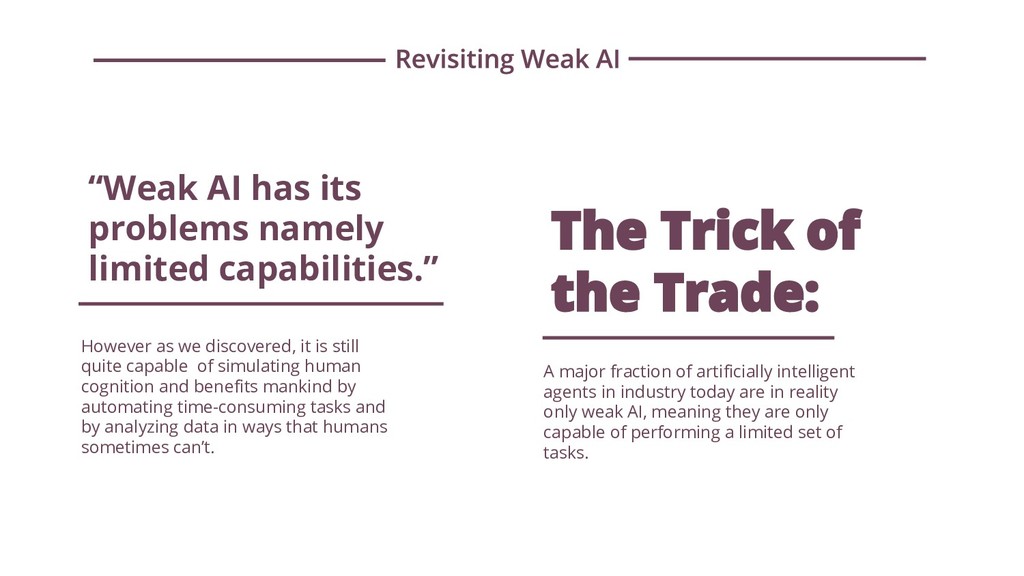
fraction of artificially intelligent agents in industry today are in reality only weak AI, meaning they are only capable of performing a limited set of tasks. However as we discovered, it is still quite capable of simulating human cognition and benefits mankind by automating time-consuming tasks and by analyzing data in ways that humans sometimes can’t.
the end goal but rather seeks to improve its ability to perform specialized tasks. These expert systems are applied all across the industry for a varying range of specialised tasks.
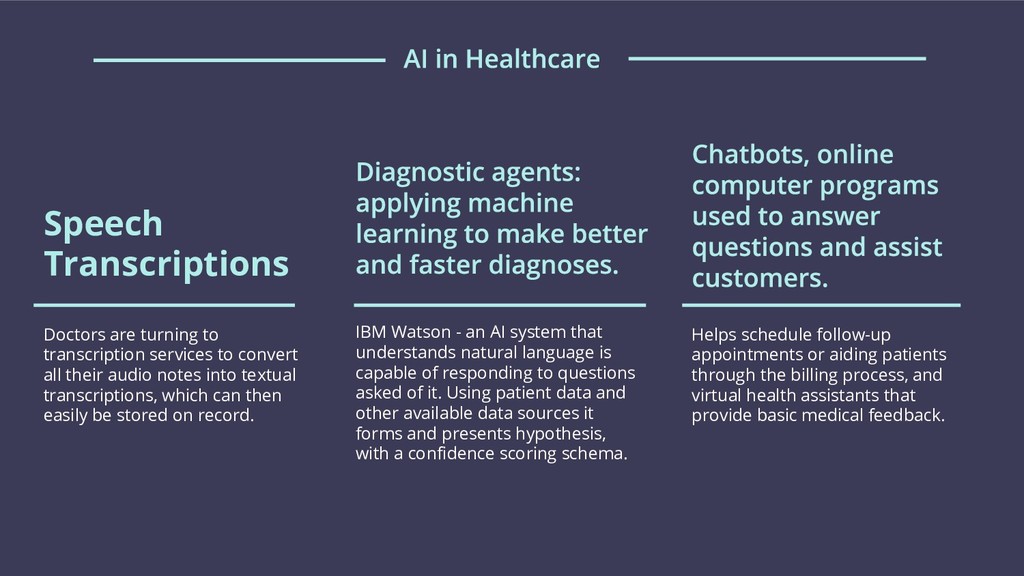
is capable of responding to questions asked of it. Using patient data and other available data sources it forms and presents hypothesis, with a confidence scoring schema. Doctors are turning to transcription services to convert all their audio notes into textual transcriptions, which can then easily be stored on record. Helps schedule follow-up appointments or aiding patients through the billing process, and virtual health assistants that provide basic medical feedback. Speech Transcriptions
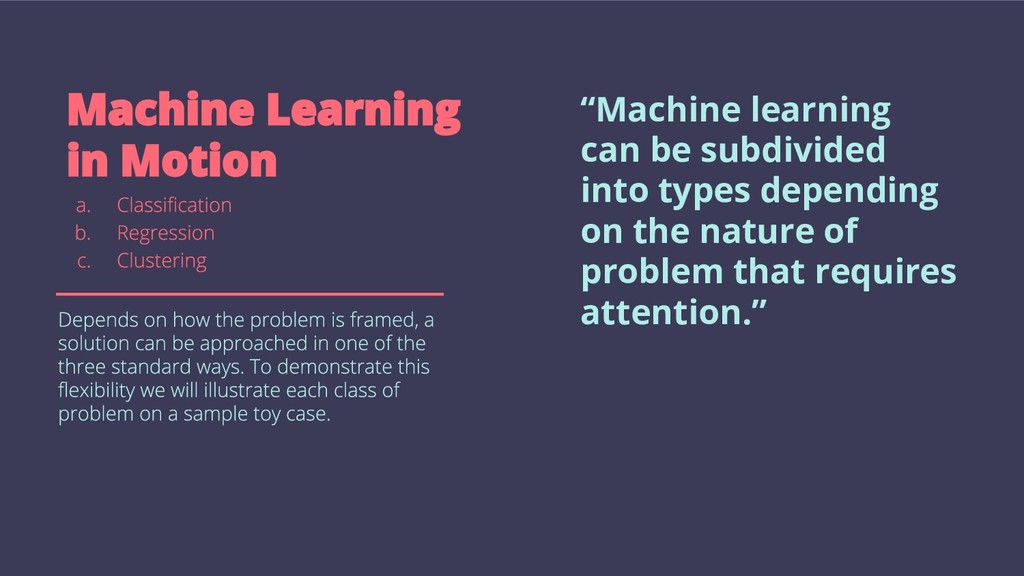
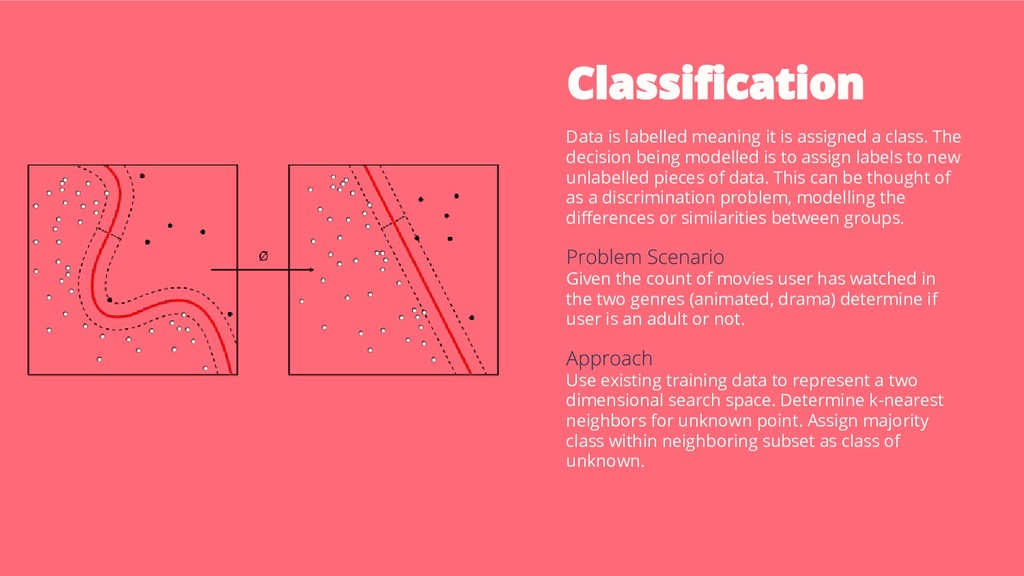
decision being modelled is to assign labels to new unlabelled pieces of data. This can be thought of as a discrimination problem, modelling the differences or similarities between groups. Given the count of movies user has watched in the two genres (animated, drama) determine if user is an adult or not. Use existing training data to represent a two dimensional search space. Determine k-nearest neighbors for unknown point. Assign majority class within neighboring subset as class of unknown.
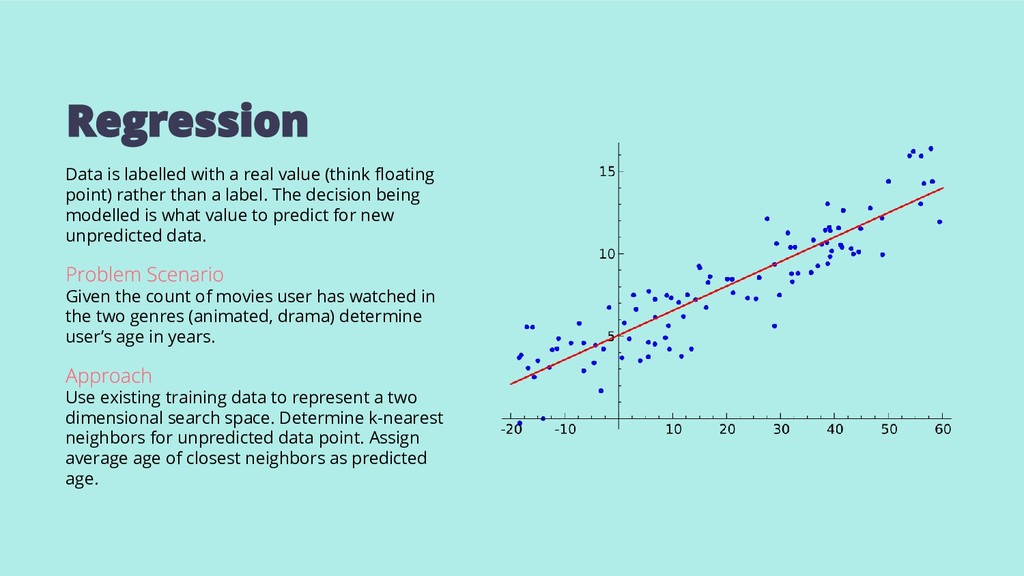
rather than a label. The decision being modelled is what value to predict for new unpredicted data. Given the count of movies user has watched in the two genres (animated, drama) determine user’s age in years. Use existing training data to represent a two dimensional search space. Determine k-nearest neighbors for unpredicted data point. Assign average age of closest neighbors as predicted age.
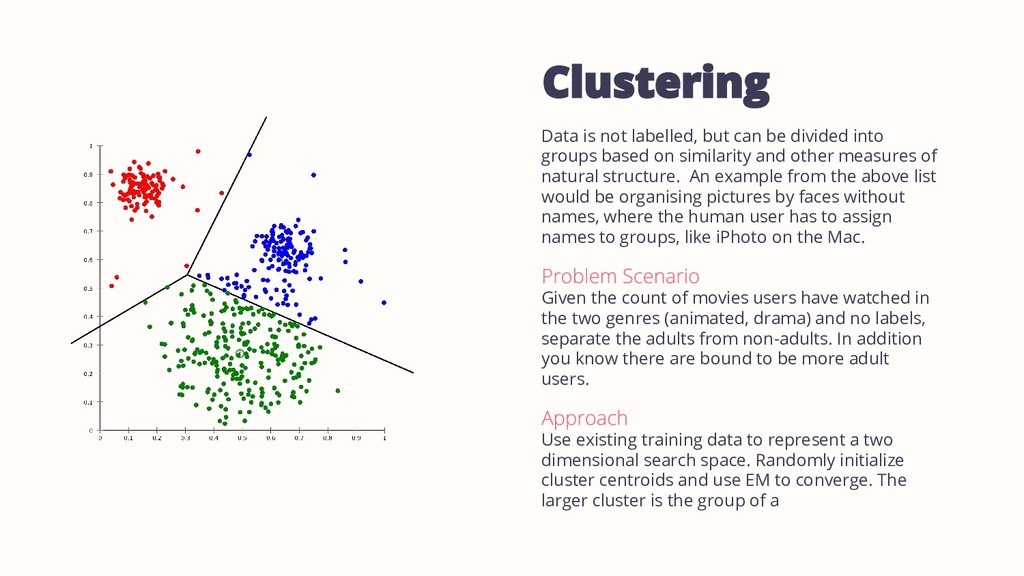
based on similarity and other measures of natural structure. An example from the above list would be organising pictures by faces without names, where the human user has to assign names to groups, like iPhoto on the Mac. Given the count of movies users have watched in the two genres (animated, drama) and no labels, separate the adults from non-adults. In addition you know there are bound to be more adult users. Use existing training data to represent a two dimensional search space. Randomly initialize cluster centroids and use EM to converge. The larger cluster is the group of adults.


 valiantone
 nealle
 camiha
 moznion
 riyaamemiya
 koukihosaka
 occhi
 grimoh
 prog893
 shumei_ito
 ishikawa_satoru
 yuuuuuuu168
 bgpat
 addyosmani
 ipullrank
 schroneko
 tammyeverts
 swwweet
 letsgokoyo
 baasie
 portentint
 lfama
 cassininazir
 chriscoyier
 garrettdimon