Upgrade to Pro — share decks privately, control downloads, hide ads and more …

Enhancement of Shelf Life of fruits and vegetables

Sponsored · Your Podcast. Everywhere. Effortlessly. Share. Educate. Inspire. Entertain. You do you. We'll handle the rest. →

Enhancement of Shelf Life of fruits and vegetables

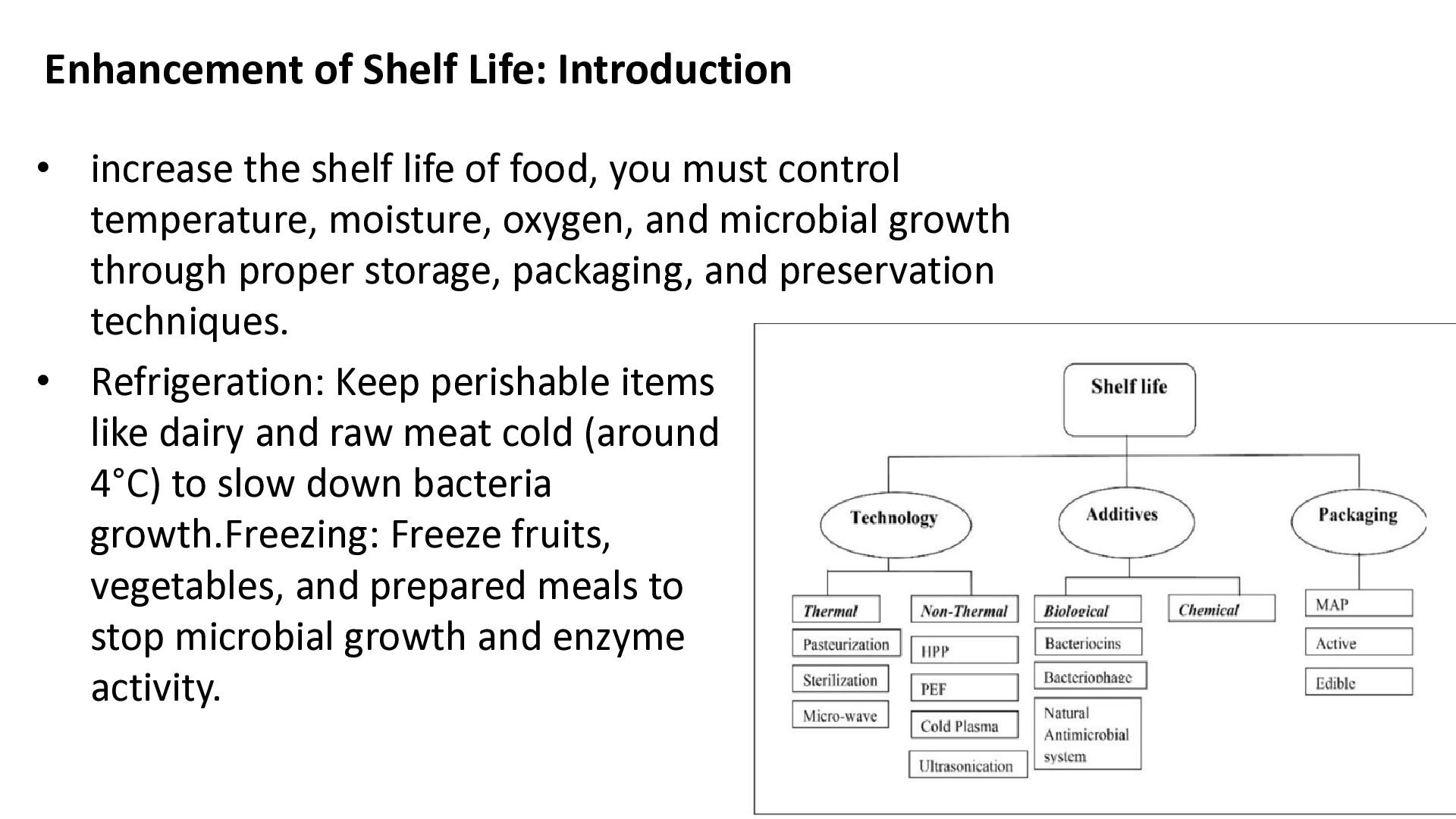
increase the shelf life of food, you must control temperature, moisture, oxygen, and microbial growth through proper storage, packaging, and preservation techniques.
Refrigeration: Keep perishable items like dairy and raw meat cold (around 4°C) to slow down bacteria growth.Freezing: Freeze fruits, vegetables, and prepared meals to stop microbial growth and enzyme activity.

Avatar for Dr. Vimal Priya Subramanian

Dr. Vimal Priya Subramanian

October 13, 2026

Transcript

  1. Introduction • Biotechnology is the application of living organisms, cells,

    enzymes and biological processes to develop useful products and technologies. • Modern biotechnology has important applications in agriculture, medicine, pharmaceuticals, food technology and horticulture. • Genetic engineering and cell culture techniques have greatly improved the production of agricultural and medical products. • Shelf life is the period during which flowers or fruits remain fresh, attractive, and suitable for use or consumption. Biotechnology helps increase shelf life by delaying ripening, senescence, and spoilage. 2
  2. Enhancement of Shelf Life: Introduction • increase the shelf life

    of food, you must control temperature, moisture, oxygen, and microbial growth through proper storage, packaging, and preservation techniques. • Refrigeration: Keep perishable items like dairy and raw meat cold (around 4°C) to slow down bacteria growth.Freezing: Freeze fruits, vegetables, and prepared meals to stop microbial growth and enzyme activity.
  3. • • • • • • • • Methods to

    enhance self time Control of ethylene production Reduction of respiration rate Genetic modification Controlled atmosphere storage Cold storage Use of preservatives and growth regulators Shelf life can be extended effectively by using temperature control, removing moisture, and improving packaging environments.
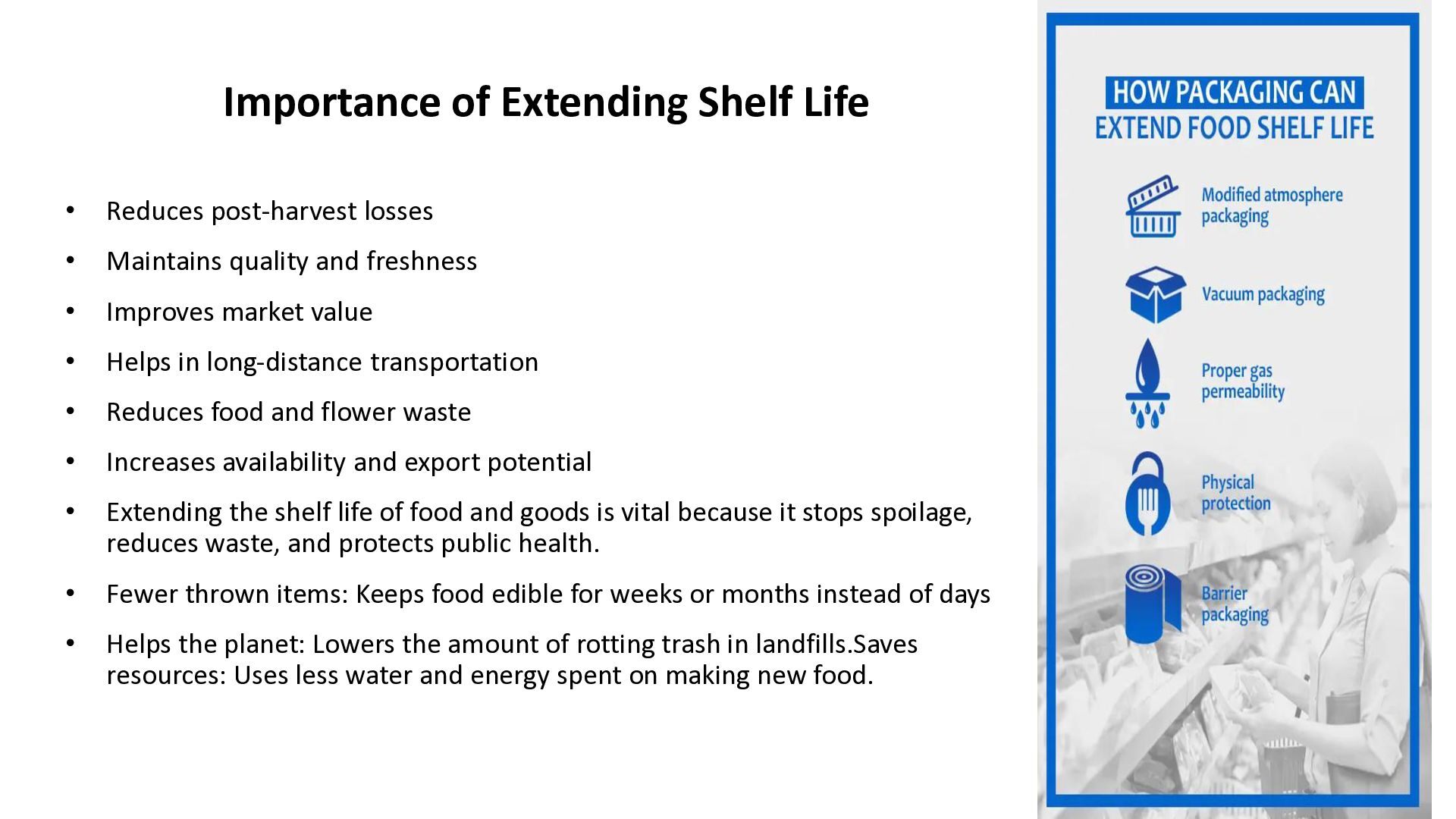
  4. Importance of Extending Shelf Life • Reduces post-harvest losses •

    Maintains quality and freshness • Improves market value • Helps in long-distance transportation • Reduces food and flower waste • Increases availability and export potential • Extending the shelf life of food and goods is vital because it stops spoilage, reduces waste, and protects public health. • Fewer thrown items: Keeps food edible for weeks or months instead of days • Helps the planet: Lowers the amount of rotting trash in landfills.Saves resources: Uses less water and energy spent on making new food.
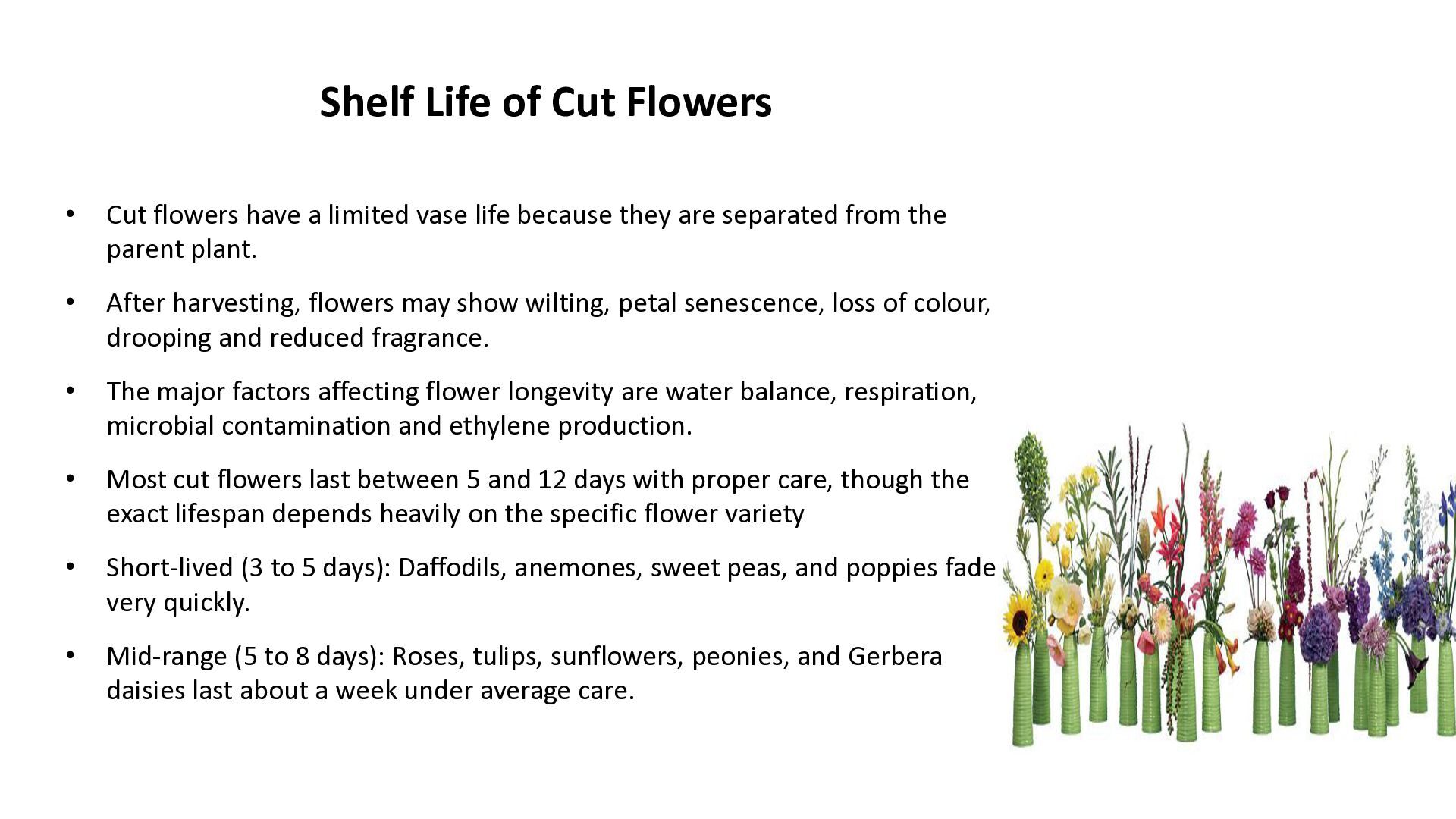
  5. Shelf Life of Cut Flowers • Cut flowers have a

    limited vase life because they are separated from the parent plant. • After harvesting, flowers may show wilting, petal senescence, loss of colour, drooping and reduced fragrance. • The major factors affecting flower longevity are water balance, respiration, microbial contamination and ethylene production. • Most cut flowers last between 5 and 12 days with proper care, though the exact lifespan depends heavily on the specific flower variety • Short-lived (3 to 5 days): Daffodils, anemones, sweet peas, and poppies fade very quickly. • Mid-range (5 to 8 days): Roses, tulips, sunflowers, peonies, and Gerbera daisies last about a week under average care.
  6. Tips to Make Them Last Longer • Trim stems: Cut

    stems at a 45-degree angle every few days using clean, sharp shears to improve water uptake. • Change water: Replace the vase water every 2 days to prevent harmful bacteria buildup. • Remove foliage: Strip off any leaves that sit below the waterline to stop rotting. • Control environment: Keep your arrangement in a cool room away from direct sunlight, heating vents, and ripening fruit (which emits aging ethylene gas)
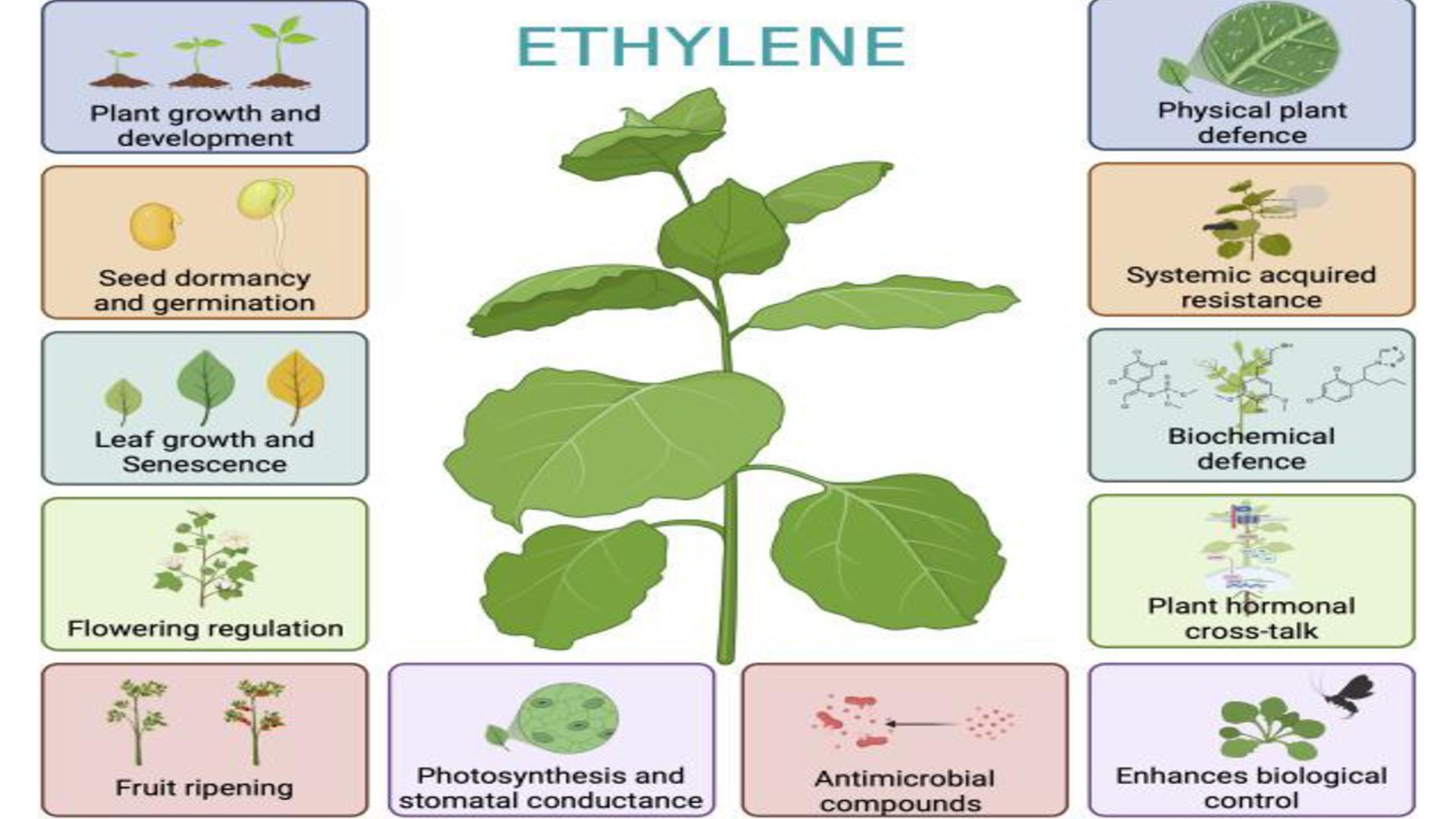
  7. Role of Ethylene in Flower Senescence • Ethylene is a

    natural gaseous plant hormone that controls flower development, sex determination, and petal aging. • Flowering Induction: It triggers flower formation in specific plants like pineapples and certain bulbous crops. • Sex Determination: It promotes female flower development in monoecious plants like cucumbers and squashes. • Organ Maturation: It helps develop reproductive parts, including stamens, pollen, and pistils.
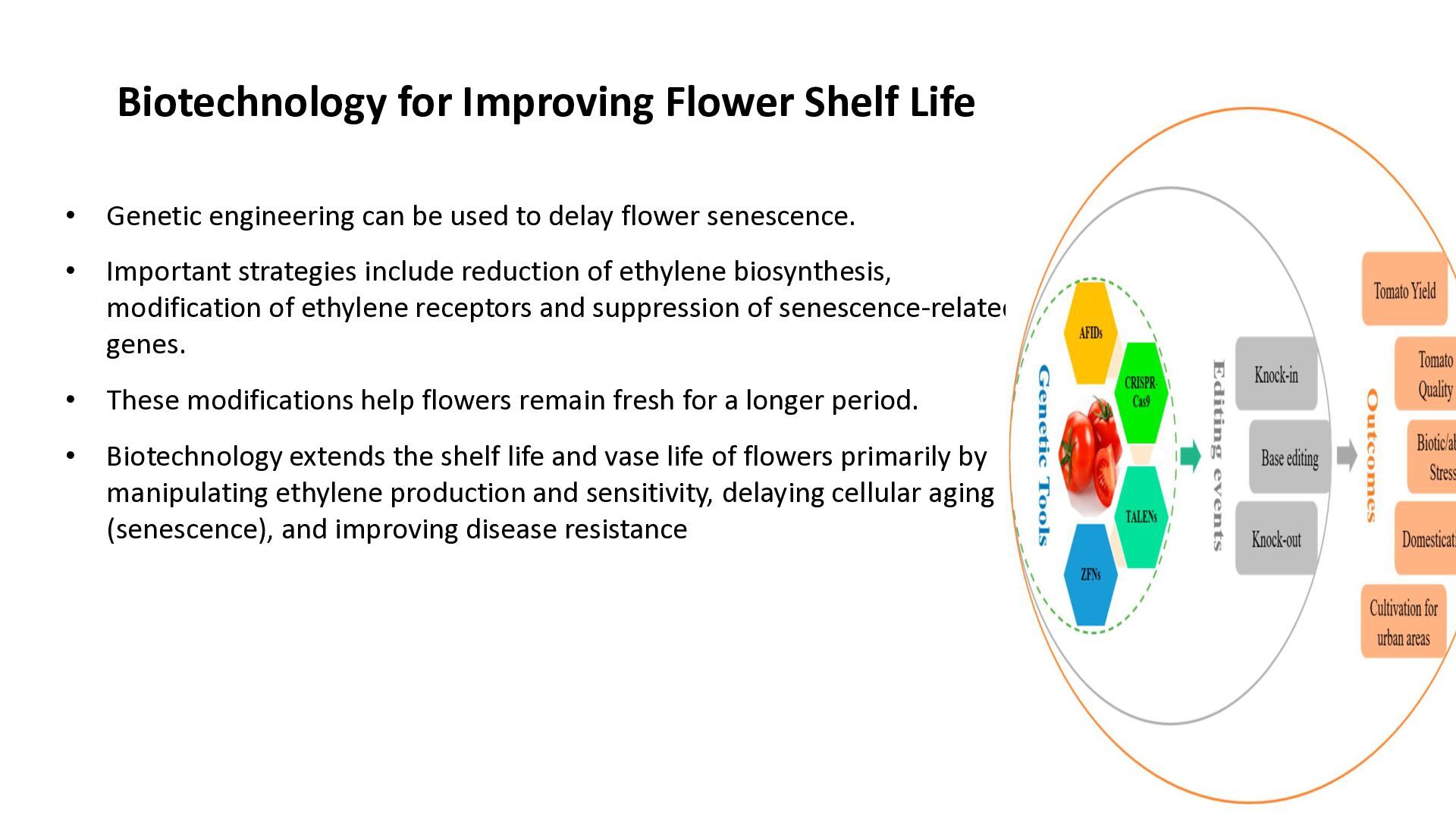
  8. Biotechnology for Improving Flower Shelf Life • Genetic engineering can

    be used to delay flower senescence. • Important strategies include reduction of ethylene biosynthesis, modification of ethylene receptors and suppression of senescence-related genes. • These modifications help flowers remain fresh for a longer period. • Biotechnology extends the shelf life and vase life of flowers primarily by manipulating ethylene production and sensitivity, delaying cellular aging (senescence), and improving disease resistance
  9. Key Biotechnological Methods • Ethylene Pathway Suppression: Ethylene is a

    natural plant hormone that triggers wilting, fading, and petal drop. Scientists use genetic engineering to silence or down-regulate key biosynthesis genes like ACC synthase (ACS) and ACC oxidase (ACO), which drastically reduces ethylene production. • Blocking Ethylene Receptors: Inserting mutant receptor genes, such as the Arabidopsis etr1-1 gene into ethylene-sensitive species like carnations, makes the plant tissue unresponsive to ethylene, resulting in a vase life that can be up to three times longer.
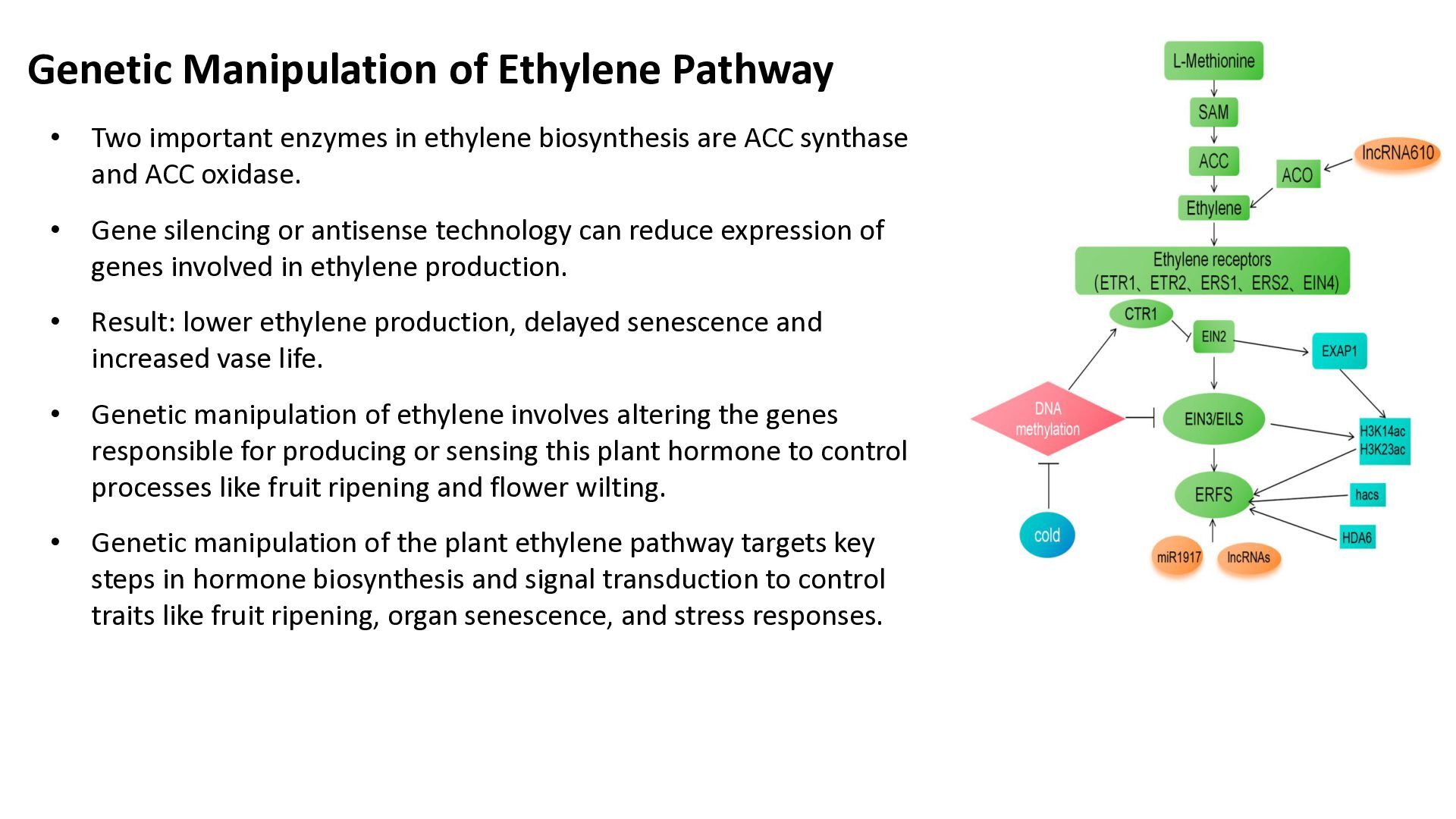
  10. Genetic Manipulation of Ethylene Pathway • Two important enzymes in

    ethylene biosynthesis are ACC synthase and ACC oxidase. • Gene silencing or antisense technology can reduce expression of genes involved in ethylene production. • Result: lower ethylene production, delayed senescence and increased vase life. • Genetic manipulation of ethylene involves altering the genes responsible for producing or sensing this plant hormone to control processes like fruit ripening and flower wilting. • Genetic manipulation of the plant ethylene pathway targets key steps in hormone biosynthesis and signal transduction to control traits like fruit ripening, organ senescence, and stress responses.
  11. • RNA Interference (RNAi) and Gene Silencing: These molecular techniques

    precisely target and turn off specific enzymes responsible for tissue softening, cell wall degradation, and senescence without altering the rest of the plant's traits. • CRISPR/Cas9 Gene Editing: Modern site-directed mutagenesis allows precise modifications of transcription factors (like MADS-box ripening or senescence-associated genes) to delay aging and post-harvest decay permanently. • Tissue Culture and Micropropagation: These propagation methods allow the rapid multiplication of disease-free, high-quality ornamental lines that exhibit superior post-harvest durability and stress tolerance.
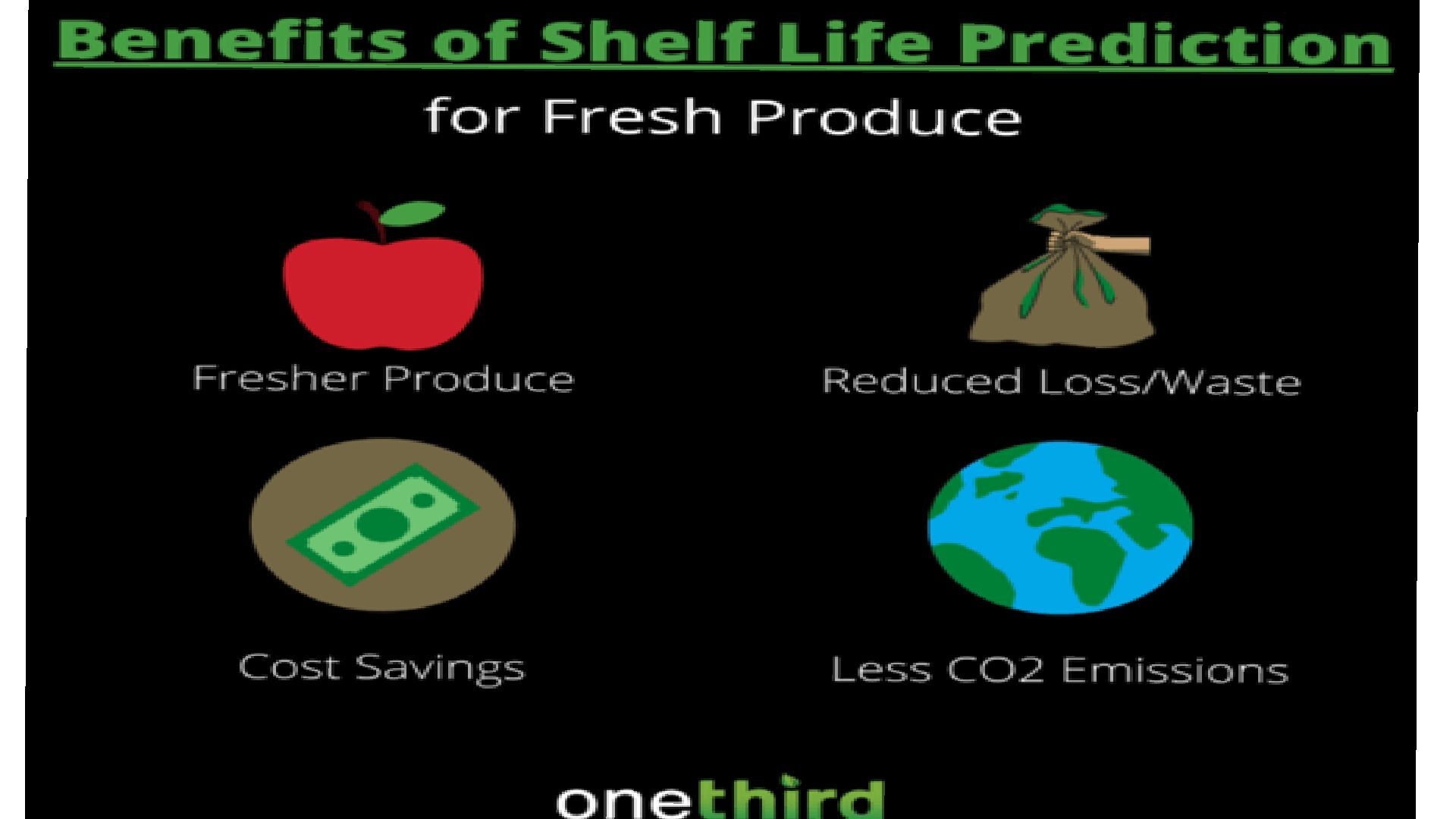
  12. Benefits of Extended Flower Shelf Life • Knowing a product's

    shelf life and optimizing it ensures consumer safety, cuts down waste, and helps businesses grow • Safety Assurance: Prevents health risks by stopping the sale or consumption of spoiled, harmful, or contaminated items. • Quality Consistency: Guarantees that taste, texture, and nutritional value remain at expected levels until the final use date. • Reliable Information: Clear dates build direct confidence in what people buy and eat. • Knowing and optimizing a product's shelf life ensures consumer safety, maintains consistent quality, and reduces waste across industries.
  13. Key Benefits for Businesses • Waste Reduction: Minimizes spoiled inventory

    across supply chains, improving overall sustainability. • Market Expansion: Longer durability lets companies ship goods safely over larger geographic distances • Regulatory Compliance: Meets legal standards set by health organizations for safety and proper product labeling. • Cost Efficiency: Optimizes packaging choices and production runs, improving profit margins.
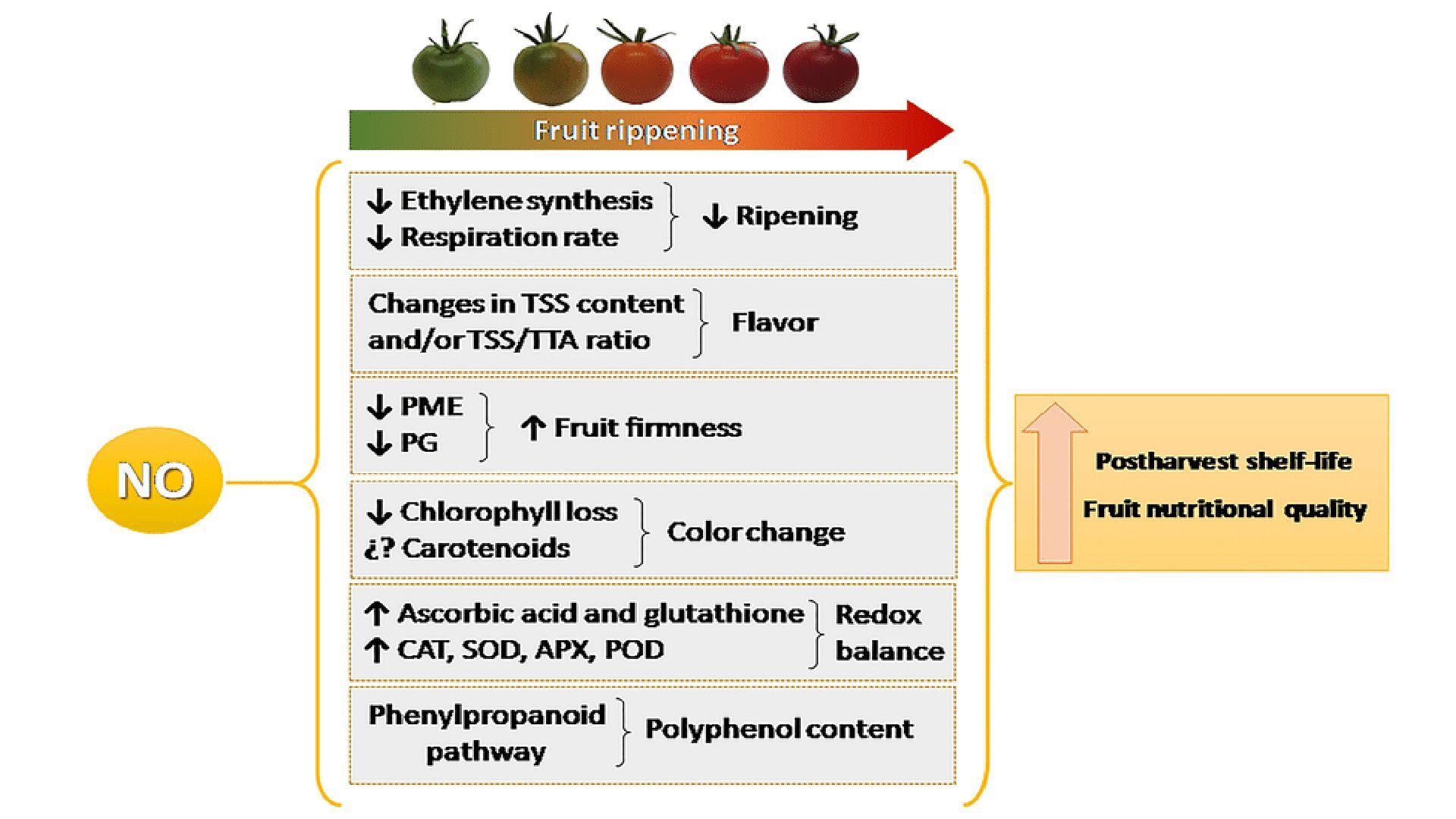
  14. Fruit Ripening and Shelf Life • Fruit ripening involves softening,

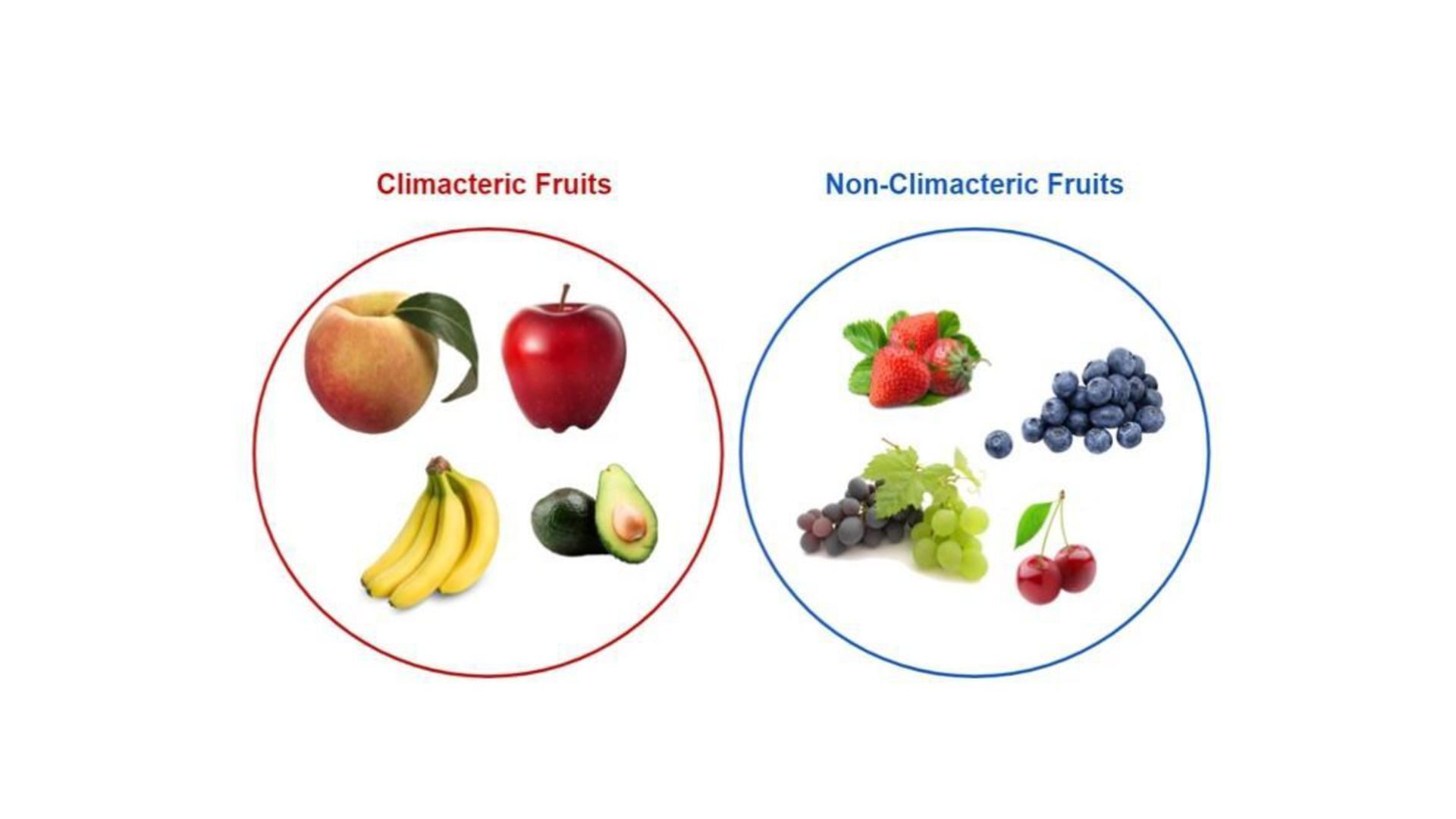
    colour development, increased sugar content, aroma formation and changes in acidity. • Cell-wall breakdown and enzyme activity contribute to fruit softening. • After ripening, fruits eventually undergo senescence and spoilage. • Biotechnology can help delay unwanted ripening and softening. • Fruit shelf life depends primarily on whether the fruit is climacteric (continues to ripen after harvest) or non-climacteric (stops ripening once picked • The shelf life of ripening fruit depends on whether the fruit continues to ripen after harvest (climacteric) or stops ripening immediately (non-climacteric
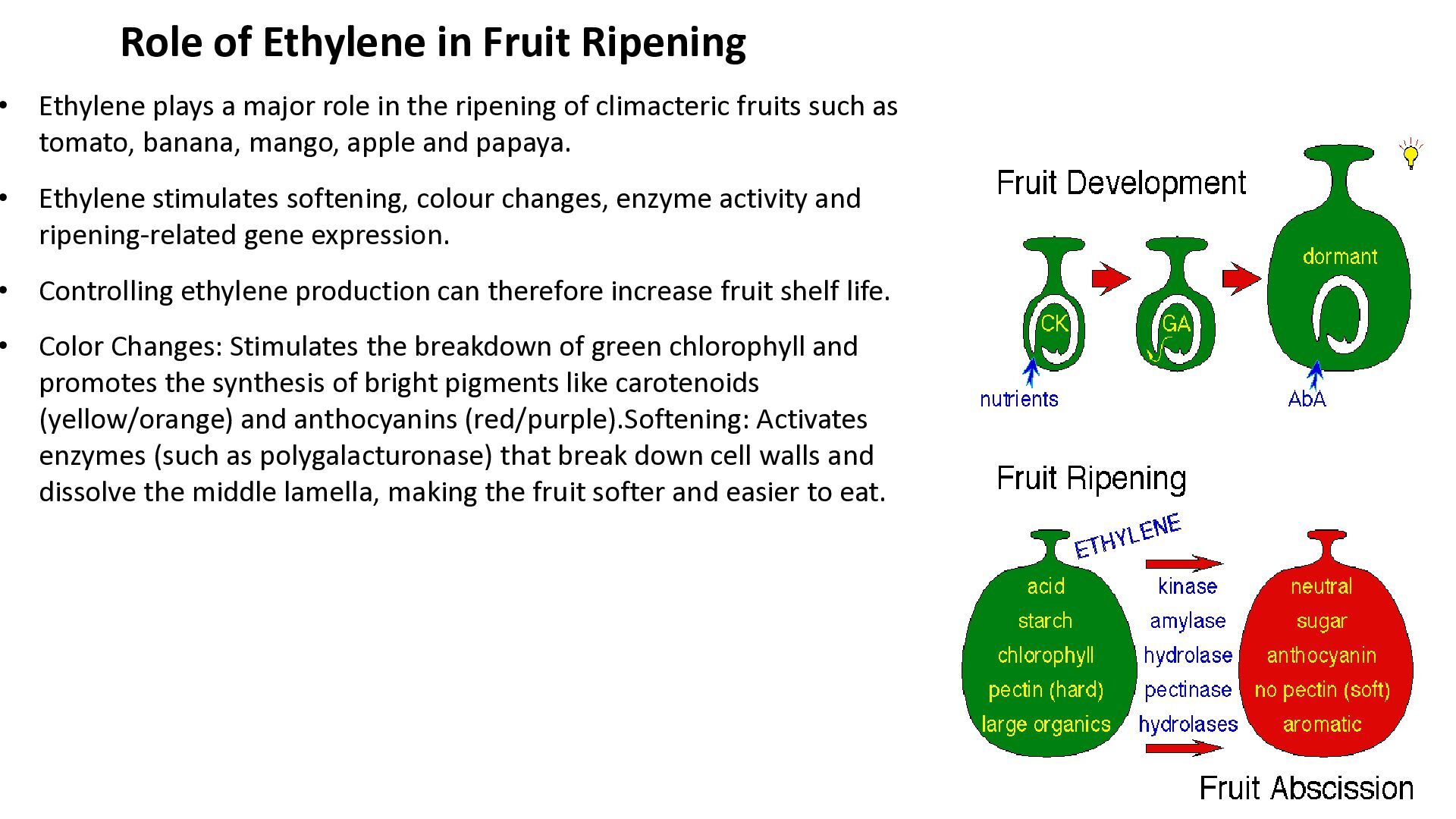
  15. Role of Ethylene in Fruit Ripening • Ethylene plays a

    major role in the ripening of climacteric fruits such as tomato, banana, mango, apple and papaya. • Ethylene stimulates softening, colour changes, enzyme activity and ripening-related gene expression. • Controlling ethylene production can therefore increase fruit shelf life. • Color Changes: Stimulates the breakdown of green chlorophyll and promotes the synthesis of bright pigments like carotenoids (yellow/orange) and anthocyanins (red/purple).Softening: Activates enzymes (such as polygalacturonase) that break down cell walls and dissolve the middle lamella, making the fruit softer and easier to eat.
  16. Climatic fruits • Examples: Bananas, avocados, tomatoes, peaches, apples, and

    pears. • Ripening Process: These fruits release high amounts of ethylene gas and continue to soften and sweeten at room temperature • Storage Strategy: Leave them on the counter to ripen. Once they reach your preferred ripeness, transfer them to the refrigerator to slow down further decay and extend shelf life. Non climatic fruits • Examples: Berries, grapes, citrus fruits (oranges, lemons), and pineapples. • Ripening Process: These do not ripen further after harvest and will only rot or lose quality over time.
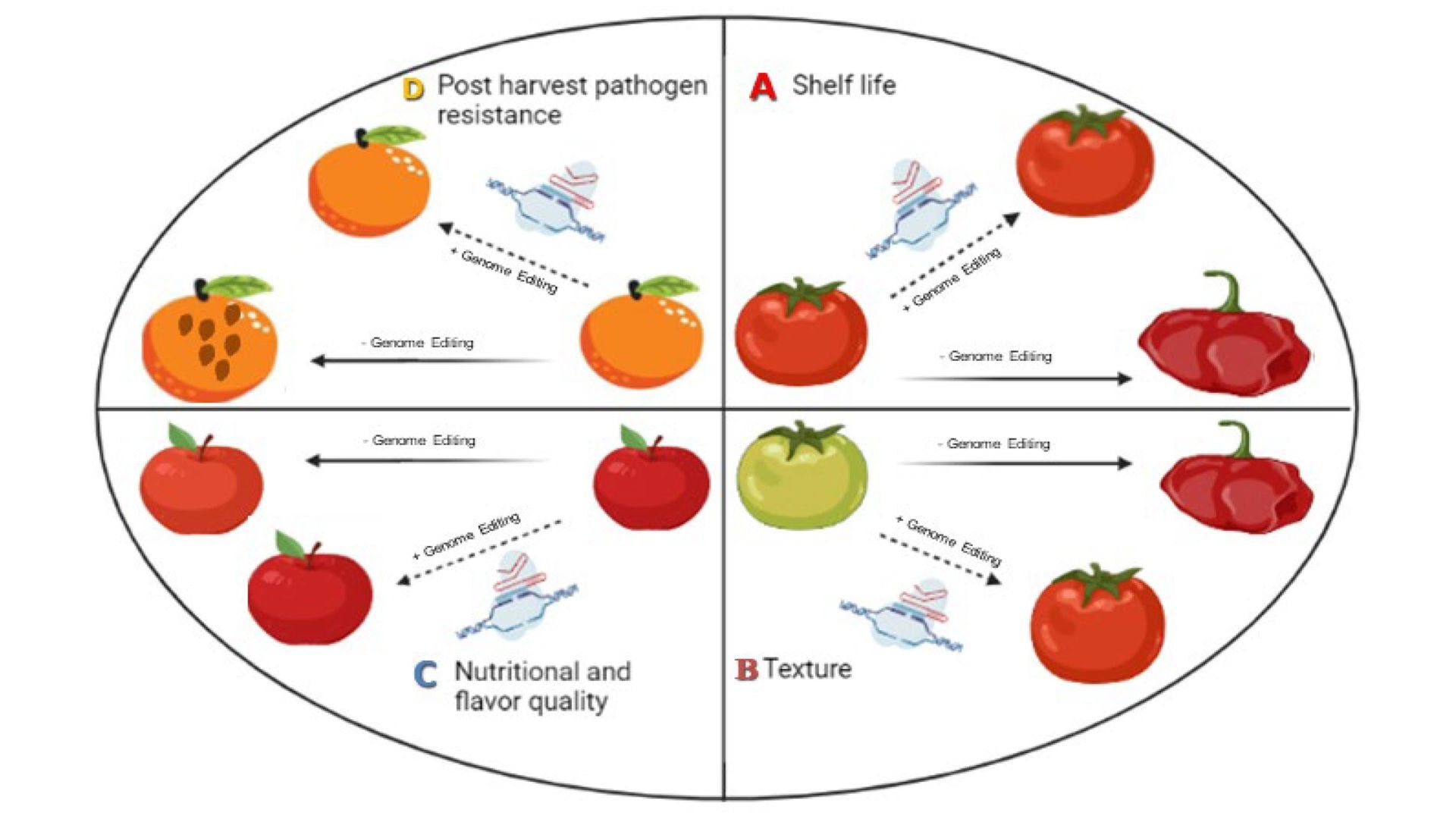
  17. Genetic Engineering of Fruit Ripening • Biotechnology can delay ripening

    by modifying genes involved in ethylene synthesis, cell-wall degradation, pectin breakdown and fruit softening. • Approaches include antisense RNA technology, RNA interference and regulation of ripening-related genes. • These techniques allow fruits to remain firm for a longer period. • Genetic engineering of fruit ripening changes plant genes to slow down how fast fruits soften, change color, and spoil • The role of ethylene: Ethylene is a natural plant gas. It acts as a master switch to start the ripening process in many crops like tomatoes, apples, and bananas
  18. • Controlling softness: Scientists target the genes responsible for making

    ethylene and breaking down cell walls. • Preserving quality: Slowing down these processes keeps the fruit firm and fresh without stopping the ripening completely. Main Techniques • antisense technology: Inserts a reverse copy of a specific gene to stop it from working. • RNA interference (RNAi): Turns off or silences the signals that trigger ripening. • Longer shelf life: Fruits stay fresh on the shelf for more days.Easier transport: Firmer fruits travel long distances without bruising or breaking. • Less waste: Fewer crops spoil before reaching the consumer.
  19. Antisense Technology • Antisense technology introduces a sequence that produces

    RNA complementary to a target messenger RNA. • The antisense RNA binds with the normal mRNA and can prevent efficient translation. • This reduces production of a specific enzyme and alters a selected plant characteristic. • In tomato, this approach was used to reduce polygalacturonase activity and delay softening. • Antisense technology is a modern scientific method used to turn off or block the production of specific harmful proteins by targeting messenger RNA (mRNA).
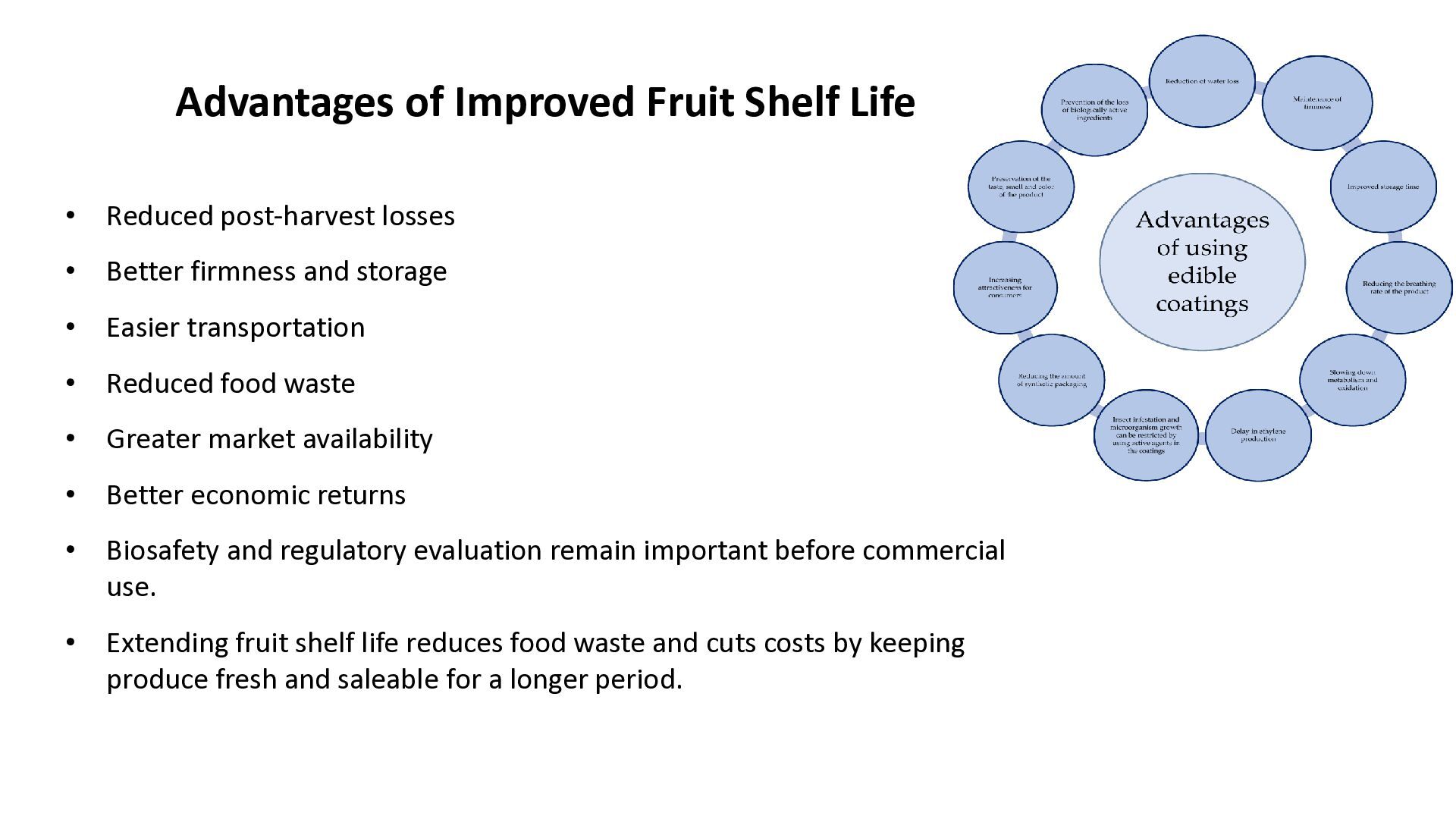
  20. Advantages of Improved Fruit Shelf Life • Reduced post-harvest losses

    • Better firmness and storage • Easier transportation • Reduced food waste • Greater market availability • Better economic returns • Biosafety and regulatory evaluation remain important before commercial use. • Extending fruit shelf life reduces food waste and cuts costs by keeping produce fresh and saleable for a longer period.
  21. Key Advantages • Less Food WasteFruits spoil slowly • .Fewer

    items get thrown in the trash • .Stores and homes save money.Lower CostsPrices stay stable. • Shipping costs drop because goods do not always need cold trucks. • Budgets become predictable. • Year-Round SupplySeasonal fruits remain available offseason.Mens and recipes stay the same all year.Shortages from bad weather cause fewer problems
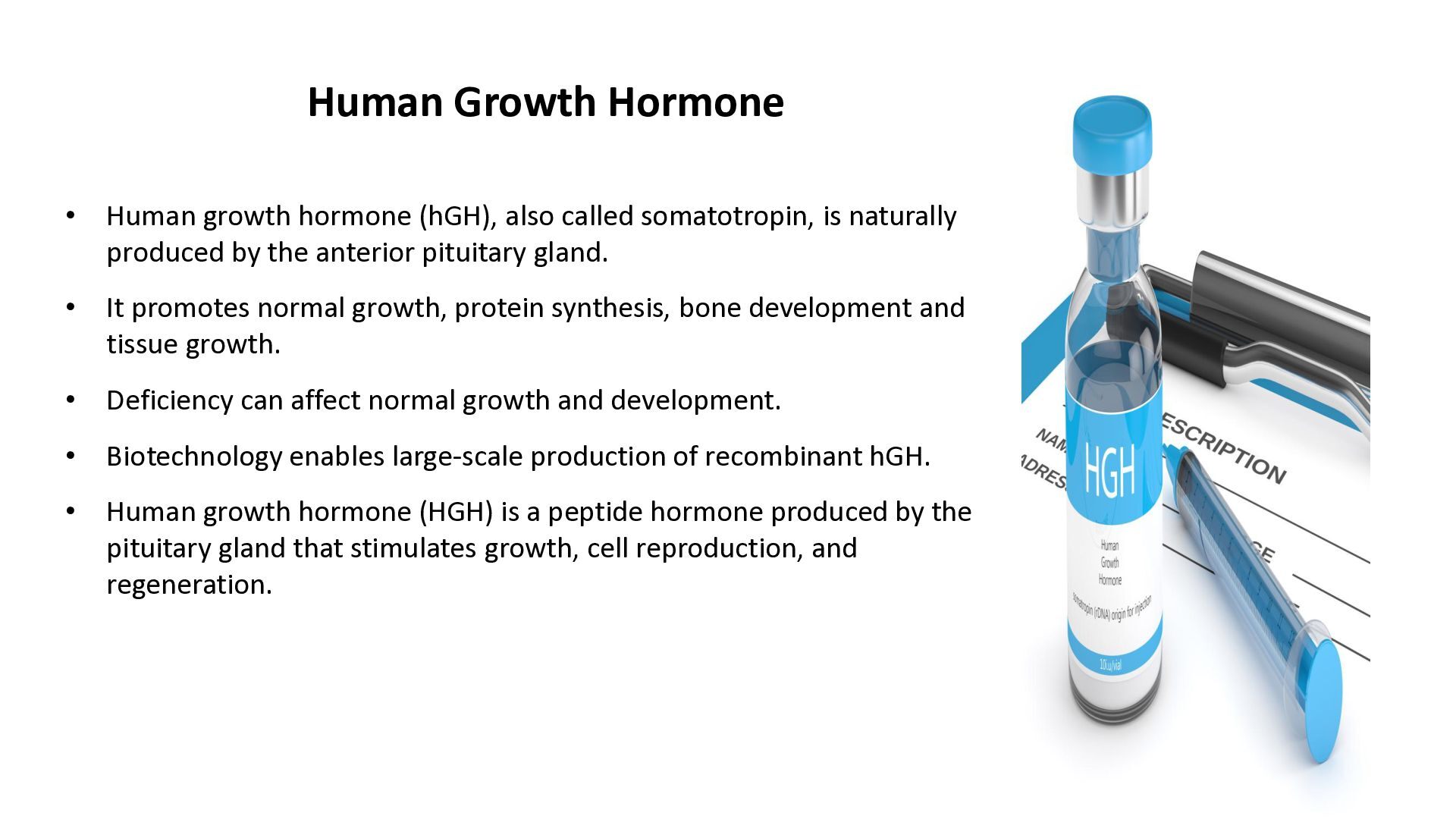
  22. Human Growth Hormone • Human growth hormone (hGH), also called

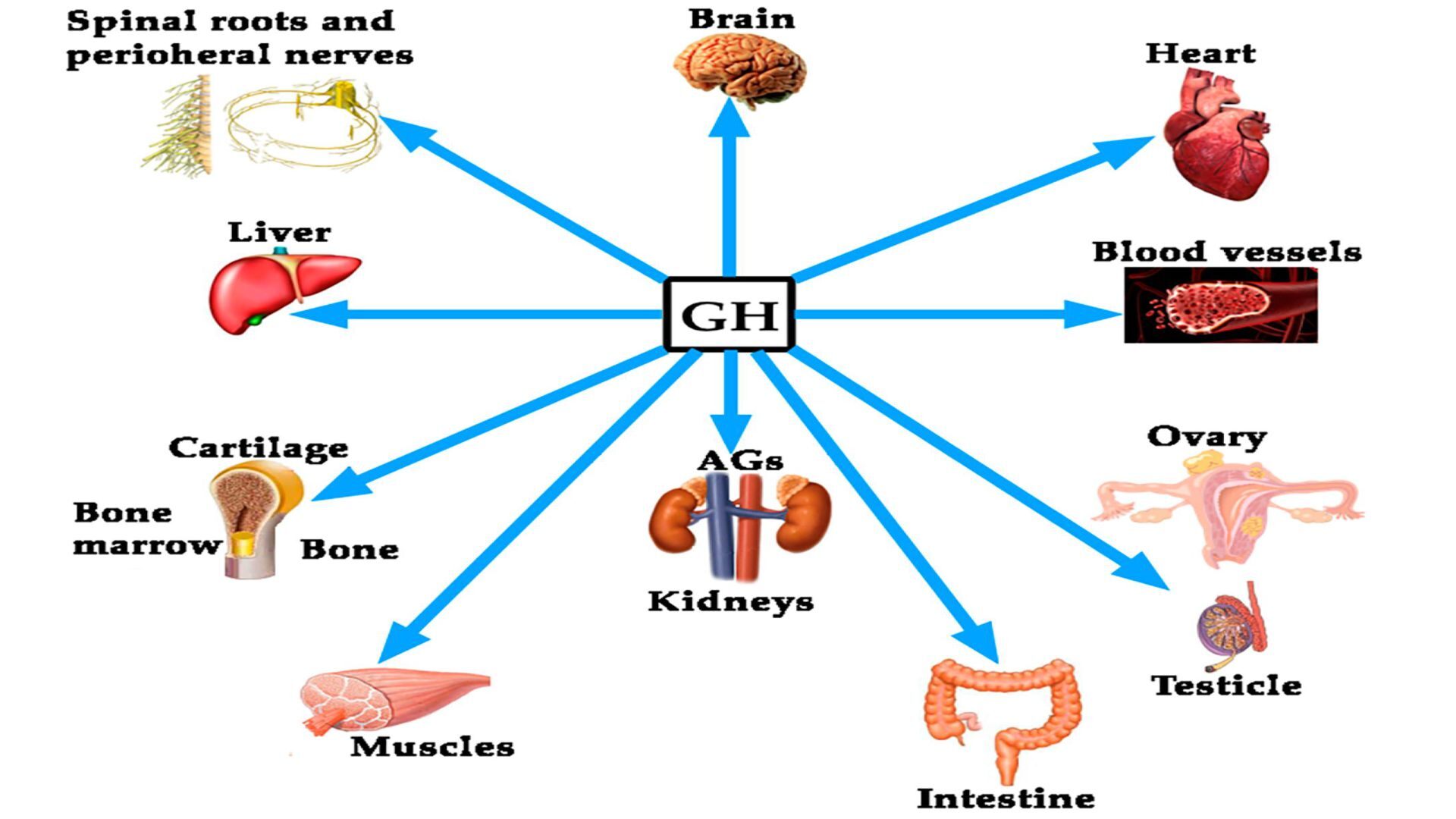
    somatotropin, is naturally produced by the anterior pituitary gland. • It promotes normal growth, protein synthesis, bone development and tissue growth. • Deficiency can affect normal growth and development. • Biotechnology enables large-scale production of recombinant hGH. • Human growth hormone (HGH) is a peptide hormone produced by the pituitary gland that stimulates growth, cell reproduction, and regeneration.
  23. • Childhood growth: It targets specialized cartilage cells in the

    growth plates to lengthen bones. • Metabolism: It regulates how your body handles fats, proteins, and sugars. • Tissue maintenance: It helps preserve muscle mass and bone density throughout adult life. Regulation and Levels • The hypothalamus controls release using growth hormonereleasing hormone (GHRH) and somatostatin.HGH is released in pulses, often increasing during sleep and exercise.It triggers the liver to release insulin-like growth factor 1 (IGF-1), which mediates many growth effects.
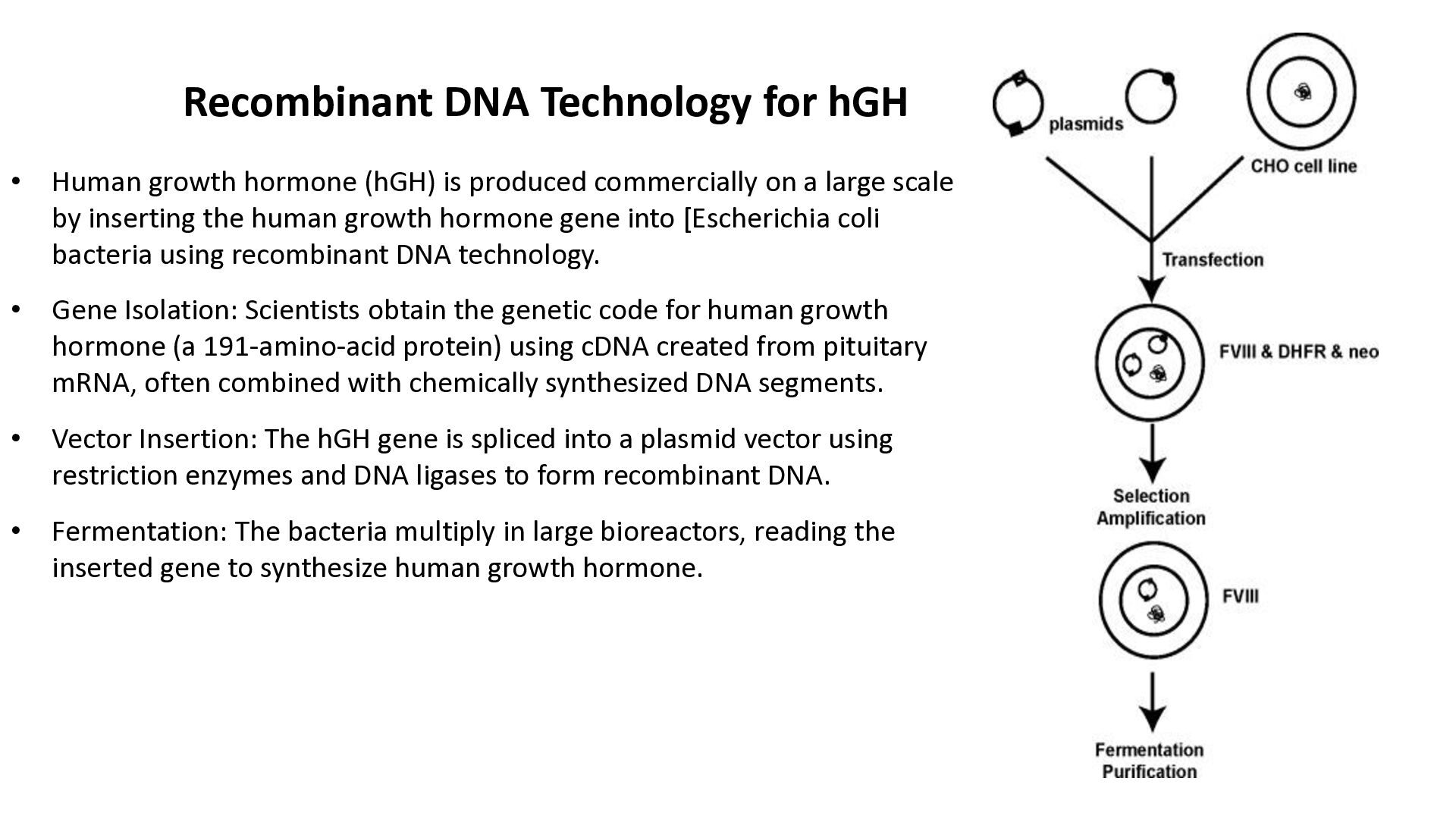
  24. Recombinant DNA Technology for hGH • Human growth hormone (hGH)

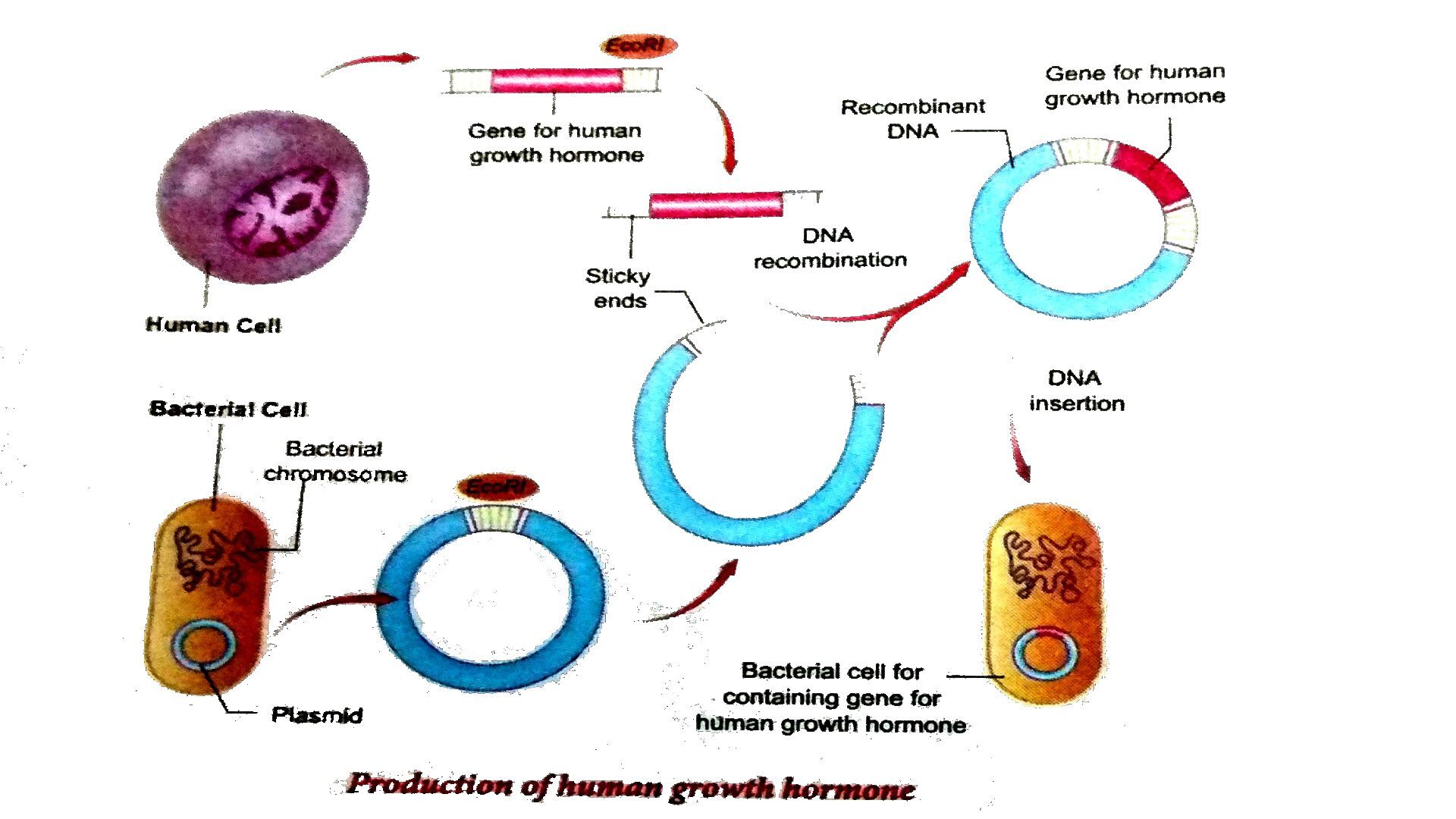
    is produced commercially on a large scale by inserting the human growth hormone gene into [Escherichia coli bacteria using recombinant DNA technology. • Gene Isolation: Scientists obtain the genetic code for human growth hormone (a 191-amino-acid protein) using cDNA created from pituitary mRNA, often combined with chemically synthesized DNA segments. • Vector Insertion: The hGH gene is spliced into a plasmid vector using restriction enzymes and DNA ligases to form recombinant DNA. • Fermentation: The bacteria multiply in large bioreactors, reading the inserted gene to synthesize human growth hormone.
  25. Production Process of Recombinant hGH • The production of recombinant

    Human Growth Hormone (rhGH or somatropin) utilizes recombinant DNA (rDNA) technology to synthesize a 191-amino acid polypeptide structurally identical to natural pituitary hGH. • Because hGH is a non-glycosylated protein, it does not require complex post-translational sugar modifications • This allows prokaryotic systems like Escherichia coli to serve as the ideal host for commercial manufacturing. • Chemical Synthesis: The DNA sequence coding for the first 24 amino acids of mature hGH is chemically synthesized from scratch.
  26. Advantages of Recombinant Human Growth Hormone • Human growth hormone

    (HGH) helps children grow taller and manages how the adult body processes food for energy and builds tissue. • Childhood growth: It signals bones and cartilage to multiply so kids grow. • Muscle mass: It helps build and keep strong muscles. • Bone strength: It increases calcium retention and builds stronger bone density.Fat breakdown: It promotes the breakdown of body fat (lipolysis) for energy.
  27. Medical Uses • Growth hormone deficiency: Replaces missing hormone in

    children or adults caused by pituitary gland problems. • Genetic and chronic disorders: Treats conditions like Turner syndrome, Prader-Willi syndrome, and chronic kidney disease. • Wasting diseases: Helps patients with HIV/AIDS prevent severe weight loss. • Short bowel syndrome: Aids in nutrient absorption when a large part of the intestine is missing or diseased.
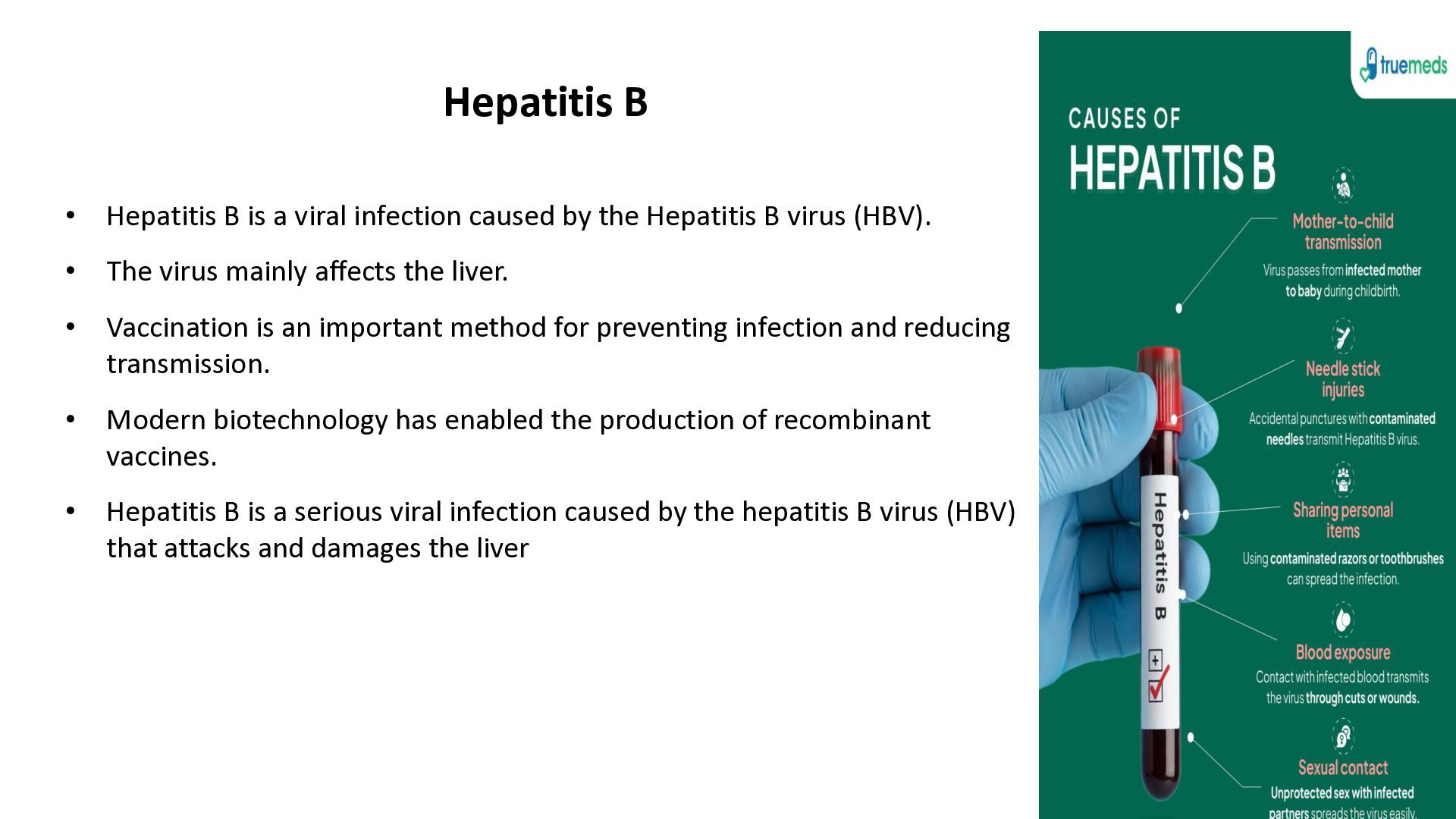
  28. Hepatitis B • Hepatitis B is a viral infection caused

    by the Hepatitis B virus (HBV). • The virus mainly affects the liver. • Vaccination is an important method for preventing infection and reducing transmission. • Modern biotechnology has enabled the production of recombinant vaccines. • Hepatitis B is a serious viral infection caused by the hepatitis B virus (HBV) that attacks and damages the liver
  29. Conclusion • Biotechnology has made significant contributions to agriculture and

    medicine. • It can delay senescence of flowers and extend the shelf life of fruits. • It enables production of recombinant human growth hormone and Hepatitis B vaccines. • It also supports the development of highly specific monoclonal antibodies. • These applications improve agriculture, healthcare, disease prevention, diagnosis and treatment.