Upgrade to Pro — share decks privately, control downloads, hide ads and more …

EMV Tech Talk

Avatar for William Chen William Chen
September 04, 2014

EMV Tech Talk

Avatar for William Chen

William Chen

September 04, 2014

More Decks by William Chen

Other Decks in Technology

Transcript

  1. interesting FACTS • Card Go/No Go • Card Microprocessor •

    Store and Forward / Preauth • Speed??
  2. agenda • Goals • Terminology • Crypto Review • Payment

    Card Evolution • EMV Transaction Flow • Breaches
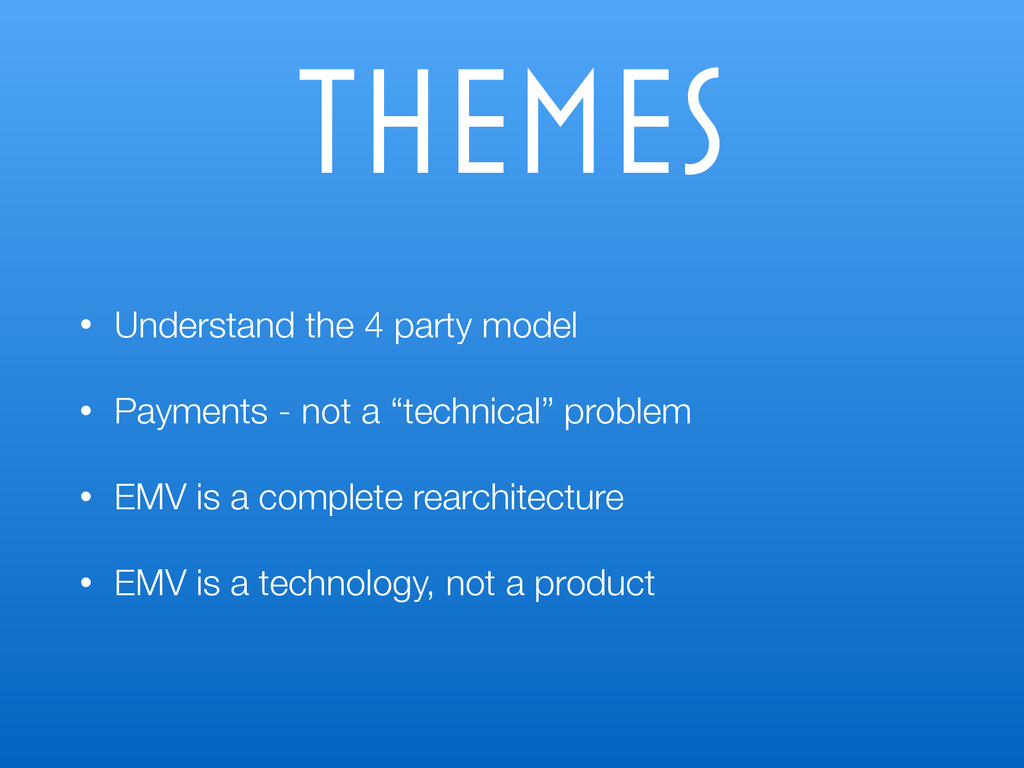
  3. Themes • Understand the 4 party model • Payments -

    not a “technical” problem • EMV is a complete rearchitecture • EMV is a technology, not a product
  4. Terms 1 • 4 Party Model • Card Brands •

    Payment Product • Floor Limit
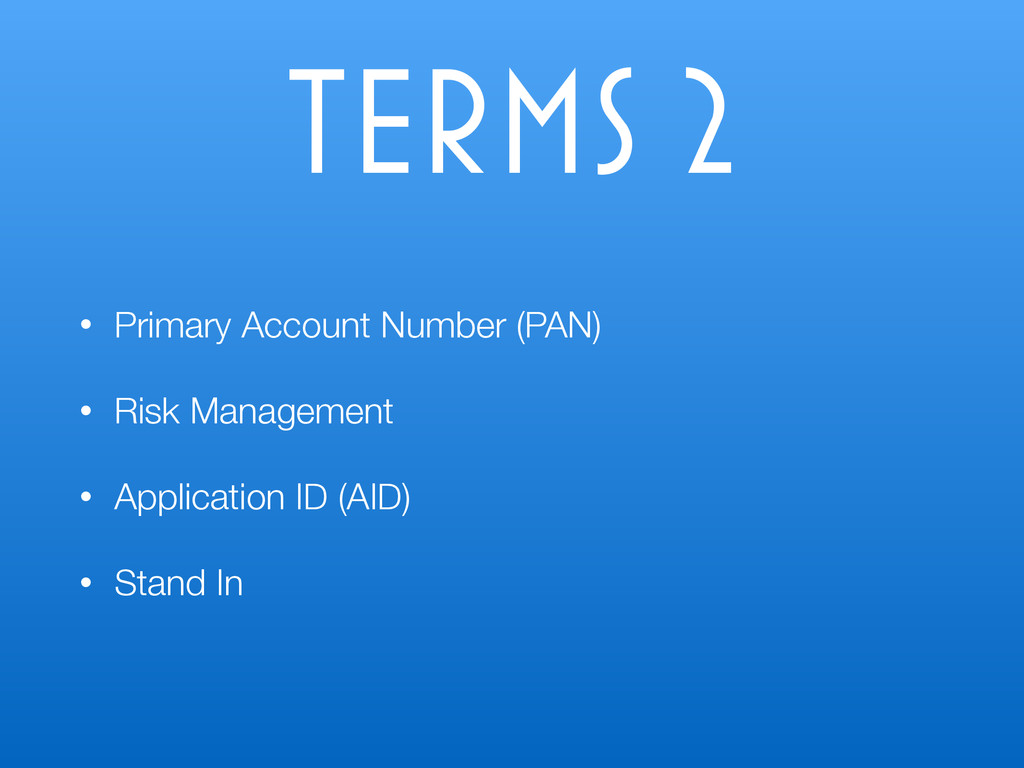
  5. Terms 2 • Primary Account Number (PAN) • Risk Management

    • Application ID (AID) • Stand In
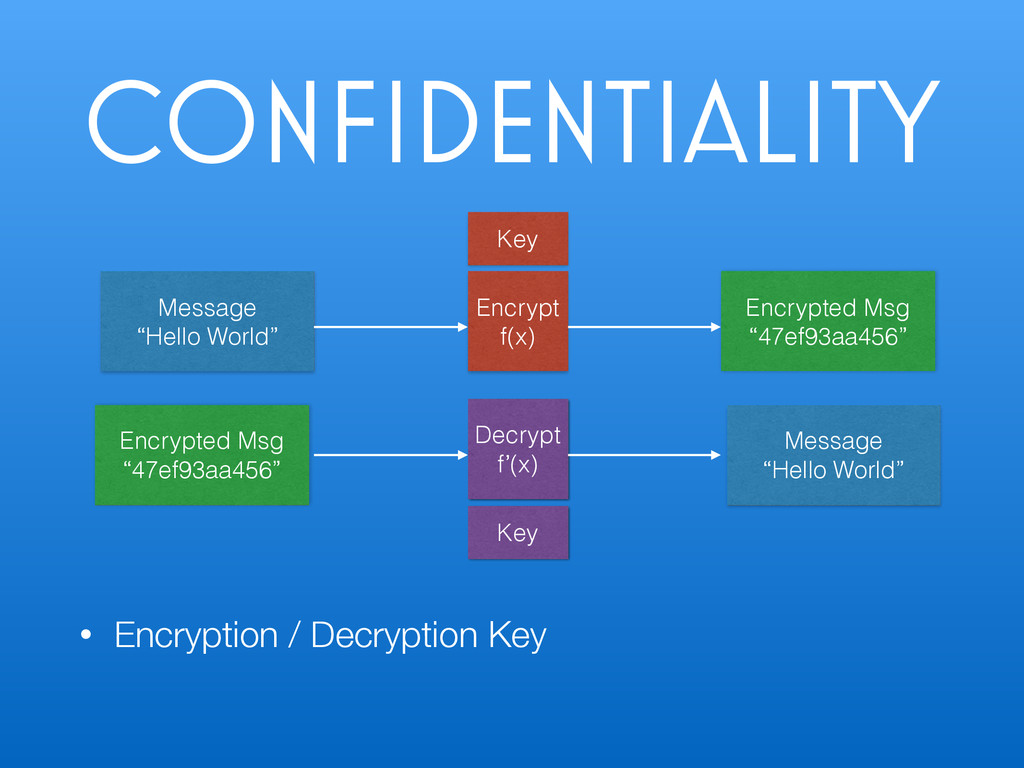
  6. Confidentiality • Encryption / Decryption Key Message
 “Hello World” Encrypt

    f(x) Encrypted Msg “47ef93aa456” Message
 “Hello World” Decrypt f’(x) Encrypted Msg “47ef93aa456” Key Key
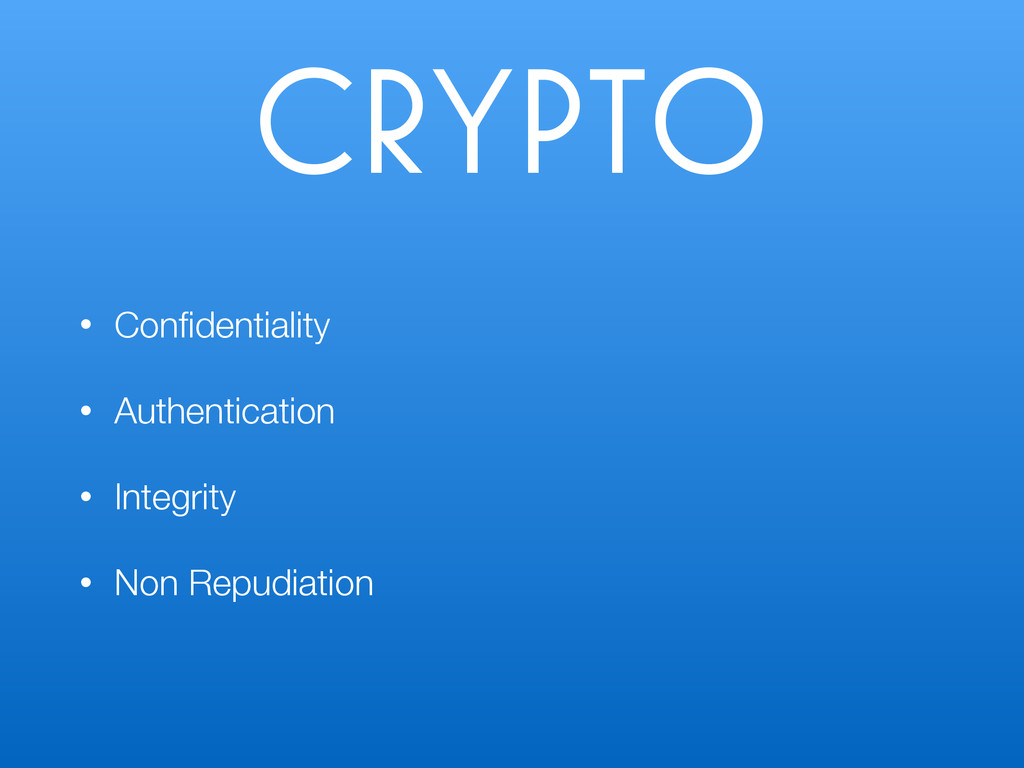
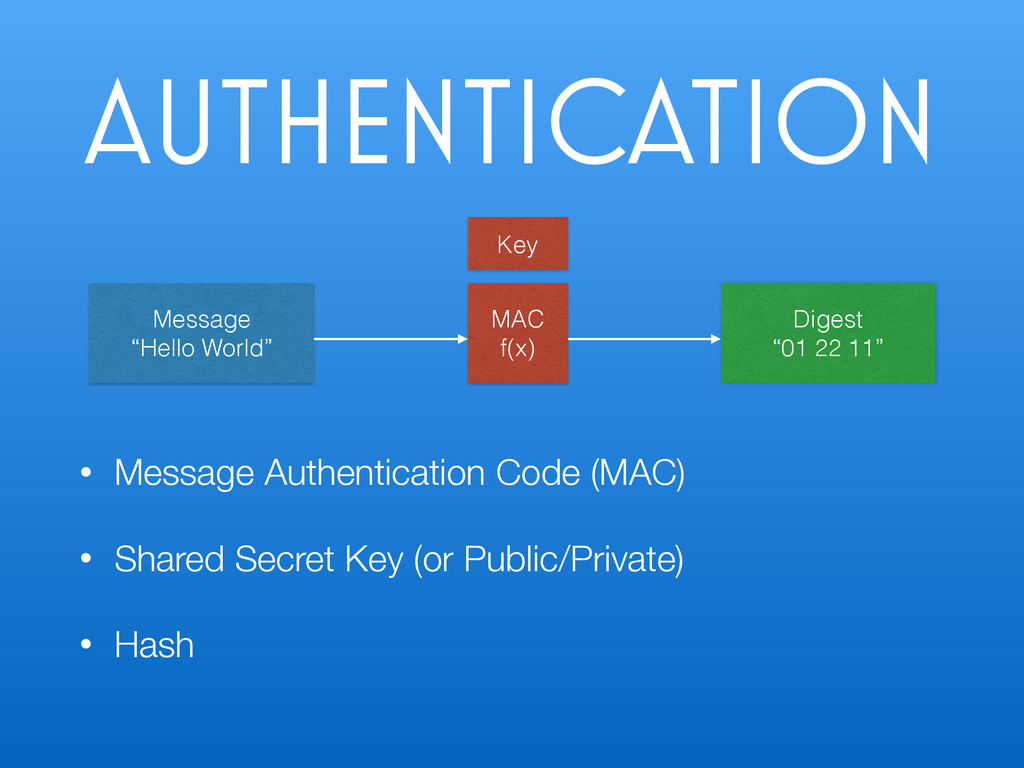
  7. Authentication • Message Authentication Code (MAC) • Shared Secret Key

    (or Public/Private) • Hash Message
 “Hello World” MAC f(x) Digest “01 22 11” Key
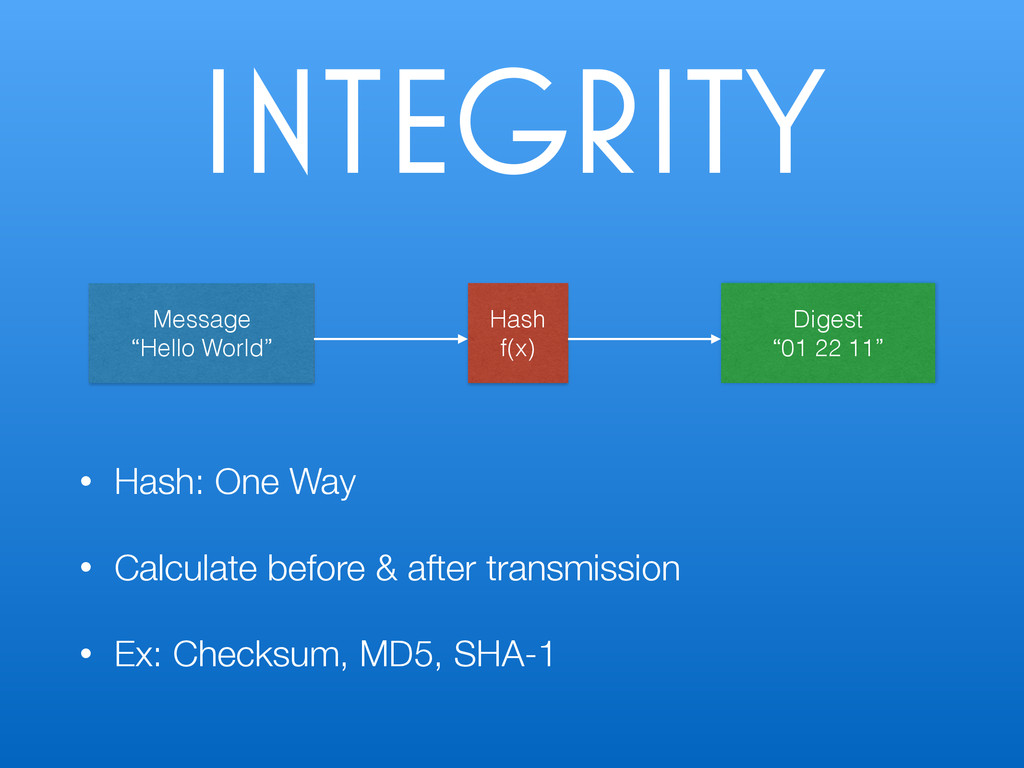
  8. Integrity • Hash: One Way • Calculate before & after

    transmission • Ex: Checksum, MD5, SHA-1 Message
 “Hello World” Hash f(x) Digest “01 22 11”
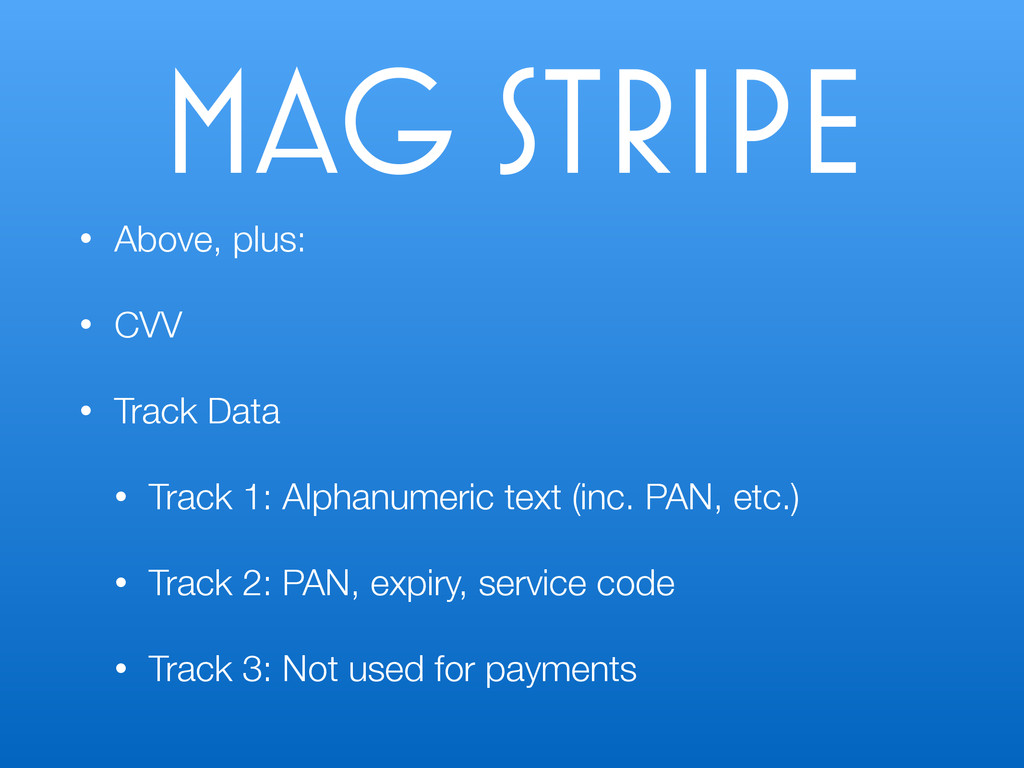
  9. Mag Stripe • Above, plus: • CVV • Track Data

    • Track 1: Alphanumeric text (inc. PAN, etc.) • Track 2: PAN, expiry, service code • Track 3: Not used for payments
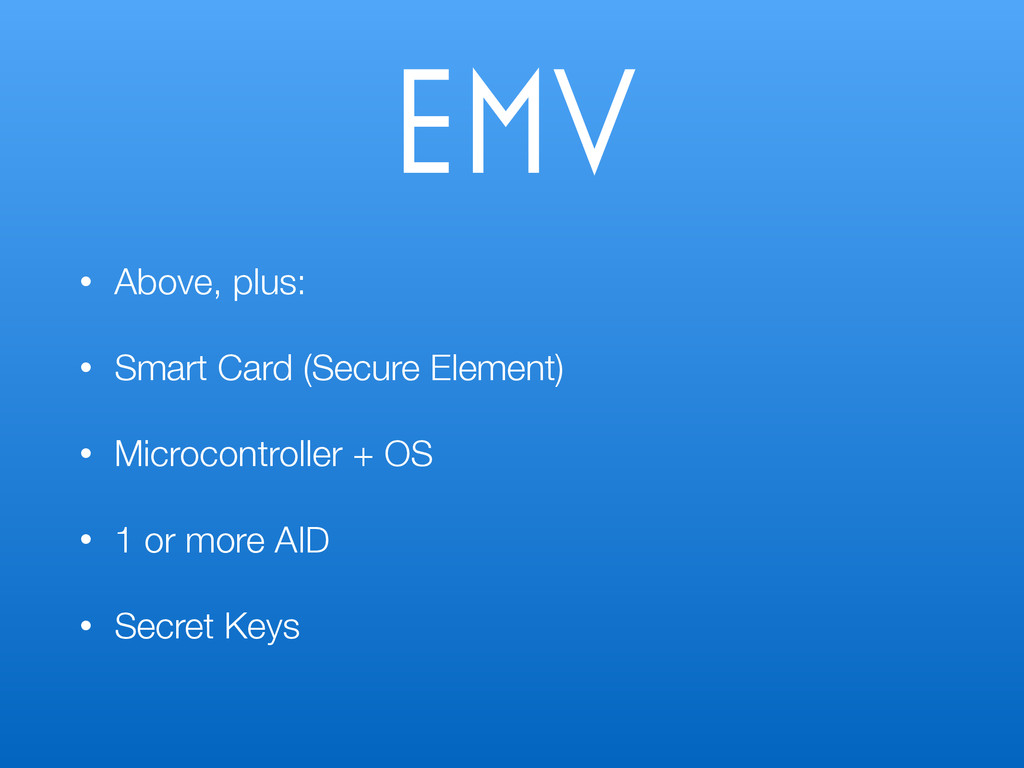
  10. EMV • Above, plus: • Smart Card (Secure Element) •

    Microcontroller + OS • 1 or more AID • Secret Keys
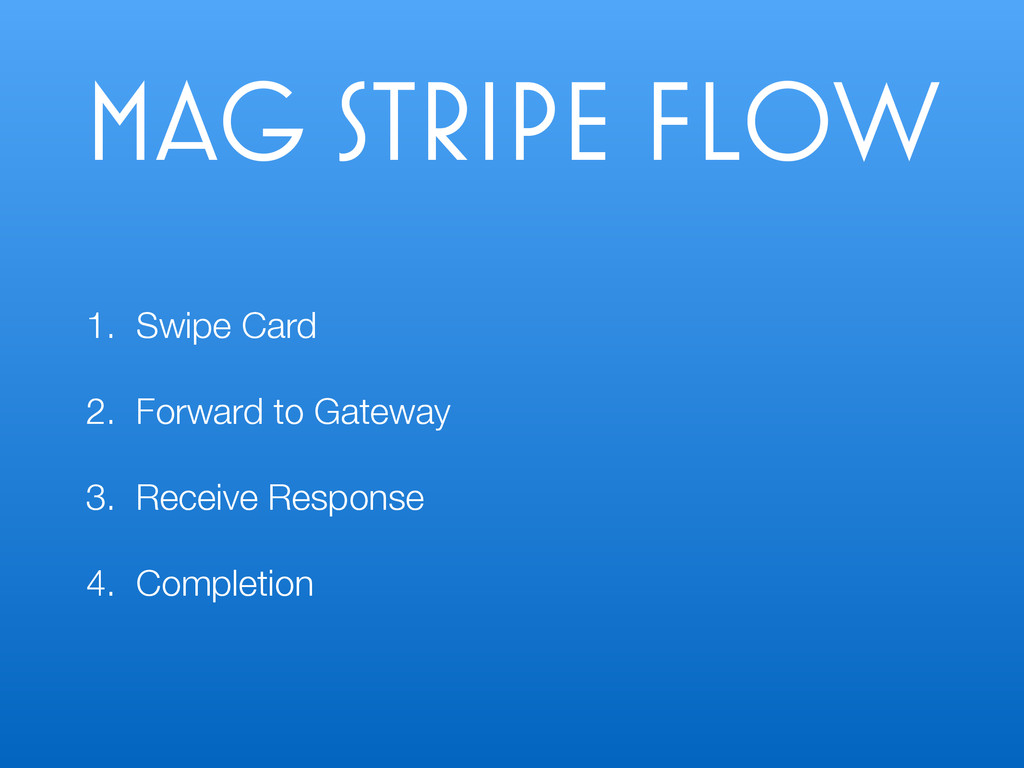
  11. Mag Stripe Flow 1. Swipe Card 2. Forward to Gateway

    3. Receive Response 4. Completion
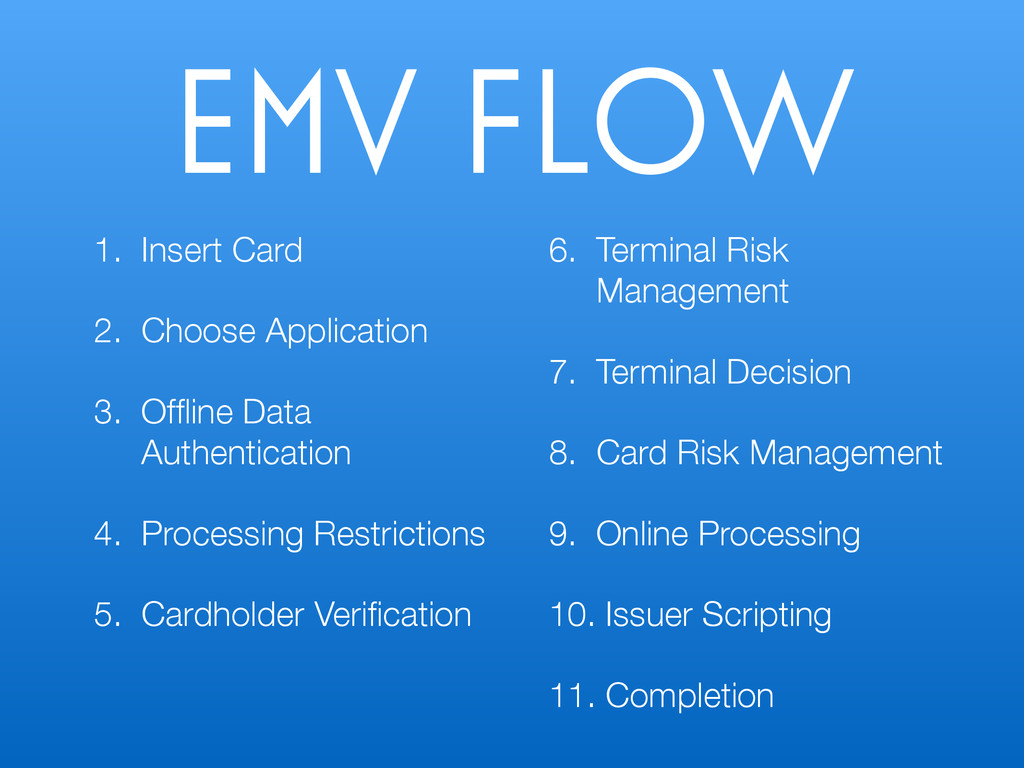
  12. EMV Flow 1. Insert Card 2. Choose Application 3. Offline

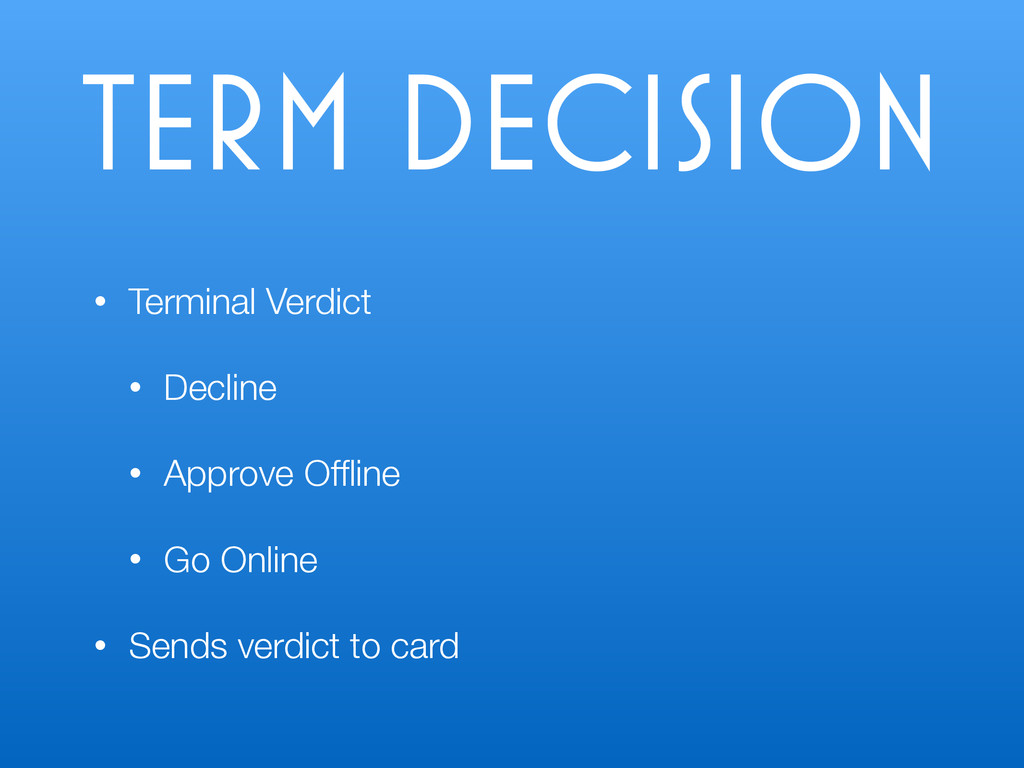
    Data Authentication 4. Processing Restrictions 5. Cardholder Verification 6. Terminal Risk Management 7. Terminal Decision 8. Card Risk Management 9. Online Processing 10. Issuer Scripting 11. Completion
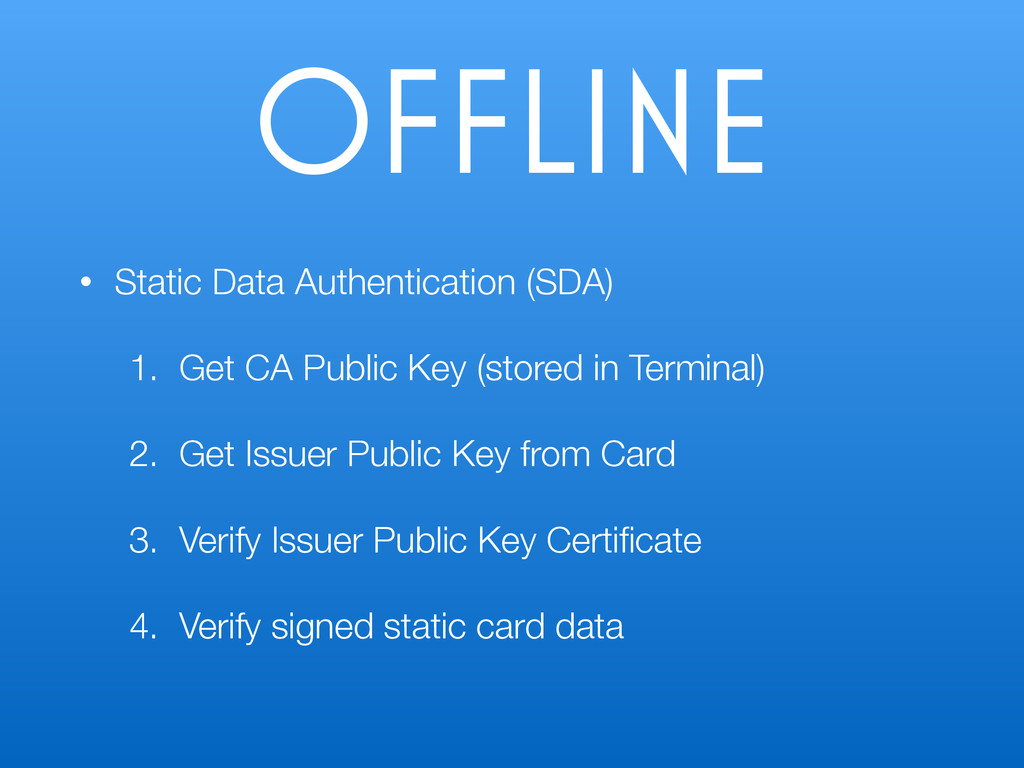
  13. Offline • Static Data Authentication (SDA) 1. Get CA Public

    Key (stored in Terminal) 2. Get Issuer Public Key from Card 3. Verify Issuer Public Key Certificate 4. Verify signed static card data
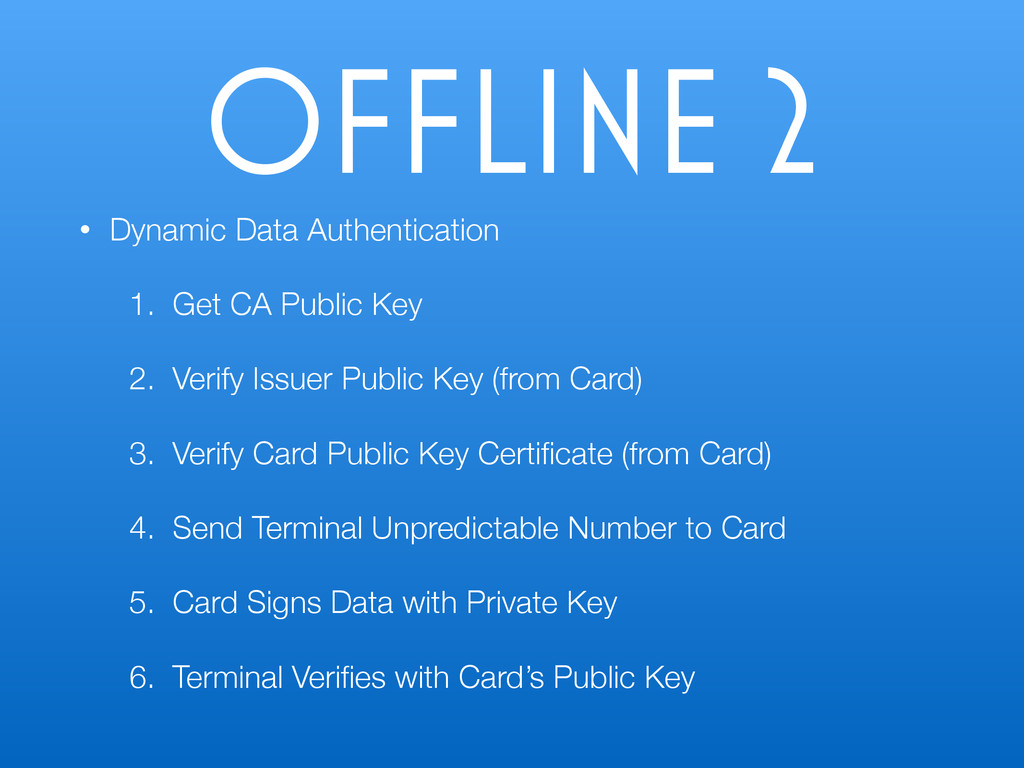
  14. Offline 2 • Dynamic Data Authentication 1. Get CA Public

    Key 2. Verify Issuer Public Key (from Card) 3. Verify Card Public Key Certificate (from Card) 4. Send Terminal Unpredictable Number to Card 5. Card Signs Data with Private Key 6. Terminal Verifies with Card’s Public Key
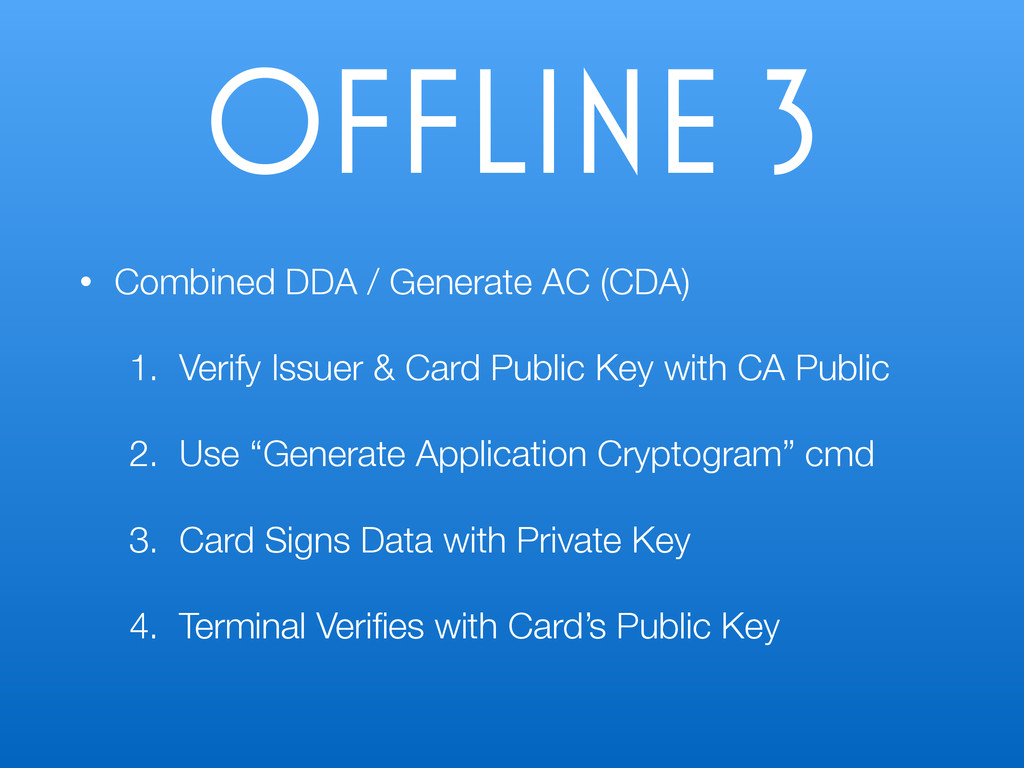
  15. Offline 3 • Combined DDA / Generate AC (CDA) 1.

    Verify Issuer & Card Public Key with CA Public 2. Use “Generate Application Cryptogram” cmd 3. Card Signs Data with Private Key 4. Terminal Verifies with Card’s Public Key
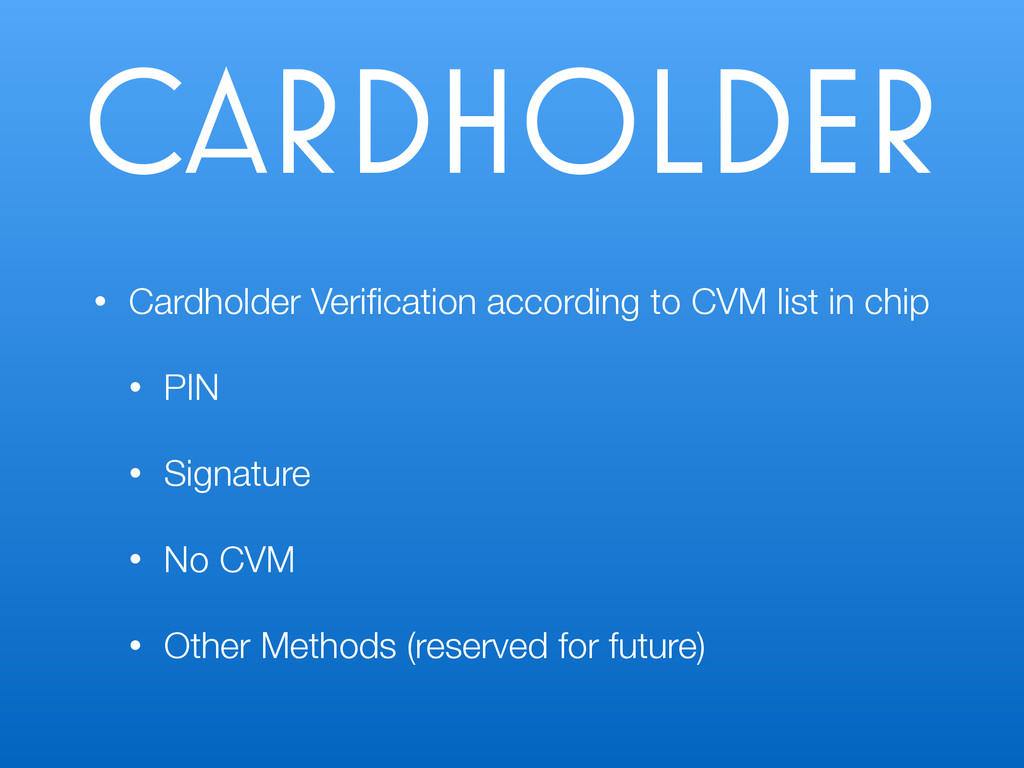
  16. Cardholder • Cardholder Verification according to CVM list in chip

    • PIN • Signature • No CVM • Other Methods (reserved for future)
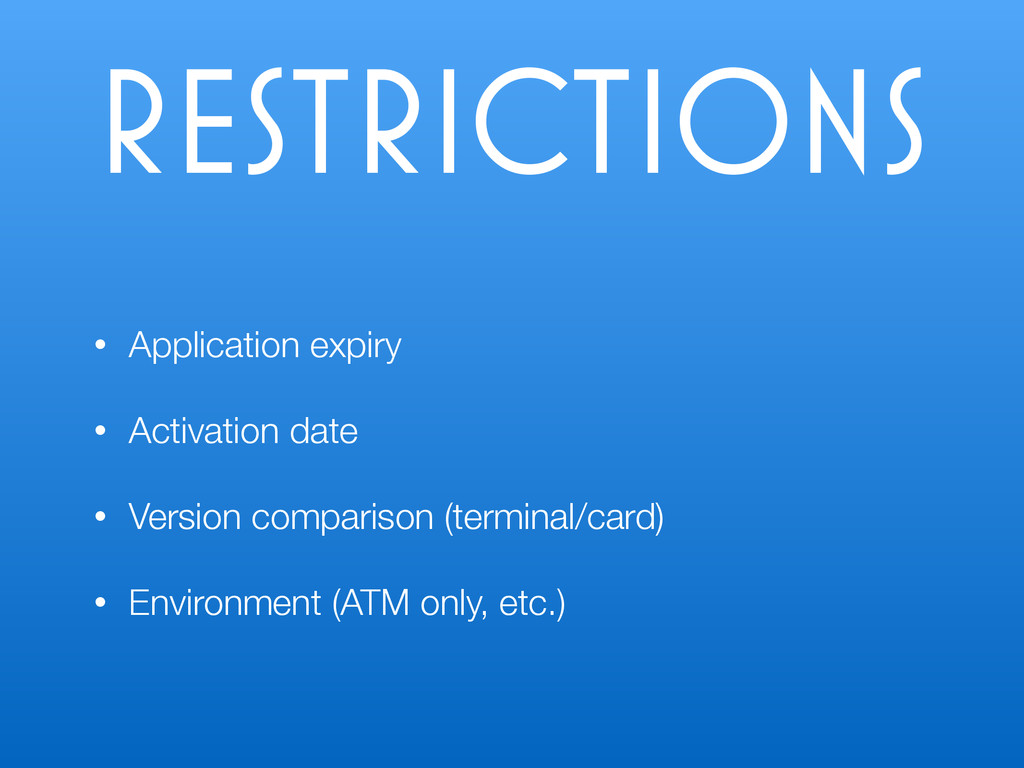
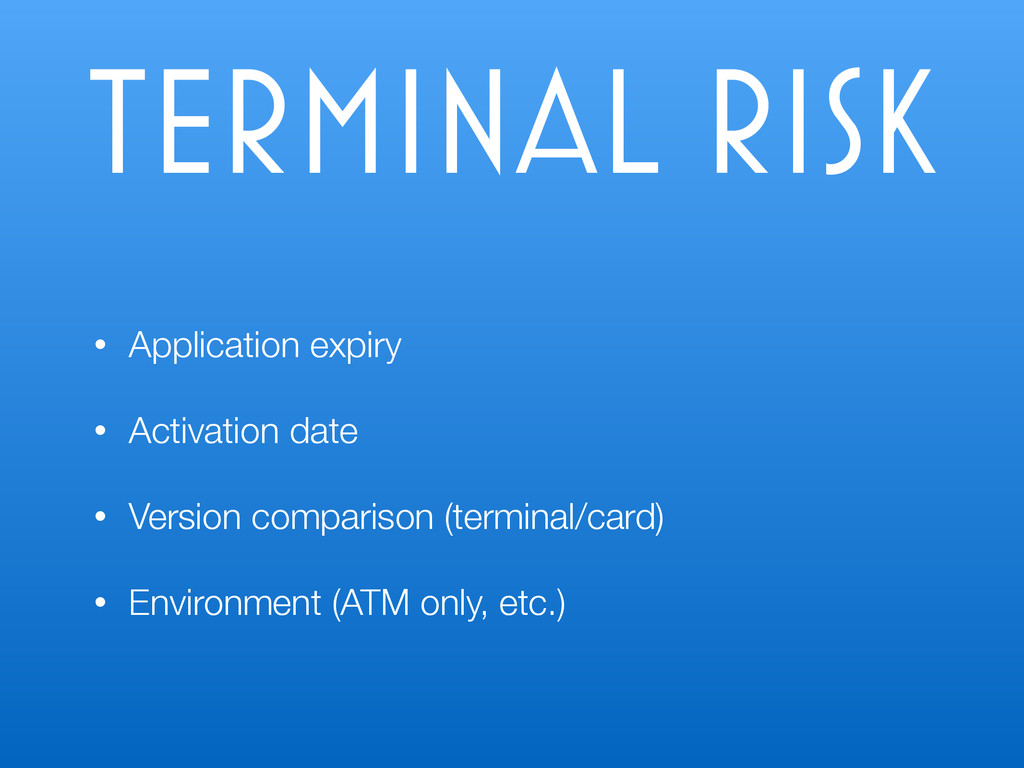
  17. Terminal risk • Application expiry • Activation date • Version

    comparison (terminal/card) • Environment (ATM only, etc.)
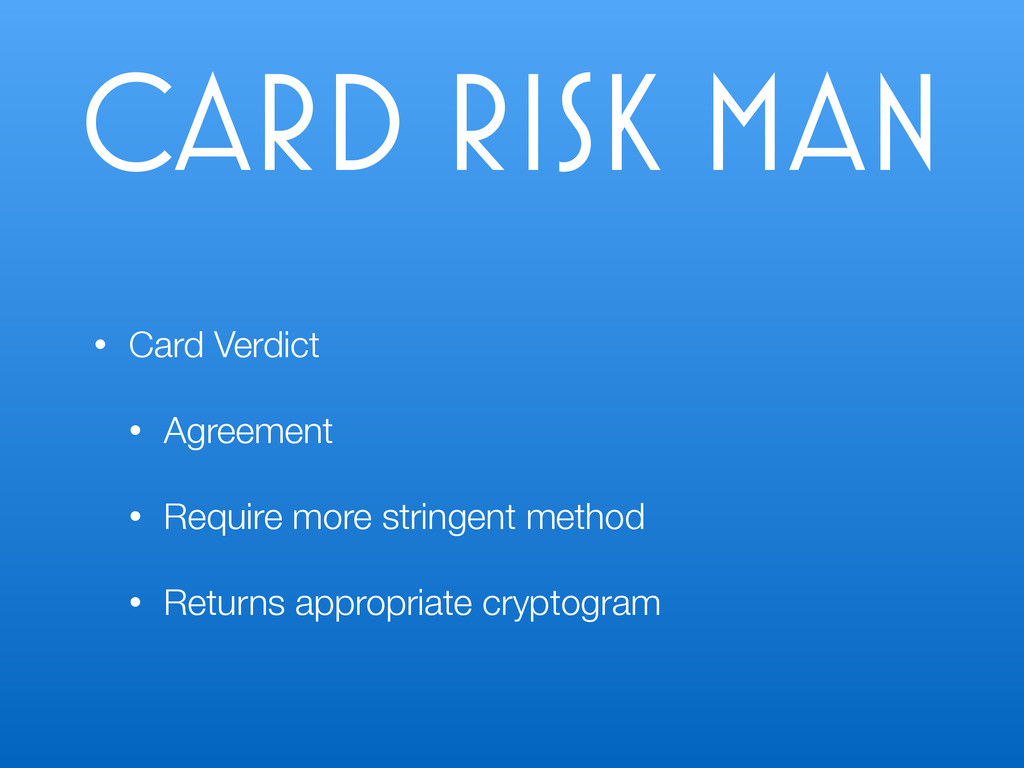
  18. Card Risk Man • Card Verdict • Agreement • Require

    more stringent method • Returns appropriate cryptogram
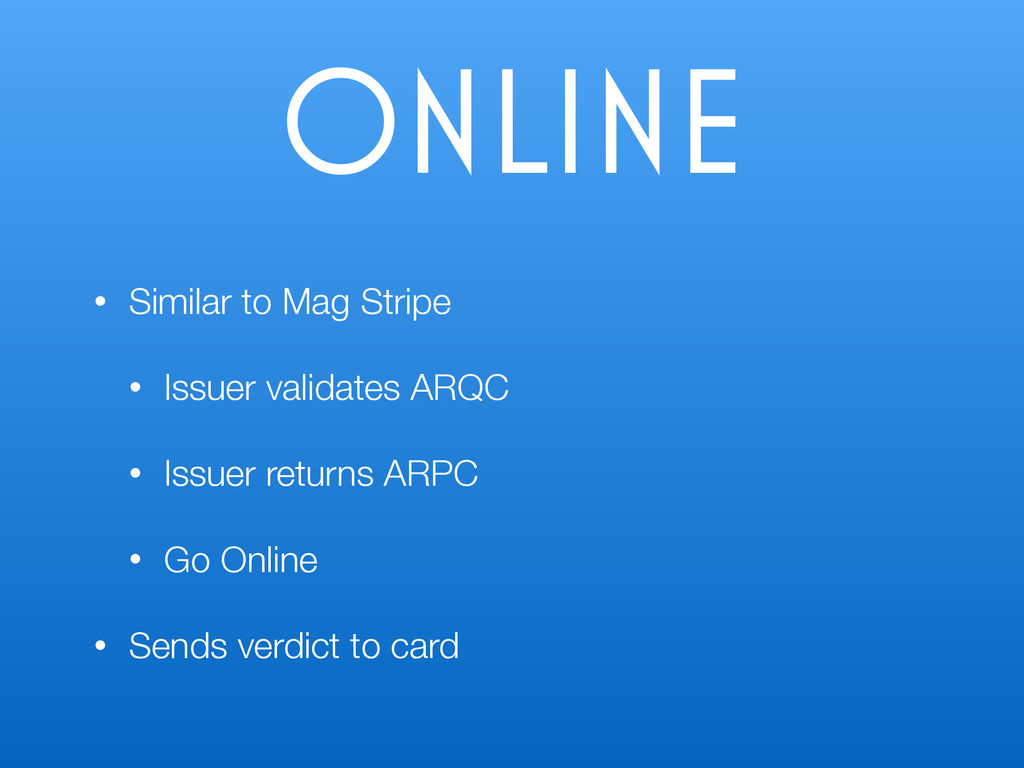
  19. Online • Similar to Mag Stripe • Issuer validates ARQC

    • Issuer returns ARPC • Go Online • Sends verdict to card
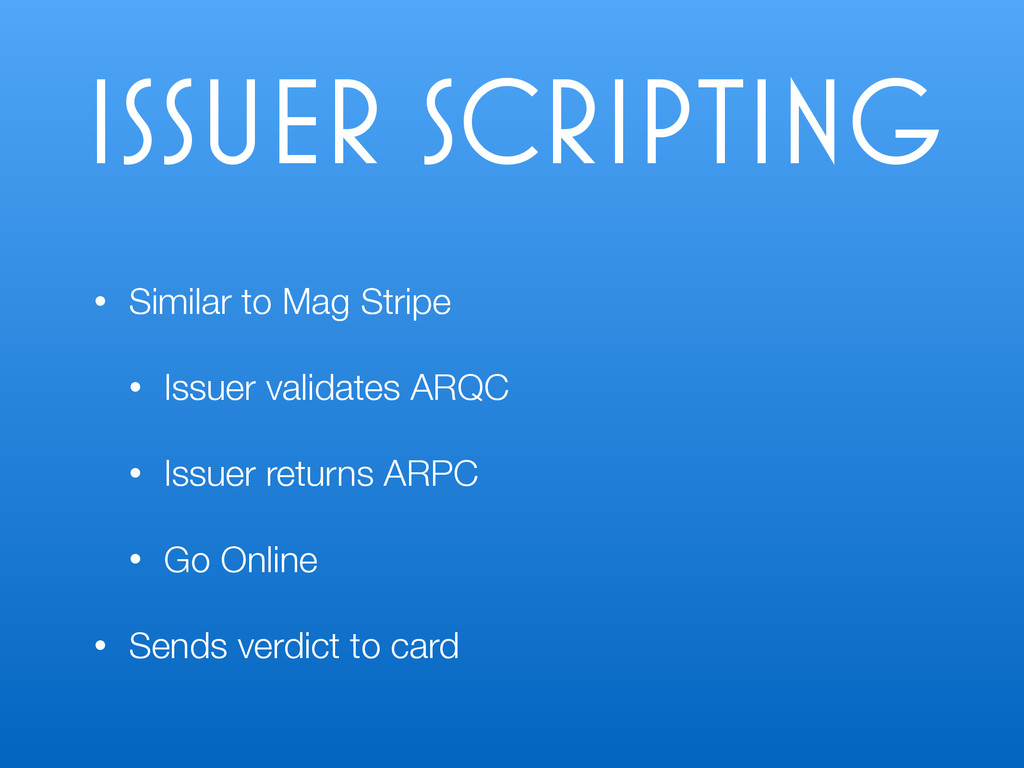
  20. Issuer Scripting • Similar to Mag Stripe • Issuer validates

    ARQC • Issuer returns ARPC • Go Online • Sends verdict to card
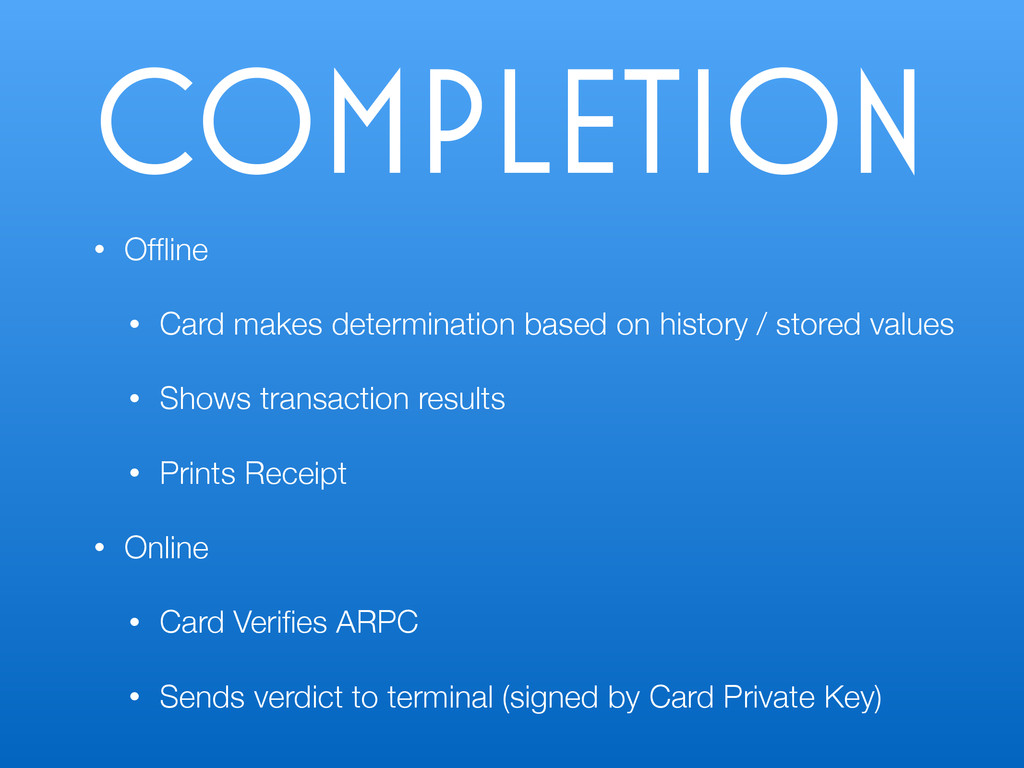
  21. Completion • Offline • Card makes determination based on history

    / stored values • Shows transaction results • Prints Receipt • Online • Card Verifies ARPC • Sends verdict to terminal (signed by Card Private Key)
  22. Themes • Understand the 4 party model • Payments -

    not a “technical” problem • EMV is a complete rearchitecture • EMV is a technology, not a product