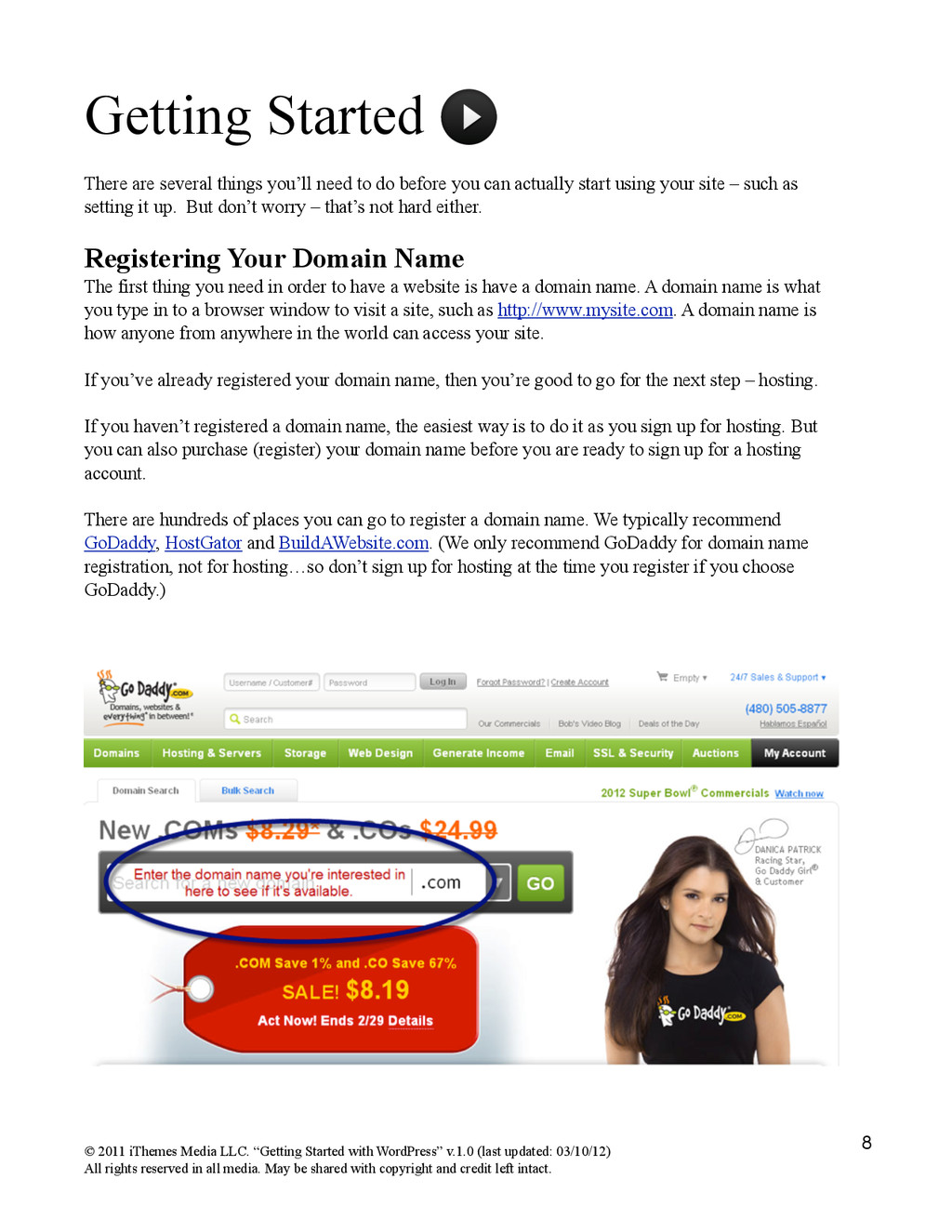
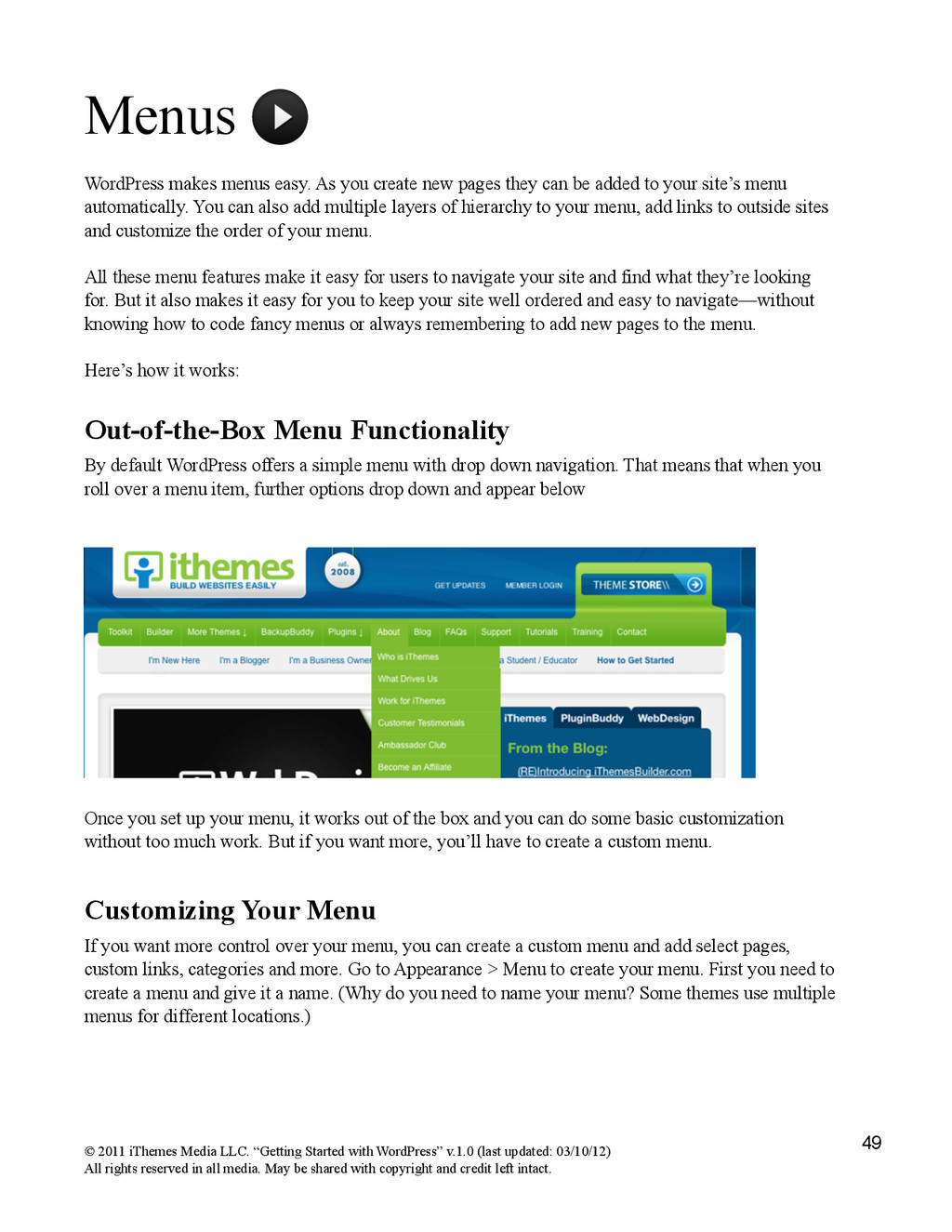
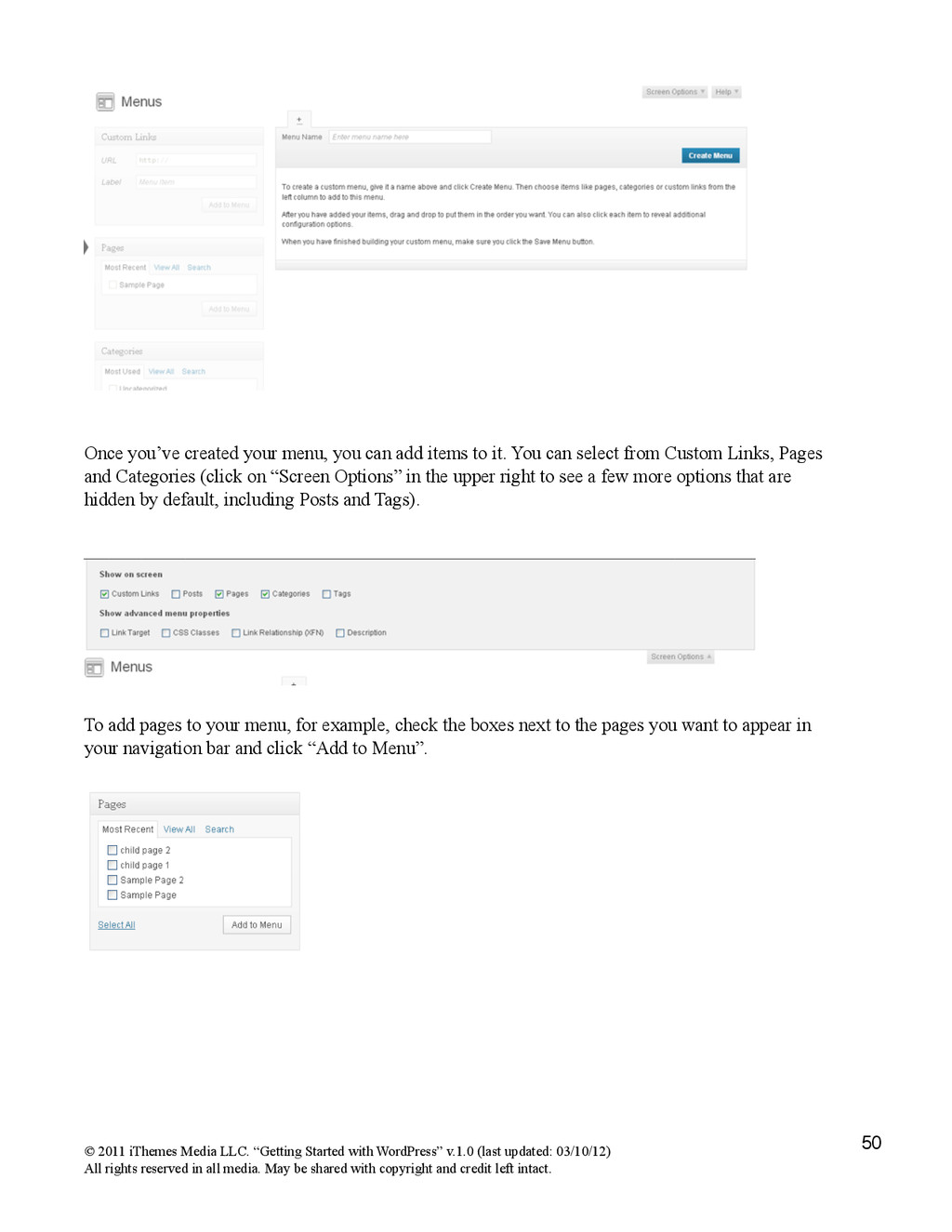
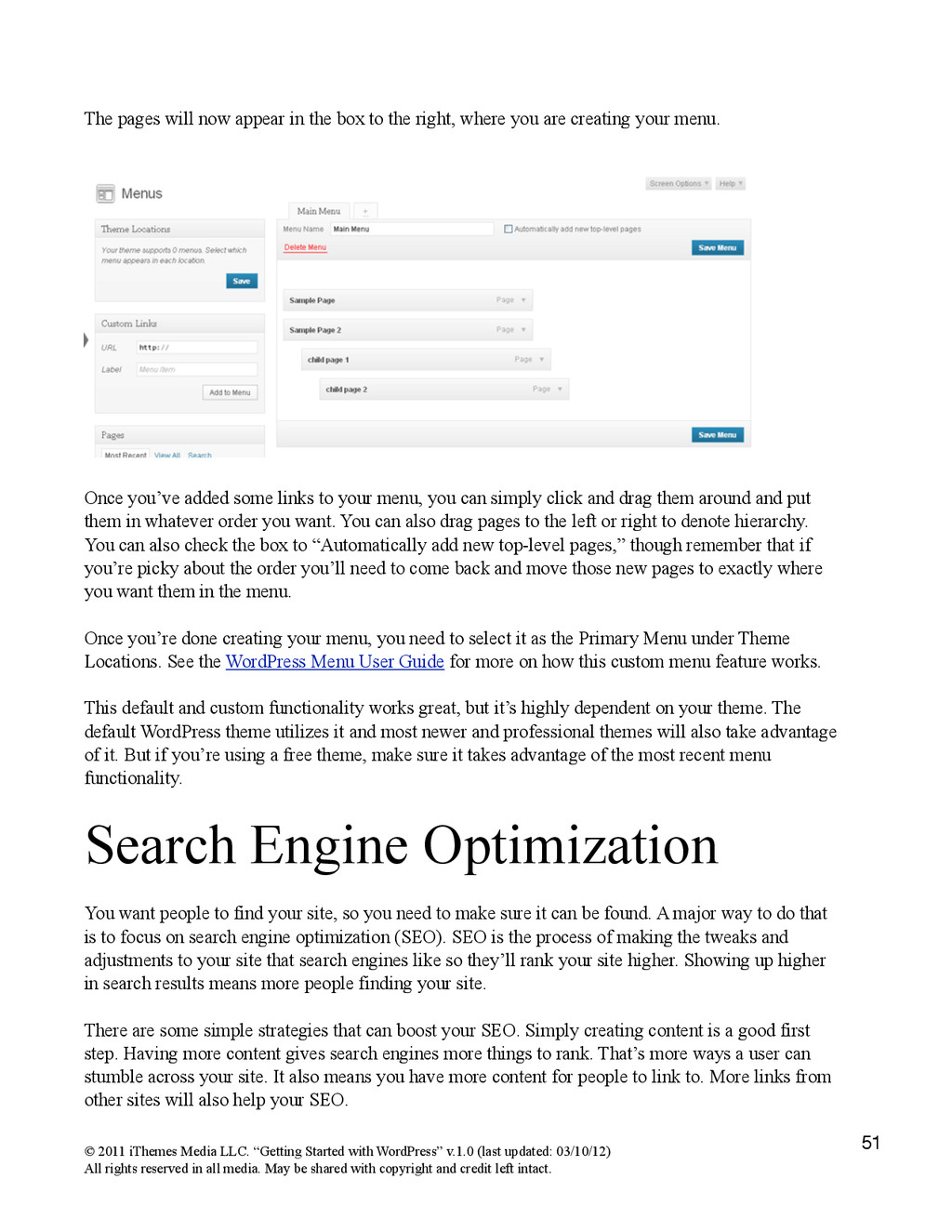
to a domain registrar, such as GoDaddy.com, and enter the name in the box provided. You’ll be able to select from .com, .org, .info, .net, etc. Com is the most recognized part of your domain, so whenever possible, get the .com version of your domain. Once you find the domain name you want and that is available, just follow the steps to complete the registration. Remember, if you are registering at GoDaddy, don’t sign up for anything except the domain registration – ignore the hosting offers, etc. that they’ll show you. What if you’re not sure what domain name you want? You can’t choose between two or three you really like? A good rule of thumb is to register all of them. It’s not that expensive and it gives you some time to decide. You can begin setting your site up on one domain, and if you change your mind, it’s easy to migrate your site to a different domain using BackupBuddy. You’ll want to have solidified your decision before you start promoting your site, but don’t let picking a domain name be a barrier to getting started. What Domain Name Should You Use? The honest answer is “it depends.” You’ll probably want to use your company name or a phrase or question that people associate with your site. The important thing to remember is that your domain name is one of the first things people see, and one of the first things they’ll ask you. We always recommend registering your own personal name as a domain name as well. If you have a common name, such as John Smith, you may need to use your full name – first, middle, and last, in order to find a domain that is available. Some tips when selecting a domain name: • Keep It Short. The longer your URL is the harder it will be to remember, and the more likely people will misspell it. • Make it Easy to Remember. A string of six random letters might be really short, but it’s not easy to remember. Your domain name has to stick in people’s minds in order for them to remember it, and to tell others about it. • Consider your Brand. If you already have a brand name you really need to find a URL that works with your brand. People will try to type in the name of your company with a .com at the end anyway, so you might as well go with it. It goes without saying that you don’t use someone else’s brand or brand terms without their written permission. For example, WordPress is a brand, so you can’t use that term in your domain name. But you can use “WP” as we have done at WPShirts.com. © 2011 iThemes Media LLC. “Getting Started with WordPress” v.1.0 (last updated: 03/10/12) All rights reserved in all media. May be shared with copyright and credit left intact. 9


 keeg
 raspython3
 yuuuuuuu168
 satomasahiro2005
 kash1064
 bitkey
 4o1sobblue
 teamlab
 pfn
 takuroabe
 occhi
 chrisshort
 matthewcrist
 wjessup
 aki_iinuma
 jacobtomlinson
 jnunemaker
 akademiya2063
 gr2m
 danielanewman
 ipullrank
 chriscoyier
 addyosmani