Rage Against The Malicious - The Battle of Spam...

Rage Against The Malicious - The Battle of Spam bots
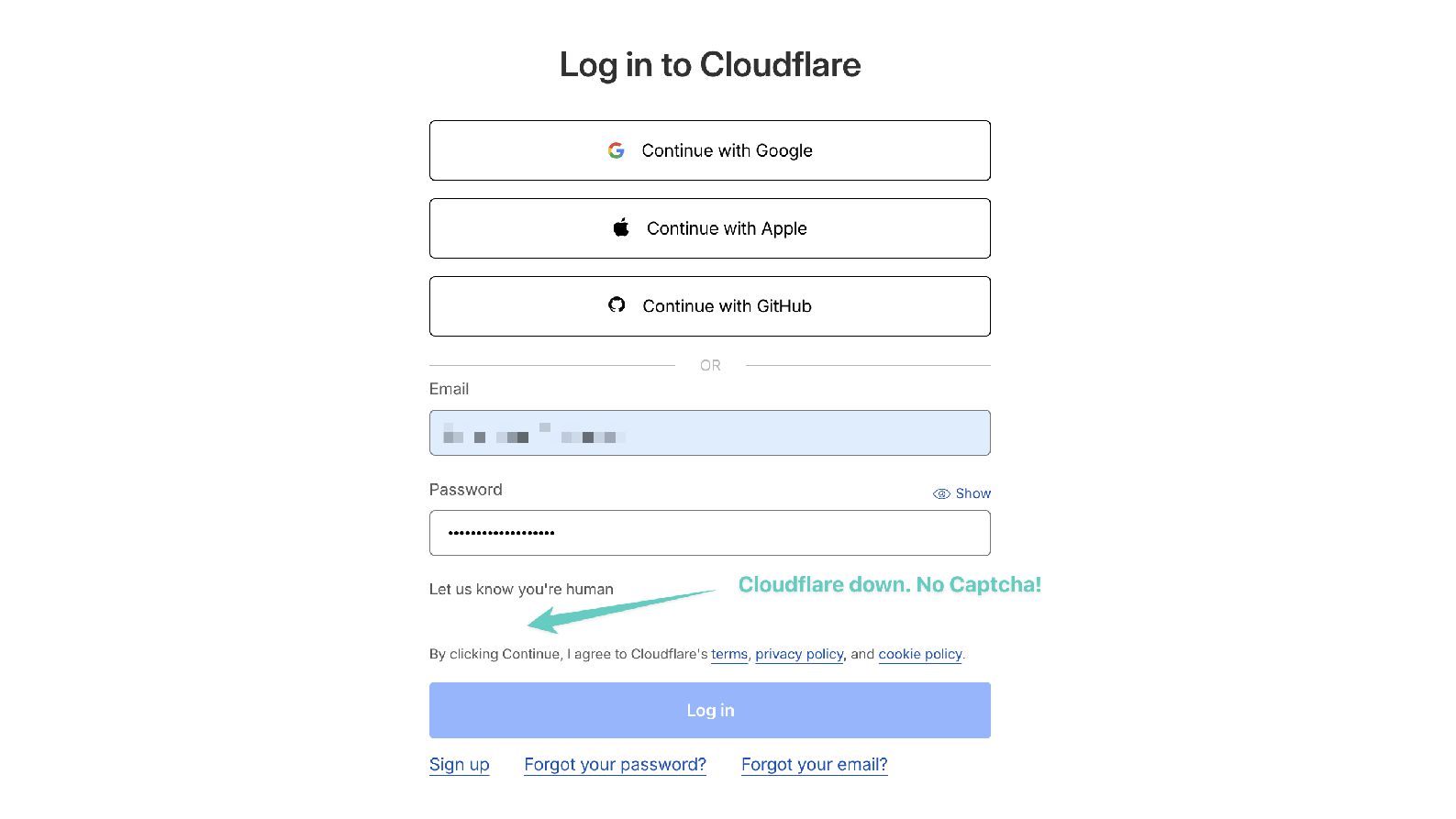
A few years ago, my Rails application got thousands of signups instead of a few in a single night. Someone was flooding the registration form and asking for a ransom. It was painful for our email reputation since a confirmation email was sent for each signup. From that day on, I had the RAGE AGAINST THE MALICIOUS, and I decided to get rid of them once and for all. So, I started THE BATTLE OF SPAM BOTS.
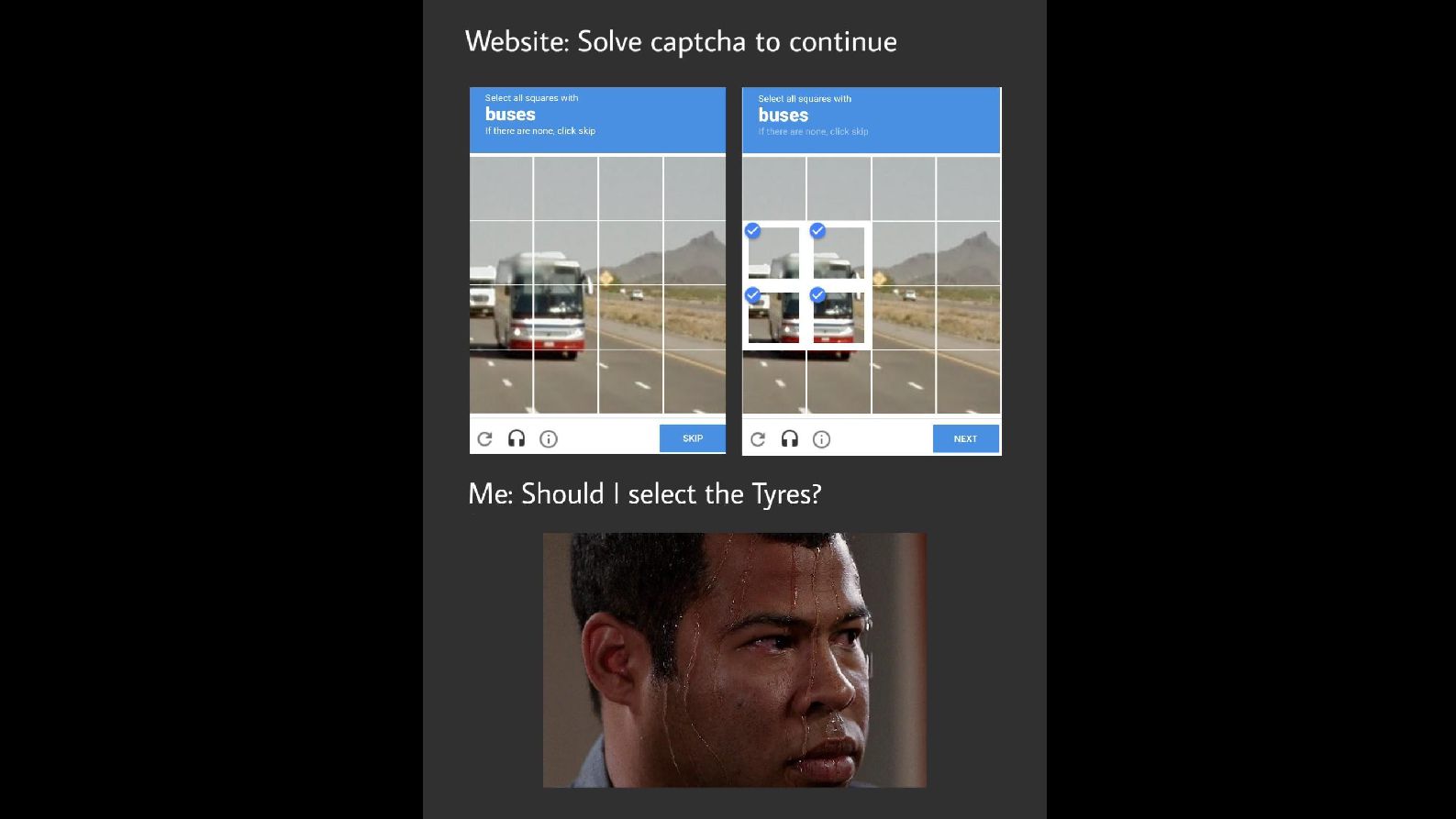
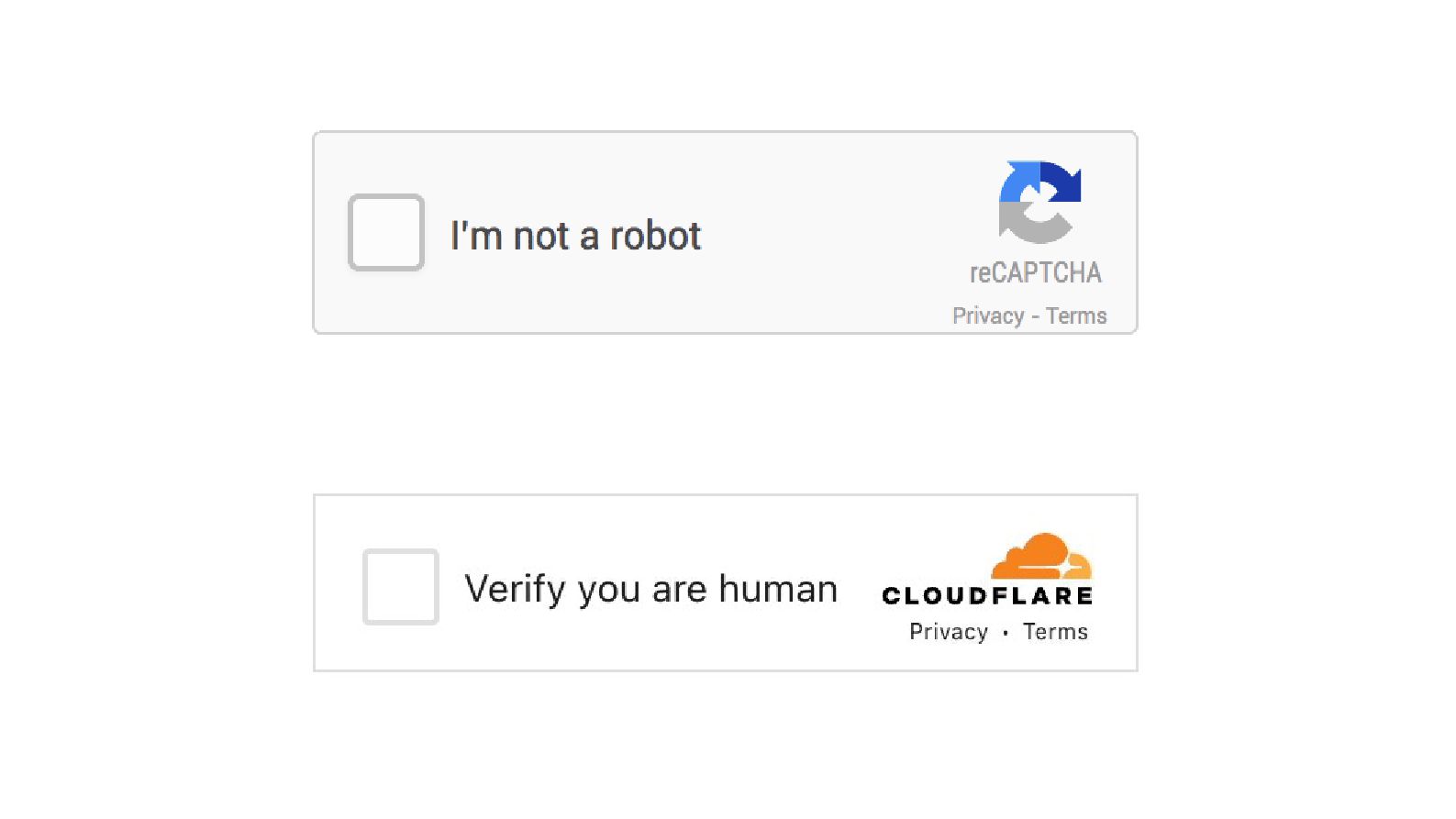
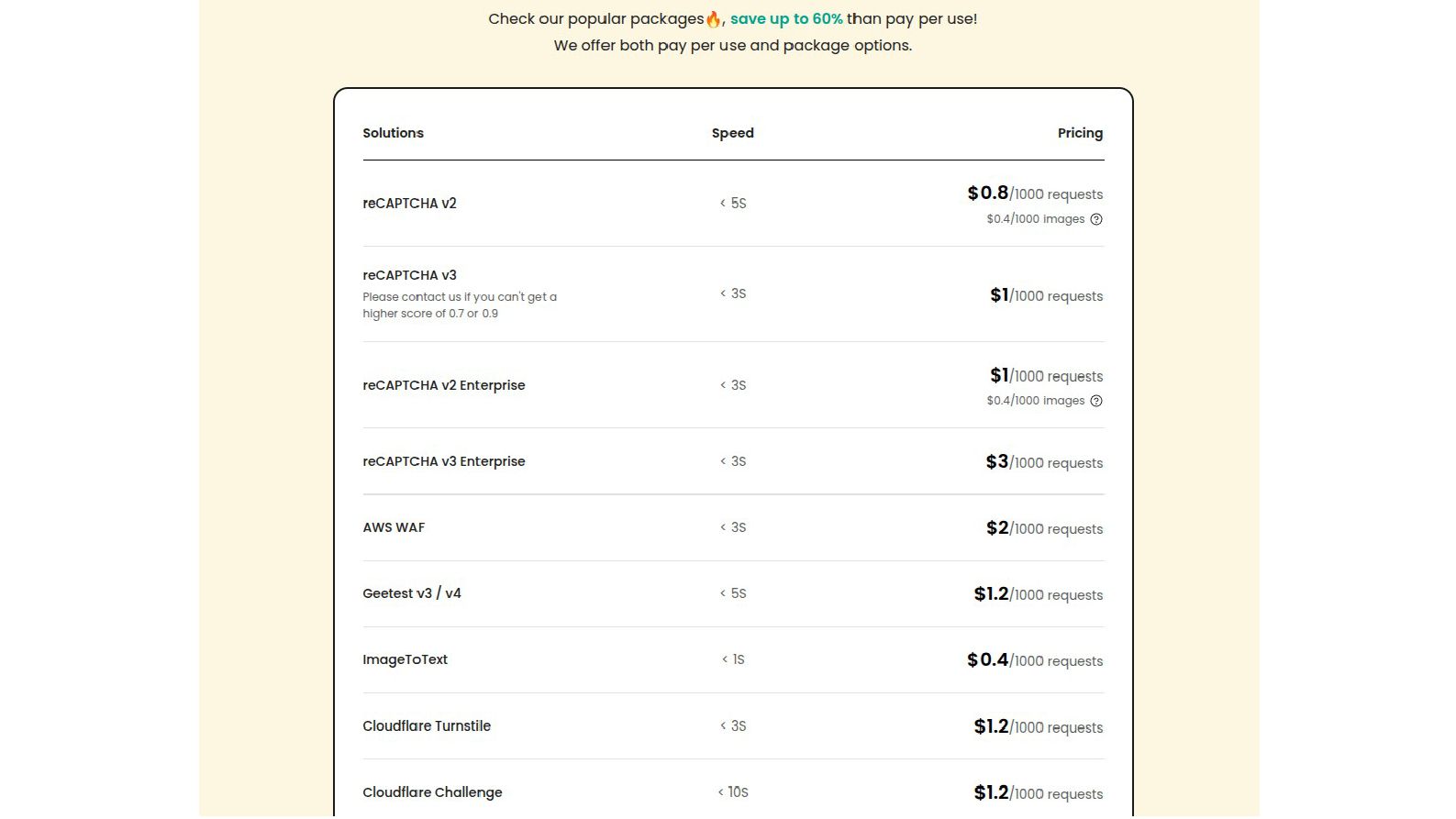
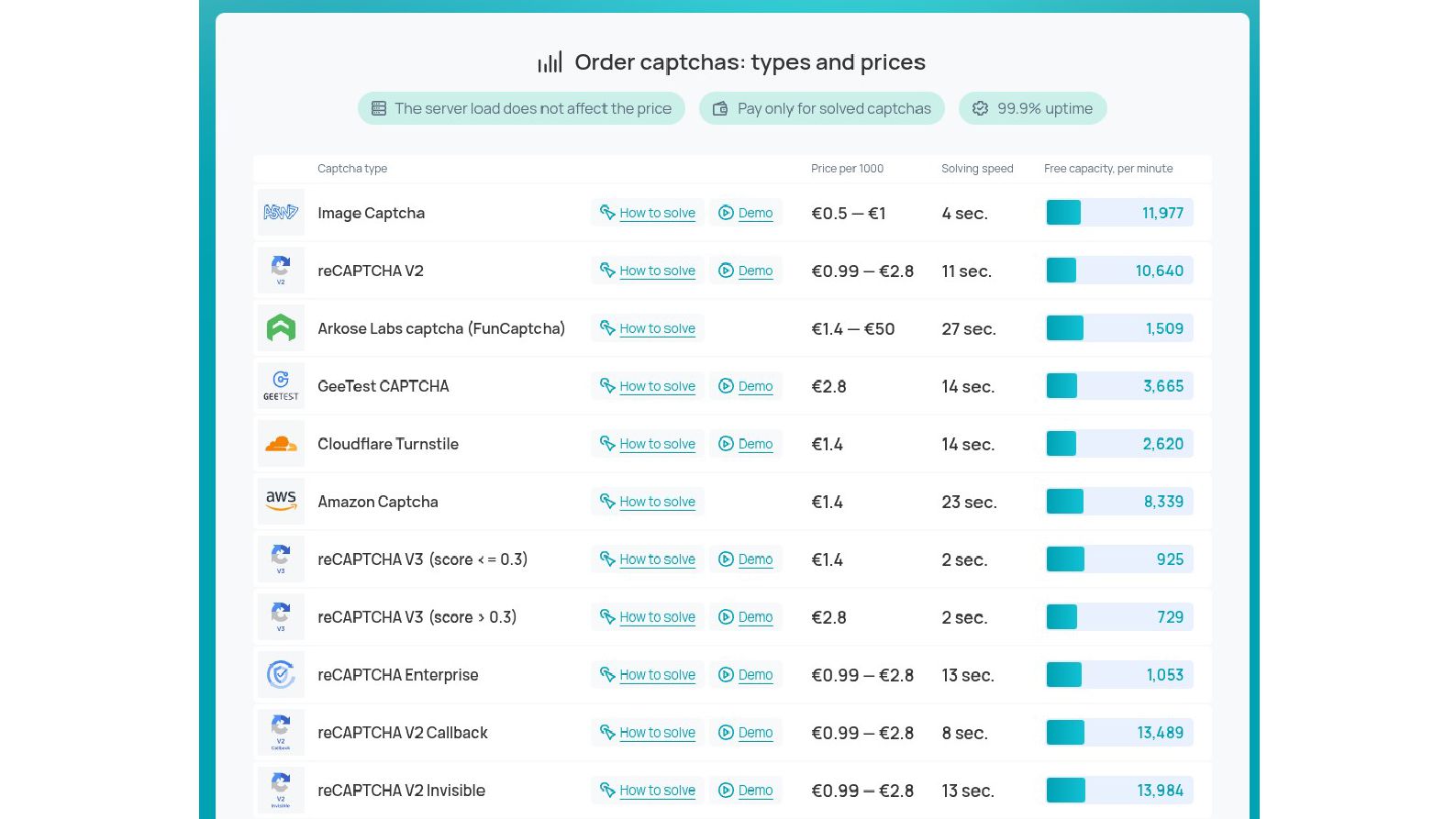
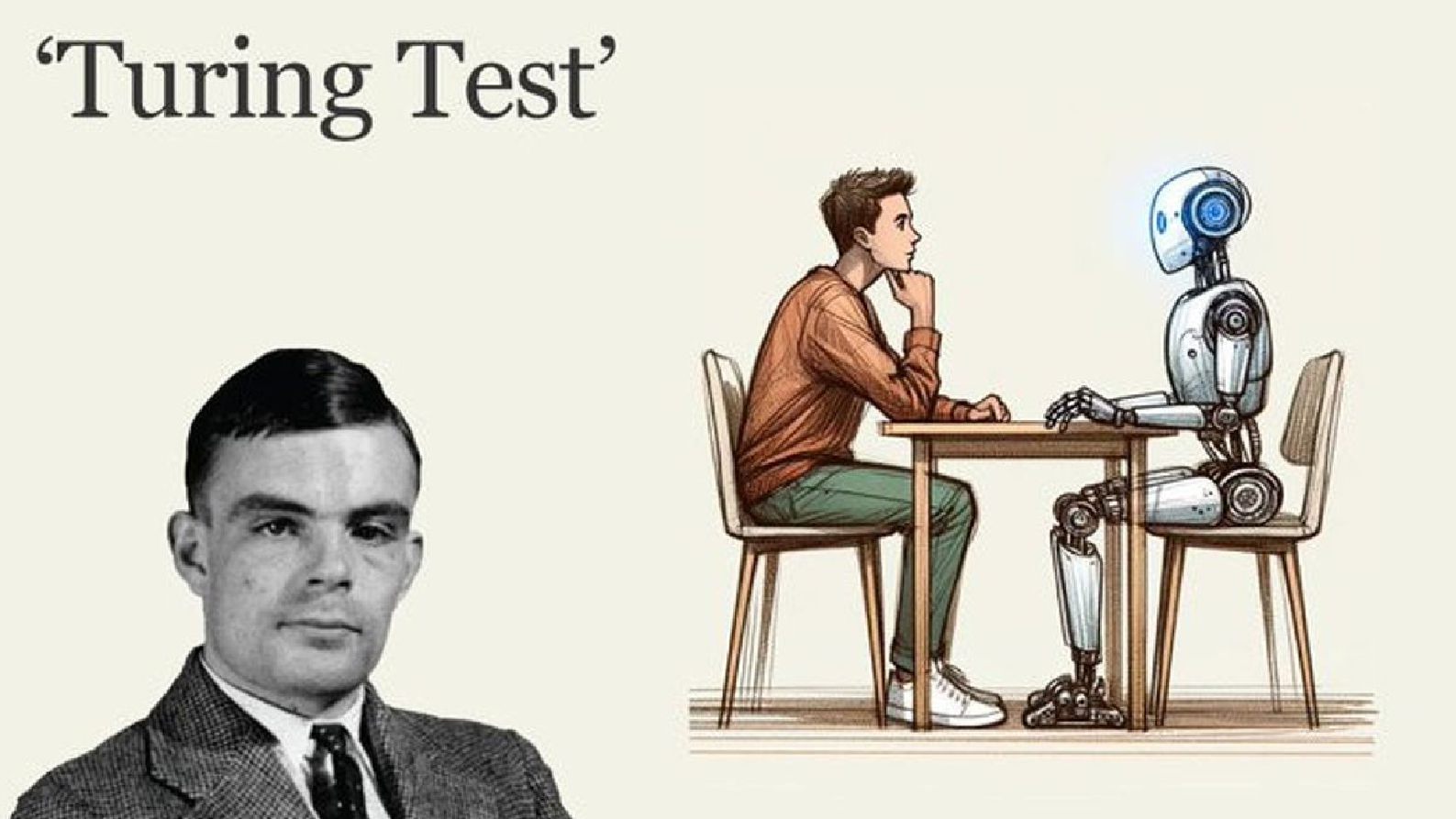
I believe that a Turing test is a cat and mouse game, since when a new check is added it's just a matter of time before an attacker finds a workaround. Moreover, CAPTCHA solvers as a service cost a few bucks to solve a thousand. They are solved by real humans… So I think that guessing if a client is a bot or a human is hopeless and we should change our strategy.
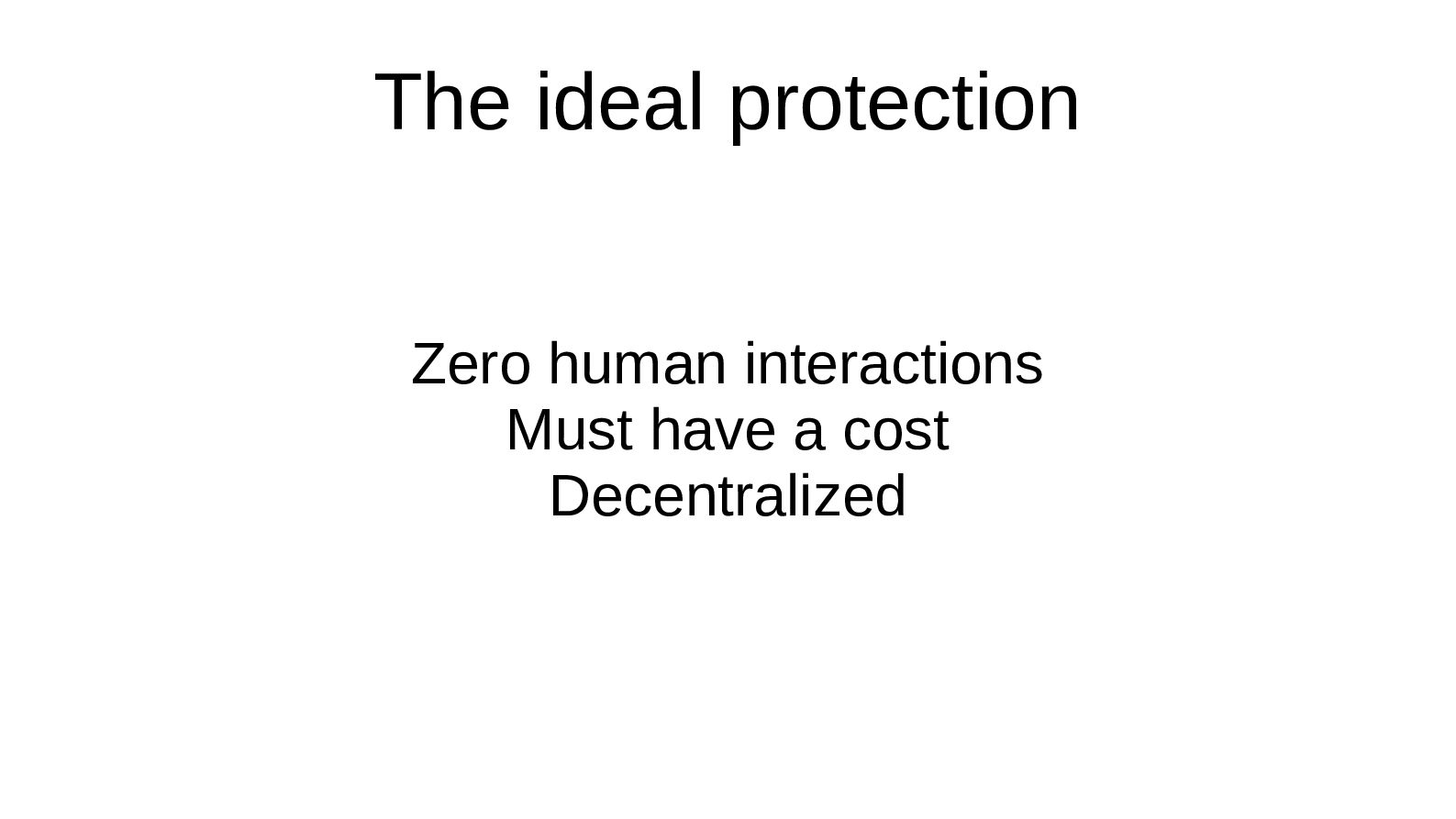
My ideal protection would be:
1. Zero human interactions, because humans are not the problem.
2. It must have a cost, or require something in finite quantity.
3. Decentralized, to not depend on a third-party service.
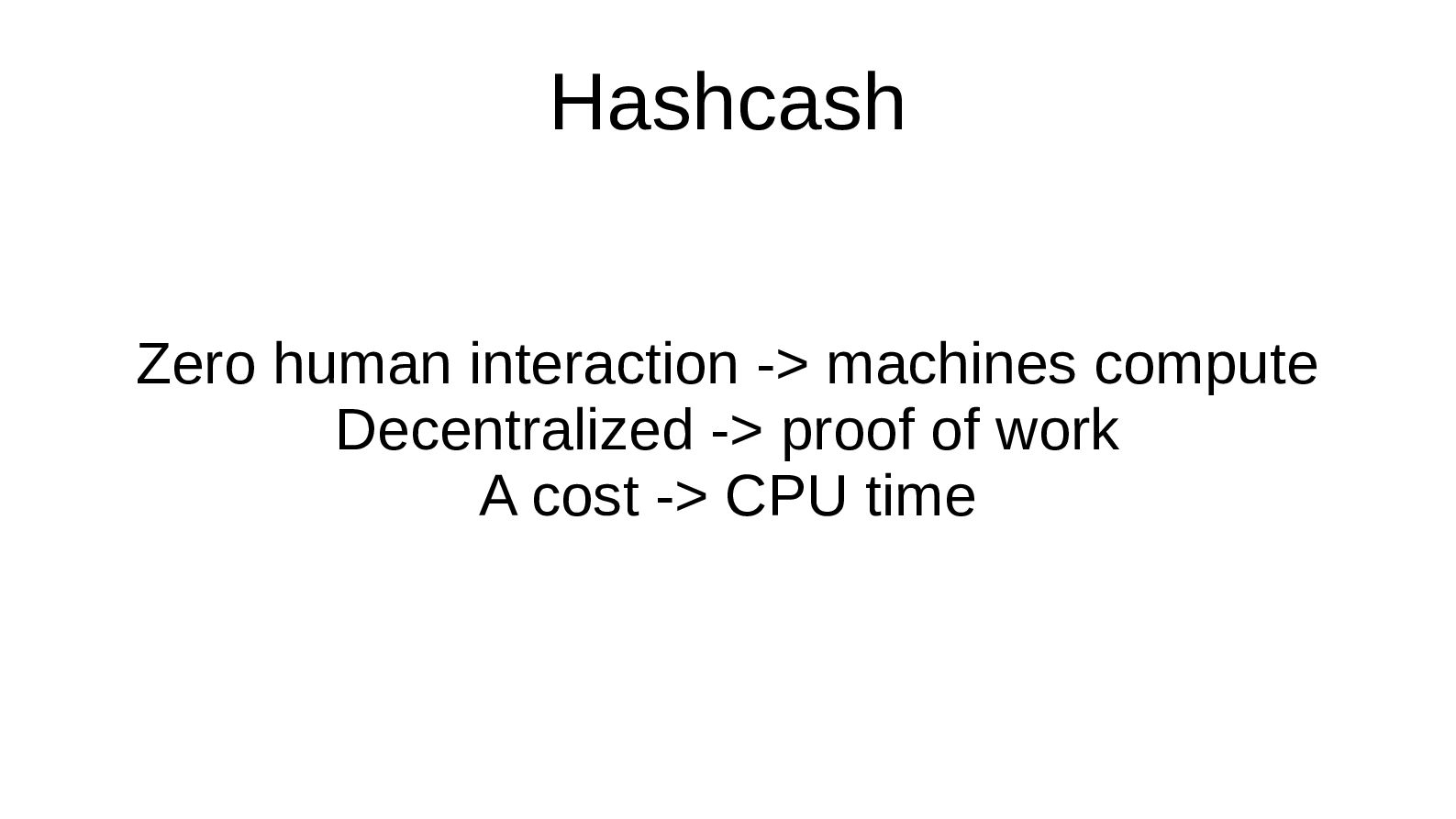
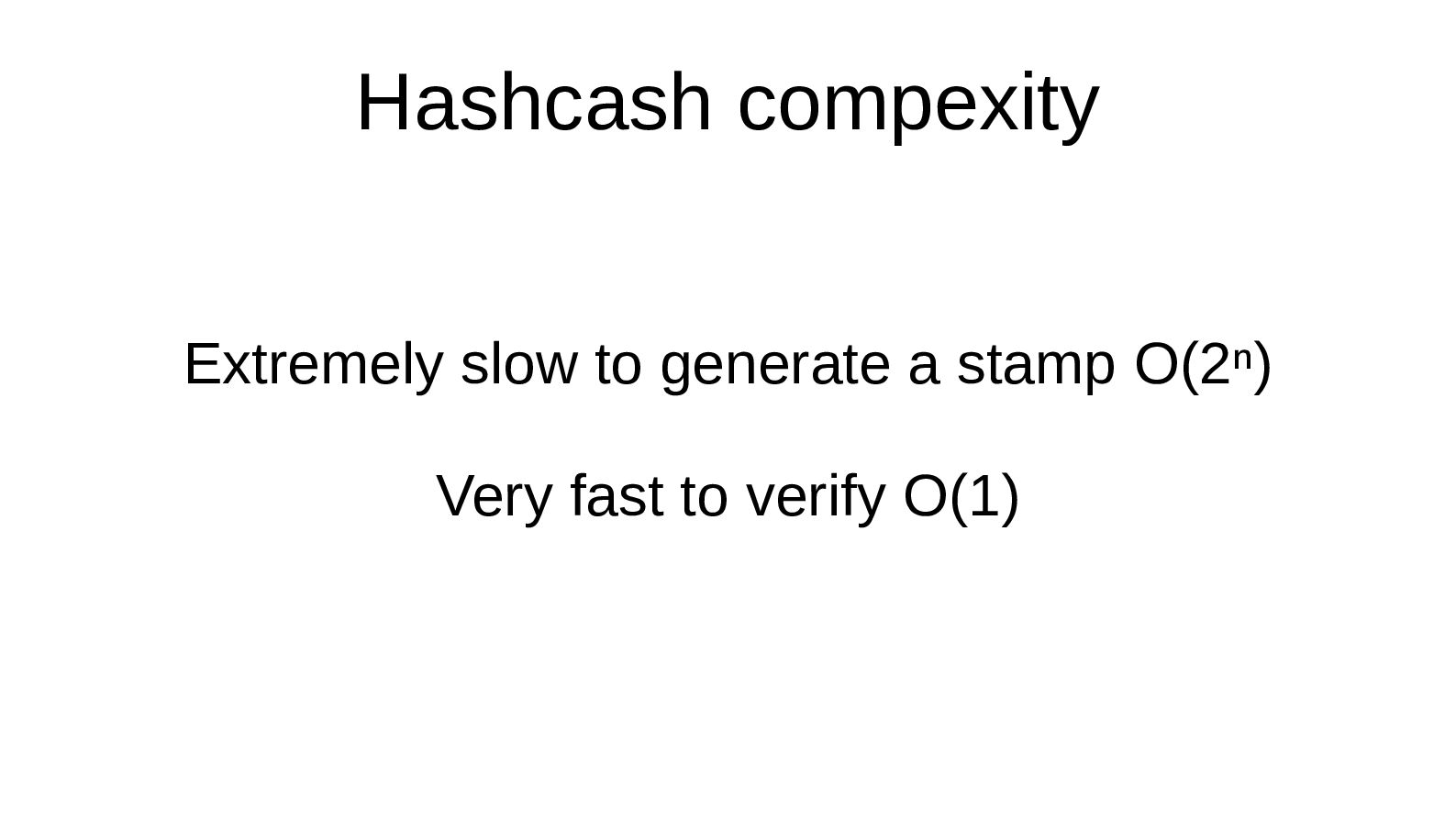
Fortunately, Hashcash was created in 1997 by Adam Back. It's a proof-of-work algorithm where it's extremely slow to create one (O(2^n)) and extremely fast to verify it (O(1)), since it requires only a single SHA-1 computation.
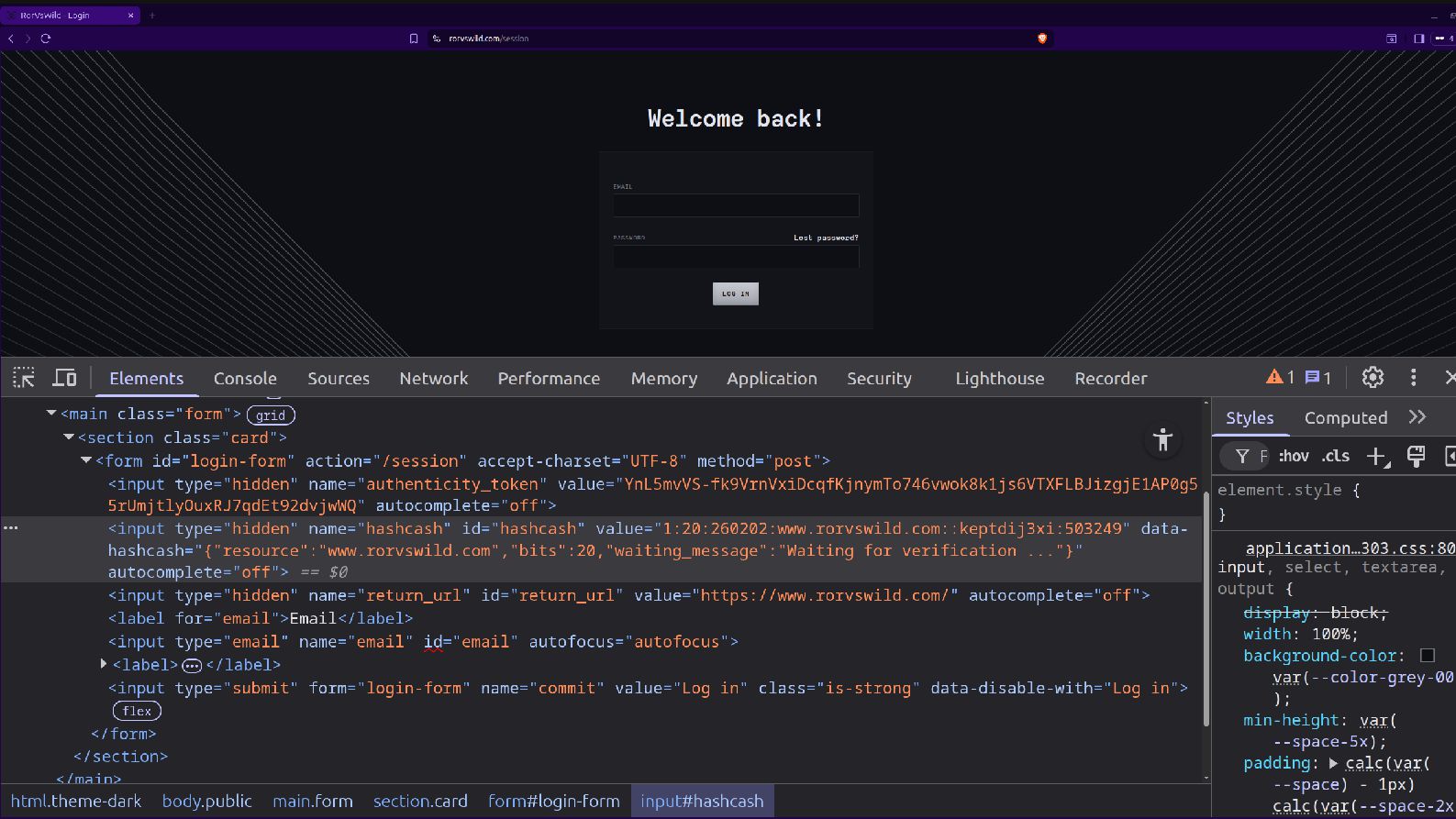
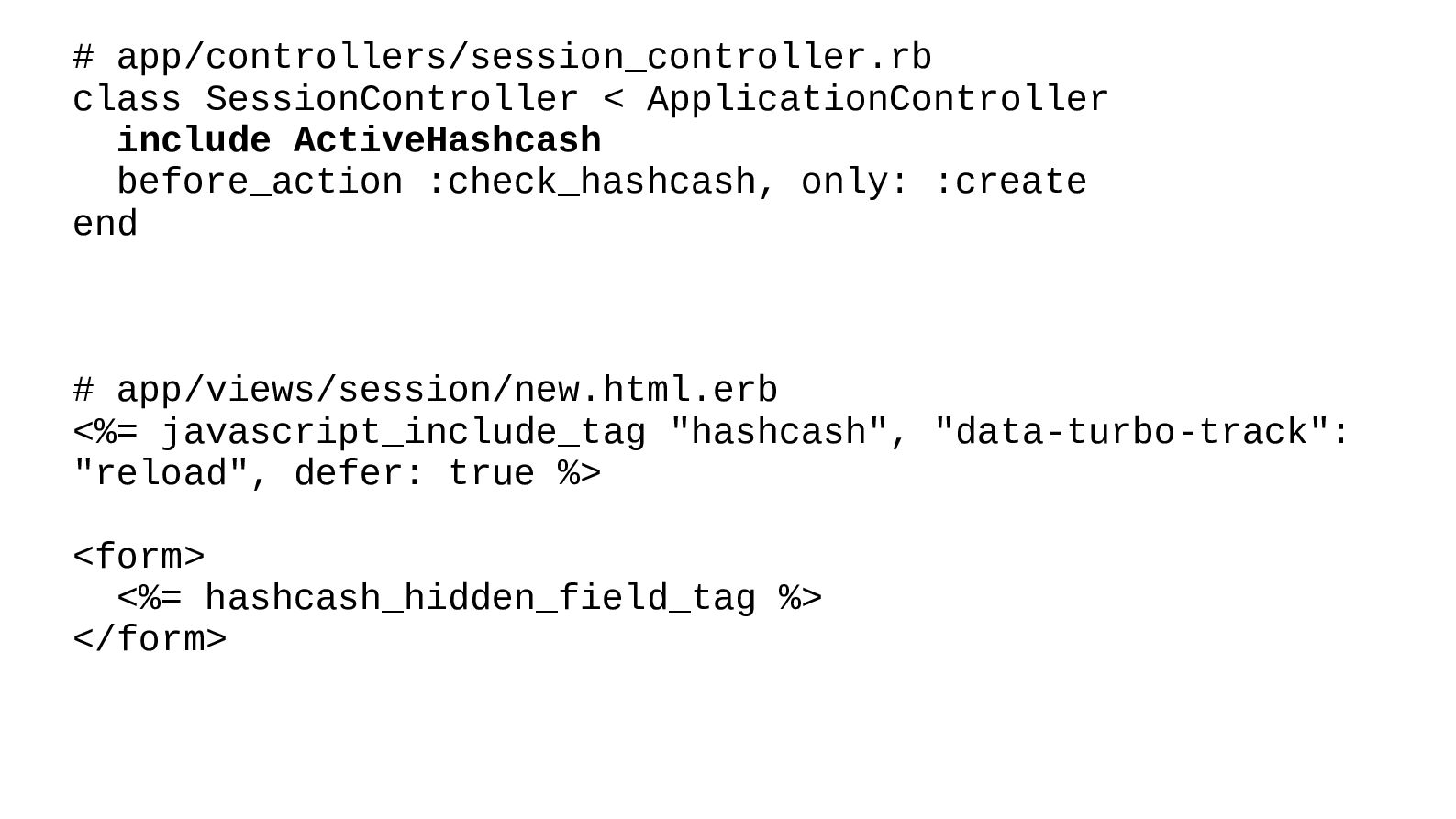
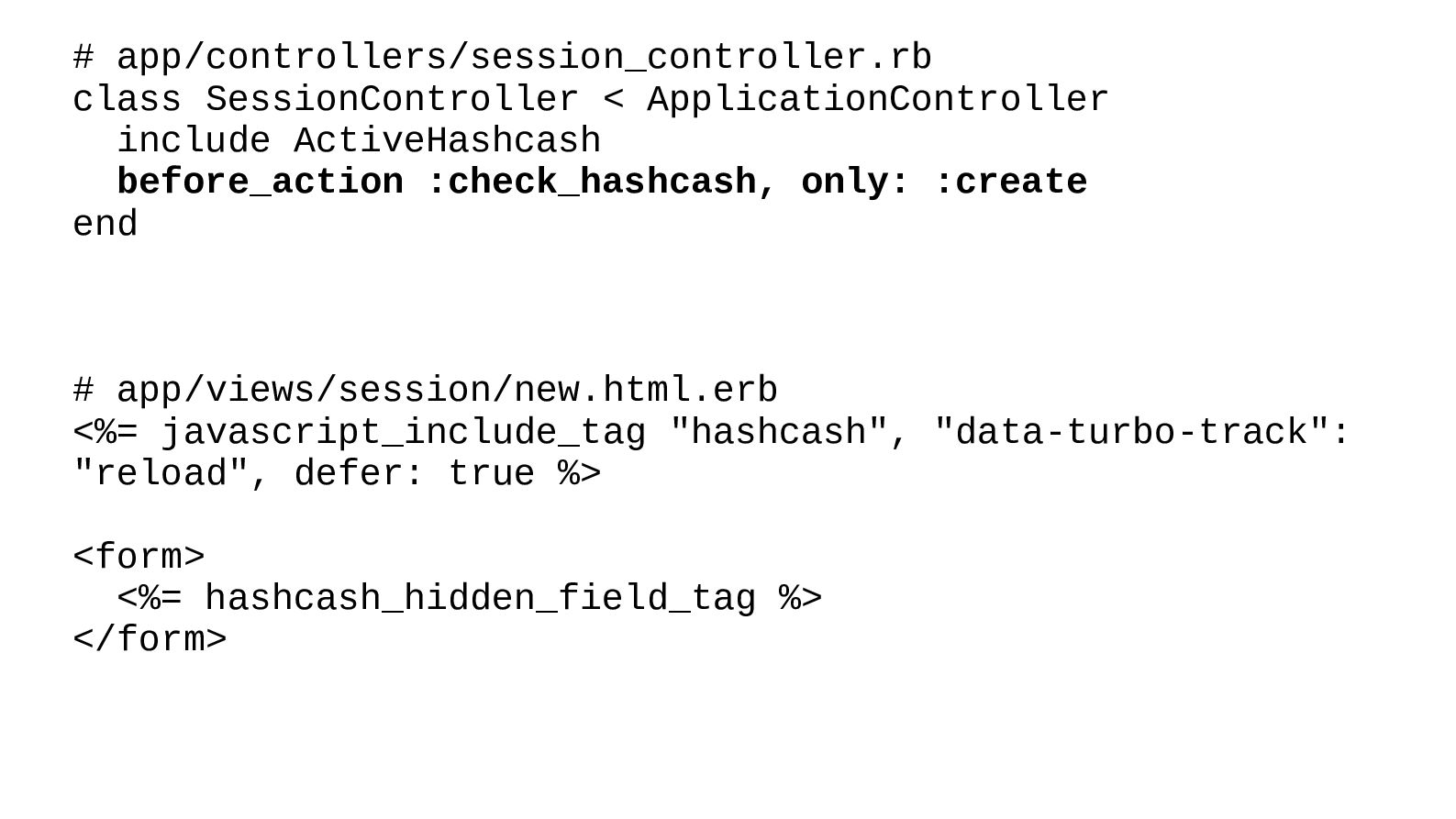
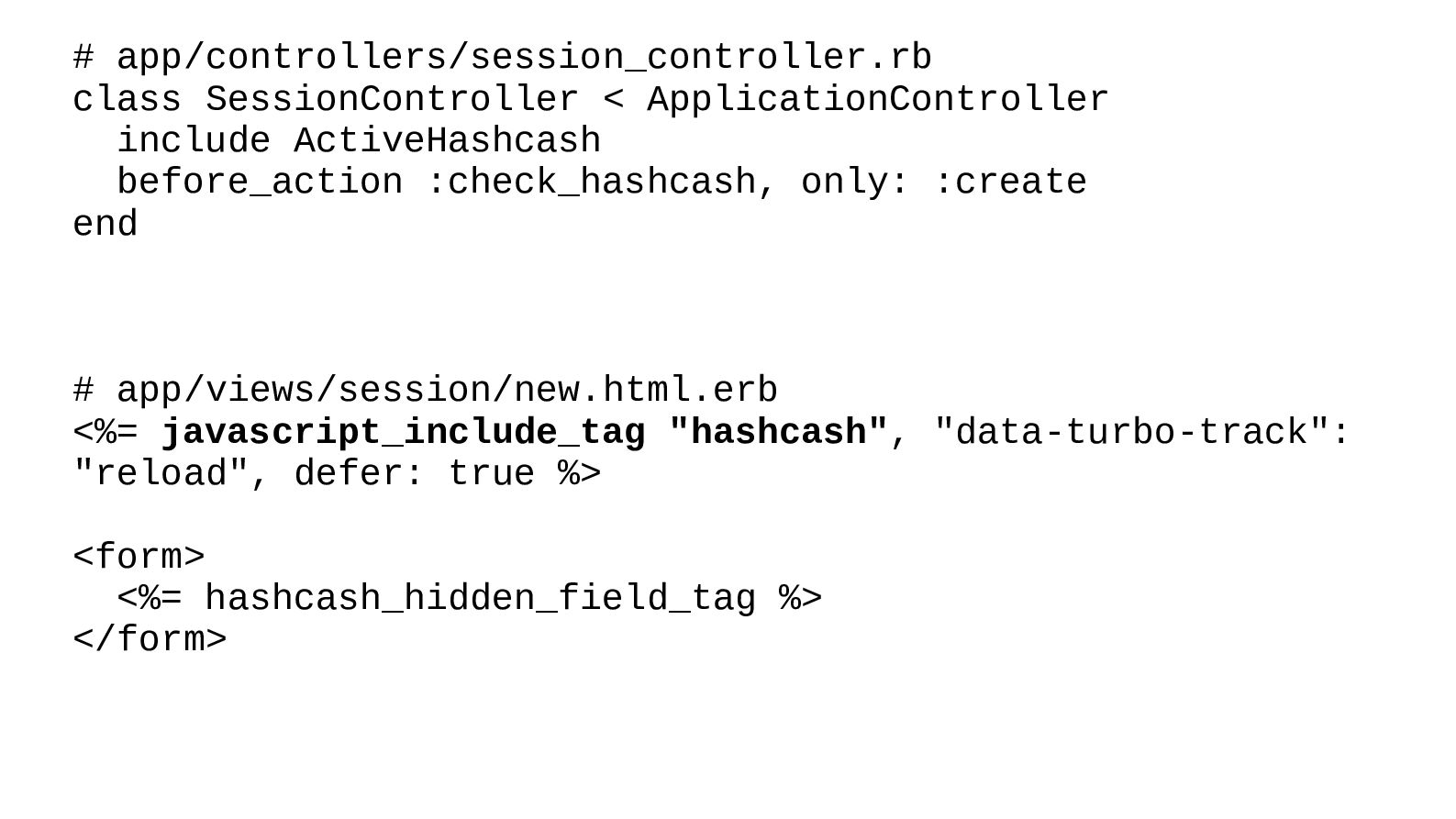
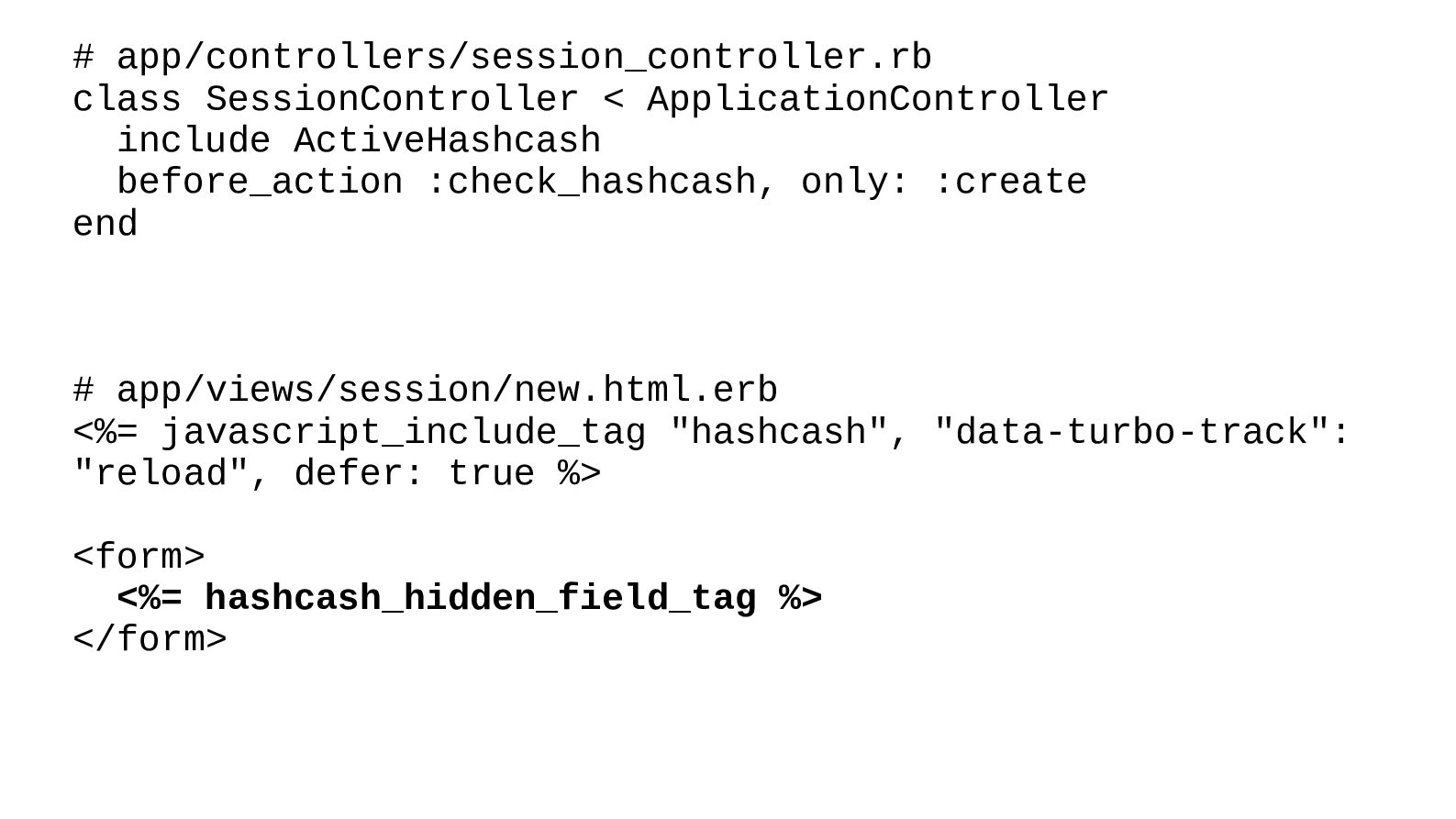
What if forms were protected by Hashcash? That's what I did, and it worked well. So I decided to extract it into a gem called ActiveHashcash, where you can protect your Rails application in four lines of code with zero third-party dependencies.
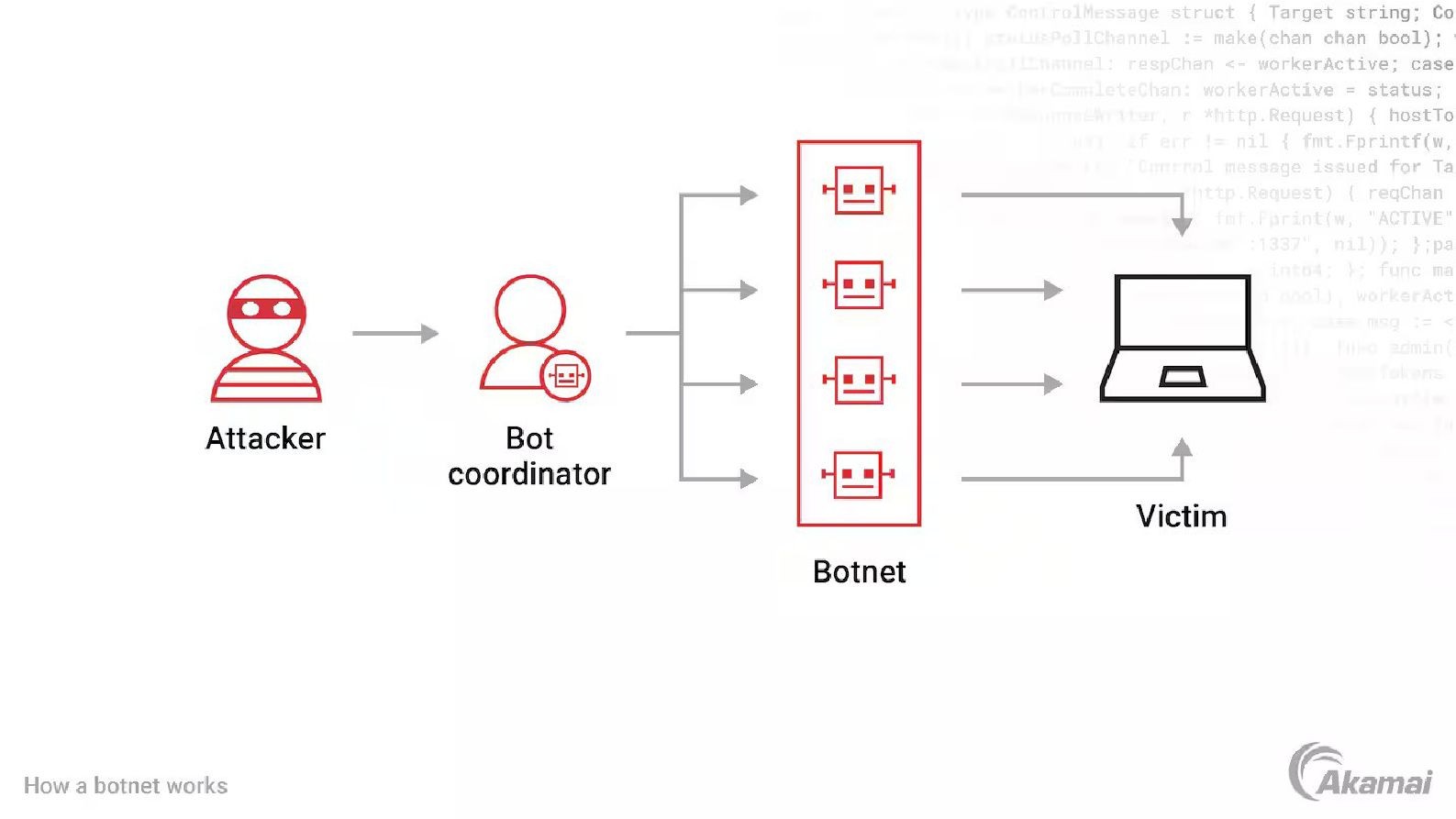
The goal of ActiveHashcash is not to block all bots. It's to ensure that your Rails application is a difficult target. So attackers must pay to rent a botnet and spend a lot of CPU time. Thus they will give up and move to an easier target.
Lightning talk given at Helvetic Ruby 2026.

 alexis
 chigichan24
 jinroq
 sodainc
 j5ik2o
 yuuu
 yyh_gl
 satoshi256kbyte
 michaelsimons
 minodriven
 bicstone
 hrmstrsmgs
 barnbarn
 inesmontani
 chriscoyier
 marktimemedia
 baasie
 bkeepers
 sstephenson
 skipperchong
 soudai
 sarafernandez
 katarinadahlin