Upgrade to Pro — share decks privately, control downloads, hide ads and more …

When Do Baby Teeth Appear Understanding Delayed...

Avatar for archana archana
January 15, 2025
31

When Do Baby Teeth Appear Understanding Delayed Eruption

It’s common for some babies to experience delayed tooth eruption, with their first tooth coming in later than the typical 6-month mark. This could be influenced by factors like genetics or overall health. In most cases, it’s not a major concern, but parents should monitor progress and consult a pediatrician if needed.

Avatar for archana

archana

January 15, 2025

Transcript

  1. Teething is one of those exciting but also sometimes challenging

    developmental milestones in babyhood, and parents often worry when a baby shows signs of late teething in babies .Teething marks the time when the baby's first set of teeth appears, and it naturally follows normal development in the baby. Teething is a stage that can be uncomfortable for most babies because it usually starts around 6 to 12 months. Delayed teething causes the most concern among the baby's parents or any caregiver Introduction
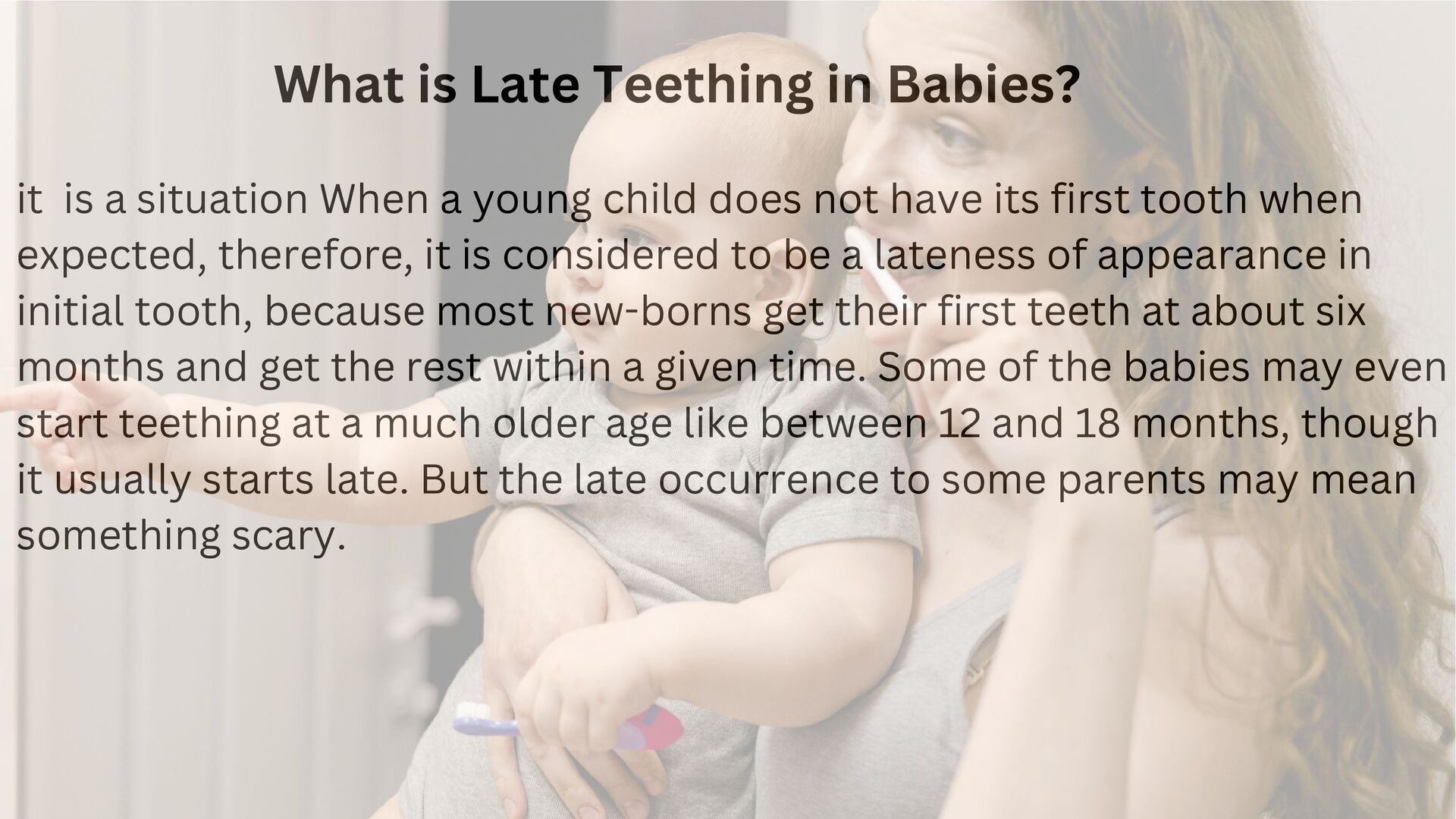
  2. What is Late Teething in Babies? it is a situation

    When a young child does not have its first tooth when expected, therefore, it is considered to be a lateness of appearance in initial tooth, because most new-borns get their first teeth at about six months and get the rest within a given time. Some of the babies may even start teething at a much older age like between 12 and 18 months, though it usually starts late. But the late occurrence to some parents may mean something scary.
  3. Extensive drooling: Teething, rather than exert excessive force on the

    teeth, stirs salivary production. Gnawing on objects: At times, babies find objects that help them reduce discomfort. These objects are typically toys, fingers, or any other chewable items. Irritability and crankiness: Because teething pains are no fun for babies, they become cranky when they start teething. Difficulty in Sleep: Distorted patterns in the evident regular sleep problems. Mild fever: Not all, but a few children show symptoms such as a slight rise in temperature during these periods. Signs of Teething in Babies
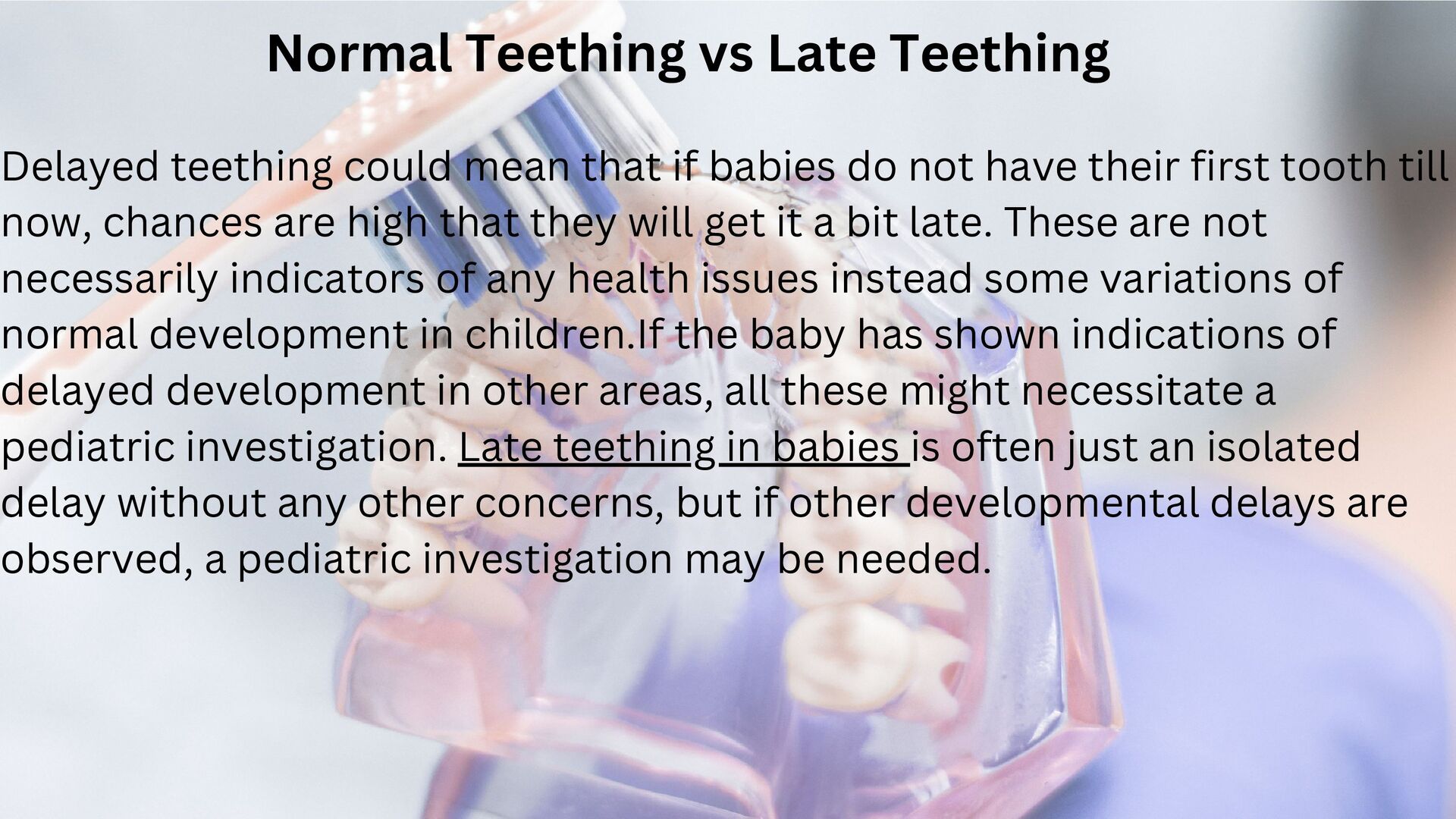
  4. Normal Teething vs Late Teething Delayed teething could mean that

    if babies do not have their first tooth till now, chances are high that they will get it a bit late. These are not necessarily indicators of any health issues instead some variations of normal development in children.If the baby has shown indications of delayed development in other areas, all these might necessitate a pediatric investigation. Late teething in babies is often just an isolated delay without any other concerns, but if other developmental delays are observed, a pediatric investigation may be needed.
  5. The most common hassle for those babies who go through

    dental occlusion much later than others does contribute to disrupted out- of-their-slumber moments. The bad aspect is that soon as a child starts experiencing teeth budding out, that emerging discomfort makes it difficult for them to fall asleep again or to continue lying through the night without disturbance. Most of the time, babies with teething issues usually keep waking from short spells of sleep and find it hard to settle down to sleep. How Late Teething in Babies Can Affect Sleep Patterns
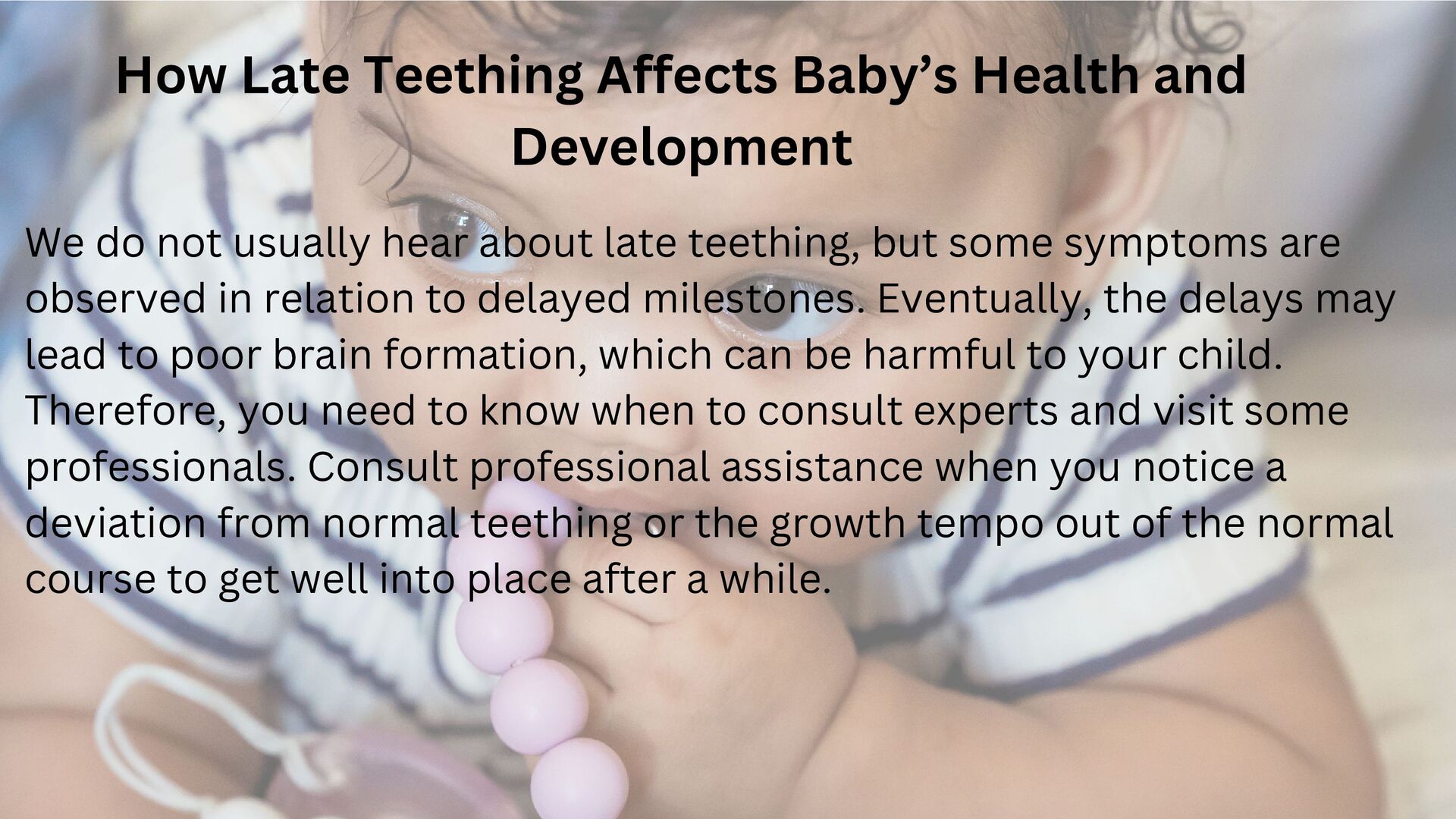
  6. How Late Teething Affects Baby’s Health and Development We do

    not usually hear about late teething, but some symptoms are observed in relation to delayed milestones. Eventually, the delays may lead to poor brain formation, which can be harmful to your child. Therefore, you need to know when to consult experts and visit some professionals. Consult professional assistance when you notice a deviation from normal teething or the growth tempo out of the normal course to get well into place after a while.
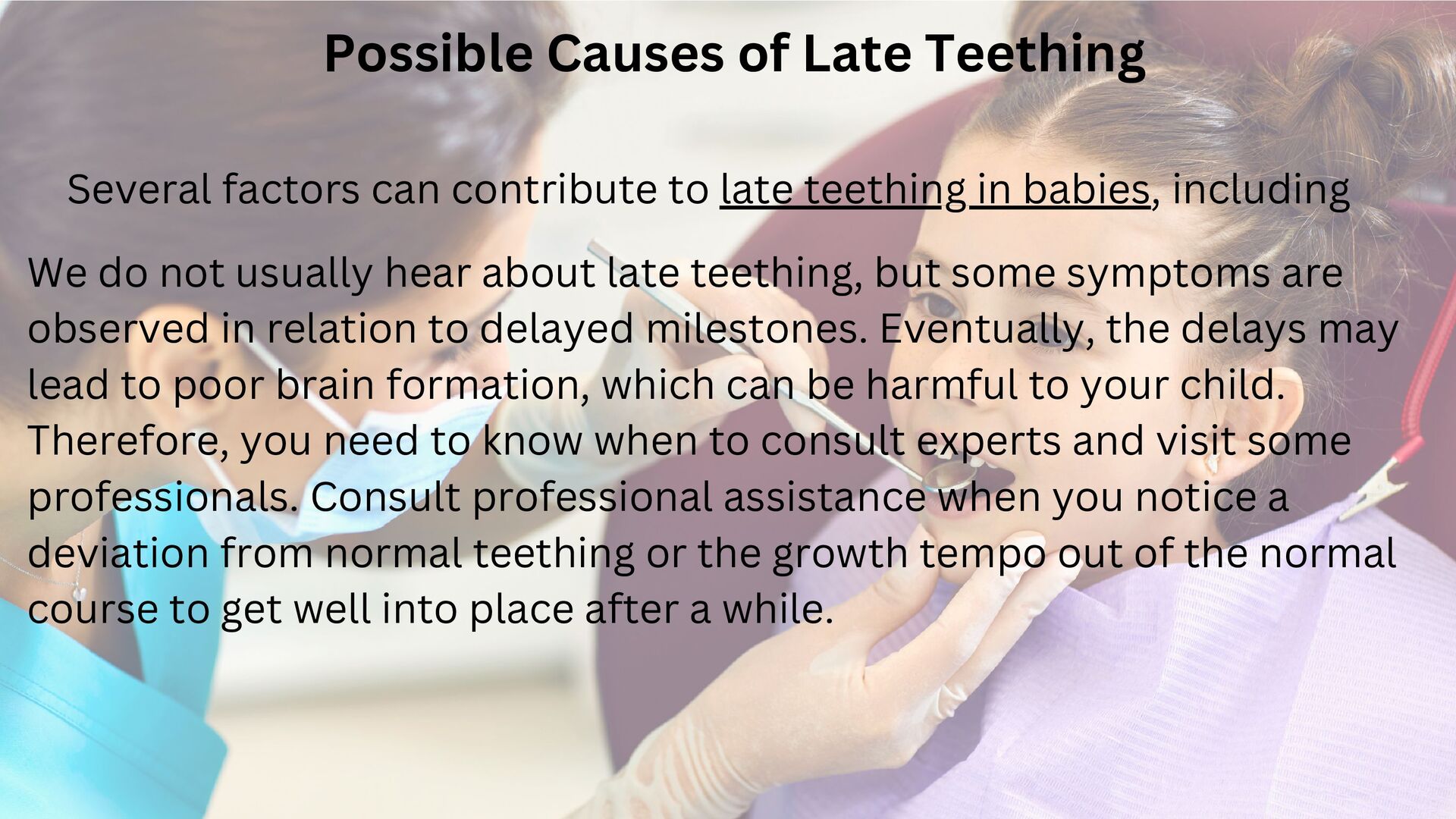
  7. Possible Causes of Late Teething Several factors can contribute to

    late teething in babies, including We do not usually hear about late teething, but some symptoms are observed in relation to delayed milestones. Eventually, the delays may lead to poor brain formation, which can be harmful to your child. Therefore, you need to know when to consult experts and visit some professionals. Consult professional assistance when you notice a deviation from normal teething or the growth tempo out of the normal course to get well into place after a while.
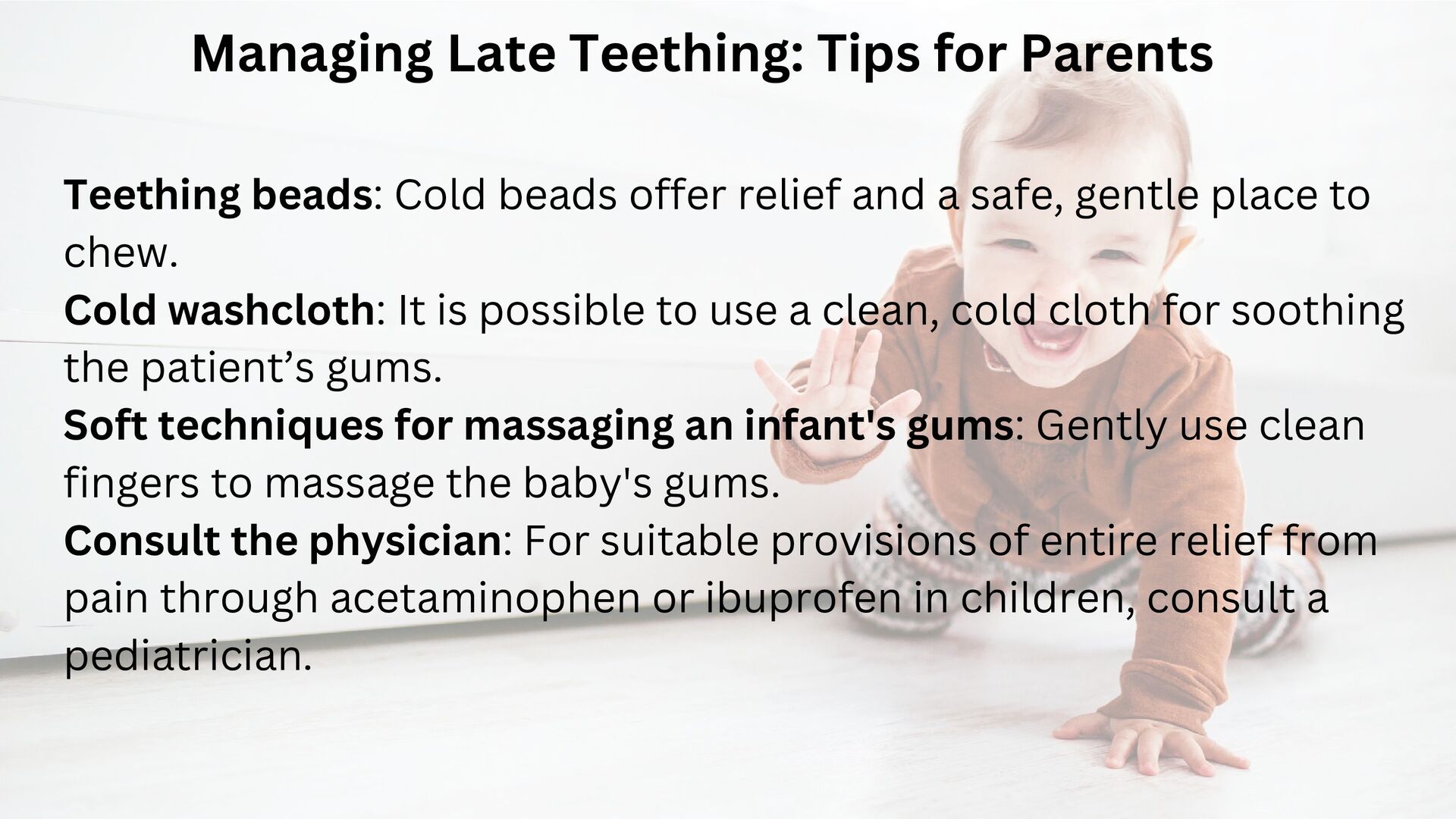
  8. Teething beads: Cold beads offer relief and a safe, gentle

    place to chew. Cold washcloth: It is possible to use a clean, cold cloth for soothing the patient’s gums. Soft techniques for massaging an infant's gums: Gently use clean fingers to massage the baby's gums. Consult the physician: For suitable provisions of entire relief from pain through acetaminophen or ibuprofen in children, consult a pediatrician. Managing Late Teething: Tips for Parents
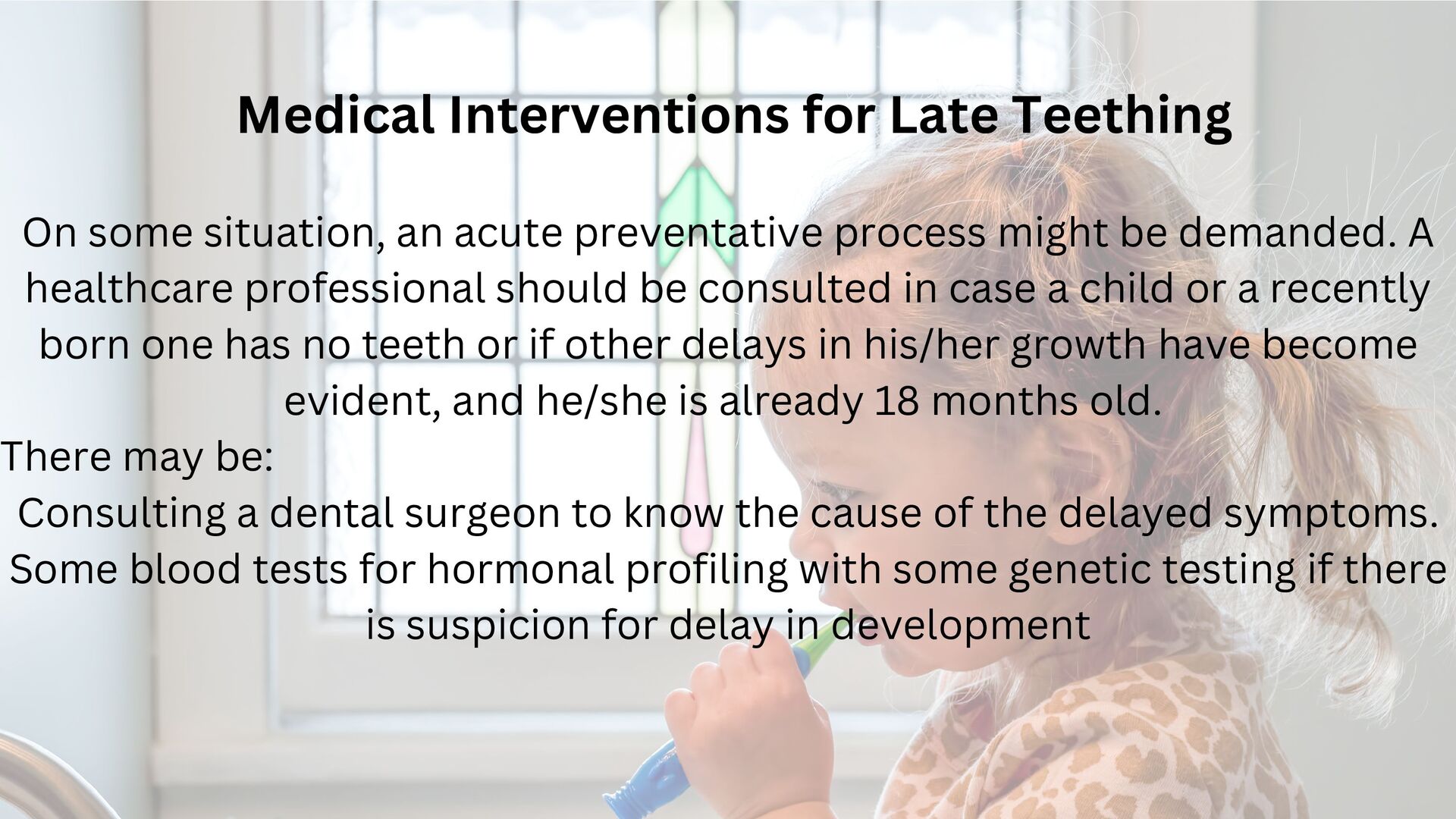
  9. On some situation, an acute preventative process might be demanded.

    A healthcare professional should be consulted in case a child or a recently born one has no teeth or if other delays in his/her growth have become evident, and he/she is already 18 months old. There may be: Consulting a dental surgeon to know the cause of the delayed symptoms. Some blood tests for hormonal profiling with some genetic testing if there is suspicion for delay in development Medical Interventions for Late Teething
  10. Prevention and Care for Baby Teeth Gum-Wiping: Clean gum tissues

    for your baby after feedings with a wet, soft cloth. Check it out before your precious little cutie begins to grow her teeth. Visit One at The Dentist's Clinic with Apollo: Early, no more than after the first year by which he's alive, and through-the outpatient services of Pedia's practice. Carb-Free Enthusiast: Feed your kid with considerable calcium and vitamins for healthy gums and teeth.
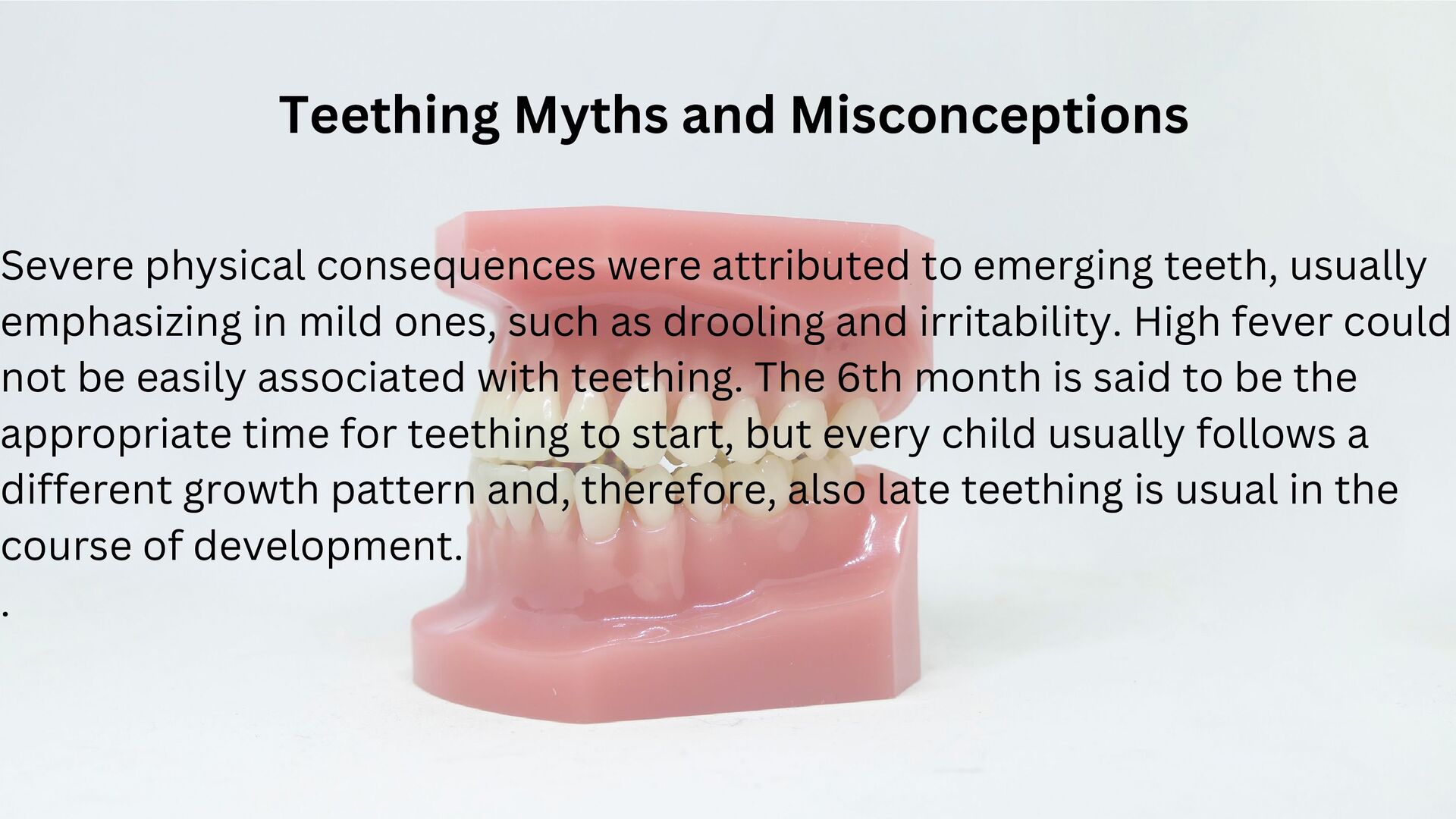
  11. Teething Myths and Misconceptions Severe physical consequences were attributed to

    emerging teeth, usually emphasizing in mild ones, such as drooling and irritability. High fever could not be easily associated with teething. The 6th month is said to be the appropriate time for teething to start, but every child usually follows a different growth pattern and, therefore, also late teething is usual in the course of development. .
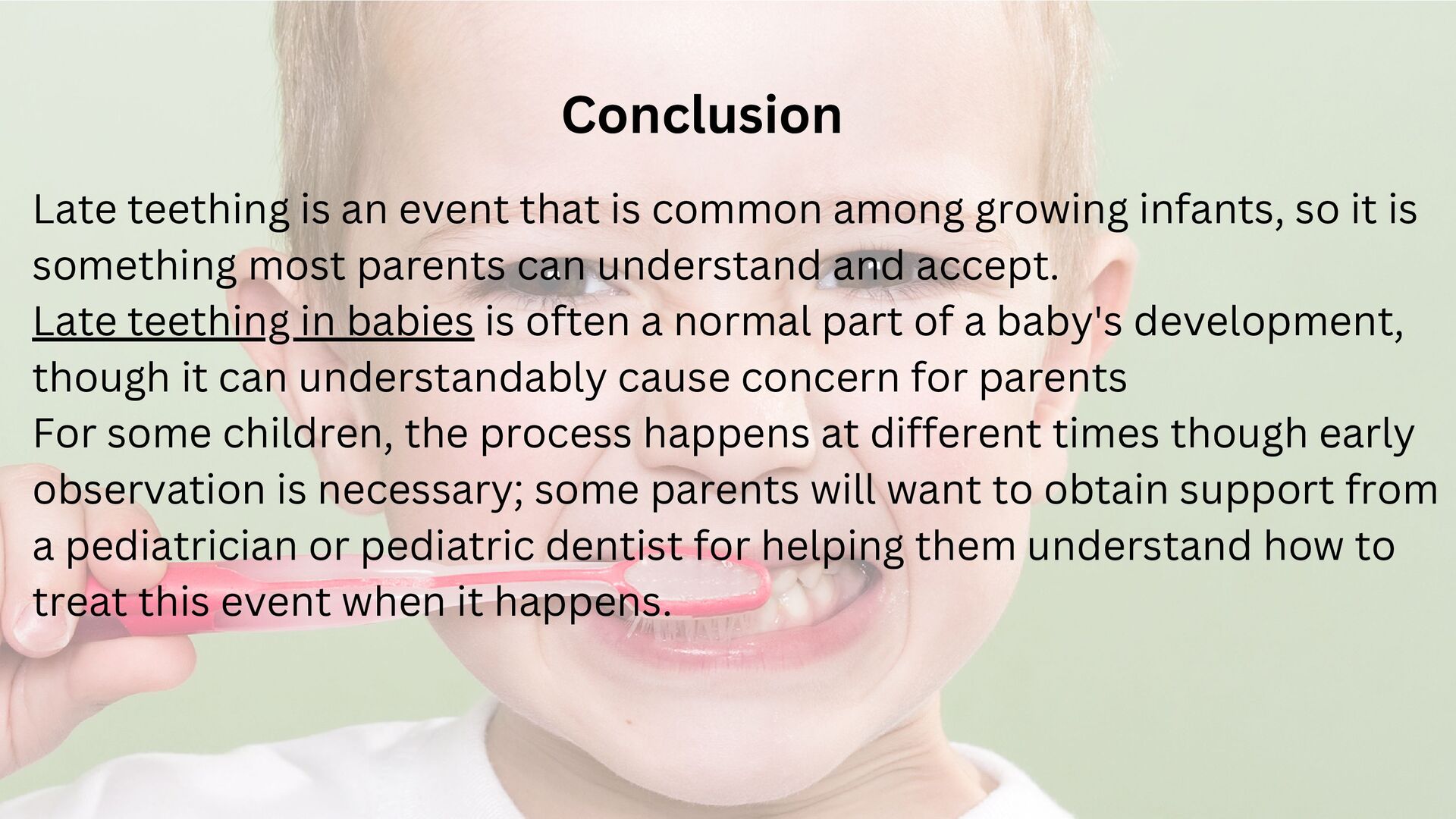
  12. Conclusion Late teething is an event that is common among

    growing infants, so it is something most parents can understand and accept. Late teething in babies is often a normal part of a baby's development, though it can understandably cause concern for parents For some children, the process happens at different times though early observation is necessary; some parents will want to obtain support from a pediatrician or pediatric dentist for helping them understand how to treat this event when it happens.