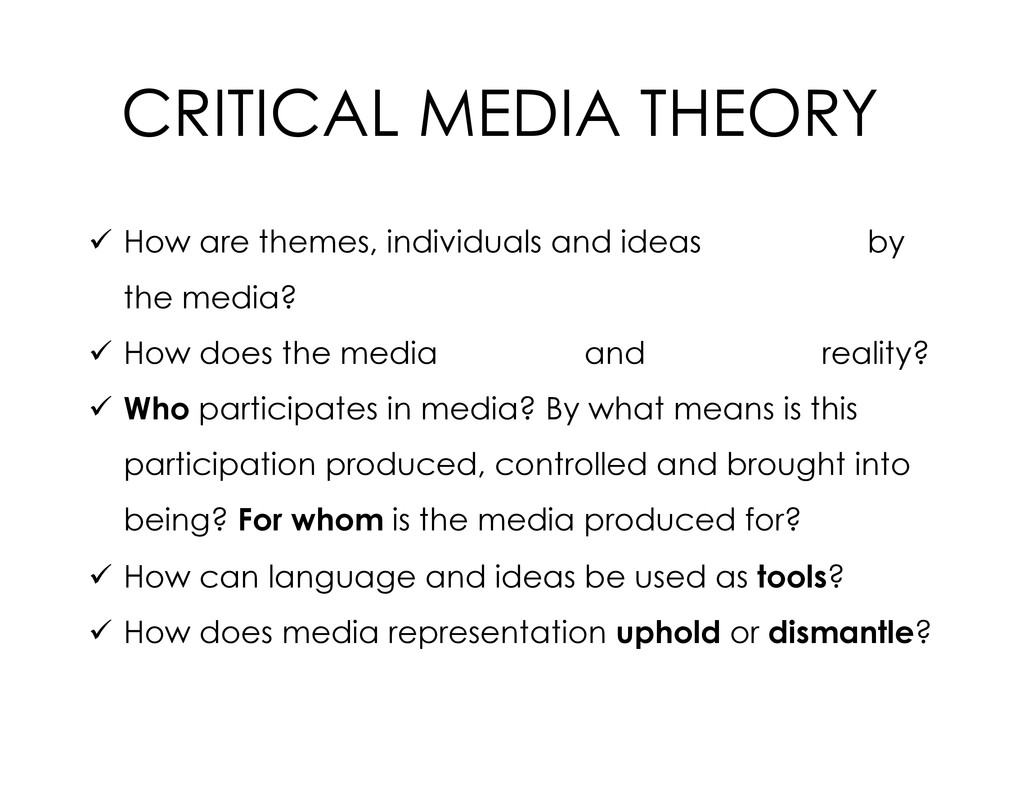
media? ü How does the media produce and reproduce reality? ü Who participates in media? By what means is this participation produced, controlled and brought into being? For whom is the media produced for? ü How can language and ideas be used as tools? ü How does media representation uphold or dismantle? CRITICAL MEDIA THEORY
Raise stature ü Reinforce reputation ü Once you understand how media is constructed, you can deconstruct it and remake it into serving your goals. ü Discourse CREATES fact, and discourse can also DISMANTLE fact. THEORY INTO ACTION
Do you know what resources are available to you? ü Types of people involved in communications efforts: coordinator/director, spokesperson, writer ü Institutional Memory IDENTIFYING EXISTING RESOURCES
archives, and Columbiana Archives ü Have Google Alerts for your name, your issue. Monitor Twitter using HootSuite, TweetDeck, Postling ü Get a cheap scanner and PDF everything. Put them somewhere accessible for future reference INSTITUTIONAL MEMORY
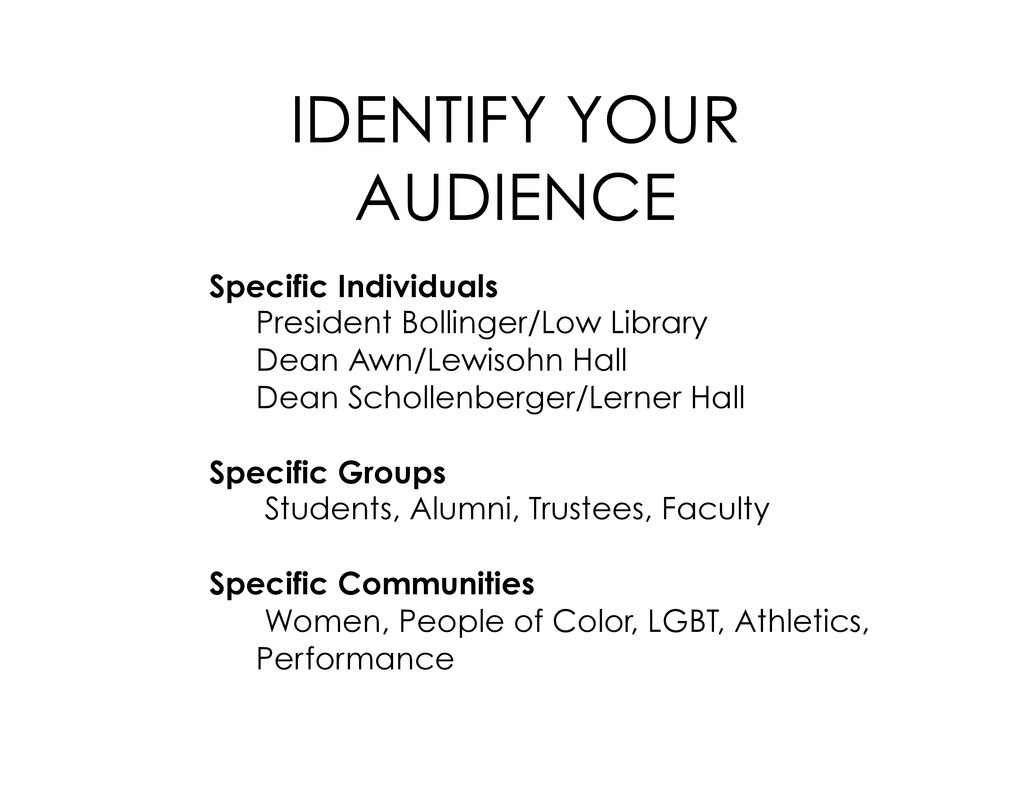
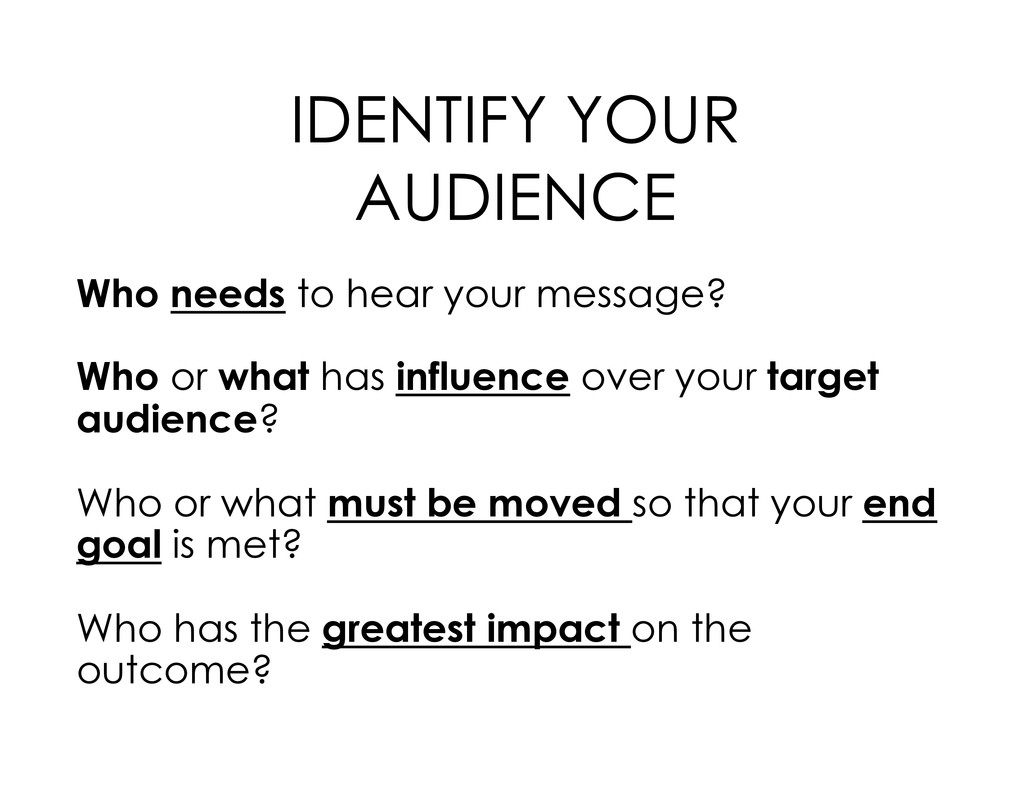
Hall Specific Groups Students, Alumni, Trustees, Faculty Specific Communities Women, People of Color, LGBT, Athletics, Performance IDENTIFY YOUR AUDIENCE
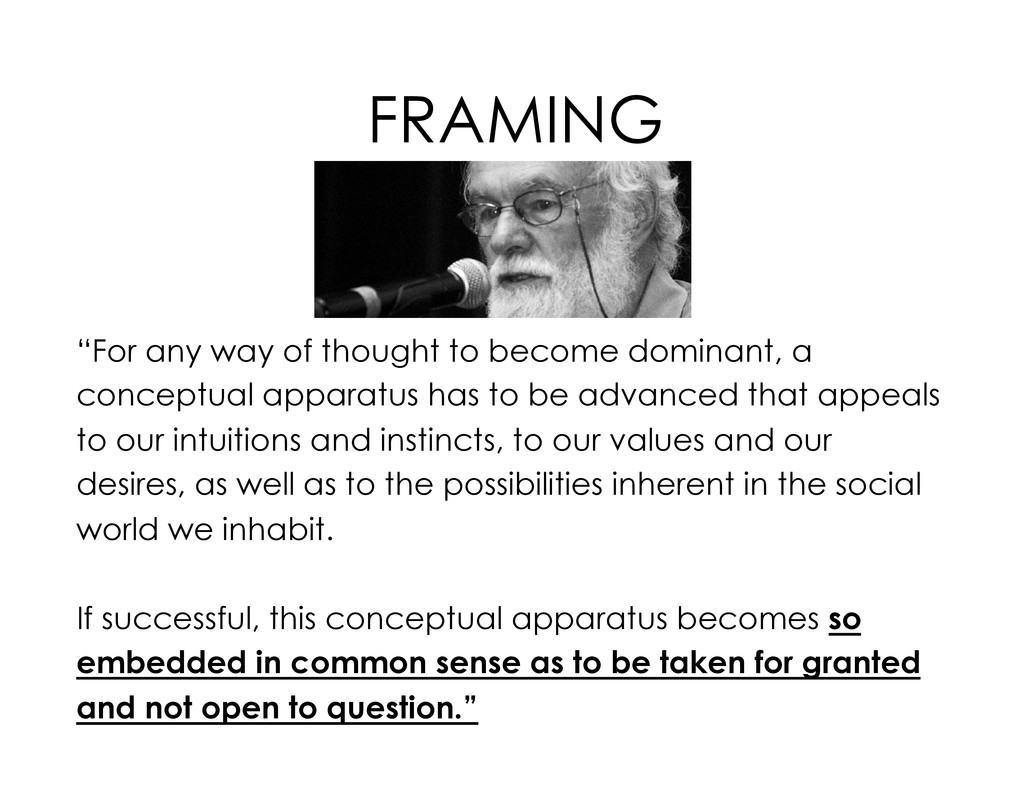
conceptual apparatus has to be advanced that appeals to our intuitions and instincts, to our values and our desires, as well as to the possibilities inherent in the social world we inhabit. If successful, this conceptual apparatus becomes so embedded in common sense as to be taken for granted and not open to question.”
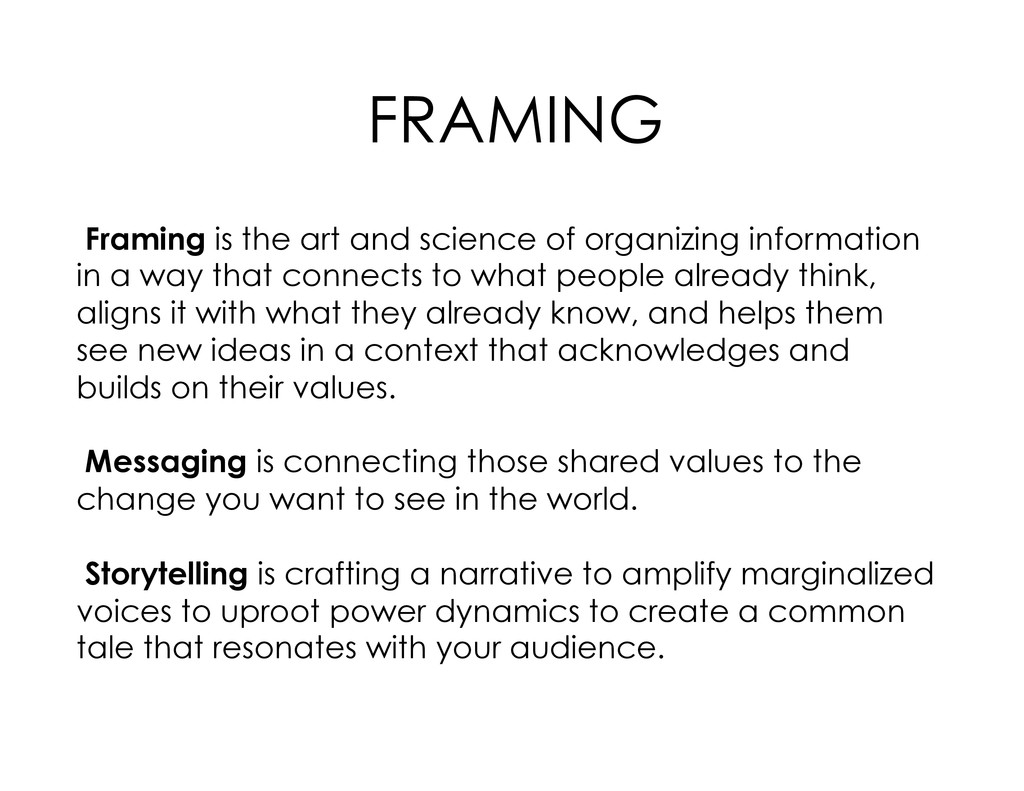
in a way that connects to what people already think, aligns it with what they already know, and helps them see new ideas in a context that acknowledges and builds on their values. Messaging is connecting those shared values to the change you want to see in the world. Storytelling is crafting a narrative to amplify marginalized voices to uproot power dynamics to create a common tale that resonates with your audience.
organizing information in a way that connects to what people already think, aligns it with what they already know, and helps them see new ideas in a context that acknowledges and builds on their values. Messaging is connecting those shared values to the change you want to see in the world. Storytelling is crafting a narrative to amplify marginalized voices to uproot power dynamics to create a common tale that resonates with your audience.
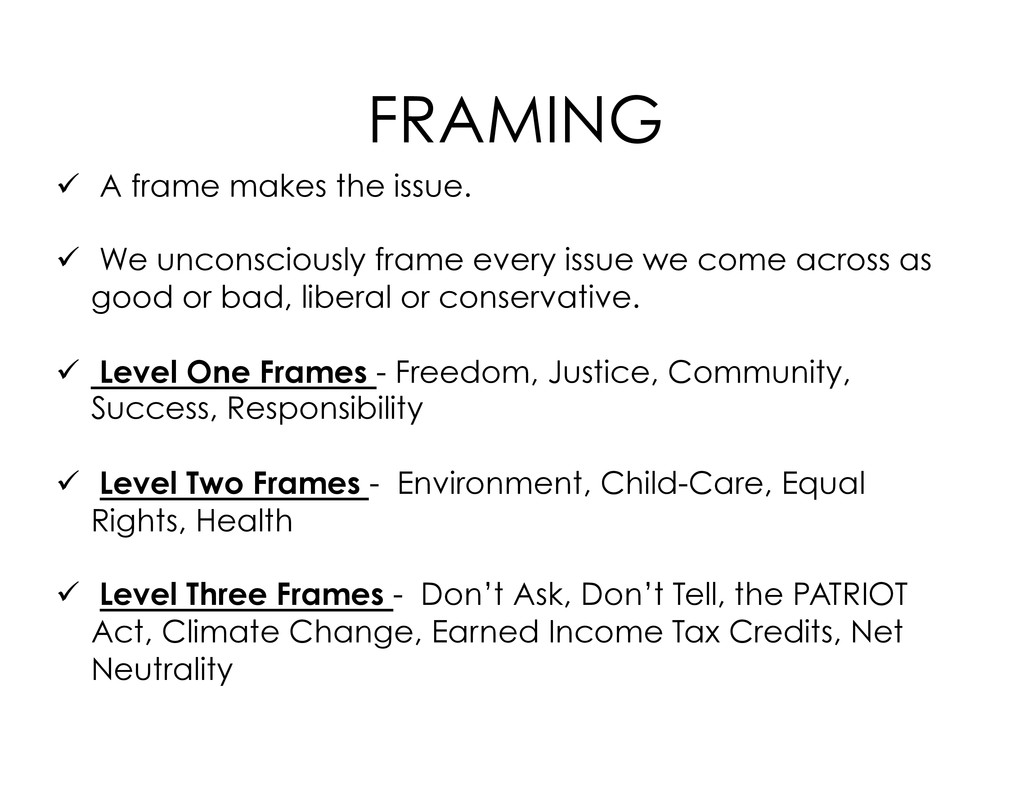
frame every issue we come across as good or bad, liberal or conservative. ü Level One Frames - Freedom, Justice, Community, Success, Responsibility ü Level Two Frames - Environment, Child-Care, Equal Rights, Health ü Level Three Frames - Don’t Ask, Don’t Tell, the PATRIOT Act, Climate Change, Earned Income Tax Credits, Net Neutrality
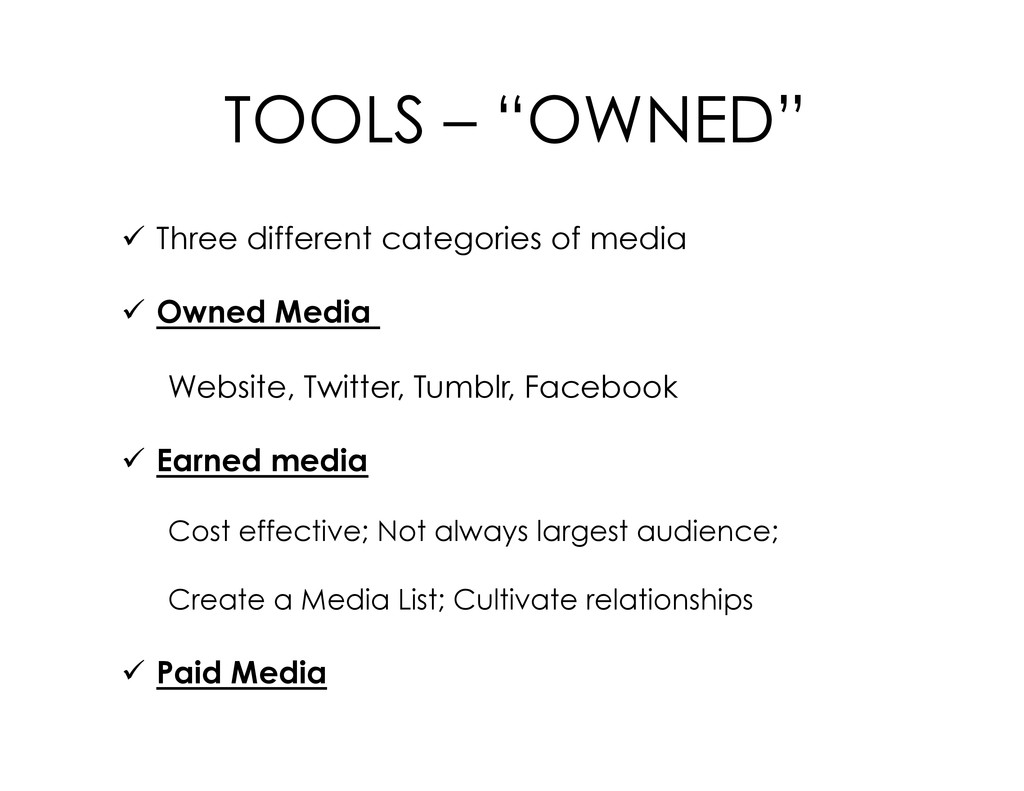
Owned Media Website, Twitter, Tumblr, Facebook ü Earned media Cost effective; Not always largest audience; Create a Media List; Cultivate relationships ü Paid Media
ü Student Government Websites (YourCCSC) ü Town Halls/CU Student Forum ü Dormstorming ü LCD Screens ü Meet with editorial board ü Write op/ed or Letter to the Editor
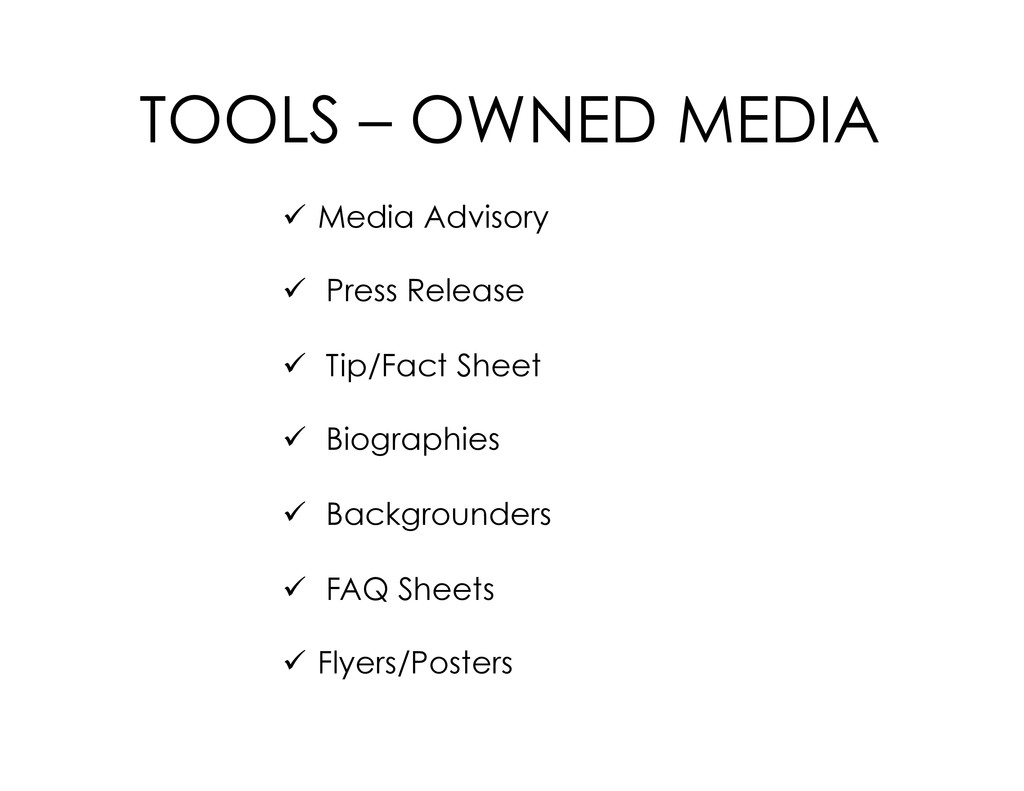
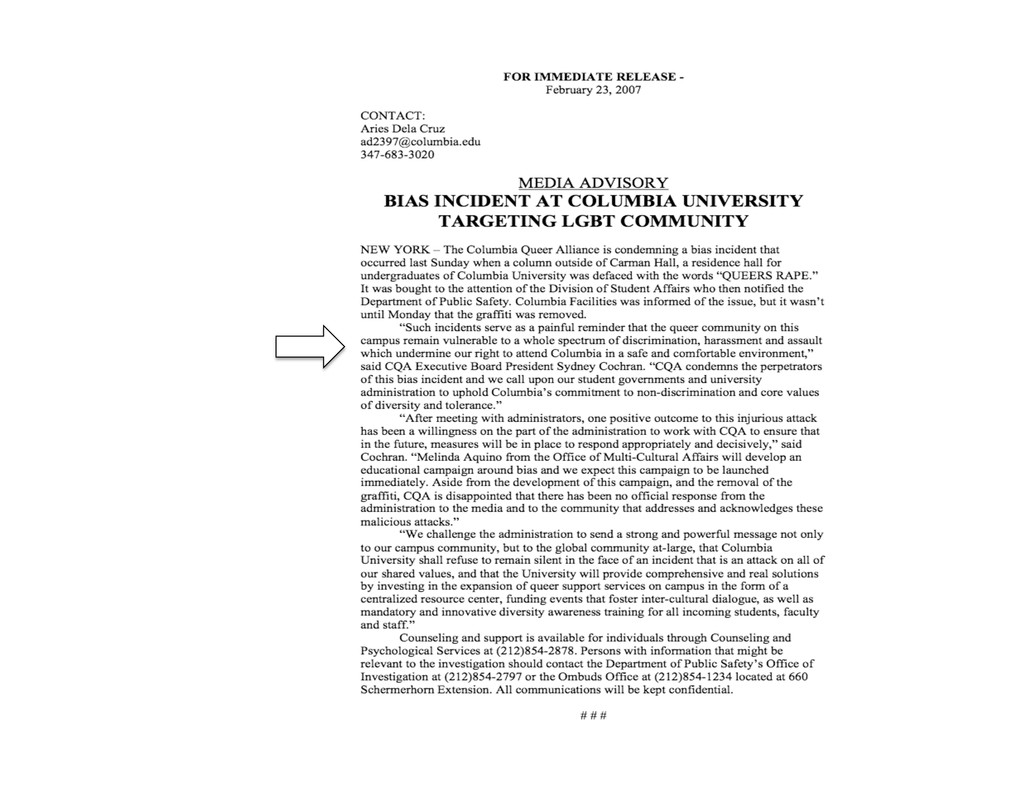
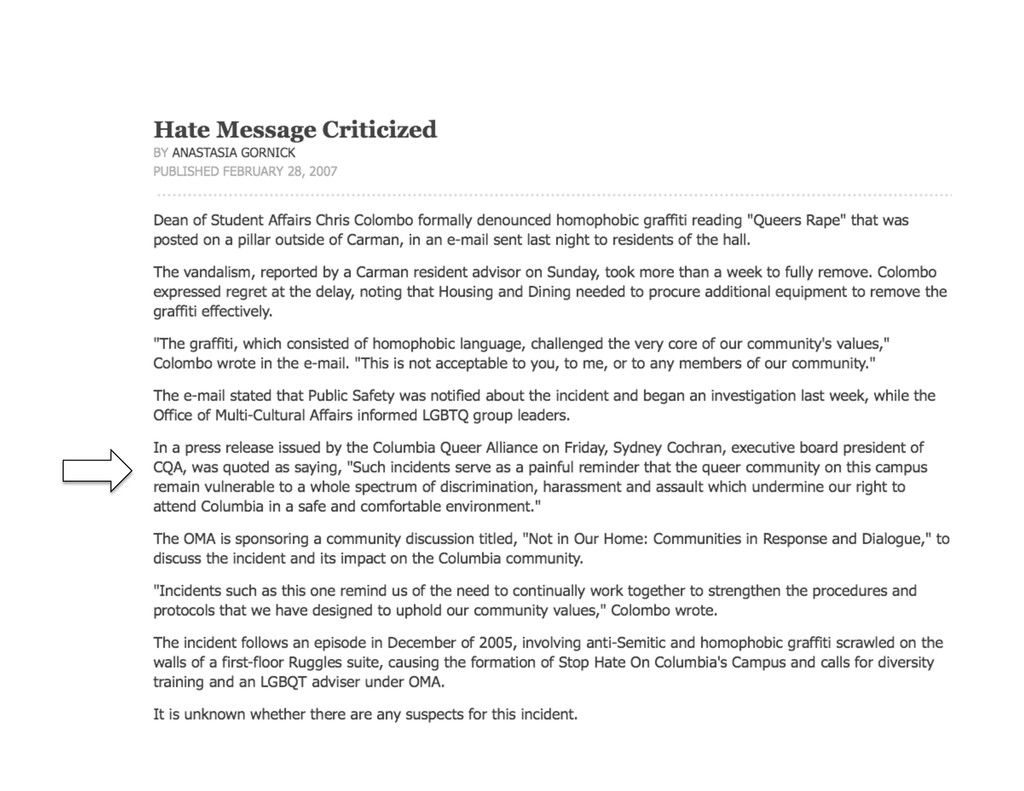
Notice ü Who, What, When, Why ü Contact names, e-mail, web addresses, critical facts. ü Press Release ü Longer than a media advisory, less than two pages. ü Quotes, background, summary ü Written in the form of a news report ü Headline and first few sentences are CRITICAL.
Who is announcing the news? Brief list of key speakers, names and affiliations. ü What is being announced? An event, rally, protest, press conference, release of new report? ü Where?, When?, Why? (coming up) ü Strong visuals? Photo opportunities? ü ### OR -30-
For Immediate Release/Embargoed Until ____ ü Contact names, e-mails, telephone numbers ü 2-3 sentence description of your organization, a boilerplate ü Summarize your news into a headline ü Lead Paragraph ü Organize the press release in order of importance ü Frame your news ü One or two pithy soundbites
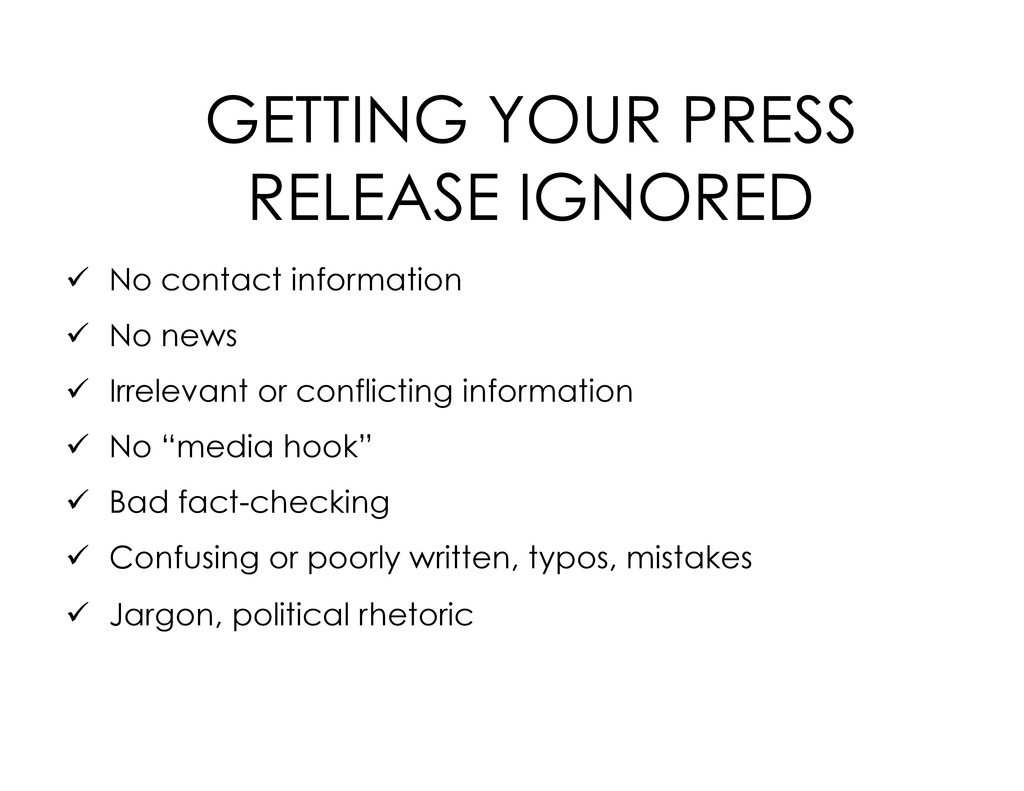
No news ü Irrelevant or conflicting information ü No “media hook” ü Bad fact-checking ü Confusing or poorly written, typos, mistakes ü Jargon, political rhetoric
Impressions” Rule ü Repeating your message sounds boring to your colleagues, reporters, etc. ü But NOT your audience. They need to hear it as many times as possible.
editor with whom you have an existing relationship. ü Make your pitch.* ü Mention you have a press release if they are interested in reading it. ü Provide other sources, compelling spokespersons, if you can.
pitch – a different story, or angle. ü Have more than one hook. ü Be knowledgeable about the reporter’s prior work and coverage. ü Ask to be referred to other colleagues who might be interested. ü Respect a reporter’s deadlines, priorities, and humanity.
personally. ü Consider exclusives – but be mindful. ü Pass the “distant relative test” – Could one of your distant relatives understand what you are pitching and why it is important or sympathize with it?
ü Consider exclusives – but be mindful. ü Pass the “distant relative test” – Could one of your distant relatives understand what you are pitching and why it is important or sympathize with it?
a reporter/editor on your own without them reaching out to you first? ü If you can answer: “Why should I care?” ü Trends (Three examples) ü Anniversaries, milestones, rulings ü Controversies, new findings ü Human interest ü Unlikely bedfellows, coalitions
a reporter/editor on your own without them reaching out to you first? ü If you can answer: “Why should I care?” ü Trends (Three examples) ü Anniversaries, milestones, rulings ü Controversies, new findings ü Human interest ü Unlikely bedfellows, coalitions
Why should my readers/viewers care about what you have to tell us? ü Why should we pay attention to you? Why do you matter? ü What bigger issues does this engage? What is this issue really about? ü Is it unusual? Unexpected? ü Co-sponsor or build coalitions to elevate your event or news ü If you get shot down, ask what might make the story more compelling
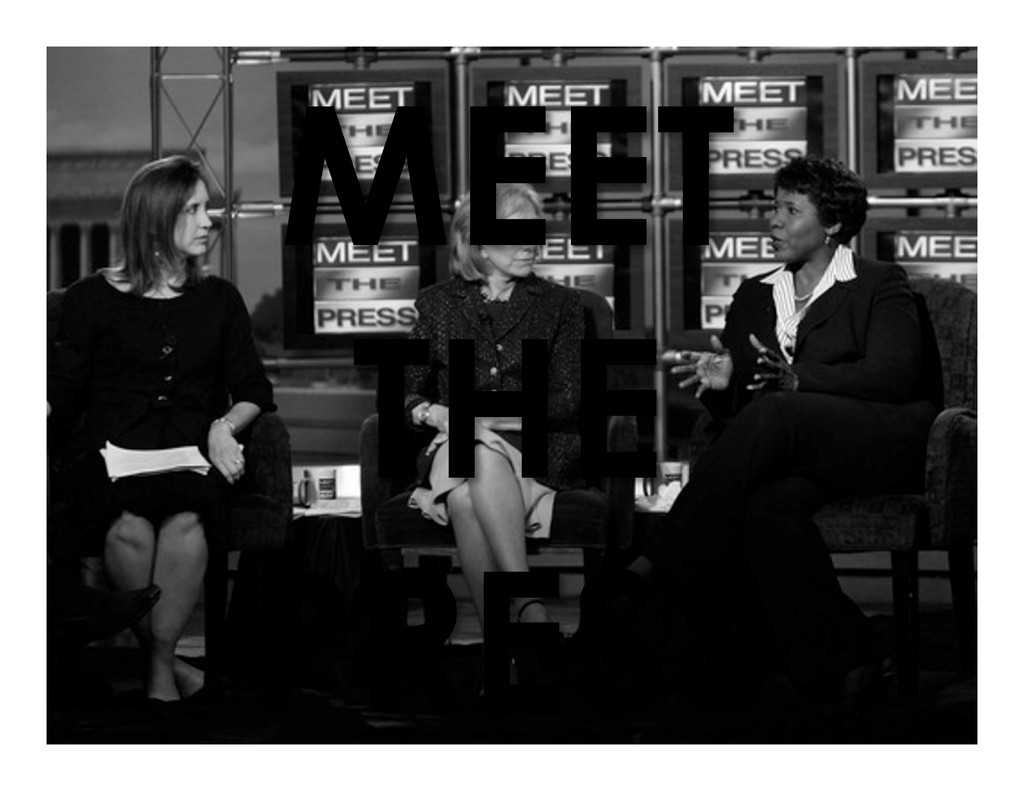
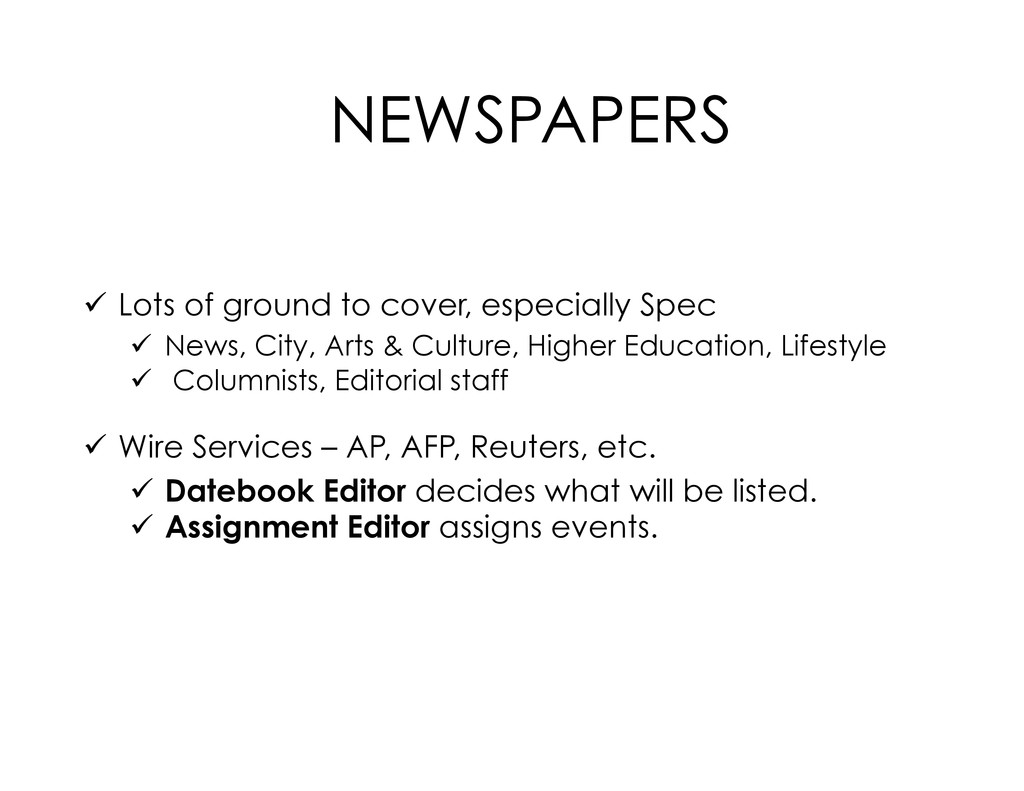
supervise stories ü Reporters deliver stories, assigned or pitched. Objective, assigned to beats and areas of expertise. ü Columnists and Editorial Boards are opinionated and subjective.
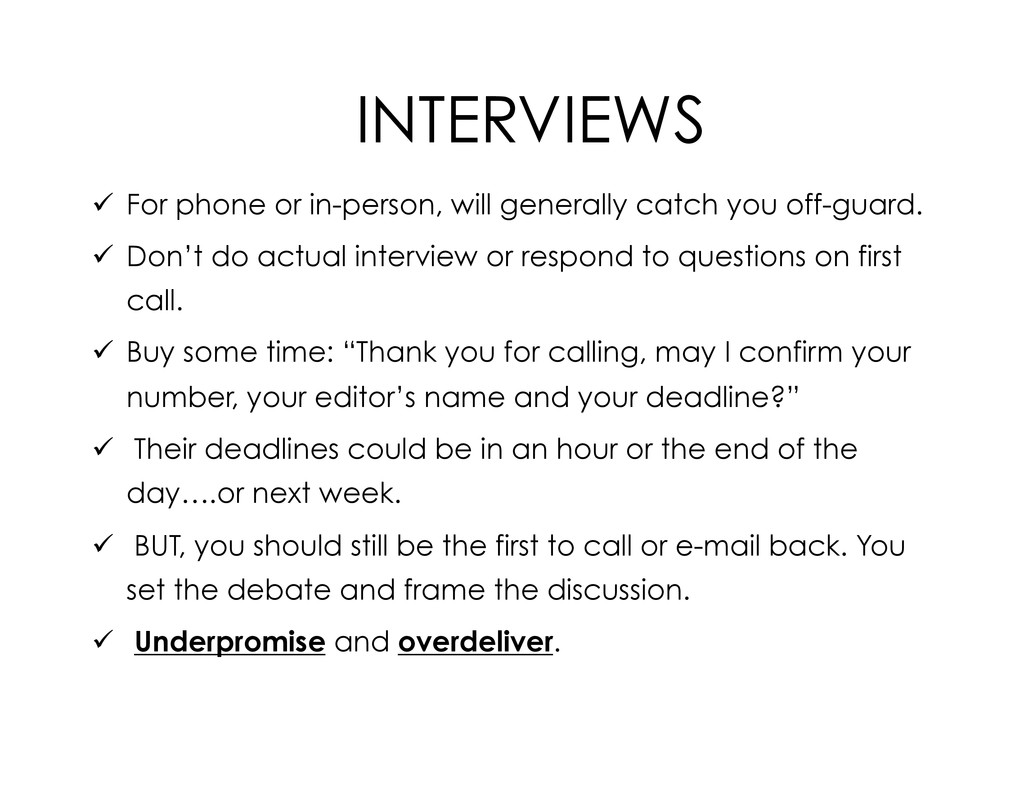
off-guard. ü Don’t do actual interview or respond to questions on first call. ü Buy some time: “Thank you for calling, may I confirm your number, your editor’s name and your deadline?” ü Their deadlines could be in an hour or the end of the day….or next week. ü BUT, you should still be the first to call or e-mail back. You set the debate and frame the discussion. ü Underpromise and overdeliver.
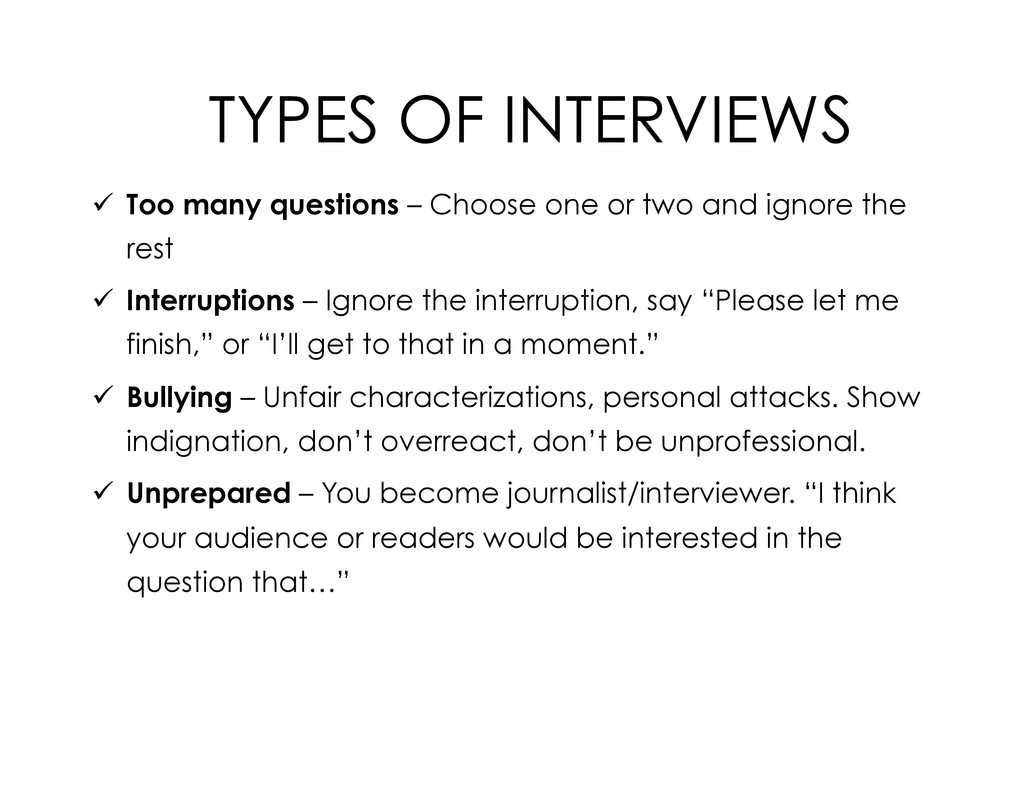
or two and ignore the rest ü Interruptions – Ignore the interruption, say “Please let me finish,” or “I’ll get to that in a moment.” ü Bullying – Unfair characterizations, personal attacks. Show indignation, don’t overreact, don’t be unprofessional. ü Unprepared – You become journalist/interviewer. “I think your audience or readers would be interested in the question that…”
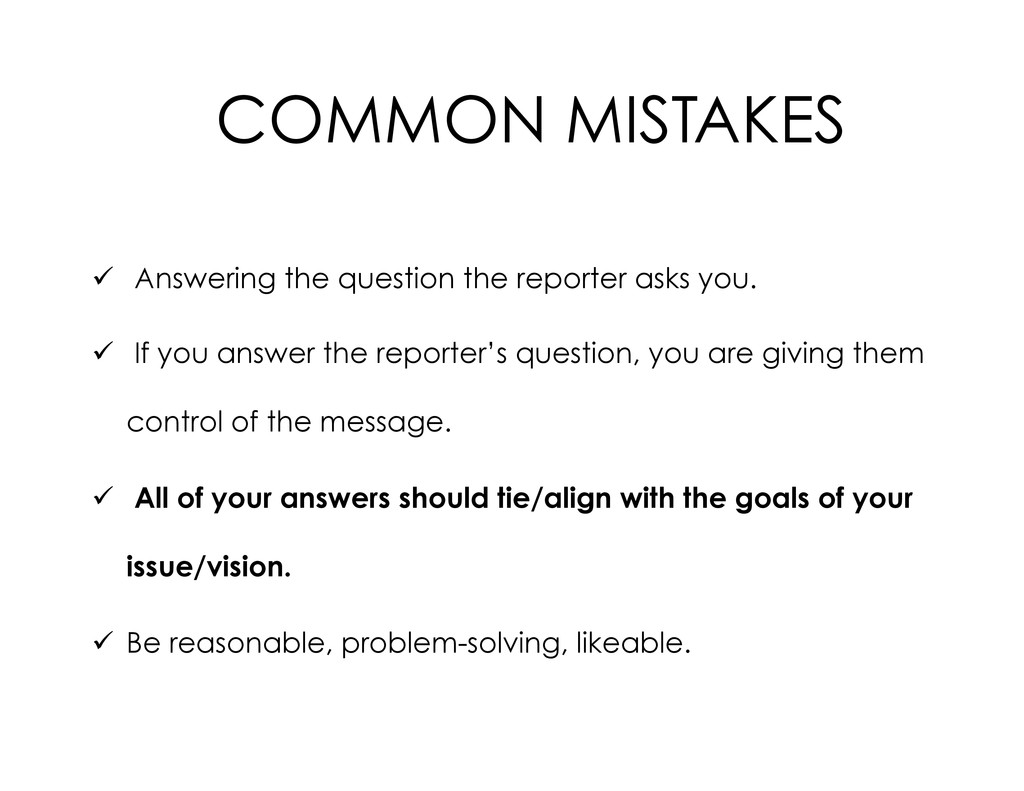
ü If you answer the reporter’s question, you are giving them control of the message. ü All of your answers should tie/align with the goals of your issue/vision. ü Be reasonable, problem-solving, likeable.
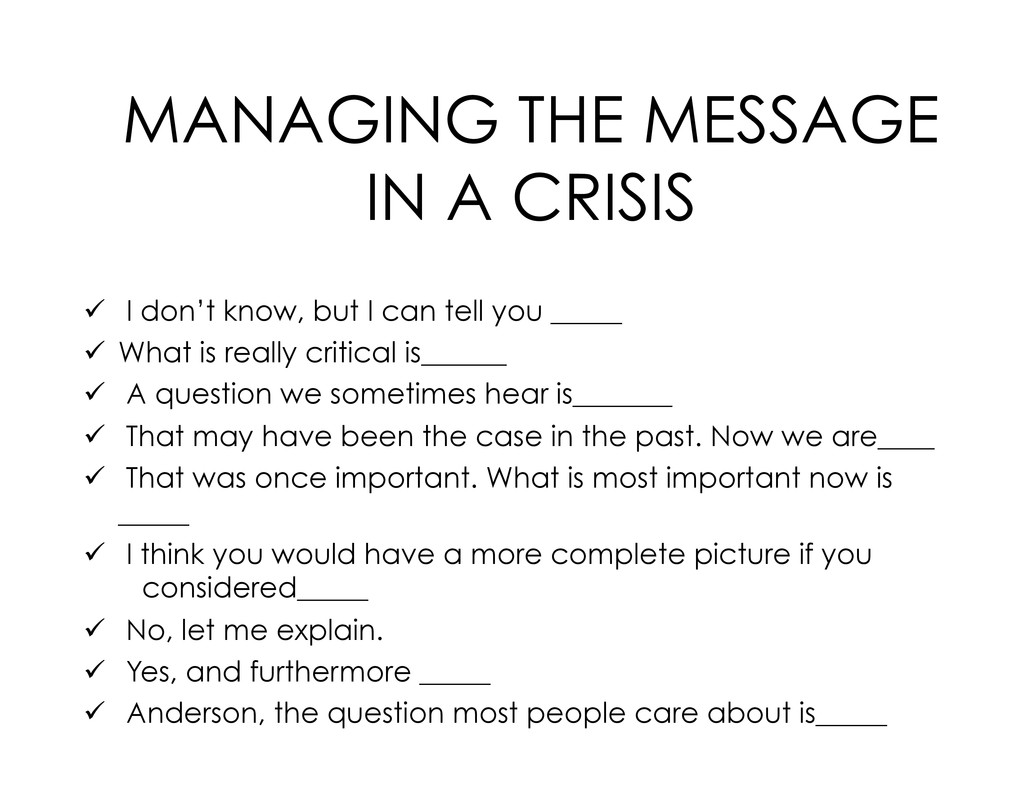
but I can tell you _____ ü What is really critical is______ ü A question we sometimes hear is_______ ü That may have been the case in the past. Now we are____ ü That was once important. What is most important now is _____ ü I think you would have a more complete picture if you considered_____ ü No, let me explain. ü Yes, and furthermore _____ ü Anderson, the question most people care about is_____
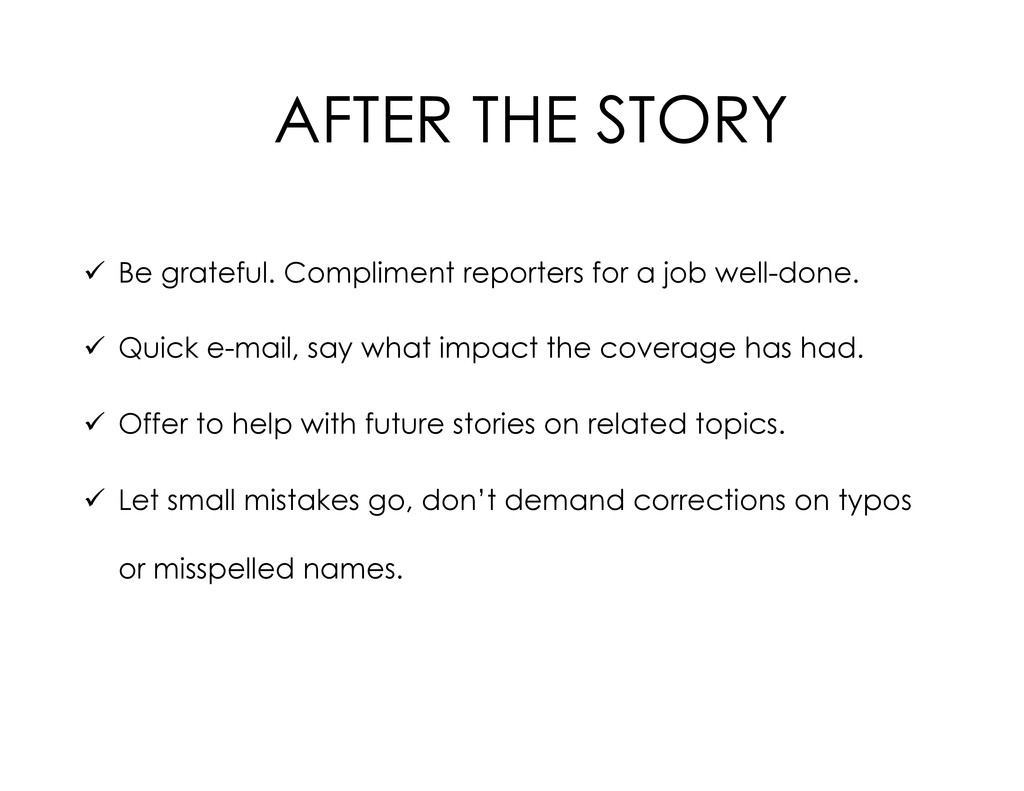
job well-done. ü Quick e-mail, say what impact the coverage has had. ü Offer to help with future stories on related topics. ü Let small mistakes go, don’t demand corrections on typos or misspelled names.
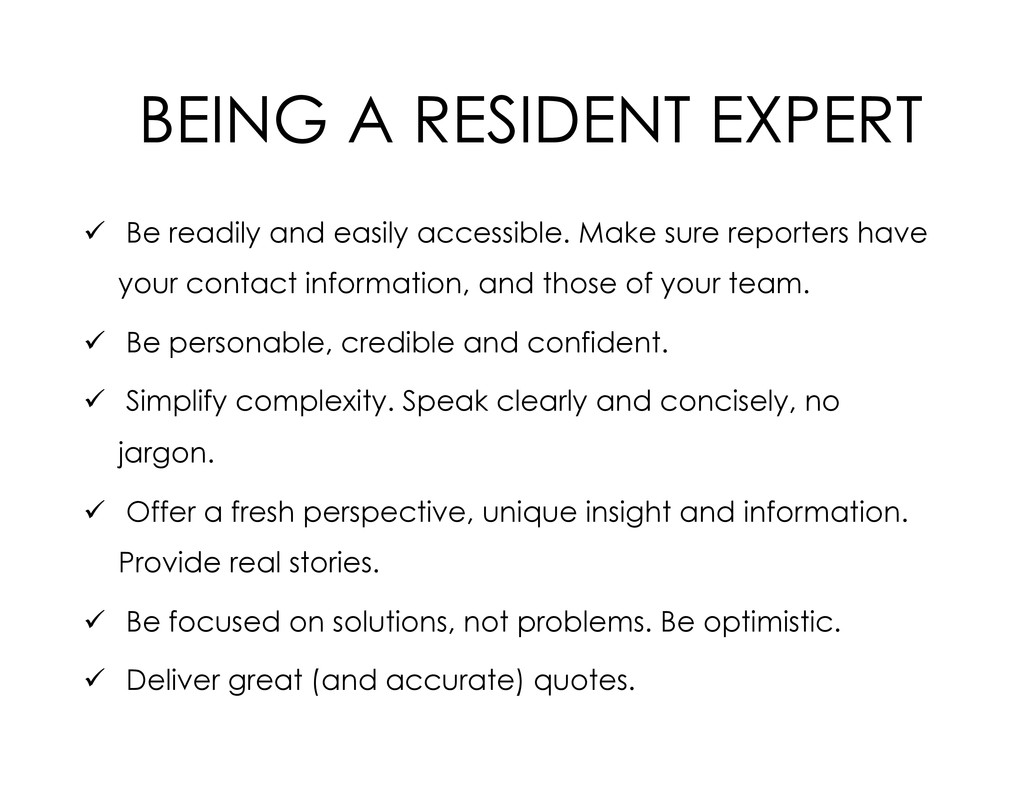
Make sure reporters have your contact information, and those of your team. ü Be personable, credible and confident. ü Simplify complexity. Speak clearly and concisely, no jargon. ü Offer a fresh perspective, unique insight and information. Provide real stories. ü Be focused on solutions, not problems. Be optimistic. ü Deliver great (and accurate) quotes.
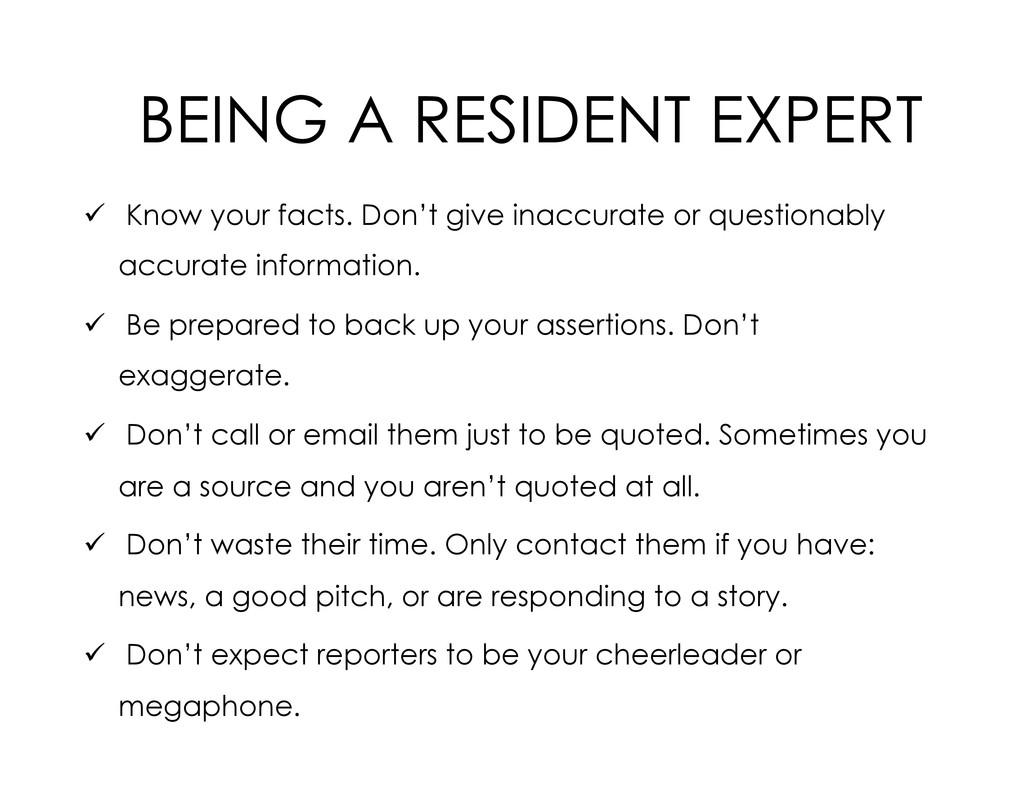
inaccurate or questionably accurate information. ü Be prepared to back up your assertions. Don’t exaggerate. ü Don’t call or email them just to be quoted. Sometimes you are a source and you aren’t quoted at all. ü Don’t waste their time. Only contact them if you have: news, a good pitch, or are responding to a story. ü Don’t expect reporters to be your cheerleader or megaphone.
be brief. Be yourself on your best day, be enthusiastic, be prepared. ü Establish expertise: submit op-eds and letters to the editor. ü Speak at conferences, workshops, community events, keynote speeches. ü Not about us, me or you, its about the community and the cause.
is an admission of guilt or ignorance. ü Everything is on the record. Don’t say anything that you don’t want to see on the front page as a headline. ü Everything is on the record except when it’s not. Know the difference between: On the record, off the record, on background.
you say is reported, quoted and attributed to you. ü Off the record – Not attributable to you, quote not published. ü On background – You are characterized in general terms (“GSSC Member”), no direct quotes ü Not for attribution – Quoted directly, characterized in general terms (“GSSC Member”) ü Deep background – Information not included/published in article, but used to write article and find other sources.
Lakoff or Frank Luntz – Anything written by them. ü Spin Project Whose media? Our Media! Strategic Communications Tools to Reform, Reclaim and Revolutionize the Media. ü Young People For - Media and Messaging ü European Forum for Restorative Justice Media Toolkit for Restorative Justice Organizations


 smashingmag
 chrisshort
 techseoconnect
 reverentgeek
 ivargrimstad
 trishagee
 rasmusluckow
 mayunak
 inesmontani
 matthewcrist
 philnash
 wjessup