Lock in $30 Savings on PRO—Offer Ends Soon! ⏳
Speaker Deck
Features
Speaker Deck
PRO
Sign in
Sign up for free
Search
Search
LXJS 2013: backpack — scalable photo storage
Search
Ivan Babrou
October 02, 2013
Programming
2
150
LXJS 2013: backpack — scalable photo storage
http://bobrik.name/talks/lxjs2013.pdf
— slides with notes.
http://youtu.be/T4DgxvS9Xho
— video.
Ivan Babrou
October 02, 2013
Tweet
Share
More Decks by Ivan Babrou
See All by Ivan Babrou
node.js for millions of images
bobrik
7
1.5k
Other Decks in Programming
See All in Programming
LLMで複雑な検索条件アセットから脱却する!! 生成的検索インタフェースの設計論
po3rin
2
650
AIコーディングエージェント(NotebookLM)
kondai24
0
170
ViewファーストなRailsアプリ開発のたのしさ
sugiwe
0
430
認証・認可の基本を学ぼう後編
kouyuume
0
180
CSC305 Lecture 17
javiergs
PRO
0
340
テストやOSS開発に役立つSetup PHP Action
matsuo_atsushi
0
150
Socio-Technical Evolution: Growing an Architecture and Its Organization for Fast Flow
cer
PRO
0
320
愛される翻訳の秘訣
kishikawakatsumi
1
310
CSC509 Lecture 14
javiergs
PRO
0
220
複数人でのCLI/Infrastructure as Codeの暮らしを良くする
shmokmt
5
2.2k
connect-python: convenient protobuf RPC for Python
anuraaga
0
380
【Streamlit x Snowflake】データ基盤からアプリ開発・AI活用まで、すべてをSnowflake内で実現
ayumu_yamaguchi
1
120
Featured
See All Featured
Distributed Sagas: A Protocol for Coordinating Microservices
caitiem20
333
22k
The MySQL Ecosystem @ GitHub 2015
samlambert
251
13k
jQuery: Nuts, Bolts and Bling
dougneiner
65
8.2k
Building an army of robots
kneath
306
46k
[SF Ruby Conf 2025] Rails X
palkan
0
490
Build your cross-platform service in a week with App Engine
jlugia
234
18k
Easily Structure & Communicate Ideas using Wireframe
afnizarnur
194
17k
[RailsConf 2023] Rails as a piece of cake
palkan
58
6.1k
Helping Users Find Their Own Way: Creating Modern Search Experiences
danielanewman
31
3k
Become a Pro
speakerdeck
PRO
31
5.7k
The Psychology of Web Performance [Beyond Tellerrand 2023]
tammyeverts
49
3.2k
The Web Performance Landscape in 2024 [PerfNow 2024]
tammyeverts
12
970
Transcript
HI THERE, LXJS
% whoami Ian Babrou, Topface.com
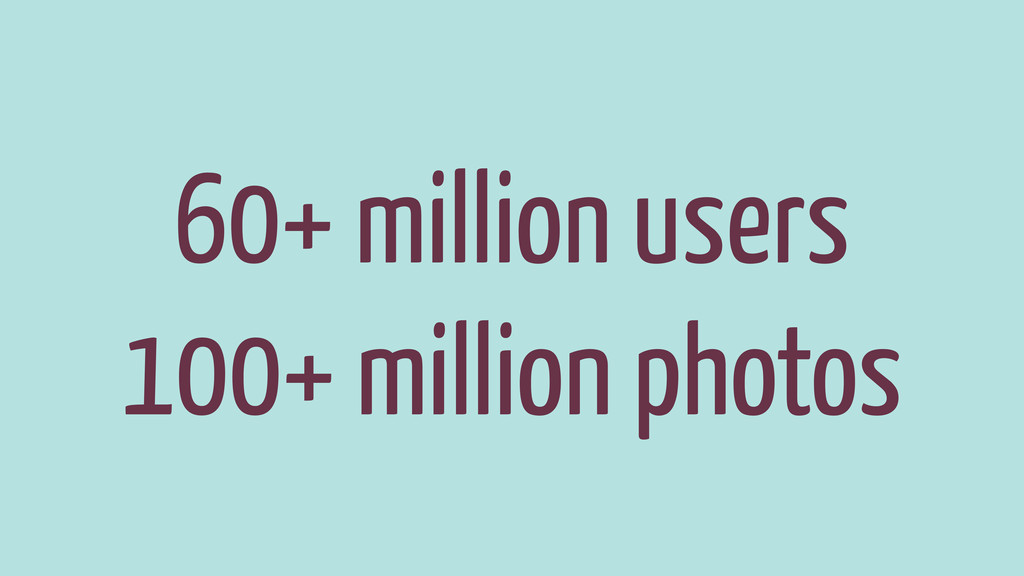
60+ million users 100+ million photos
16 photos on main page up to 200 in feed
many small “previews”
This talk is about PHOTOS
Let’s look at some more numbers
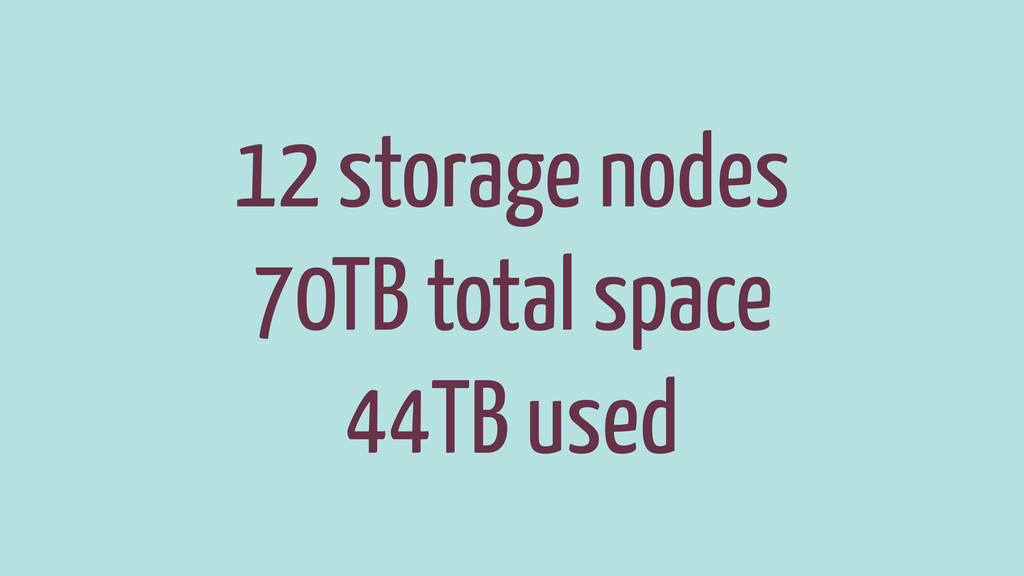
12 storage nodes 70TB total space 44TB used
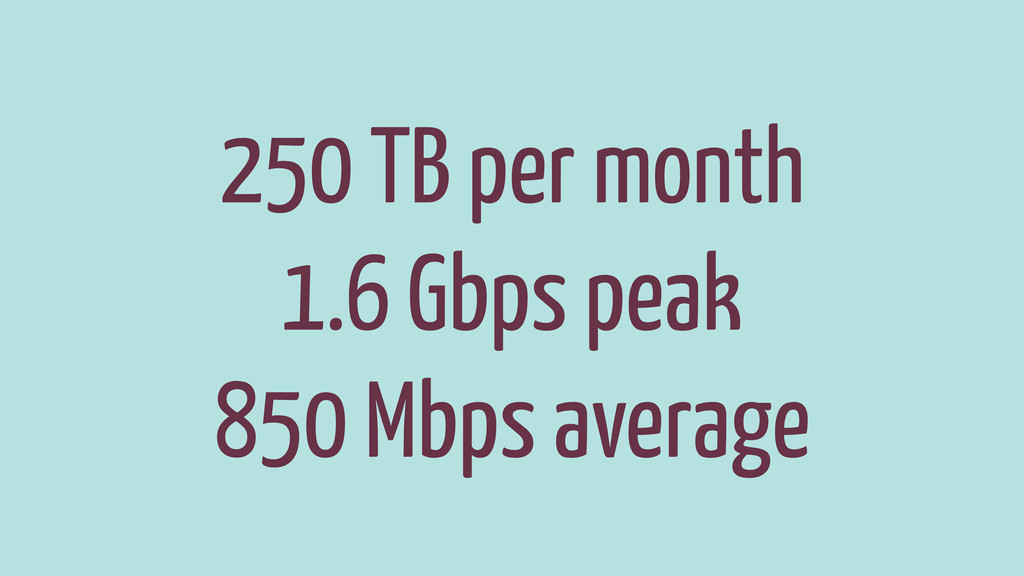
250 TB per month 1.6 Gbps peak 850 Mbps average
powered by node.js & nginx! open-source FTW
ARCHITECTURE aka part 1
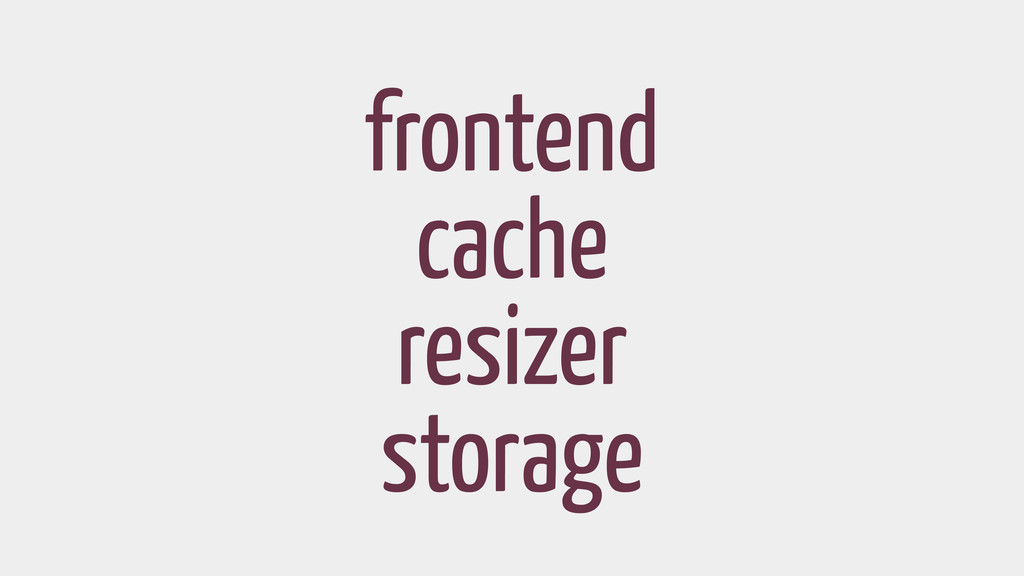
frontend cache resizer storage
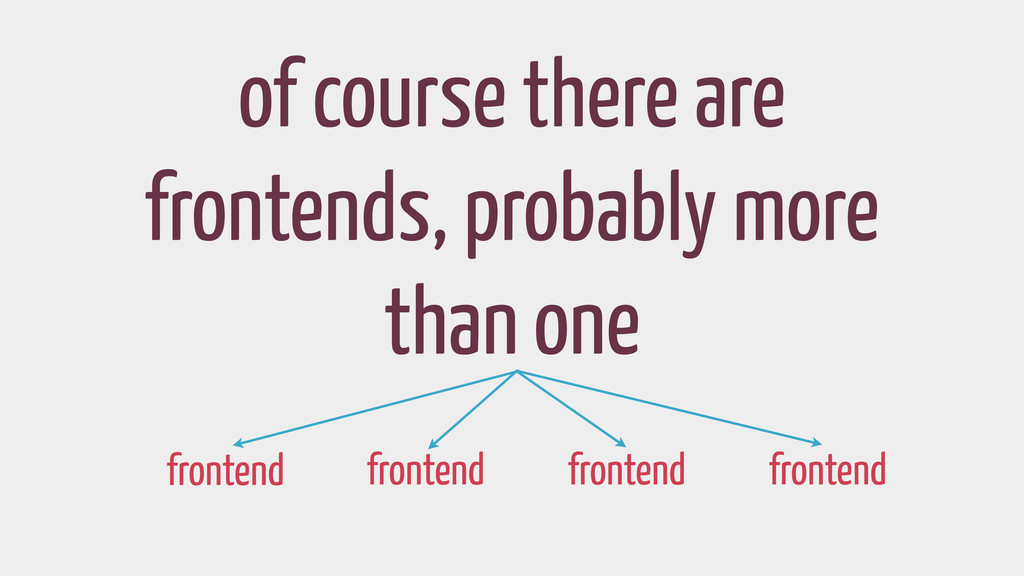
of course there are frontends, probably more than one frontend
frontend frontend frontend
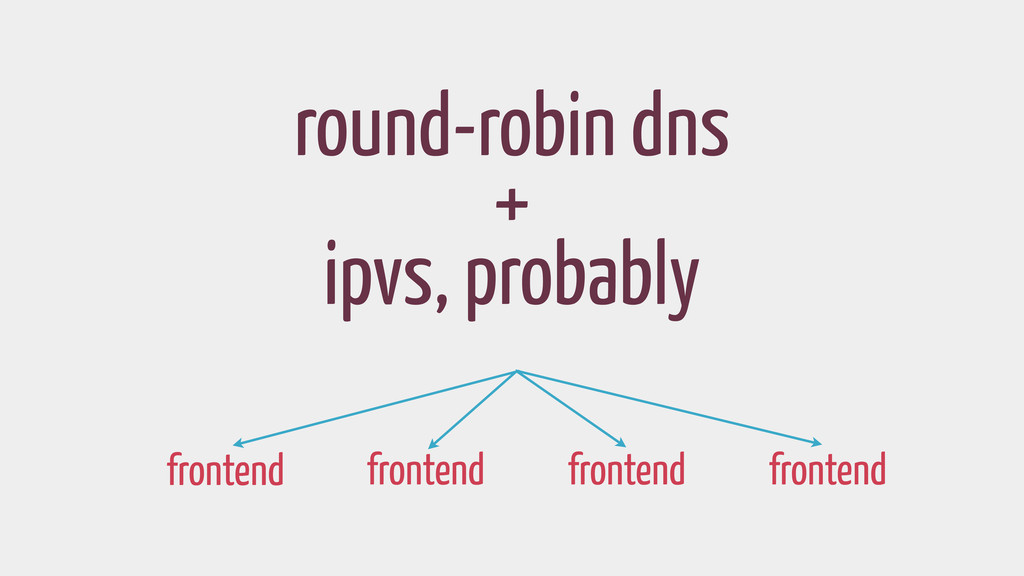
round-robin dns + ipvs, probably frontend frontend frontend frontend
NGINX ngx_http_upstream_hash_module is your friend
NGINX ngx_http_upstream_hash_module because you need more than one cache, right?
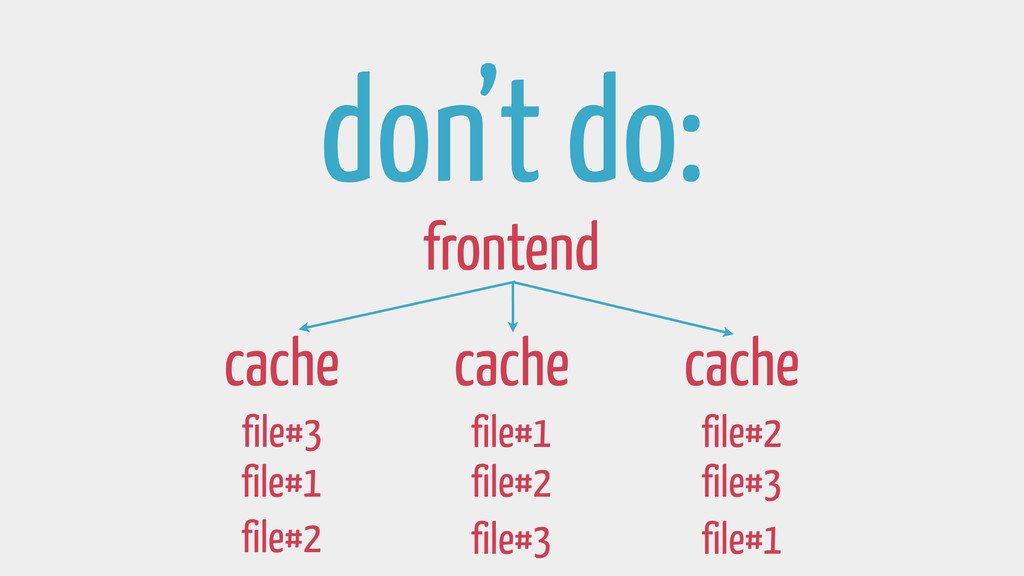
#protip don’t cache anything twice
don’t do: frontend cache cache cache file#3 file#1 file#2 file#1
file#2 file#2 file#3 file#3 file#1
do: frontend cache cache cache file#3 file#1 file#2
NGINX + SSD is just great for caching, forget about
tmpfs
#protip overallocate caches
RESIZING resizing on the fly saves disk, but eats cpu
NGINX ngx_http_image_filter is your friend
BACKPACK aka part 2
first try nginx
okay for 1k files
okay for 10k files
okay for 50k files
okay until you fit in memory or have ssd
RANDOM ACCESS
DISKS ARE SPINNING
node.js to the rescue!
... and redis
... and zookeeper
simple idea: no extra fseek(3)
inspired by haystack from facebook
concatenate small files into bigger
always keep index in memory
REALIZATION ON DISK
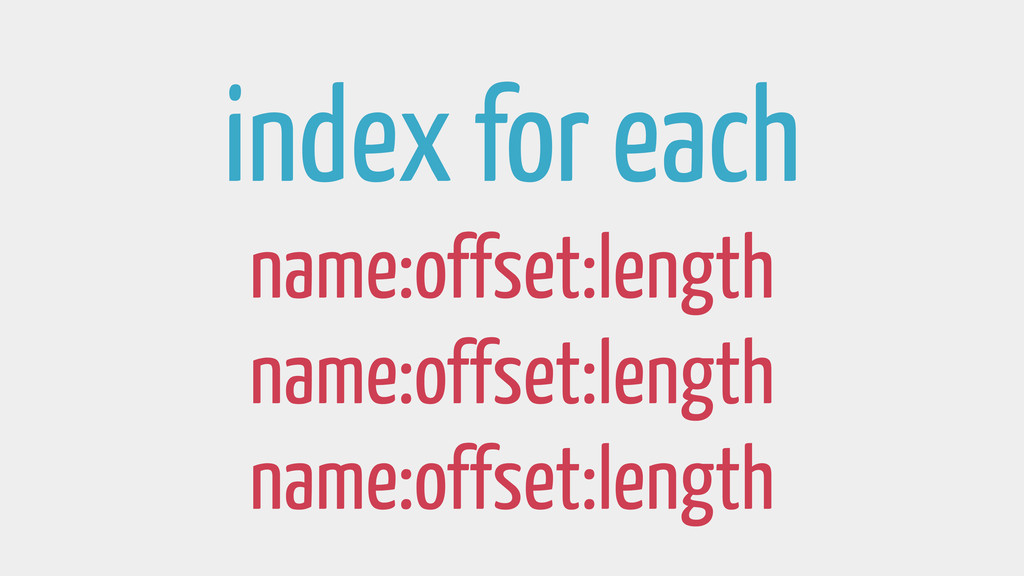
3.5 gb files as many as you need
index for each name:offset:length name:offset:length name:offset:length
but.. no worries, this is only needed if redis goes
crazy
REALIZATION IN MEMORY
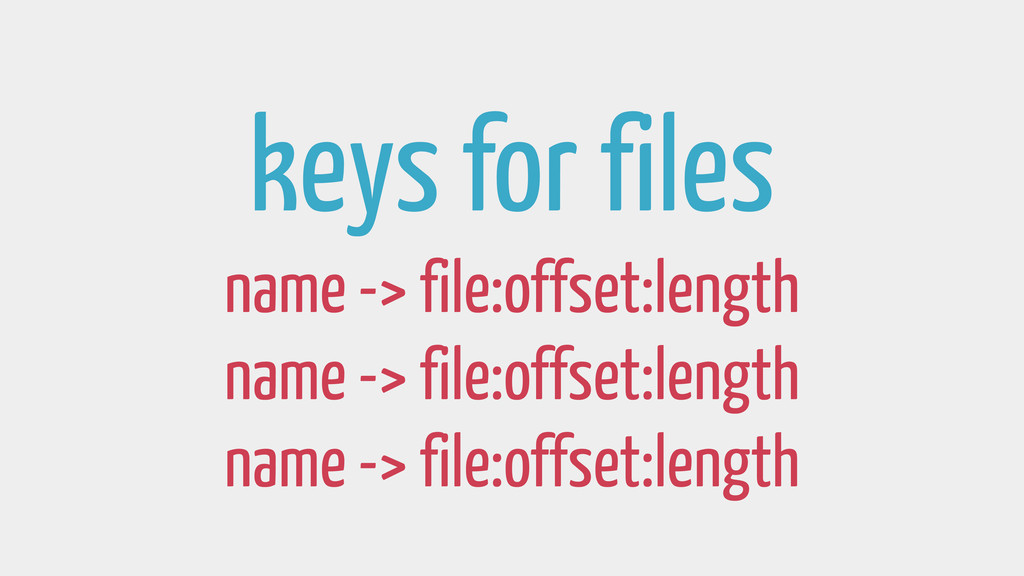
keys for files name -> file:offset:length name -> file:offset:length name
-> file:offset:length
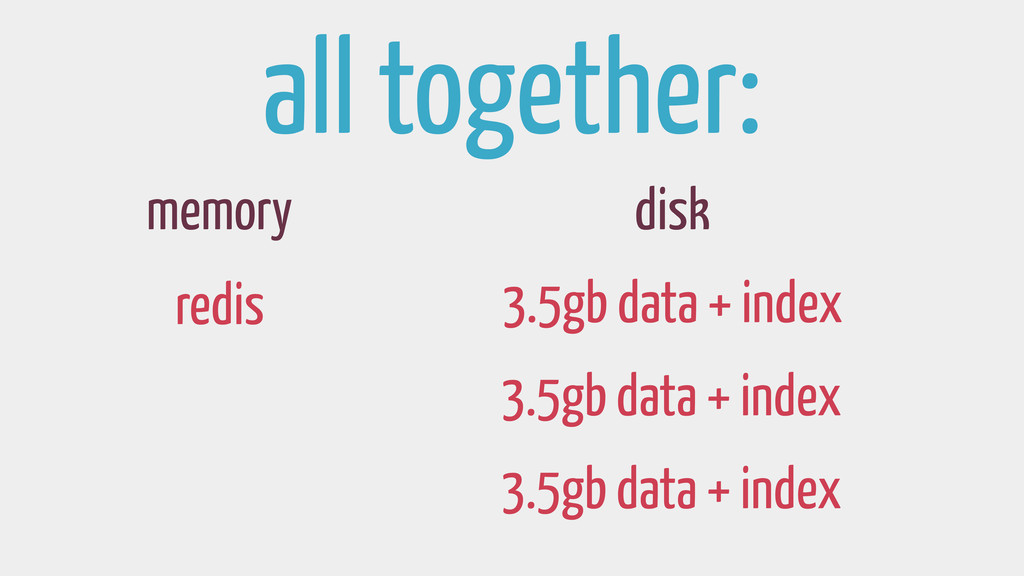
redis 3.5gb data + index 3.5gb data + index 3.5gb
data + index memory disk all together:
POWERED BY node.js looks like webdav
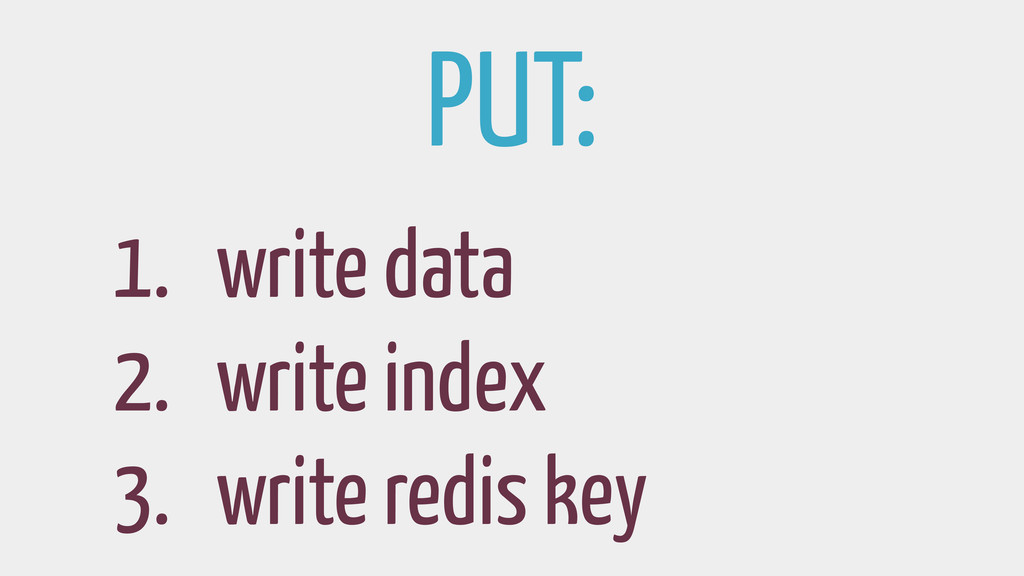
PUT: 1. write data 2. write index 3. write redis
key
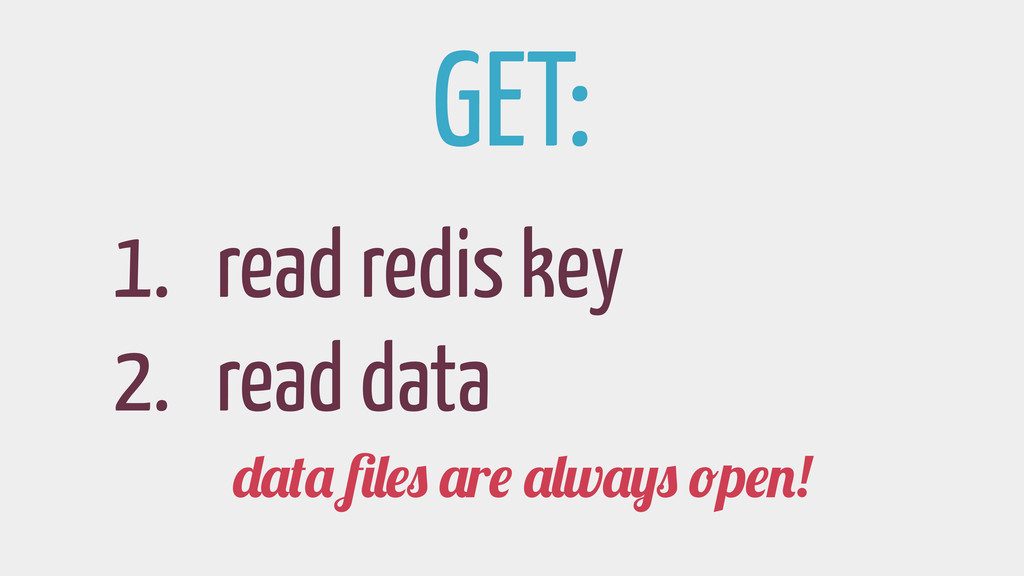
GET: 1. read redis key 2. read data data files
are always open!
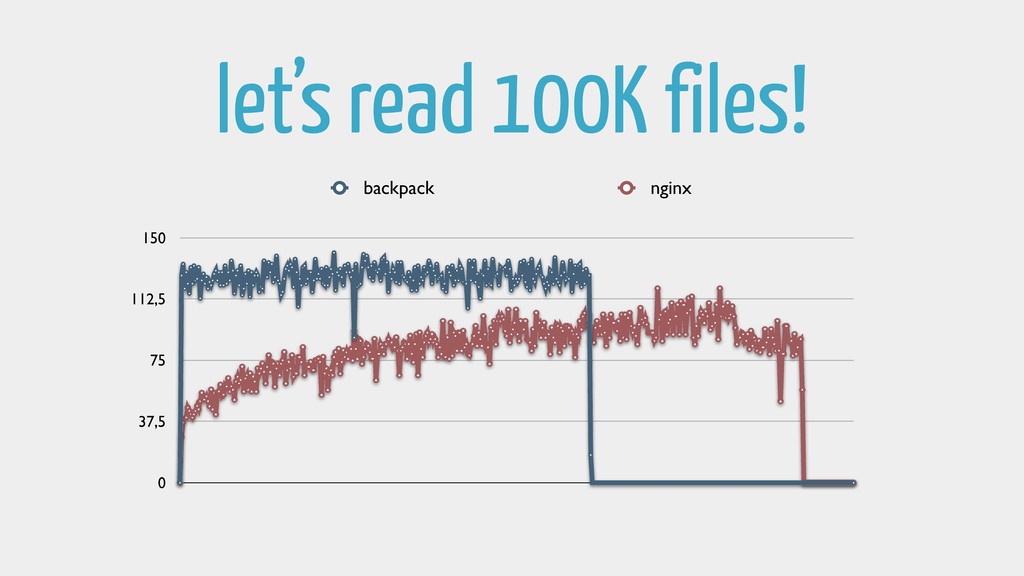
let’s read 100K files! 0 37,5 75 112,5 150 backpack
nginx
LESS SEEKS LEAD TO BIGGER THROUGHPUT
BONUS! linearized access for processing
BUT WHAT ABOUT FUTURE?
NO MORE MEMORY vs DISK* Probably, someday.
MANAGEMENT aka part 3
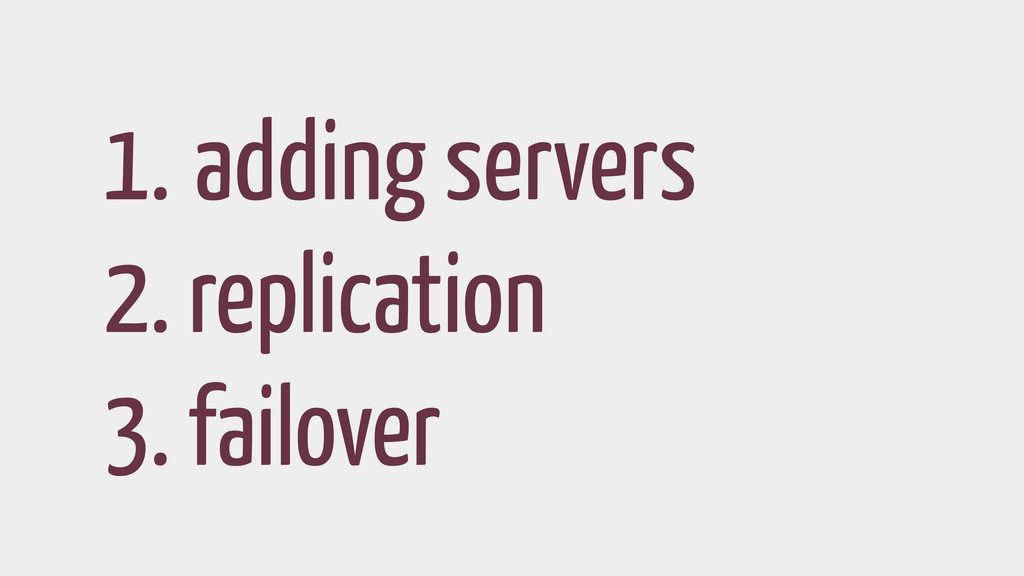
1. adding servers 2. replication 3. failover
COORDINATOR
COORDINATOR combines servers into shards
COORDINATOR that’s where we need zookeeper
I KNOW let’s use DHT! like dynamo!
Rebalancing on capacity change
NO!
NO. THANK YOU!
LET’S MAKE IT SIMPLE
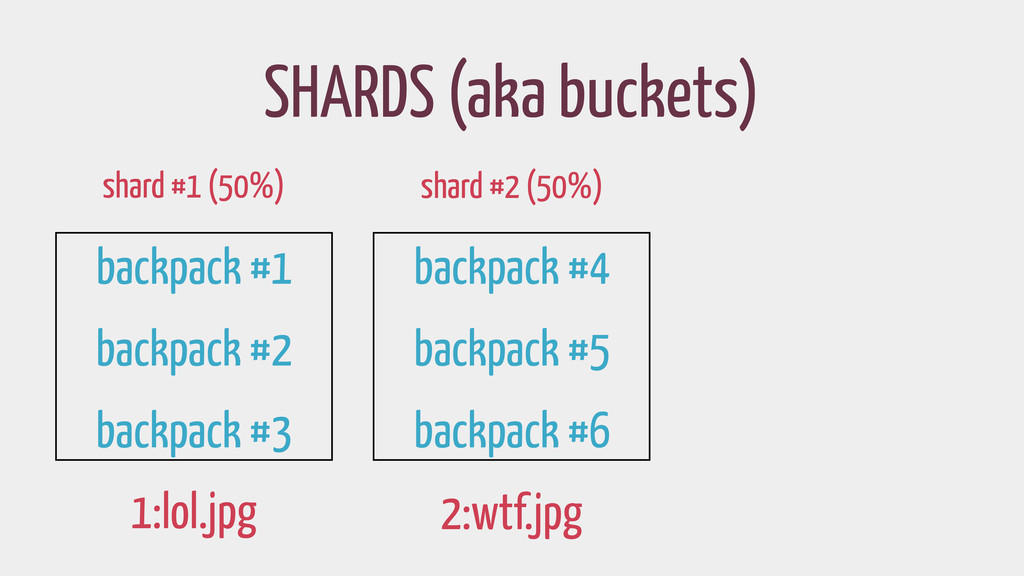
SHARDS (aka buckets) backpack #1 backpack #2 backpack #3 backpack
#4 backpack #5 backpack #6 shard #1 (50%) shard #2 (50%) 1:lol.jpg 2:wtf.jpg
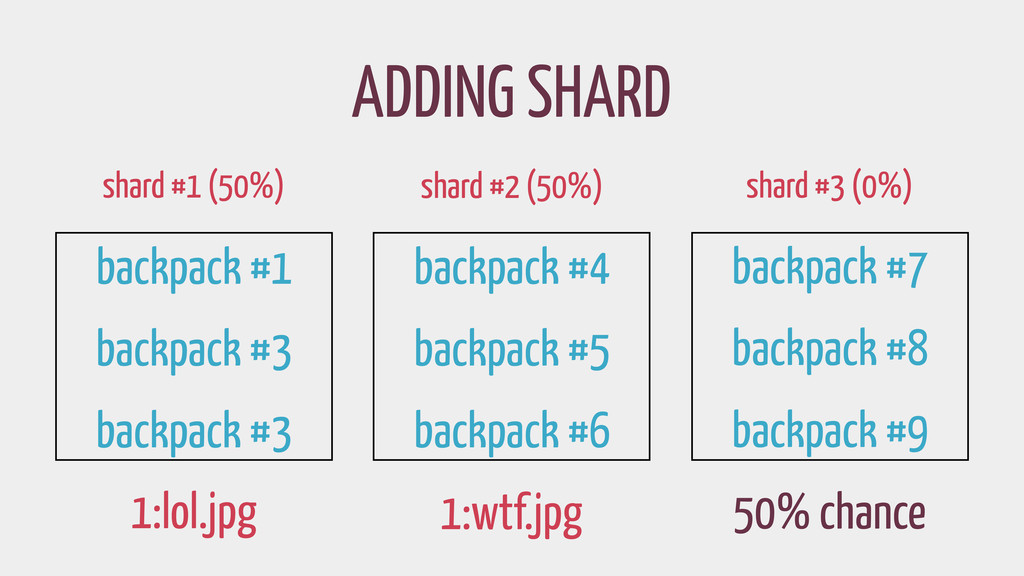
ADDING SHARD backpack #1 backpack #3 backpack #3 backpack #4
backpack #5 backpack #6 1:lol.jpg 1:wtf.jpg shard #1 (50%) shard #2 (50%) backpack #7 backpack #8 backpack #9 50% chance shard #3 (0%)
COORDINATOR knows how to handle next file
NO REBALANCING SIMPLE
REPLICATOR
WHAT IF METEORITE WILL HIT YOUR NODE?
IT HAPPENS. YOU NEED TO ACCEPT THAT.
REPLICATOR to the rescue!
make multi-node SHARDS
DISTRIBUTE SHARDS ACROSS SERVERS
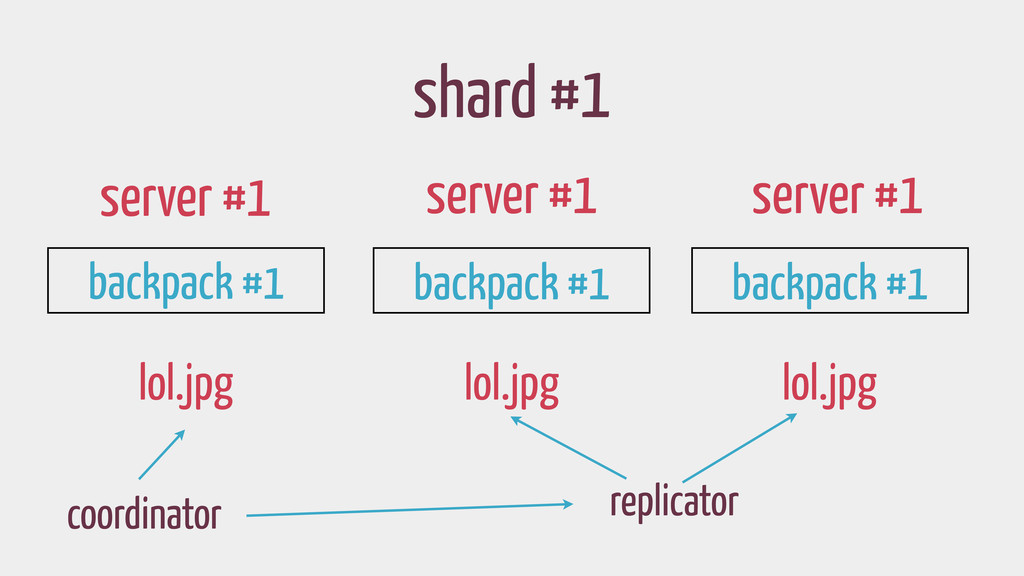
backpack #1 shard #1 lol.jpg backpack #1 lol.jpg backpack #1
lol.jpg server #1 server #1 server #1 coordinator replicator
REPLICATOR EVENTUALLY MAKES COPIES
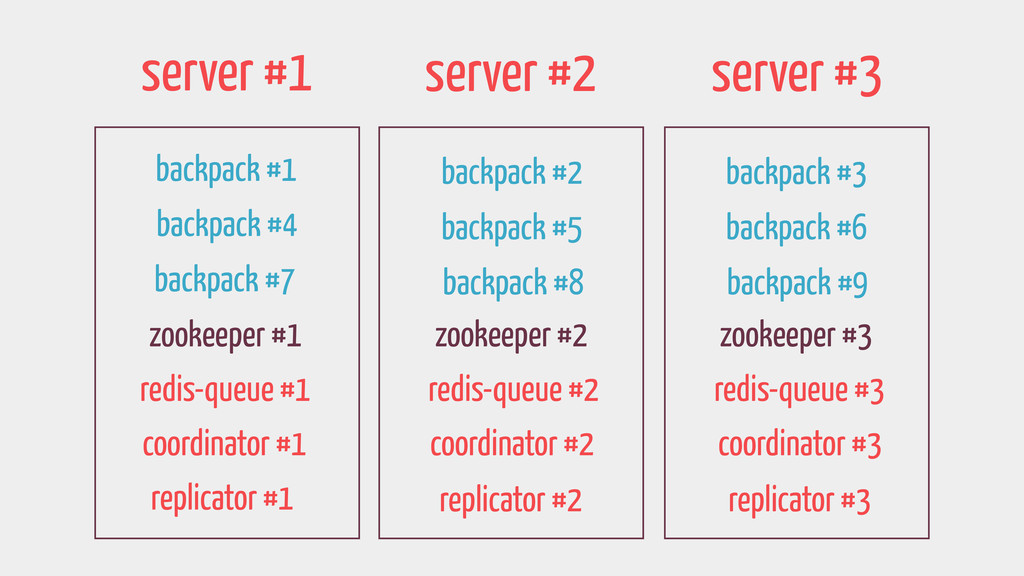
THE WHOLE THING IS BULLET-PROOF IF YOU NEED IT
backpack #1 backpack #4 backpack #2 backpack #5 backpack #3
backpack #6 backpack #7 backpack #8 backpack #9 server #1 server #2 server #3 zookeeper #1 zookeeper #2 zookeeper #3 redis-queue #1 redis-queue #2 redis-queue #3 coordinator #1 coordinator #2 coordinator #3 replicator #1 replicator #2 replicator #3
GET THE CODE /Topface/backpack npm install backpack{,-coordinator,-replicator}
That’s it! bobrik ibobrik