Upgrade to Pro — share decks privately, control downloads, hide ads and more …

Machine Intelligence for Architects

Avatar for Cambrio Cambrio
March 16, 2017

Machine Intelligence for Architects

How can we apply machine learning in the field of architecture and design? During his presentation at AIA Boston, our CEO Dan Kuster discussed ways we can use AI to enable generative design. He also explored social factors, the use of sensors, and how we can optimize the business of architecture with machine learning.

Avatar for Cambrio

Cambrio

March 16, 2017

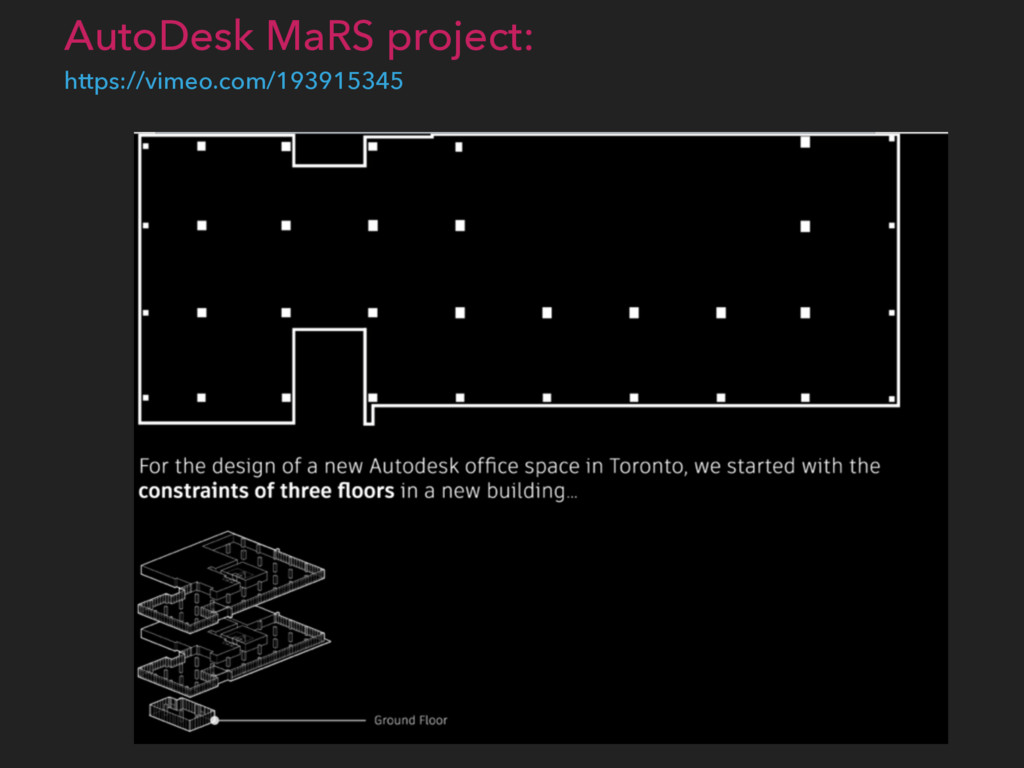
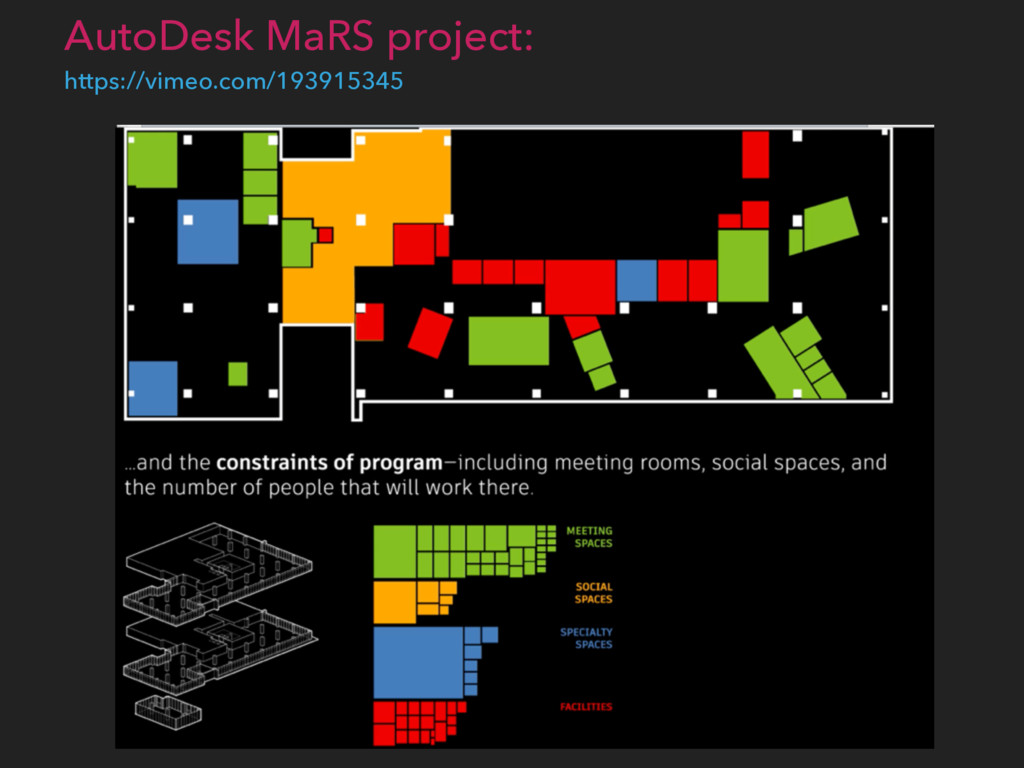
Other Decks in Technology

Transcript

  1. USING COMPUTER-AIDED DESIGN TO AMPLIFY HUMAN CREATIVITY + INTELLIGENCE Daniel

    Kuster, Ph.D. founder + CEO at cambr.io
 @djkust
  2. Cambrio is a digital R&D lab, focused on AI and

    machine learning. We use computers + data + scientific thinking to solve problems. We love hard problems. 
 If you have one, please reach out to discuss! <[email protected]>
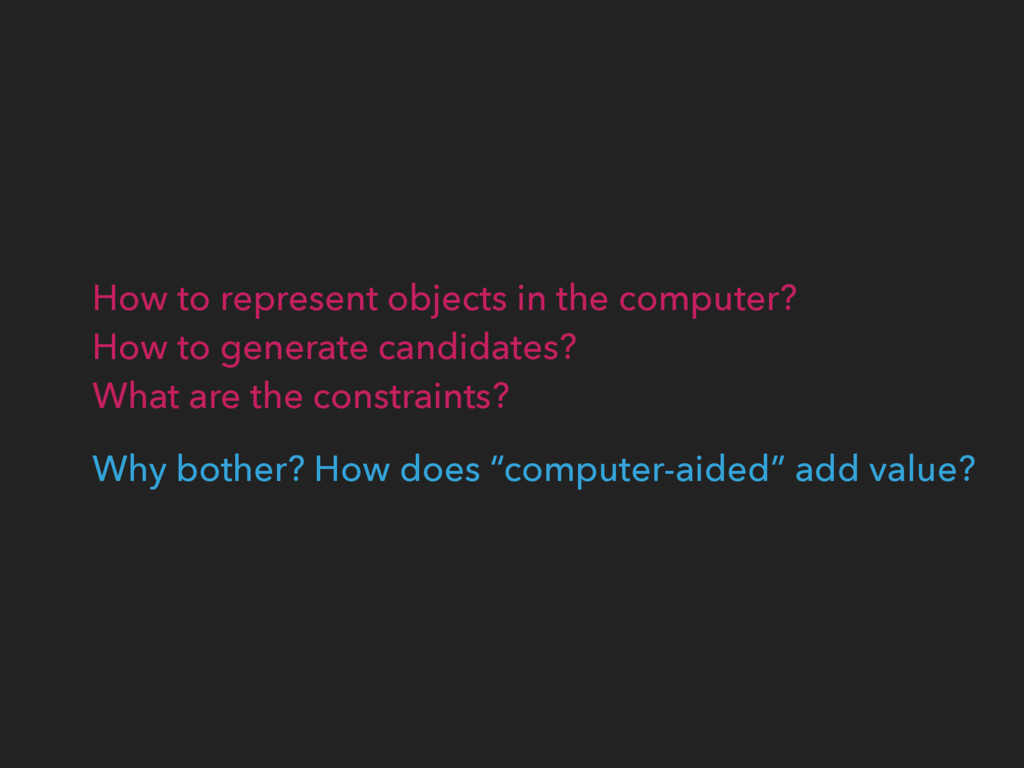
  3. How to represent objects in the computer?
 How to generate

    candidates?
 What are the constraints? Why bother? How does “computer-aided” add value?
  4. Hey man, what if we could automate the discovery of

    “the physics”? machine intelligence
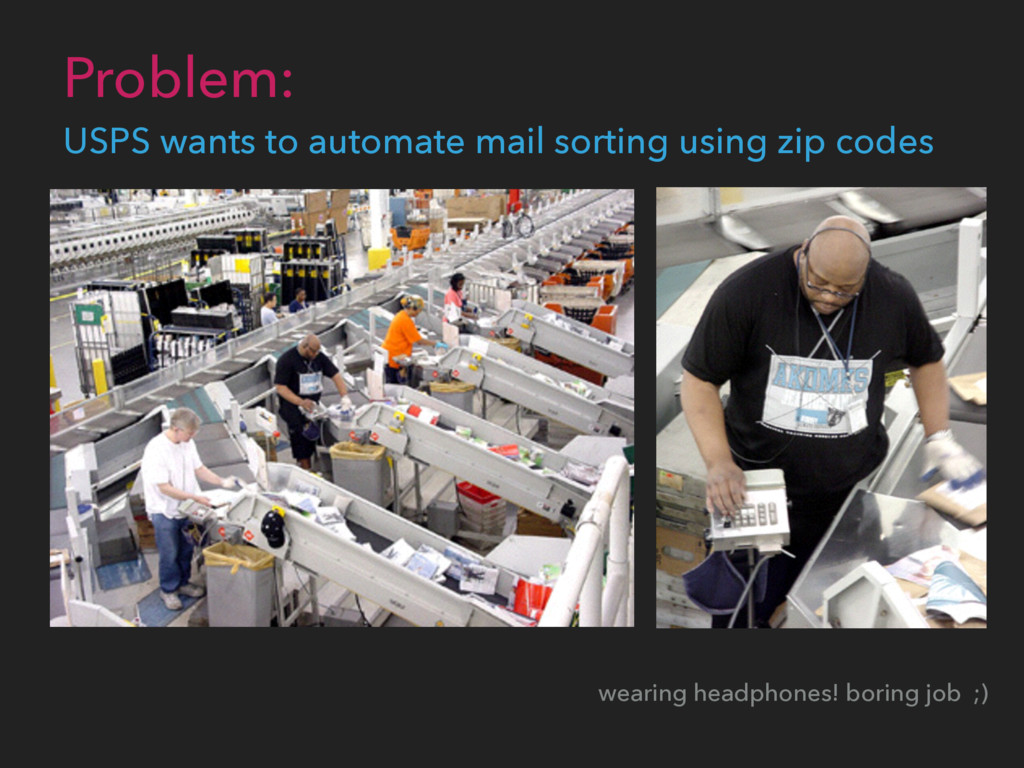
  5. Problem: 
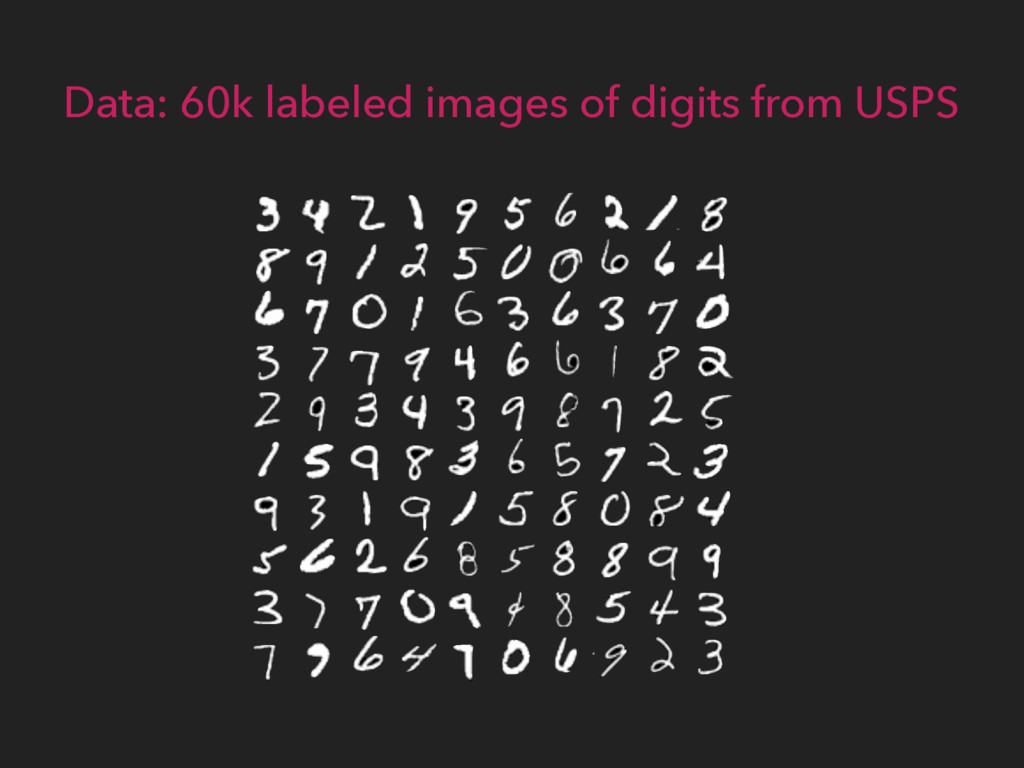
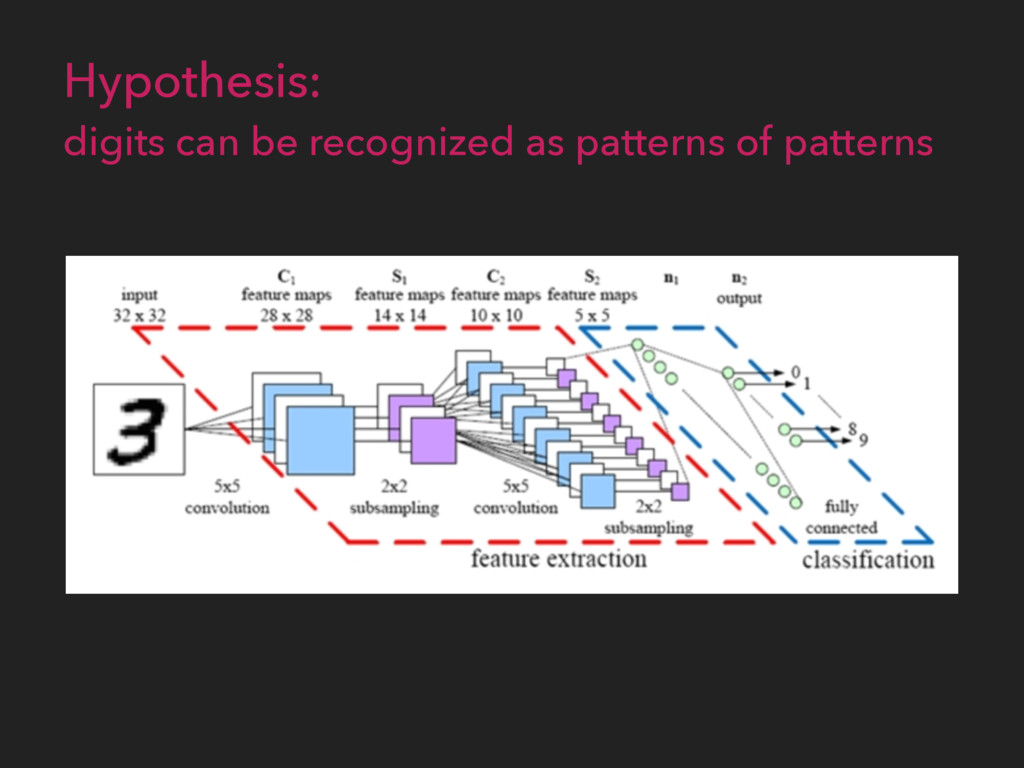
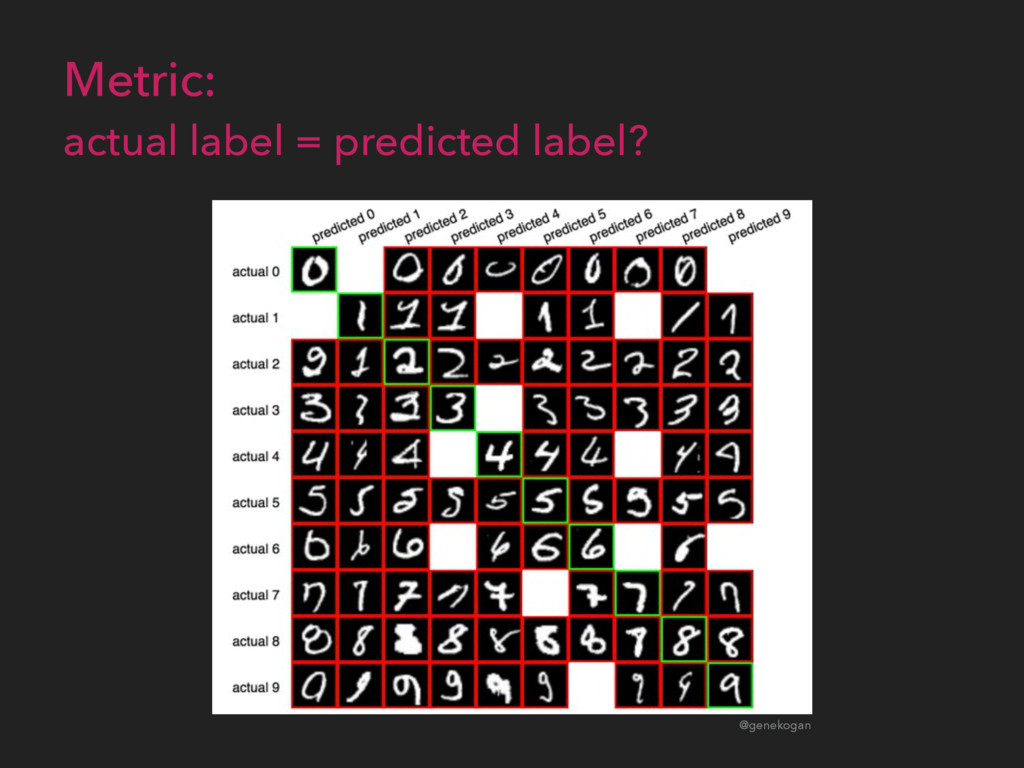
 USPS wants to automate mail sorting using zip

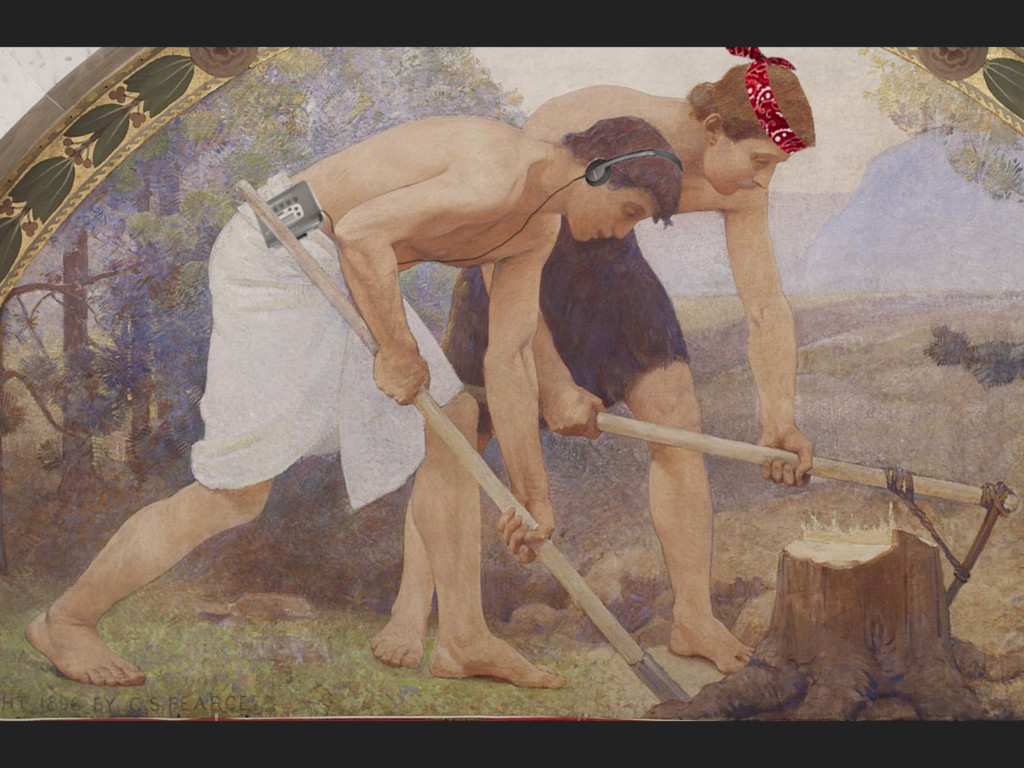
    codes wearing headphones! boring job ;)
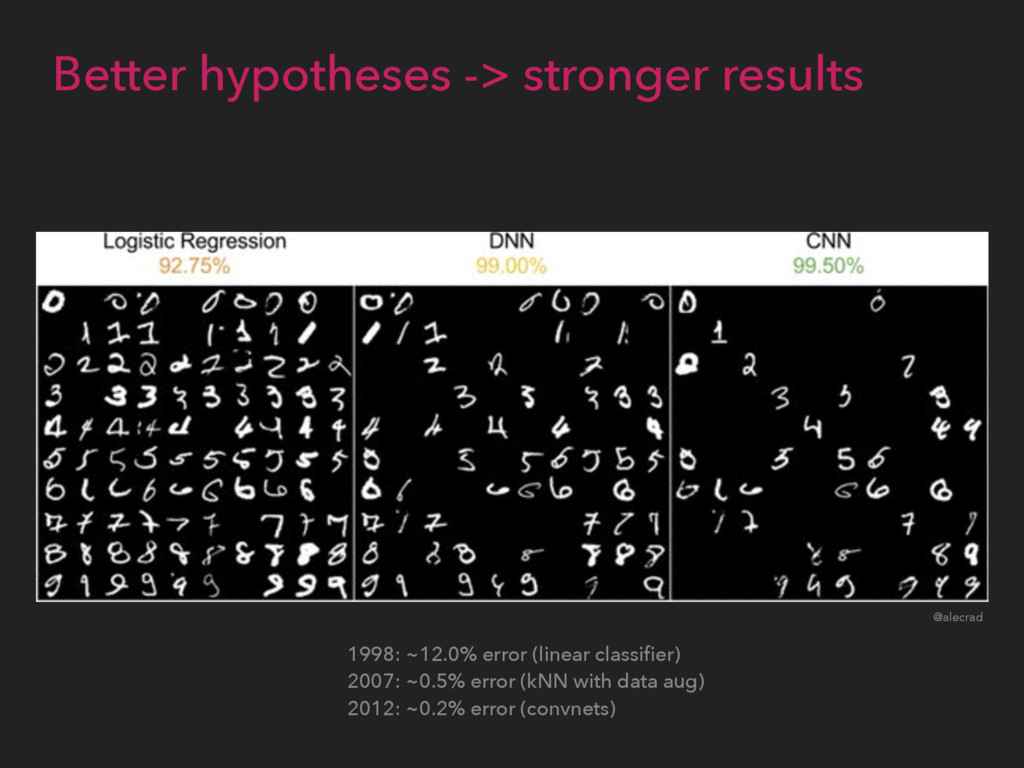
  6. Better hypotheses -> stronger results @alecrad 1998: ~12.0% error (linear

    classifier)
 2007: ~0.5% error (kNN with data aug)
 2012: ~0.2% error (convnets)
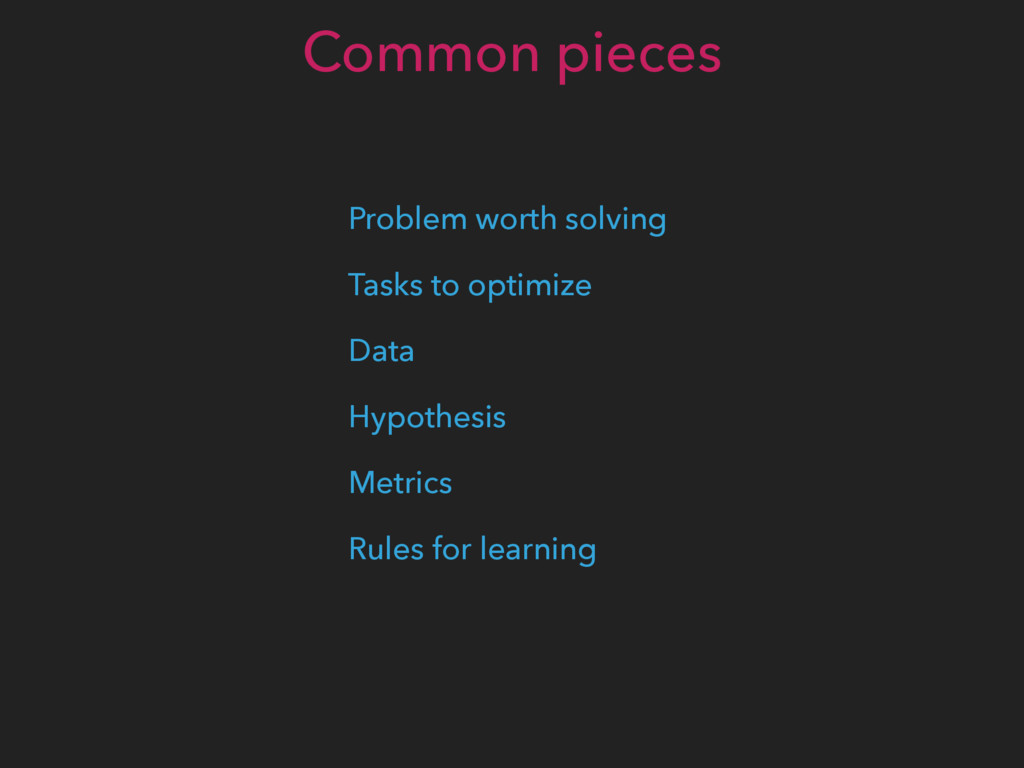
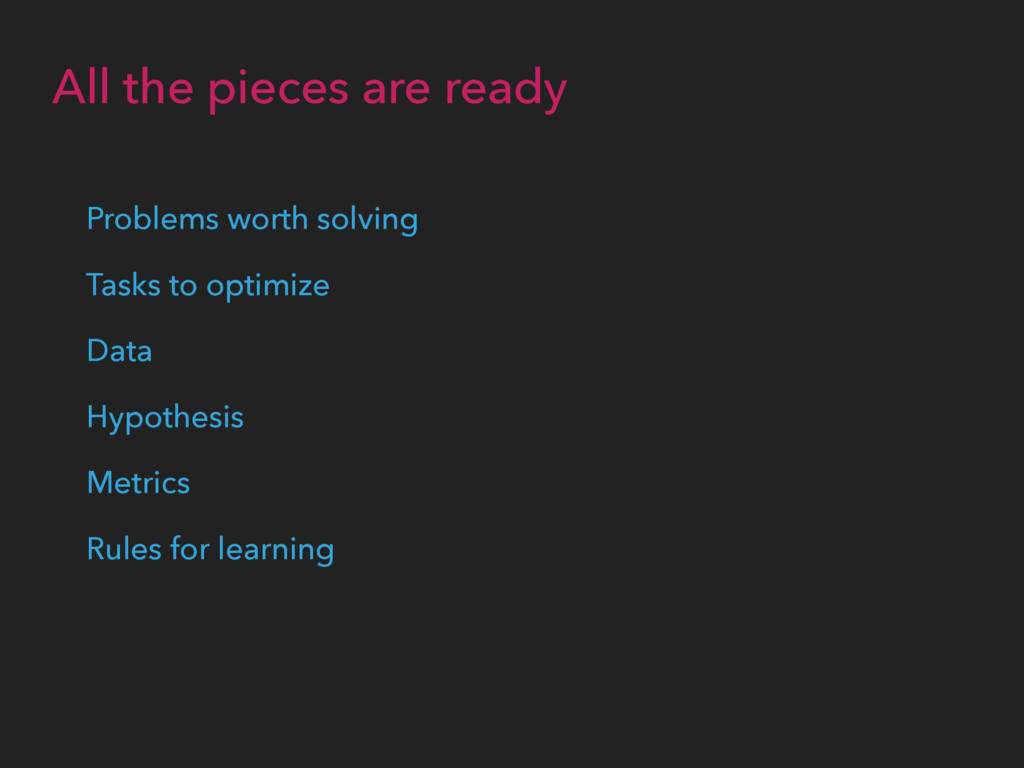
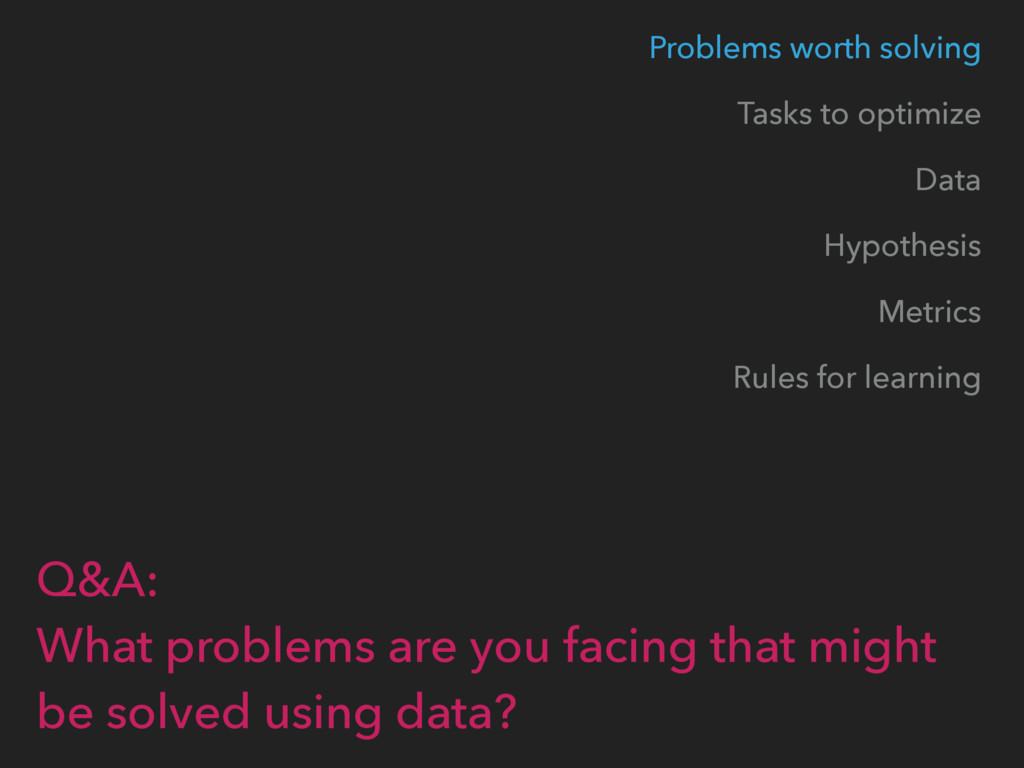
  7. All the pieces are ready Problems worth solving Tasks to

    optimize Data Hypothesis Metrics Rules for learning
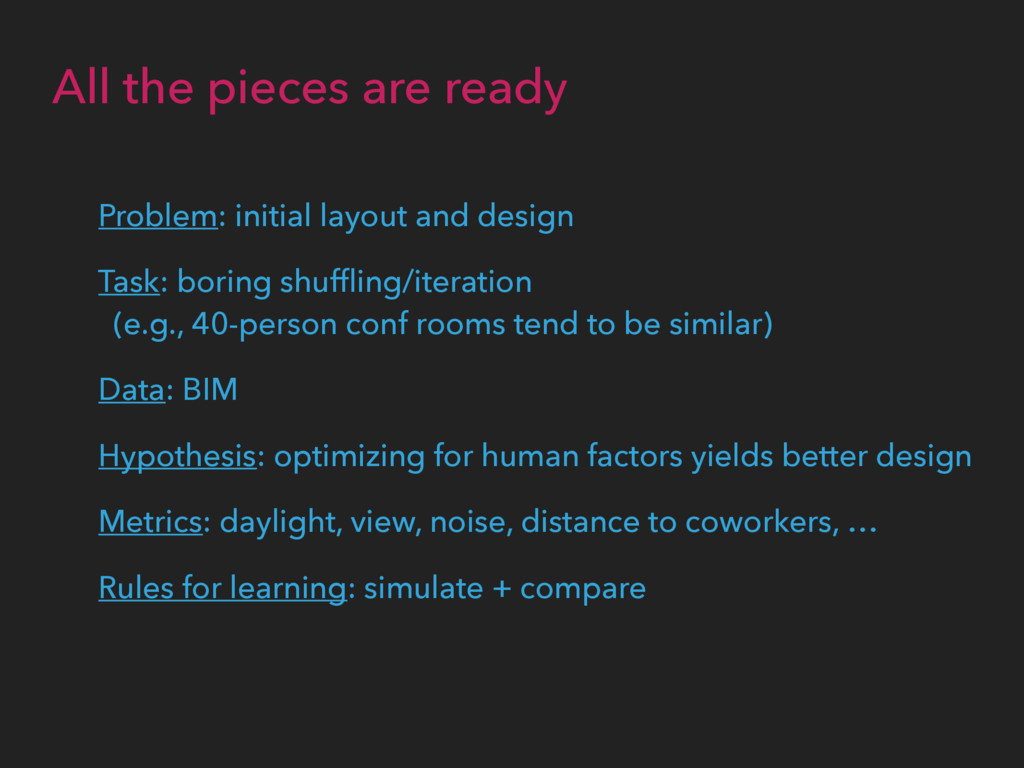
  8. All the pieces are ready Problem: initial layout and design

    Task: boring shuffling/iteration
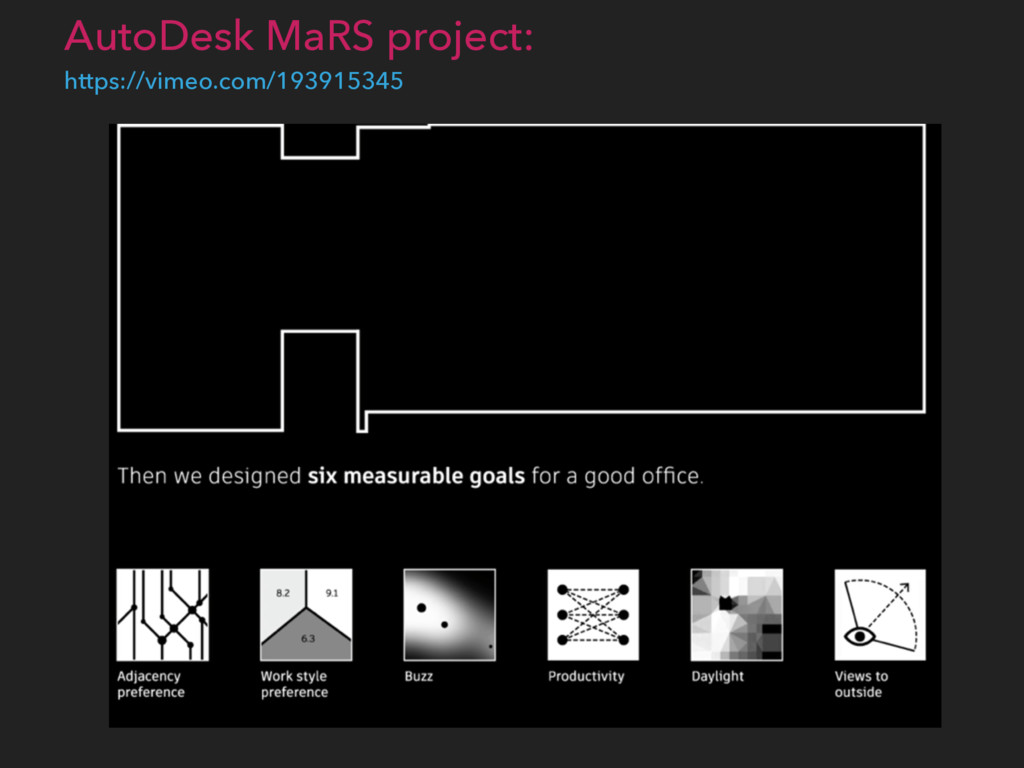
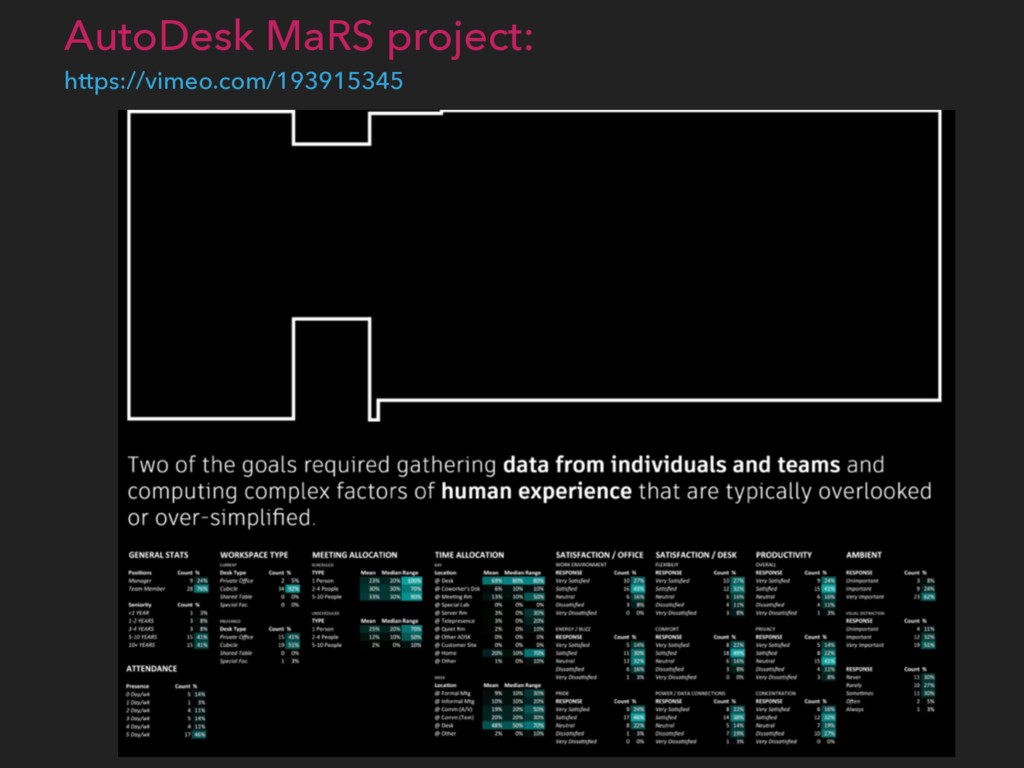
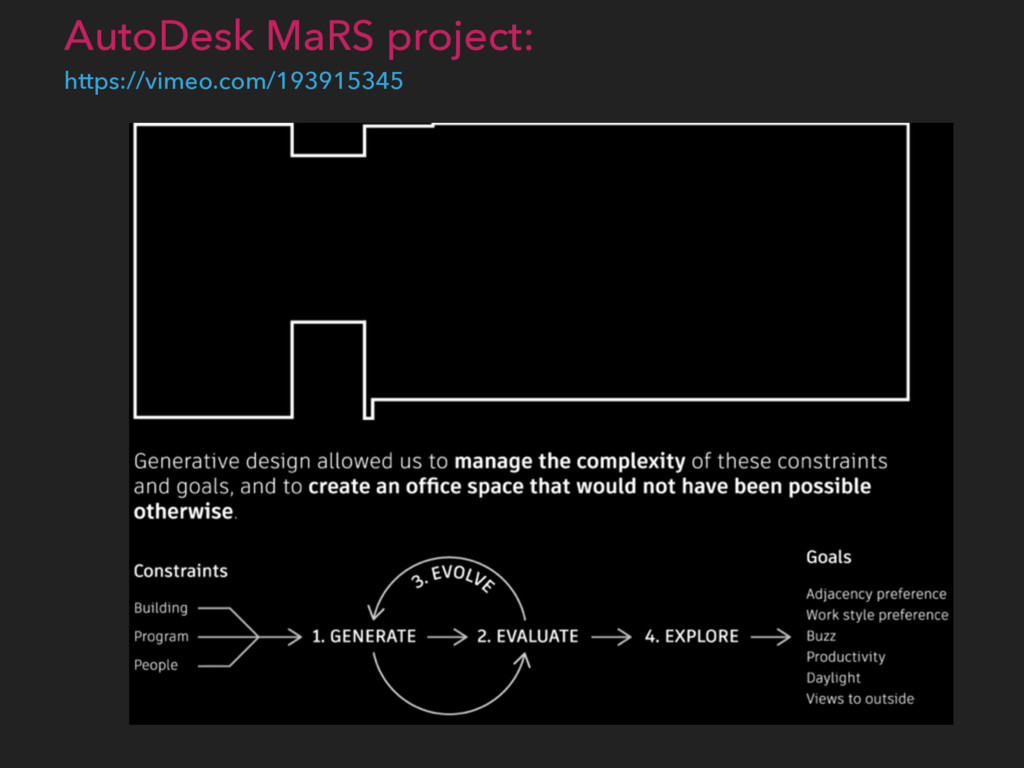
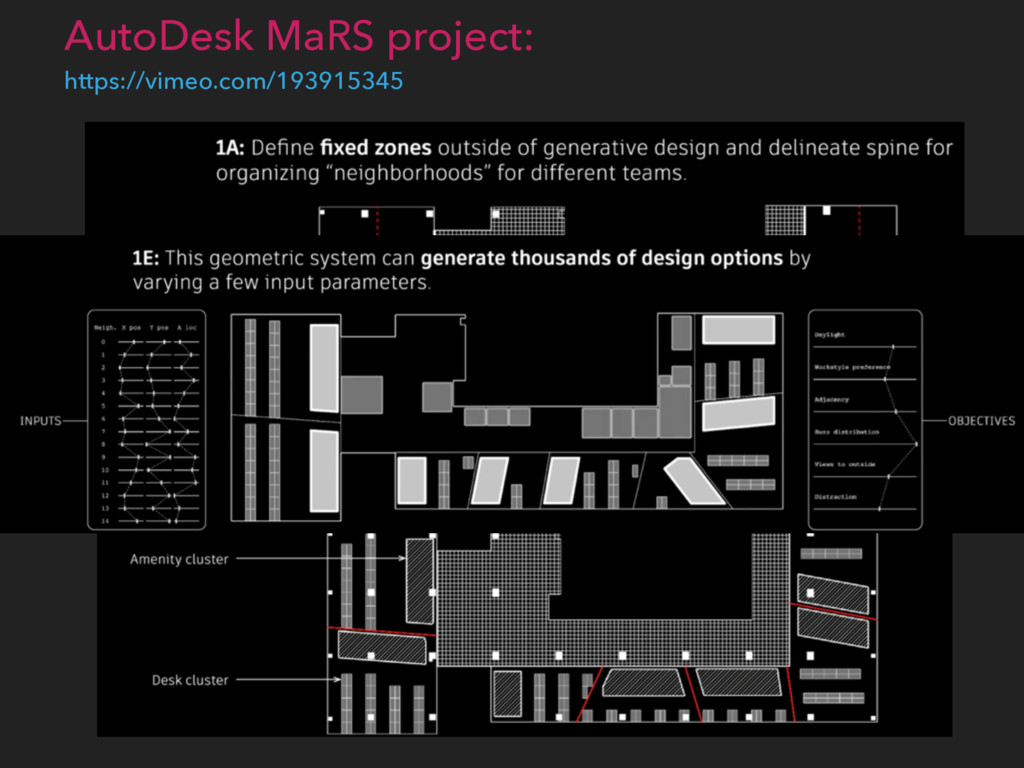
 (e.g., 40-person conf rooms tend to be similar) Data: BIM Hypothesis: optimizing for human factors yields better design Metrics: daylight, view, noise, distance to coworkers, … Rules for learning: simulate + compare
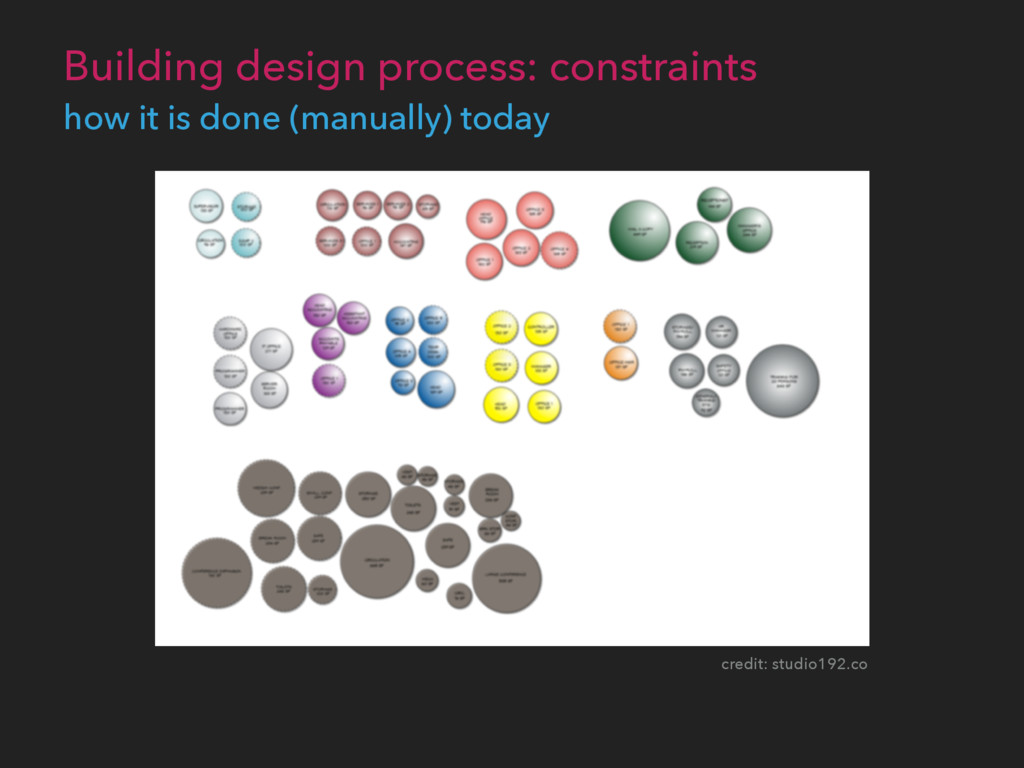
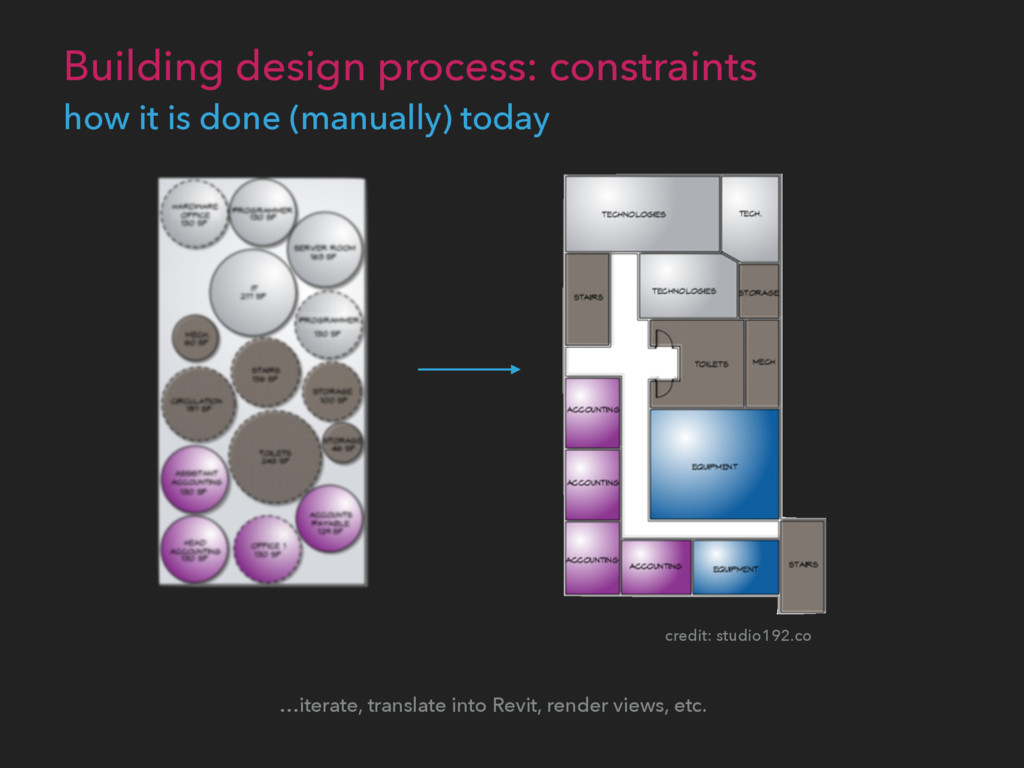
  9. credit: studio192.co Building design process: constraints
 how it is done

    (manually) today …iterate, translate into Revit, render views, etc.
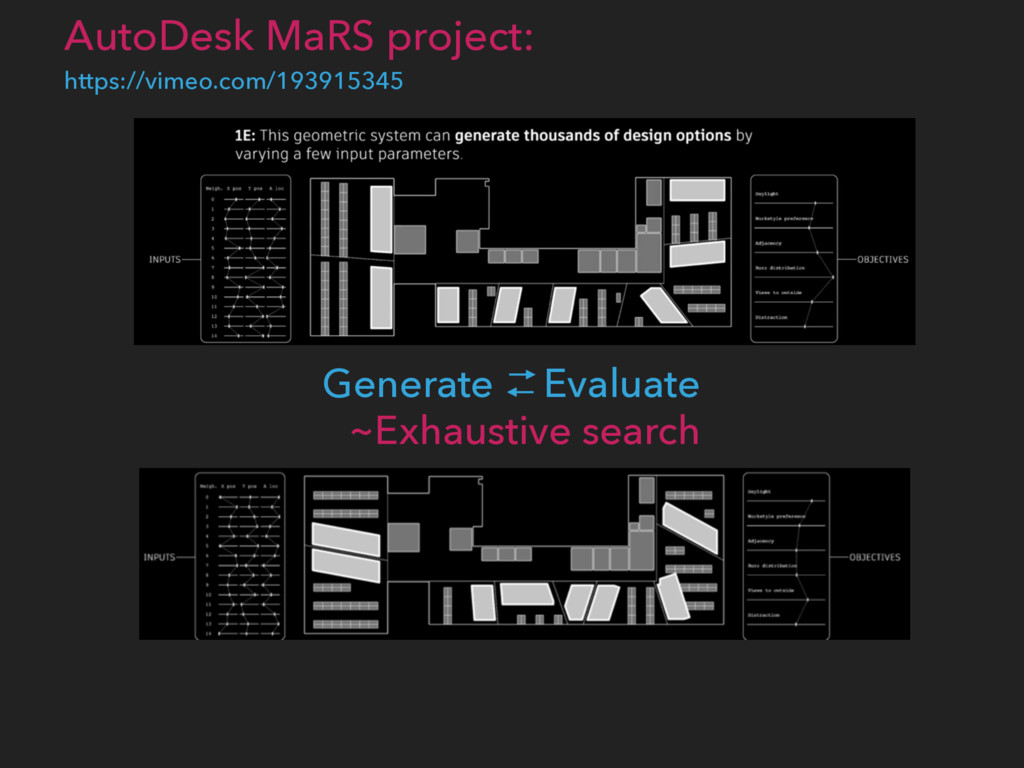
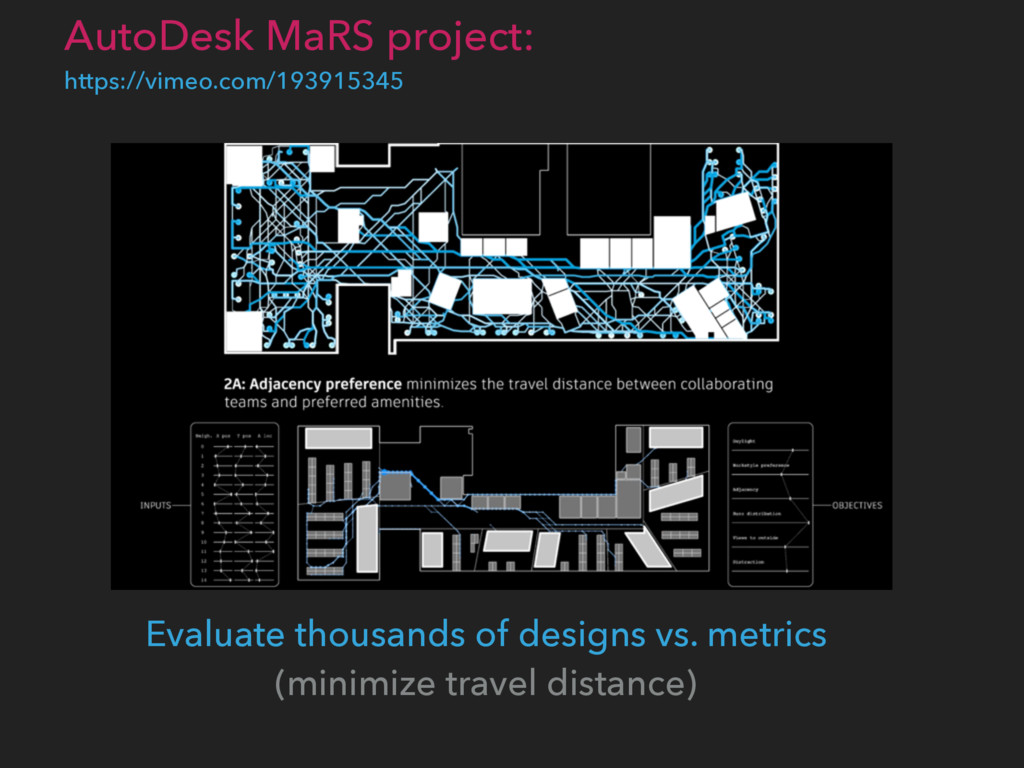
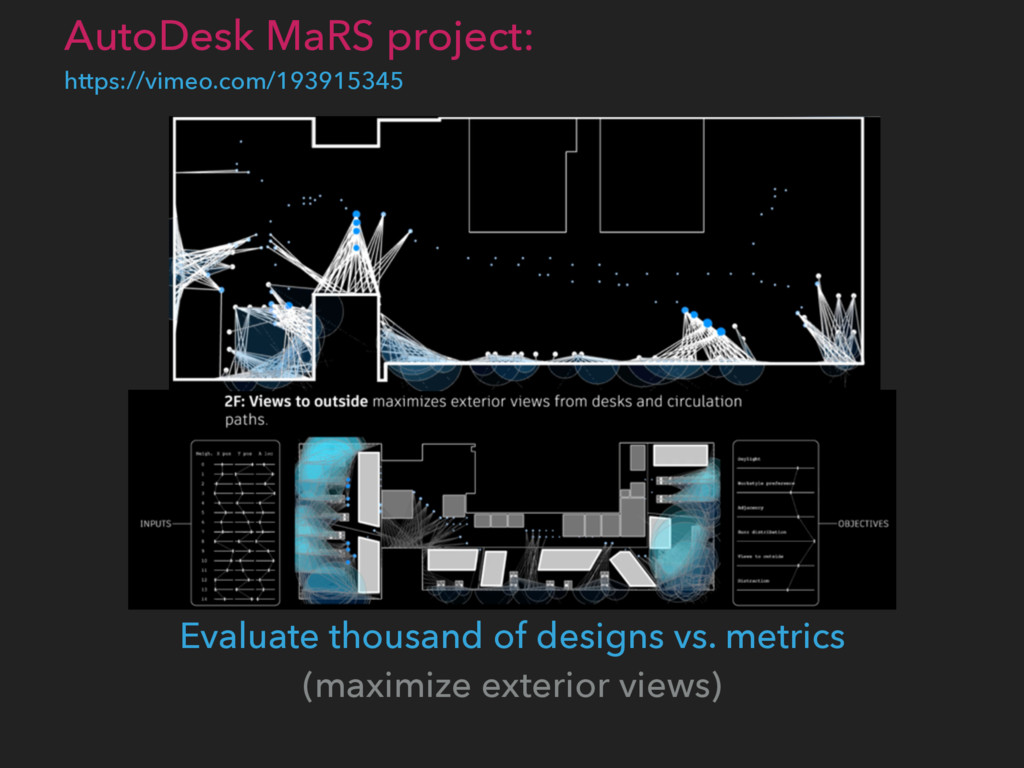
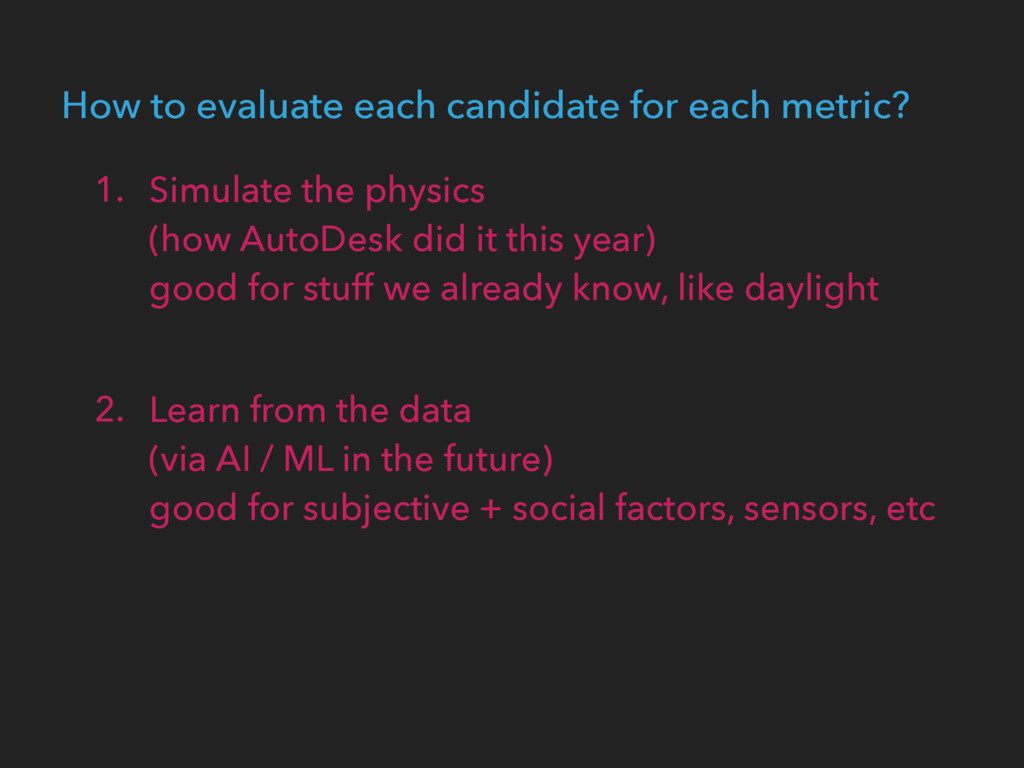
  10. How to evaluate each candidate for each metric? 1. Simulate

    the physics
 (how AutoDesk did it this year)
 good for stuff we already know, like daylight
 2. Learn from the data 
 (via AI / ML in the future)
 good for subjective + social factors, sensors, etc
  11. Q&A: 
 What problems are you facing that might be

    solved using data? Problems worth solving Tasks to optimize Data Hypothesis Metrics Rules for learning
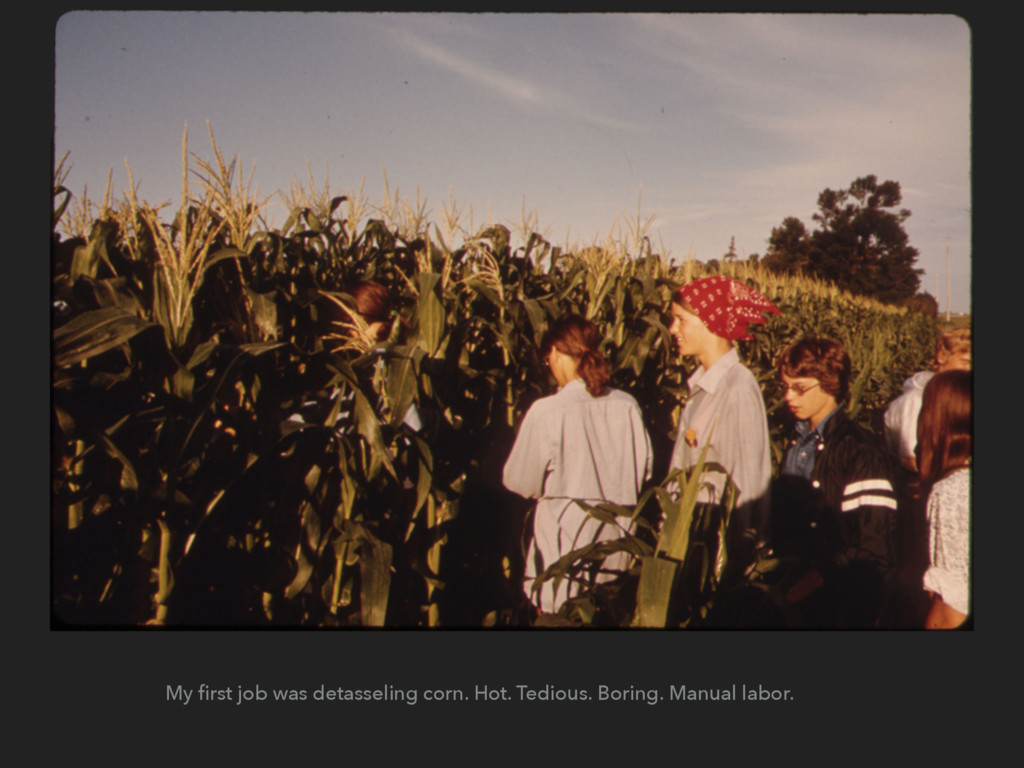
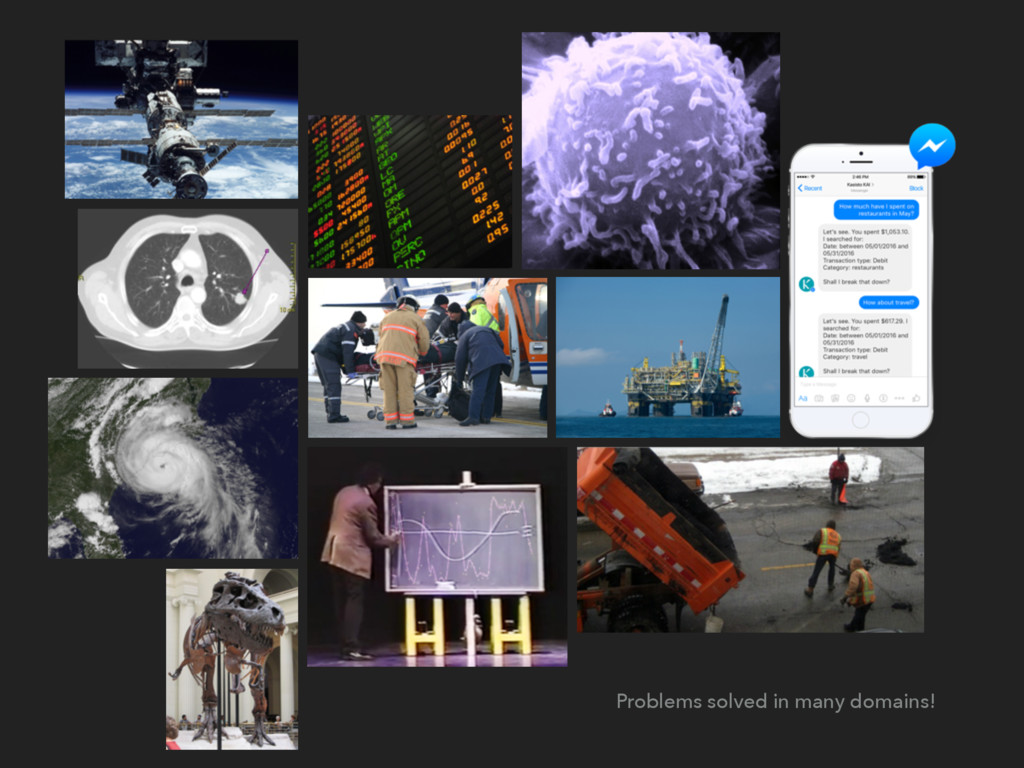
  12. IMAGE CREDITS US National Archives: detasseling
 NASA: space station
 NIH:

    lung cancer CT scan
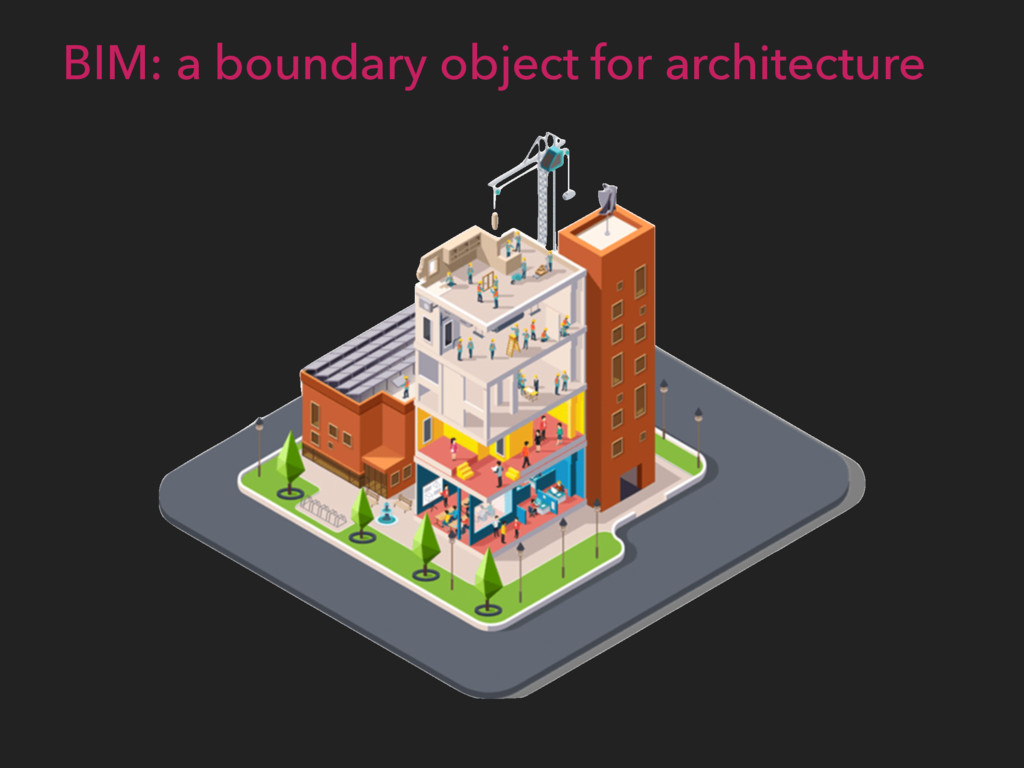
 AutoDesk: MaRS project + BIM cartoon
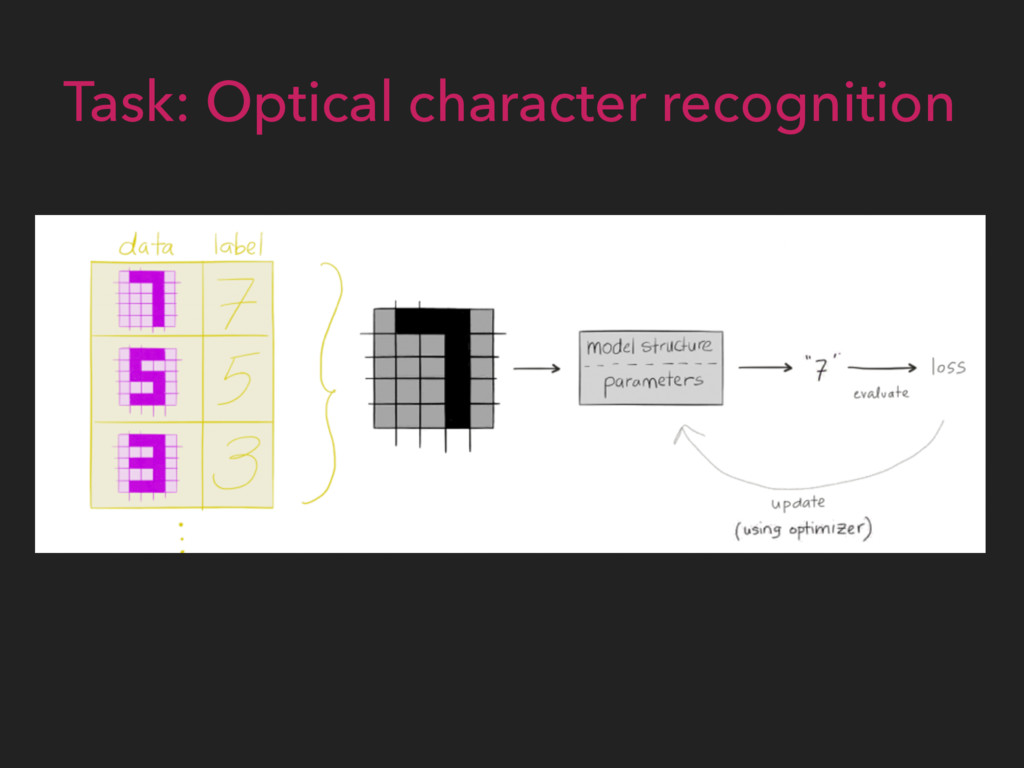
 indico.io/blog: MNIST diagram
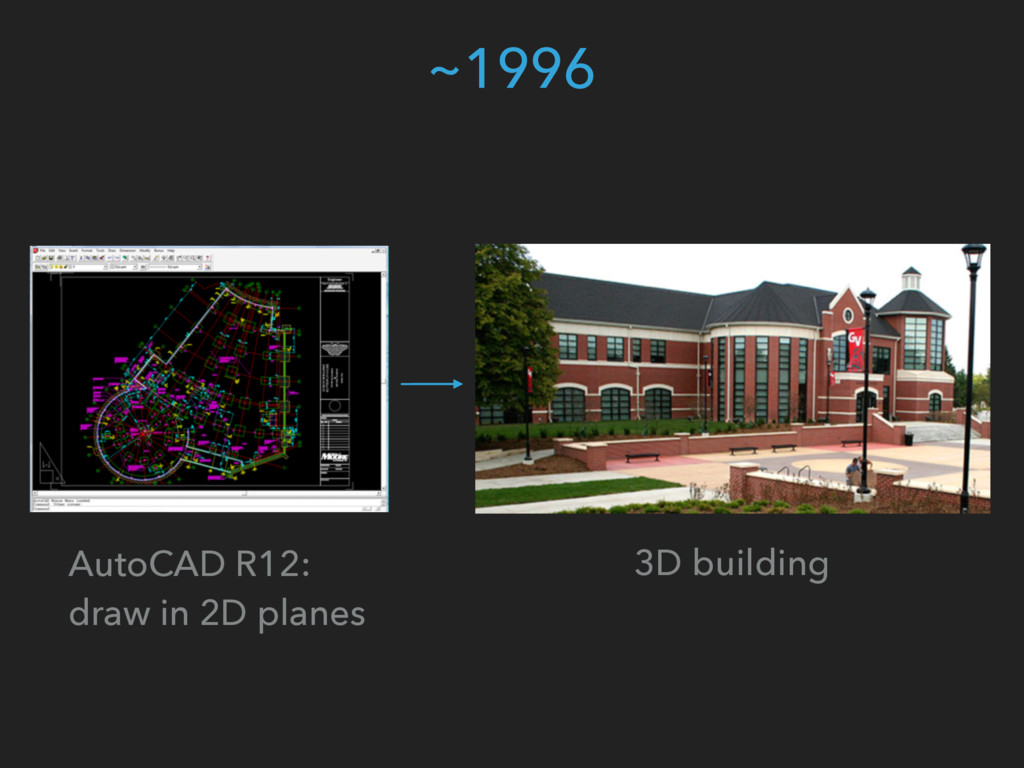
 MufasuCAD.com: old AutoCAD screenshot
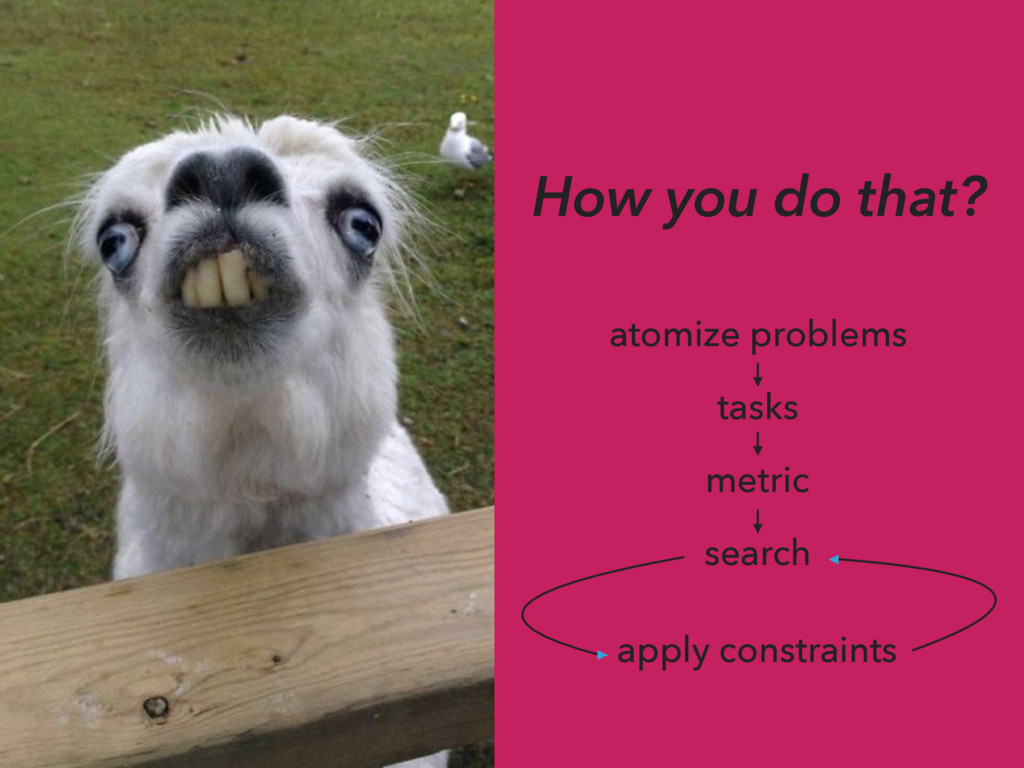
 virascoop.com: alpacas
 kasisto.com: iOS chatbot
 wired.com: filling potholes
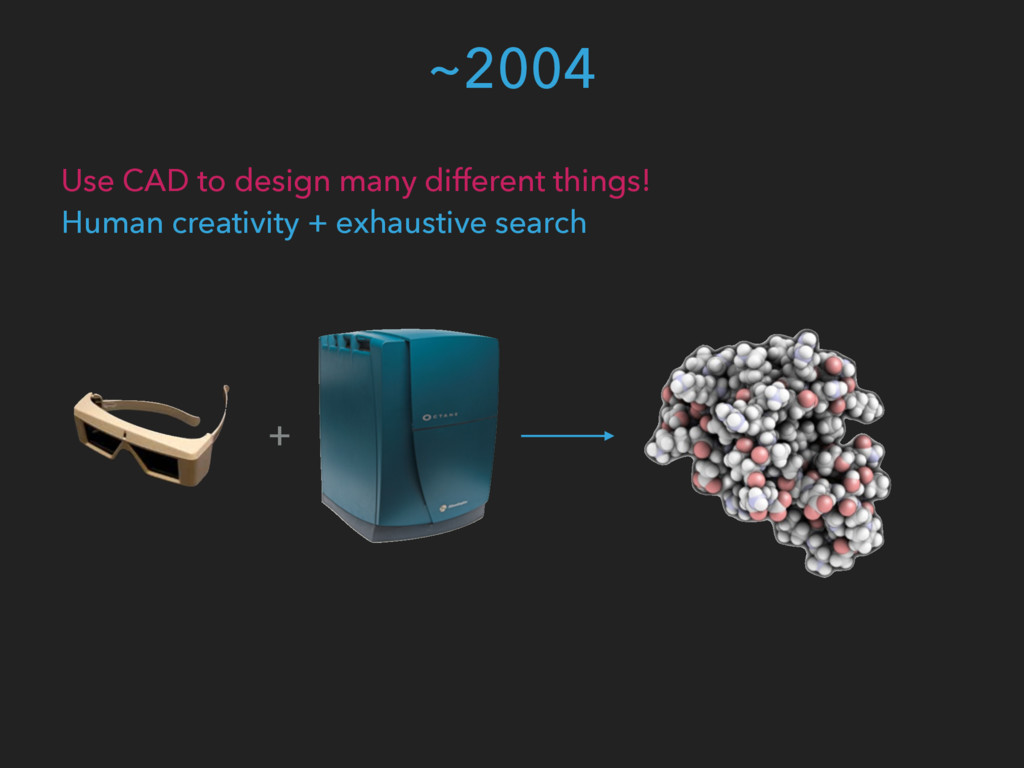
 Wikipedia: Field work, Walkman, Grandview, Octane workstation, protein render, markets screen, med evac, lymphocyte, offshore rig
 Matan et al. “Reading Handwritten Digits: A Zip Code Recognition System” AT&T Bell Labs (1991): MNIST examples
 Teterboro News: mail sorting
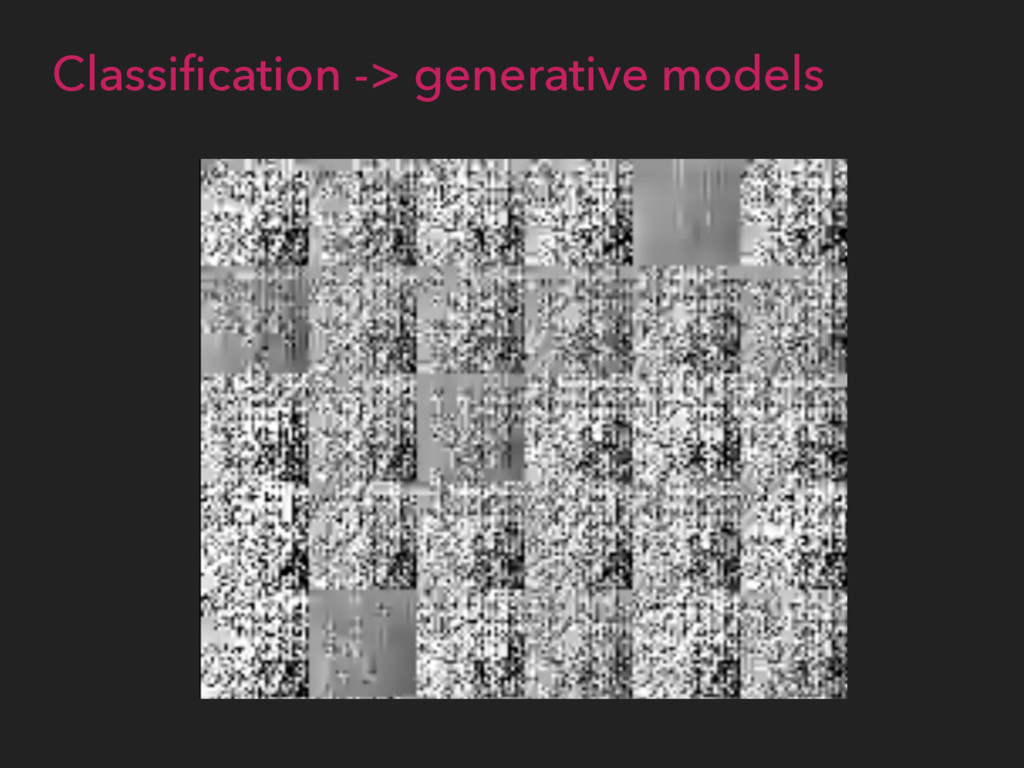
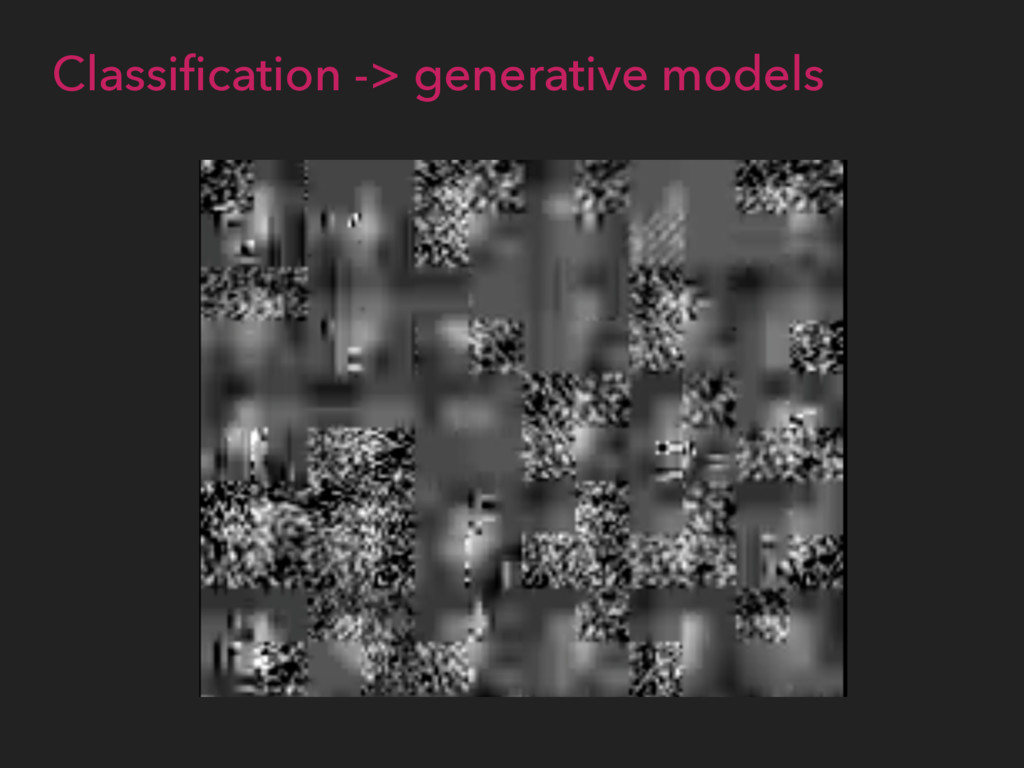
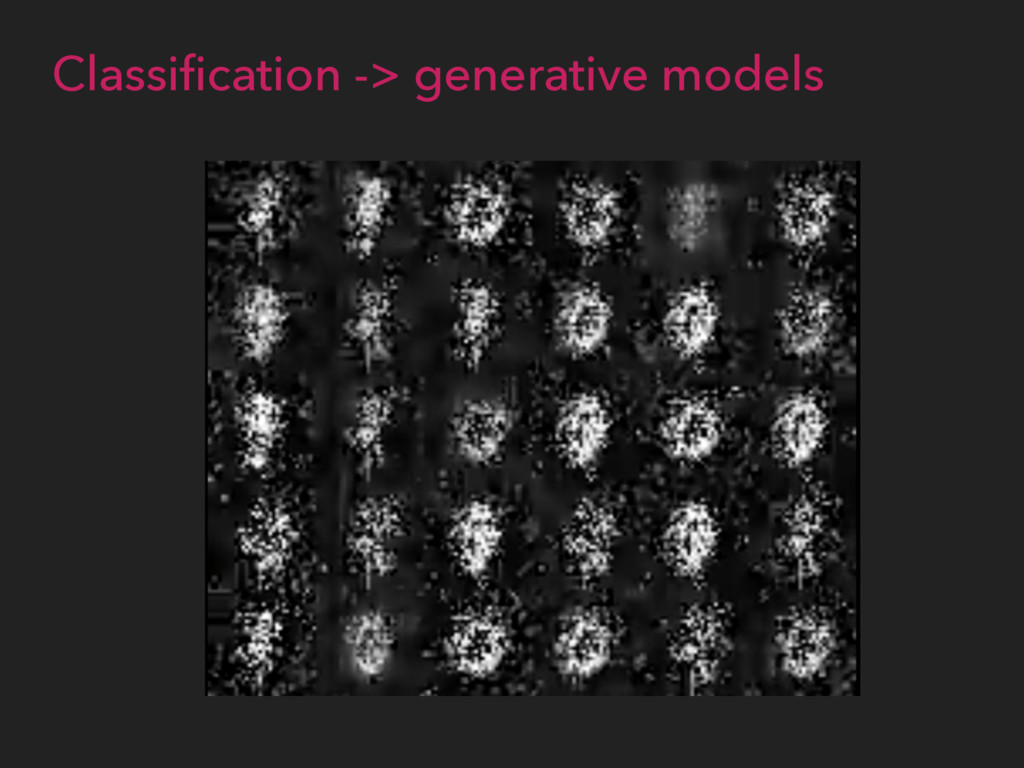
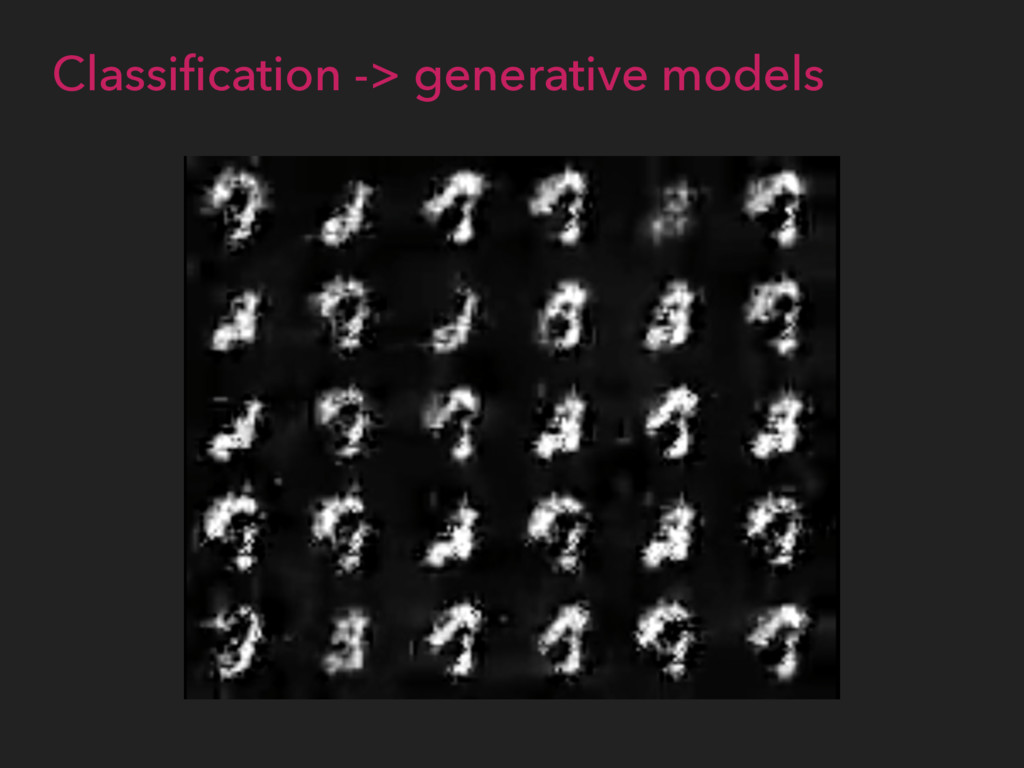
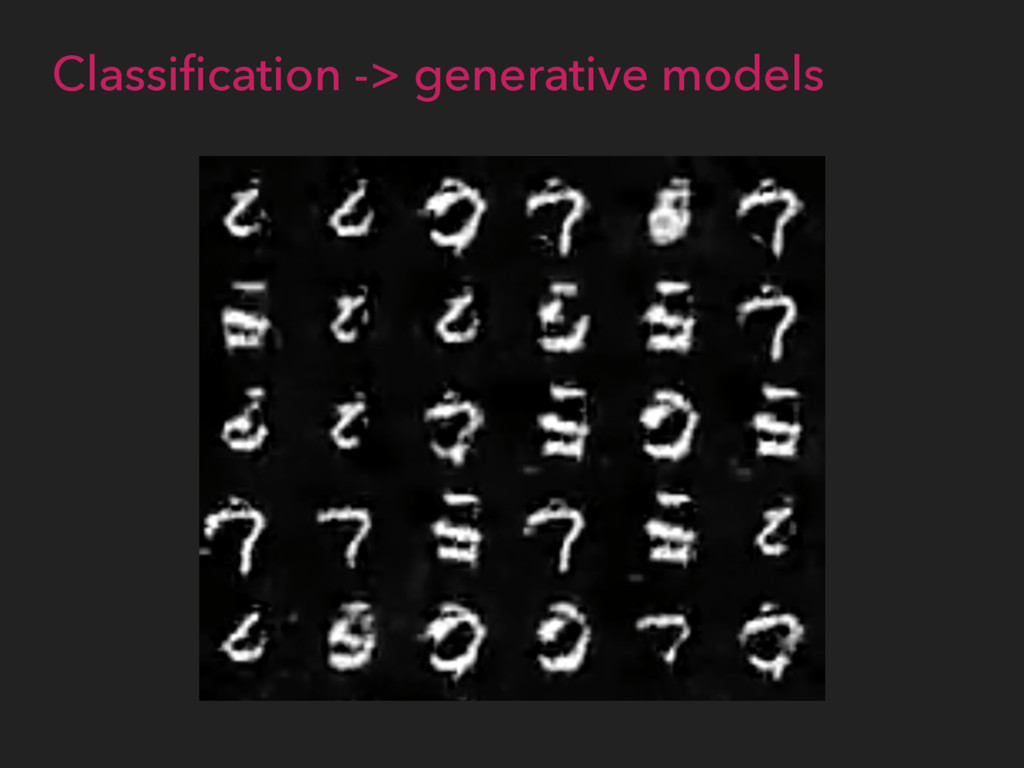
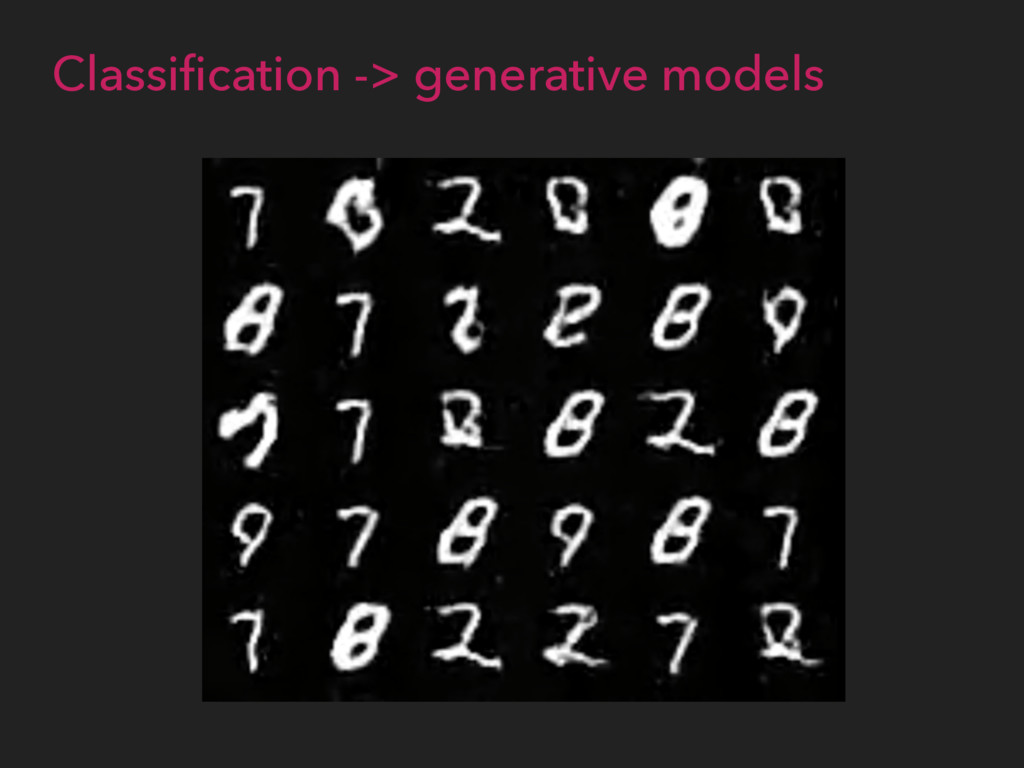
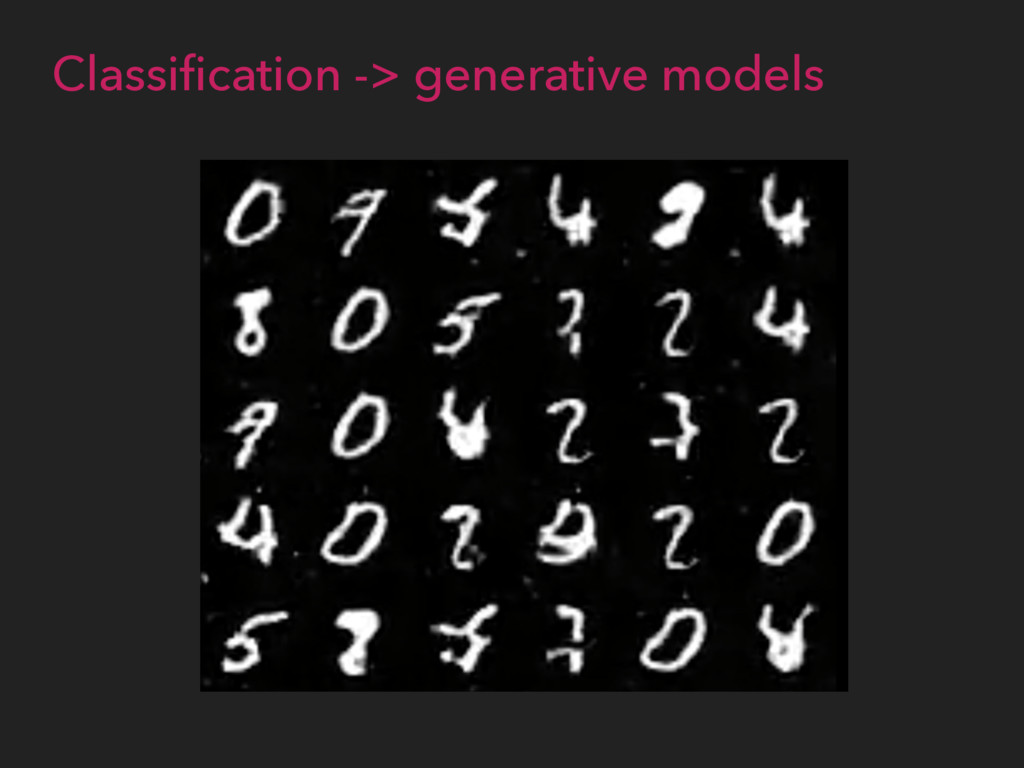
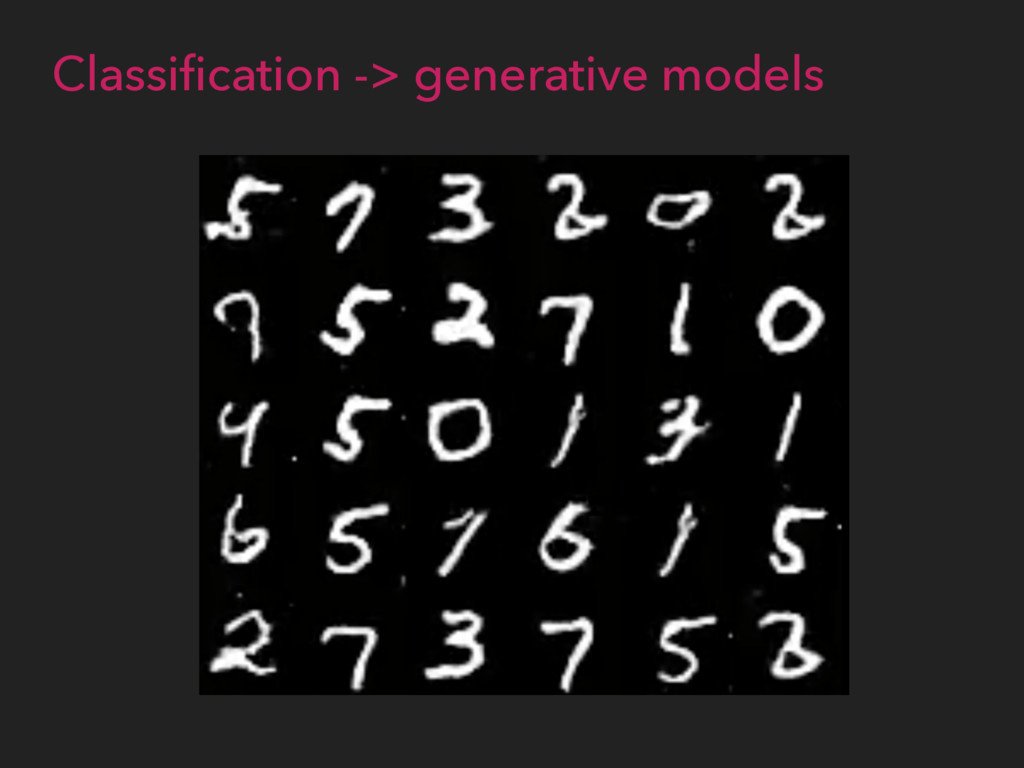
 Gene Kogan + Alec Radford: MNIST visualizations
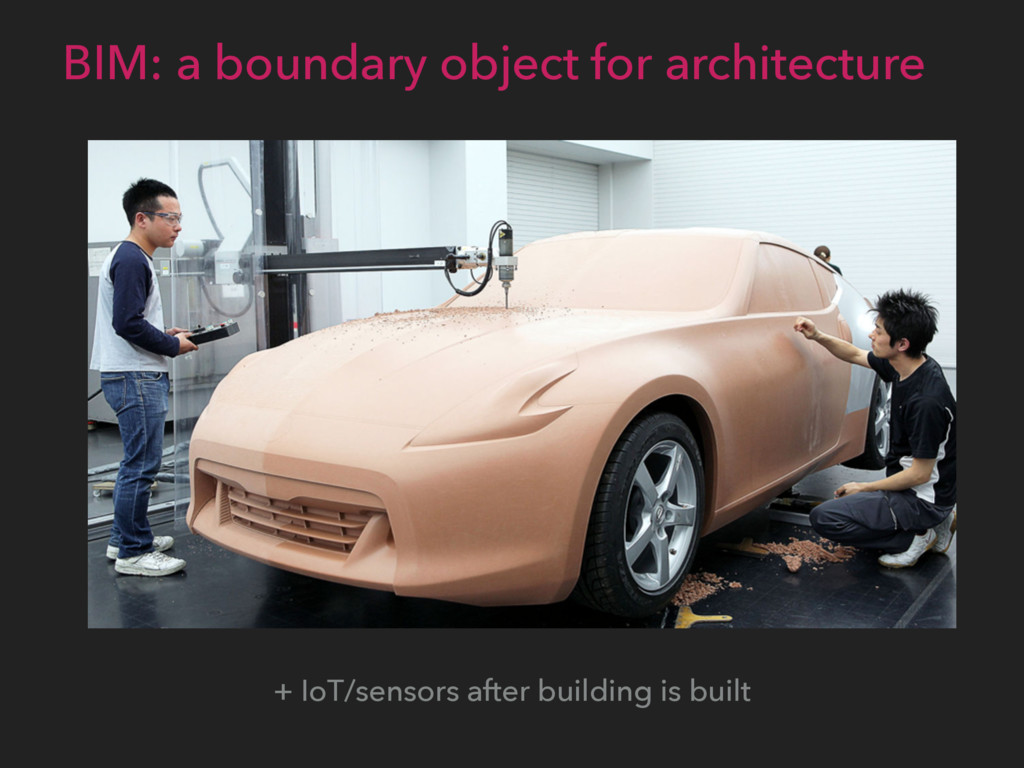
 FastCoDesign: automotive clay model