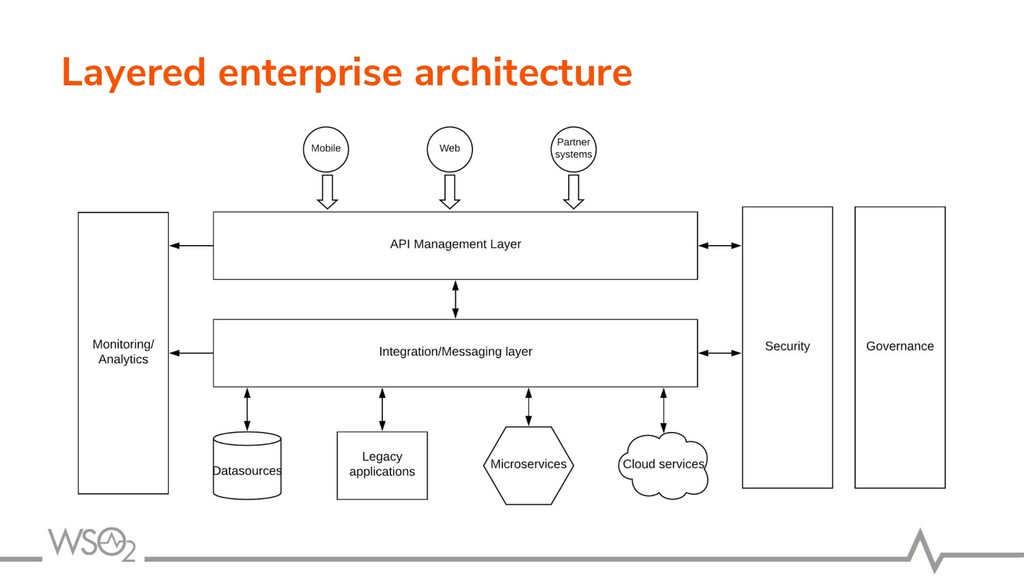
This slide deck explains how to build an API Management platform which can be utilized by different units within an organization by federating the API management platform.
their own timelines and requirements • Allowing different teams to manage their own APIs is critical • How to reuse the same platform while having the separation
• Support full API lifecycle management • Componentized architecture which can scale independently • Supports hybrid, multi-cloud deployments • Several options for federated API management
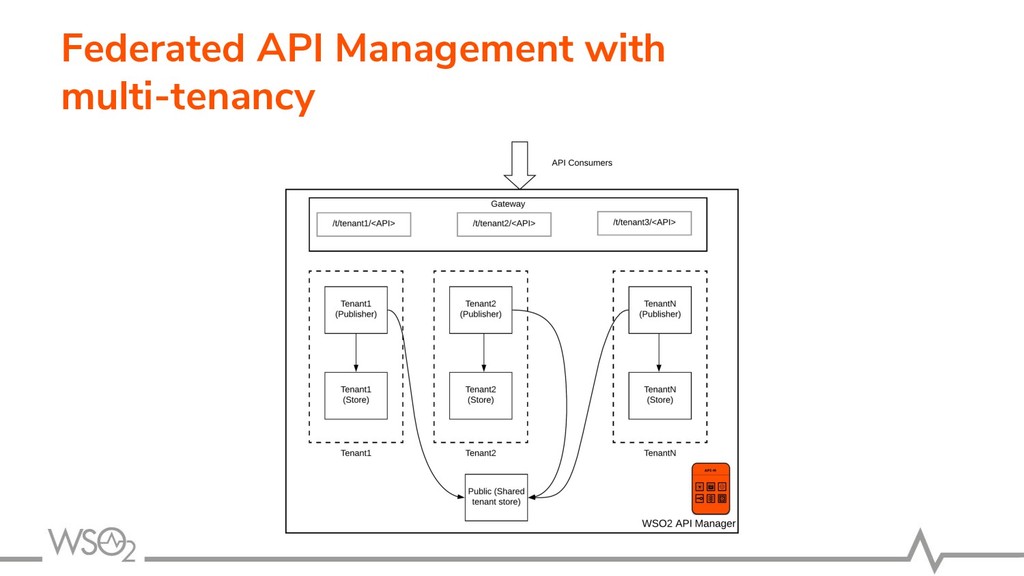
on top of the same API Management runtime • APIs can be developed in total isolation and if required, can be shared across different tenants • Same gateway can be shared across multiple tenants
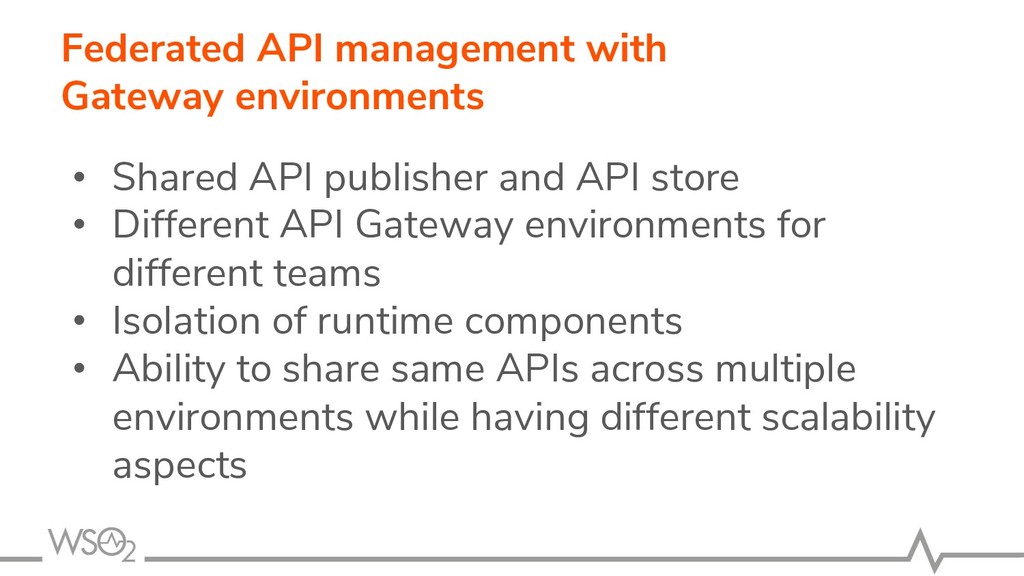
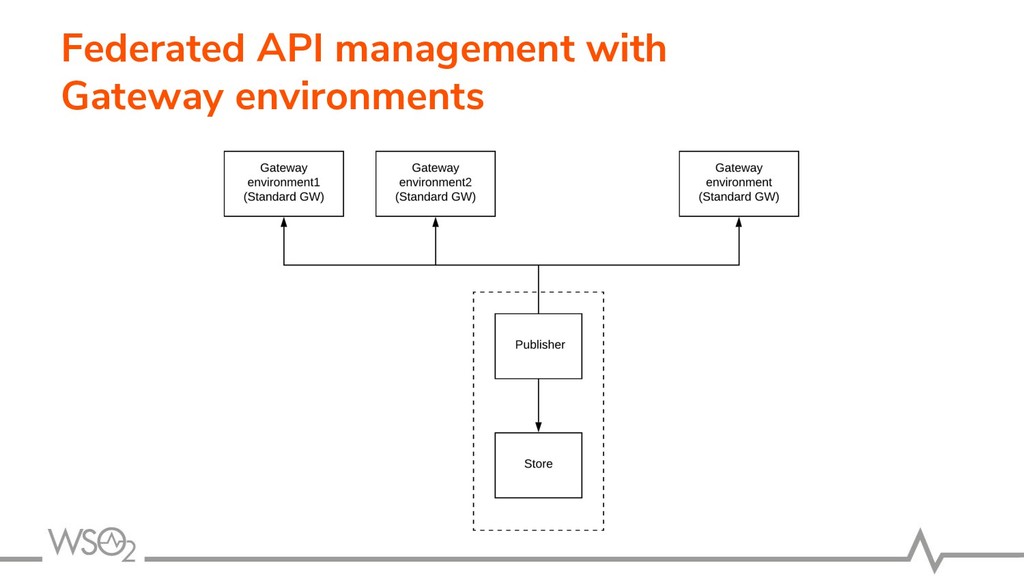
and API store • Different API Gateway environments for different teams • Isolation of runtime components • Ability to share same APIs across multiple environments while having different scalability aspects
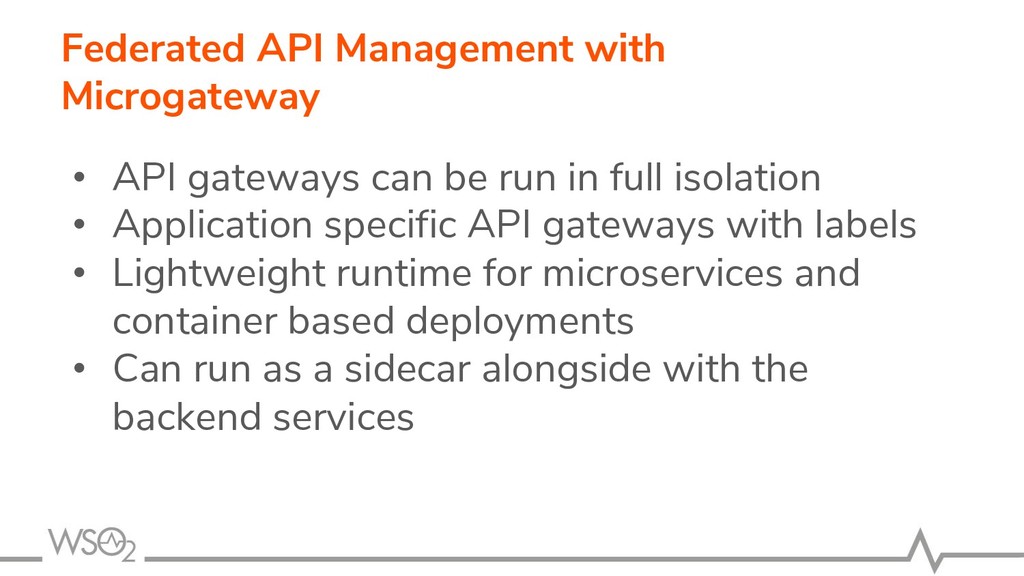
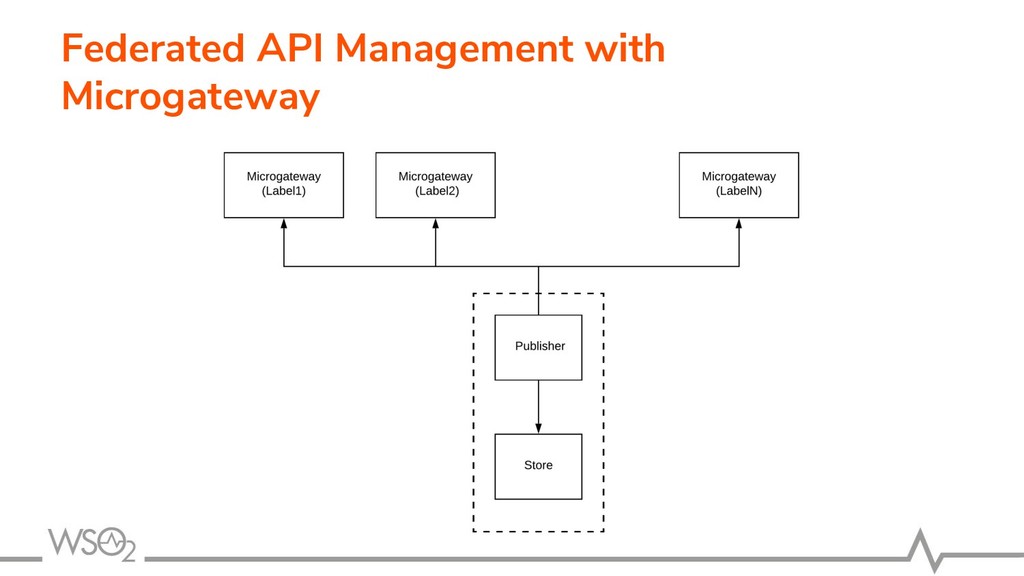
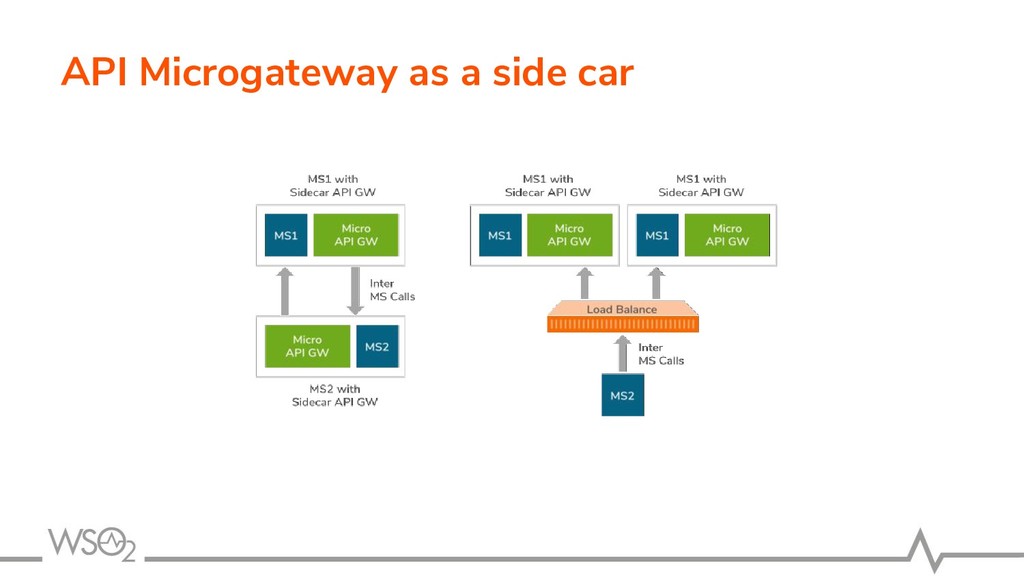
run in full isolation • Application specific API gateways with labels • Lightweight runtime for microservices and container based deployments • Can run as a sidecar alongside with the backend services
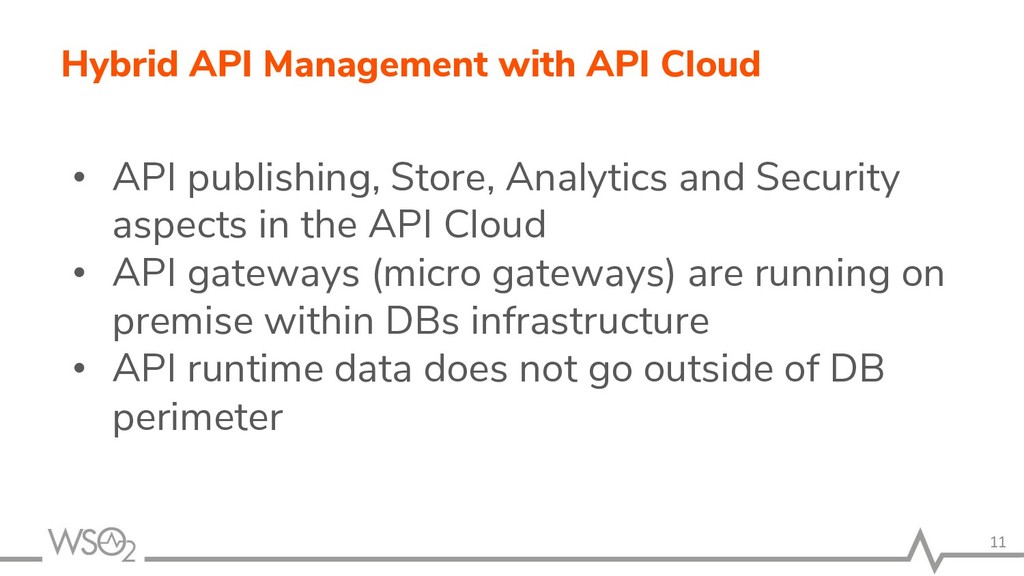
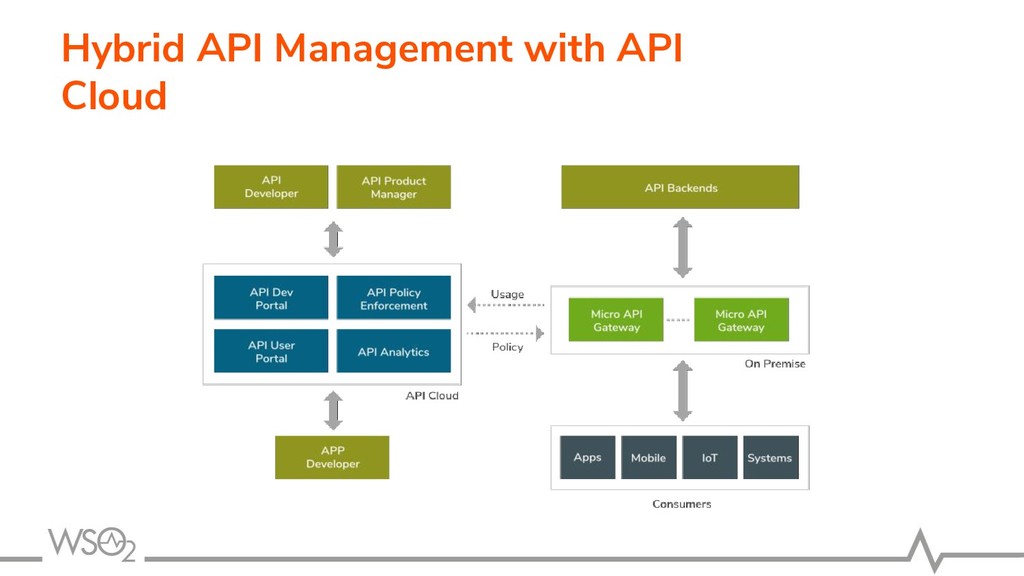
Store, Analytics and Security aspects in the API Cloud • API gateways (micro gateways) are running on premise within DBs infrastructure • API runtime data does not go outside of DB perimeter
along with the backend service to reduce the extra hop • Both can run on the same “pod” in kubernetes • Can scale both backend service and API gateway together
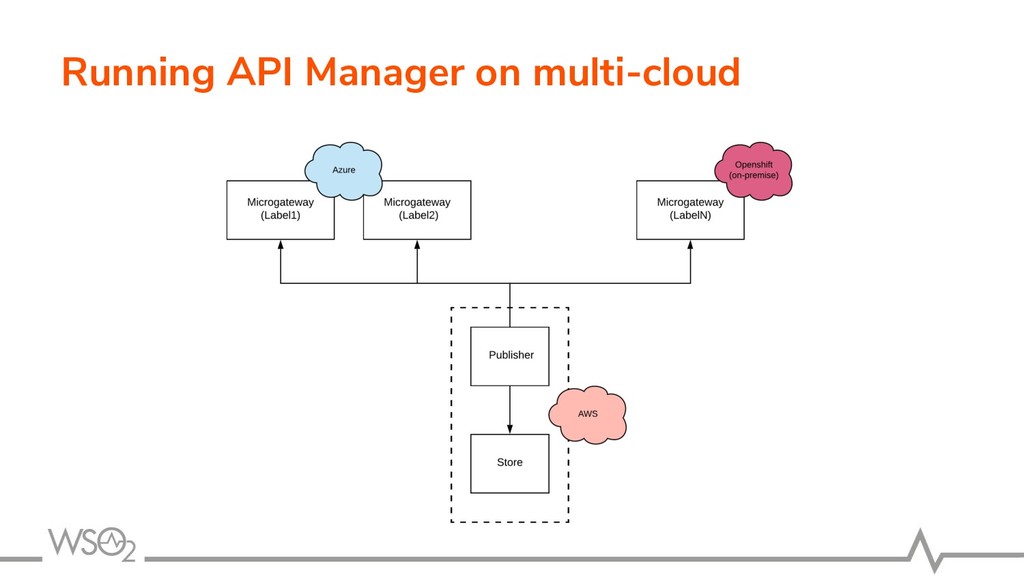
on different environments • Product is supported in multiple cloud environments (Azure, GCP, AWS, Openshift, etc.) • Different teams can move ahead with their preferred cloud service provider


 shogo4131
 kairim0
 nealle
 kash1064
 shuta13
 techtekt
 yazm
yazm
 mohab1
 yu23ki14
 riyaamemiya
 kentapapa
 takanorip
 chrisshort
 jonoalderson
 afnizarnur
 tammielis
 garrettdimon
 inesmontani
 livdayseo
 baasie
 katarinadahlin
 aemeredith
 ryanjones
 aleyda