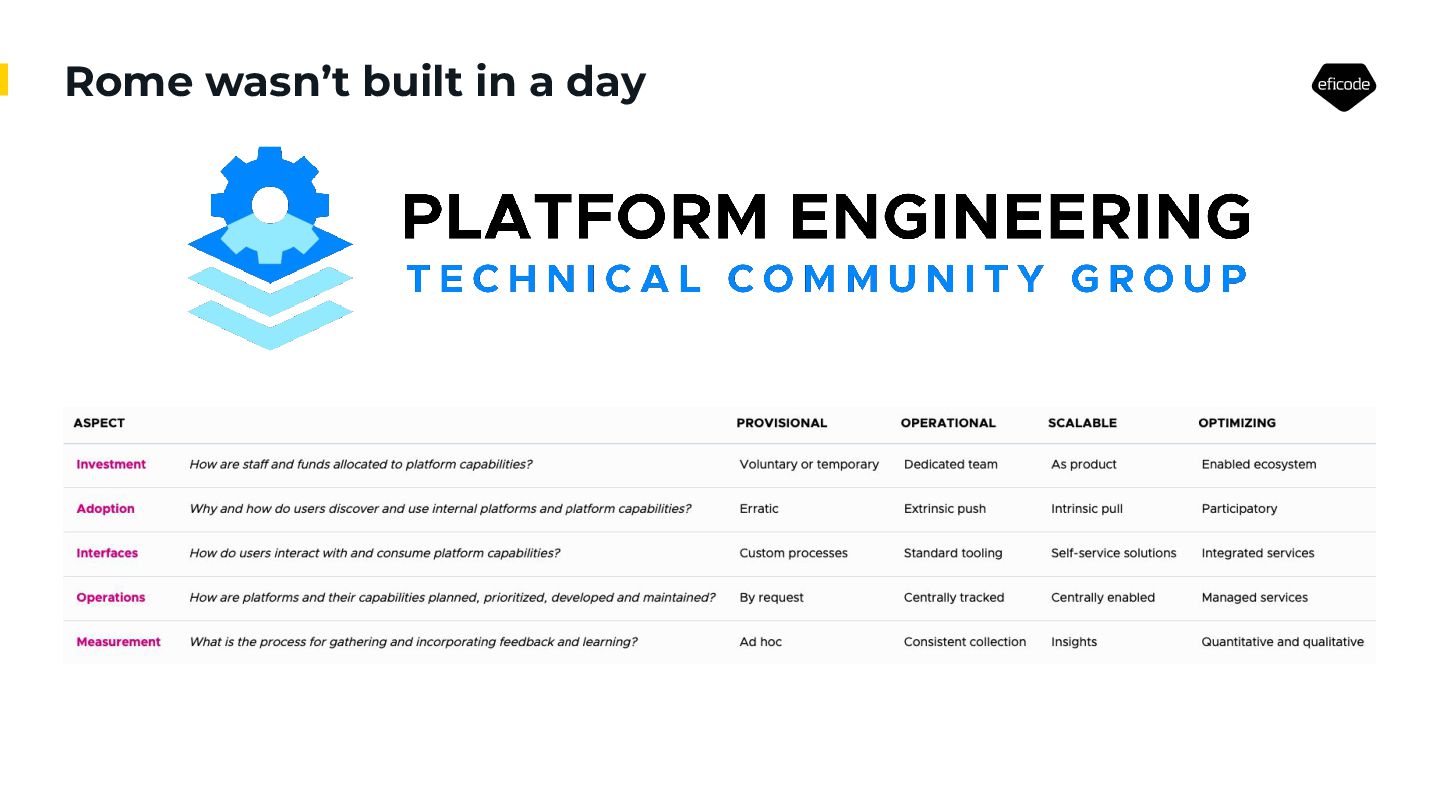
long history of silos and gatekeeping • Mindsets takes quite some time to shift • …and in some cases new people “We can’t afford slowing down” The organization needs stability and uptime • Though it wishes to leverage modern technology • Business units request something as fancy as AI This is no different from Agile and DevOps …it’s mindset and practices and no tool can solve that
intricate infrastructure details Most don’t want to know about YAML…especially kubernetes object specs, some don’t even want a CLI Find collaborators when you need to build a new capability • Interview them • Prototype with them • Ask when they expect • Tell them what you can automate ◦ Good defaults go a long way It’s more than “just” developers, remember security and governance when creating new things
your feedback How are things performing …can be regular technical metrics, but not always Is something used so little that it should be deprecated due to unbalanced maintenance? Gather structured feedback • Surveys • Interviews • Etc.
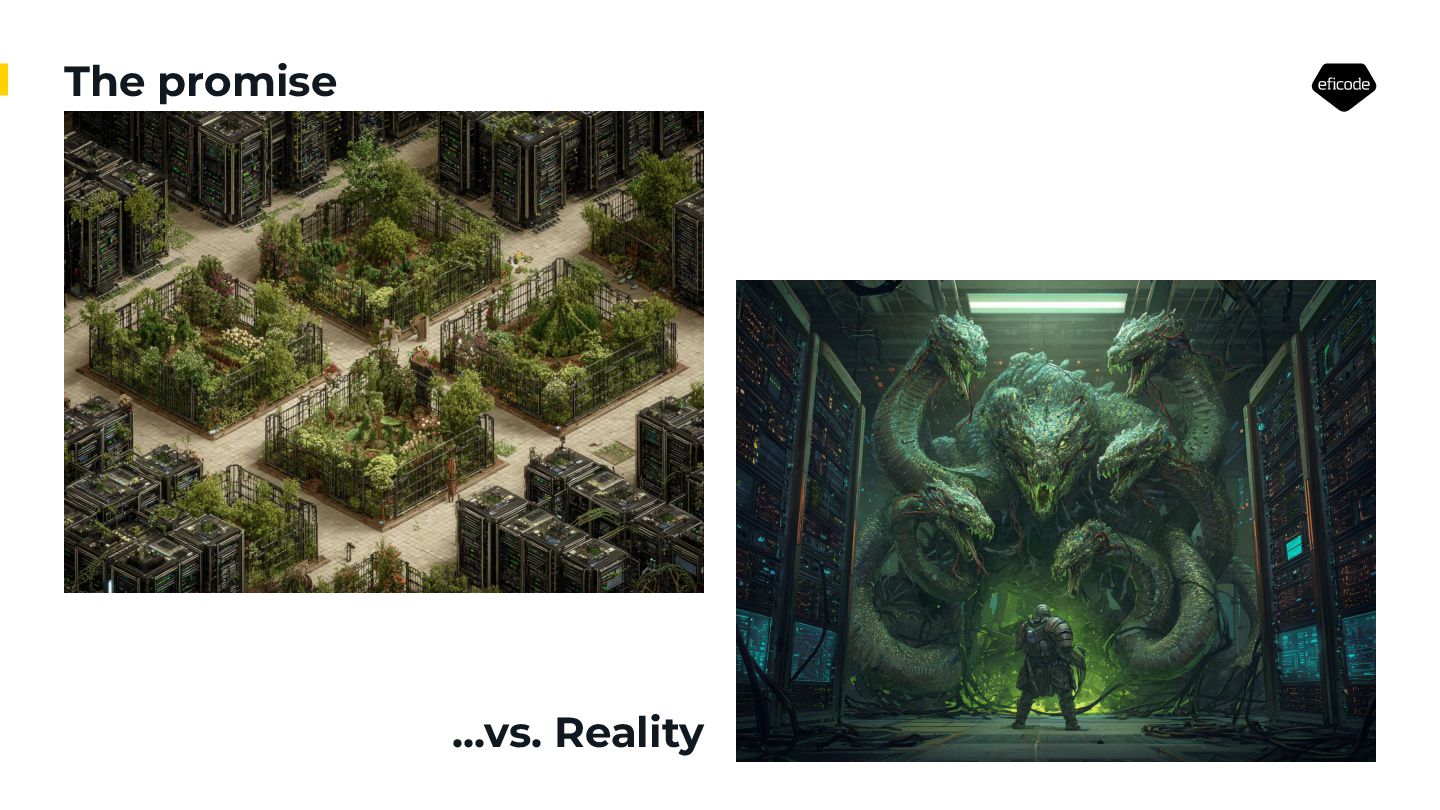
some high fences around their gardens • High conflict level • Distrust among areas What if we can lower the friction by showing the value? • Built-in security • Automatic reports for compliance audits • Organizational flexibility • A set of well-known languages
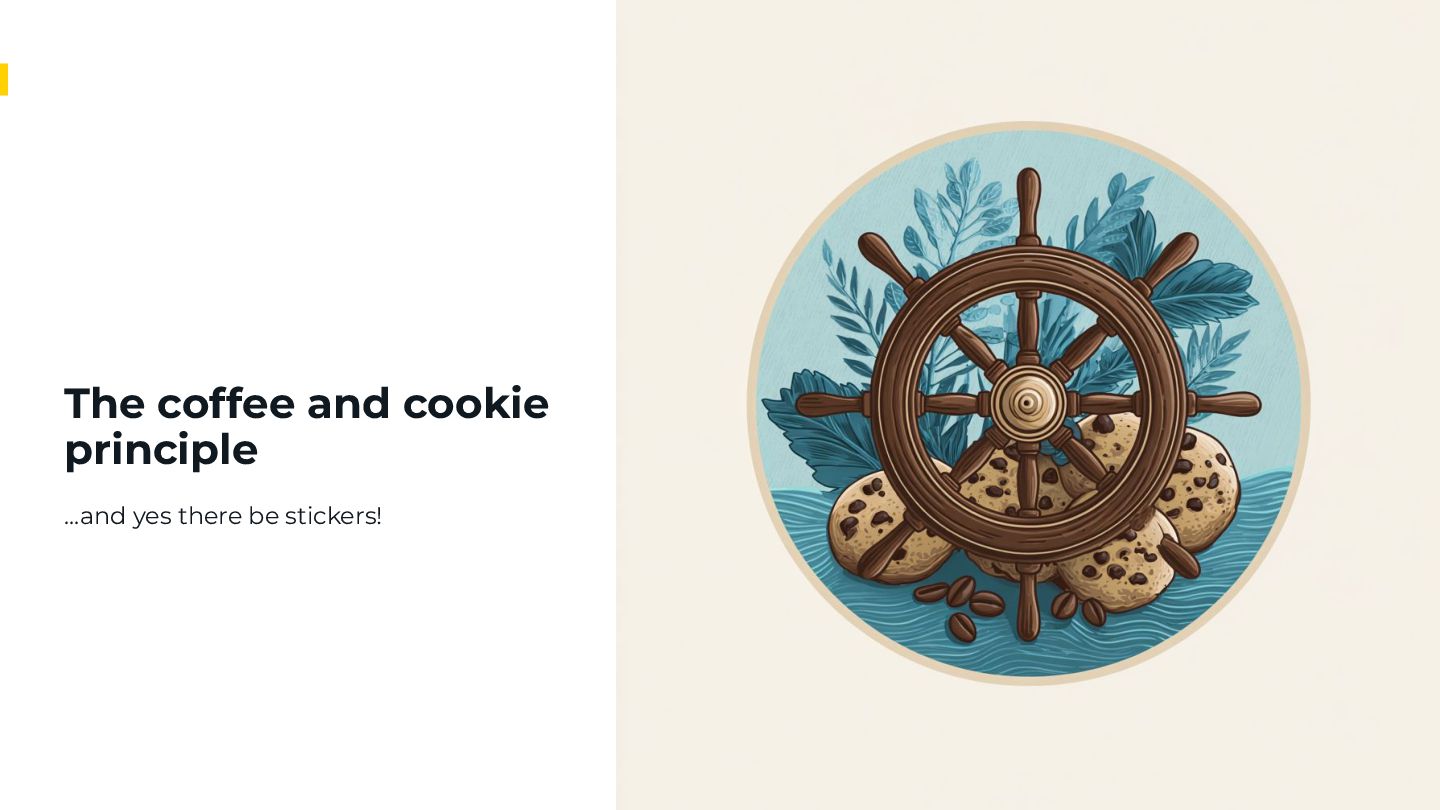
turns into mandated platform adoption Adopting a platform is optional! It is up to you to make sure it’s beneficial to be there The better way is thinking about advertising from day 1 • Give the platform a name • Give it a logo • MAKE STICKERS ◦ AI can help you out on this though it might need some iterations If adoption halts, you might need to go out into the community Hand out candy with the stickers if needed, it seems cheap but it works
is fitting Having Backstage doesn’t mean you have a platform A good modern portal can assist you in building a platform • Feedback collection • Structure in chaos • Views for many personas • Not only for developers
you need a good community How to build your community? • STICKERS for starters • Find those who have seen the value in the platform ◦ …but do also bring a critical voice • Make sure your team have a person who can nurture the community ◦ You don’t have to be a raging extrovert to talk to other people • Make them help you tweak and tune the documentation ◦ …you do have good documentation right?
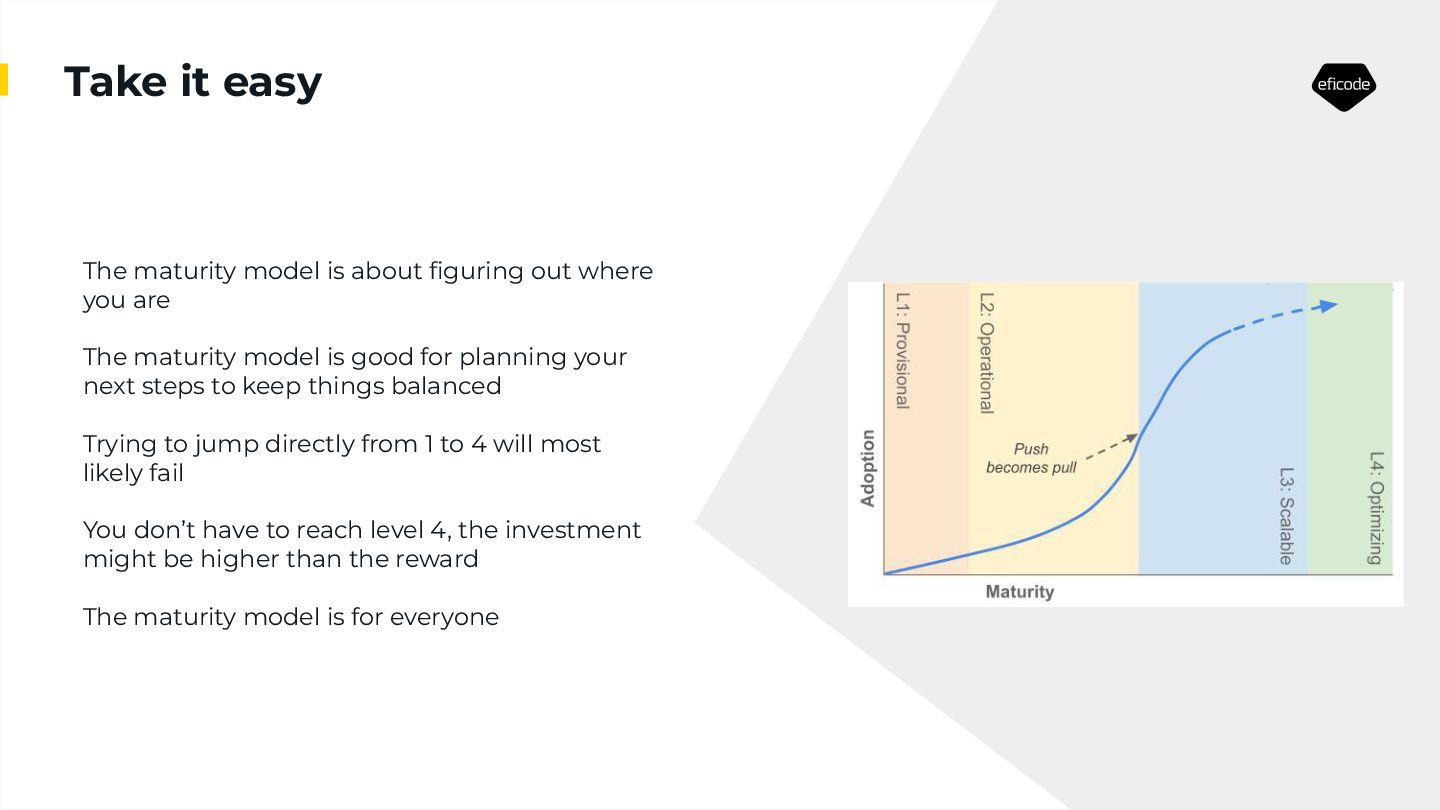
where you are The maturity model is good for planning your next steps to keep things balanced Trying to jump directly from 1 to 4 will most likely fail You don’t have to reach level 4, the investment might be higher than the reward The maturity model is for everyone


 kzkhykw1991
 ueponx
 yuuuuuuu168
 teamlab
 genda
 pfn
 glaforge
 makocchi
 techtekt
 recruitengineers
 yamanoku
 ivry_presentationmaterials
 samtorres
 cassininazir
 lara
 garrettdimon
 katarinadahlin
 soysaucechin
 soudai
 brad_frost
 frankvandijk
 khoart
 charlesmeaden
 aki_iinuma