Your Podcast. Everywhere. Effortlessly.
The lantern, an object highly representative of East Asian culture, serves not only as a tool for illumination but also carries rich historical memory and cultural meaning. Although Chinese and Japanese lanterns have developed distinct styles over their long histories, tracing their roots reveals profound commonalities in their origins, craftsmanship, and cultural symbolism. These shared characteristics not only testify to the cultural exchange and mutual learning between China and Japan but also serve as a cultural bond connecting the peoples of the two nations.
I. Historical Origin: A Shared Cultural Lineage
The origins of both Chinese and Japanese lanterns are closely tied to ancient needs for illumination and sacrificial rituals. Furthermore, there is a clear relationship of cultural transmission and borrowing in their historical development—this is the most fundamental commonality between the two.
1.1 Shared Origin in Ancient Illumination and Ritual Needs
In both China and Japan, the earliest forms of the lantern stemmed from the pursuit of light and reverence for the divine. In China, "cage lamps" (笼灯) used for lighting appeared as early as the Western Han dynasty. These early lanterns typically had a framework of bamboo strips, covered with silk or paper, with a candle placed inside. They were used for nocturnal illumination in palaces, mansions, and among the populace. Simultaneously, in sacrificial rites, the lantern was seen as a symbol to guide spirits and dispel darkness, and it was widely used in ancestral temples, seasonal celebrations, and other occasions.
The origin of the Japanese lantern is inseparable from the introduction of Chinese culture. The earliest Japanese lantern forms borrowed from the style of the Chinese Han dynasty cage lamp, also being used for lighting in aristocratic residences and for Shinto shrine rituals. This met the dual needs of ancient society for both illumination and spiritual solace.
1.2 Development from a Common Source Through Cultural Transmission
During the Sui and Tang dynasties, cultural exchange between China and Japan reached its peak. Chinese lantern culture was transmitted to Japan by Japanese envoys (Kentōshi) and Buddhist monks. Japan assimilated the techniques and cultural meanings of Chinese lantern making, adapting them to local culture, yet the core lineage of origin remains consistent with the Chinese lantern. For instance, the early Japanese chōchin (提灯, or tedō in archaic pronunciation) structurally adopted the "framework + shade" model of the Chinese lantern. The primary materials were initially bamboo and paper. This trajectory of shared origin is a strong testament to their common historical roots.
II. Craftsmanship: Similar Core Techniques and Material Selection
Despite differences in decorative style, Chinese and Japanese lanterns adhere to similar principles in core production techniques and material selection, reflecting a shared pursuit of both practicality and aesthetics.
2.1 Framework Construction: Based on Natural Materials
For both Chinese and Japanese lanterns, the framework is primarily constructed from natural, lightweight, and flexible materials, with bamboo being the central choice. Chinese lantern frameworks often use bamboo varieties like Moso or Chinese Goddess bamboo from the south. These undergo processes such as splitting, baking, and shaping to create various forms, including round, square, and hexagonal. Japanese lantern frameworks are also centered on bamboo, such as the flexible bamboo strips used to make Yukimi chōchin (snow-viewing lanterns), ensuring the lantern does not break easily in cold weather. Furthermore, for large lanterns, both countries occasionally use wood or metal for auxiliary support, but natural bamboo remains the mainstream for framework construction. This choice is rooted in the availability of bamboo and embodies the East Asian concept of "unity of nature and man."
2.2 Shade and Decoration: Balancing Functionality and Cultural Expression
The making and decoration of the lantern shade are the key highlights of both Chinese and Japanese lanterns. Both primarily use paper as the main material and emphasize the use of patterns to convey cultural meaning.
Chinese lantern shades mostly use Xuan paper or silk, which offer good light transmission and are easy to paint or print on. Common patterns include landscapes, flowers and birds, human figures, and auspicious symbols (such as Fú (Blessing), Lù (Prosperity), Shòu (Longevity), Xǐ (Joy)), reflecting a yearning for a good life. Japanese lantern shades are centered on Washi (traditional Japanese paper), which is durable and diffuses light softly. Patterns often incorporate local cultural elements such as cherry blossoms, Mount Fuji, kimono patterns, and shrine symbols. However, the decorative techniques, including hand-painting, printing, and paper-cutting, are similar to those used for Chinese lanterns. Moreover, both nations’ lanterns are often embellished with tassels, silk ribbons, and metal fittings at the edges of the shade and the handle, enhancing the lantern's aesthetic appeal and ease of use.
III. Cultural Connotation: Shared Symbolism and Spiritual Sustenance
In the cultural context of both China and Japan, the lantern transcends mere illumination to become a cultural symbol carrying emotion and transmitting spirit, sharing many overlapping symbolic meanings.
3.1 A Symbol of Light and Hope
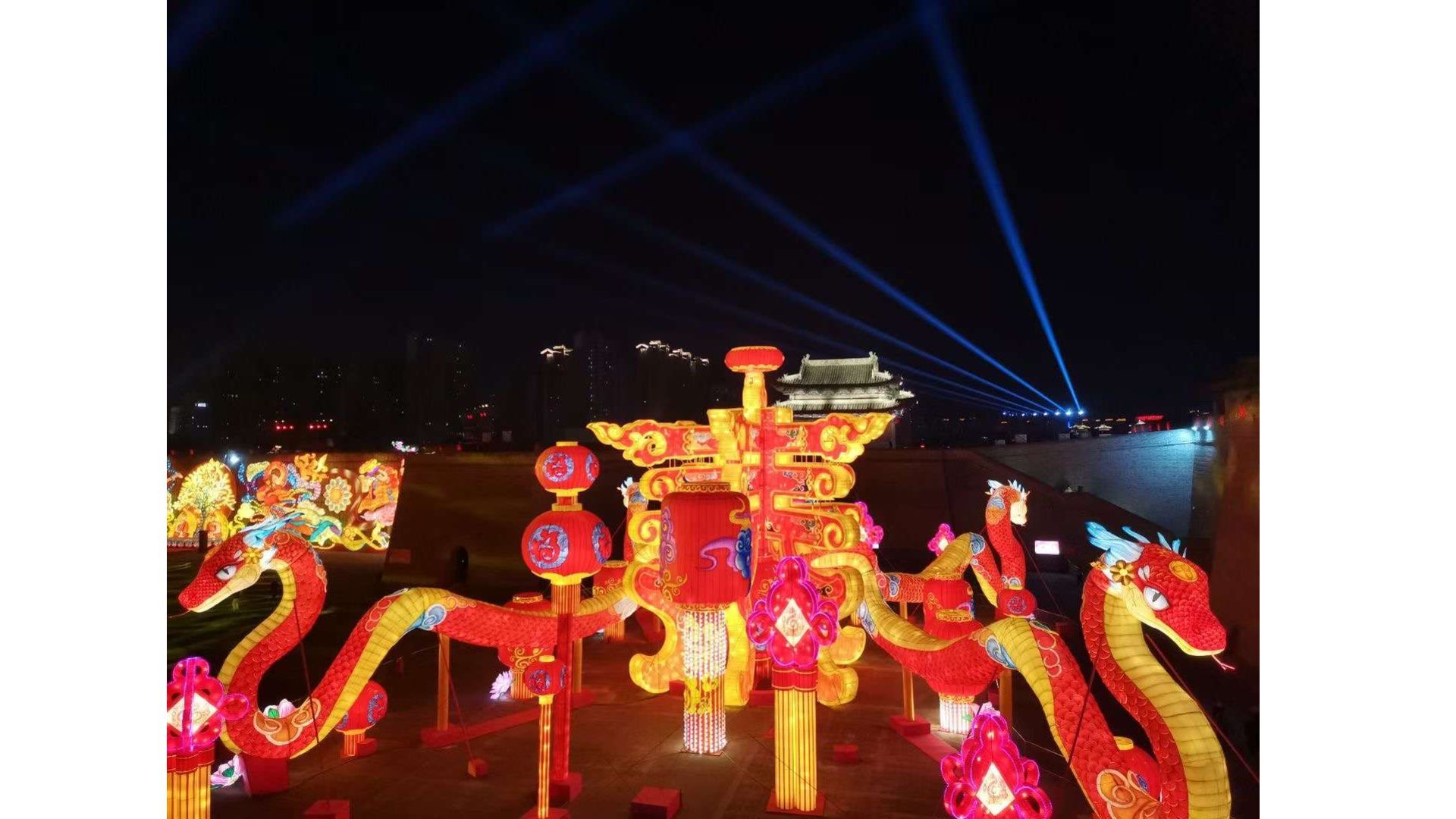
In both China and Japan, the lantern is seen as a carrier of light, symbolizing the dispelling of darkness and the bringing of hope. In China, the custom of hanging lanterns during the Spring Festival and Lantern Festival has existed for millennia. The red lantern lit in the darkness signifies bidding farewell to the old year, welcoming the new year with light and auspiciousness. In Japan, lanterns are hung during the summer Obon Festival to guide the souls of ancestors back home. The lantern's light also symbolizes remembrance for the deceased and reverence for life, a concept akin to the Chinese idea of "lighting the way." Furthermore, the lighting of lanterns during traditional festivals and celebrations in both countries is accompanied by people's beautiful hopes for the future, serving as a bond connecting individual emotion and collective memory.
3.2 A Vehicle for Reunion and Celebration
The lantern is also an important vehicle for expressing feelings of reunion and festivity in both China and Japan. In China, families enjoy lanterns and solve riddles together during the Lantern Festival, making the lantern a symbol of family reunion. During the Spring Festival, households hang red lanterns, creating a joyous and peaceful atmosphere that conveys the pursuit of family harmony and a happy life. In Japan, the Shōgatsu Chōchin (New Year's Lanterns) and wedding Shukuga Chōchin (Celebration Lanterns) similarly carry the meaning of reunion and festivity. For instance, white or red lanterns at weddings symbolize a happy marriage and family, consistent with the Chinese logic of using lanterns to create a festive wedding atmosphere. This shared expression of reunion and celebration reflects the common pursuit of family values and a beautiful life in both nations.
IV. Social Function: Shared Contextual Application and Cultural Heritage
In social life, the application scenarios of Chinese and Japanese lanterns highly overlap. Both play a crucial role in festivals, religious rituals, and cultural events, serving as important carriers for the inheritance of local culture.
4.1 A Core Element in Festival Celebrations
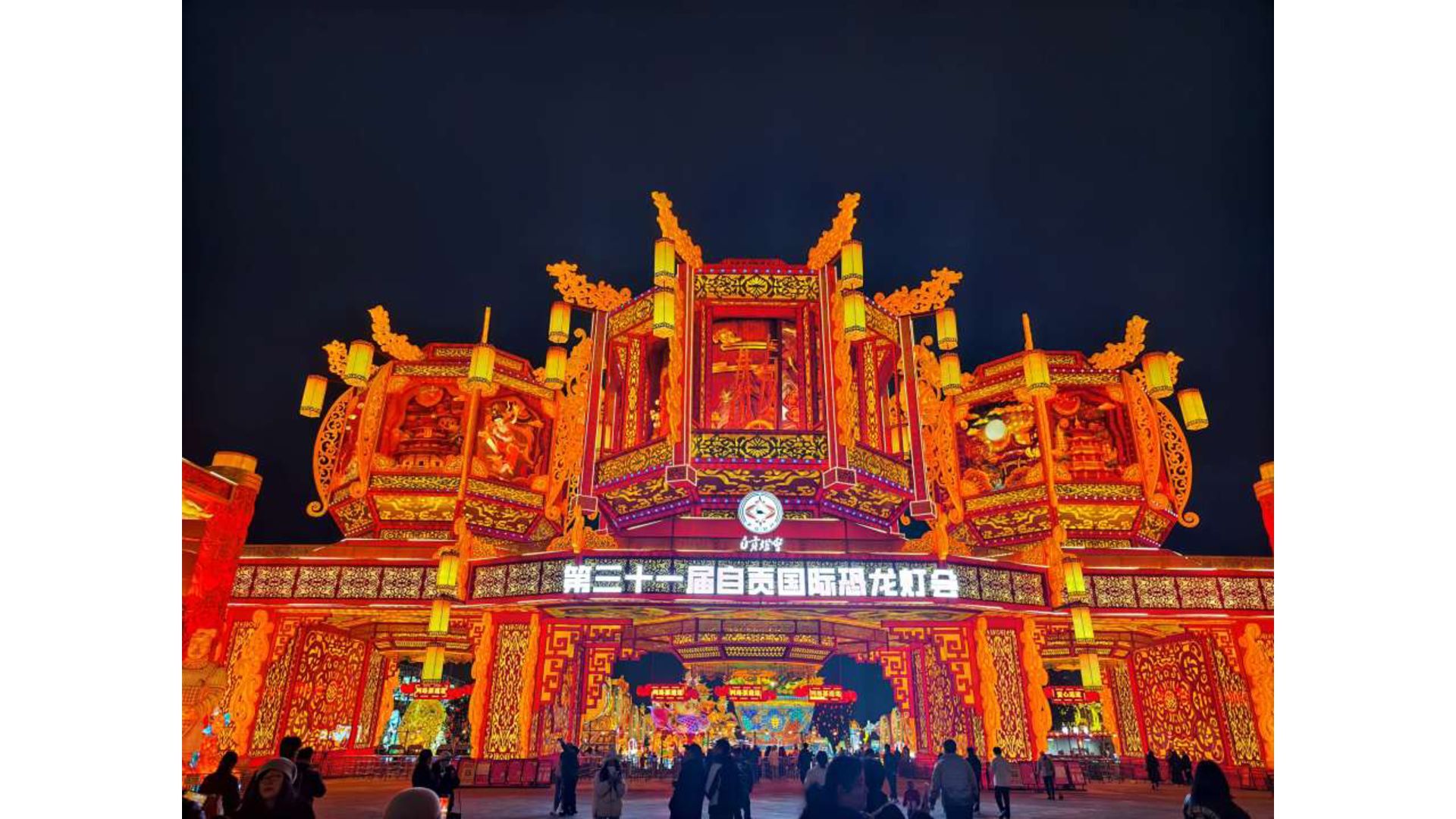
Lanterns are an indispensable element in the traditional festivals of both China and Japan, where their arrangement creates a festive atmosphere and transmits cultural customs. In Chinese festivals like the Spring Festival, Lantern Festival, and Mid-Autumn Festival, lanterns are iconic decorations. The "Lantern Fair" (灯会) of the Lantern Festival is a major cultural event in various places, such as the lantern display in Xi'an's Grand Tang Everbright City and the Lantern Fair at the Confucius Temple in Nanjing, attracting countless participants. Japanese festivals like Obon, Tanabata, and New Year are also inseparable from lanterns. The Tōrō Nagashi (floating lanterns into rivers to guide ancestral spirits) during Obon and the Tanabata Chōchin (Tanabata Lanterns) are representative festive customs. The use of lanterns in festivals not only enriches the forms of celebration but also ensures the continuity of traditional culture through generations.
4.2 An Important Tool in Religious and Sacrificial Activities
In religious and sacrificial activities, Chinese and Japanese lanterns both fulfill the important functions of "guiding the way" and "honoring the deities." In Chinese Buddhist temples and Taoist monasteries, lanterns are often hung year-round. During Dharma assemblies and sacrificial rituals, the light of the lantern is seen as a bridge connecting humans and spirits. For example, the Buddhist "Eternal Lamp" (长明灯) is essentially a special kind of lantern, symbolizing the eternal nature of the Dharma and illuminating all sentient beings. Japanese shrines and temples operate similarly. Jingū Chōchin (Shrine Lanterns) are hung during Shinto rites, and Butsuzen Chōchin (Lanterns Before the Buddha) are lit during temple services. Their function is consistent with Chinese religious lanterns, using the symbolic meaning of the lantern to express reverence and faith towards deities and the Buddha.
Content from:https://www.paintinglantern.com/chinese-lantern-a-chinese-heart/
Conclusion
Although Chinese and Japanese lanterns have incorporated their respective local cultural characteristics and formed different stylistic branches over their long historical development, profound commonalities persist in their historical origins, craftsmanship, cultural connotations, and social functions. These shared traits are not only historical evidence of the cultural exchange and mutual learning between China and Japan but also embody the wisdom of "harmony without uniformity" (hé ér bù tóng) within the East Asian cultural sphere. In the modern era, as a living cultural symbol, the lantern continues to play an important role in the social lives of both China and Japan. They carry the shared aspirations of the two peoples for light, reunion, and happiness, and offer a unique cultural perspective for promoting Sino-Japanese cultural exchange and enhancing the emotional connection between the two nations.


 cycgyxz
 cassininazir
 soudai
 aleyda
 moore
moore
 sarafernandez
 lauravandoore
 ryanjones
 livdayseo
 codingconduct
 lemiorhan
 maggiecrowley
 samanthasiow