Focused on Infrastructure as Code, Automation & Observability for 12+ years Previously leading Technical Architecture at Network to Code @dgarros damiengarros
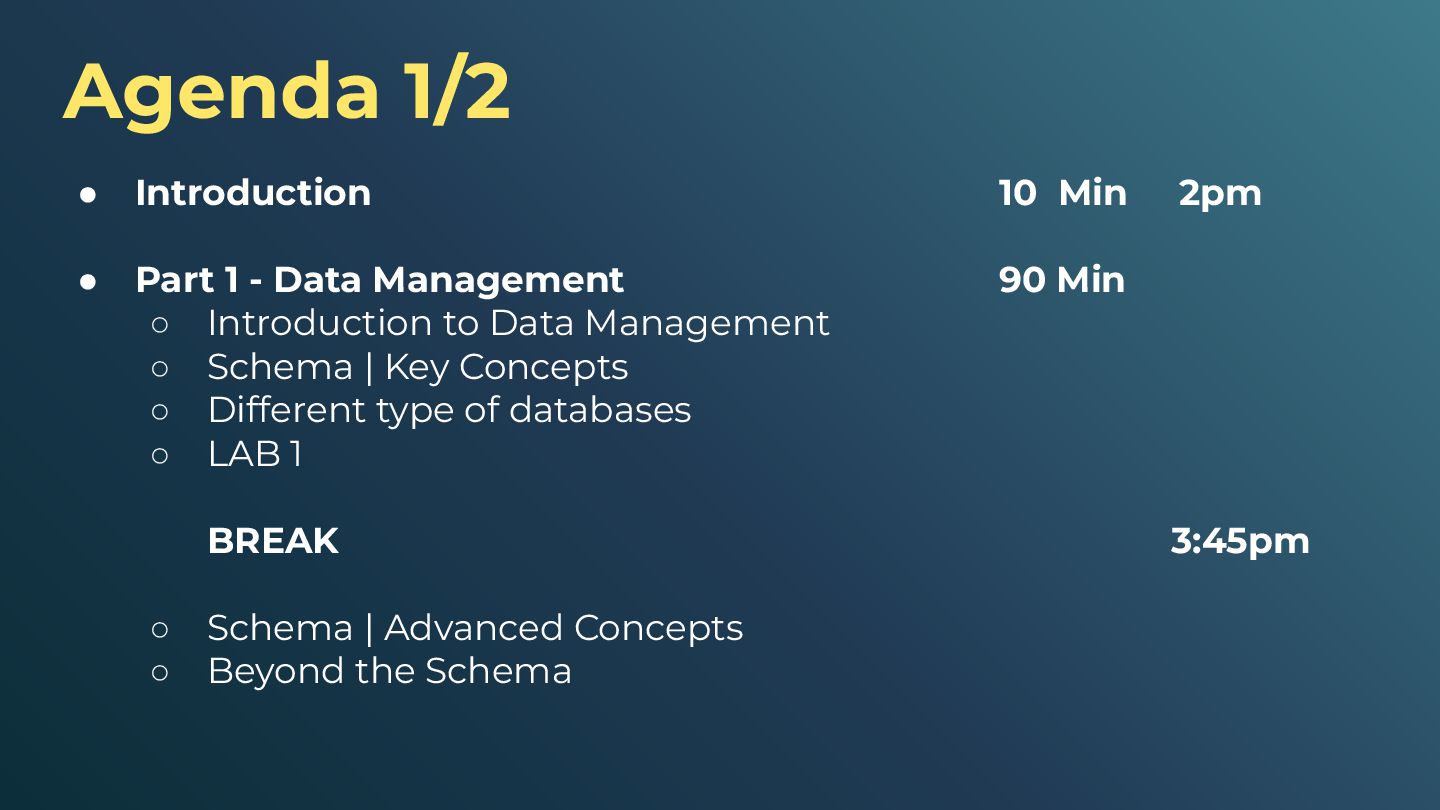
- Data Management 90 Min ◦ Introduction to Data Management ◦ Schema | Key Concepts ◦ Different type of databases ◦ LAB 1 BREAK 3:45pm ◦ Schema | Advanced Concepts ◦ Beyond the Schema
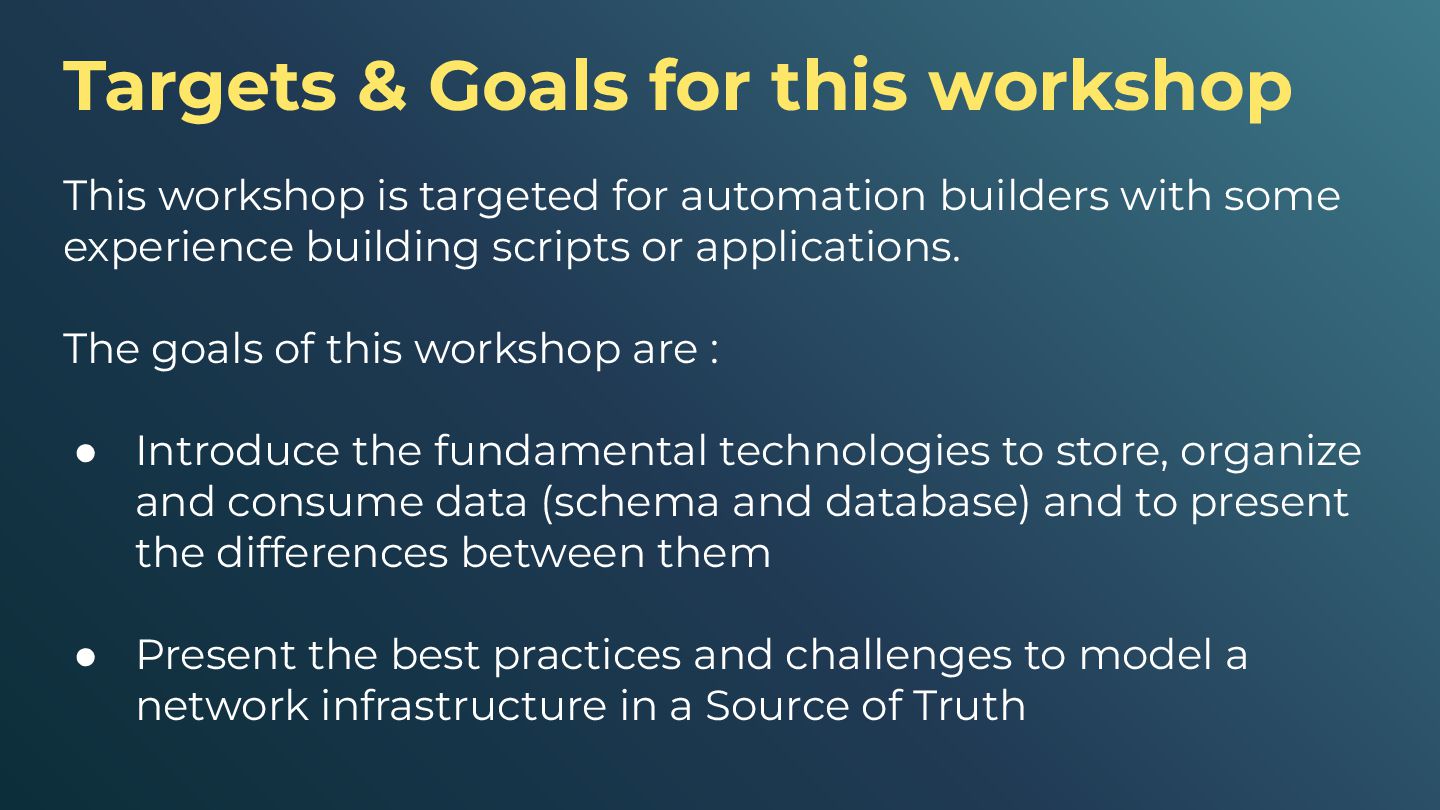
for automation builders with some experience building scripts or applications. The goals of this workshop are : • Introduce the fundamental technologies to store, organize and consume data (schema and database) and to present the differences between them • Present the best practices and challenges to model a network infrastructure in a Source of Truth
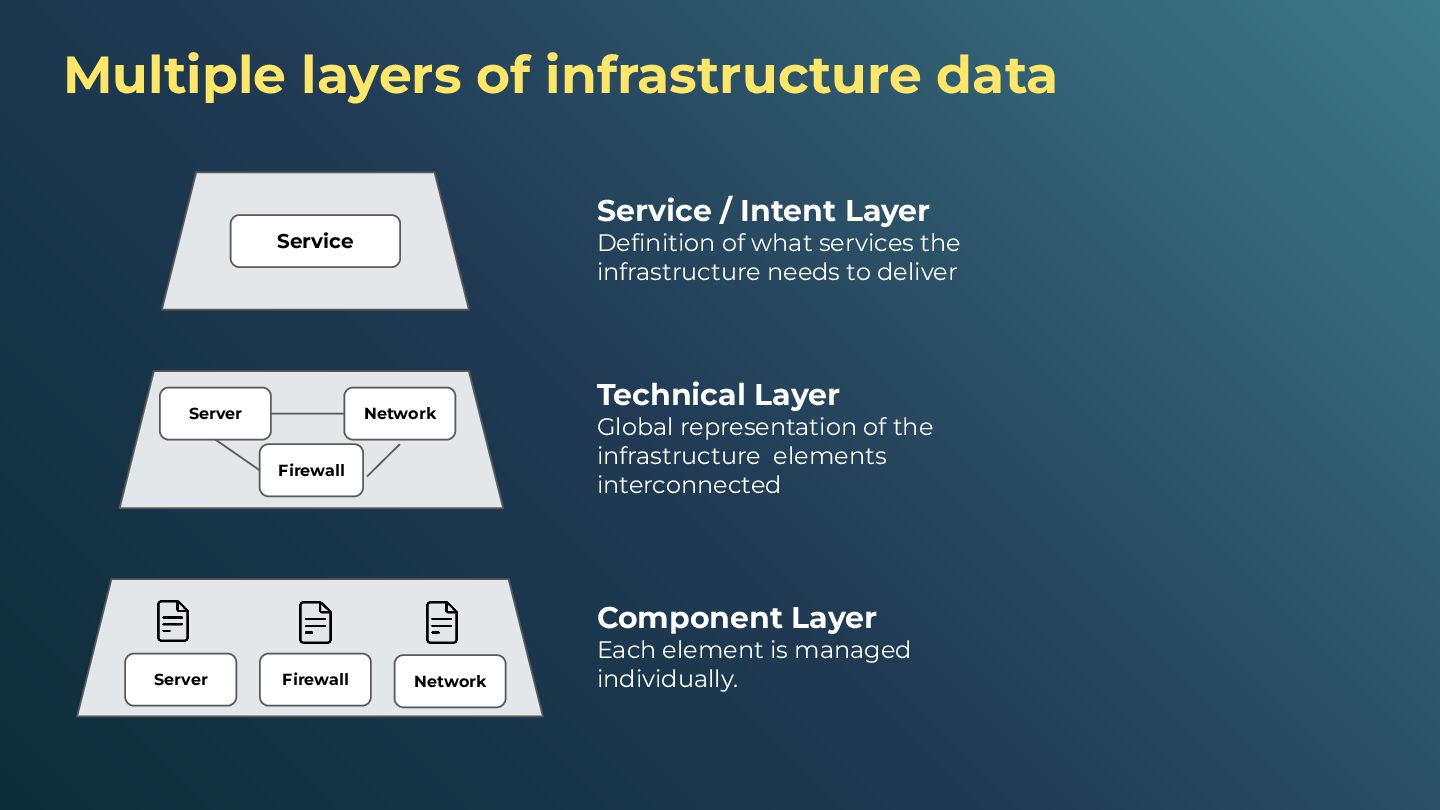
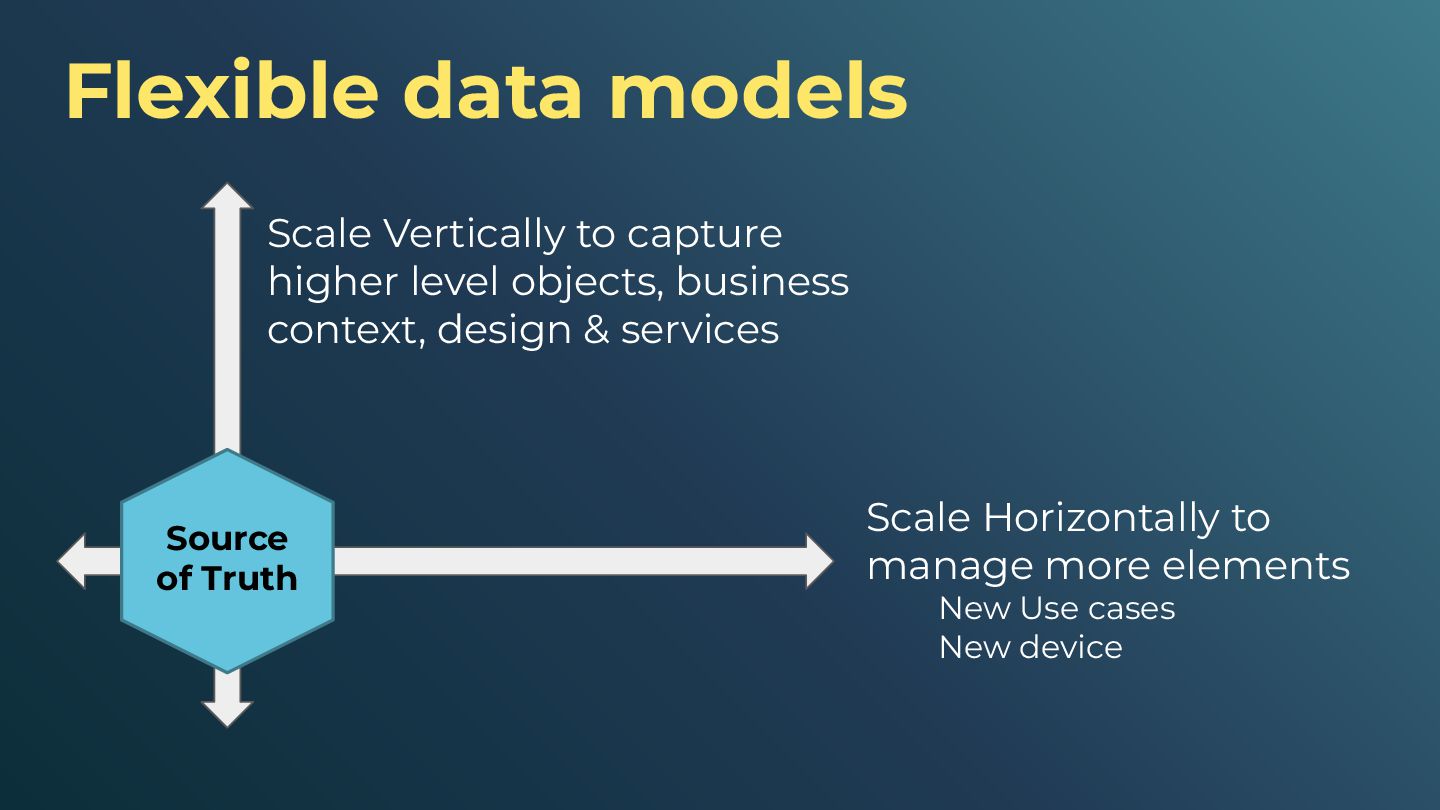
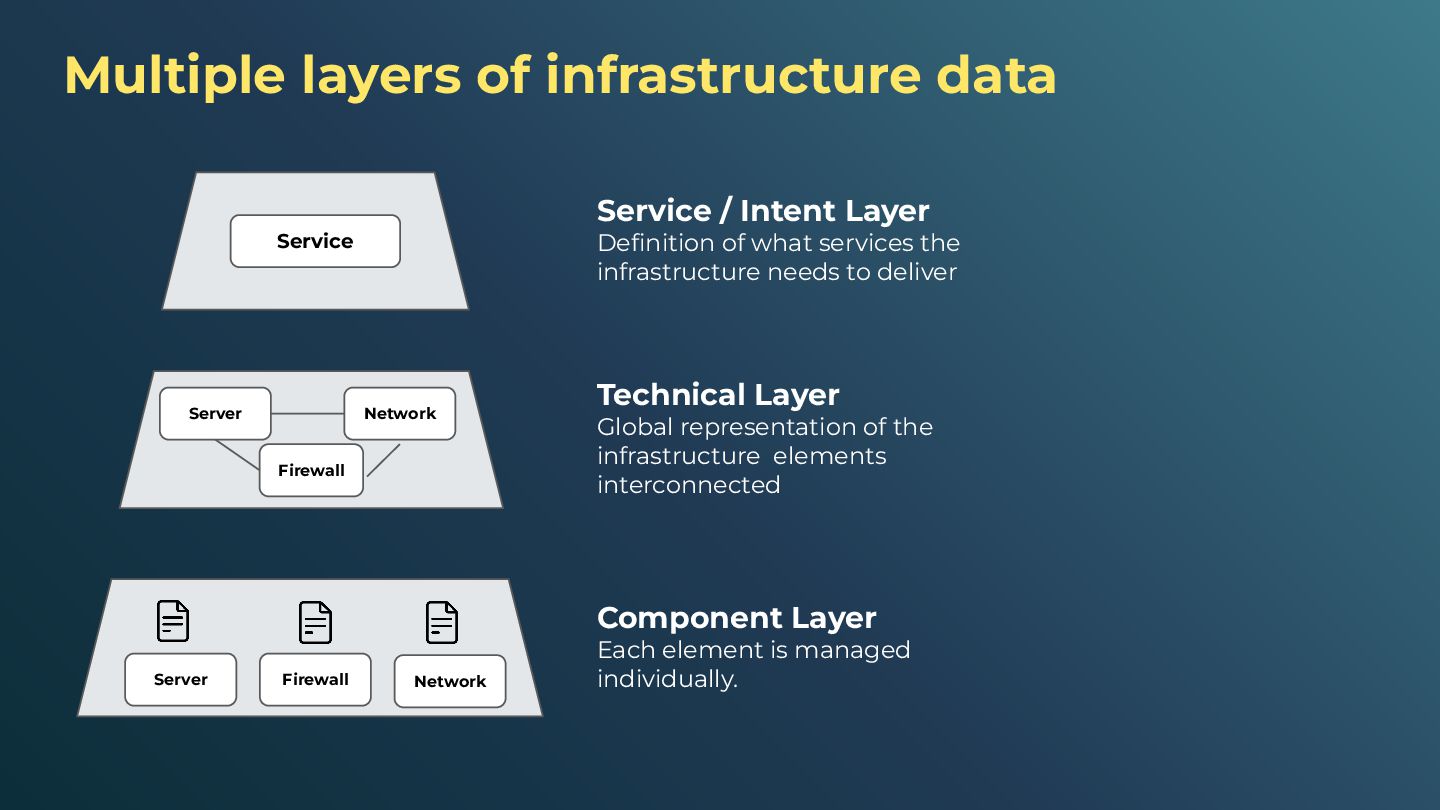
managed individually. Technical Layer Global representation of the infrastructure elements interconnected Service / Intent Layer Definition of what services the infrastructure needs to deliver Service Server Firewall Network Server Firewall Network
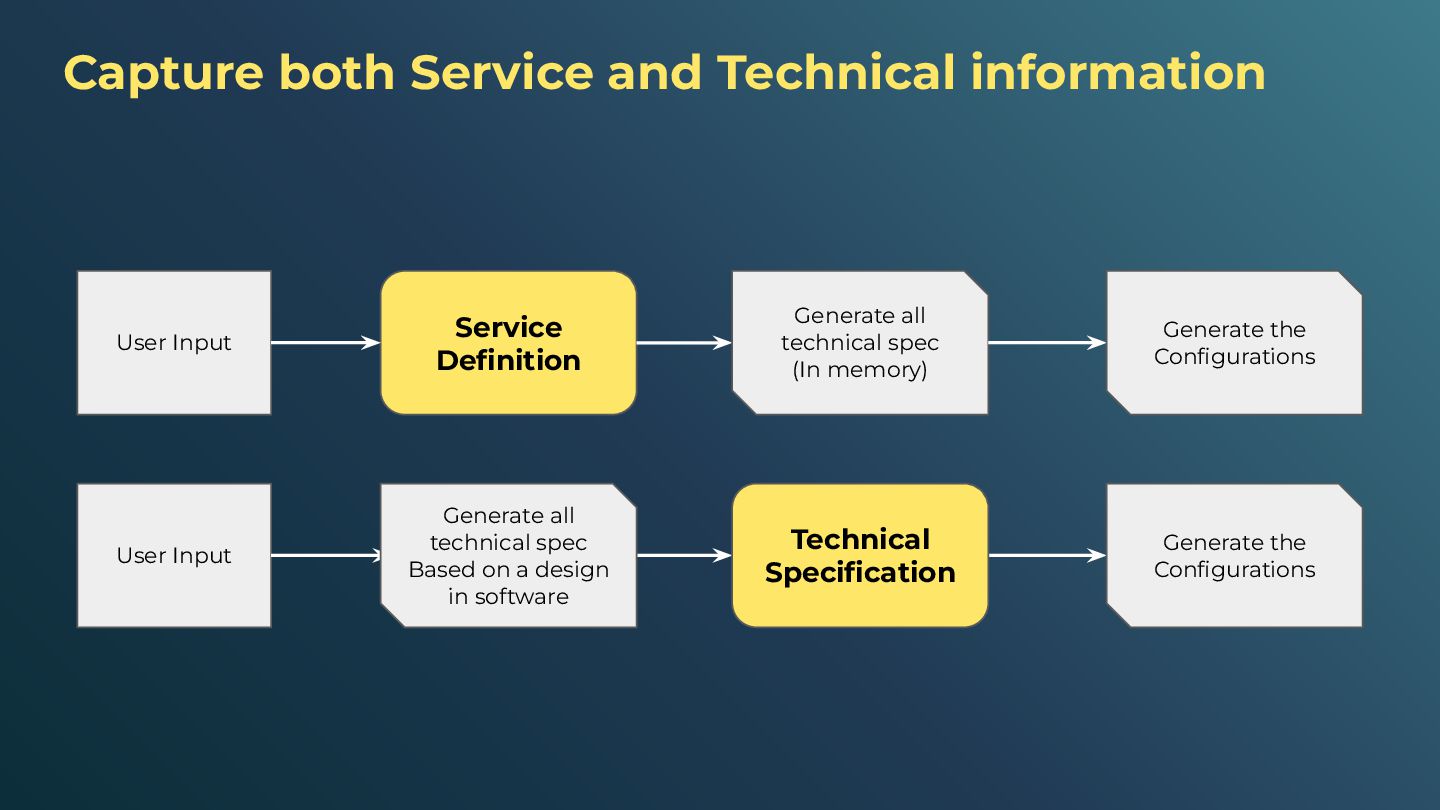
technical spec (In memory) Generate the Configurations User Input Generate the Configurations User Input Generate all technical spec Based on a design in software Technical Specification
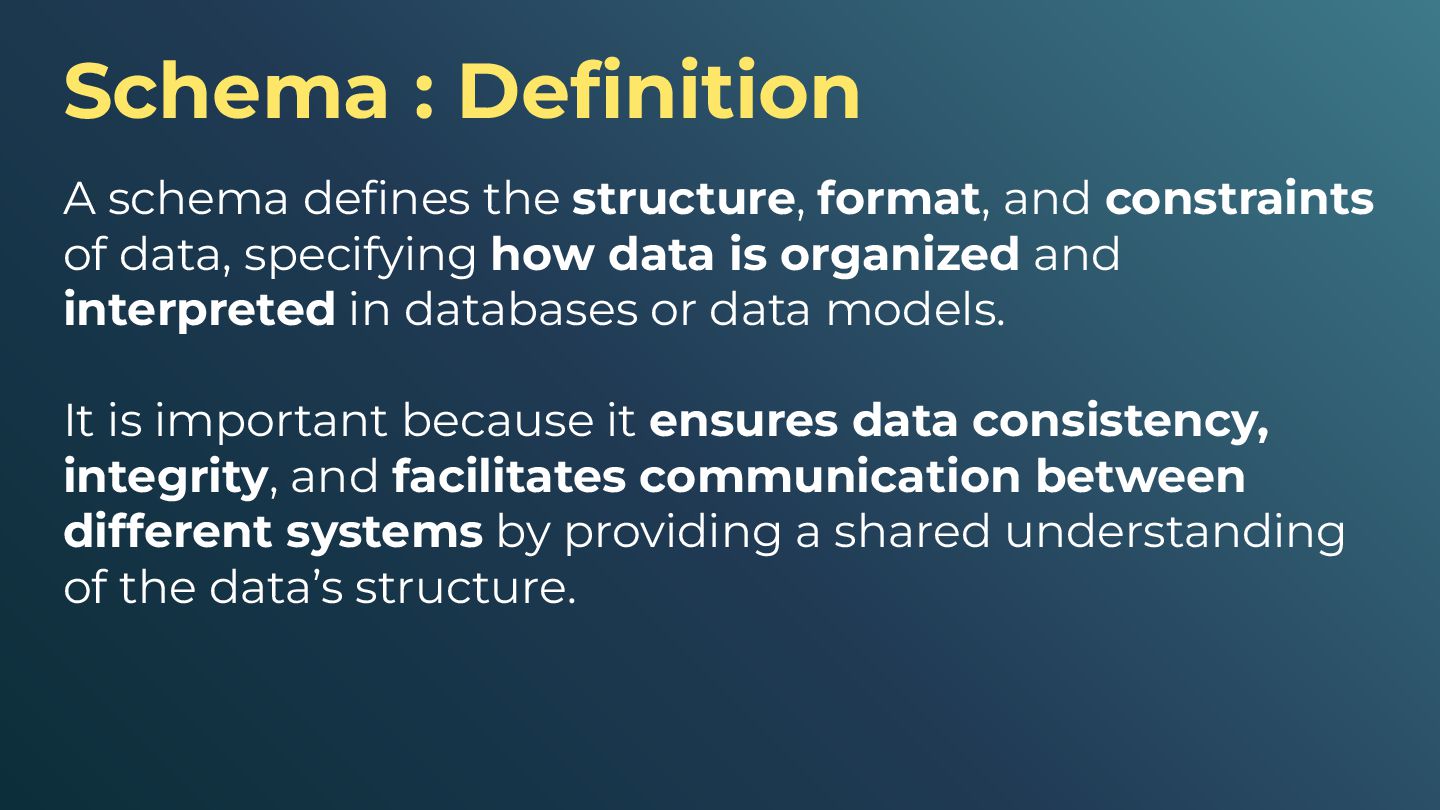
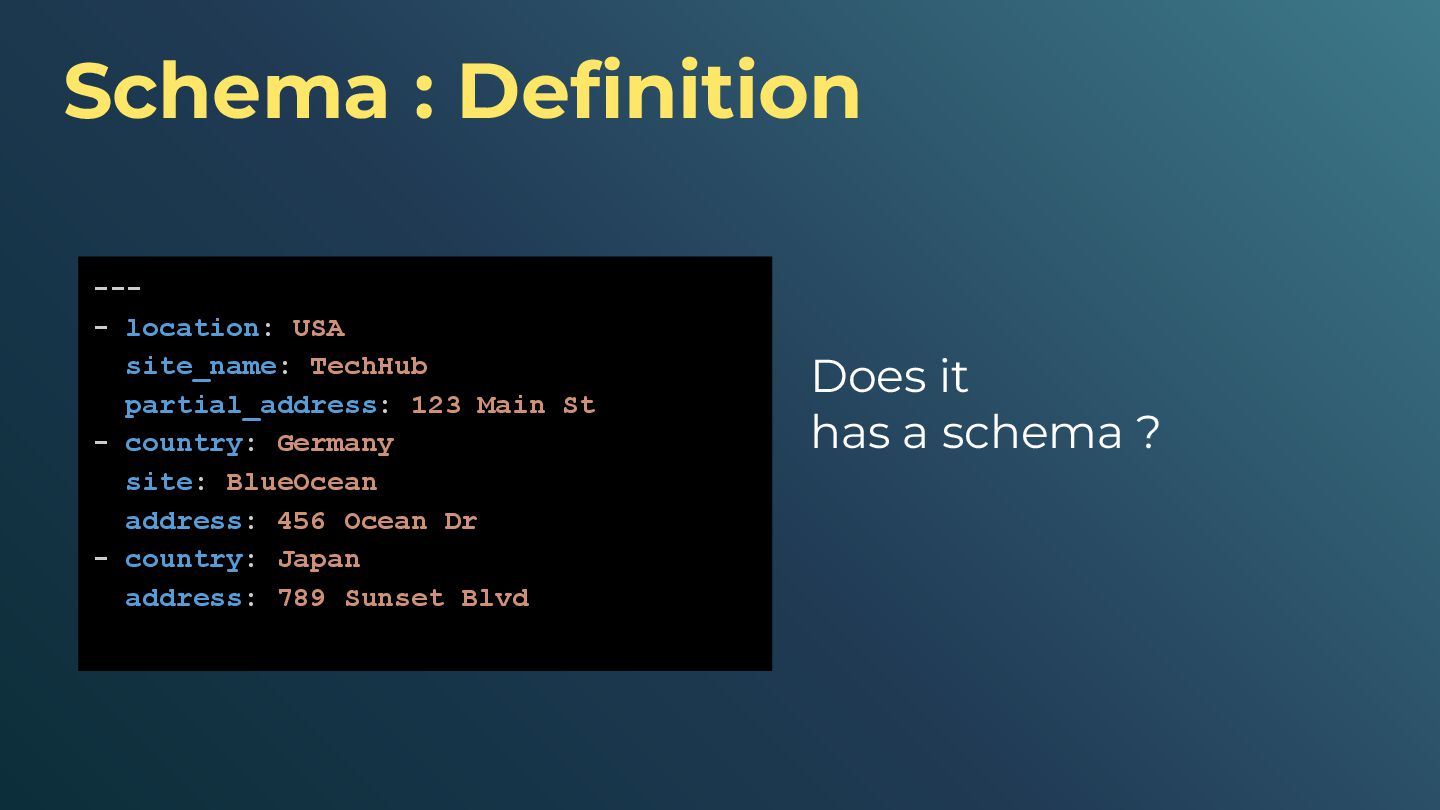
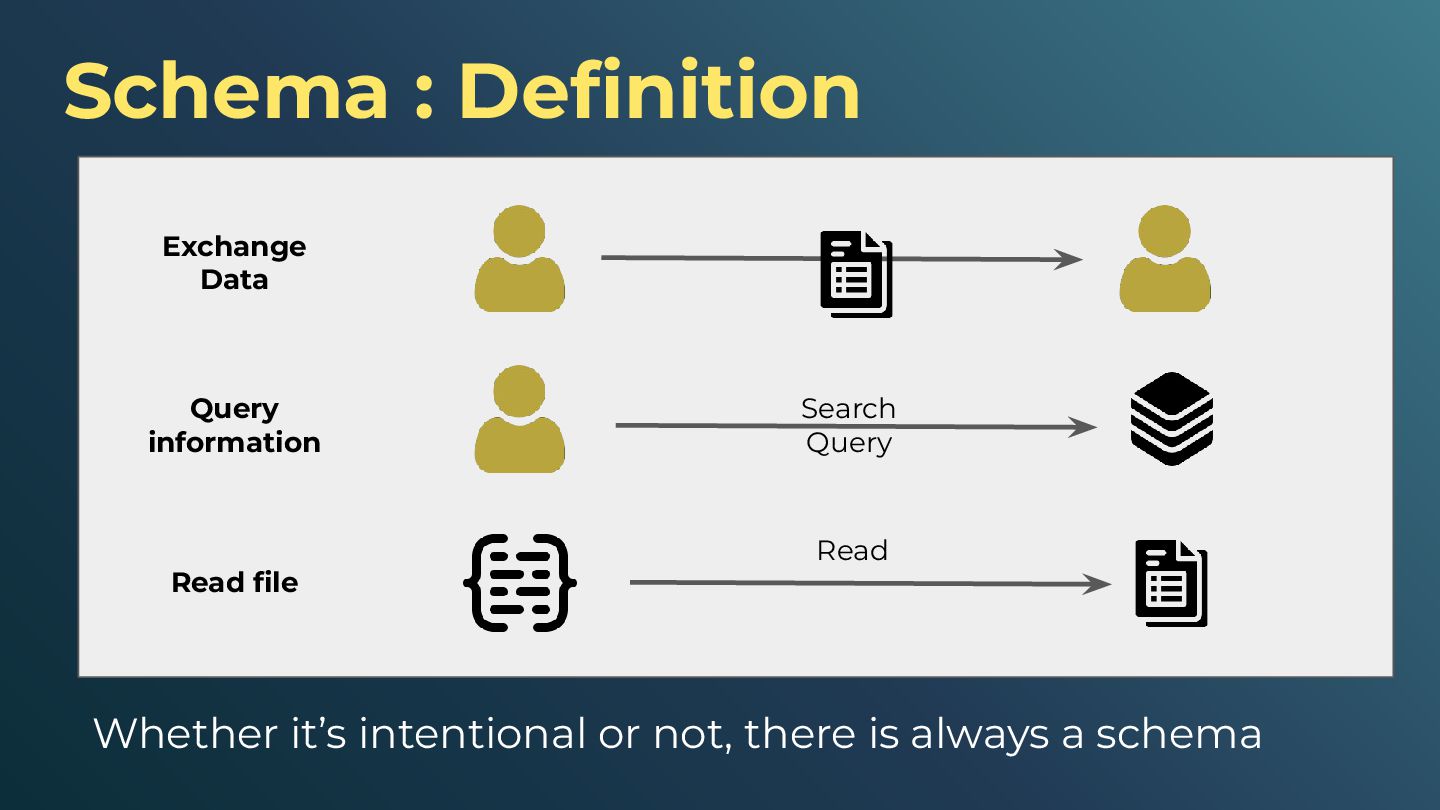
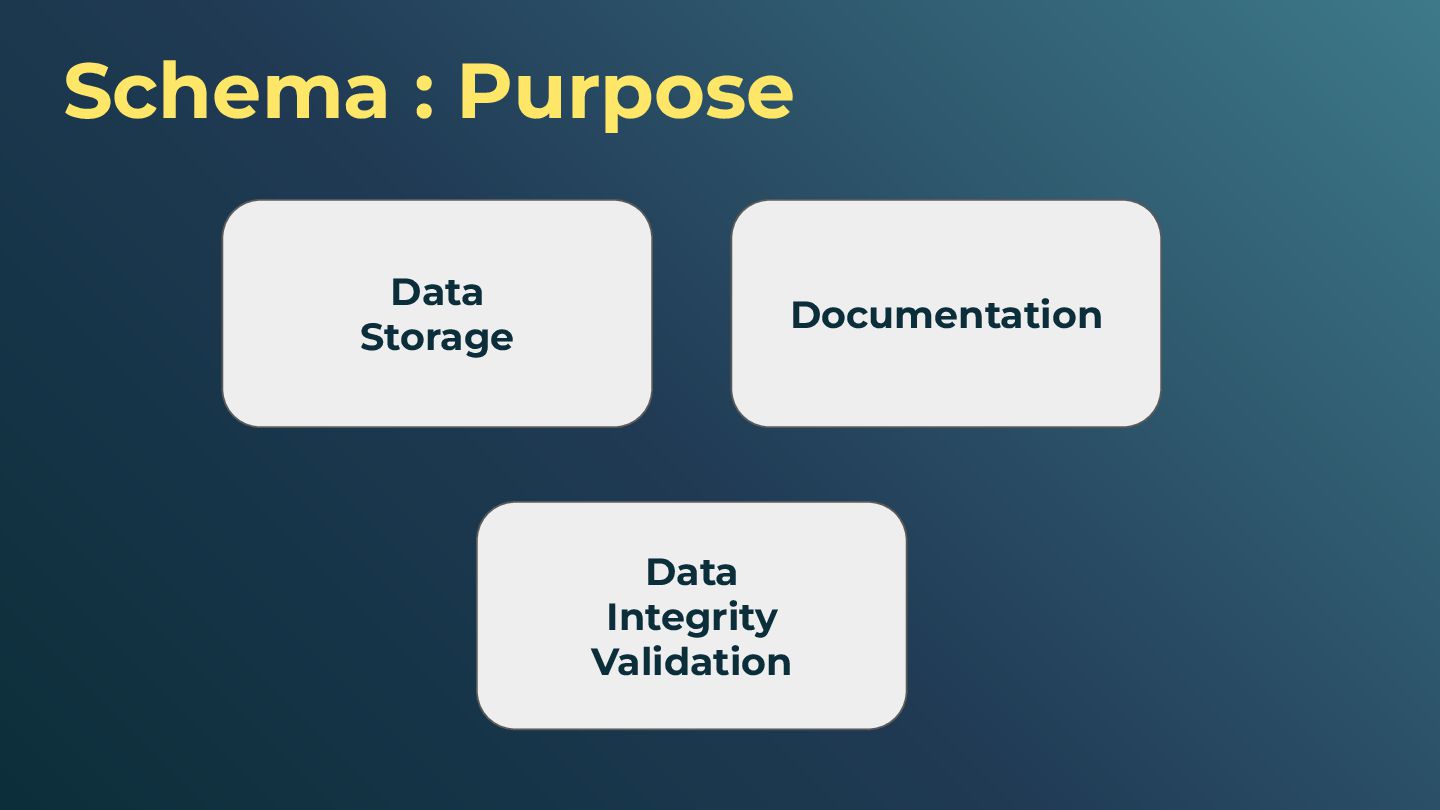
constraints of data, specifying how data is organized and interpreted in databases or data models. It is important because it ensures data consistency, integrity, and facilitates communication between different systems by providing a shared understanding of the data’s structure.
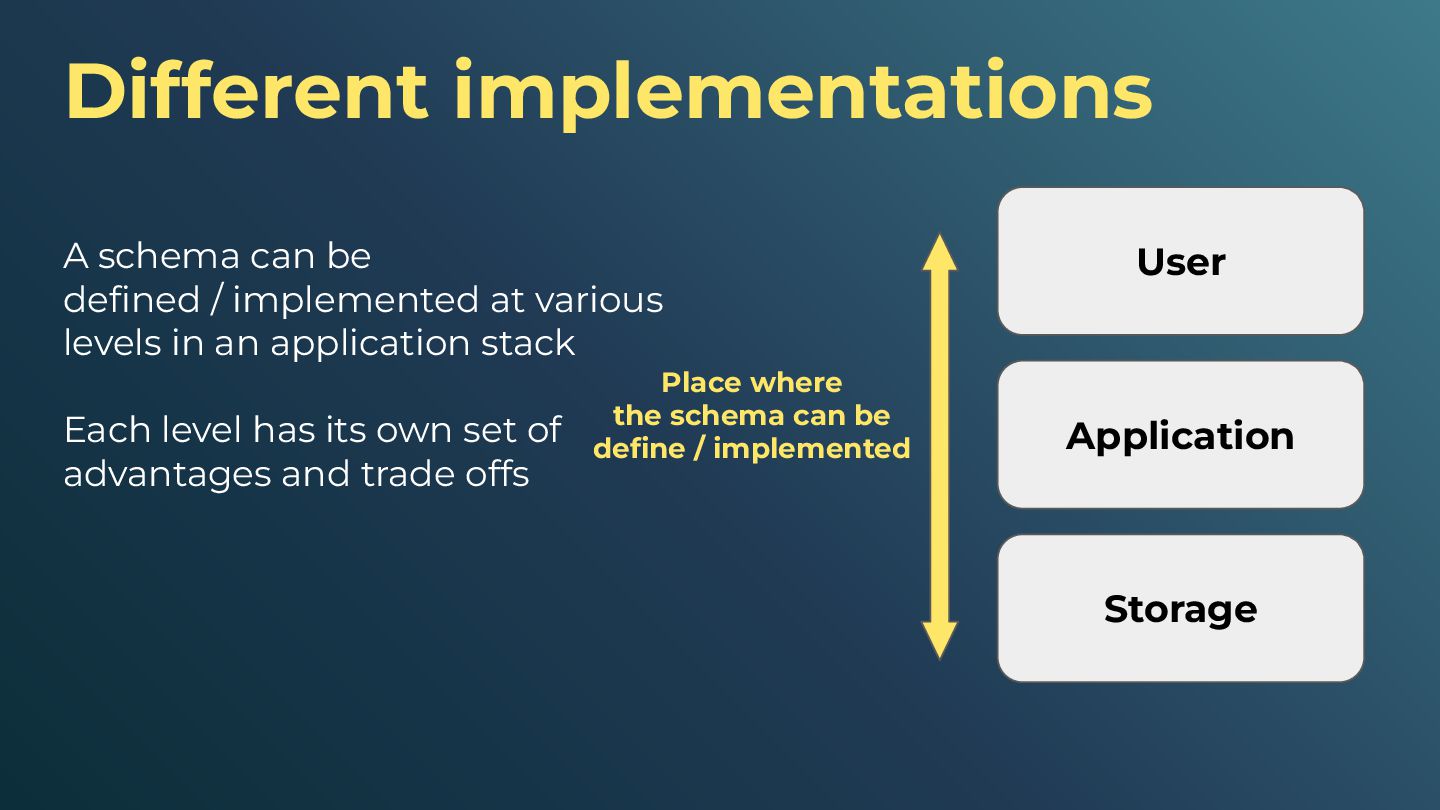
in an application stack Each level has its own set of advantages and trade offs Different implementations Storage Application User Place where the schema can be define / implemented
specifies what kind of data can go where. • Relationships: Schemas describe how different pieces of data are connected, such as linking customers to their orders. • Constraints: It sets rules for the data, such as what values are allowed or required. This helps ensure data accuracy. Schema Principles
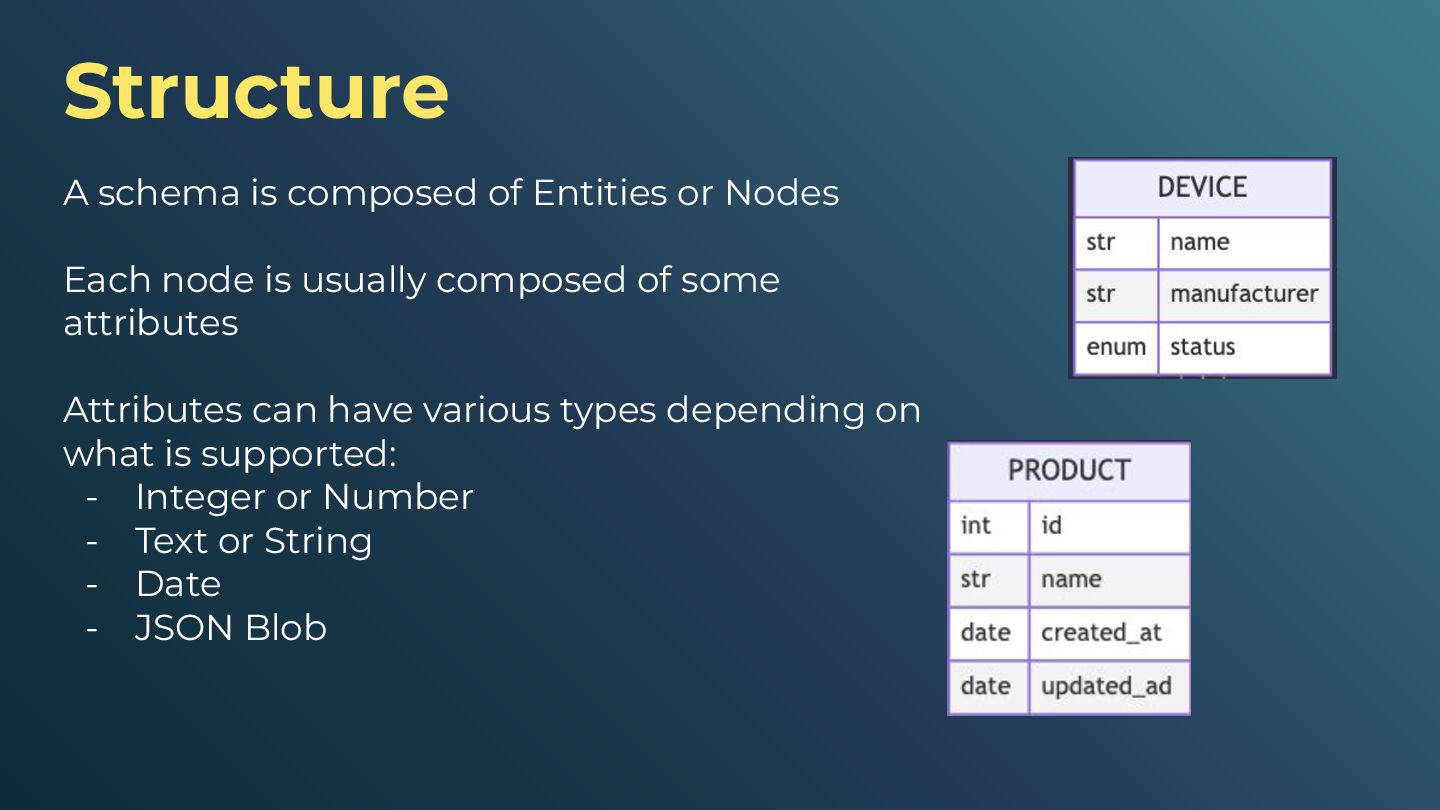
is usually composed of some attributes Attributes can have various types depending on what is supported: - Integer or Number - Text or String - Date - JSON Blob Structure
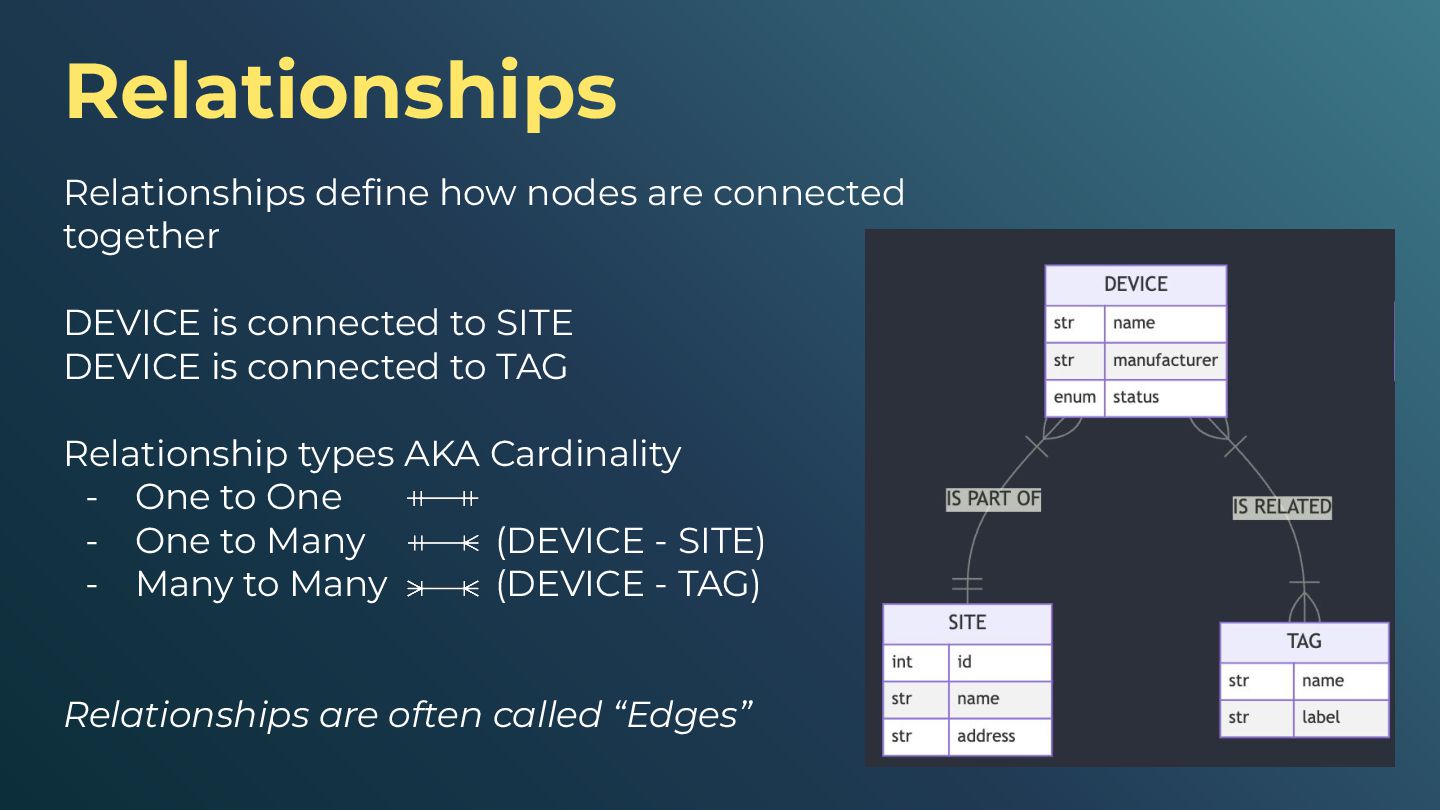
to SITE DEVICE is connected to TAG Relationship types AKA Cardinality - One to One - One to Many (DEVICE - SITE) - Many to Many (DEVICE - TAG) Relationships are often called “Edges” Relationships
relationships. Constraints can include • Required fields • Unique values • Default values • Format • Maximum and minimum values, • Length restrictions • Maximum and minimum number of related nodes Constraints & Validations Rules
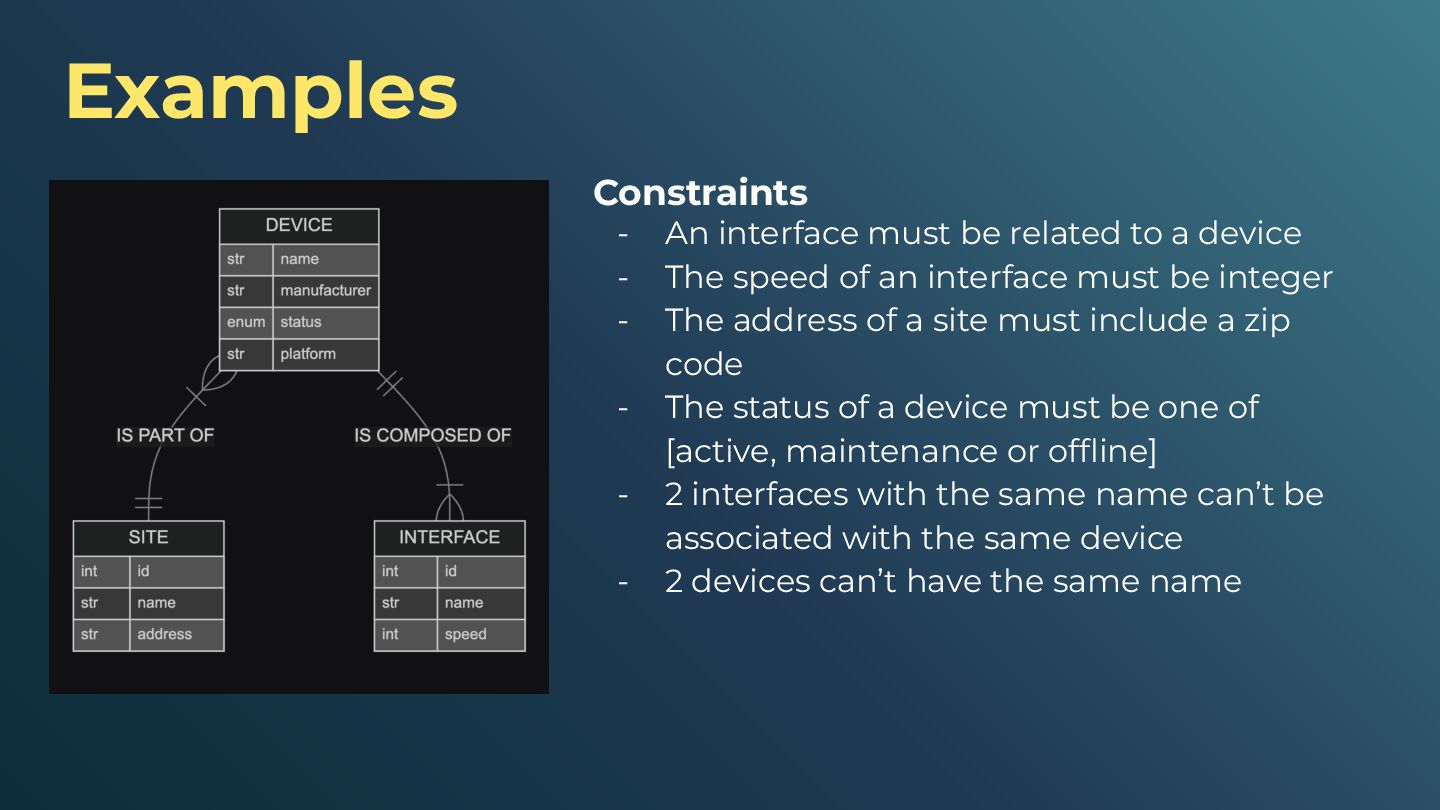
- The speed of an interface must be integer - The address of a site must include a zip code - The status of a device must be one of [active, maintenance or offline] - 2 interfaces with the same name can’t be associated with the same device - 2 devices can’t have the same name Examples
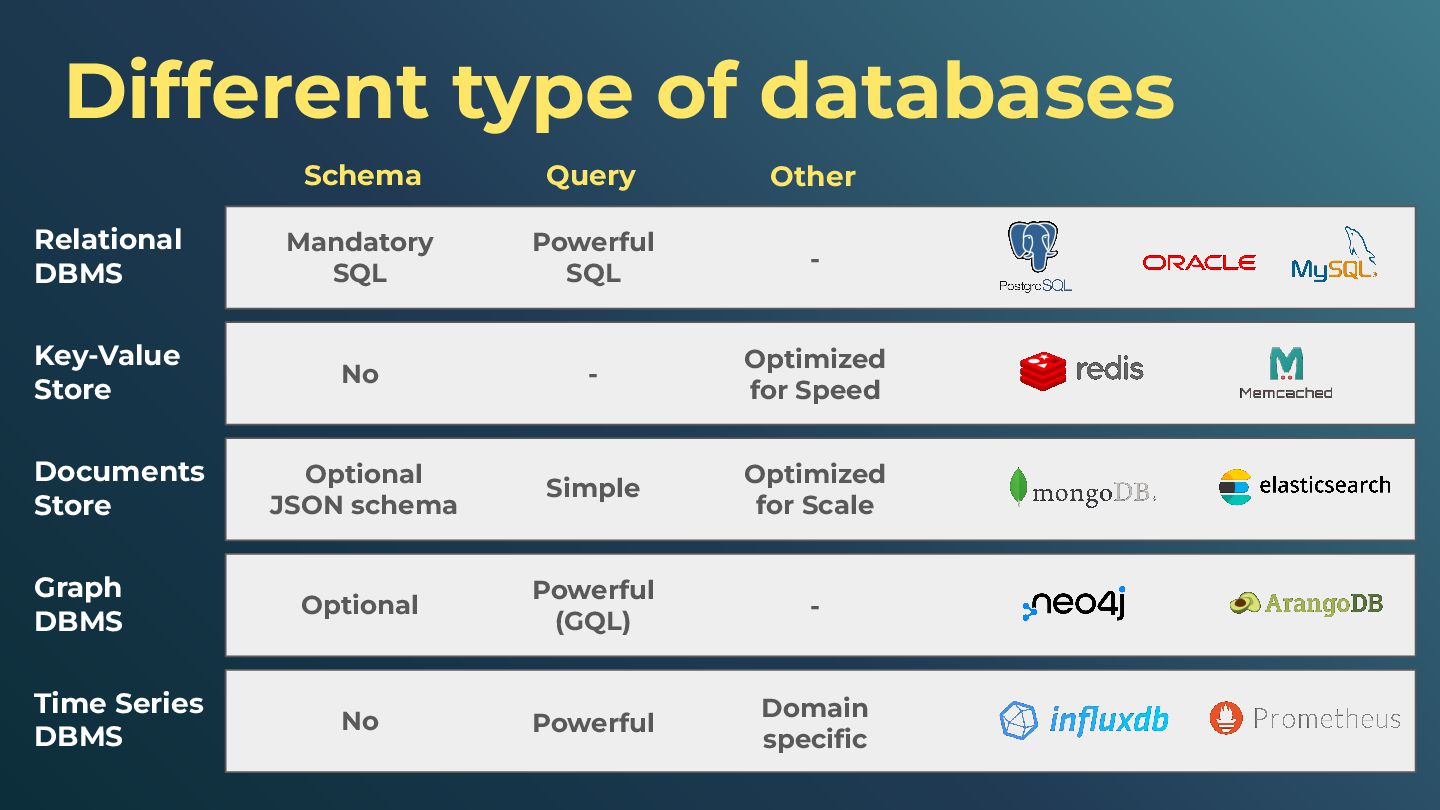
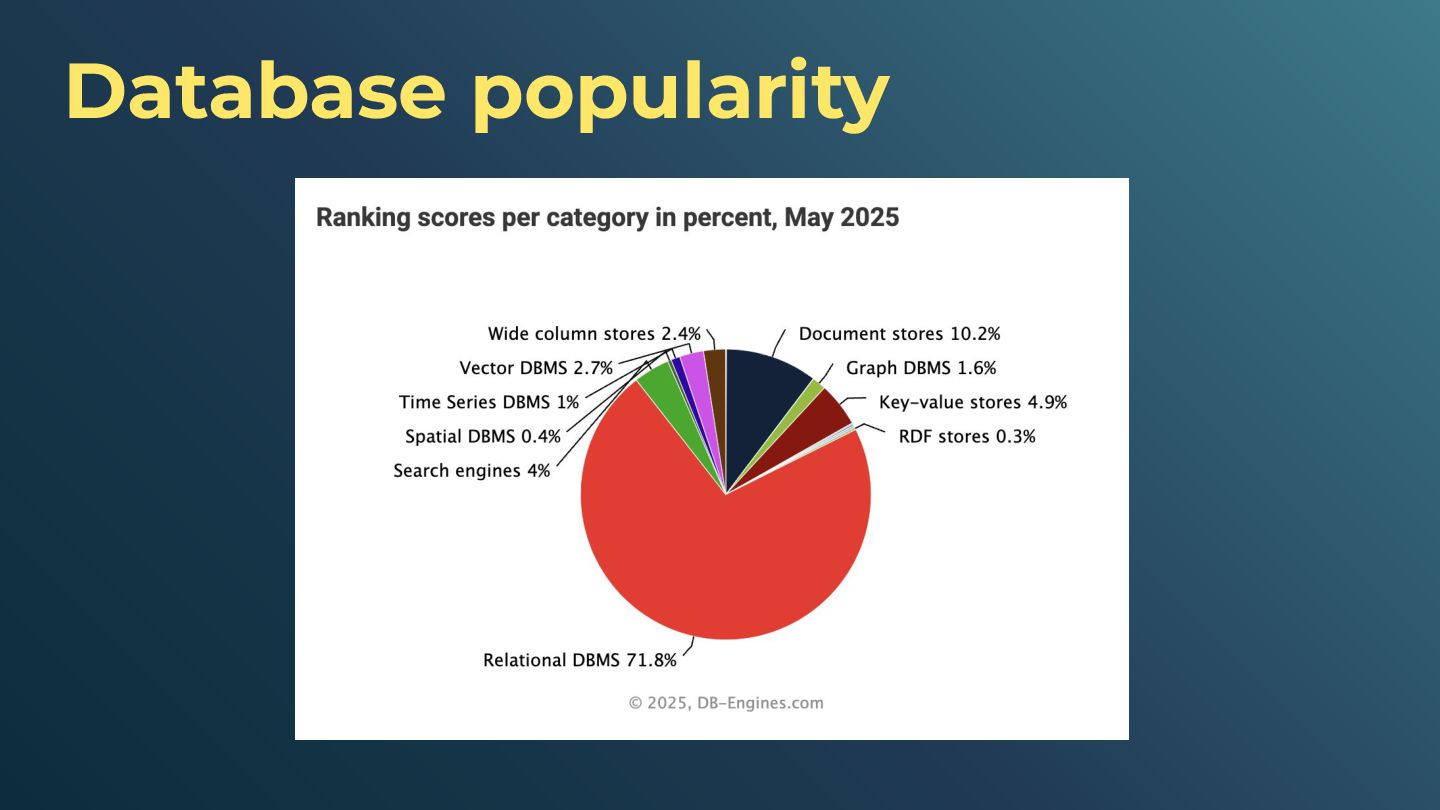
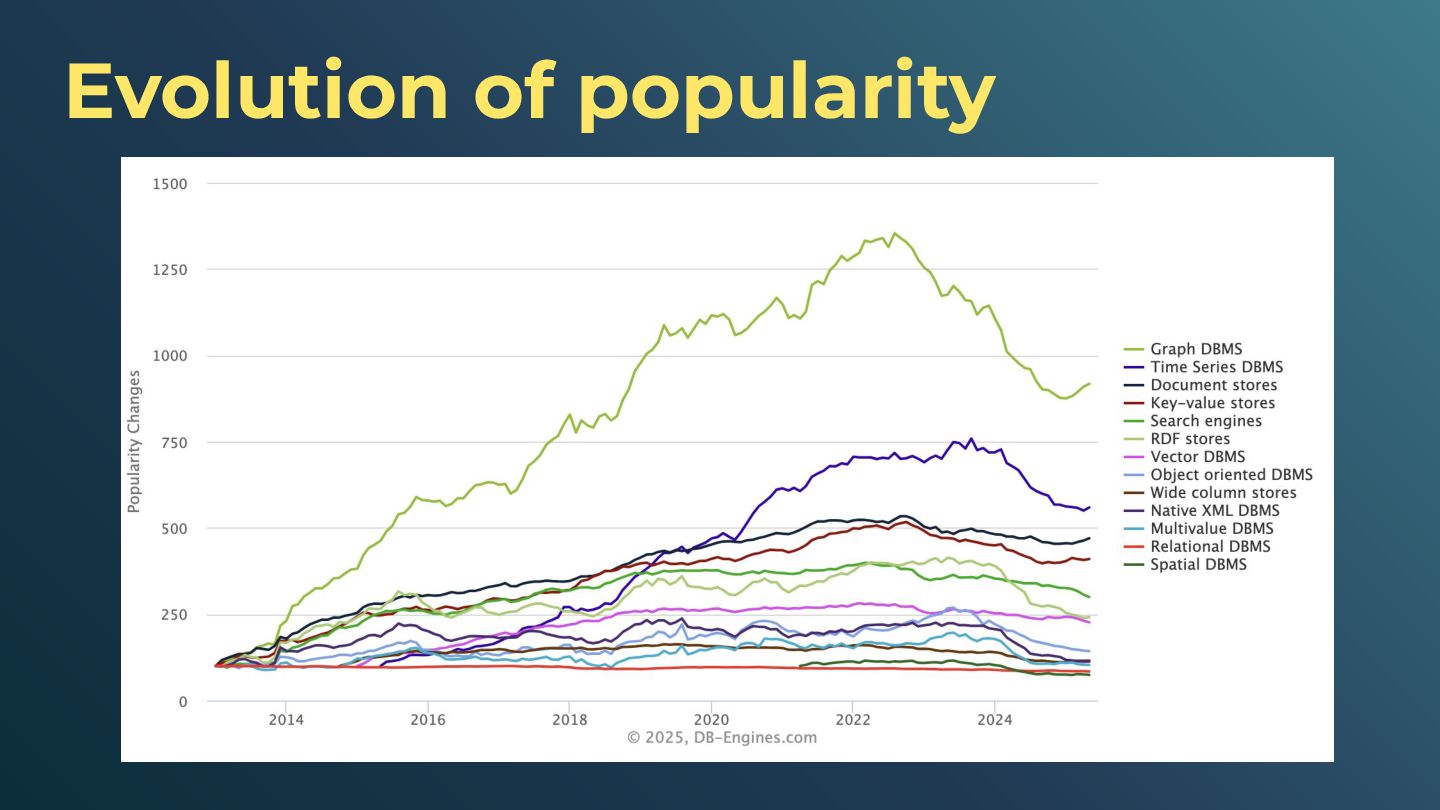
Graph DBMS Time Series DBMS Schema Mandatory SQL No Optional Query Powerful SQL - Simple Powerful (GQL) Powerful No Optional JSON schema Other - Optimized for Speed Optimized for Scale - Domain specific
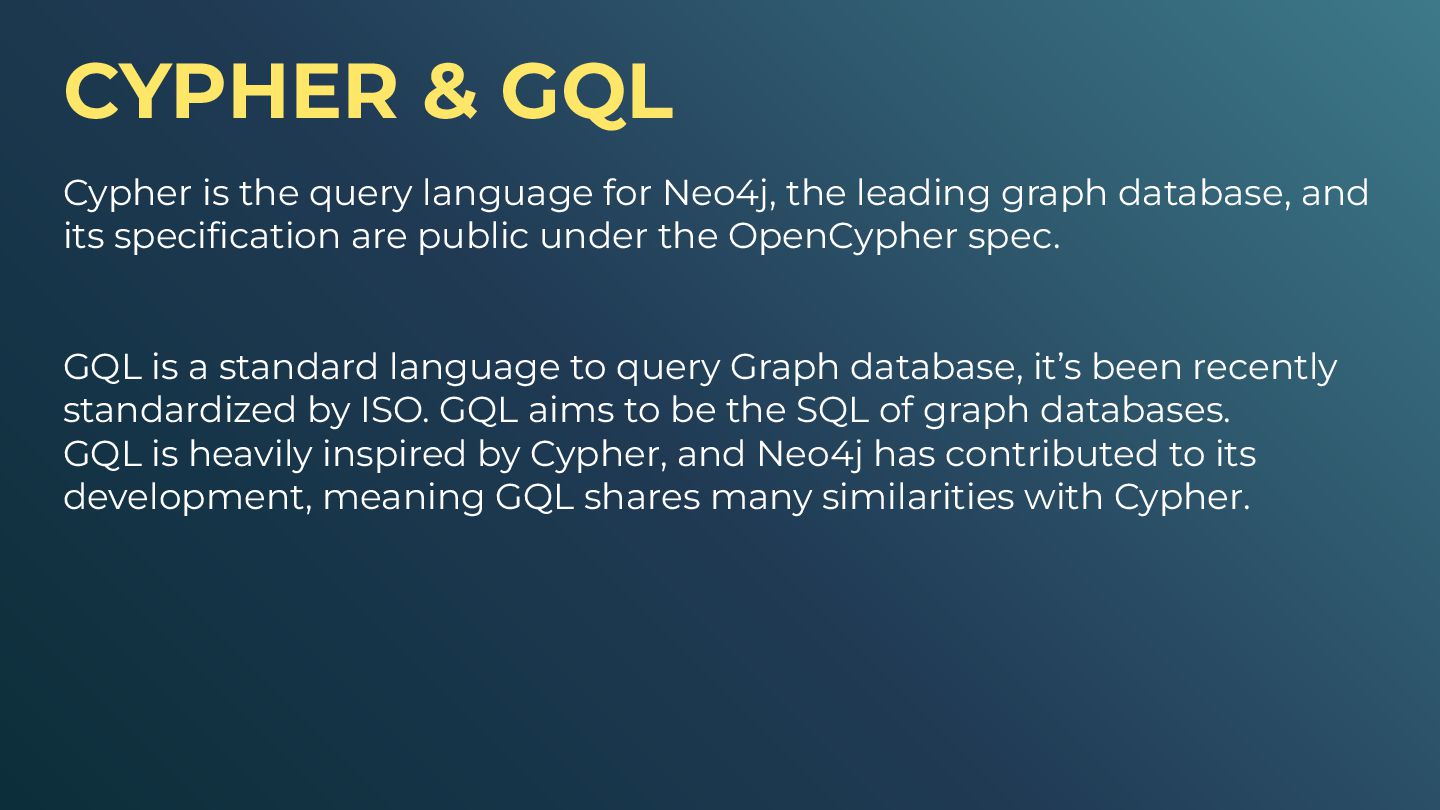
database, and its specification are public under the OpenCypher spec. GQL is a standard language to query Graph database, it’s been recently standardized by ISO. GQL aims to be the SQL of graph databases. GQL is heavily inspired by Cypher, and Neo4j has contributed to its development, meaning GQL shares many similarities with Cypher. CYPHER & GQL
and ready to go! Between each step or challenge, you’ll find helpful slides with more info and context about the task. You can open these notes anytime using We know it, laptop screens can feel a bit tight! You can show or hide the assignment panel using Lab tips and tricks
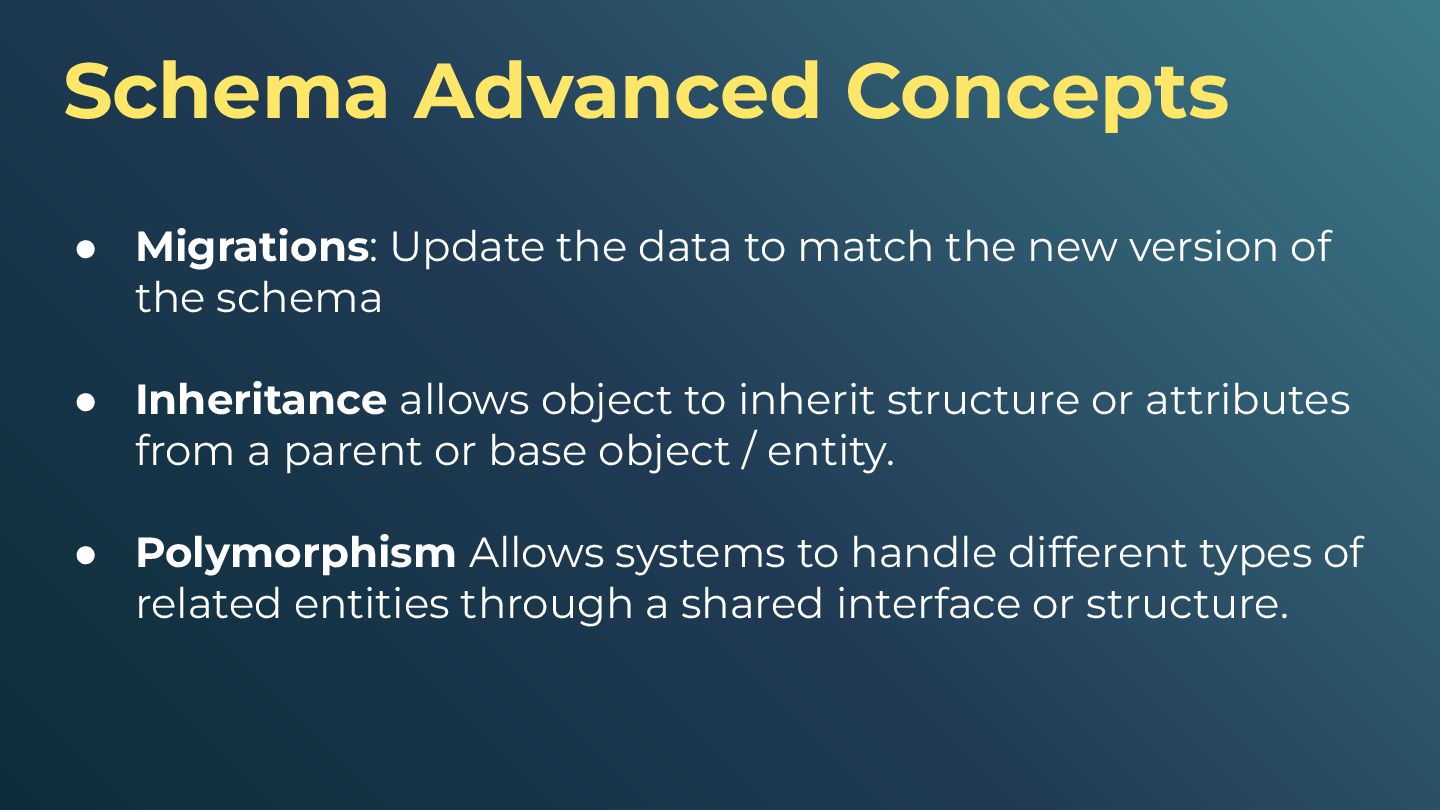
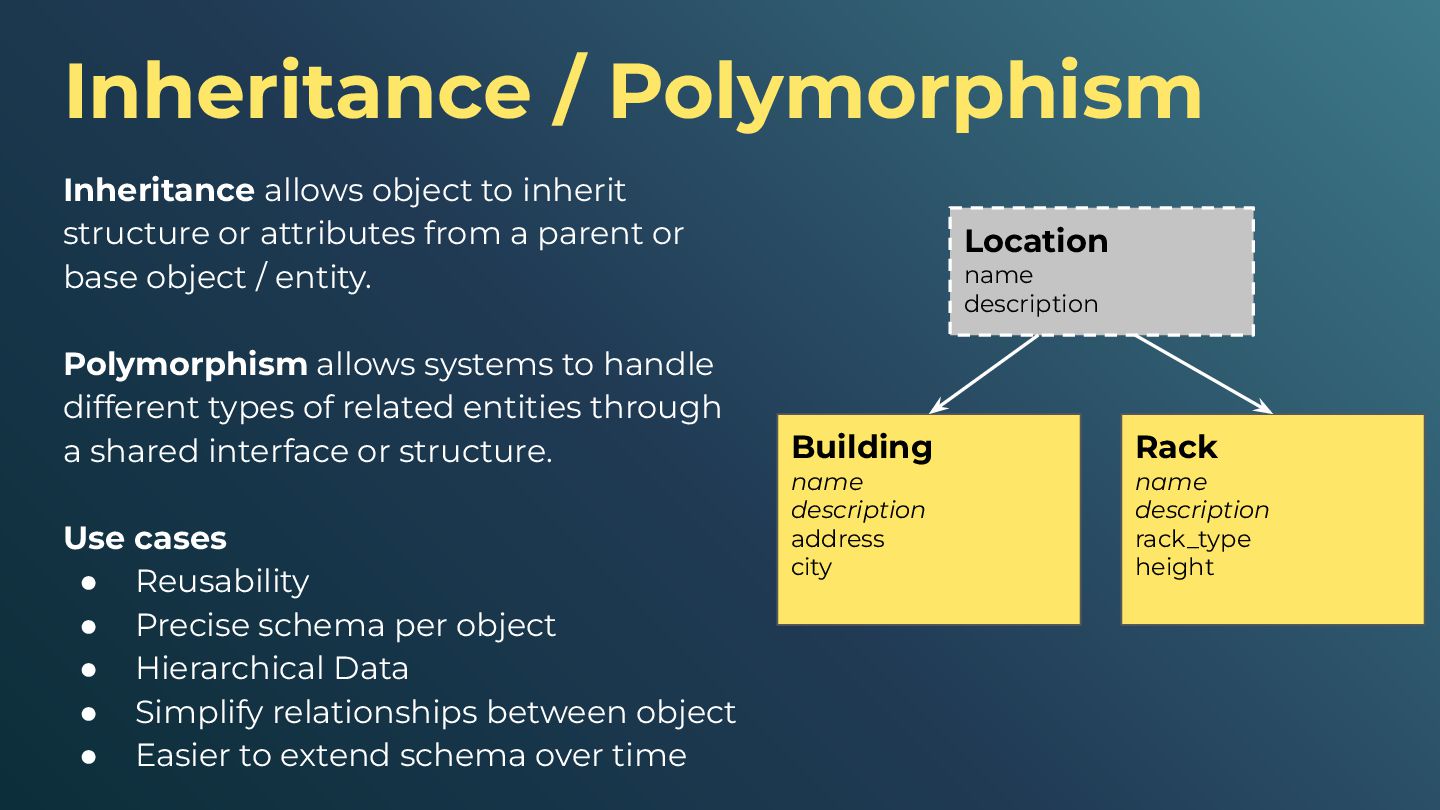
of the schema • Inheritance allows object to inherit structure or attributes from a parent or base object / entity. • Polymorphism Allows systems to handle different types of related entities through a shared interface or structure. Schema Advanced Concepts
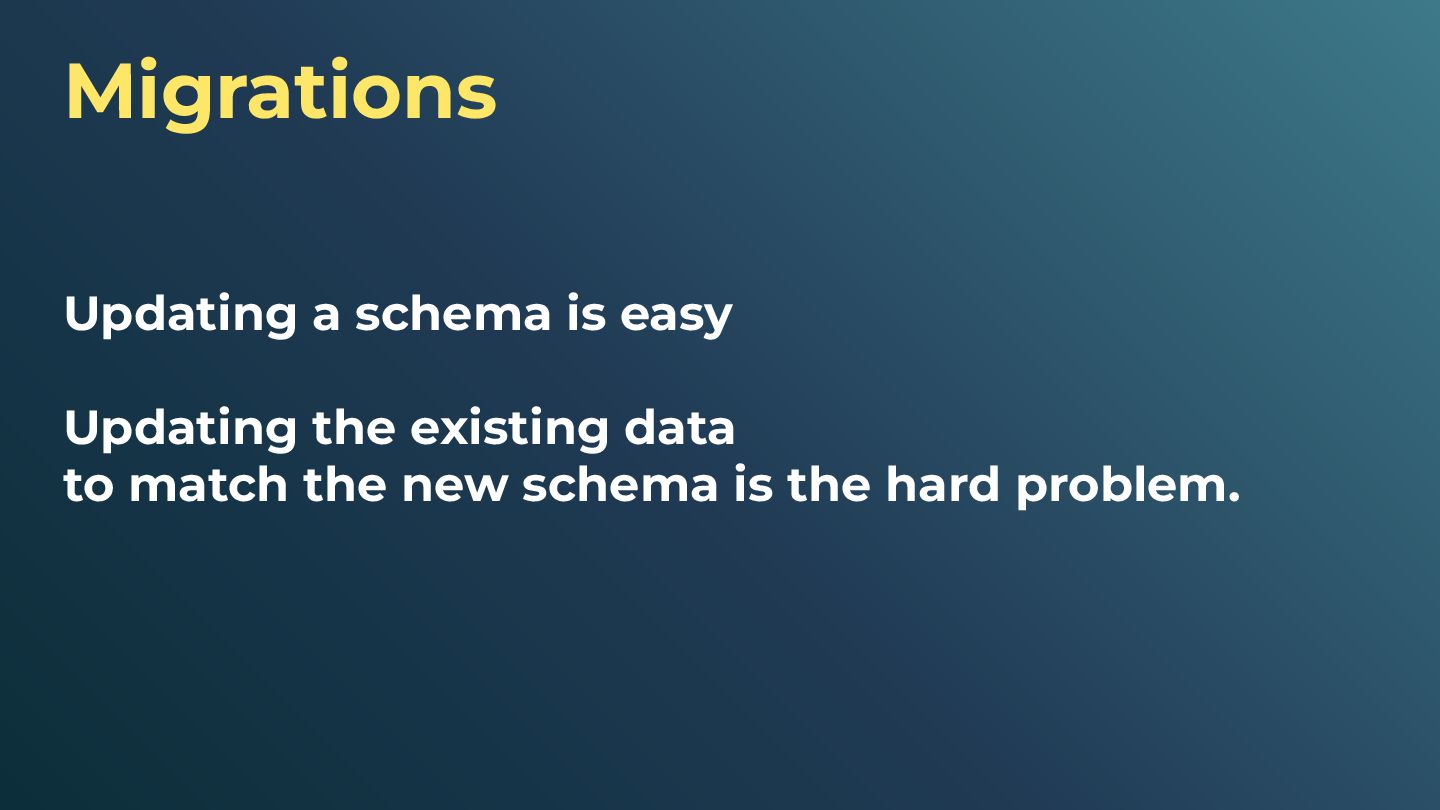
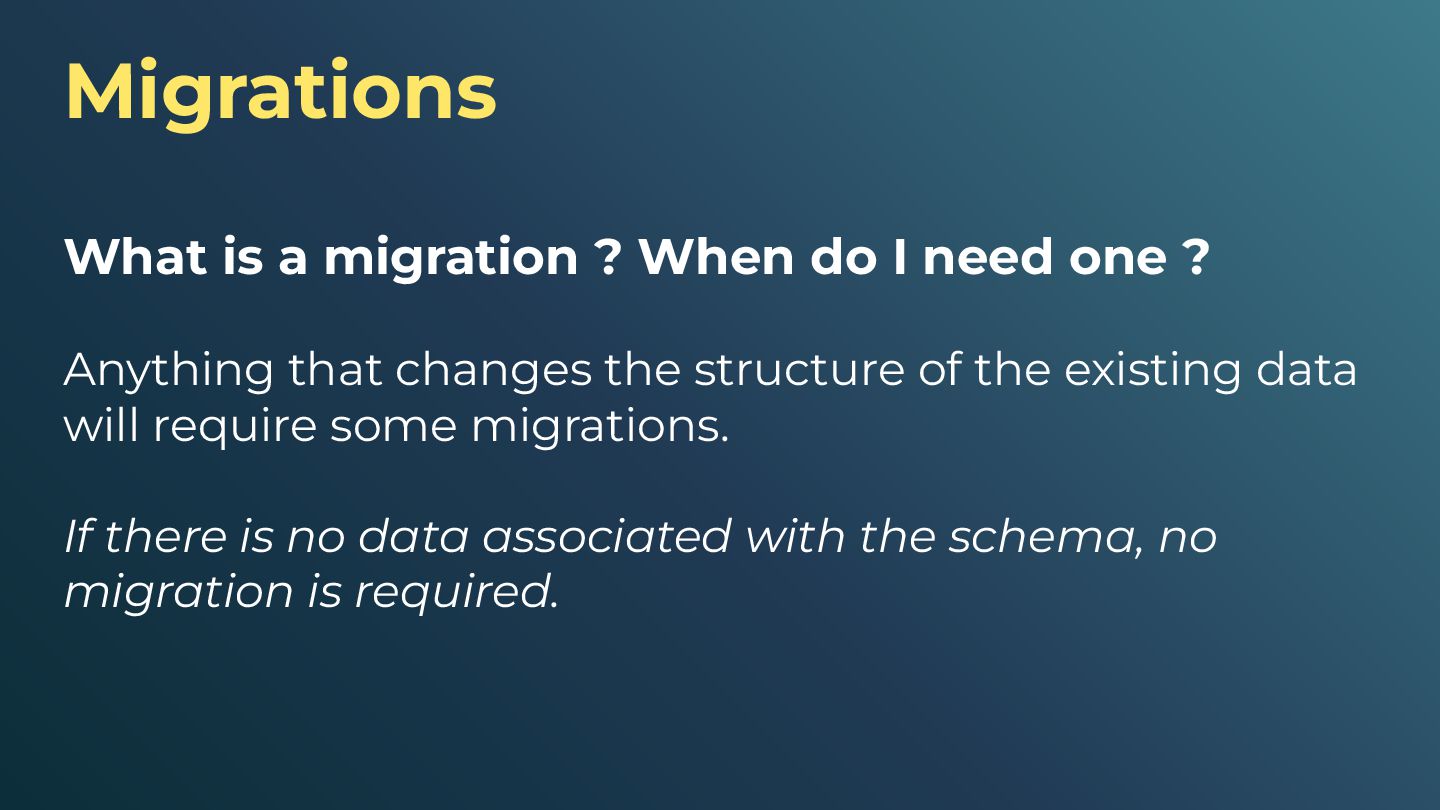
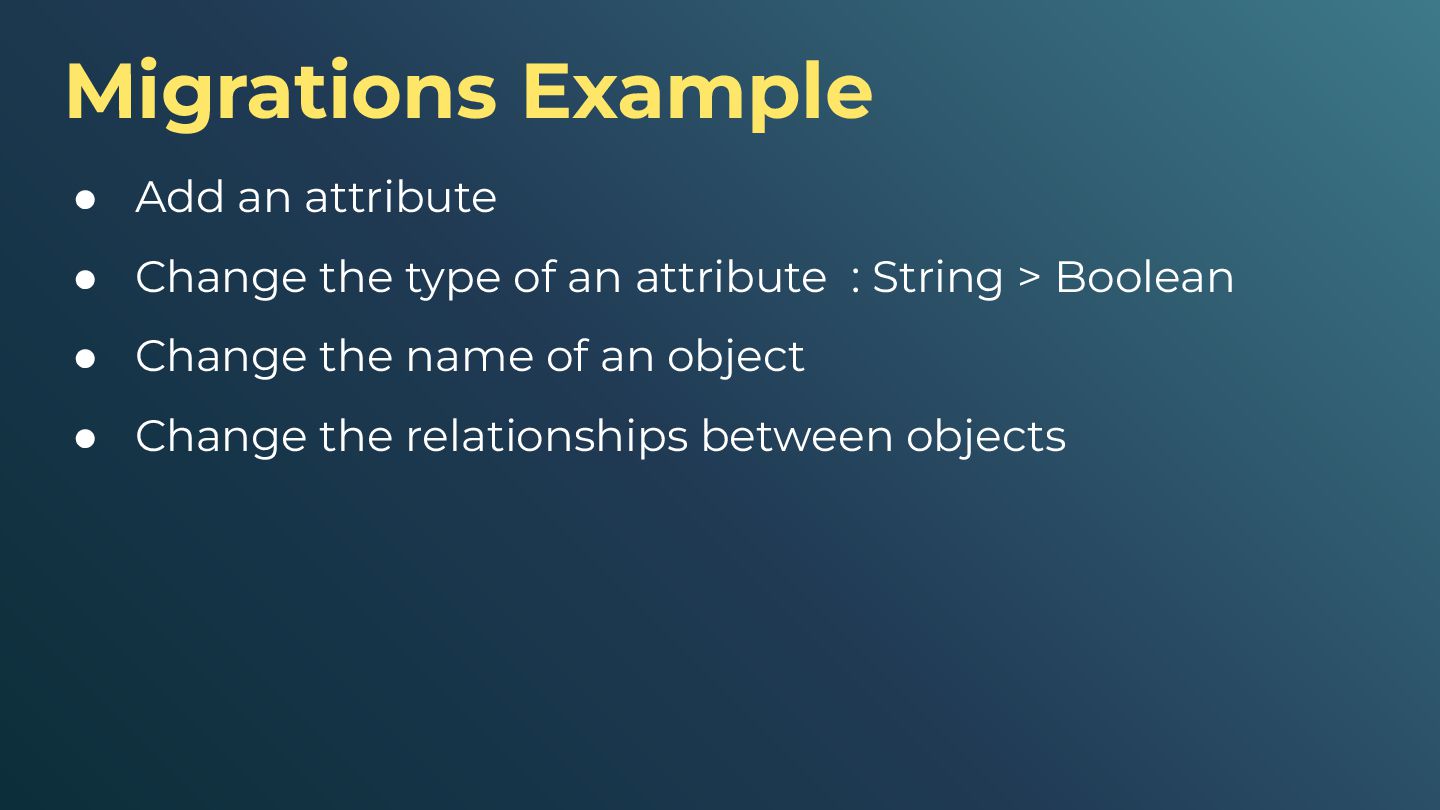
? Anything that changes the structure of the existing data will require some migrations. If there is no data associated with the schema, no migration is required. Migrations
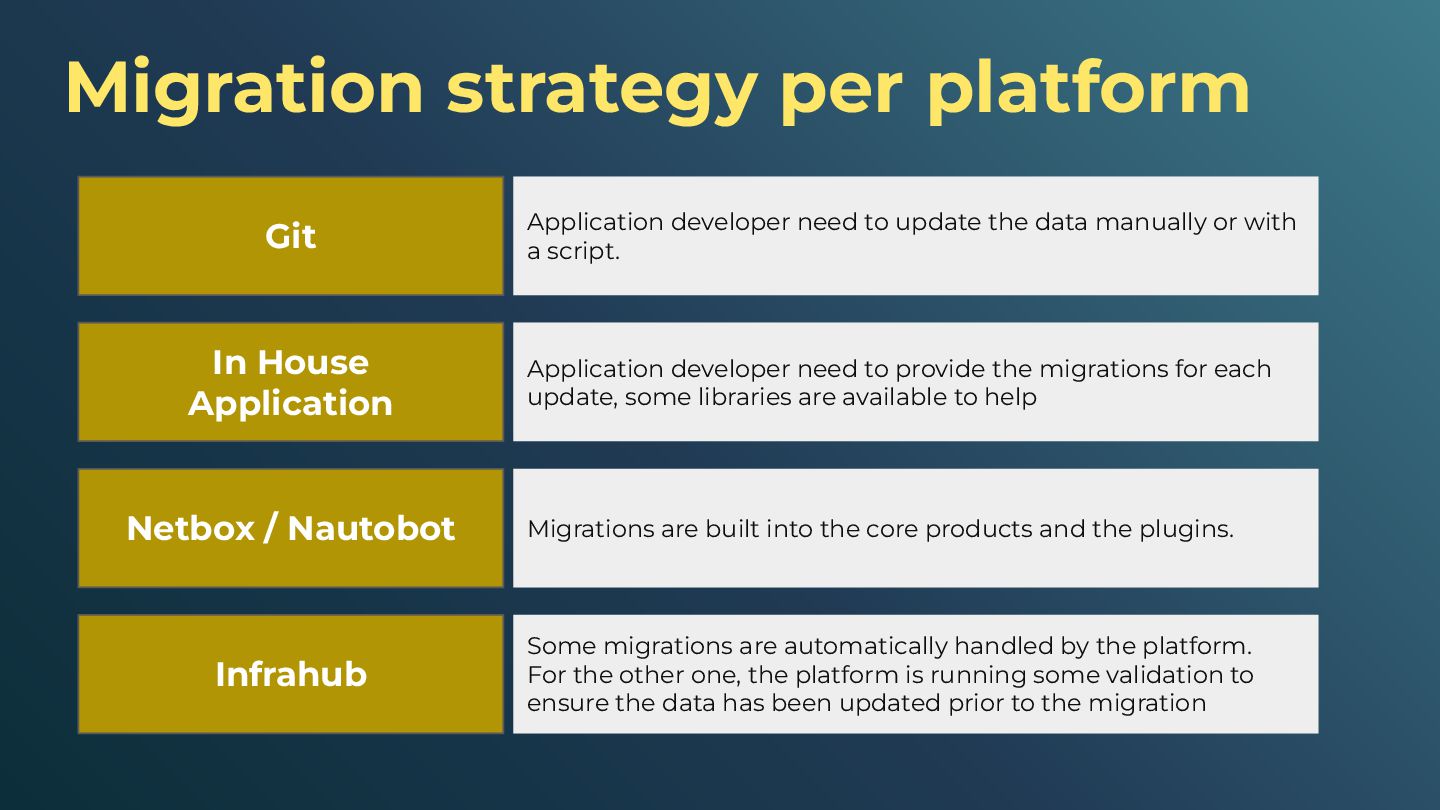
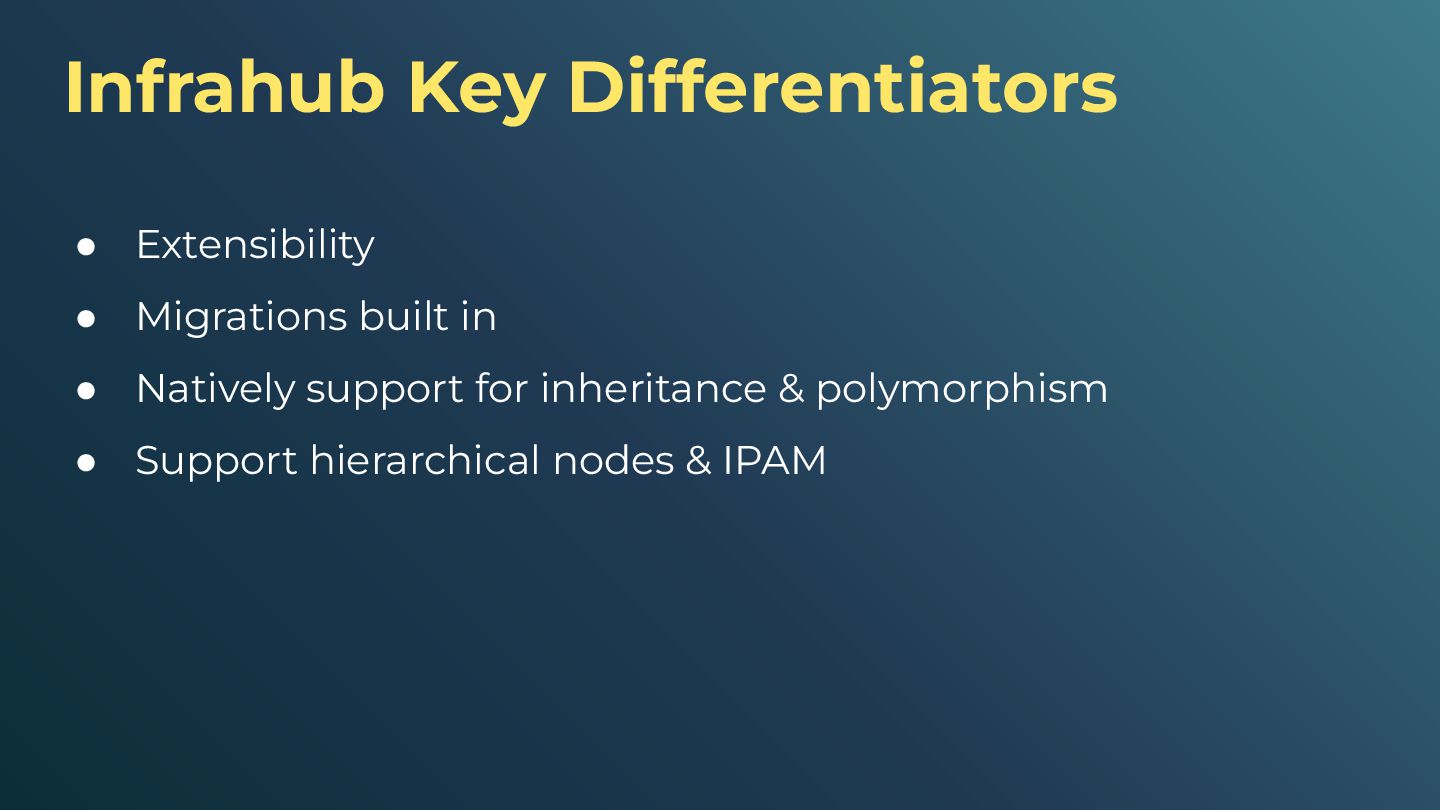
Nautobot Infrahub Application developer need to update the data manually or with a script. Application developer need to provide the migrations for each update, some libraries are available to help Migrations are built into the core products and the plugins. Some migrations are automatically handled by the platform. For the other one, the platform is running some validation to ensure the data has been updated prior to the migration
city Rack name description rack_type height Inheritance allows object to inherit structure or attributes from a parent or base object / entity. Polymorphism allows systems to handle different types of related entities through a shared interface or structure. Use cases • Reusability • Precise schema per object • Hierarchical Data • Simplify relationships between object • Easier to extend schema over time
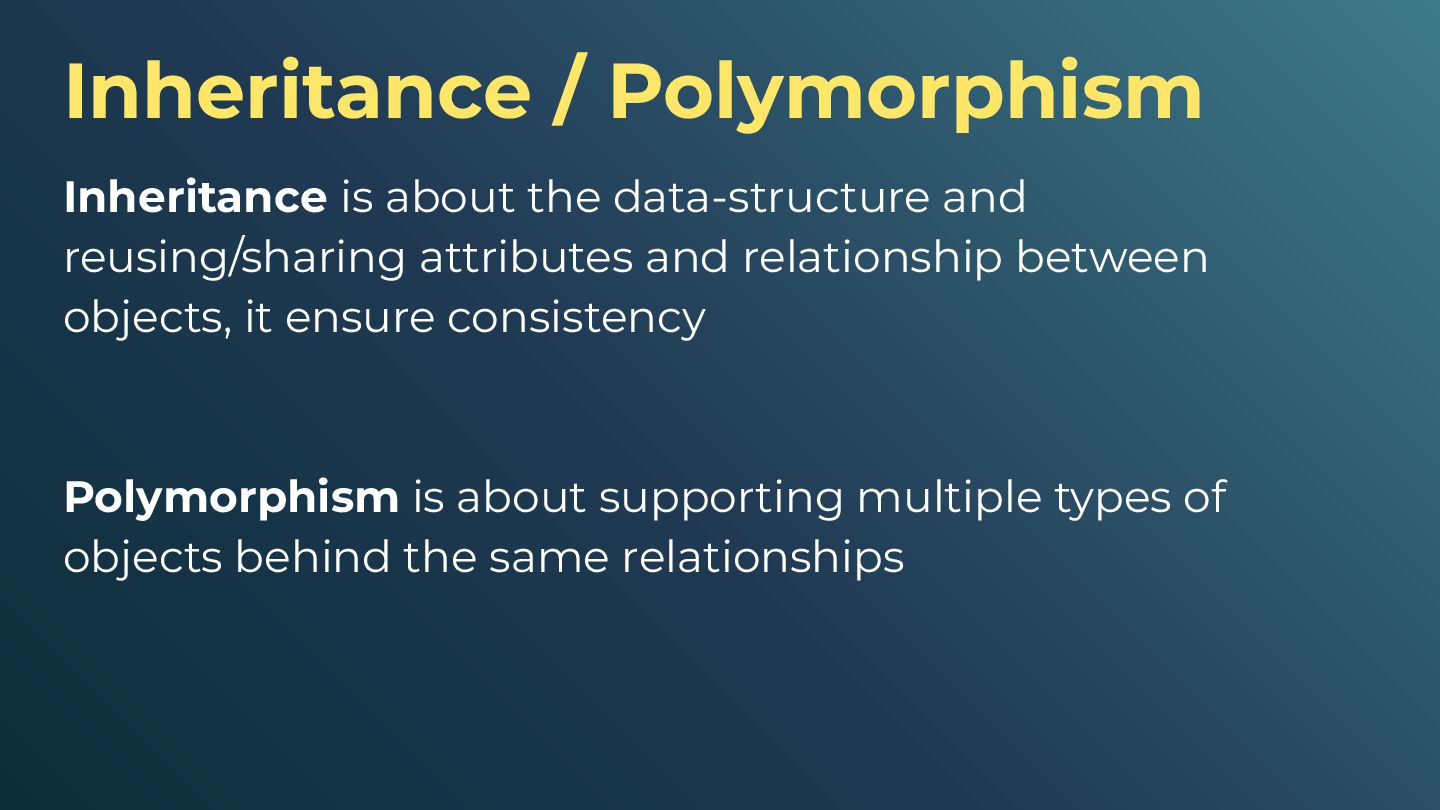
between objects, it ensure consistency Polymorphism is about supporting multiple types of objects behind the same relationships Inheritance / Polymorphism
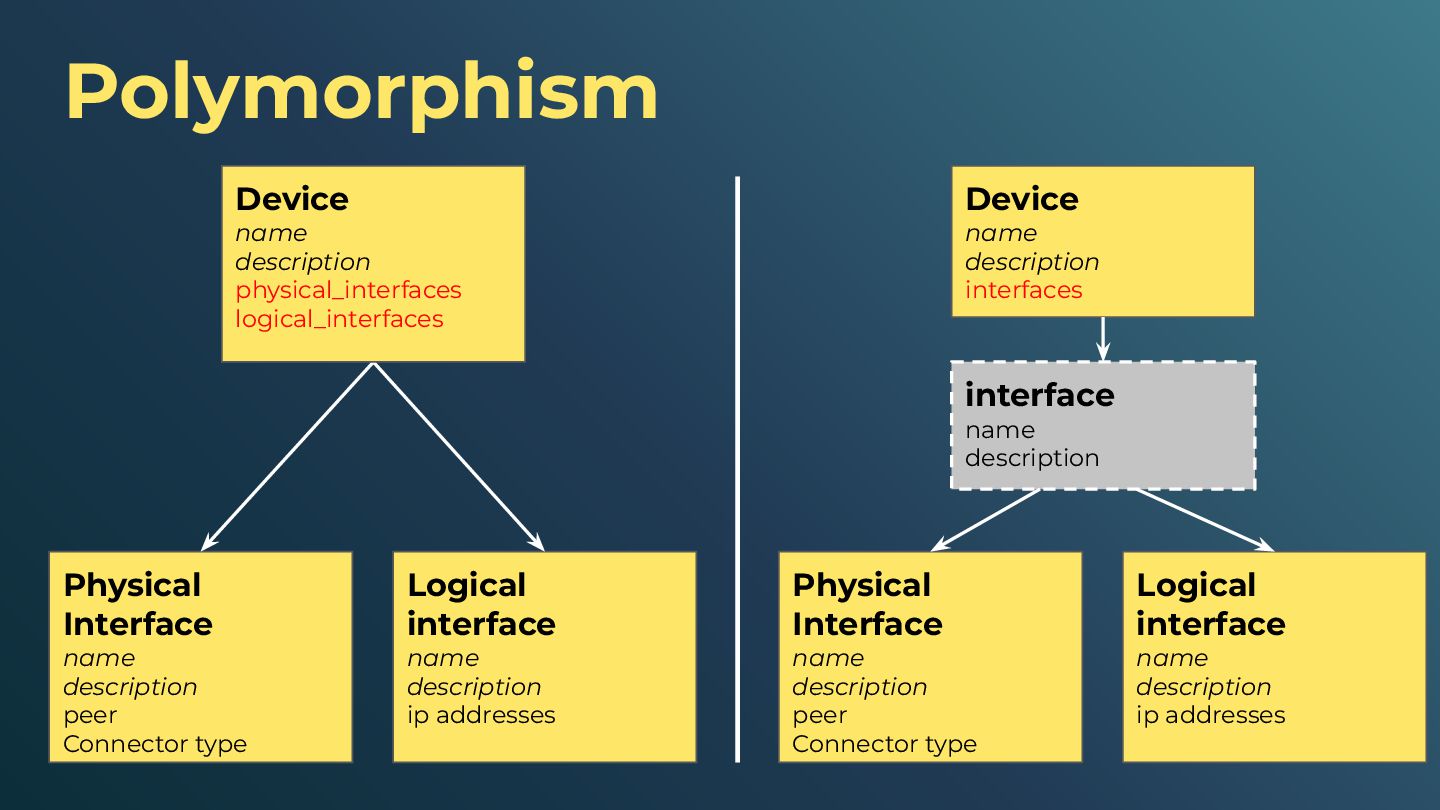
type Logical interface name description ip addresses Device name description interfaces Physical Interface name description peer Connector type Logical interface name description ip addresses Device name description physical_interfaces logical_interfaces
Partial Partial Not part of SQL , supported by Postgres JSON Schema Yes Yes through oneOF GraphQL Yes Yes through Interface Yang Yes Partial through grouping and augment Infrahub Yes Yes through Generic
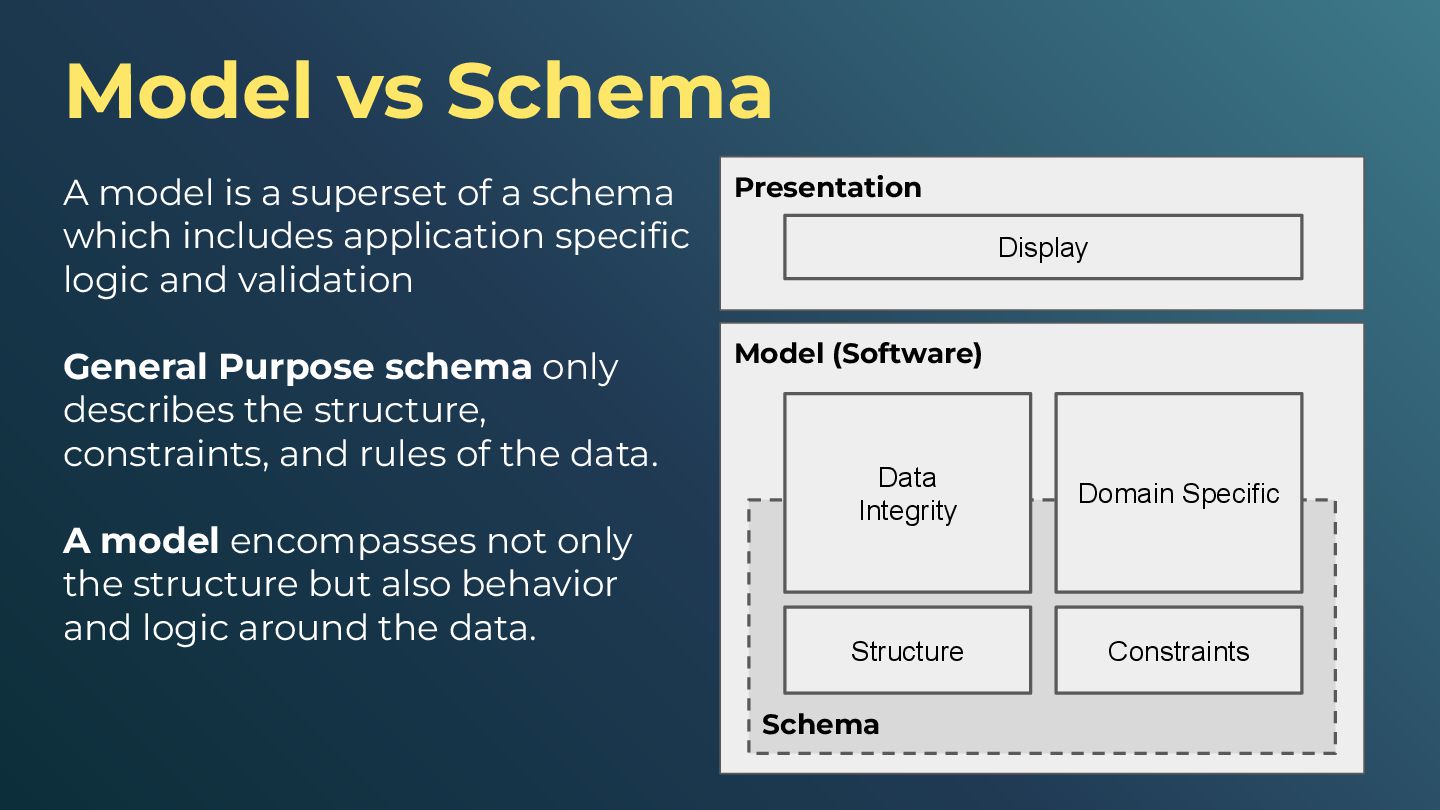
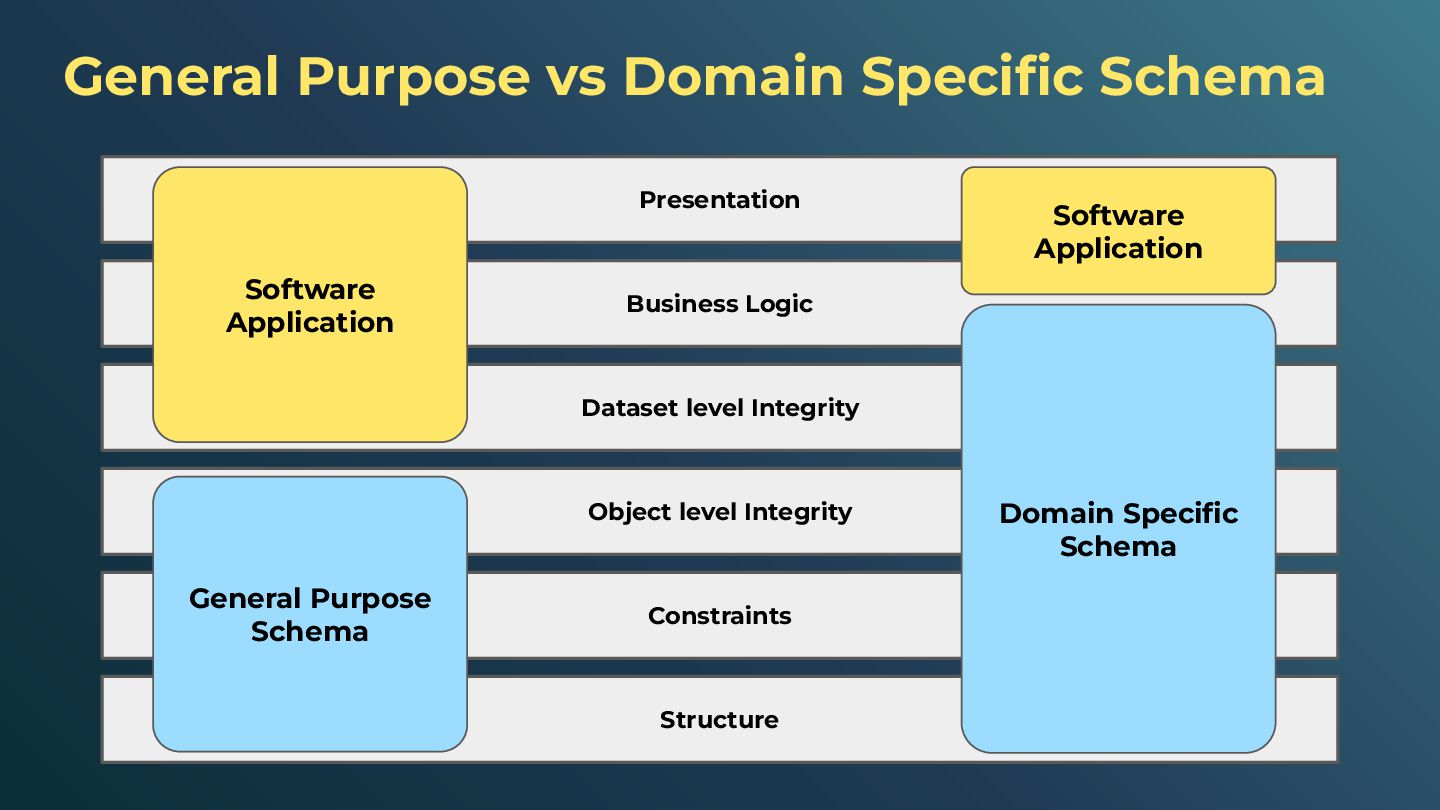
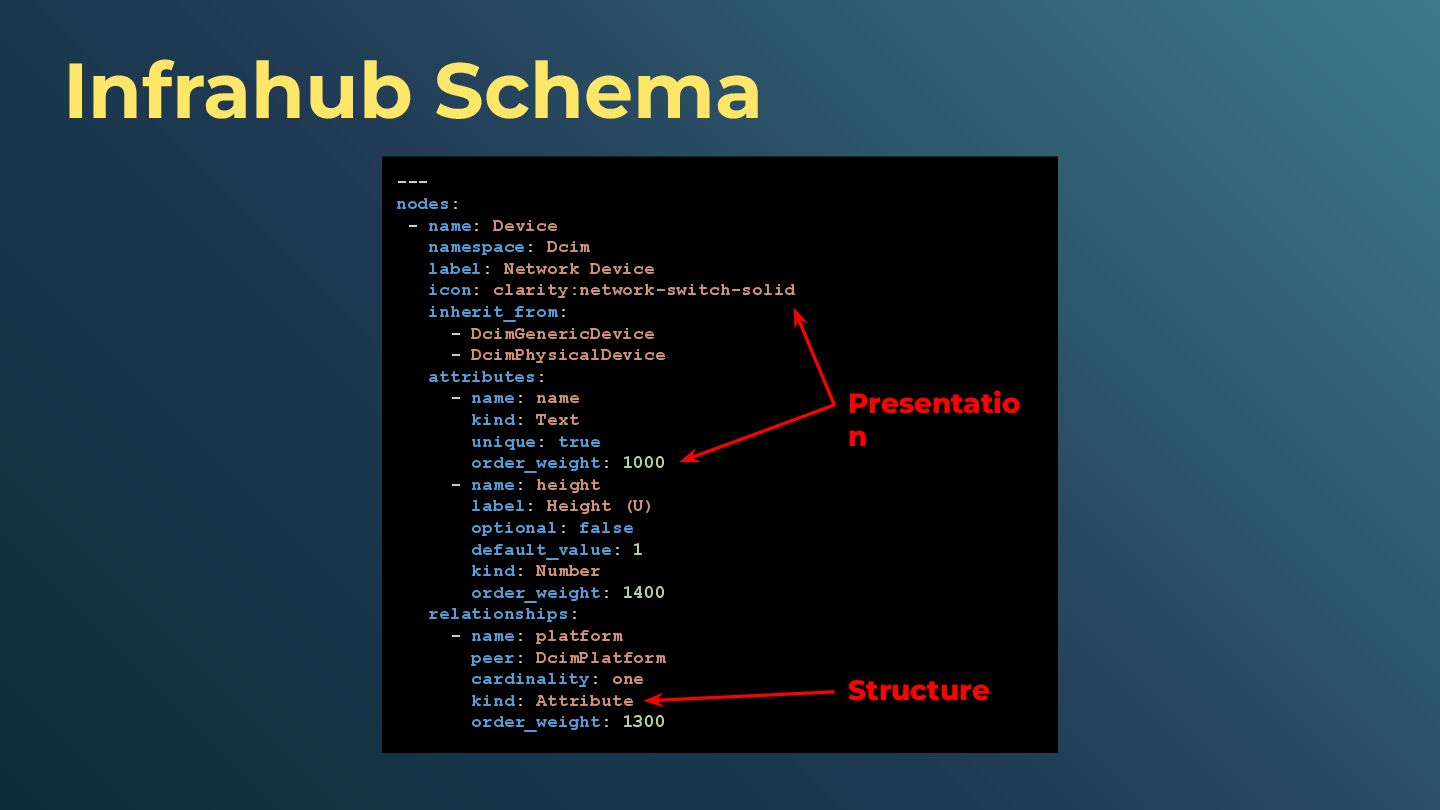
of a schema which includes application specific logic and validation General Purpose schema only describes the structure, constraints, and rules of the data. A model encompasses not only the structure but also behavior and logic around the data. Schema Data Integrity Domain Specific Structure Presentation Display Constraints
managed individually. Technical Layer Global representation of the infrastructure elements interconnected Service / Intent Layer Definition of what services the infrastructure needs to deliver Service Server Firewall Network Server Firewall Network
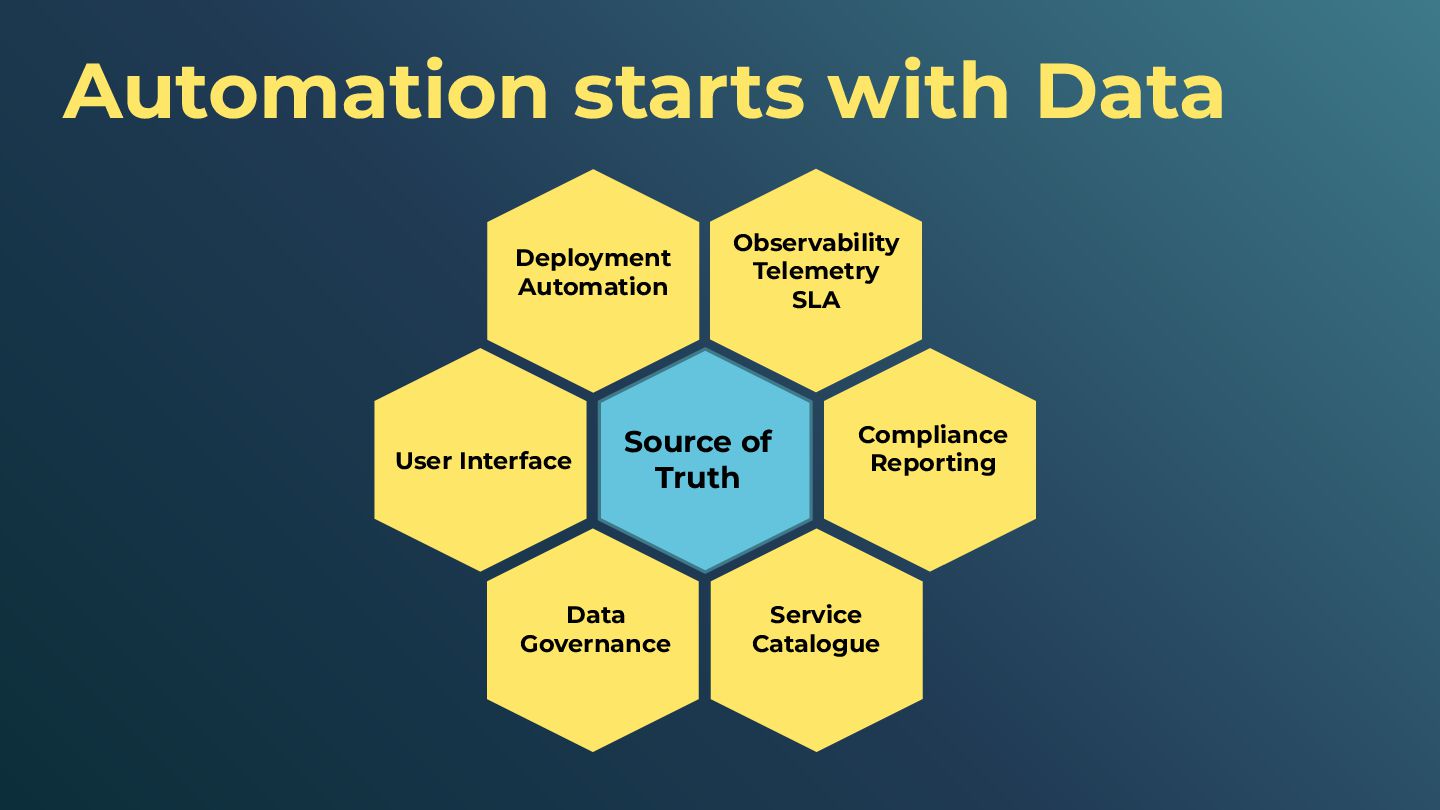
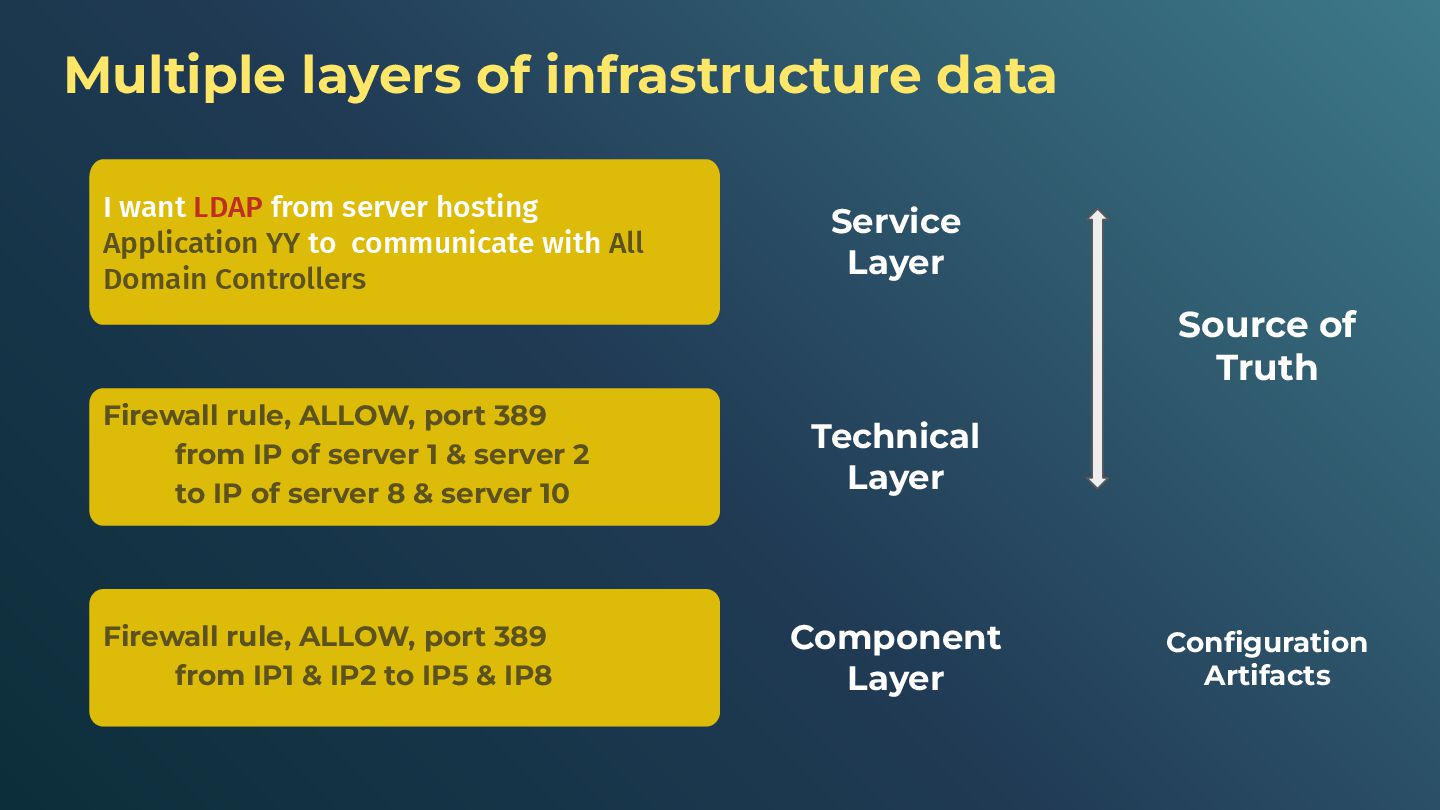
& server 2 to IP of server 8 & server 10 Multiple layers of infrastructure data I want LDAP from server hosting Application YY to communicate with All Domain Controllers Firewall rule, ALLOW, port 389 from IP1 & IP2 to IP5 & IP8 Configuration Artifacts Source of Truth Service Layer Technical Layer Component Layer
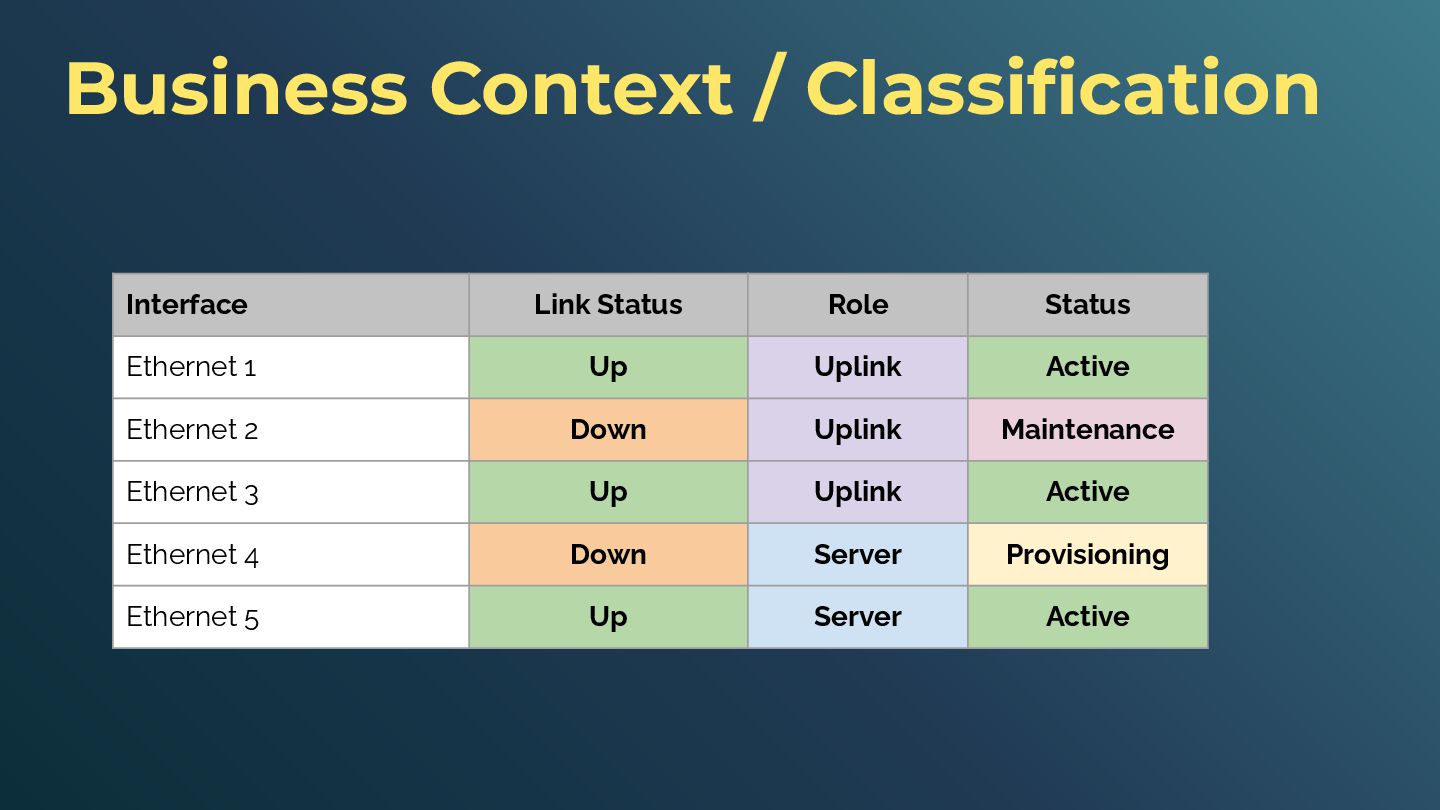
Ethernet 2 Down Ethernet 3 Up Ethernet 4 Down Ethernet 5 Up Role Uplink Uplink Uplink Server Server Status Active Maintenance Active Provisioning Active
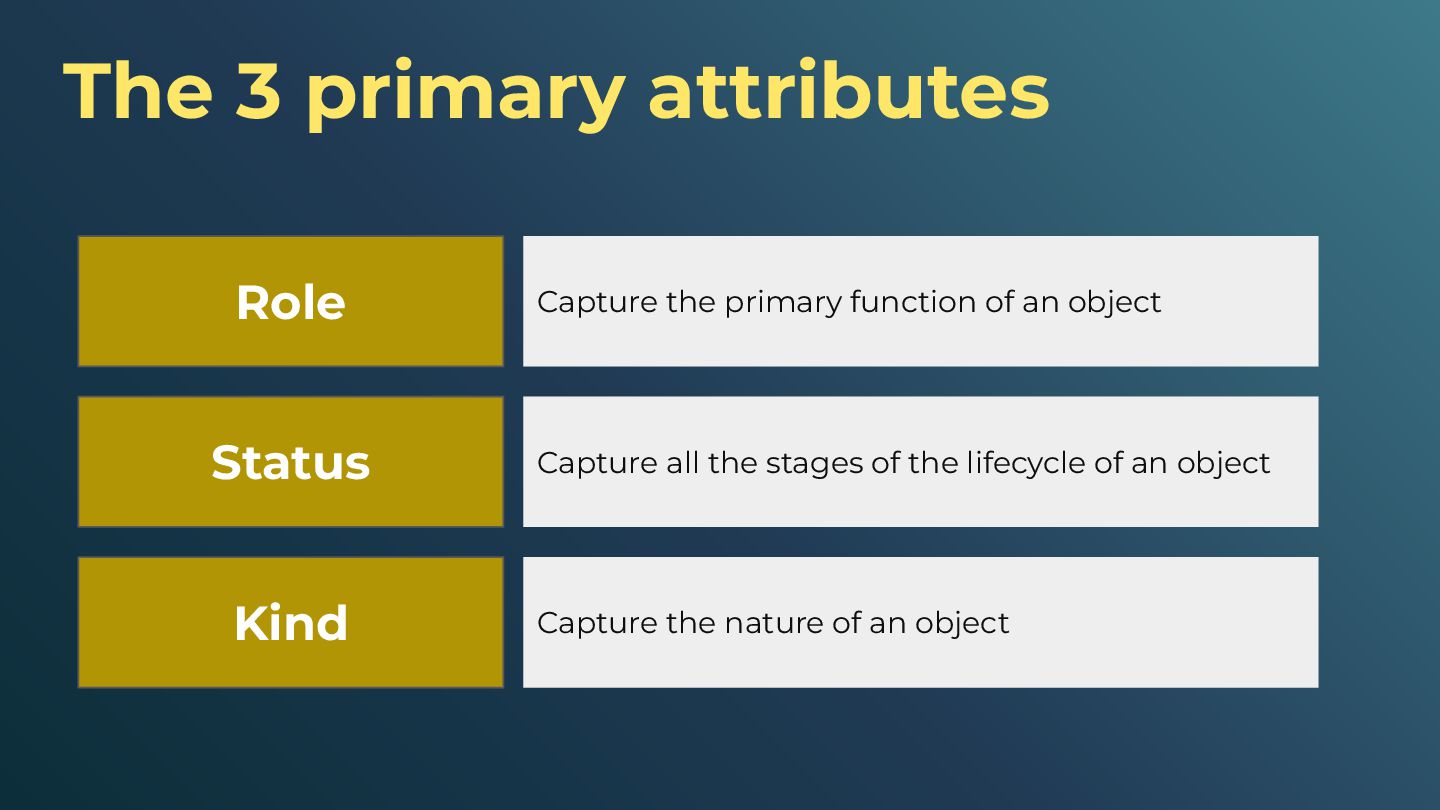
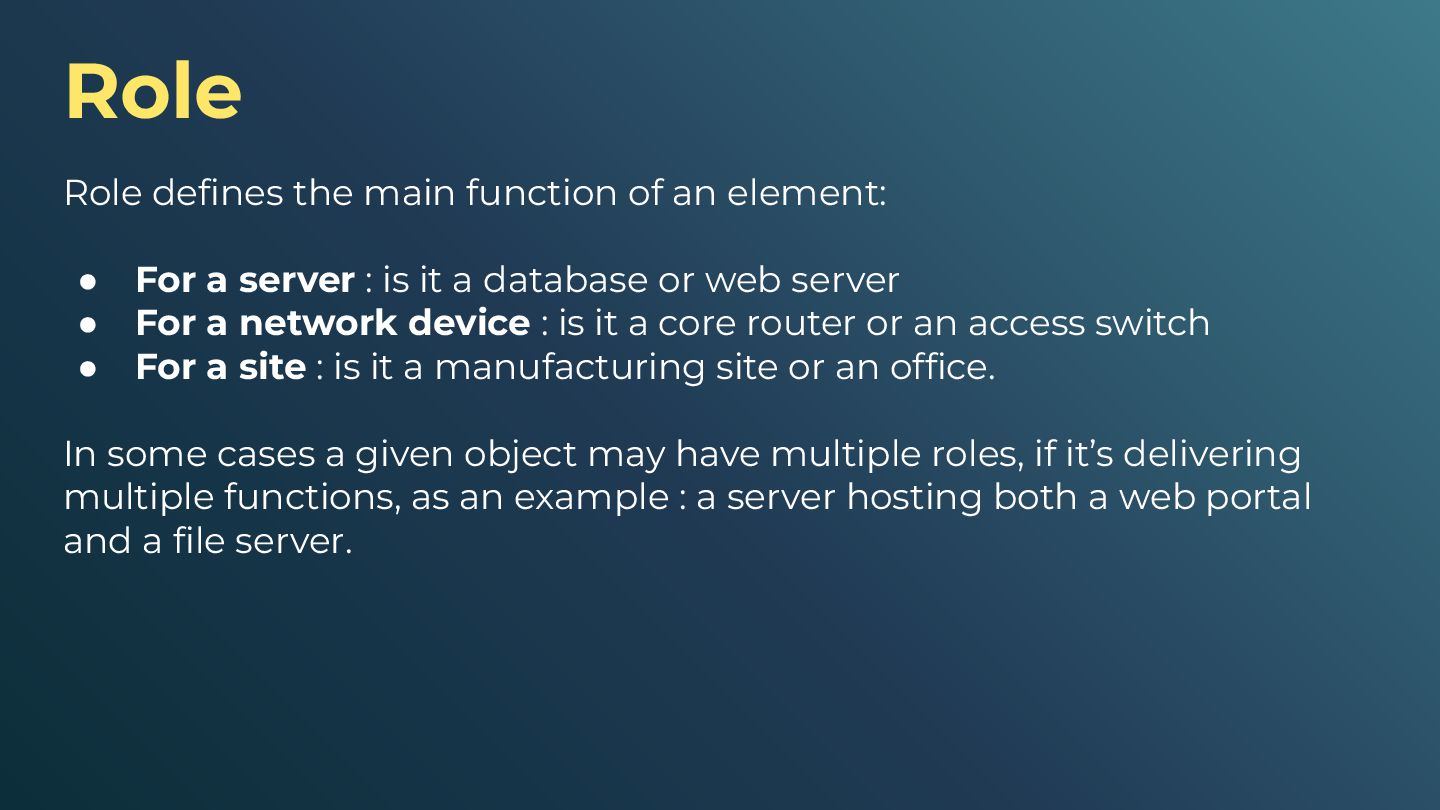
a server : is it a database or web server • For a network device : is it a core router or an access switch • For a site : is it a manufacturing site or an office. In some cases a given object may have multiple roles, if it’s delivering multiple functions, as an example : a server hosting both a web portal and a file server. Role
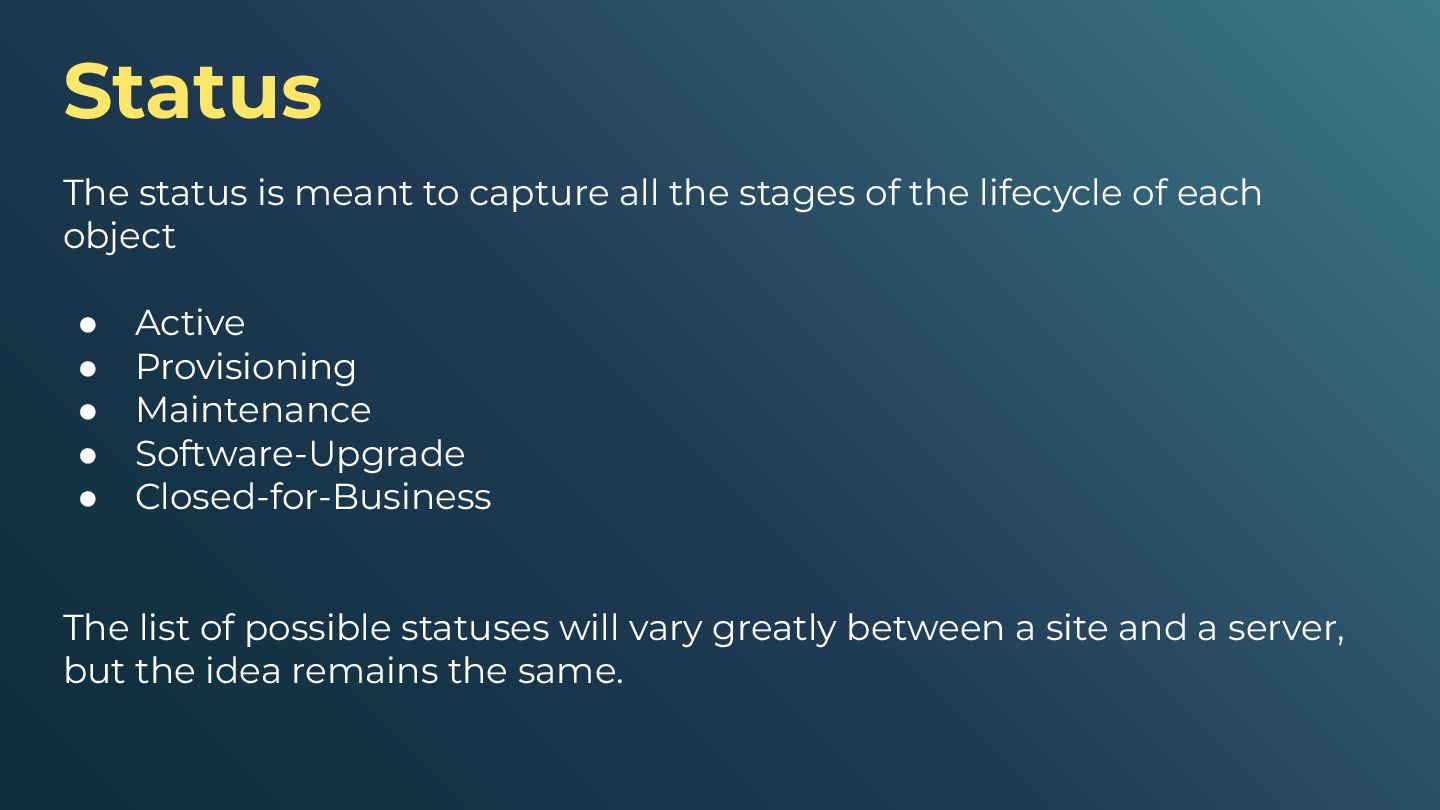
the lifecycle of each object • Active • Provisioning • Maintenance • Software-Upgrade • Closed-for-Business The list of possible statuses will vary greatly between a site and a server, but the idea remains the same. Status
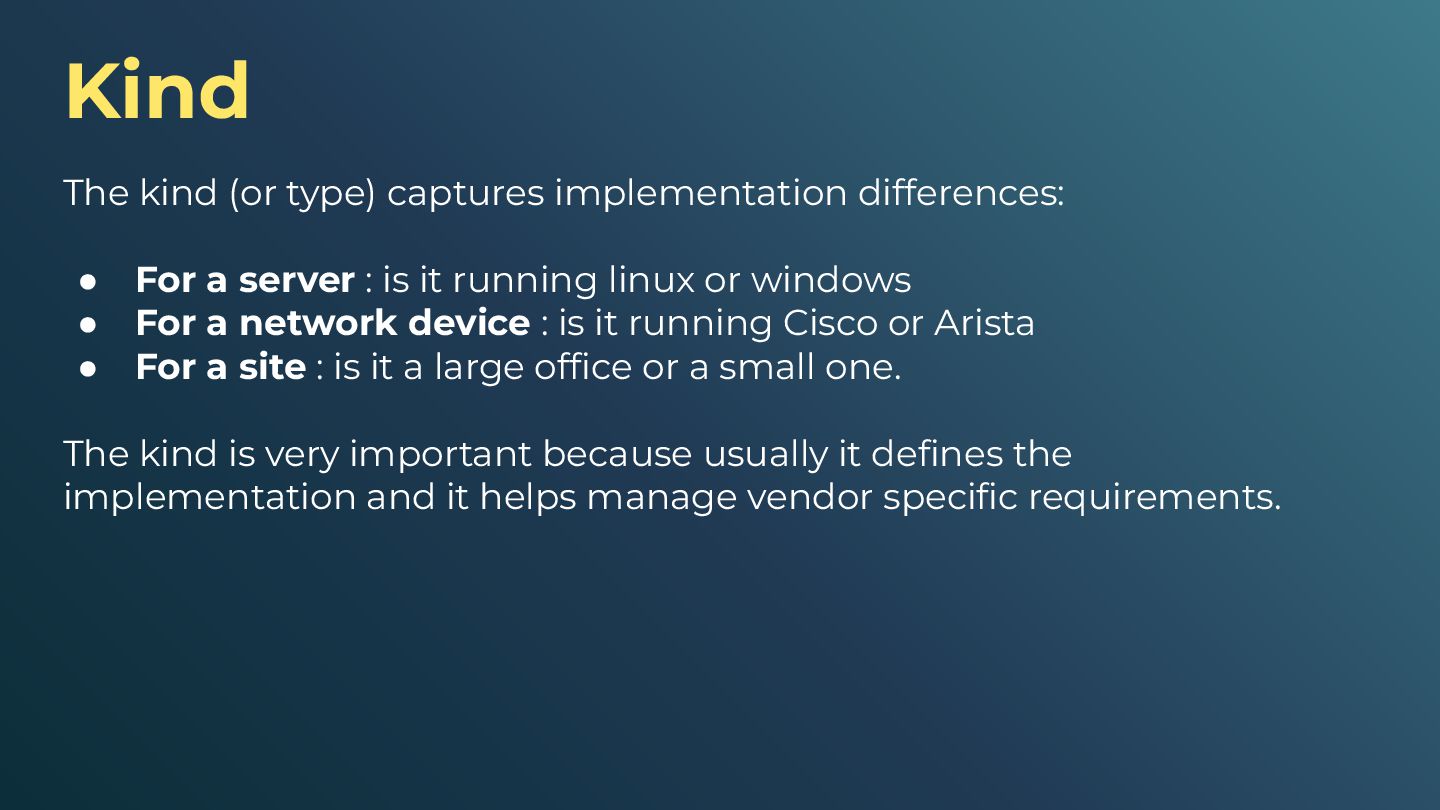
server : is it running linux or windows • For a network device : is it running Cisco or Arista • For a site : is it a large office or a small one. The kind is very important because usually it defines the implementation and it helps manage vendor specific requirements. Kind
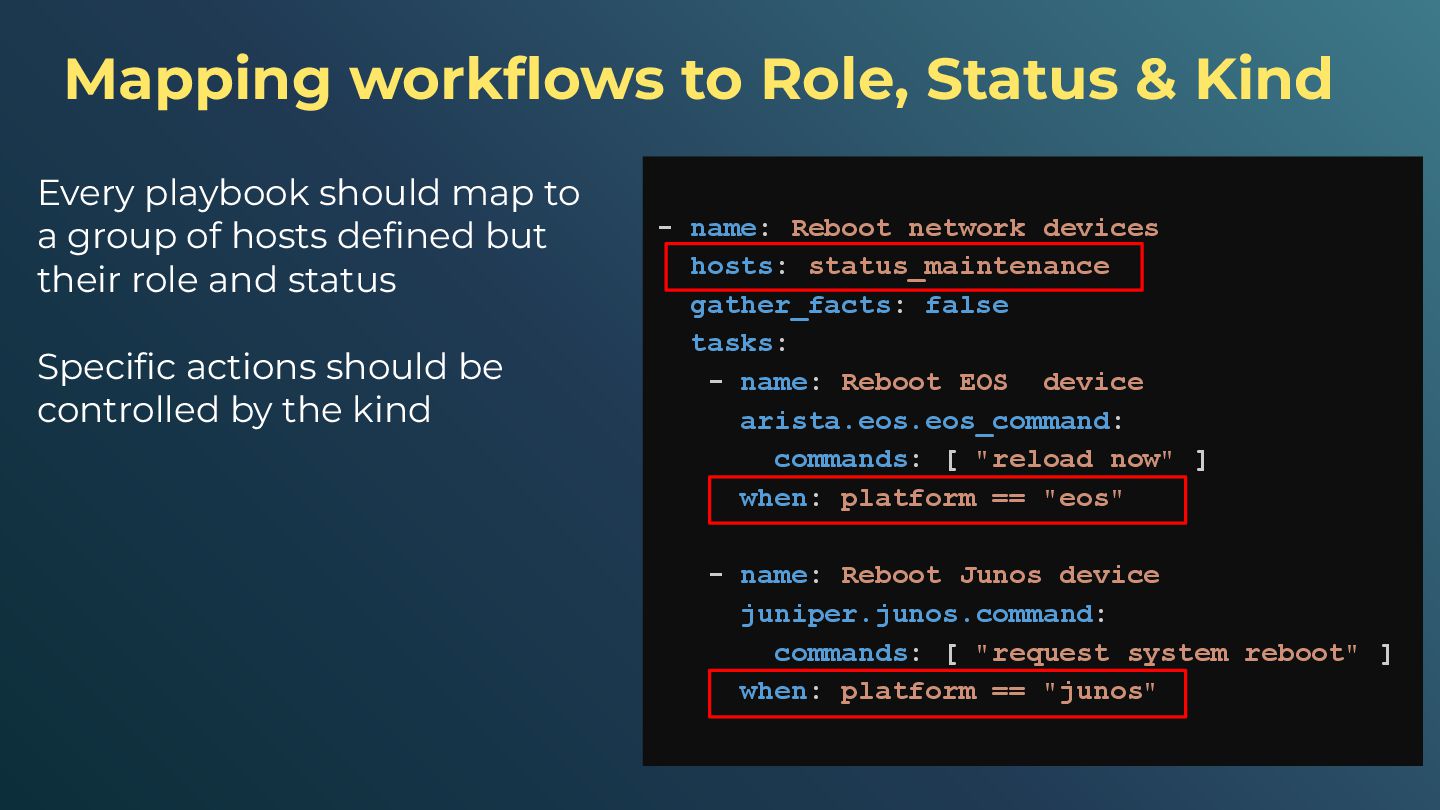
network devices hosts: status_maintenance gather_facts: false tasks: - name: Reboot EOS device arista.eos.eos_command: commands: [ "reload now" ] when: platform == "eos" - name: Reboot Junos device juniper.junos.command: commands: [ "request system reboot" ] when: platform == "junos" Every playbook should map to a group of hosts defined but their role and status Specific actions should be controlled by the kind
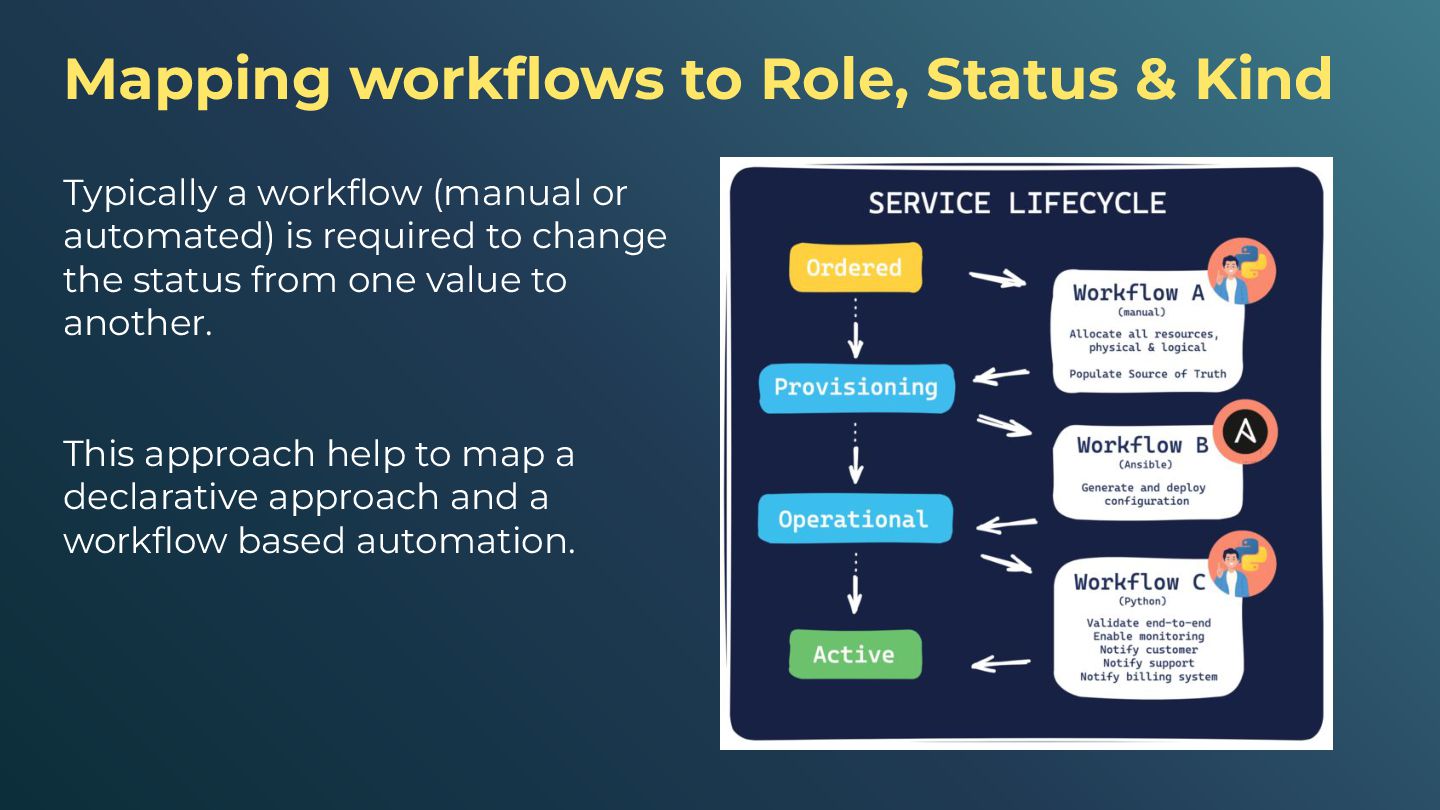
the status from one value to another. This approach help to map a declarative approach and a workflow based automation. Mapping workflows to Role, Status & Kind
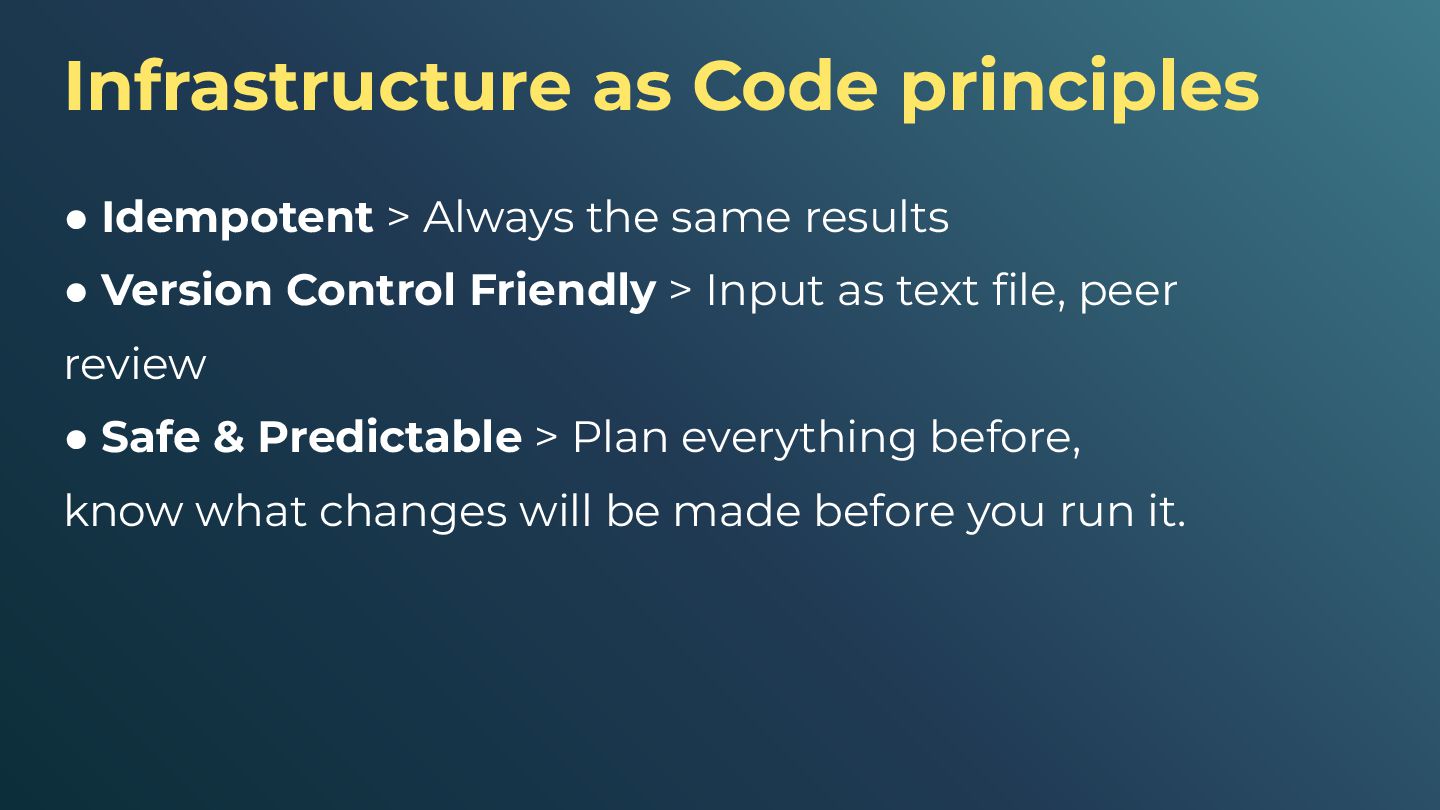
Friendly > Input as text file, peer review • Safe & Predictable > Plan everything before, know what changes will be made before you run it. Infrastructure as Code principles
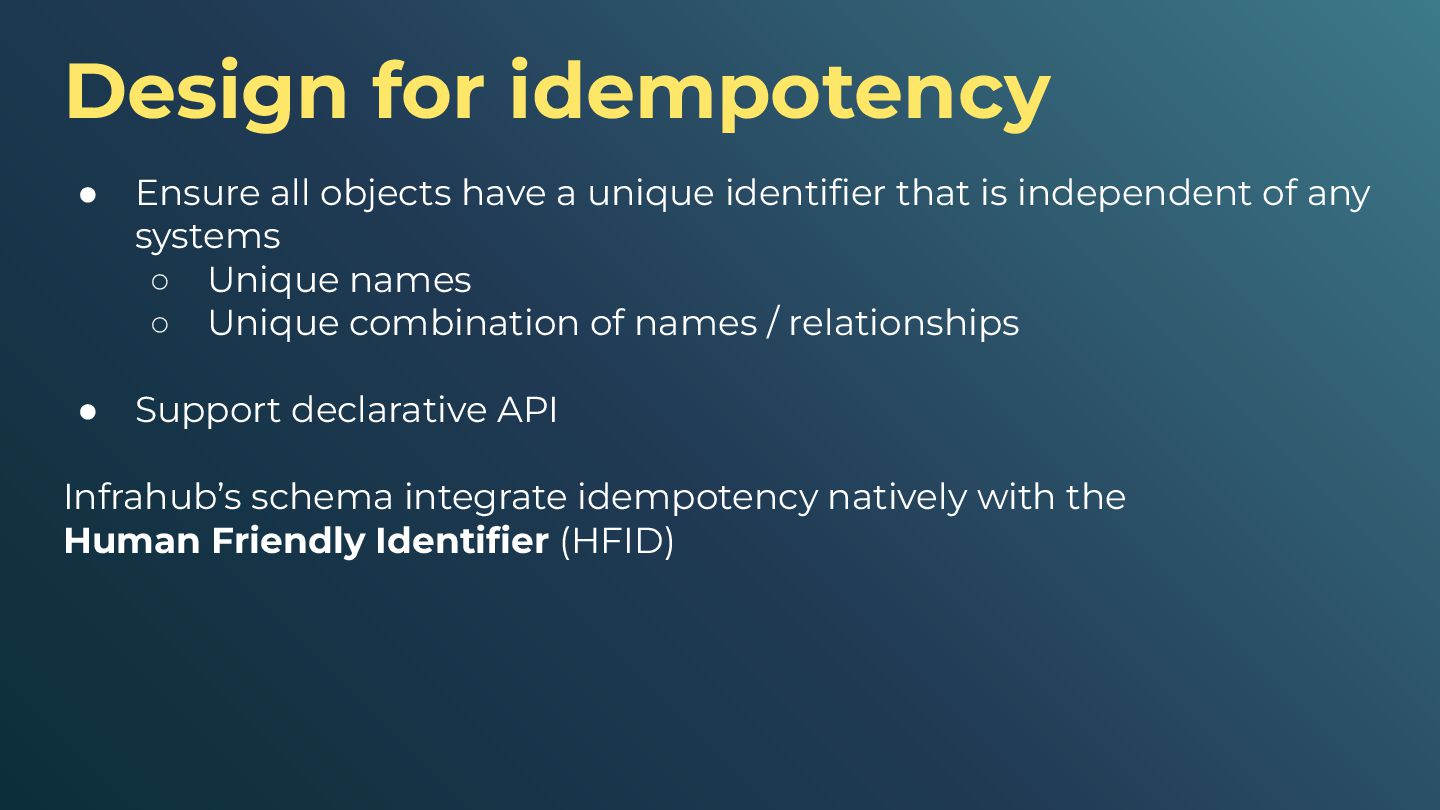
independent of any systems ◦ Unique names ◦ Unique combination of names / relationships • Support declarative API Infrahub’s schema integrate idempotency natively with the Human Friendly Identifier (HFID) Design for idempotency
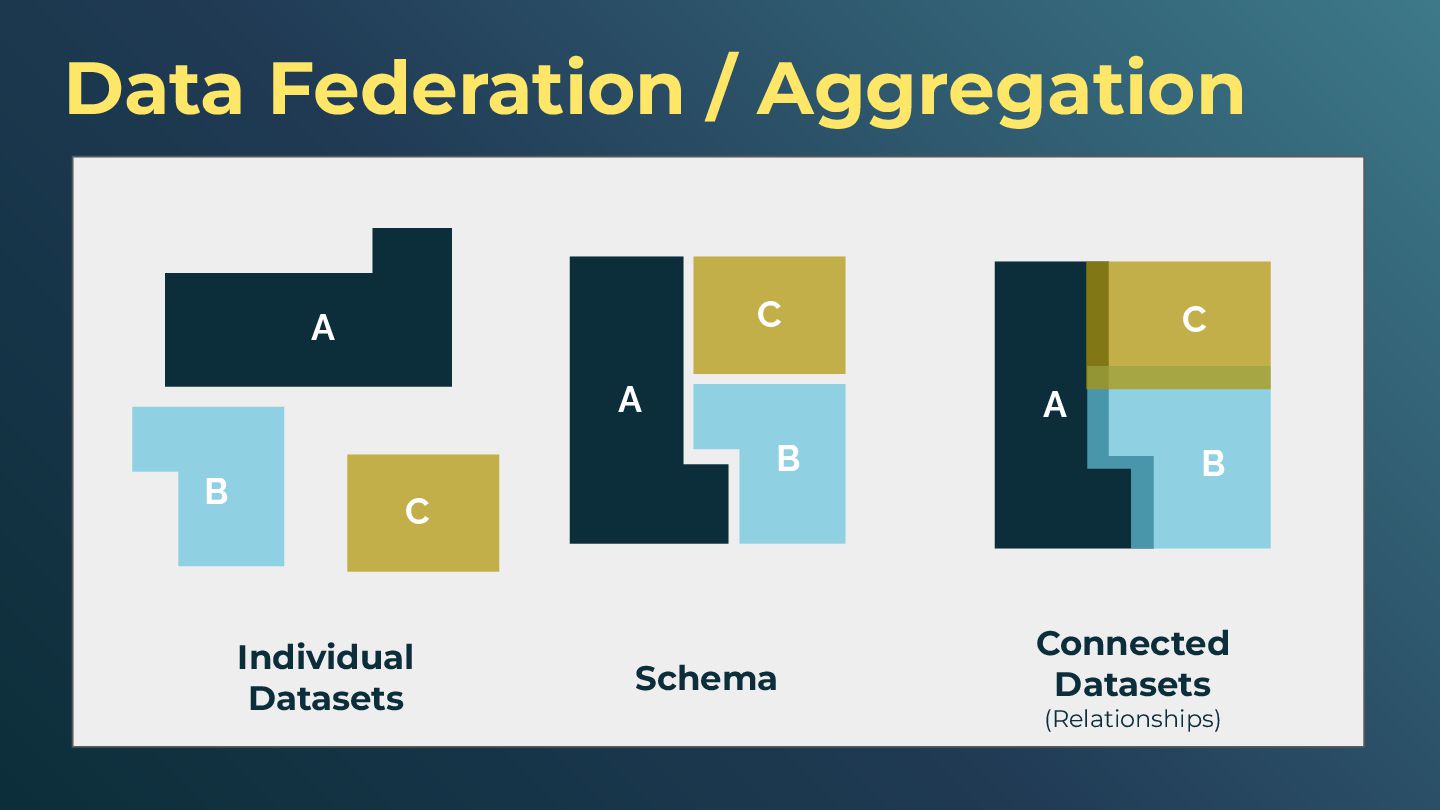
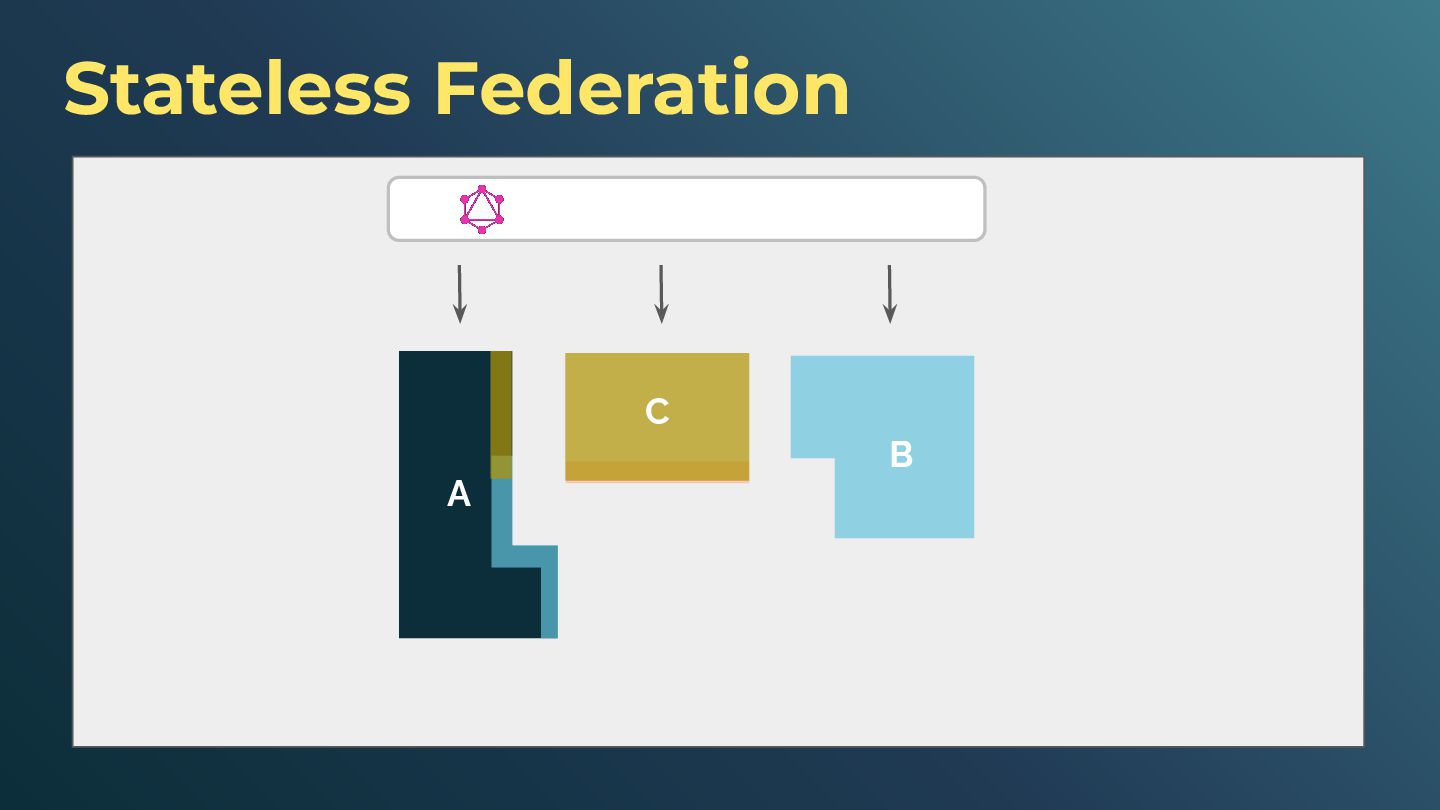
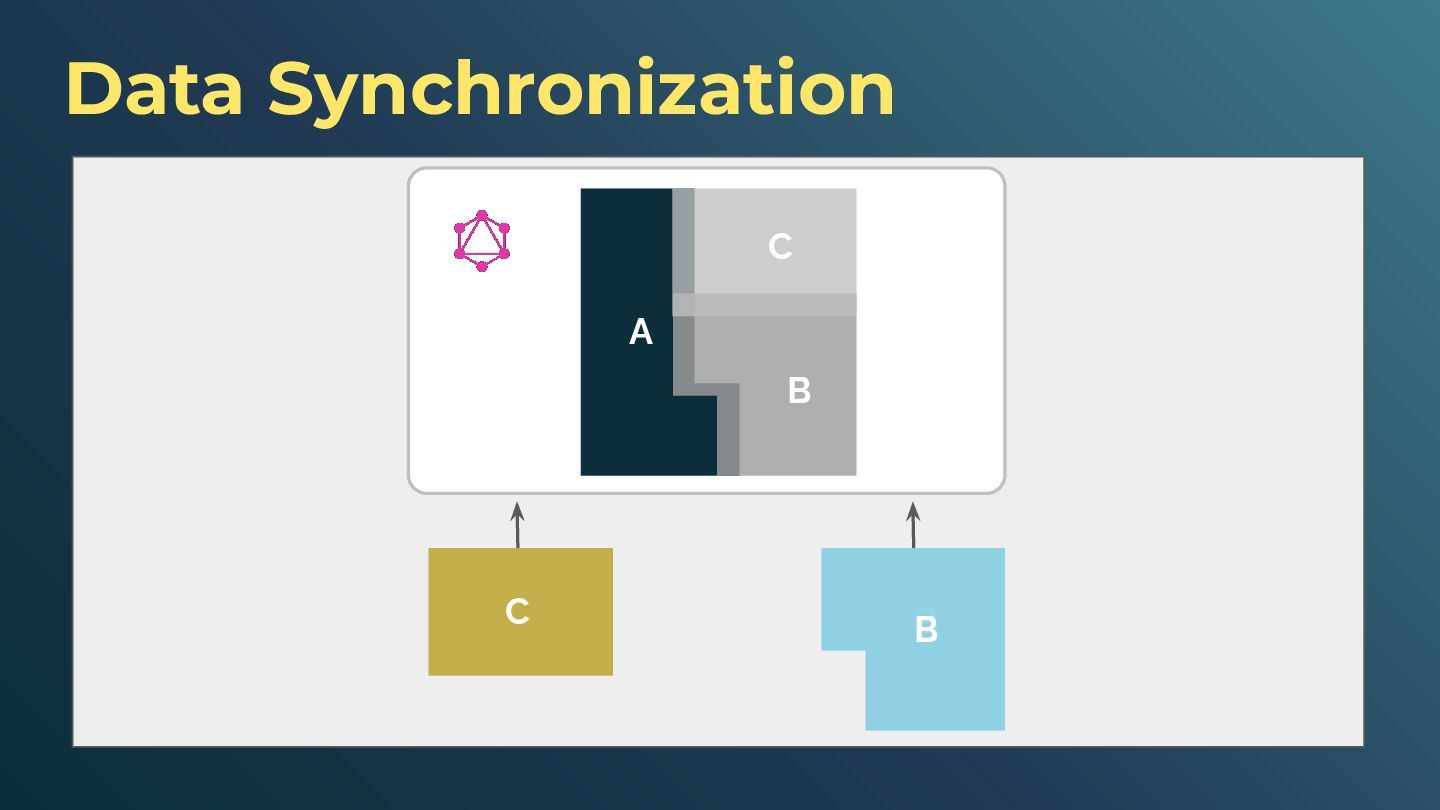
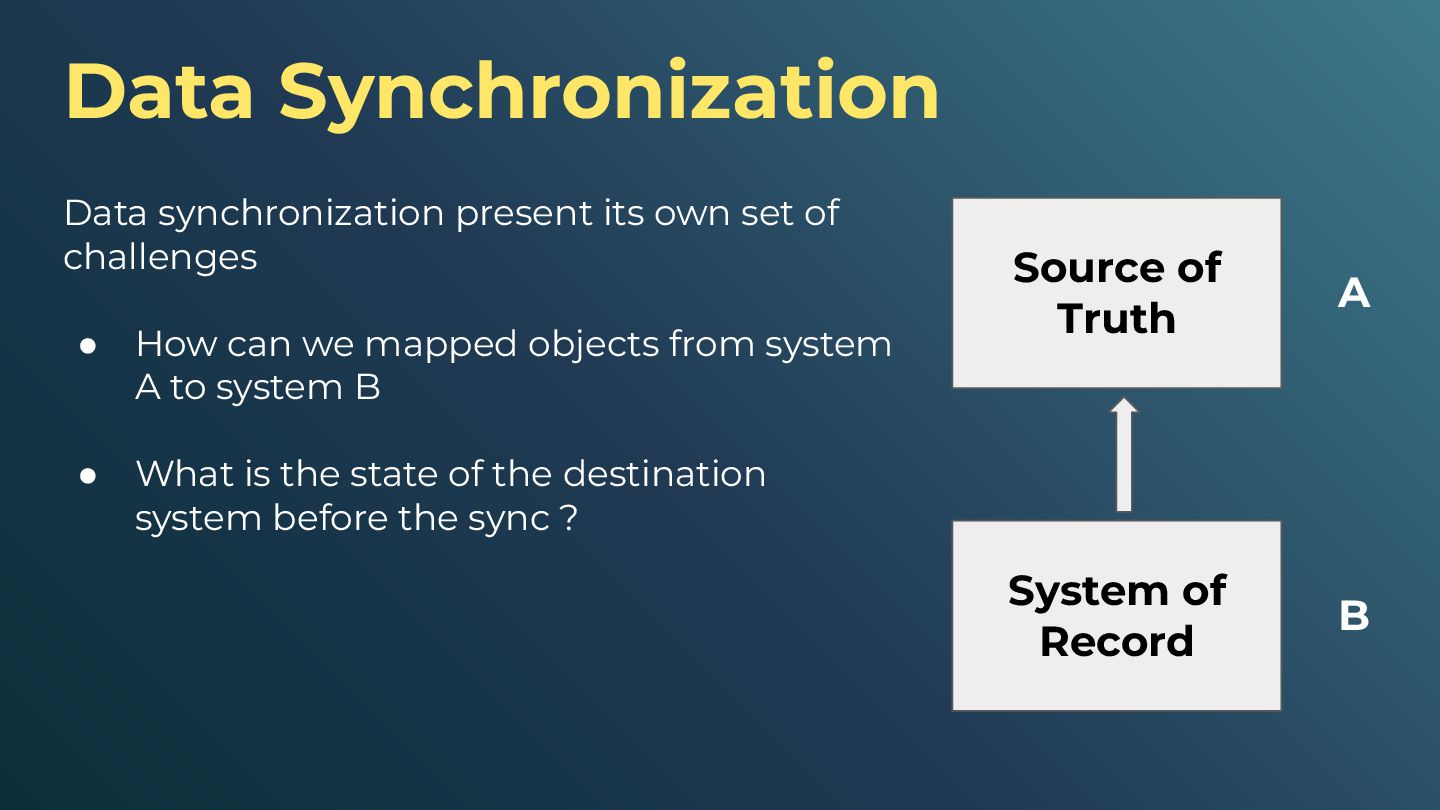
can we mapped objects from system A to system B • What is the state of the destination system before the sync ? Data Synchronization Source of Truth System of Record A B
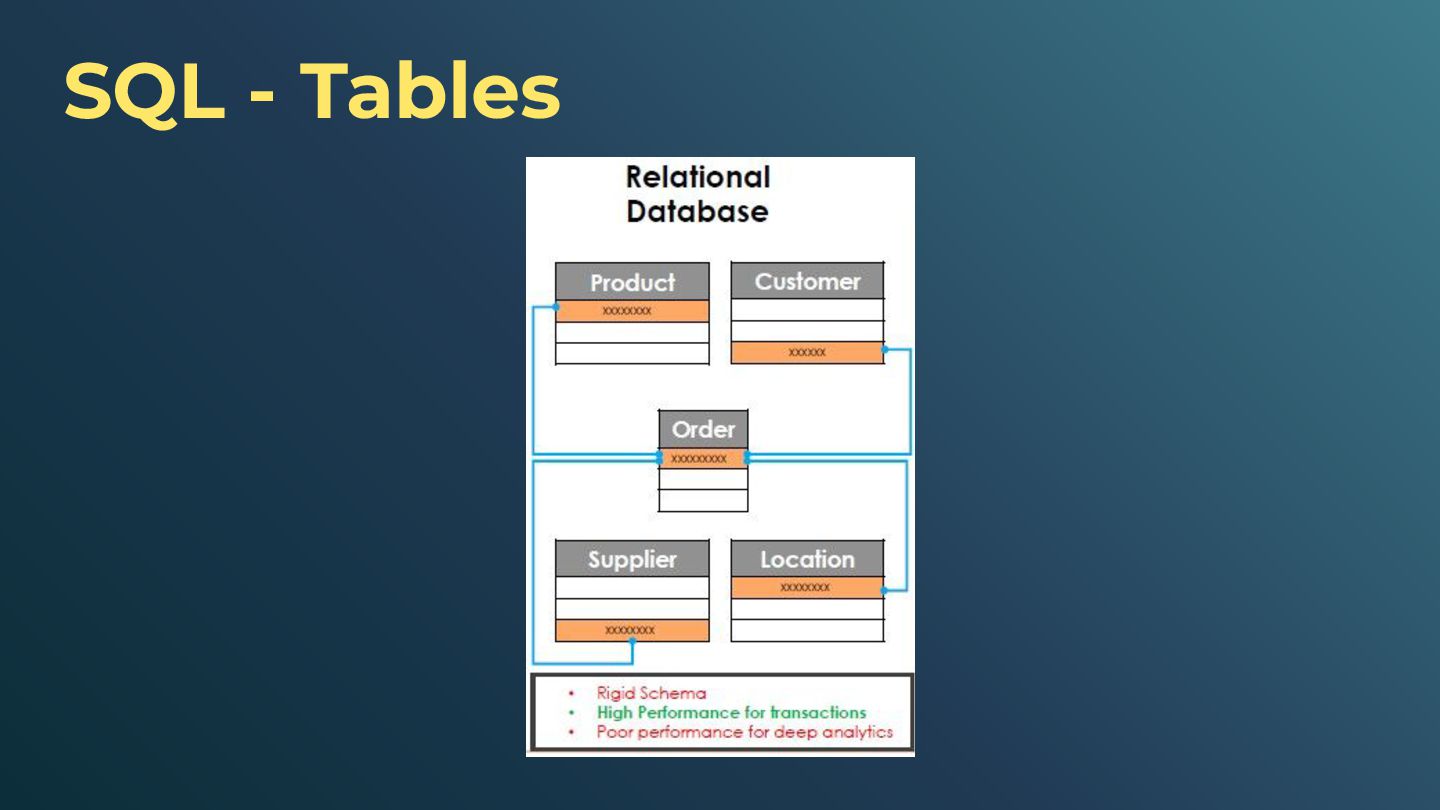
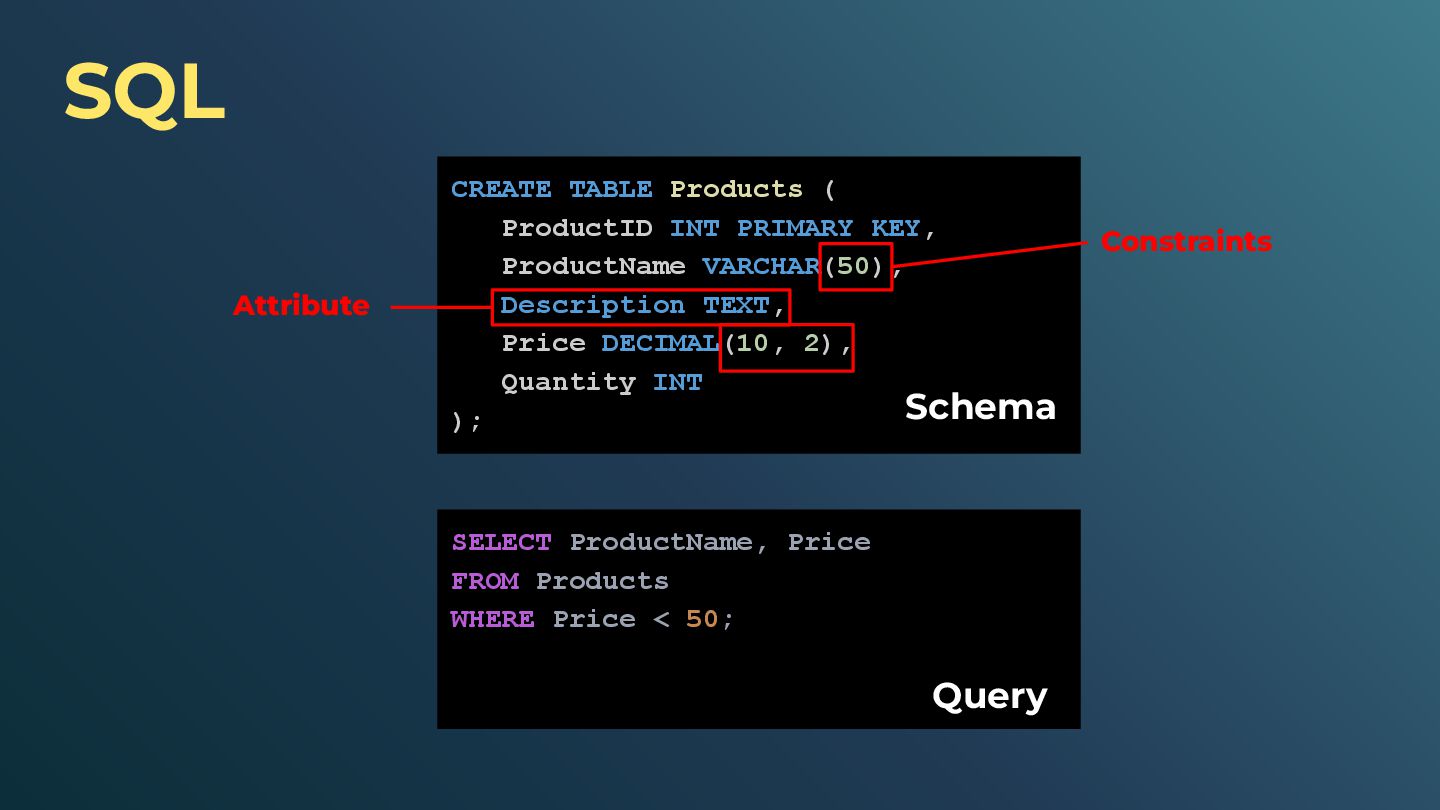
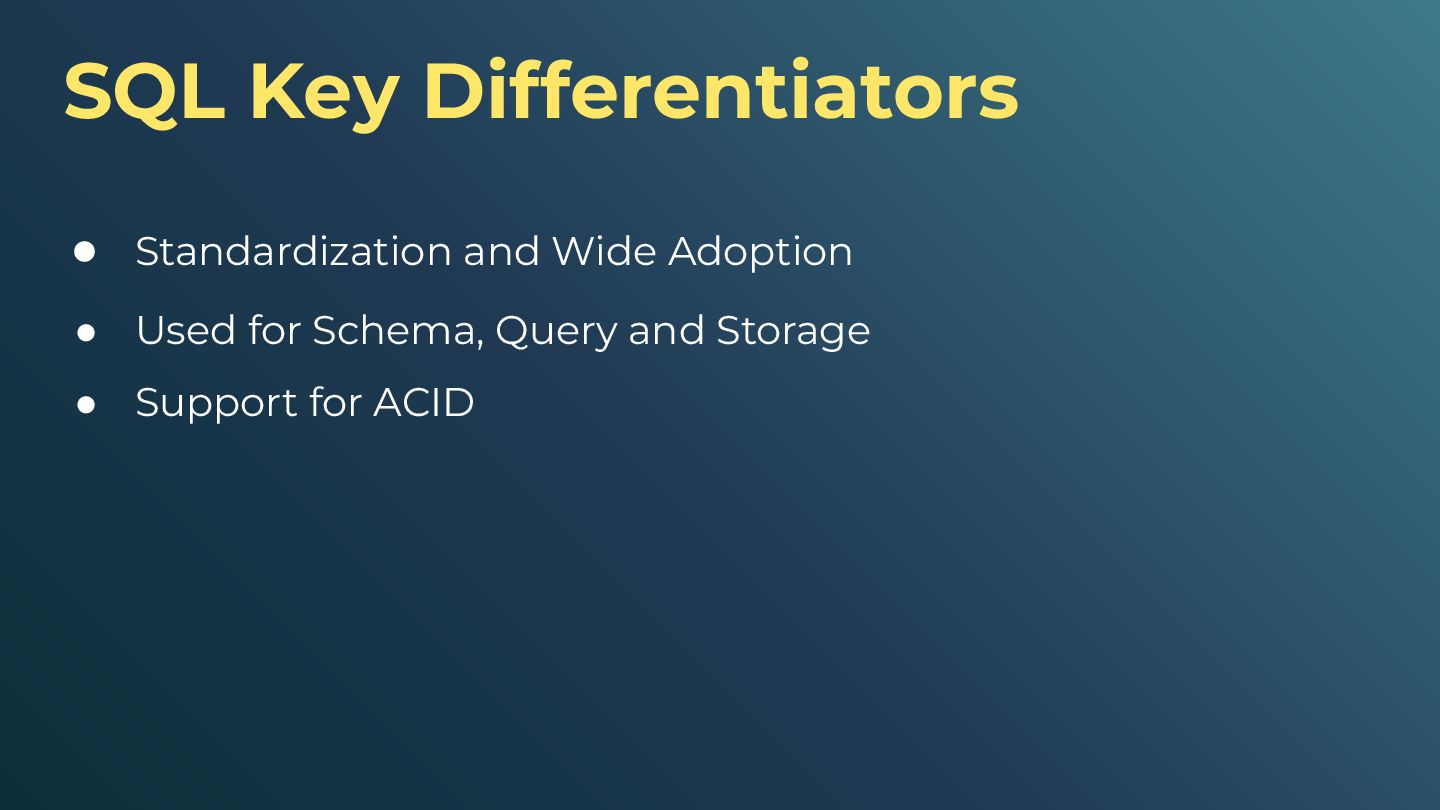
a schema and a query language SQL Key Concepts: • A schema is mandatory • Data is organized in Tables • Additional features ◦ Permissions ◦ Transactions
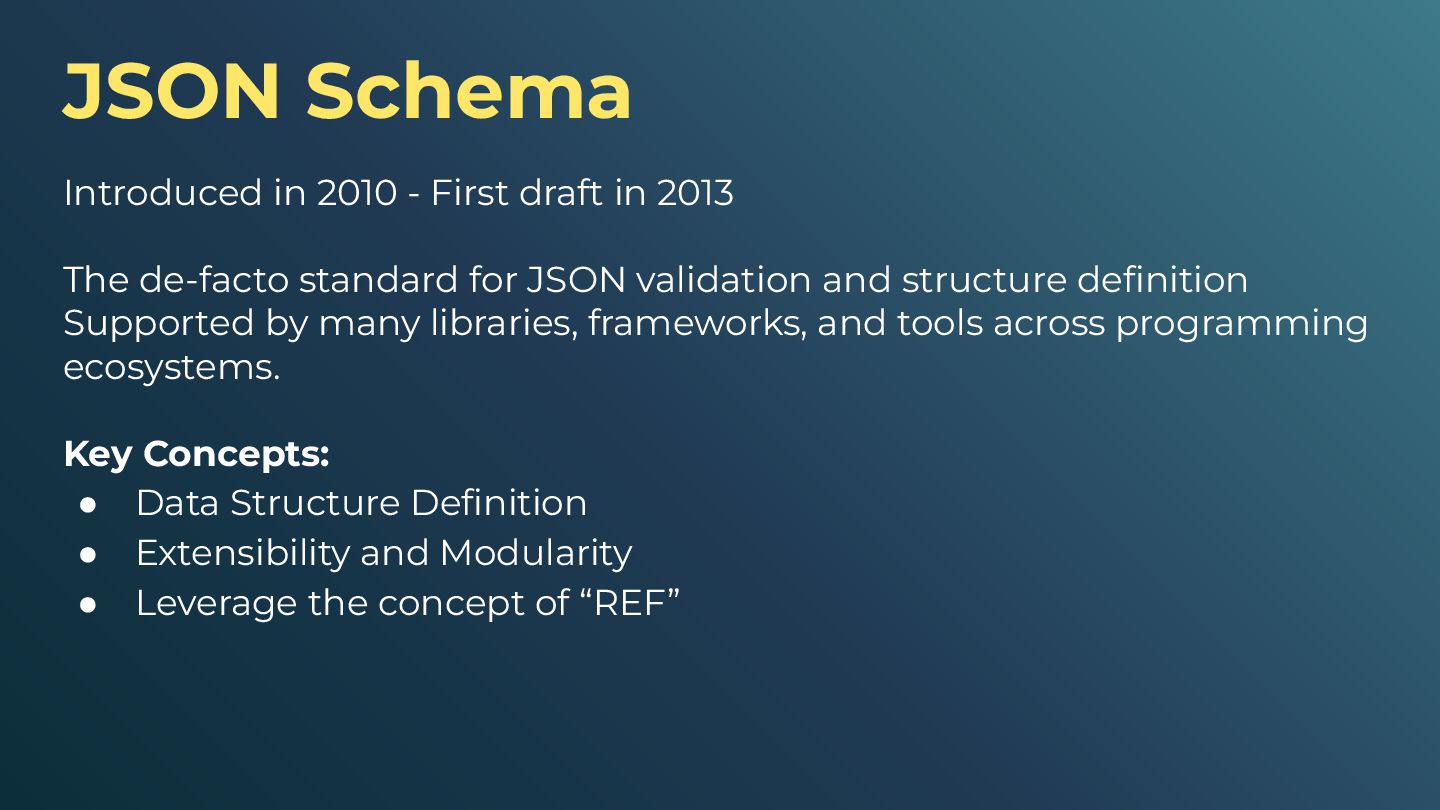
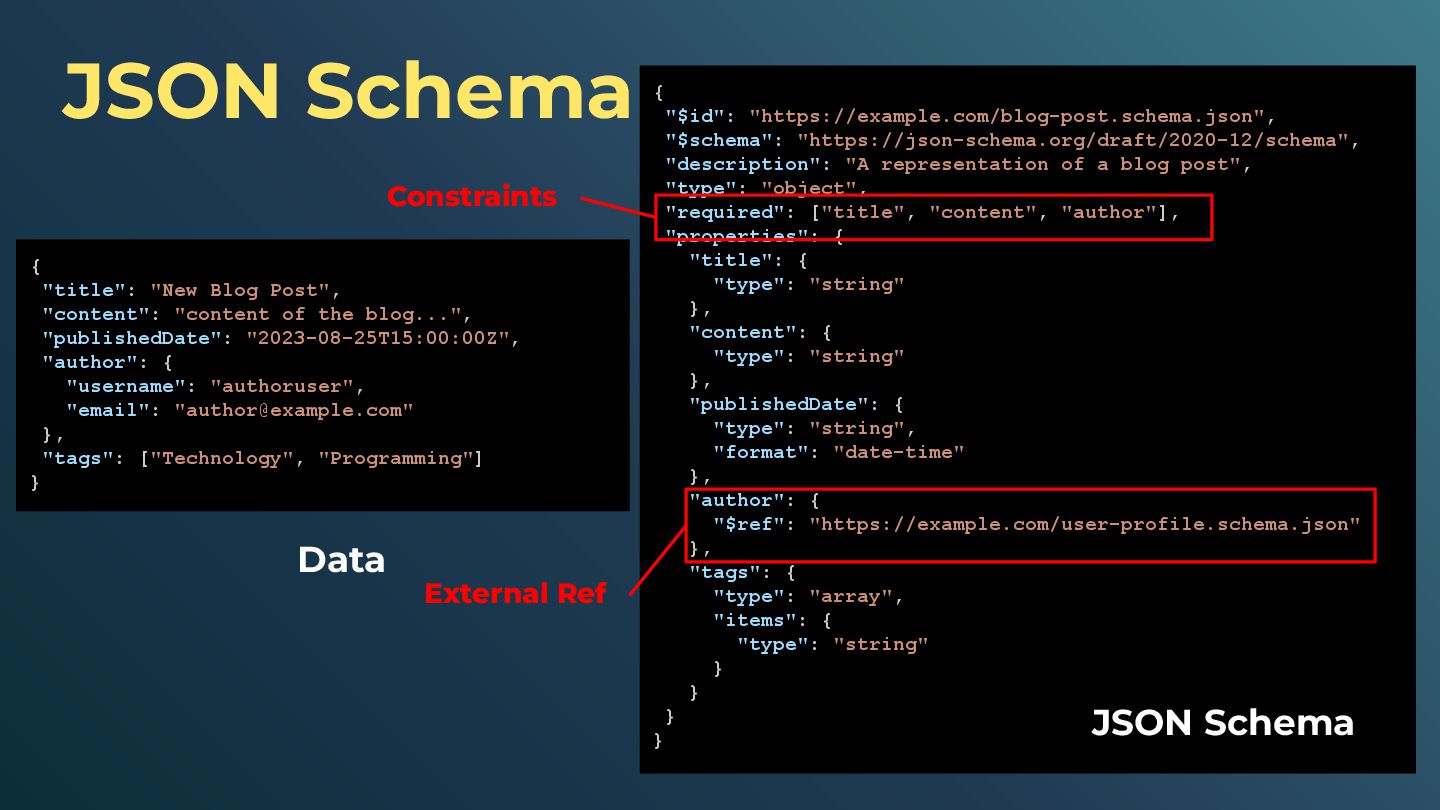
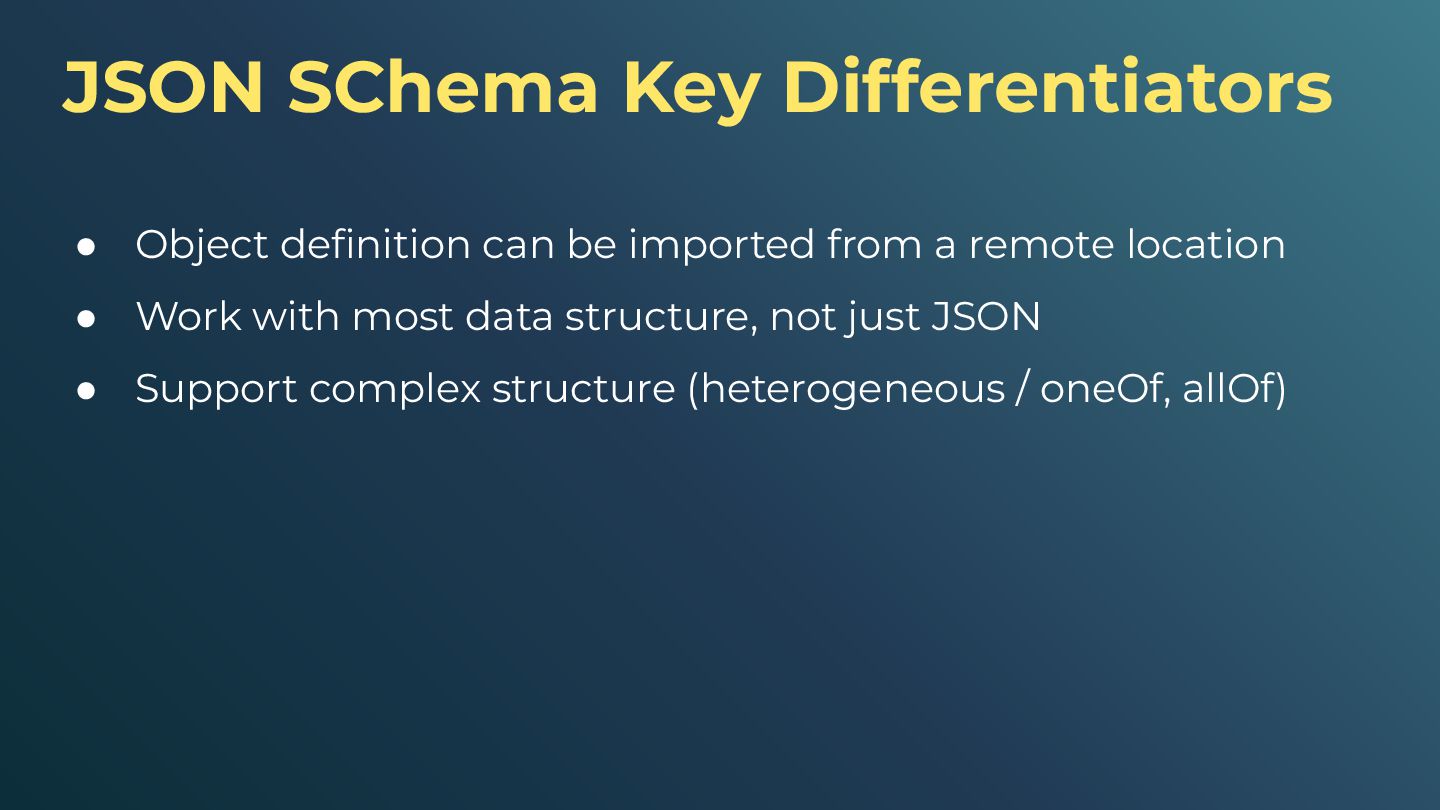
standard for JSON validation and structure definition Supported by many libraries, frameworks, and tools across programming ecosystems. JSON Schema Key Concepts: • Data Structure Definition • Extensibility and Modularity • Leverage the concept of “REF”
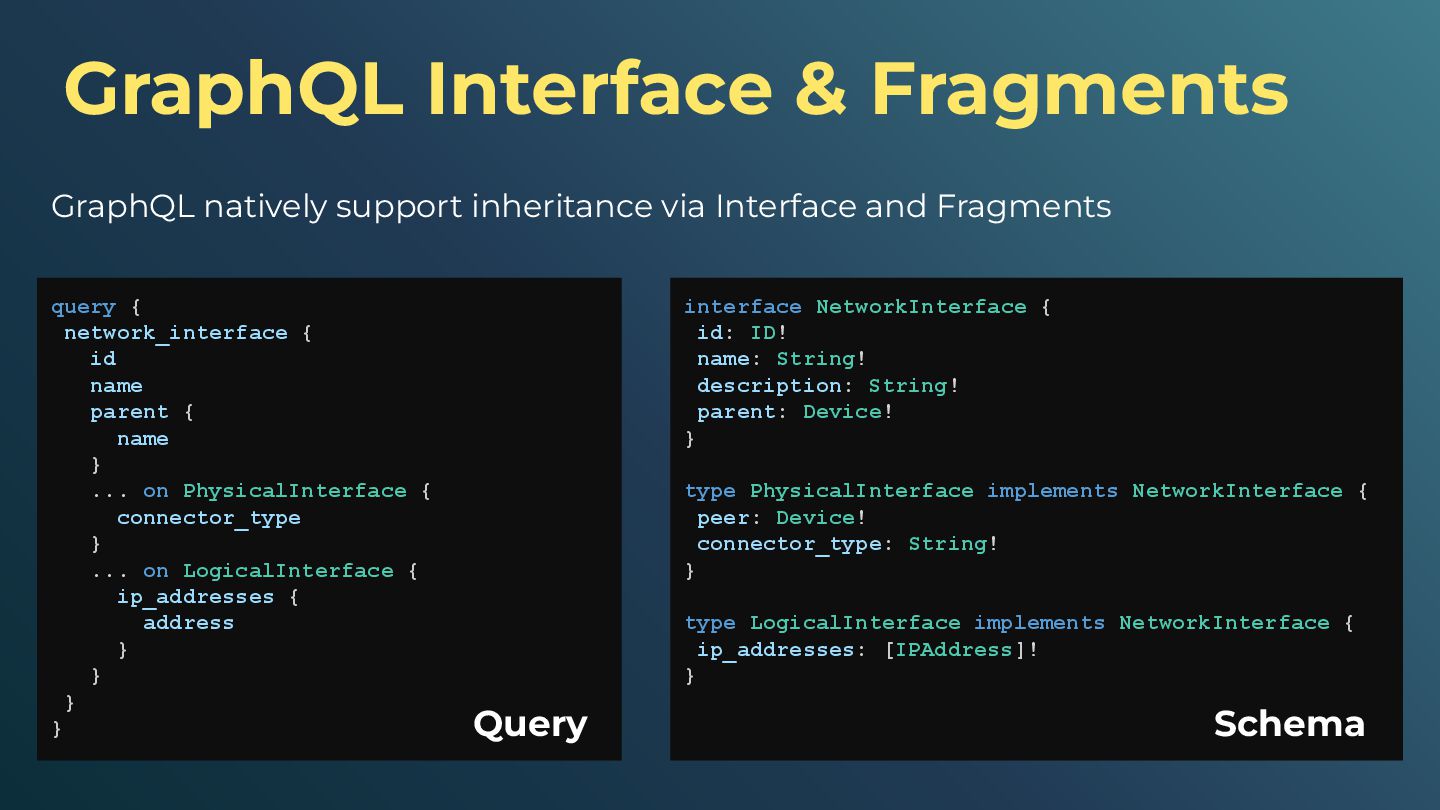
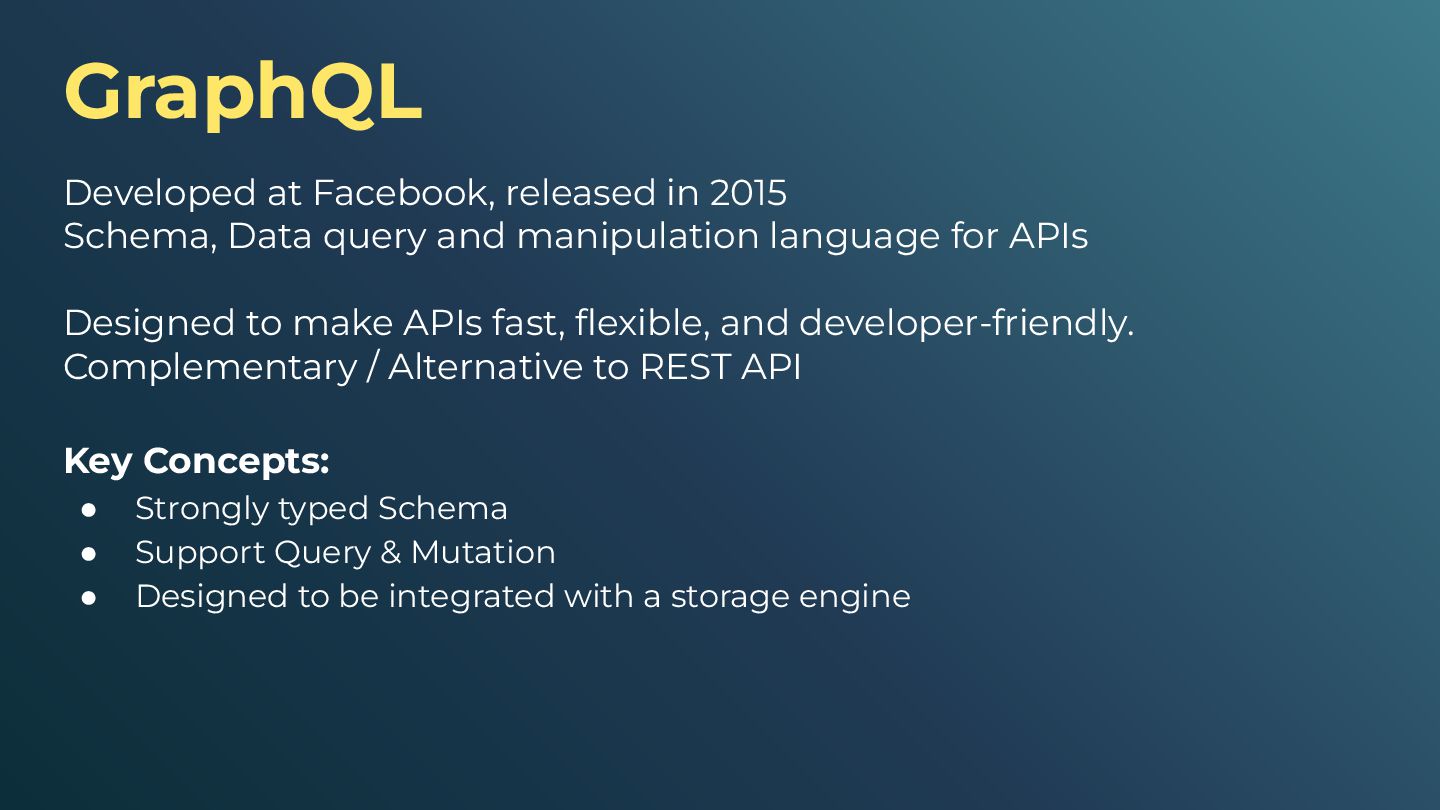
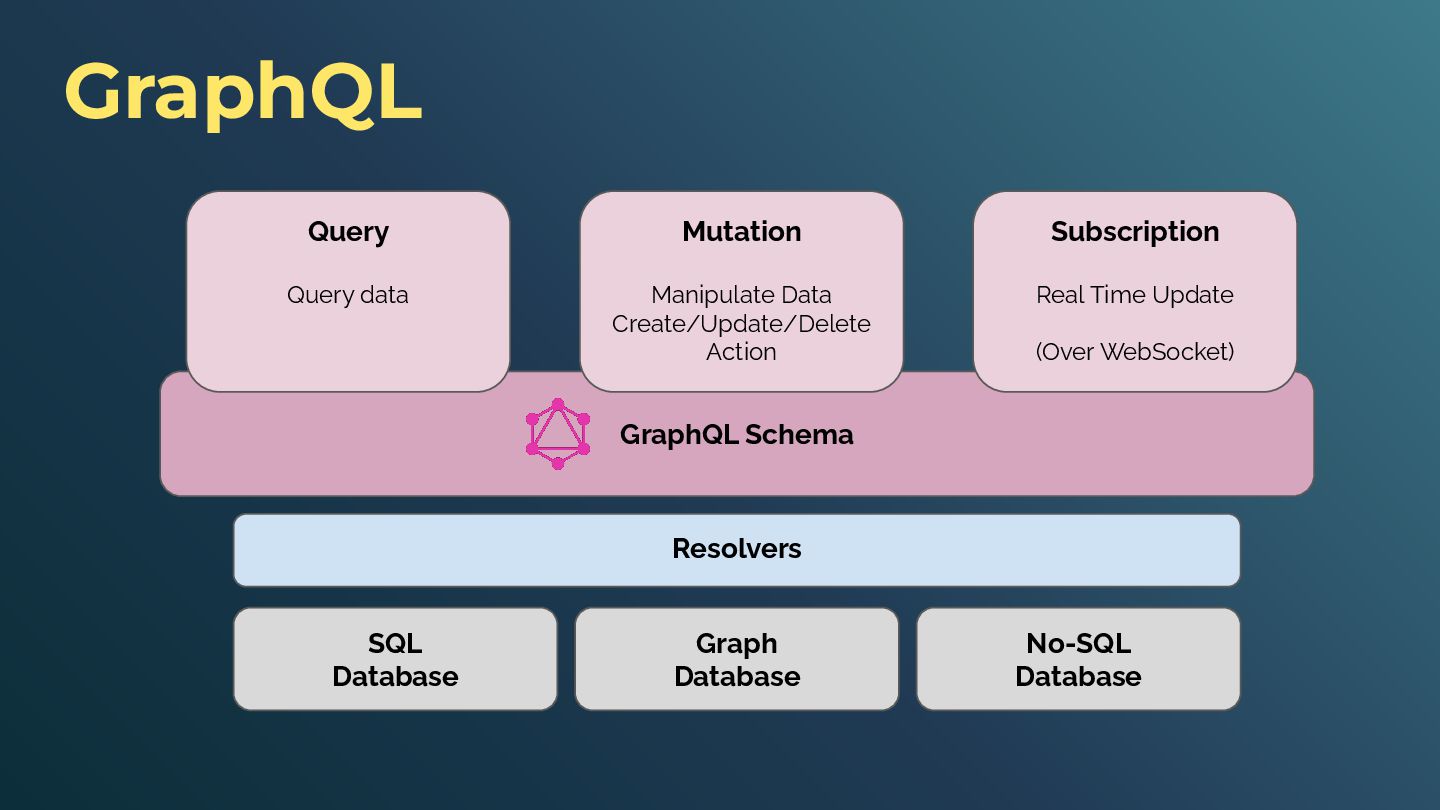
manipulation language for APIs Designed to make APIs fast, flexible, and developer-friendly. Complementary / Alternative to REST API GraphQL Key Concepts: • Strongly typed Schema • Support Query & Mutation • Designed to be integrated with a storage engine
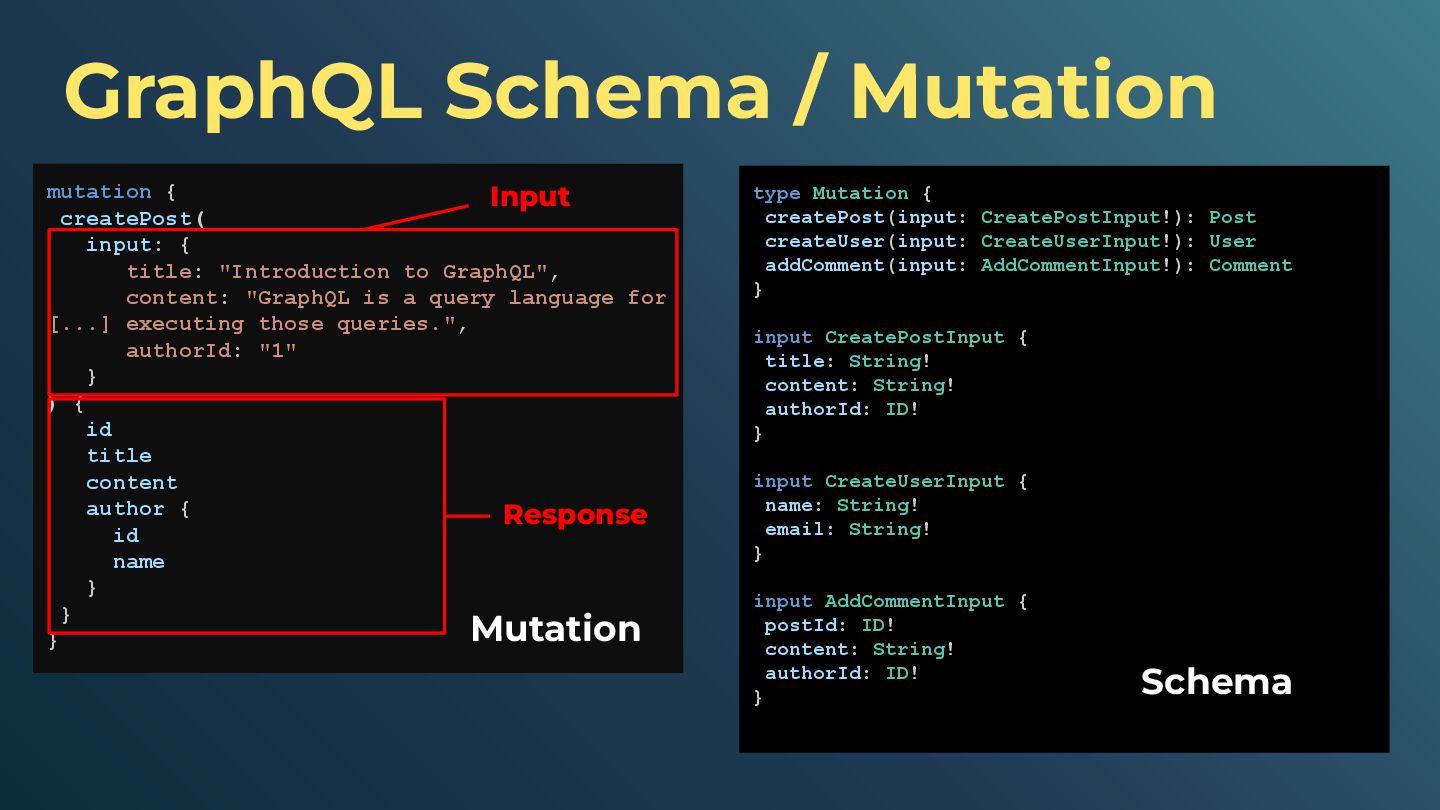
Get a list of all posts post(id: ID!): Post # Get a single post by its ID users: [User] # Get a list of all users user(id: ID!): User # Get a single user by their ID } # Types representing the data structures in the system. type Post { id: ID! title: String! content: String! author: User! # Relationship to the User type comments: [Comment] # List of related Comment types } type User { id: ID! name: String! email: String! posts: [Post] # List of posts authored by this user } type Comment { id: ID! content: String! } query { posts { id title author { id name } comments { id content } } } Query Schema
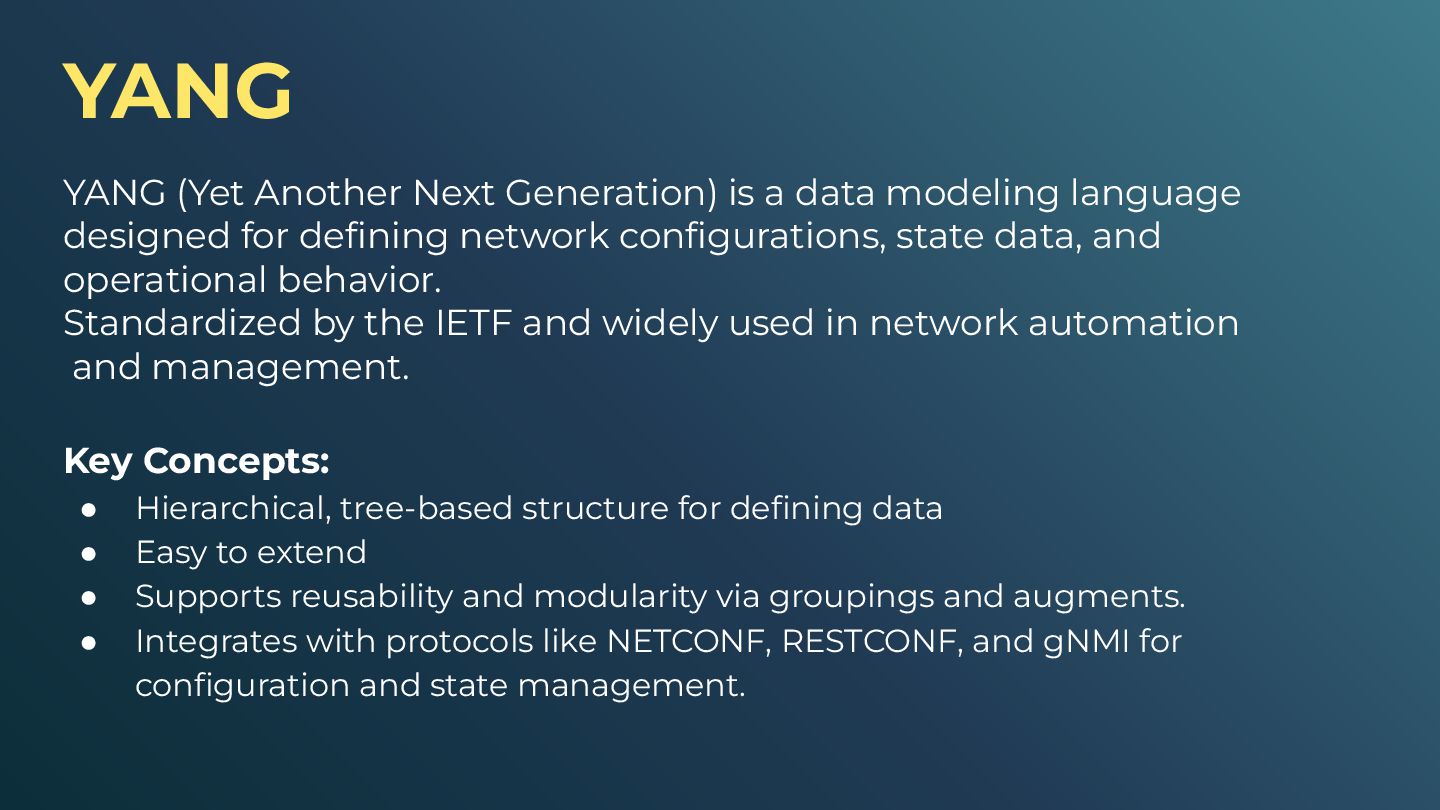
• Easy to extend • Supports reusability and modularity via groupings and augments. • Integrates with protocols like NETCONF, RESTCONF, and gNMI for configuration and state management. YANG (Yet Another Next Generation) is a data modeling language designed for defining network configurations, state data, and operational behavior. Standardized by the IETF and widely used in network automation and management.
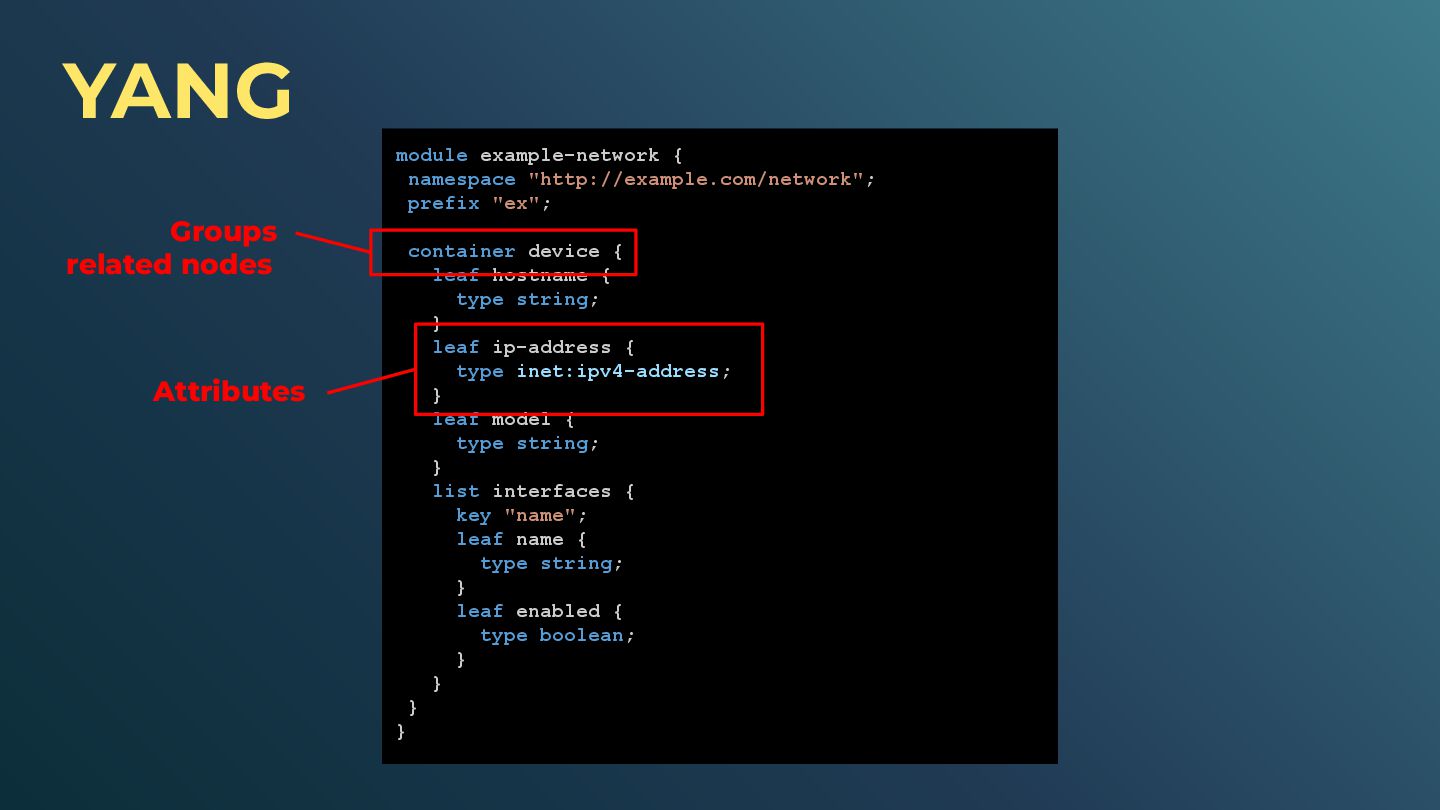
{ leaf hostname { type string; } leaf ip-address { type inet:ipv4-address; } leaf model { type string; } list interfaces { key "name"; leaf name { type string; } leaf enabled { type boolean; } } } } Groups related nodes Attributes
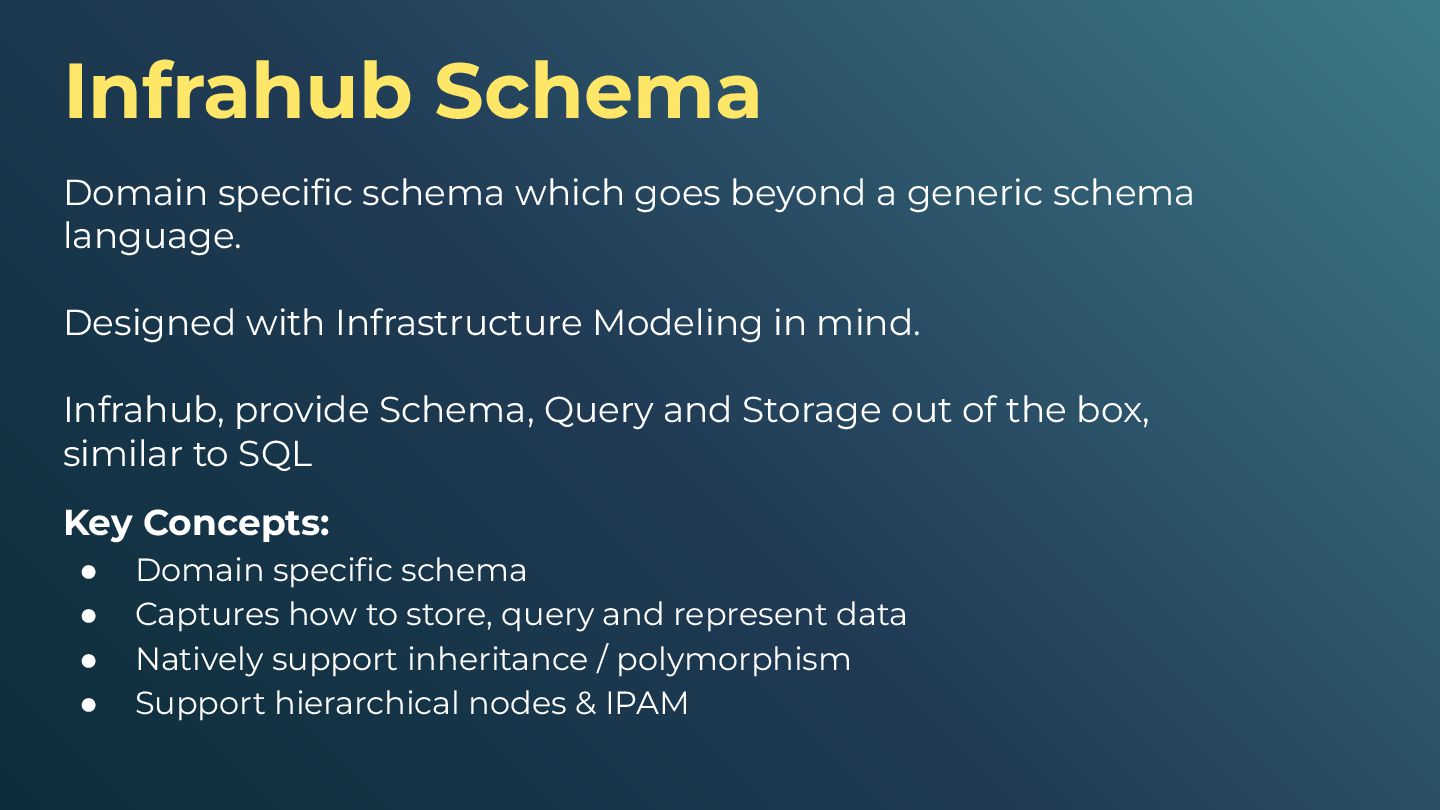
Designed with Infrastructure Modeling in mind. Infrahub, provide Schema, Query and Storage out of the box, similar to SQL Infrahub Schema Key Concepts: • Domain specific schema • Captures how to store, query and represent data • Natively support inheritance / polymorphism • Support hierarchical nodes & IPAM
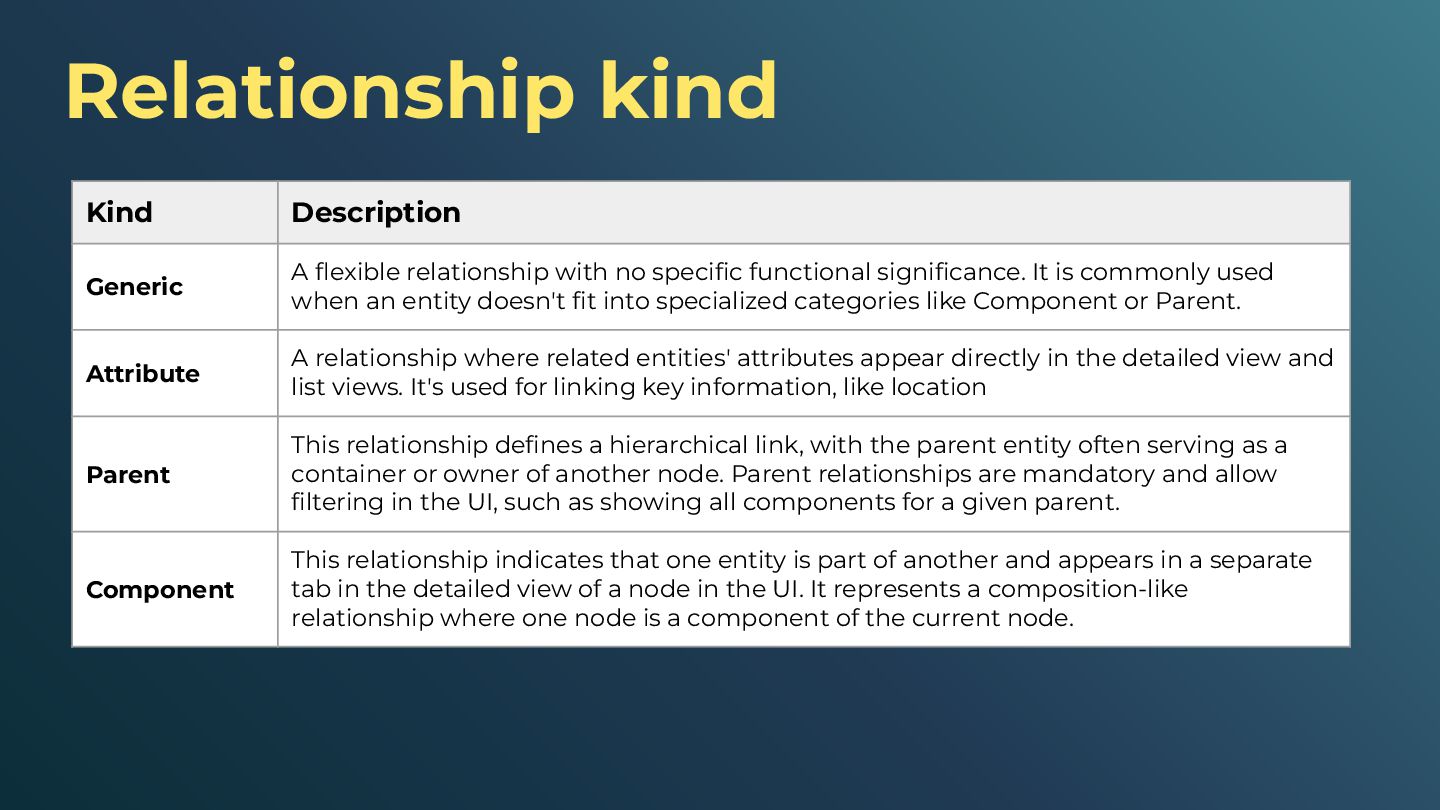
specific functional significance. It is commonly used when an entity doesn't fit into specialized categories like Component or Parent. Attribute A relationship where related entities' attributes appear directly in the detailed view and list views. It's used for linking key information, like location Parent This relationship defines a hierarchical link, with the parent entity often serving as a container or owner of another node. Parent relationships are mandatory and allow filtering in the UI, such as showing all components for a given parent. Component This relationship indicates that one entity is part of another and appears in a separate tab in the detailed view of a node in the UI. It represents a composition-like relationship where one node is a component of the current node.
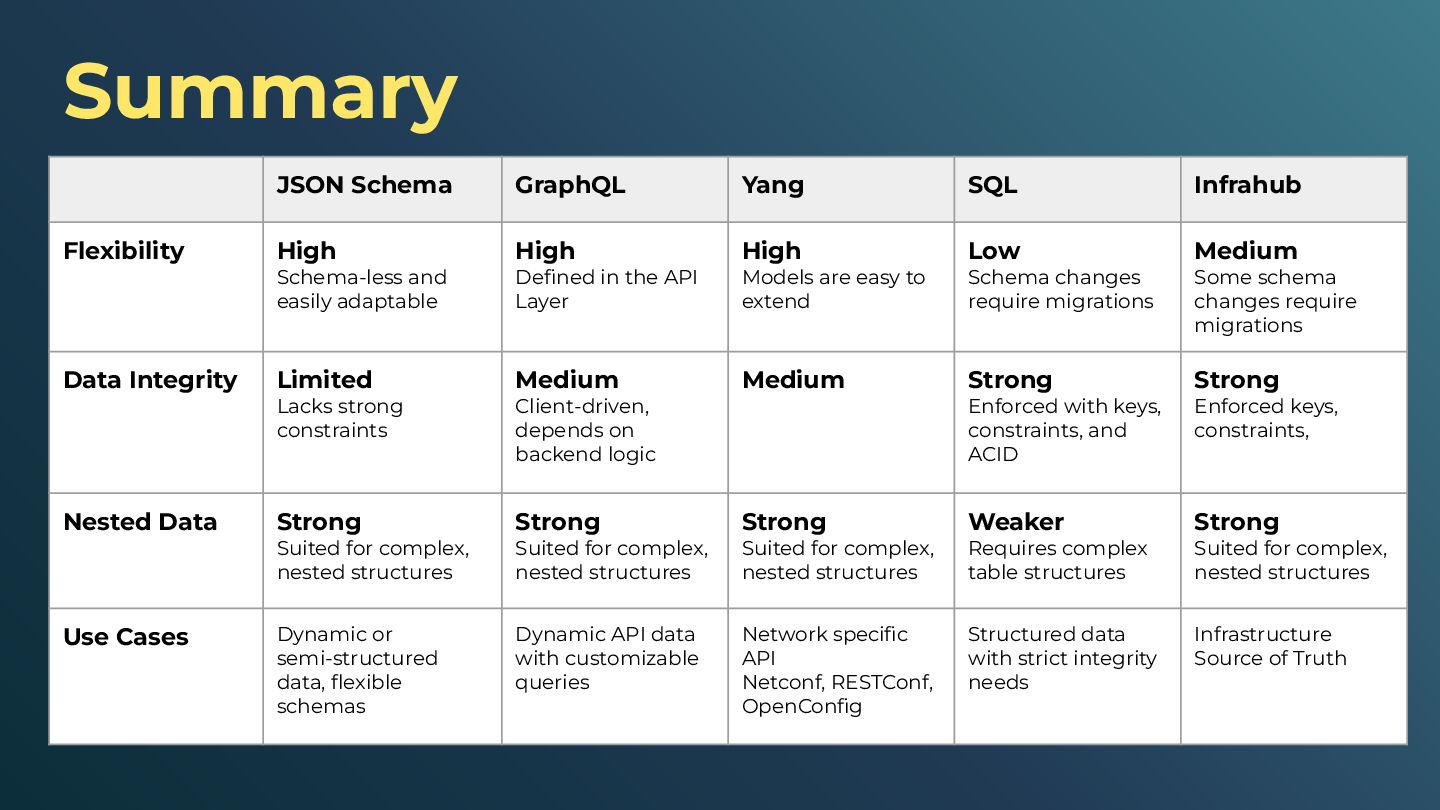
and easily adaptable High Defined in the API Layer High Models are easy to extend Low Schema changes require migrations Medium Some schema changes require migrations Data Integrity Limited Lacks strong constraints Medium Client-driven, depends on backend logic Medium Strong Enforced with keys, constraints, and ACID Strong Enforced keys, constraints, Nested Data Strong Suited for complex, nested structures Strong Suited for complex, nested structures Strong Suited for complex, nested structures Weaker Requires complex table structures Strong Suited for complex, nested structures Use Cases Dynamic or semi-structured data, flexible schemas Dynamic API data with customizable queries Network specific API Netconf, RESTConf, OpenConfig Structured data with strict integrity needs Infrastructure Source of Truth
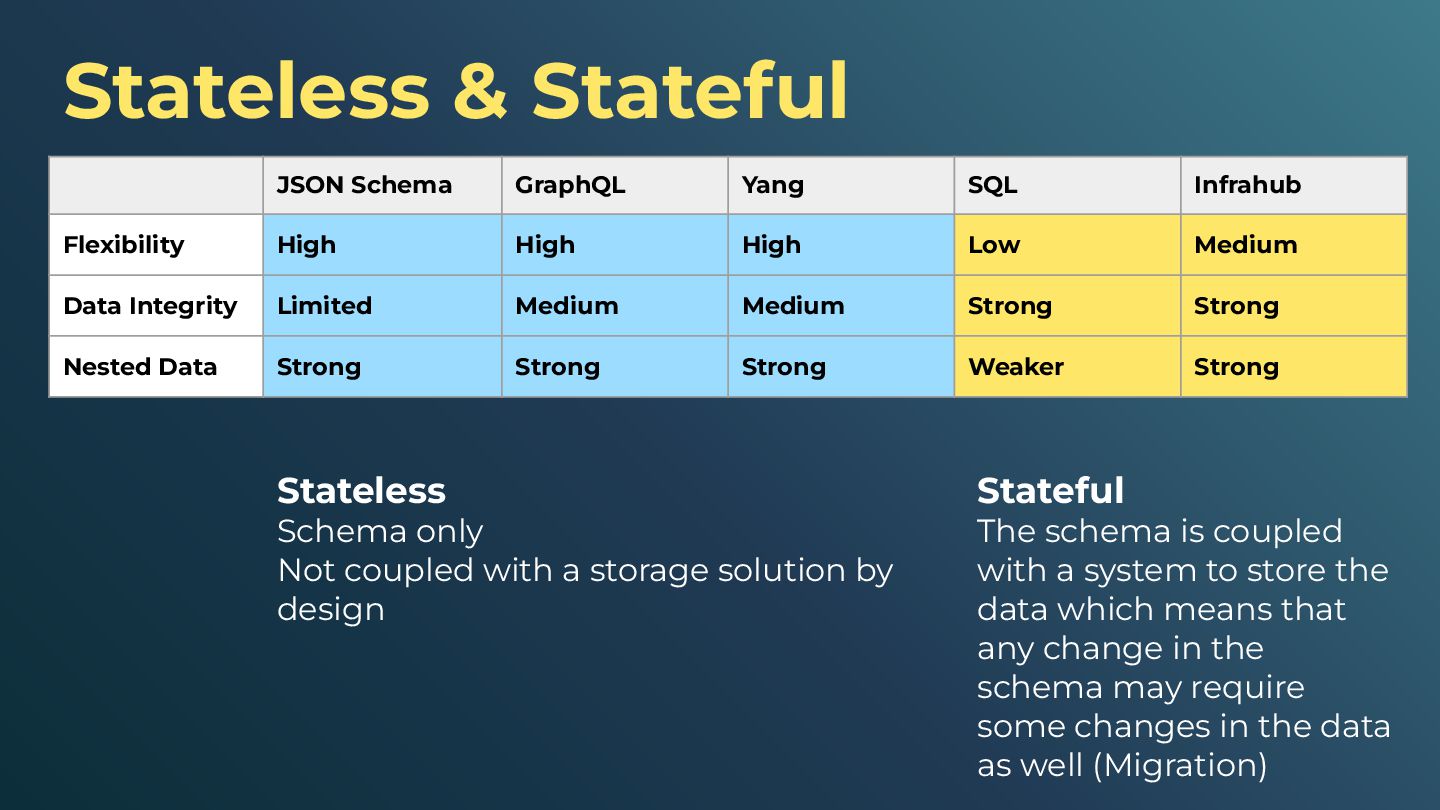
design Stateless & Stateful JSON Schema GraphQL Yang SQL Infrahub Flexibility High High High Low Medium Data Integrity Limited Medium Medium Strong Strong Nested Data Strong Strong Strong Weaker Strong Stateful The schema is coupled with a system to store the data which means that any change in the schema may require some changes in the data as well (Migration)


 dgarros
 michaelherold
 baasie
 cassininazir
 mraible
 techseoconnect
 lemiorhan
 szymonslowik
 mongodb
 tammyeverts
 kristinabergwall1
 bermonpainter
 keavy
keavy










![GraphQL Schema / Query type Query { posts: [Post] #](https://files.speakerdeck.com/presentations/c93b5fa820dc41958ad7a4ba1fb43923/slide_89.jpg)
![MATCH (a:Person)-[:KNOWS]->(b) RETURN a.name, b.name CYPHER MATCH (a:Person {name: 'Alice'})-[:KNOWS]-(b:Person)](https://files.speakerdeck.com/presentations/c93b5fa820dc41958ad7a4ba1fb43923/slide_102.jpg)