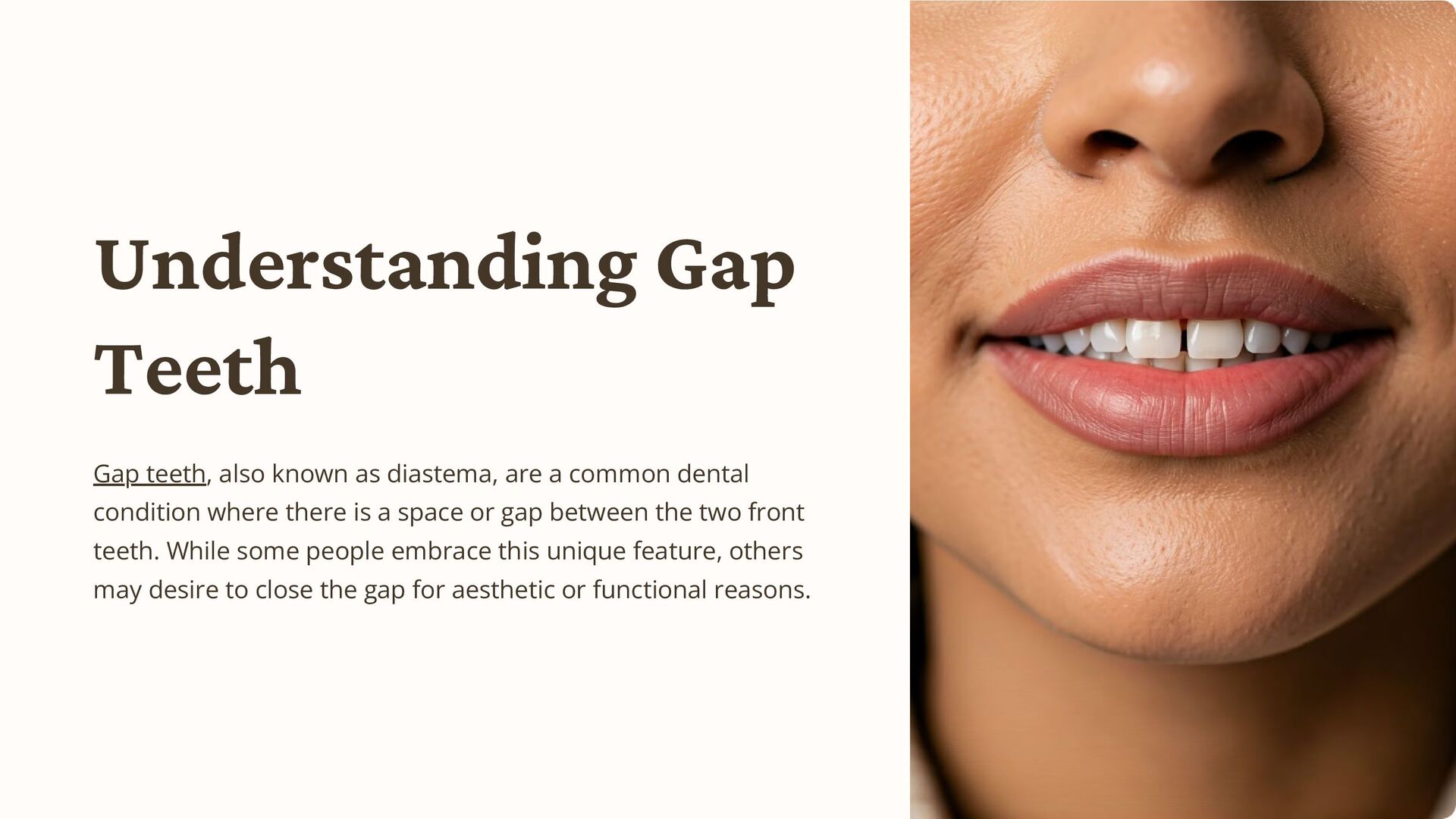
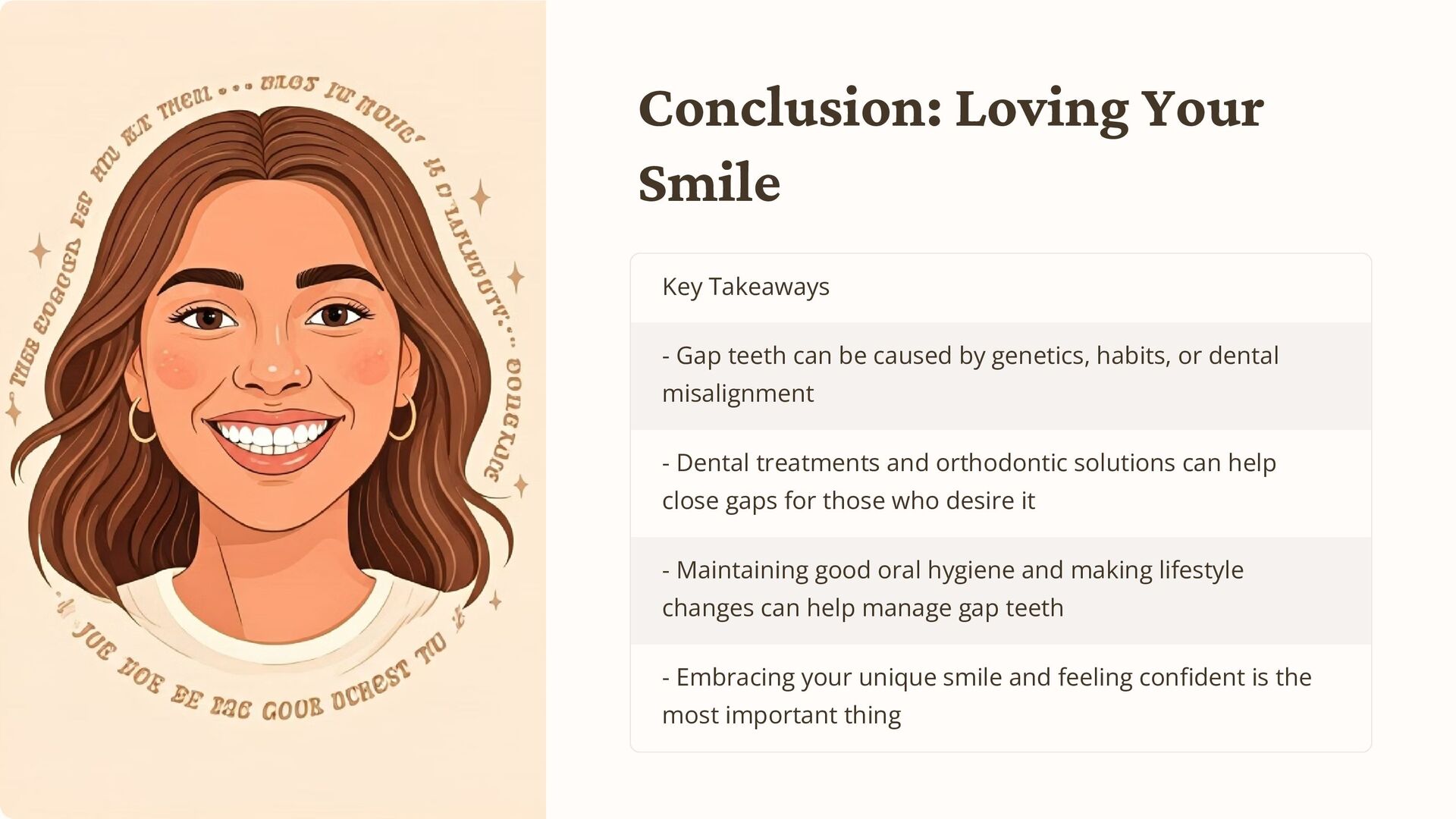
Gap teeth, also known as diastema, are a common dental condition where there is a space or gap between the two front teeth. While some people embrace this unique feature, others may desire to close the gap for aesthetic or functional reasons.
a common dental condition where there is a space or gap between the two front teeth. While some people embrace this unique feature, others may desire to close the gap for aesthetic or functional reasons.
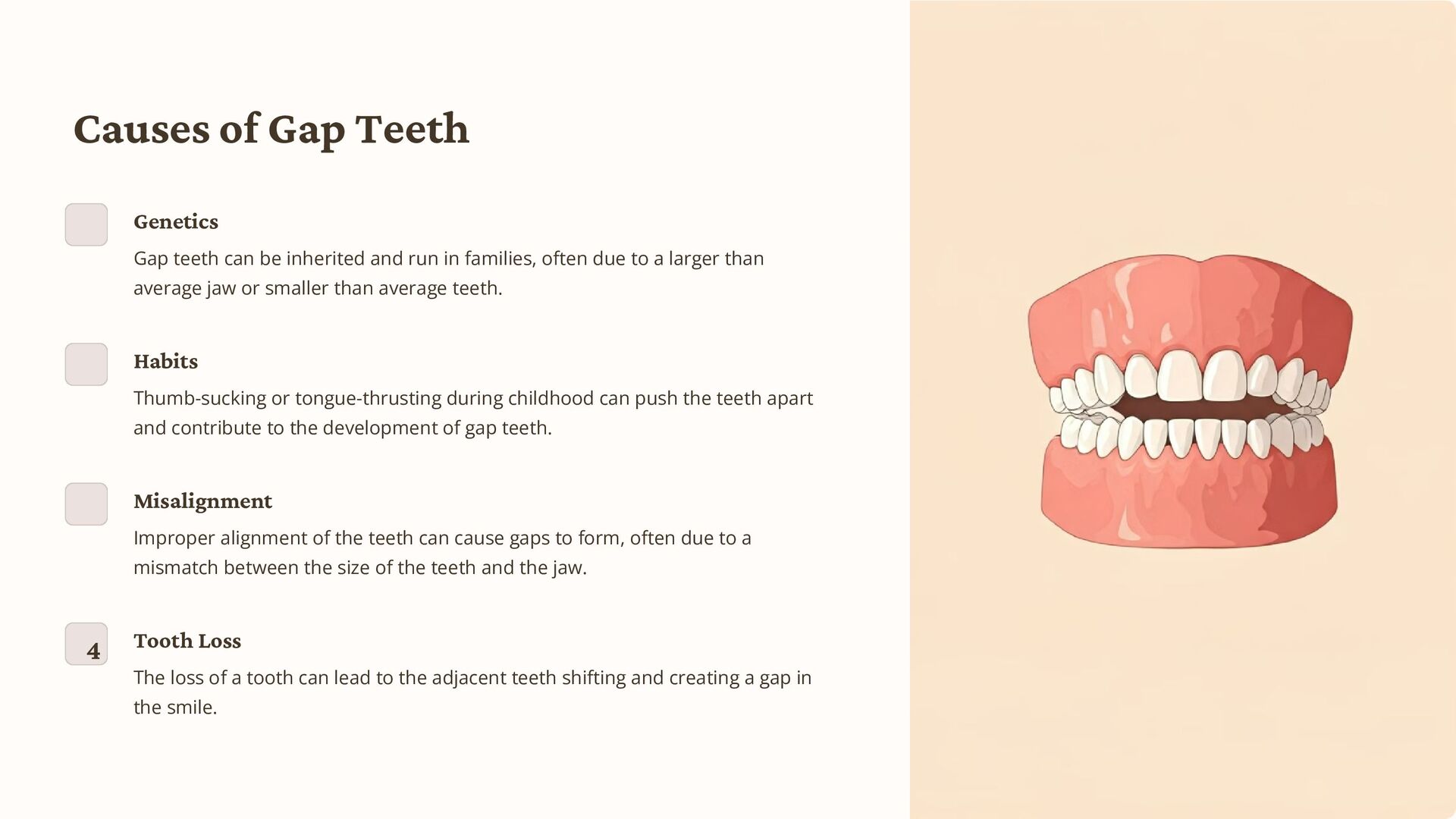
and run in families, often due to a larger than average jaw or smaller than average teeth. Habits Thumb-sucking or tongue-thrusting during childhood can push the teeth apart and contribute to the development of gap teeth. Misalignment Improper alignment of the teeth can cause gaps to form, often due to a mismatch between the size of the teeth and the jaw. 4 Tooth Loss The loss of a tooth can lead to the adjacent teeth shifting and creating a gap in the smile.
material is applied to the teeth to fill in the gaps, creating a more uniform appearance. Veneers Thin, custom-made shells are placed over the front of the teeth, covering the gaps and improving the overall smile. Dental Crowns If the teeth are severely misshapen or damaged, crowns can be used to restore the appearance and function of the teeth.
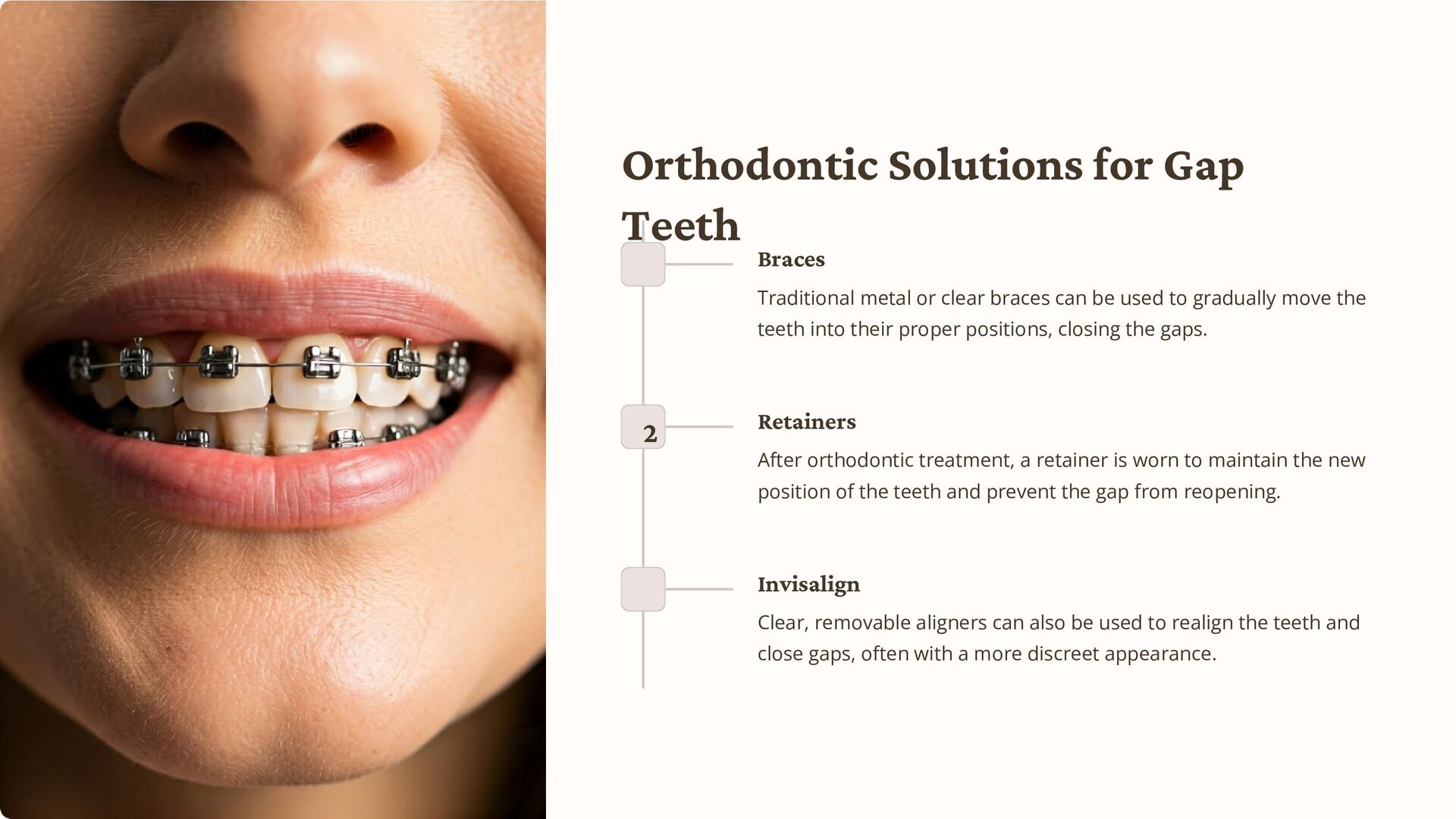
braces can be used to gradually move the teeth into their proper positions, closing the gaps. 2 Retainers After orthodontic treatment, a retainer is worn to maintain the new position of the teeth and prevent the gap from reopening. Invisalign Clear, removable aligners can also be used to realign the teeth and close gaps, often with a more discreet appearance.
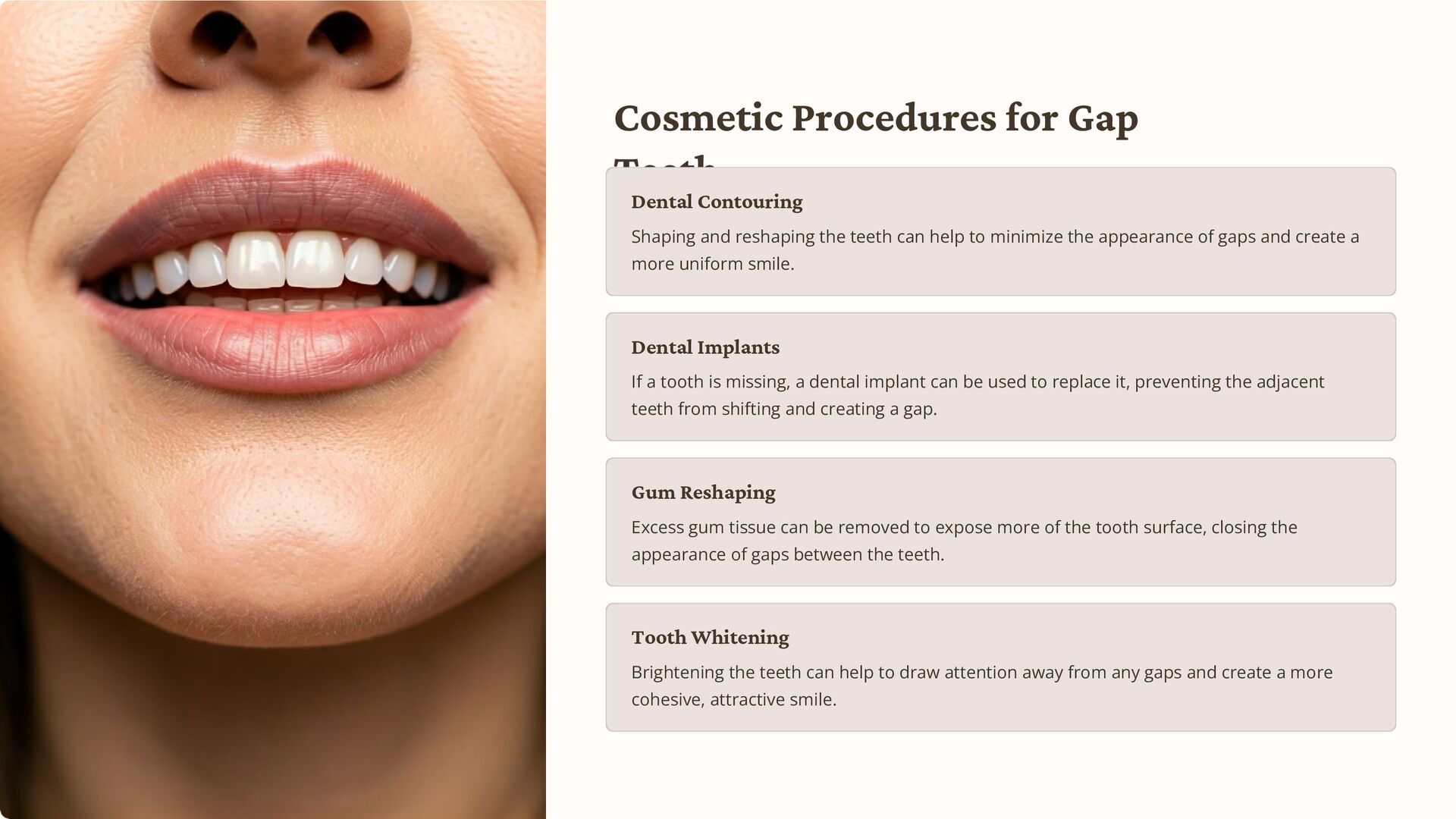
the teeth can help to minimize the appearance of gaps and create a more uniform smile. Dental Implants If a tooth is missing, a dental implant can be used to replace it, preventing the adjacent teeth from shifting and creating a gap. Gum Reshaping Excess gum tissue can be removed to expose more of the tooth surface, closing the appearance of gaps between the teeth. Tooth Whitening Brightening the teeth can help to draw attention away from any gaps and create a more cohesive, attractive smile.
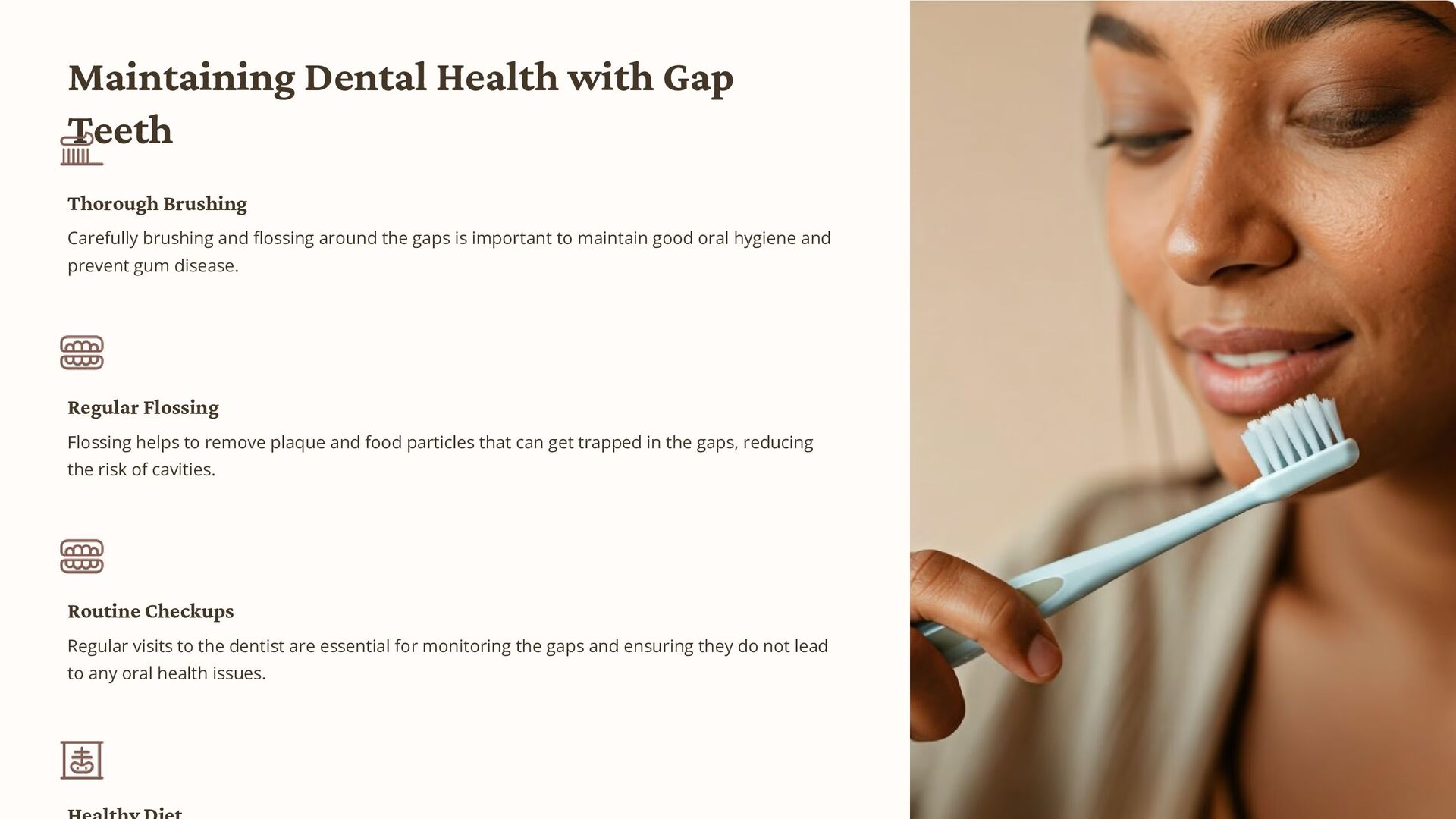
and flossing around the gaps is important to maintain good oral hygiene and prevent gum disease. Regular Flossing Flossing helps to remove plaque and food particles that can get trapped in the gaps, reducing the risk of cavities. Routine Checkups Regular visits to the dentist are essential for monitoring the gaps and ensuring they do not lead to any oral health issues.
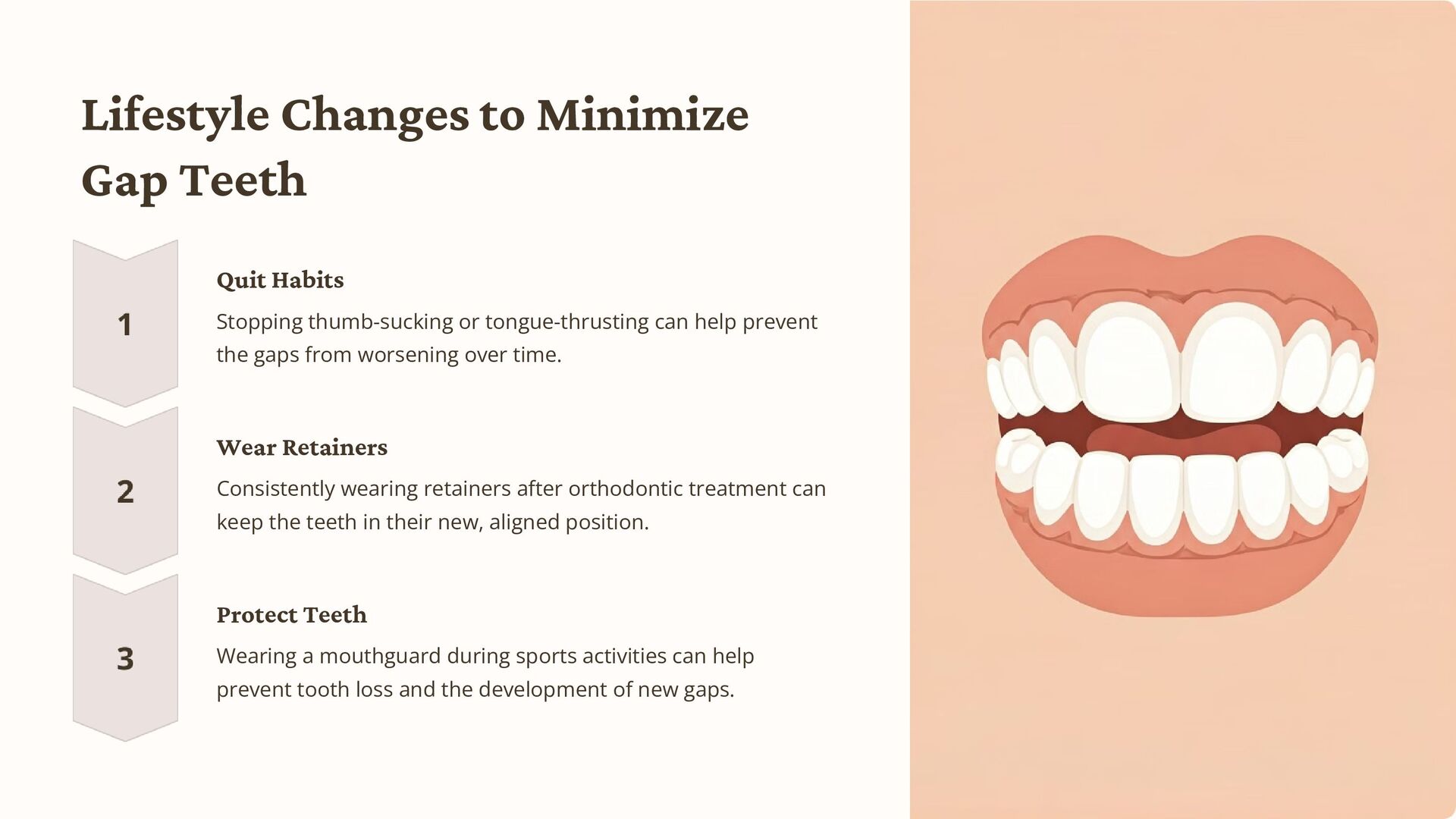
or tongue-thrusting can help prevent the gaps from worsening over time. Wear Retainers Consistently wearing retainers after orthodontic treatment can keep the teeth in their new, aligned position. Protect Teeth Wearing a mouthguard during sports activities can help prevent tooth loss and the development of new gaps.
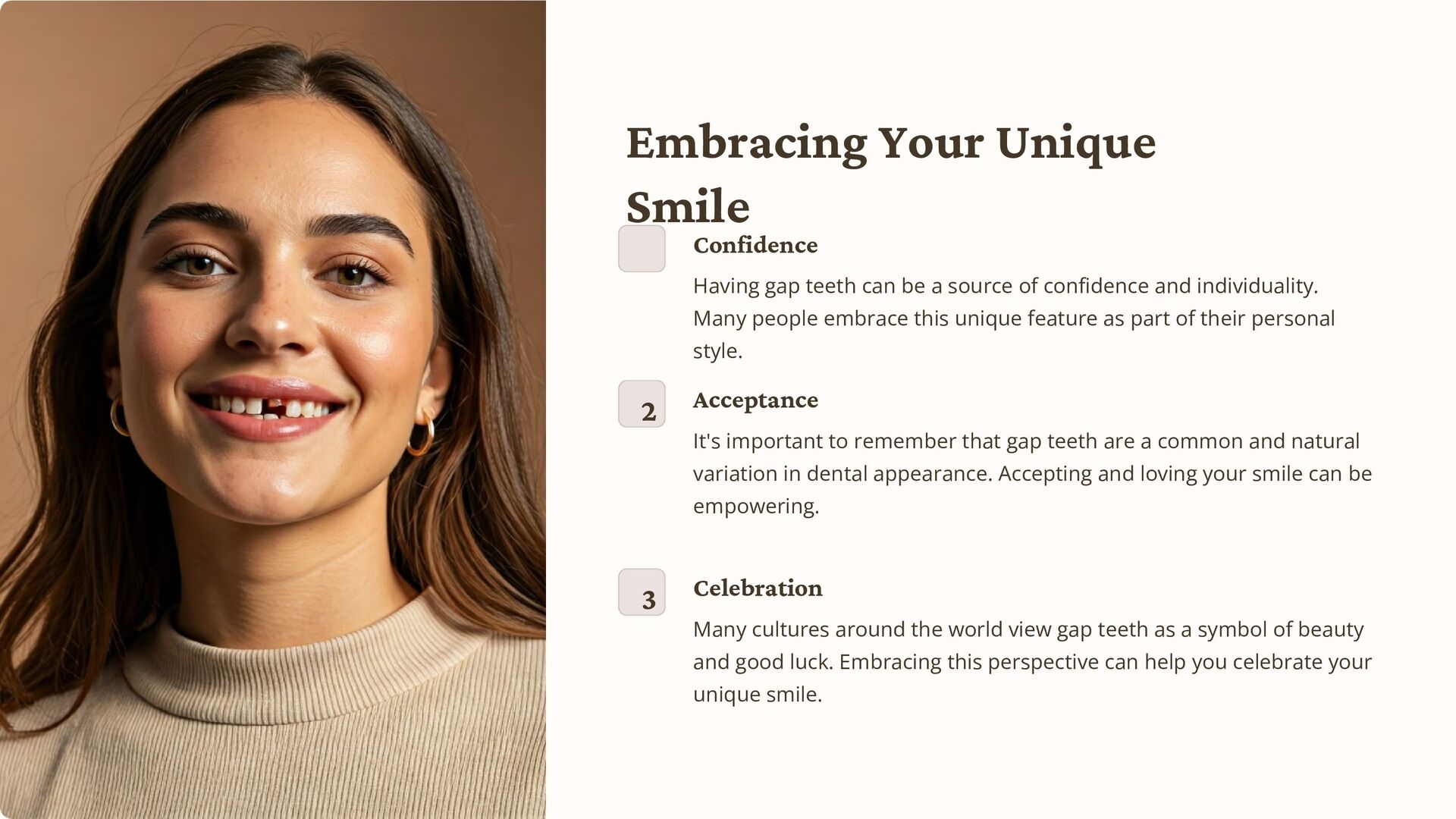
a source of confidence and individuality. Many people embrace this unique feature as part of their personal style. 2 Acceptance It's important to remember that gap teeth are a common and natural variation in dental appearance. Accepting and loving your smile can be empowering. 3 Celebration Many cultures around the world view gap teeth as a symbol of beauty and good luck. Embracing this perspective can help you celebrate your unique smile.
be caused by genetics, habits, or dental misalignment - Dental treatments and orthodontic solutions can help close gaps for those who desire it - Maintaining good oral hygiene and making lifestyle changes can help manage gap teeth - Embracing your unique smile and feeling confident is the most important thing


 tmiket
 jonoalderson
 nonsquared
 kristinabergwall1
 tessaabrams
 frankvandijk
 jakevdp
 asonas
 jeffersonlam
 raygrieselhuber
 lauravandoore