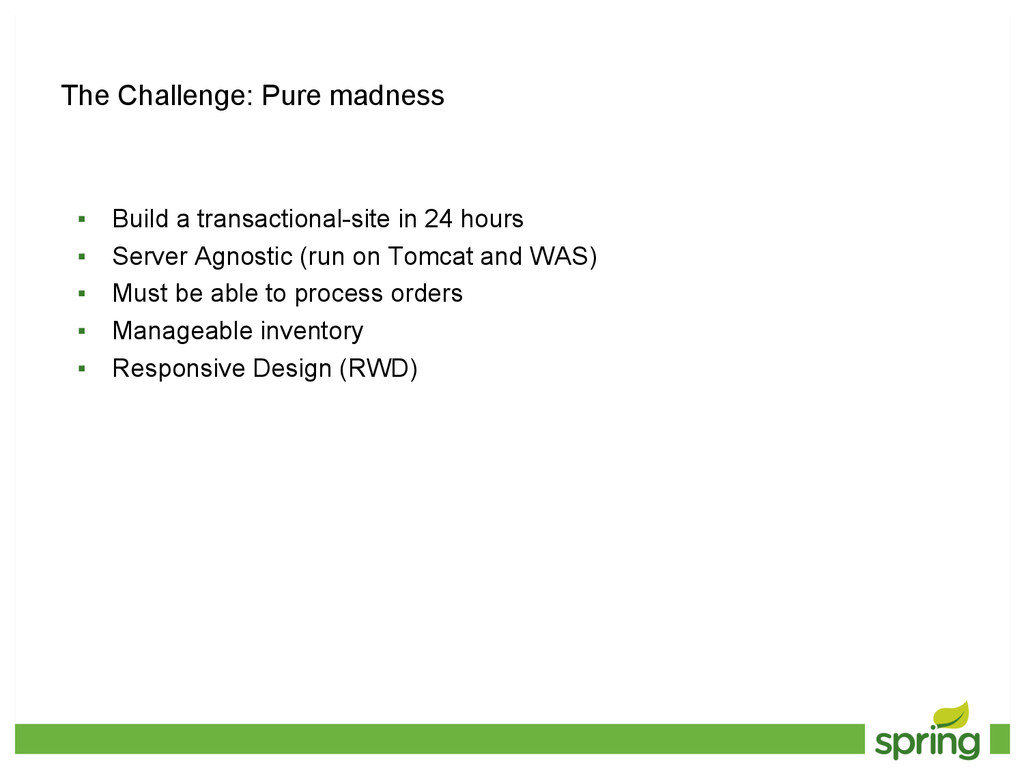
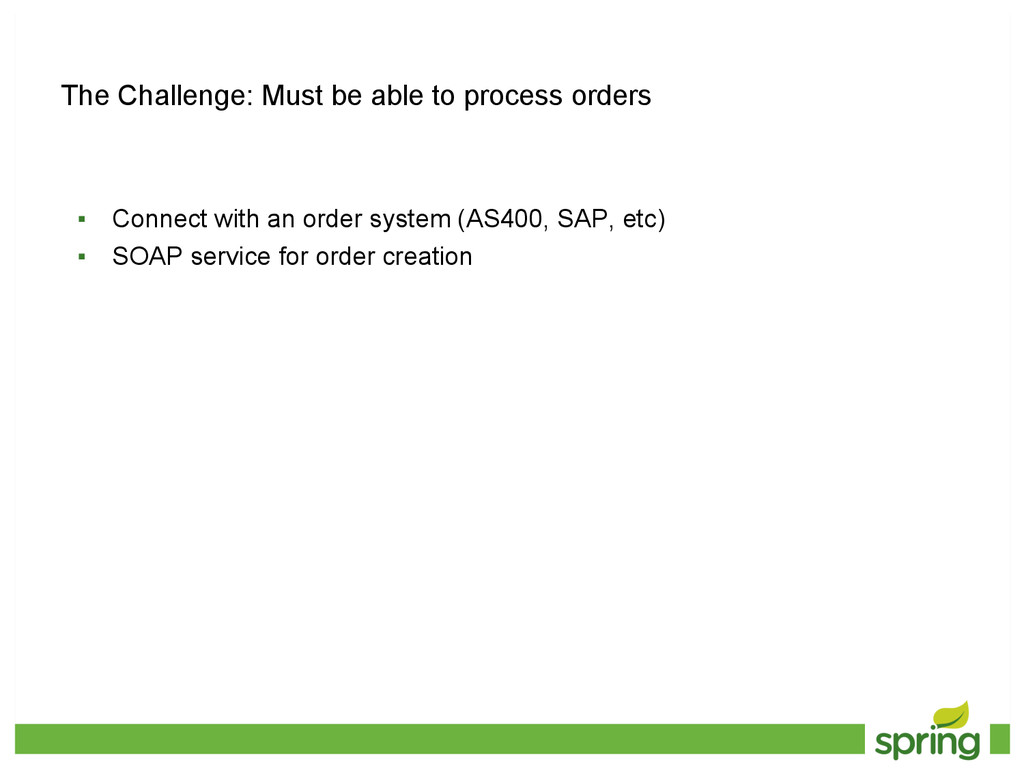
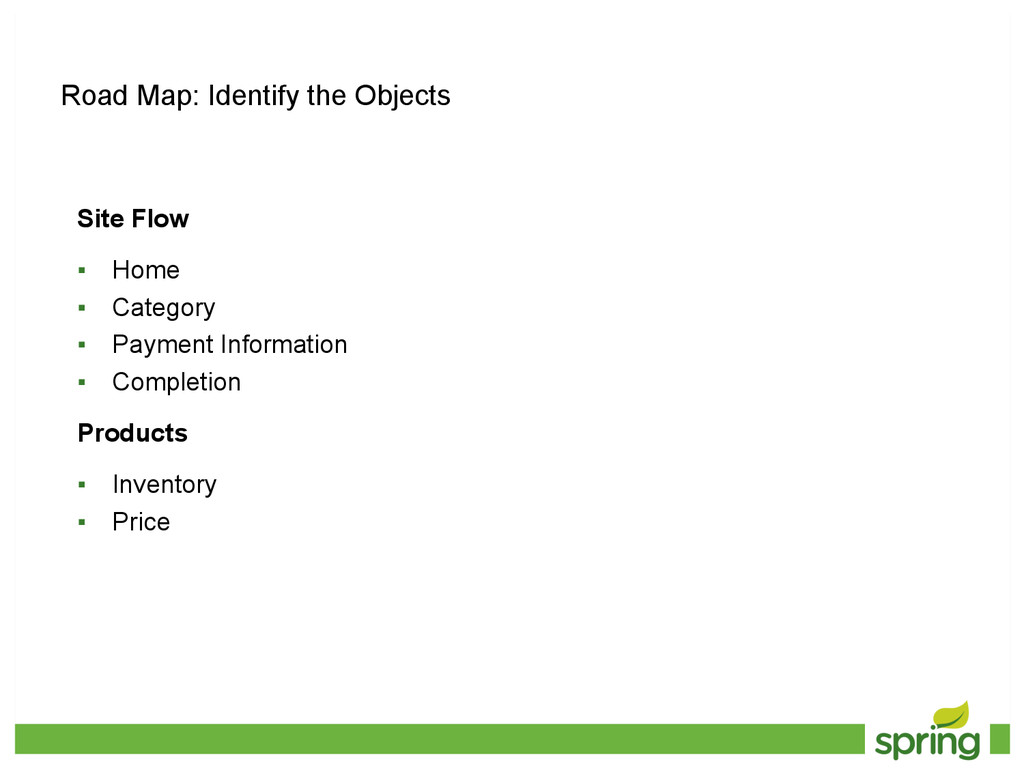
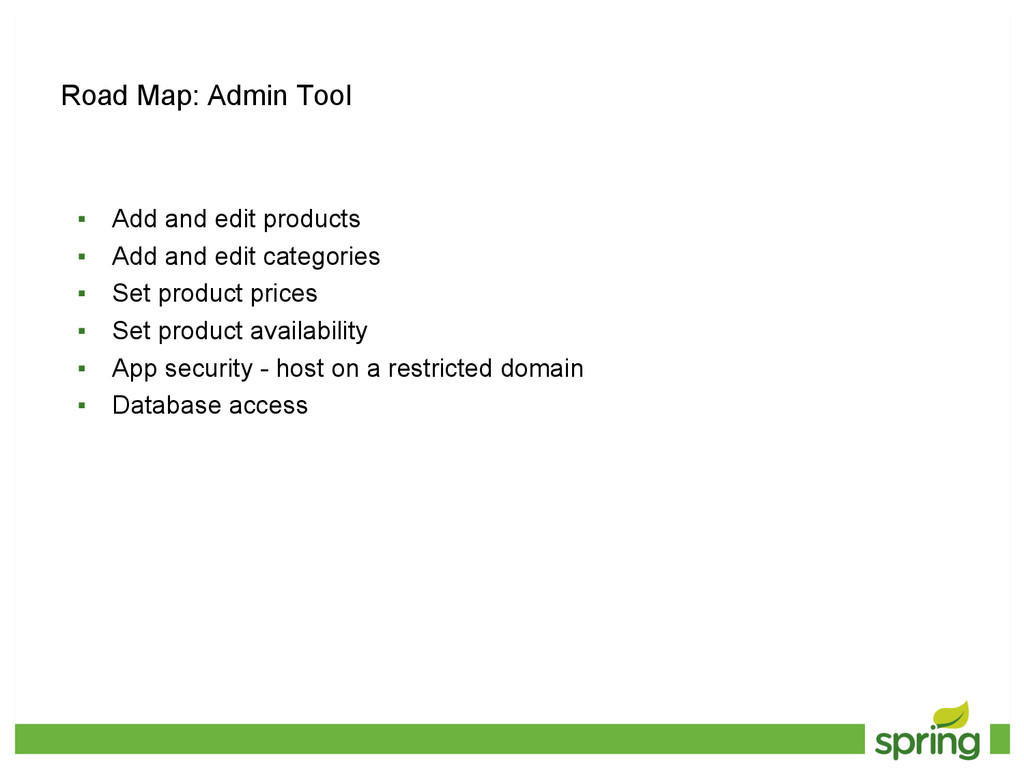
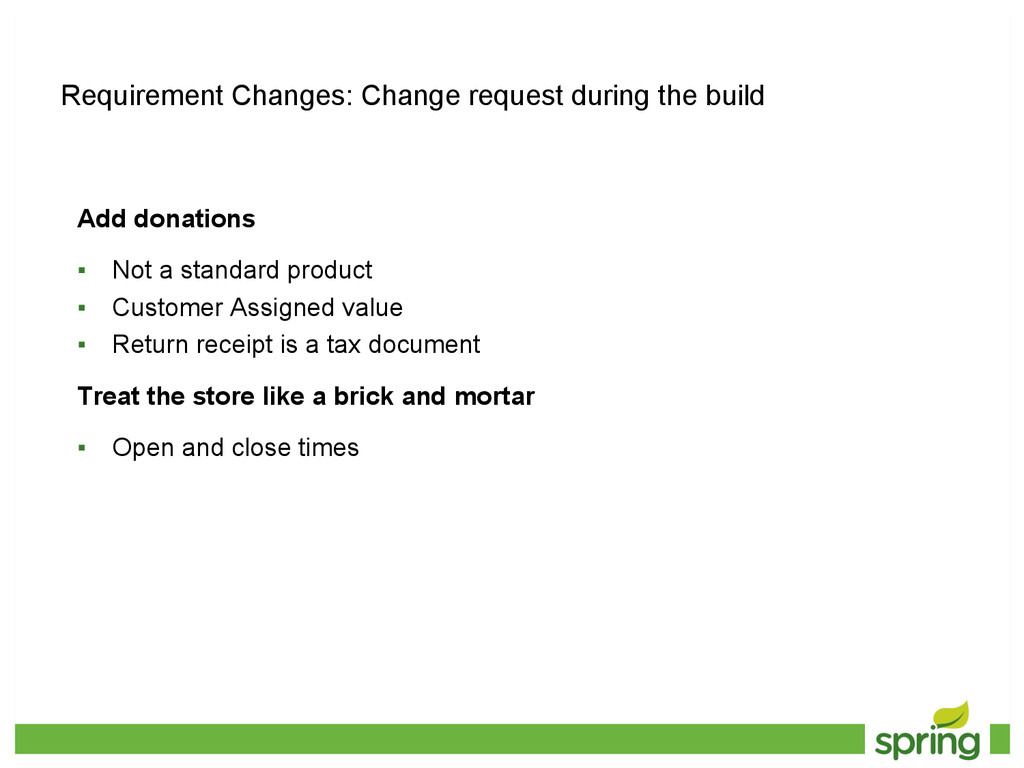
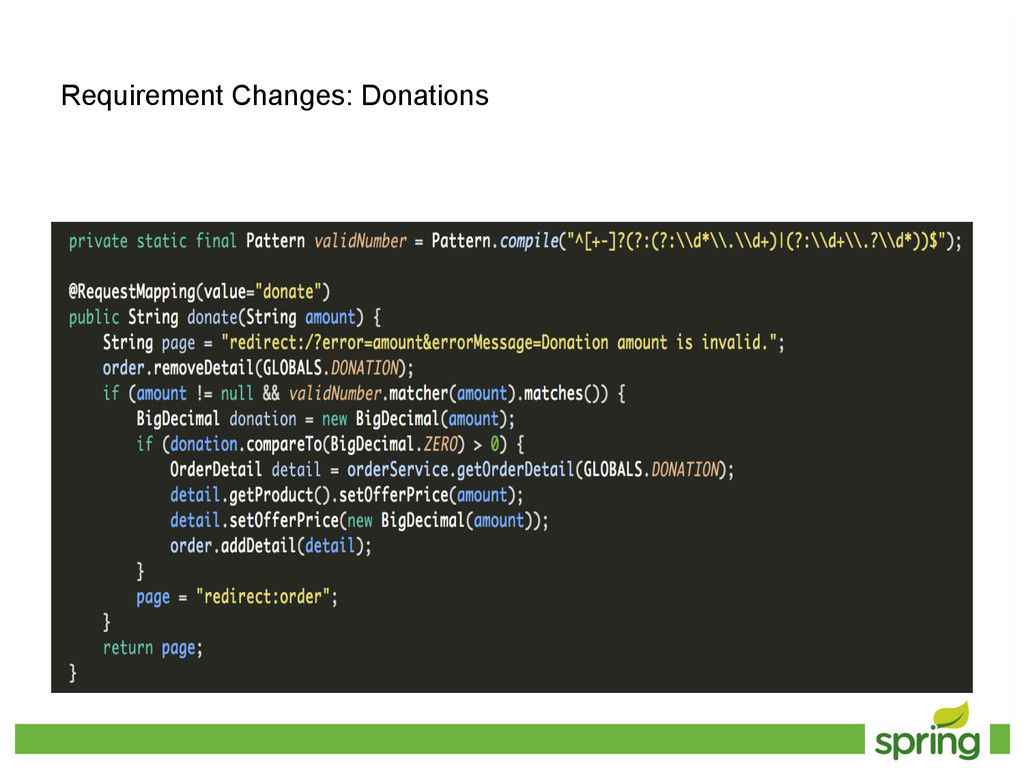
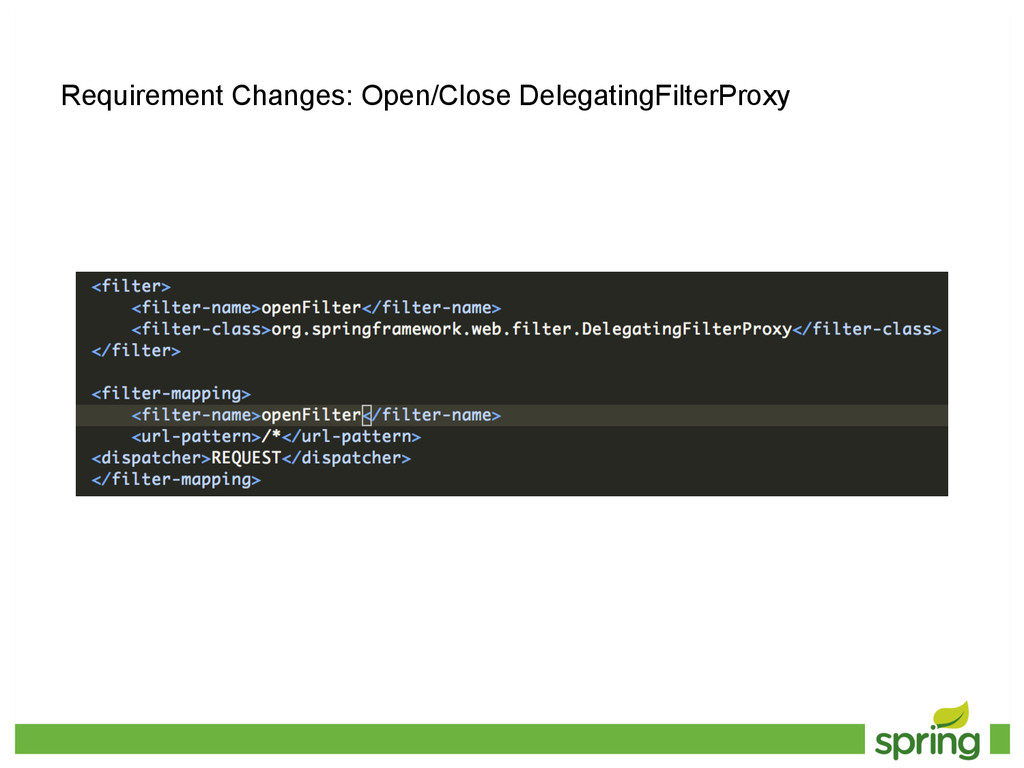
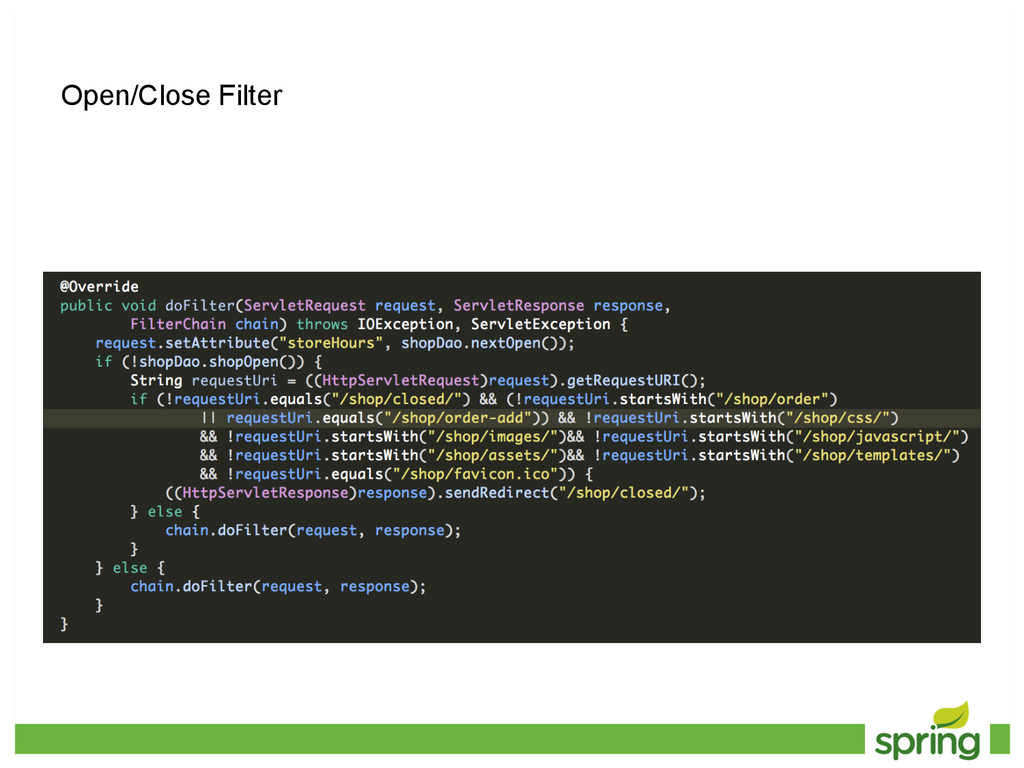
representation of a physical location, there is a set number of items or products available and the list needs to be updated to match sales made at the physical store ▪ Inventory/stock adjustment ▪ Price adjustment
a user needs to be able to view products as well as complete a purchase ▪ We used “base” (https://github.com/dutsonpa/base) as our RWD starting template and made slight modifications to match a brochure that was emailed to potential customers ▪ We used a fluid layout that would break into columns to take advantage of available screen space and allow us to to stack information together on a single category page
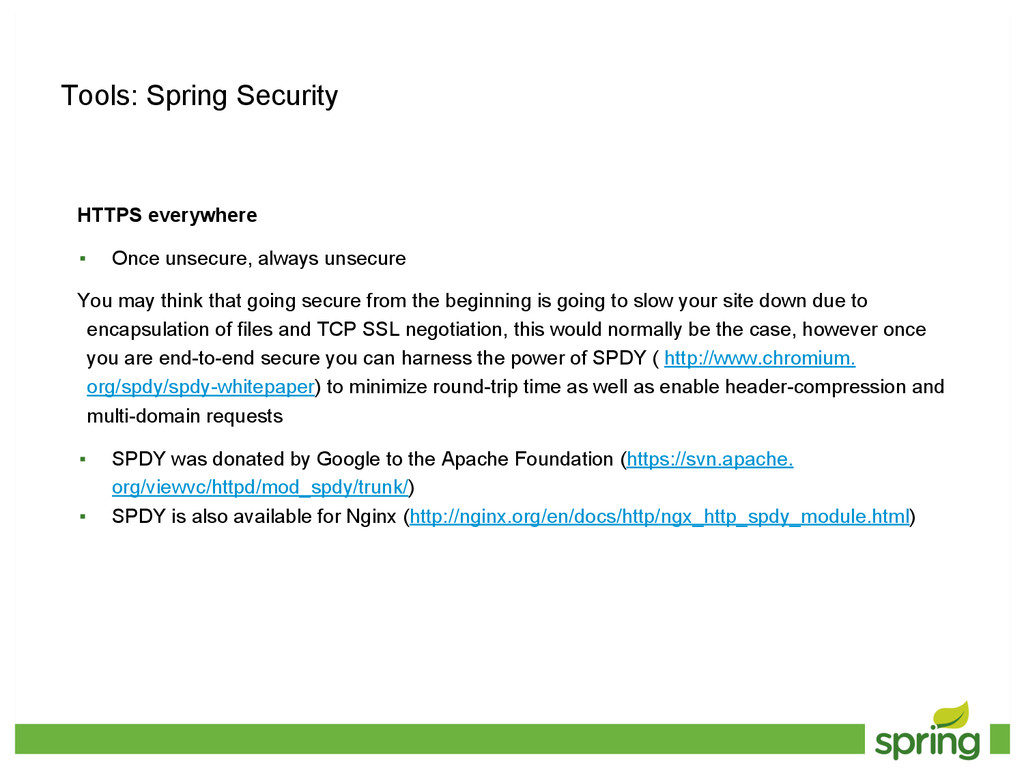
You may think that going secure from the beginning is going to slow your site down due to encapsulation of files and TCP SSL negotiation, this would normally be the case, however once you are end-to-end secure you can harness the power of SPDY ( http://www.chromium. org/spdy/spdy-whitepaper) to minimize round-trip time as well as enable header-compression and multi-domain requests ▪ SPDY was donated by Google to the Apache Foundation (https://svn.apache. org/viewvc/httpd/mod_spdy/trunk/) ▪ SPDY is also available for Nginx (http://nginx.org/en/docs/http/ngx_http_spdy_module.html)
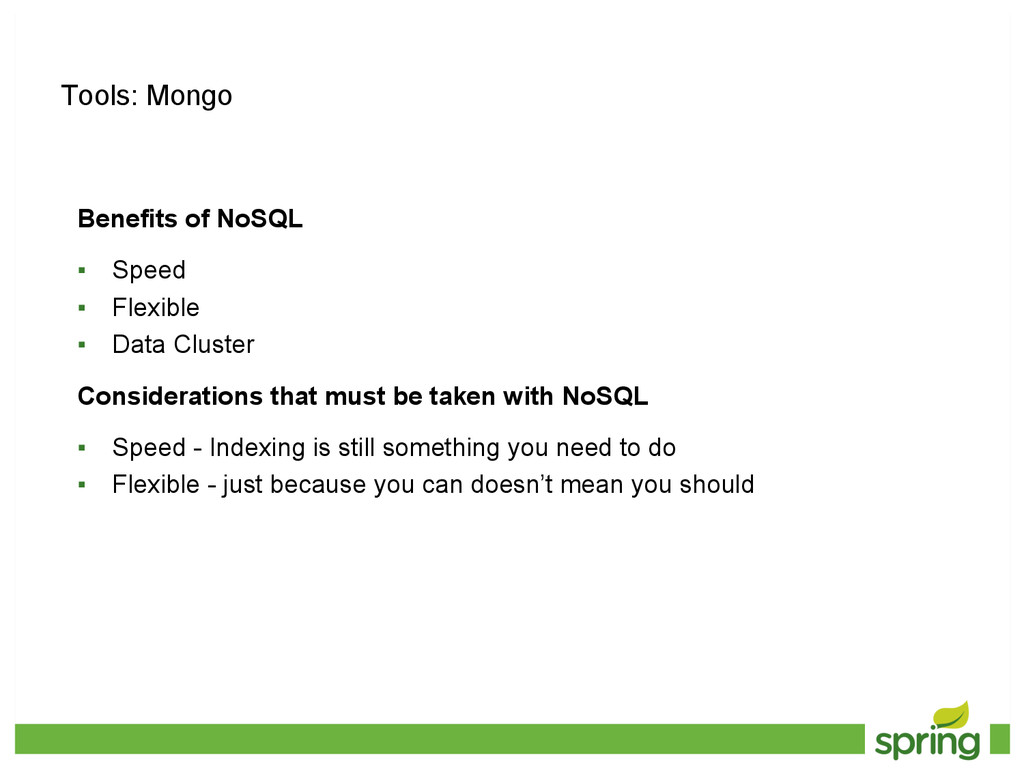
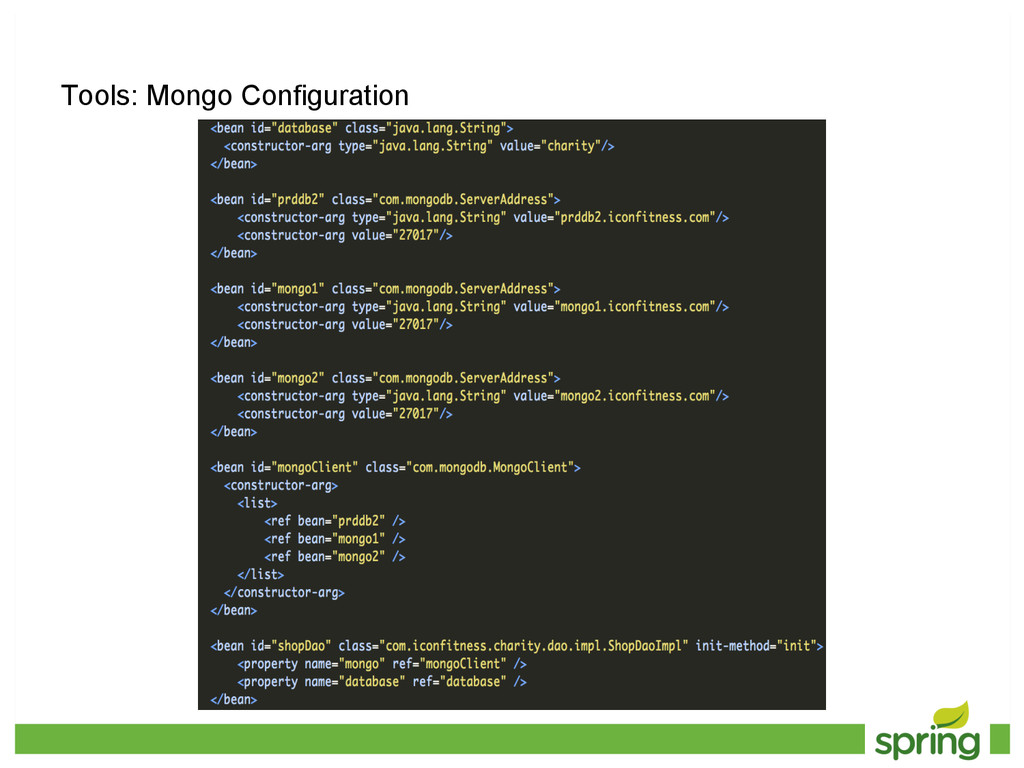
Data Cluster Considerations that must be taken with NoSQL ▪ Speed - Indexing is still something you need to do ▪ Flexible - just because you can doesn’t mean you should
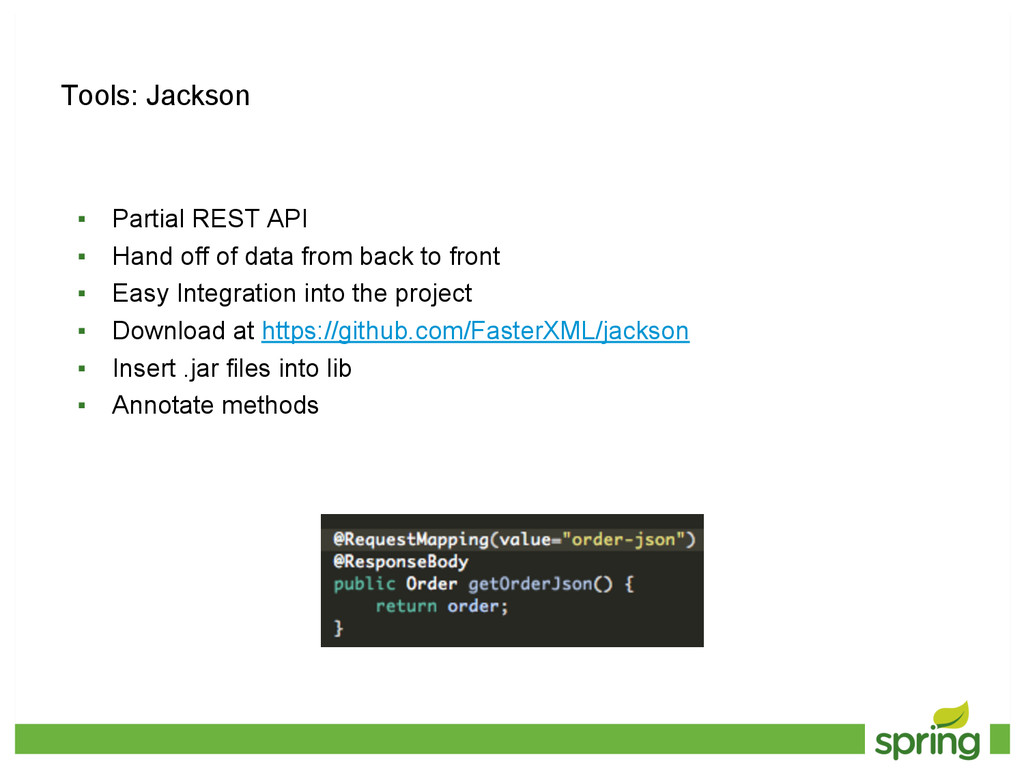
data from back to front ▪ Easy Integration into the project ▪ Download at https://github.com/FasterXML/jackson ▪ Insert .jar files into lib ▪ Annotate methods
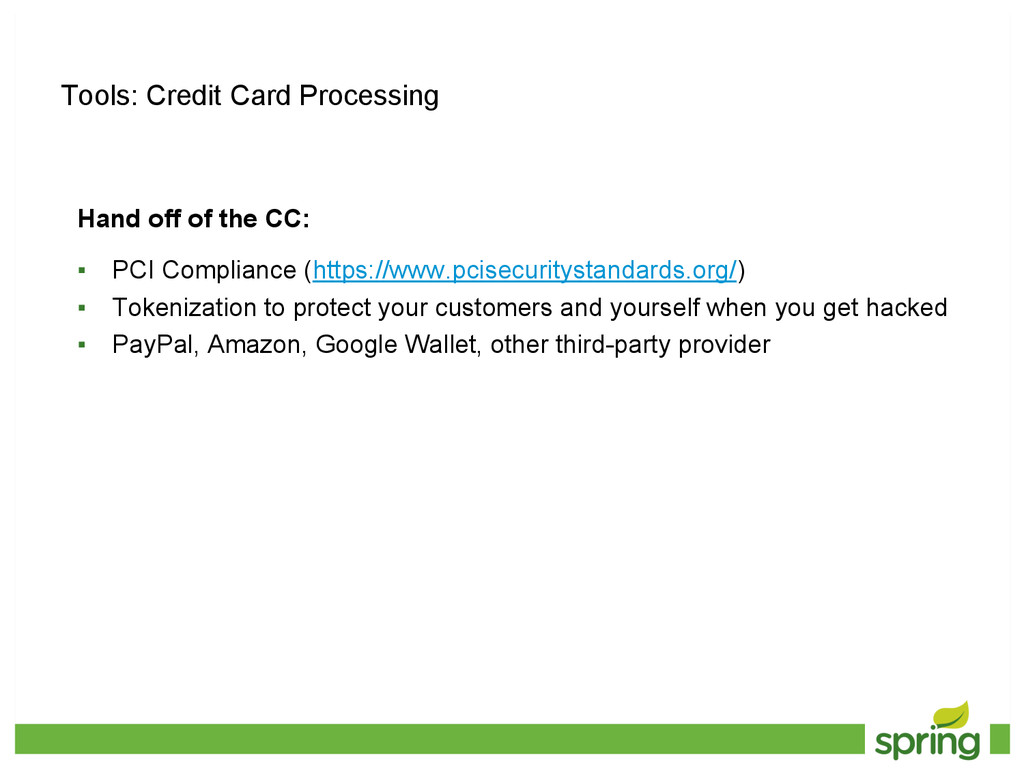
PCI Compliance (https://www.pcisecuritystandards.org/) ▪ Tokenization to protect your customers and yourself when you get hacked ▪ PayPal, Amazon, Google Wallet, other third-party provider
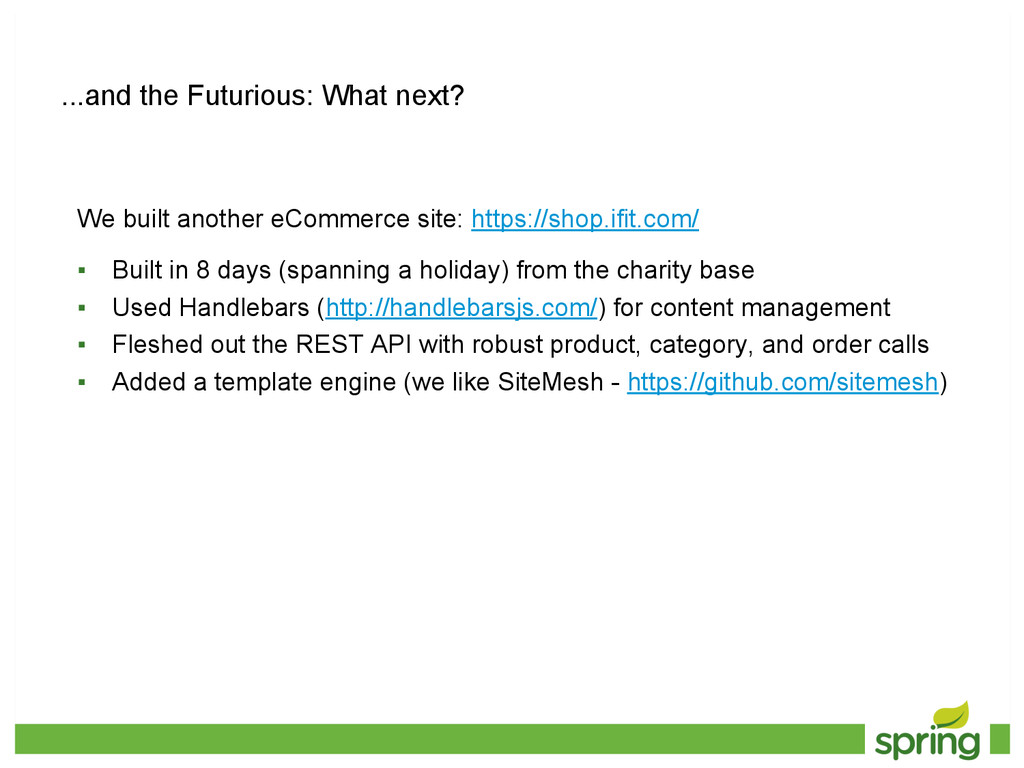
https://shop.ifit.com/ ▪ Built in 8 days (spanning a holiday) from the charity base ▪ Used Handlebars (http://handlebarsjs.com/) for content management ▪ Fleshed out the REST API with robust product, category, and order calls ▪ Added a template engine (we like SiteMesh - https://github.com/sitemesh)


 puhitaku
 jozono
 teamlab
 yamanoku
 4o1sobblue
 endonanana
 kenichiodo
 hiracky16
 occhi
 ymotongpoo
 willnet
 tomokusaba
 kimpetersen
 mfonobong
 mojombo
 cromwellryan
 sergeychernyshev
 afnizarnur
 jnunemaker
 destraynor
 addyosmani
 smashingmag
 lynnandtonic
 kneath