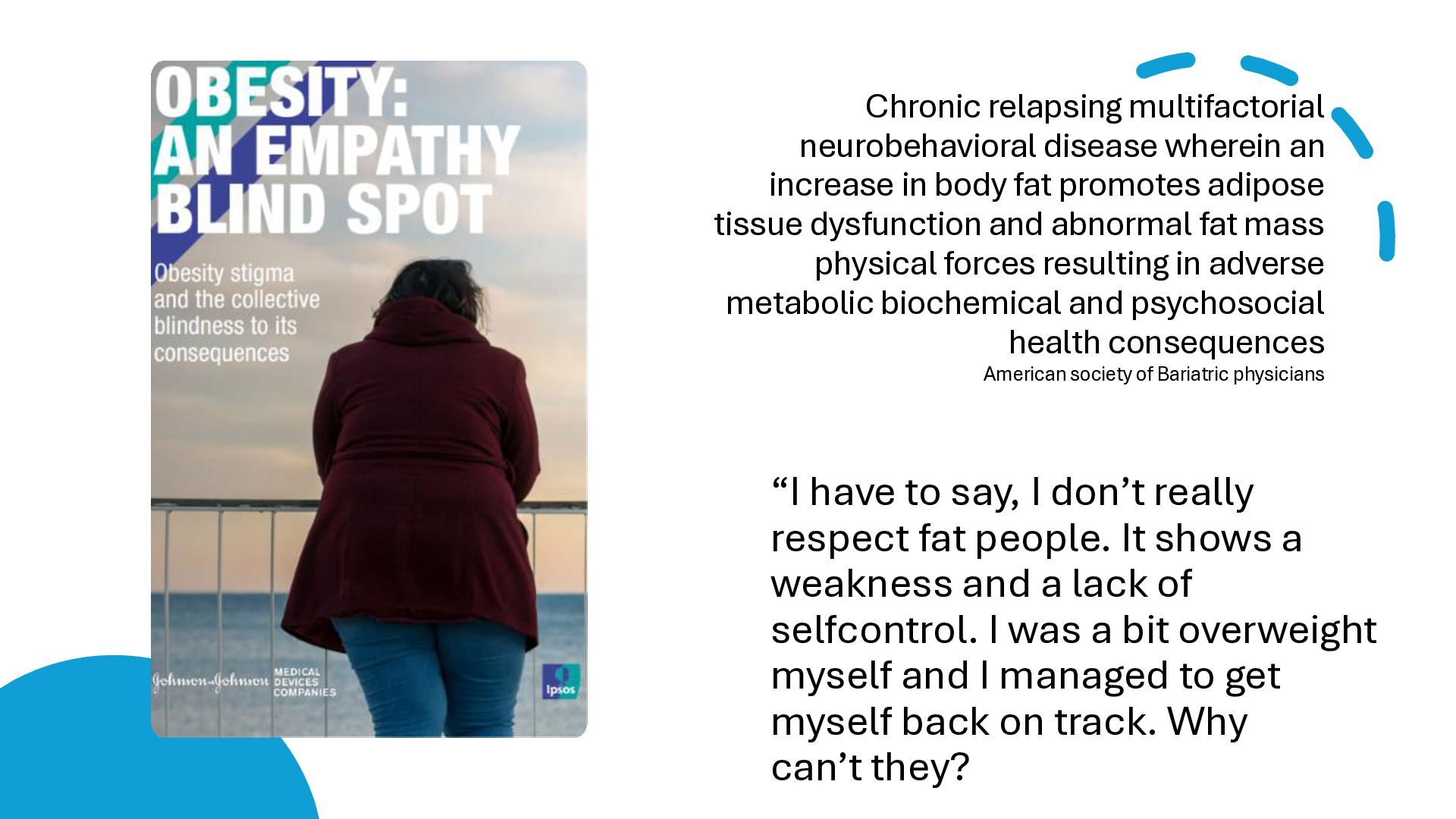
fat promotes adipose tissue dysfunction and abnormal fat mass physical forces resulting in adverse metabolic biochemical and psychosocial health consequences American society of Bariatric physicians “I have to say, I don’t really respect fat people. It shows a weakness and a lack of selfcontrol. I was a bit overweight myself and I managed to get myself back on track. Why can’t they?
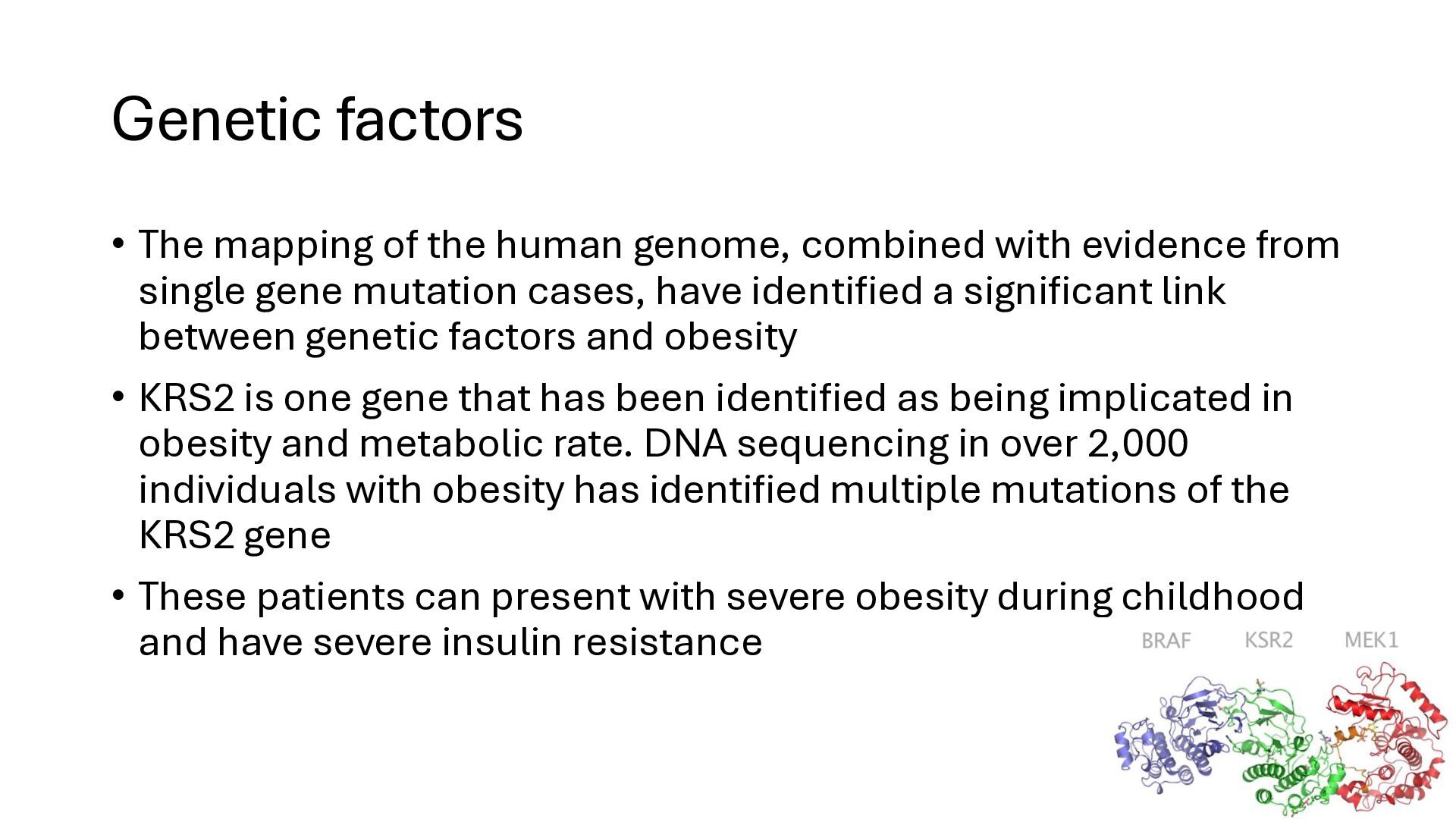
with evidence from single gene mutation cases, have identified a significant link between genetic factors and obesity • KRS2 is one gene that has been identified as being implicated in obesity and metabolic rate. DNA sequencing in over 2,000 individuals with obesity has identified multiple mutations of the KRS2 gene • These patients can present with severe obesity during childhood and have severe insulin resistance
pregnancy, and current or prior experiences of eating disorders or disordered eating • Use non-stigmatising language (for example, 'living with obesity’, ‘let’s talk about your weight’ rather than 'being obese’) • Explore eating behavior • Social history including diet, exercise, occupation, meds, smoking. • Family history including history of obesity, diabetes, heart disease
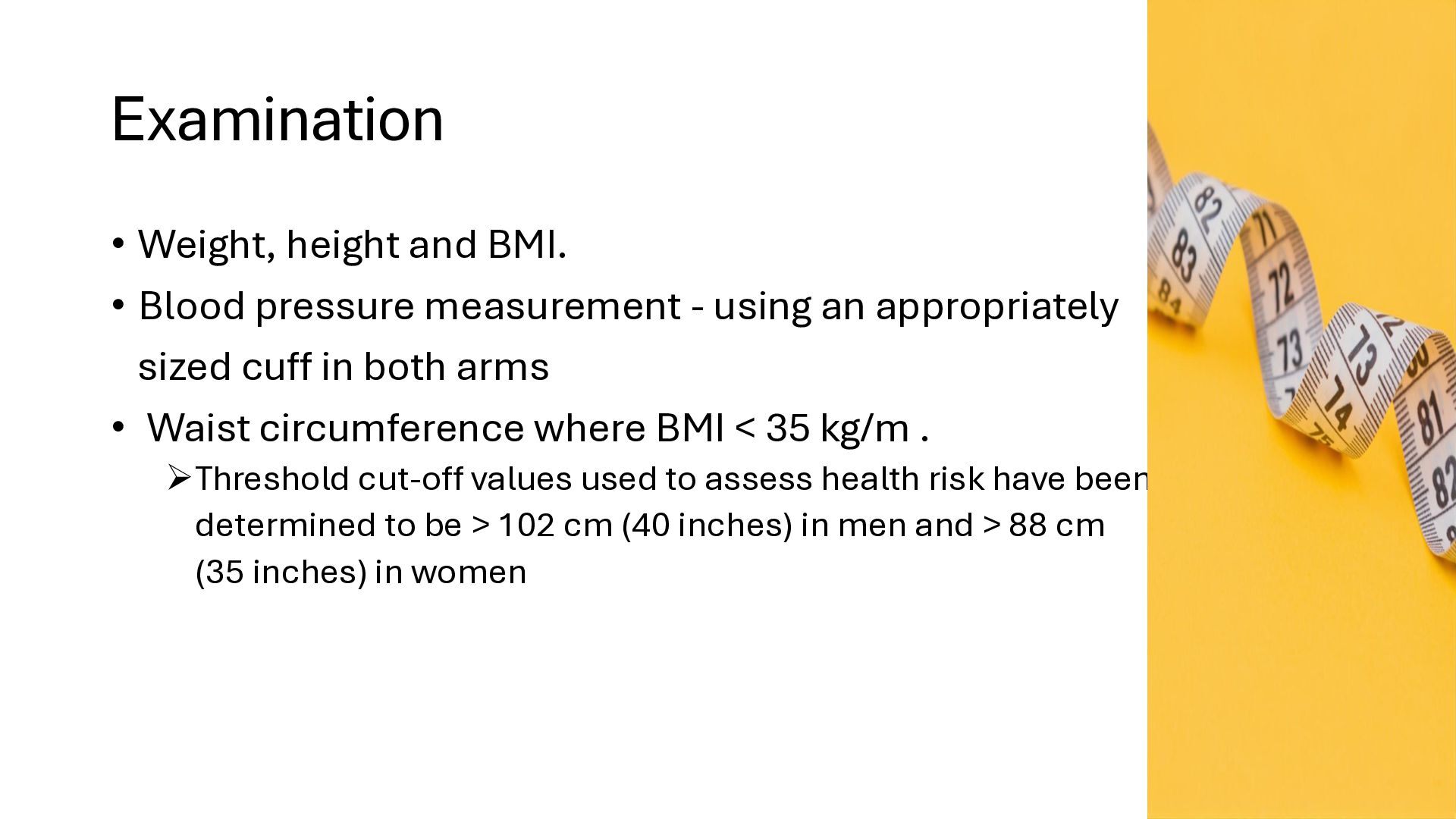
- using an appropriately sized cuff in both arms • Waist circumference where BMI < 35 kg/m . ➢Threshold cut-off values used to assess health risk have been determined to be > 102 cm (40 inches) in men and > 88 cm (35 inches) in women
the individual and their preferences, health, past history, level of risk, comorbidity and social circumstances. • Interventional strategies to consider are dietary modification, physical activity, behavioural interventions, pharmacological interventions and surgery. • Realistic targets should be set. This includes weight loss targets of no more than 1 kg per week, healthier eating and increased physical activity
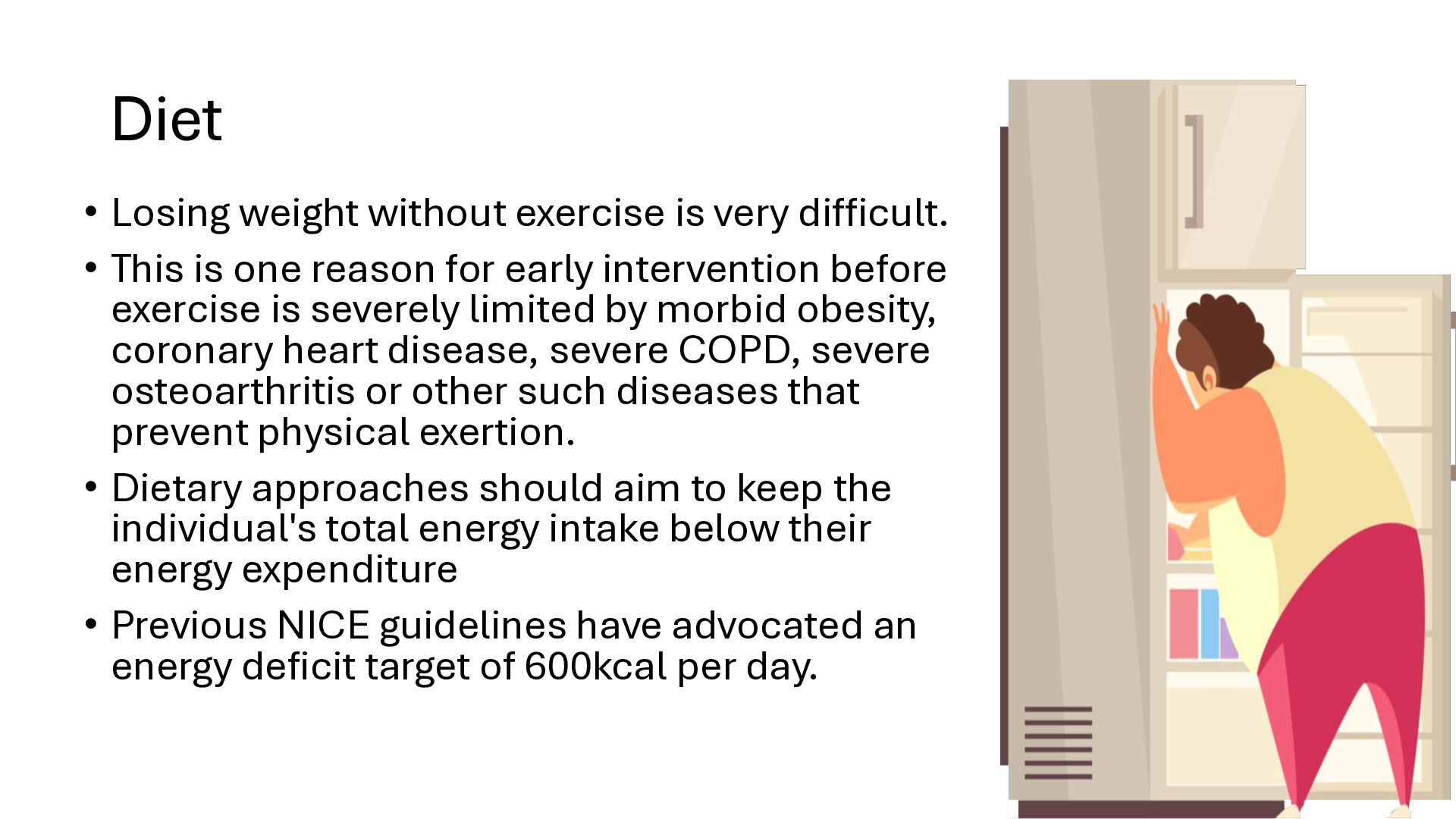
This is one reason for early intervention before exercise is severely limited by morbid obesity, coronary heart disease, severe COPD, severe osteoarthritis or other such diseases that prevent physical exertion. • Dietary approaches should aim to keep the individual's total energy intake below their energy expenditure • Previous NICE guidelines have advocated an energy deficit target of 600kcal per day.
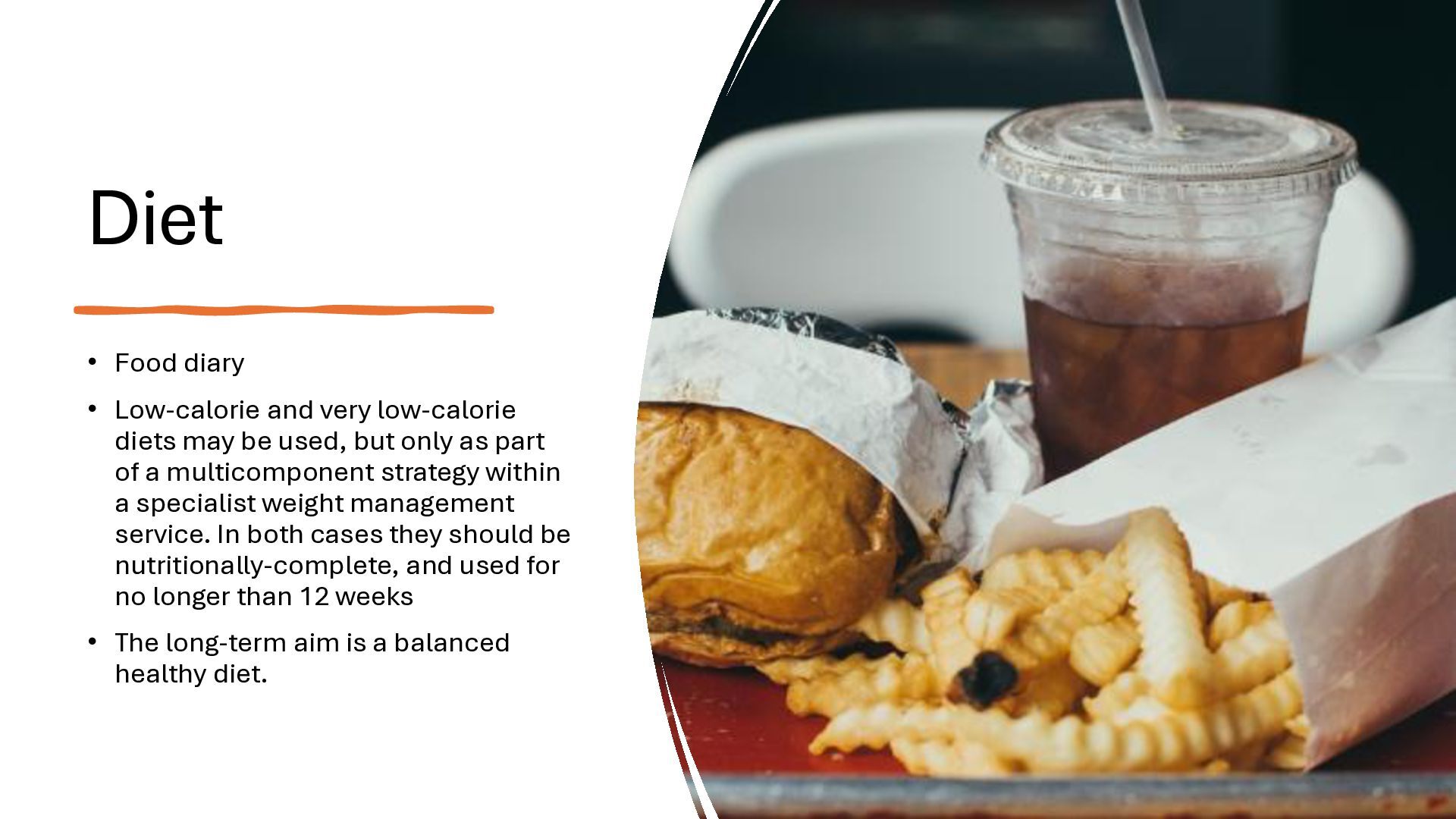
may be used, but only as part of a multicomponent strategy within a specialist weight management service. In both cases they should be nutritionally-complete, and used for no longer than 12 weeks • The long-term aim is a balanced healthy diet.
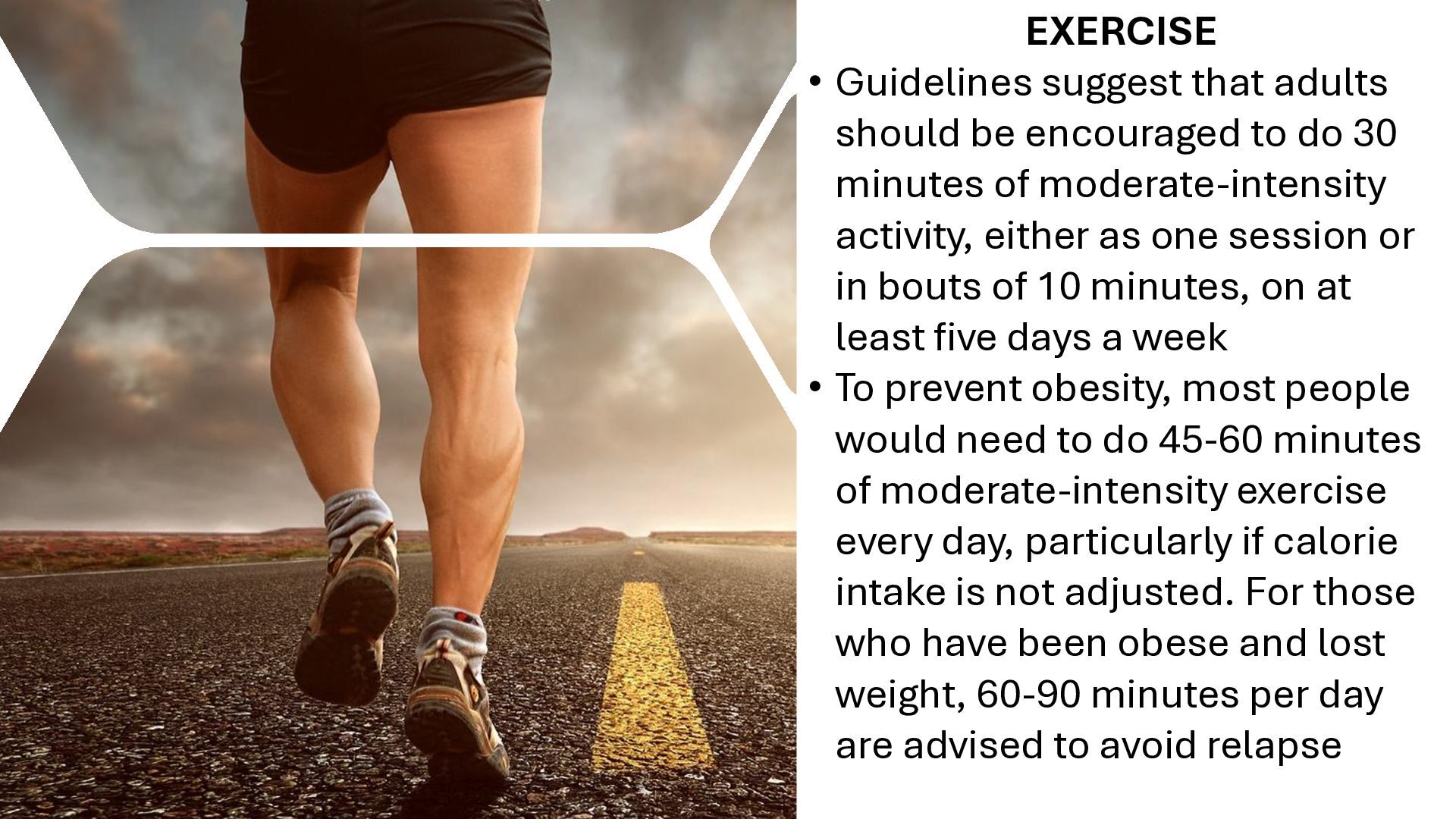
do 30 minutes of moderate-intensity activity, either as one session or in bouts of 10 minutes, on at least five days a week • To prevent obesity, most people would need to do 45-60 minutes of moderate-intensity exercise every day, particularly if calorie intake is not adjusted. For those who have been obese and lost weight, 60-90 minutes per day are advised to avoid relapse
health goals, psychological therapy, pharmacological therapy and bariatric surgery are treatment options that can facilitate and maintain the necessary weight loss and help prevent weight regain
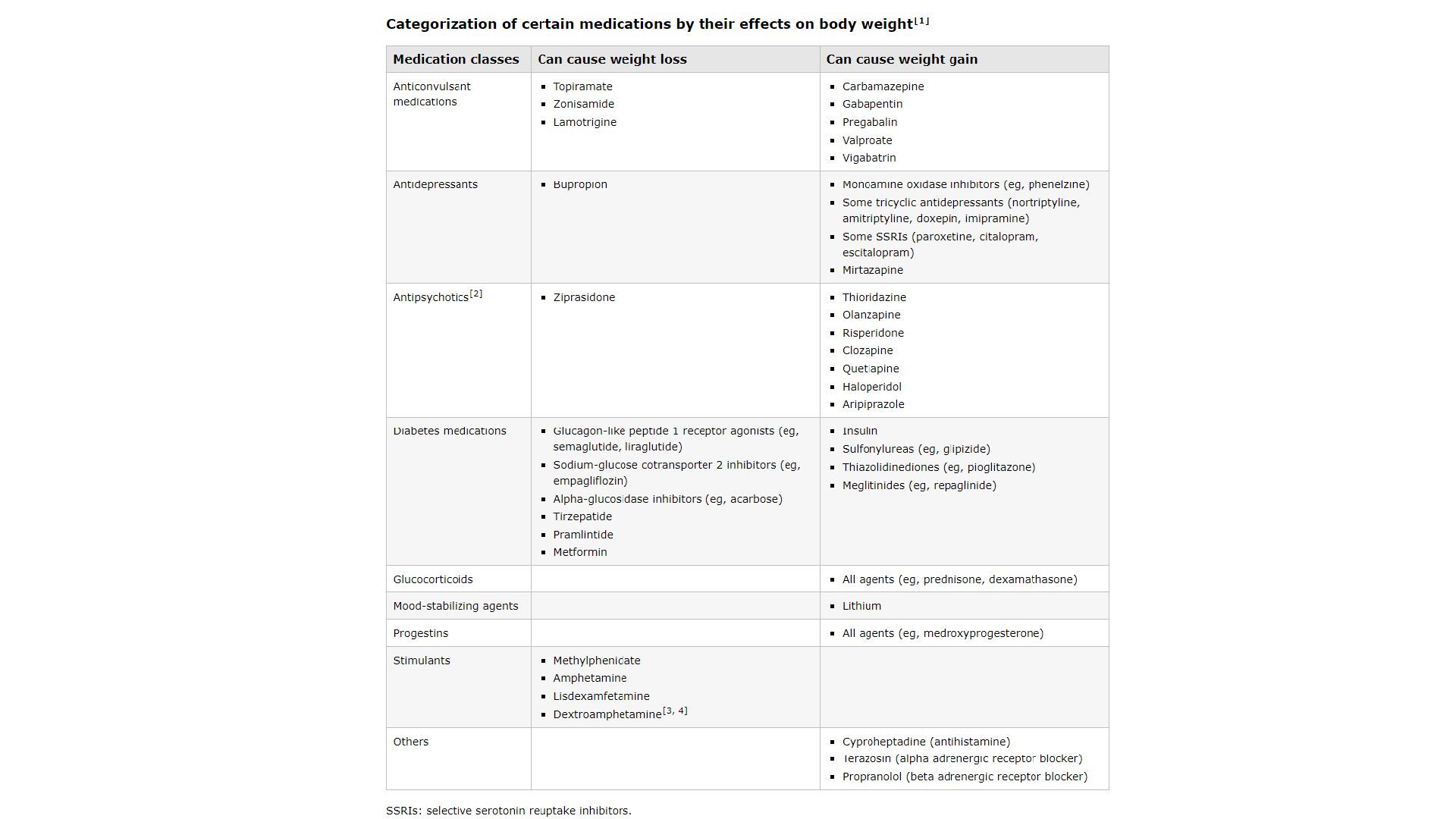
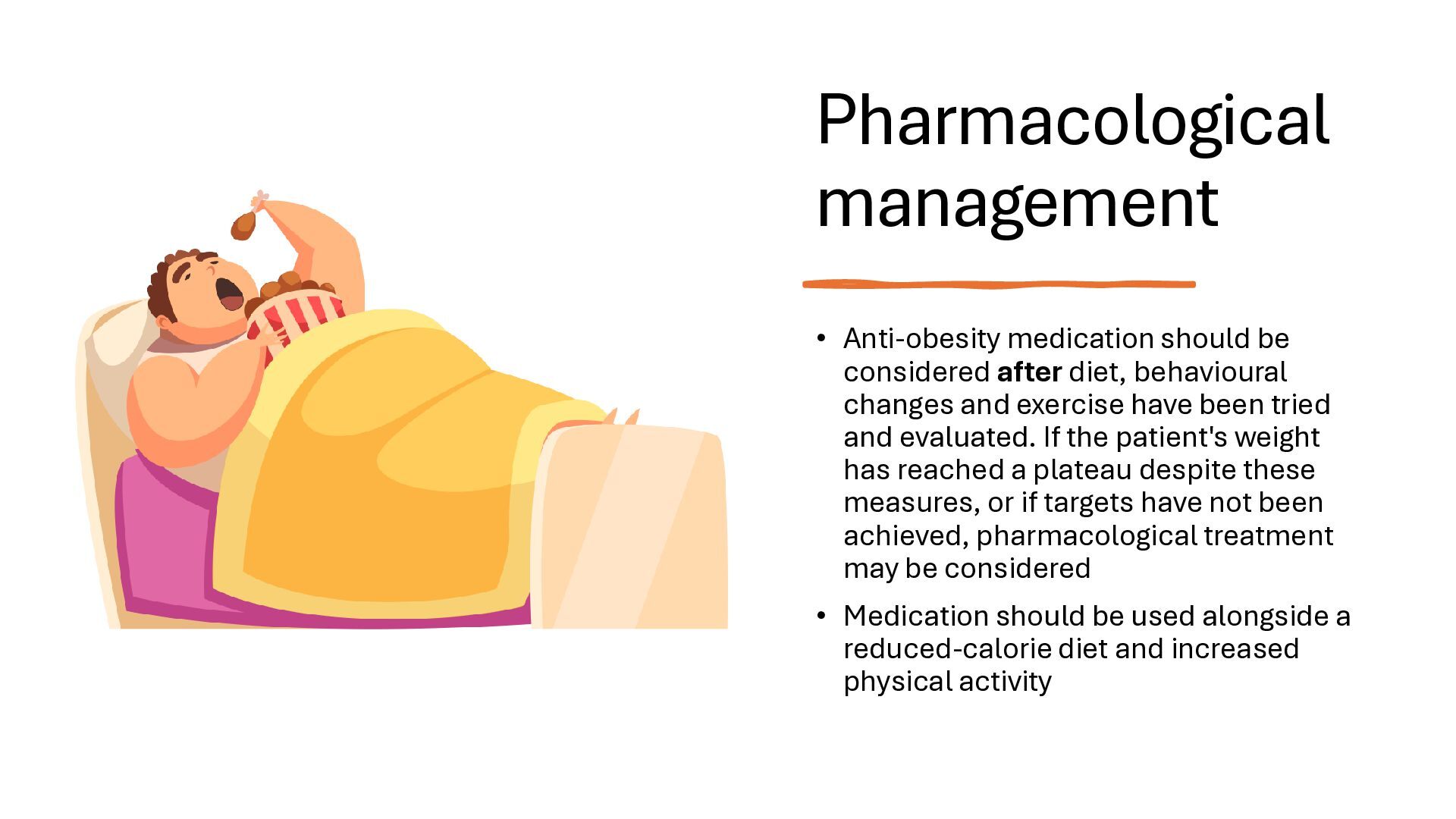
behavioural changes and exercise have been tried and evaluated. If the patient's weight has reached a plateau despite these measures, or if targets have not been achieved, pharmacological treatment may be considered • Medication should be used alongside a reduced-calorie diet and increased physical activity
II line agent • Should not be used during pregnancy, patients with chronic malabsorption, cholestasis or history of calcium oxalate kidney stones • Oxalate induced acute kidney injury • Lower efficacy • Limited tolerability due to GI side effects
tirzepatide • Patients who meet criteria should be referred to specialist weight management services • NICE recommends they are only prescribed in a specialist weight management service, for up to 2 years as part of a multimodal intervention • should be used cautiously in people with a history of pancreatitis, people with diabetic retinopathy treated with insulin, and people with severe cardiac failure
vomiting, diarrhoea, and excessive belching. They may also cause dizziness, a mild tachycardia, fatigue, headaches, nasopharyngitis, injection-site erythema, or pruritus • Contraindicated in personal or family history of medullary thyroid carcinoma and patients with multiple endocrine neoplasia syndrome type 2 due to an increased risk of medullary thyroid cancer
uncontrolled hypertension or hyperthyroidism) and whose weight goal is within 10 to 15 percent of their body weight. If an individual does not lose 5 percent of body weight after 12 weeks on the highest dose, phentermine-topiramate should be discontinued. Because abrupt withdrawal of topiramate can cause seizures, we typically taper the dose by having patients take the medication every other day for one week and then stopping it Clinicians who prescribe phentermine- topiramate are encouraged to enroll in a Risk Evaluation and Mitigation Strategy (REMS), which includes an online or print formal training module detailing safety information
comorbidity • As of 2022 BMI> 35 with or without comorbidities • Contraindications in all of the available surgical procedures include unstable coronary artery disease, advanced liver disease with portal hypertension, cognitive impairment precluding informed consent, inflammatory bowel disease, extensive intraabdominal adhesion, and cancer
a chronic medical condition • d/c of Tx leads to weight regain • long-term obesity pharmacotherapy is necessary to maximize and sustain benefit • Maintaining some obesity pharmacotherapy long-term is likely beneficial compared with no long-term therapy
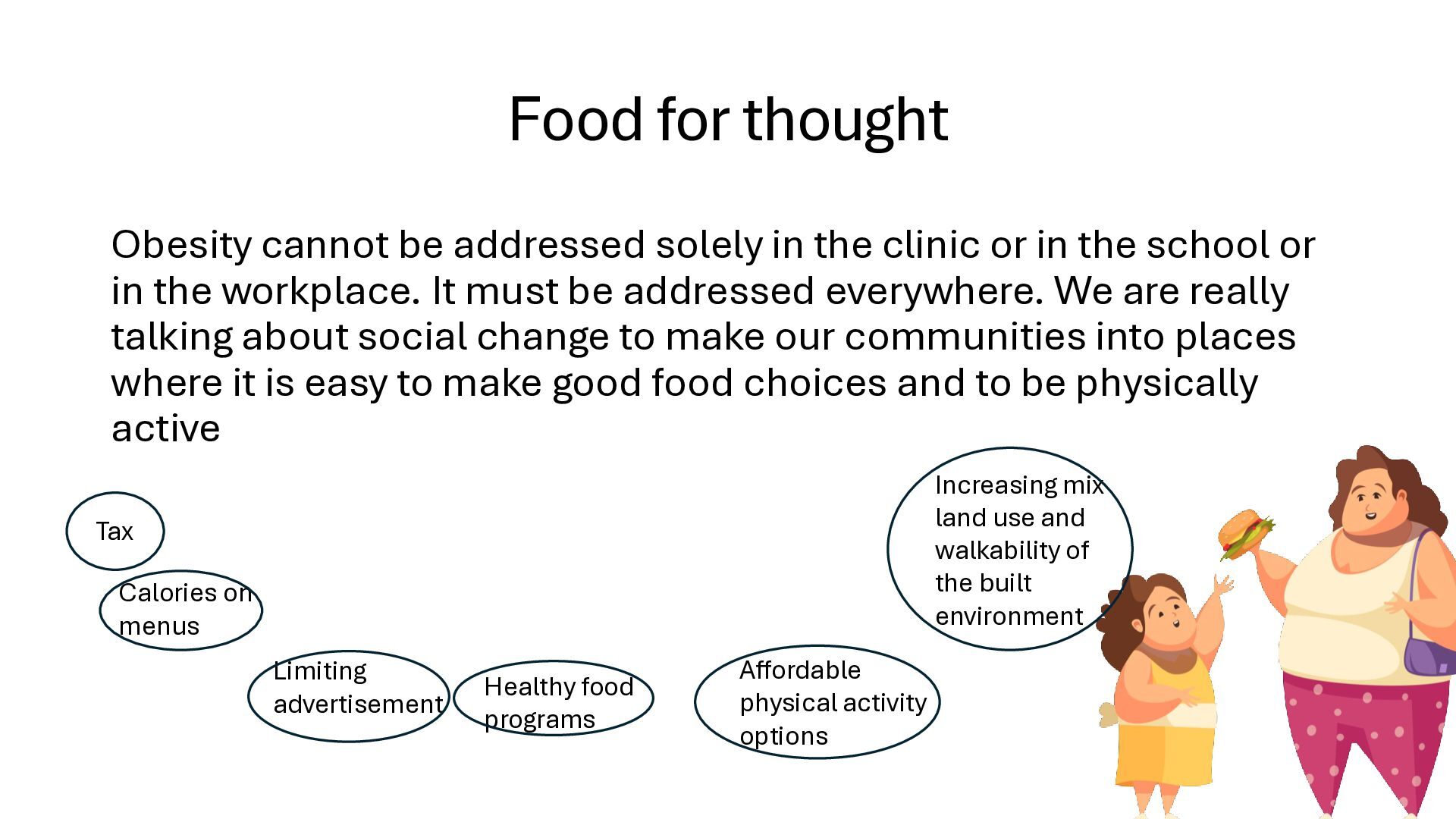
clinic or in the school or in the workplace. It must be addressed everywhere. We are really talking about social change to make our communities into places where it is easy to make good food choices and to be physically active Increasing mix land use and walkability of the built environment Tax Calories on menus Limiting advertisement Healthy food programs Affordable physical activity options
it Pointless to continue running in this world always looking to get new information, getting to new methods, but then in your own private life you are not praticing these things


 cbtlibrary
 frievea
 coderdojojapan
 signer
 yatabe
 juanmartin2026
 akiraasano
 pawan_pharm
 fmarot
 aleyda
 mkilby
 codingconduct
 lara
 3n
 badams
 livdayseo
 danielanewman
 mojombo
 csswizardry
 nwiizo