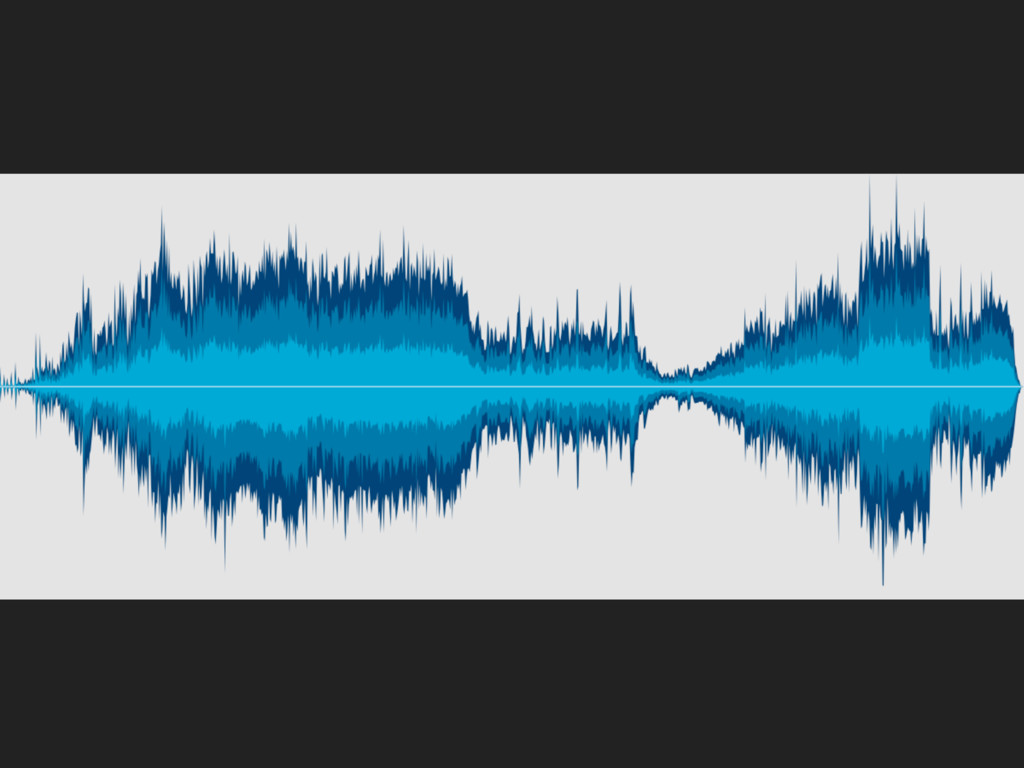
in a digital context is totally different from how we normally think about music ▸ When processing an audio file, it’s amazing enough that we can take a waveform and recreate complex sounds from it. How do we extract more meaningful information from this?
problems that have guided development in the field for as long as it’s been a thing ▸ Example: Pitch recognition and the problem of overtones ▸ Example: Transcription and the difference between how a song might be performed and how it should be transcribed
stages of an explosion in MIR and computational musicology, and combined with the increasing accessibility of machine learning and new music datasets (not to mention advances in other relevant fields), it will only get cooler ▸ MusicNet
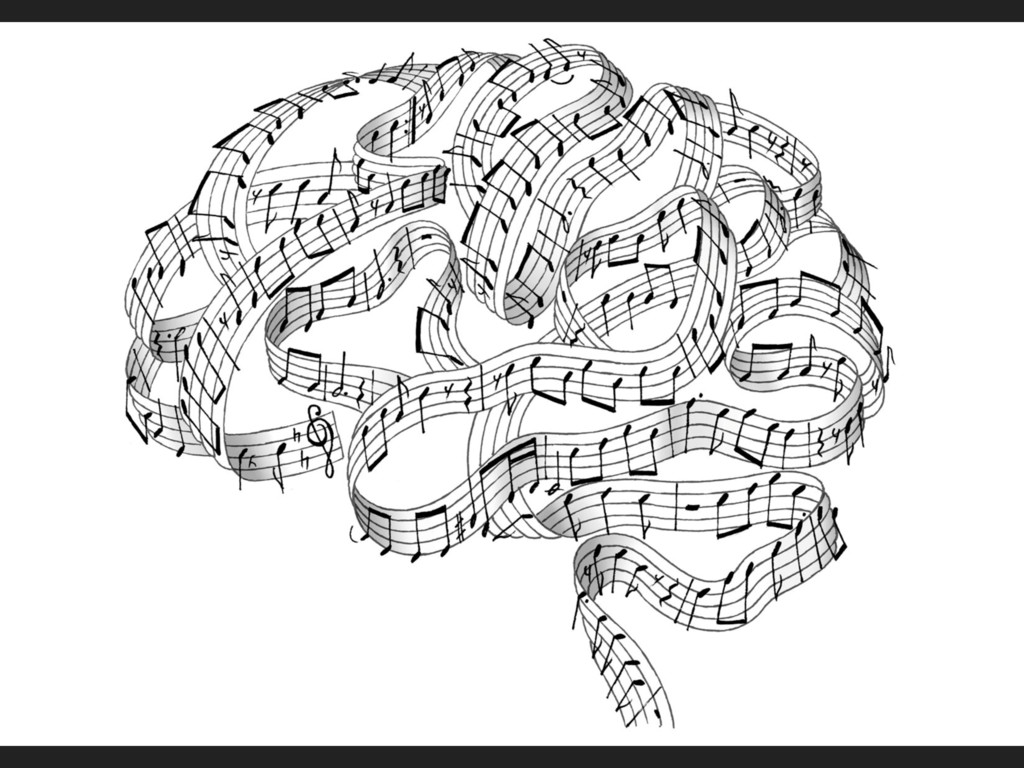
This huge-scale study of music is unprecedented, and will have major impacts on other fields ▸ Existing medical studies can be combined with insights from MIR & computational musicology — e.g. the already existing and pretty amazing studies about processing pain, the impact of music education on speech and language development, the relationship between music education and neuroplasticity, etc. ▸ Very few processes in everyday life use as many discrete parts of the brain as playing/processing music — understanding it inevitably means understanding more about the brain, too
a person’s brain to identify the subjective, tiny musical attributes that most ease pain || fight anxiety/depression || motivate || whatever, really, + ▸ Training a machine learning algorithm based on that user’s brain imaging data, + ▸ Using that program to generate new music that can not only (e.g.) reduce the amount of painkillers necessary for surgery (above study suggests their relatively un-curated playlist can already do this by about 20%), but keep getting better at it too


 terapyon
 pfn
 camiha
 willnet
 prog893
 kairim0
 ivry_presentationmaterials
 shugo
 carta_engineering
 puhitaku
 satoshi7
 tmiket
 geshan
 erikaheidi
 samtorres
 maggiecrowley
 maltzj
 bluesmoon
 tammyeverts
 jmmastey
 lauravandoore
 trallard