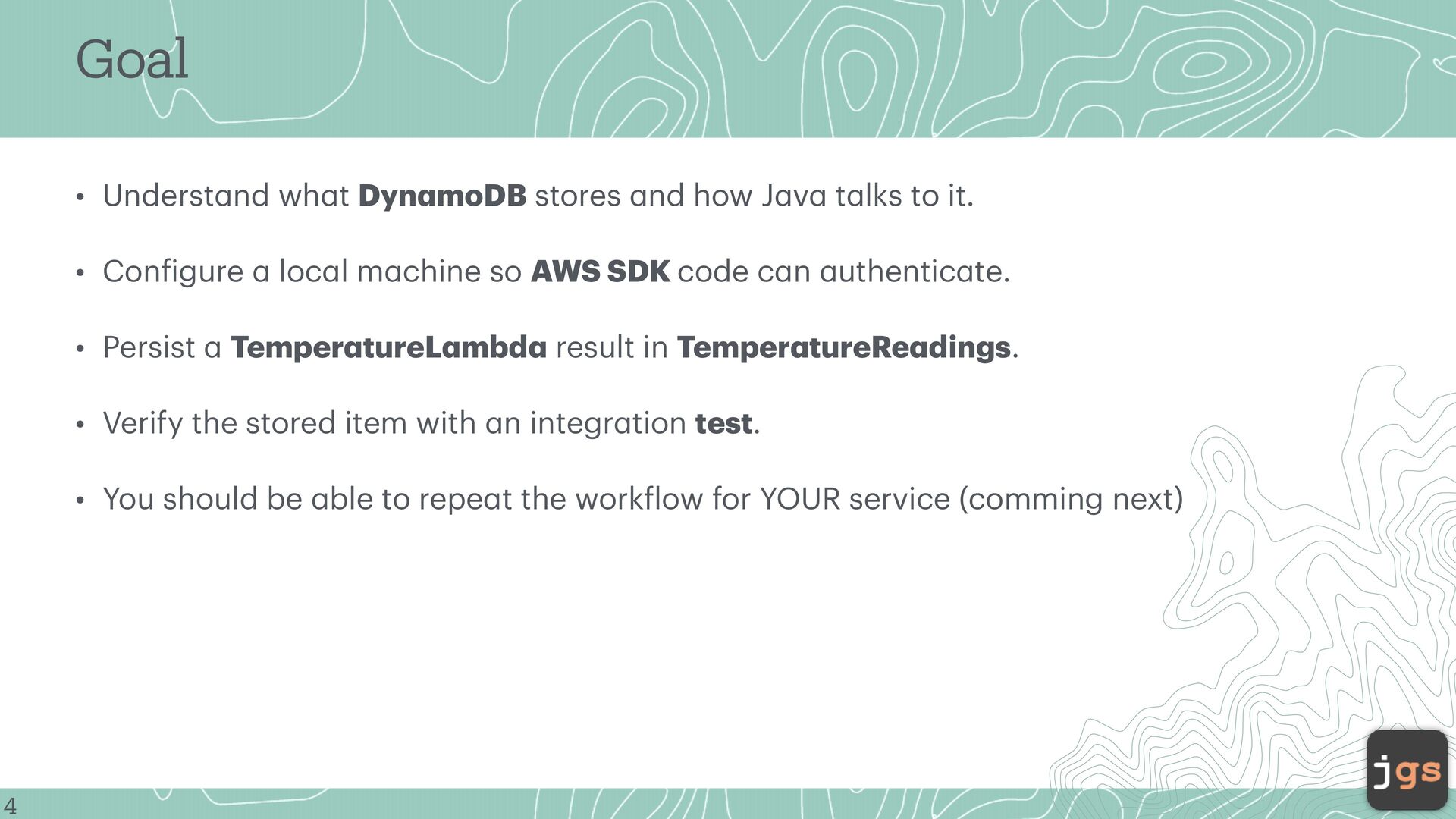
how J v t lks to it. • Con igure • Persist loc l m chine so AWS SDK code c n uthentic te. Temper tureL mbd result in Temper tureRe dings. • Verify the stored item with n integr tion test. a a a a a a a a f a a a a a a a a a a a a a a a 4 f • You should be ble to repe t the work low for YOUR service (comming next)
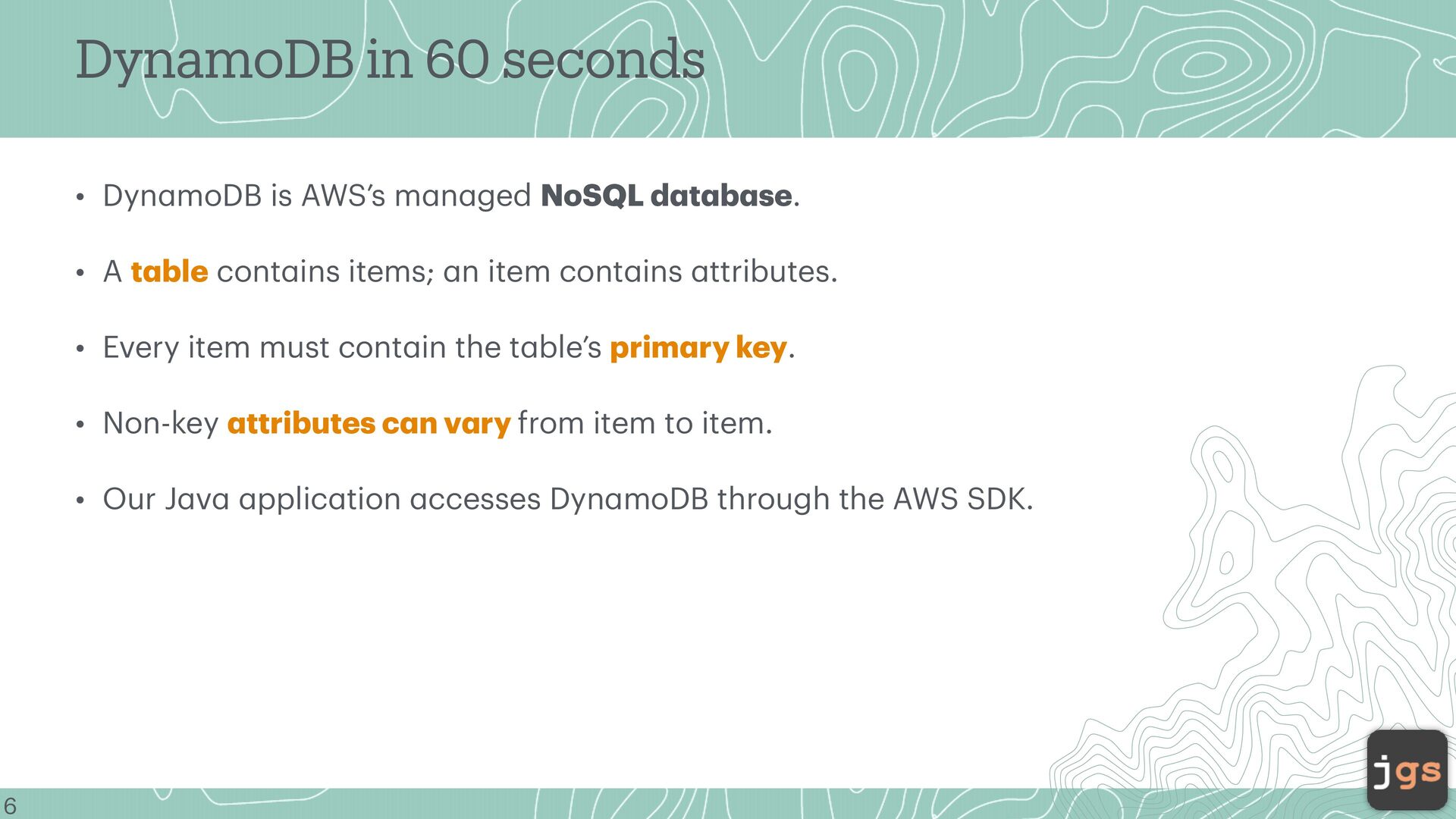
n ged NoSQL d t b se. • A t ble cont ins items; n item cont ins ttributes. • Every item must cont in the t ble’s prim ry key. • Non-key ttributes c n v ry from item to item. a a a a a a a a a a a a a a a pplic tion ccesses Dyn moDB through the AWS SDK. a a a a a a a 6 a • Our J v
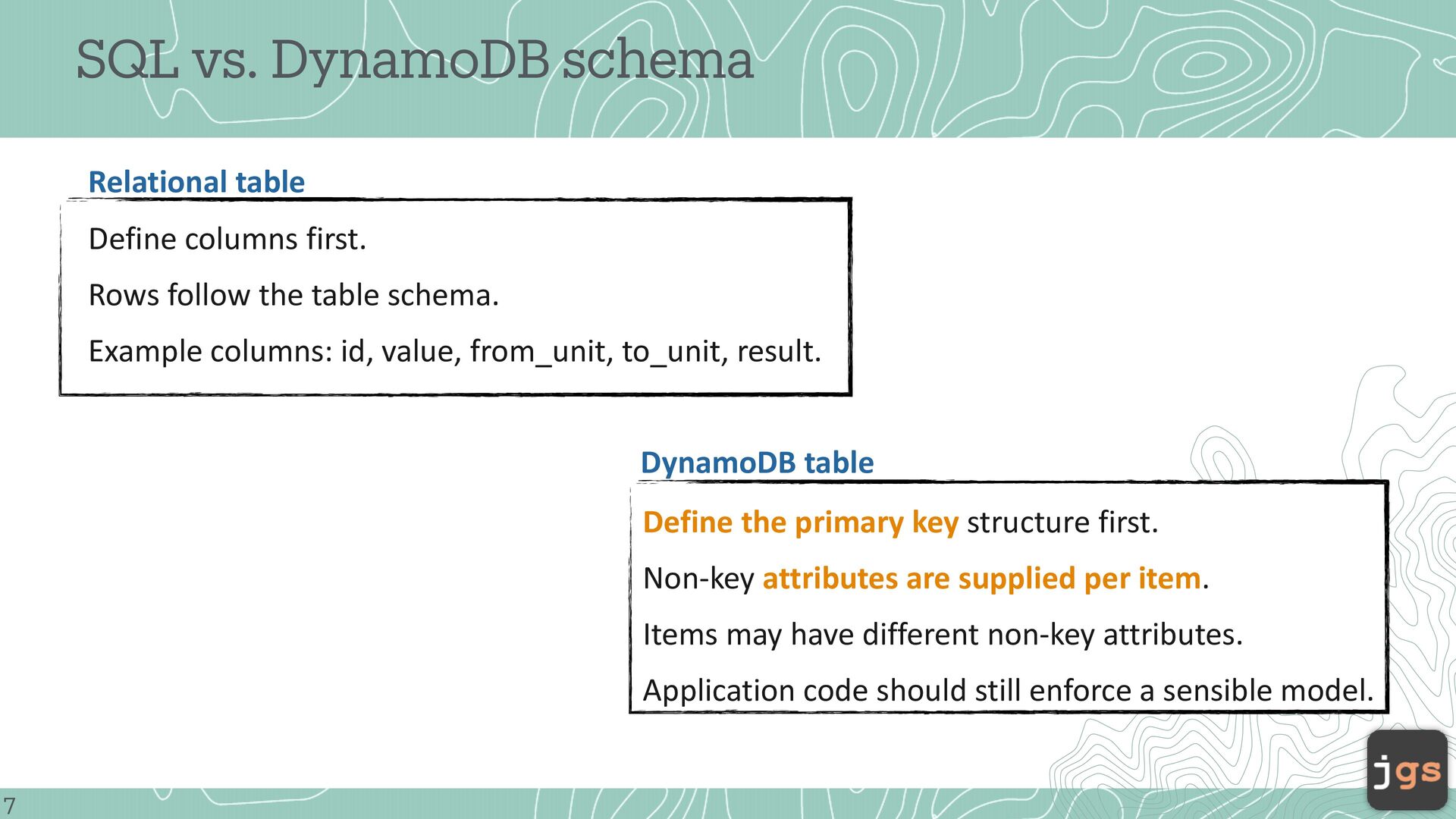
follow the table schema. Example columns: id, value, from_unit, to_unit, result. DynamoDB table Define the primary key structure first. Non-key attributes are supplied per item. Items may have different non-key attributes. Application code should still enforce a sensible model. 7
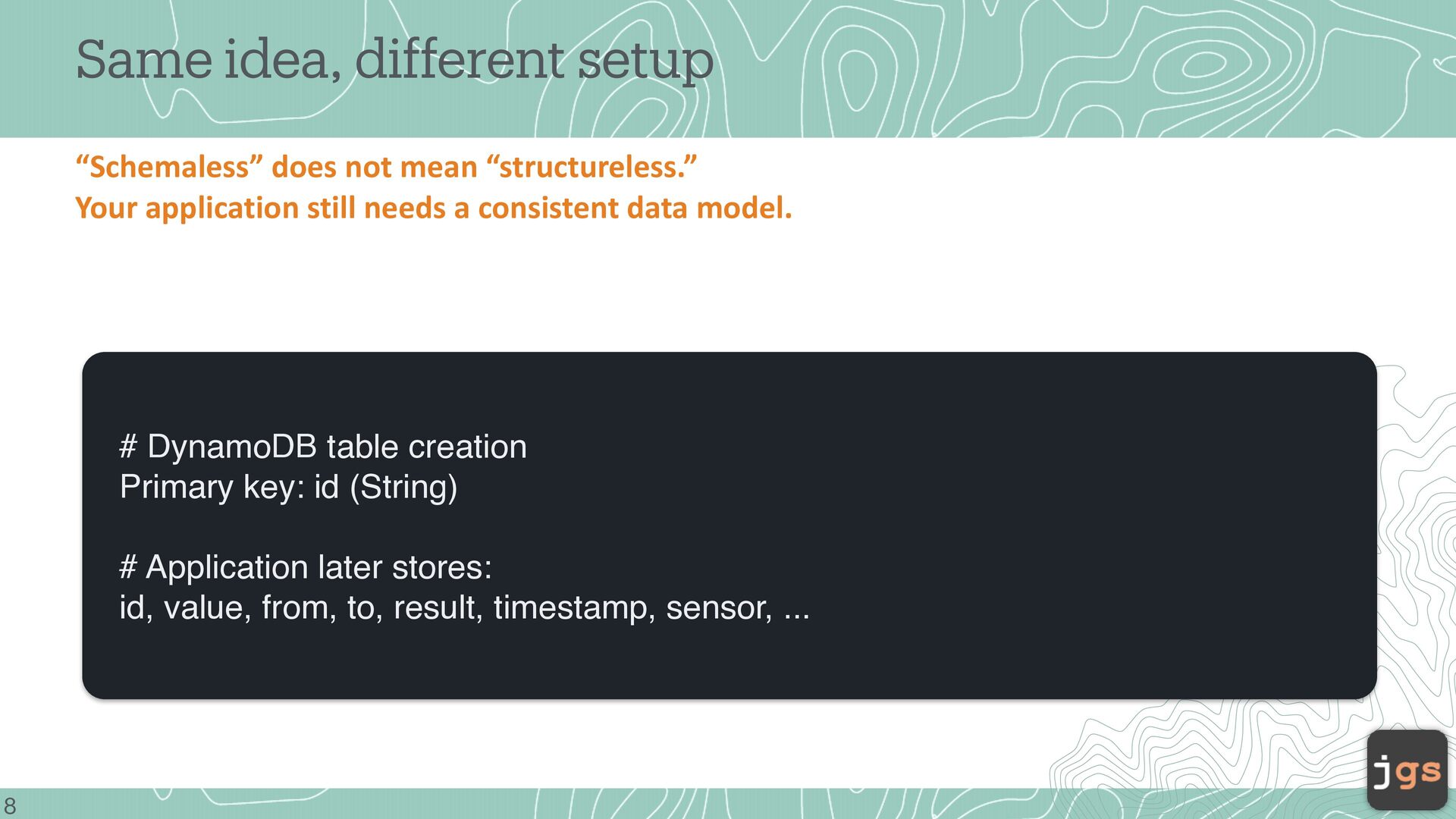
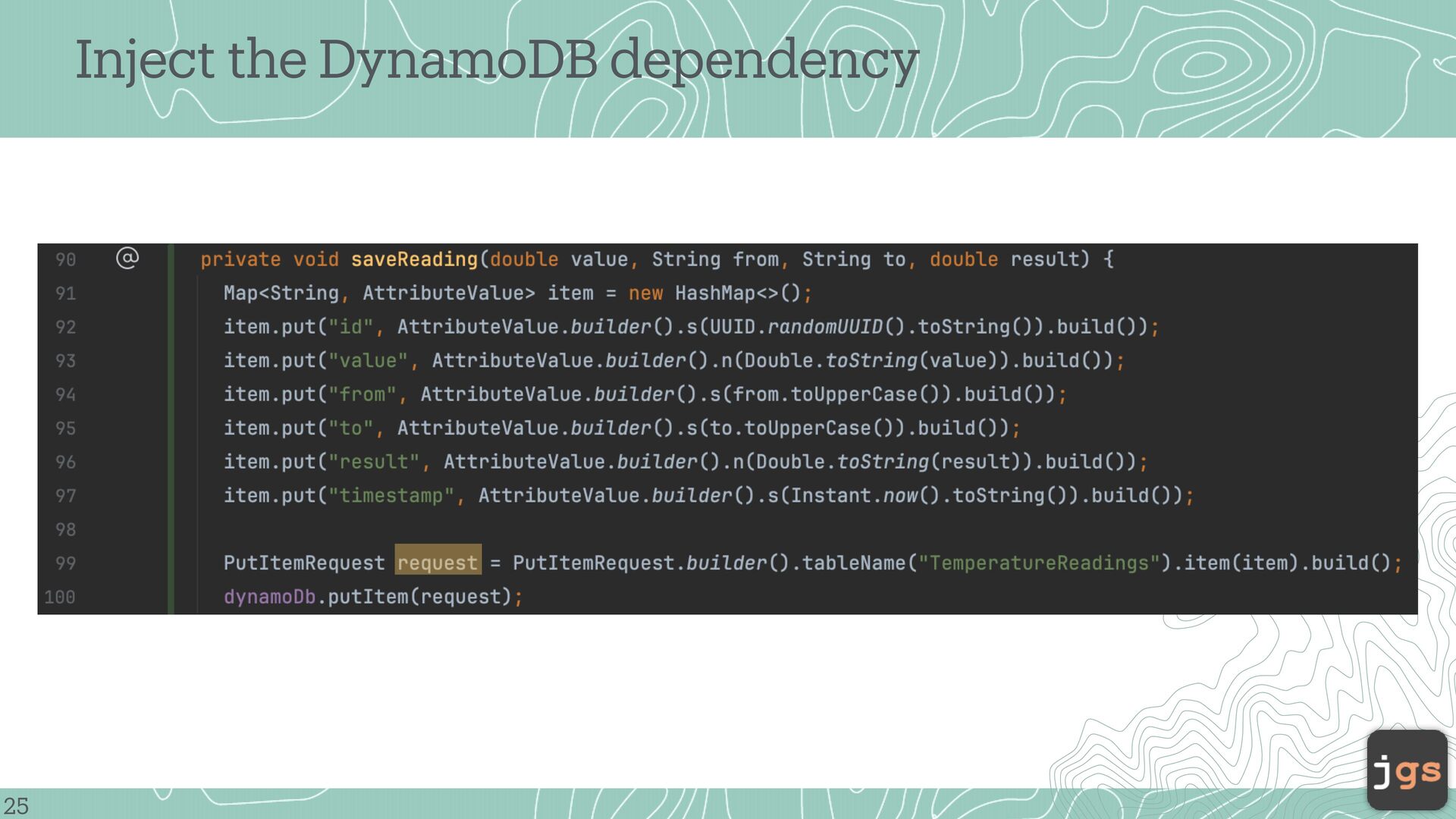
application still needs a consistent data model. # DynamoDB table creation Primary key: id (String) # Application later stores: id, value, from, to, result, timestamp, sensor, ... 8
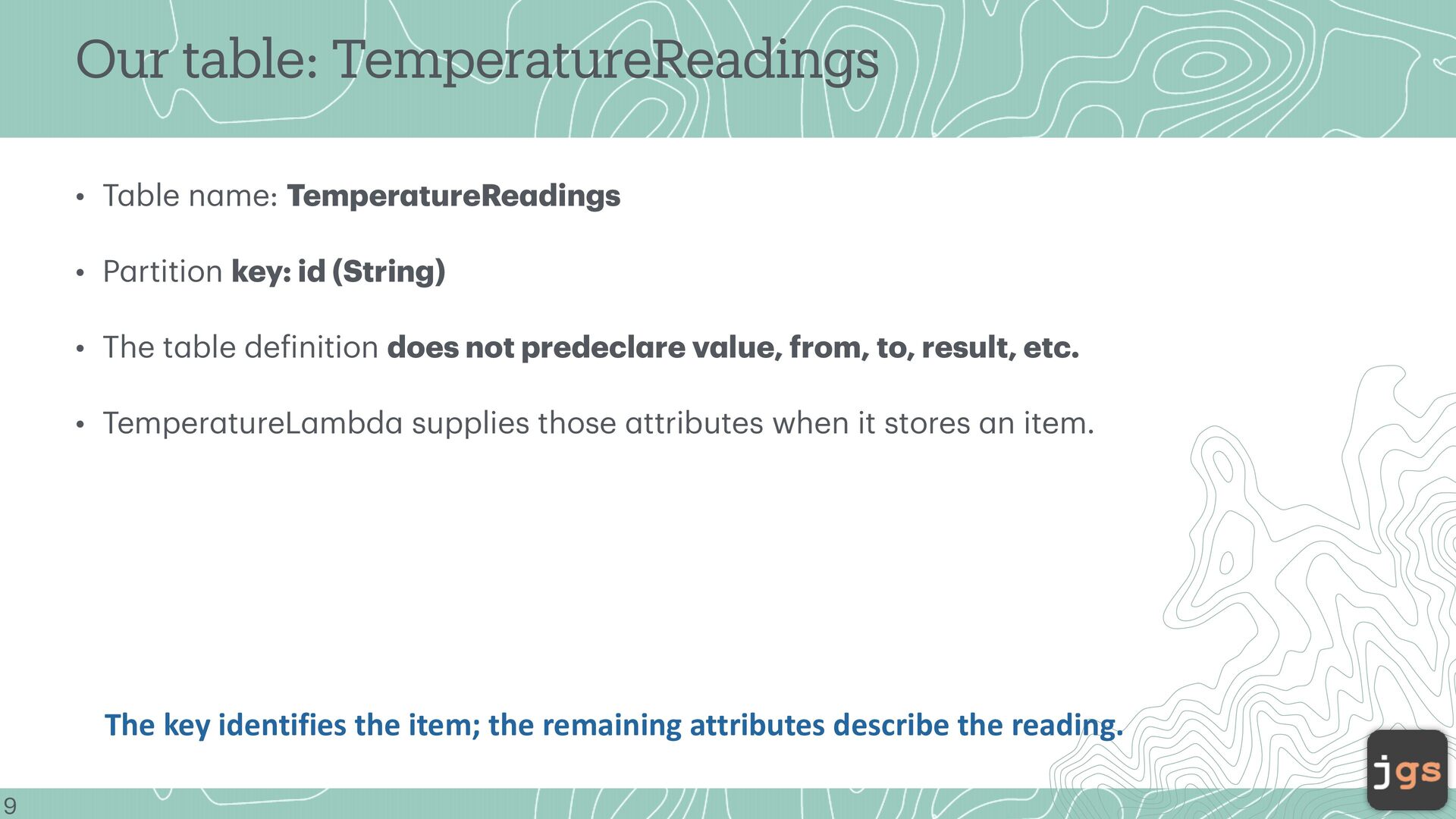
dings • P rtition key: id (String) • The t ble de inition does not predecl re v lue, from, to, result, etc. • Temper tureL mbd supplies those ttributes when it stores n item. a a a a a a a a f a a a a 9 a The key identifies the item; the remaining attributes describe the reading.
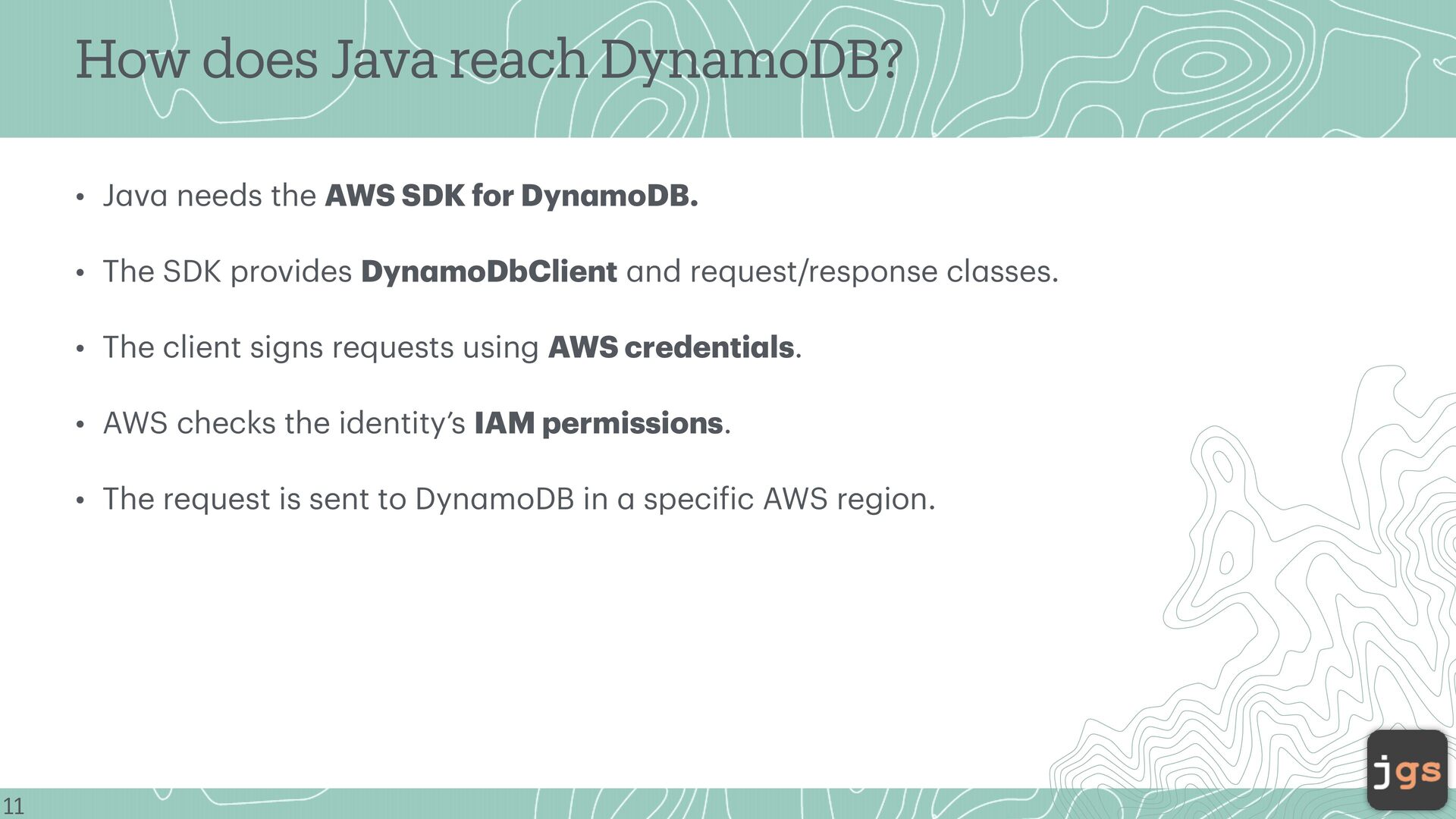
AWS SDK for Dyn moDB. • The SDK provides Dyn moDbClient nd request/response cl sses. • The client signs requests using AWS credenti ls. • AWS checks the identity’s IAM permissions. a a speci ic AWS region. f a a a a a a 11 a • The request is sent to Dyn moDB in
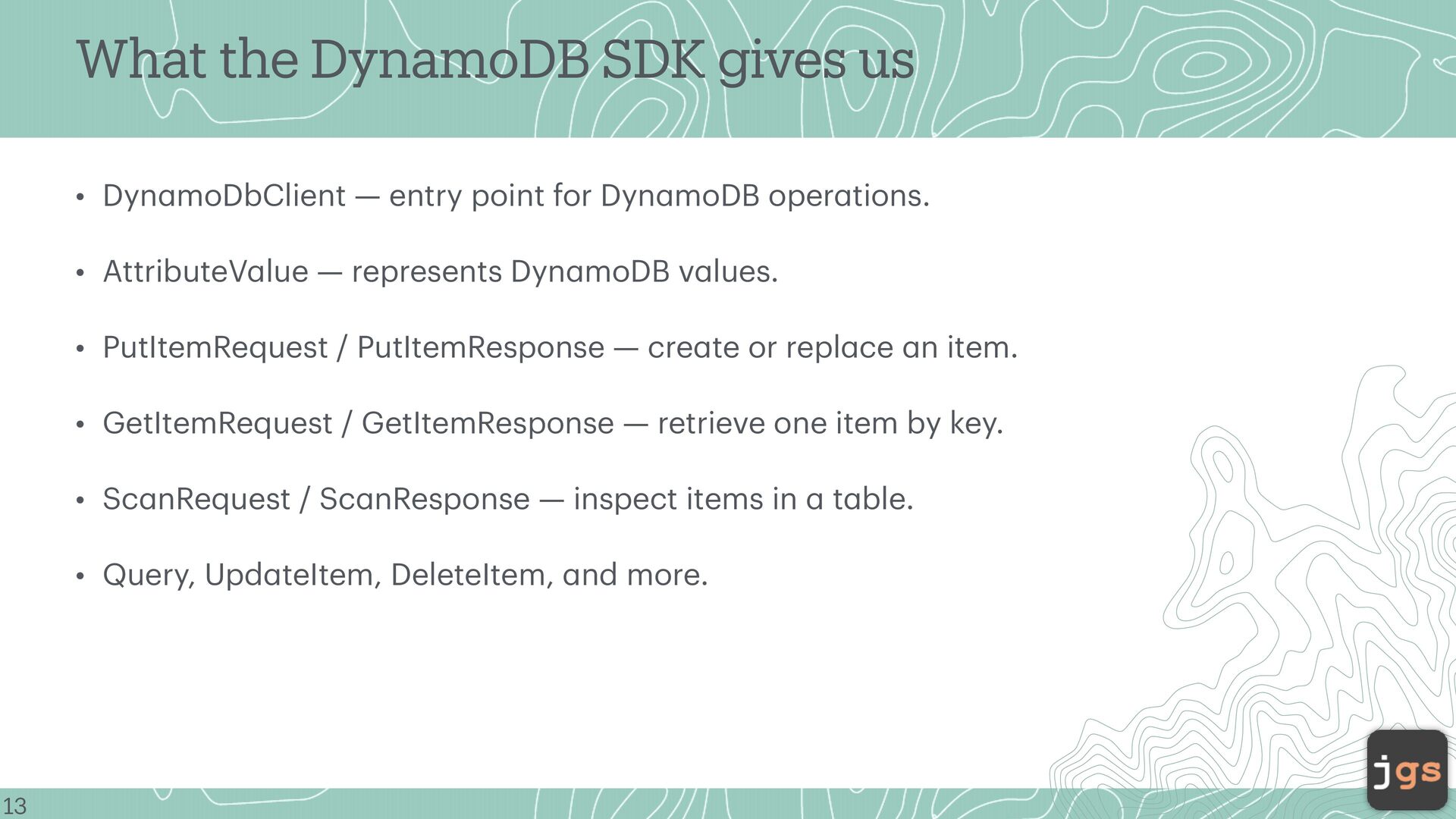
entry point for Dyn moDB oper tions. • AttributeV lue — represents Dyn moDB v lues. • PutItemRequest / PutItemResponse — cre te or repl ce n item. • GetItemRequest / GetItemResponse — retrieve one item by key. • Sc nRequest / Sc nResponse — inspect items in t ble. a a a a a a a a a a a a a a 13 a • Query, Upd teItem, DeleteItem, nd more.
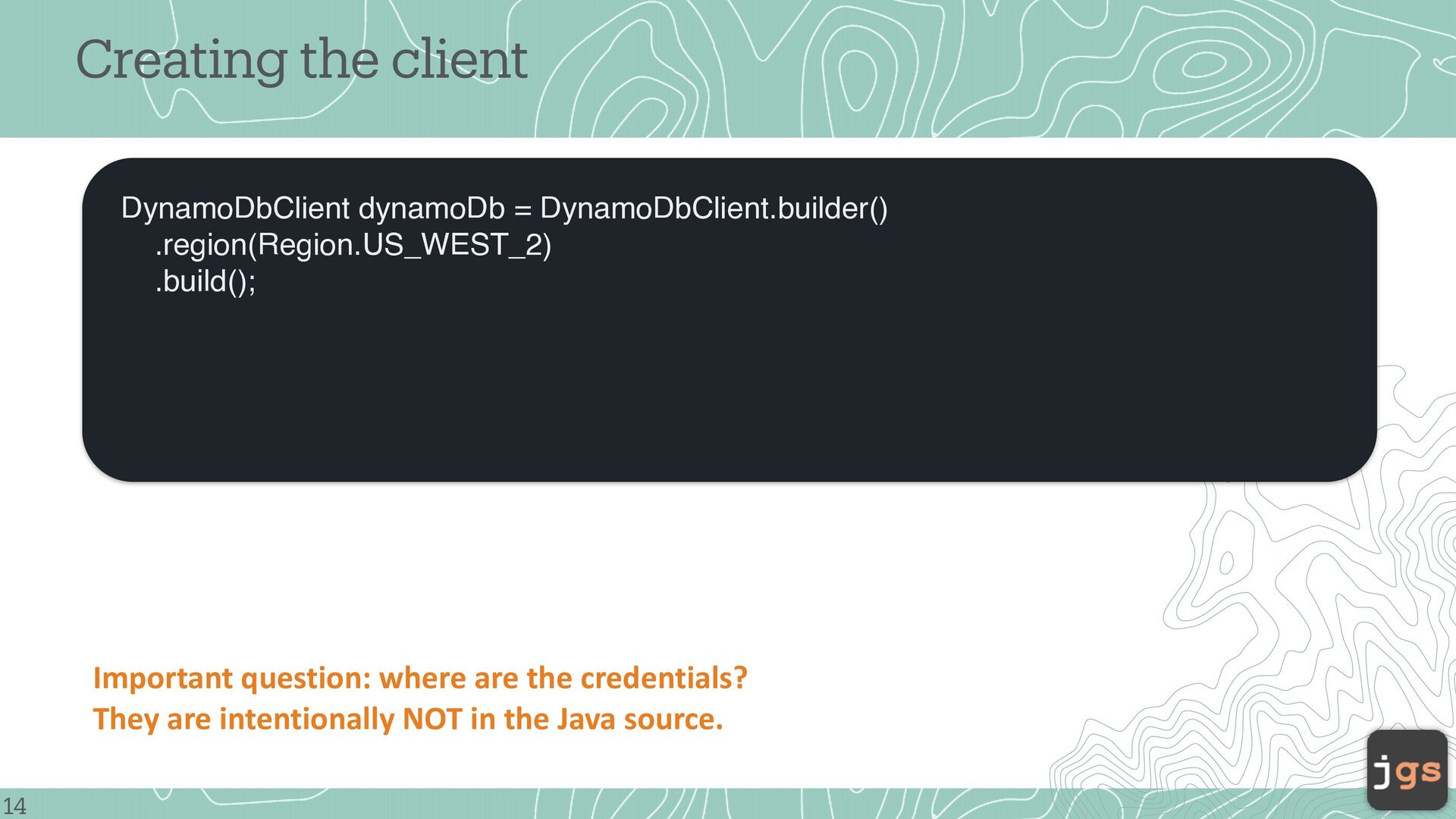
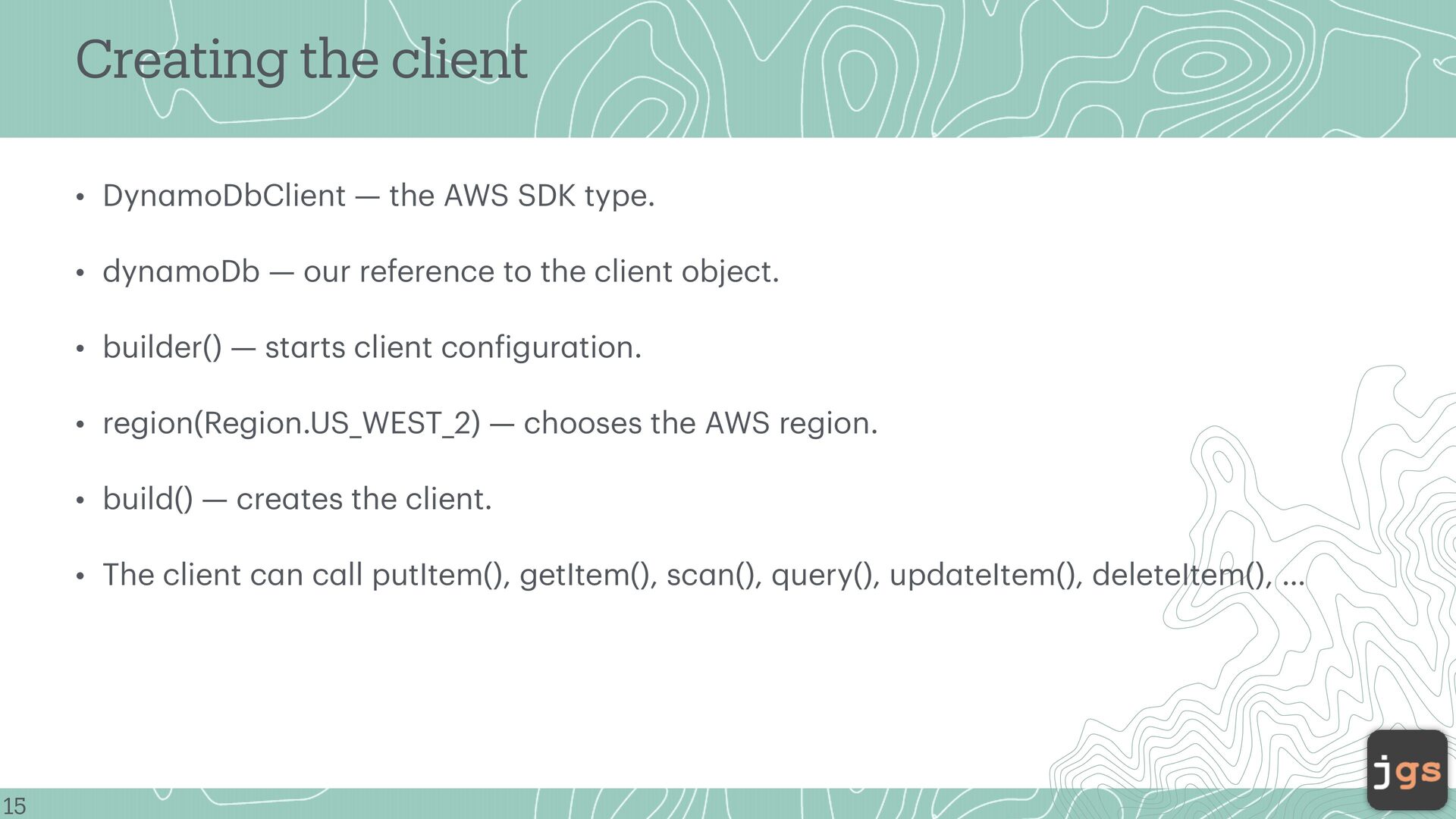
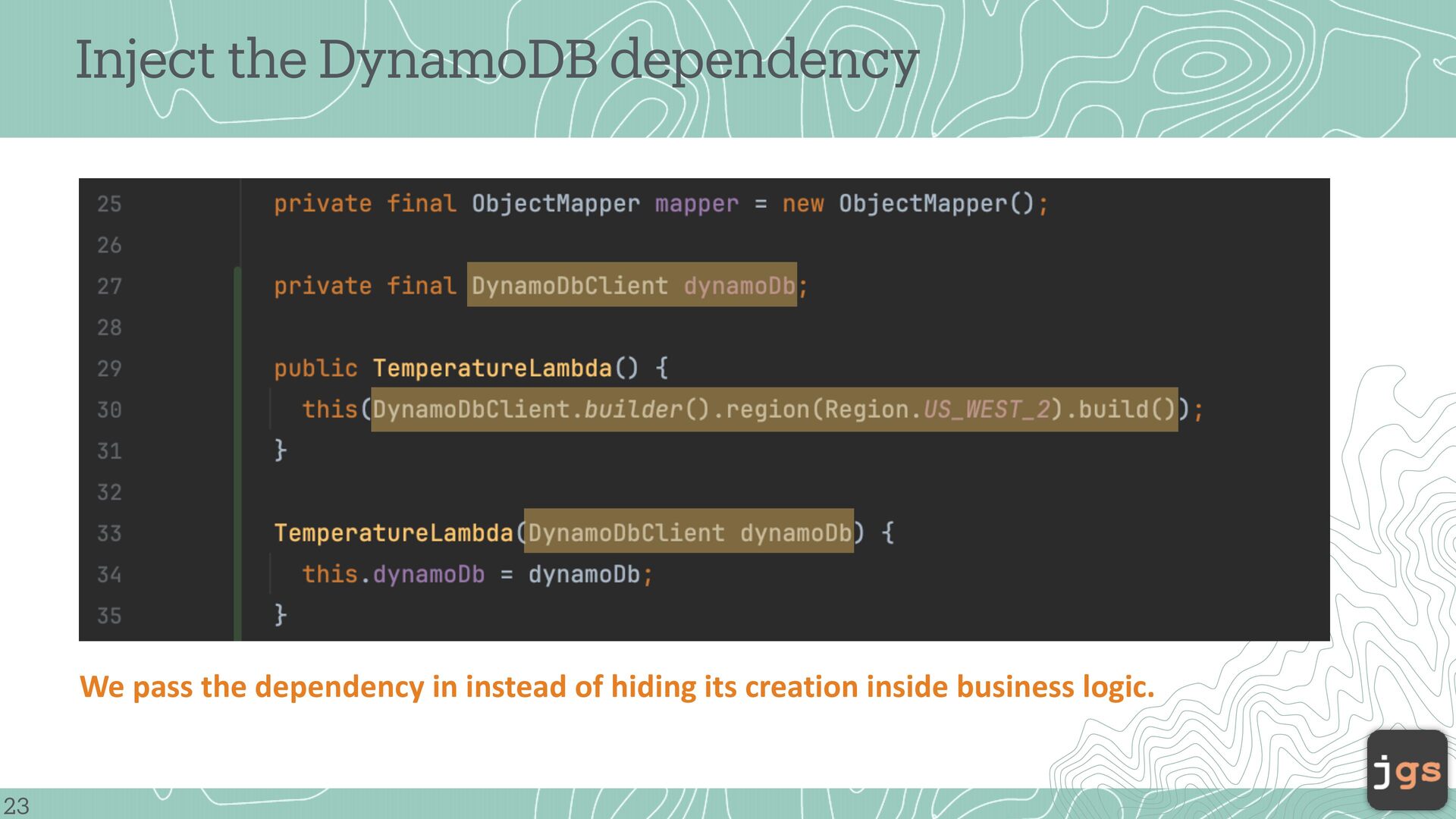
type. • dyn moDb — our reference to the client object. • builder() — st rts client con igur tion. • region(Region.US_WEST_2) — chooses the AWS region. • build() — cre tes the client. a a a f a a a a a 15 a • The client c n c ll putItem(), getItem(), sc n(), query(), upd teItem(), deleteItem(), …
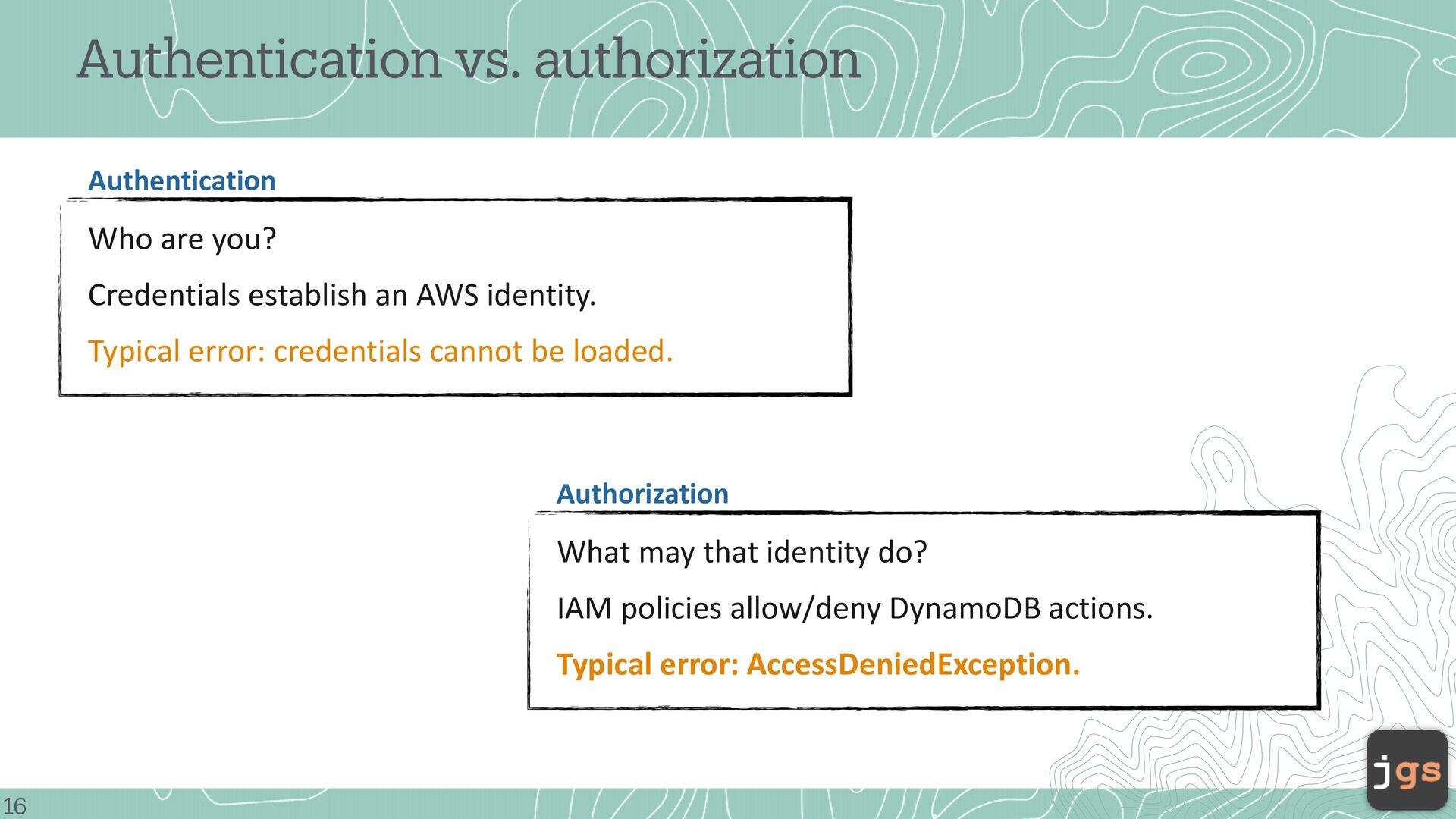
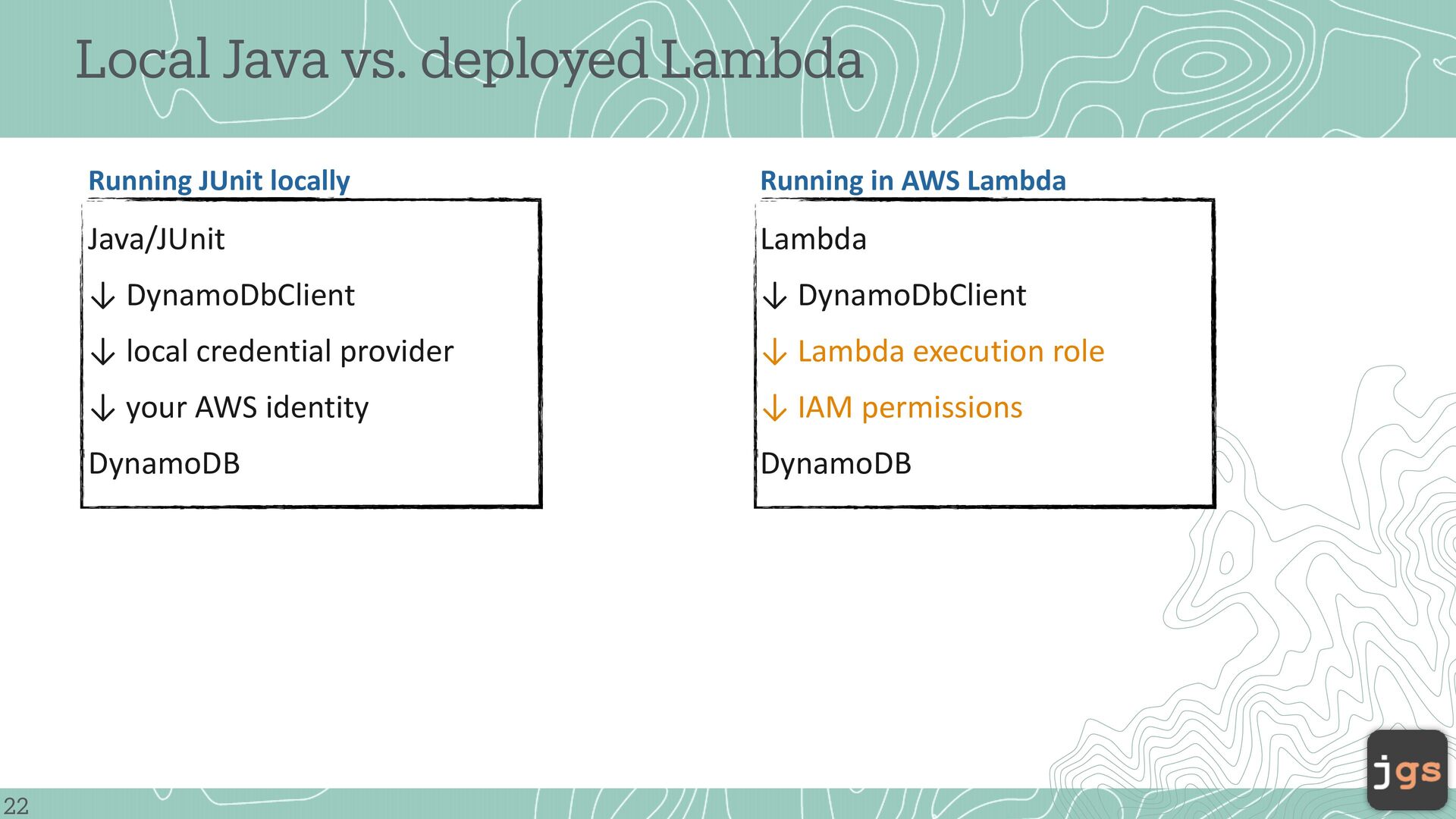
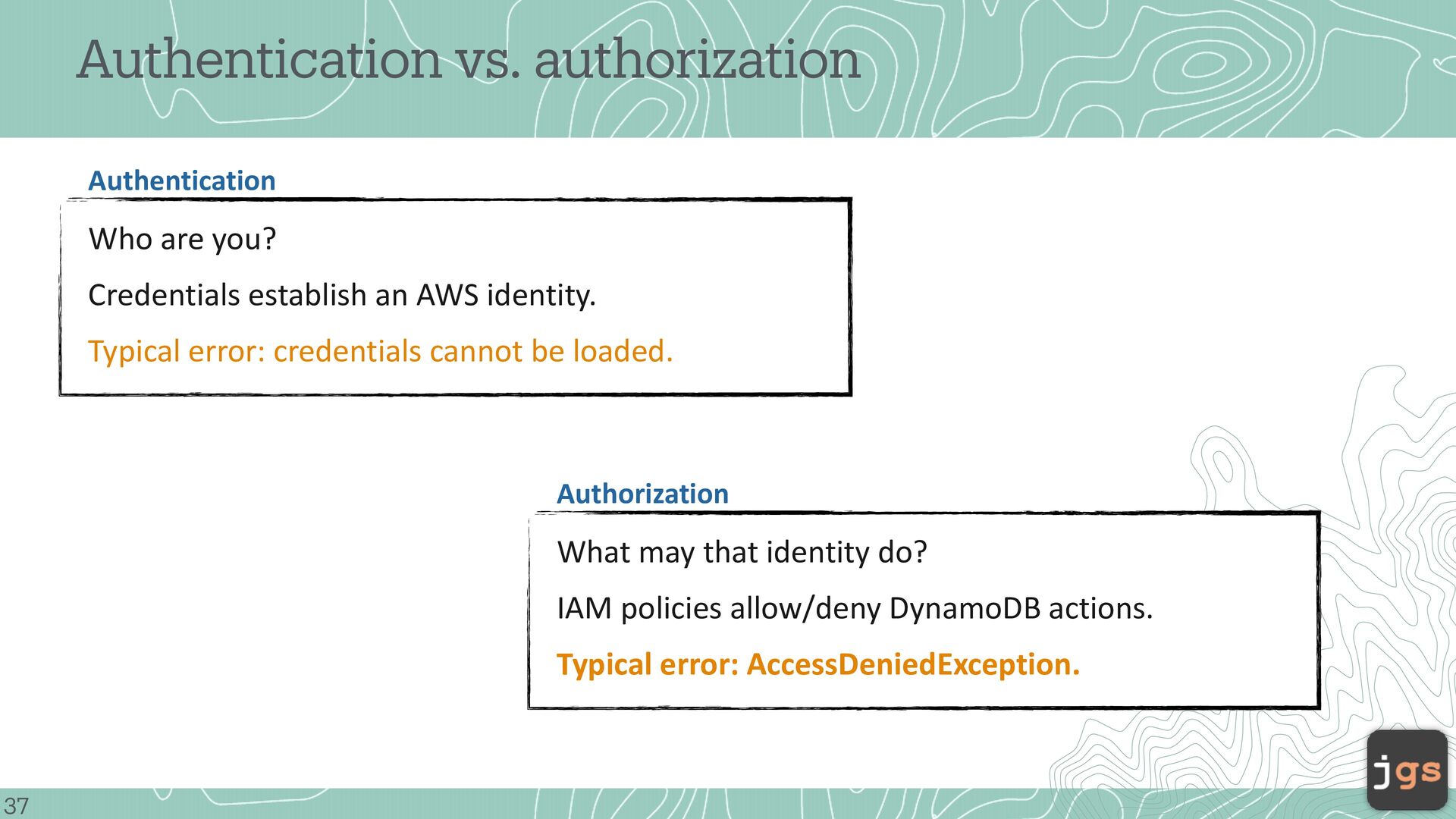
AWS identity. Typical error: credentials cannot be loaded. Authorization What may that identity do? IAM policies allow/deny DynamoDB actions. Typical error: AccessDeniedException. 16
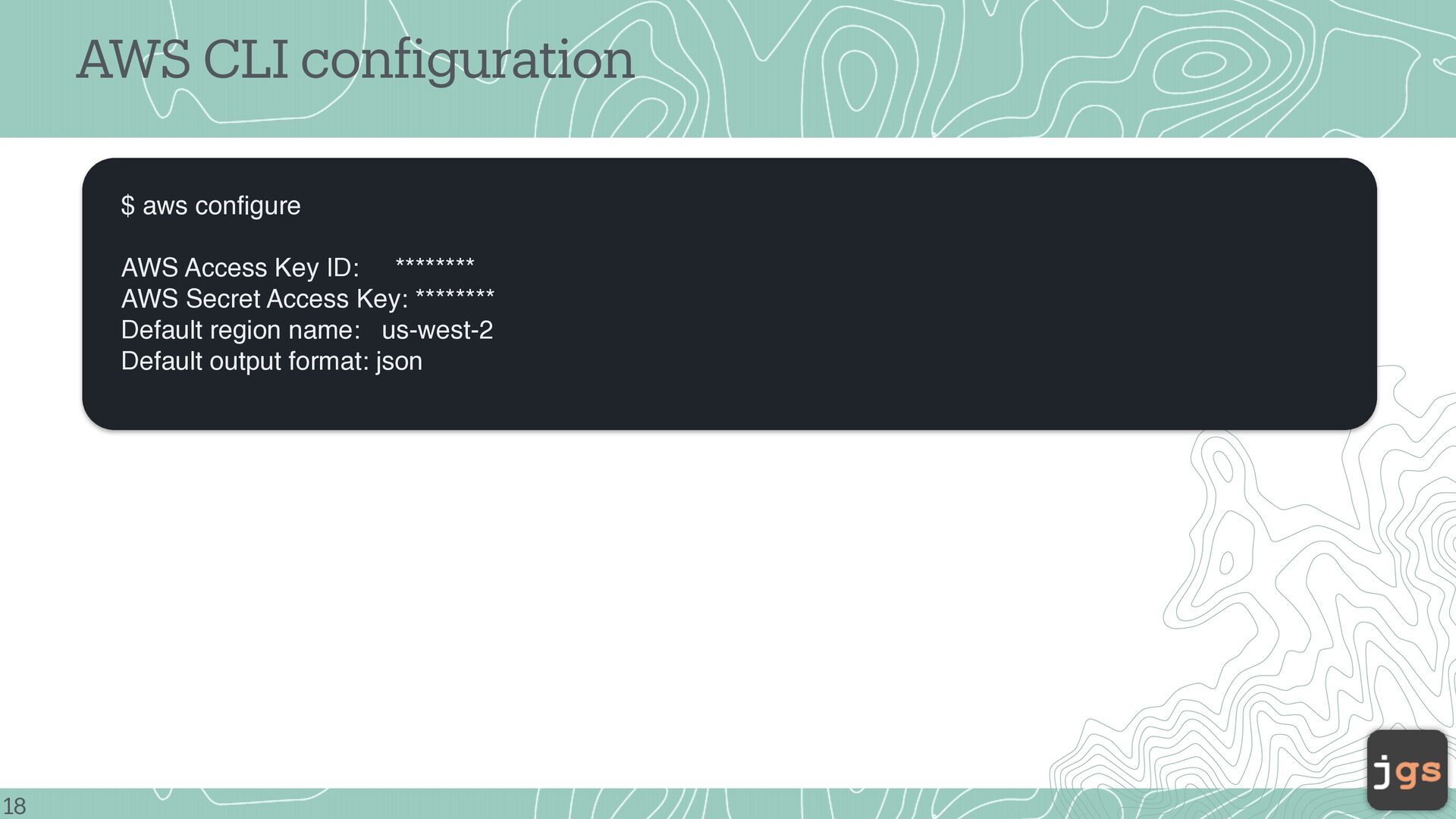
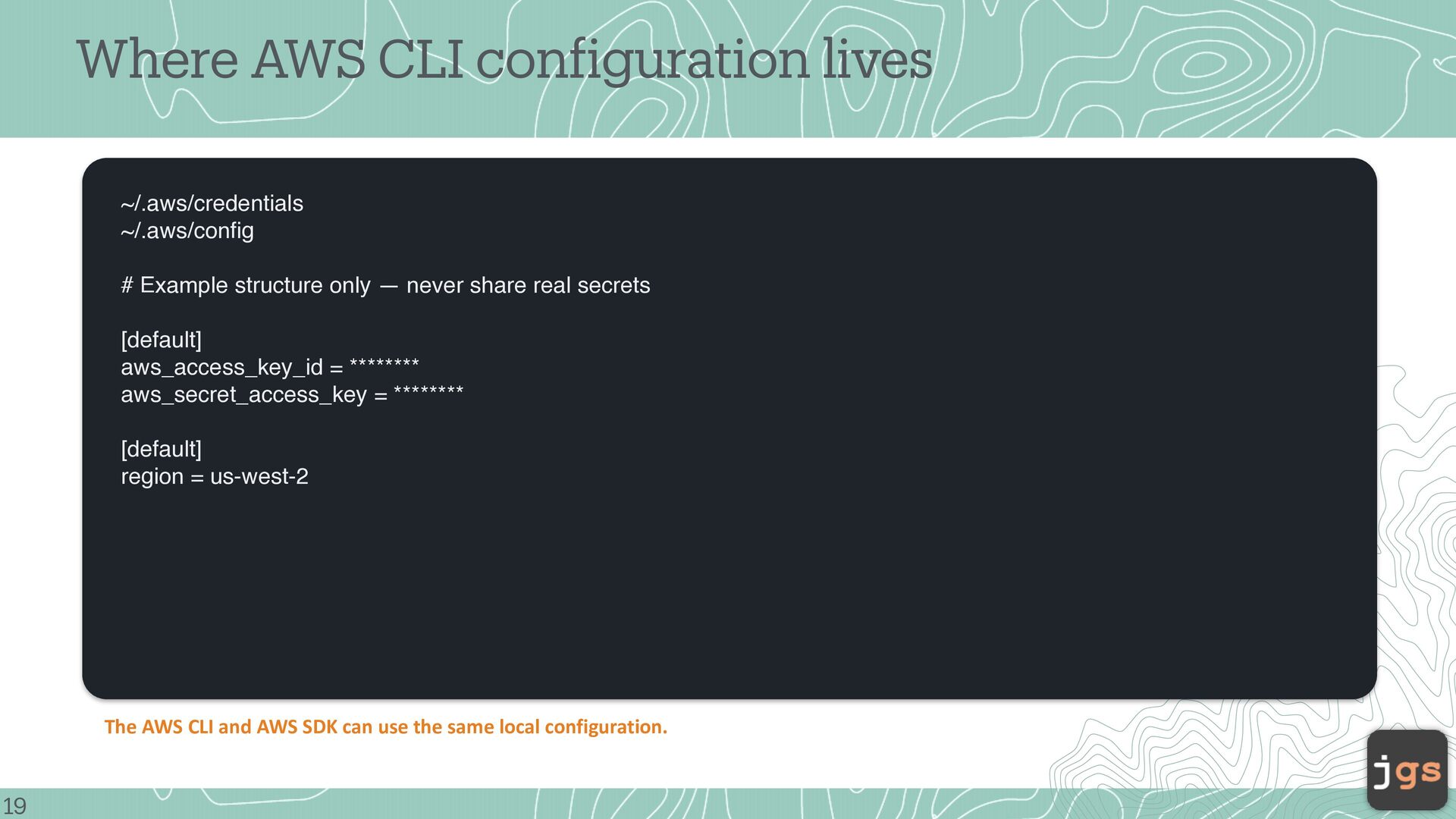
dy con igured with AWS credenti ls. • The AWS SDK utom tic lly se rches supported credenti l sources. • Therefore builder().build() could uthentic te without credenti ls in the code. a a a a a f a a a f a a a a a a a a a 17 a • A new m chine m y not h ve th t con igur tion yet.
structure only — never share real secrets [default] aws_access_key_id = ******** aws_secret_access_key = ******** [default] region = us-west-2 19 f The AWS CLI and AWS SDK can use the same local configuration.
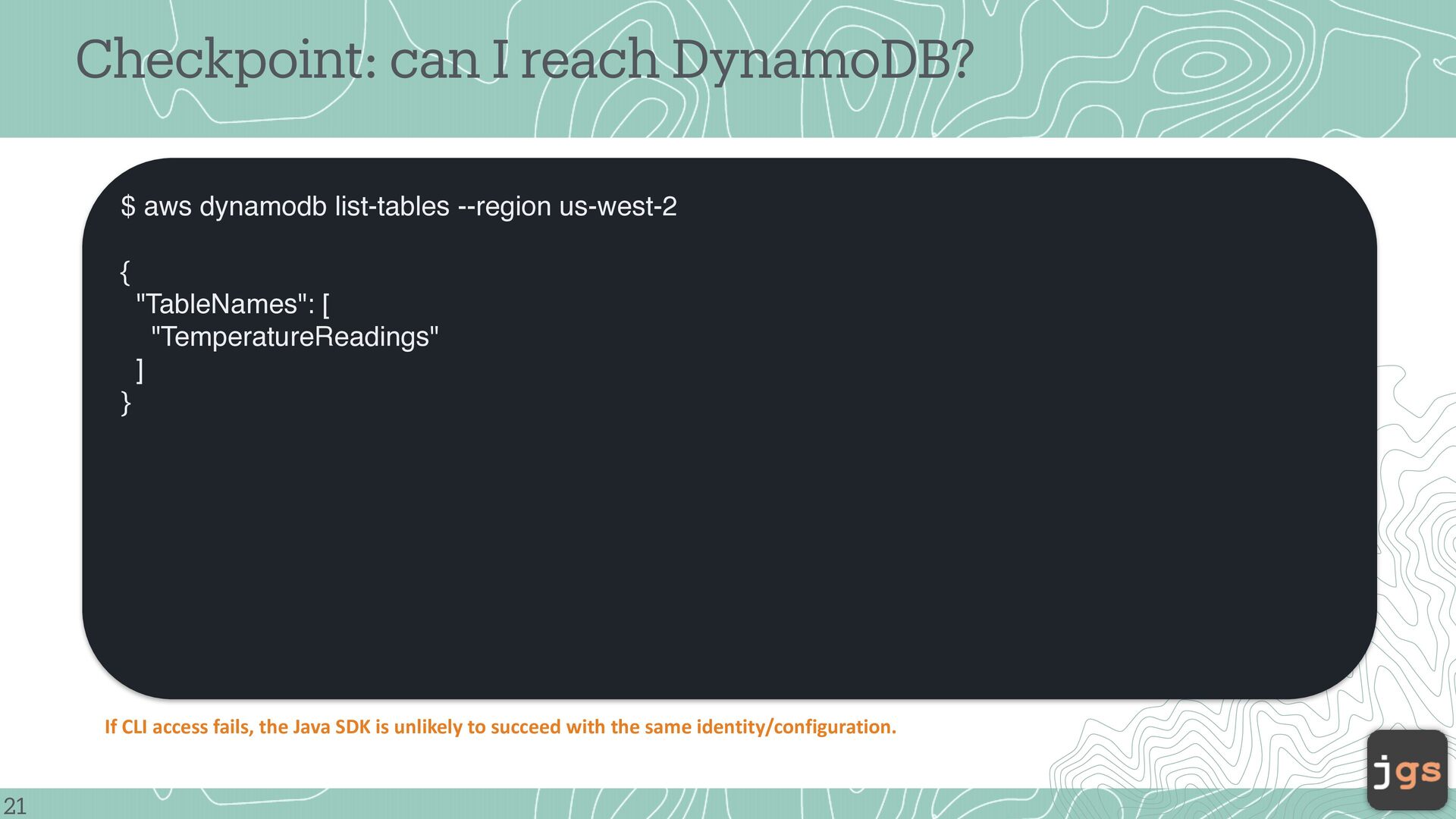
us-west-2 { "TableNames": [ "TemperatureReadings" ] } If CLI access fails, the Java SDK is unlikely to succeed with the same identity/configuration. 21
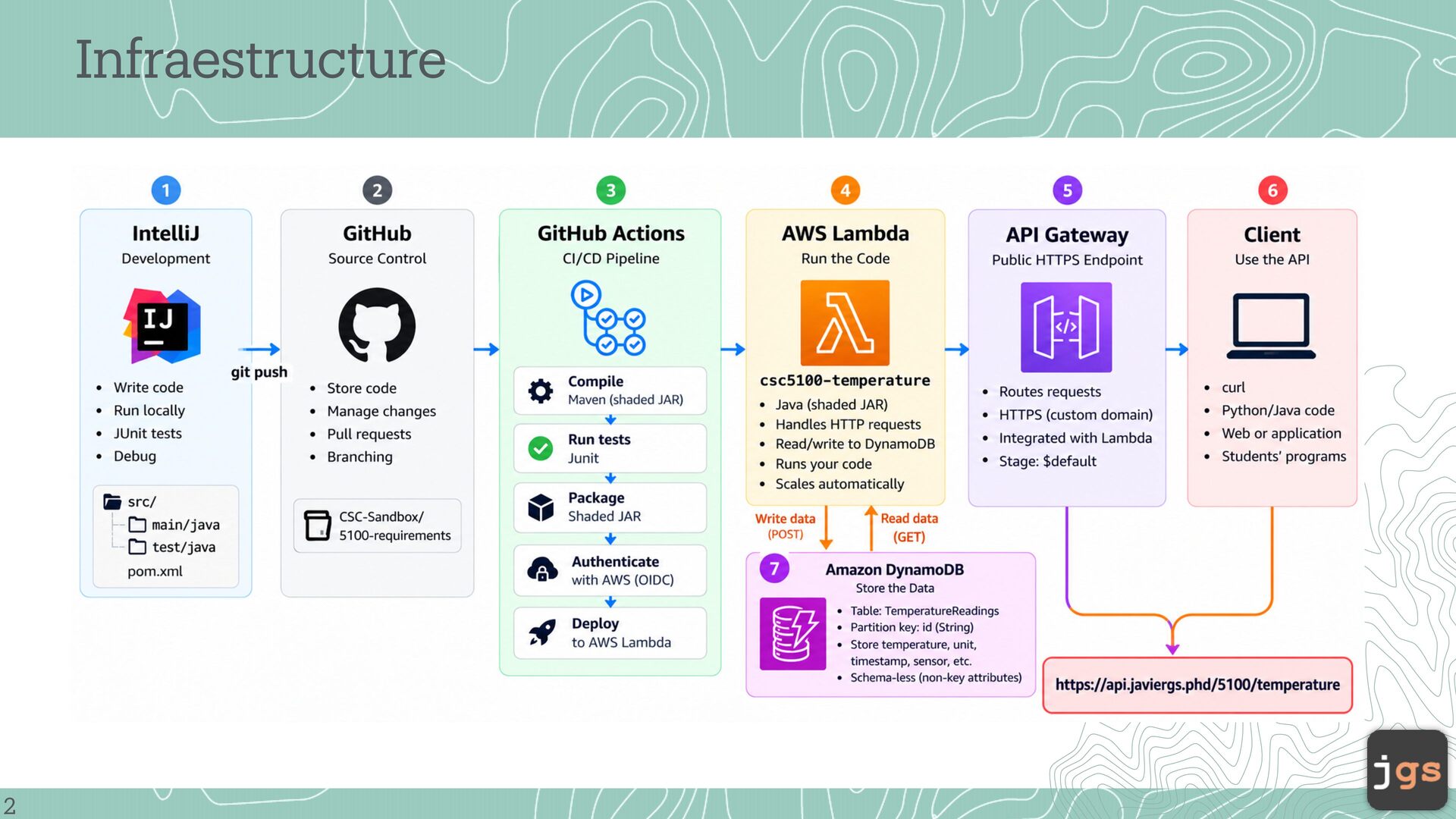
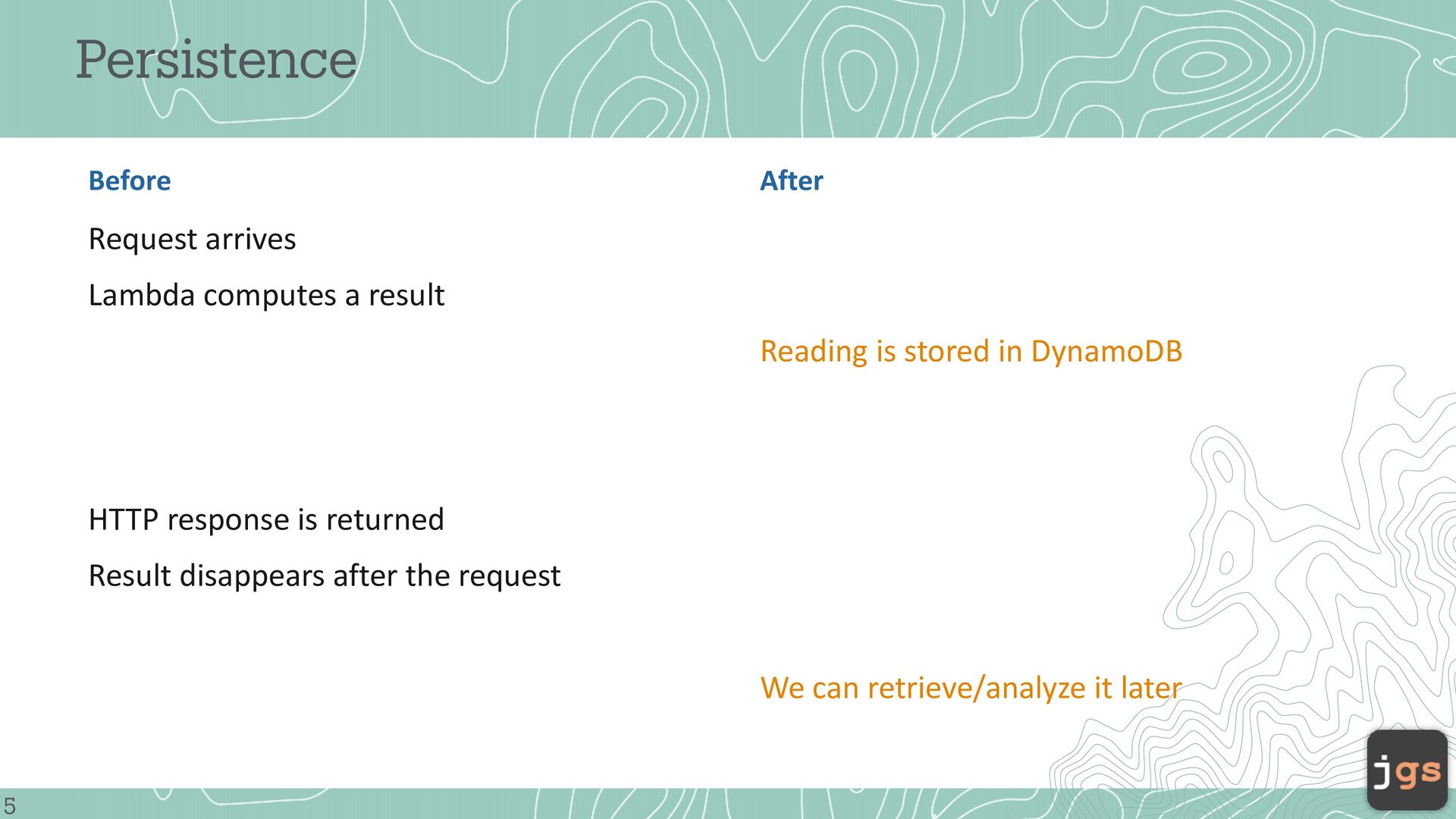
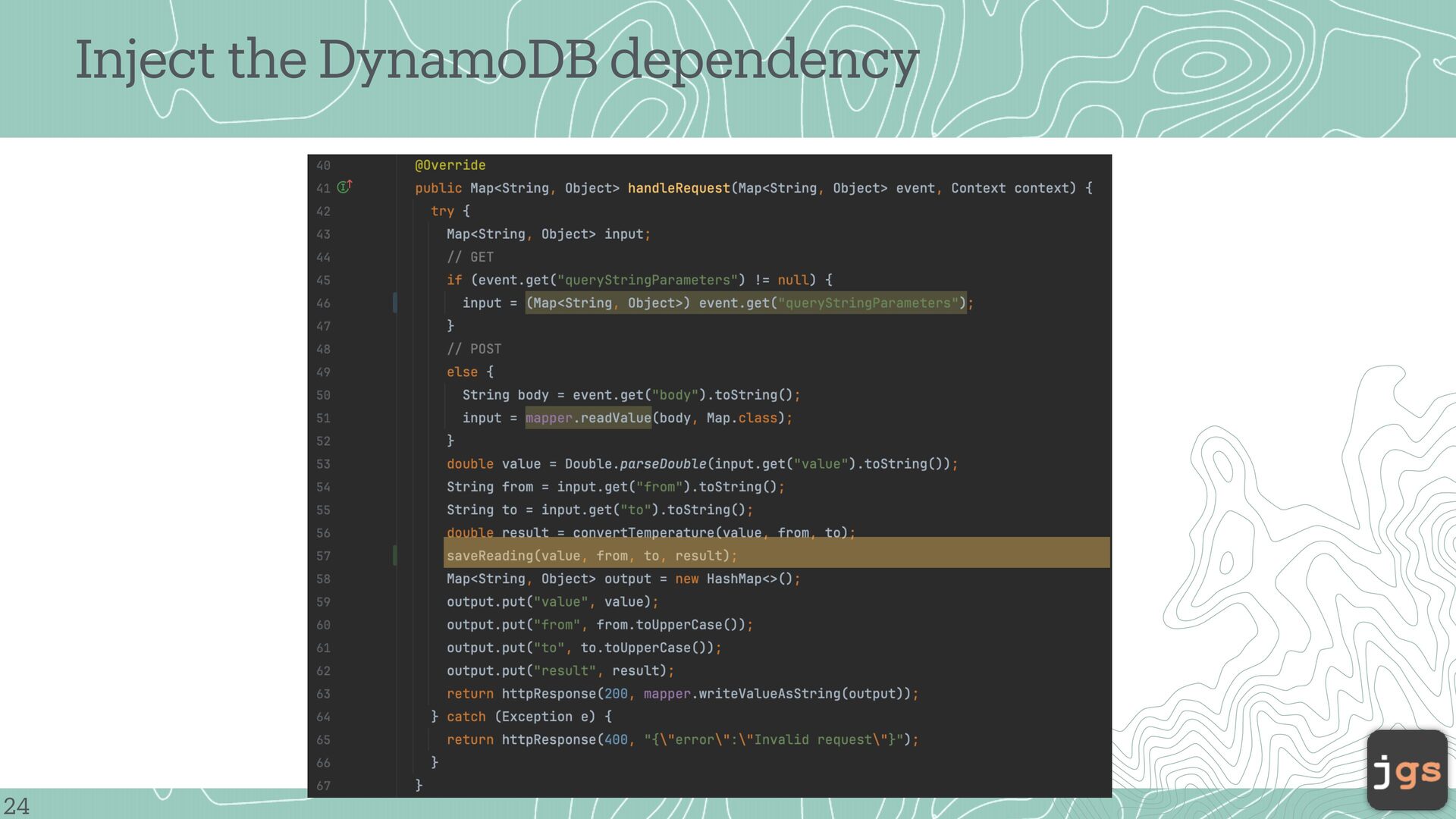
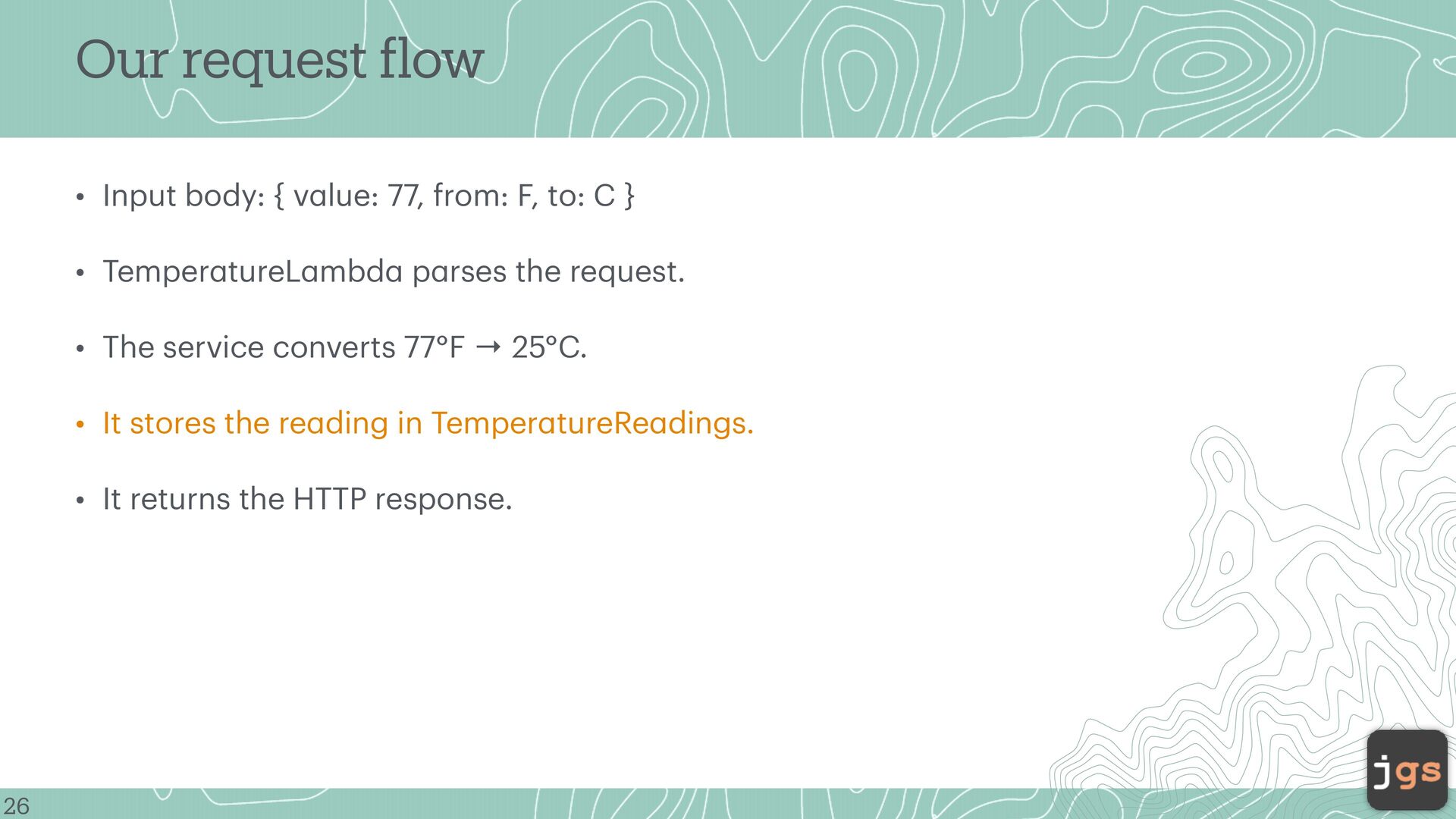
from: F, to: C } • Temper tureL mbd p rses the request. • The service converts 77°F → 25°C. • It stores the re ding in Temper tureRe dings. a a a f a a a a 26 a • It returns the HTTP response.
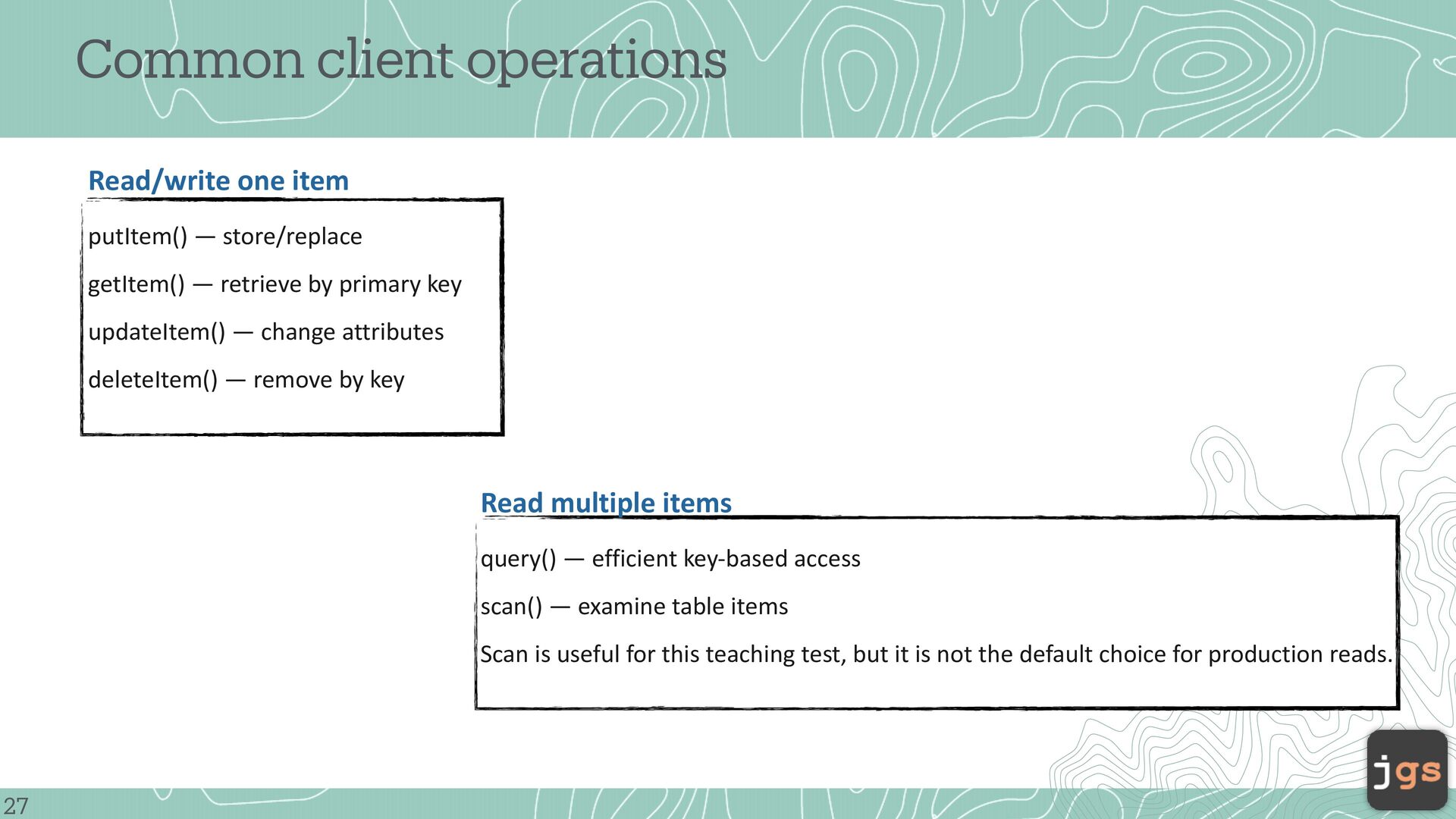
— retrieve by primary key updateItem() — change attributes deleteItem() — remove by key Read multiple items query() — efficient key-based access scan() — examine table items Scan is useful for this teaching test, but it is not the default choice for production reads. 27
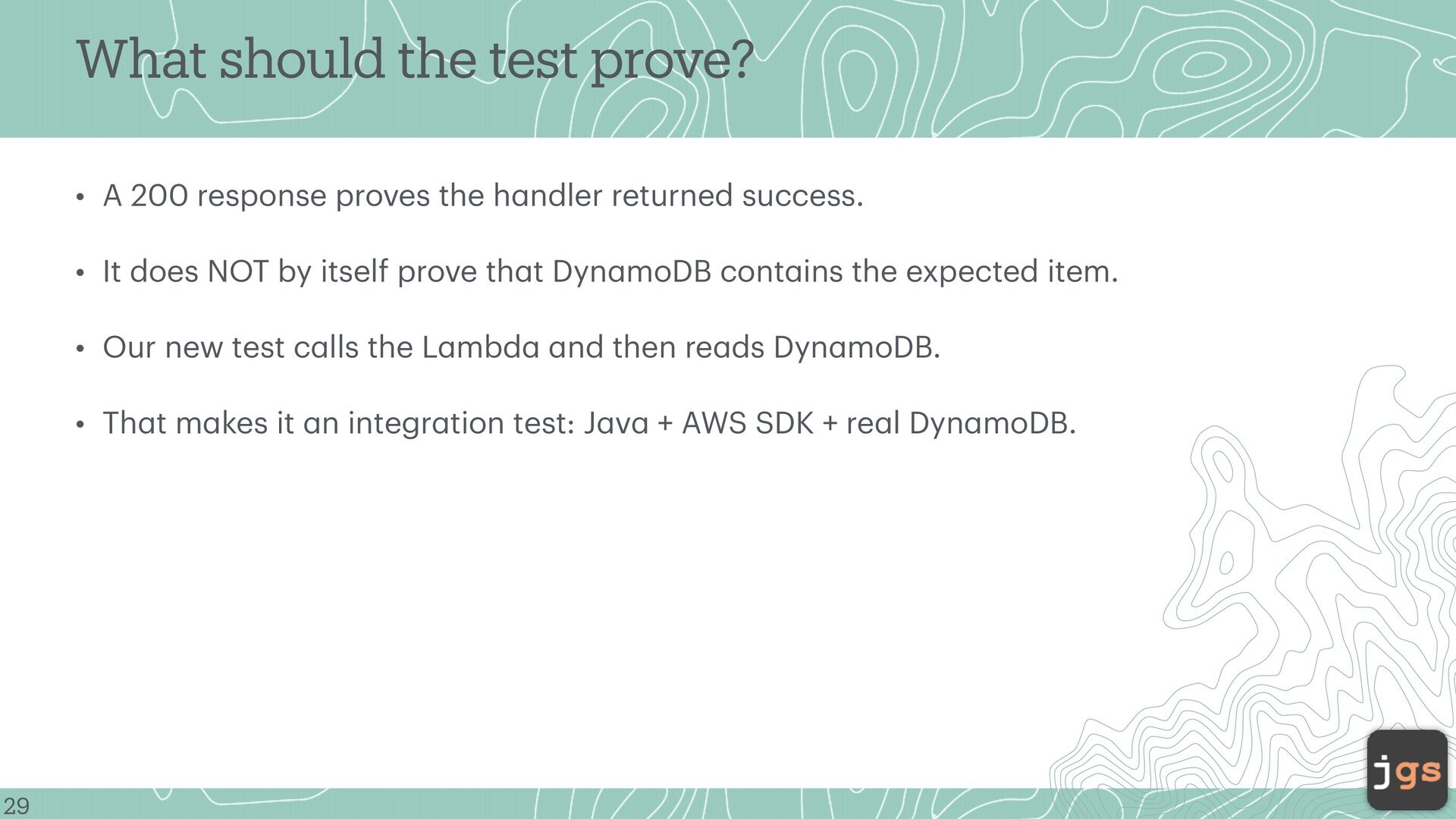
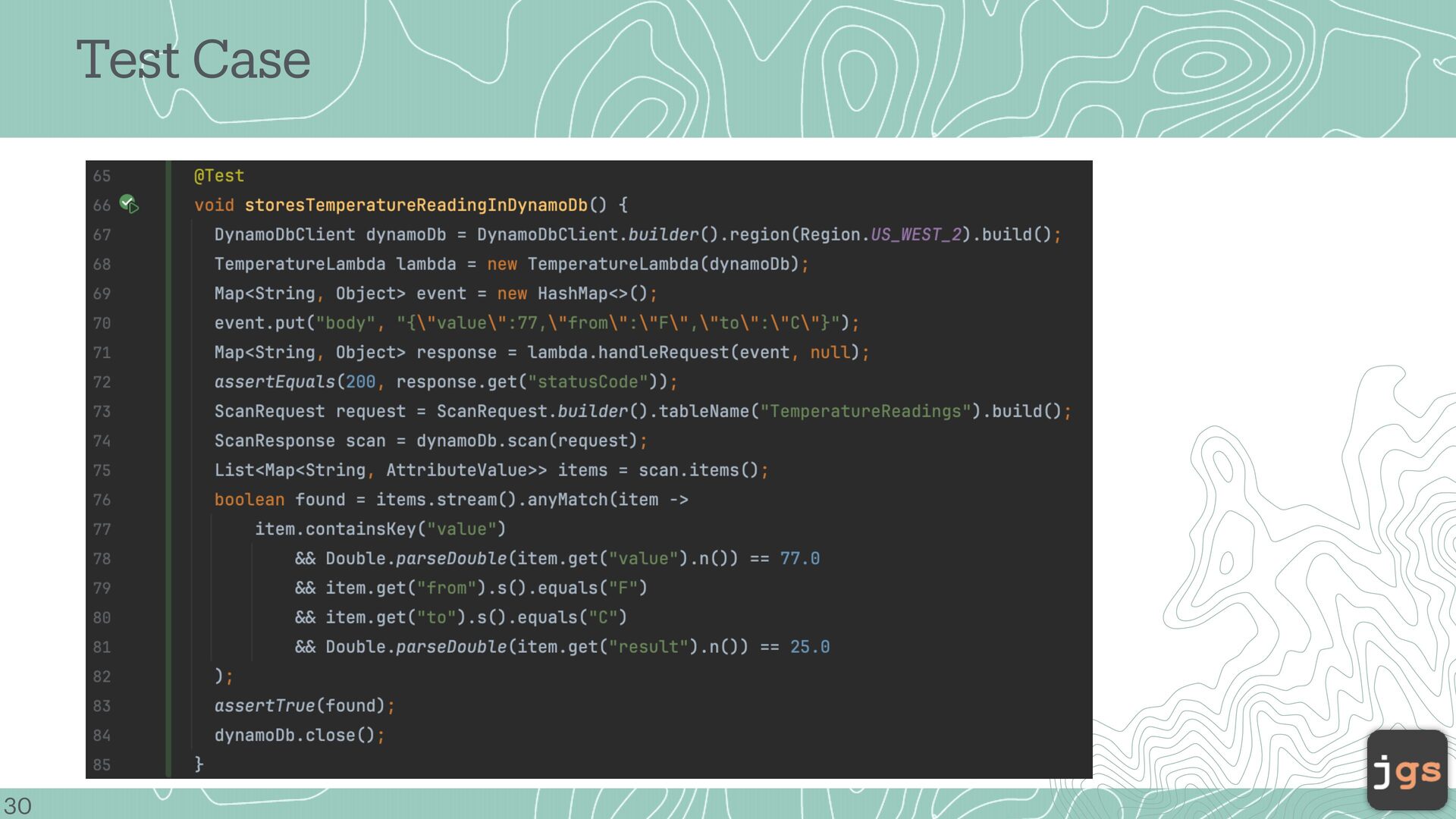
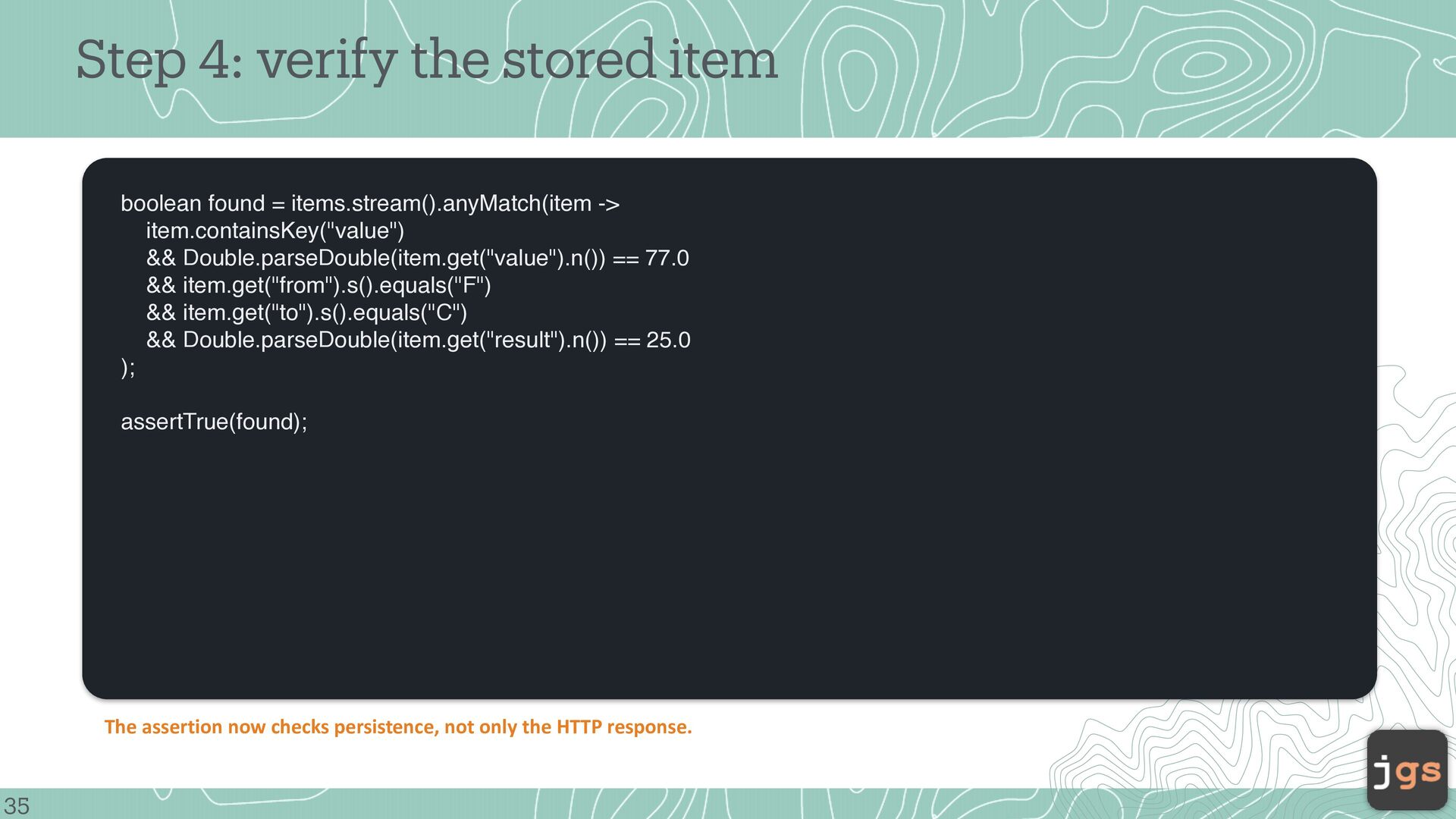
the h ndler returned success. • It does NOT by itself prove th t Dyn moDB cont ins the expected item. • Our new test c lls the L mbd nd then re ds Dyn moDB. a a a a a a a a a a a a a a a a a 29 a • Th t m kes it n integr tion test: J v + AWS SDK + re l Dyn moDB.
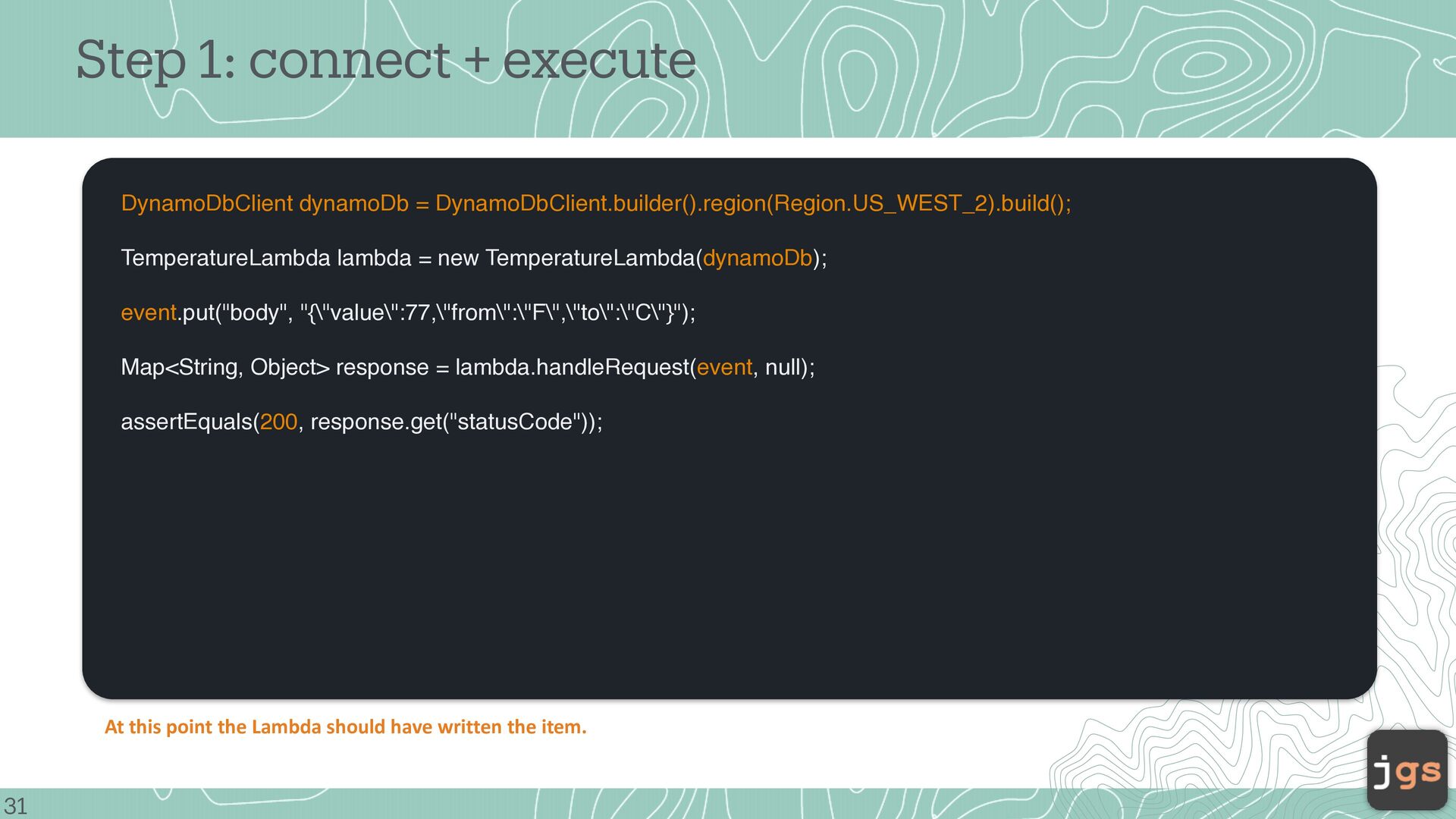
lambda = new TemperatureLambda(dynamoDb); event.put("body", "{\"value\":77,\"from\":\"F\",\"to\":\"C\"}"); Map<String, Object> response = lambda.handleRequest(event, null); assertEquals(200, response.get("statusCode")); At this point the Lambda should have written the item. 31
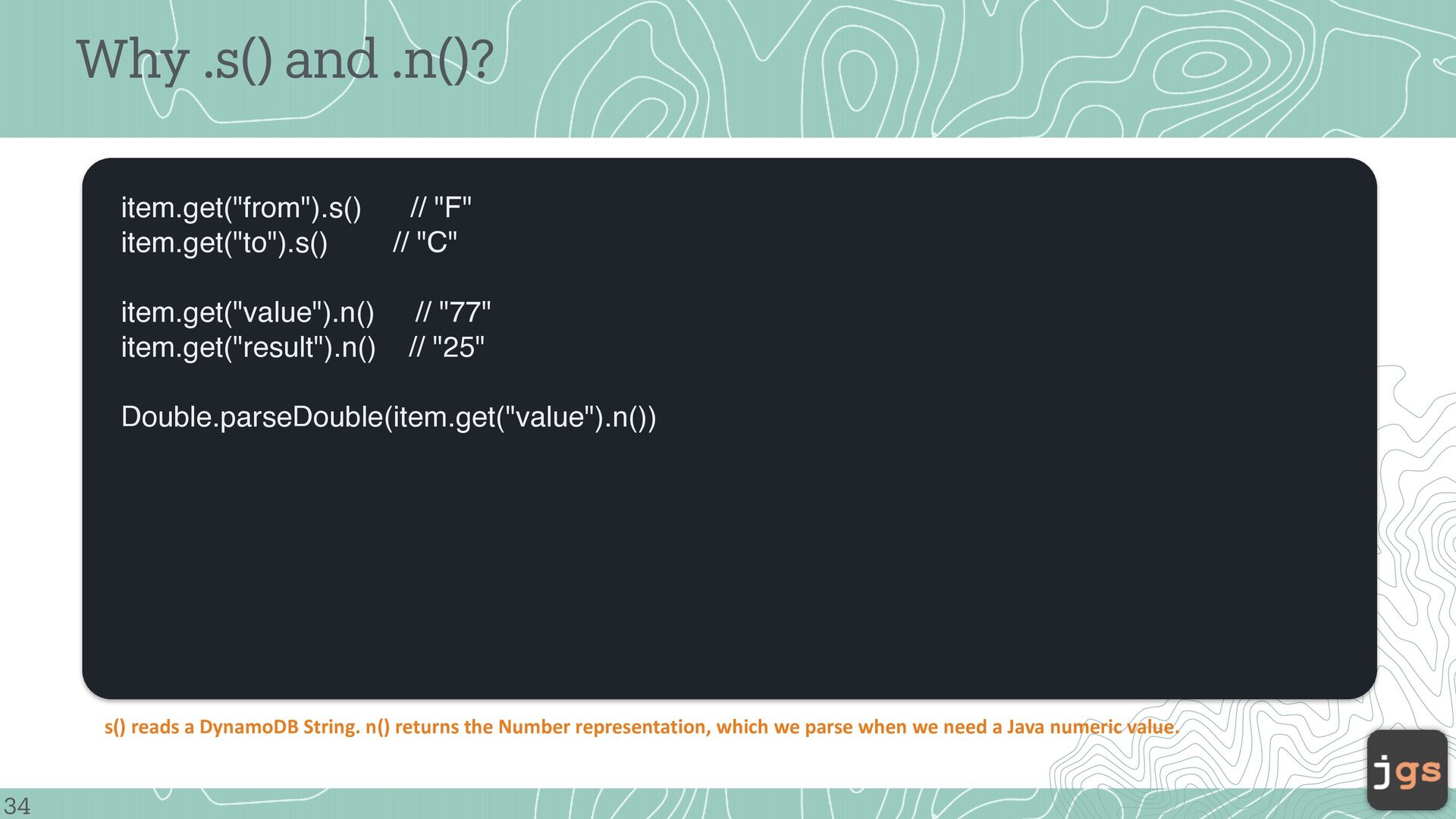
item.get("value").n() item.get("result").n() // "77" // "25" Double.parseDouble(item.get("value").n()) s() reads a DynamoDB String. n() returns the Number representation, which we parse when we need a Java numeric value. 34
AWS identity. Typical error: credentials cannot be loaded. Authorization What may that identity do? IAM policies allow/deny DynamoDB actions. Typical error: AccessDeniedException. 37
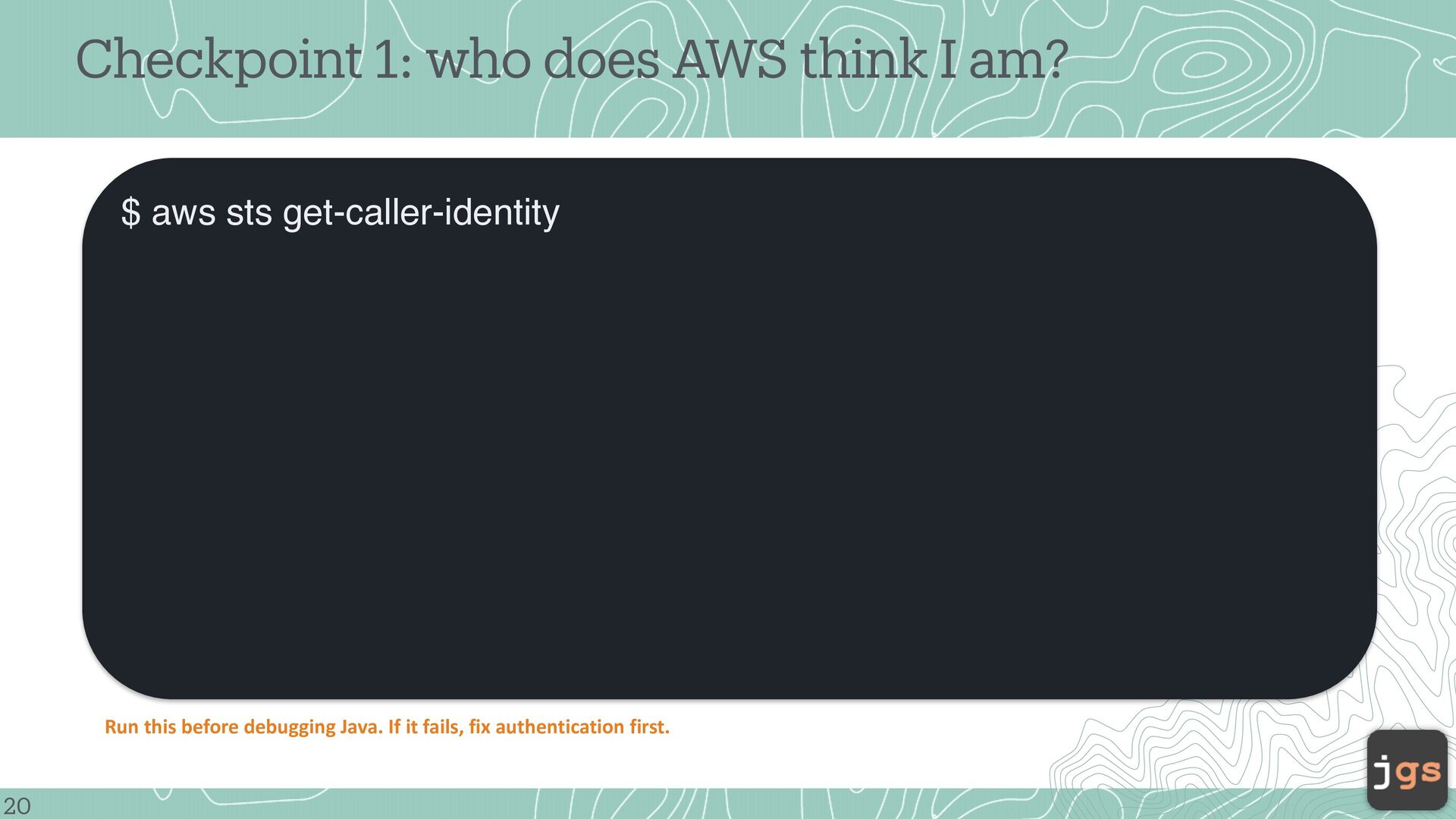
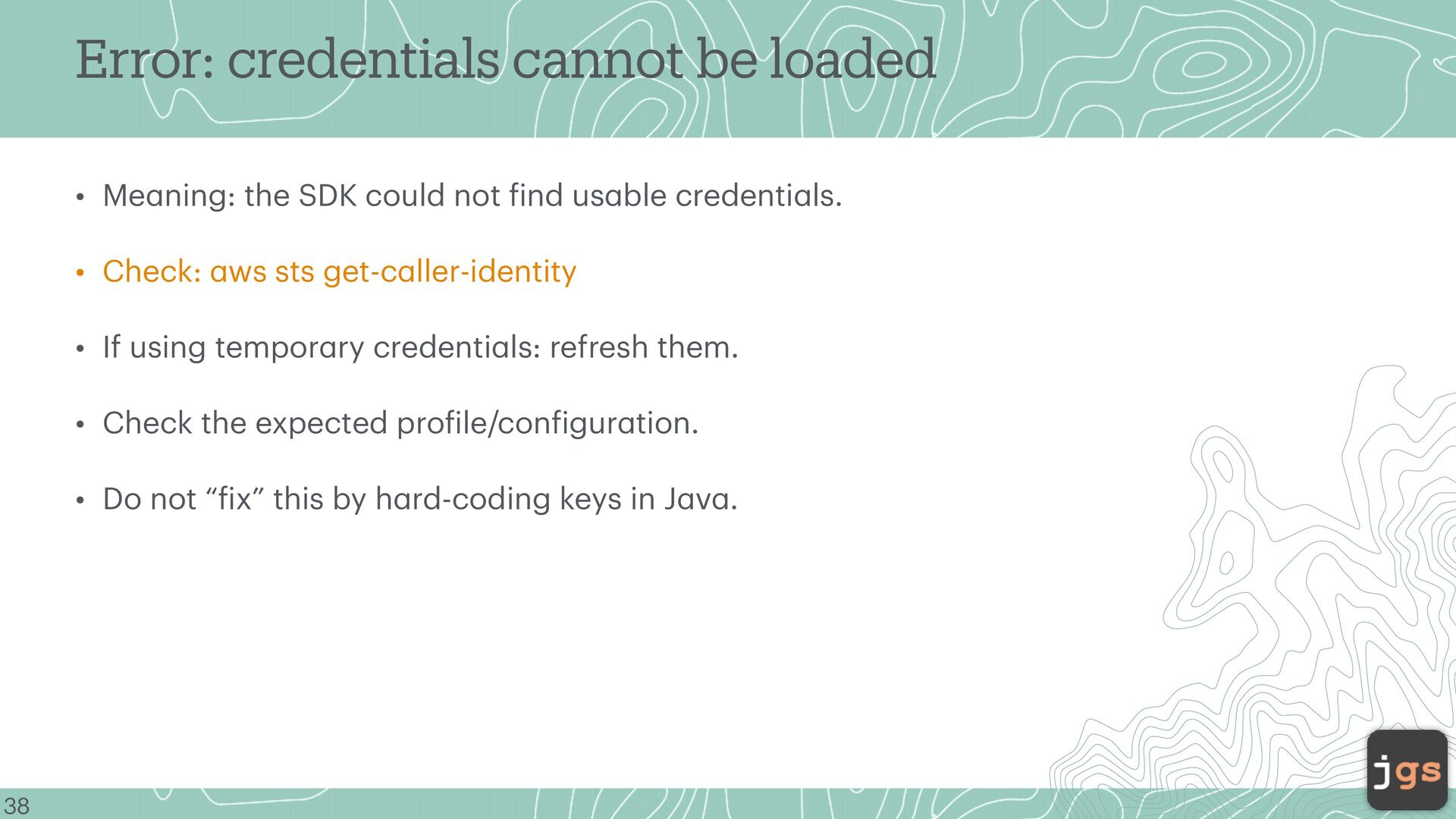
could not ind us ble credenti ls. • Check: ws sts get-c ller-identity • If using tempor ry credenti ls: refresh them. • Check the expected pro ile/con igur tion. a a a a a f f a f a a a f a 38 a • Do not “ ix” this by h rd-coding keys in J v .
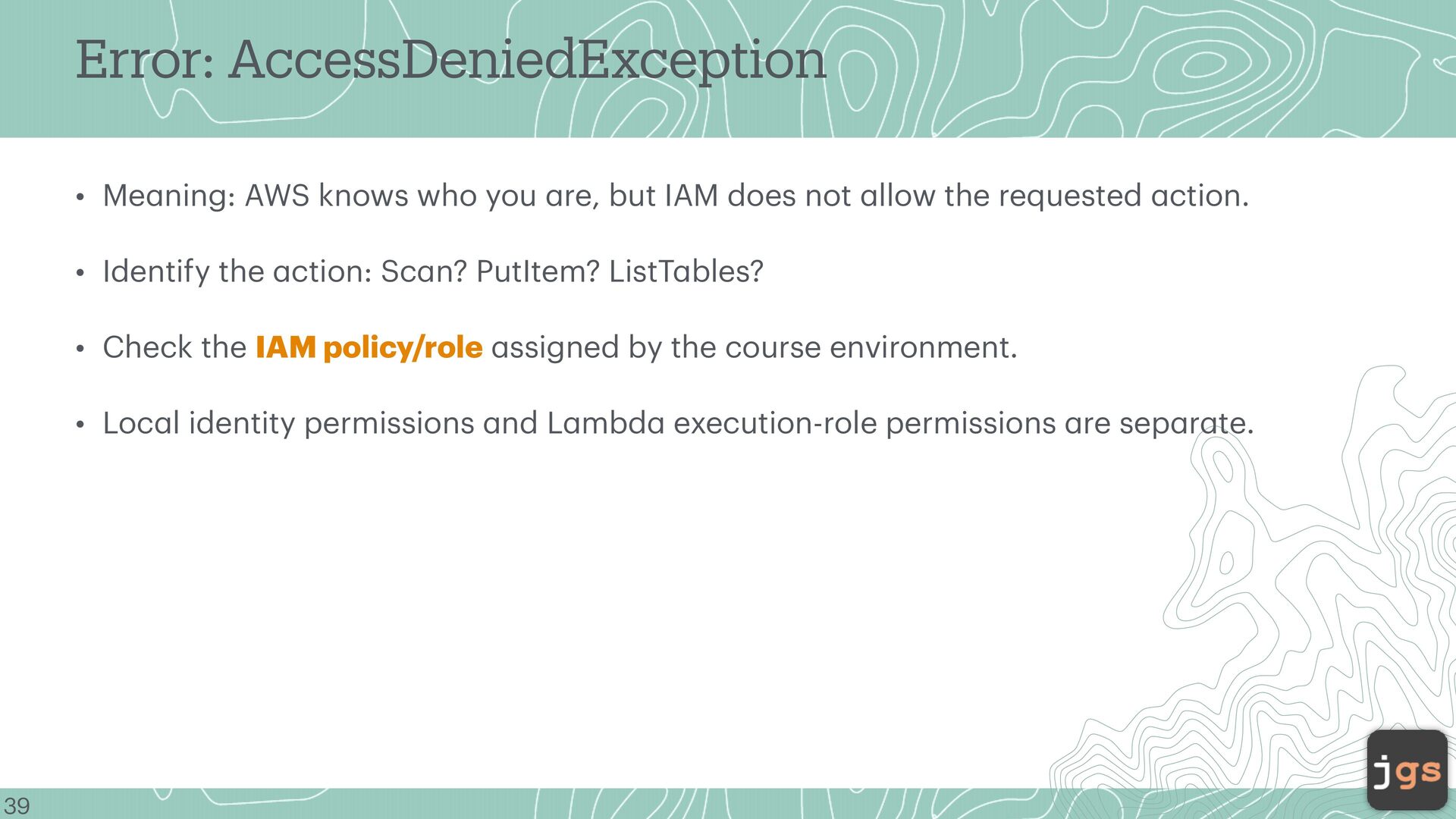
but IAM does not llow the requested ction. • Identify the ction: Sc n? PutItem? ListT bles? • Check the IAM policy/role ssigned by the course environment. a a a a a a a a a a a a a a 39 a • Loc l identity permissions nd L mbd execution-role permissions re sep r te.
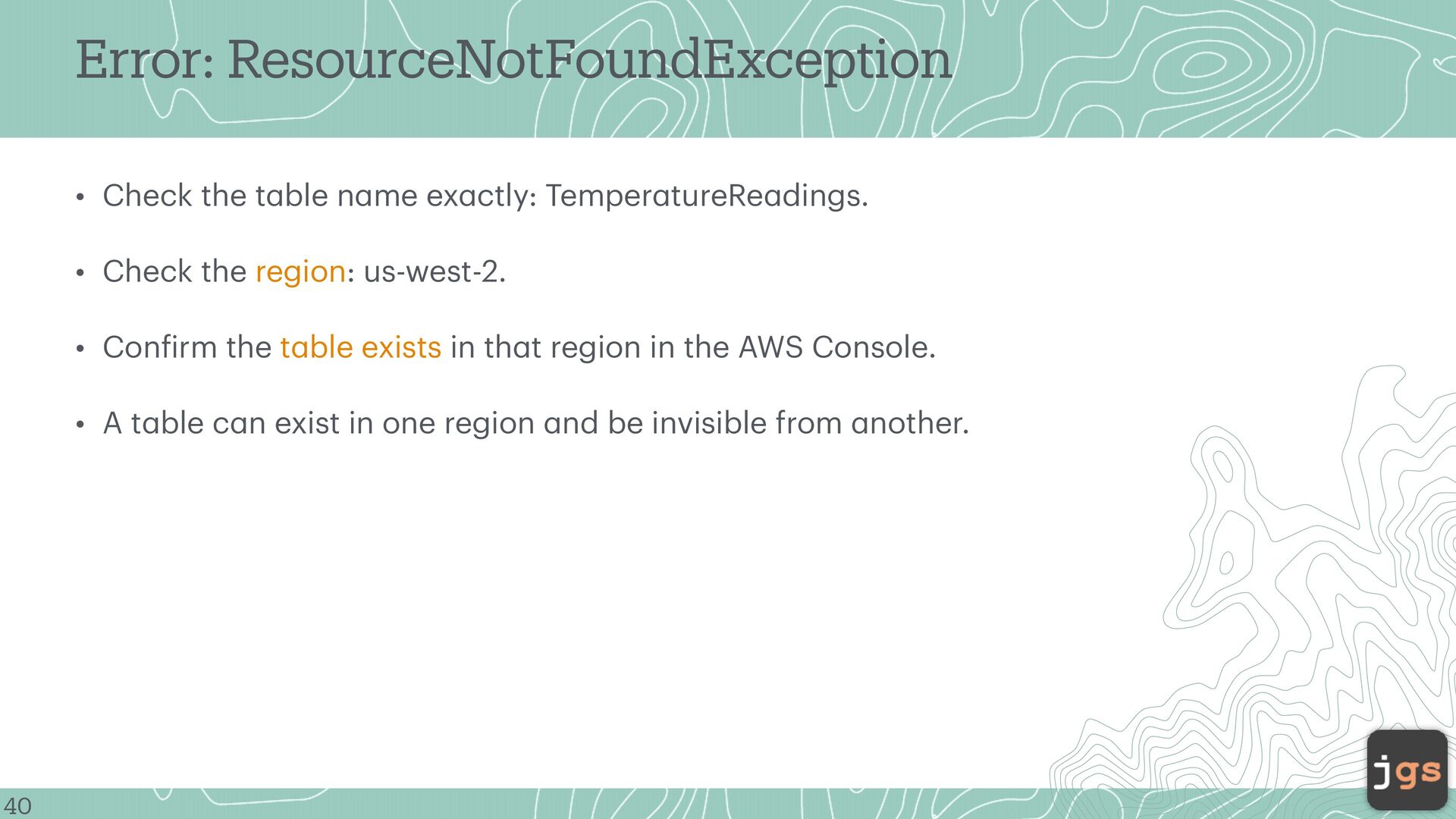
ctly: Temper tureRe dings. • Check the region: us-west-2. • Con irm the t ble exists in th t region in the AWS Console. a a a a a a a a a a f 40 a • A t ble c n exist in one region nd be invisible from nother.
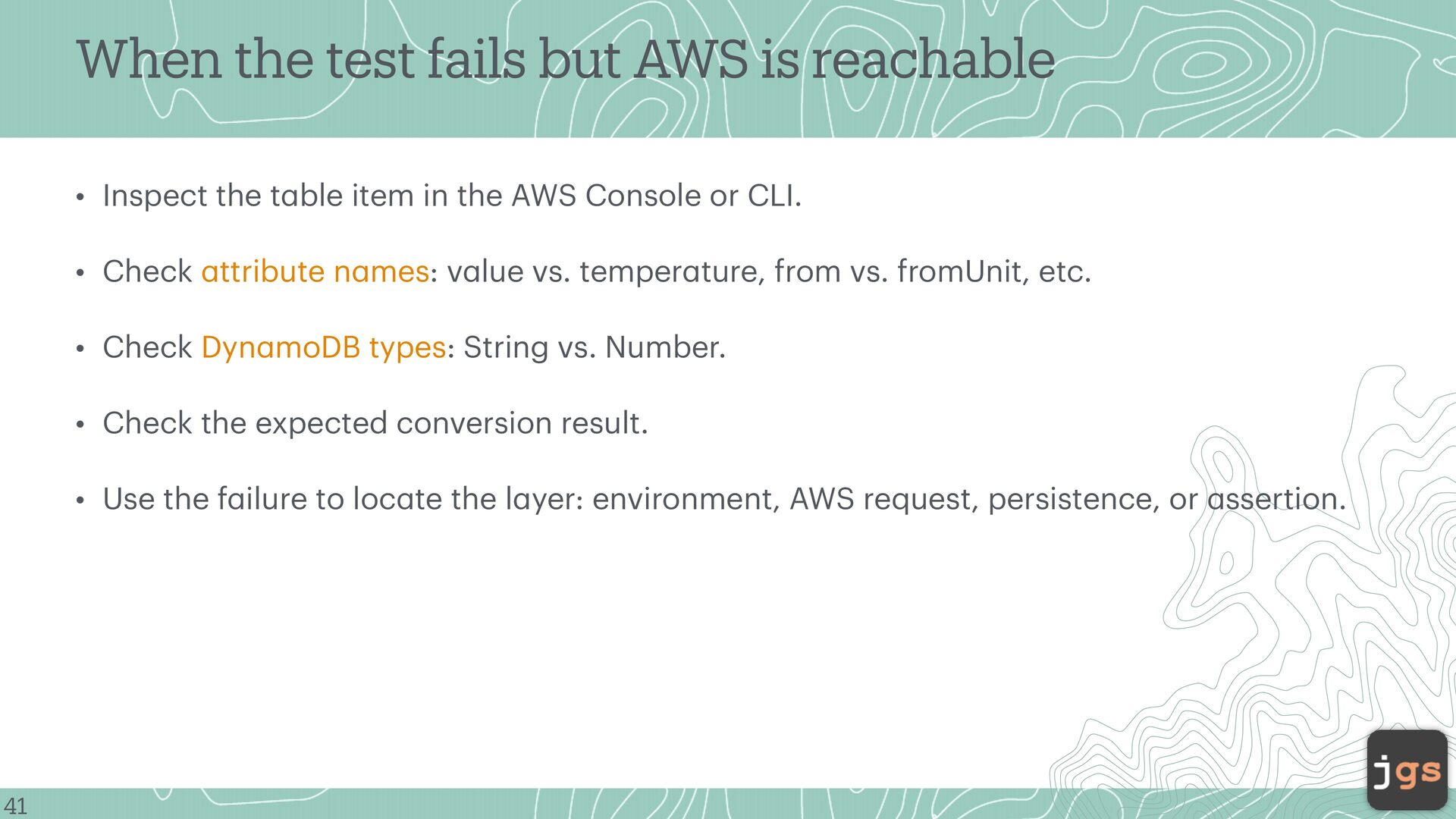
the t ble item in the AWS Console or CLI. • Check ttribute n mes: v lue vs. temper ture, from vs. fromUnit, etc. • Check Dyn moDB types: String vs. Number. • Check the expected conversion result. a a a a a a a a a 41 a • Use the f ilure to loc te the l yer: environment, AWS request, persistence, or ssertion.
nd IAM roles. • AWS CLI — verify identity nd isol te AWS ccess from J v . • AWS SDK for J v 2.x docs — discover request/response cl sses nd client methods. a a a a a a a a a a a a a a a a 42 a • IDE utocomplete / J v Doc — inspect Dyn moDbClient oper tions nd builder methods.
ines the prim ry key, not every non-key ttribute. • Dyn moDbClient comes from the AWS SDK nd performs Dyn moDB oper tions. • Credenti ls should come from the environment—not source code. a a a ff a a a f a a a a f a a a a 43 a • Authentic tion, IAM permission, region, nd t ble con igur tion re di erent f ilure points.
2026 Copyright. These slides may be used only as study material for CSC 5100 within the California State University system. They may not be distributed or used for any other purpose.


 javiergs
 andyhume
 afnizarnur
 tmiket
 lara
lara
 bkeepers
 inesmontani
 katarinadahlin
 portentint
 thoeni
 samtorres
 holman
 mojombo

![CSC 5100 Modern Software Engineering Javier Gonzalez-Sanchez, Ph.D. [email protected] Fall](https://files.speakerdeck.com/presentations/3afc6fd3d8634181ae4c65000ff9738f/slide_44.jpg)