Fossil > Solar Paradigm? Physical/historical framework of the ‘new’ constraints (i.e. old constraints) Metrics? Cardinal? Ordinal? Longitudinal? Industry?
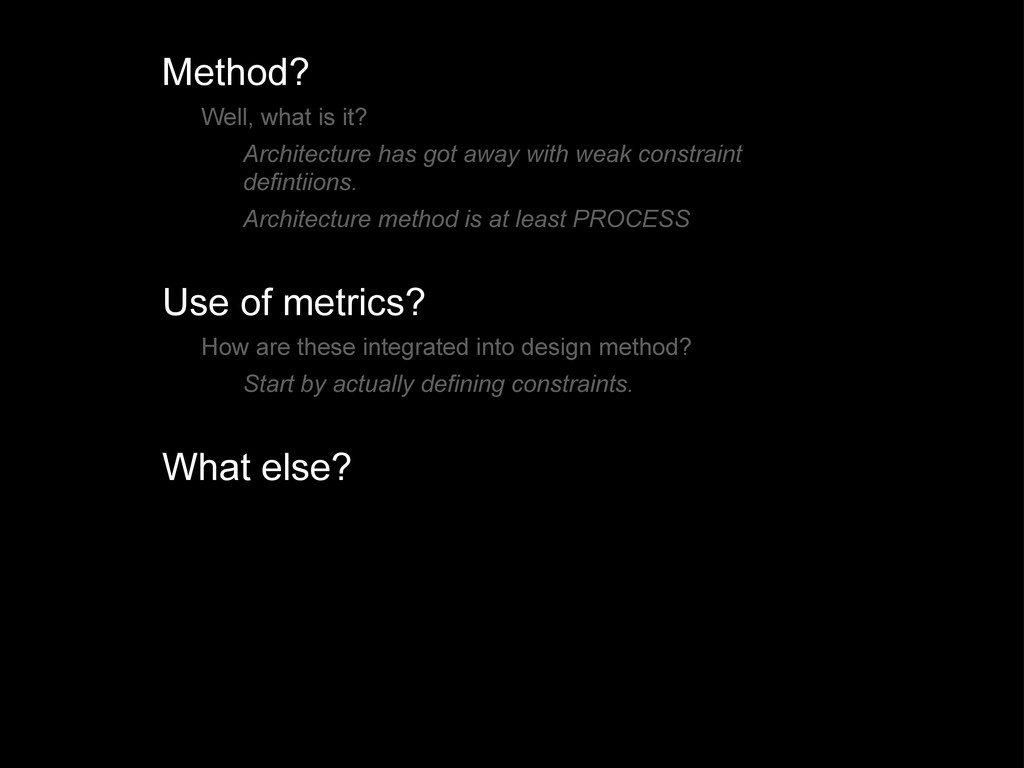
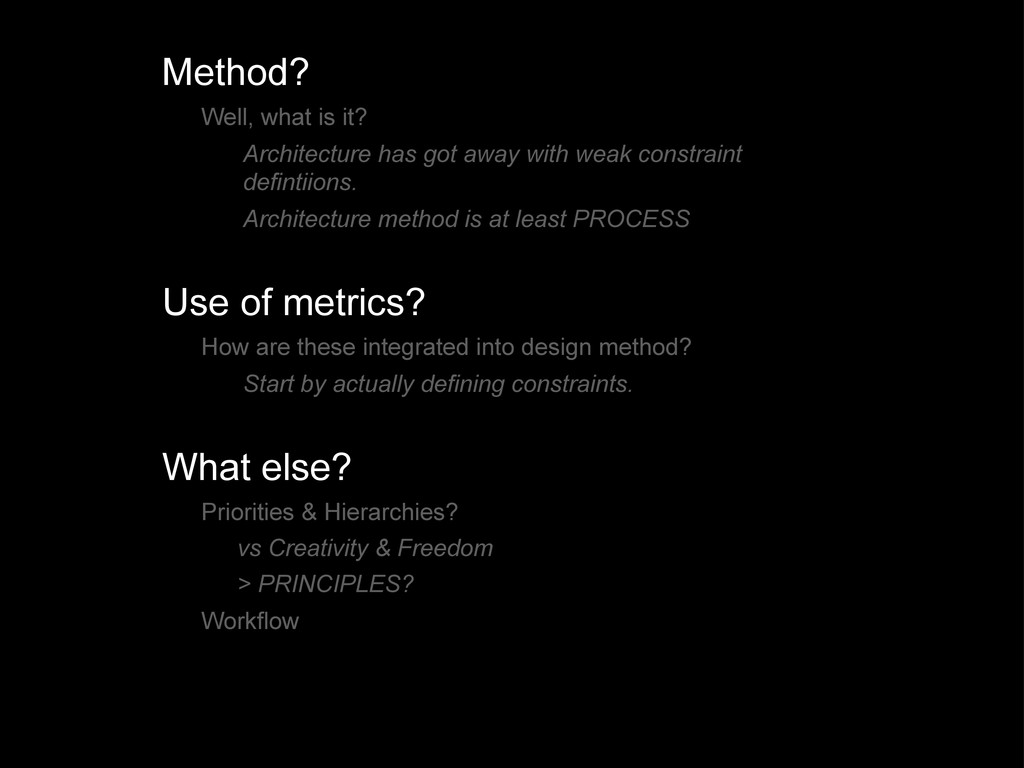
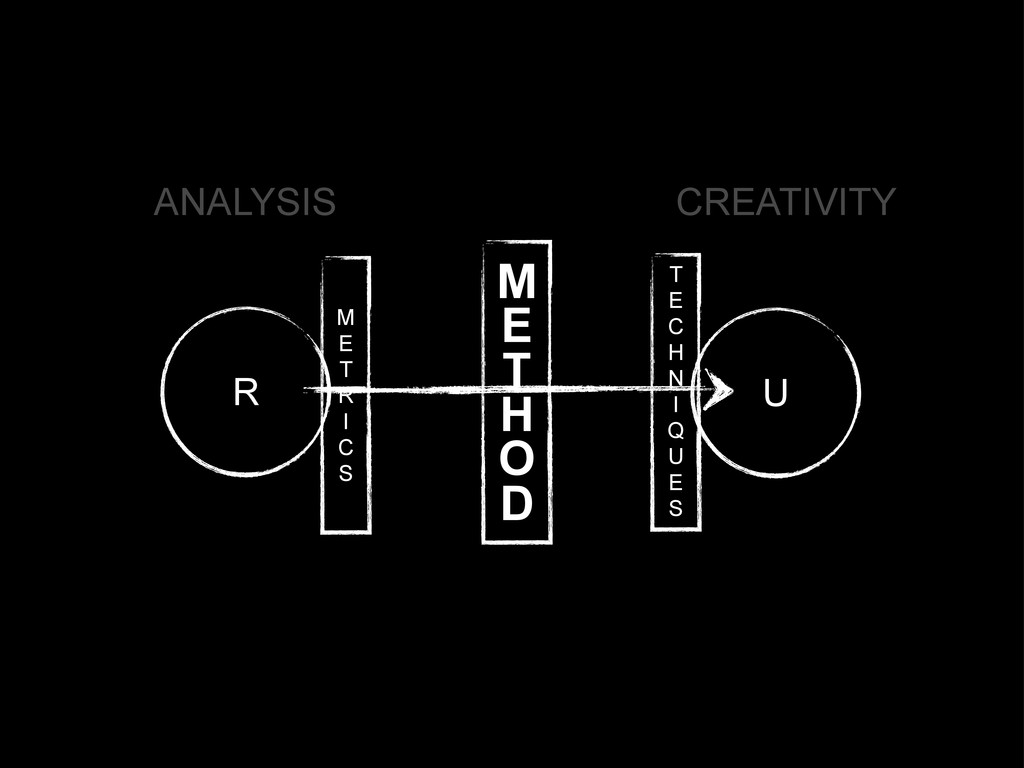
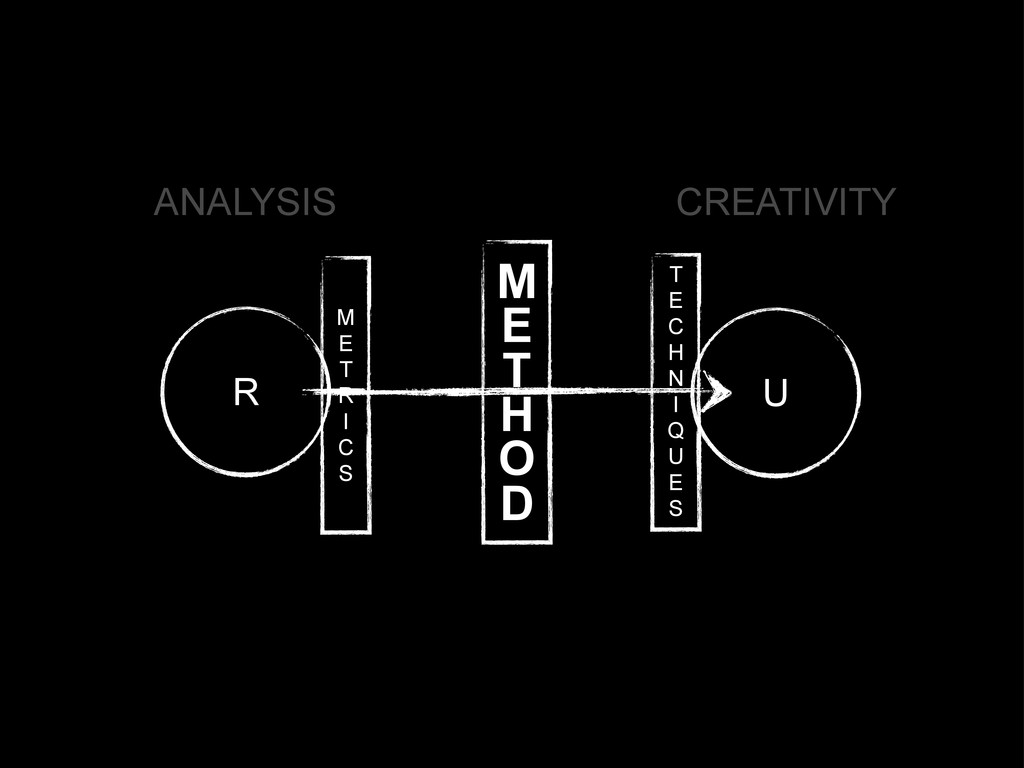
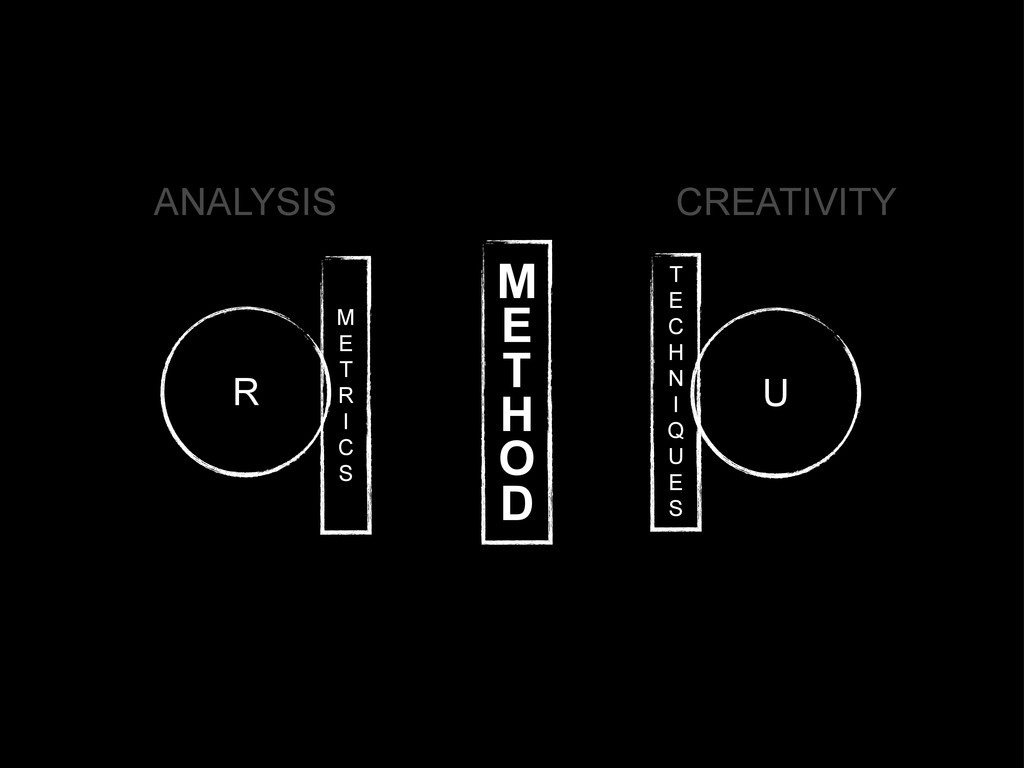
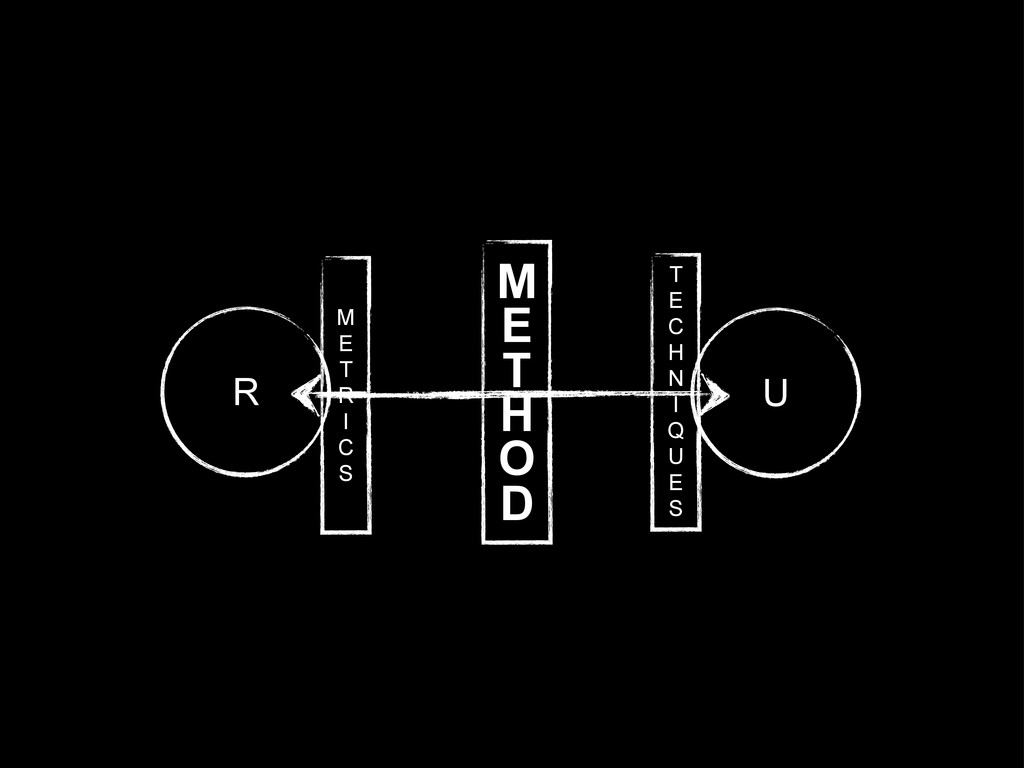
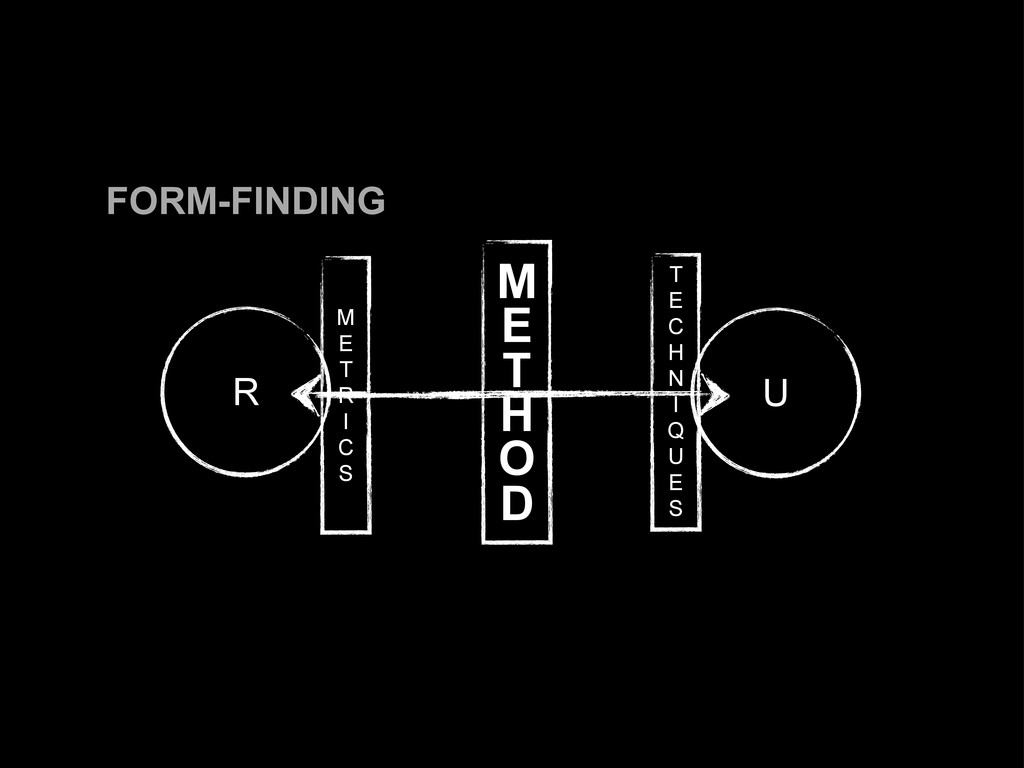
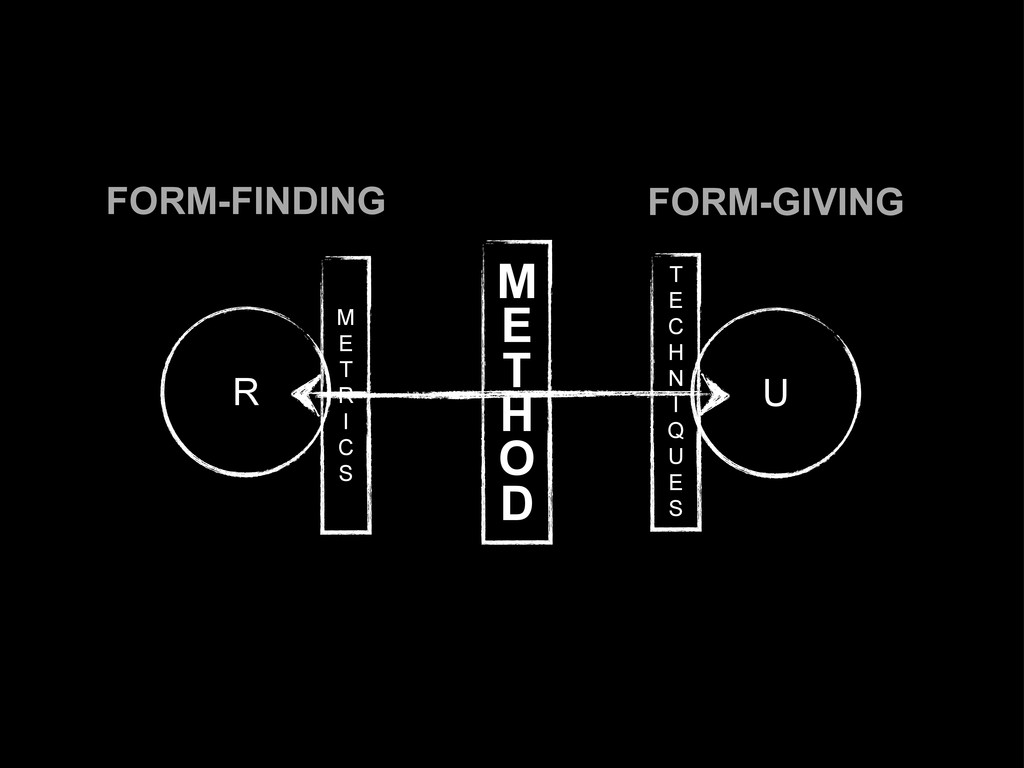
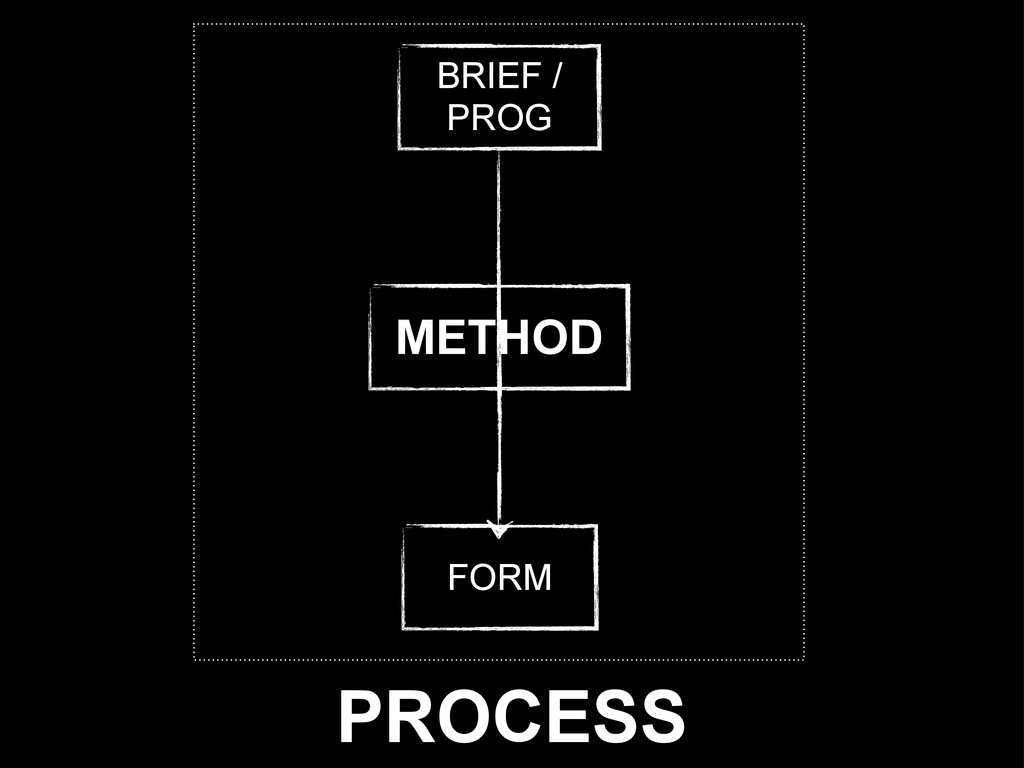
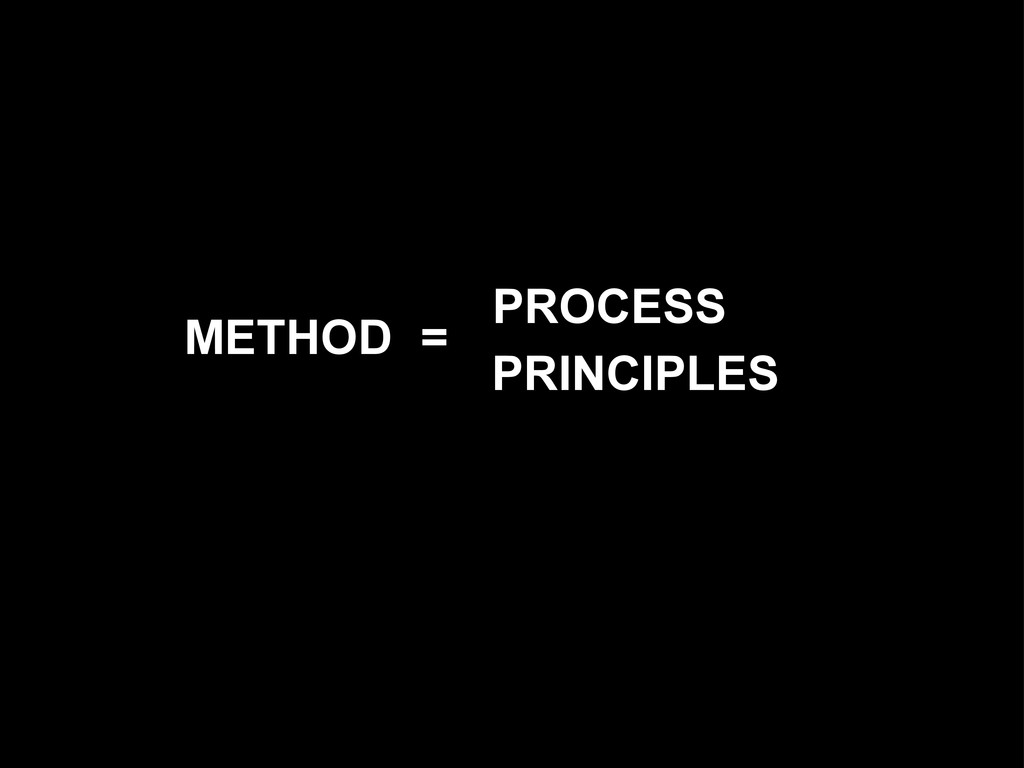
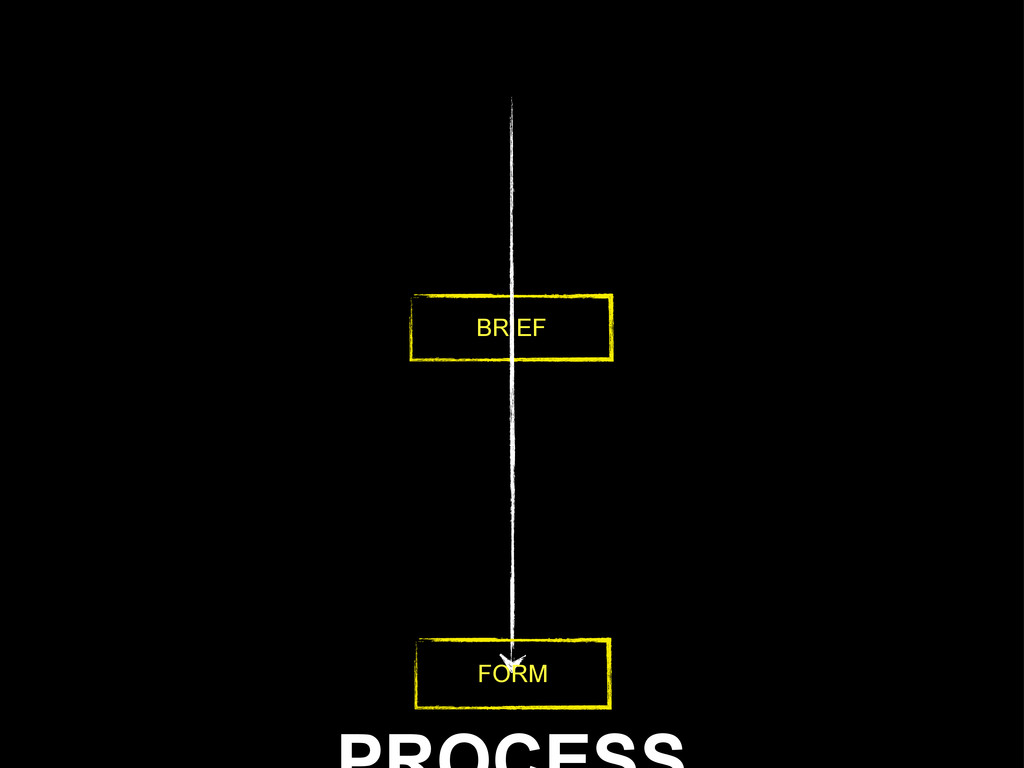
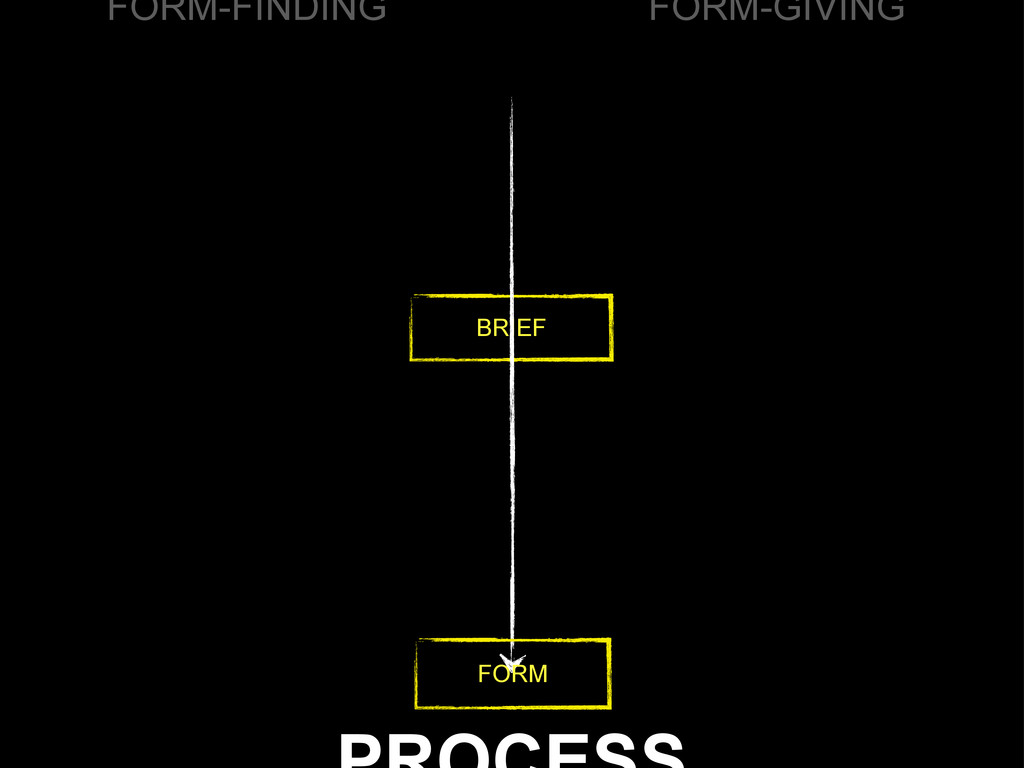
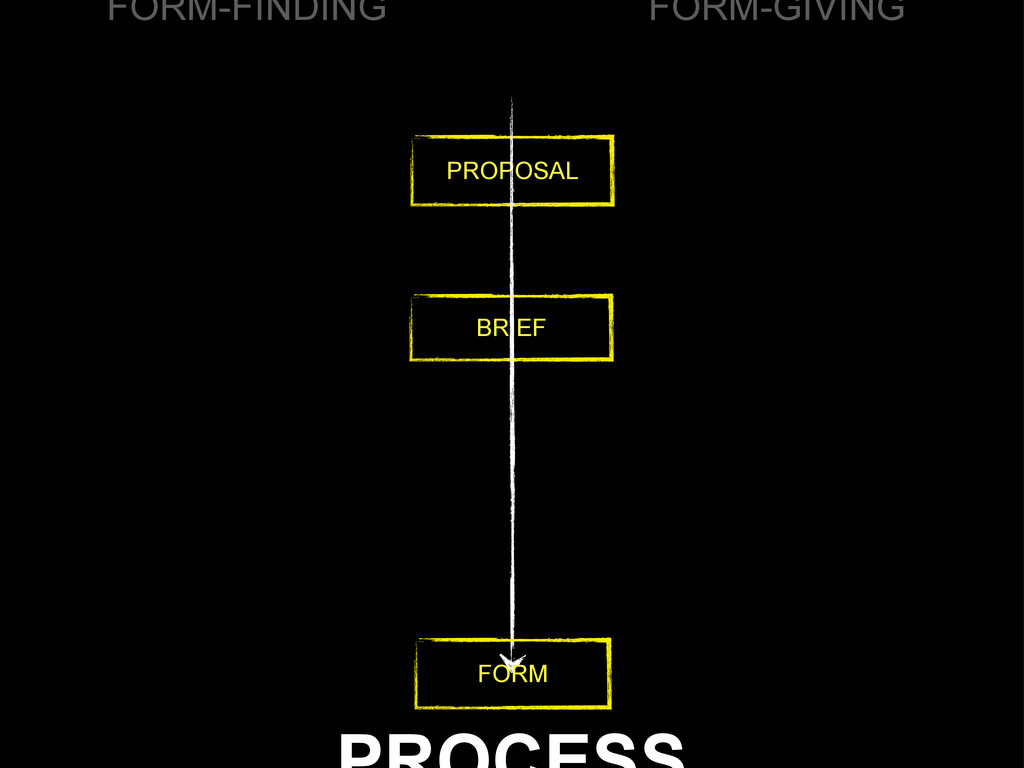
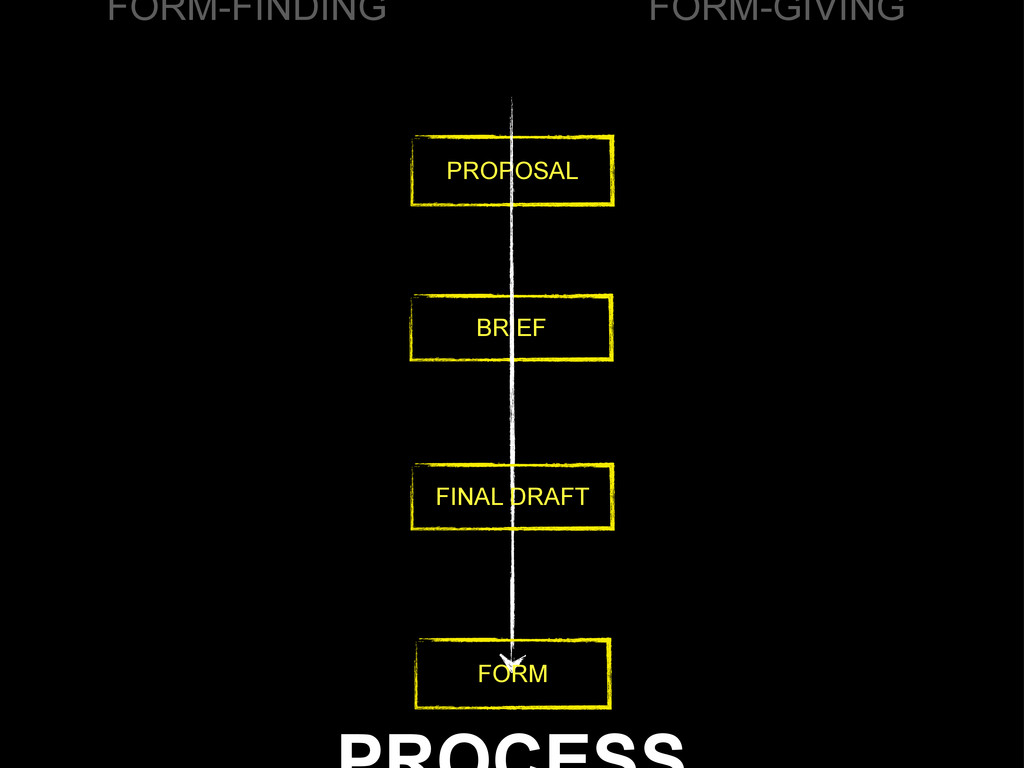
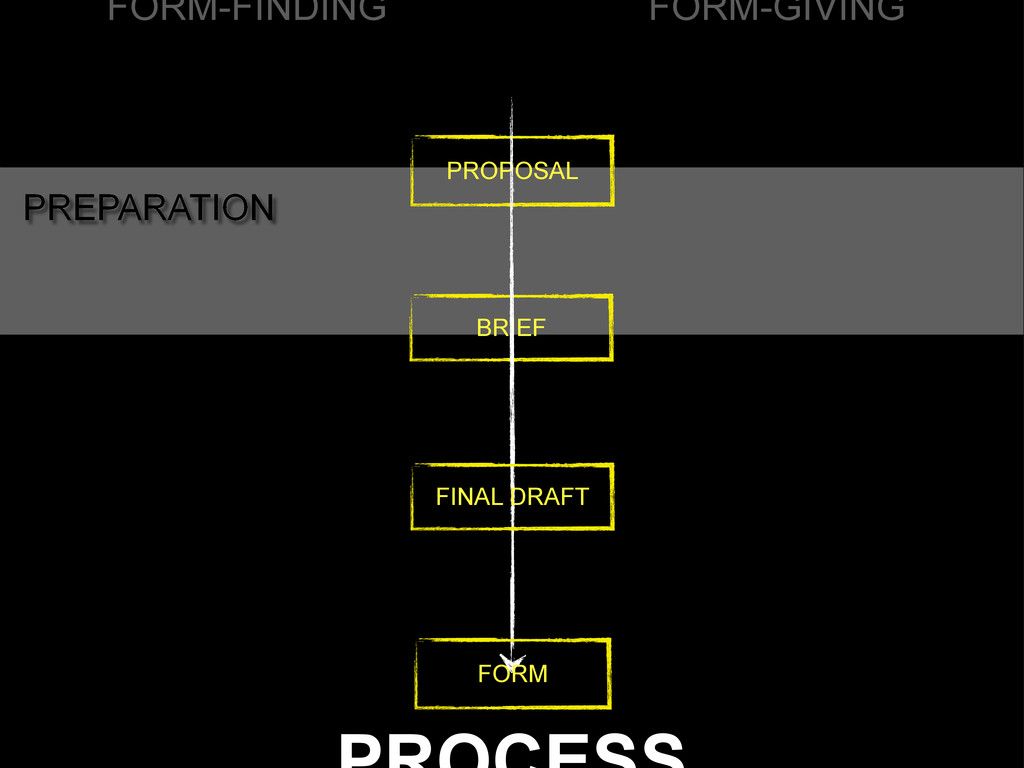
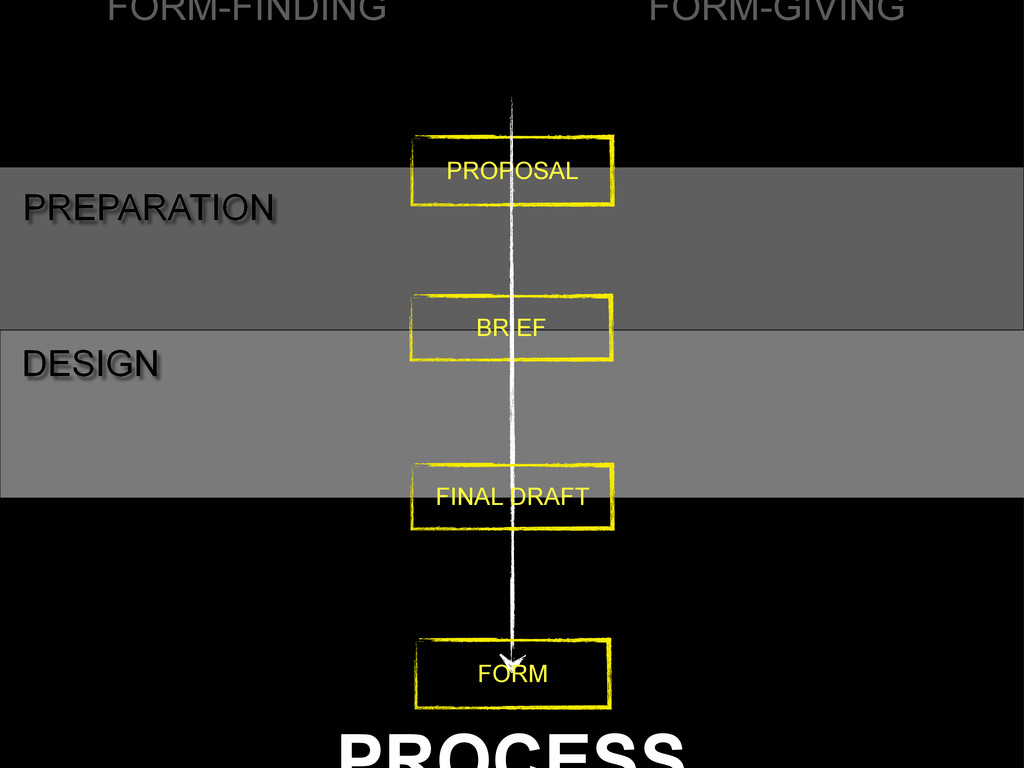
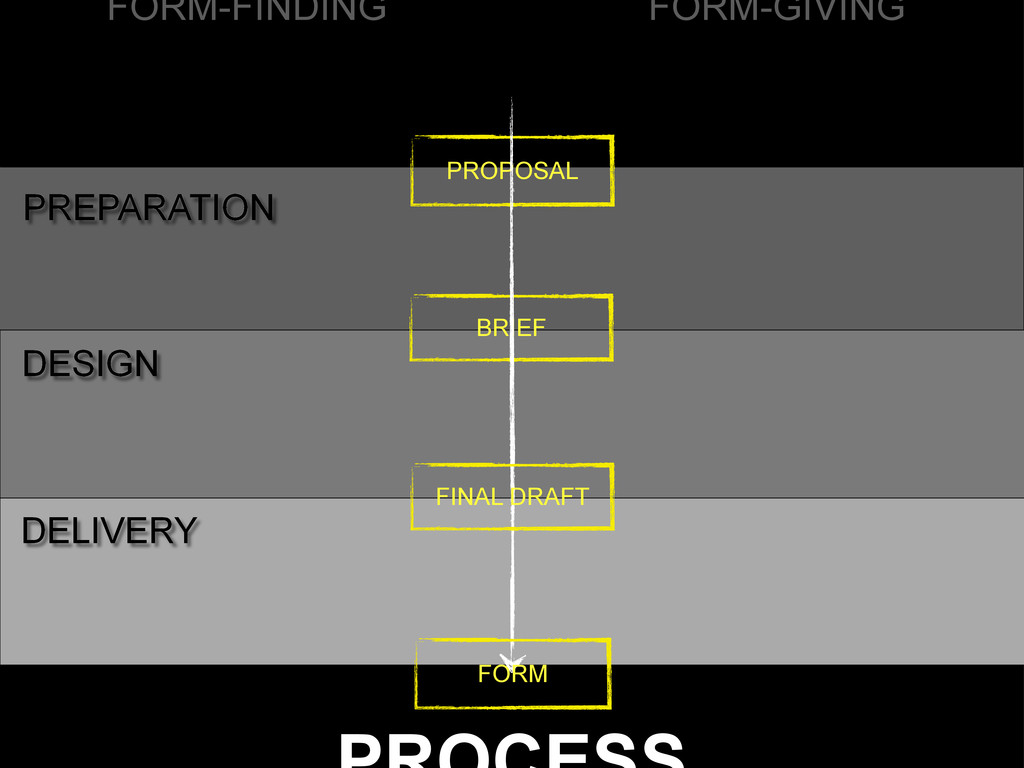
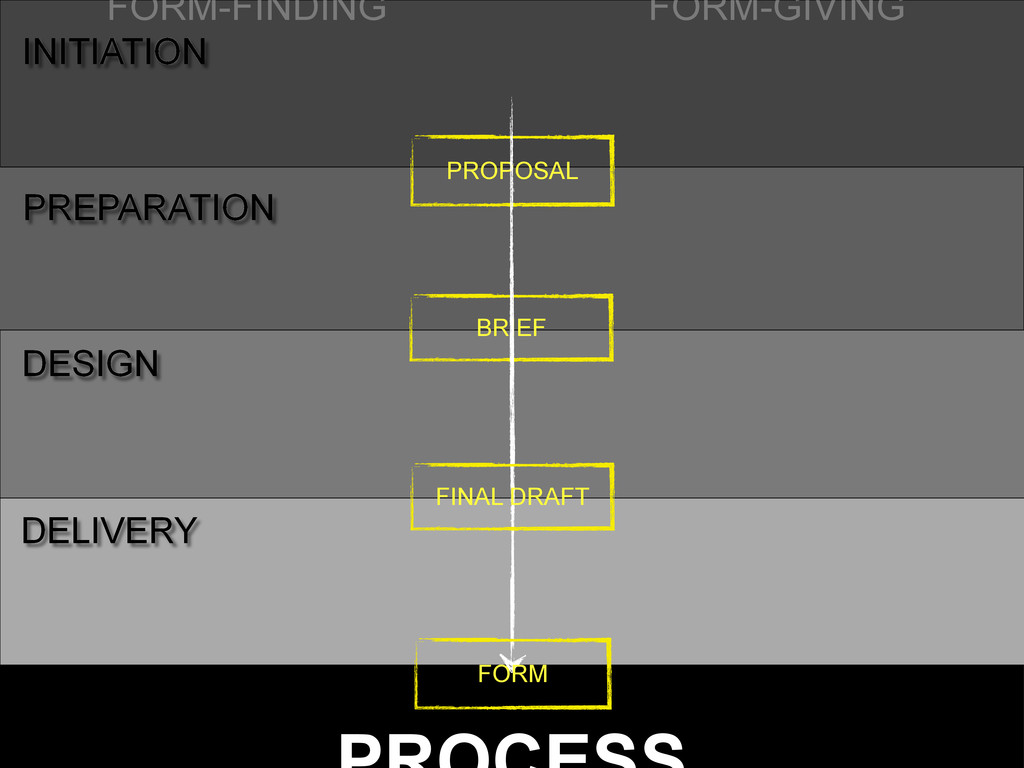
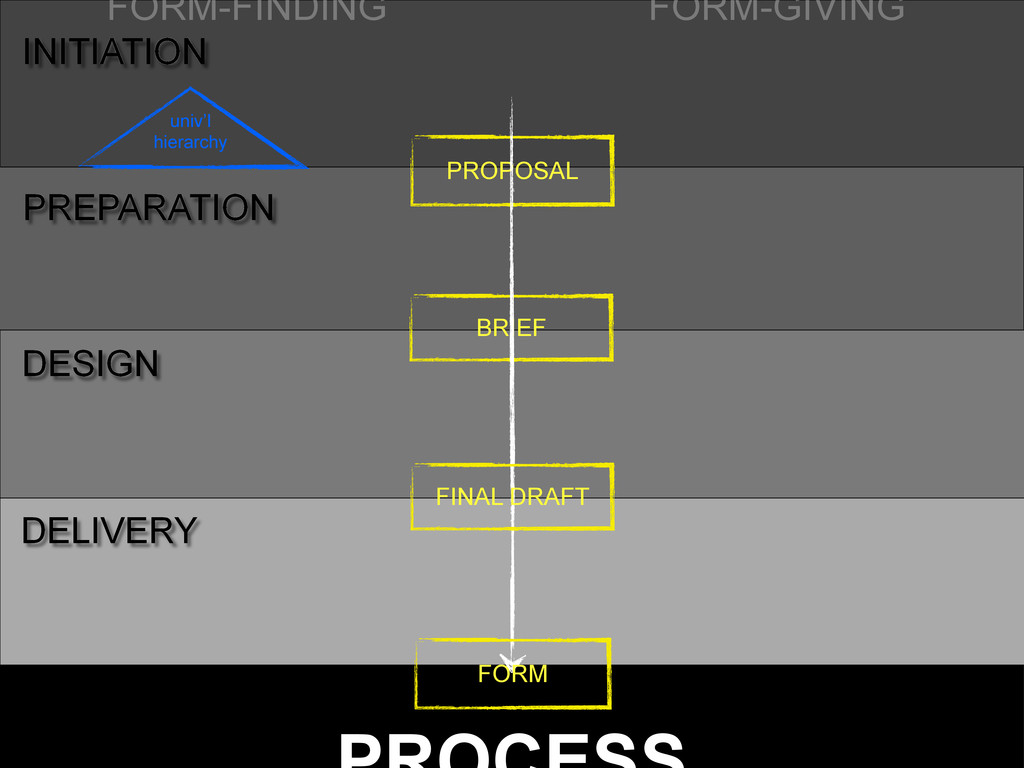
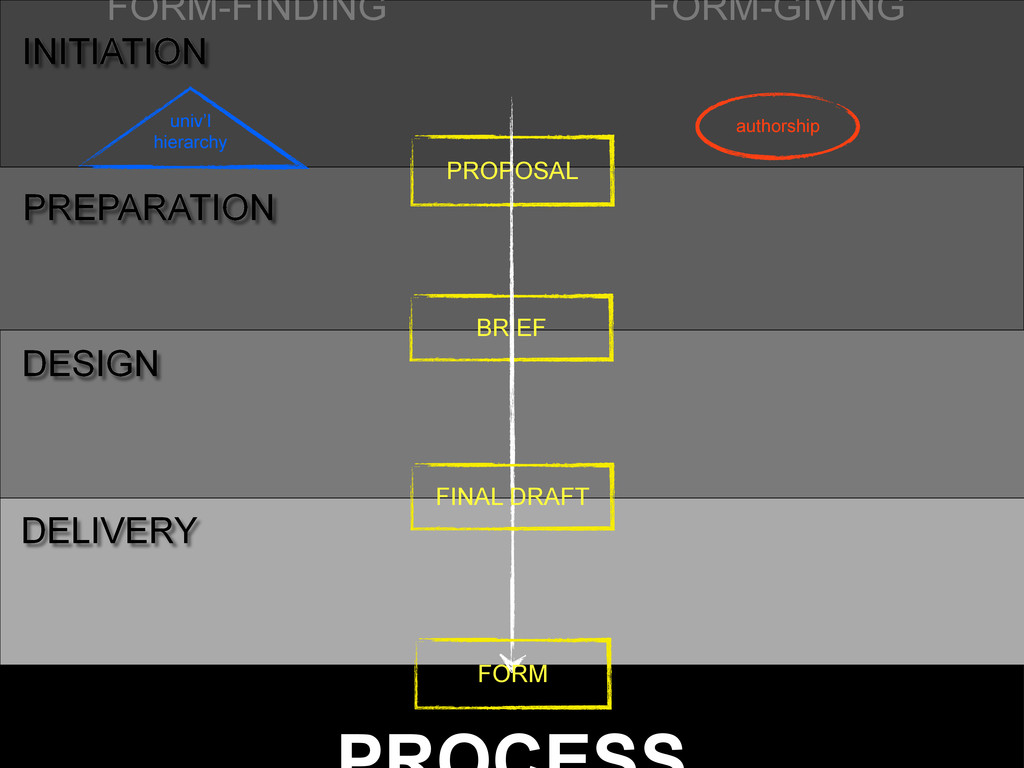
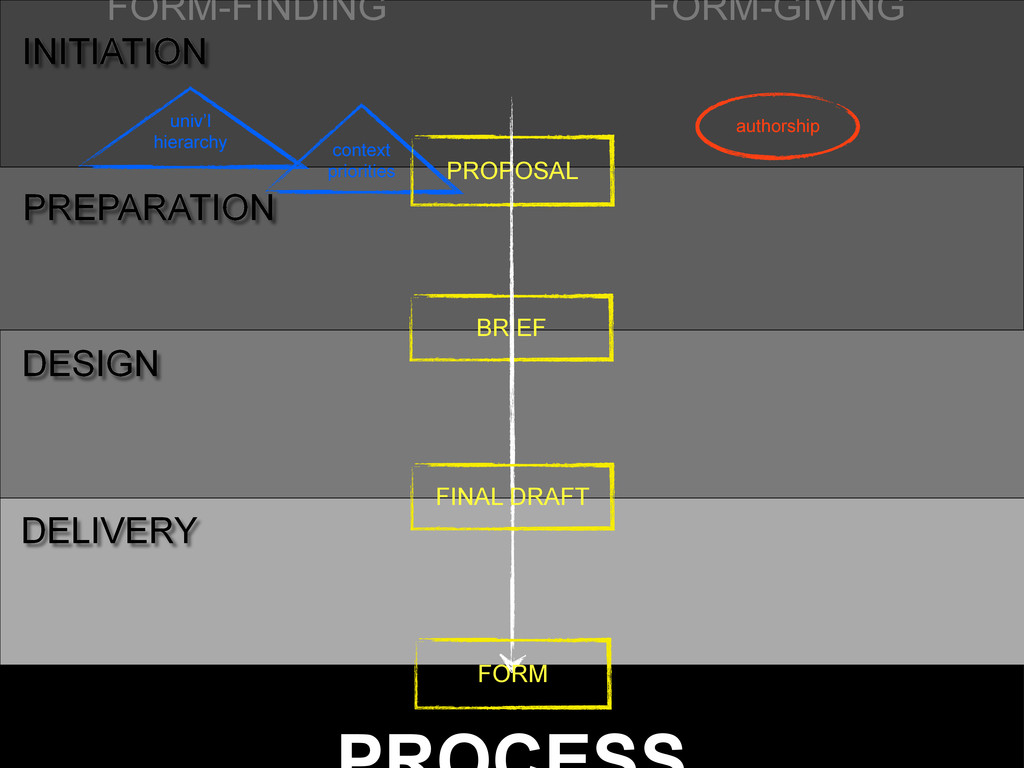
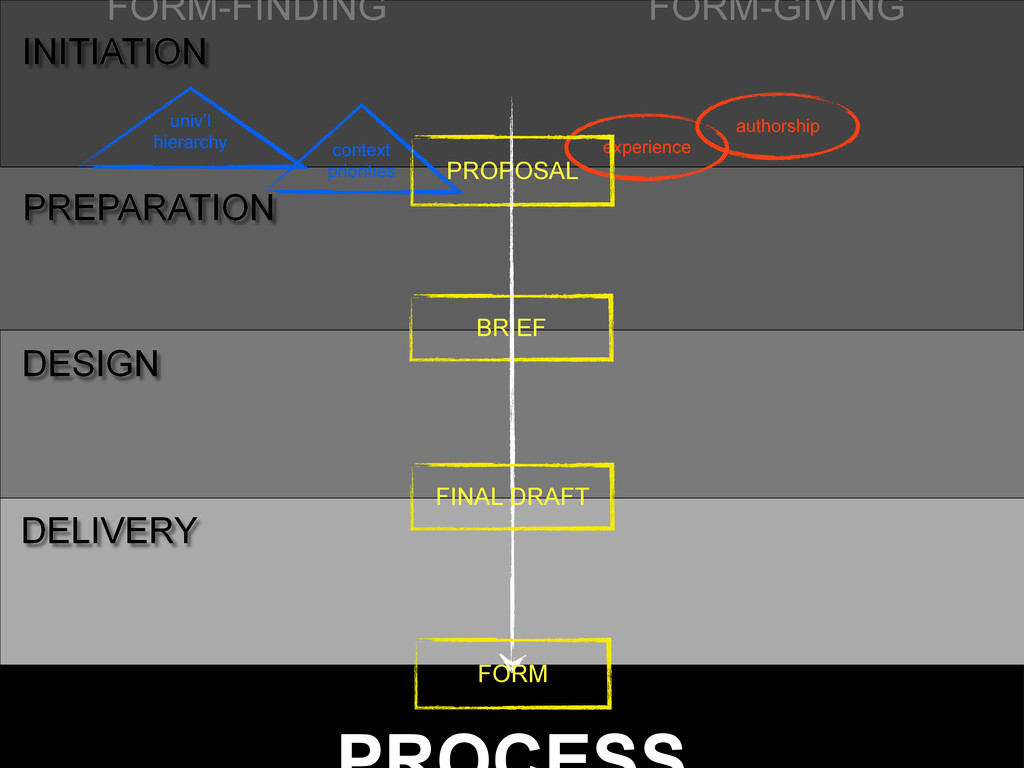
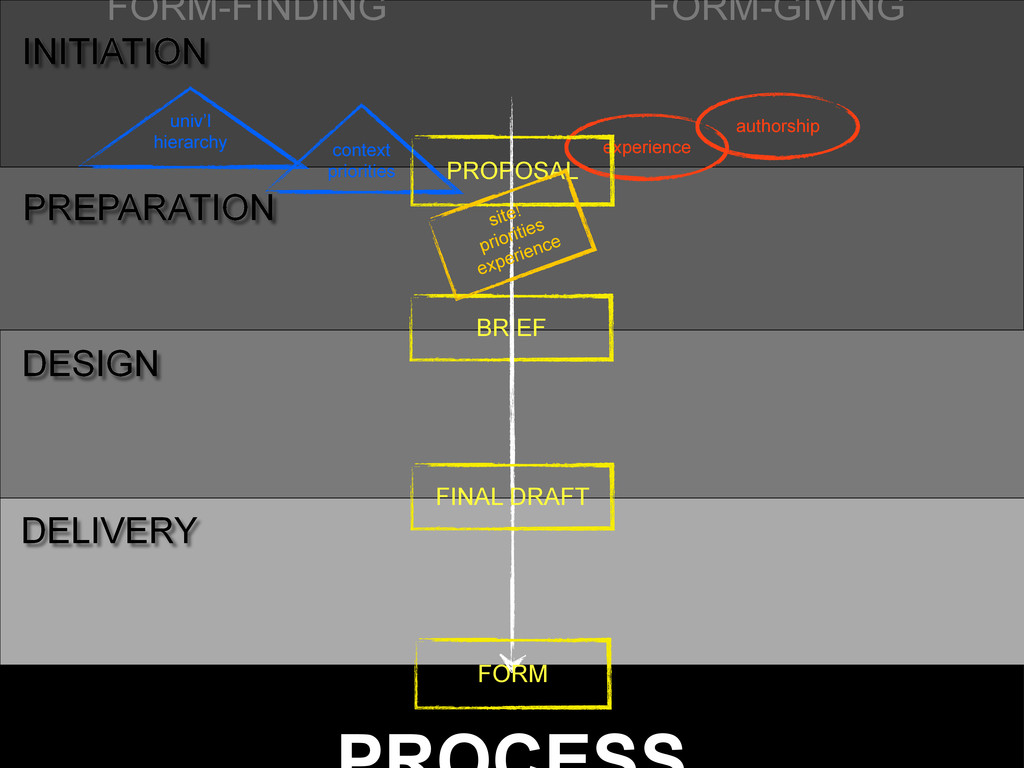
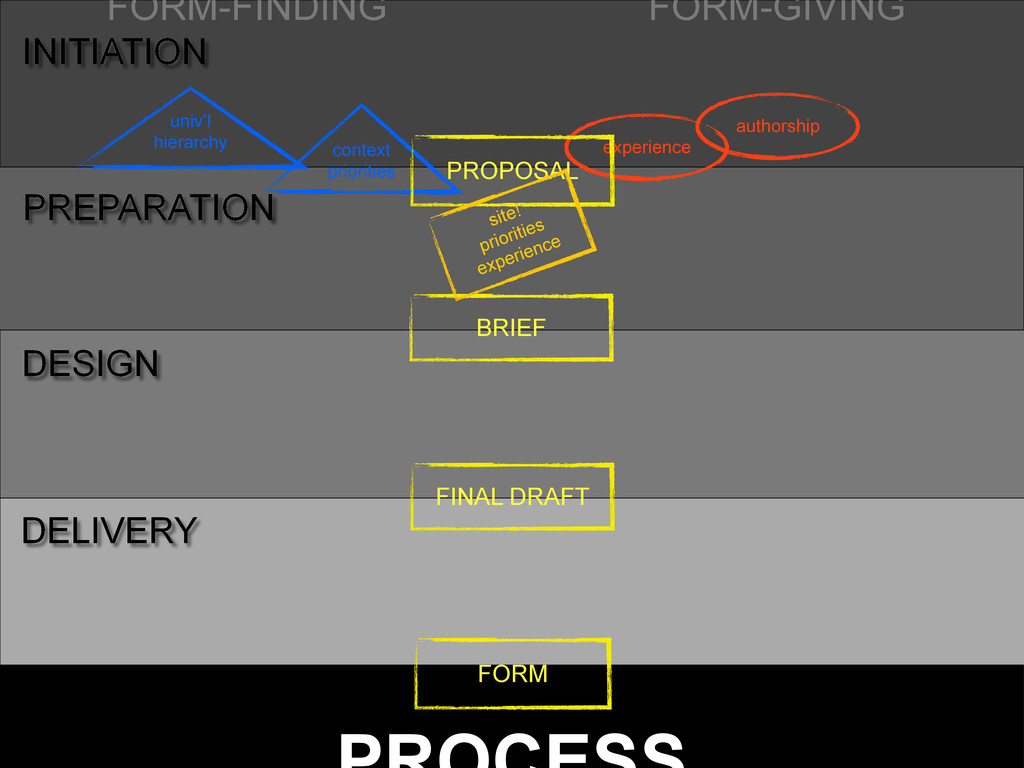
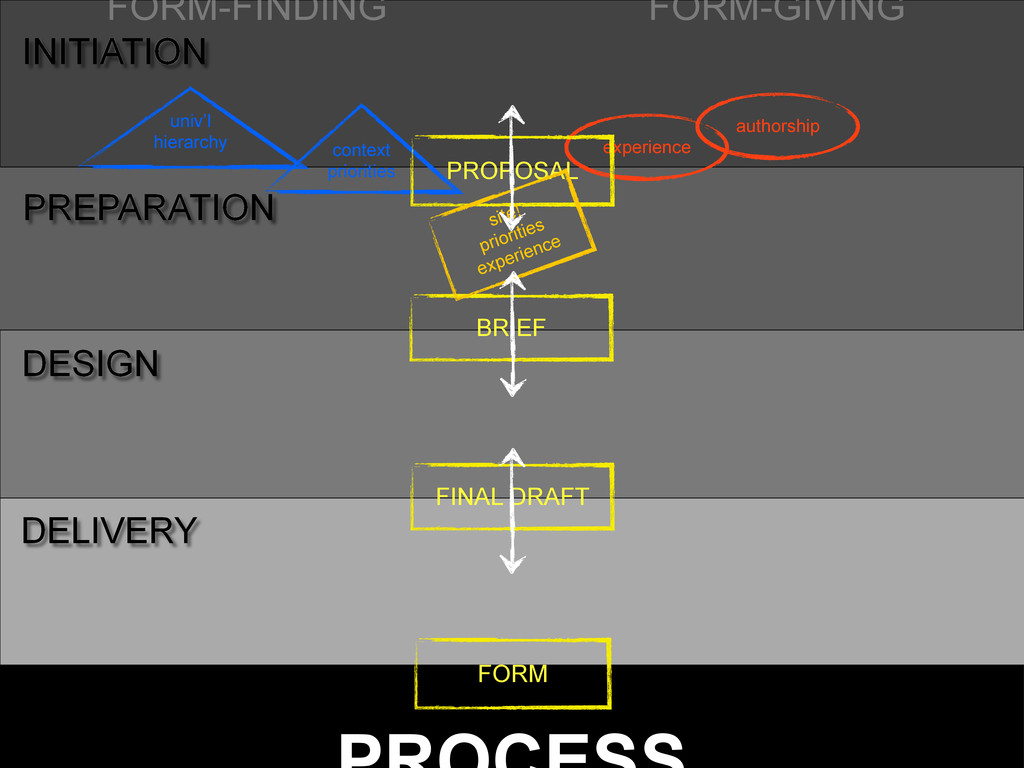
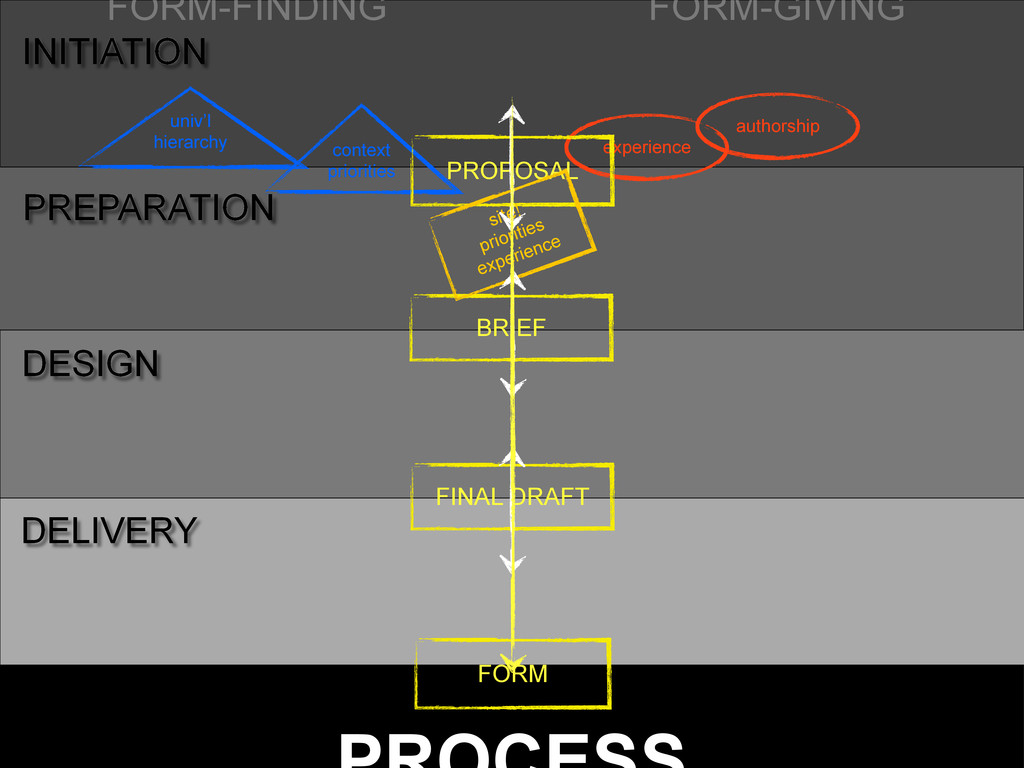
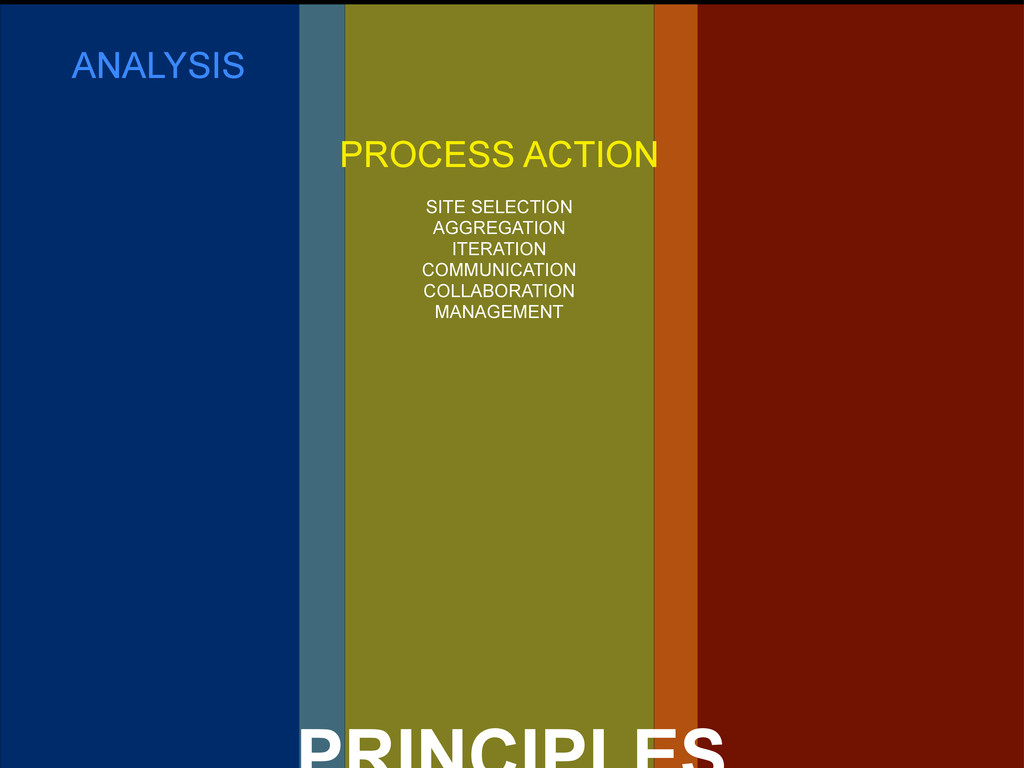
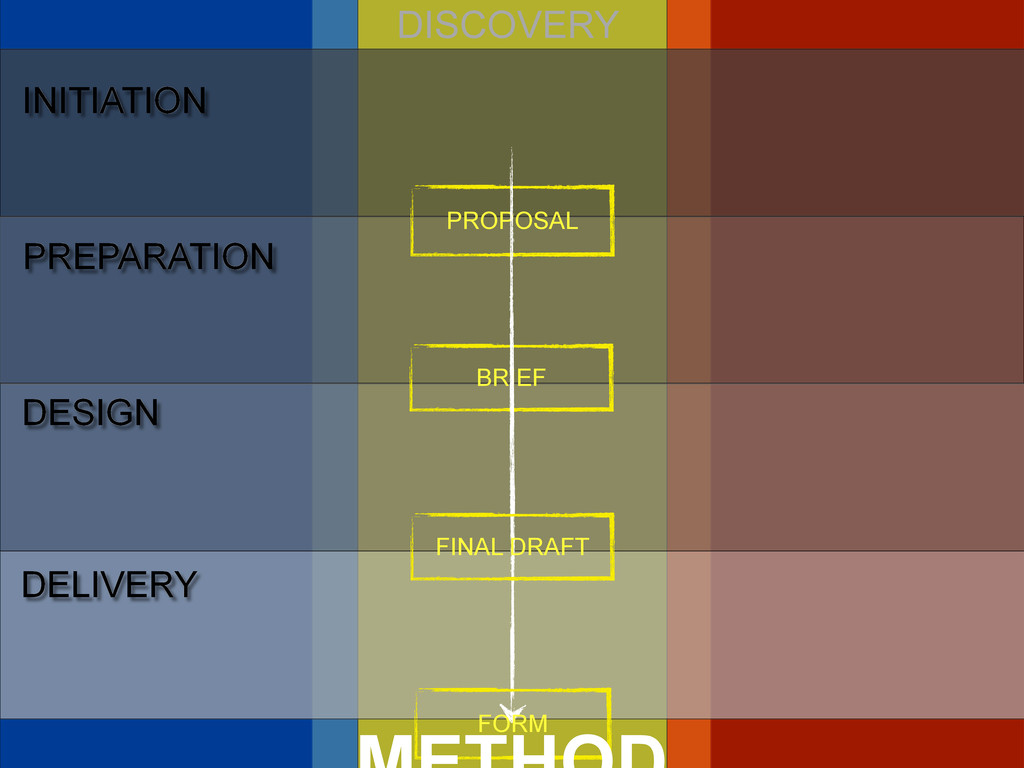
weak constraint defintiions. Architecture method is at least PROCESS Use of metrics? How are these integrated into design method? Start by actually defining constraints.
weak constraint defintiions. Architecture method is at least PROCESS Use of metrics? How are these integrated into design method? Start by actually defining constraints.
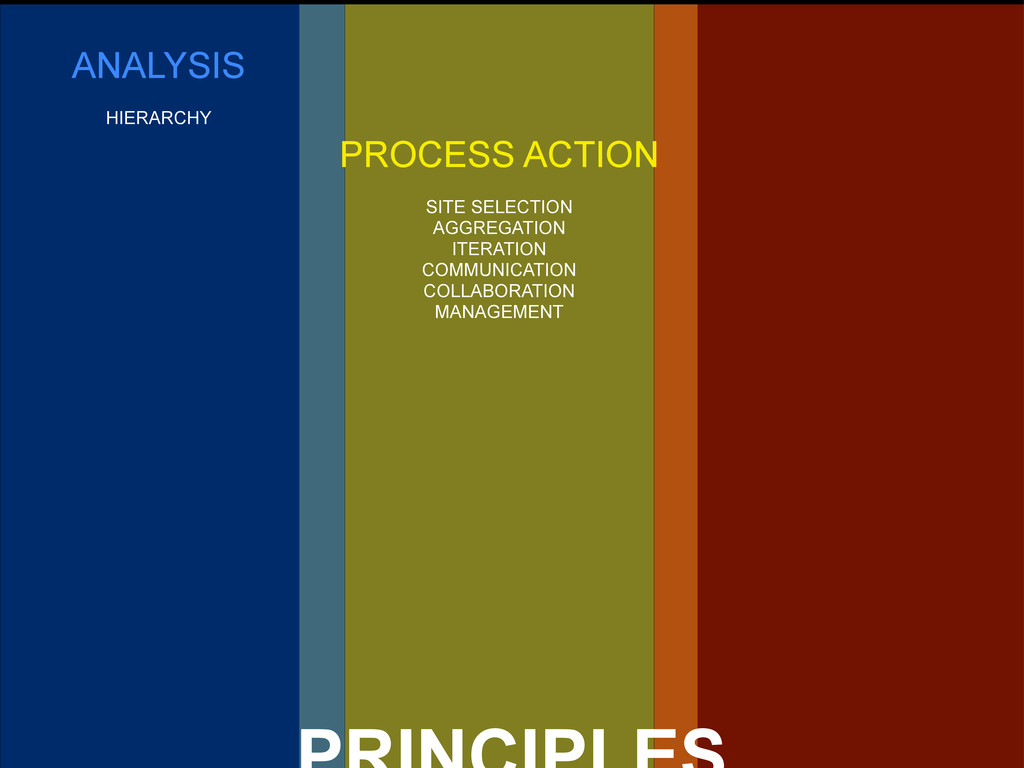
weak constraint defintiions. Architecture method is at least PROCESS Use of metrics? How are these integrated into design method? Start by actually defining constraints. What else?
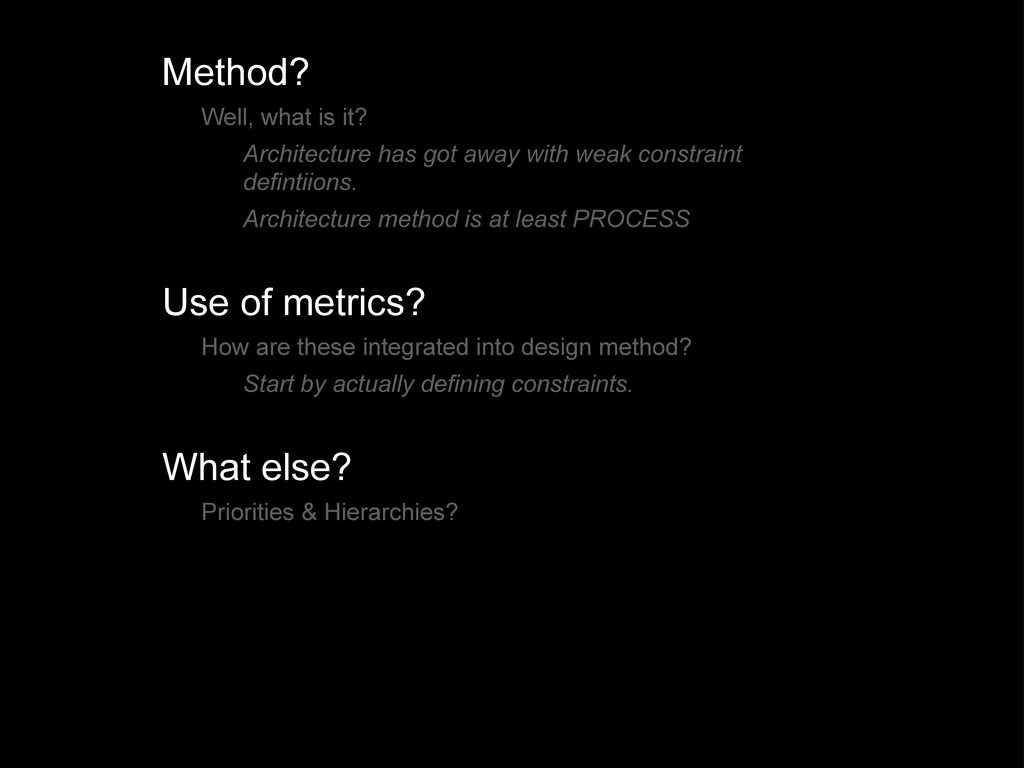
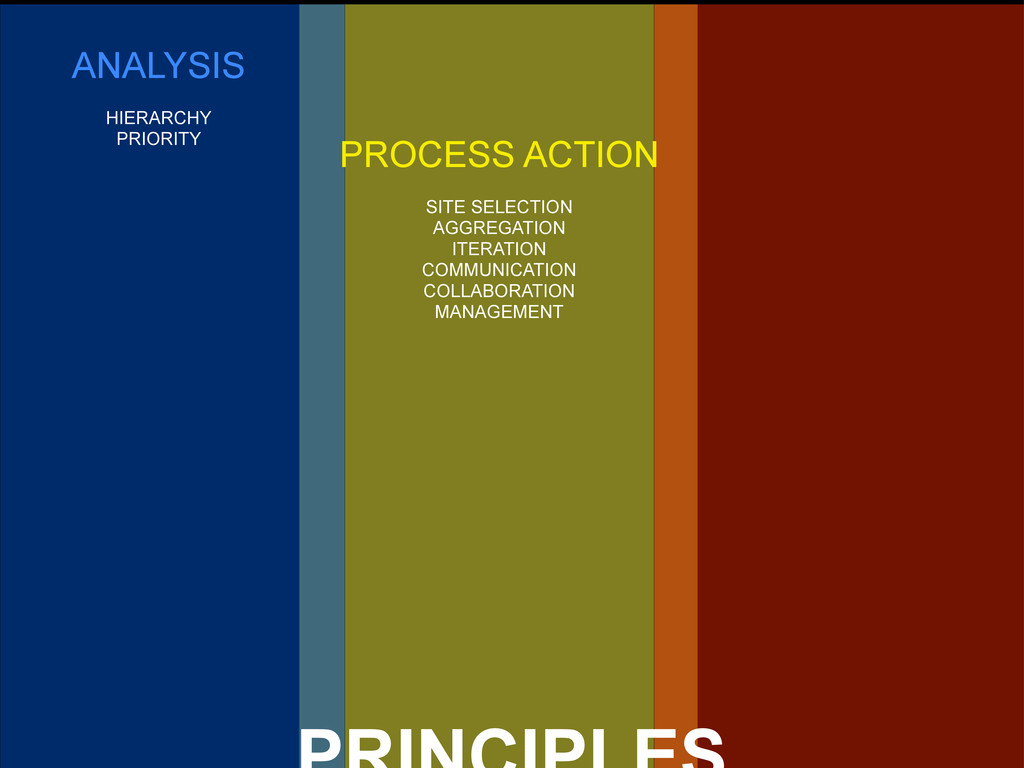
weak constraint defintiions. Architecture method is at least PROCESS Use of metrics? How are these integrated into design method? Start by actually defining constraints. What else? Priorities & Hierarchies?
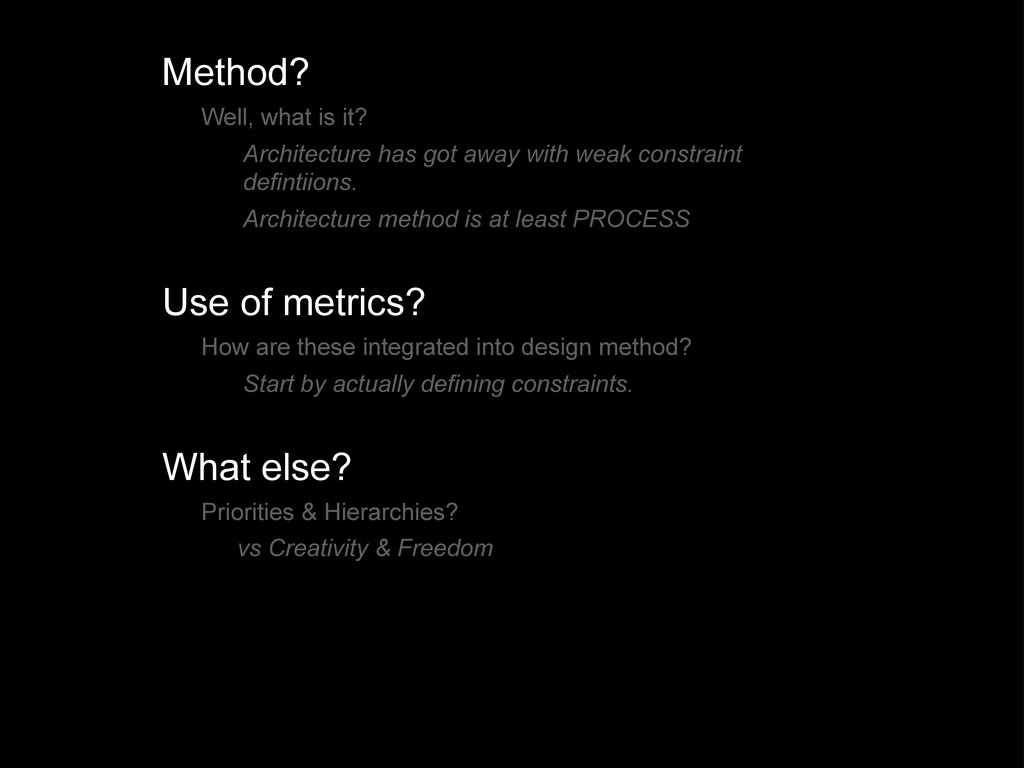
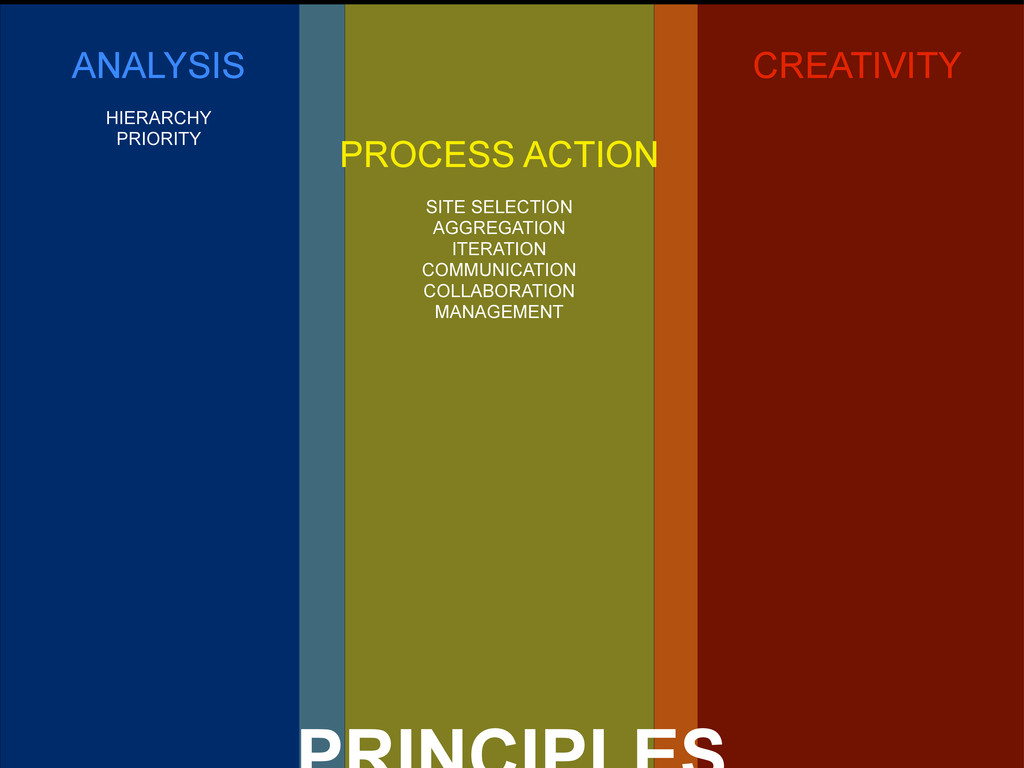
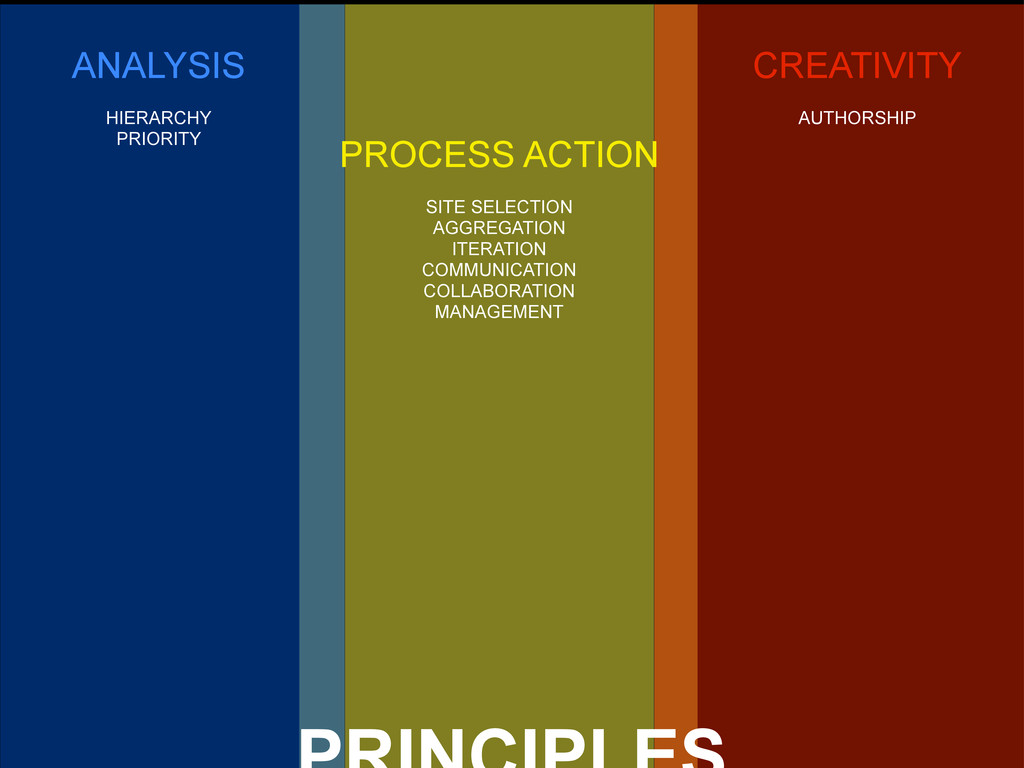
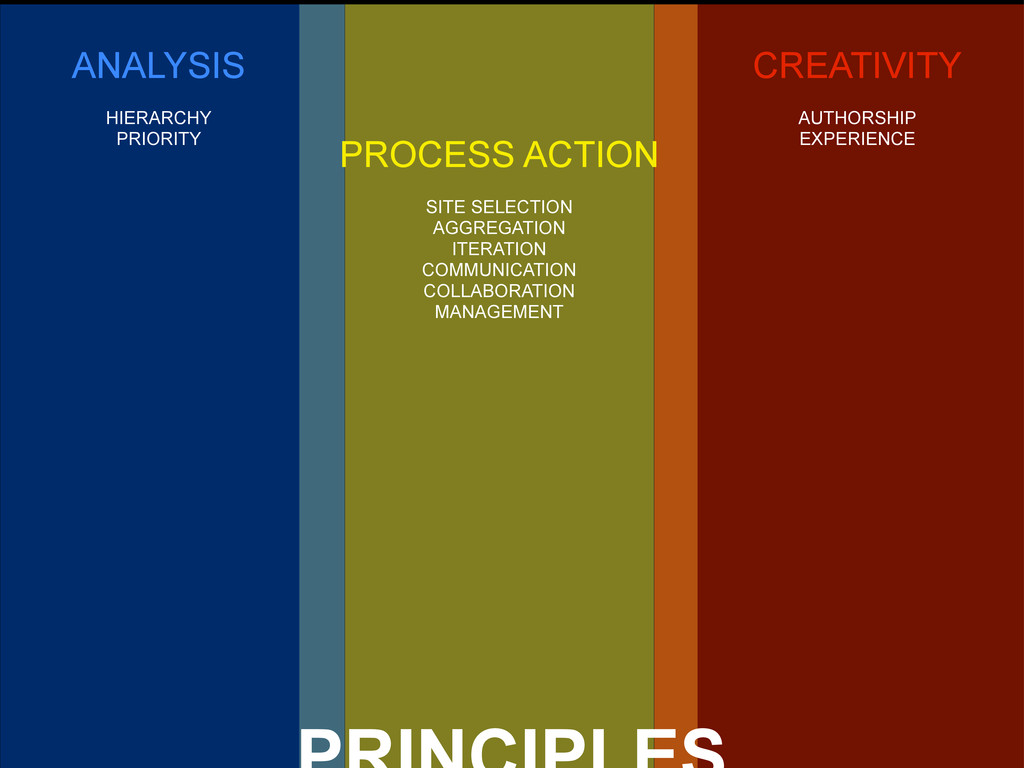
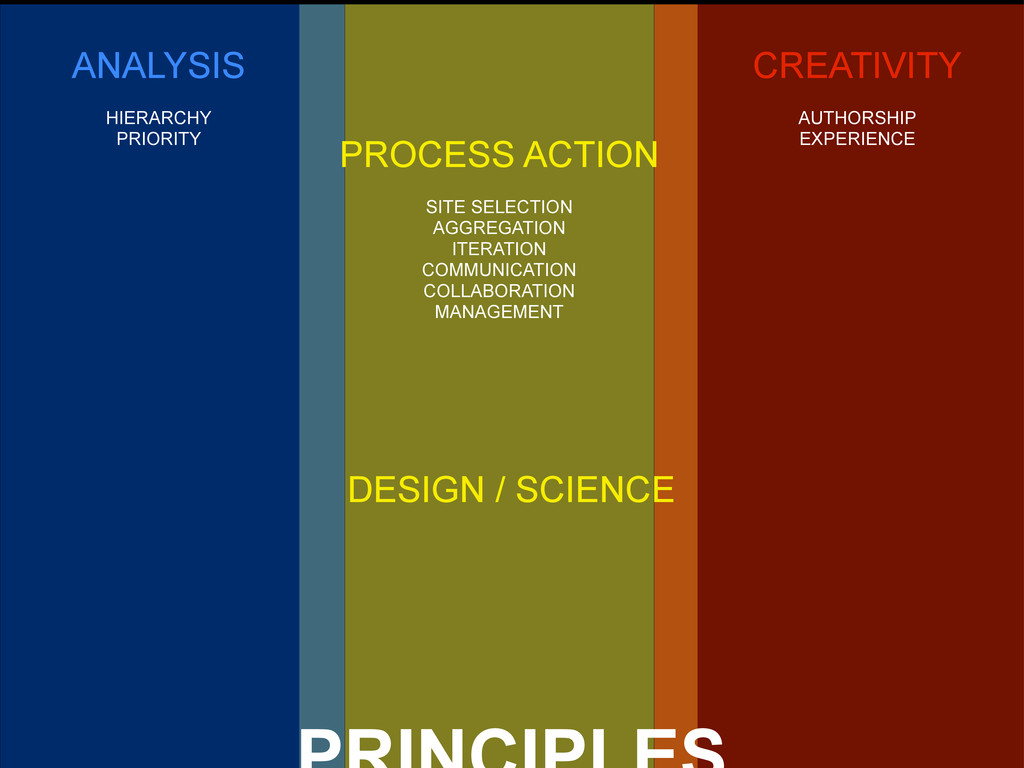
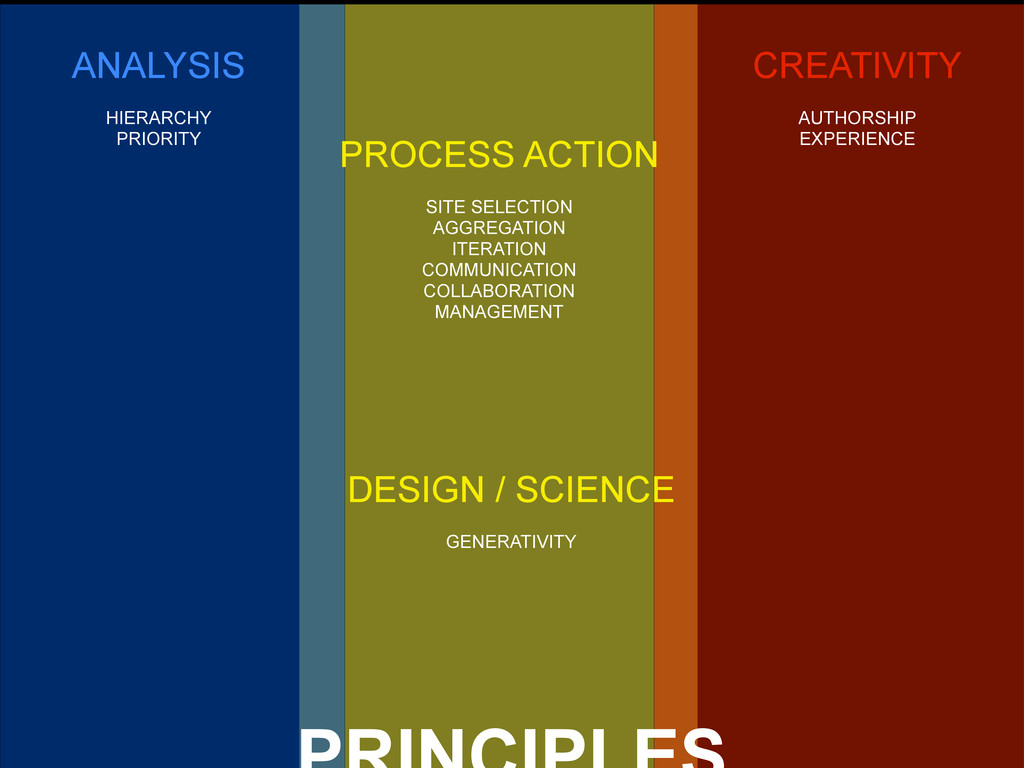
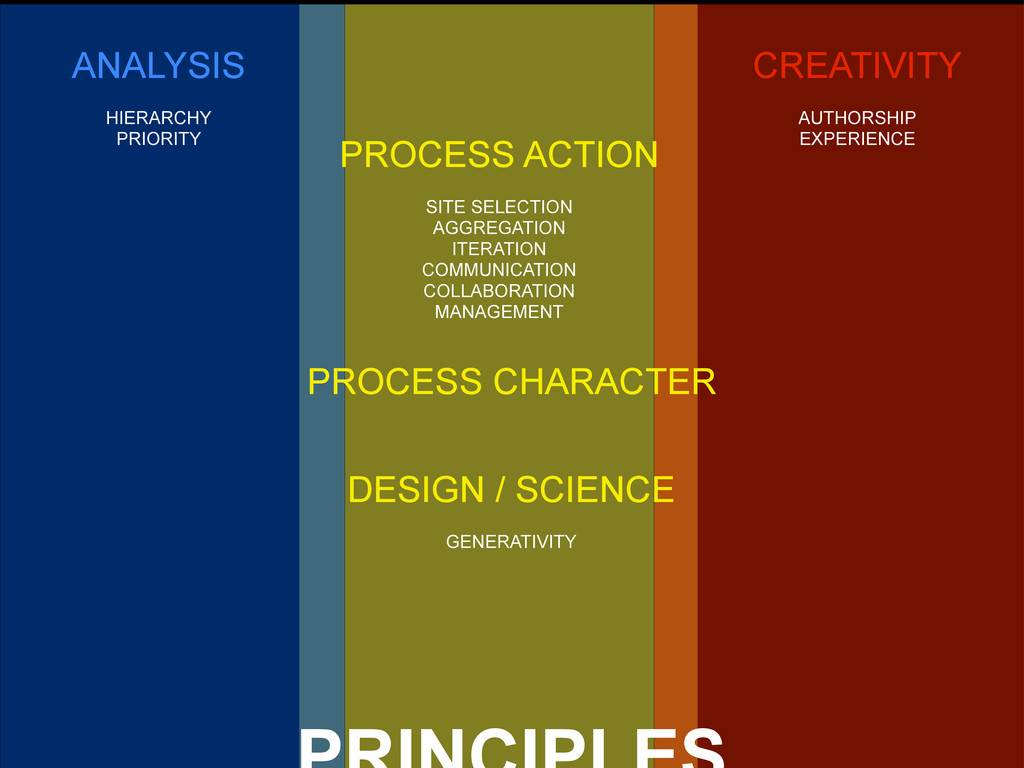
weak constraint defintiions. Architecture method is at least PROCESS Use of metrics? How are these integrated into design method? Start by actually defining constraints. What else? Priorities & Hierarchies? vs Creativity & Freedom
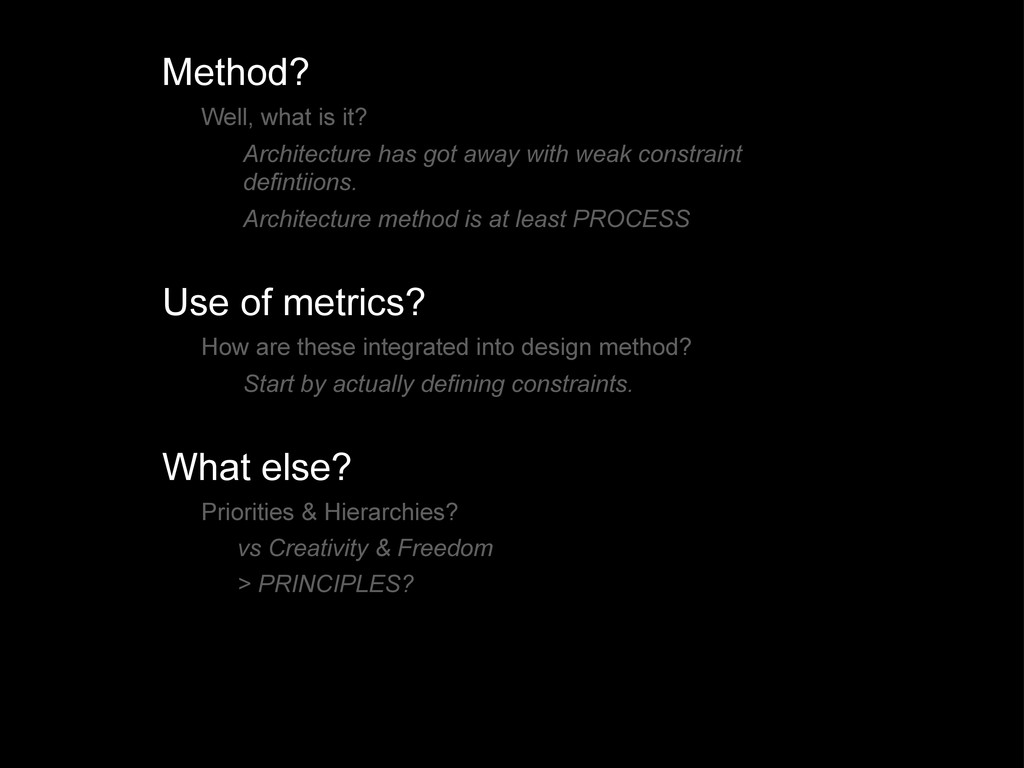
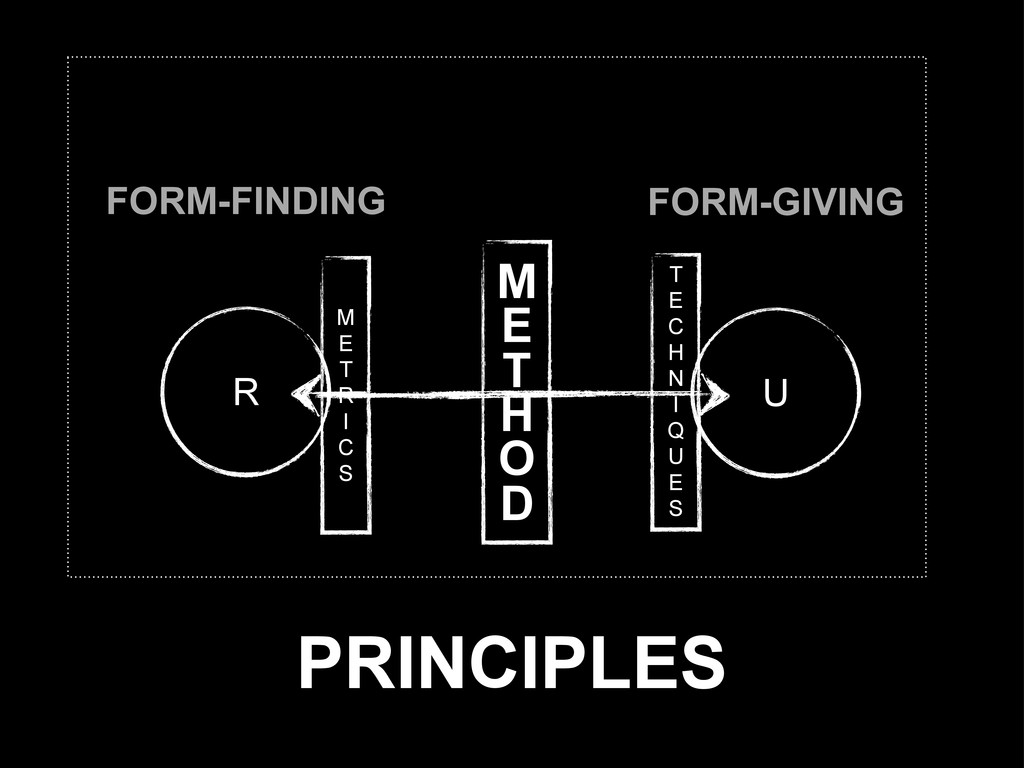
weak constraint defintiions. Architecture method is at least PROCESS Use of metrics? How are these integrated into design method? Start by actually defining constraints. What else? Priorities & Hierarchies? vs Creativity & Freedom > PRINCIPLES?
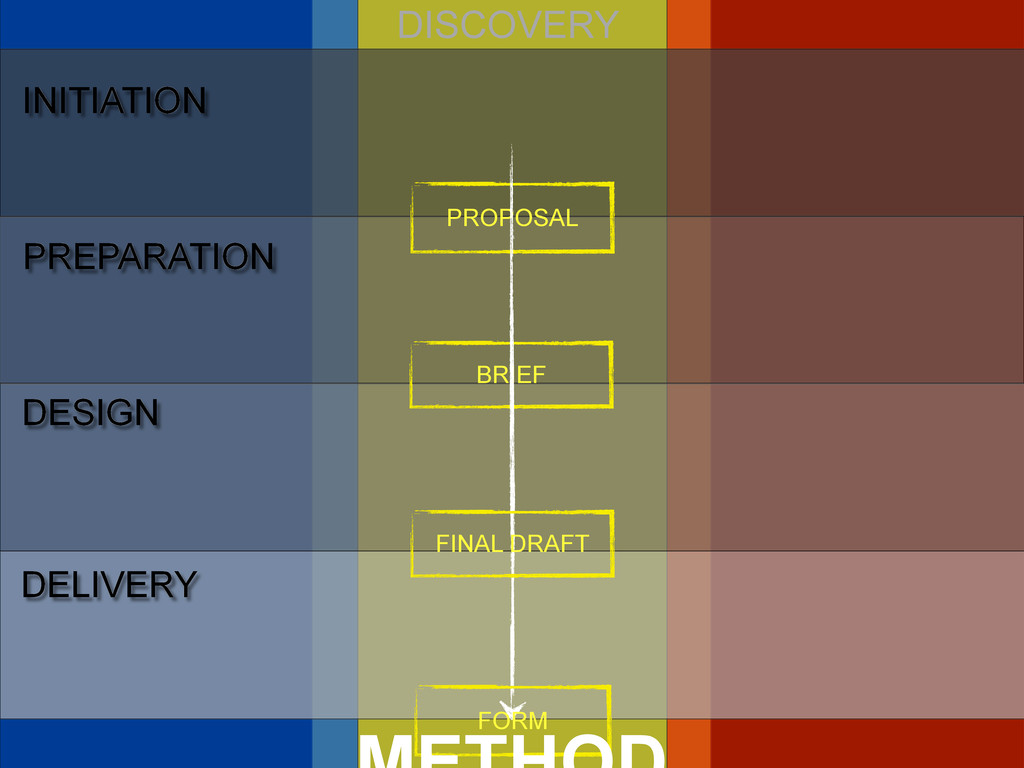
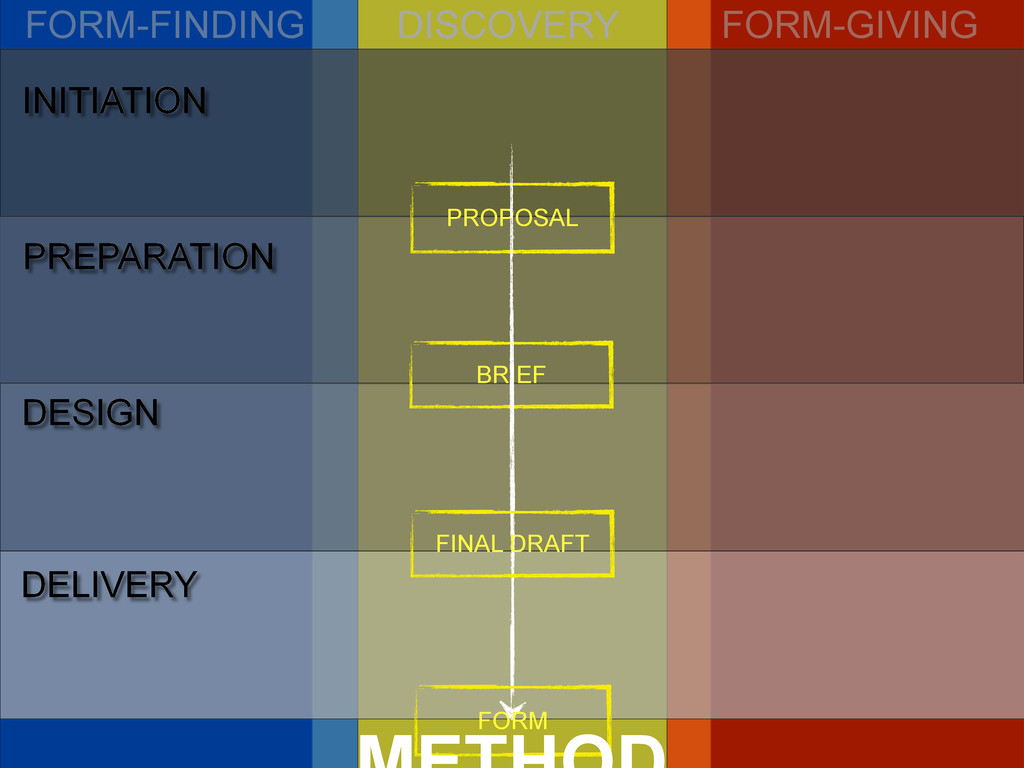
weak constraint defintiions. Architecture method is at least PROCESS Use of metrics? How are these integrated into design method? Start by actually defining constraints. What else? Priorities & Hierarchies? vs Creativity & Freedom > PRINCIPLES? Workflow
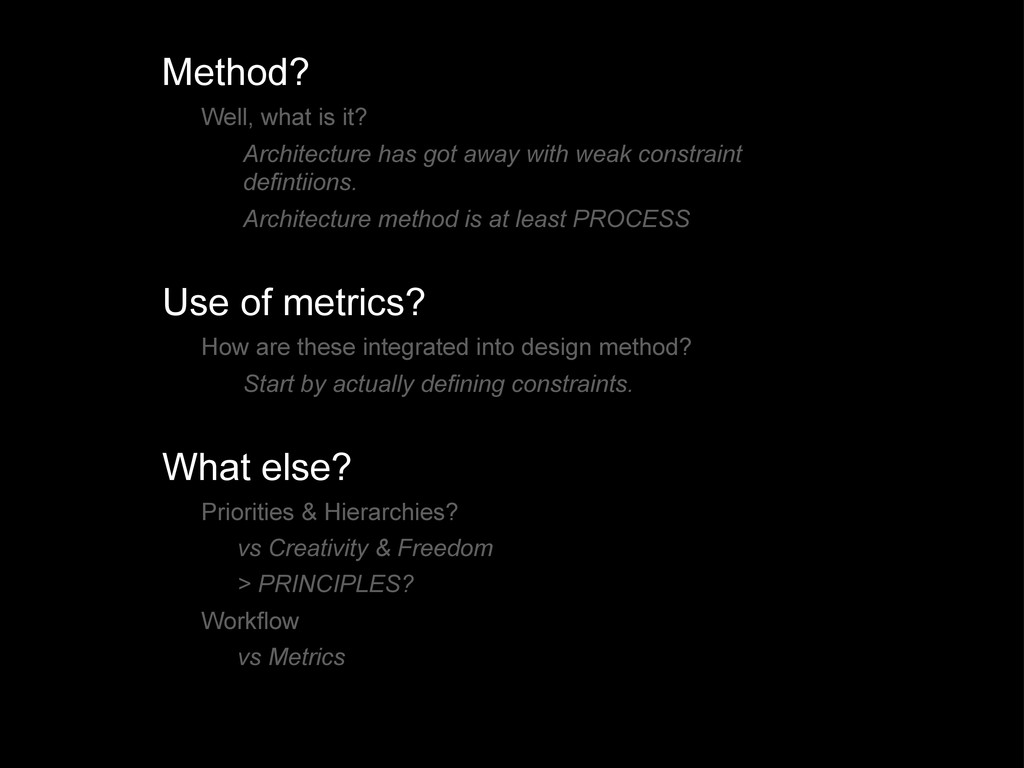
weak constraint defintiions. Architecture method is at least PROCESS Use of metrics? How are these integrated into design method? Start by actually defining constraints. What else? Priorities & Hierarchies? vs Creativity & Freedom > PRINCIPLES? Workflow vs Metrics
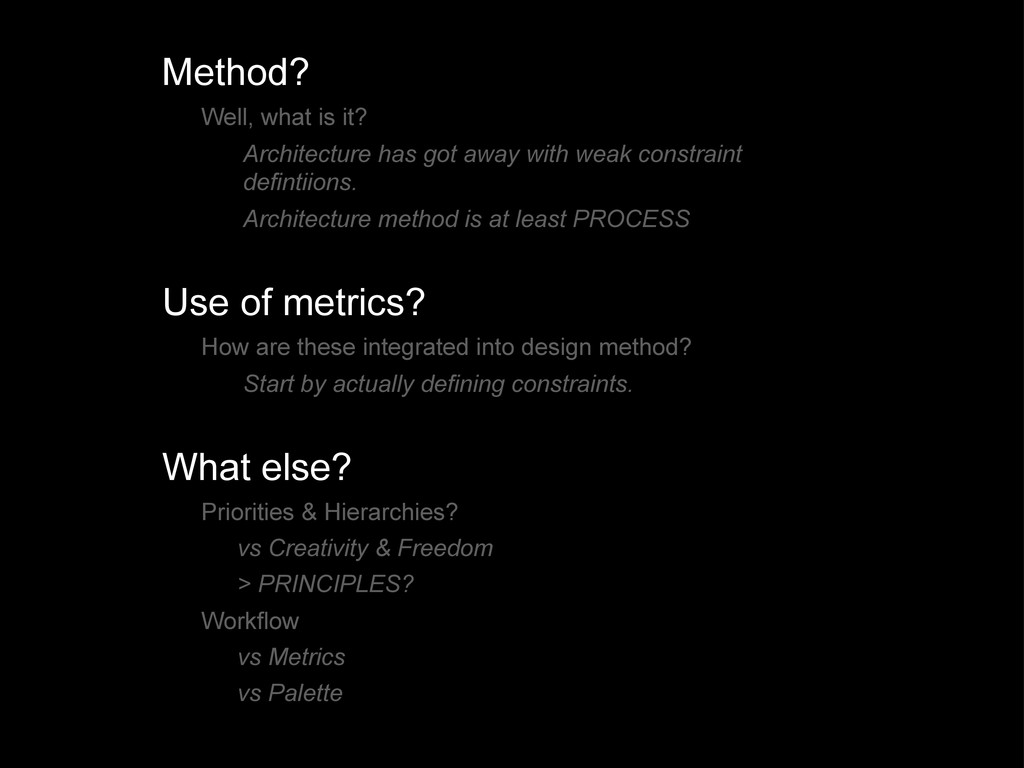
weak constraint defintiions. Architecture method is at least PROCESS Use of metrics? How are these integrated into design method? Start by actually defining constraints. What else? Priorities & Hierarchies? vs Creativity & Freedom > PRINCIPLES? Workflow vs Metrics vs Palette
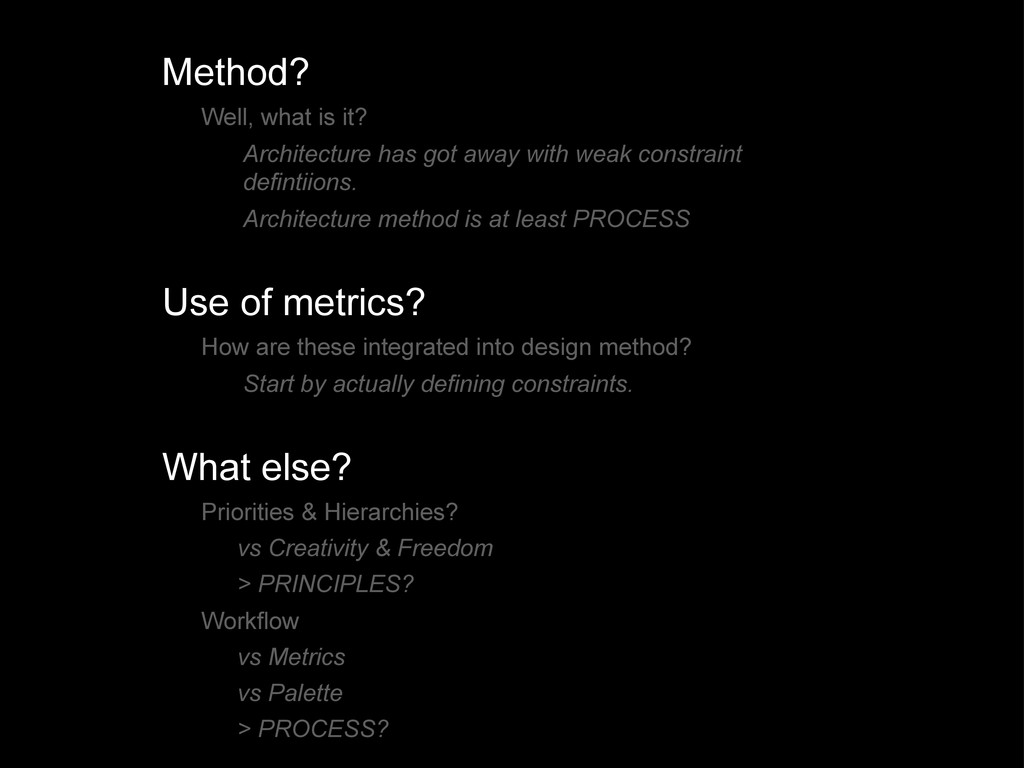
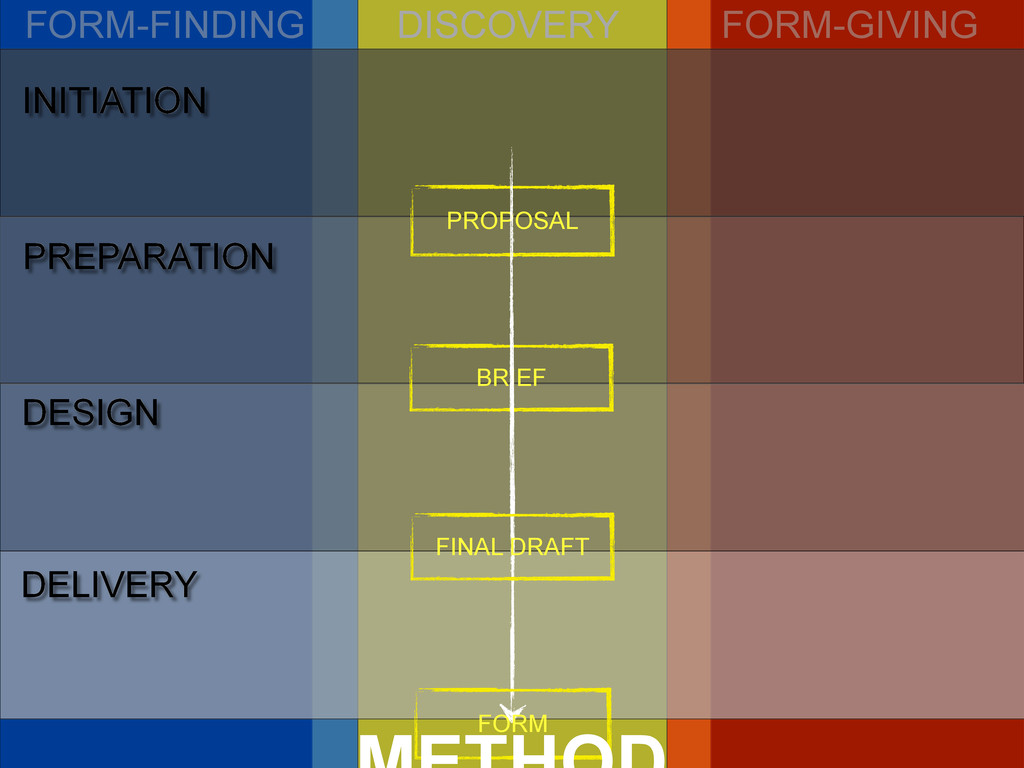
weak constraint defintiions. Architecture method is at least PROCESS Use of metrics? How are these integrated into design method? Start by actually defining constraints. What else? Priorities & Hierarchies? vs Creativity & Freedom > PRINCIPLES? Workflow vs Metrics vs Palette > PROCESS?
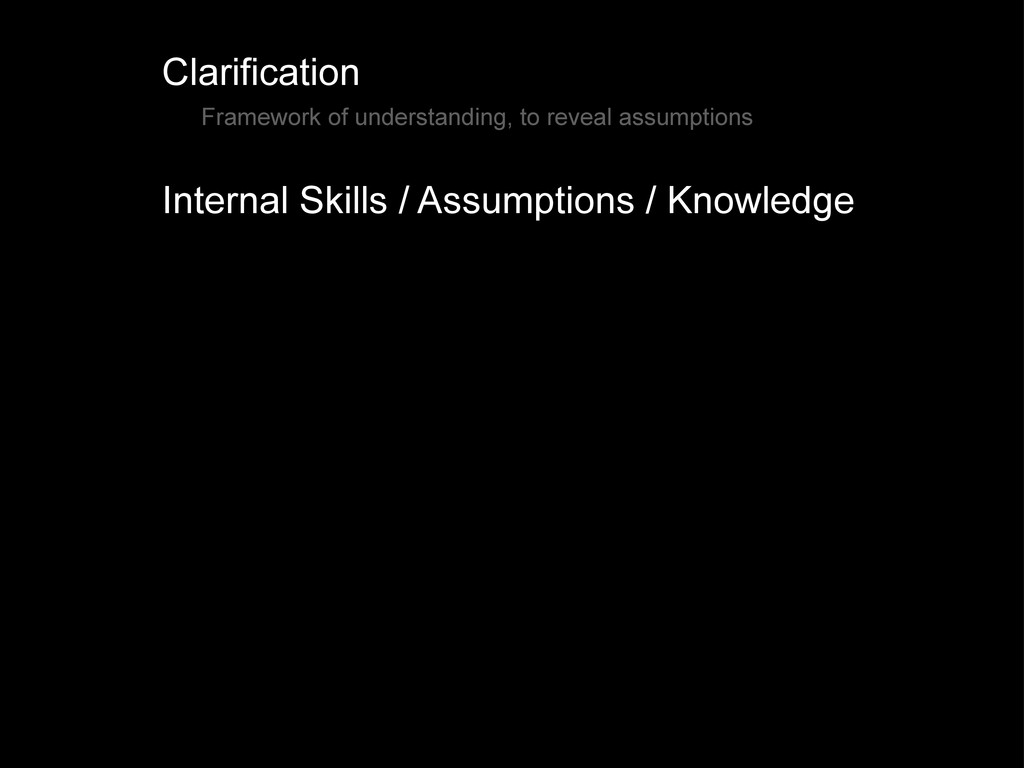
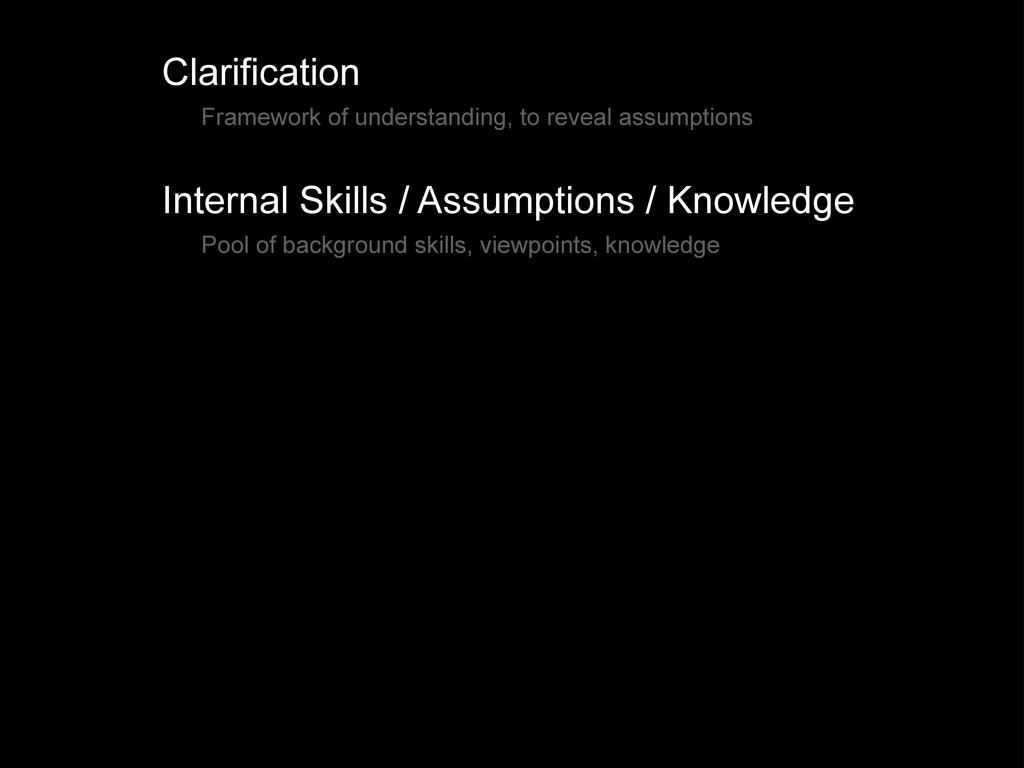
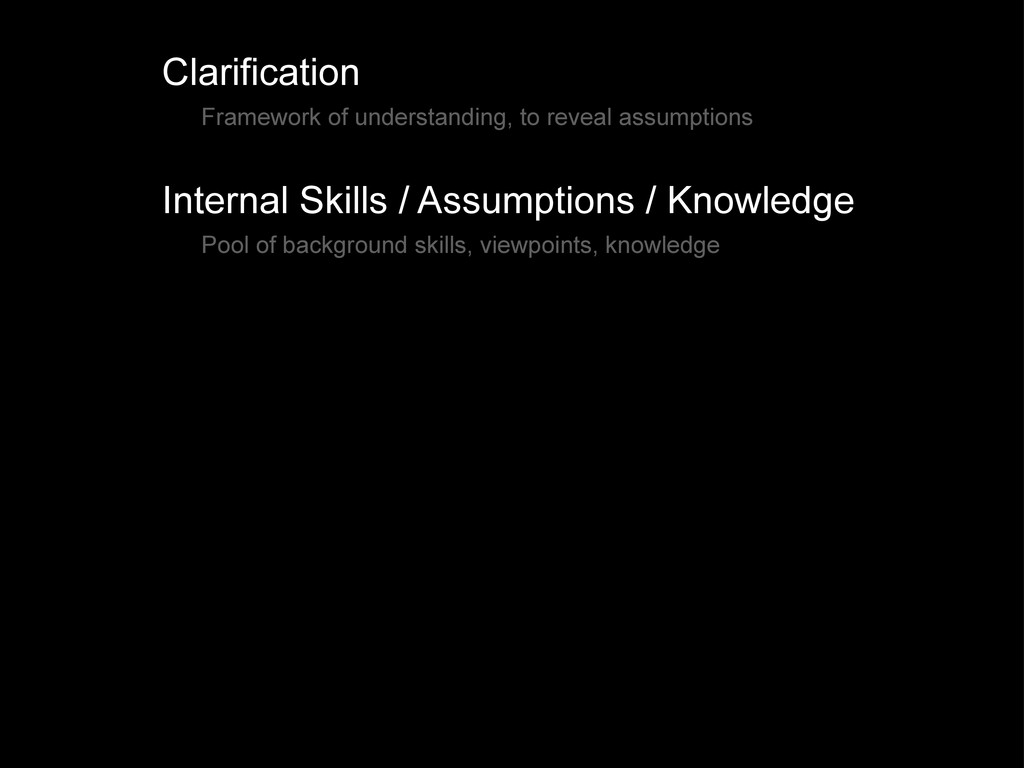
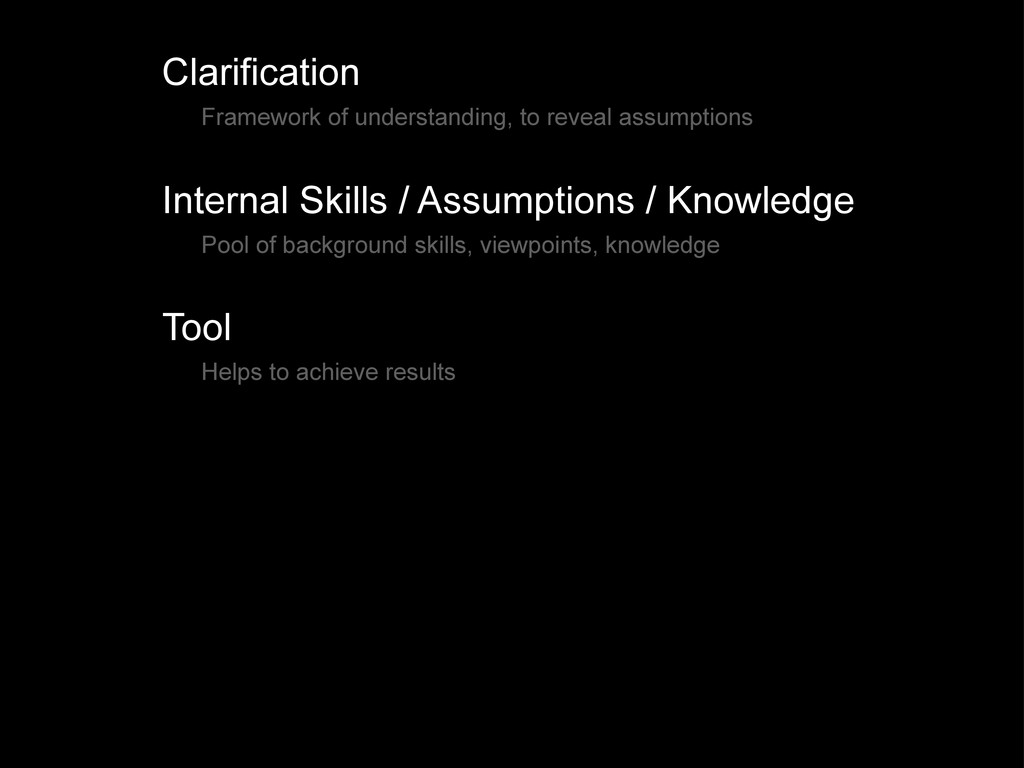
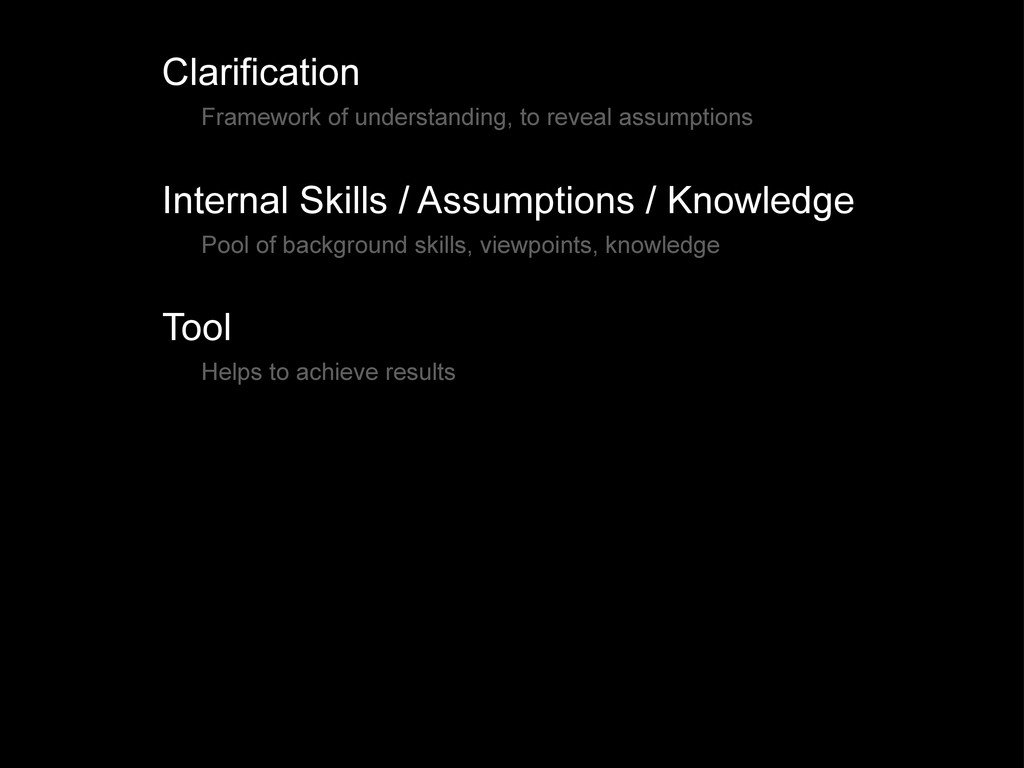
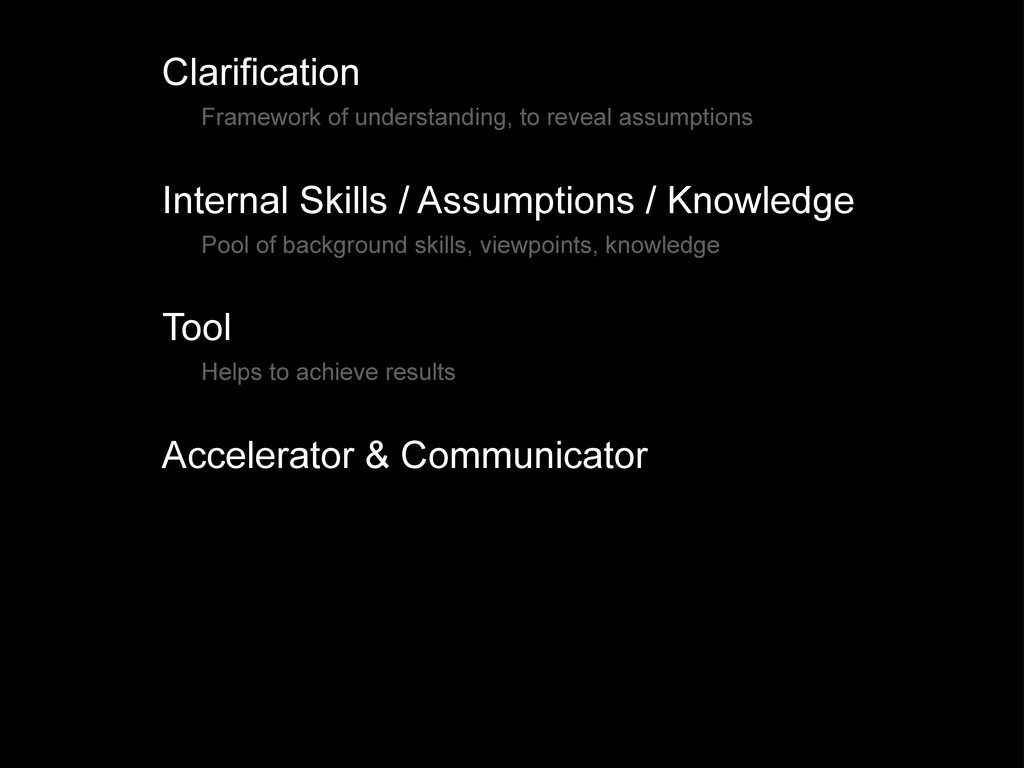
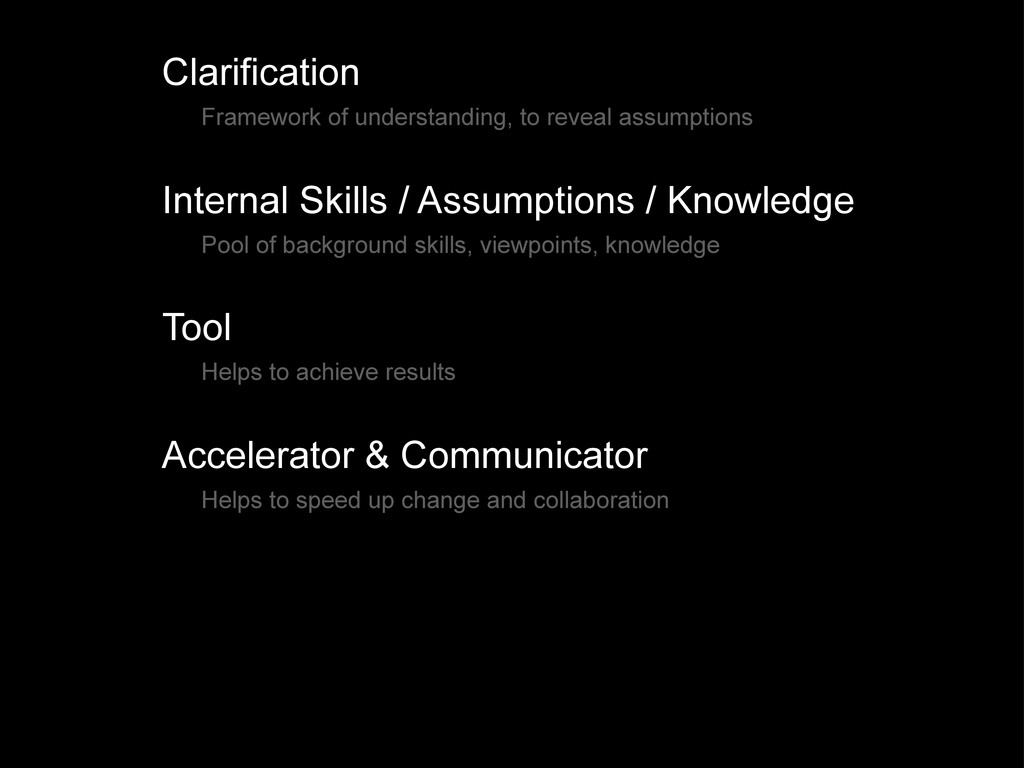
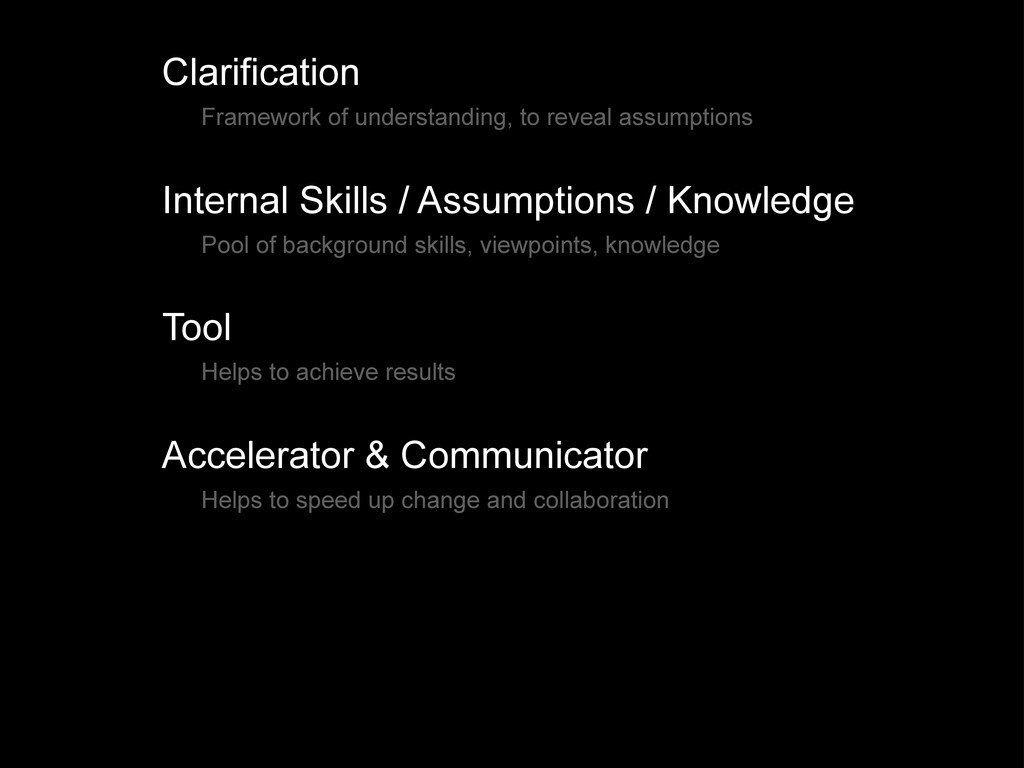
Assumptions / Knowledge Pool of background skills, viewpoints, knowledge Tool Helps to achieve results Accelerator & Communicator Helps to speed up change and collaboration
Assumptions / Knowledge Pool of background skills, viewpoints, knowledge Tool Helps to achieve results Accelerator & Communicator Helps to speed up change and collaboration
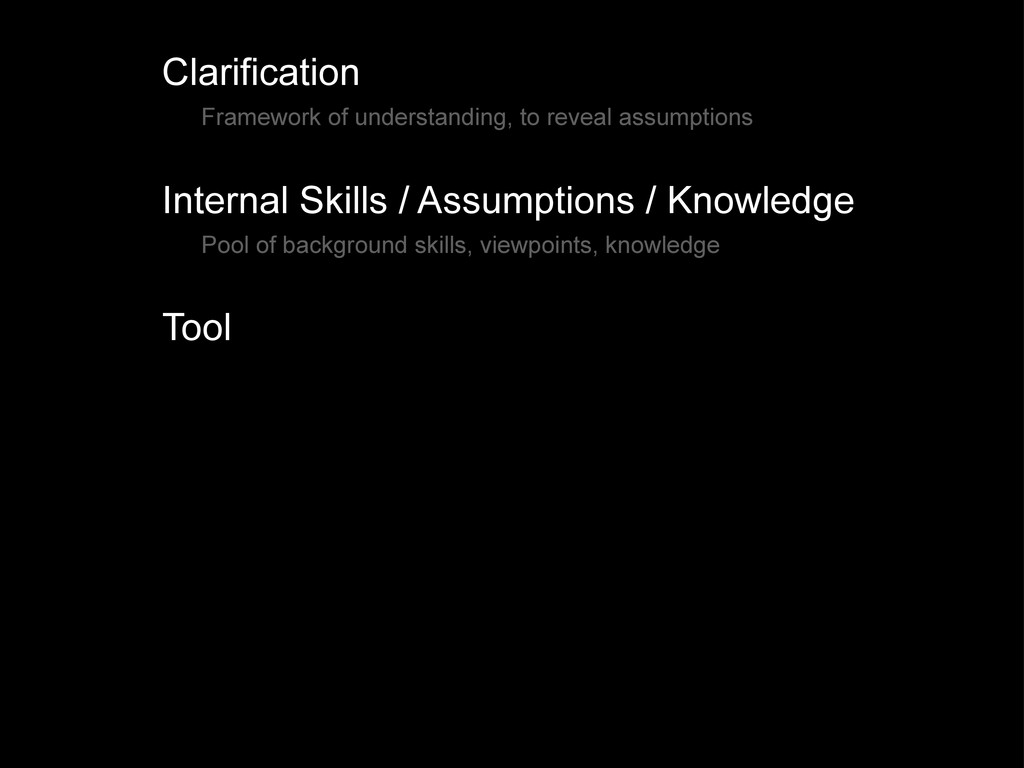
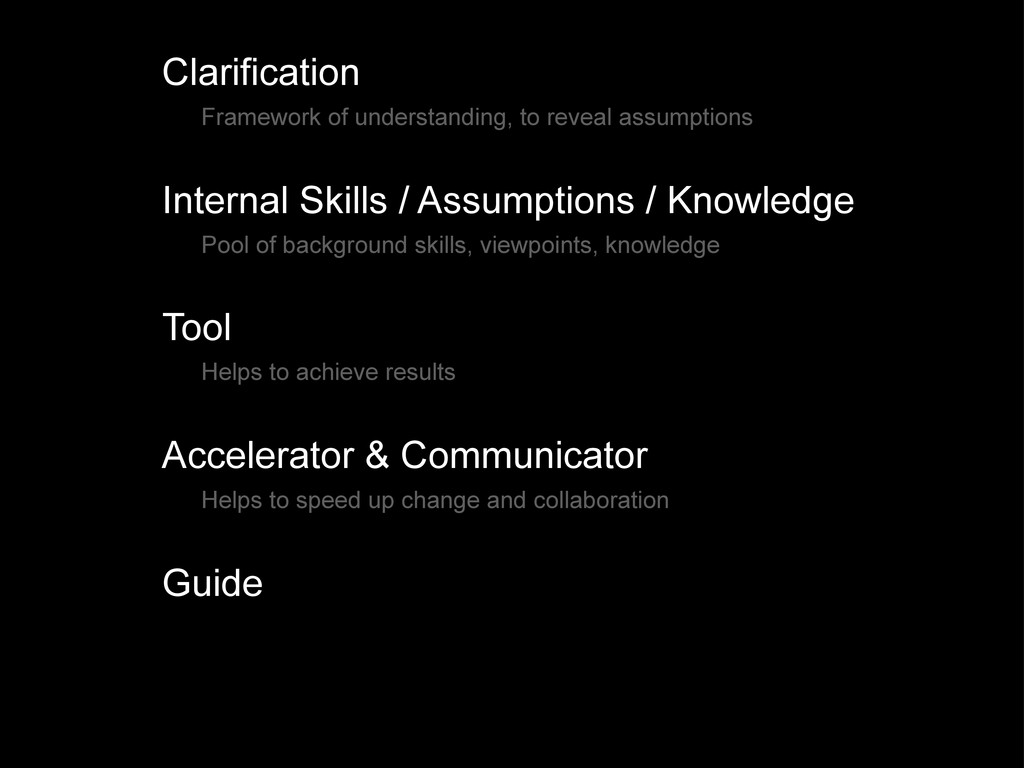
Assumptions / Knowledge Pool of background skills, viewpoints, knowledge Tool Helps to achieve results Accelerator & Communicator Helps to speed up change and collaboration Guide
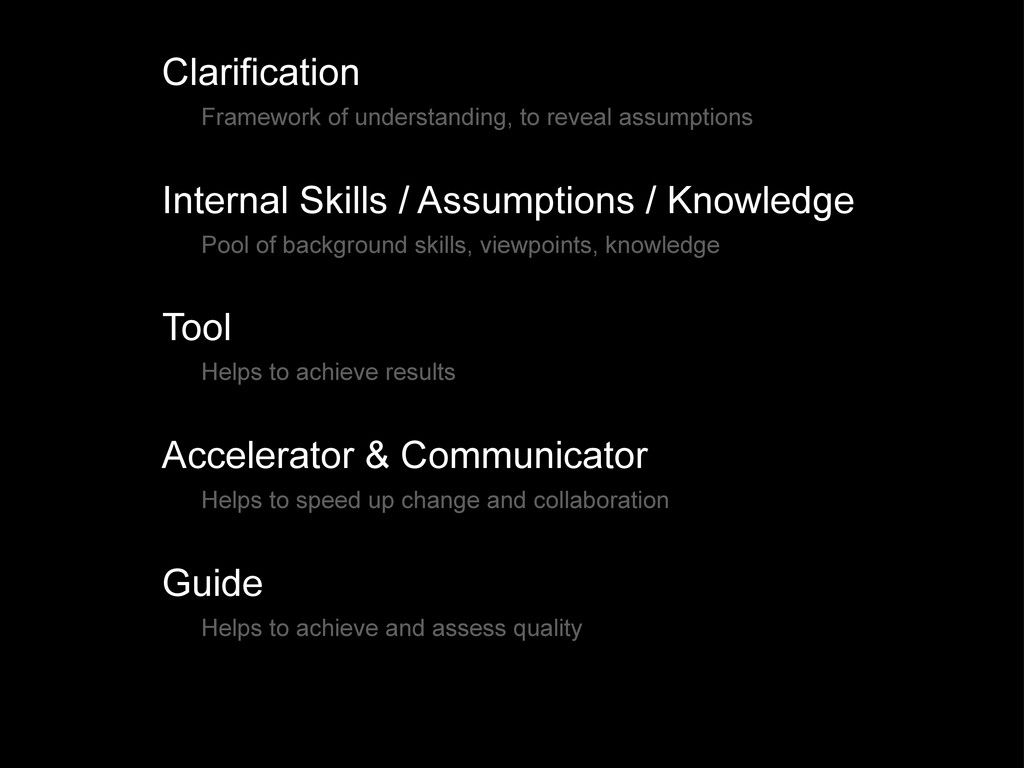
Assumptions / Knowledge Pool of background skills, viewpoints, knowledge Tool Helps to achieve results Accelerator & Communicator Helps to speed up change and collaboration Guide Helps to achieve and assess quality
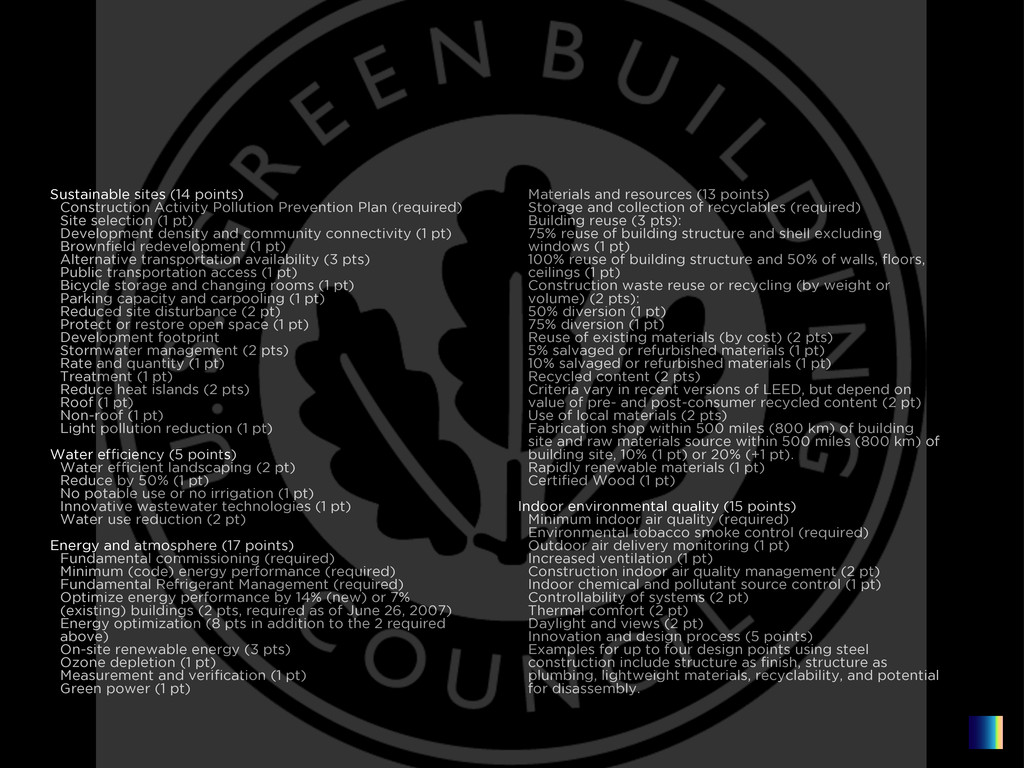
Site selection (1 pt) Development density and community connectivity (1 pt) Brownfield redevelopment (1 pt) Alternative transportation availability (3 pts) Public transportation access (1 pt) Bicycle storage and changing rooms (1 pt) Parking capacity and carpooling (1 pt) Reduced site disturbance (2 pt) Protect or restore open space (1 pt) Development footprint Stormwater management (2 pts) Rate and quantity (1 pt) Treatment (1 pt) Reduce heat islands (2 pts) Roof (1 pt) Non-roof (1 pt) Light pollution reduction (1 pt) Water efficiency (5 points) Water efficient landscaping (2 pt) Reduce by 50% (1 pt) No potable use or no irrigation (1 pt) Innovative wastewater technologies (1 pt) Water use reduction (2 pt) Energy and atmosphere (17 points) Fundamental commissioning (required) Minimum (code) energy performance (required) Fundamental Refrigerant Management (required) Optimize energy performance by 14% (new) or 7% (existing) buildings (2 pts, required as of June 26, 2007) Energy optimization (8 pts in addition to the 2 required above) On-site renewable energy (3 pts) Ozone depletion (1 pt) Measurement and verification (1 pt) Green power (1 pt) Materials and resources (13 points) Storage and collection of recyclables (required) Building reuse (3 pts): 75% reuse of building structure and shell excluding windows (1 pt) 100% reuse of building structure and 50% of walls, floors, ceilings (1 pt) Construction waste reuse or recycling (by weight or volume) (2 pts): 50% diversion (1 pt) 75% diversion (1 pt) Reuse of existing materials (by cost) (2 pts) 5% salvaged or refurbished materials (1 pt) 10% salvaged or refurbished materials (1 pt) Recycled content (2 pts) Criteria vary in recent versions of LEED, but depend on value of pre- and post-consumer recycled content (2 pt) Use of local materials (2 pts) Fabrication shop within 500 miles (800 km) of building site and raw materials source within 500 miles (800 km) of building site, 10% (1 pt) or 20% (+1 pt). Rapidly renewable materials (1 pt) Certified Wood (1 pt) Indoor environmental quality (15 points) Minimum indoor air quality (required) Environmental tobacco smoke control (required) Outdoor air delivery monitoring (1 pt) Increased ventilation (1 pt) Construction indoor air quality management (2 pt) Indoor chemical and pollutant source control (1 pt) Controllability of systems (2 pt) Thermal comfort (2 pt) Daylight and views (2 pt) Innovation and design process (5 points) Examples for up to four design points using steel construction include structure as finish, structure as plumbing, lightweight materials, recyclability, and potential for disassembly.
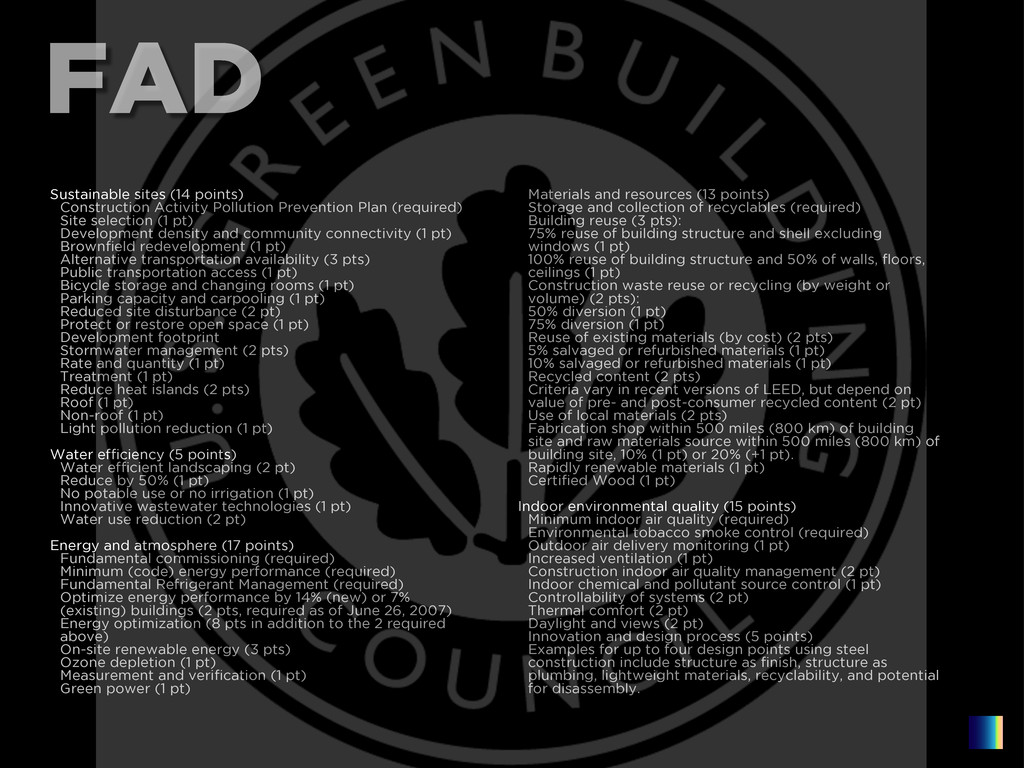
Site selection (1 pt) Development density and community connectivity (1 pt) Brownfield redevelopment (1 pt) Alternative transportation availability (3 pts) Public transportation access (1 pt) Bicycle storage and changing rooms (1 pt) Parking capacity and carpooling (1 pt) Reduced site disturbance (2 pt) Protect or restore open space (1 pt) Development footprint Stormwater management (2 pts) Rate and quantity (1 pt) Treatment (1 pt) Reduce heat islands (2 pts) Roof (1 pt) Non-roof (1 pt) Light pollution reduction (1 pt) Water efficiency (5 points) Water efficient landscaping (2 pt) Reduce by 50% (1 pt) No potable use or no irrigation (1 pt) Innovative wastewater technologies (1 pt) Water use reduction (2 pt) Energy and atmosphere (17 points) Fundamental commissioning (required) Minimum (code) energy performance (required) Fundamental Refrigerant Management (required) Optimize energy performance by 14% (new) or 7% (existing) buildings (2 pts, required as of June 26, 2007) Energy optimization (8 pts in addition to the 2 required above) On-site renewable energy (3 pts) Ozone depletion (1 pt) Measurement and verification (1 pt) Green power (1 pt) Materials and resources (13 points) Storage and collection of recyclables (required) Building reuse (3 pts): 75% reuse of building structure and shell excluding windows (1 pt) 100% reuse of building structure and 50% of walls, floors, ceilings (1 pt) Construction waste reuse or recycling (by weight or volume) (2 pts): 50% diversion (1 pt) 75% diversion (1 pt) Reuse of existing materials (by cost) (2 pts) 5% salvaged or refurbished materials (1 pt) 10% salvaged or refurbished materials (1 pt) Recycled content (2 pts) Criteria vary in recent versions of LEED, but depend on value of pre- and post-consumer recycled content (2 pt) Use of local materials (2 pts) Fabrication shop within 500 miles (800 km) of building site and raw materials source within 500 miles (800 km) of building site, 10% (1 pt) or 20% (+1 pt). Rapidly renewable materials (1 pt) Certified Wood (1 pt) Indoor environmental quality (15 points) Minimum indoor air quality (required) Environmental tobacco smoke control (required) Outdoor air delivery monitoring (1 pt) Increased ventilation (1 pt) Construction indoor air quality management (2 pt) Indoor chemical and pollutant source control (1 pt) Controllability of systems (2 pt) Thermal comfort (2 pt) Daylight and views (2 pt) Innovation and design process (5 points) Examples for up to four design points using steel construction include structure as finish, structure as plumbing, lightweight materials, recyclability, and potential for disassembly. FAD
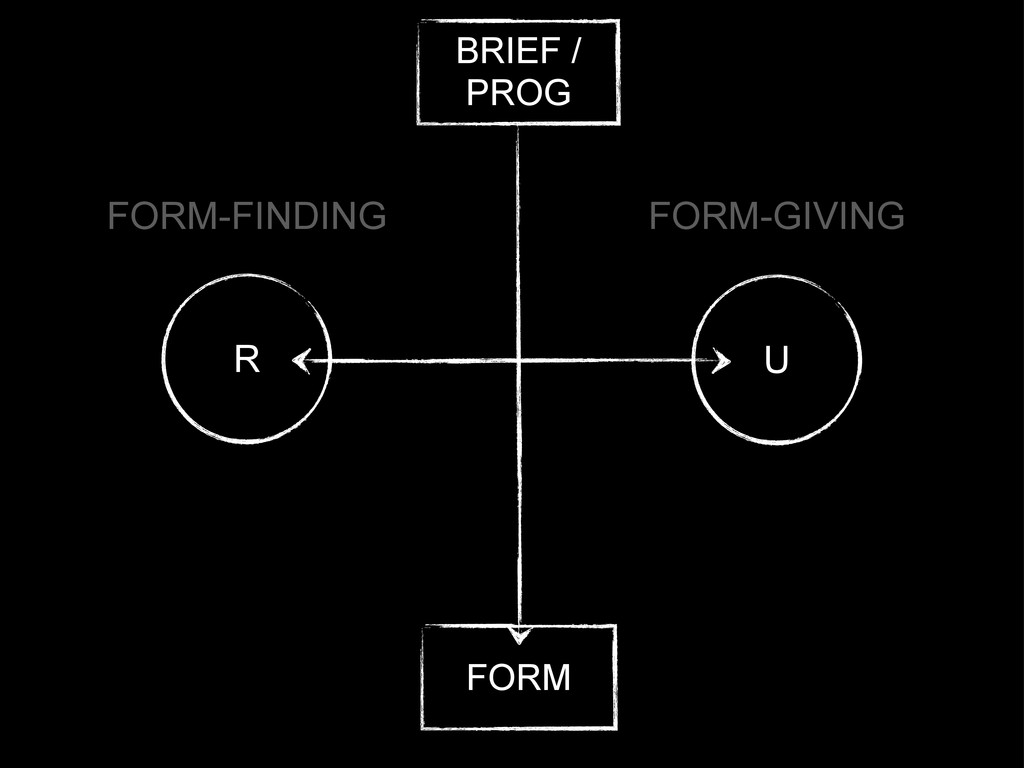
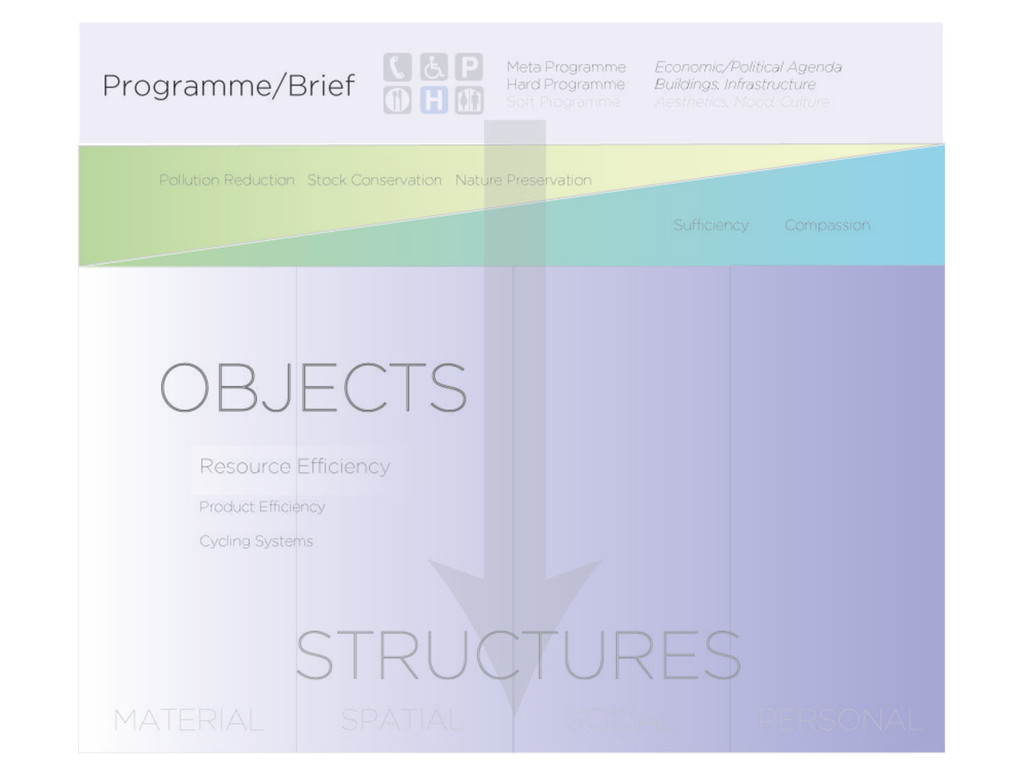
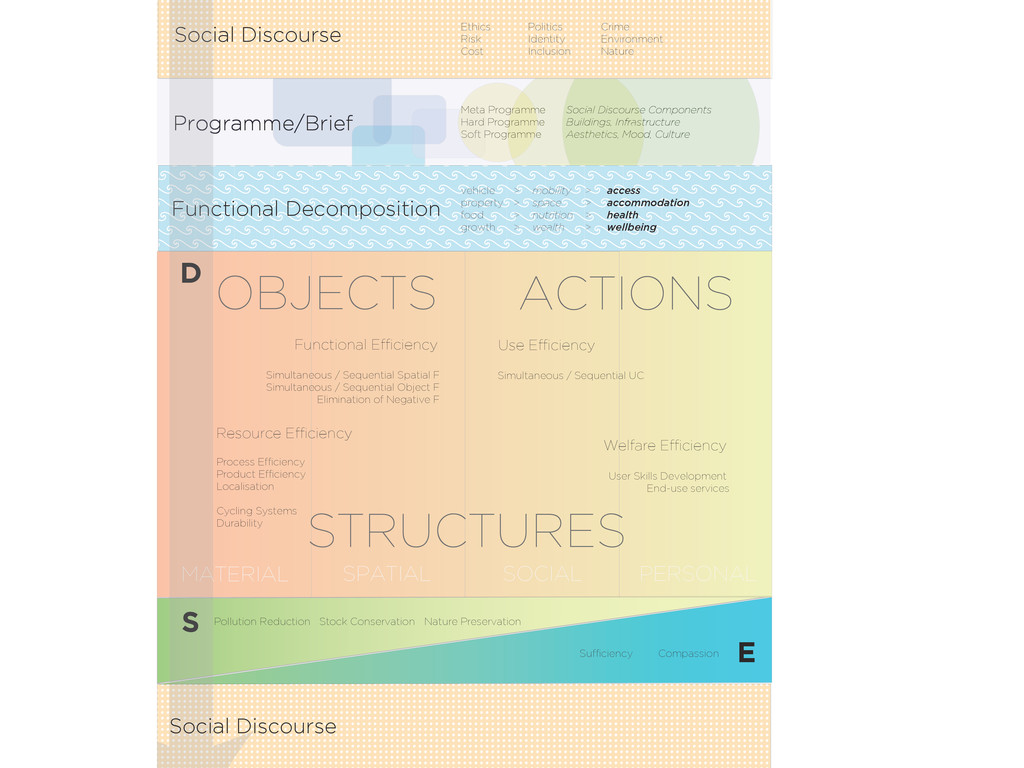
> growth > mobility > space > nutrition > wealth > access accommodation health wellbeing Meta Programme Social Discourse Components Hard Programme Buildings, Infrastructure Soft Programme Aesthetics, Mood, Culture Politics Identity Inclusion Crime Environment Nature Ethics Risk Cost Pollution Reduction Stock Conservation Nature Preservation Sufficiency Compassion S E MATERIAL SPATIAL SOCIAL PERSONAL OBJECTS ACTIONS STRUCTURES Resource Efficiency Functional Efficiency Use Efficiency Welfare Efficiency User Skills Development End-use services D Simultaneous / Sequential Spatial F Simultaneous / Sequential Object F Elimination of Negative F Process Efficiency Product Efficiency Localisation Cycling Systems Durability Simultaneous / Sequential UC Social Discourse


 jmanooch
 3n
3n
 baasie
 uxyall
 marktimemedia
 honzajavorek
 auna
auna
 marcelosomers
 thekraken
 joshbly
 speakerdeck
 colly
colly
 kevinliebholz

























![CRITICAL MMMASS Sustainable Architecture for Monday Morning [email protected] | KTH-A](https://files.speakerdeck.com/presentations/68d8f5604f870130d30722000a1e8bf9/slide_159.jpg)