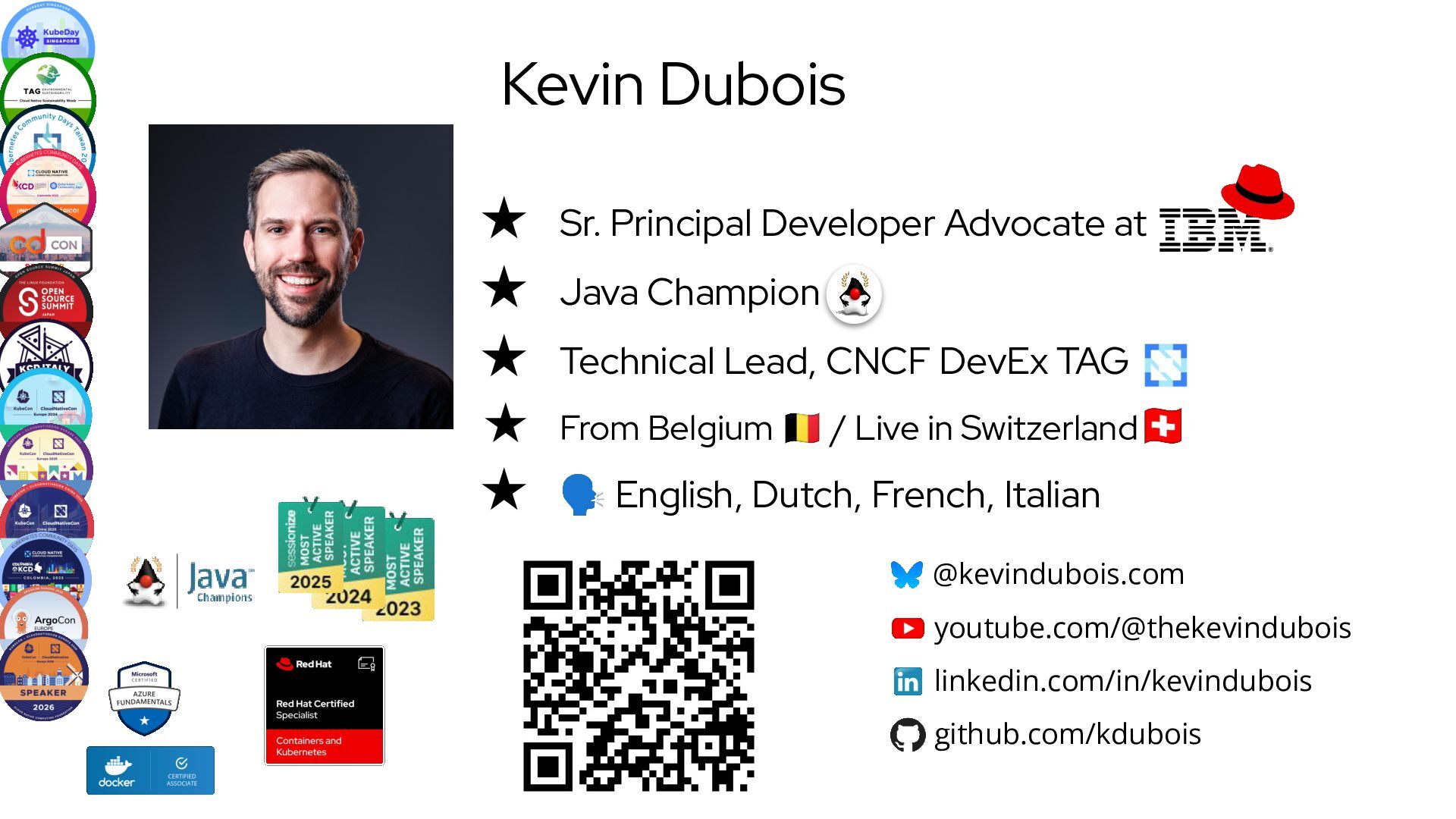
Champion ★ Technical Lead, CNCF DevEx TAG ★ From Belgium / Live in Switzerland ★ 🗣 English, Dutch, French, Italian youtube.com/@thekevindubois linkedin.com/in/kevindubois github.com/kdubois @kevindubois.com
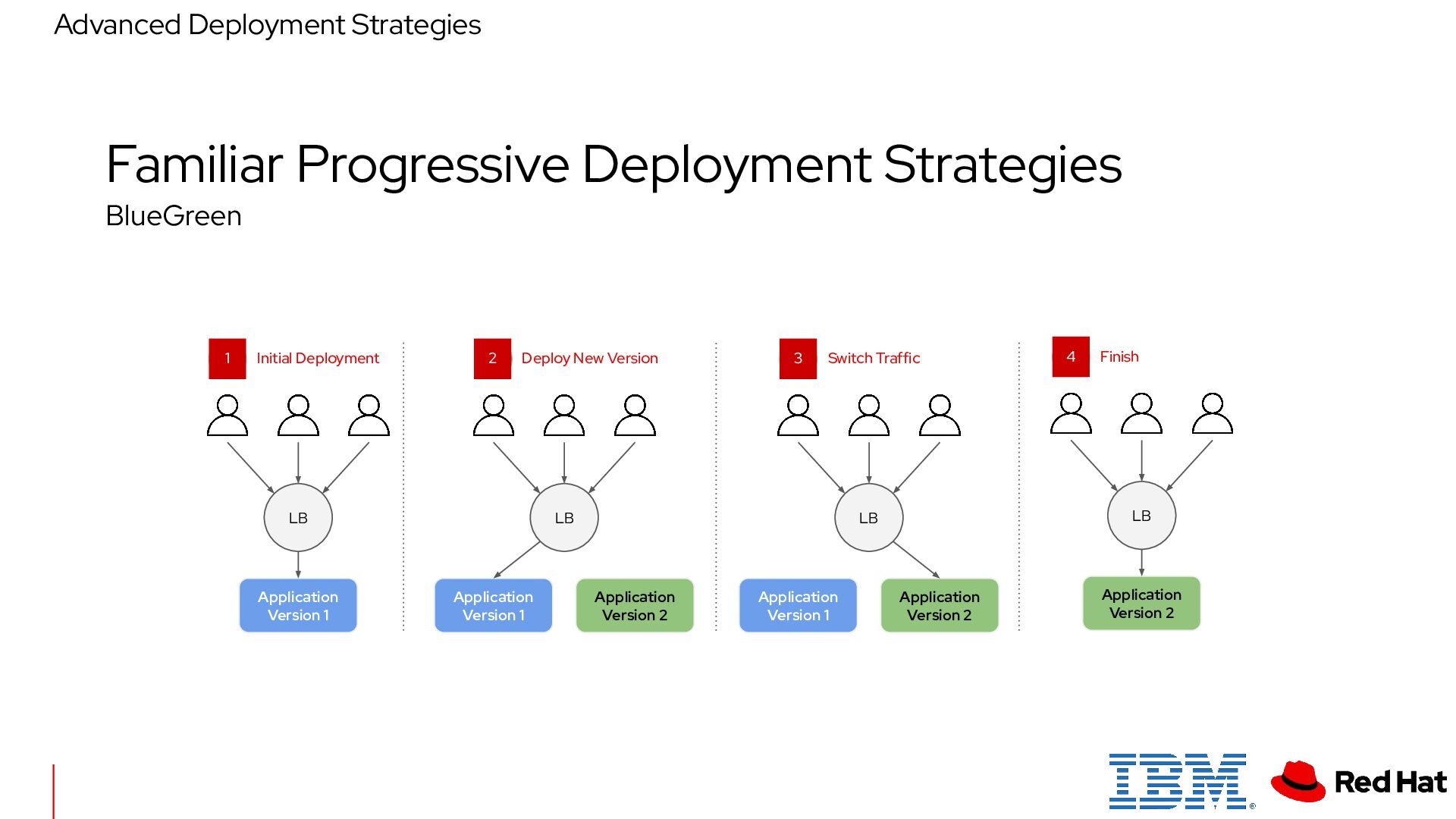
Version 2 LB Application Version 1 Application Version 2 LB Application Version 1 Application Version 2 LB Initial Deployment Deploy New Version Switch Traffic Finish 1 2 3 4 Advanced Deployment Strategies
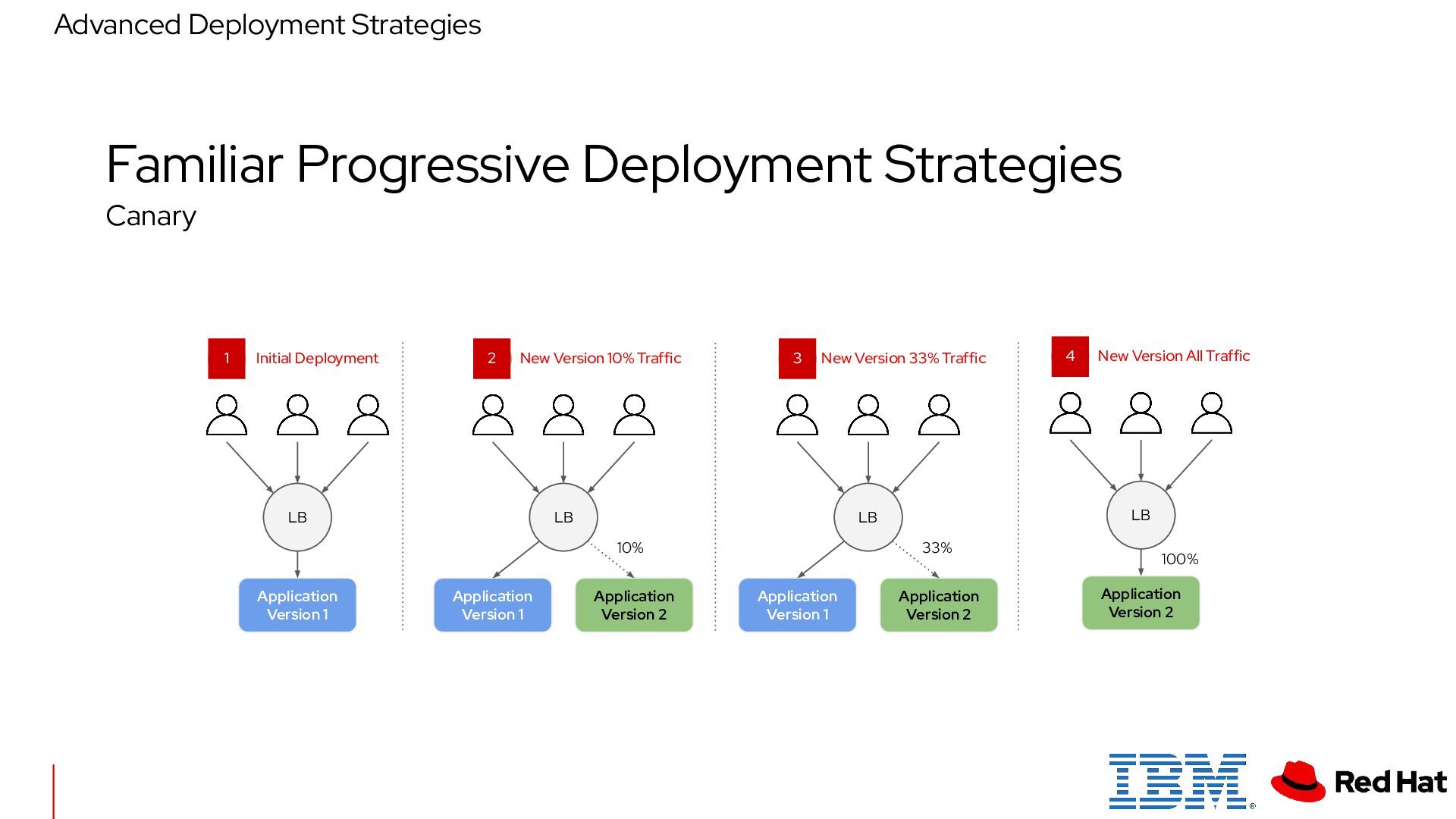
Version 2 LB Application Version 1 Application Version 2 LB Application Version 1 Application Version 2 LB Initial Deployment New Version 10% Traffic New Version 33% Traffic New Version All Traffic 1 2 3 4 10% 33% 100% Advanced Deployment Strategies
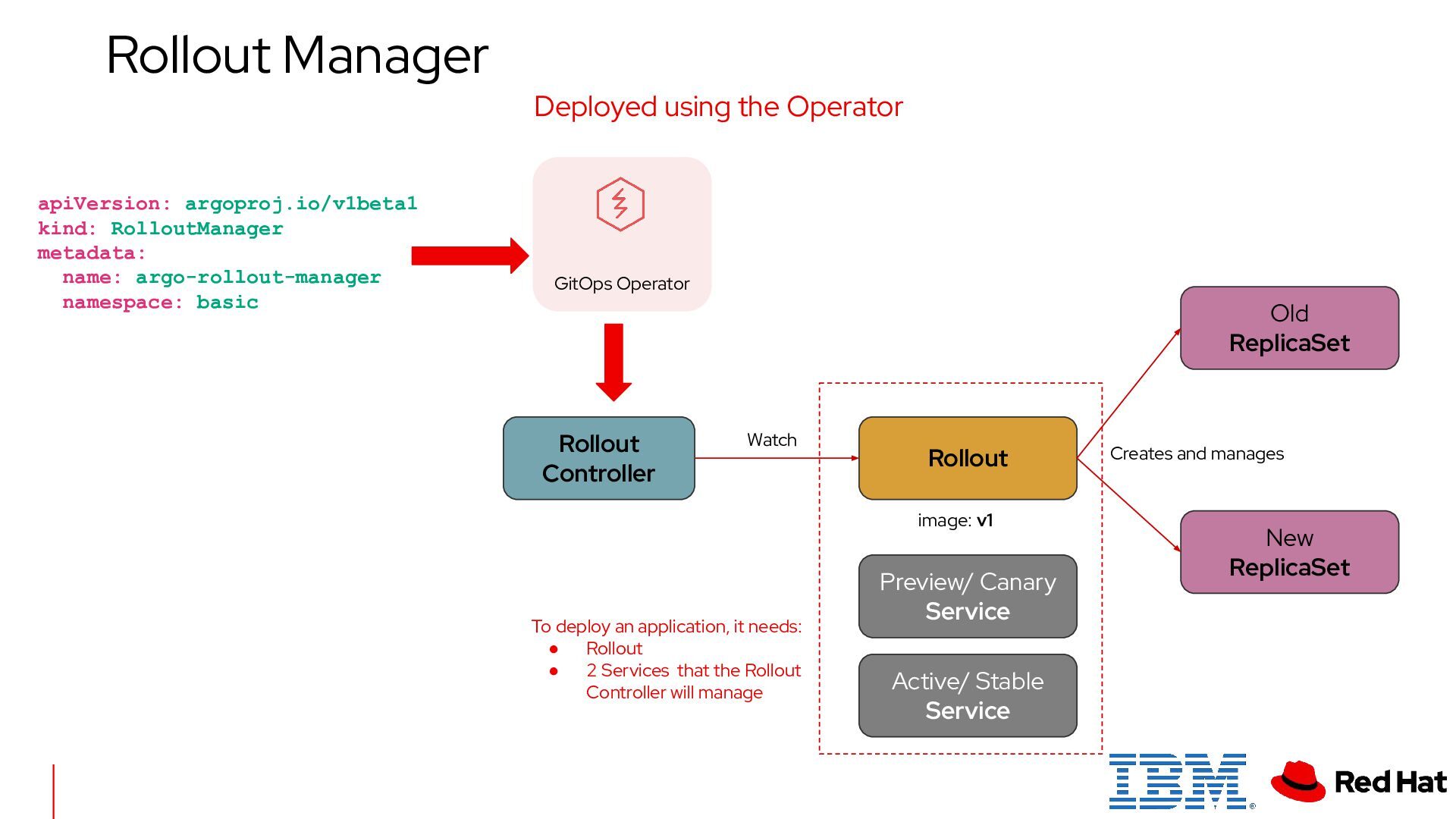
metadata: name: argo-rollout-manager namespace: basic{} GitOps Operator Rollout Controller Rollout Watch image: v1 Active/ Stable Service Preview/ Canary Service Old ReplicaSet New ReplicaSet Creates and manages To deploy an application, it needs: • Rollout • 2 Services that the Rollout Controller will manage
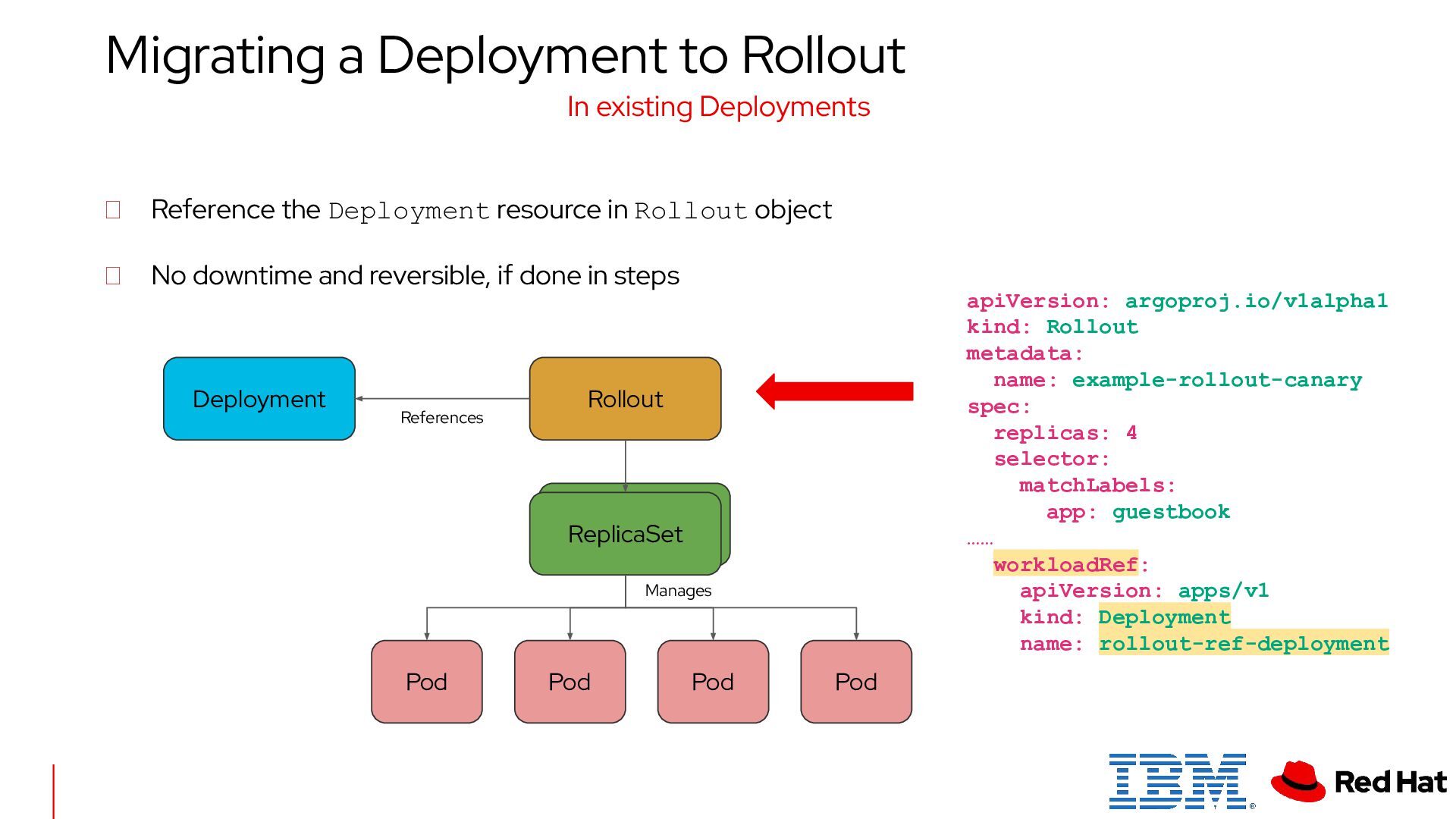
in Rollout object No downtime and reversible, if done in steps Deployment Rollout References ReplicaSet apiVersion: argoproj.io/v1alpha1 kind: Rollout metadata: name: example-rollout-canary spec: replicas: 4 selector: matchLabels: app: guestbook …… workloadRef: apiVersion: apps/v1 kind: Deployment name: rollout-ref-deployment Pod Pod Pod Pod Manages In existing Deployments
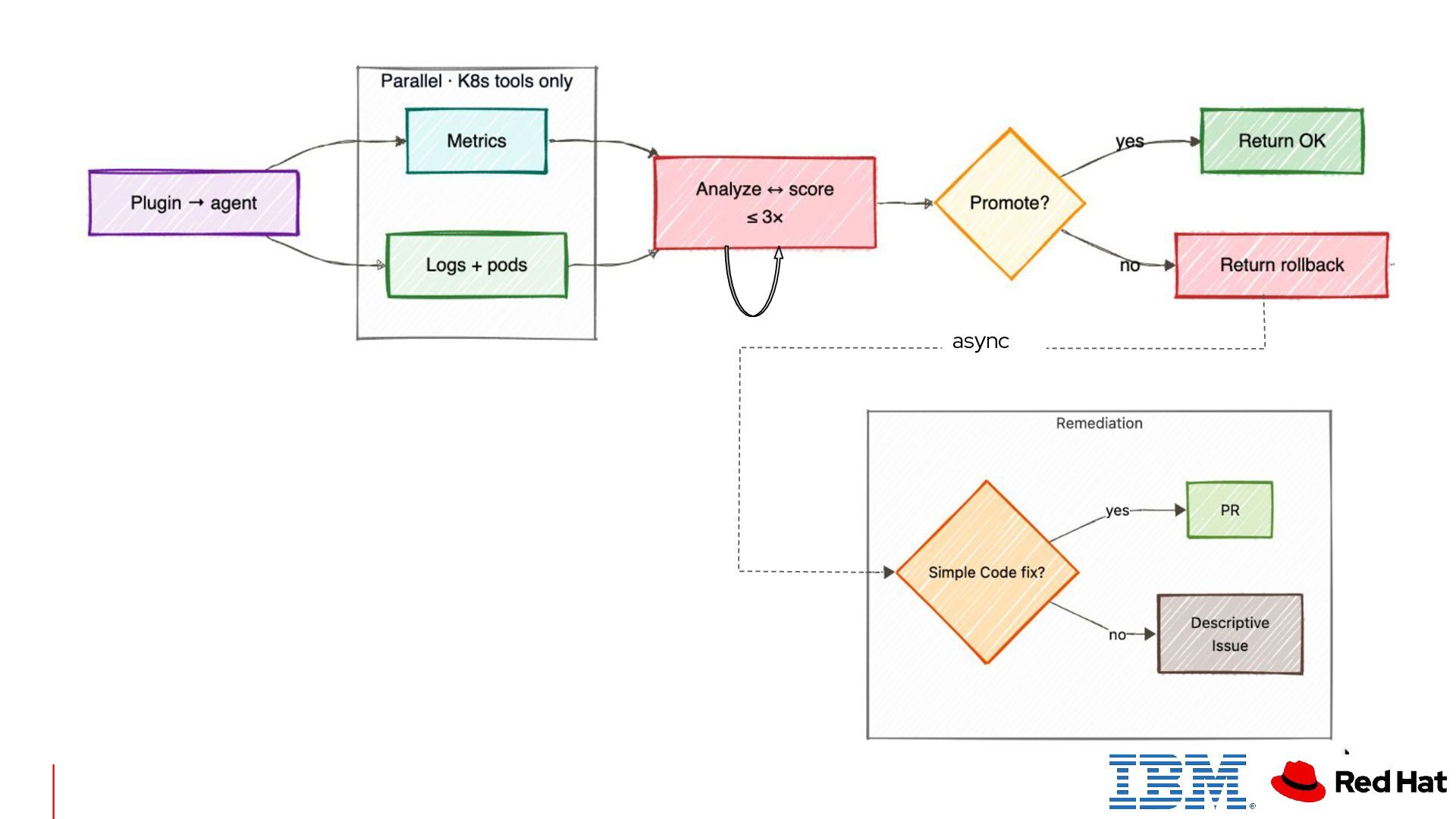
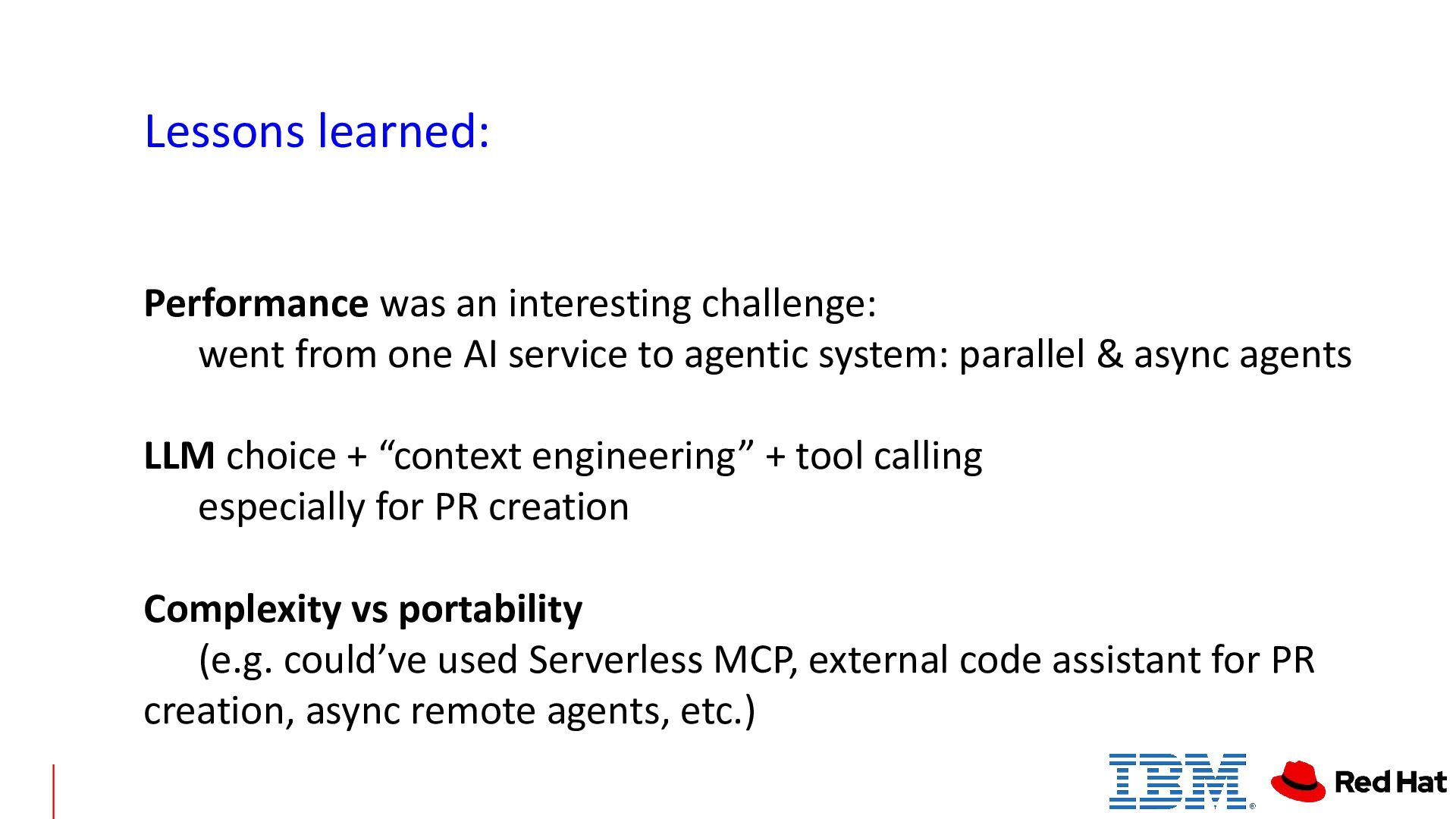
AI service to agentic system: parallel & async agents LLM choice + “context engineering” + tool calling especially for PR creation Complexity vs portability (e.g. could’ve used Serverless MCP, external code assistant for PR creation, async remote agents, etc.)
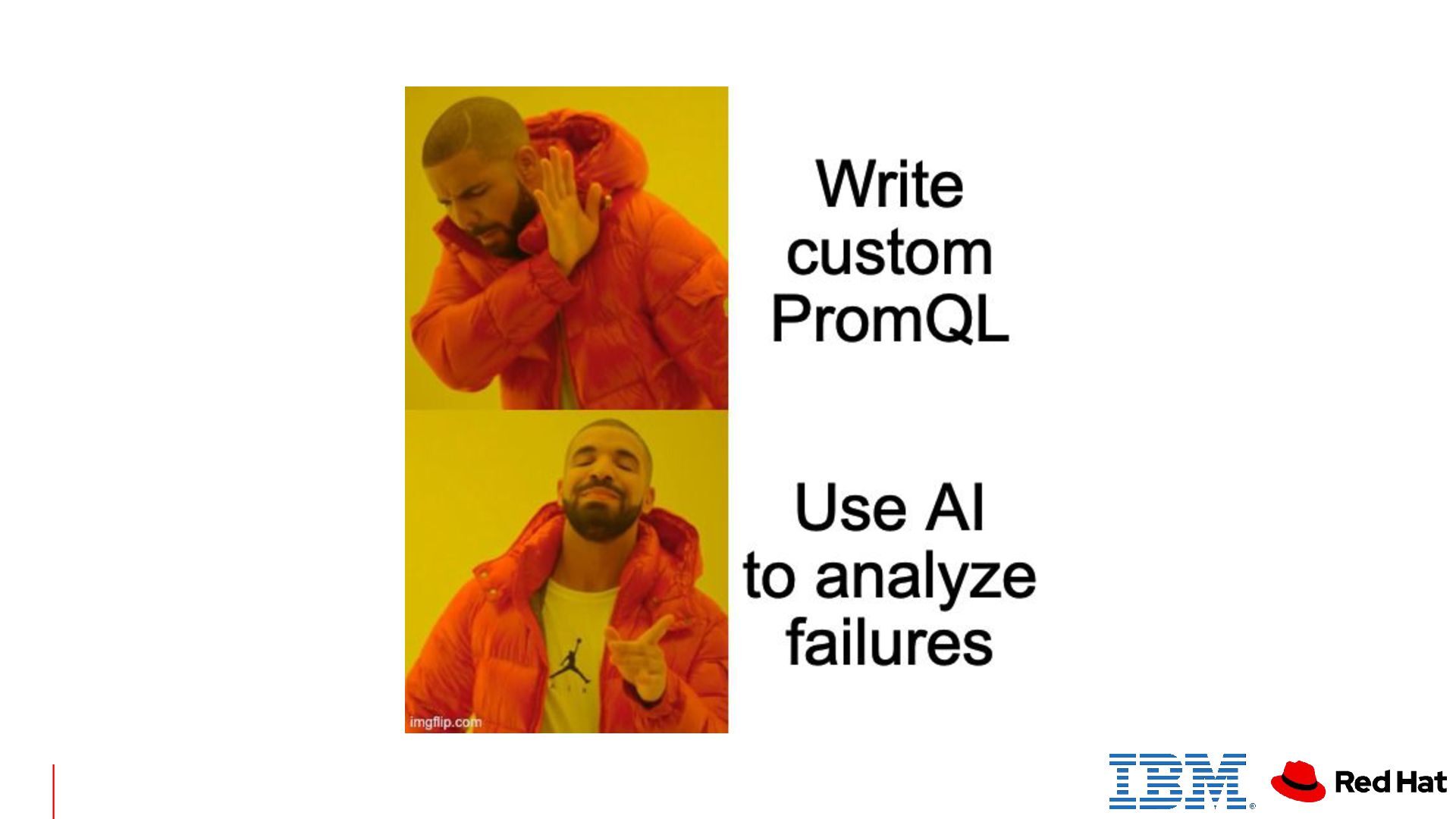
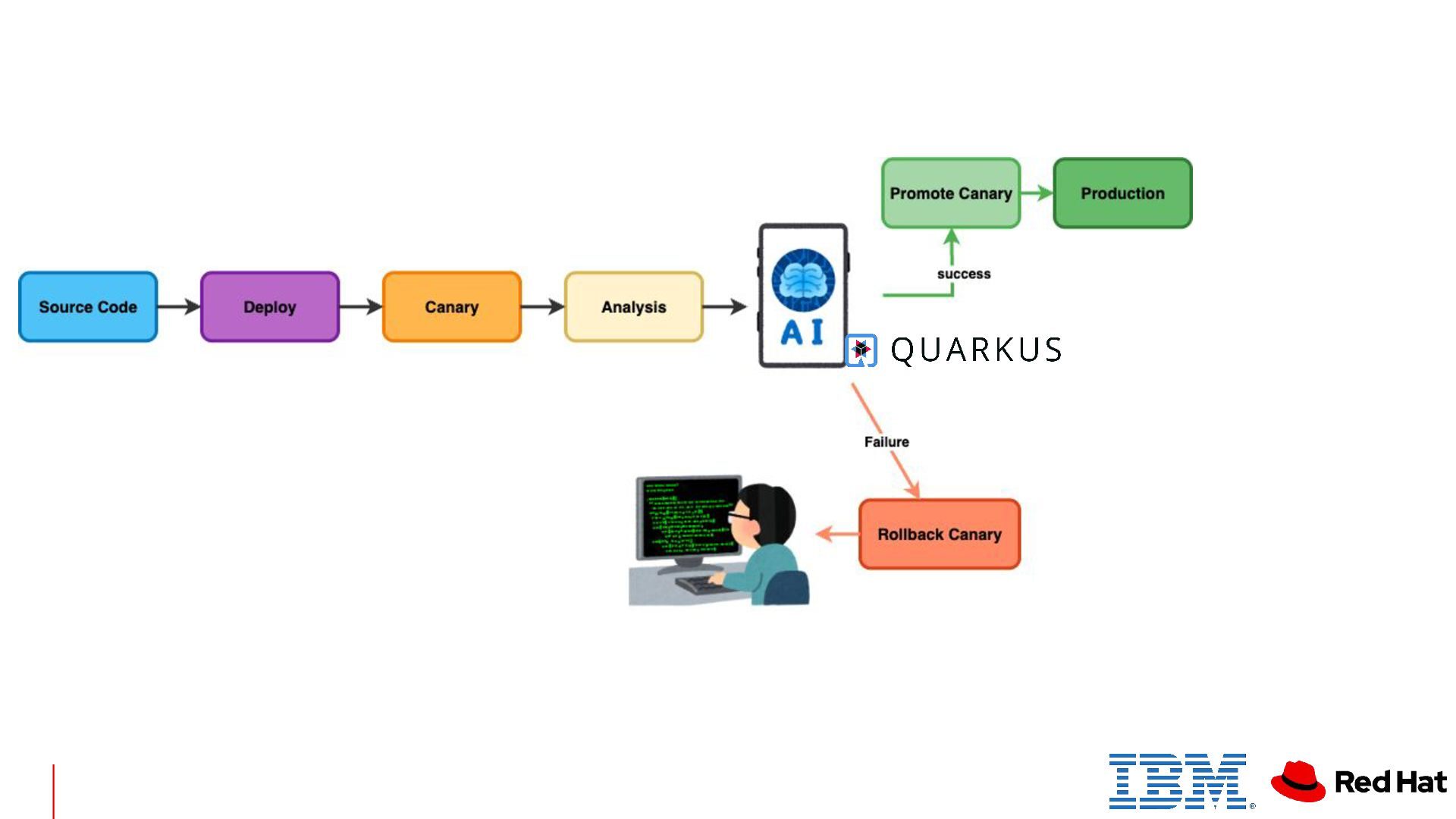
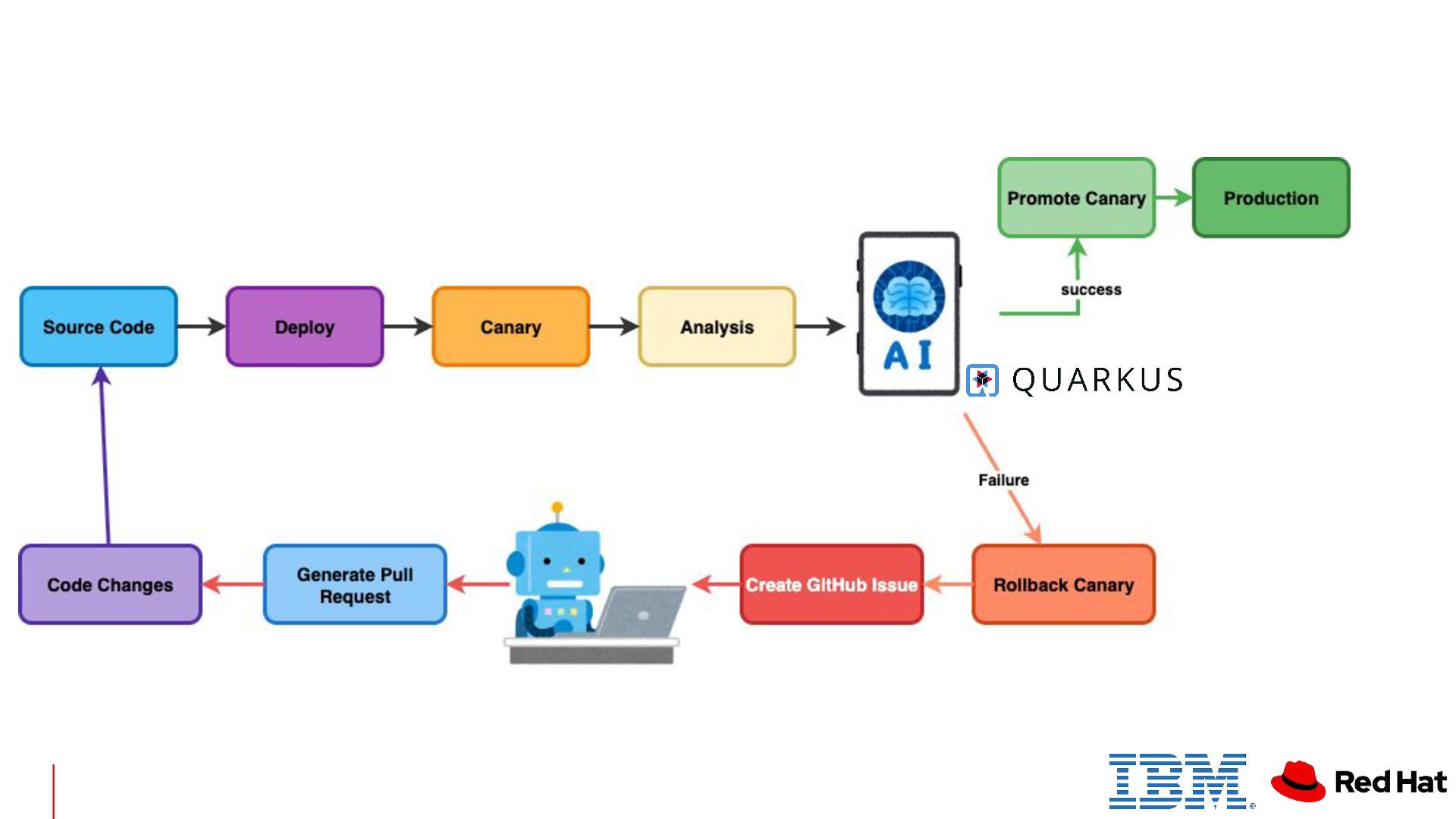
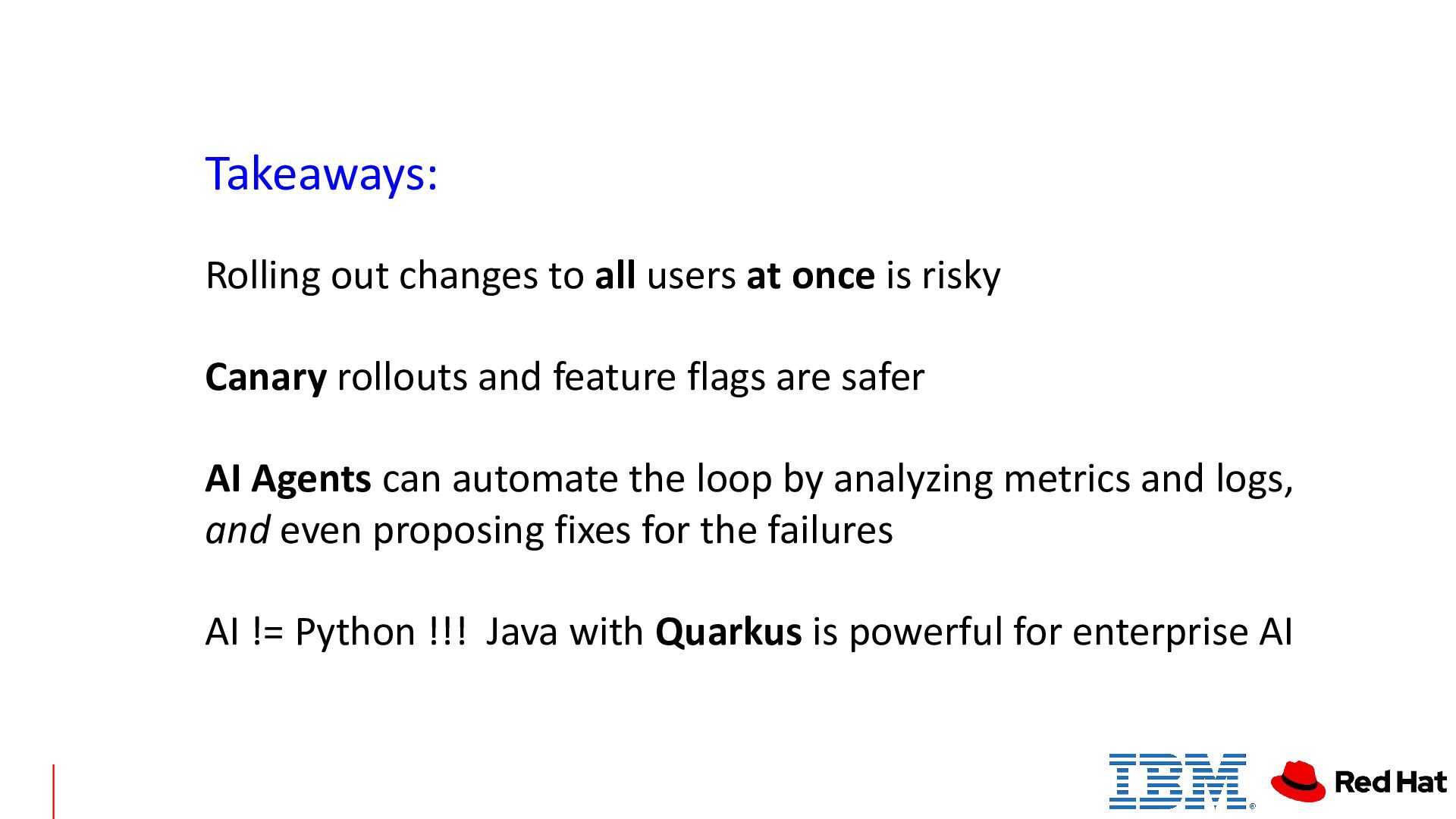
risky Canary rollouts and feature flags are safer AI Agents can automate the loop by analyzing metrics and logs, and even proposing fixes for the failures AI != Python !!! Java with Quarkus is powerful for enterprise AI
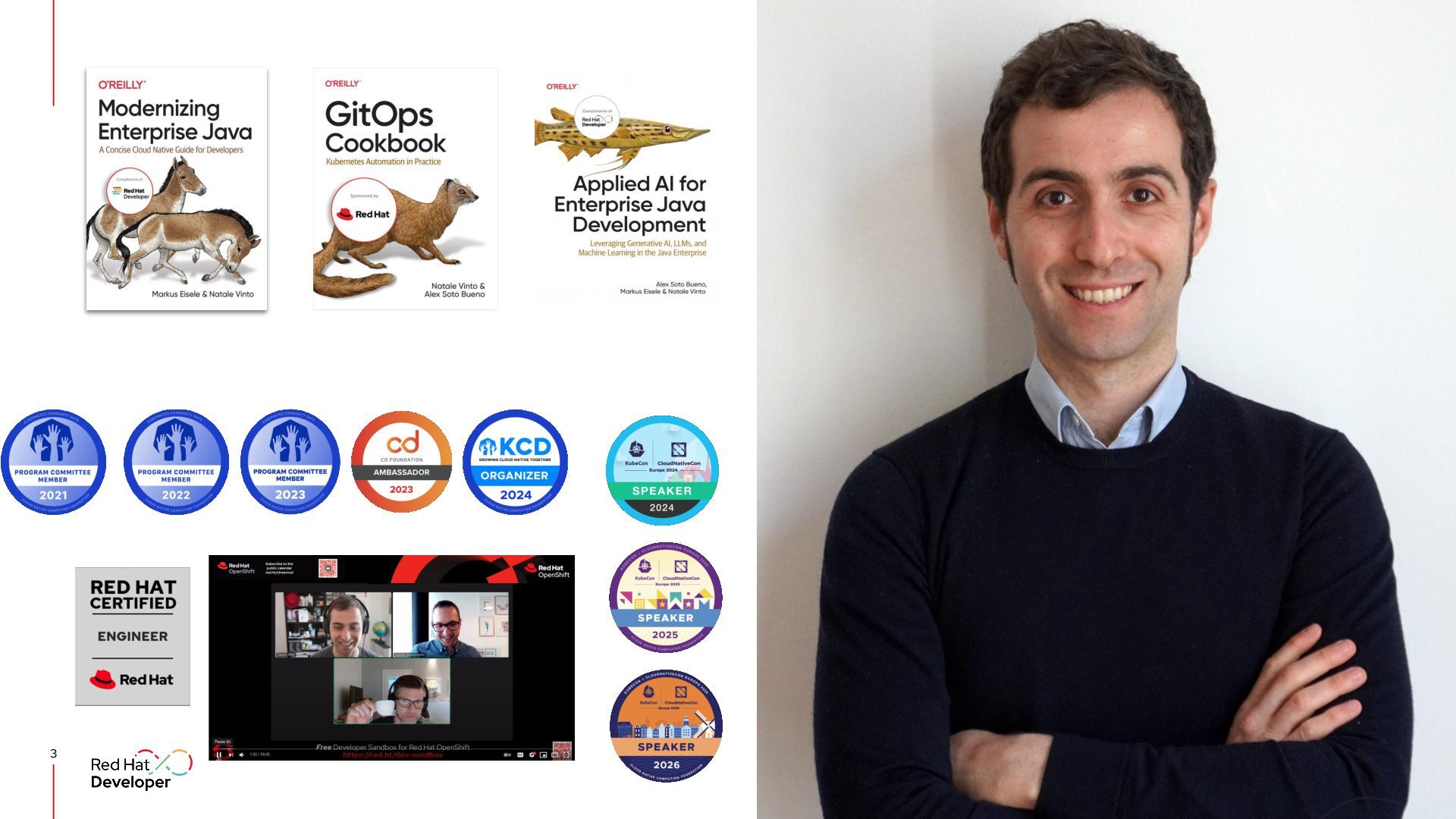
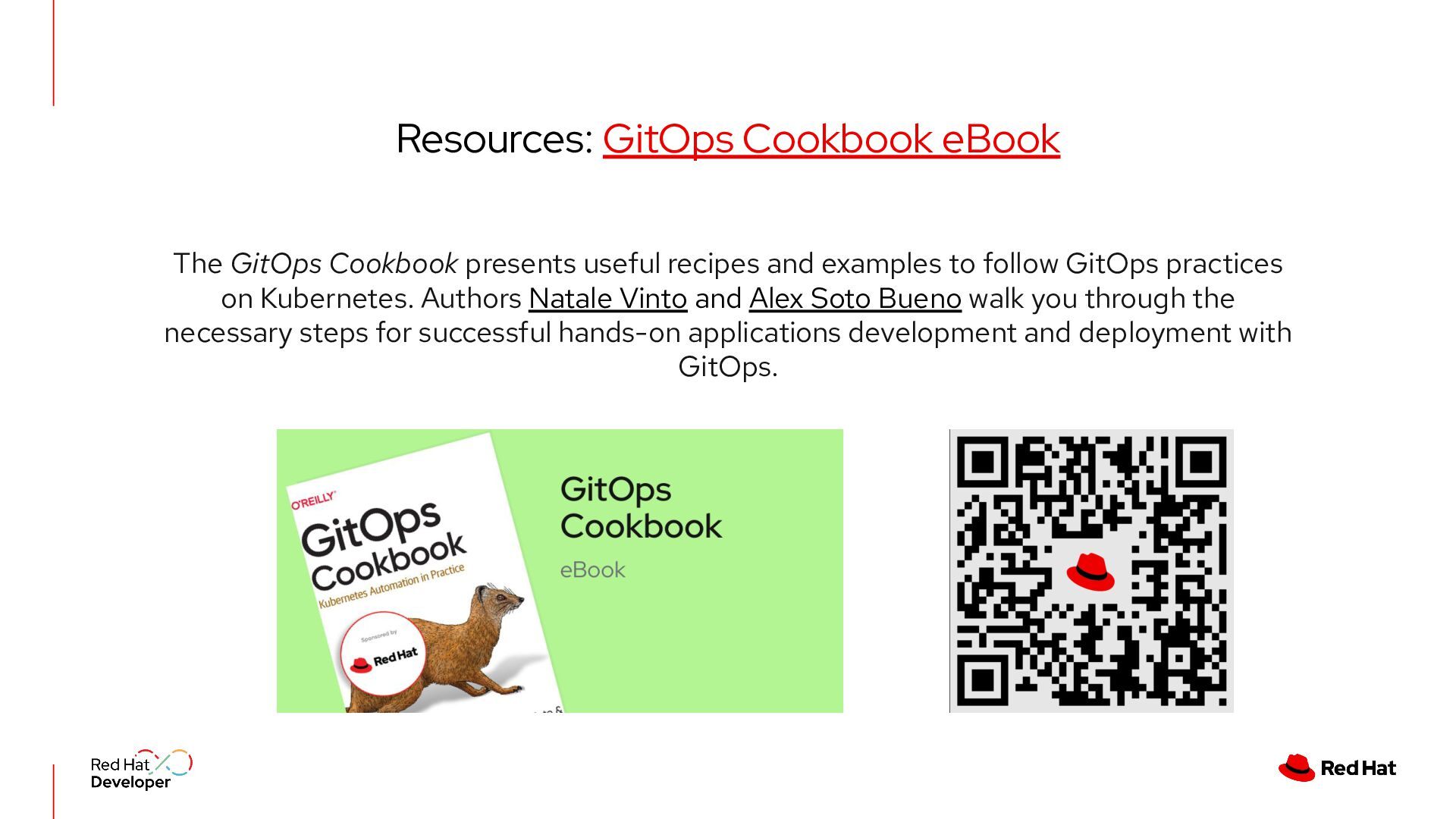
and examples to follow GitOps practices on Kubernetes. Authors Natale Vinto and Alex Soto Bueno walk you through the necessary steps for successful hands-on applications development and deployment with GitOps.


.jpg)
.jpg)
.jpg) kdubois
kdubois
 sstephenson
 davidcarrasco
 samtorres
 palkan
 reverentgeek
 maggiecrowley
 stephaniewalter
 portentint
 tammielis
 lindahogenes
 hatefulcrawdad
 aleyda