Upgrade to Pro — share decks privately, control downloads, hide ads and more …

Computer Networks and how does the Internet work?

Sponsored · Your Podcast. Everywhere. Effortlessly. Share. Educate. Inspire. Entertain. You do you. We'll handle the rest. →

Computer Networks and how does the Internet work?

Avatar for Sumedh Nimkarde

Sumedh Nimkarde

March 03, 2019

Other Decks in Programming

Transcript

  1. Hi, I am Sumedh. - Backend at Polygon Students (Remote)

    - Former intern at Devfolio, HackerRank - Google Summer of Code 2017 fellow - Managing WebDev Labs, SVNIT. - Struggling to pass my 8th semester in college.
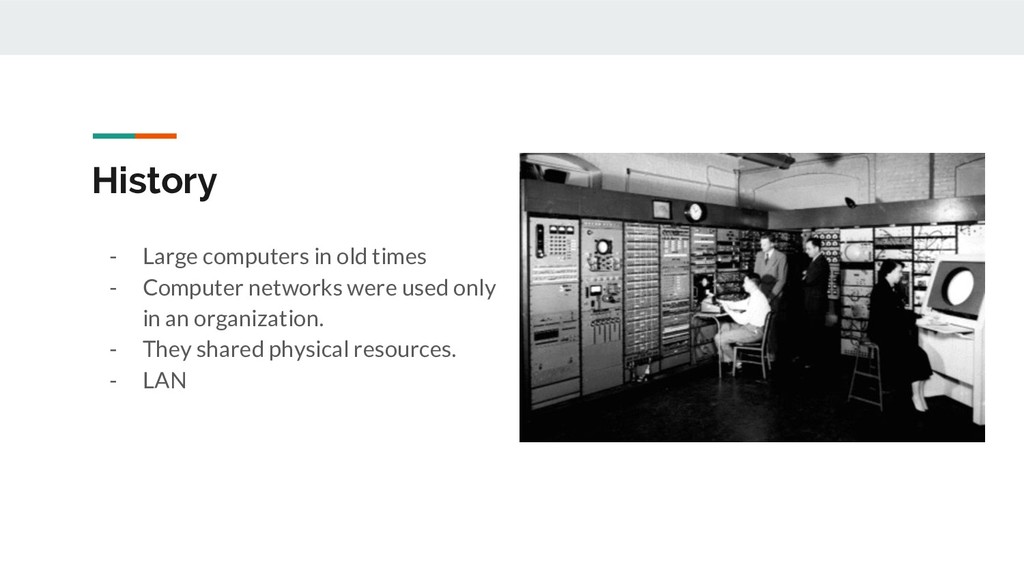
  2. History - Large computers in old times - Computer networks

    were used only in an organization. - They shared physical resources. - LAN
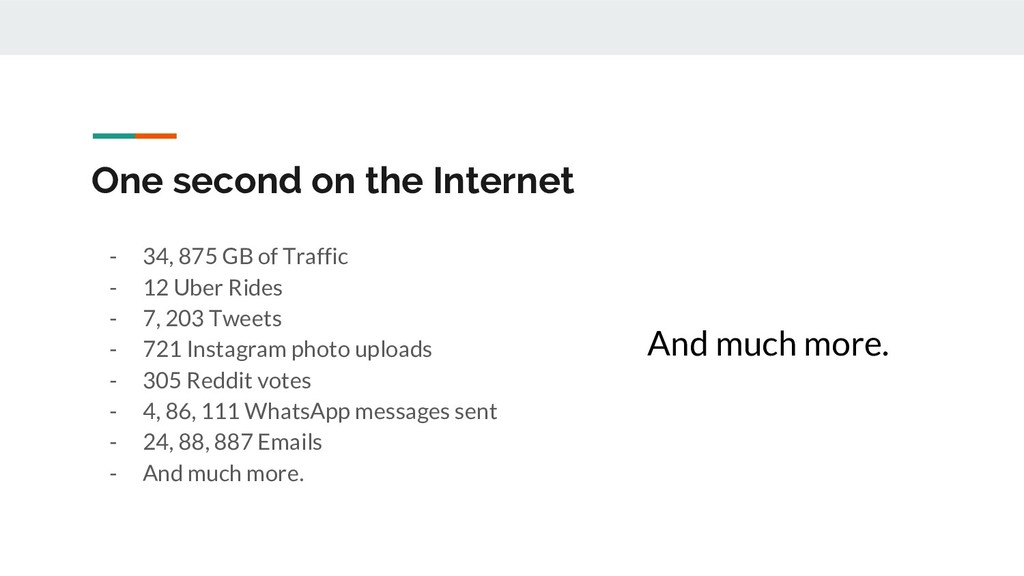
  3. One second on the Internet - 34, 875 GB of

    Traffic - 12 Uber Rides - 7, 203 Tweets - 721 Instagram photo uploads - 305 Reddit votes - 4, 86, 111 WhatsApp messages sent - 24, 88, 887 Emails - And much more. And much more.
  4. What will we discuss today? - Network packets - Transmission

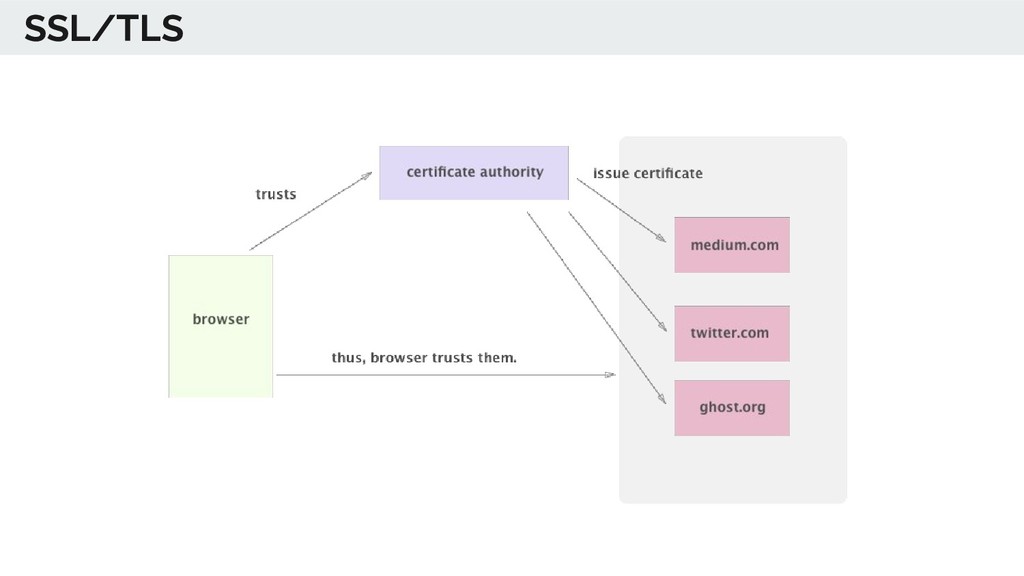
    protocols - Routers, Gateways, DHCP - DNS - SSL/TLS - Some words used by cool kids.
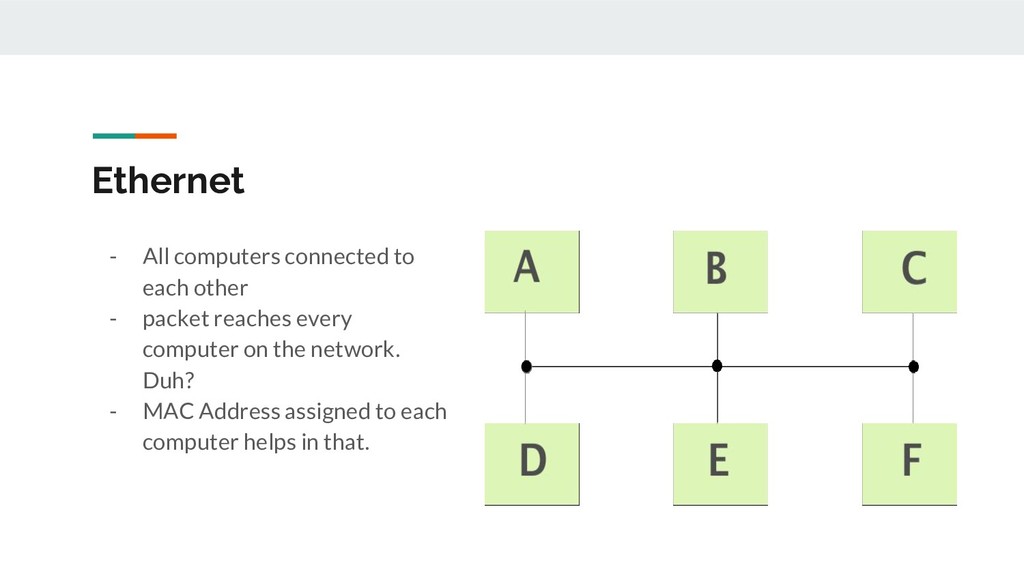
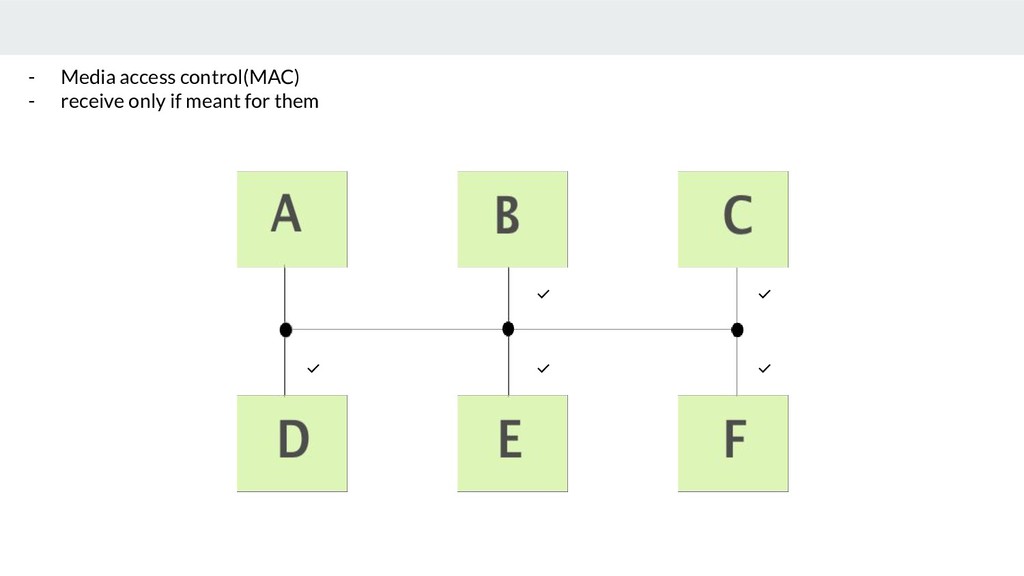
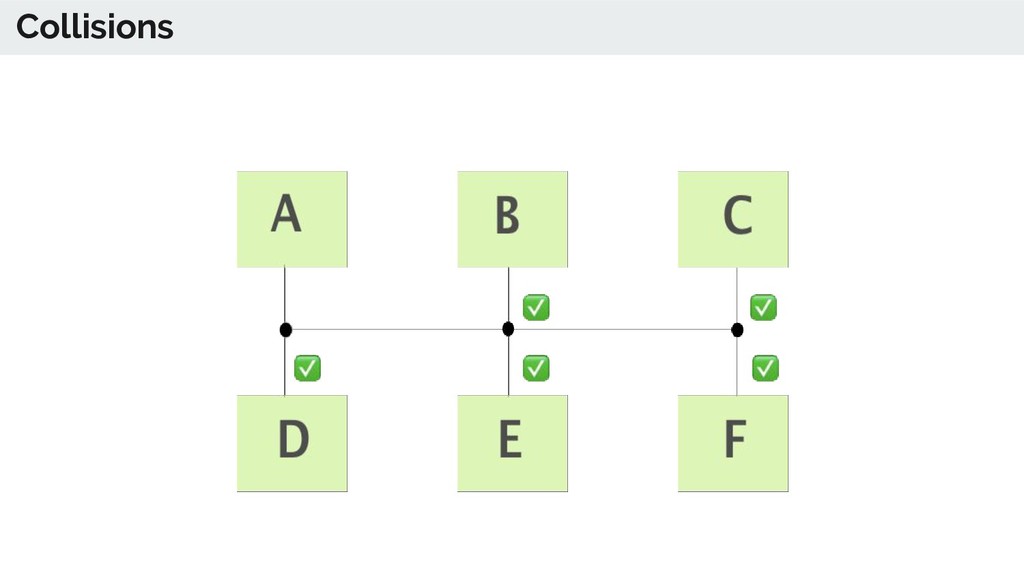
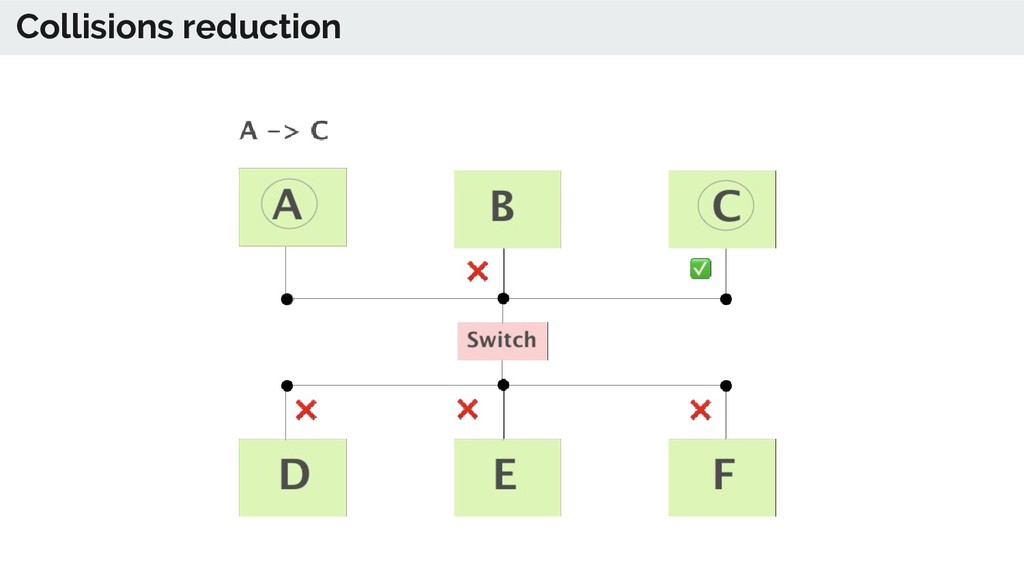
  5. - All computers connected to each other - packet reaches

    every computer on the network. Duh? - MAC Address assigned to each computer helps in that. Ethernet
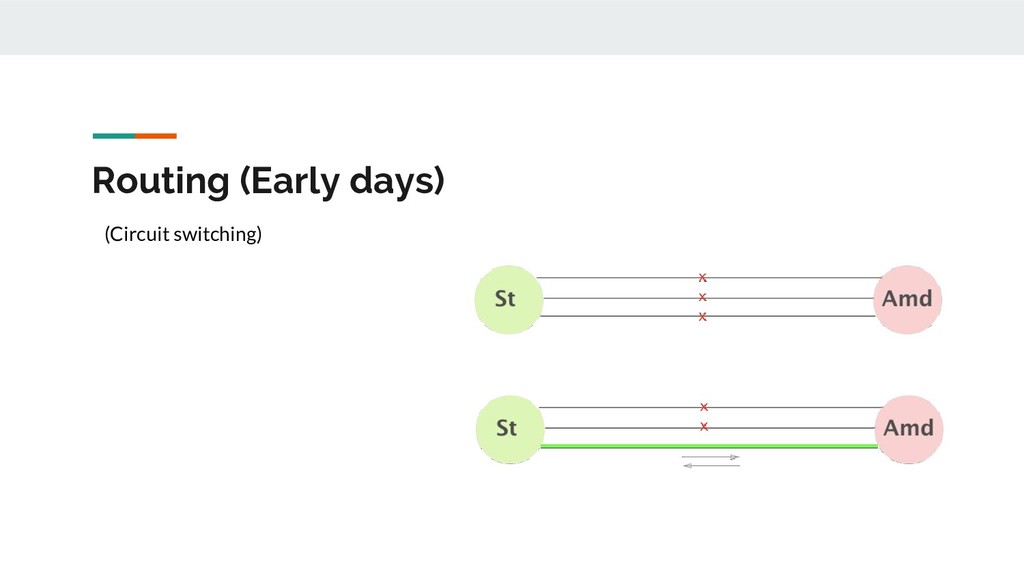
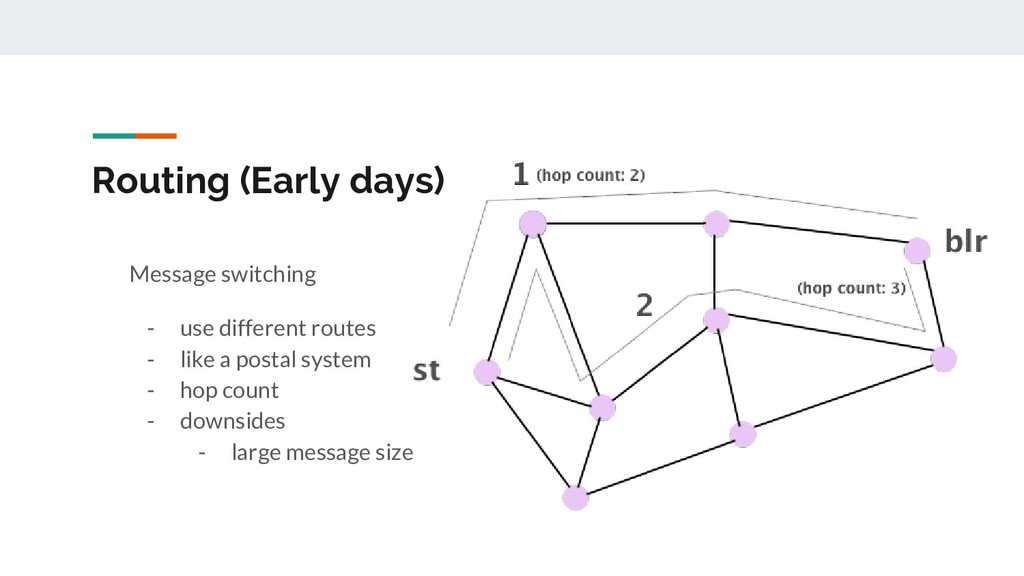
  6. Routing (Early days) Message switching - use different routes -

    like a postal system - hop count - downsides - large message size
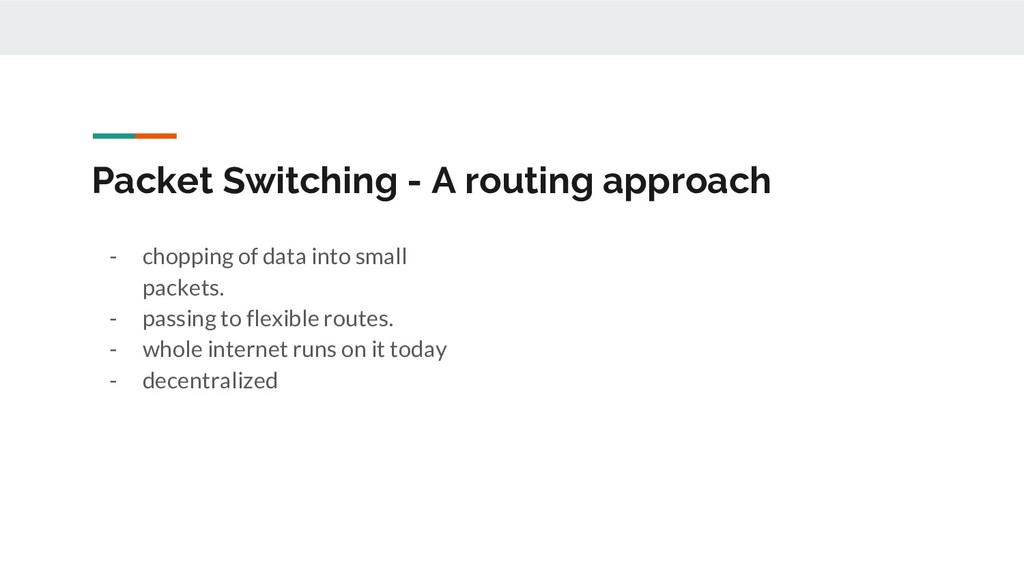
  7. - chopping of data into small packets. - passing to

    flexible routes. - whole internet runs on it today - decentralized Packet Switching - A routing approach
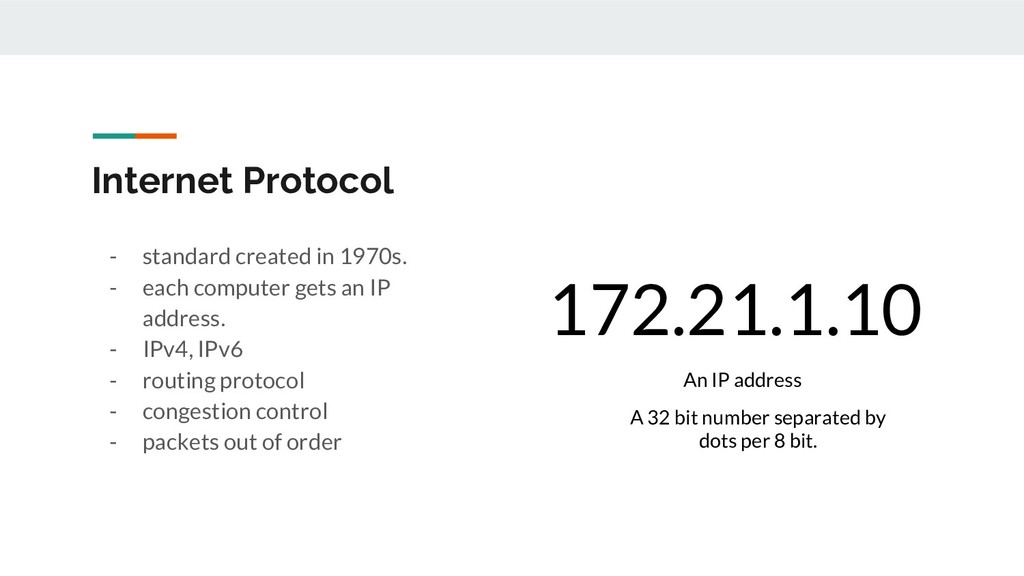
  8. Internet Protocol - standard created in 1970s. - each computer

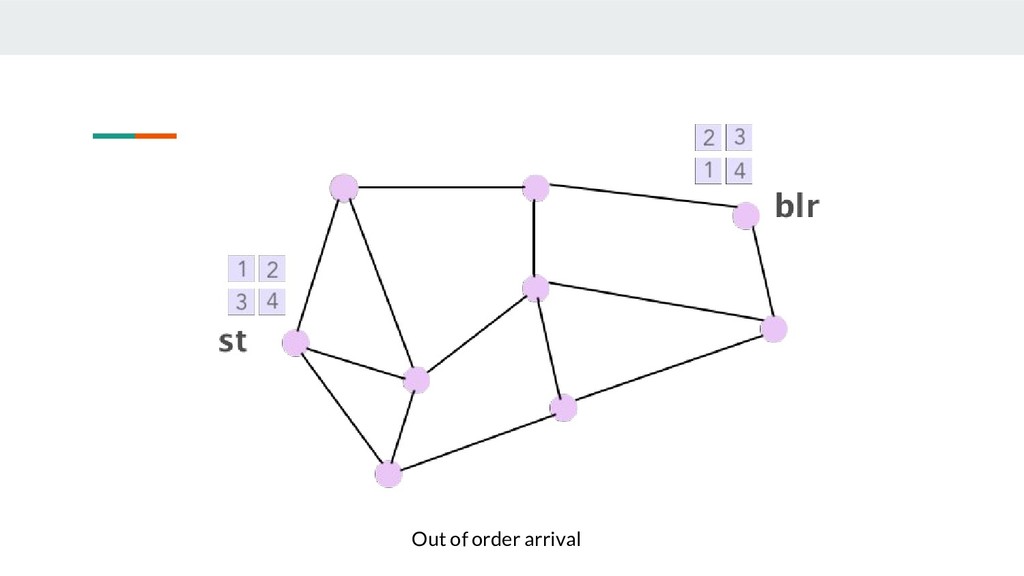
    gets an IP address. - IPv4, IPv6 - routing protocol - congestion control - packets out of order 172.21.1.10 An IP address A 32 bit number separated by dots per 8 bit.
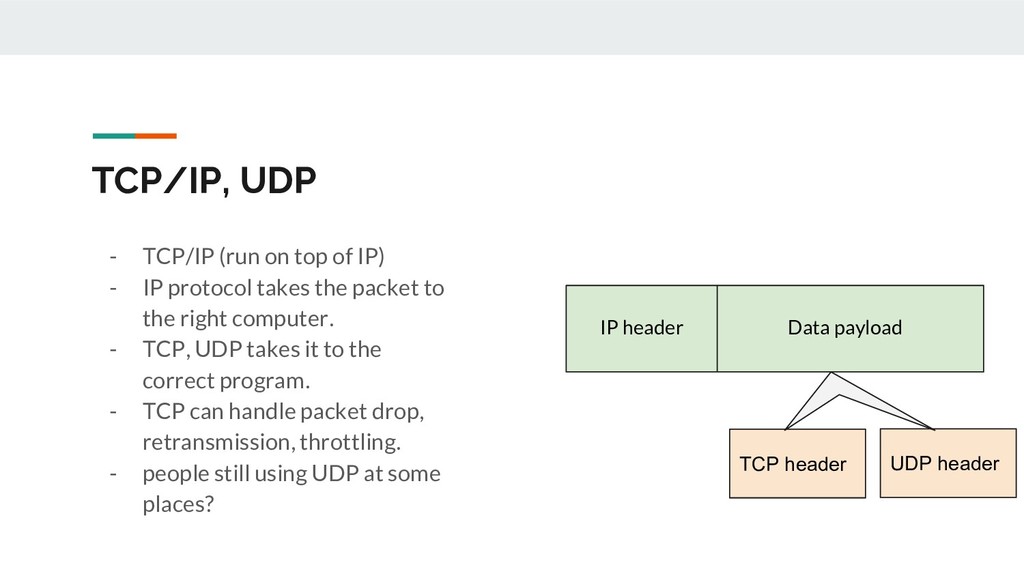
  9. TCP/IP, UDP IP header Data payload - TCP/IP (run on

    top of IP) - IP protocol takes the packet to the right computer. - TCP, UDP takes it to the correct program. - TCP can handle packet drop, retransmission, throttling. - people still using UDP at some places? TCP header UDP header
  10. - protocol - IP addresses - router - NAT -

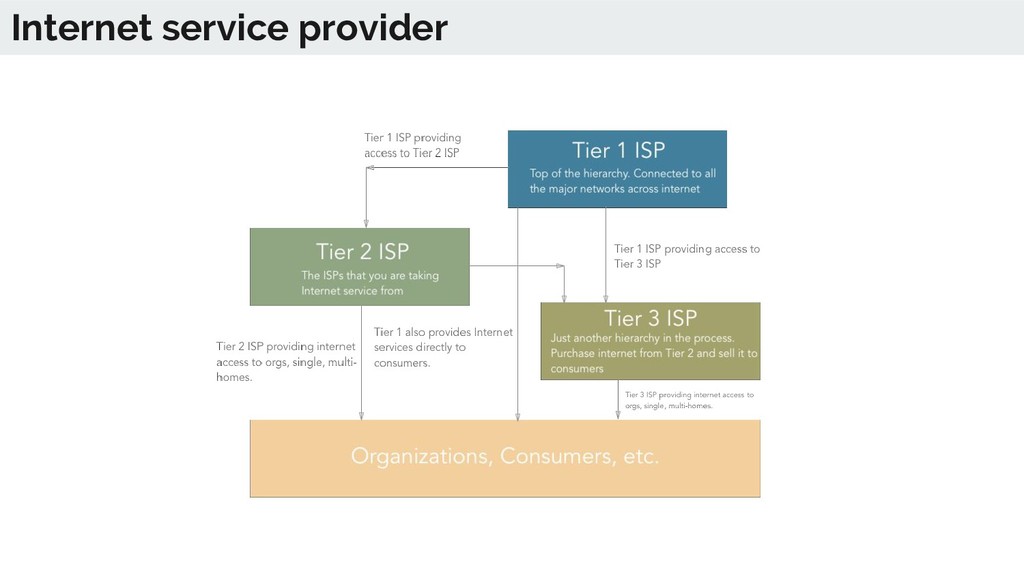
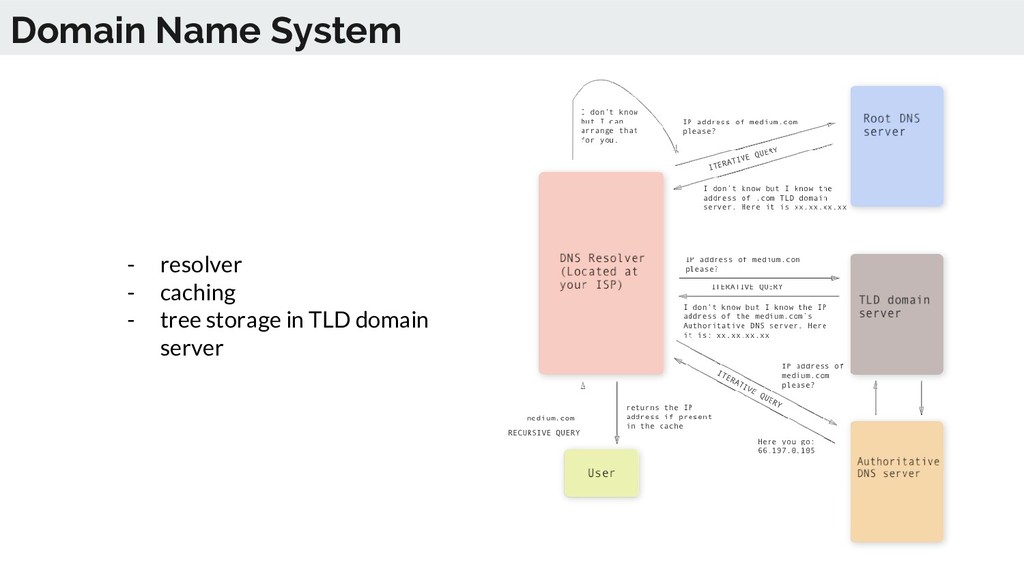
    dhcp - gateway - ISP - DNS - SSL/TLS Terms
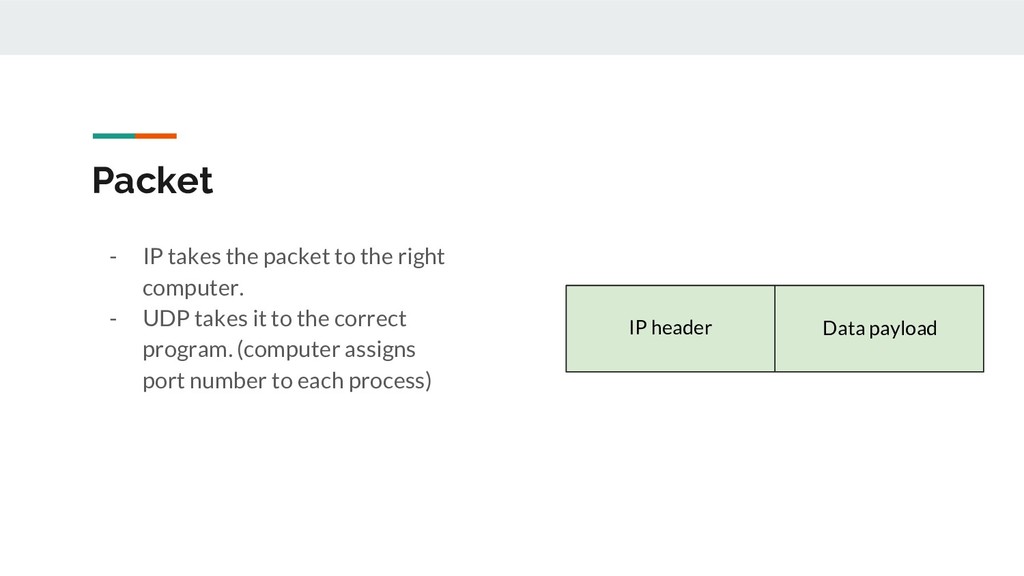
  11. Packet IP header Data payload - IP takes the packet

    to the right computer. - UDP takes it to the correct program. (computer assigns port number to each process)
  12. NAT

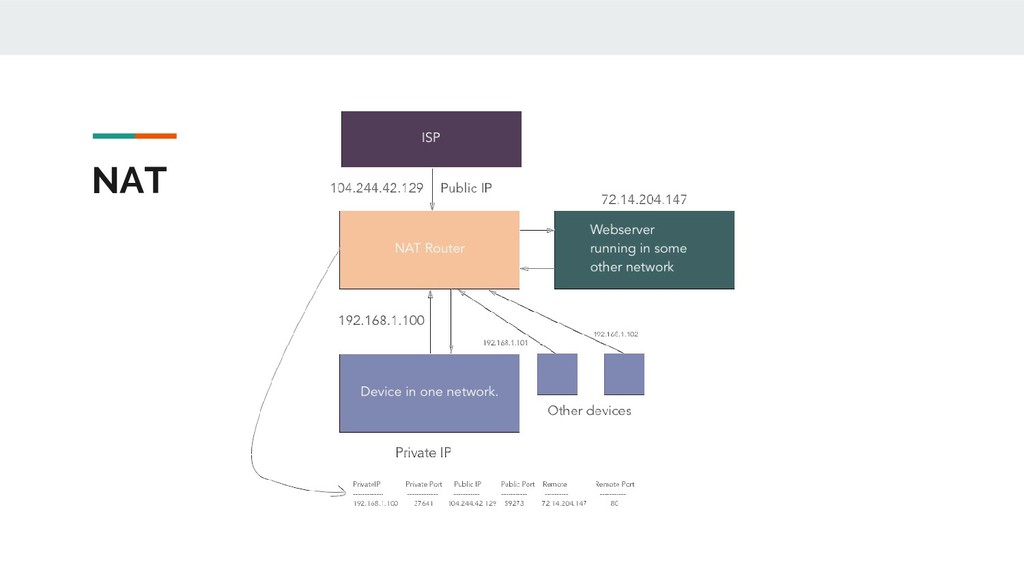
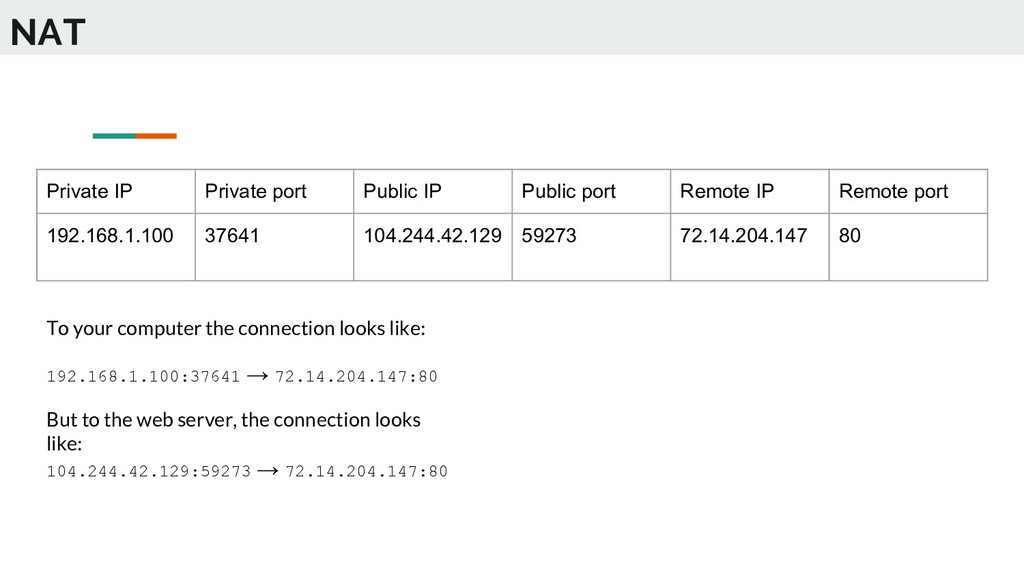
  13. NAT To your computer the connection looks like: 192.168.1.100:37641 →

    72.14.204.147:80 But to the web server, the connection looks like: 104.244.42.129:59273 → 72.14.204.147:80 Private IP Private port Public IP Public port Remote IP Remote port 192.168.1.100 37641 104.244.42.129 59273 72.14.204.147 80