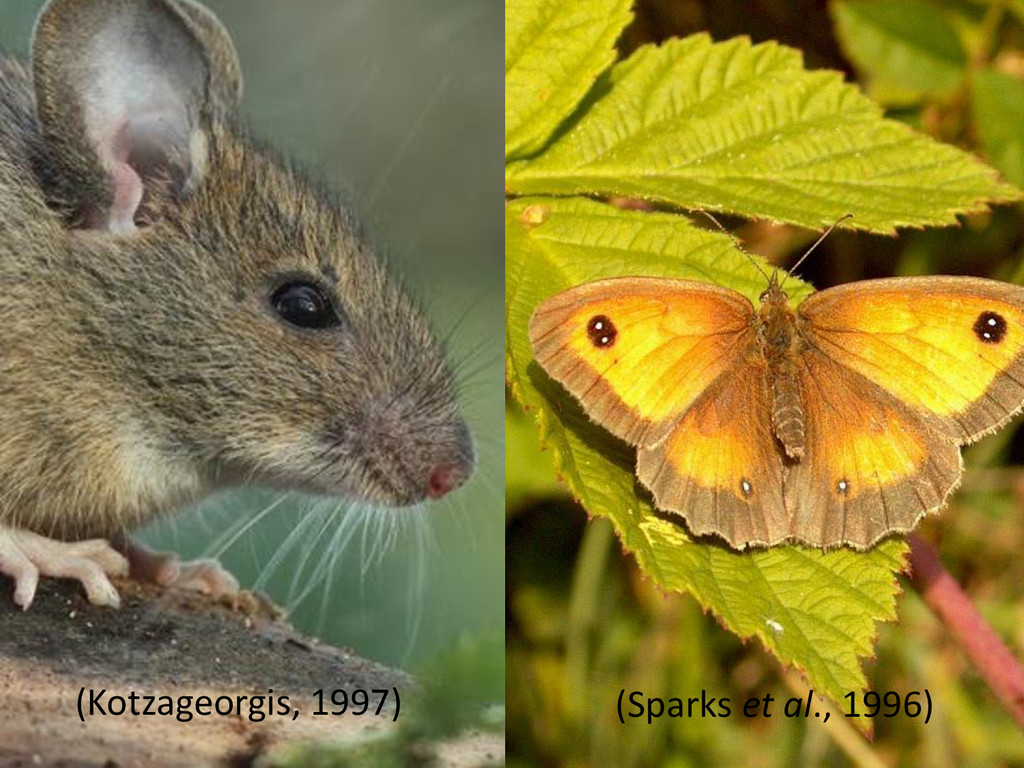
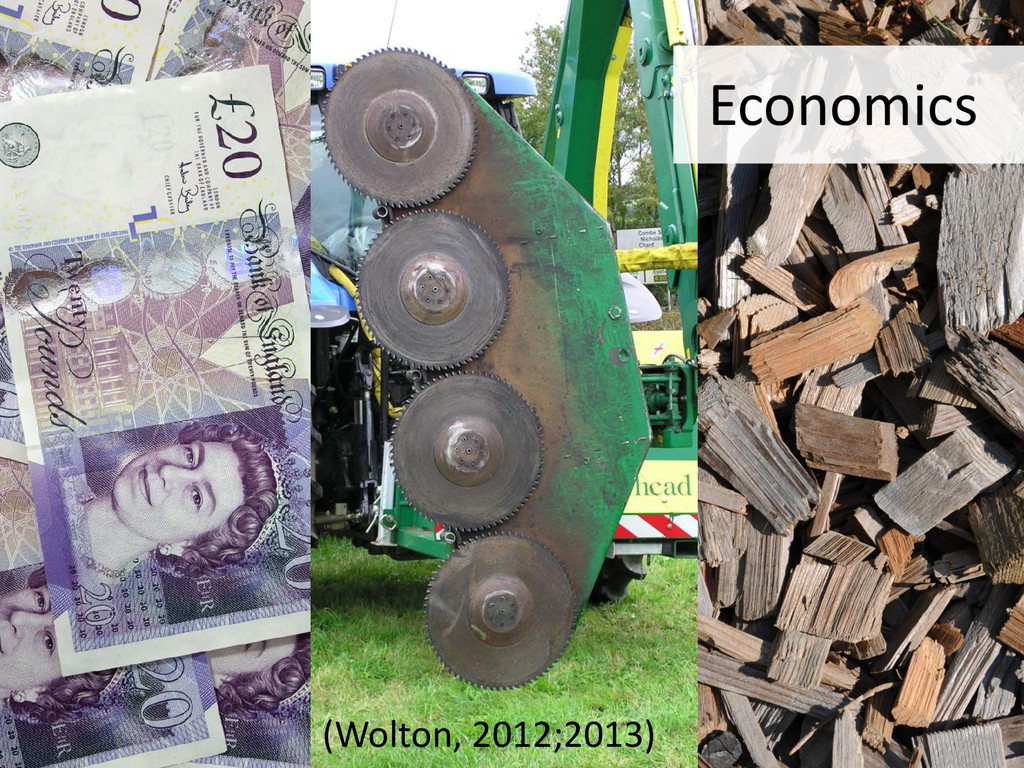
relation to hedgerow structure in an arable landscape. Journal of Zoology 242, 425-434. Oreszczyn, S., Lane, A., 2000. The meaning of hedgerows in the English landscape: Different stakeholder perspectives and the implications for future hedge management. Journal of Environmental Management 60, 101-118. Sparks, T.H., Parish, T., Hinsley, S.A., 1996. Breeding birds in field boundaries in an agricultural landscape. Agriculture, Ecosystems and Environment 60, 1-8. Wolton, R., 2012. The yield and cost of harvesting wood fuel from hedges in the Tamar Valley and Blackdowns AONBs, South-West England . European Cordiale Project. Wolton, R., 2013. Wood fuel from West Country hedges. Devon Hedge Group. Photos sourced from Hedgelink: www.hedgelink.org.uk


 jonoalderson
 aleyda
 akademiya2063
 chikuwait
 marcelosomers
 lara
 axbom
 sugarenia
 szymonslowik
 bluesmoon