for. 2. How are you doing dealing with what you think may be mast cell related? (If you don’t know, then can you share some of the health issues you’ve been working on lately?) 3. What else do you hope to get out of this group?
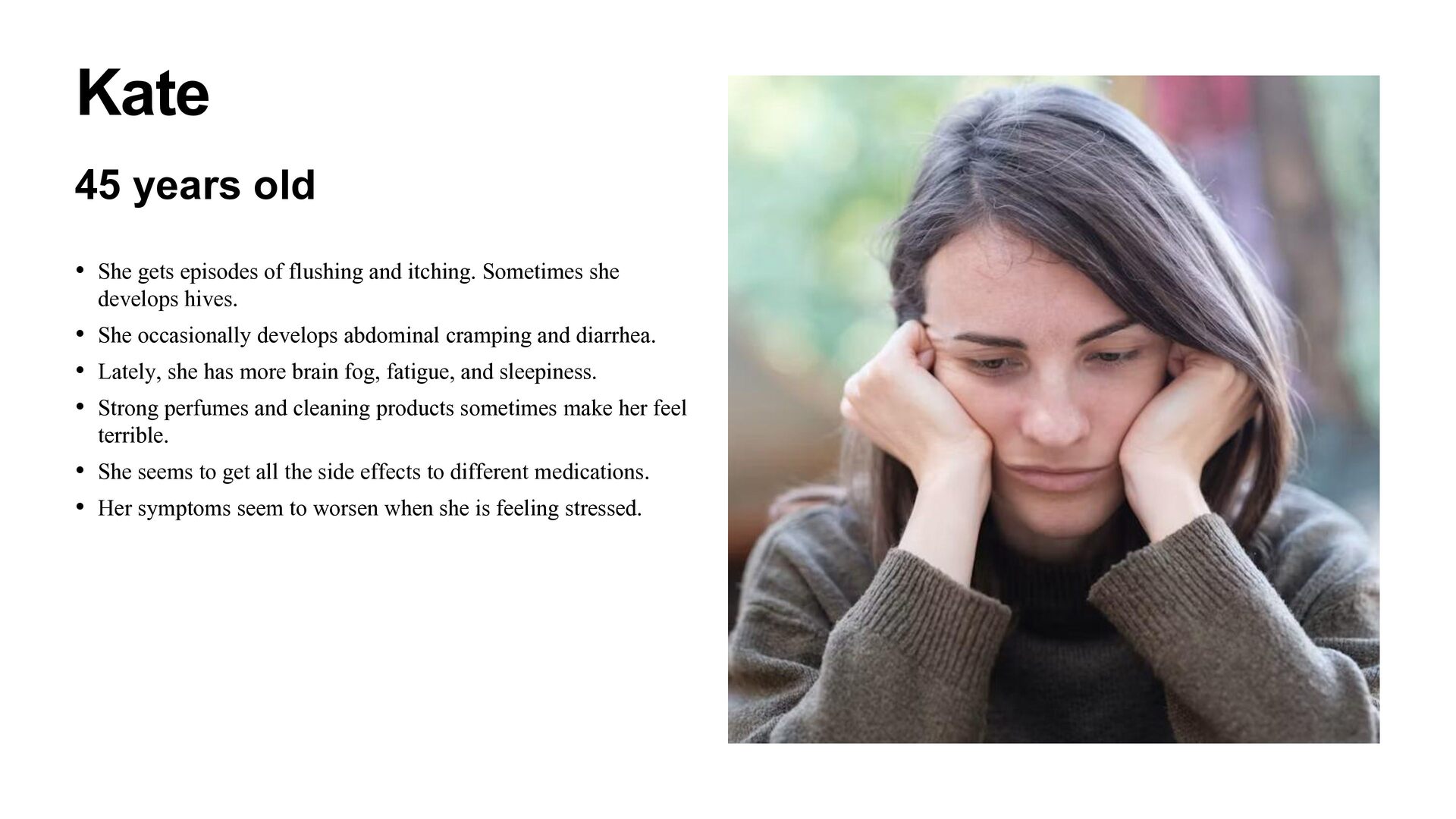
and itching. Sometimes she develops hives. • She occasionally develops abdominal cramping and diarrhea. • Lately, she has more brain fog, fatigue, and sleepiness. • Strong perfumes and cleaning products sometimes make her feel terrible. • She seems to get all the side effects to different medications. • Her symptoms seem to worsen when she is feeling stressed.
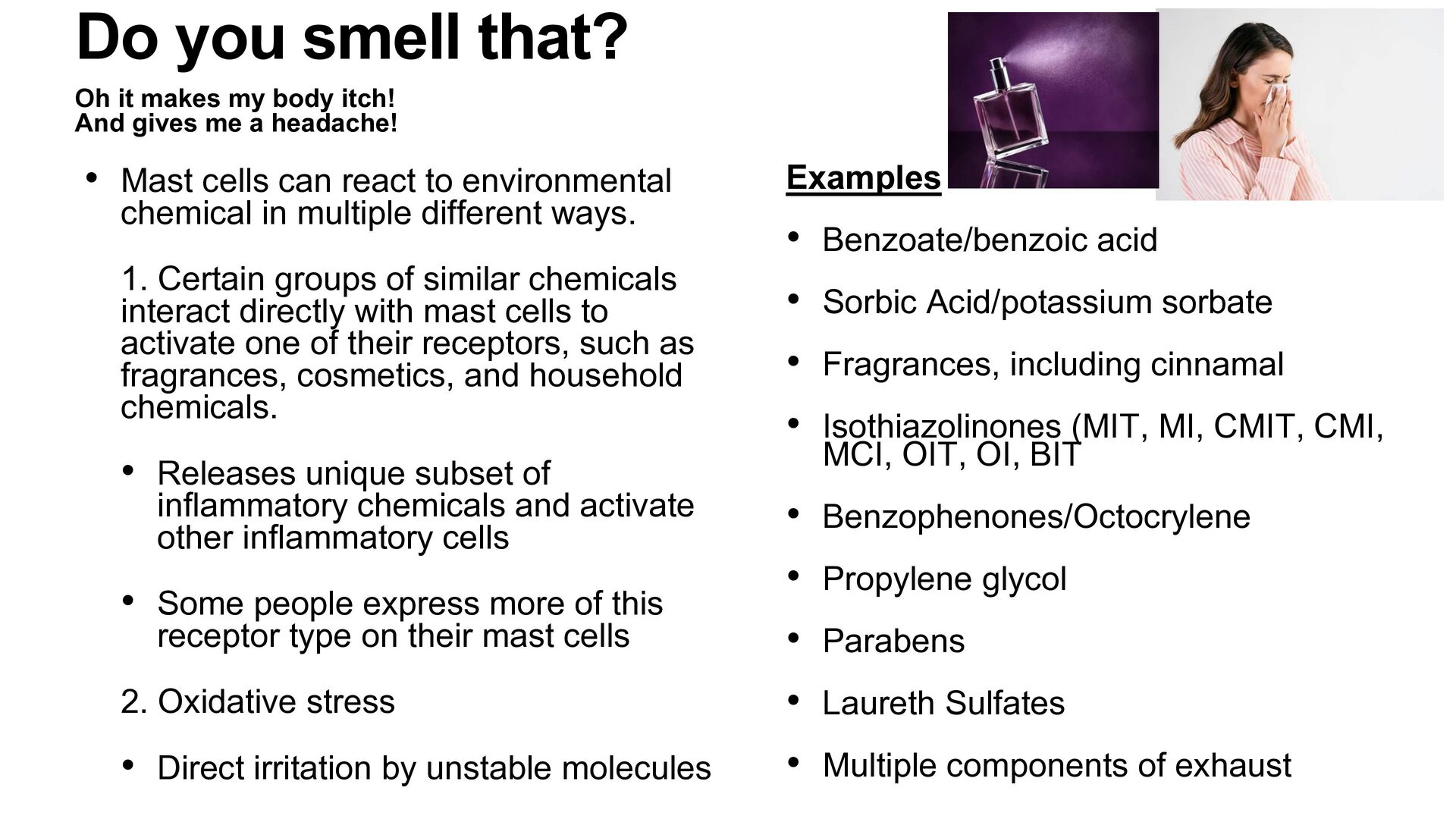
And gives me a headache! • Mast cells can react to environmental chemical in multiple different ways. 1. Certain groups of similar chemicals interact directly with mast cells to activate one of their receptors, such as fragrances, cosmetics, and household chemicals. • Releases unique subset of inflammatory chemicals and activate other inflammatory cells • Some people express more of this receptor type on their mast cells Examples • Benzoate/benzoic acid • Sorbic Acid/potassium sorbate • Fragrances, including cinnamal • Isothiazolinones (MIT, MI, CMIT, CMI, MCI, OIT, OI, BIT • Benzophenones/Octocrylene • Propylene glycol • Parabens 2. Oxidative stress • Laureth Sulfates • Direct irritation by unstable molecules • Multiple components of exhaust
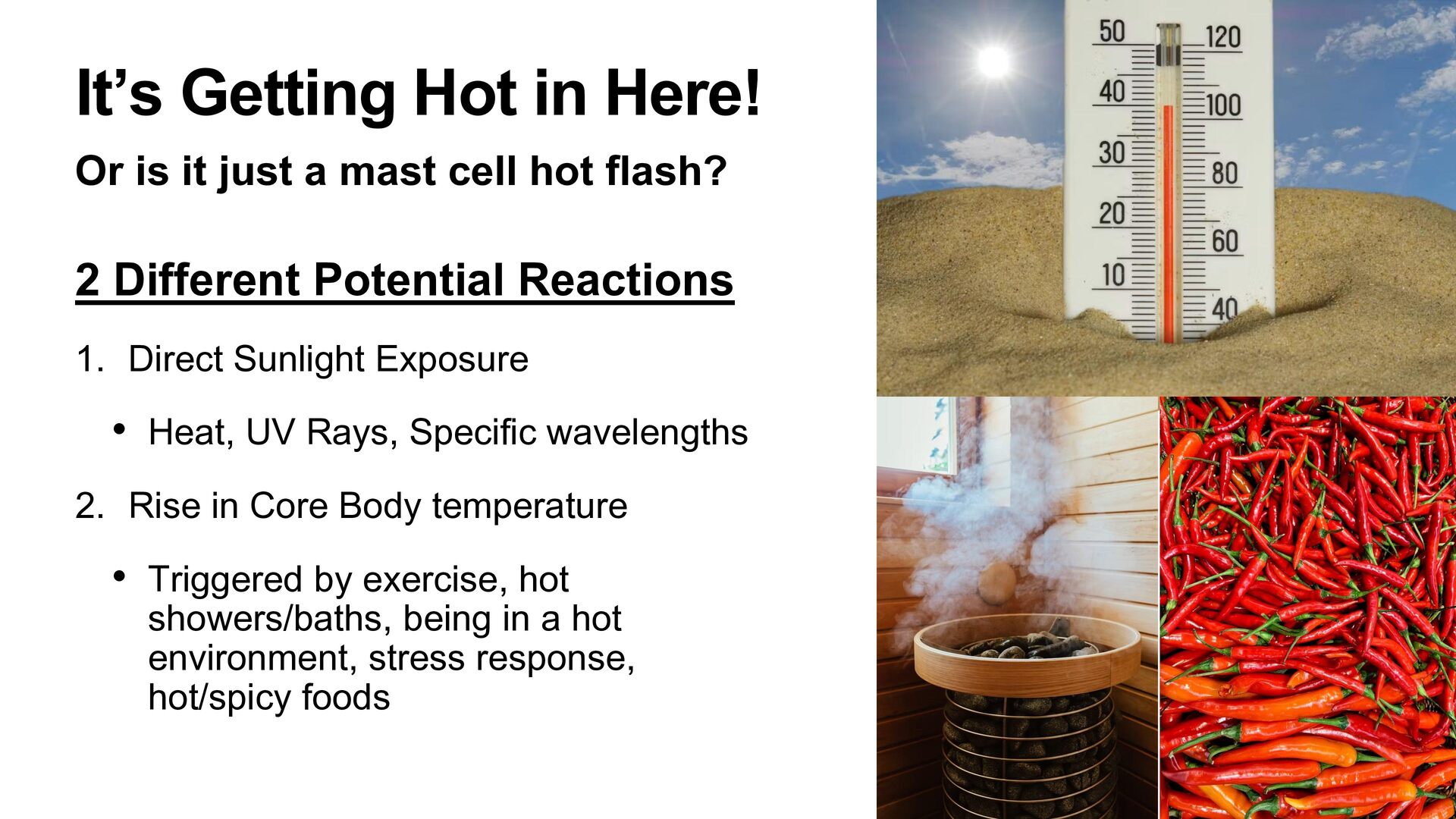
mast cell hot flash? 2 Different Potential Reactions 1. Direct Sunlight Exposure • Heat, UV Rays, Specific wavelengths 2. Rise in Core Body temperature • Triggered by exercise, hot showers/baths, being in a hot environment, stress response, hot/spicy foods
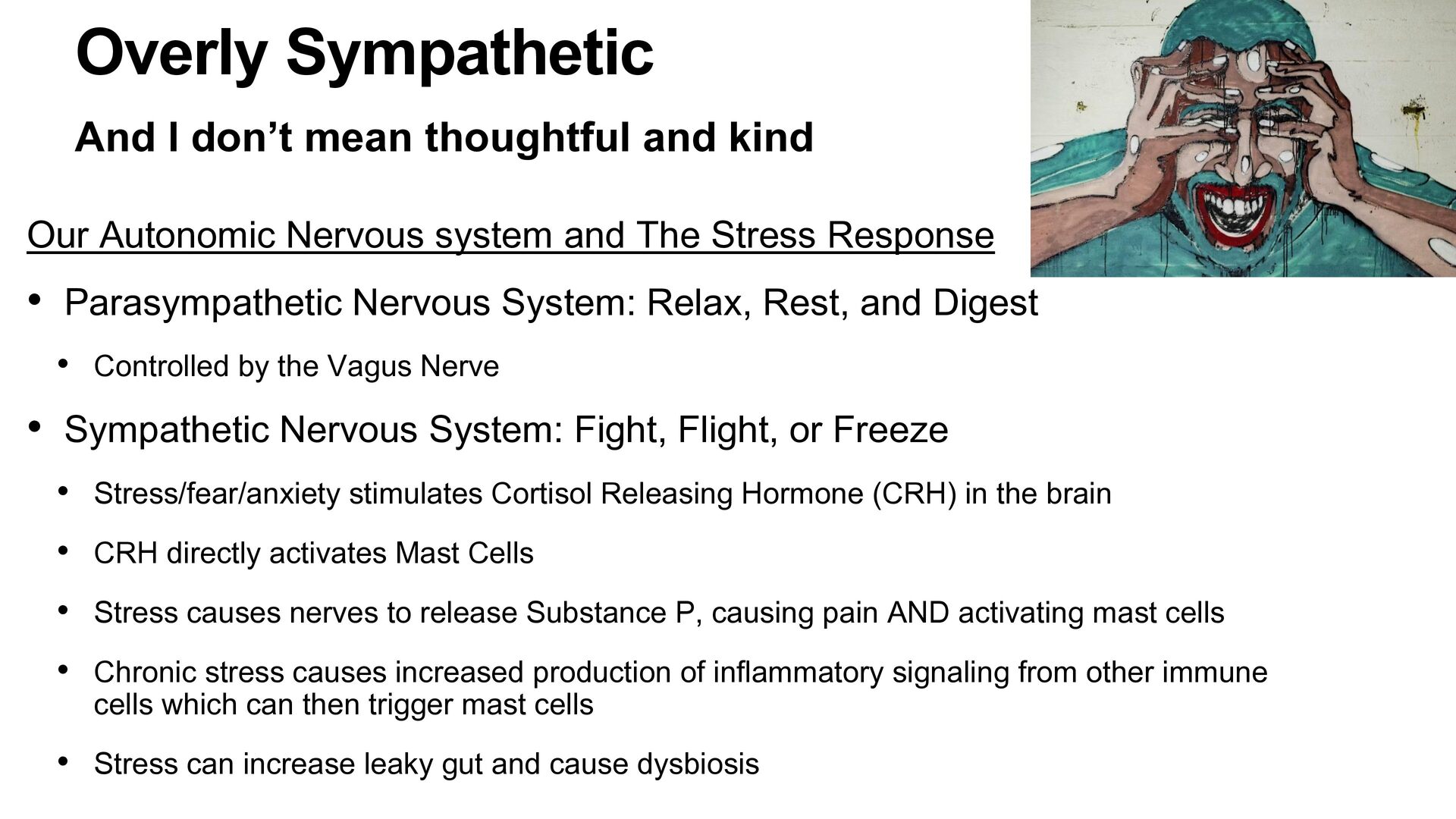
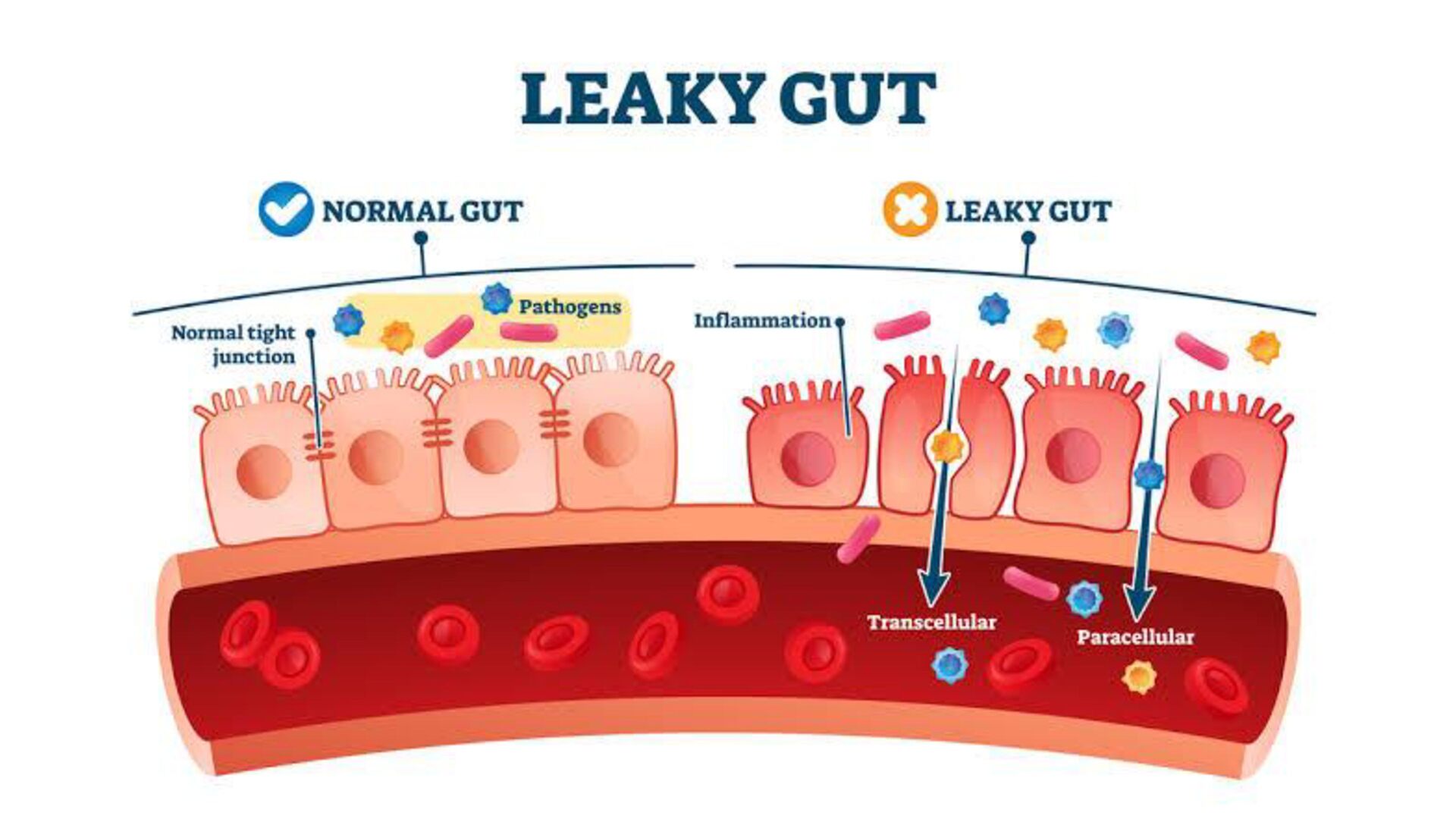
Autonomic Nervous system and The Stress Response • Parasympathetic Nervous System: Relax, Rest, and Digest • Controlled by the Vagus Nerve • Sympathetic Nervous System: Fight, Flight, or Freeze • Stress/fear/anxiety stimulates Cortisol Releasing Hormone (CRH) in the brain • CRH directly activates Mast Cells • Stress causes nerves to release Substance P, causing pain AND activating mast cells • Chronic stress causes increased production of inflammatory signaling from other immune cells which can then trigger mast cells • Stress can increase leaky gut and cause dysbiosis
you experience stress or anxiety, your brain doesn’t distinguish well between a physical threat and a psychological threat. Both can activate the body’s stress response. • The brain detects a threat. • It activates the sympathetic nervous system (“fight-or-flight”) • Stress hormones are released. • The body rapidly produces hormones to prepare the body to respond to danger by increasing heart rate, blood pressure, and alertness. • Mast cells receive these stress signals and become activated
(rest, digest and repair) -neuroplasticity allows for reduction in the sympathetic nervous system chronic activation of • The vagus nerve- the major communicator of the parasympathetic nervous system • The vagus nerve can communicate safety from the body to the brain. • Healthy vagal tone can decrease unnecessary inflammatory signaling and mast cell activation • Checking in vs checking out • Adding breathing exercises or brief meditation practices into natural pauses in your day. • Find messages of safety in your body and/or in your environment or community.
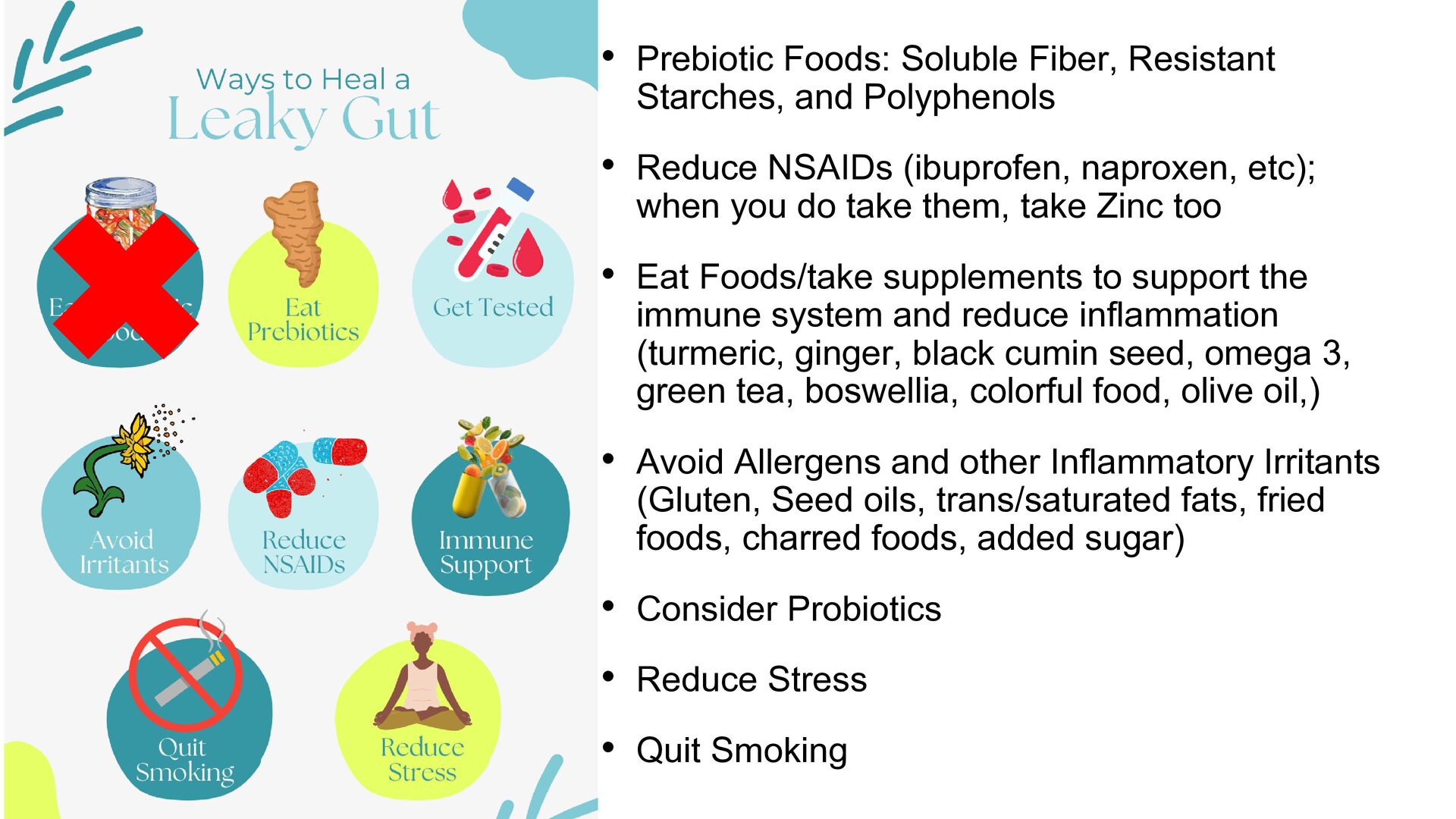
Reduce NSAIDs (ibuprofen, naproxen, etc); when you do take them, take Zinc too • Eat Foods/take supplements to support the immune system and reduce inflammation (turmeric, ginger, black cumin seed, omega 3, green tea, boswellia, colorful food, olive oil,) • Avoid Allergens and other Inflammatory Irritants (Gluten, Seed oils, trans/saturated fats, fried foods, charred foods, added sugar) • Consider Probiotics • Reduce Stress • Quit Smoking


 mcas
 csswizardry
 katarinadahlin
 geshan
 kevinliebholz
 marketingsoph
 schroneko
 gurzu
 palkan
 smashingmag
 samanthasiow
 badams