Upgrade to Pro — share decks privately, control downloads, hide ads and more …

Professor Mika Sillanpää - Professional Portfo...

Sponsored · Your Podcast. Everywhere. Effortlessly. Share. Educate. Inspire. Entertain. You do you. We'll handle the rest. →
Avatar for Mika Sillanpää Mika Sillanpää
November 02, 2026
0

Professor Mika Sillanpää - Professional Portfolio Resource Recovery

Mika Sillanpää’s research work centers on chemical treatment in environmental engineering and environmental monitoring and analysis. More specifically, Mika Sillanpää has worked extensively with adsorption, photocatalysis, electrochemical treatment, membrane biological processes and advanced oxidation processes in waste water treatment as well as electrochemical sensor development and real-time monitoring.

Avatar for Mika Sillanpää

Mika Sillanpää

November 02, 2026

Transcript

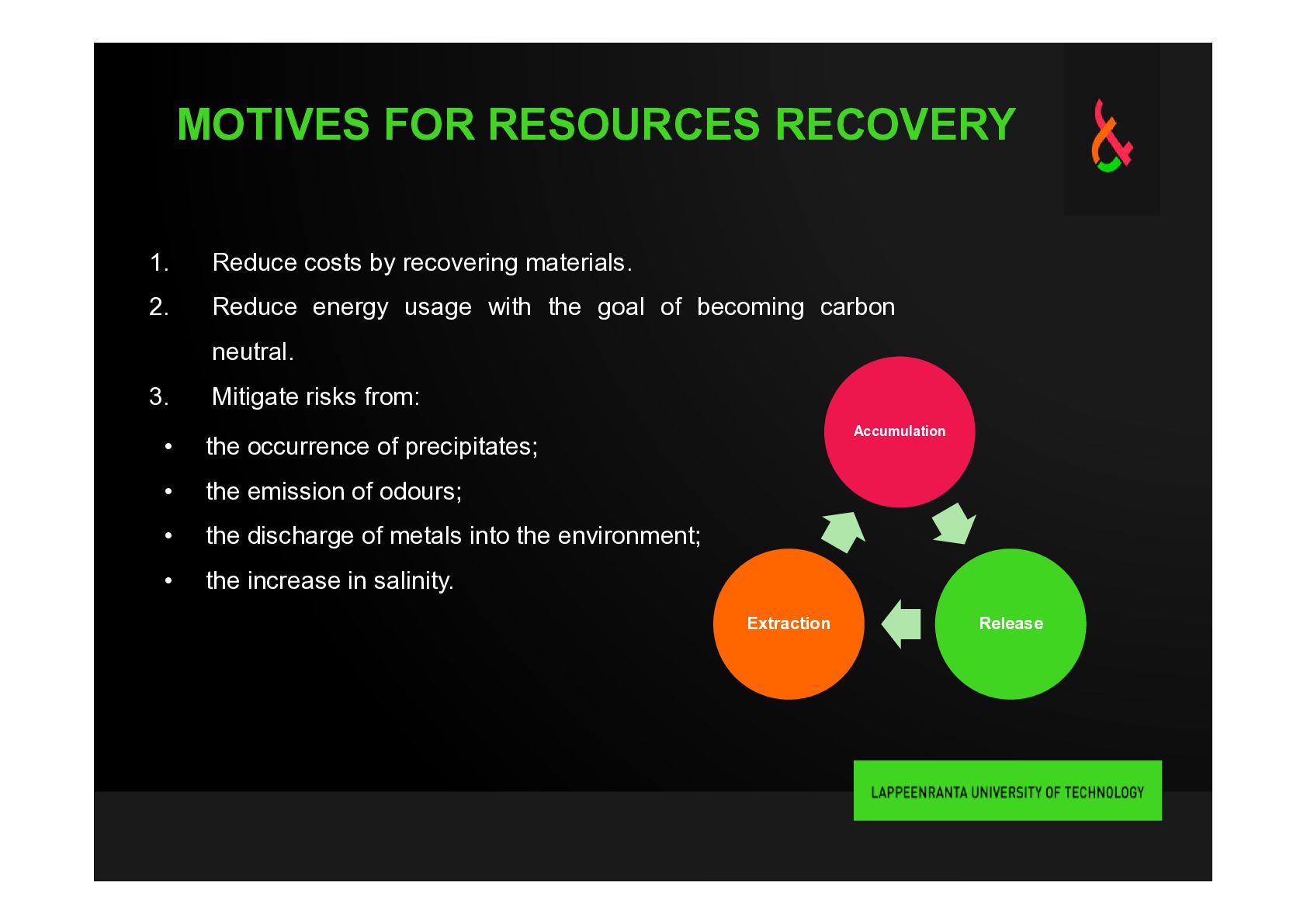
  1. MOTIVES FOR RESOURCES RECOVERY 1. Reduce costs by recovering materials.

    2. Reduce energy usage with the goal of becoming carbon neutral. 3. Mitigate risks from: • the occurrence of precipitates; • the emission of odours; • the discharge of metals into the environment; • the increase in salinity. Accumulation Extraction Release
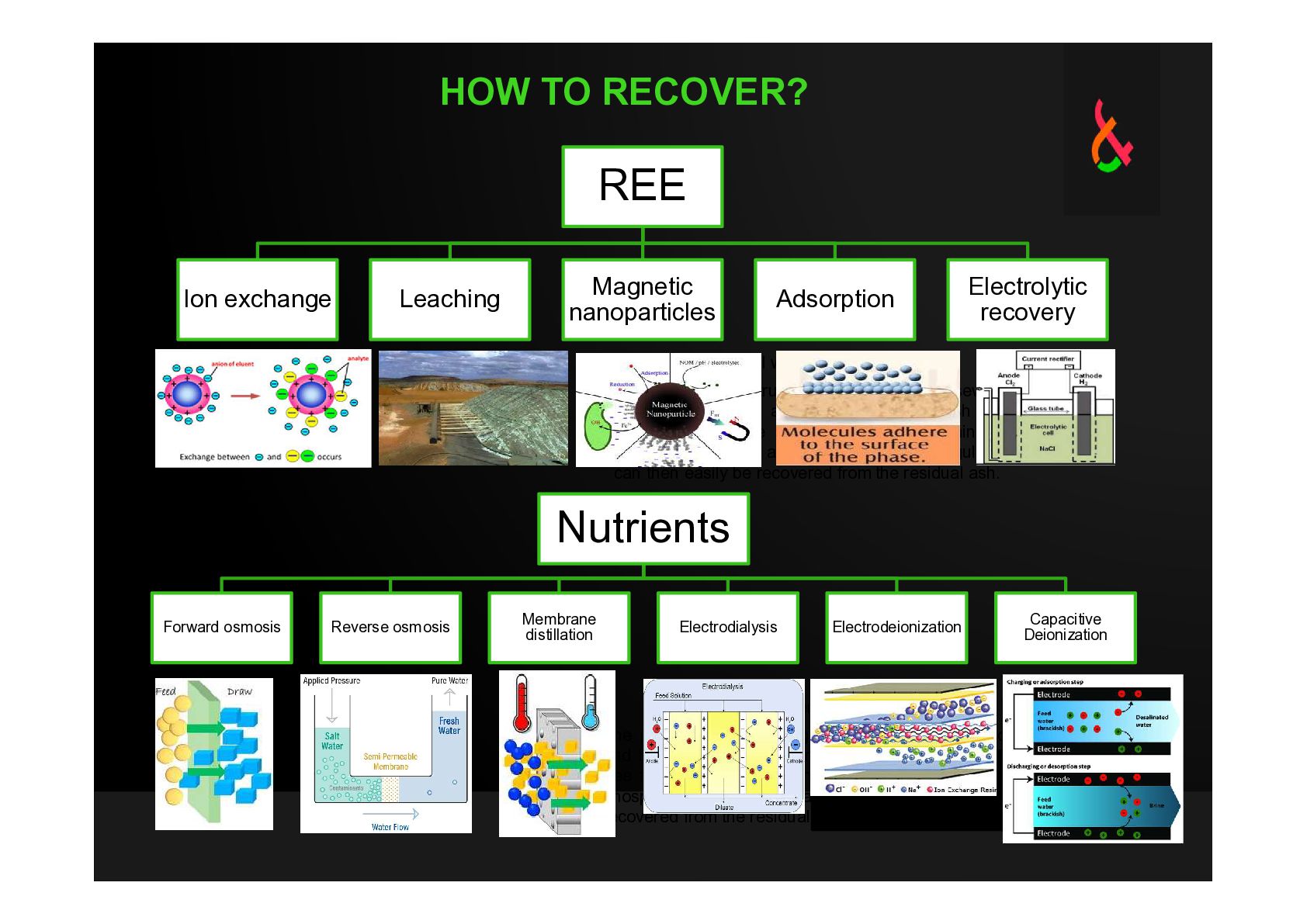
  2. HOW TO RECOVER? REE Ion exchange Leaching Magnetic nanoparticles Adsorption

    Electrolytic recovery Supercritical water oxidation (SCWO) The process destructs organics in the sewage sludge and leaves a slurry of inorganic ash in a water phase free from organic contaminants. Components, such as phosphorus and coagulants, can then easily be recovered from the residual ash. Nutrients Forward osmosis Reverse osmosis Membrane distillation Electrodialysis Electrodeionization Capacitive Deionization Supercritical water oxidation (SCWO) The process destructs organics in the sewage sludge and leaves a slurry of inorganic ash in a water phase free from organic contaminants. Components, such as phosphorus and coagulants, can then easily be recovered from the residual ash.