Upgrade to Pro — share decks privately, control downloads, hide ads and more …

Android Platform Knowledge

Sponsored · Ship Features Fearlessly Turn features on and off without deploys. Used by thousands of Ruby developers.

Android Platform Knowledge

Company Internal Training for Ionic Developer

Avatar for Min Phone

Min Phone

August 09, 2018
Tweet

Other Decks in Programming

Transcript

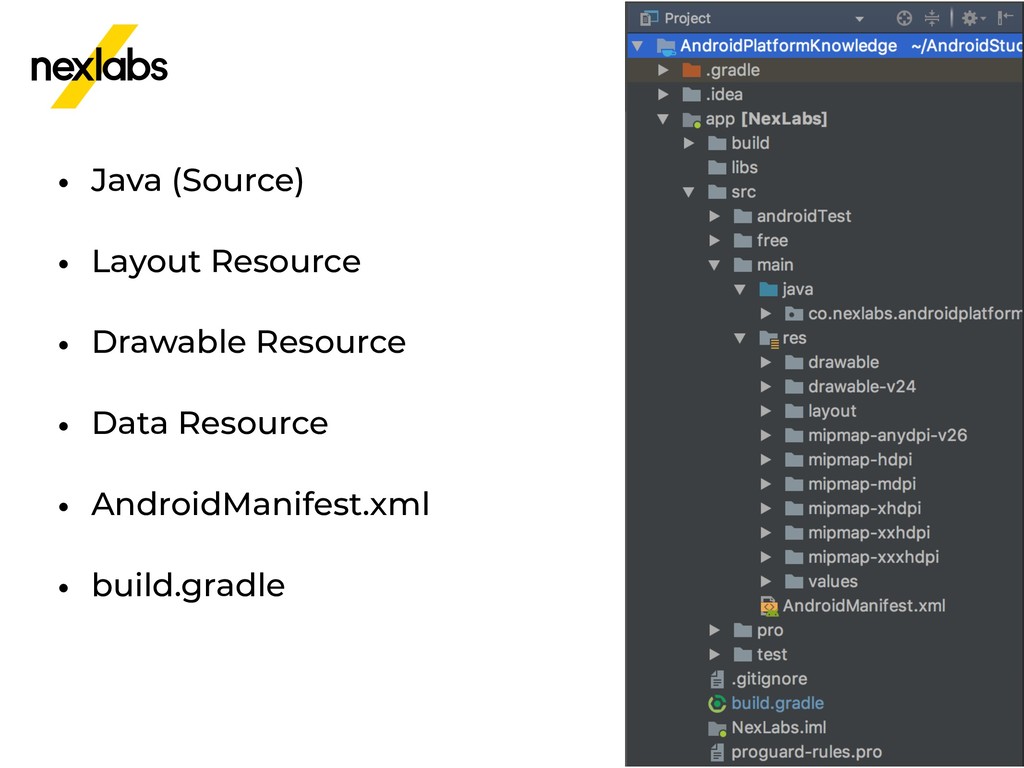
  1. • Java (Source) • Layout Resource • Drawable Resource •

    Data Resource • AndroidManifest.xml • build.gradle
  2. Java (Source) - All of the Java or Kotlin Classes

    for Android Development - This classes include Activity, Fragment, Service, Broadcast Receiver, Content Providers, POJO
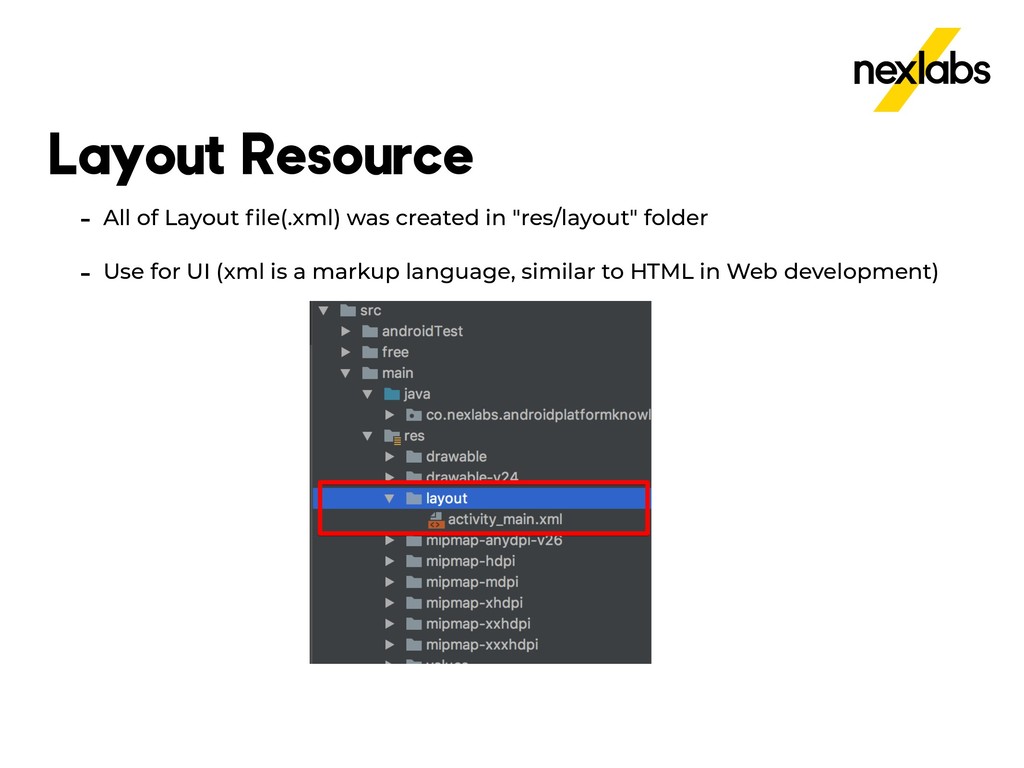
  3. Layout Resource - All of Layout file(.xml) was created in

    "res/layout" folder - Use for UI (xml is a markup language, similar to HTML in Web development)
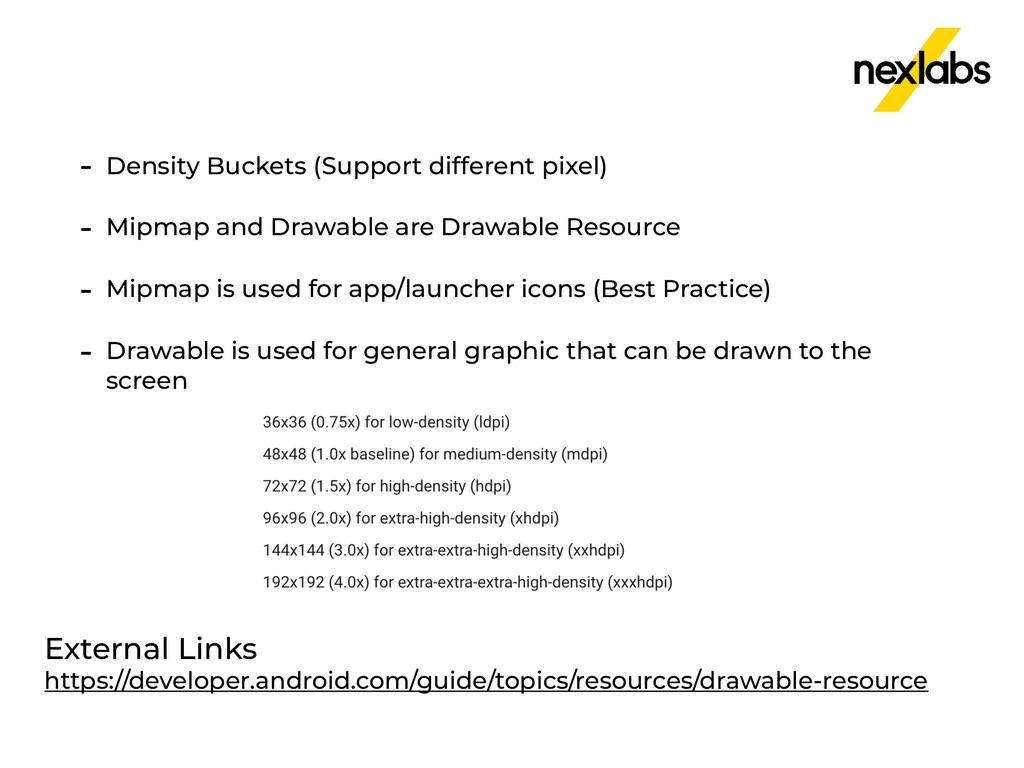
  4. Drawable Resource - Density Buckets (Support different pixel) - Mipmap

    and Drawable are Drawable Resource - Mipmap is used for app/launcher icons (Best Practice) - Drawable is used for general graphic that can be drawn to the screen External Links https://developer.android.com/guide/topics/resources/drawable-resource
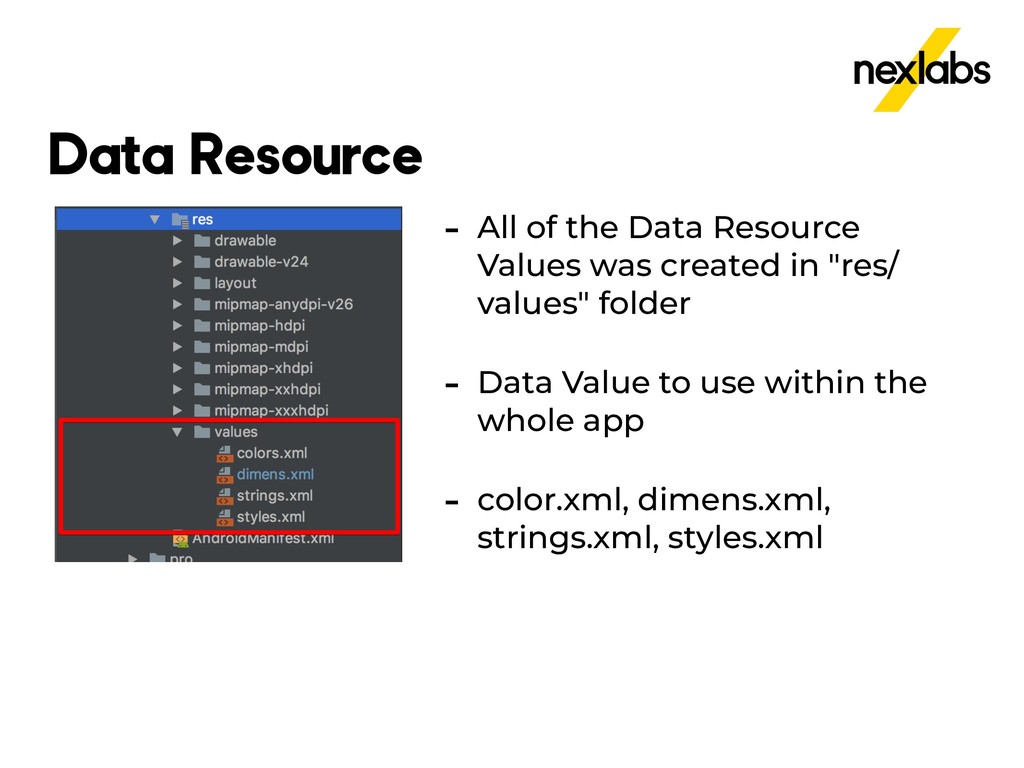
  5. Data Resource - All of the Data Resource Values was

    created in "res/ values" folder - Data Value to use within the whole app - color.xml, dimens.xml, strings.xml, styles.xml
  6. AndroidManifest.xml - Describe essential info about app to the Android

    build tools, Android OS and Google Play - Every App Components must declare in manifest file (activity, service, receiver, provider) - Every Permissions must declare in manifest file (access sensitive use data: contacts, SMS, etc,. and certain system features: camera, internet access, etc,.)
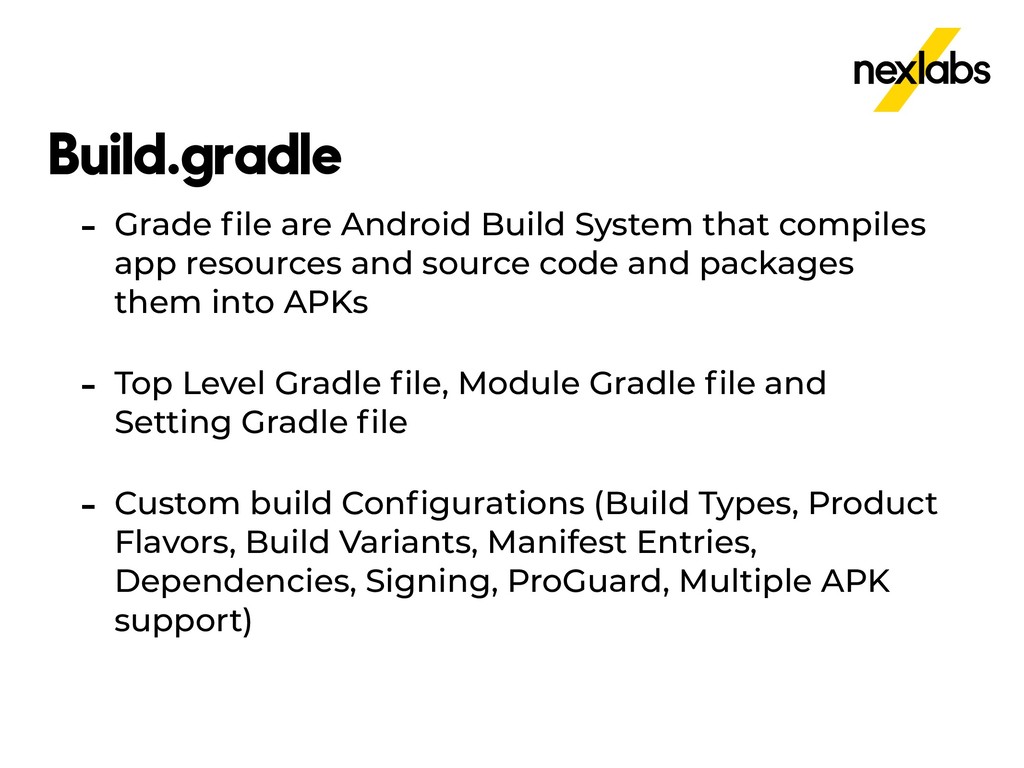
  7. Build.gradle - Grade file are Android Build System that compiles

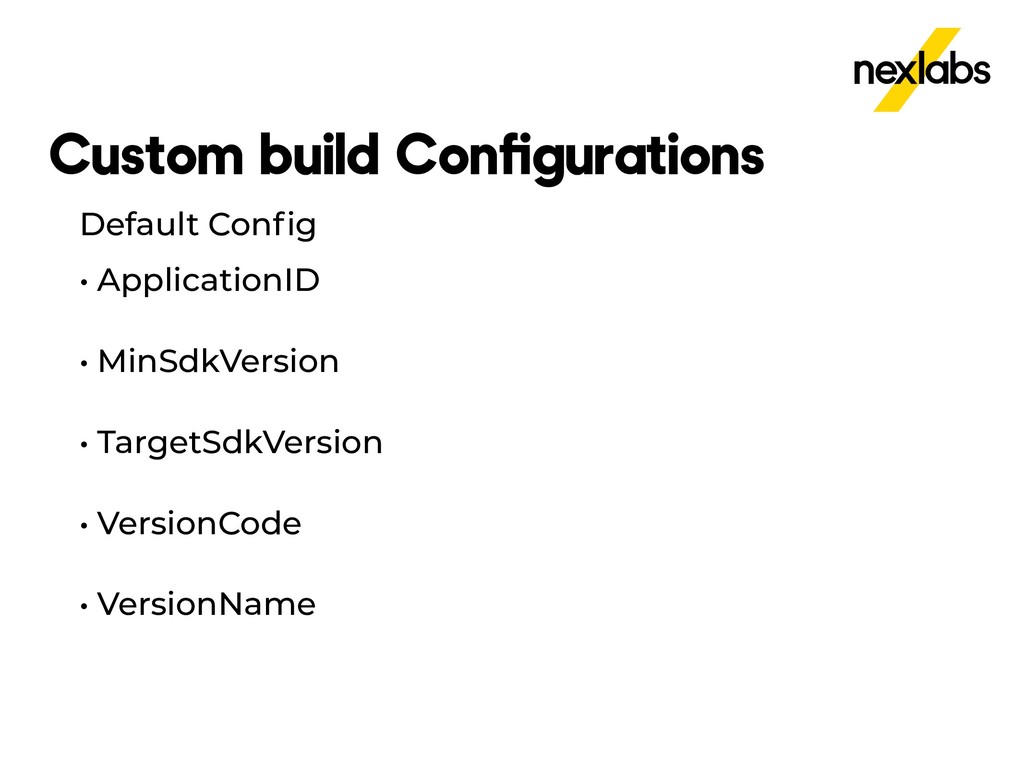
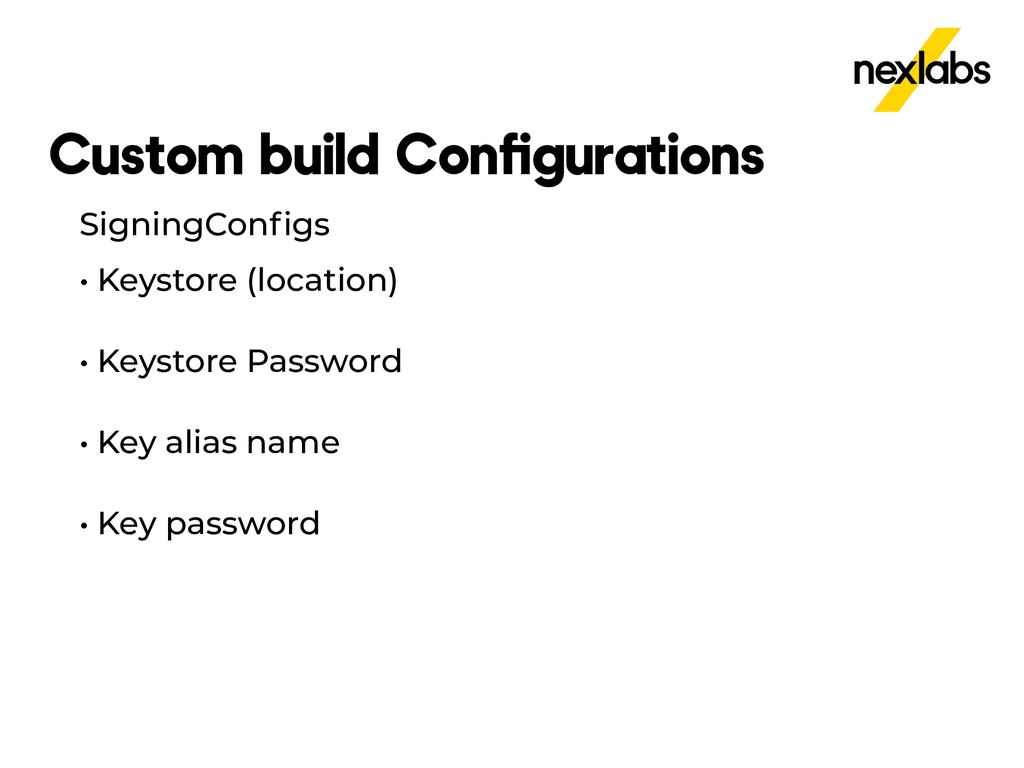
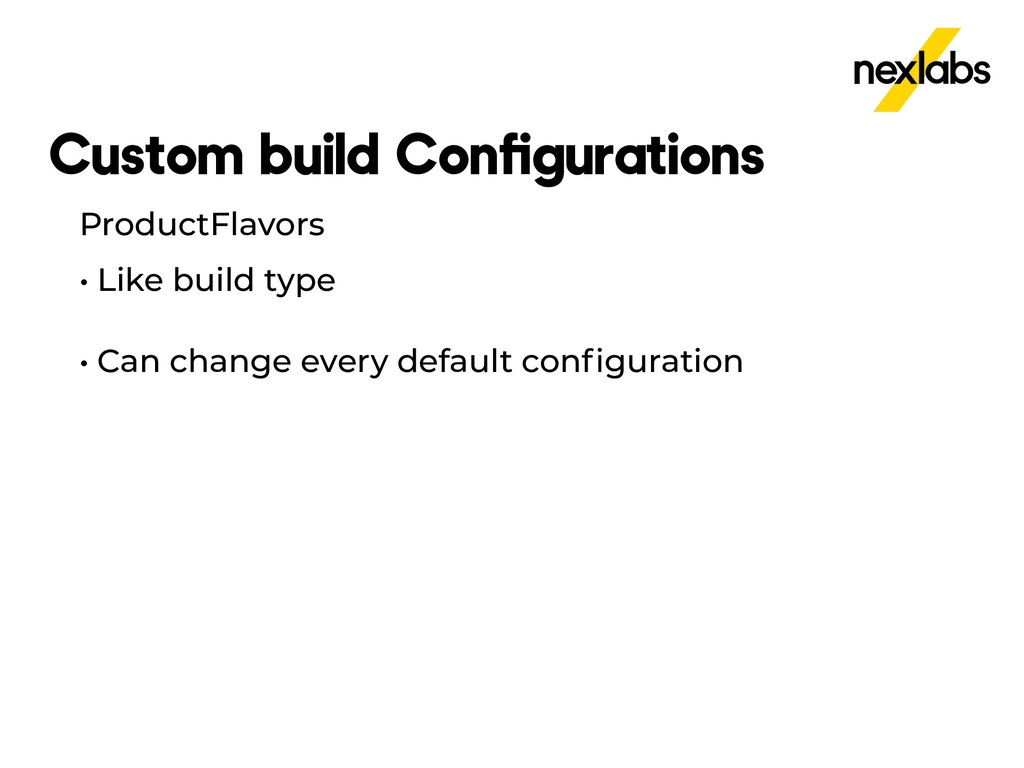
    app resources and source code and packages them into APKs - Top Level Gradle file, Module Gradle file and Setting Gradle file - Custom build Configurations (Build Types, Product Flavors, Build Variants, Manifest Entries, Dependencies, Signing, ProGuard, Multiple APK support)
  8. Top Level Gradle File - Located in the root project

    directory - Defines build configurations that apply to all modules
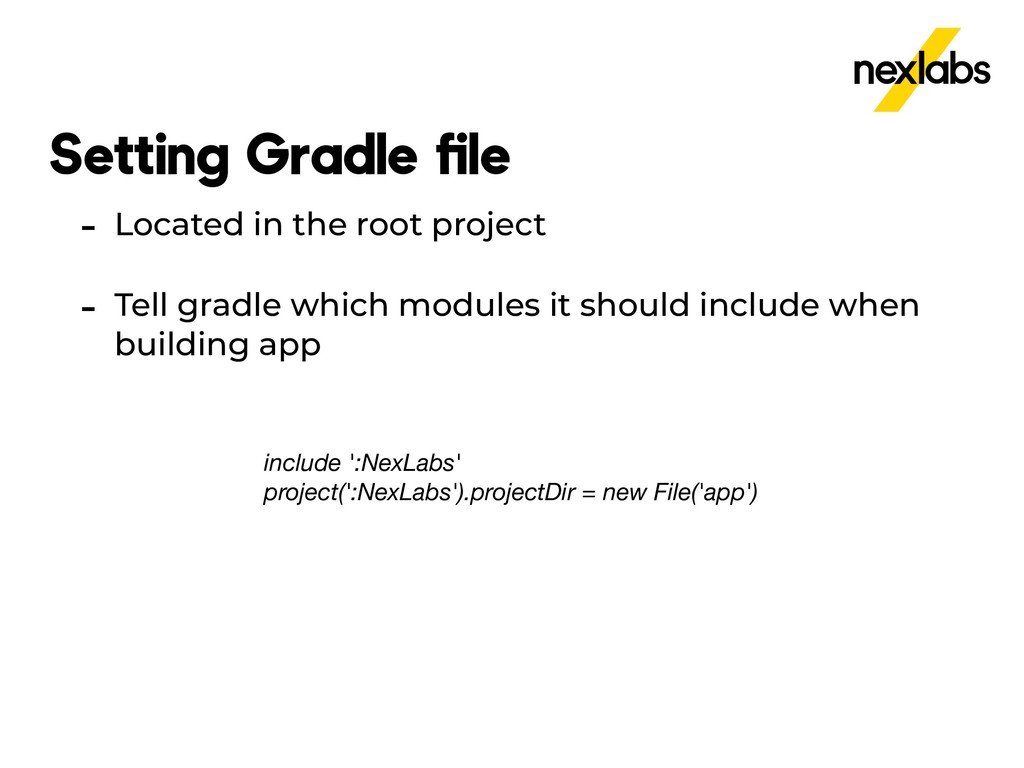
  9. Setting Gradle file - Located in the root project -

    Tell gradle which modules it should include when building app include ':NexLabs' project(':NexLabs').projectDir = new File('app')
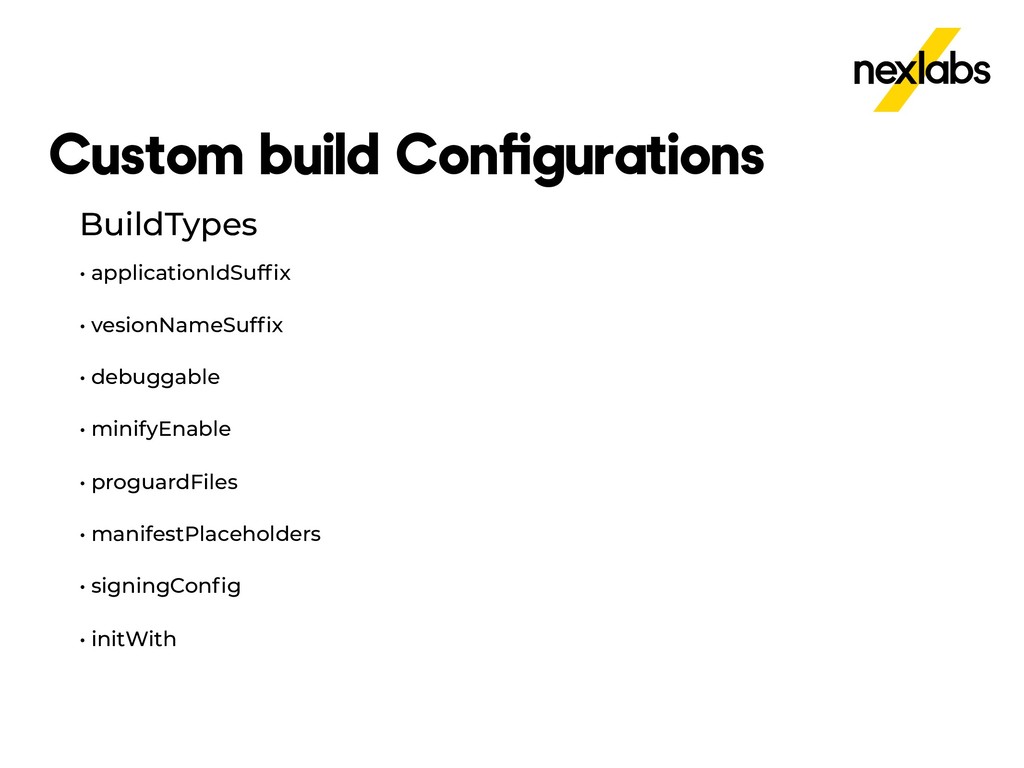
  10. Custom build Configurations BuildTypes • applicationIdSuffix • vesionNameSuffix • debuggable

    • minifyEnable • proguardFiles • manifestPlaceholders • signingConfig • initWith
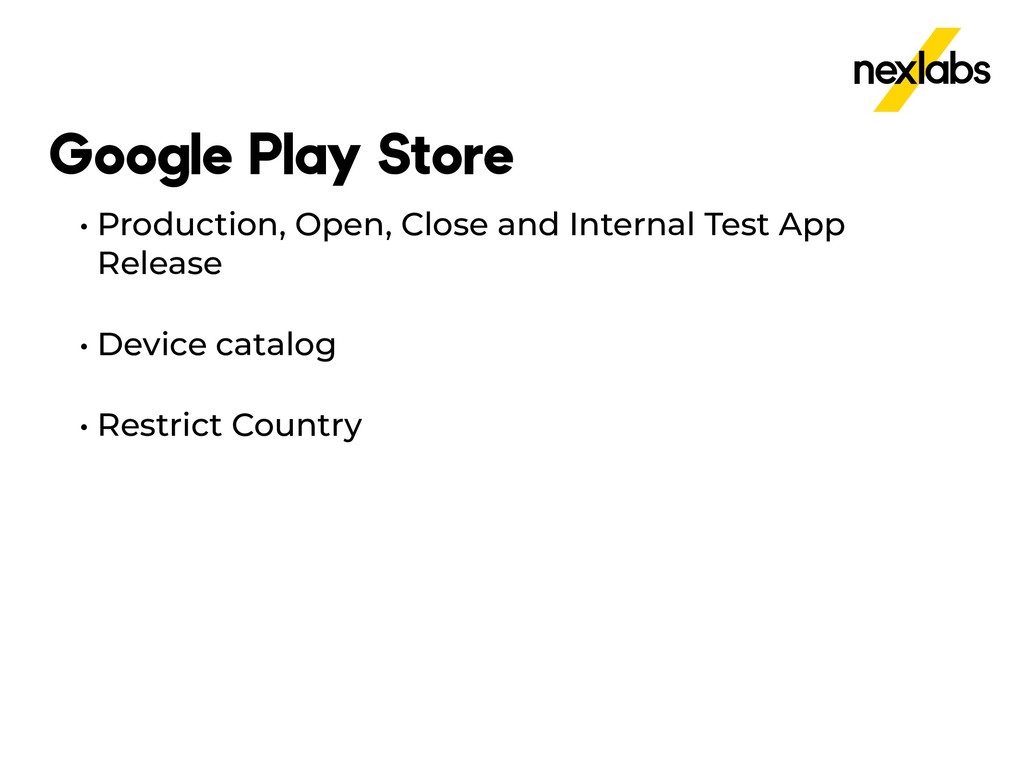
  11. Google Play Store • Production, Open, Close and Internal Test

    App Release • Device catalog • Restrict Country