Upgrade to Pro — share decks privately, control downloads, hide ads and more …

Student Engagement

Avatar for MSW MSW
February 03, 2020
19

Student Engagement

Avatar for MSW

MSW

February 03, 2020

Transcript

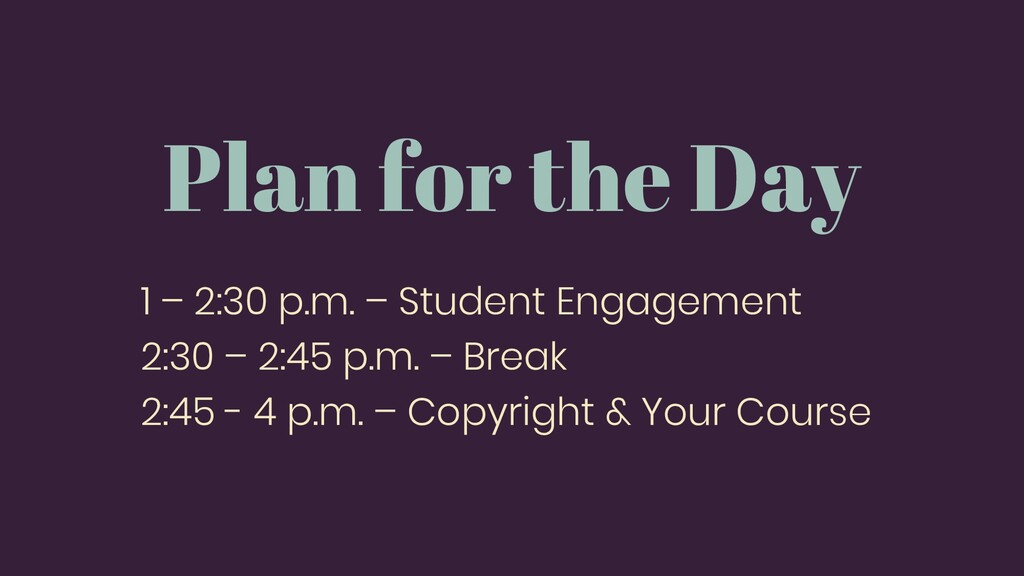
  1. Plan for the Day 1 – 2:30 p.m. – Student

    Engagement 2:30 – 2:45 p.m. – Break 2:45 - 4 p.m. – Copyright & Your Course
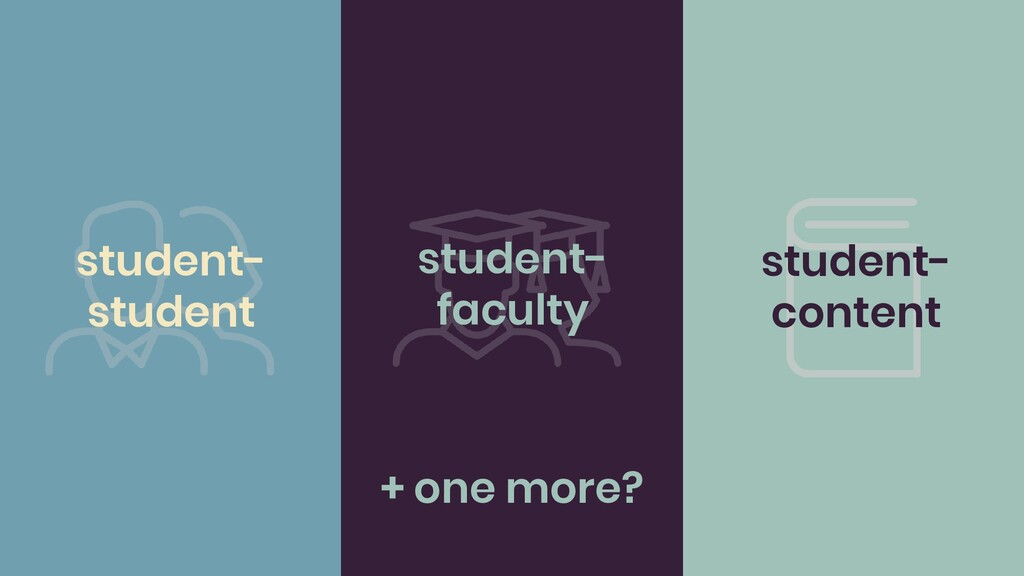
  2. Objectives Broadly define transactional distance and list ways to overcome

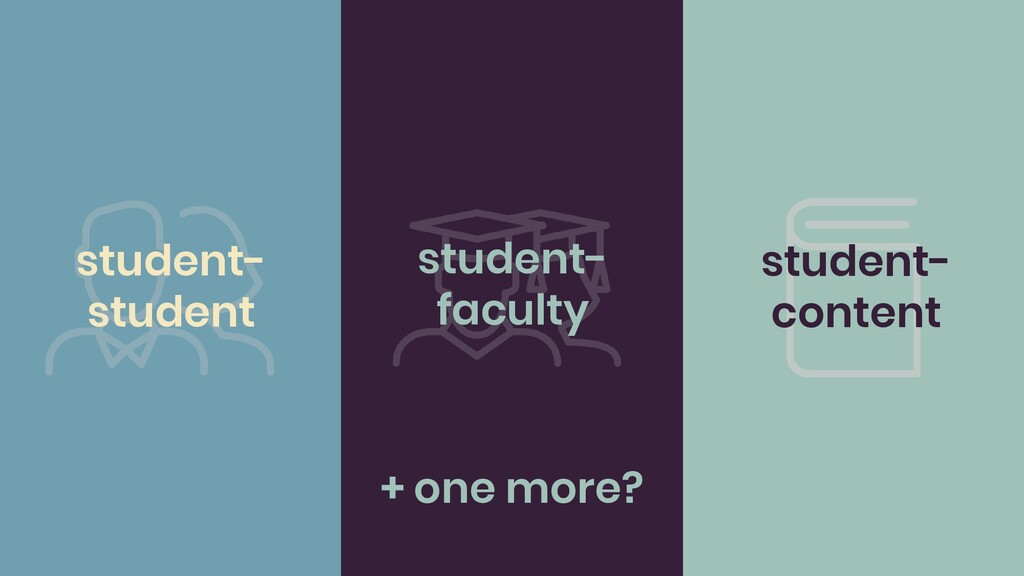
    it Explain the importance of student- student engagement Identify ways you can improve student engagement with content
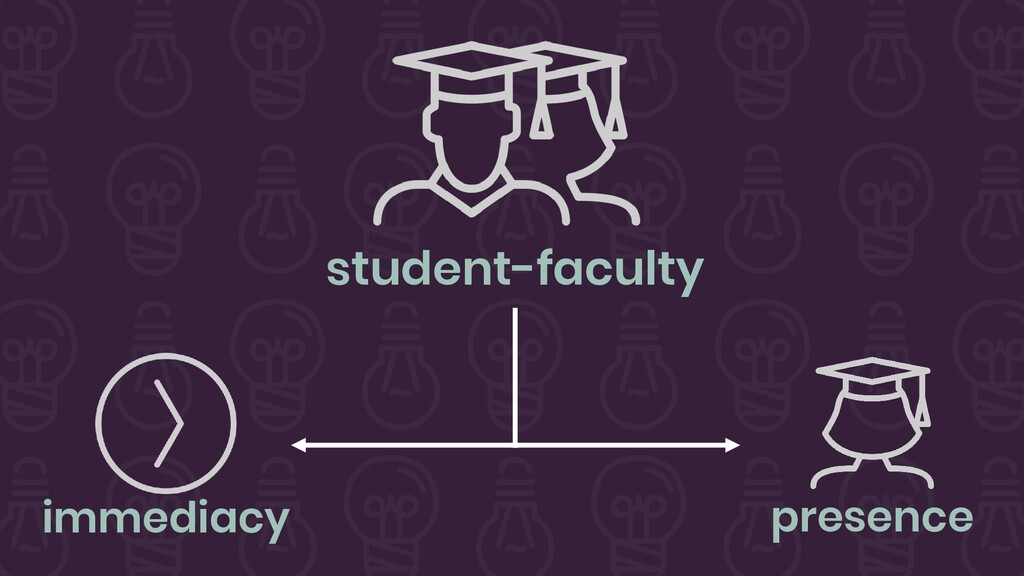
  3. presence Not: • Number of instructor logins • Amount of

    time spent developing content • Amount of time spent grading Is: • students’ perception of your active engagement in the course
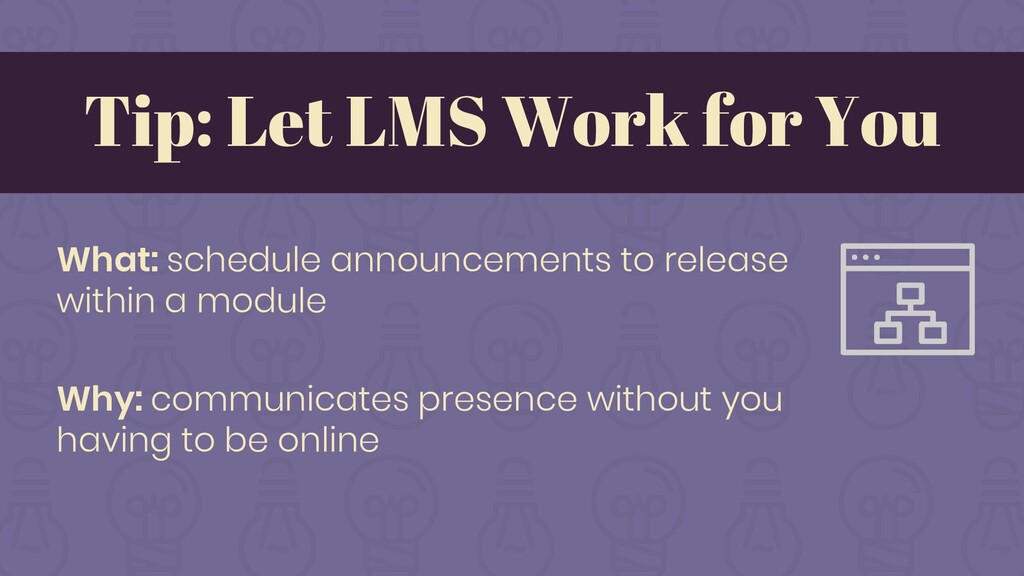
  4. Tip: Let LMS Work for You What: schedule announcements to

    release within a module Why: communicates presence without you having to be online
  5. Tip: Communicate Delays What: tell students when you’re running behind

    and when they can expect feedback Why: when students perceive you aren’t present, they log in less
  6. Tip: Help ‘em Find Feedback What: instructor providing feedback ≠

    students receiving feedback Why: avoids wasting your time, tells students you value time spent reviewing feedback
  7. Tip: Don’t Avoid It. What: some avoid incorporating group work

    because it comes with logistical challenges. Why: research says group work can be one of the most valuable learning experiences.
  8. Tip: Lay the Ground Rules What: well-reasoned, clear instructions lay

    the groundwork for success in groups. Why: provides boundaries, consequences for lack of participation.
  9. Ex: The Trump Clause Any team member who is not

    performing effectively in the eyes of the remainder of the team can be fired from the team. Firing can only occur with the approval of the instructor after an appropriate consultation with the “firing” team members. In addition, the instructor may proactively fire any team member ...
  10. Collaborative v. Cooperative What: focus on creating assignments that require

    genuine collaboration (co-creation), not just cooperation (division of labor). Why: collaboration yields more genuine learning.