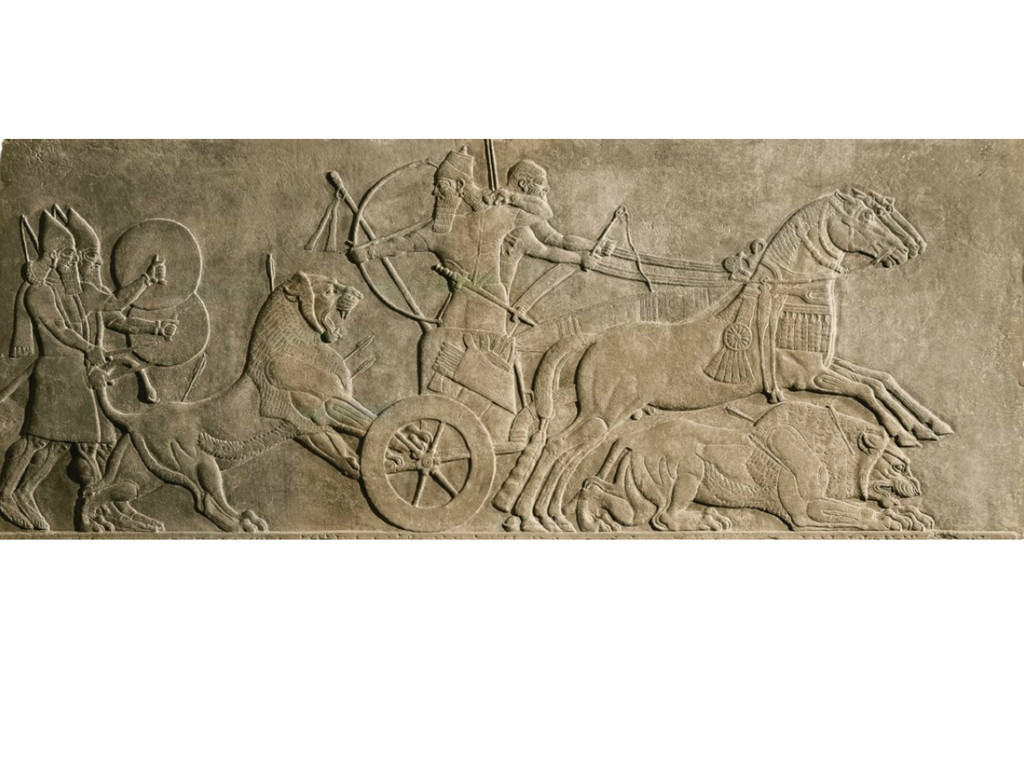
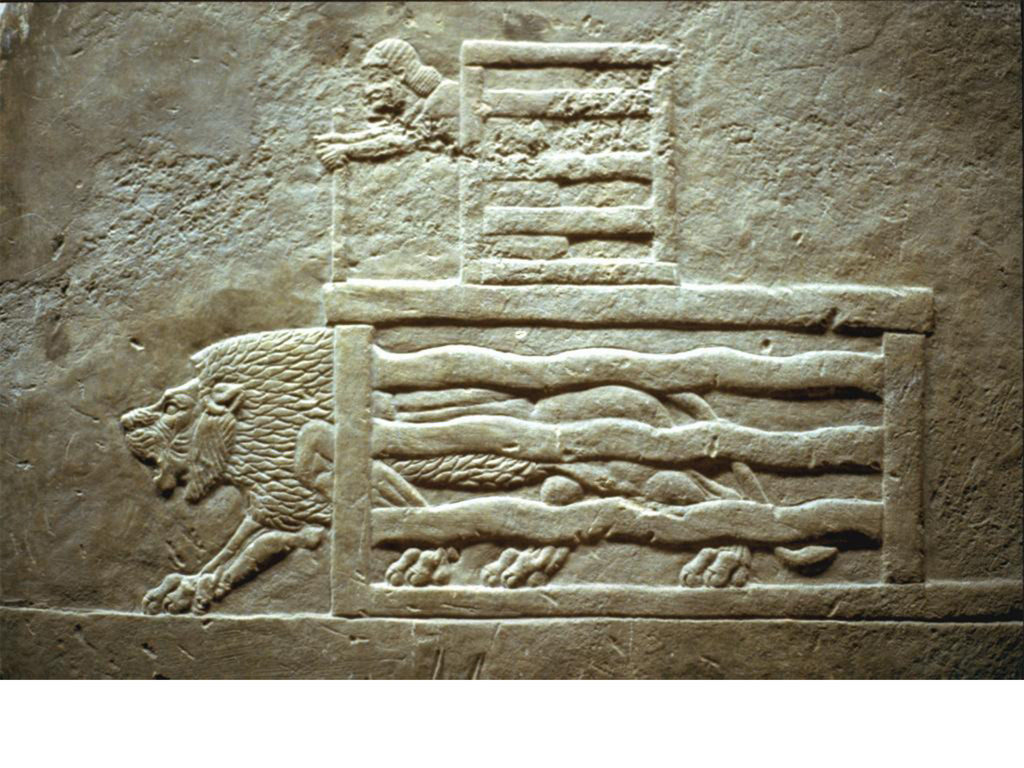
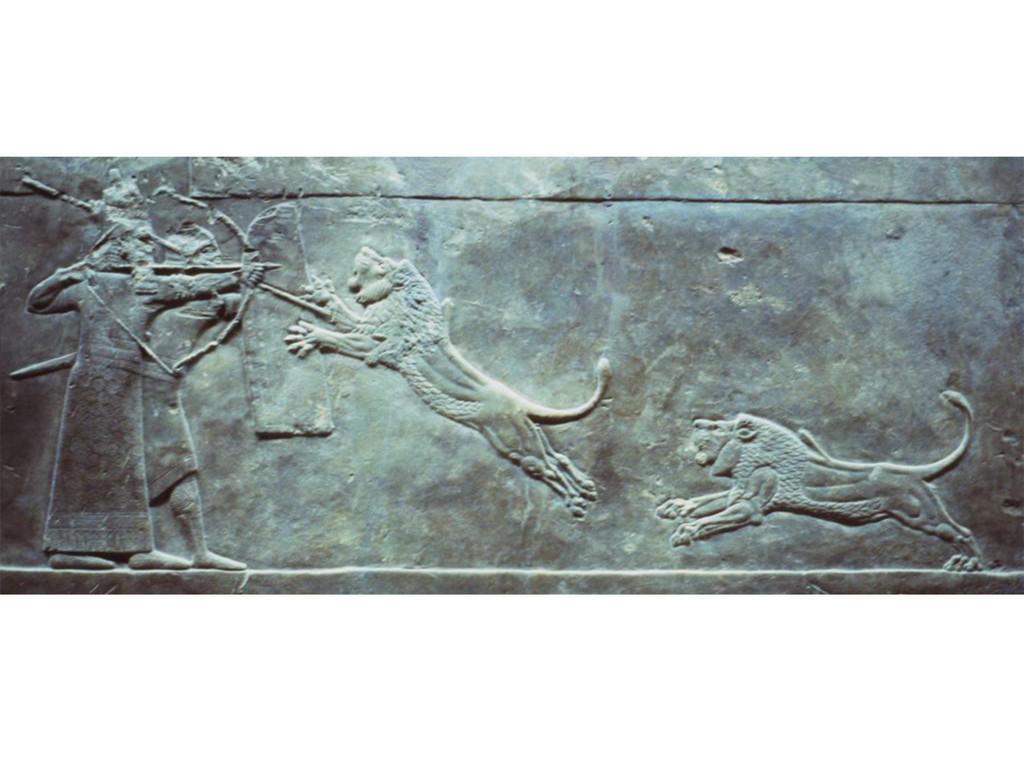
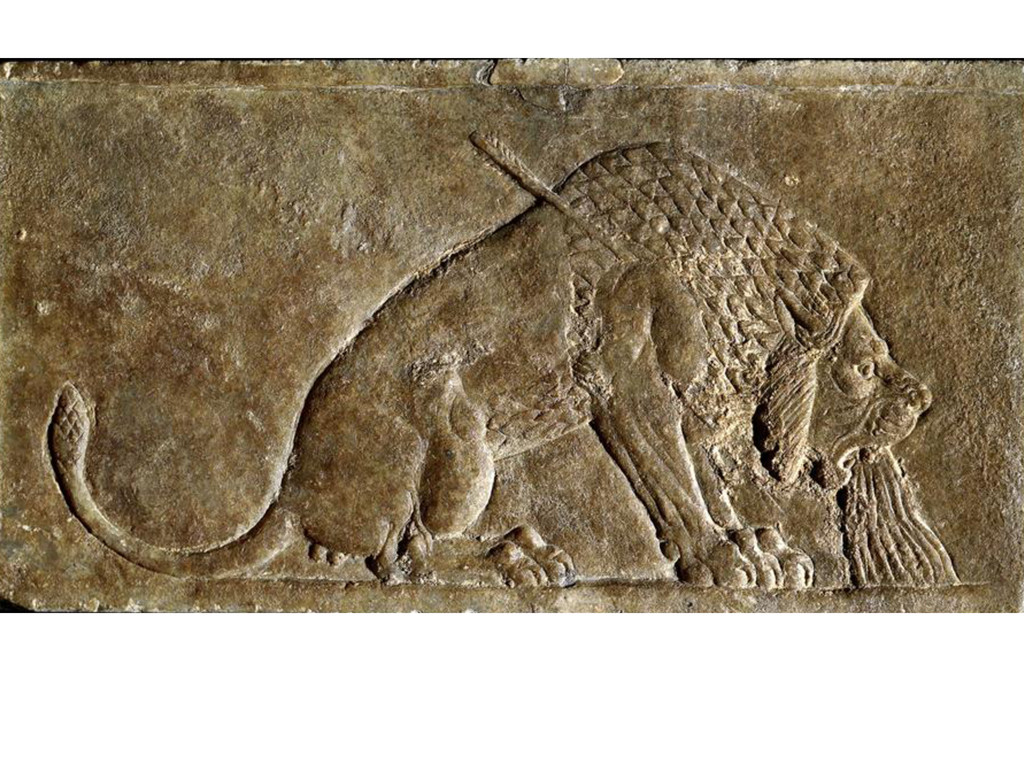
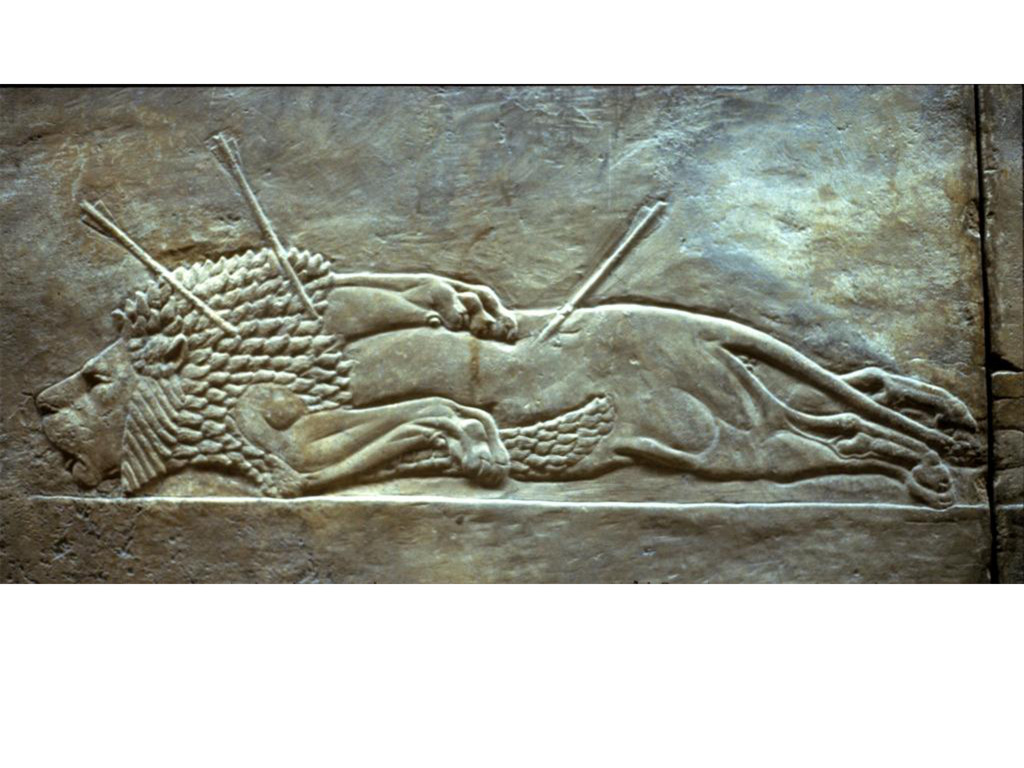
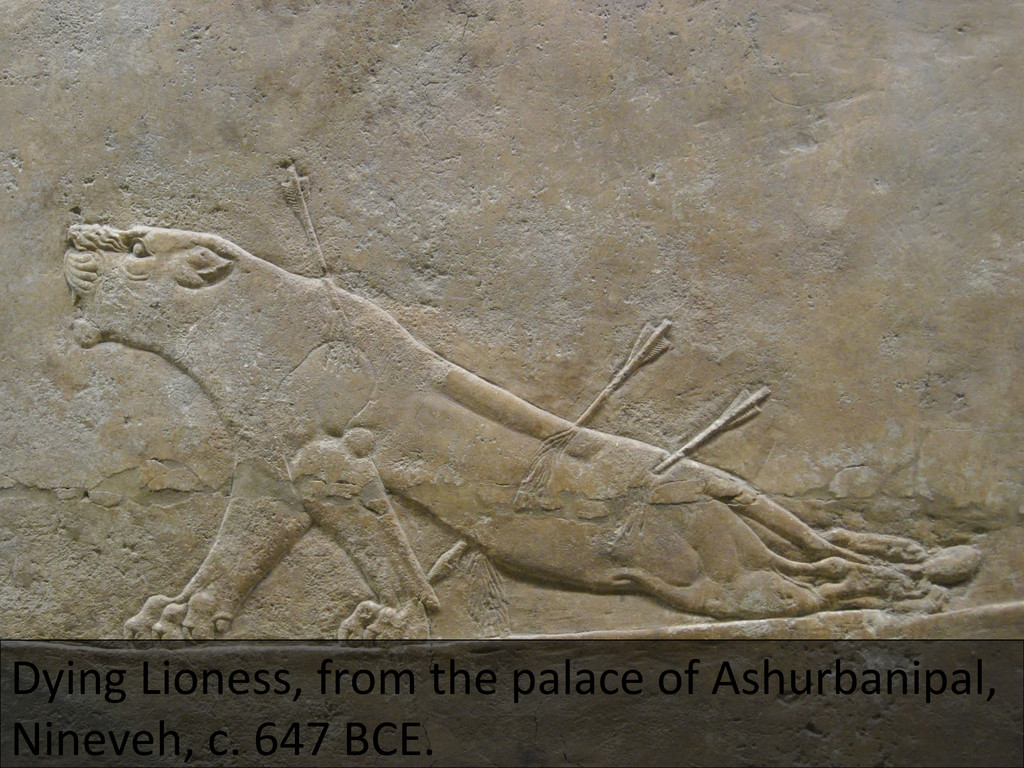
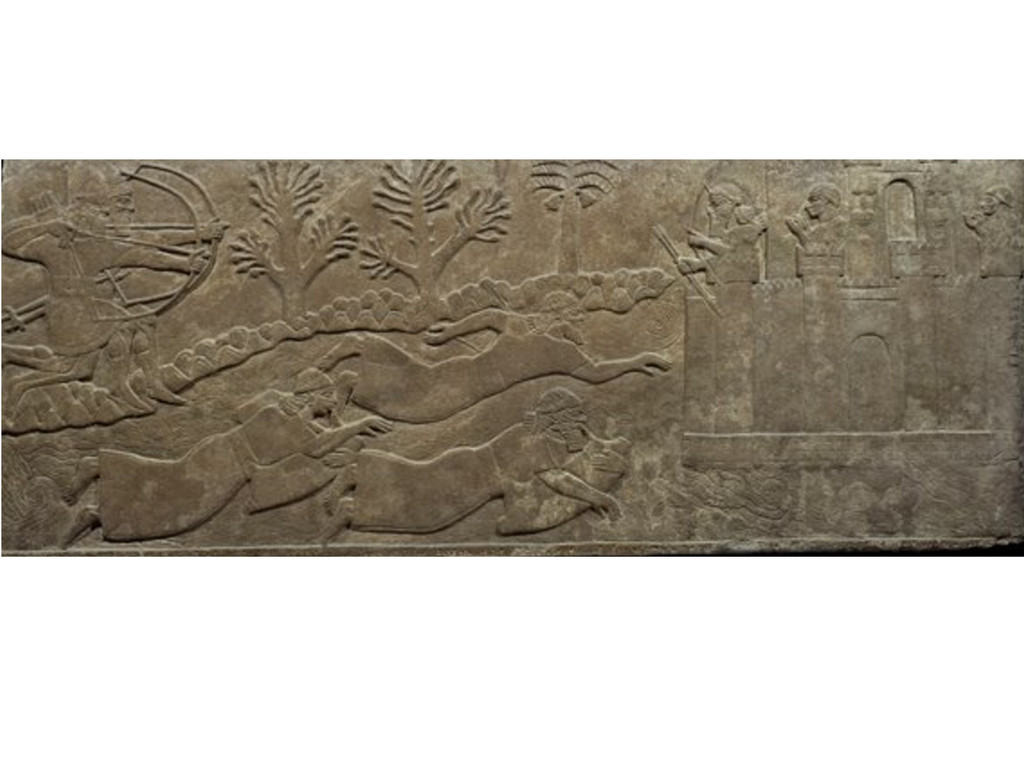
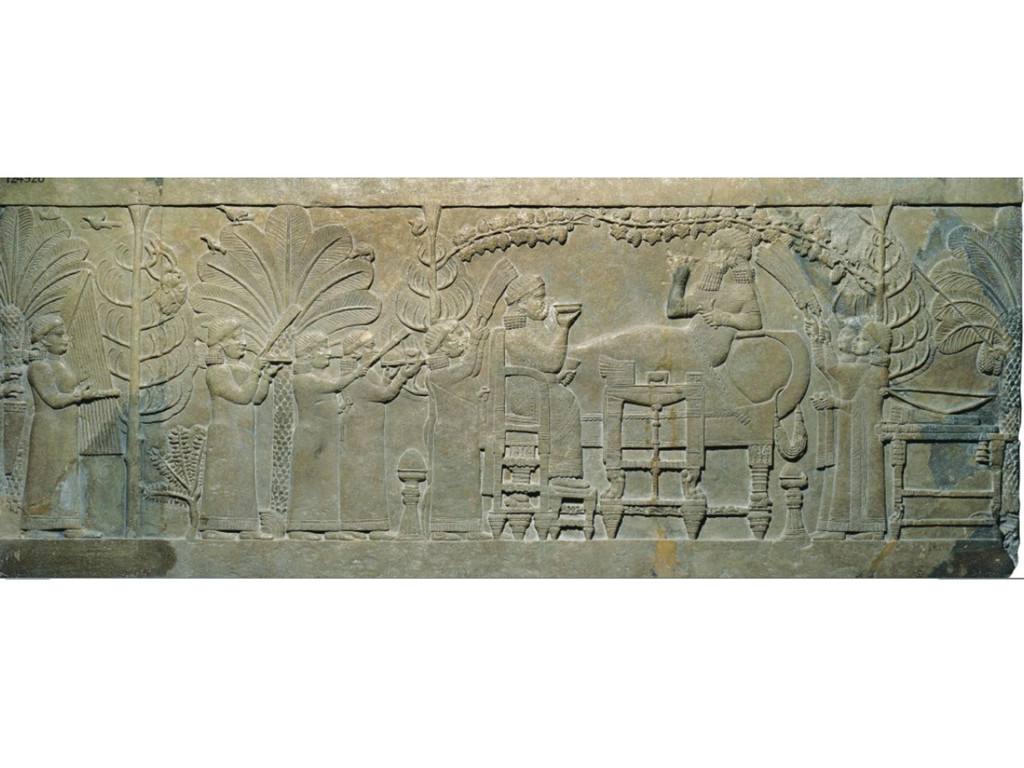
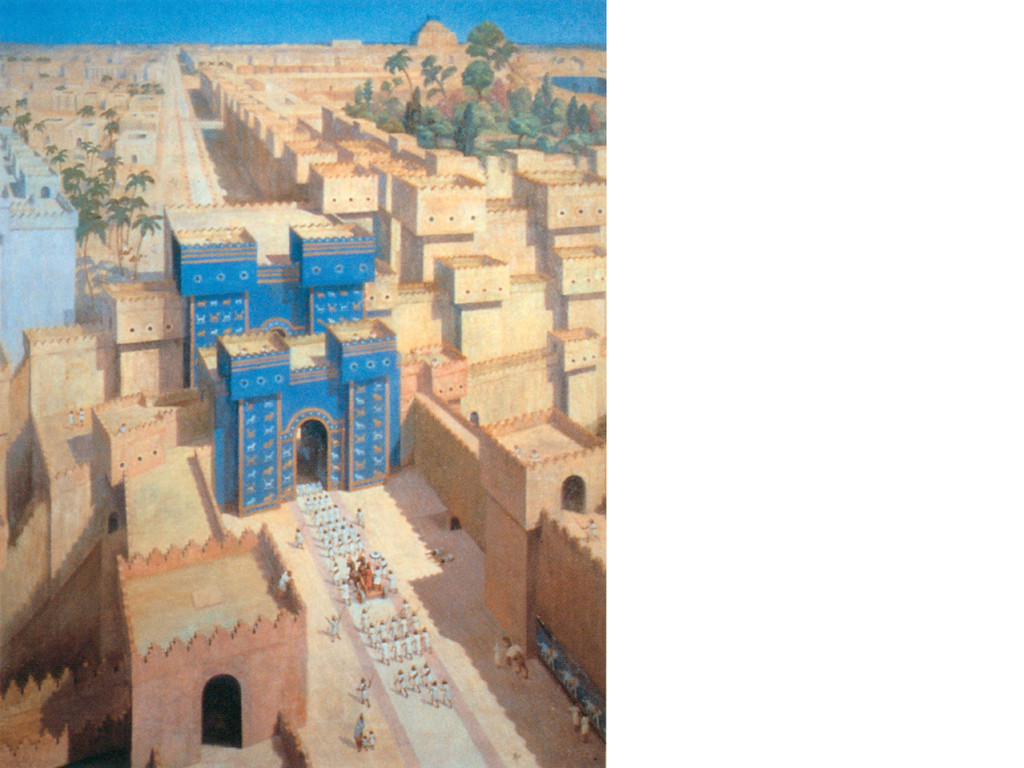
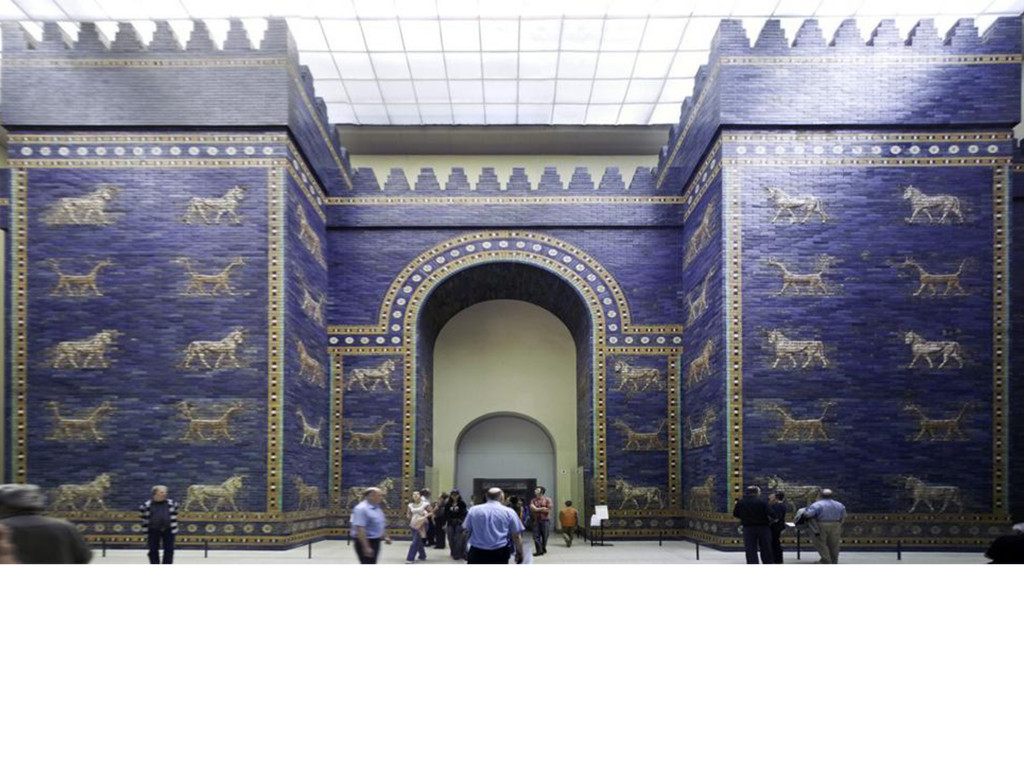
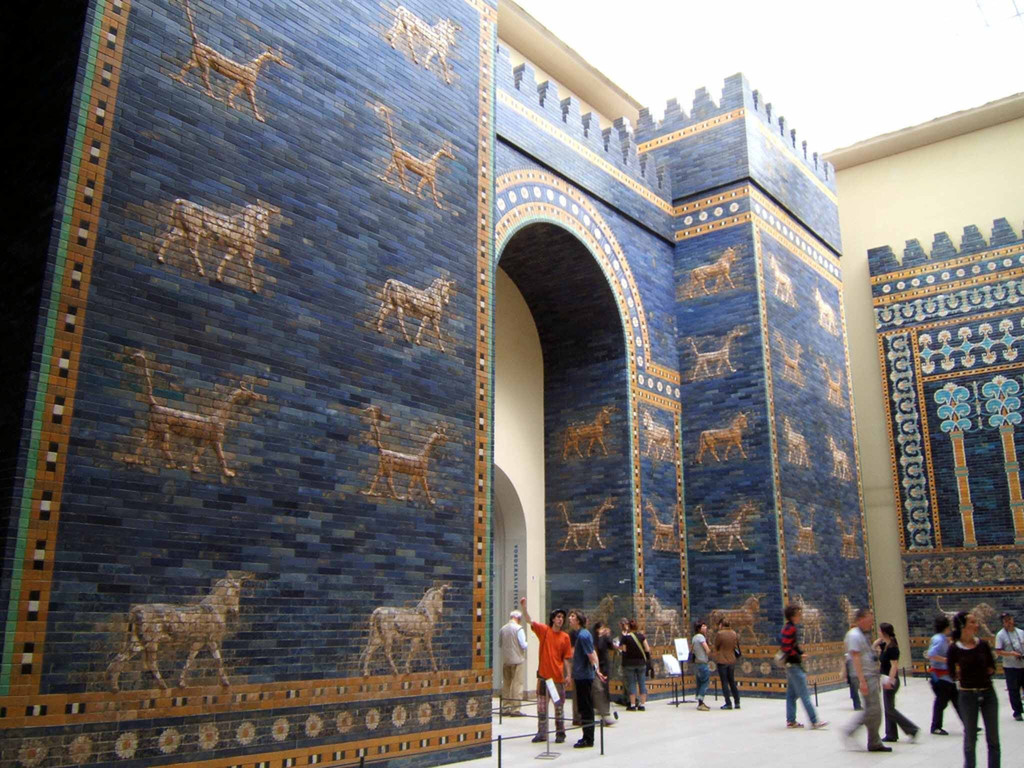
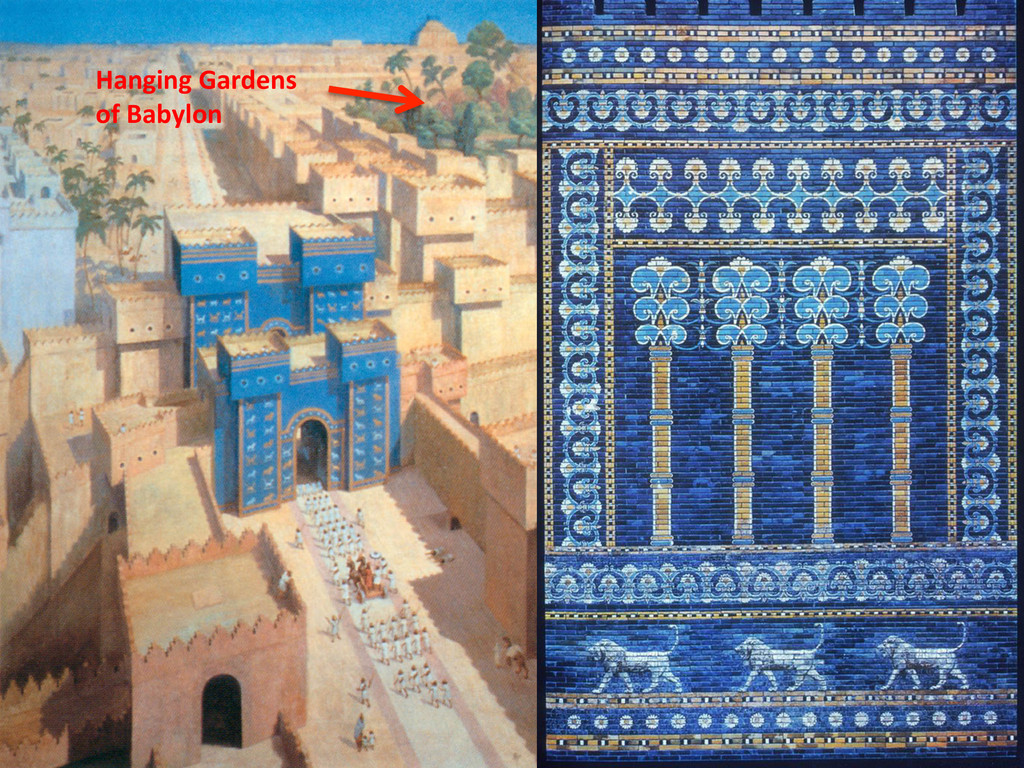
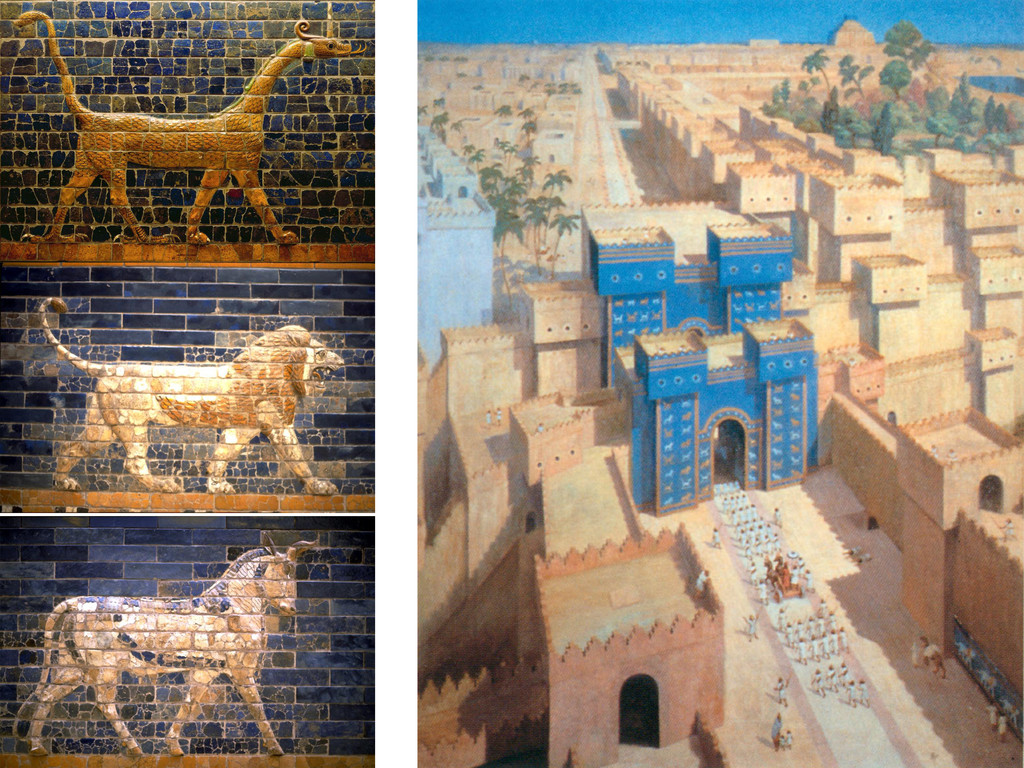
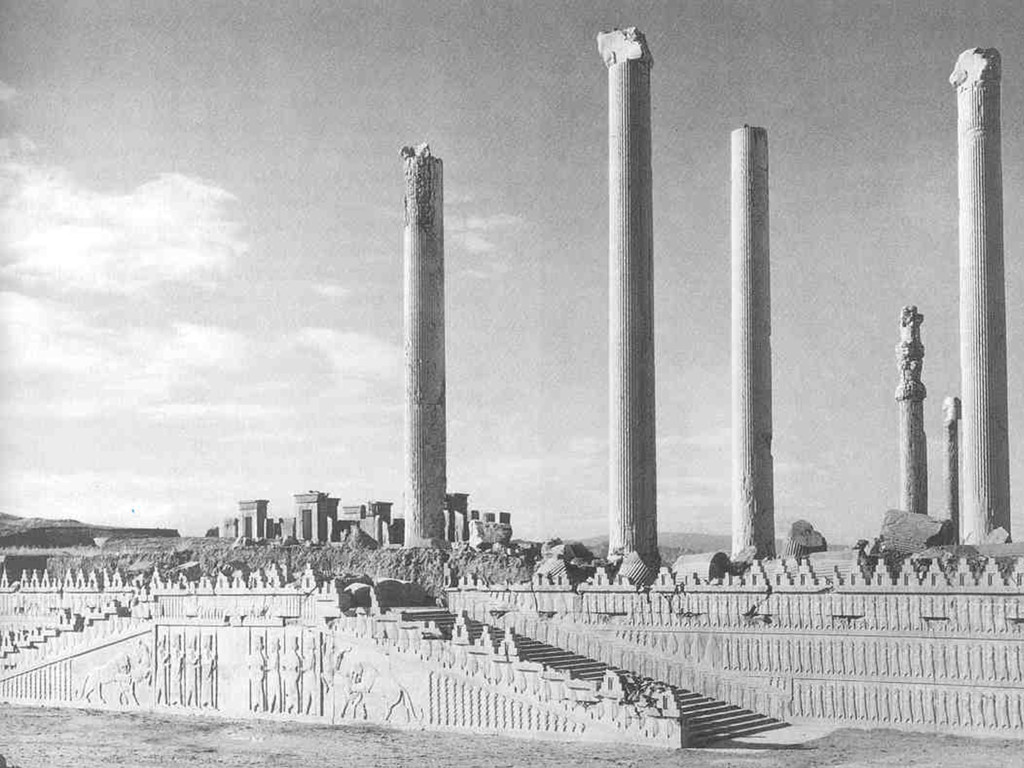
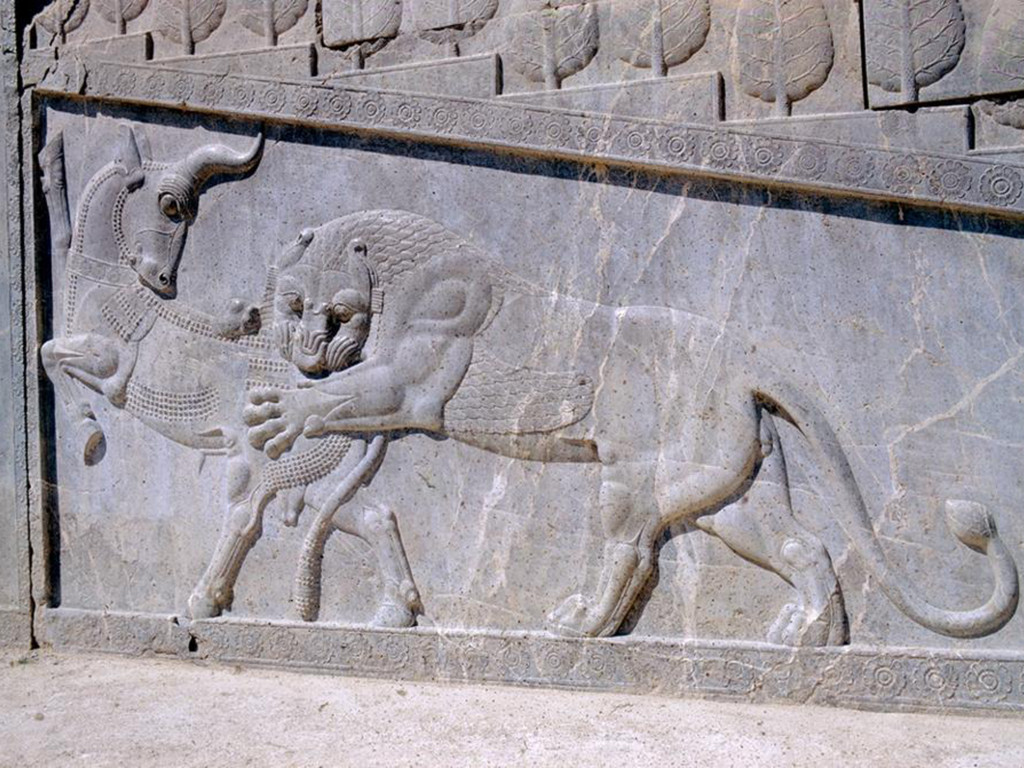
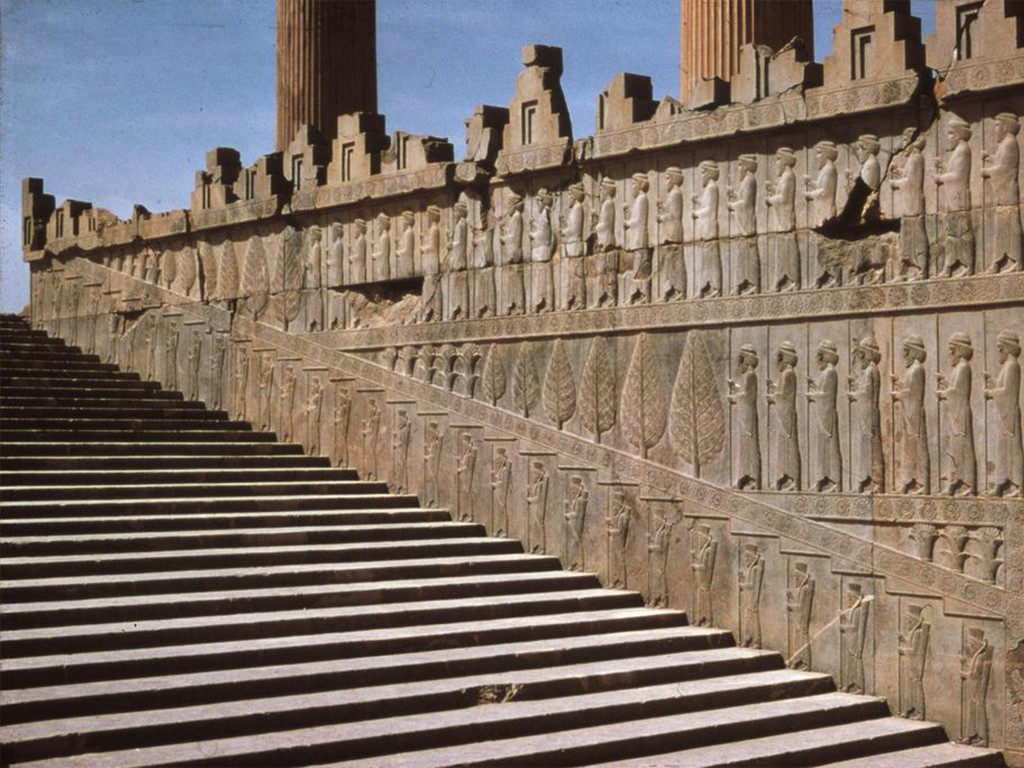
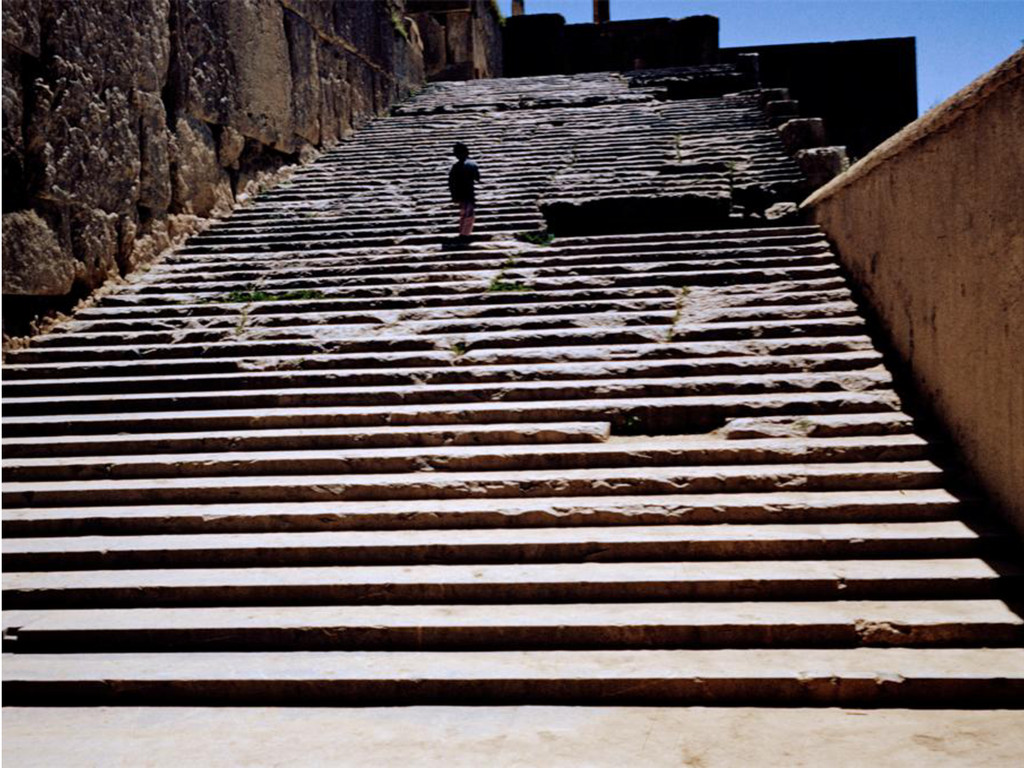
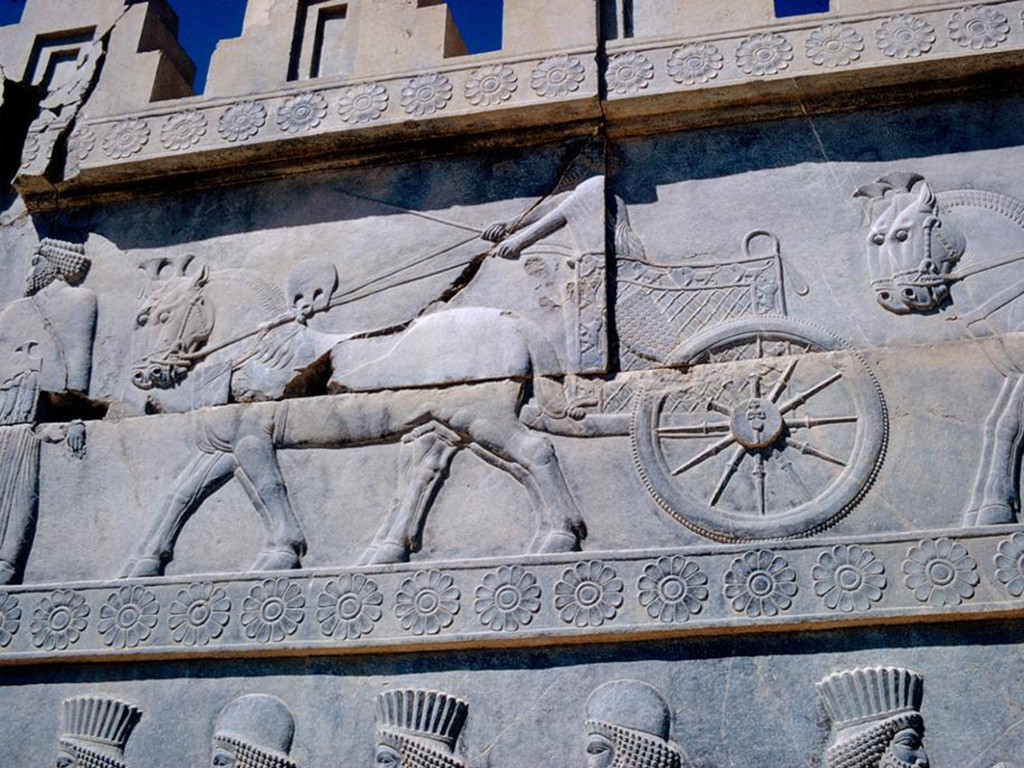
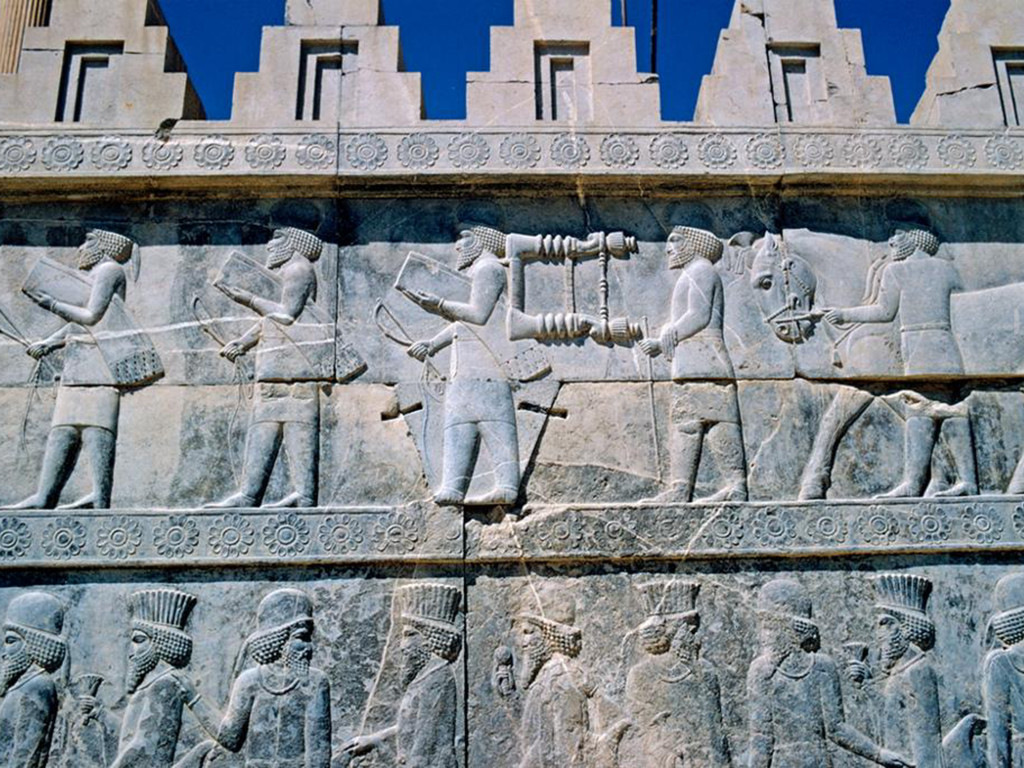
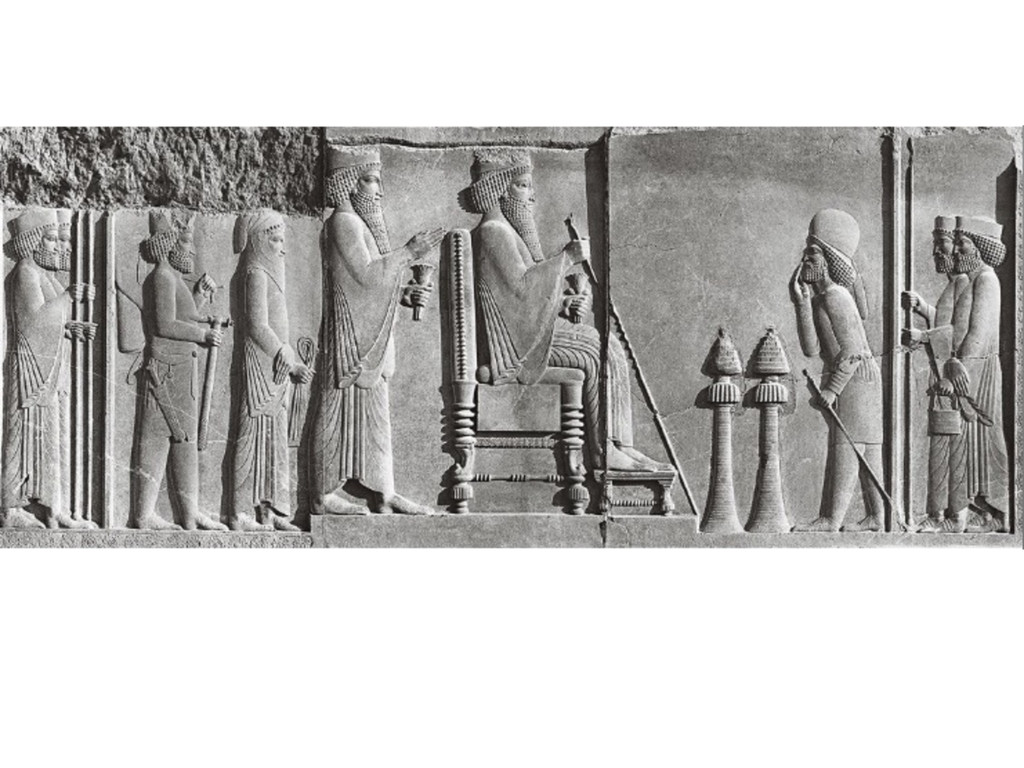
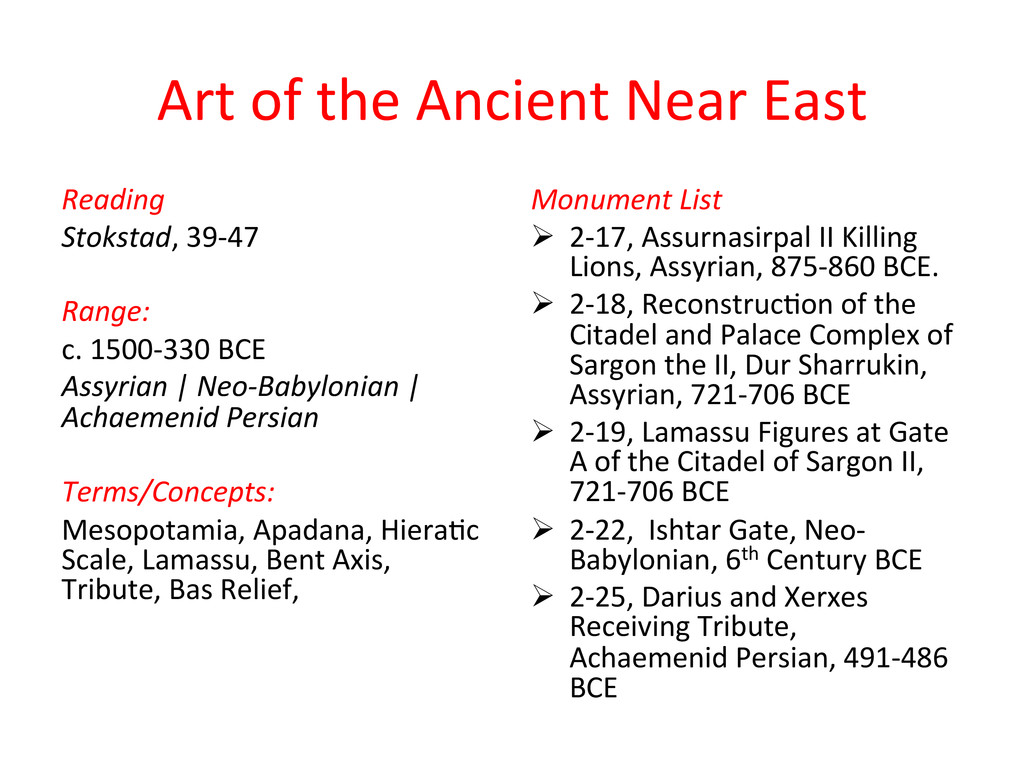
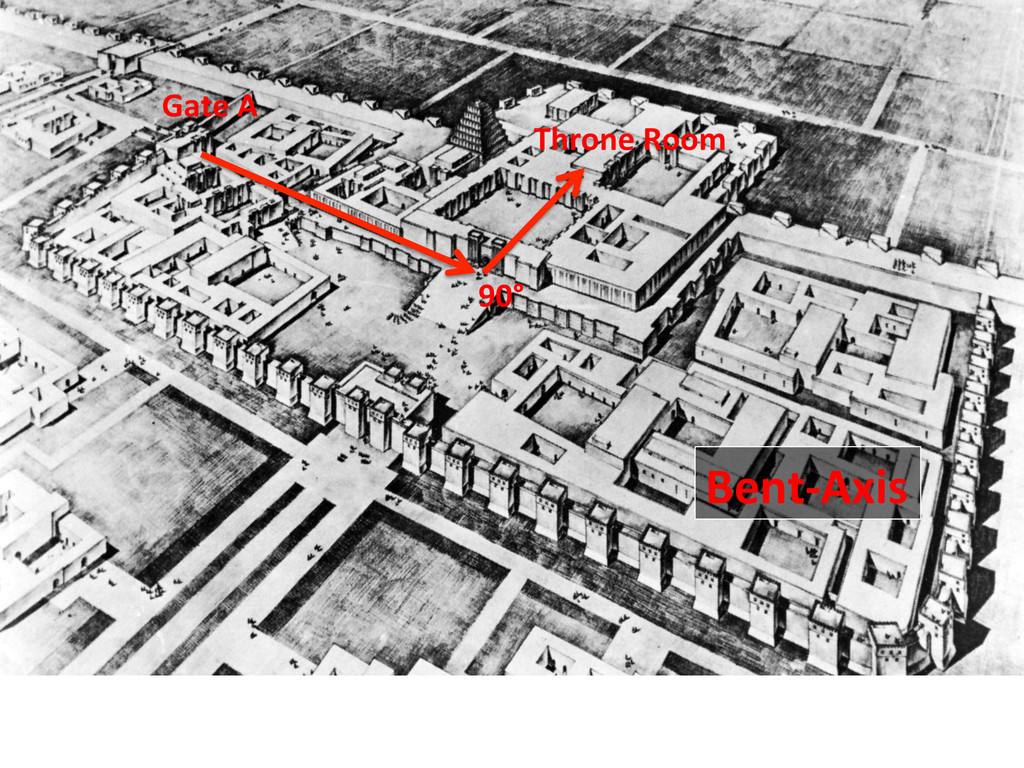
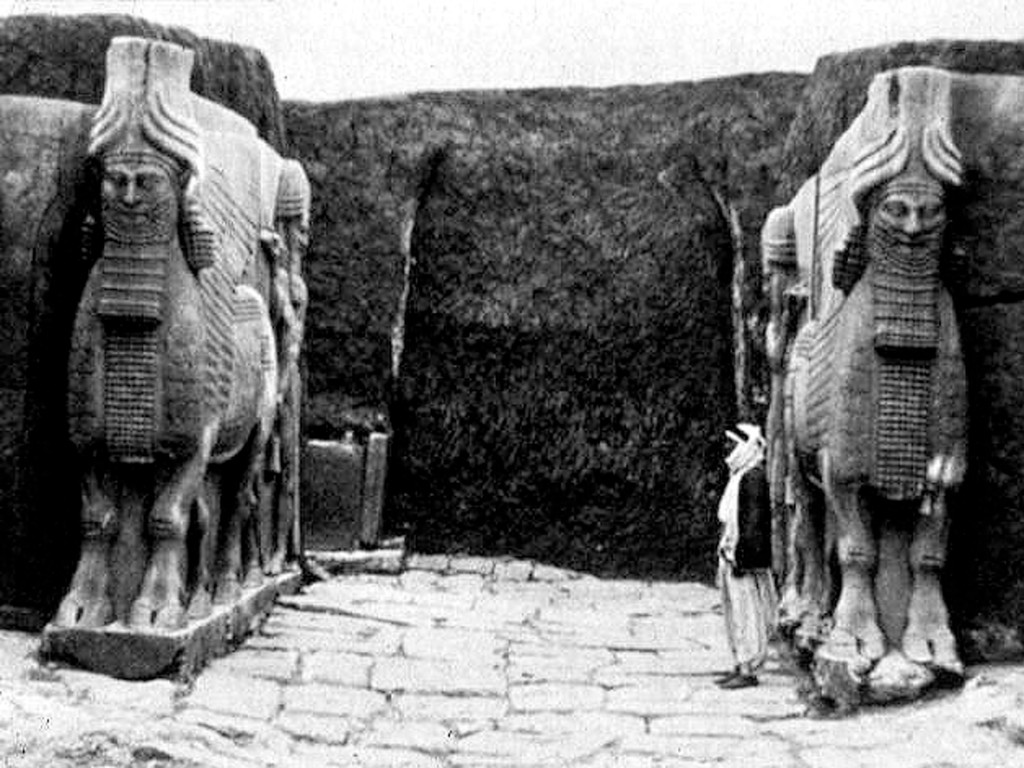
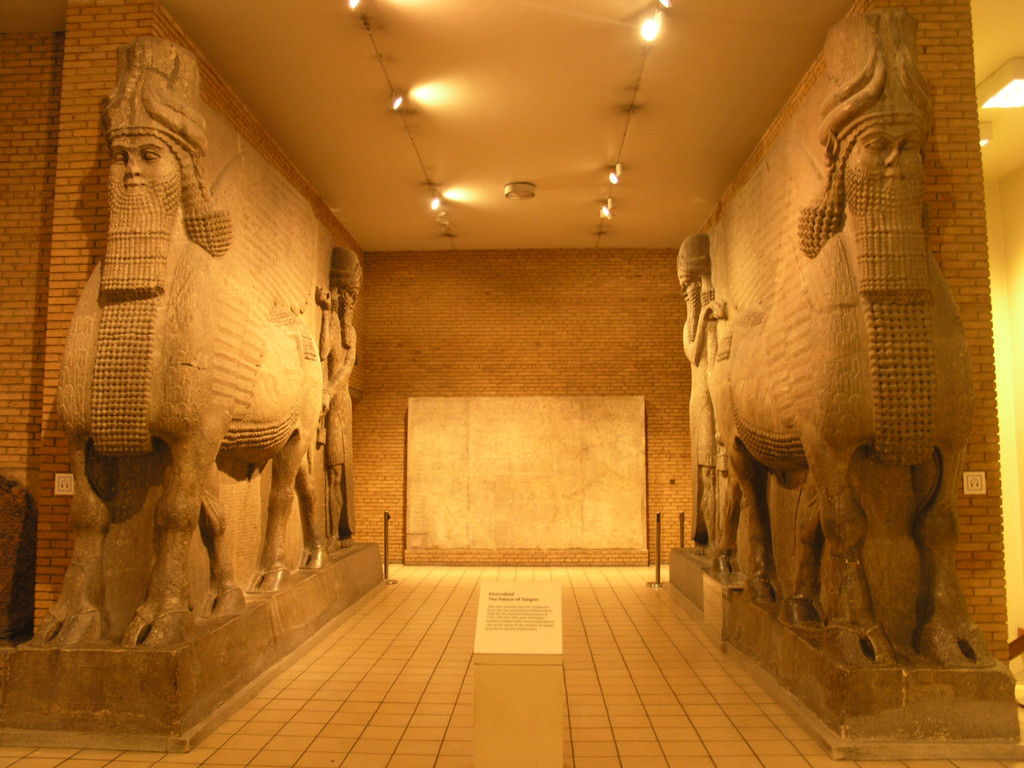
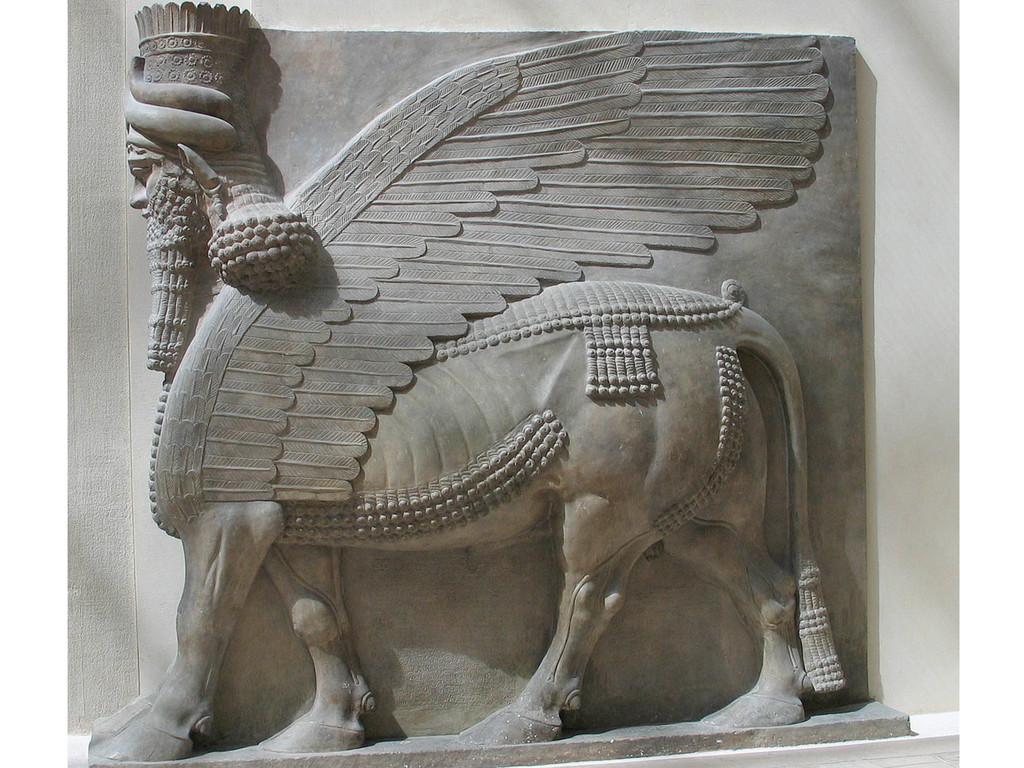
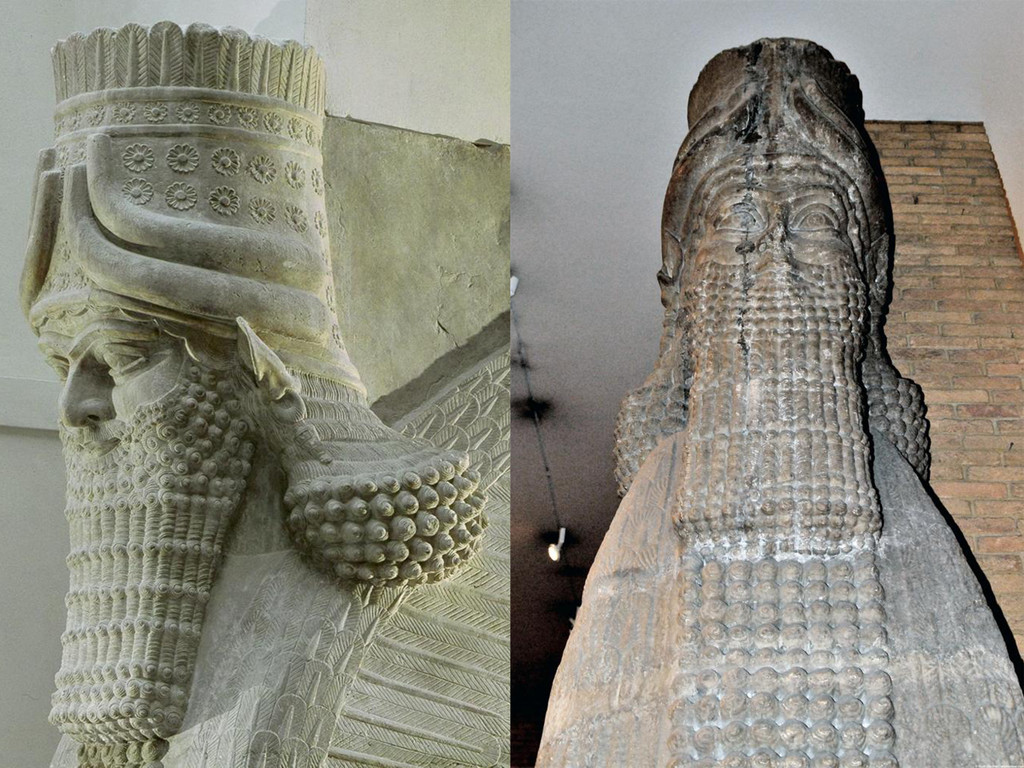
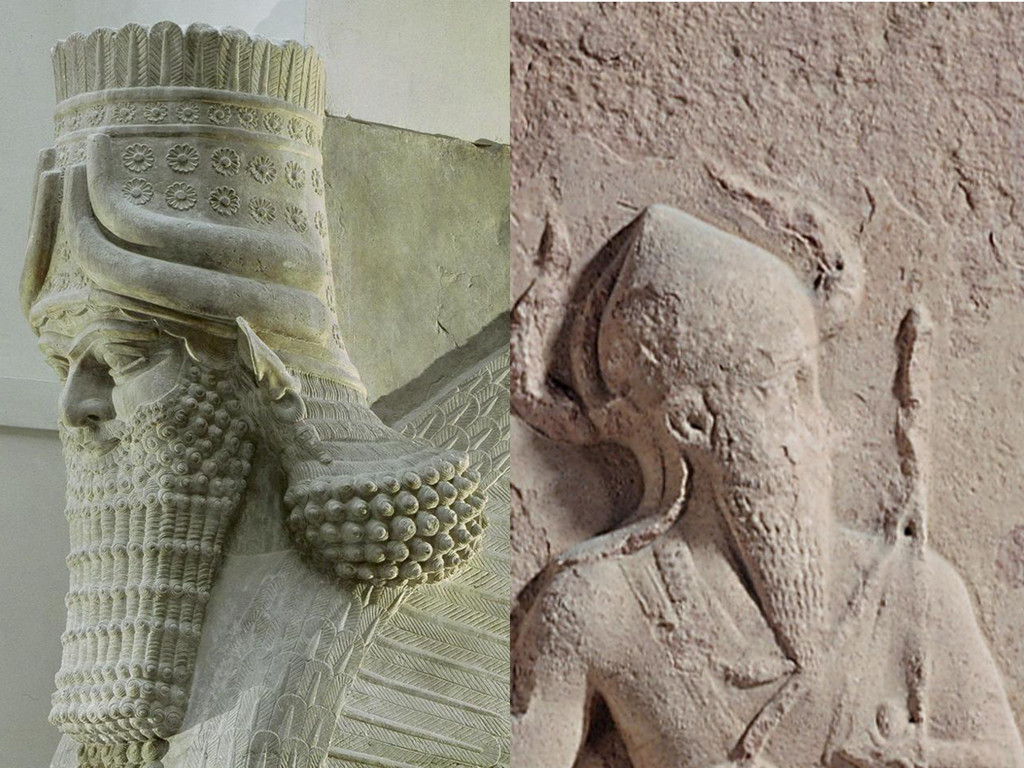
39-‐47 Range: c. 1500-‐330 BCE Assyrian | Neo-‐Babylonian | Achaemenid Persian Terms/Concepts: Mesopotamia, Apadana, HieraAc Scale, Lamassu, Bent Axis, Tribute, Bas Relief, Monument List 2-‐17, Assurnasirpal II Killing Lions, Assyrian, 875-‐860 BCE. 2-‐18, ReconstrucAon of the Citadel and Palace Complex of Sargon the II, Dur Sharrukin, Assyrian, 721-‐706 BCE 2-‐19, Lamassu Figures at Gate A of the Citadel of Sargon II, 721-‐706 BCE 2-‐22, Ishtar Gate, Neo-‐ Babylonian, 6th Century BCE 2-‐25, Darius and Xerxes Receiving Tribute, Achaemenid Persian, 491-‐486 BCE
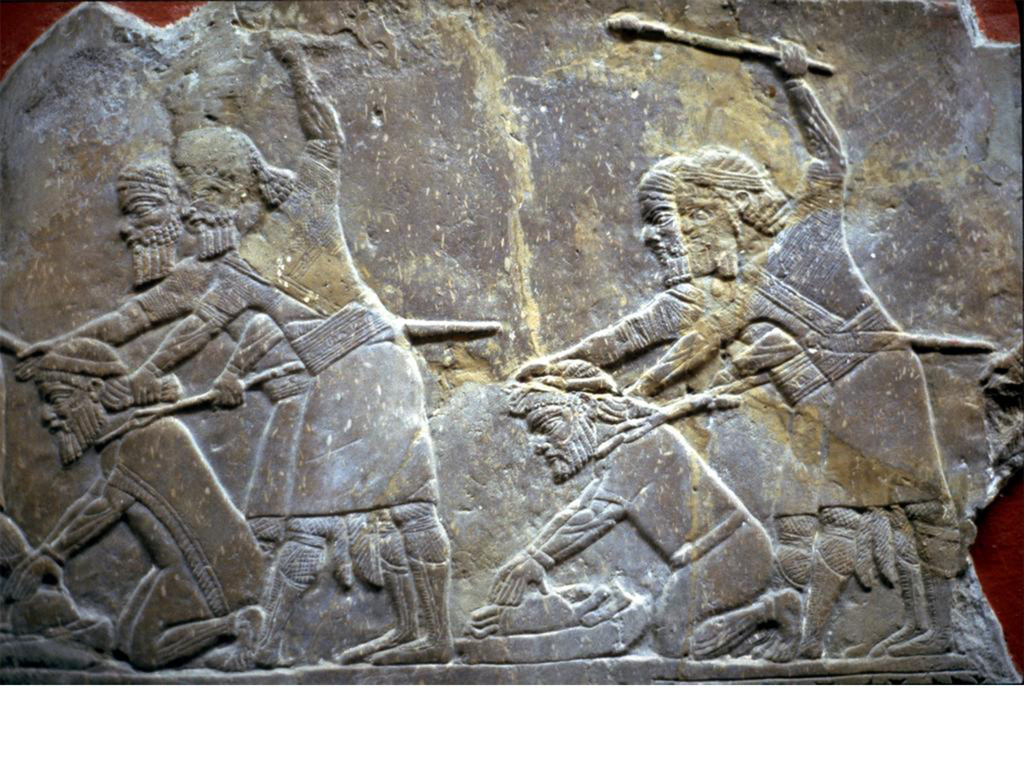
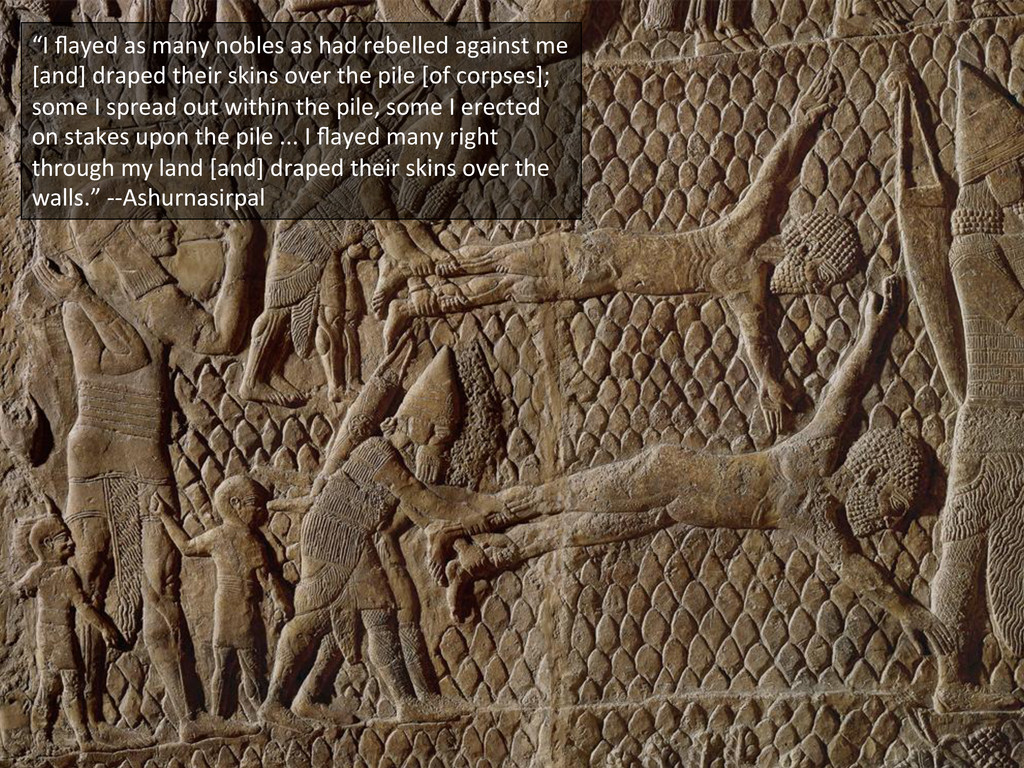
[and] draped their skins over the pile [of corpses]; some I spread out within the pile, some I erected on stakes upon the pile ... I flayed many right through my land [and] draped their skins over the walls.” -‐-‐Ashurnasirpal
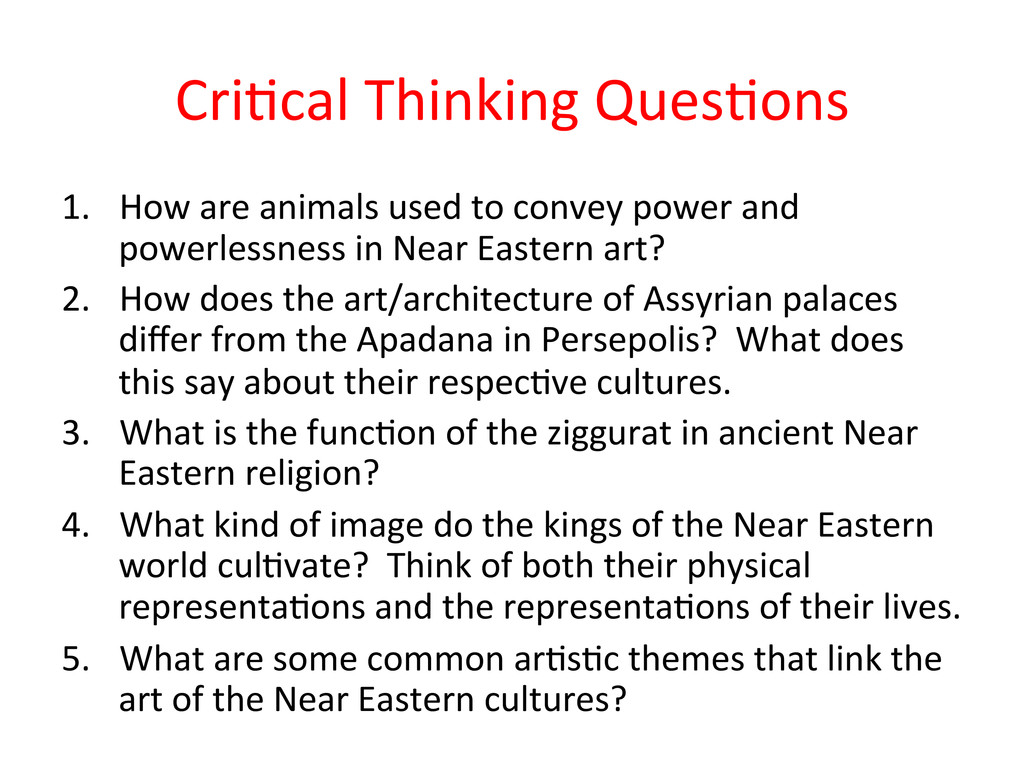
convey power and powerlessness in Near Eastern art? 2. How does the art/architecture of Assyrian palaces differ from the Apadana in Persepolis? What does this say about their respecAve cultures. 3. What is the funcAon of the ziggurat in ancient Near Eastern religion? 4. What kind of image do the kings of the Near Eastern world culAvate? Think of both their physical representaAons and the representaAons of their lives. 5. What are some common arAsAc themes that link the art of the Near Eastern cultures?

 Your Podcast. Everywhere. Effortlessly.


 nichsara
 swwweet
 bkeepers
 kastner
 smashingmag
 rakko
rakko
 aleyda
 sarafernandez
 rkendrick25
 csswizardry
 marktimemedia
 productmarketing
 sstephenson
![“I captured soldiers alive [and] erected [them] on stakes](https://files.speakerdeck.com/presentations/358a43b048aa0130622912313819673f/slide_9.jpg)