Upgrade to Pro — share decks privately, control downloads, hide ads and more …

Machine Learning Based Digital Intelligence for...

Machine Learning Based Digital Intelligence for MultiCloud

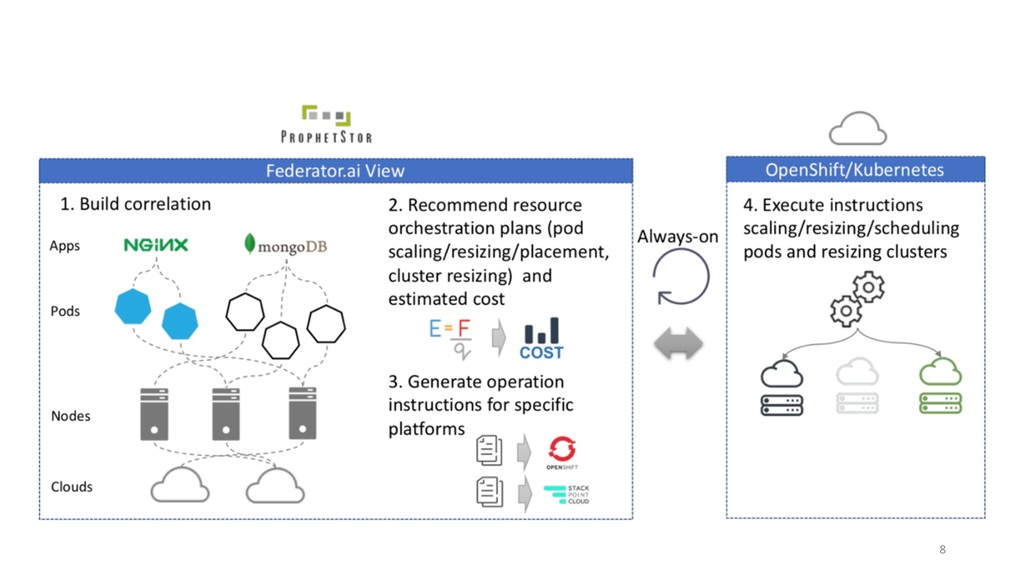
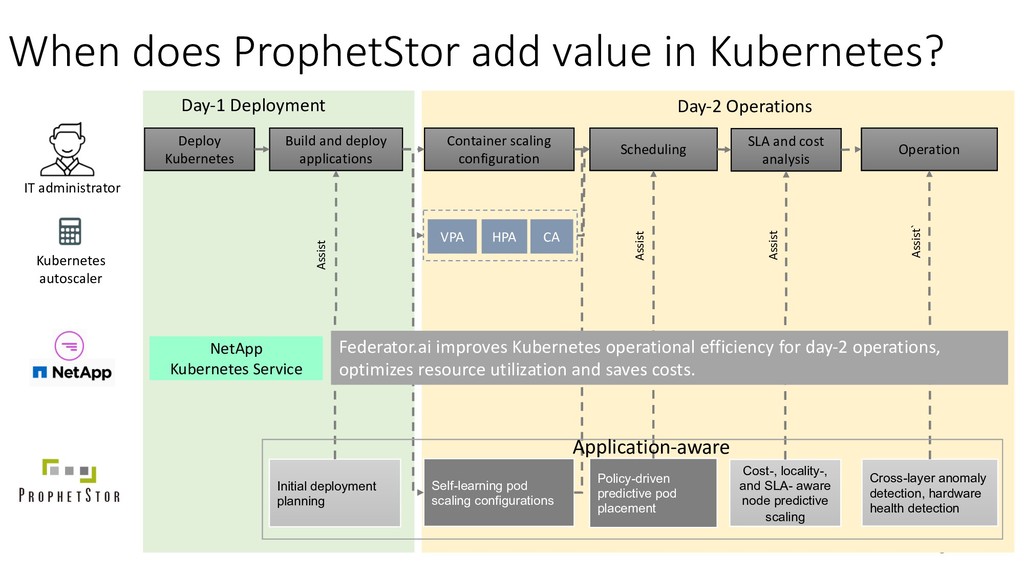
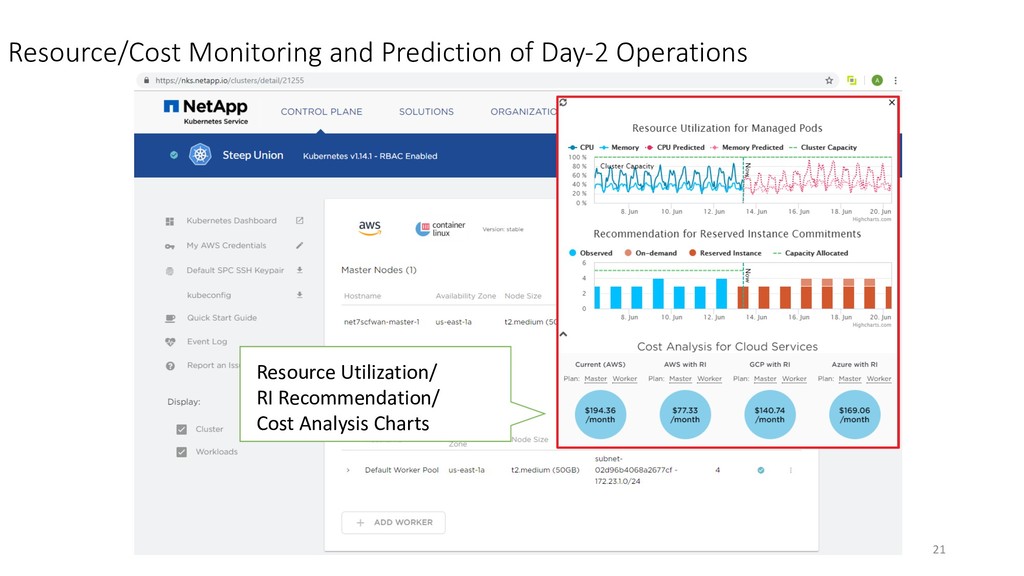
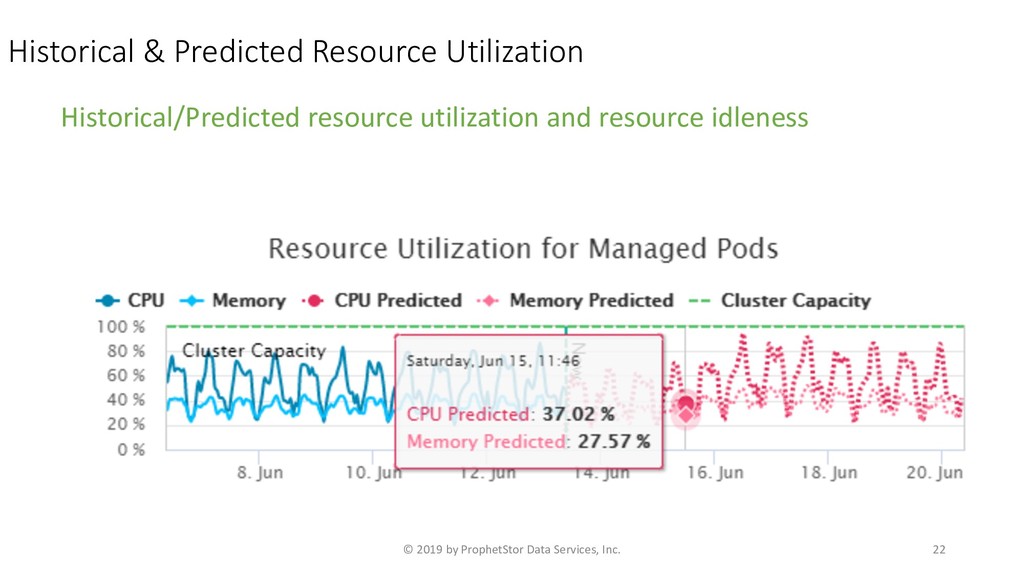
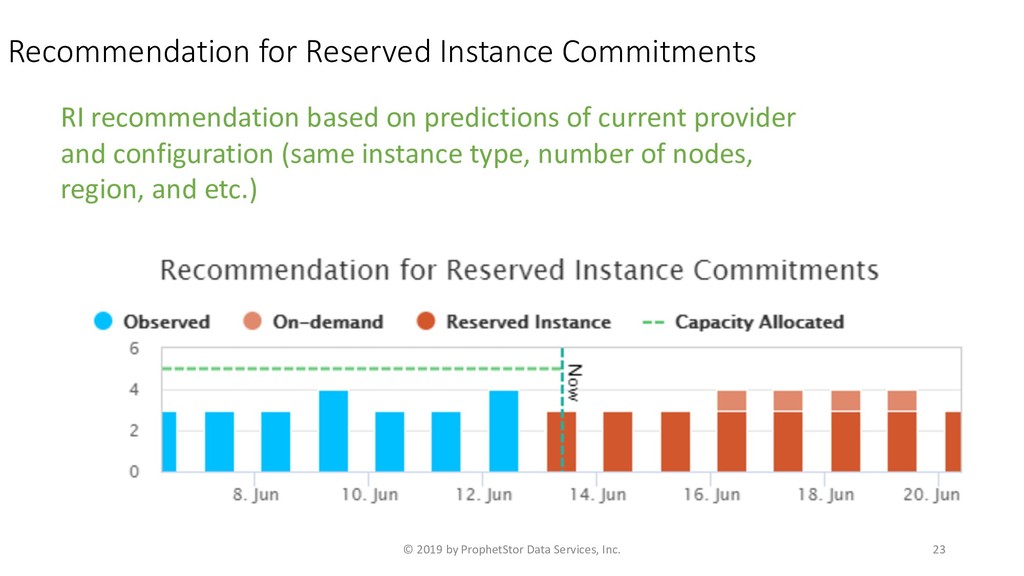
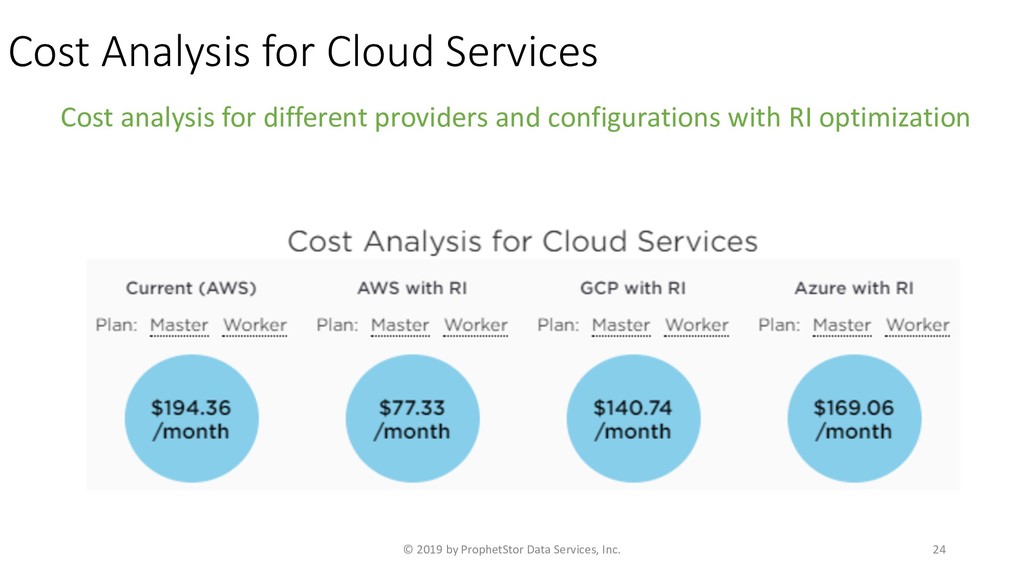
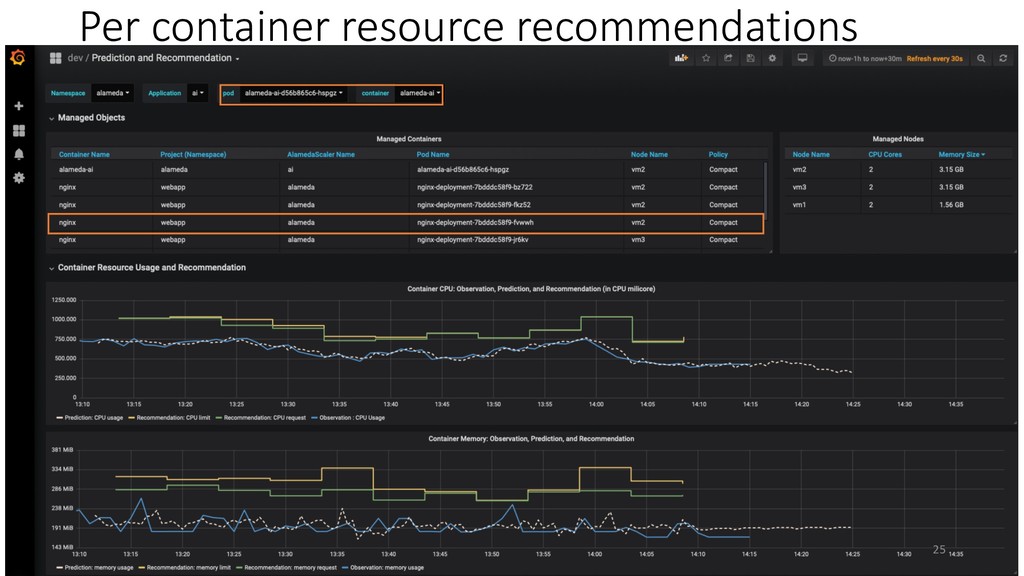
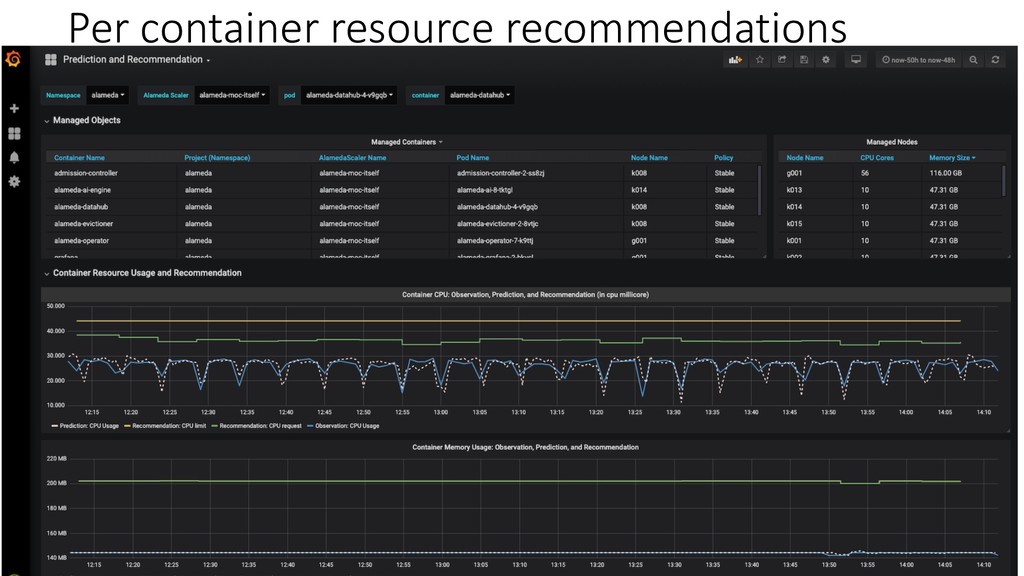
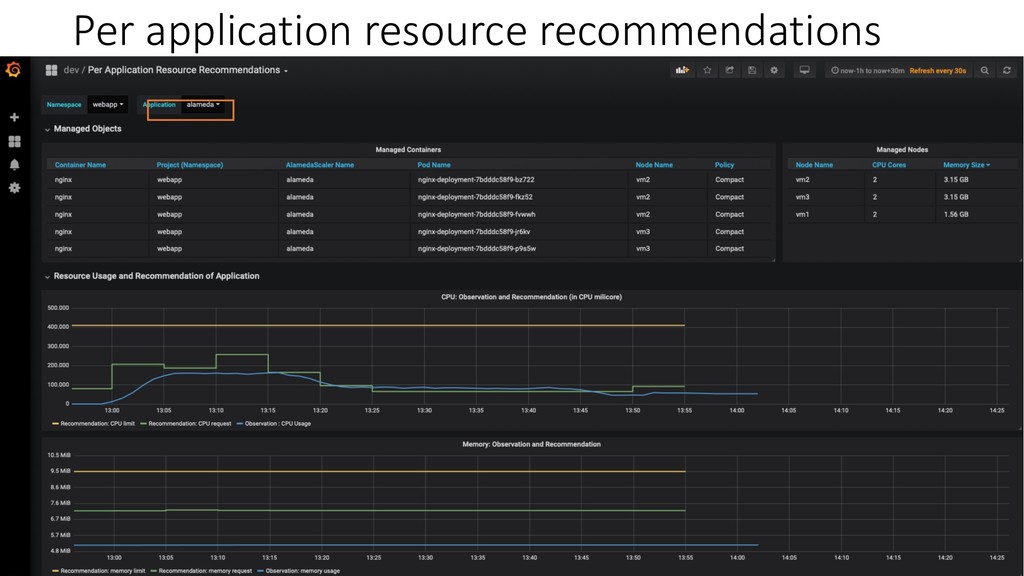
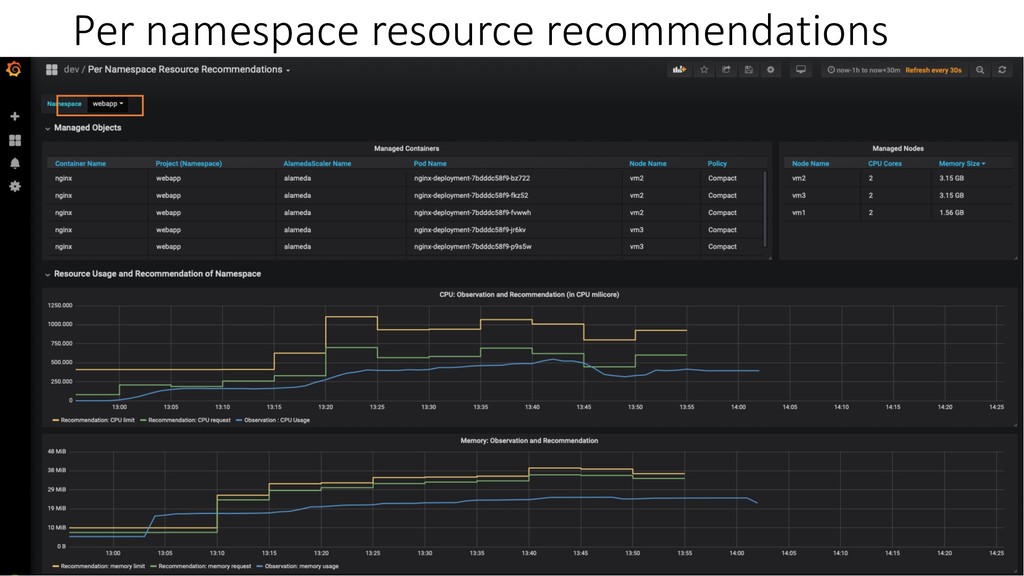
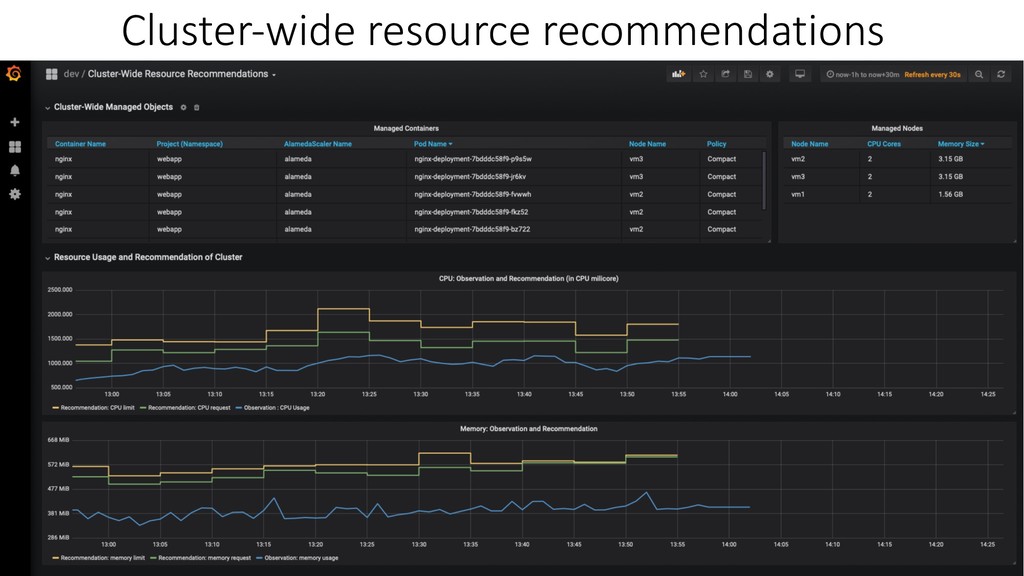
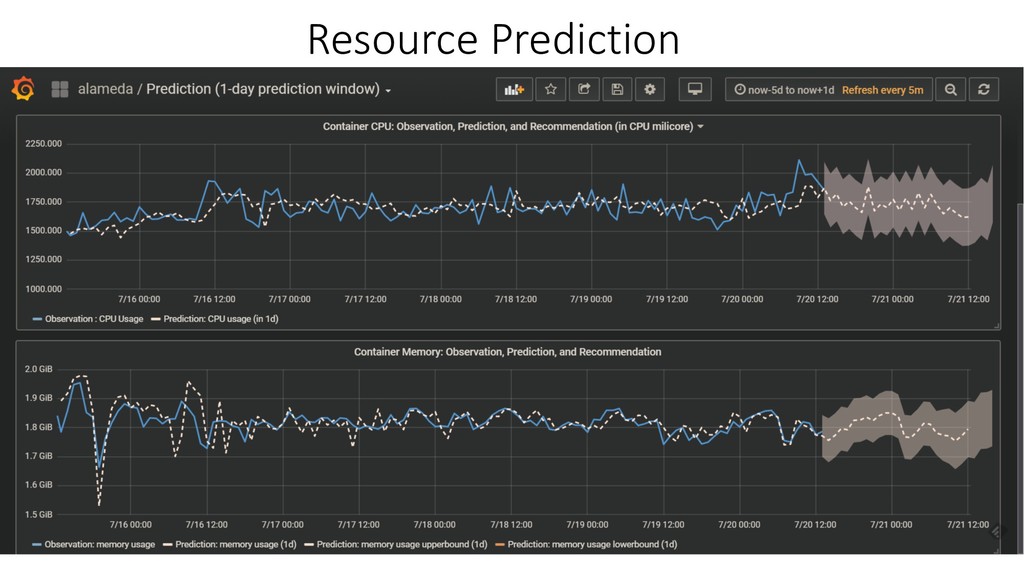
In Kubernetes (K8s), after Day 1 Deployment, we need to consider the requirements from Day 2. Machine Learning Workload prediction can help us to optimize the user experience, minimize the cost, and enhance the utilization.

We are working on Federator.ai to deliver a solution for:

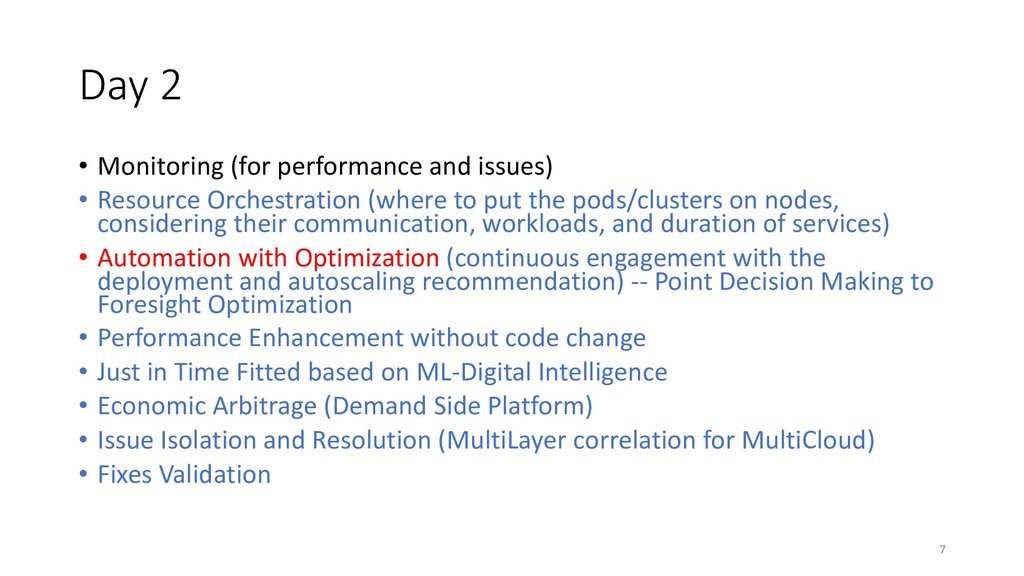
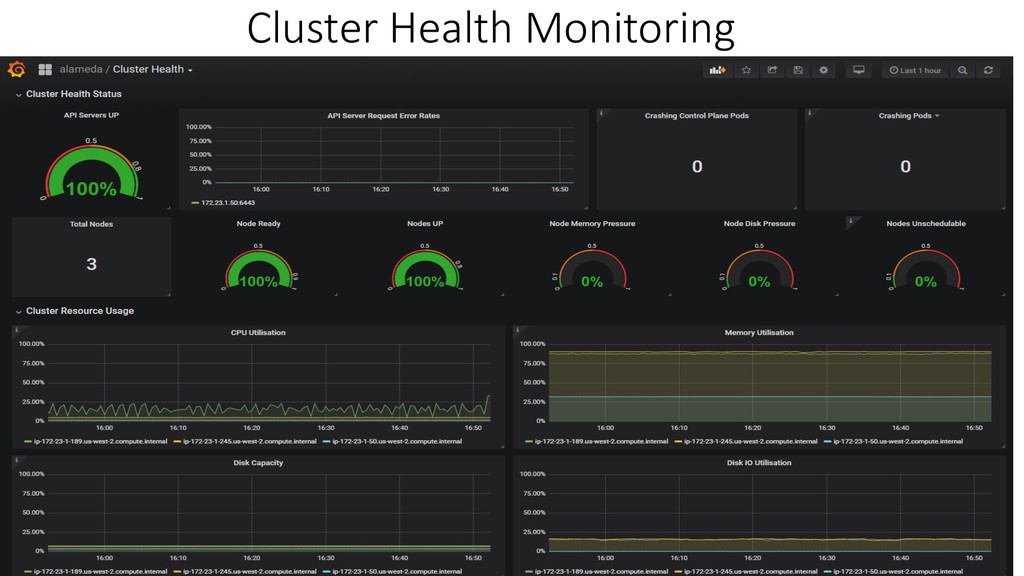
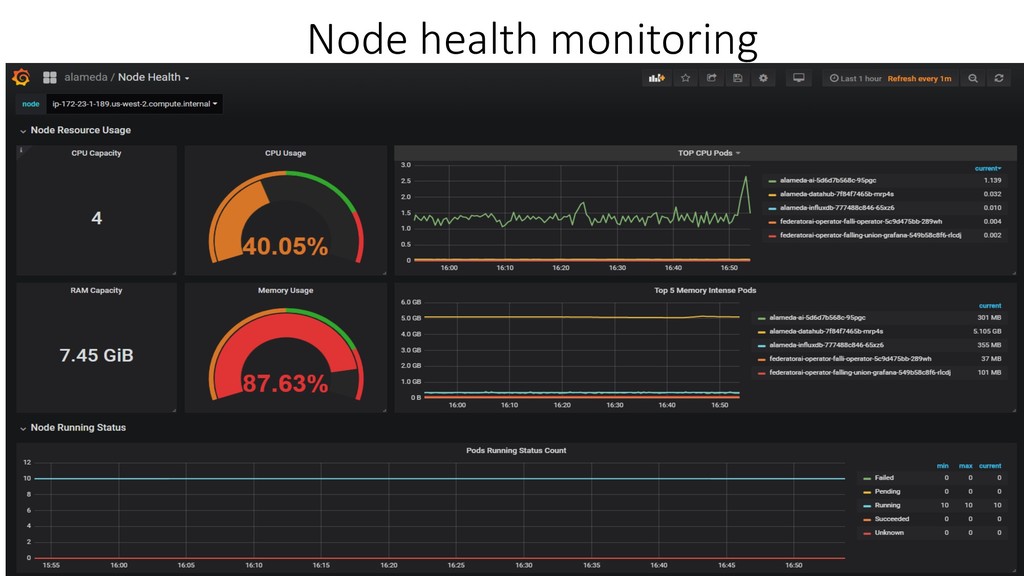
Monitoring (for performance and issues)
Resource Orchestration (where to put the pots/clusters on nodes, considering their communication, workloads, and duration of services)
Automation with Optimization (continuous engagement with the deployment and autoscaling recommendation) -- Point Decision Making to Foresight Optimization
Performance Enhancement without code change
Just in Time Fitted based on ML-Digital Intelligence
Economic Arbitrage (Demand Side Platform)
Issue Isolation and Resolution (MultiLayer correlation for MultiCloud)
Fixes Validation

Avatar for Eric Chen

Eric Chen

July 24, 2019

Other Decks in Technology

Transcript

  1. Day$2 • Monitoring((for(performance(and(issues) • Resource(Orchestration((where(to(put(the(pods/clusters)on)nodes,) considering*their*communication,*workloads,*and*duration*of*services) • Automation)with)Optimization)(continuous)engagement)with)the) deployment*and*autoscaling*recommendation)*!! Point&Decision&Making&to&

    Foresight*Optimization • Performance*Enhancement*without*code*change • Just%in%Time%Fitted%based%on%ML!Digital'Intelligence • Economic'Arbitrage'(Demand'Side'Platform) • Issue%Isolation%and%Resolution%(MultiLayer correlation*for*MultiCloud) • Fixes&Validation& 7
  2. 8

  3. 9 When%does%ProphetStor%add%value%in%Kubernetes? Build&and&deploy& applications SLA$and$cost$ analysis Deploy' Kubernetes Operation Container)scaling)

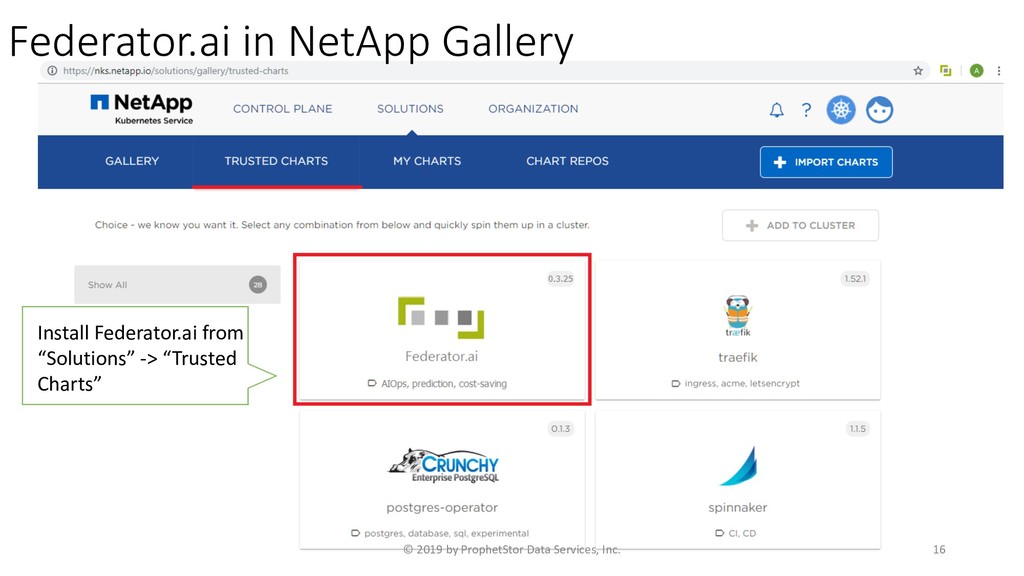
    configuration Scheduling Initial'deployment' planning Self!learning(pod( scaling(configurations Policy!driven' predictive)pod) placement Cross!layer&anomaly& detection,)hardware) health&detection Kubernetes) autoscaler IT#administrator VPA CA HPA Assist Assist` Day!1"Deployment Day!2"Operations Cost!,"locality!," and$SLA! aware% node%predictive% scaling Assist Assist Application!aware NetApp& Kubernetes)Service Federator.ai*improves*Kubernetes*operational*efficiency*for*day!2"operations," optimizes)resource)utilization)and)saves)costs.)
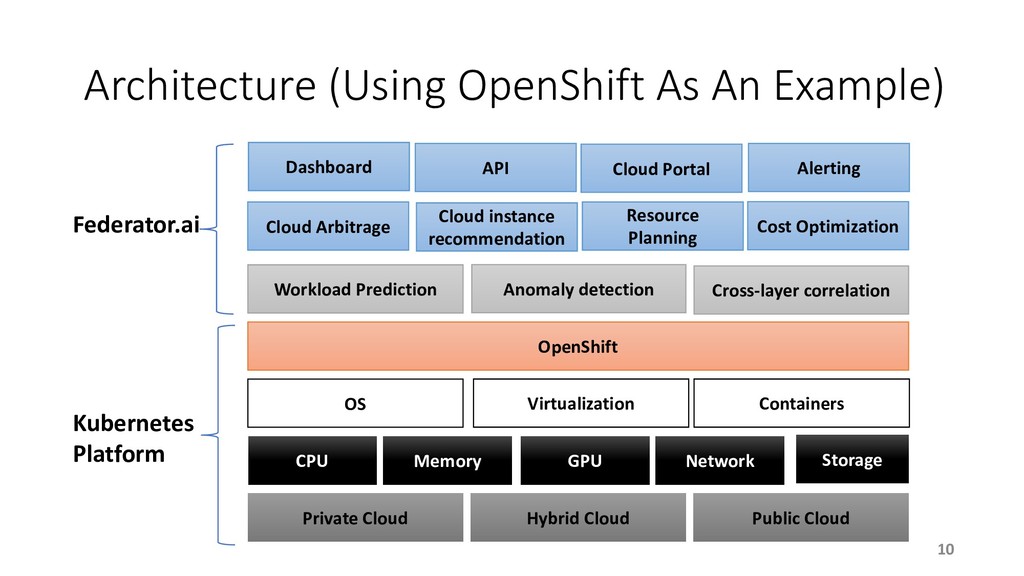
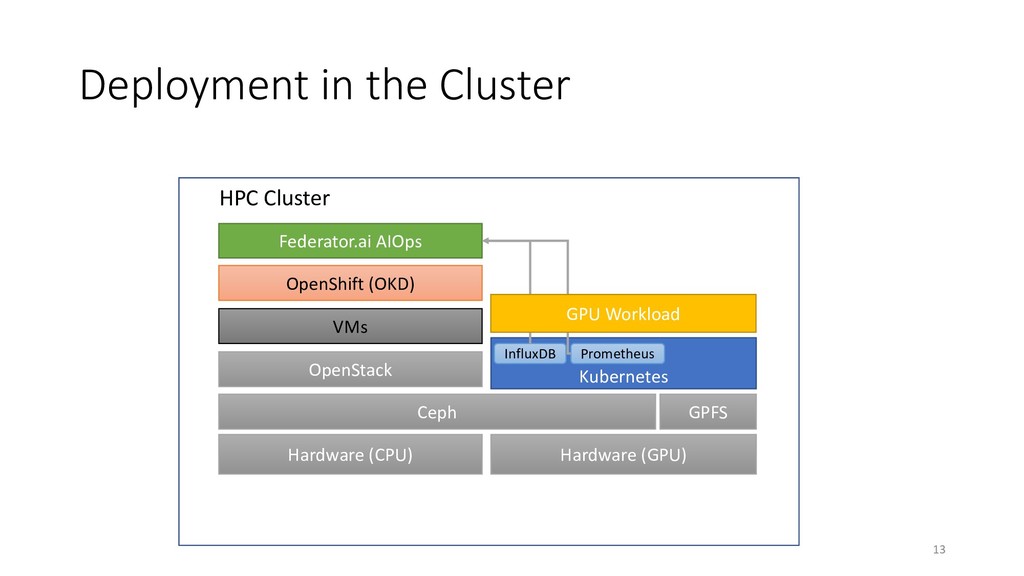
  4. Architecture)(Using)OpenShift)As)An)Example) OS Virtualization Containers OpenShift CPU Memory GPU Network Storage

    Private(Cloud Hybrid'Cloud Public'Cloud Workload(Prediction Anomaly(detection Cross!layer&correlation Cloud&Arbitrage Cloud&instance& recommendation Resource( Planning Cost%Optimization% Dashboard API Cloud&Portal Alerting Federator.ai Kubernetes) Platform 10
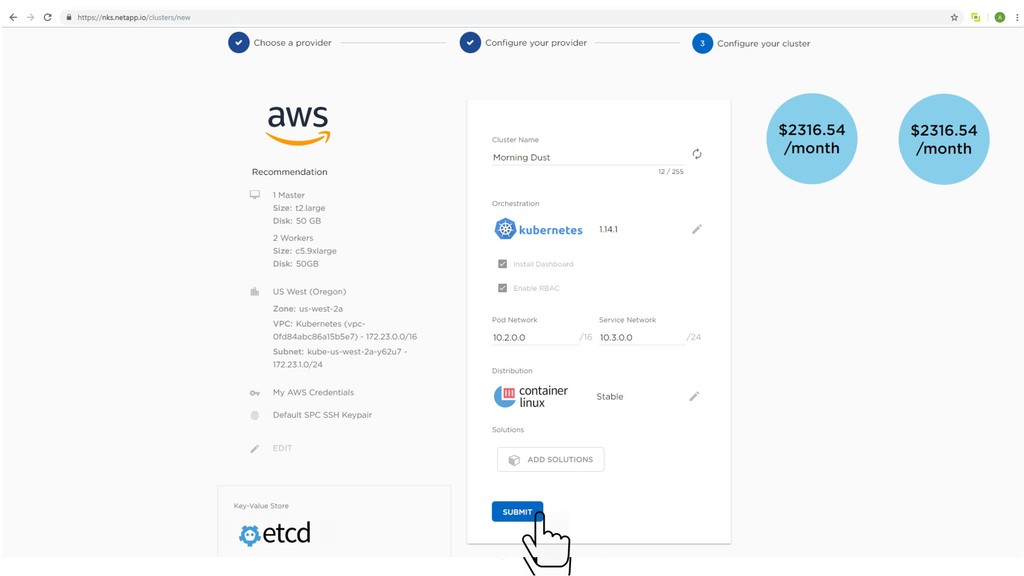
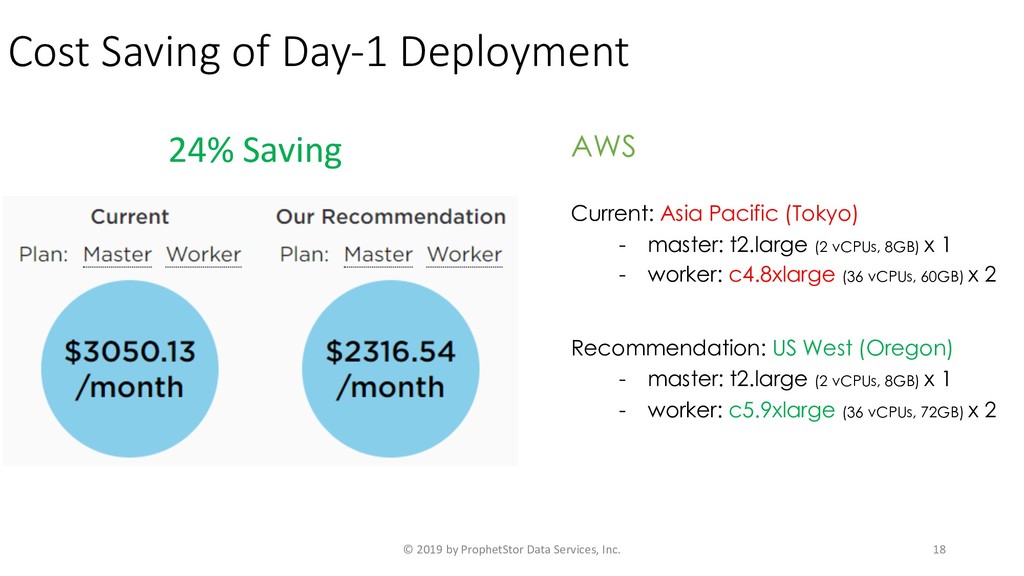
  5. ©"2019"by"ProphetStor"Data"Services,"Inc. 18 Cost%Saving%of%Day!1"Deployment AWS Current: Asia Pacific (Tokyo) - master:

    t2.large (2 vCPUs, 8GB) x 1 - worker: c4.8xlarge (36 vCPUs, 60GB) x 2 Recommendation: US West (Oregon) - master: t2.large (2 vCPUs, 8GB) x 1 - worker: c5.9xlarge (36 vCPUs, 72GB) x 2 24%$Saving
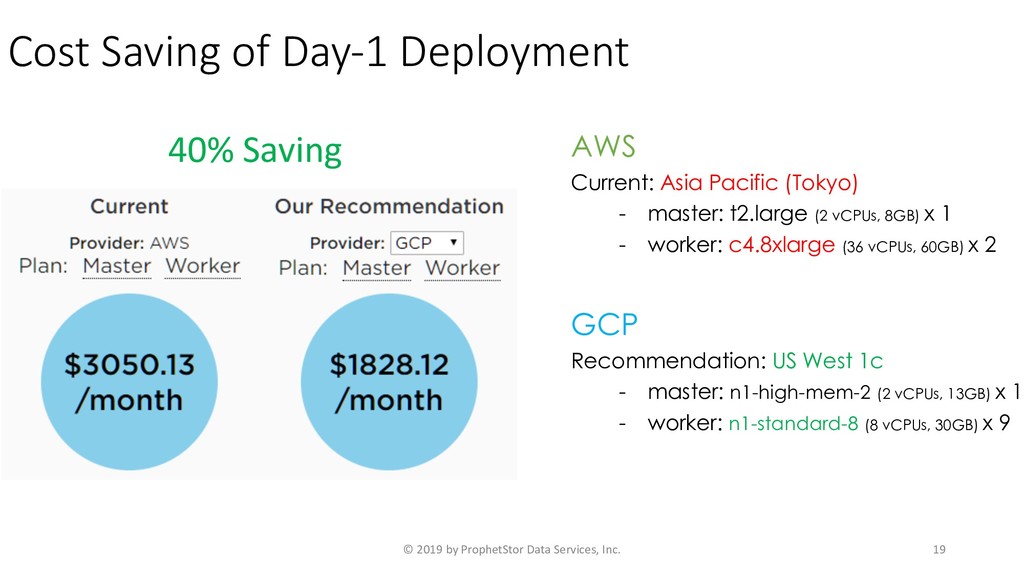
  6. ©"2019"by"ProphetStor"Data"Services,"Inc. 19 Cost%Saving%of%Day!1"Deployment AWS Current: Asia Pacific (Tokyo) - master:

    t2.large (2 vCPUs, 8GB) x 1 - worker: c4.8xlarge (36 vCPUs, 60GB) x 2 GCP Recommendation: US West 1c - master: n1-high-mem-2 (2 vCPUs, 13GB) x 1 - worker: n1-standard-8 (8 vCPUs, 30GB) x 9 40%$Saving
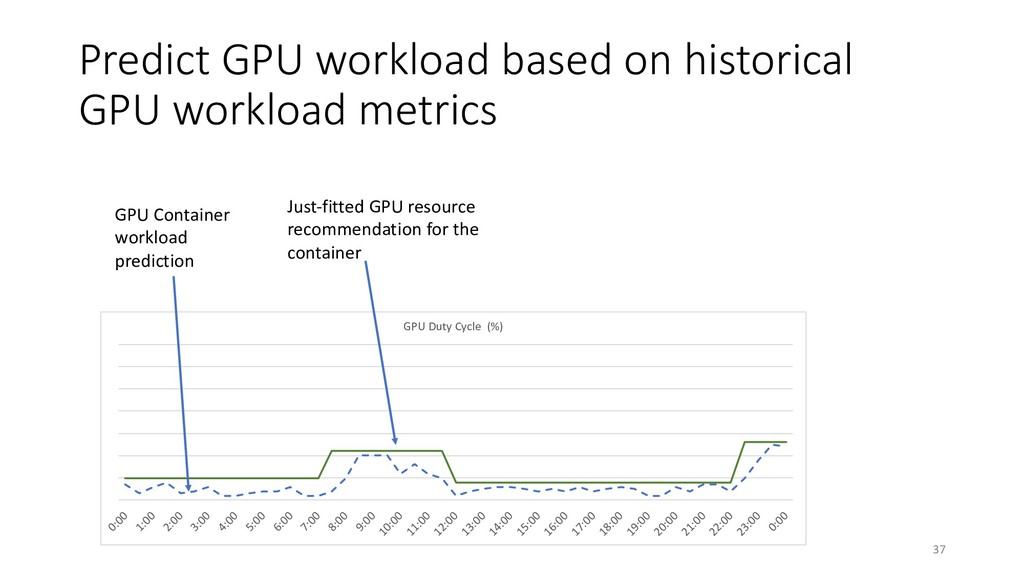
  7. Predict(GPU(workload(based(on(historical( GPU$workload$metrics 0:00 1:00 2:00 3:00 4:00 5:00 6:00 7:00

    8:00 9:00 10:00 11:00 12:00 13:00 14:00 15:00 16:00 17:00 18:00 19:00 20:00 21:00 22:00 23:00 0:00 GPU Duty Cycle (%) GPU$Container$ workload( prediction Just!fitted&GPU&resource& recommendation+for+the+ container 37