Slides presented at the 10th European Communication Conference (ECC), in Ljubljana (Slovenia), 27 September 2024.
This slide deck combines two separate conference submissions presented together, both drawing on the same underlying dataset but analyzing different dependent variables.
Conference paper I: "Telling or Told? The role of implicit and explicit media cues in the formation of perceived affective polarization in the debate about climate change mitigation" (Quirin Ryffel, Thomas Zerback, Alina Jakob, Nayla Fawzi)
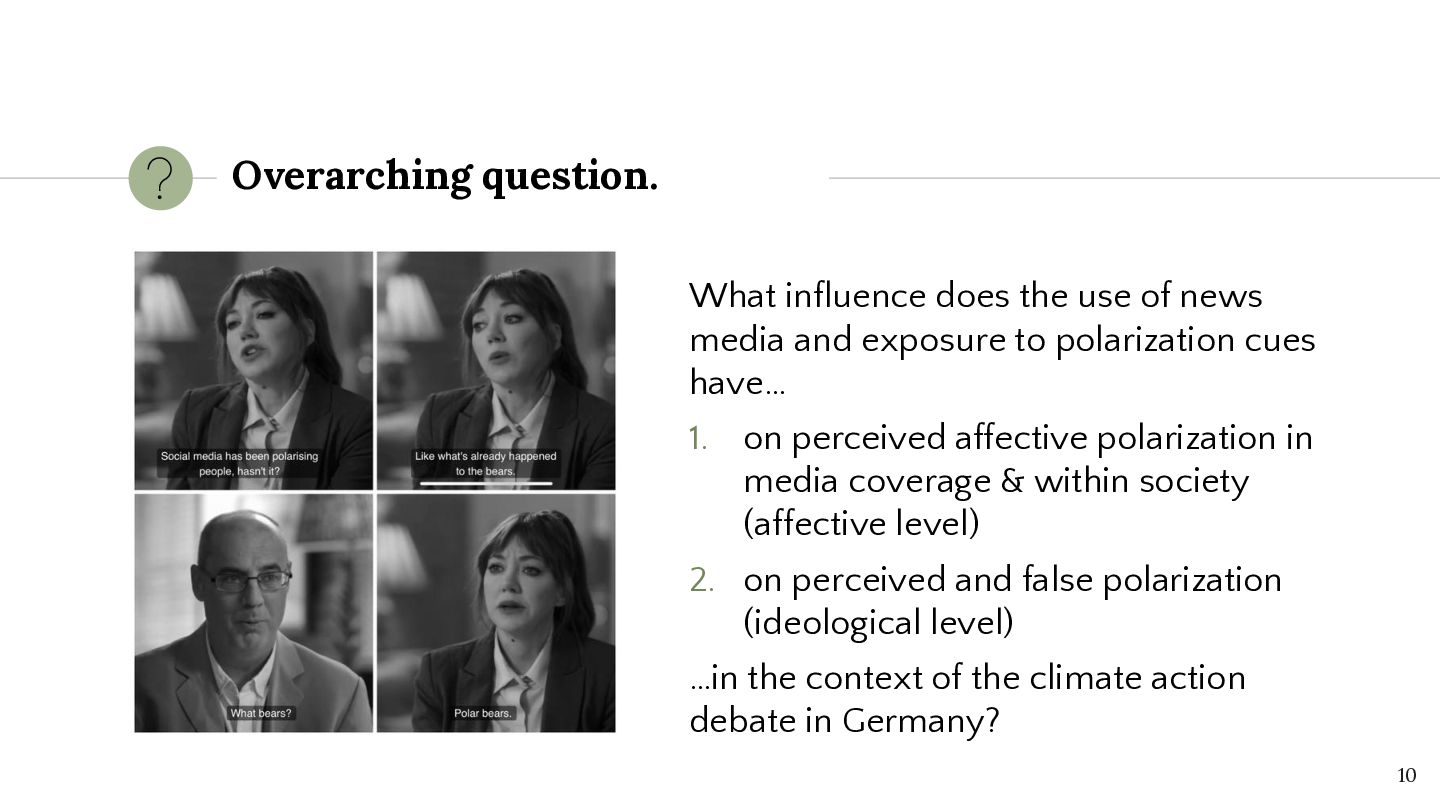
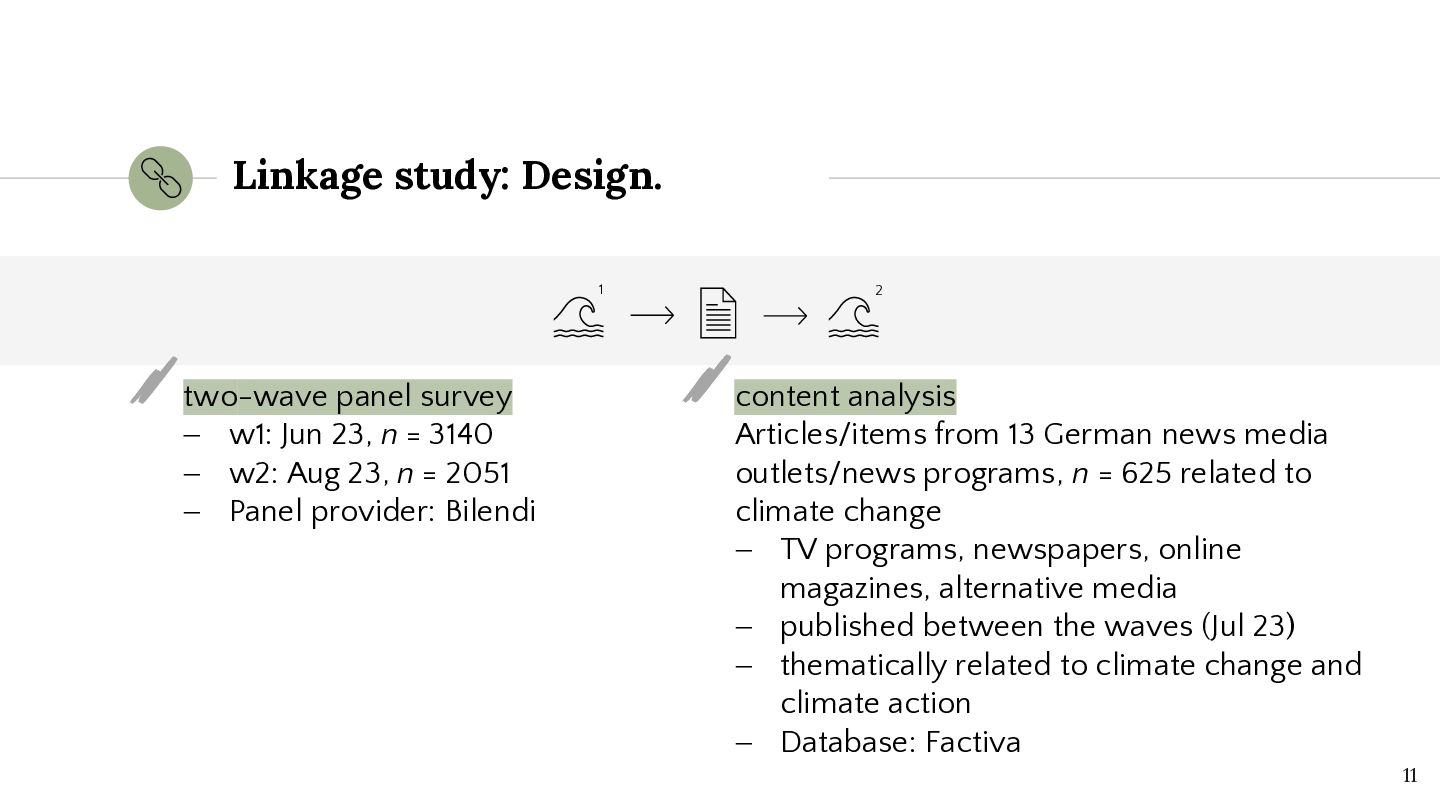
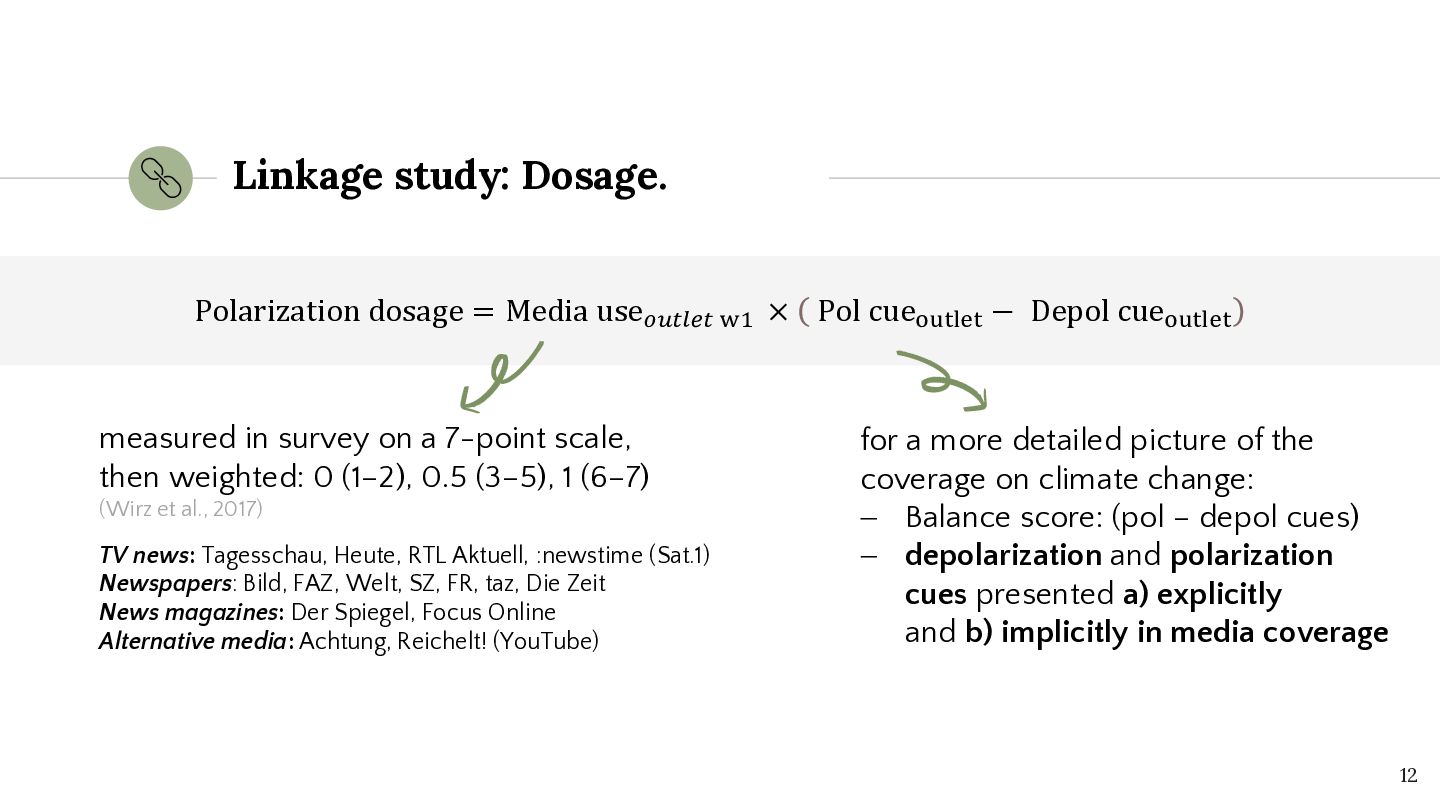
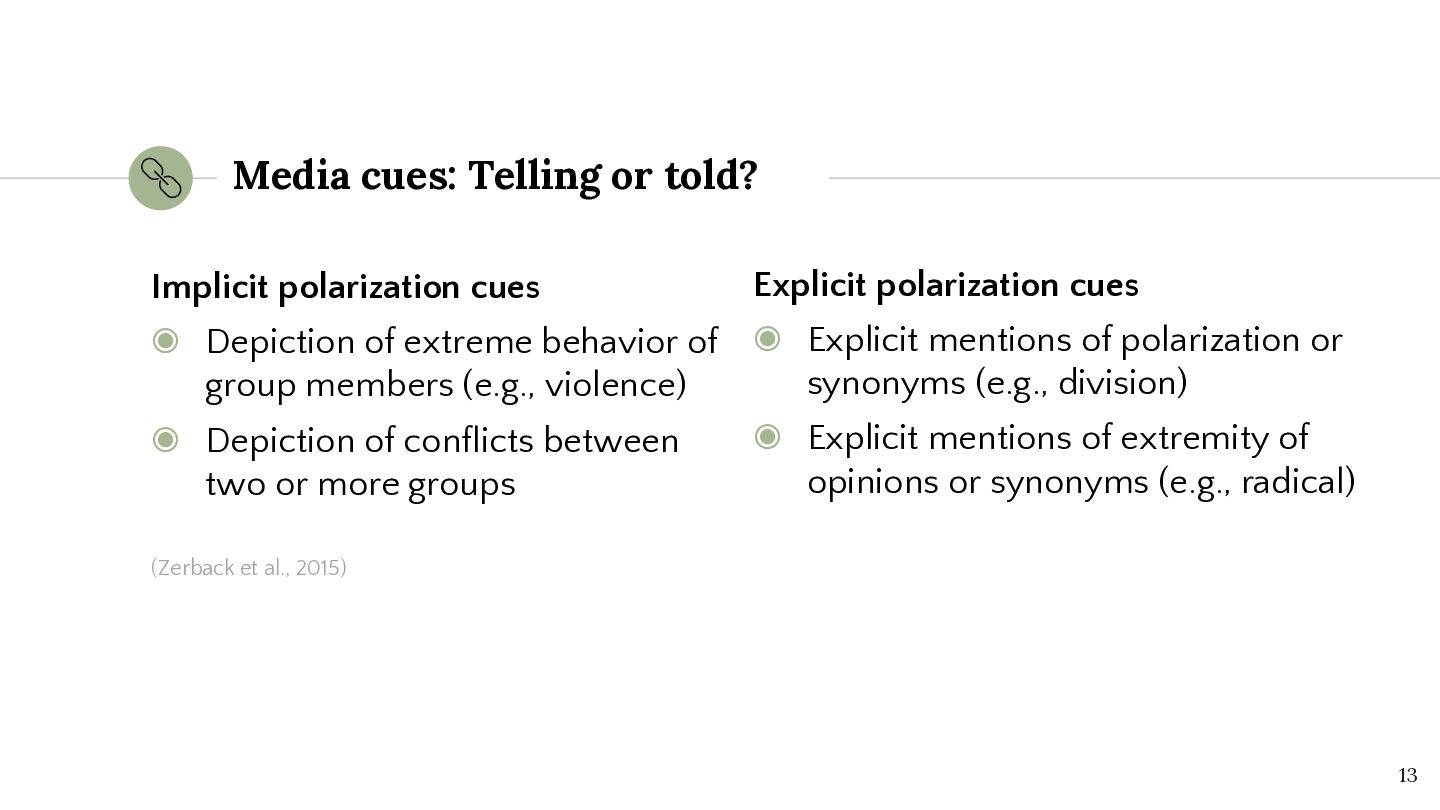
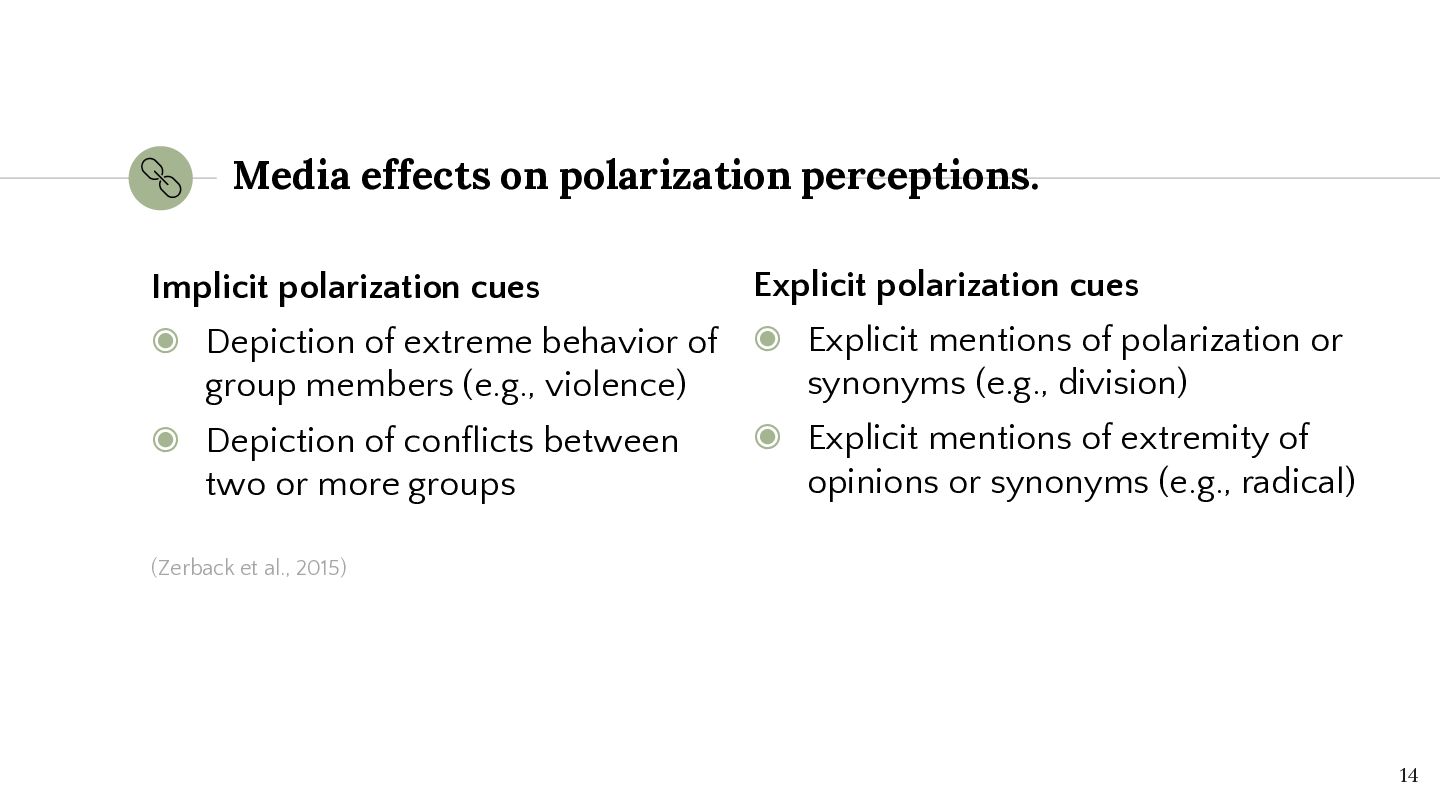
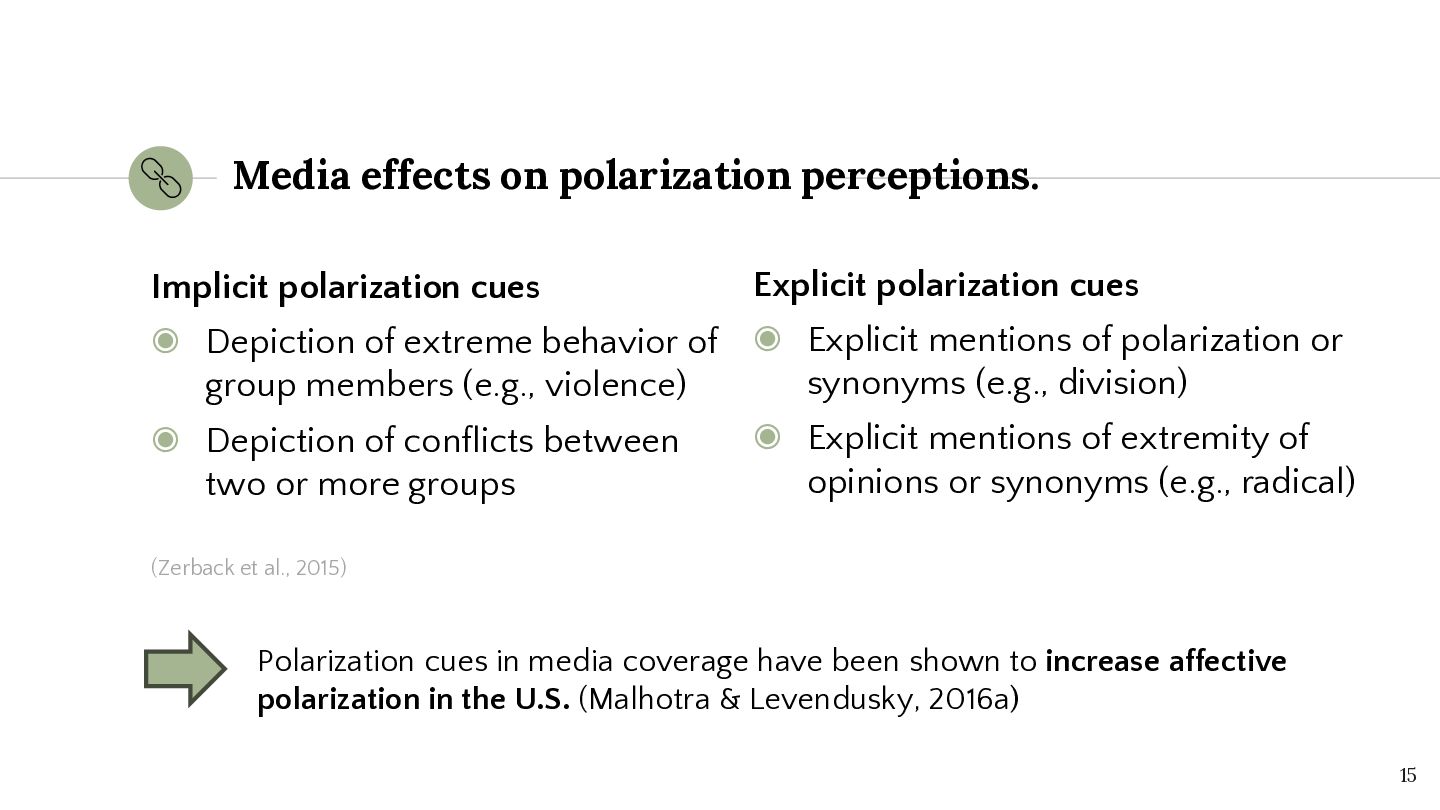
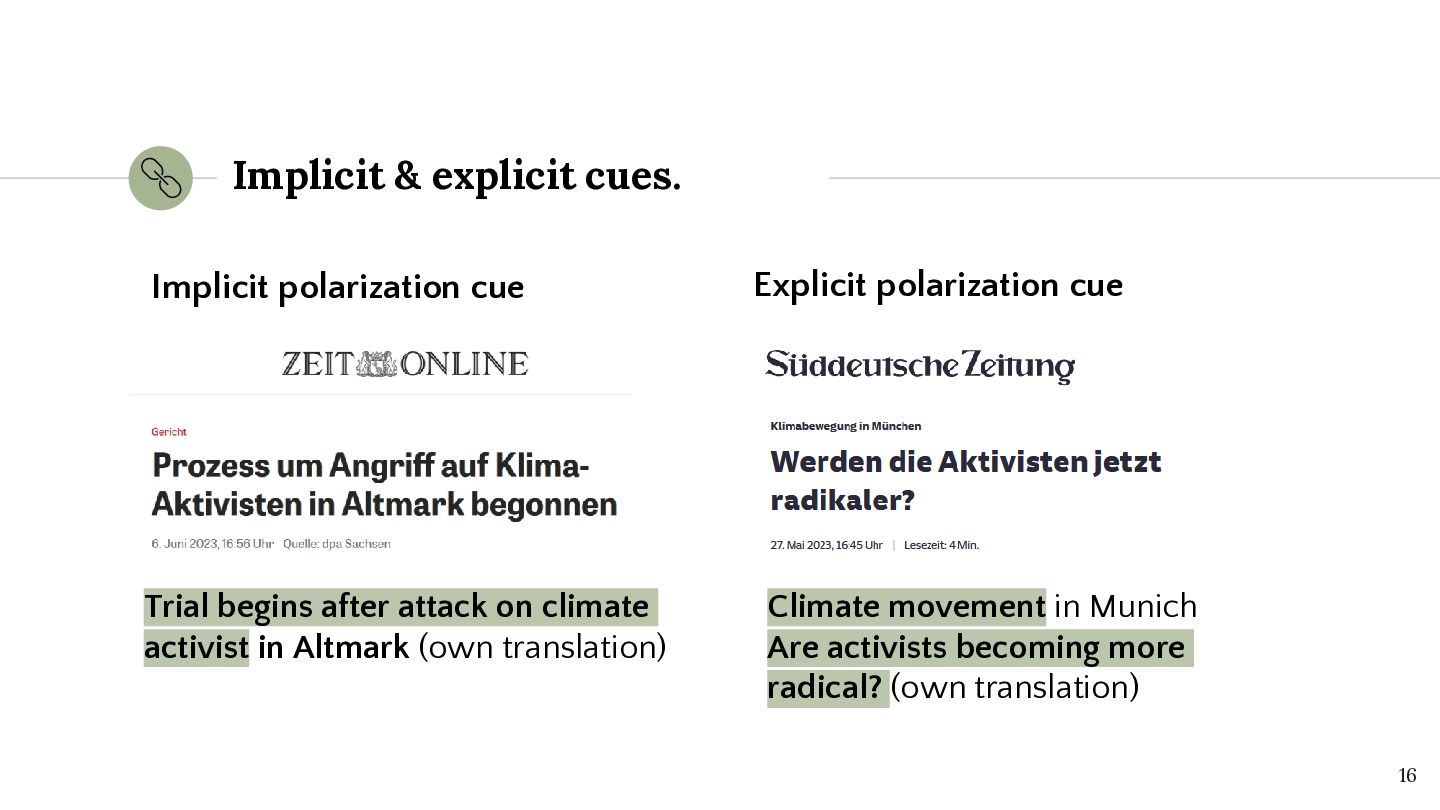
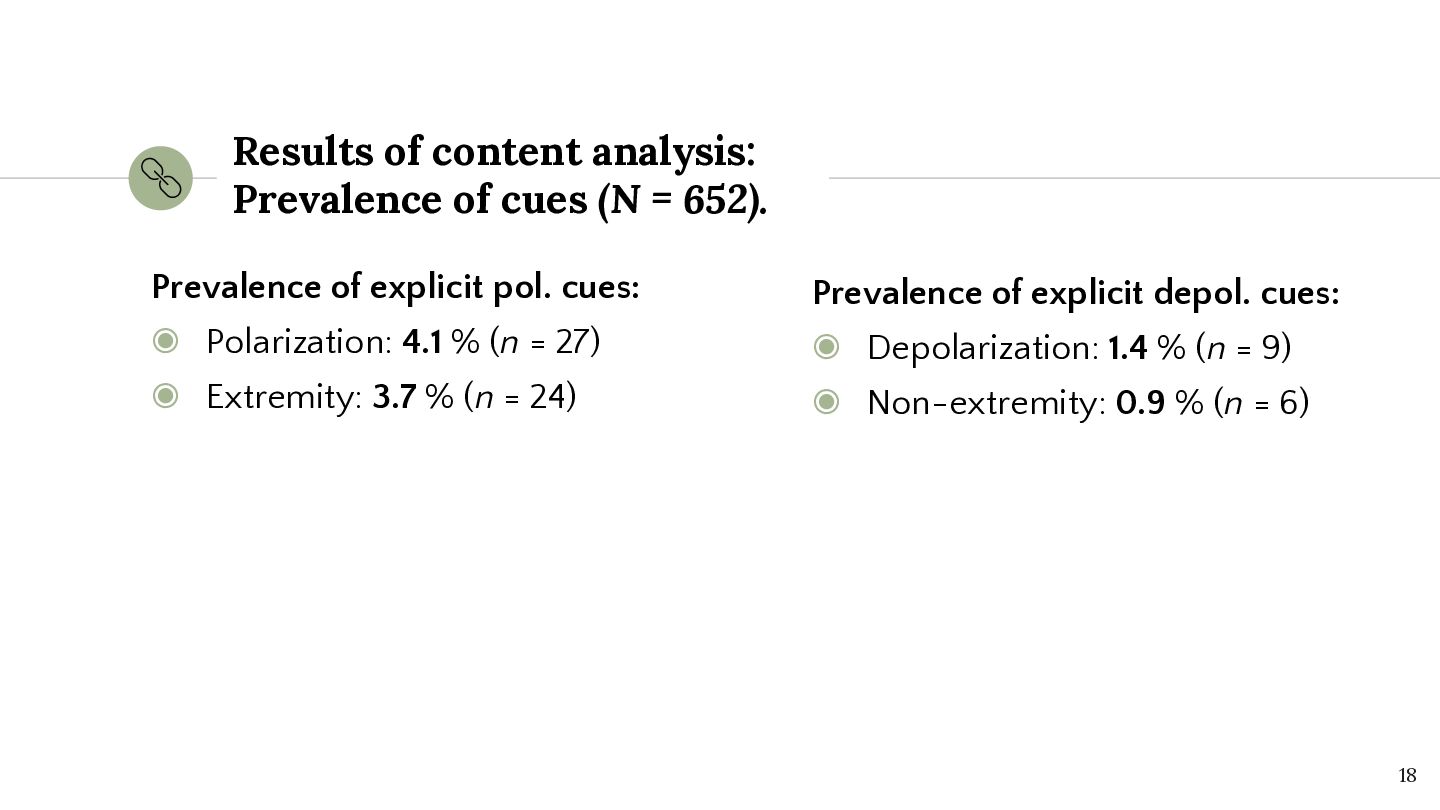
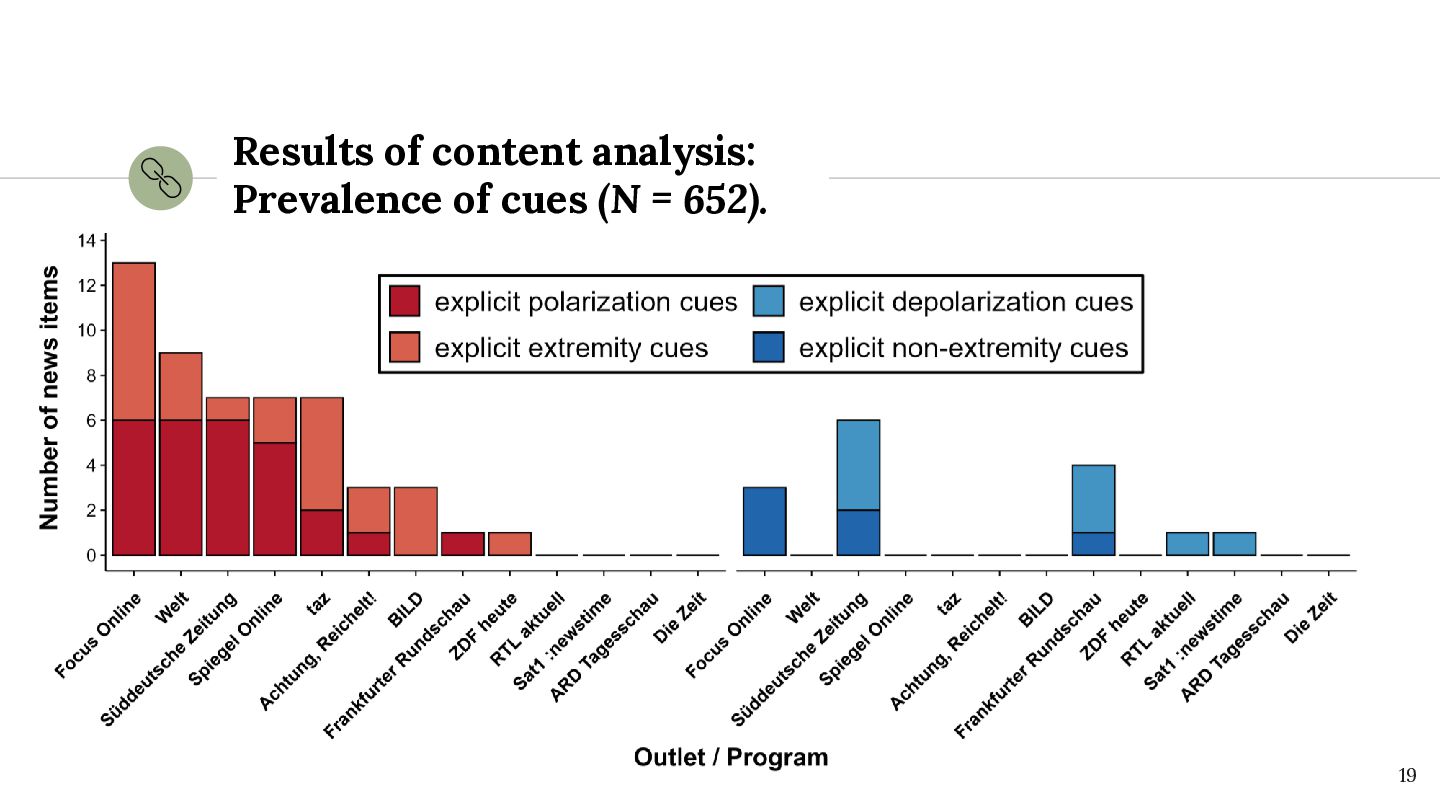
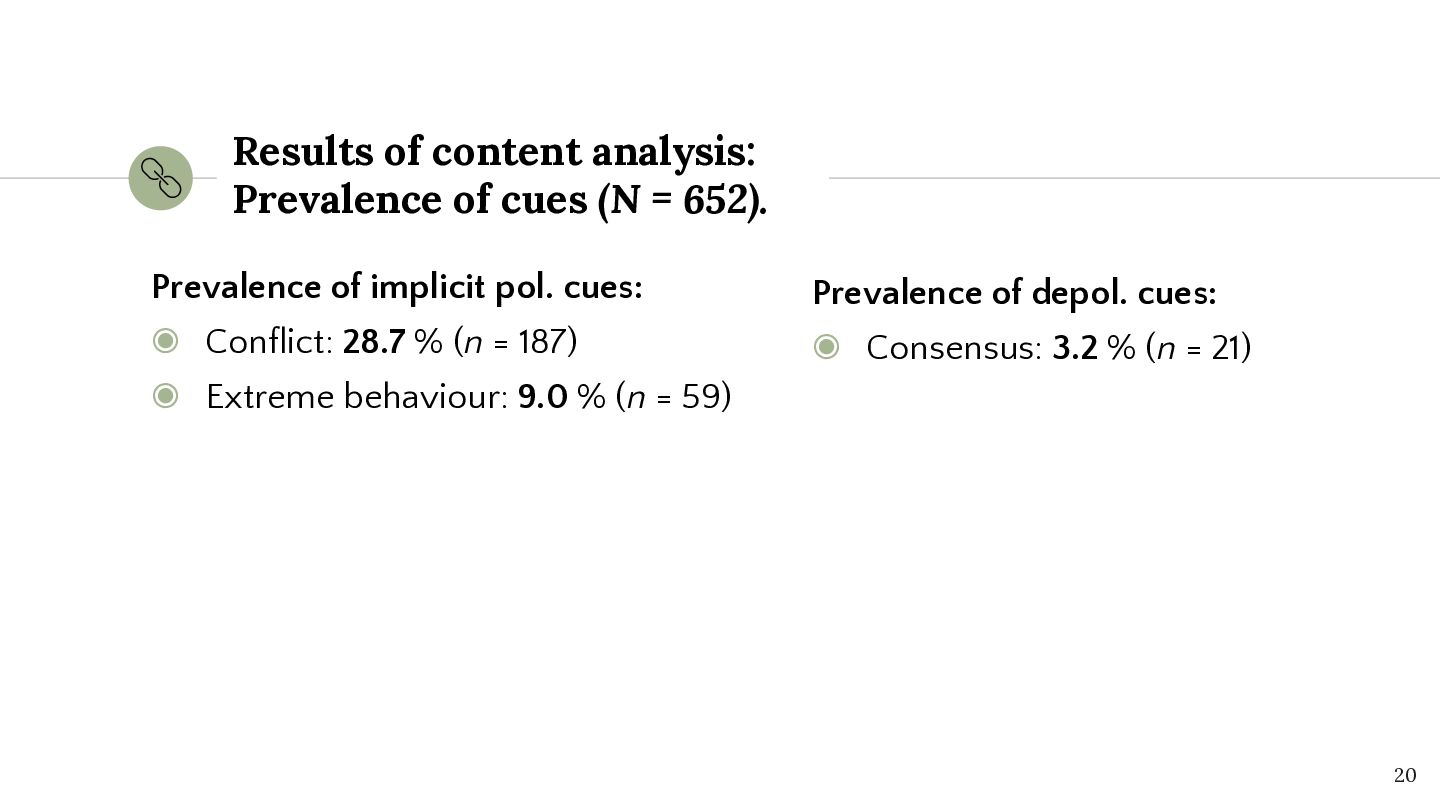
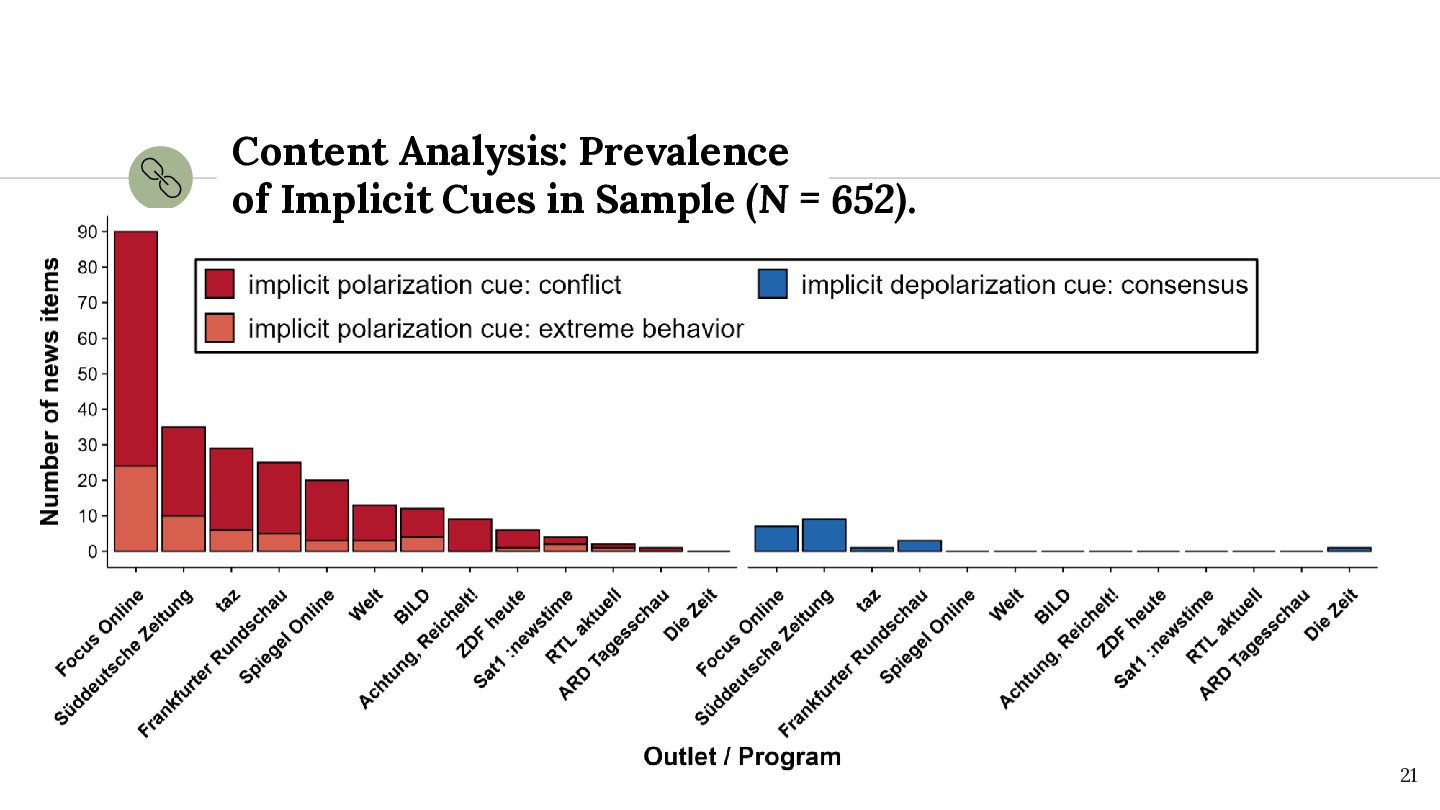
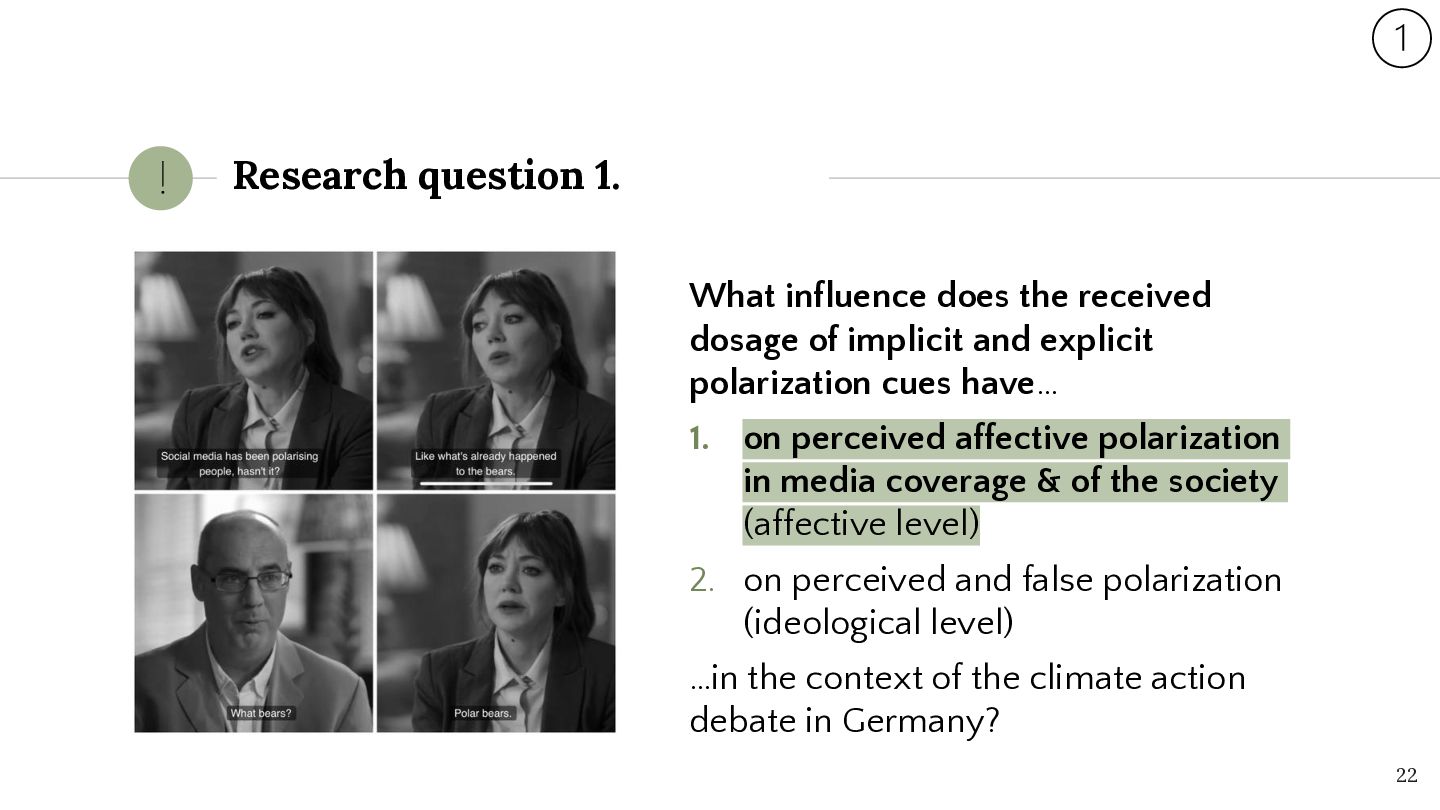
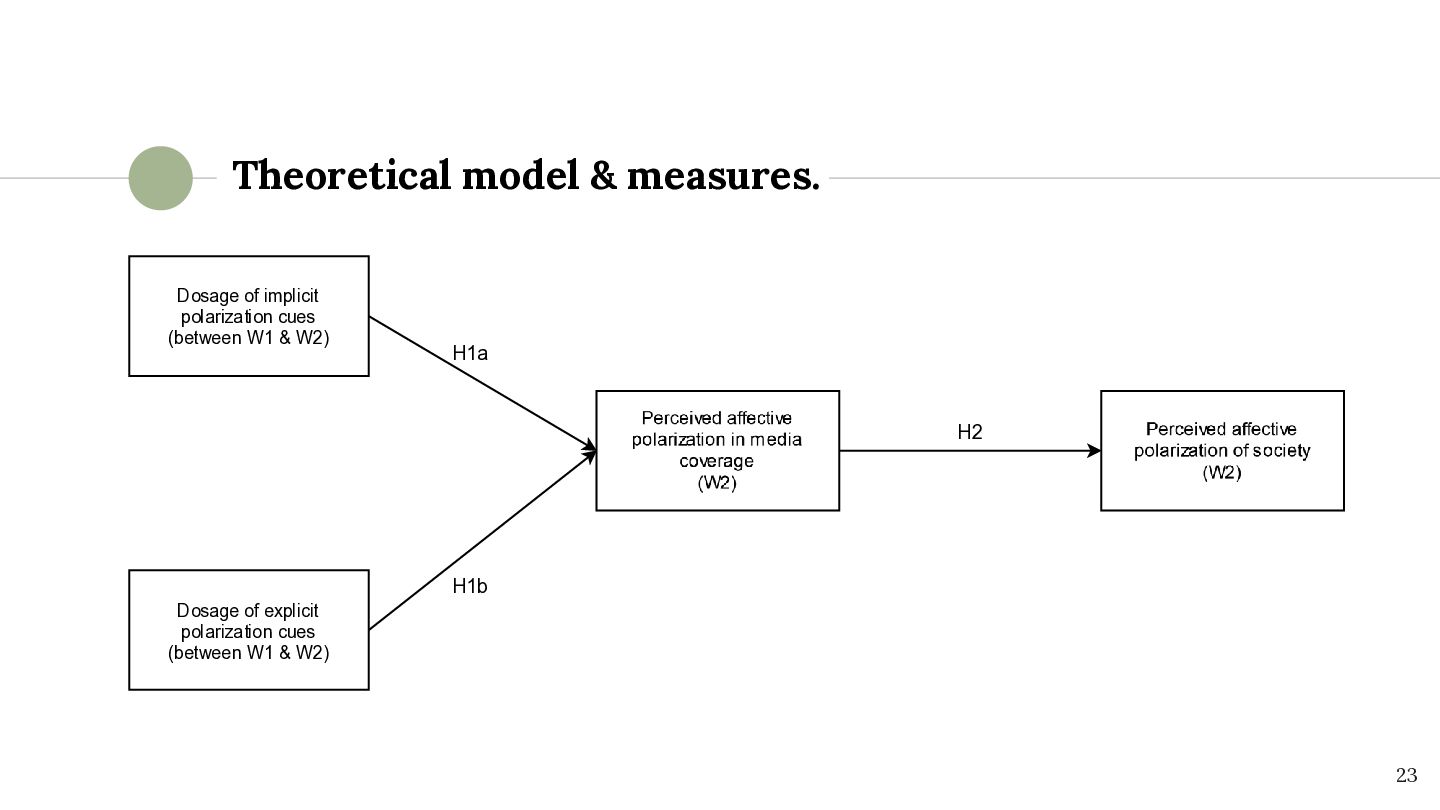
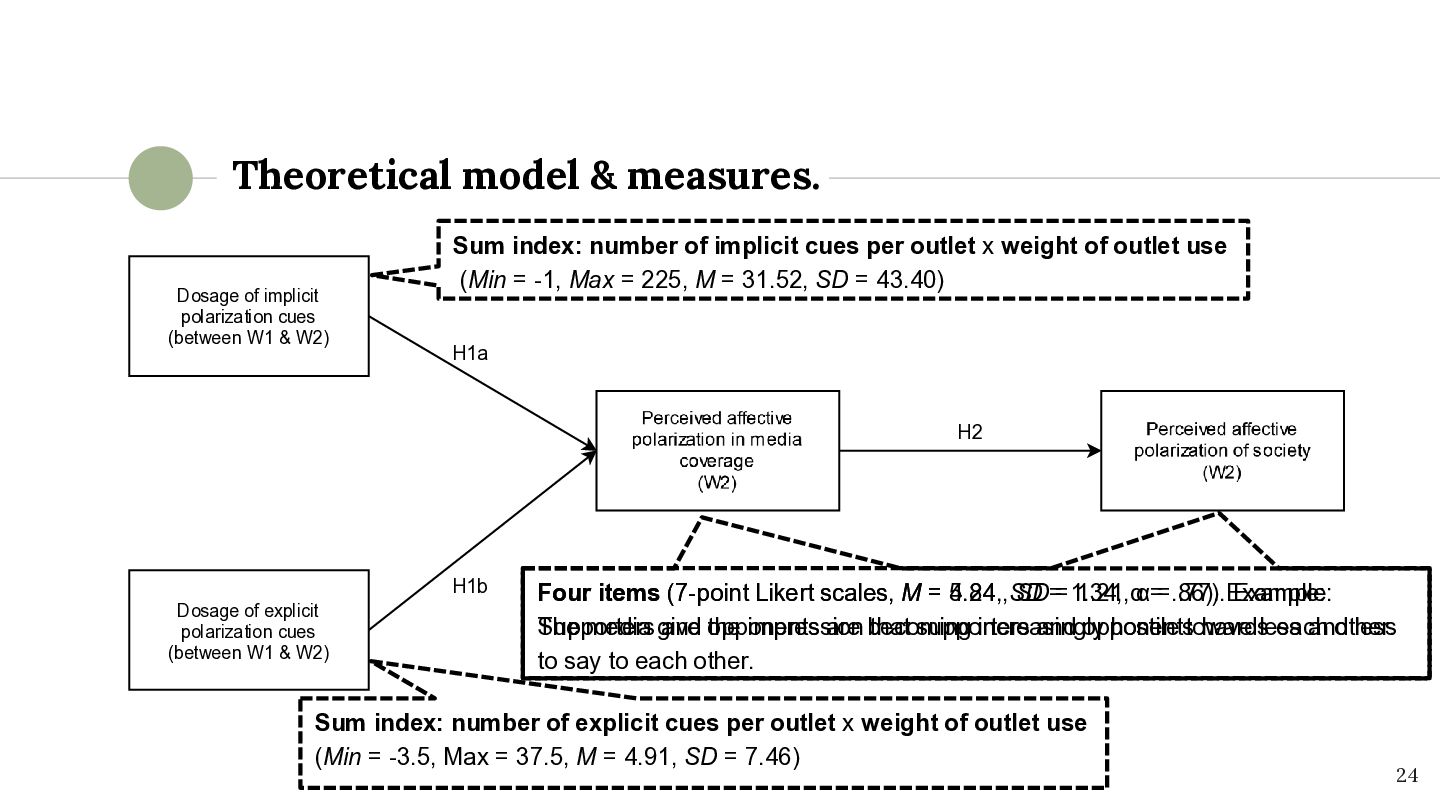
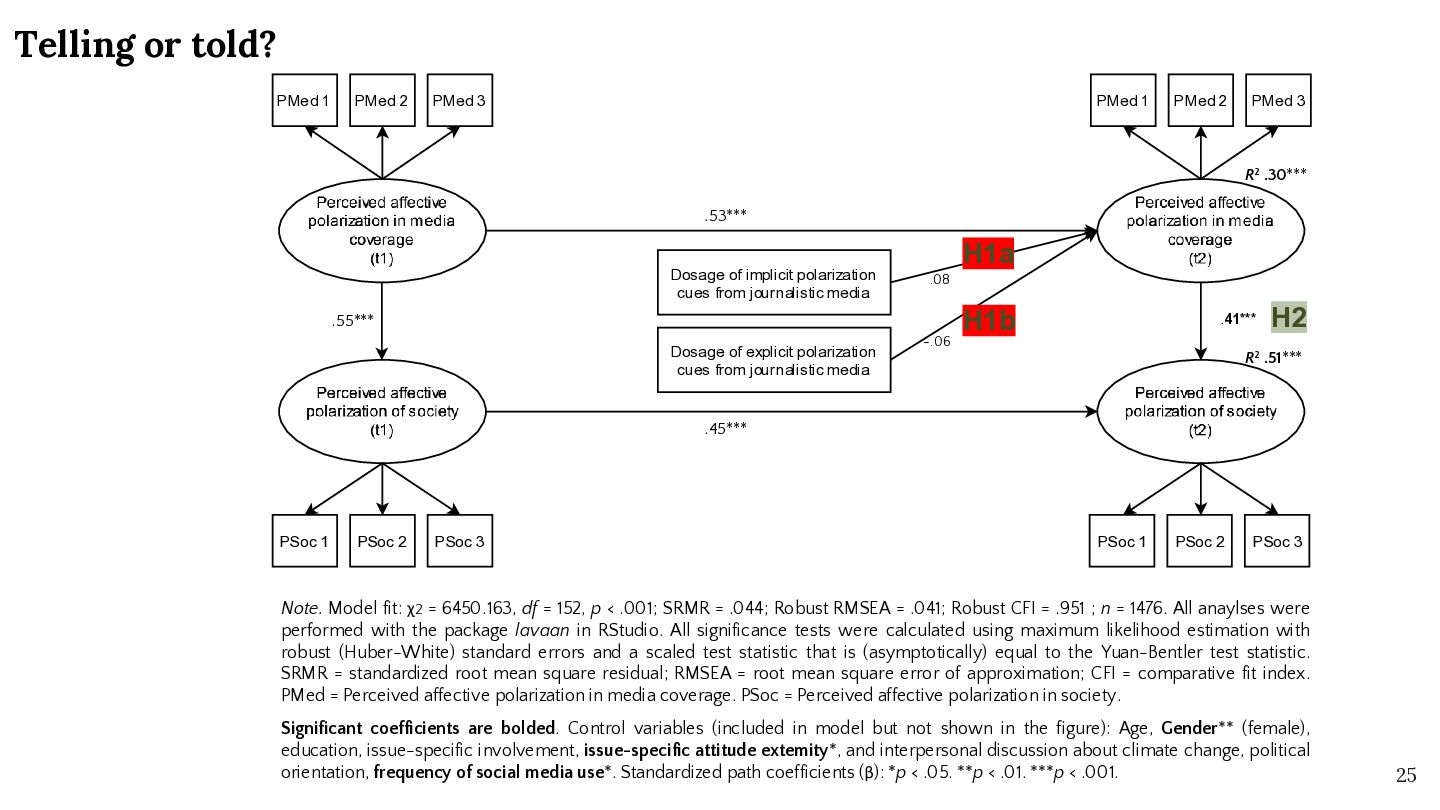
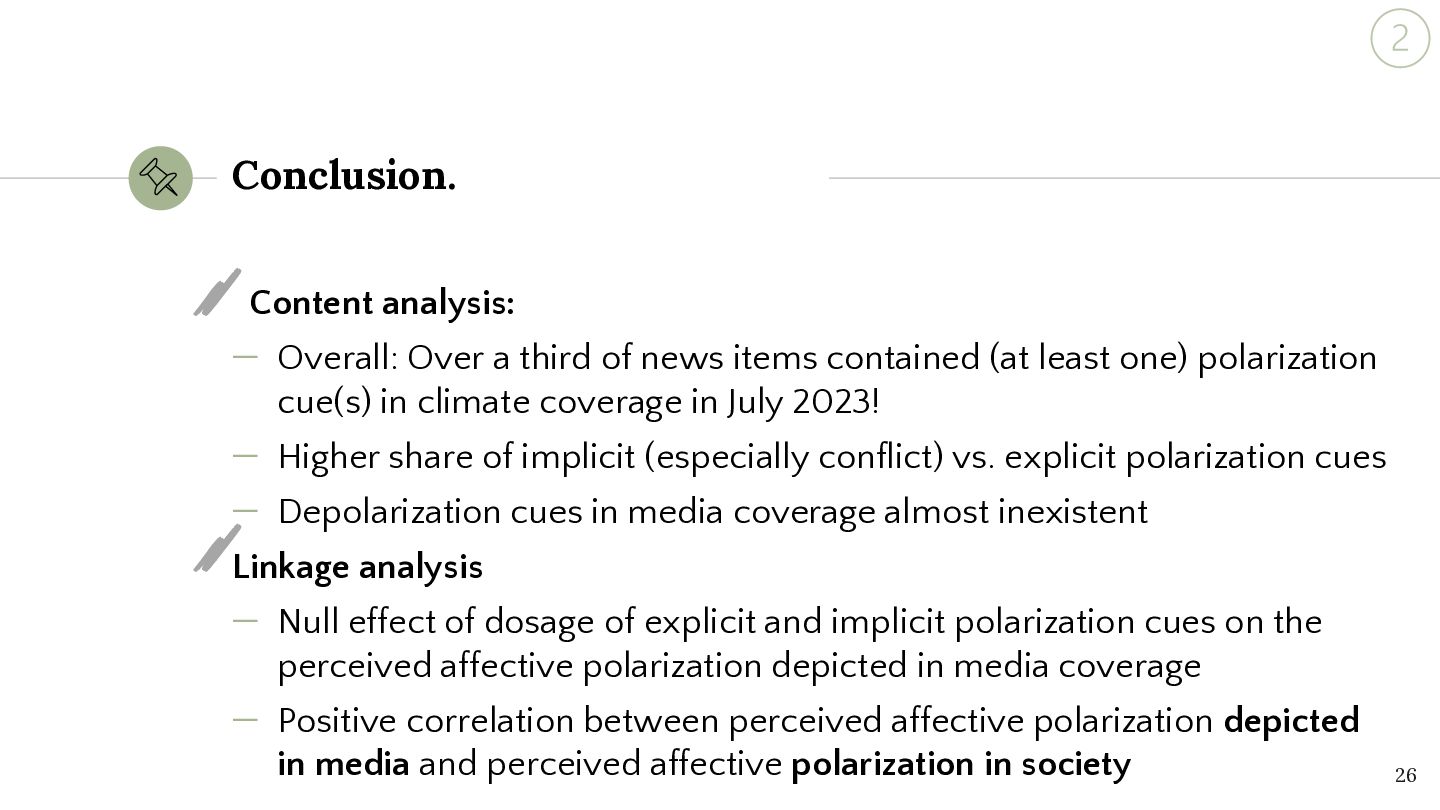
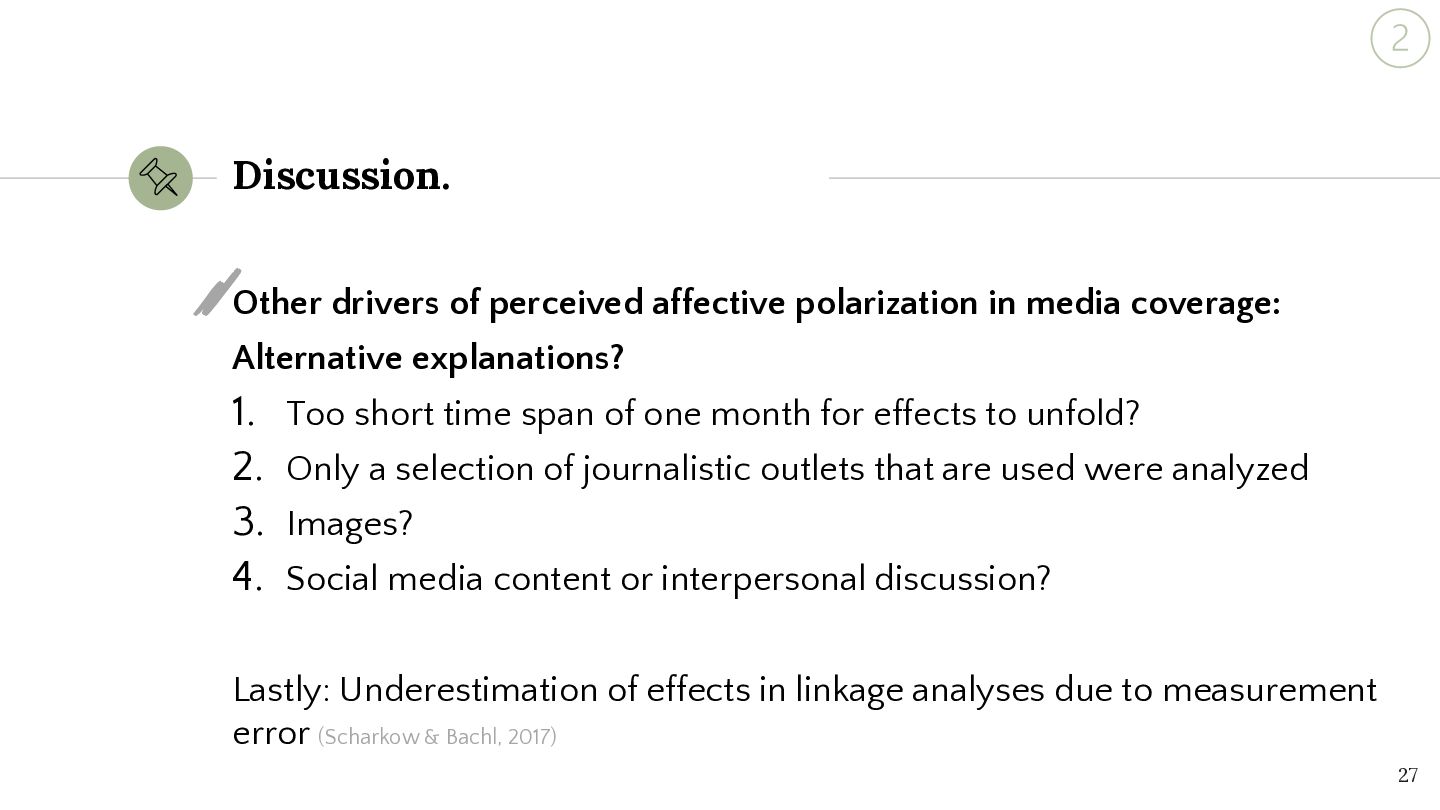
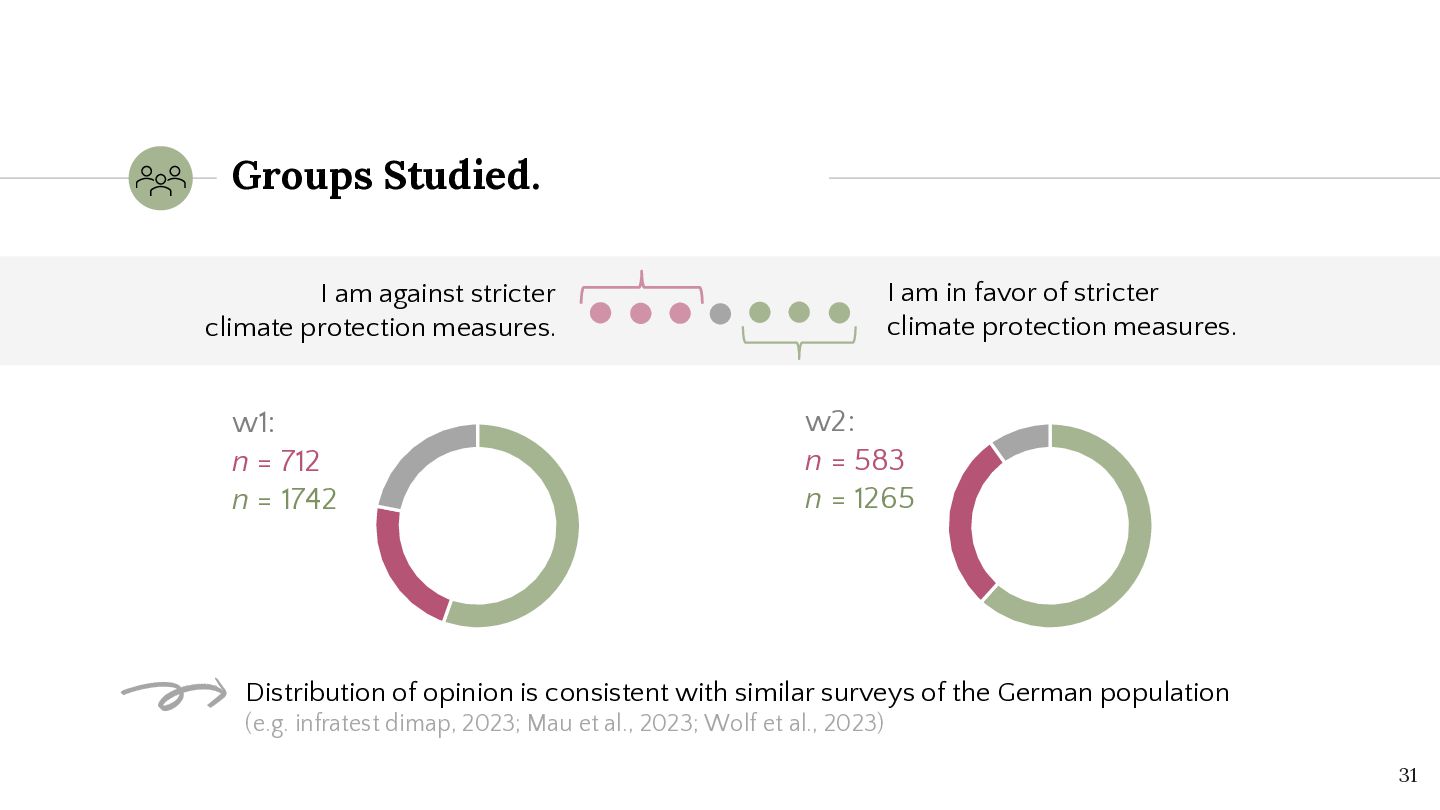
In this study, we investigated whether exposure to implicit (i.e., conflict coverage or mentions of extremity) and explicit polarization cues (e.g., explicit mentions of polarization/divides) in climate change media coverage shapes perceptions of affective polarization, both in media coverage and in society. We conducted a linkage study, combining a quantitative content analysis of N = 652 articles from 13 German news media outlets (TV, newspapers, online magazines, alternative) with a representative two-wave panel survey (N = 2051) conducted immediately before and after the content analysis in June and August 2023. The content analysis covered the period between the two panel waves and identified implicit and explicit polarization cues at the article level. For each outlet, a slant score was calculated by subtracting the number of articles containing polarization cues from those with de-polarization cues. We then multiplied the outlet-specific scores with respondents’ self-reported frequency of outlet use (our independent dosage variables). Perceptions of affective polarization in media coverage[2] and society[3] were both measured with three items on a 7-point Likert scale (e.g., "In the climate debate, the media portray two camps that are increasingly hostile towards each other"). Age, gender, education level, political orientation, issue-specific interest and knowledge, attitude extremity, social media use and interpersonal discussion (all issue-specific), as well as the levels of perceived affective polarization in wave 1 served as controls. Results of a path analysis show neither a direct effect of the dosage of explicit nor implicit polarization on perceived affective media polarization. Rather, issue-specific attitude extremity as well as interpersonal discussion about climate change increase perceived affective media polarization. As predicted, however, perceived affective polarization of media coverage on climate change mitigation has a substantial effect on perceived affective polarization of society regarding the issue, underlining the importance of perceptions of media coverage on climate change mitigation as well as the role of interpersonal communication in shaping such perceptions.
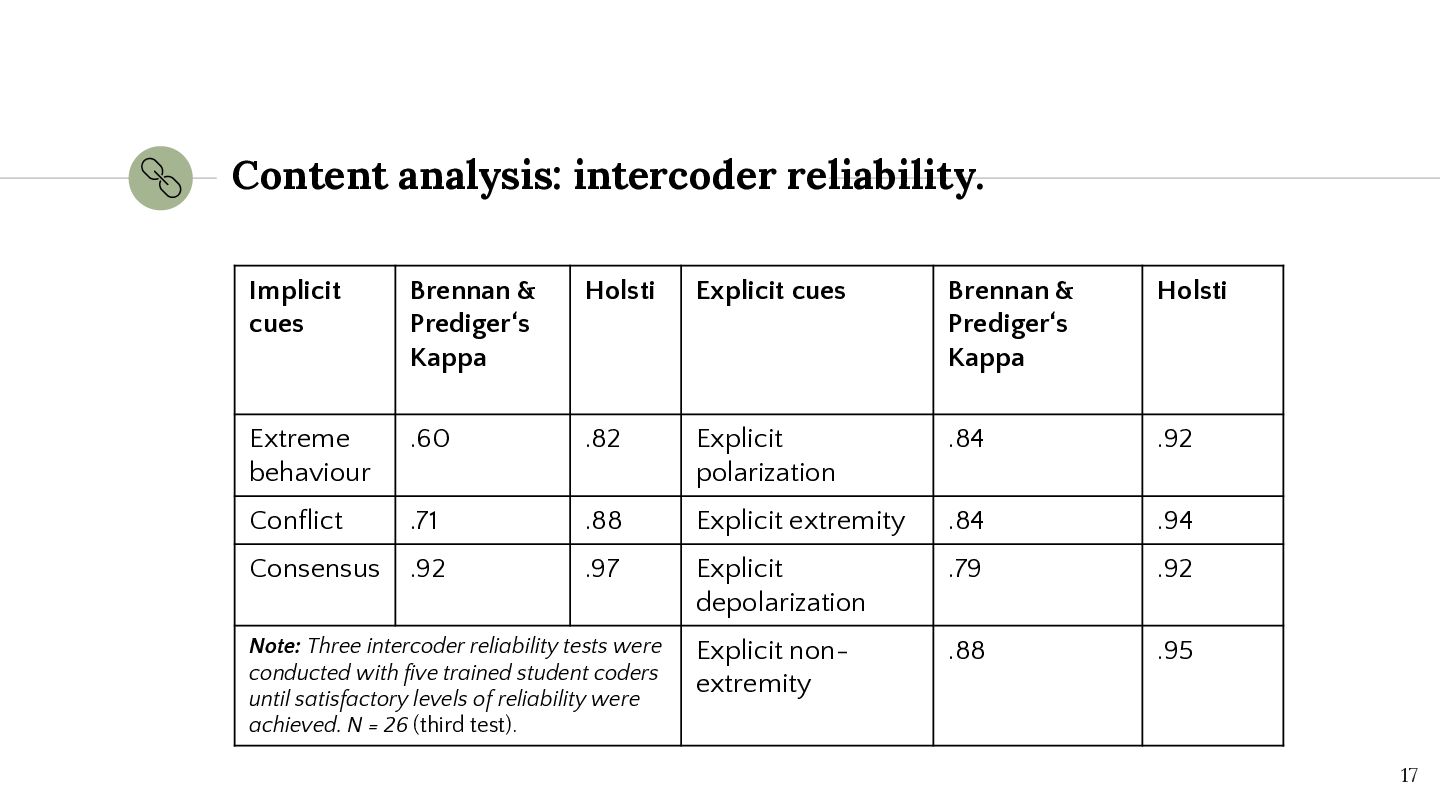
[1] Reliability scores of the content-analytic variables (Brennan Prediger’s Kappa) ranged between .71 and 1.00.
[2] αW1 = .85, MW1 = 4.77, SDW1 = 1.39; αW2 = .86, MW2 = 4.87, SDW2 = 1.36
[3] αW1 = .73, MW1 = 5.24, SDW1 = 1.21; αW2 = .77, MW2 = 5.28, SDW2 = 1.22
Conference paper II: "Between Headlines and Reality? News Media's Impact on False Polarization in the Debate about Climate Change Measures in Germany" (Alina Jakob, Nayla Fawzi, Quirin Ryffel, Thomas Zerback)
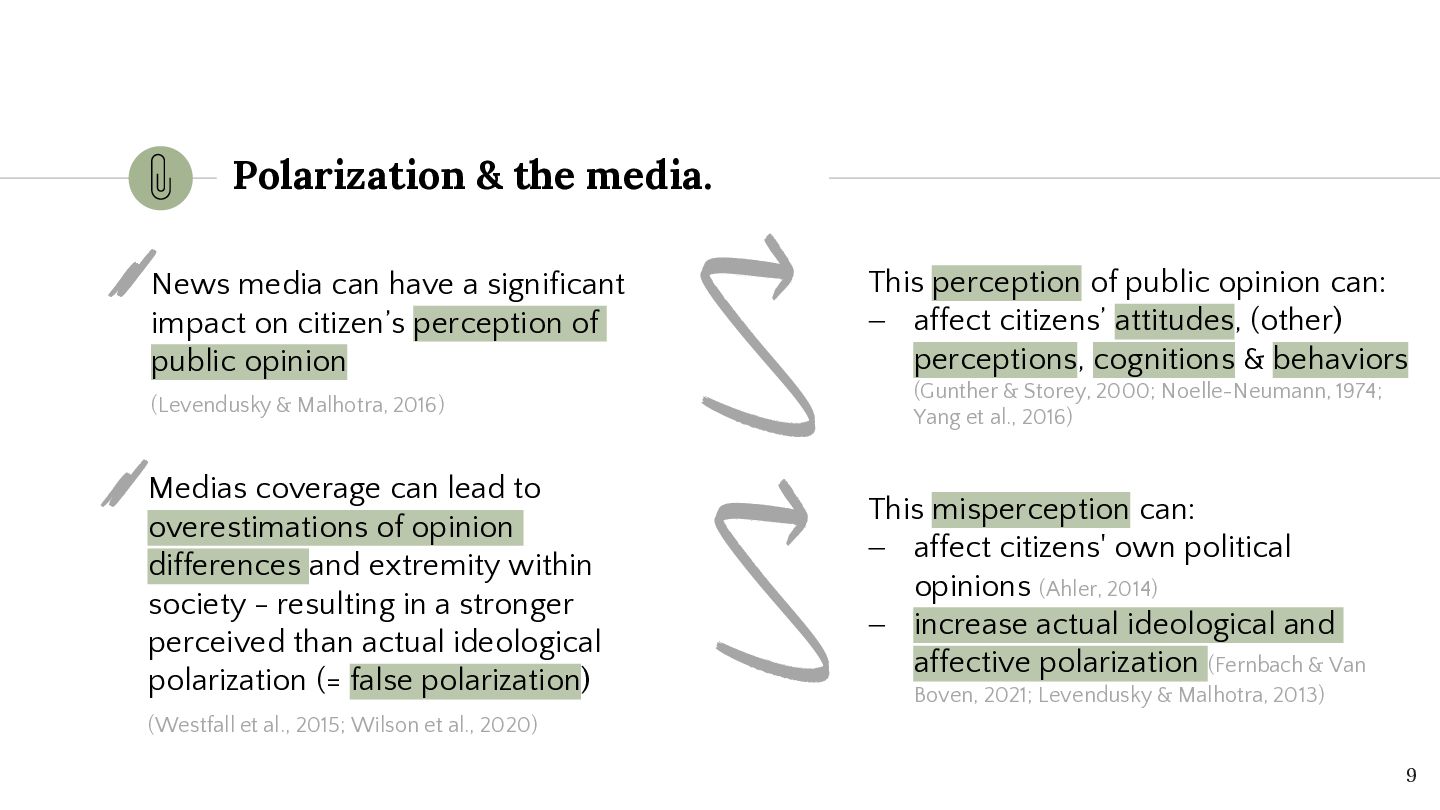
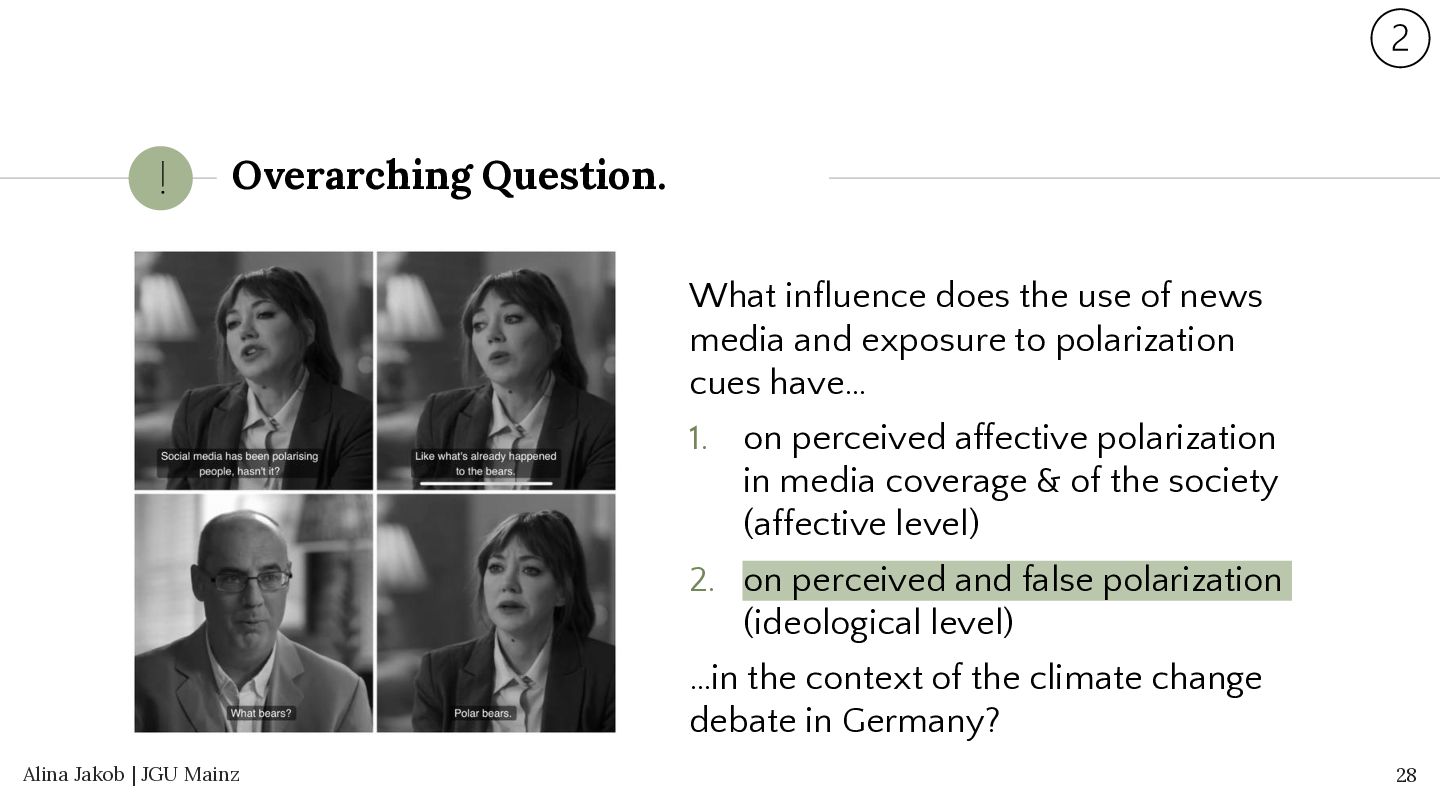
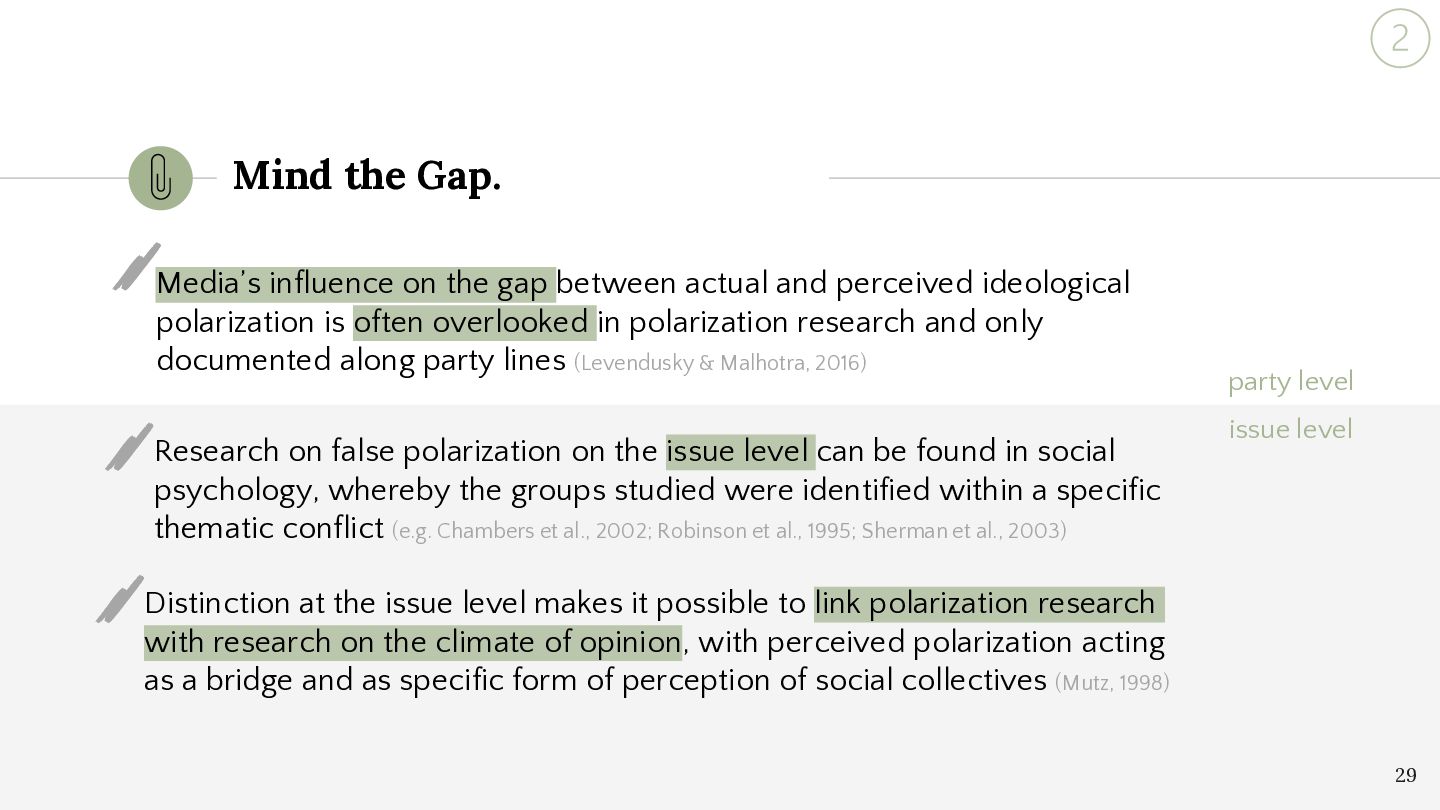
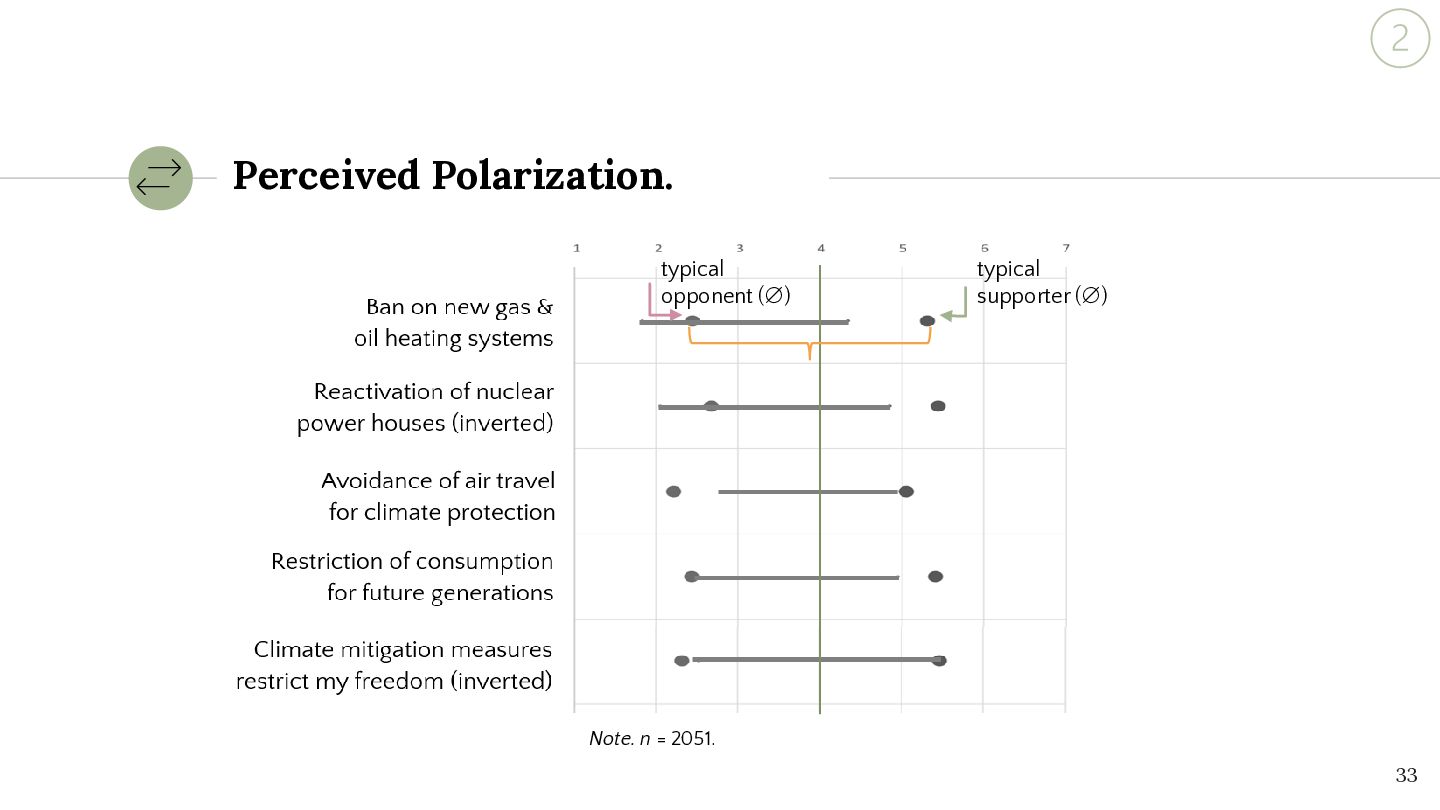
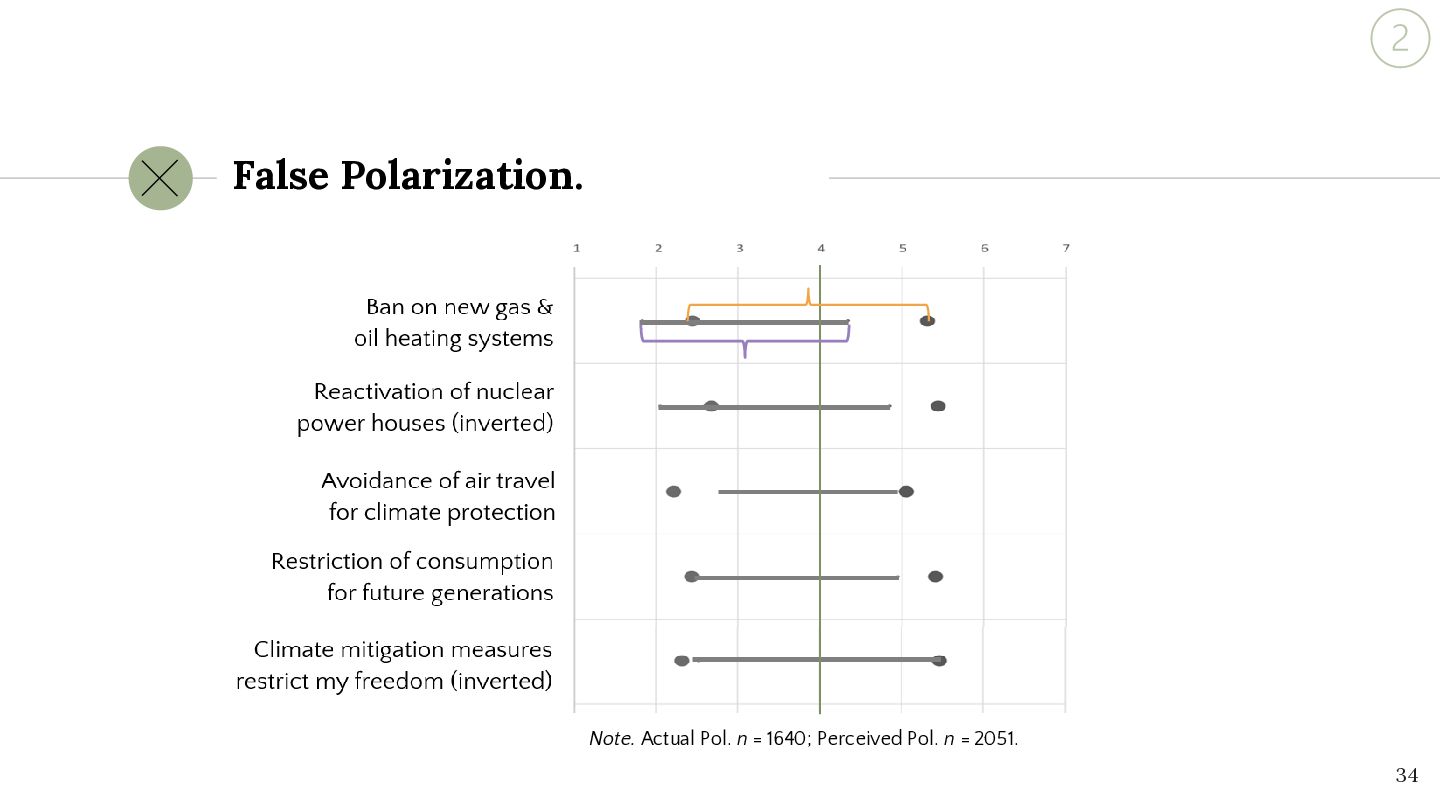
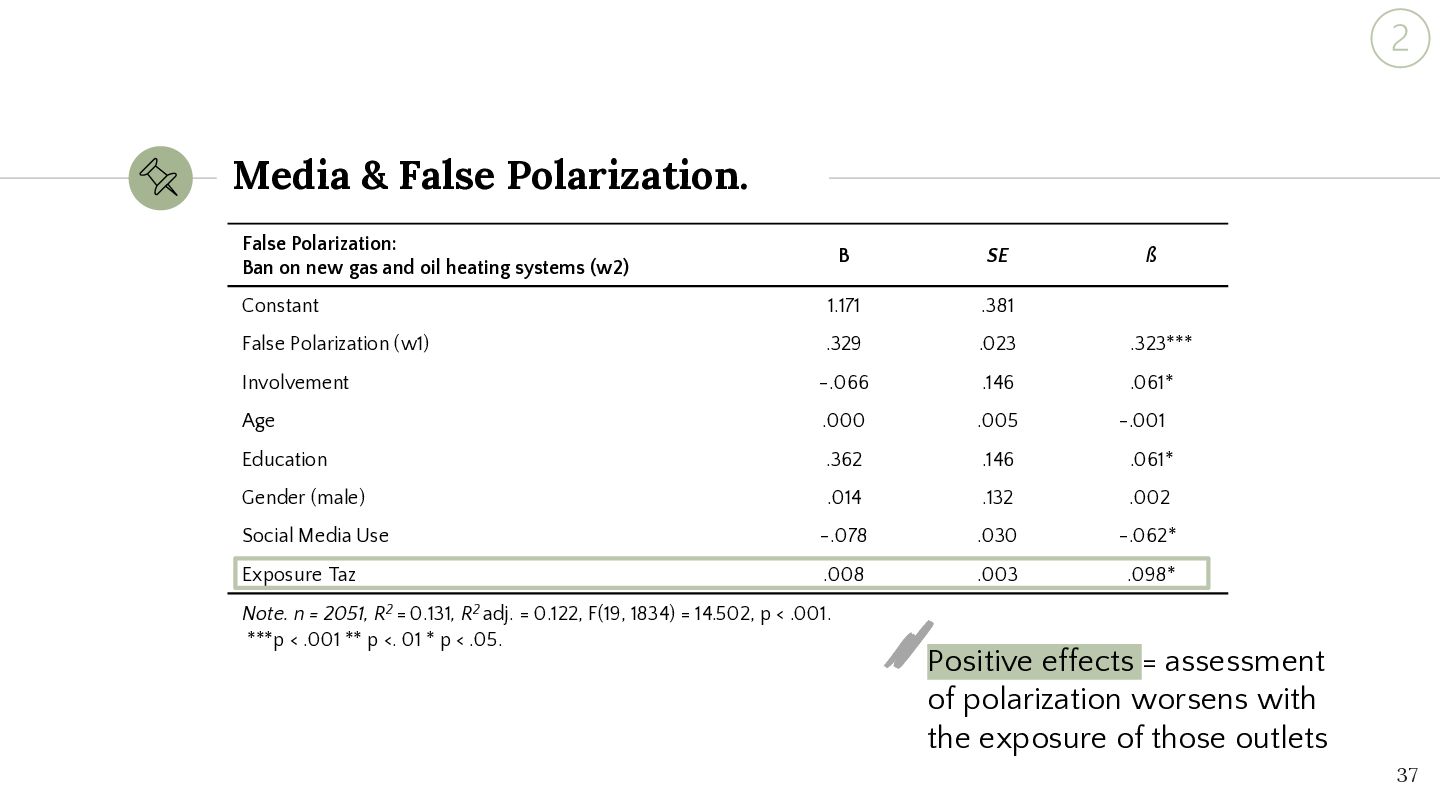
In this study, we tested whether media coverage of the German climate policy debate produces false polarization, meaning a perceived opinion gap between supporters and opponents that is larger than the actual gap using the same study design and data.
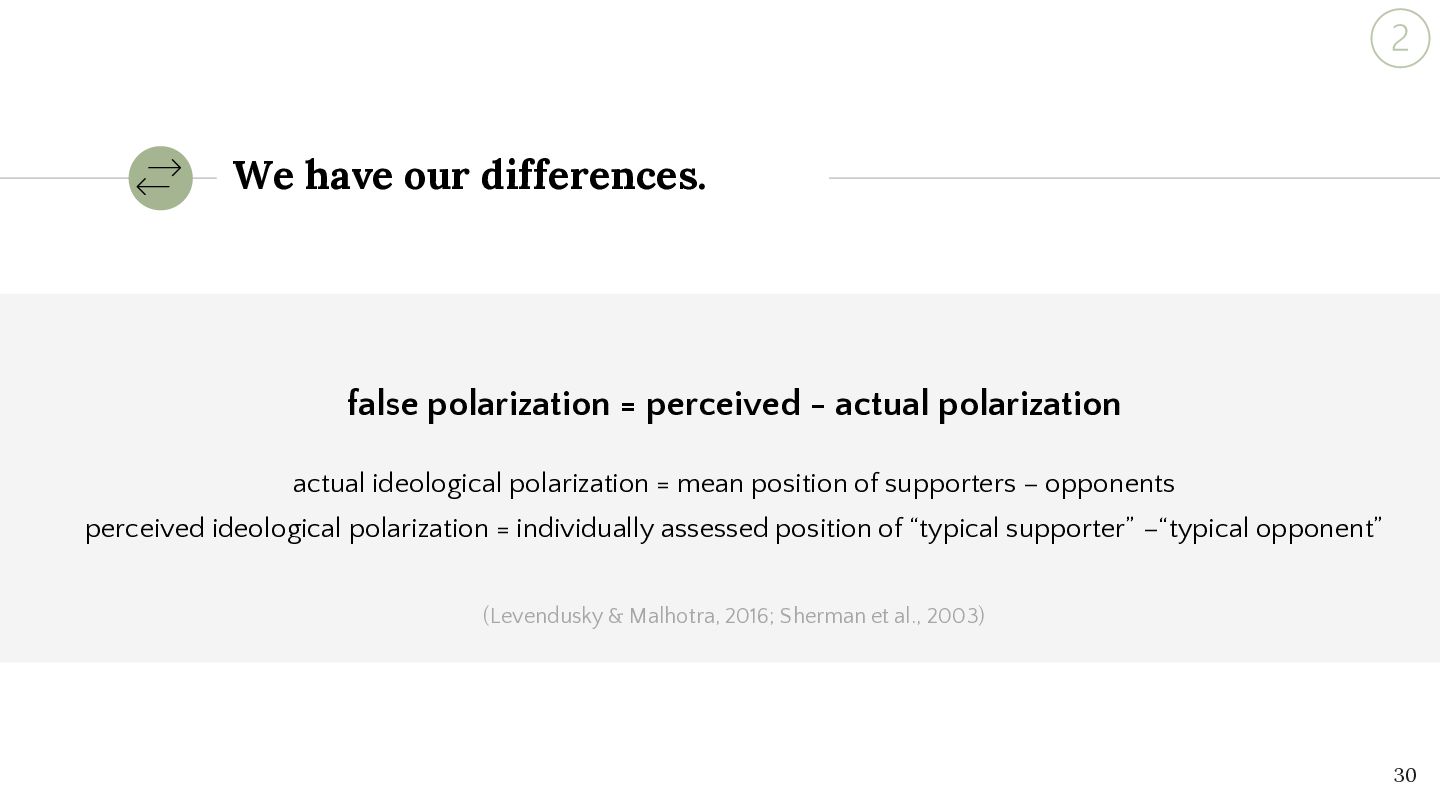
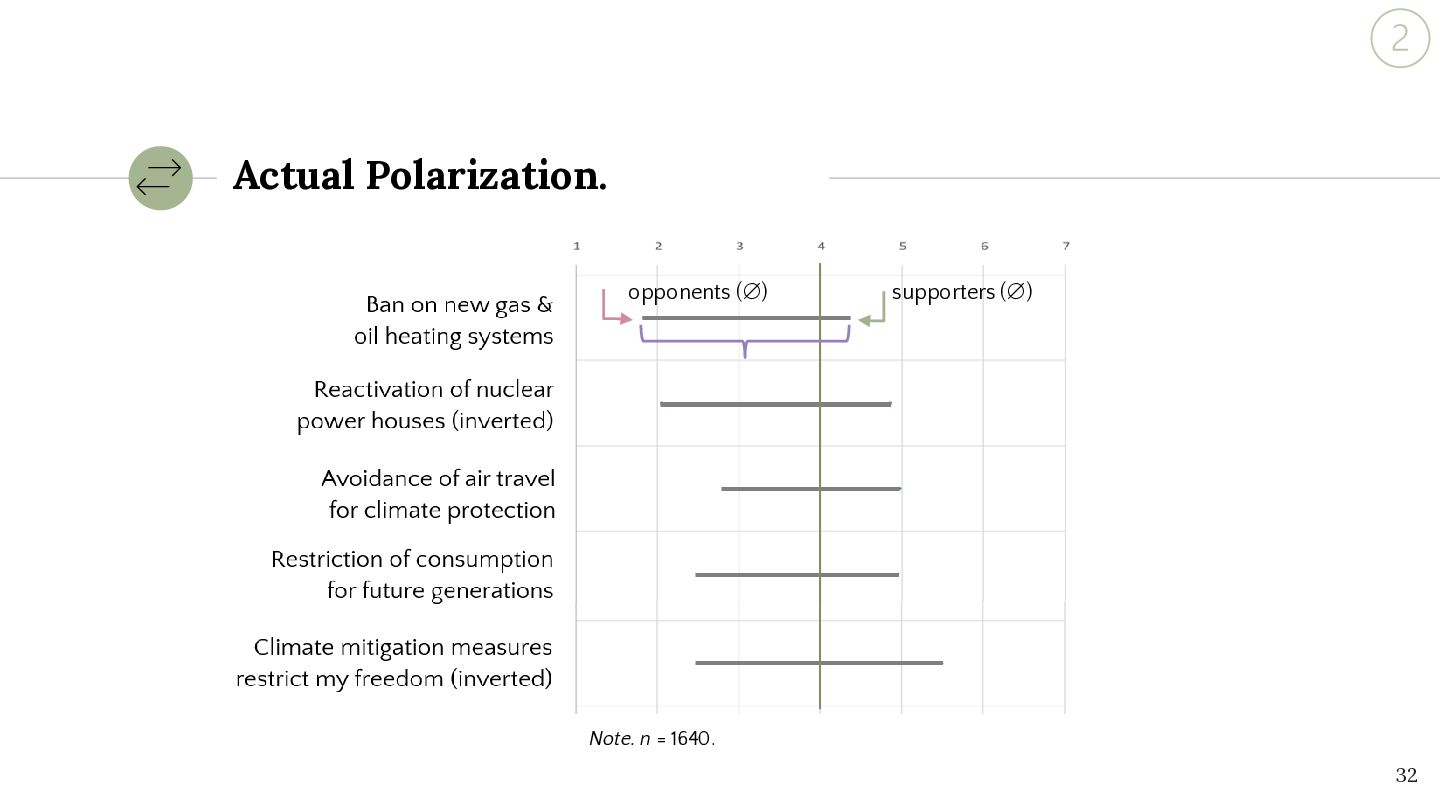
For our independent variables, we then calculated an exposure variable that captures the prevalence of exposure to implicit and explicit (de)polarization cues on an affective and ideological level in the media coverage, weighted by the respective media use. Our dependent measures include actual ideological polarization (= difference between mean positions of opponents and supporters), perceived ideological polarization (= difference between individually assessed positions of “a typical opponent” and “a typical supporter”) and false polarization (= difference between perceived and actual polarization) regarding four measures.
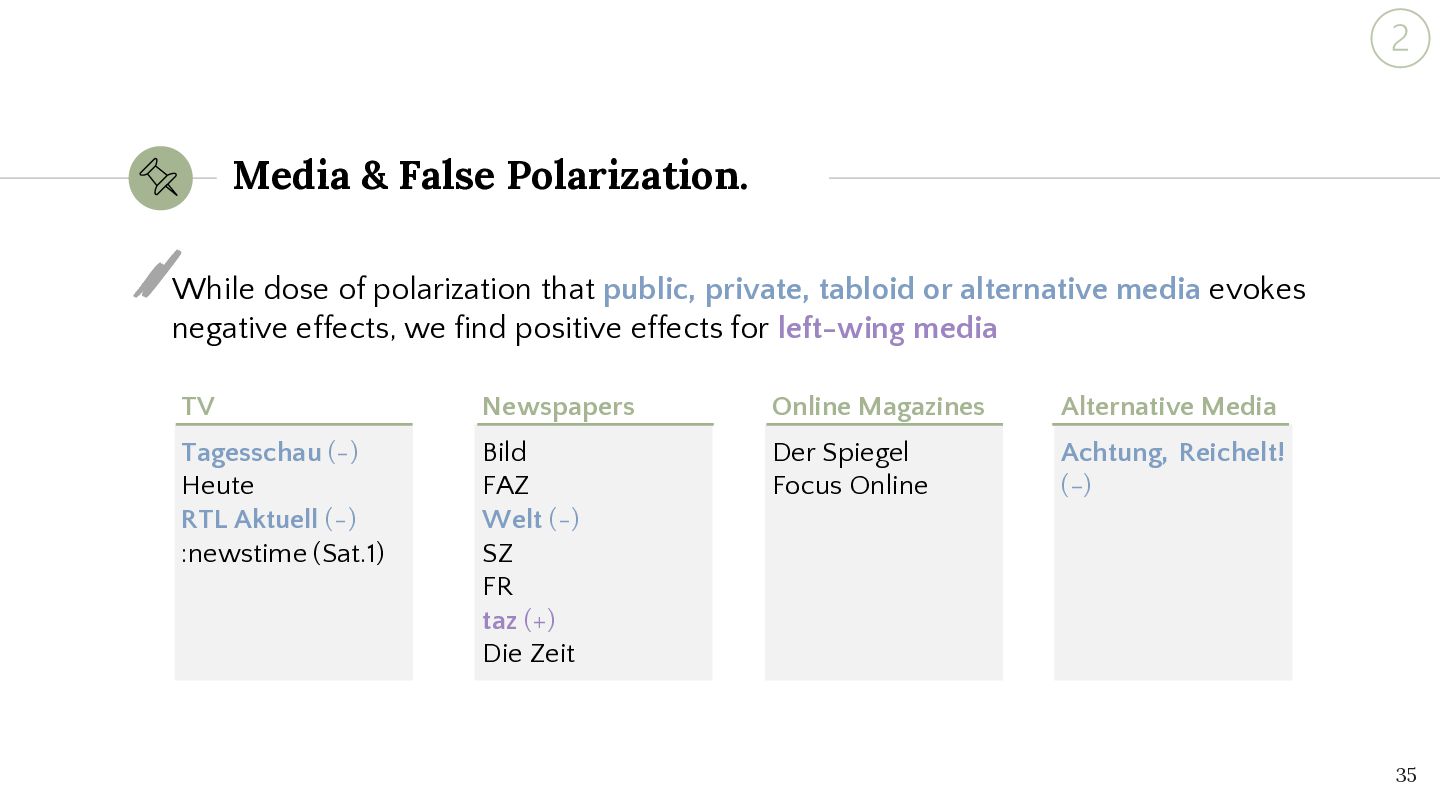
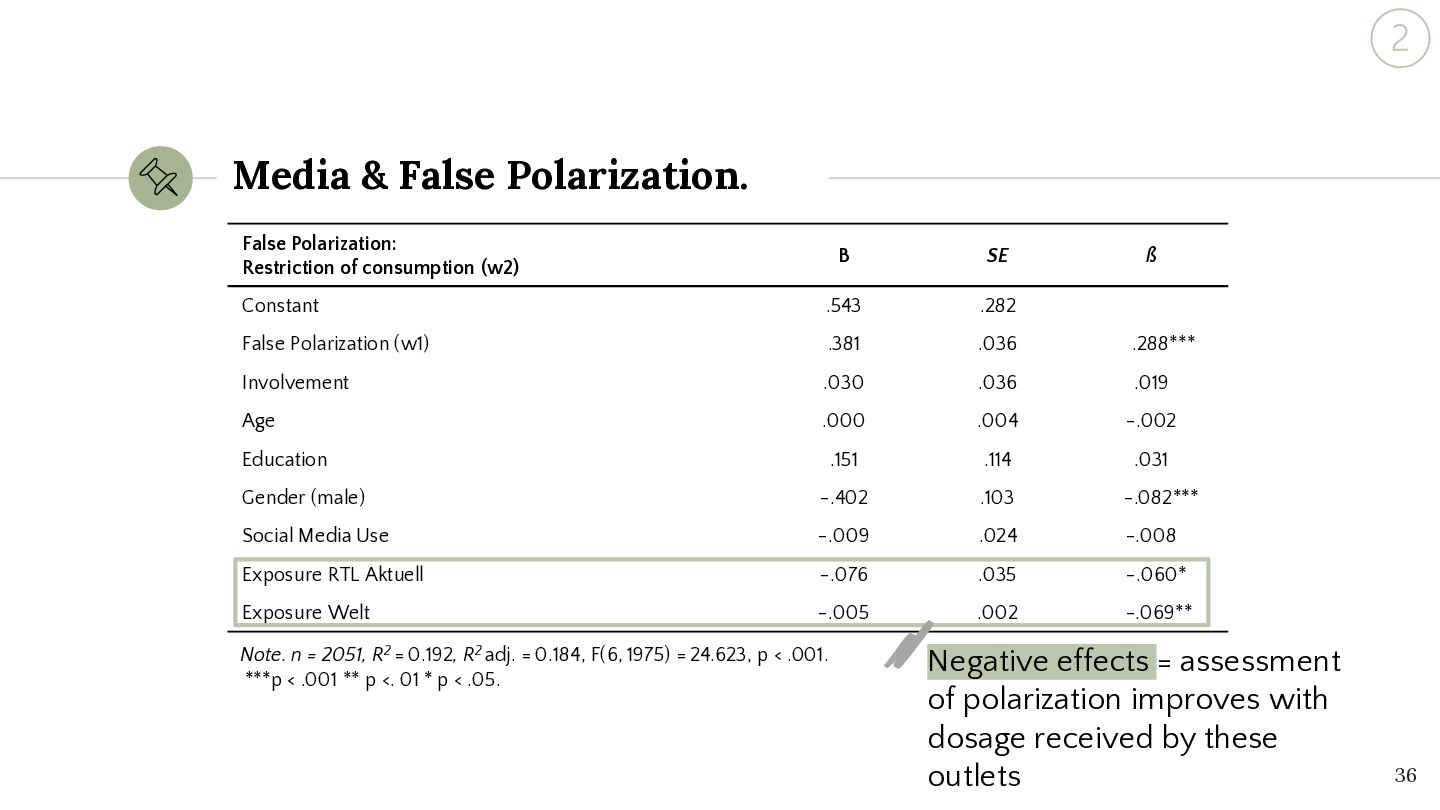
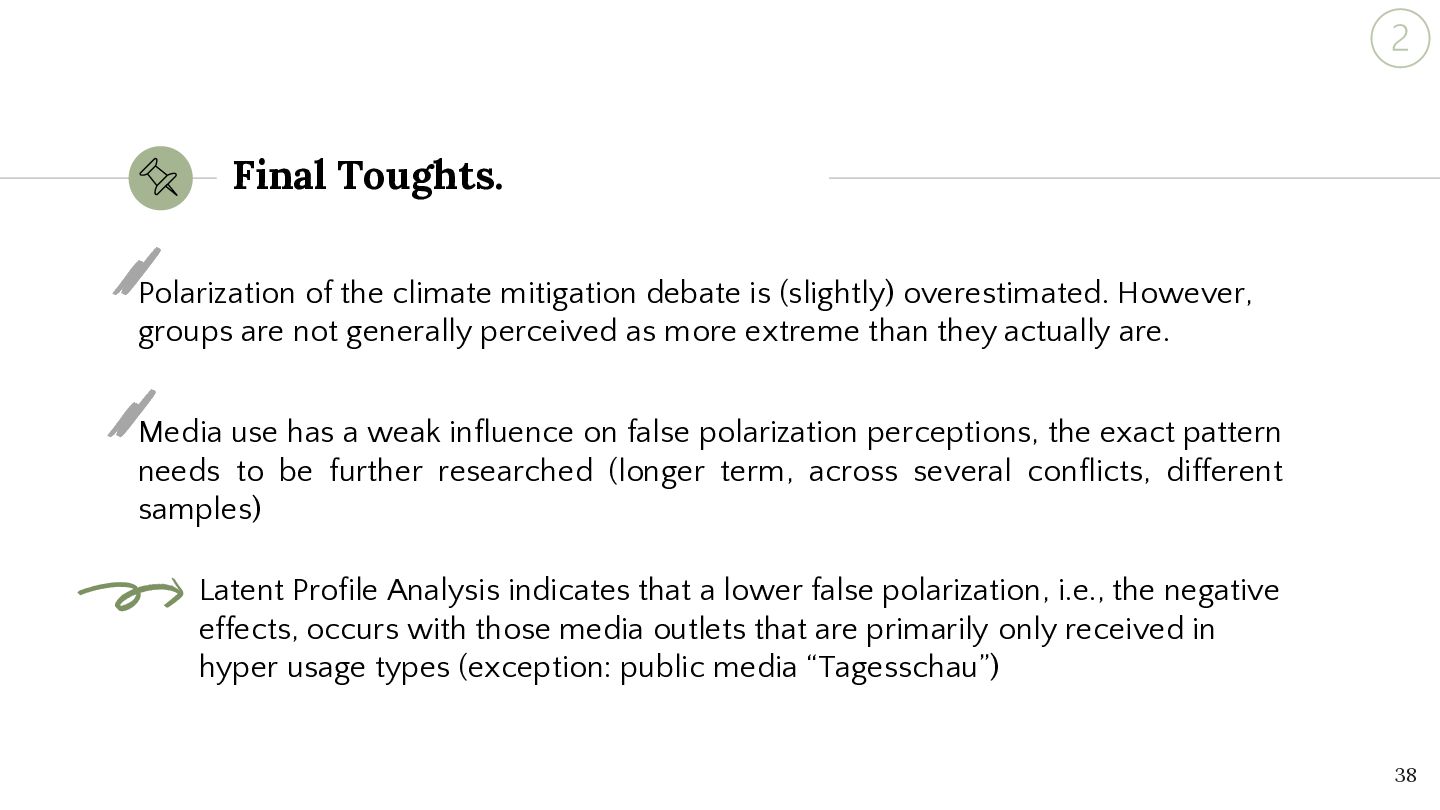
Results show a pattern of false polarization and a tendency to overestimate the gap between opinion camps. This is evident for four out of five climate change-related measures, such as banning the installation of new gas and oil heating systems or restricting consumption for future generations. The only exception is the degree of polarization regarding the reactivation of nuclear power plants, which is almost correctly assessed. Controlling for false polarization perceptions in the first wave, sociodemographics and political attitudes, linear regression results indicate that particularly the dose of polarization that private, tabloid or alternative media evoke in their reporting have a significant impact on their audience’ misperceptions. Results underline news media's responsibility when presenting polarized issues as this can indeed make ideological polarization appear greater than it actually is which, in turn, might hinder the possibility of reaching an agreement within society on how to address climate change.


 qrino
qrino
 danielanewman
 codingconduct
 scottboms
 vanstee
 inesmontani
 popppiees
 tammyeverts
 cromwellryan
 ks91
ks91
 marcoroth
.png) helenjbeal
helenjbeal
 hannesfritz