want? How do we build good software faster? How do we stop doing things that aren’t important? (How do we make more money?) http://www.agilemanifesto.org/ http://agilemanifesto.org/principles.html
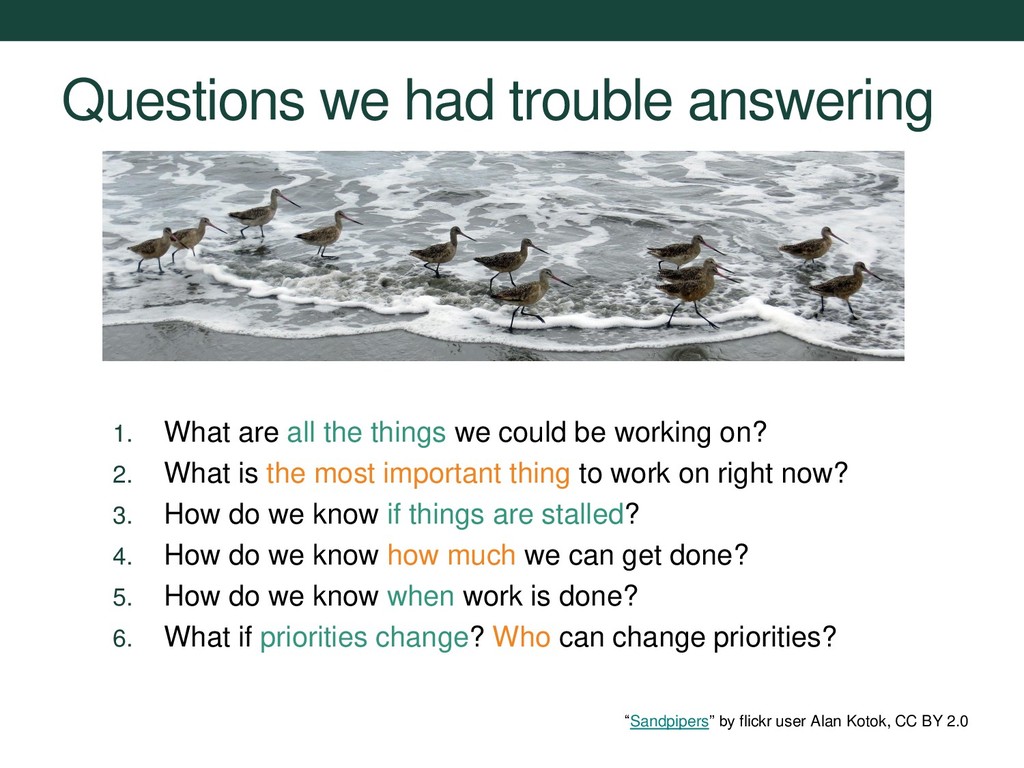
things we could be working on? 2. What is the most important thing to work on right now? 3. How do we know if things are stalled? 4. How do we know how much we can get done? 5. How do we know when work is done? 6. What if priorities change? Who can change priorities? “Sandpipers” by flickr user Alan Kotok, CC BY 2.0
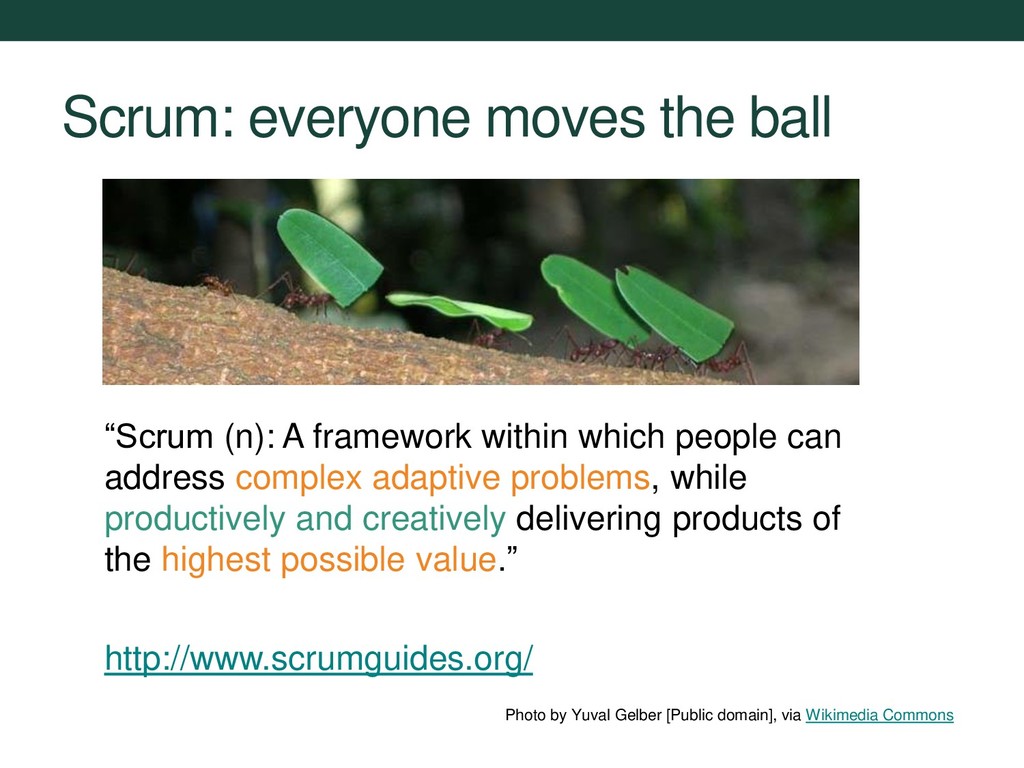
which people can address complex adaptive problems, while productively and creatively delivering products of the highest possible value.” http://www.scrumguides.org/ Photo by Yuval Gelber [Public domain], via Wikimedia Commons
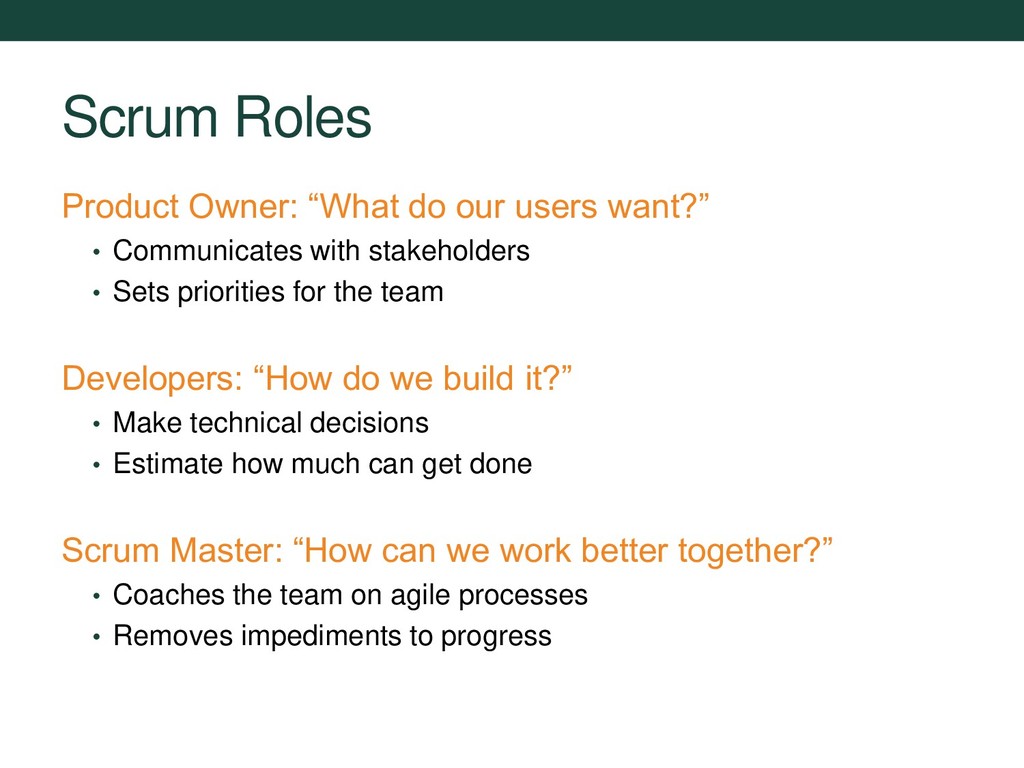
Communicates with stakeholders • Sets priorities for the team Developers: “How do we build it?” • Make technical decisions • Estimate how much can get done Scrum Master: “How can we work better together?” • Coaches the team on agile processes • Removes impediments to progress
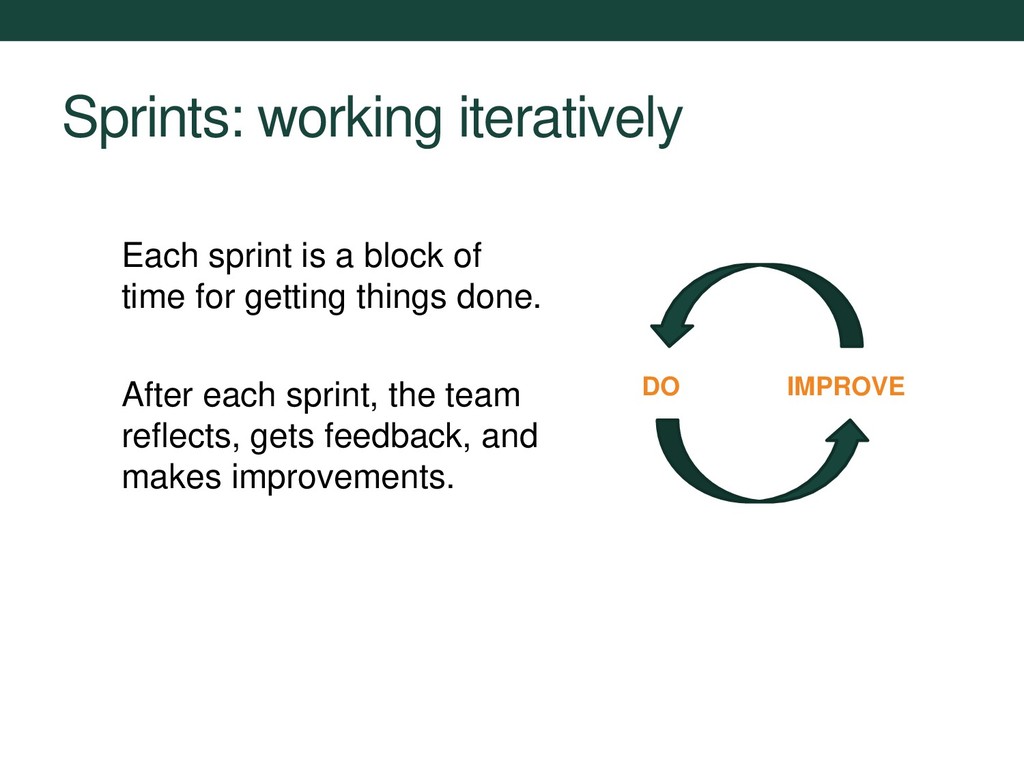
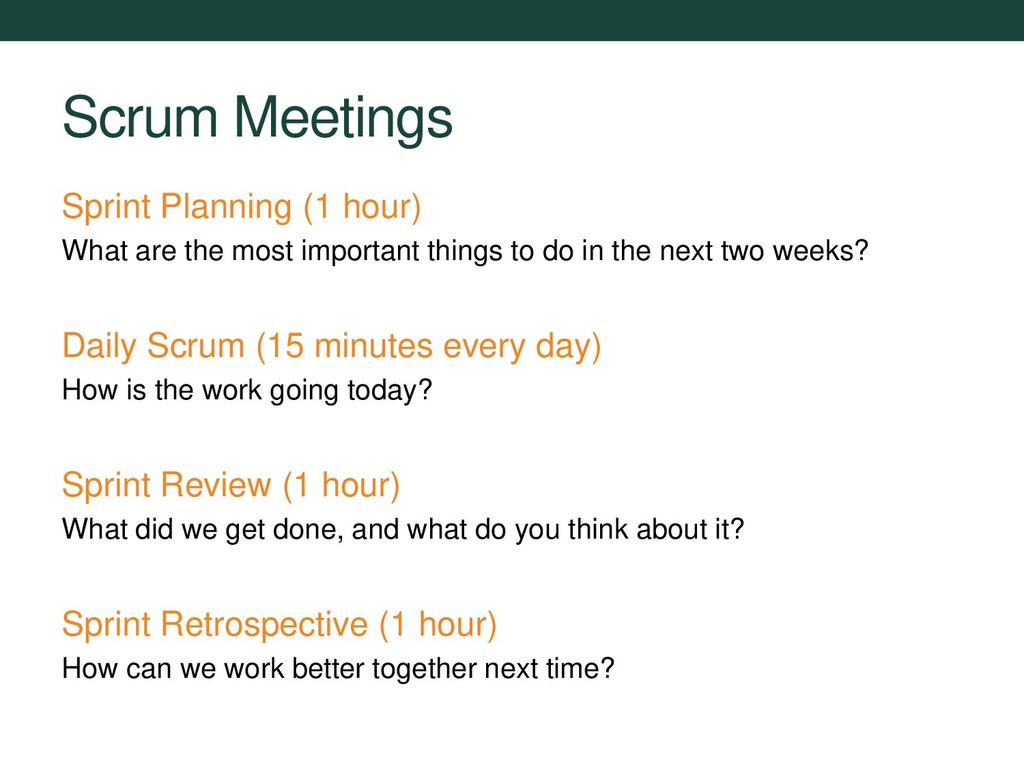
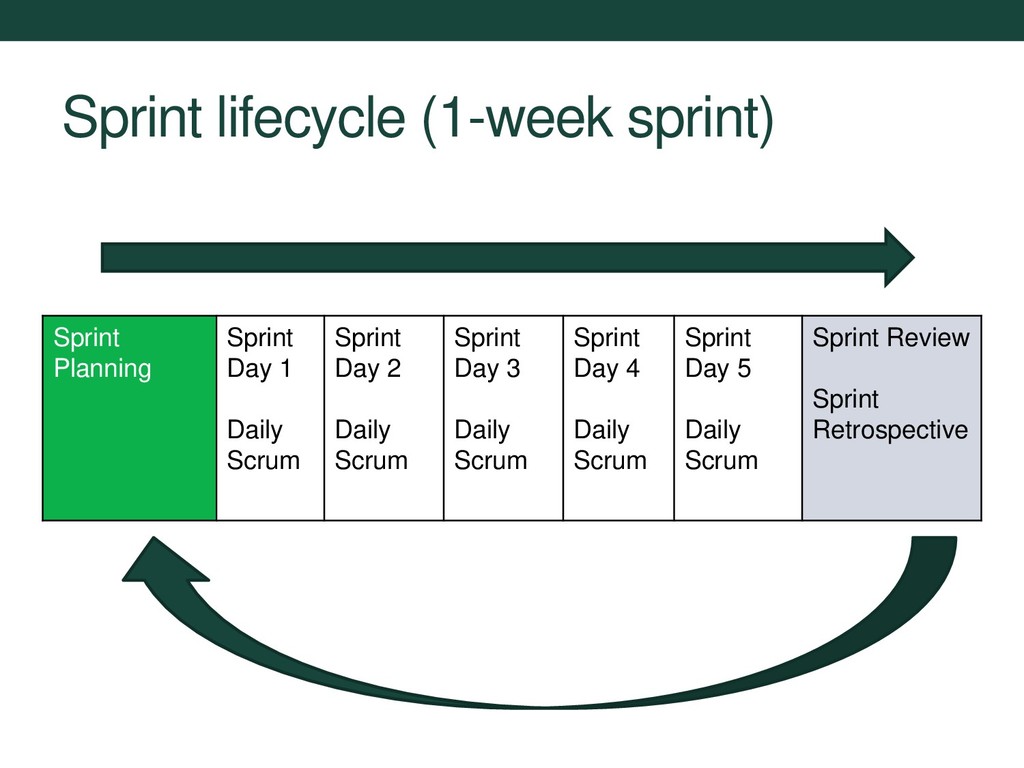
important things to do in the next two weeks? Daily Scrum (15 minutes every day) How is the work going today? Sprint Review (1 hour) What did we get done, and what do you think about it? Sprint Retrospective (1 hour) How can we work better together next time?
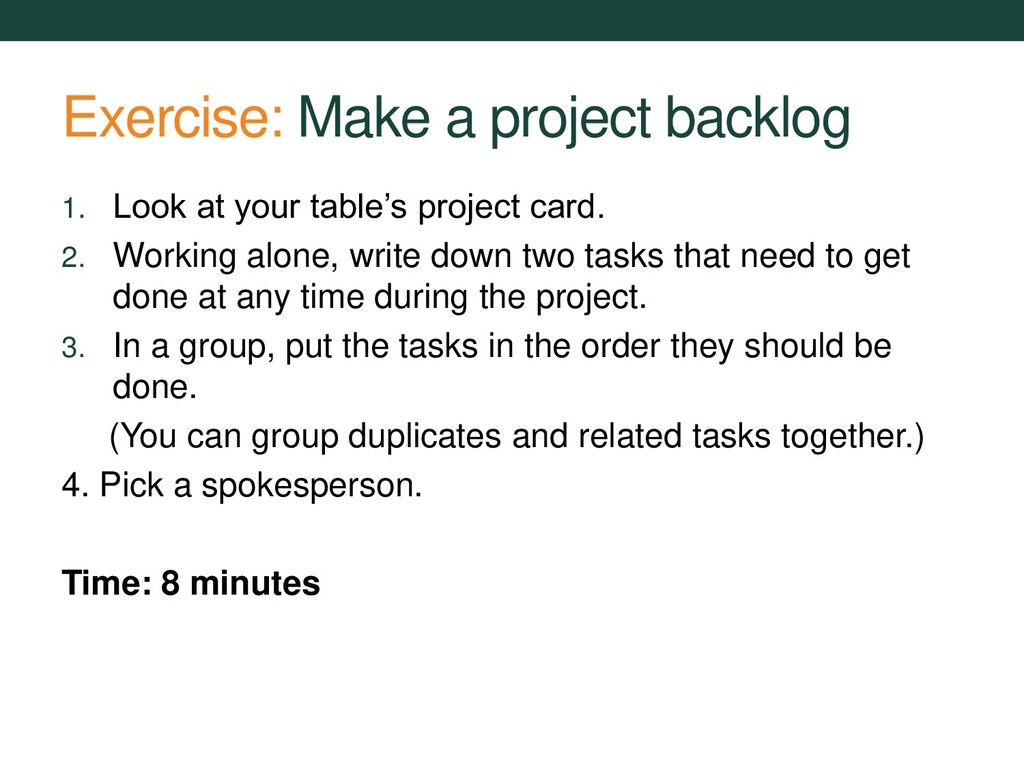
project card. 2. Working alone, write down two tasks that need to get done at any time during the project. 3. In a group, put the tasks in the order they should be done. (You can group duplicates and related tasks together.) 4. Pick a spokesperson. Time: 8 minutes
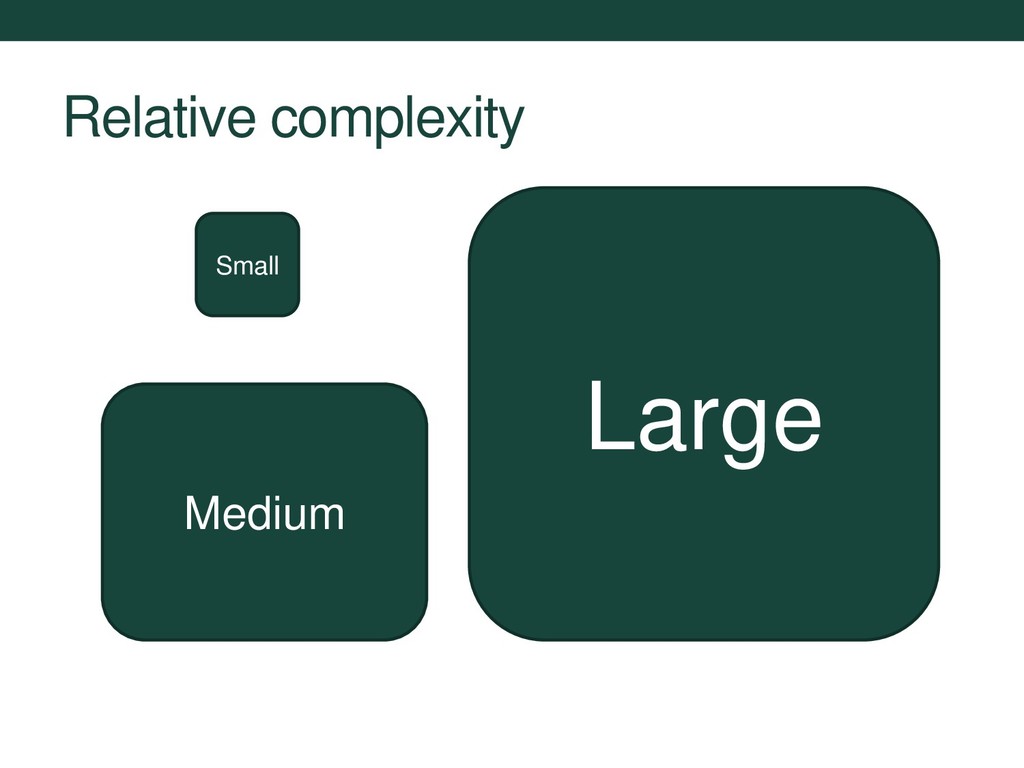
tasks in your backlog, decide in a group if it is a small, medium, or large task. Small tasks take less than 2 days Medium tasks take less than 2 weeks Large tasks take more than 2 weeks When you’re done, pick a new spokesperson. Time: 8 minutes
finishing in one sprint. Getting work done is the responsibility of the whole team. How many people are on your team? How available are they during the sprint? What special skills do they have?
of tasks to your team’s backlog. 2. Prioritize the tasks in the order they need to get done. 3. Pick a new spokesperson. Hint: Don’t include any large tasks…they take longer than 2 weeks! Time: 8 Minutes


 rdeanlib
 varn
 hatefulcrawdad
 lara
 lindahogenes
 retrage
 maltzj
 marktimemedia
 bkeepers
 ryanjones
 lauravandoore
 tammyeverts
 rmw