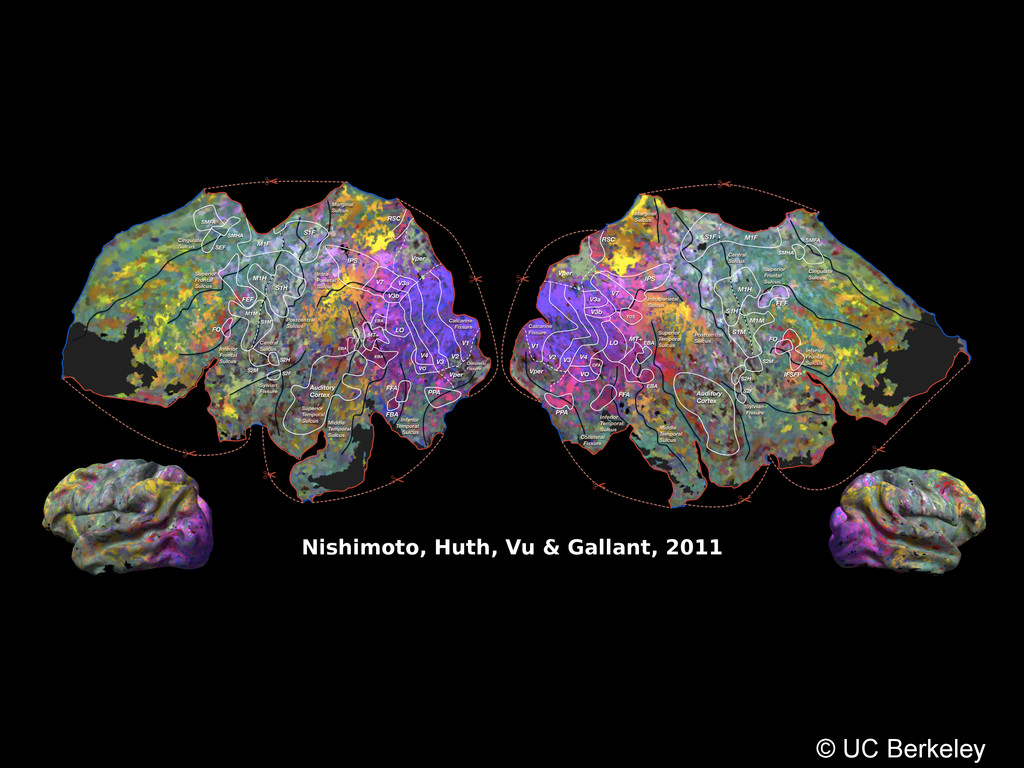
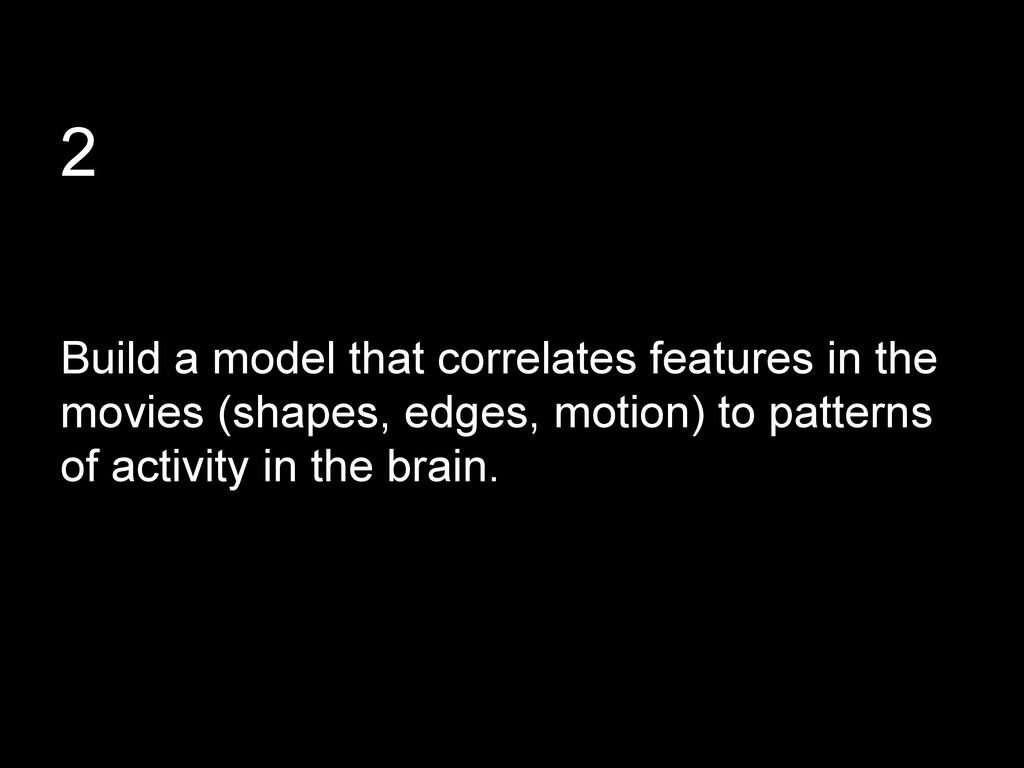
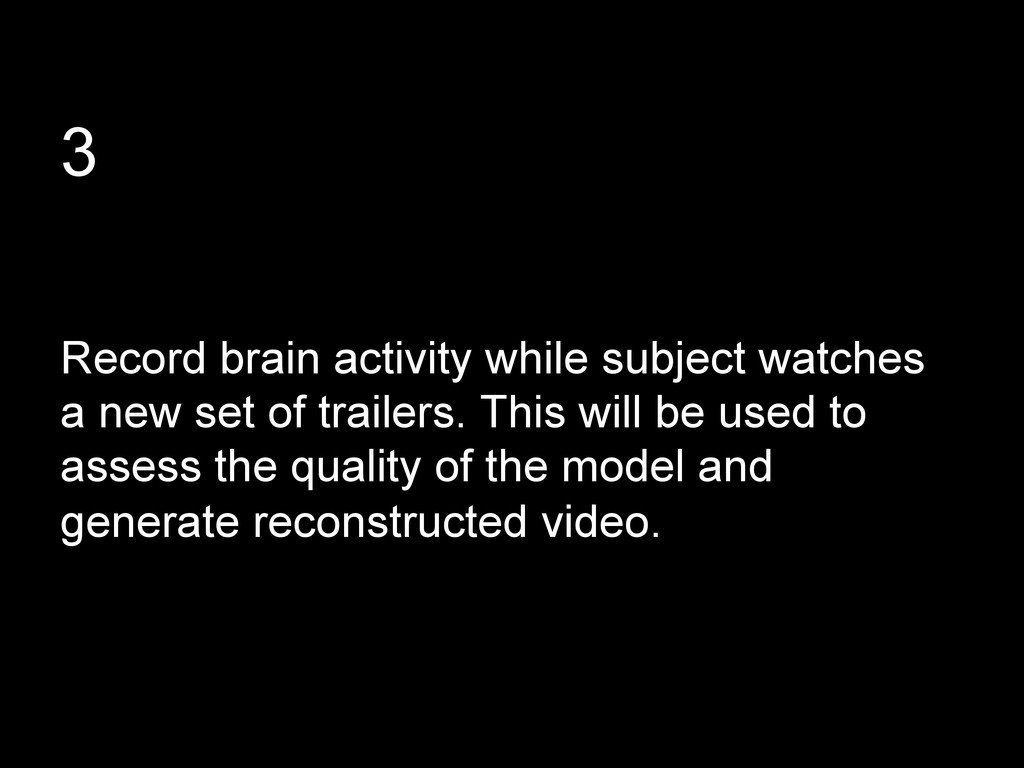
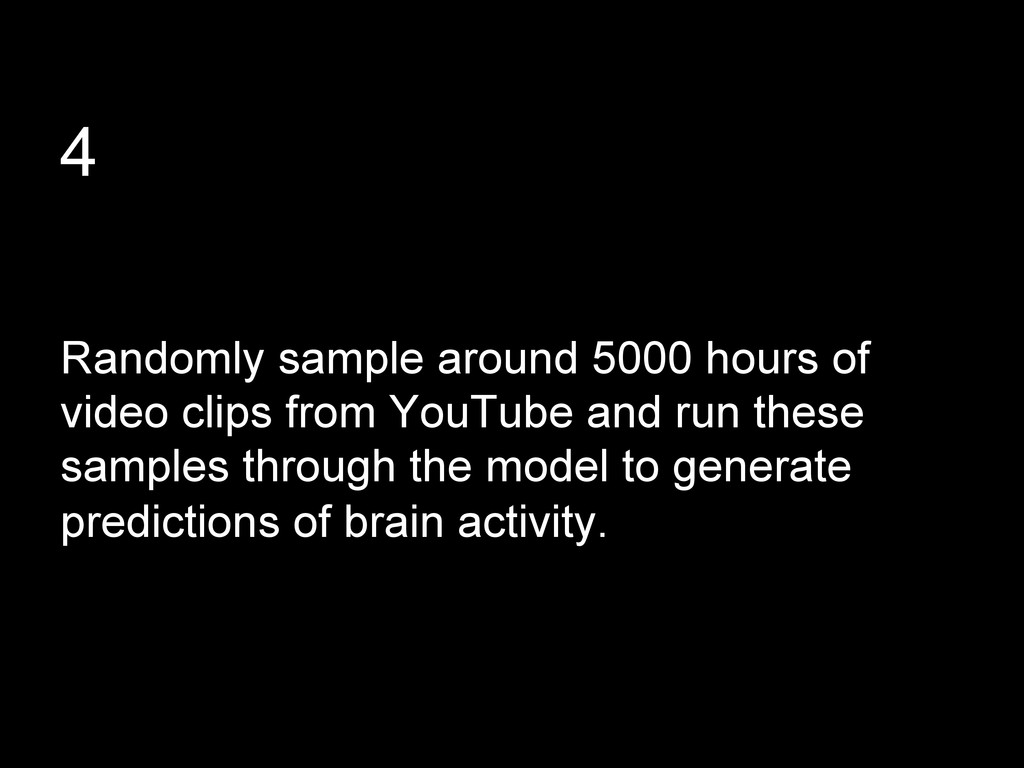
A very brief introduction to some NICTA projects, then a fun look at the state-of-the-art in brain-computer interface research from around the world. Originally presented at Offis eClub.
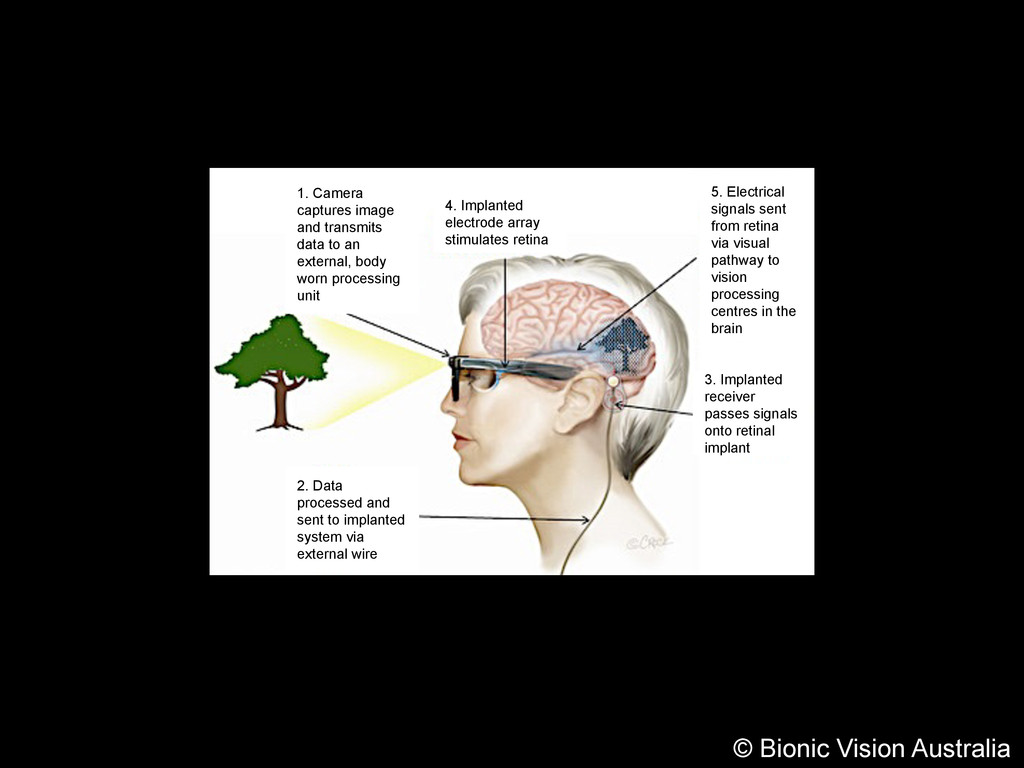
data to an external, body worn processing unit 2. Data processed and sent to implanted system via external wire 3. Implanted receiver passes signals onto retinal implant 4. Implanted electrode array stimulates retina 5. Electrical signals sent from retina via visual pathway to vision processing centres in the brain
*There is some disagreement as to whether science fiction is a roadmap or a warning to humanity. In the interests of delivering a fun talk, I assume the former.
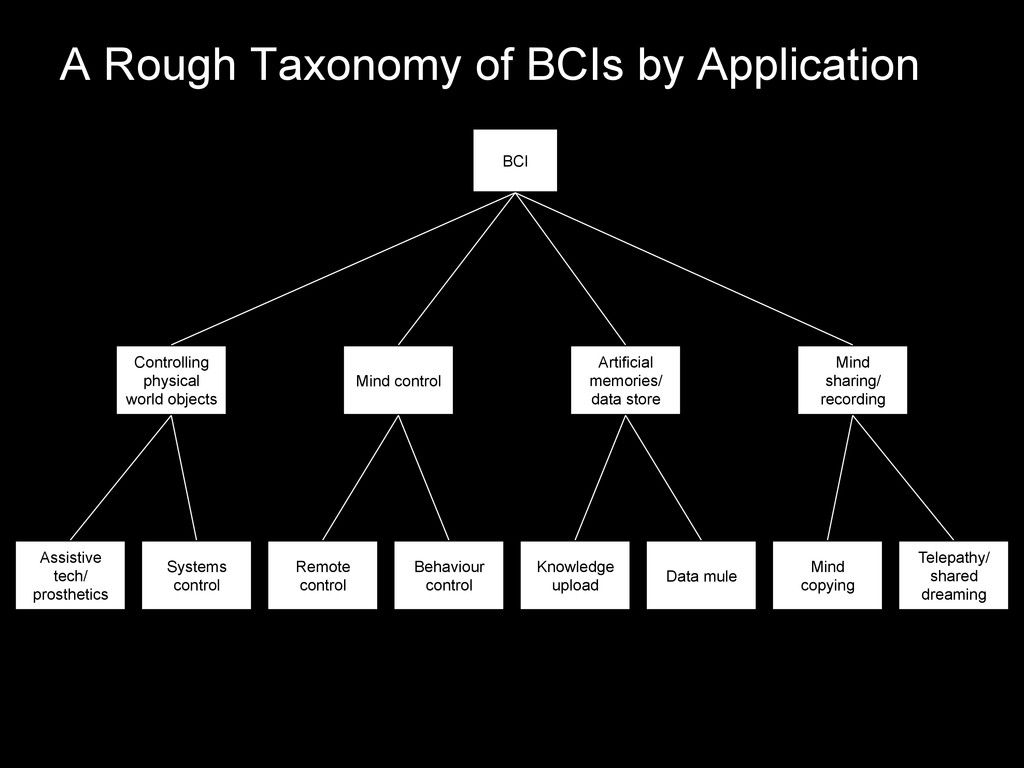
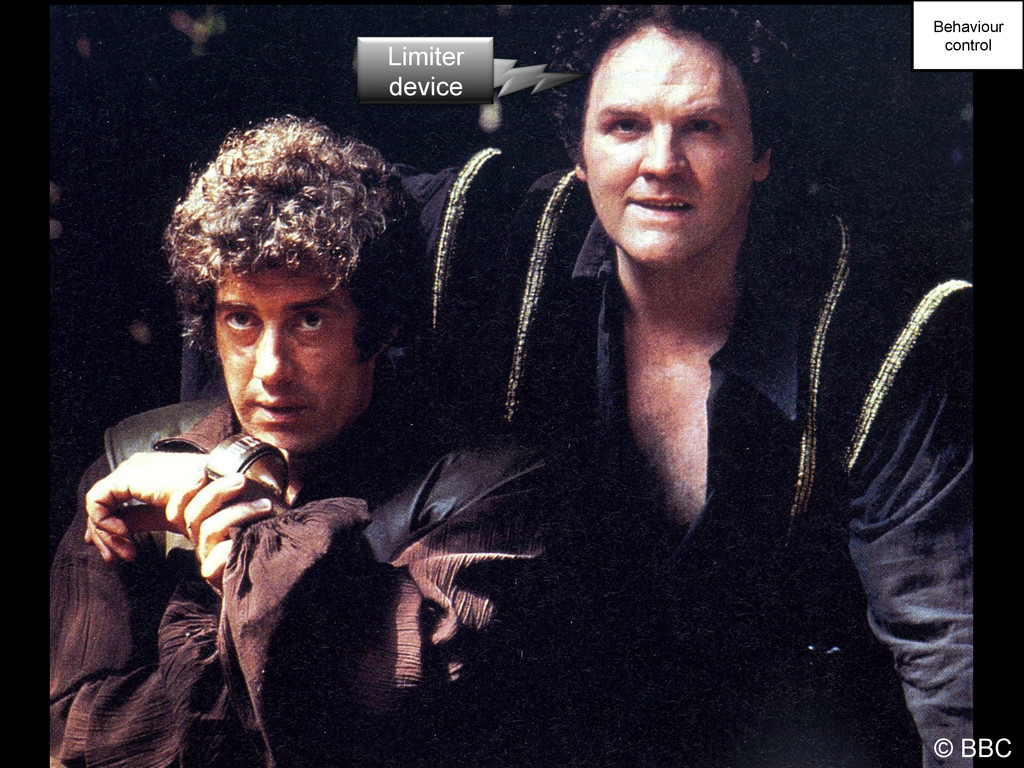
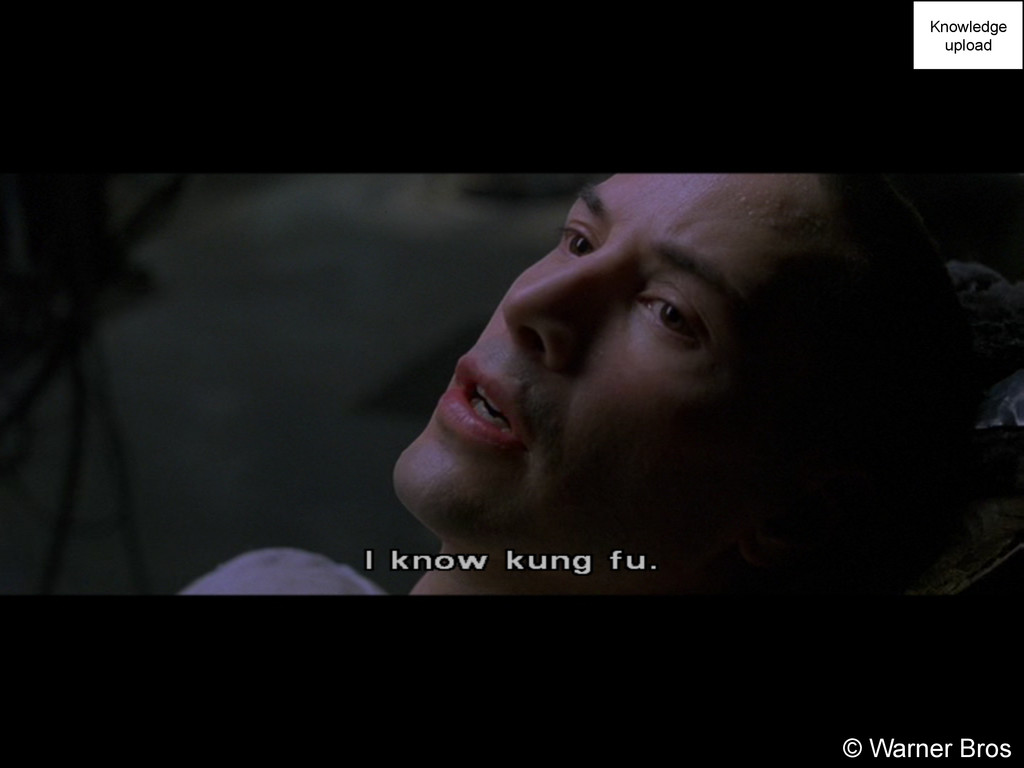
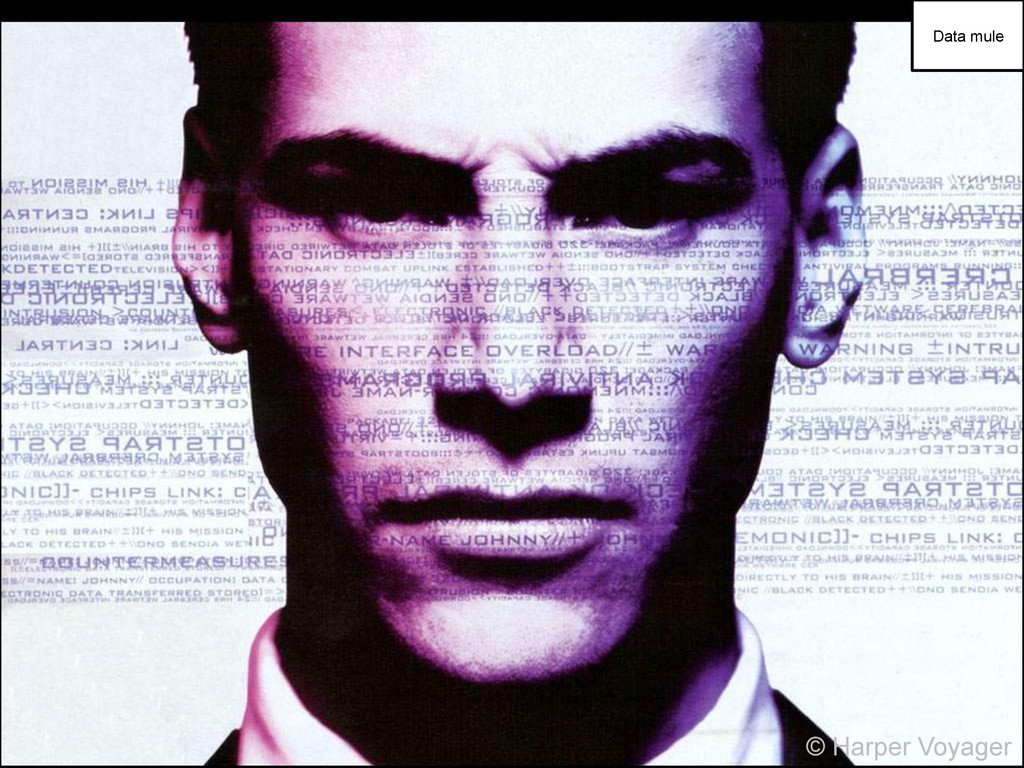
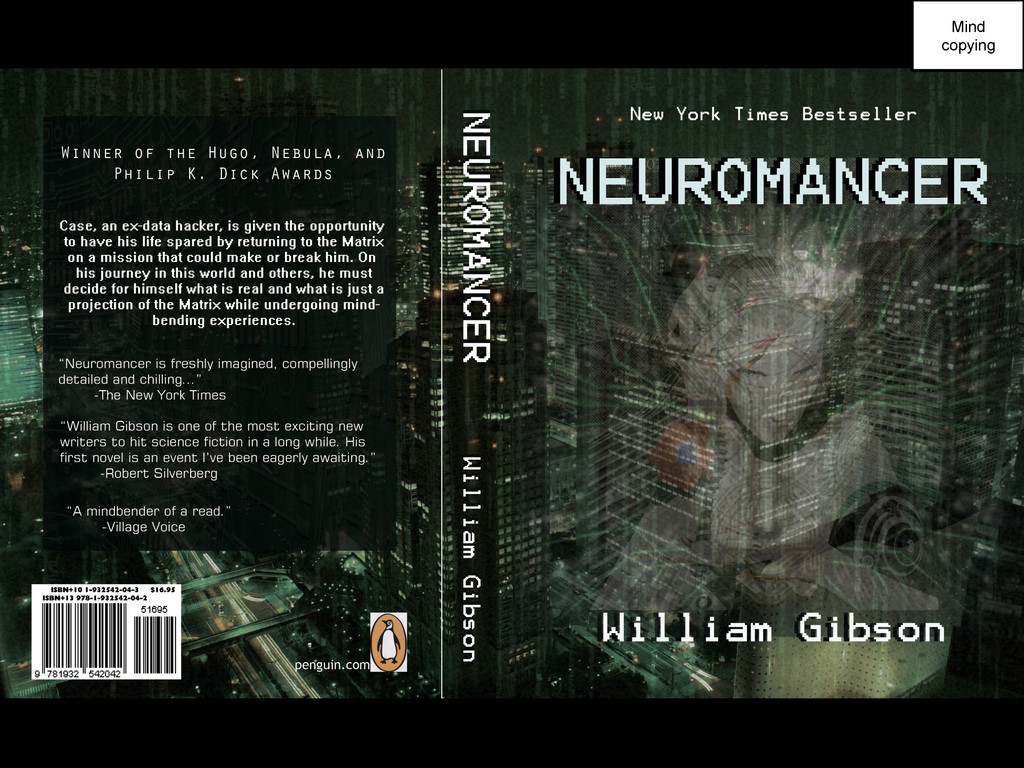
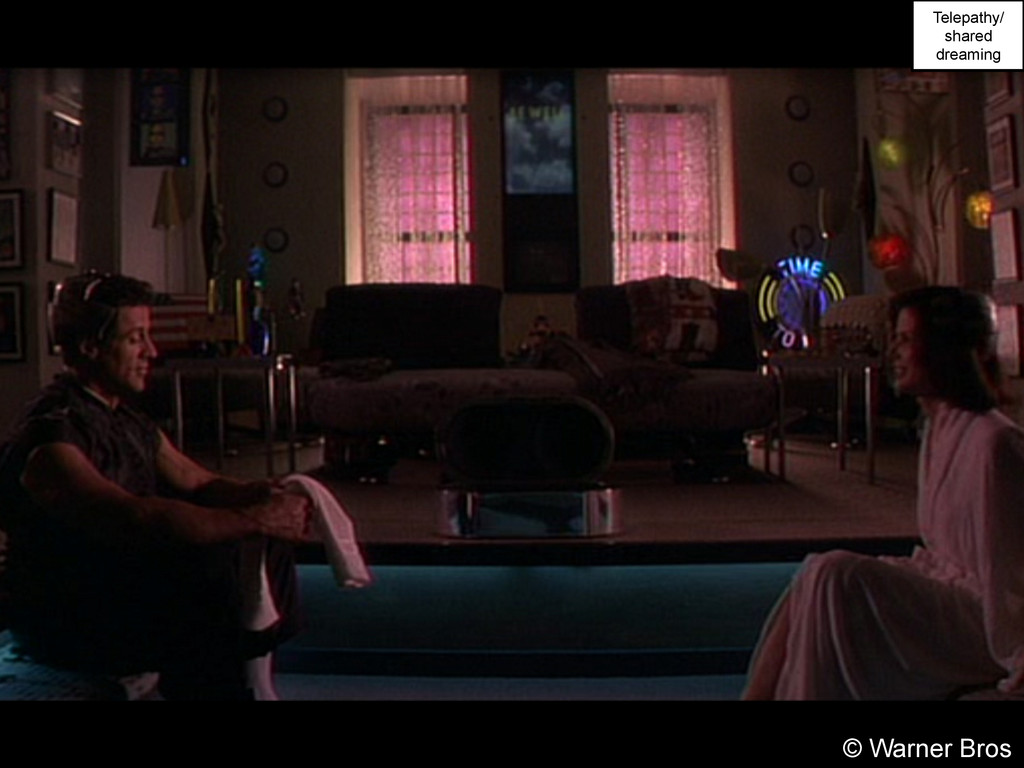
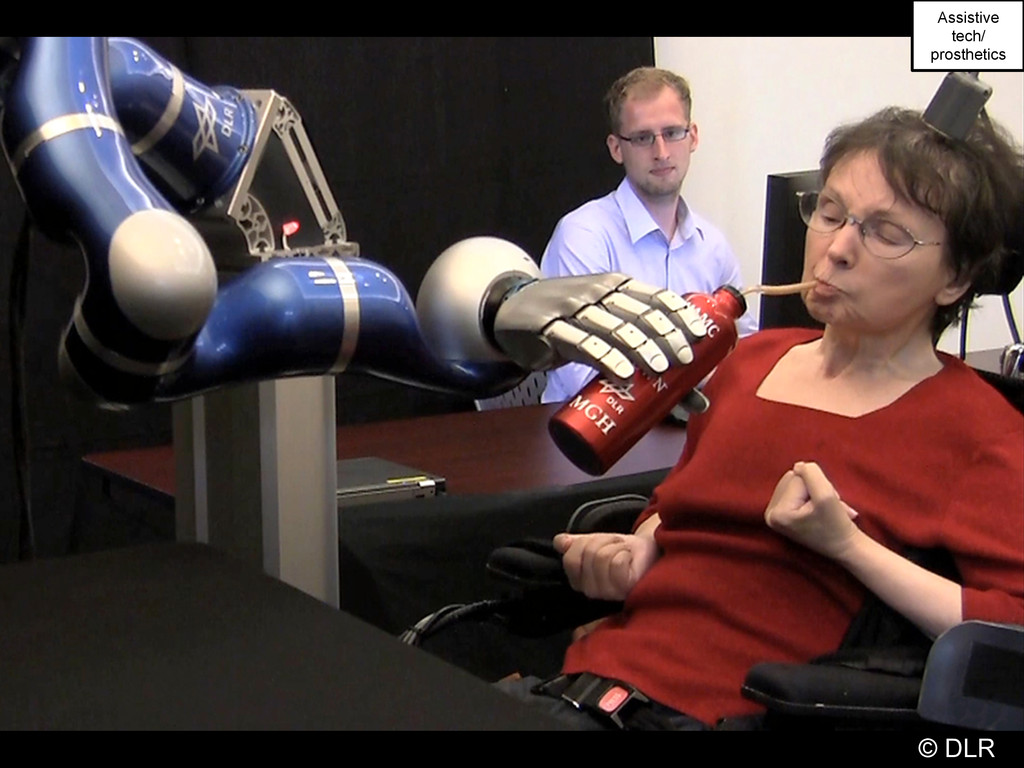
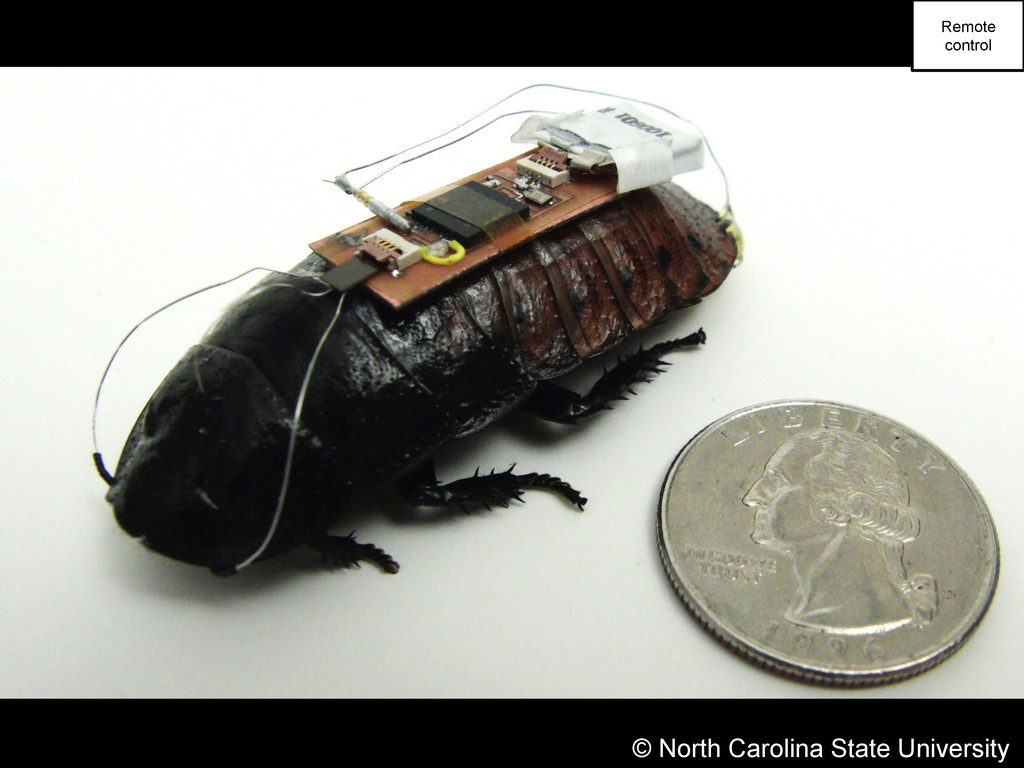
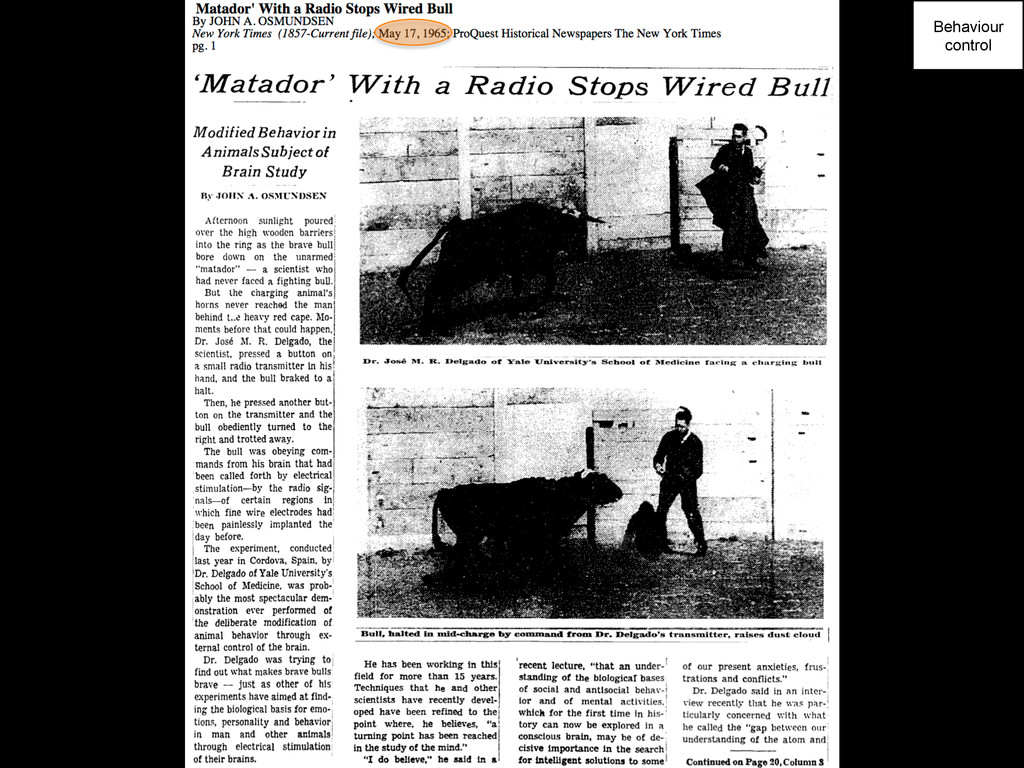
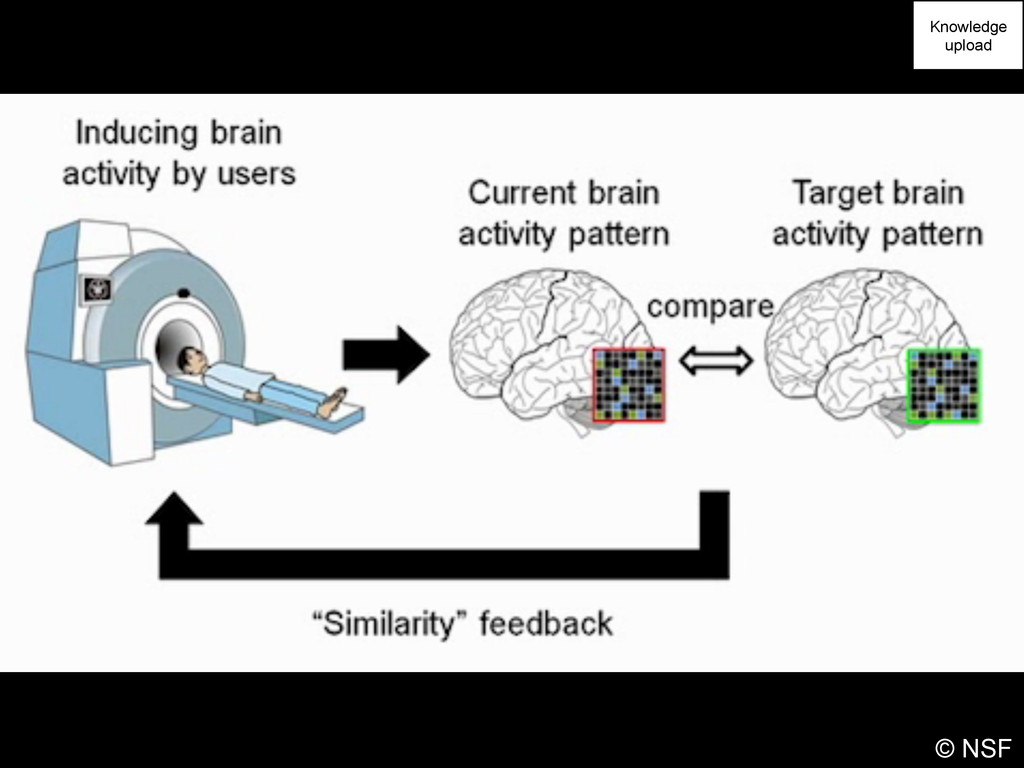
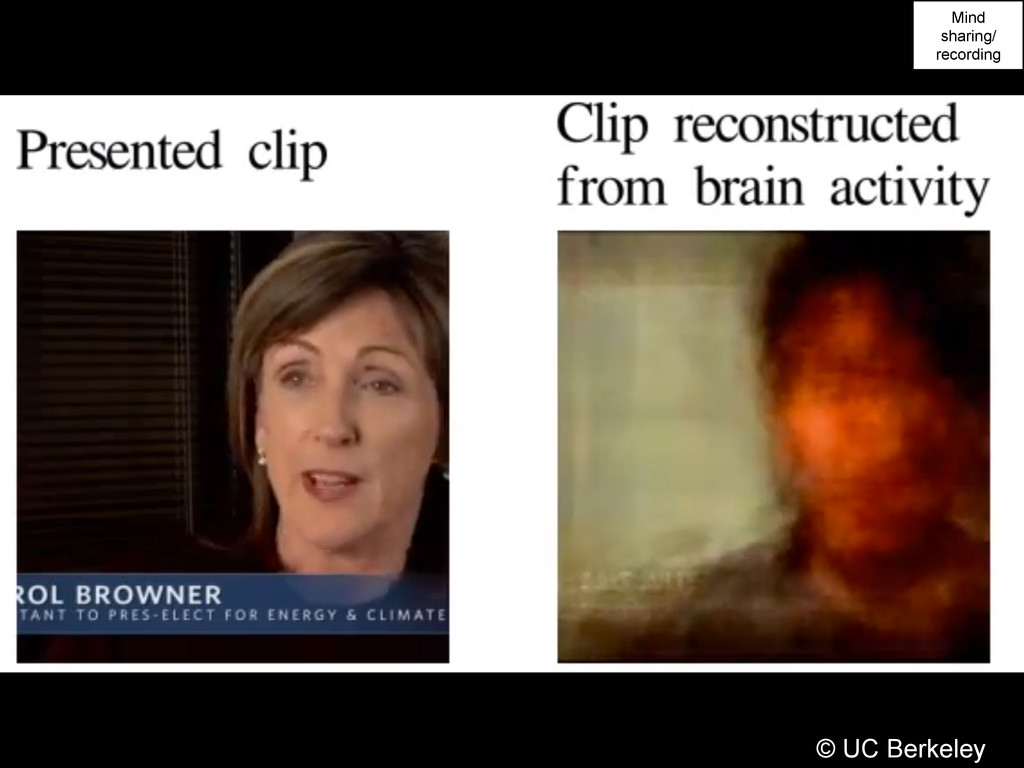
Controlling physical world objects Mind sharing/ recording Mind control Artificial memories/ data store Remote control Behaviour control Assistive tech/ prosthetics Telepathy/ shared dreaming Systems control Knowledge upload Data mule


 techtekt
 takuroabe
 kizawa2020
 shugo
 taketakekaho
 jyouryuusui
 mohab1
 takonda
 codmoninc
 colopl
 recruitengineers
 persolserverworks
 sonatard
 jakevdp
 ianozsvald
 greggifford
 jonoalderson
 eileencodes
 livdayseo
 sergeychernyshev
 sarafernandez
 brettharned
 akashhashmi
 techseoconnect