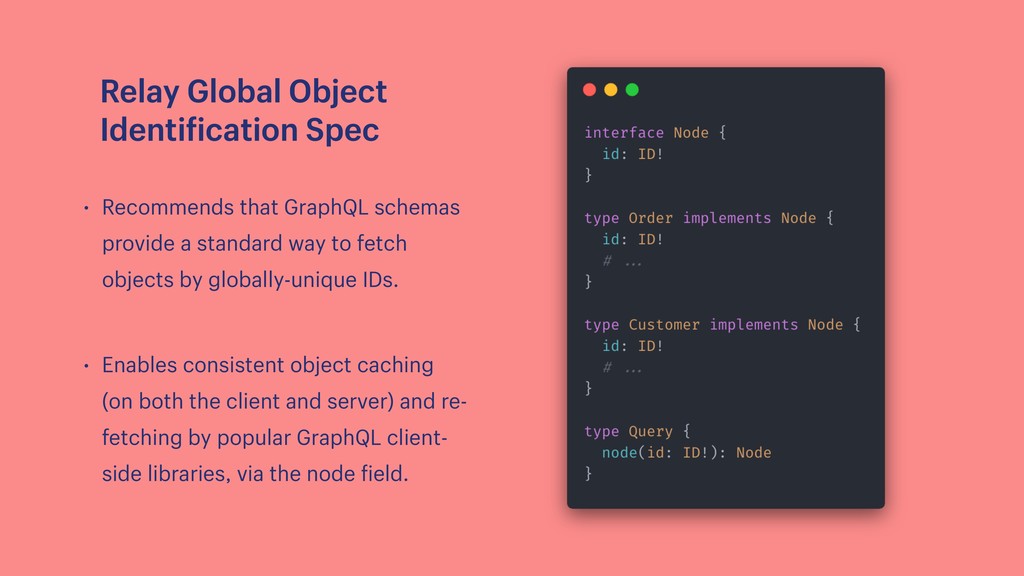
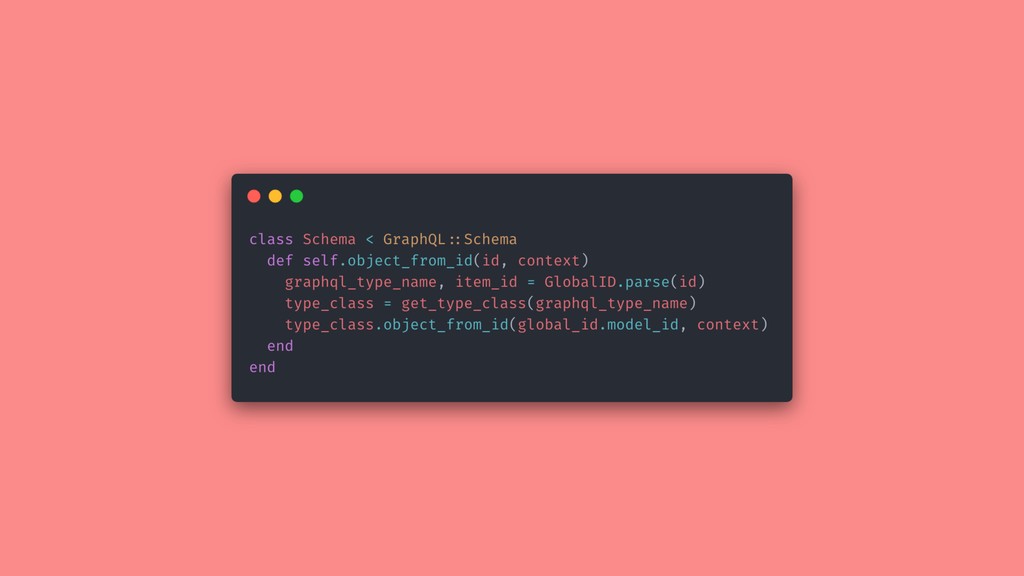
provide a standard way to fetch objects by globally-unique IDs. • Enables consistent object caching (on both the client and server) and re- fetching by popular GraphQL client- side libraries, via the node field.
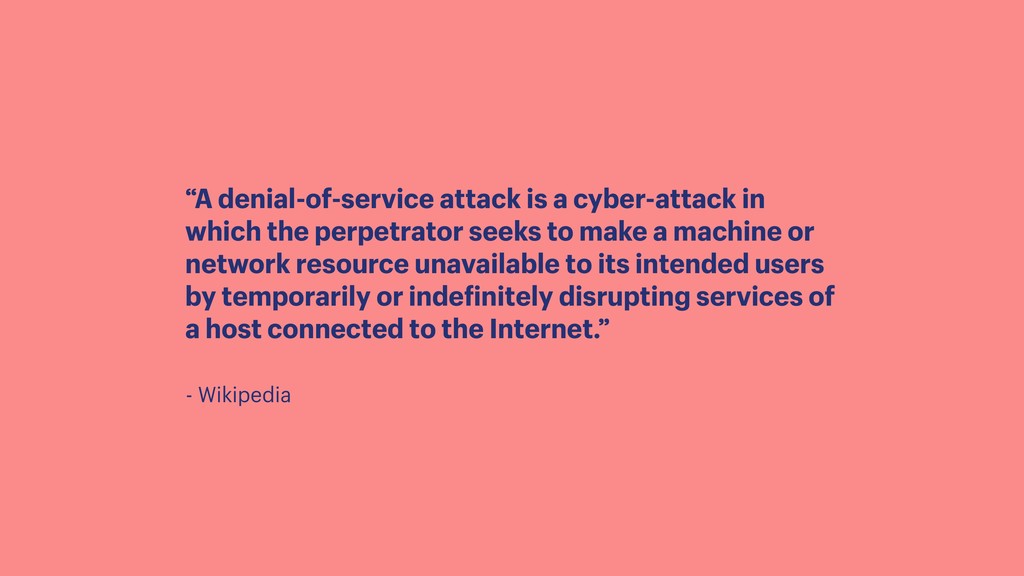
the perpetrator seeks to make a machine or network resource unavailable to its intended users by temporarily or indefinitely disrupting services of a host connected to the Internet.”
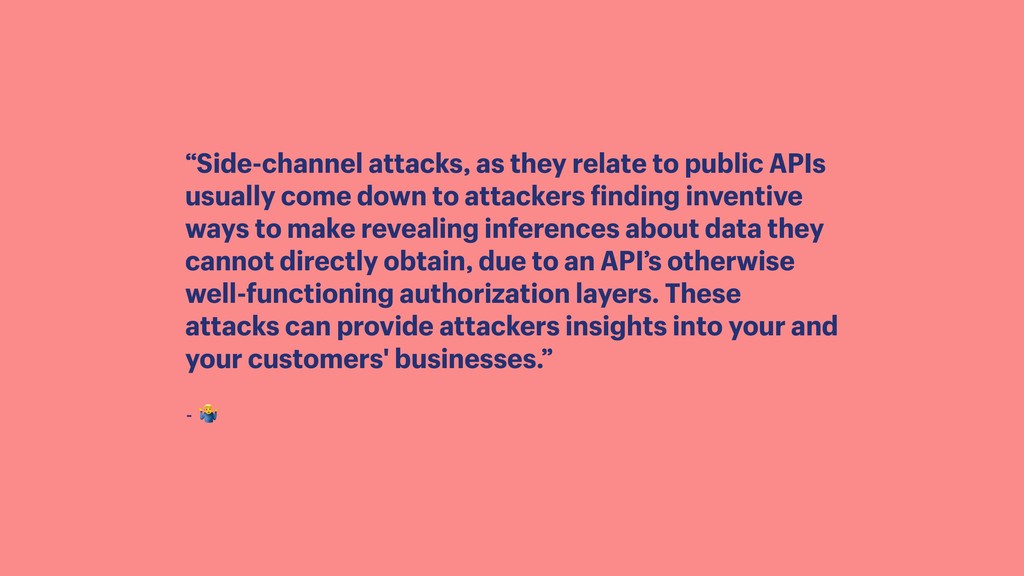
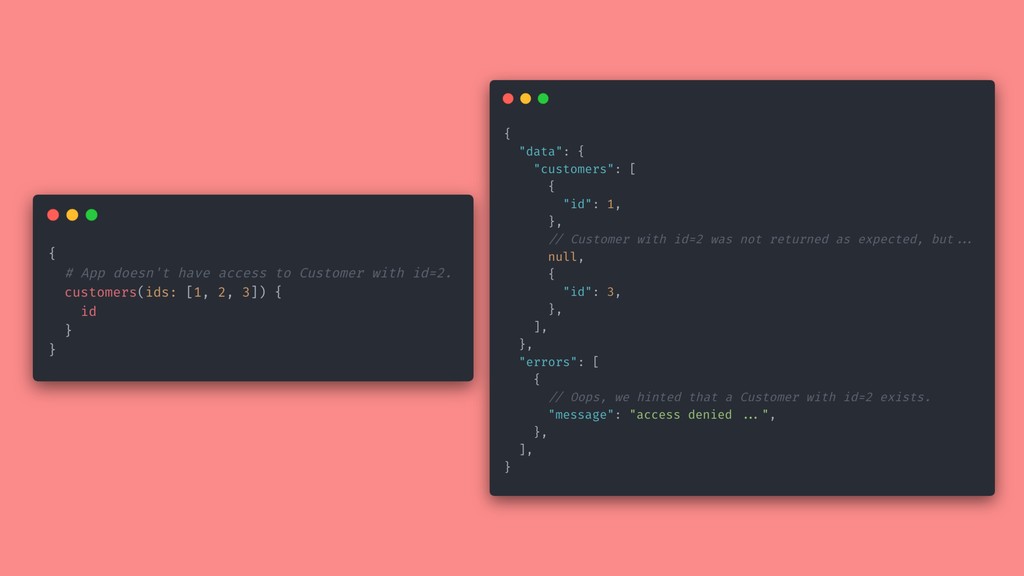
usually come down to attackers finding inventive ways to make revealing inferences about data they cannot directly obtain, due to an API’s otherwise well-functioning authorization layers. These attacks can provide attackers insights into your and your customers' businesses.”
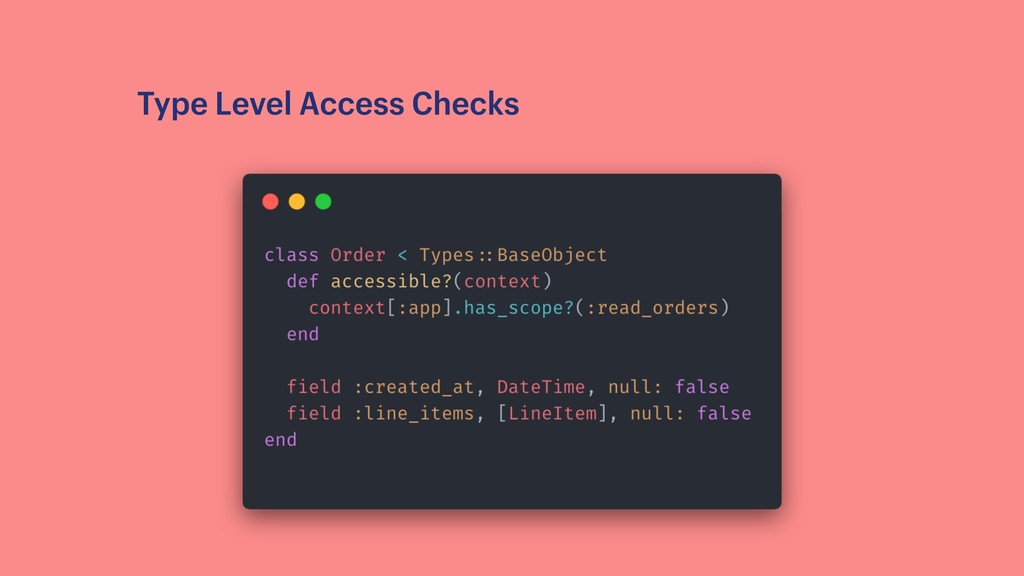
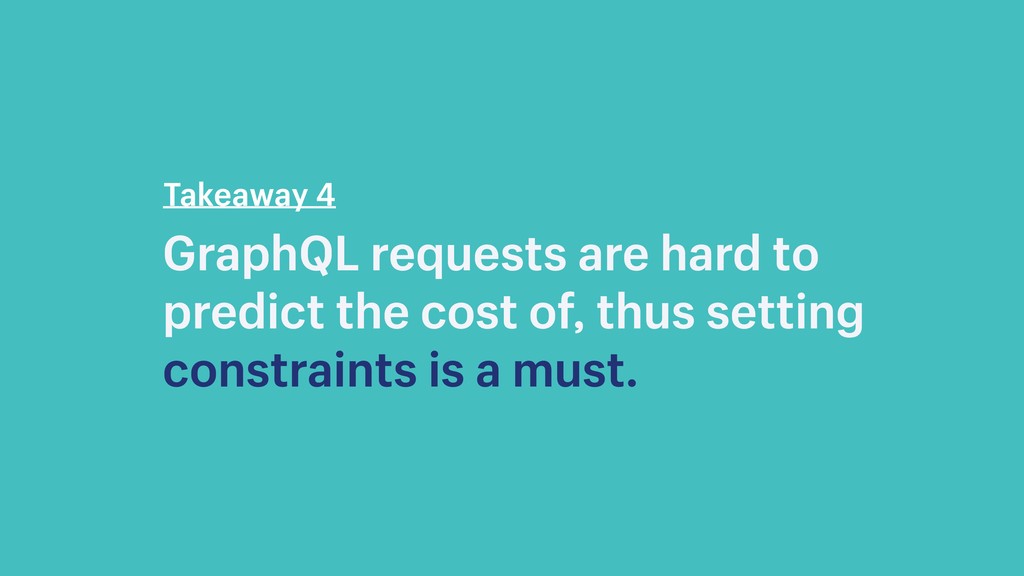
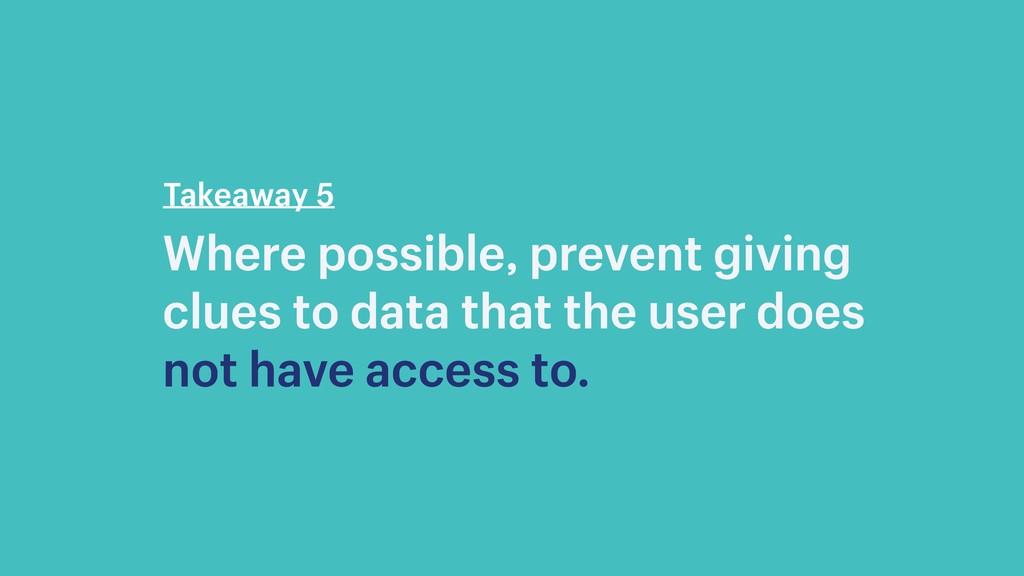
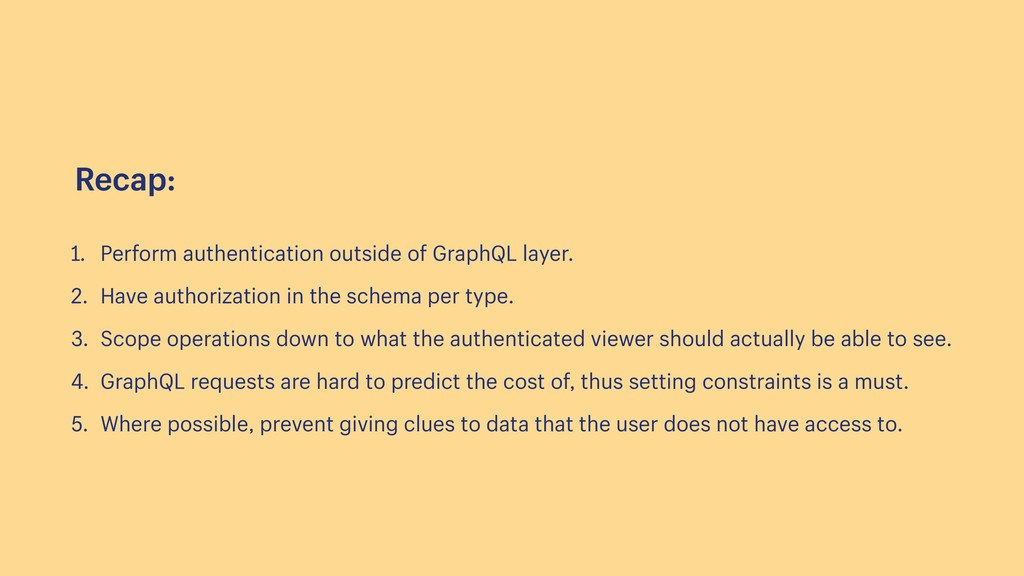
in the schema per type. 3. Scope operations down to what the authenticated viewer should actually be able to see. 4. GraphQL requests are hard to predict the cost of, thus setting constraints is a must. 5. Where possible, prevent giving clues to data that the user does not have access to. Recap:


 robertwsaunders
 carta_engineering
 codmoninc
 bitkey
 gionn
gionn
 yahonda
 tetsuya28
.png) codatum
codatum
 yu23ki14
 rfdnxbro
 kaminashi
 masakiokuda
 glaforge
 tammyeverts
 destraynor
 swwweet
.jpg) cargoodrich
cargoodrich
 tammielis
 tonyrice
 trallard
 wayneb77
 akashhashmi
 wjessup
 techseoconnect
 chriscoyier