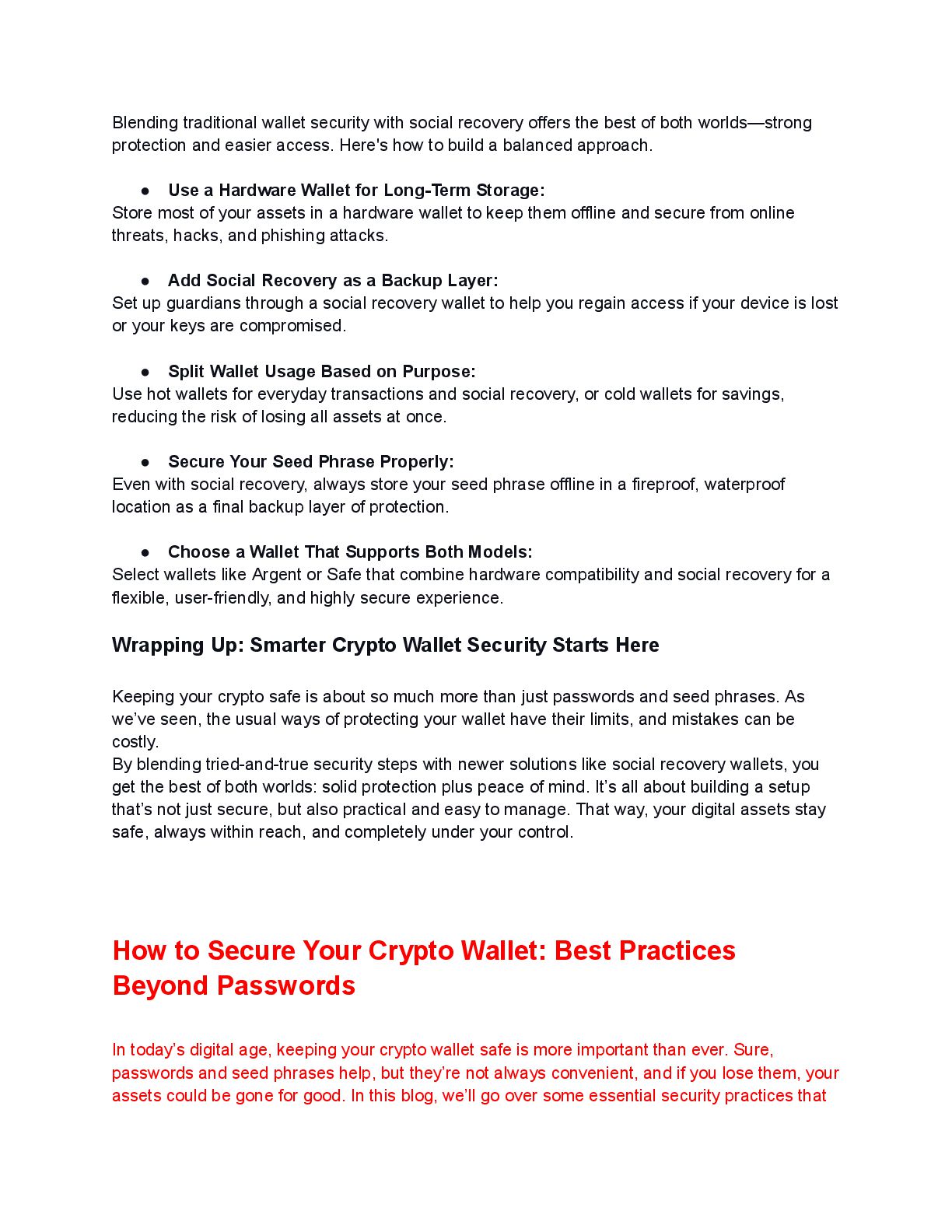
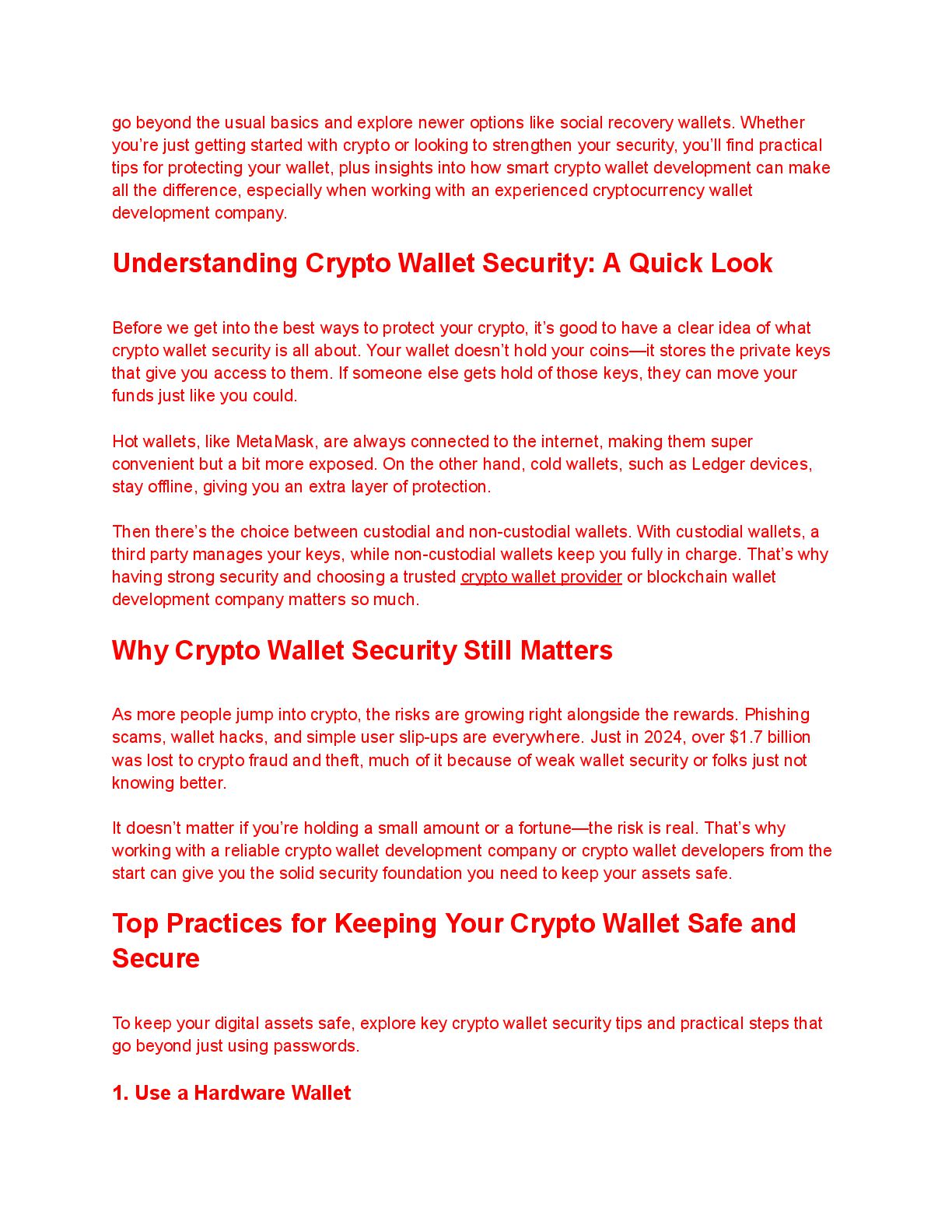
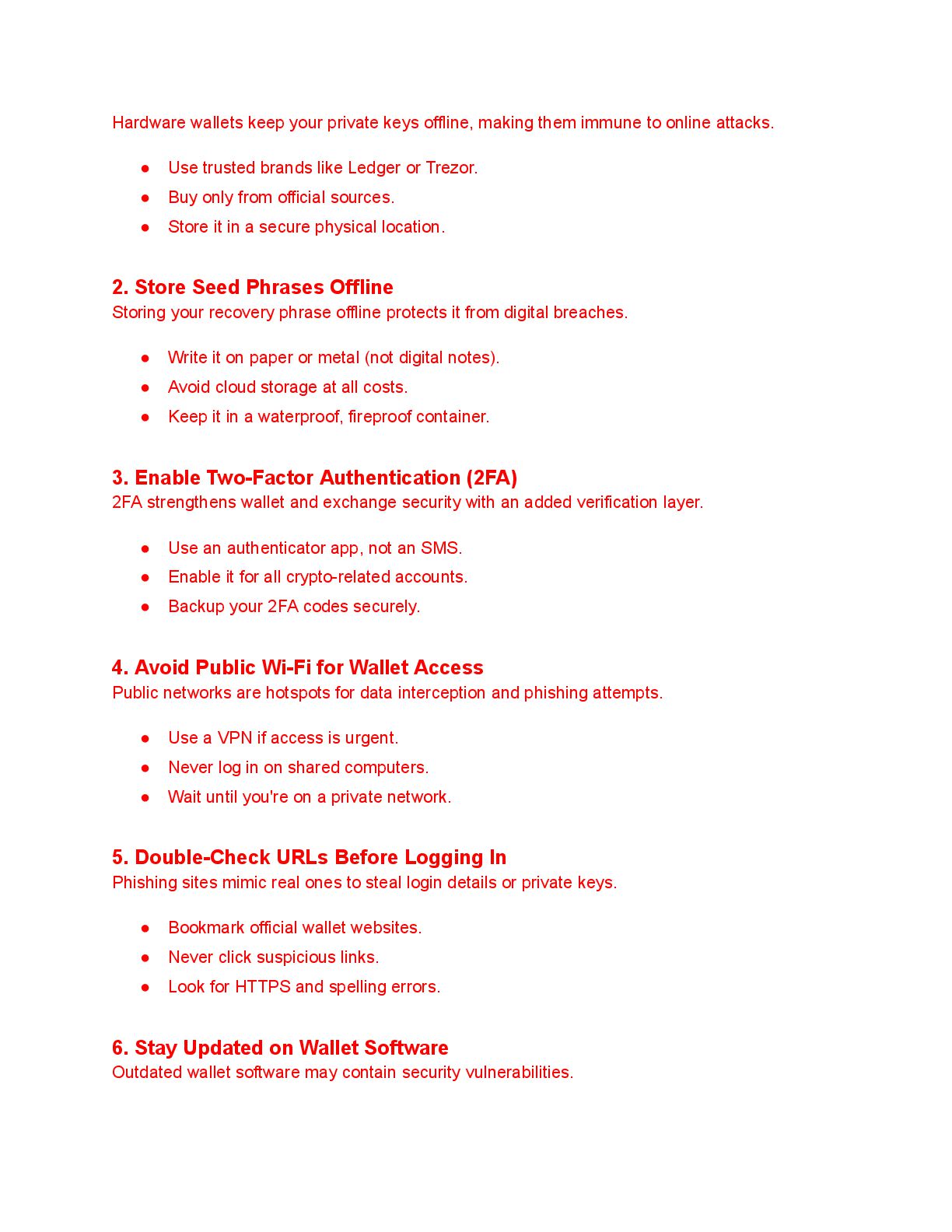
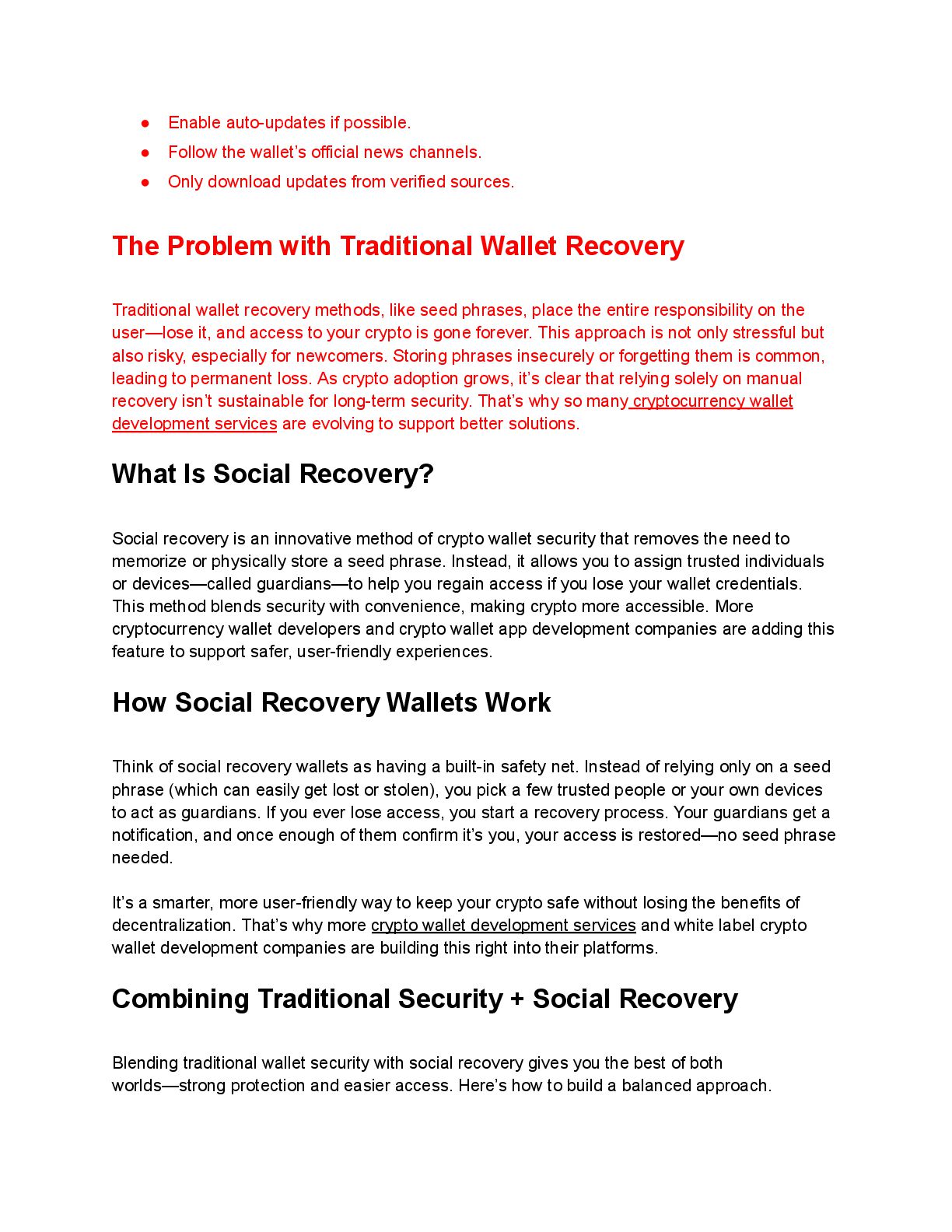
In today’s digital world, securing your crypto wallet is more critical than ever. While traditional methods like passwords and seed phrases offer protection, they’re often inconvenient and vulnerable to loss or theft. This blog explores essential security practices that go beyond the basics and introduces innovative solutions like social recovery wallets. Whether you're new to crypto or looking to upgrade your defenses, you'll gain insights into smarter, more reliable wallet security and the role of crypto wallet development in shaping it. Understanding Crypto Wallet Security: A Quick Overview Before diving into best practices, it’s important to understand what crypto wallet security really means. Wallets store the private keys that control your digital assets, anyone with access can move your funds. Hot wallets (like MetaMask) stay online and are convenient, while cold wallets (like Ledger) remain offline for added safety. Custodial wallets are managed by third parties, whereas non-custodial wallets let you retain full control over your assets and private keys. This is why strong security and reliable cryptocurrency wallet development services are so important. Why Crypto Wallet Security Still Matters With crypto adoption rising, so are threats like phishing scams, wallet hacks, and costly user mistakes. In 2024 alone, over $1.7 billion was lost to crypto-related fraud and theft. Many of these incidents stemmed from poor wallet security or lack of awareness. Whether you're holding a little or a lot, the risk is real. Partnering with a trusted crypto wallet development company can make all the difference in building a secure foundation from the start. Top Practices for Keeping Your Crypto Wallet Safe and Secure
security tips and practical steps that go beyond just using passwords. 1. Use a Hardware Wallet Hardware wallets keep your private keys offline, making them immune to online attacks. • Use trusted brands like Ledger or Trezor. • Buy only from official sources. • Store it in a secure physical location 2. Store Seed Phrases Offline Storing your recovery phrase offline protects it from digital breaches. • Write it on paper or metal (not digital notes) • Avoid cloud storage at all costs. • Keep it in a waterproof, fireproof container. 3. Enable Two-Factor Authentication (2FA) 2FA strengthens wallet and exchange security with an added verification layer. • Use an authenticator app, not an SMS. • Enable it for all crypto-related accounts. • Backup your 2FA codes securely 4. Avoid Public Wi-Fi for Wallet Access Public networks are hotspots for data interception and phishing attempts. • Use a VPN if access is urgent.
you're on a private network 5. Double-Check URLs Before Logging In Phishing sites mimic real ones to steal login details or private keys. • Bookmark official wallet websites • Never click suspicious links. • Look for HTTPS and spelling errors. 6. Stay Updated on Wallet Software Outdated wallet software may contain security vulnerabilities. • Enable auto-updates if possible. • Follow the wallet’s official news channels. • Only download updates from verified sources The Problem with Traditional Wallet Recovery Traditional wallet recovery methods, like seed phrases, place the entire responsibility on the user lose it, and access to your crypto is gone forever. This approach is not only stressful but also risky, especially for newcomers. Storing phrases insecurely or forgetting them is common, leading to permanent loss. As crypto adoption grows, it's clear that relying solely on manual recovery methods isn’t sustainable for long-term security or mass adoption. What Is Social Recovery?
that removes the need to memorize or physically store a seed phrase. Instead, it allows you to assign trusted individuals or devices called guardians, to help you regain access if you lose your wallet credentials. This method combines security with convenience, making crypto more accessible and user-friendly. As a growing focus in cryptocurrency wallet development, social recovery is paving the way for safer and simpler user experiences. How Social Recovery Wallets Work Social recovery wallets work by allowing users to assign trusted individuals or devices called guardians, who can help restore access if the wallet is lost. When access is compromised, the user initiates a recovery request through the wallet. The guardians then verify and approve the request. Once a majority of consensus is reached, access is securely restored without the need for a seed phrase. As part of modern crypto wallet development services, this approach offers a safer, more user-friendly alternative while maintaining decentralization. Combining Traditional Security + Social Recovery Blending traditional wallet security with social recovery offers the best of both worlds—strong protection and easier access. Here's how to build a balanced approach. • Use a Hardware Wallet for Long-Term Storage: Store most of your assets in a hardware wallet to keep them offline and secure from online threats, hacks, and phishing attacks. • Add Social Recovery as a Backup Layer: Set up guardians through a social recovery wallet to help you regain access if your device is lost or your keys are compromised. • Split Wallet Usage Based on Purpose: Use hot wallets for everyday transactions and social recovery or cold wallets for savings, reducing the risk of losing all assets at once.
always store your seed phrase offline in a fireproof, waterproof location as a final backup layer of protection. • Choose a Wallet That Supports Both Models: Select wallets like Argent or Safe that combine hardware compatibility and social recovery for a flexible, user-friendly, and highly secure experience. Wrapping Up: Smarter Crypto Wallet Security Starts Here Securing your crypto wallet goes far beyond just using passwords or storing seed phrases. In this blog, we explored essential best practices, the limitations of traditional recovery, and how social recovery wallets offer a smarter, user-friendly alternative. By combining traditional methods with modern innovations like social recovery, you can create a security setup that’s both robust and practical, ensuring your digital assets remain safe, accessible, and under your full control. Frequently Asked Questions (FAQs) 1. Can I change my guardians in a social recovery wallet later? Yes, most wallets allow you to update or replace guardians anytime to keep your recovery setup current and secure. 2. What happens if one of my guardians becomes unreachable? Social recovery usually requires a majority, not all guardians—so losing one won’t prevent you from recovering your wallet. 3. Are social recovery wallets suitable for businesses or teams? Yes, they’re ideal for teams, offering multi-party recovery and reducing the risk of single-point failure in organizational wallet management. 4. Do social recovery wallets support multiple blockchains? Some do, like Safe and Argent, but always check wallet documentation for supported networks before setting up your assets. 5. Is social recovery completely decentralized? Yes, most social recovery models are non-custodial and decentralized, meaning only you and your guardians control wallet recovery.
Yes, combining 2FA for login with social recovery for backup adds multiple layers of protection to your crypto wallet. How to Secure Your Crypto Wallet: Best Practices Beyond Passwords In today’s digital age, keeping your crypto wallet safe is more important than ever. Sure, passwords and seed phrases help, but they’re not always convenient, and if you lose them, your assets could be gone for good. In this blog, we’ll go over some essential security practices that go beyond the usual basics and explore newer options like social recovery wallets. Whether you’re just getting started with crypto or looking to strengthen your security, you’ll find practical tips for protecting your wallet, plus insights into how smart crypto wallet development can make all the difference. Understanding Crypto Wallet Security: A Quick Look Before we get into the best ways to protect your crypto, it’s good to have a clear idea of what crypto wallet security is all about. Your wallet doesn’t hold your coins—it stores the private keys that give you access to them. If someone else gets hold of those keys, they can move your funds just like you could. Hot wallets, like MetaMask, are always connected to the internet, making them super convenient but a bit more exposed. On the other hand, cold wallets, such as Ledger devices, stay offline, giving you an extra layer of protection. Then there’s the choice between custodial and non-custodial wallets. With custodial wallets, a third party manages your keys, while non-custodial wallets keep you fully in charge. That’s why having strong security and choosing a trusted cryptocurrency wallet development partner matters so much. Why Crypto Wallet Security Still Matters As more people jump into crypto, the risks are growing right alongside the rewards. Phishing scams, wallet hacks, and simple user slip-ups are everywhere. Just in 2024, over $1.7 billion was lost to crypto fraud and theft, much of it because of weak wallet security or folks just not knowing better.
a fortune—the risk is real. That’s why working with a trusted crypto wallet development company from the start can give you the solid security foundation you need to keep your assets safe. Top Practices for Keeping Your Crypto Wallet Safe and Secure To keep your digital assets safe, explore key crypto wallet security tips and practical steps that go beyond just using passwords. 1. Use a Hardware Wallet Hardware wallets keep your private keys offline, making them immune to online attacks. • Use trusted brands like Ledger or Trezor. • Buy only from official sources. • Store it in a secure physical location. 2. Store Seed Phrases Offline Storing your recovery phrase offline protects it from digital breaches. • Write it on paper or metal (not digital notes) • Avoid cloud storage at all costs. • Keep it in a waterproof, fireproof container. 3. Enable Two-Factor Authentication (2FA) 2FA strengthens wallet and exchange security with an added verification layer. • Use an authenticator app, not an SMS. • Enable it for all crypto-related accounts. • Backup your 2FA codes securely 4. Avoid Public Wi-Fi for Wallet Access Public networks are hotspots for data interception and phishing attempts. • Use a VPN if access is urgent. • Never log in on shared computers. • Wait until you're on a private network. 5. Double-Check URLs Before Logging In Phishing sites mimic real ones to steal login details or private keys. • Bookmark official wallet websites
spelling errors. 6. Stay Updated on Wallet Software Outdated wallet software may contain security vulnerabilities. • Enable auto-updates if possible. • Follow the wallet’s official news channels. • Only download updates from verified sources The Problem with Traditional Wallet Recovery Traditional wallet recovery methods, like seed phrases, place the entire responsibility on the user to lose it, and access to your crypto is gone forever. This approach is not only stressful but also risky, especially for newcomers. Storing phrases insecurely or forgetting them is common, leading to permanent loss. As crypto adoption grows, it's clear that relying solely on manual recovery methods isn’t sustainable for long-term security or mass adoption. What Is Social Recovery? Social recovery is an innovative method of crypto wallet security that removes the need to memorize or physically store a seed phrase. Instead, it allows you to assign trusted individuals or devices called guardians to help you regain access if you lose your wallet credentials. This method combines security with convenience, making crypto more accessible and user-friendly. As a growing focus in cryptocurrency wallet development, social recovery is paving the way for safer and simpler user experiences. How Social Recovery Wallets Work Think of social recovery wallets as having a built-in safety net. Instead of relying only on a seed phrase (which can easily get lost or stolen), you pick a few trusted people or even your own devices to act as “guardians.” If you ever lose access to your wallet, you simply start a recovery process. Your guardians get a notification, and once enough of them confirm it’s you, your access is restored—no seed phrase needed. This way, you stay in control, but with an extra layer of protection. It’s a smarter, more user-friendly way to keep your crypto safe without giving up the benefits of decentralization. That’s why more crypto wallet development services are building this feature right into their platforms. Combining Traditional Security + Social Recovery
of both worlds—strong protection and easier access. Here's how to build a balanced approach. • Use a Hardware Wallet for Long-Term Storage: Store most of your assets in a hardware wallet to keep them offline and secure from online threats, hacks, and phishing attacks. • Add Social Recovery as a Backup Layer: Set up guardians through a social recovery wallet to help you regain access if your device is lost or your keys are compromised. • Split Wallet Usage Based on Purpose: Use hot wallets for everyday transactions and social recovery, or cold wallets for savings, reducing the risk of losing all assets at once. • Secure Your Seed Phrase Properly: Even with social recovery, always store your seed phrase offline in a fireproof, waterproof location as a final backup layer of protection. • Choose a Wallet That Supports Both Models: Select wallets like Argent or Safe that combine hardware compatibility and social recovery for a flexible, user-friendly, and highly secure experience. Wrapping Up: Smarter Crypto Wallet Security Starts Here Keeping your crypto safe is about so much more than just passwords and seed phrases. As we’ve seen, the usual ways of protecting your wallet have their limits, and mistakes can be costly. By blending tried-and-true security steps with newer solutions like social recovery wallets, you get the best of both worlds: solid protection plus peace of mind. It’s all about building a setup that’s not just secure, but also practical and easy to manage. That way, your digital assets stay safe, always within reach, and completely under your control. How to Secure Your Crypto Wallet: Best Practices Beyond Passwords In today’s digital age, keeping your crypto wallet safe is more important than ever. Sure, passwords and seed phrases help, but they’re not always convenient, and if you lose them, your assets could be gone for good. In this blog, we’ll go over some essential security practices that
social recovery wallets. Whether you’re just getting started with crypto or looking to strengthen your security, you’ll find practical tips for protecting your wallet, plus insights into how smart crypto wallet development can make all the difference, especially when working with an experienced cryptocurrency wallet development company. Understanding Crypto Wallet Security: A Quick Look Before we get into the best ways to protect your crypto, it’s good to have a clear idea of what crypto wallet security is all about. Your wallet doesn’t hold your coins—it stores the private keys that give you access to them. If someone else gets hold of those keys, they can move your funds just like you could. Hot wallets, like MetaMask, are always connected to the internet, making them super convenient but a bit more exposed. On the other hand, cold wallets, such as Ledger devices, stay offline, giving you an extra layer of protection. Then there’s the choice between custodial and non-custodial wallets. With custodial wallets, a third party manages your keys, while non-custodial wallets keep you fully in charge. That’s why having strong security and choosing a trusted crypto wallet provider or blockchain wallet development company matters so much. Why Crypto Wallet Security Still Matters As more people jump into crypto, the risks are growing right alongside the rewards. Phishing scams, wallet hacks, and simple user slip-ups are everywhere. Just in 2024, over $1.7 billion was lost to crypto fraud and theft, much of it because of weak wallet security or folks just not knowing better. It doesn’t matter if you’re holding a small amount or a fortune—the risk is real. That’s why working with a reliable crypto wallet development company or crypto wallet developers from the start can give you the solid security foundation you need to keep your assets safe. Top Practices for Keeping Your Crypto Wallet Safe and Secure To keep your digital assets safe, explore key crypto wallet security tips and practical steps that go beyond just using passwords. 1. Use a Hardware Wallet
to online attacks. • Use trusted brands like Ledger or Trezor. • Buy only from official sources. • Store it in a secure physical location. 2. Store Seed Phrases Offline Storing your recovery phrase offline protects it from digital breaches. • Write it on paper or metal (not digital notes). • Avoid cloud storage at all costs. • Keep it in a waterproof, fireproof container. 3. Enable Two-Factor Authentication (2FA) 2FA strengthens wallet and exchange security with an added verification layer. • Use an authenticator app, not an SMS. • Enable it for all crypto-related accounts. • Backup your 2FA codes securely. 4. Avoid Public Wi-Fi for Wallet Access Public networks are hotspots for data interception and phishing attempts. • Use a VPN if access is urgent. • Never log in on shared computers. • Wait until you're on a private network. 5. Double-Check URLs Before Logging In Phishing sites mimic real ones to steal login details or private keys. • Bookmark official wallet websites. • Never click suspicious links. • Look for HTTPS and spelling errors. 6. Stay Updated on Wallet Software Outdated wallet software may contain security vulnerabilities.
news channels. • Only download updates from verified sources. The Problem with Traditional Wallet Recovery Traditional wallet recovery methods, like seed phrases, place the entire responsibility on the user—lose it, and access to your crypto is gone forever. This approach is not only stressful but also risky, especially for newcomers. Storing phrases insecurely or forgetting them is common, leading to permanent loss. As crypto adoption grows, it’s clear that relying solely on manual recovery isn’t sustainable for long-term security. That’s why so many cryptocurrency wallet development services are evolving to support better solutions. What Is Social Recovery? Social recovery is an innovative method of crypto wallet security that removes the need to memorize or physically store a seed phrase. Instead, it allows you to assign trusted individuals or devices—called guardians—to help you regain access if you lose your wallet credentials. This method blends security with convenience, making crypto more accessible. More cryptocurrency wallet developers and crypto wallet app development companies are adding this feature to support safer, user-friendly experiences. How Social Recovery Wallets Work Think of social recovery wallets as having a built-in safety net. Instead of relying only on a seed phrase (which can easily get lost or stolen), you pick a few trusted people or your own devices to act as guardians. If you ever lose access, you start a recovery process. Your guardians get a notification, and once enough of them confirm it’s you, your access is restored—no seed phrase needed. It’s a smarter, more user-friendly way to keep your crypto safe without losing the benefits of decentralization. That’s why more crypto wallet development services and white label crypto wallet development companies are building this right into their platforms. Combining Traditional Security + Social Recovery Blending traditional wallet security with social recovery gives you the best of both worlds—strong protection and easier access. Here’s how to build a balanced approach.
of your assets in a hardware wallet to keep them offline and secure from online threats, hacks, and phishing attacks. • Add Social Recovery as a Backup Layer: Set up guardians through a social recovery wallet to help you regain access if your device is lost or your keys are compromised. • Split Wallet Usage Based on Purpose: Use hot wallets for everyday transactions and social recovery, or cold wallets for savings, reducing the risk of losing all assets at once. • Secure Your Seed Phrase Properly: Even with social recovery, always store your seed phrase offline in a fireproof, waterproof location as a final backup layer of protection. • Choose a Wallet That Supports Both Models: Select wallets like Argent or Safe that combine hardware compatibility and social recovery for a flexible, user-friendly, and highly secure experience. Wrapping Up: Smarter Crypto Wallet Security Starts Here Keeping your crypto safe is about so much more than just passwords and seed phrases. As we’ve seen, the usual ways of protecting your wallet have their limits, and mistakes can be costly. By blending proven security steps with modern solutions like social recovery, you get solid protection plus peace of mind. It’s all about setting up a system that’s secure, practical, and gives you full control, backed by the expertise of top cryptocurrency development services and crypto wallet developers. Frequently Asked Questions (FAQs) 1. Why is securing my crypto wallet so important? Because your wallet holds the private keys to your crypto. If someone else gets access, they can move your funds without your permission. Strong wallet security helps prevent hacks, phishing, and accidental losses. 2. What’s the difference between a hot wallet and a cold wallet? A hot wallet (like MetaMask) is always connected to the internet—great for quick transactions, but more exposed to online attacks. A cold wallet (like Ledger or Trezor) stays offline, offering
work for crypto wallets? Social recovery lets you pick trusted people or devices as “guardians.” If you lose access, these guardians approve your recovery. It removes the need to store or memorize a seed phrase, combining security with user-friendly access. 4. How can a crypto wallet development company help improve wallet security? Professional crypto wallet developers can build features like advanced encryption, social recovery, multi-signature support, and compliance tools that strengthen wallet security beyond basic measures. 5. Are social recovery wallets suitable for businesses or teams? Yes, they’re ideal for teams, offering multi-party recovery and reducing the risk of single-point failure in organizational wallet management. 6. How often should I update my wallet software? Whenever updates are available. Keeping your wallet software updated ensures you have the latest security patches and protections.


 kash1064
 riyaamemiya
 ludicmind
 terapyon
 masakiokuda
 moznion
 recruitengineers
 puhitaku
 sh_fk2
 pfn
 gogutan
 sergeychernyshev
 reverentgeek
 lauravandoore
 colly
 trishagee
 oripsolob
 baasie
 greggifford
 thoeni
 retrage
 jct
 skipperchong