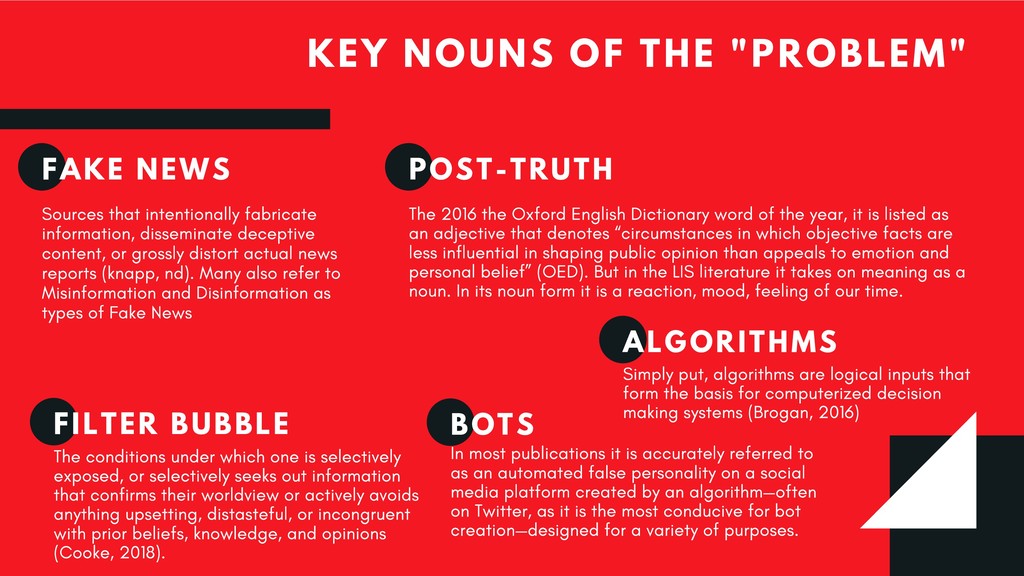
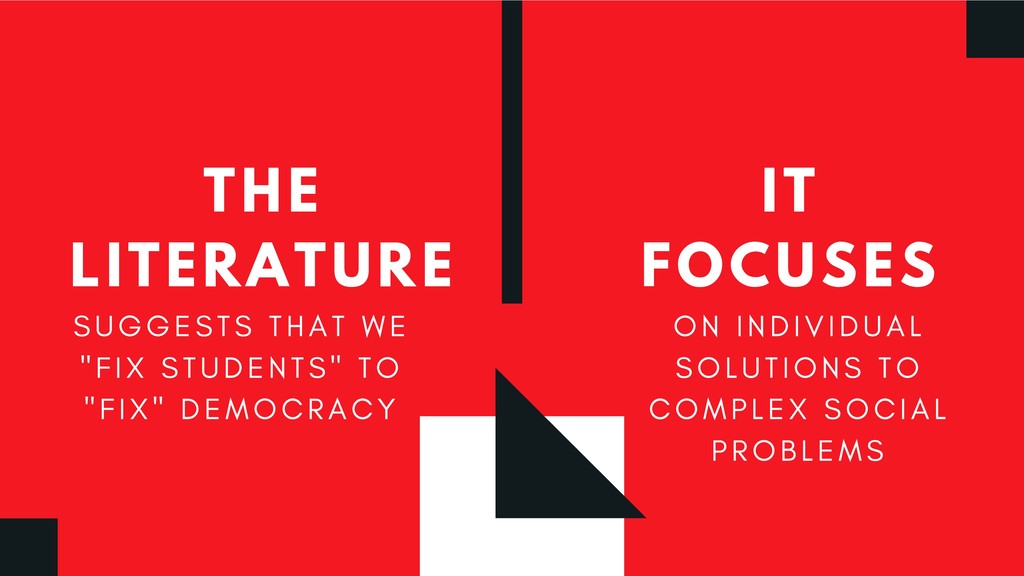
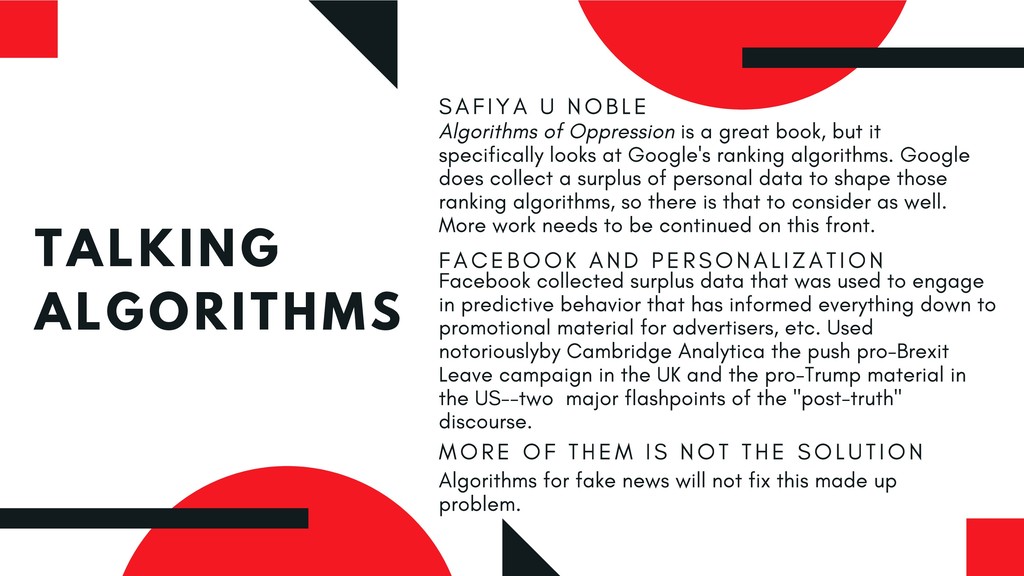
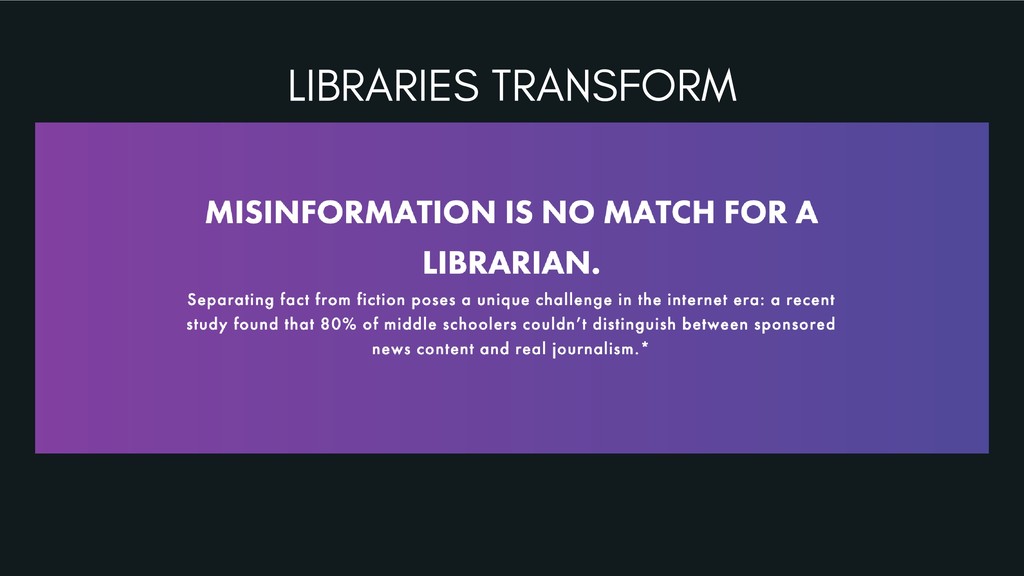
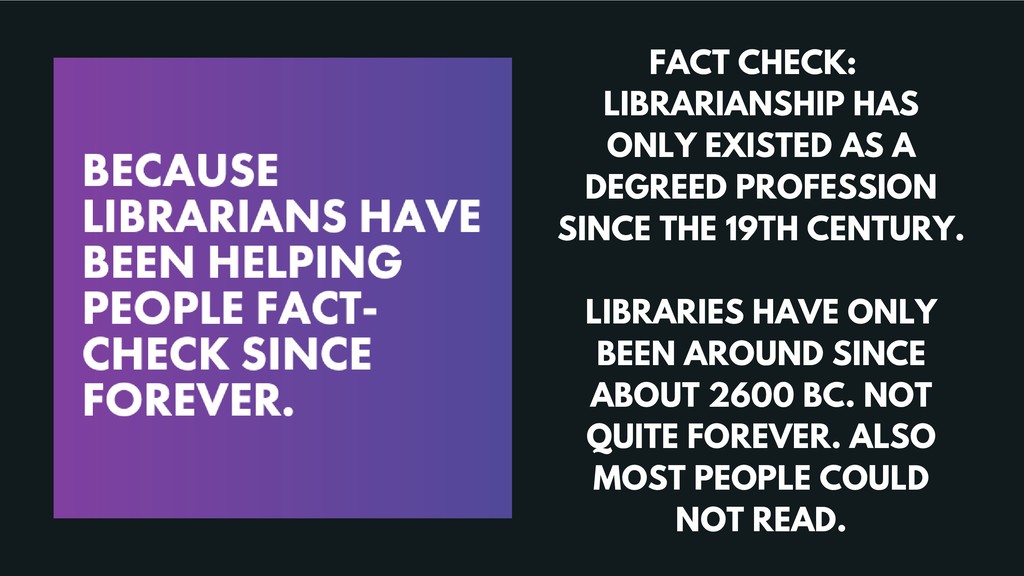
A spectre is haunting librarianship, one that my fellow panelists and I have identified as the “post-truth”/“fake news” pedagogy problem. My paper delves into the deep ramifications of our published practices and recommendations for instruction around this topic and explores what actual harm exists in the suggested approaches by librarianship to ameliorate the so-called problem of “fake news.” I argue that the harms hidden in these approaches have serious implications for both library work and the students we seek to teach and reach through library instruction.
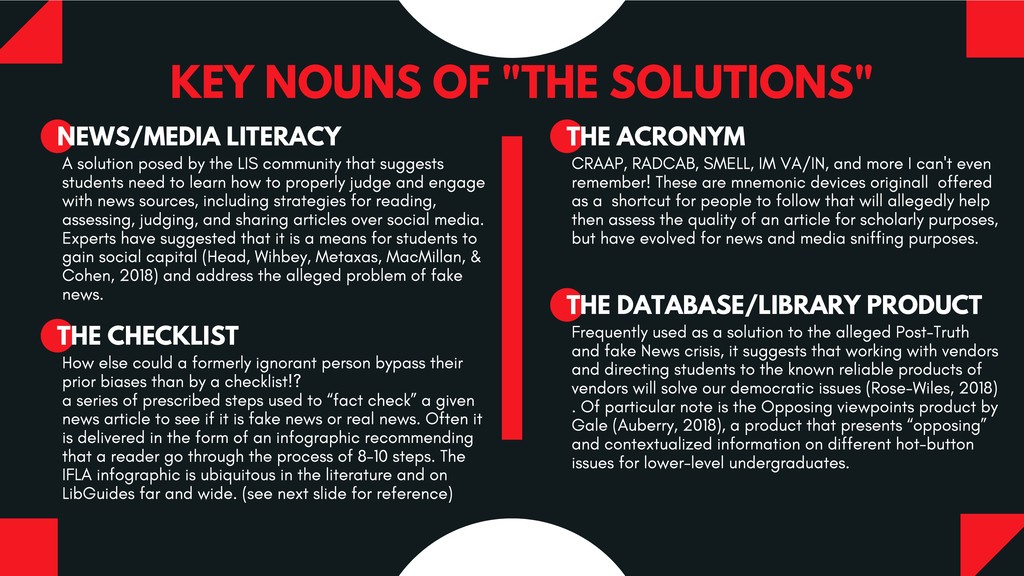
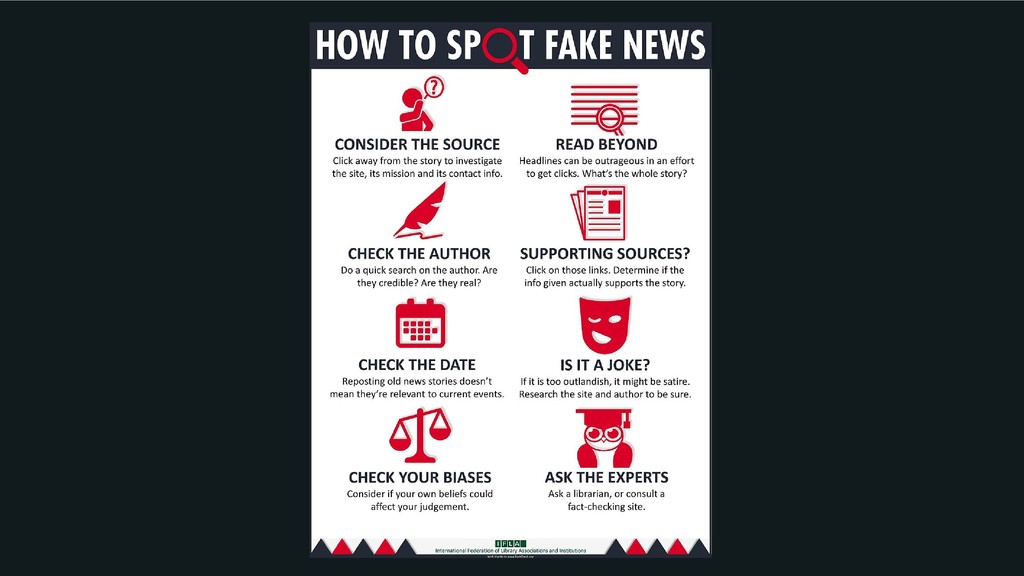
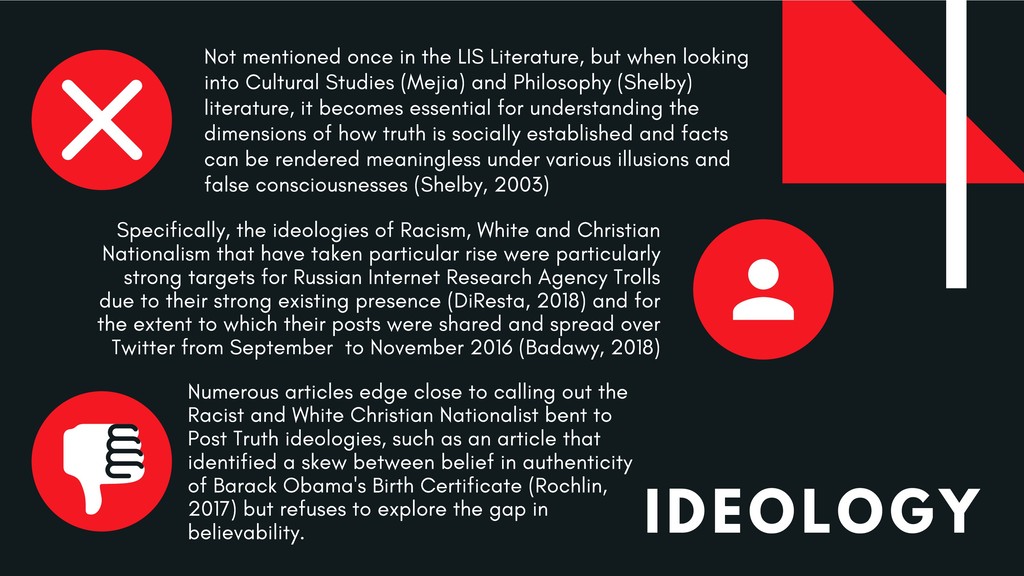
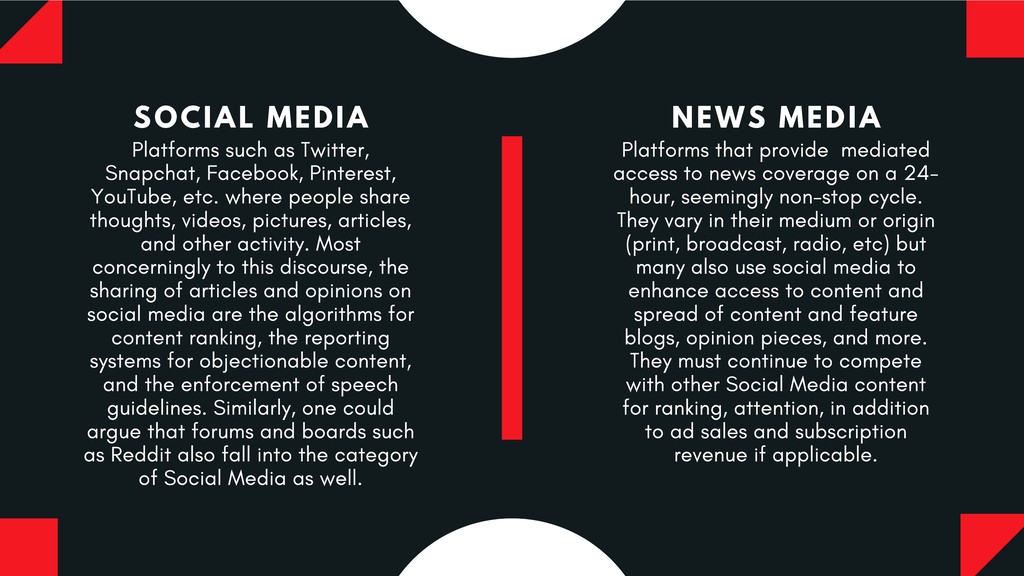
These approaches to “post-truth” instruction are animated by a disturbing current of capitalist, white, and middle-class norms. My paper explores the myriad ways that this current operates through critiquing the “nouns” of information literacy prescribed by numerous articles and practices from within the field. These nouns refer to products like specific databases, library technology, and trite pedagogical tools—such as LibGuides—that make up a network of related but discrete items around which numerous library workers center the “fake news” discourse.
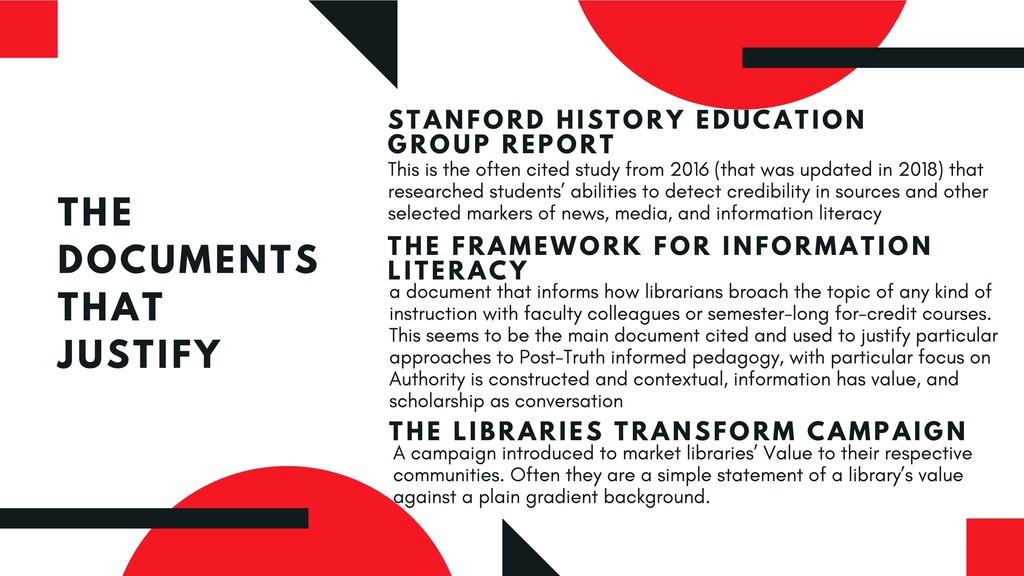
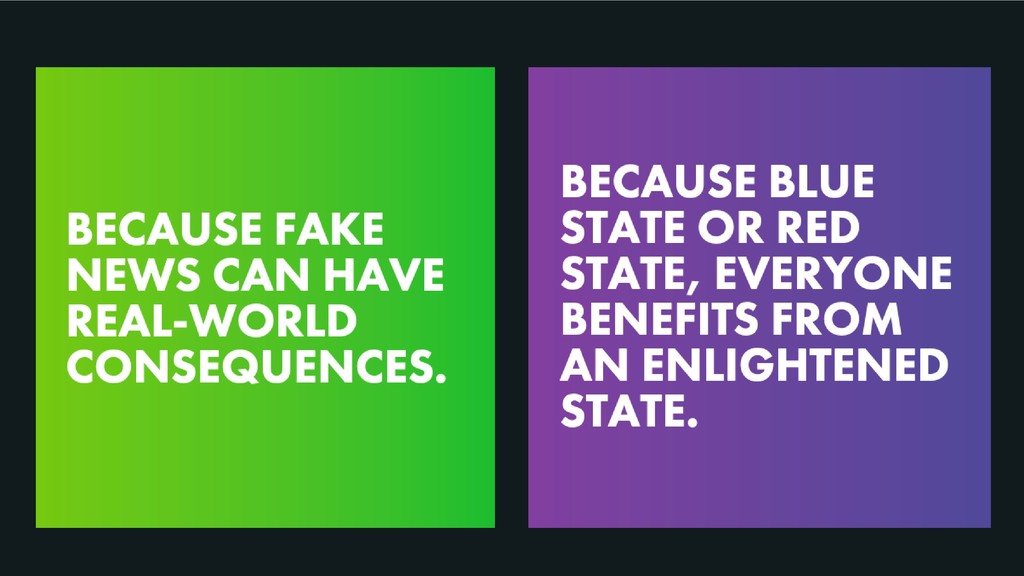
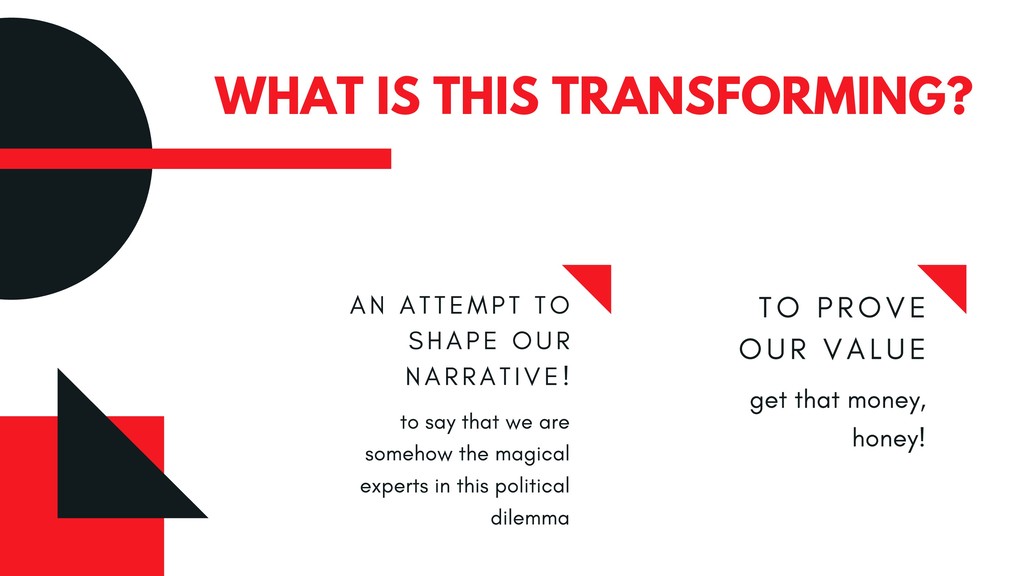
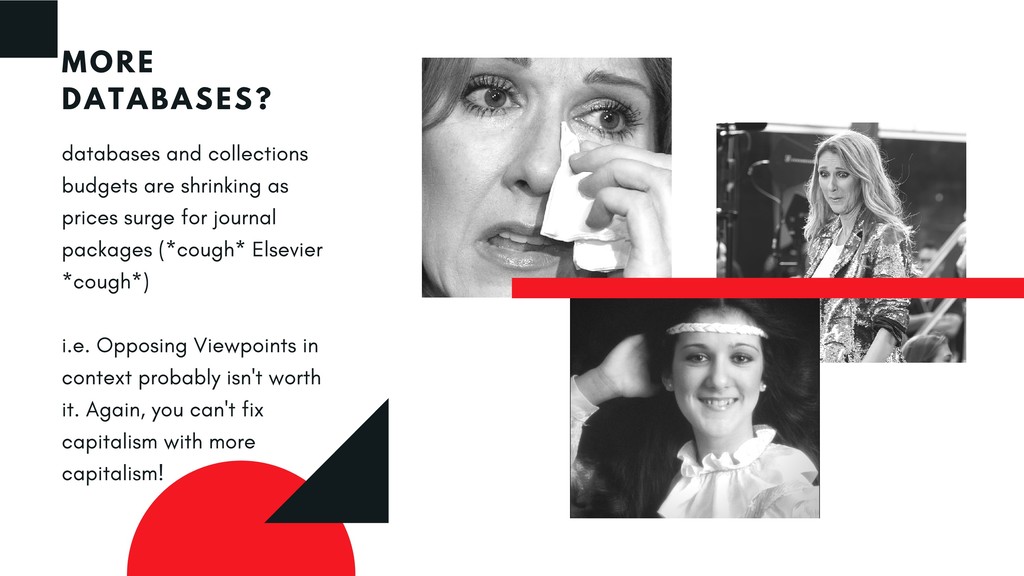
Within these networks are less obvious “nouns” and relationships—specifically the relations of value seen particularly in communications of financial need within the fiscally tightened neoliberal institutions where many of us work, the much-debated political values (or lack thereof) within the information literacy classroom, and the ways in which the profession markets both value and values to relevant parties within our institutions. Many of these nouns—both those explicit and implicit in the discourses of “post-truth” pedagogy—are deeply entangled in both market and social capitalism and in many ways only continue to bleed the historic scars of white saviorism that librarianship was built upon.
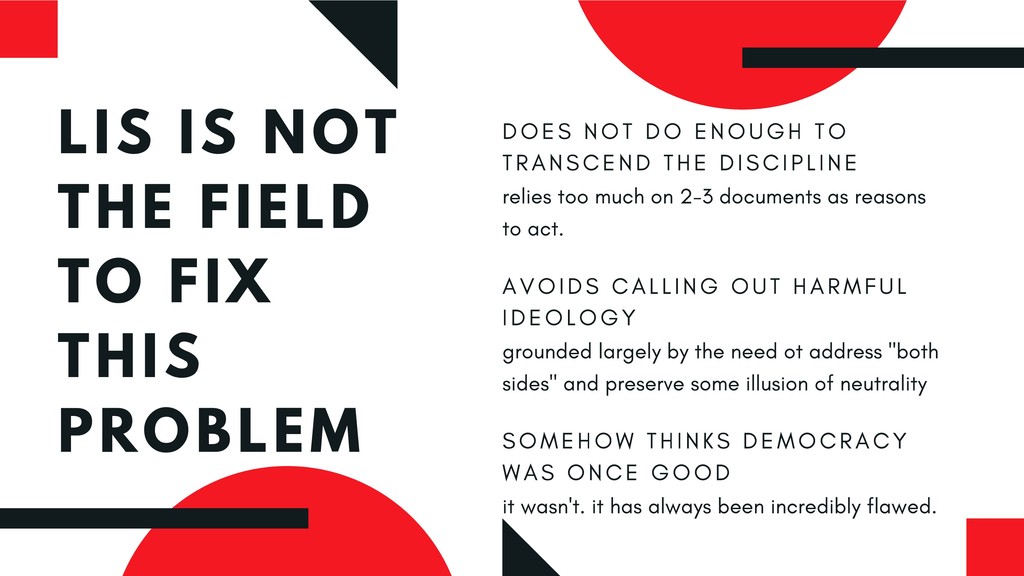
This critique of the recommended practices for “post-truth” and “fake news” pedagogy emerges from great frustration with how our profession has been so eager to take up the banner of combative language against this so-called menace—and gained some prominence in doing so—but has also reproduced non-liberatory, racist, capitalist discourse in doing so. This presentation therefore seeks to contribute to new liberatory realities for instruction and to the avoidance of future harm.


 bvr7352
 drpoonamkc
 uranoken
 akiraasano
 mutomasa
 ainischool
 frievea
 jdbedics
 kekekenta
 cbtlibrary
 rkendrick25
 rmw
rmw
 eileencodes
 cromwellryan
 katarinadahlin
 soudai
 livdayseo
 mfonobong
 destraynor
 kimpetersen
 erikaheidi
 sonatard