Slow down to speed up your decision-making

Sponsored · Your Podcast. Everywhere. Effortlessly. Share. Educate. Inspire. Entertain. You do you. We'll handle the rest.

Slow down to speed up your decision-making

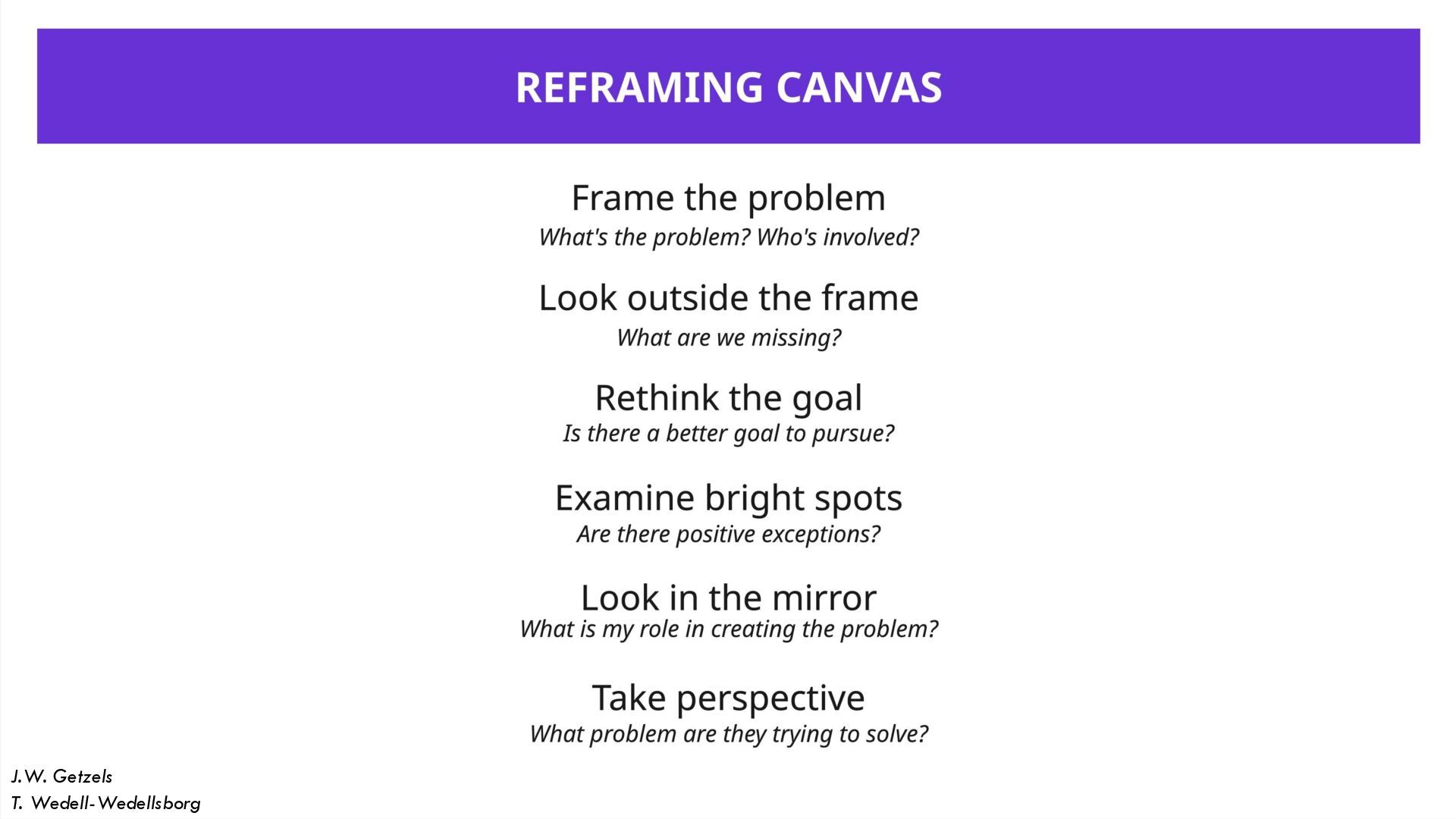
In many software teams, decision-making is driven by habits, blindly following best practices, or the latest trends - rather than a clear understanding of the problem. Microservices are a perfect example. Teams often break systems into smaller services because it feels like the “right” approach and everyone else is doing it too. Before a single service is deployed, the architecture is already overcomplicated - not because of bad intentions, but because we never stopped to ask: what problem are we actually trying to solve?

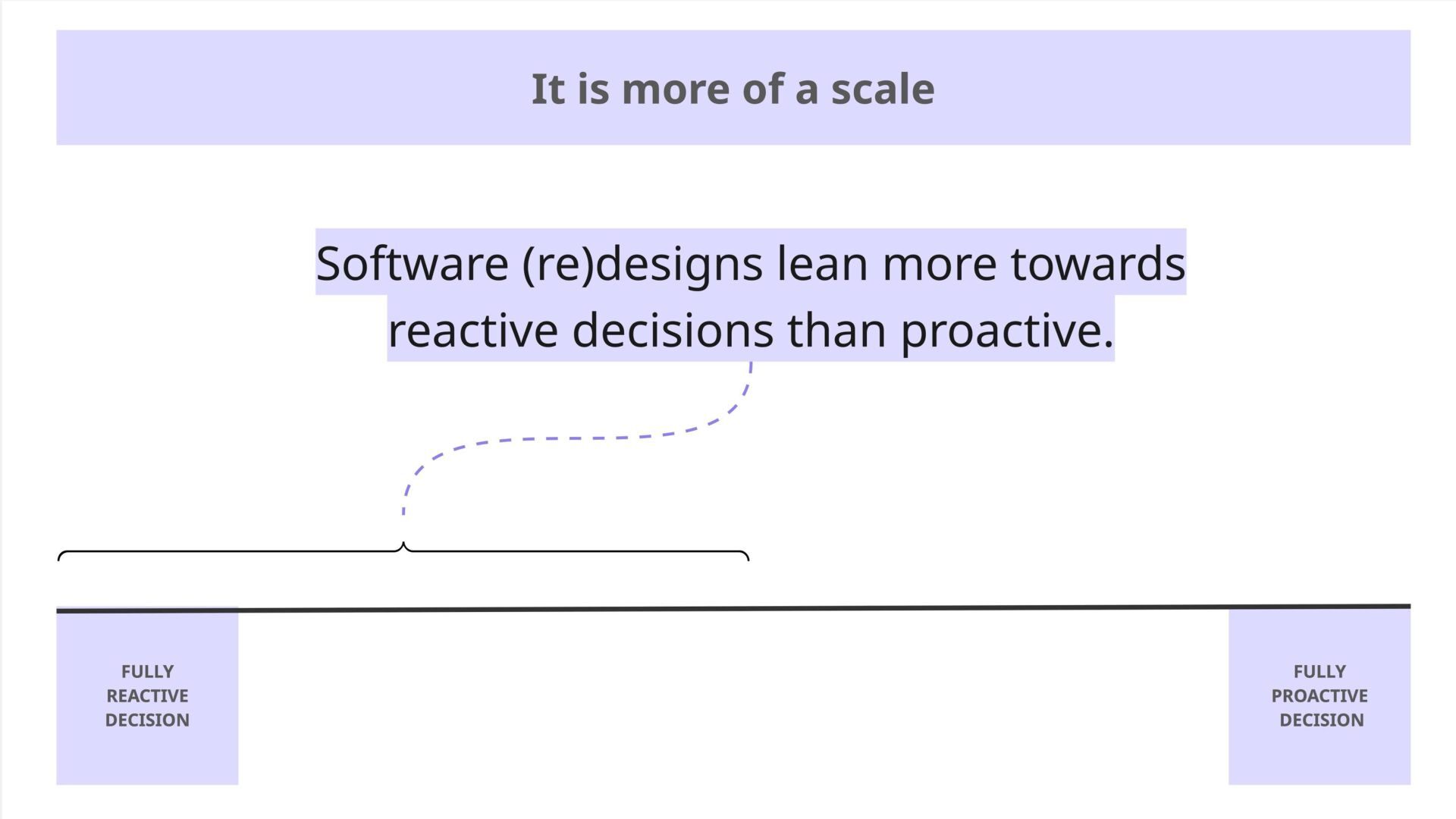
Through real-world examples, we’ll discuss how to think critically about the way decisions are being made in your company. We’ll introduce concepts like participation theater—when people perform the rituals of decision-making without making real decisions—alongside problem restatement as a tool to uncover the real challenge at hand. We’ll also examine different types of decisions (reactive vs. proactive, reversible vs. irreversible) and why recognizing them early changes how you should approach them.

This talk is a call to slow down to speed up your decision-making. Whether you're an engineer, architect, or tech lead, this session will challenge you to pause before reaching for solutions and instead ask: *what problem am I really trying to solve?*

Avatar for Gien Verschatse

Gien Verschatse PRO

April 02, 2026
Tweet

Other Decks in Programming

Transcript

  1. WE USED TECHNOLOGY X ONCE AND IT WENT HORRIBLE WRONG.

    THAT IS WHY WE CAN’T USE IT IN THIS PROJECT. Photo by Evan Dennis on Unsplash
  2. MY PREVIOUS PROJECT USED TECHNOLOGY X AND IT WENT GREAT.

    LET’S DO THE EXACT SAME THING! Photo by Jon Tyson on Unsplash
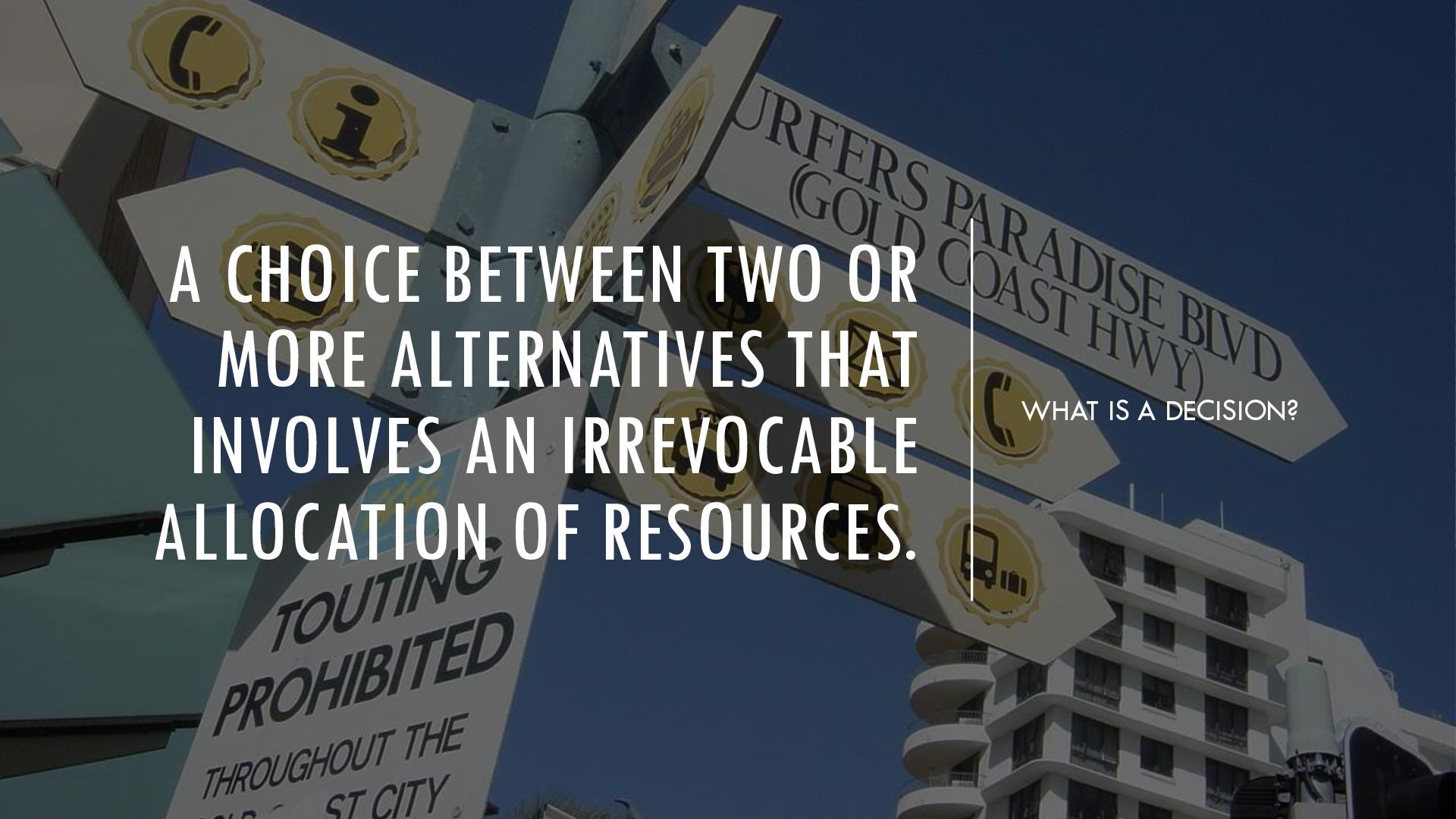
  3. A CHOICE BETWEEN TWO OR MORE ALTERNATIVES THAT INVOLVES AN

    IRREVOCABLE ALLOCATION OF RESOURCES. WHAT IS A DECISION?
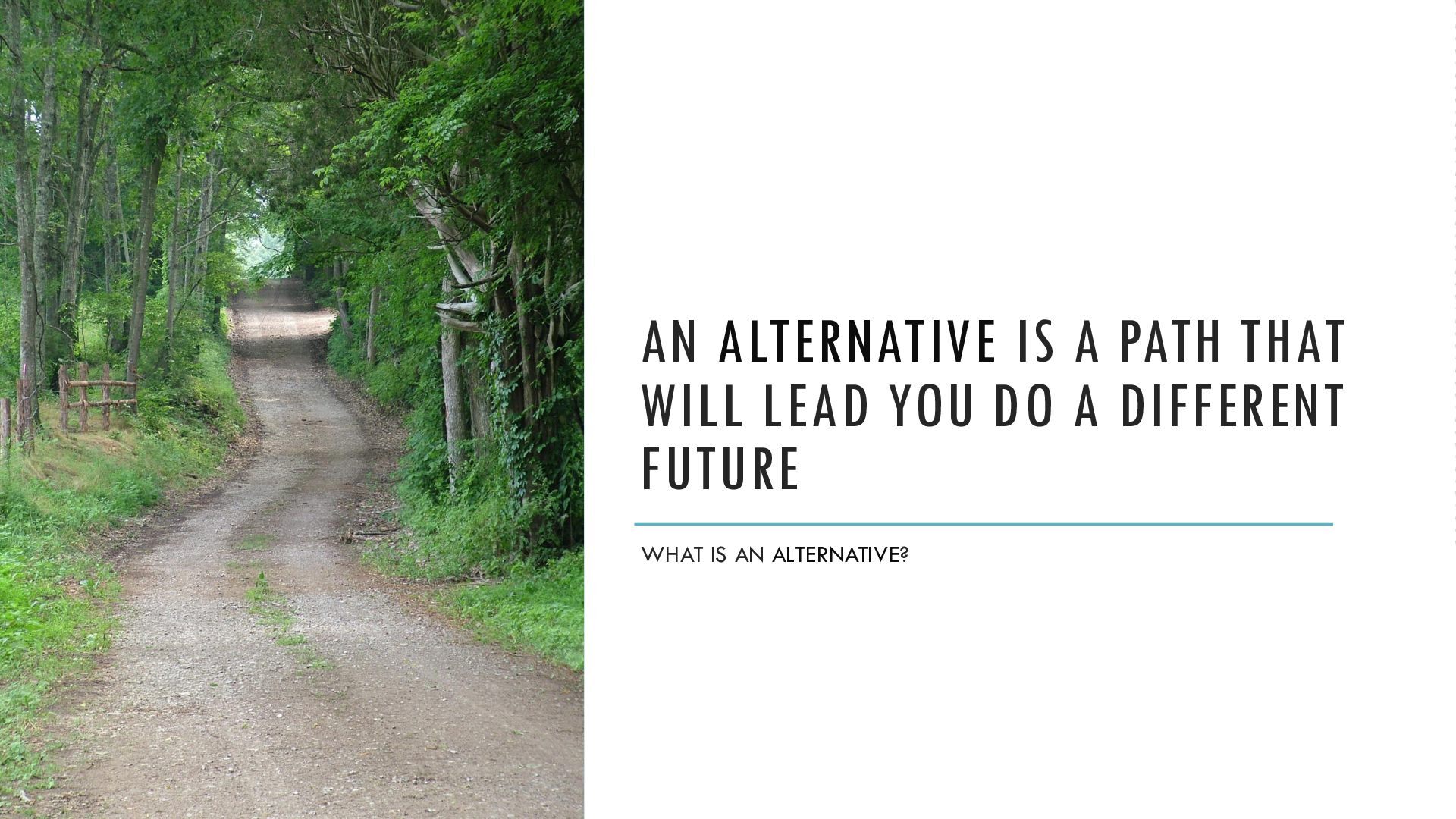
  4. AN ALTERNATIVE IS A PATH THAT WILL LEAD YOU DO

    A DIFFERENT FUTURE WHAT IS AN ALTERNATIVE?
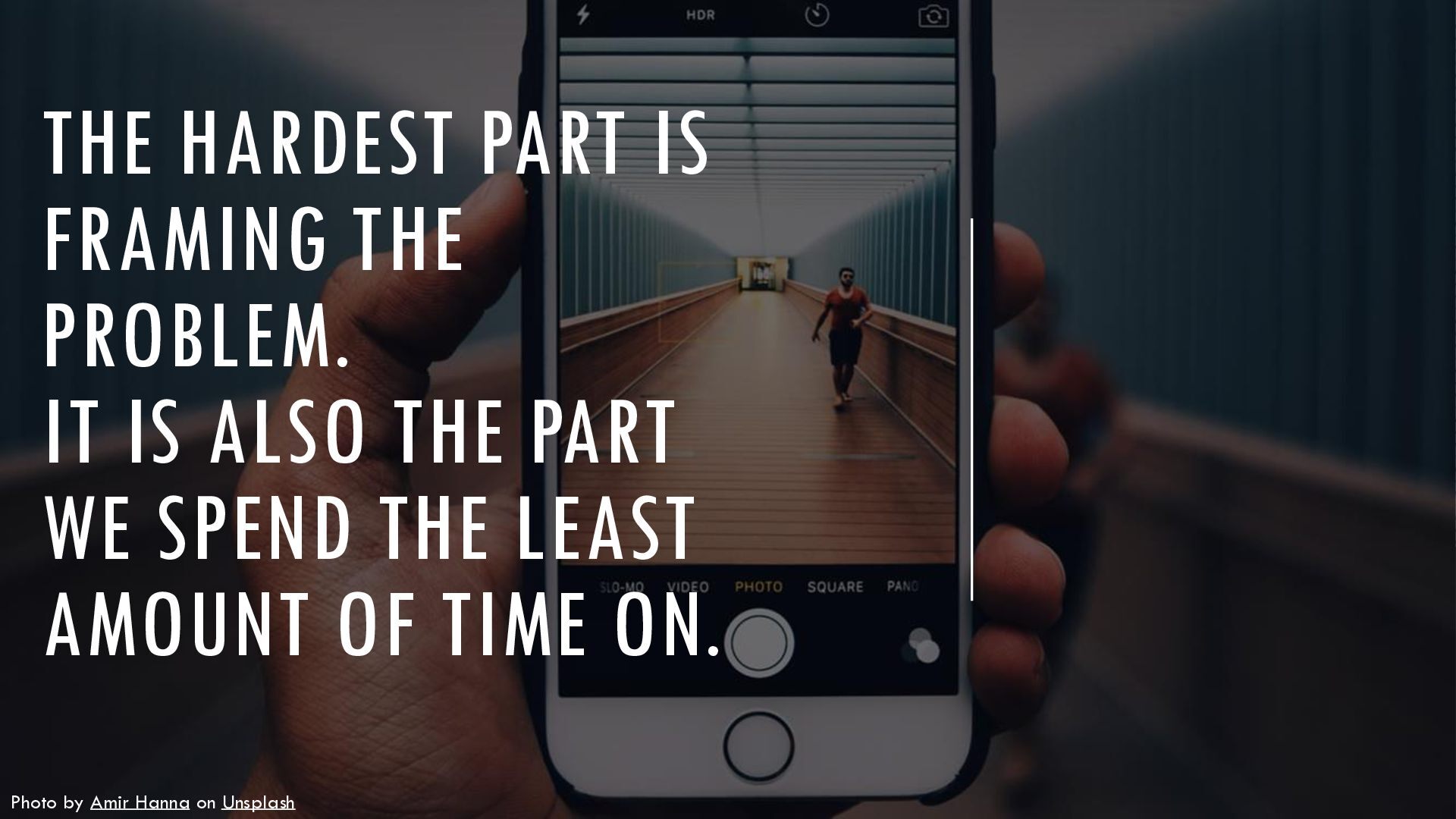
  5. THE HARDEST PART IS FRAMING THE PROBLEM. IT IS ALSO

    THE PART WE SPEND THE LEAST AMOUNT OF TIME ON. Photo by Amir Hanna on Unsplash
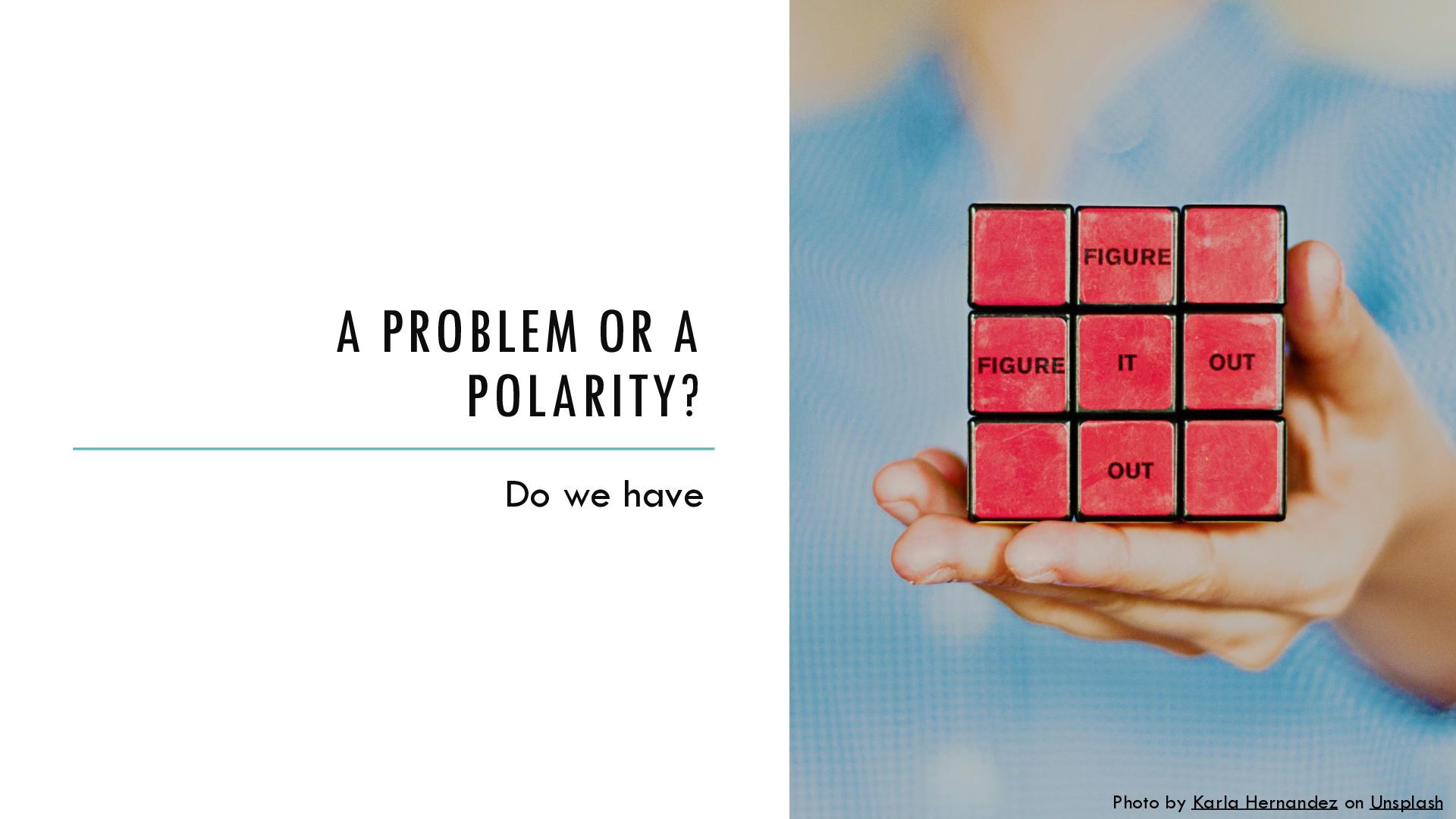
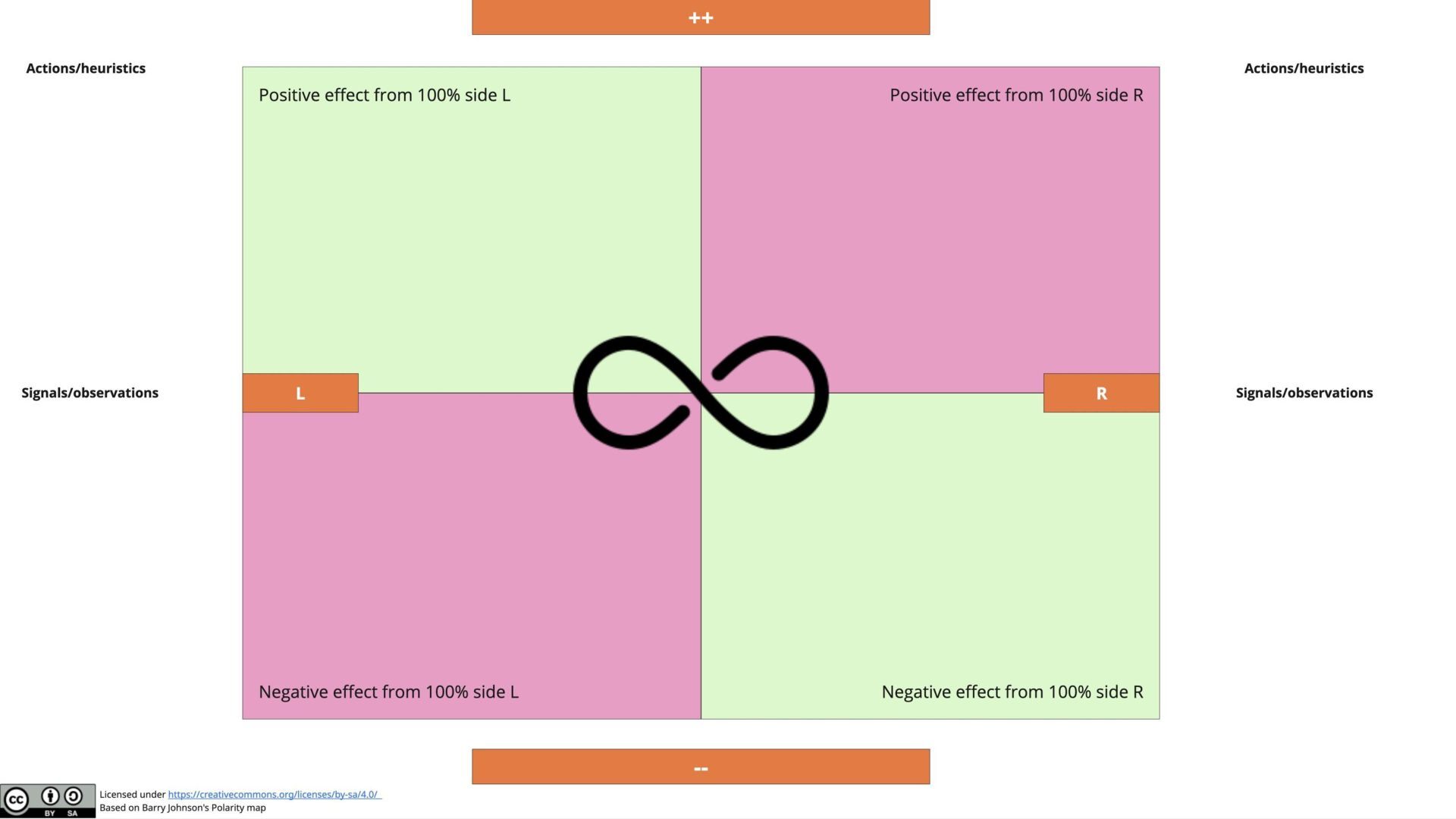
  6. A PROBLEM OR A POLARITY? Do we have Photo by

    Karla Hernandez on Unsplash
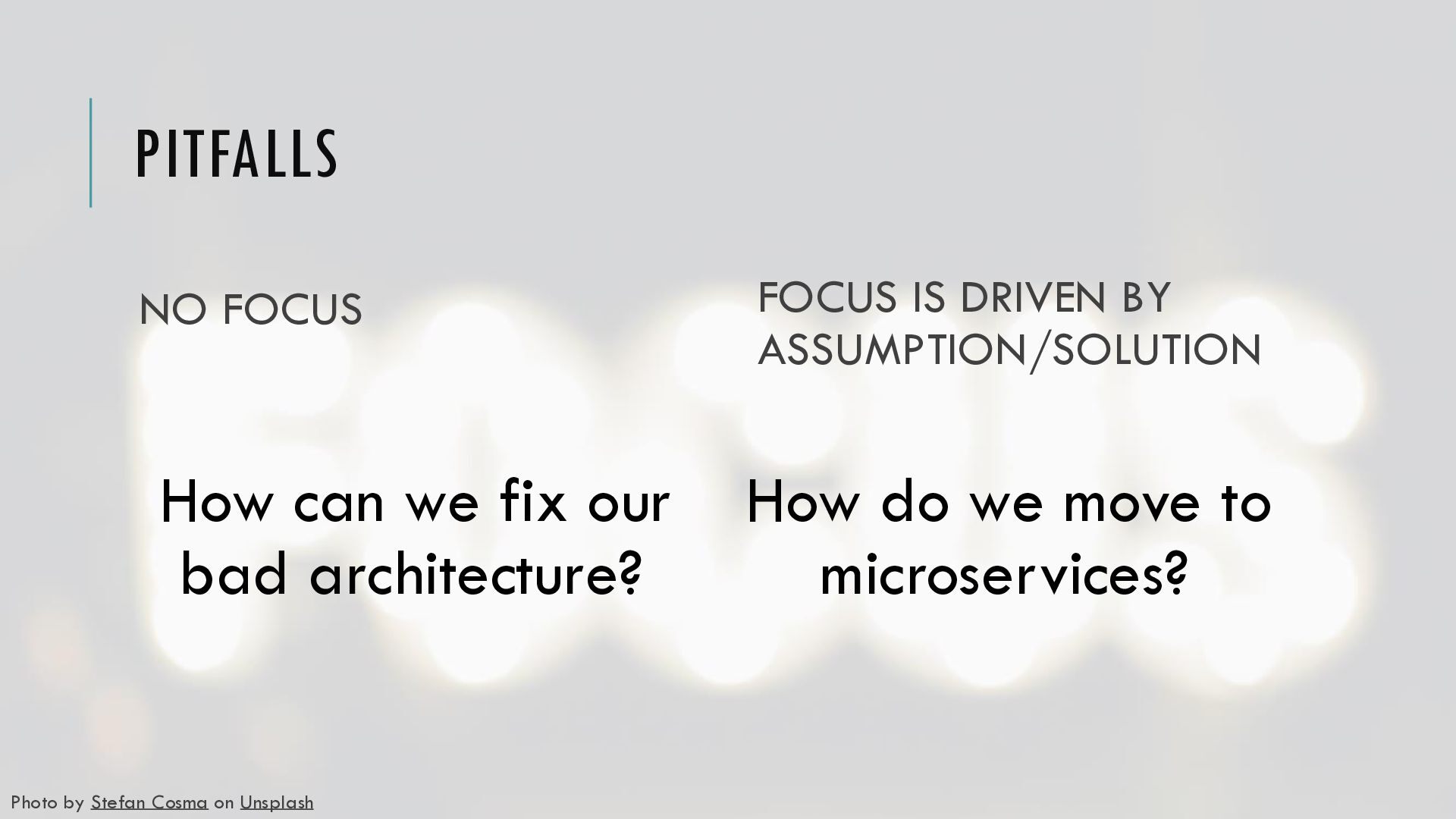
  7. PITFALLS NO FOCUS How can we fix our bad architecture?

    FOCUS IS DRIVEN BY ASSUMPTION/SOLUTION How do we move to microservices? Photo by Stefan Cosma on Unsplash
  8. HOW YOU STATE THE PROBLEM, WILL INFLUENCE THE OUTCOME Photo

    by Ehimetalor Akhere Unuabona on Unsplash
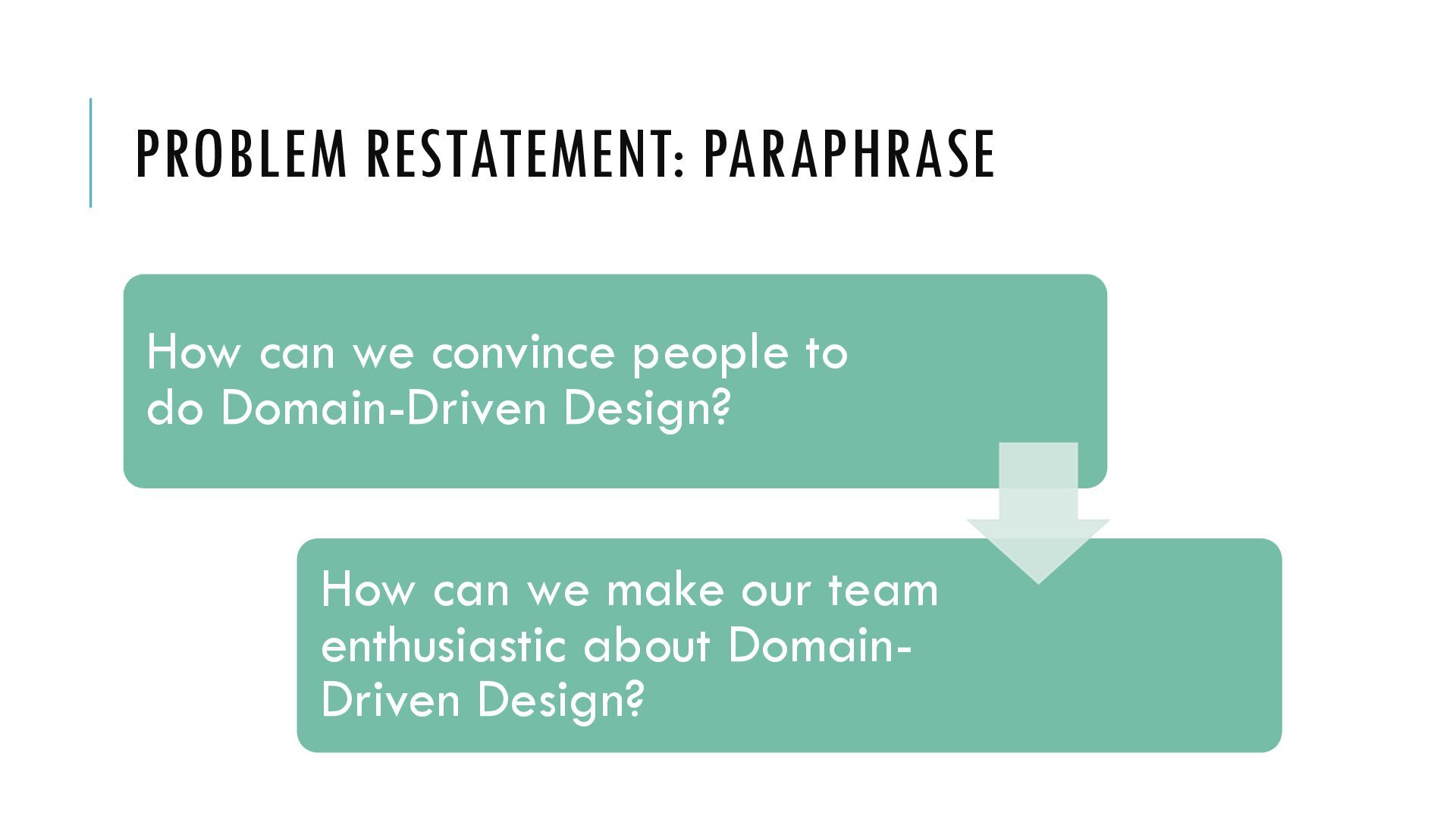
  9. PROBLEM RESTATEMENT: PARAPHRASE How can we convince people to do

    Domain-Driven Design? How can we make our team enthusiastic about Domain- Driven Design?
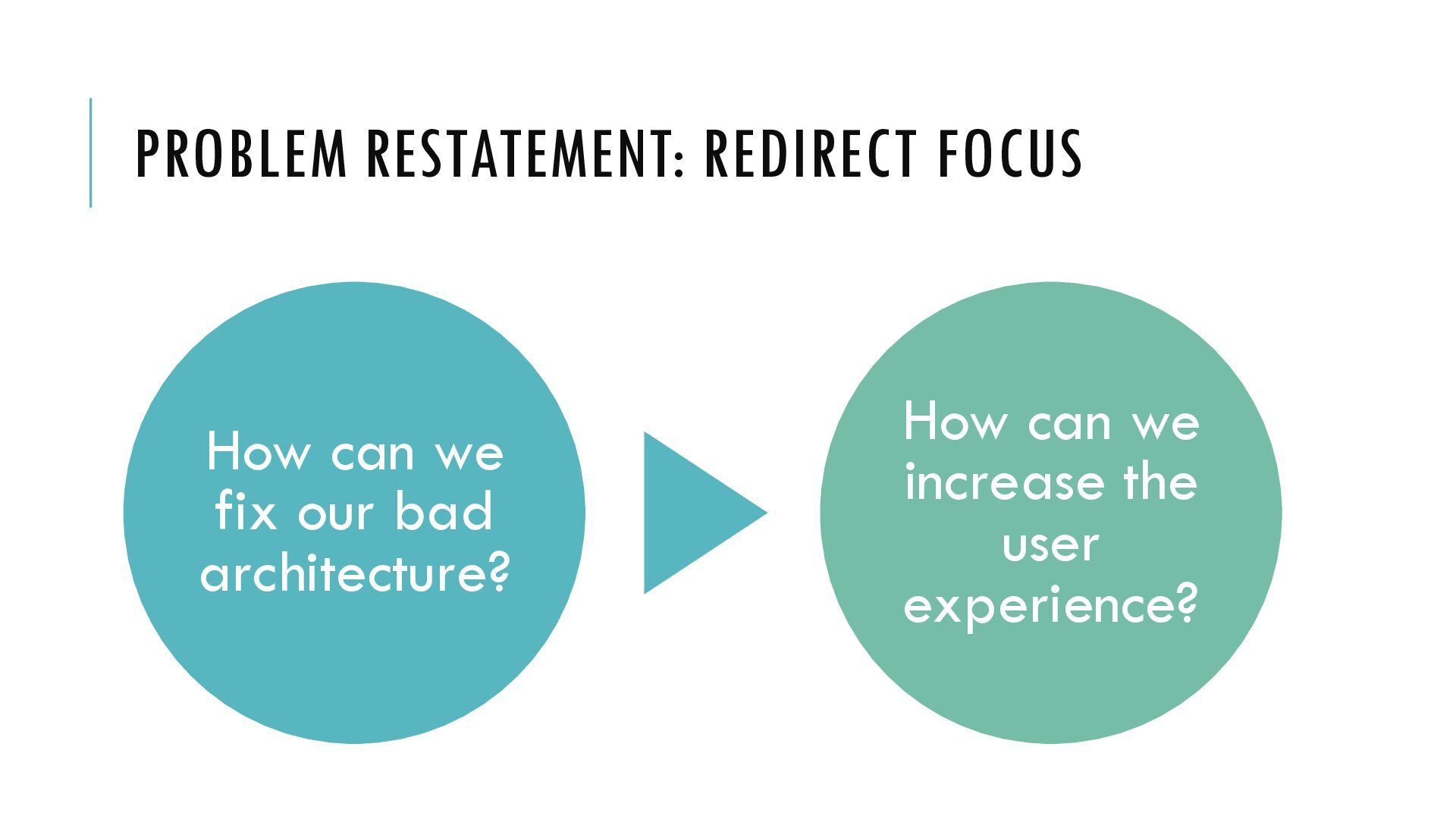
  10. PROBLEM RESTATEMENT: REDIRECT FOCUS How can we fix our bad

    architecture? How can we increase the user experience?
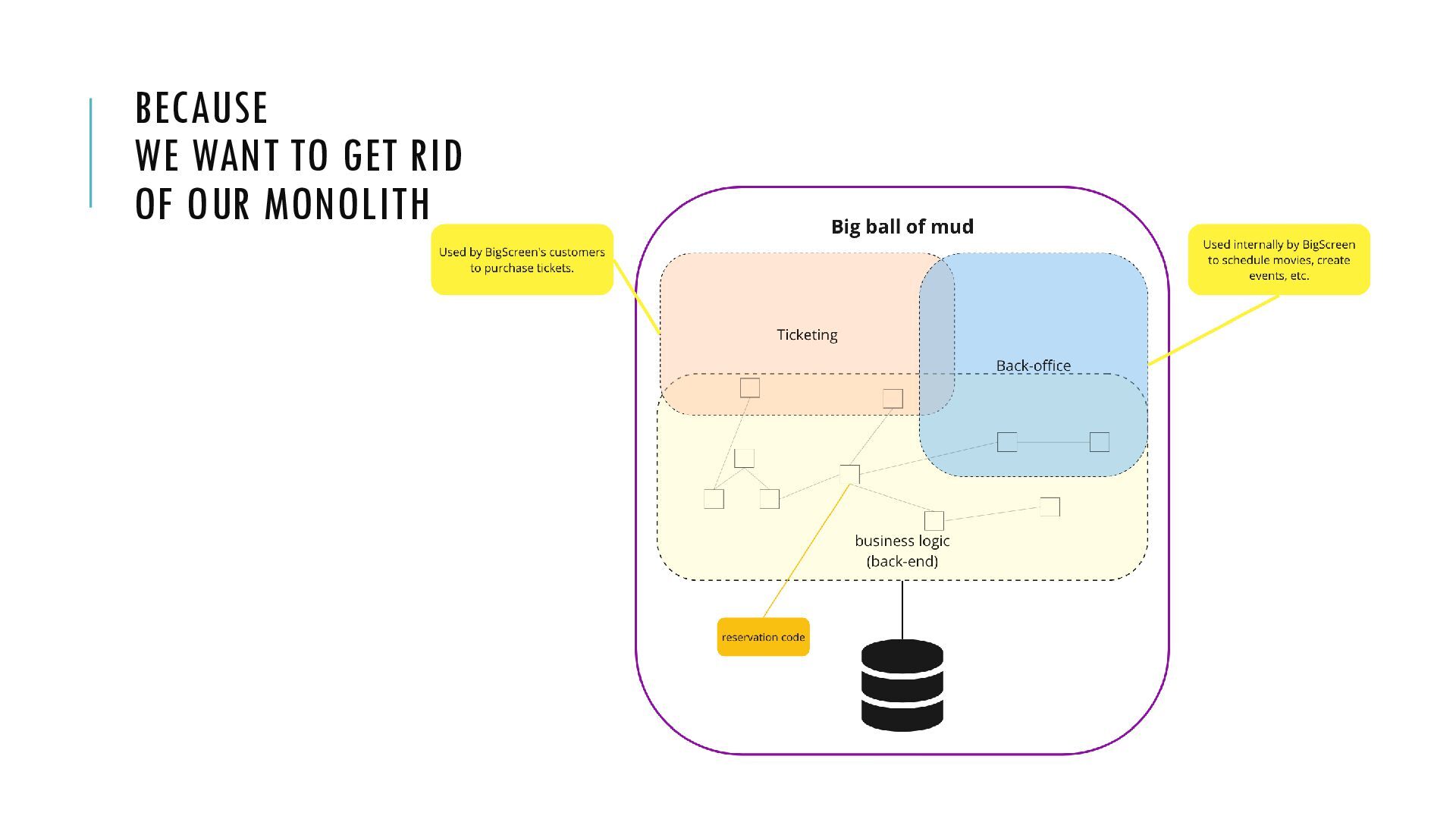
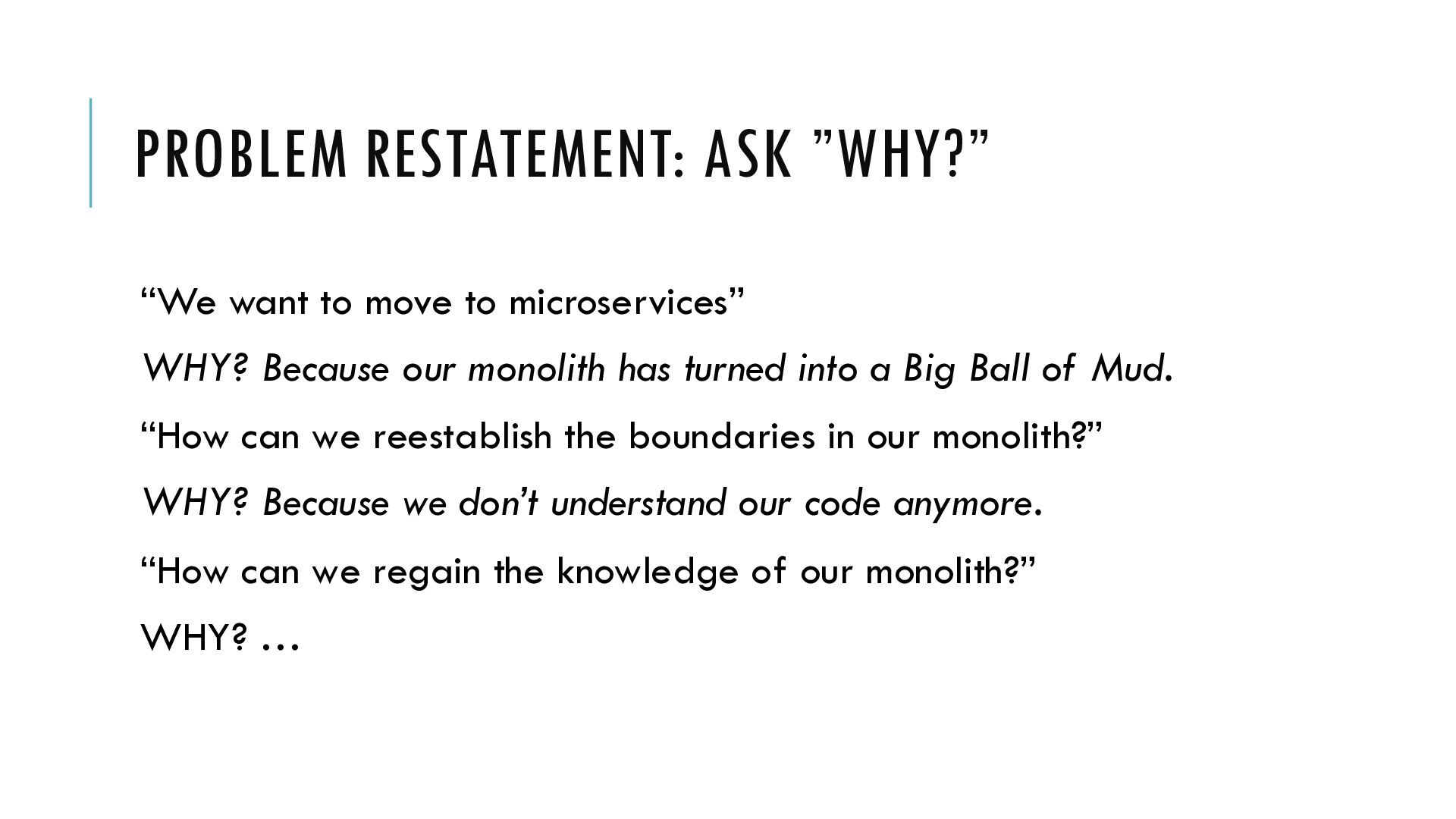
  11. PROBLEM RESTATEMENT: ASK ”WHY?” “We want to move to microservices”

    WHY? Because our monolith has turned into a Big Ball of Mud. “How can we reestablish the boundaries in our monolith?” WHY? Because we don’t understand our code anymore. “How can we regain the knowledge of our monolith?” WHY? …
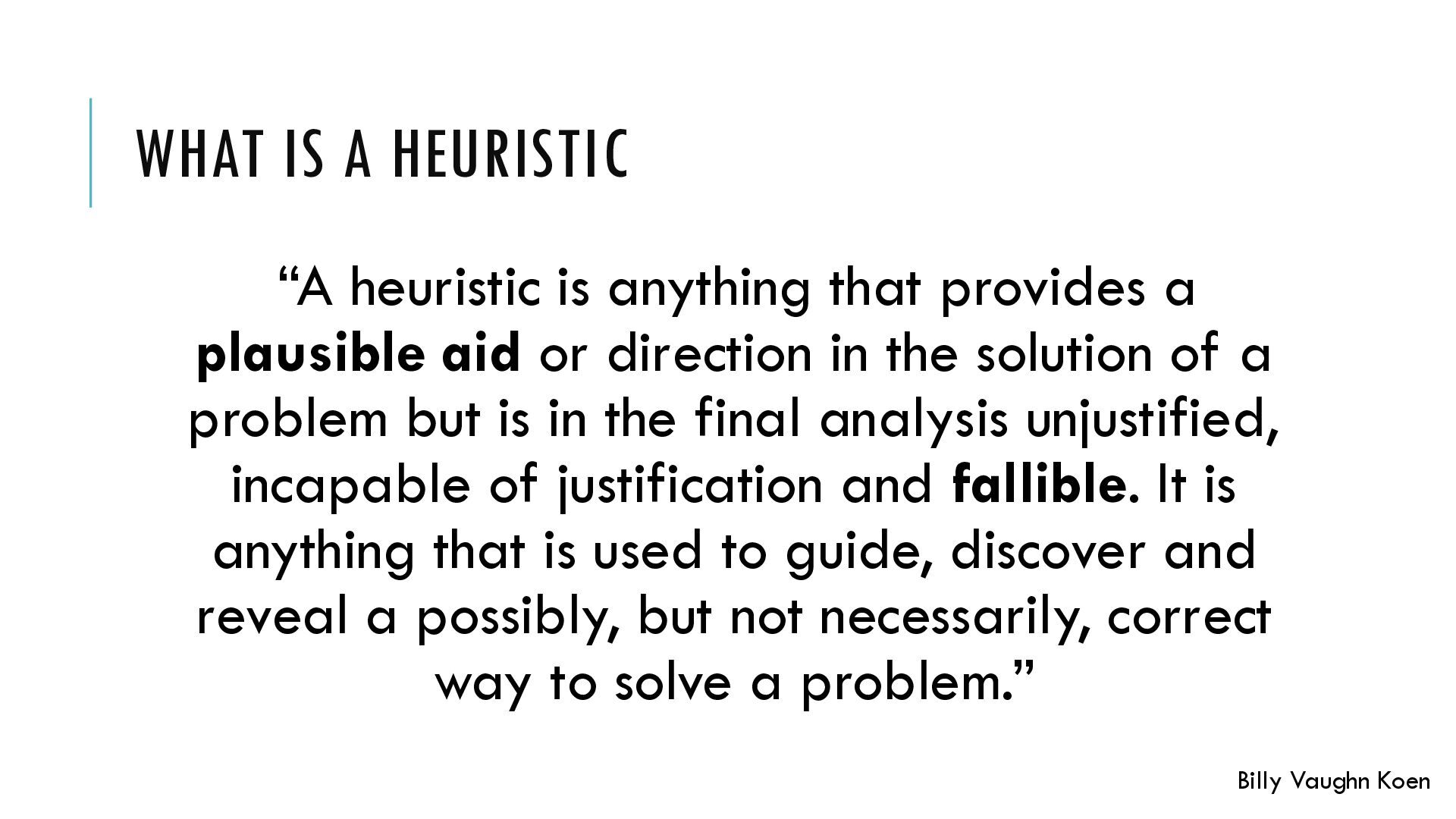
  12. WHAT IS A HEURISTIC “A heuristic is anything that provides

    a plausible aid or direction in the solution of a problem but is in the final analysis unjustified, incapable of justification and fallible. It is anything that is used to guide, discover and reveal a possibly, but not necessarily, correct way to solve a problem.” Billy Vaughn Koen
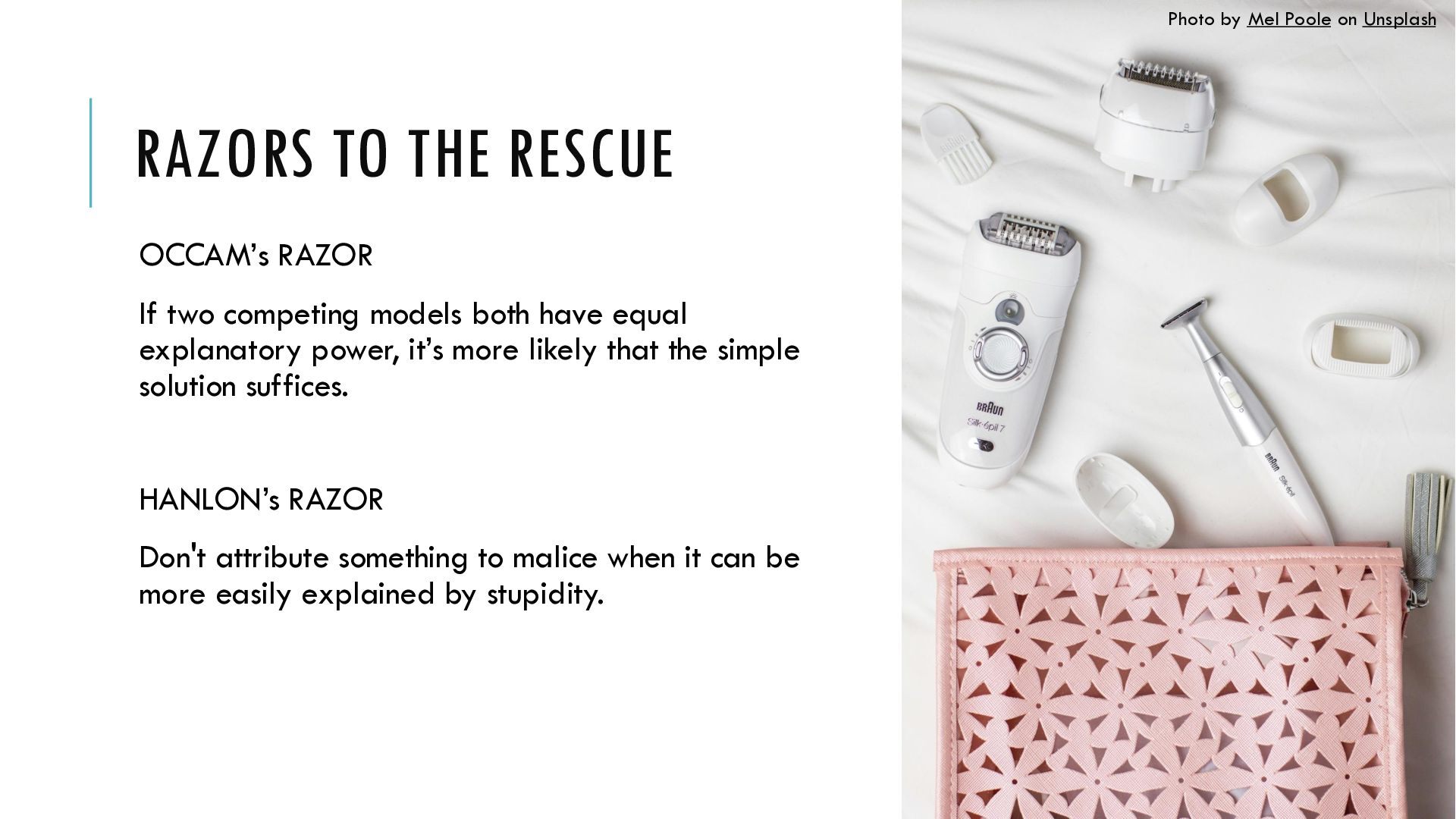
  13. RAZORS TO THE RESCUE OCCAM’s RAZOR If two competing models

    both have equal explanatory power, it’s more likely that the simple solution suffices. HANLON’s RAZOR Don't attribute something to malice when it can be more easily explained by stupidity. Photo by Mel Poole on Unsplash
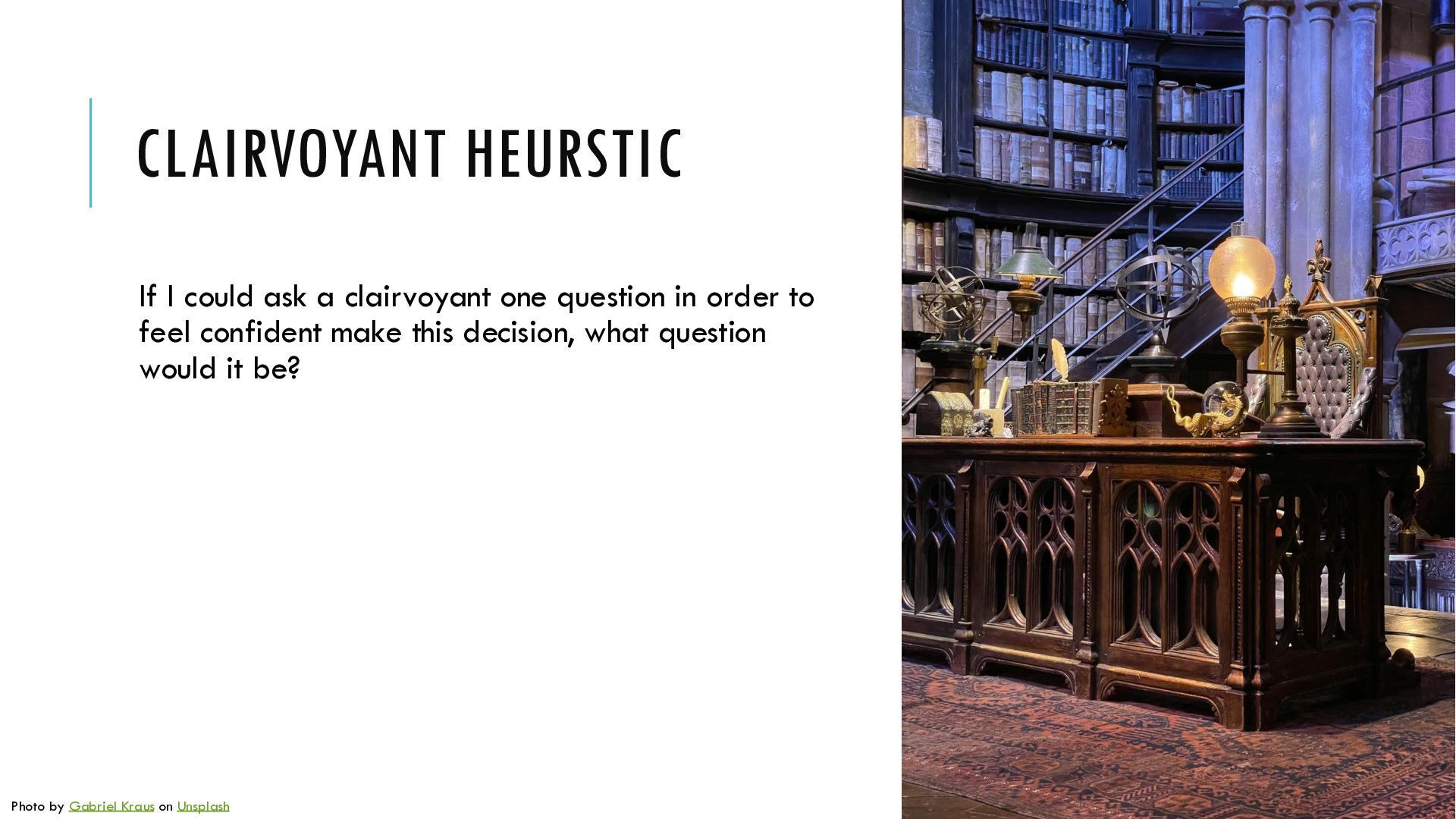
  14. CLAIRVOYANT HEURSTIC If I could ask a clairvoyant one question

    in order to feel confident make this decision, what question would it be? Photo by Gabriel Kraus on Unsplash
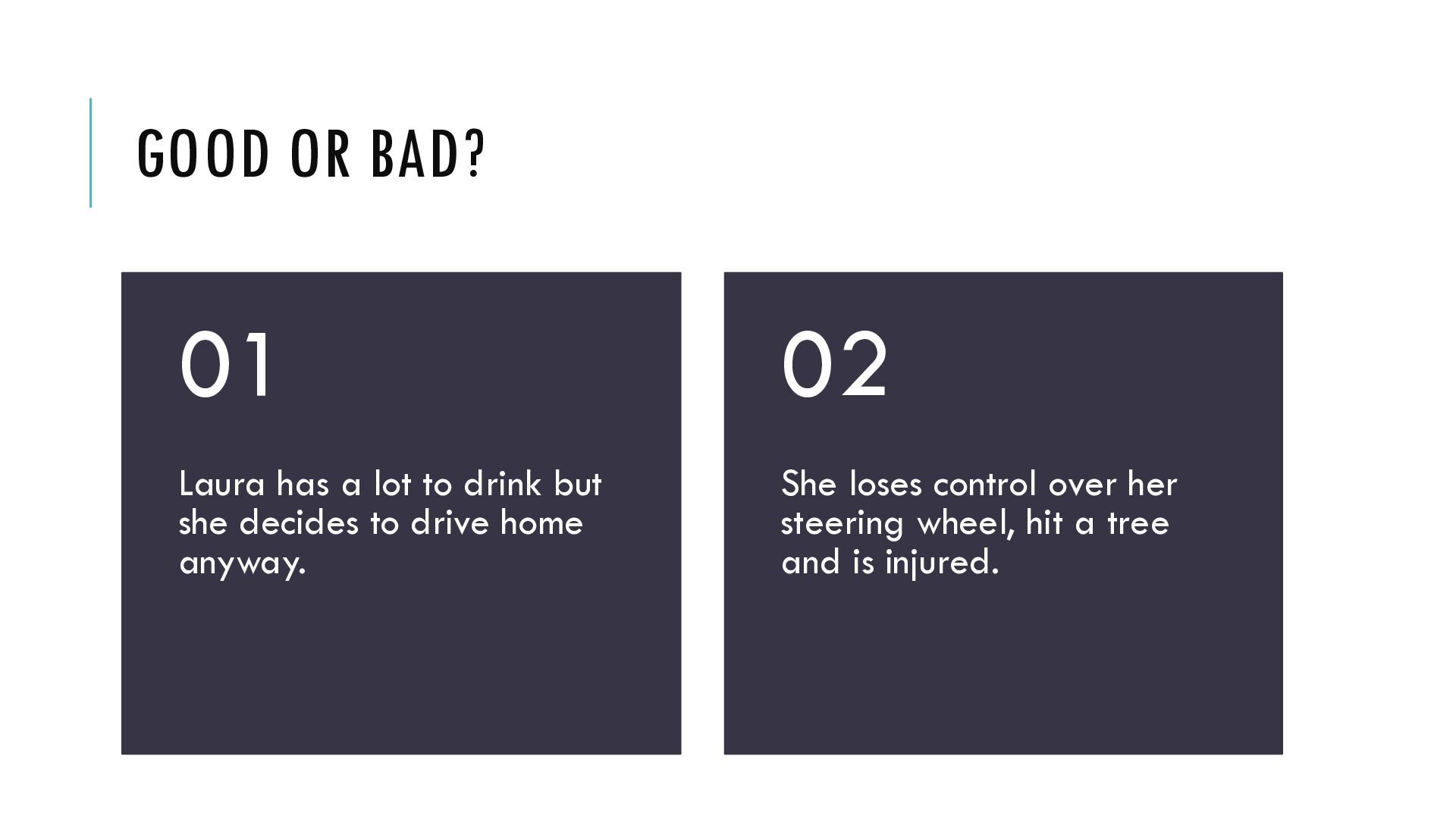
  15. GOOD OR BAD? Laura has a lot to drink but

    she decides to drive home anyway. 01 She loses control over her steering wheel, hit a tree and is injured. 02
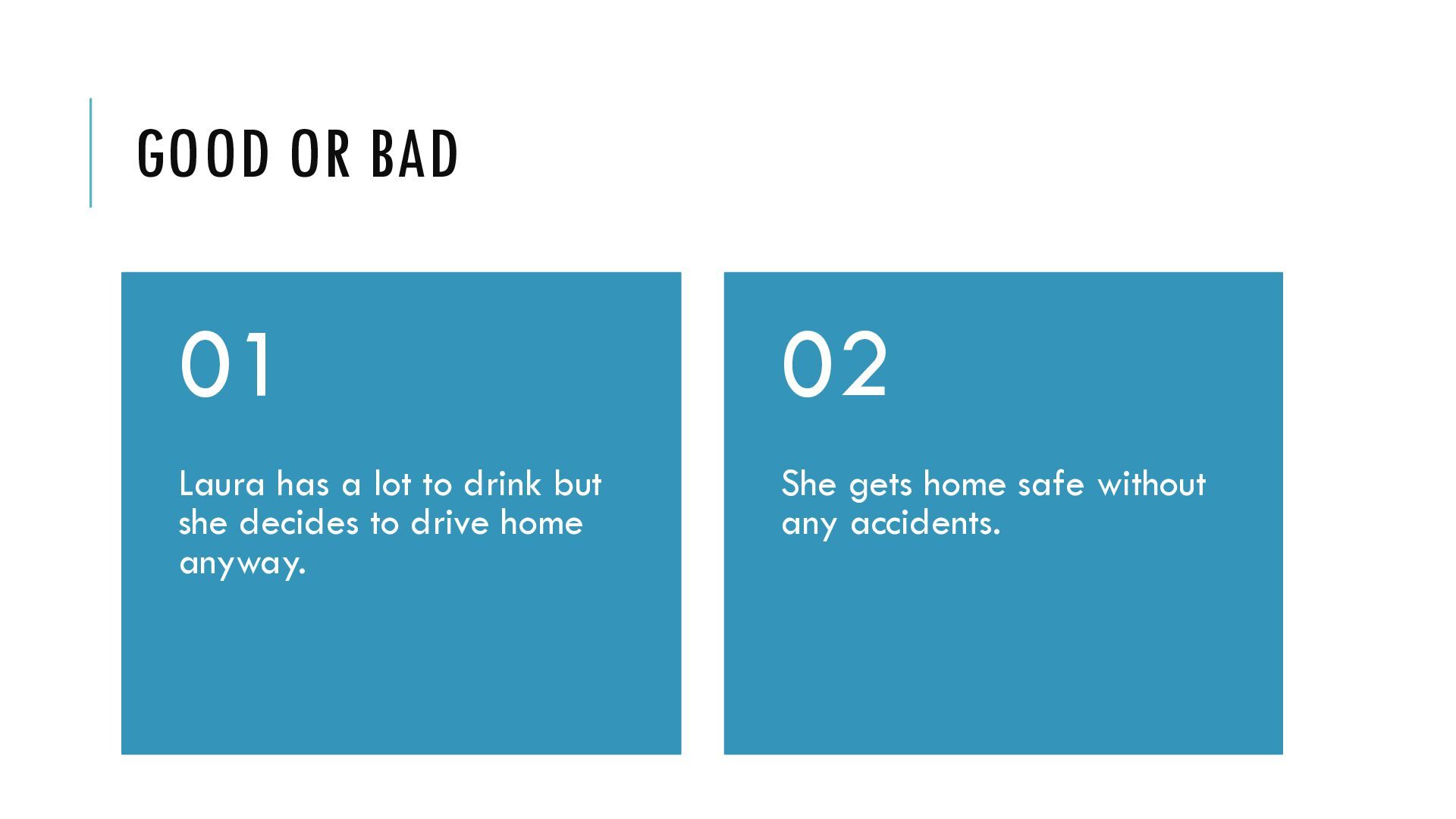
  16. GOOD OR BAD Laura has a lot to drink but

    she decides to drive home anyway. 01 She gets home safe without any accidents. 02
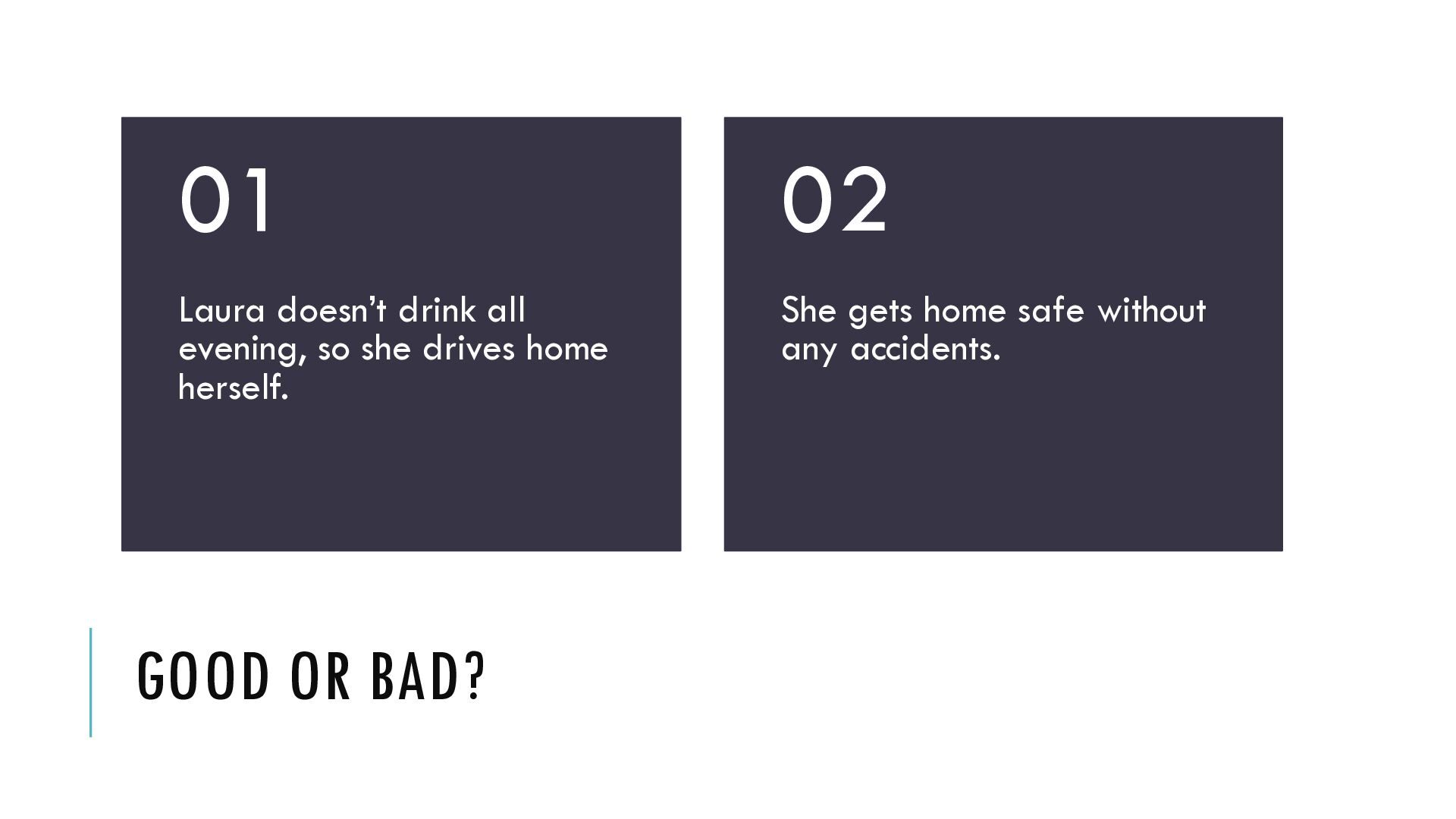
  17. GOOD OR BAD? Laura doesn’t drink all evening, so she

    drives home herself. 01 She gets home safe without any accidents. 02
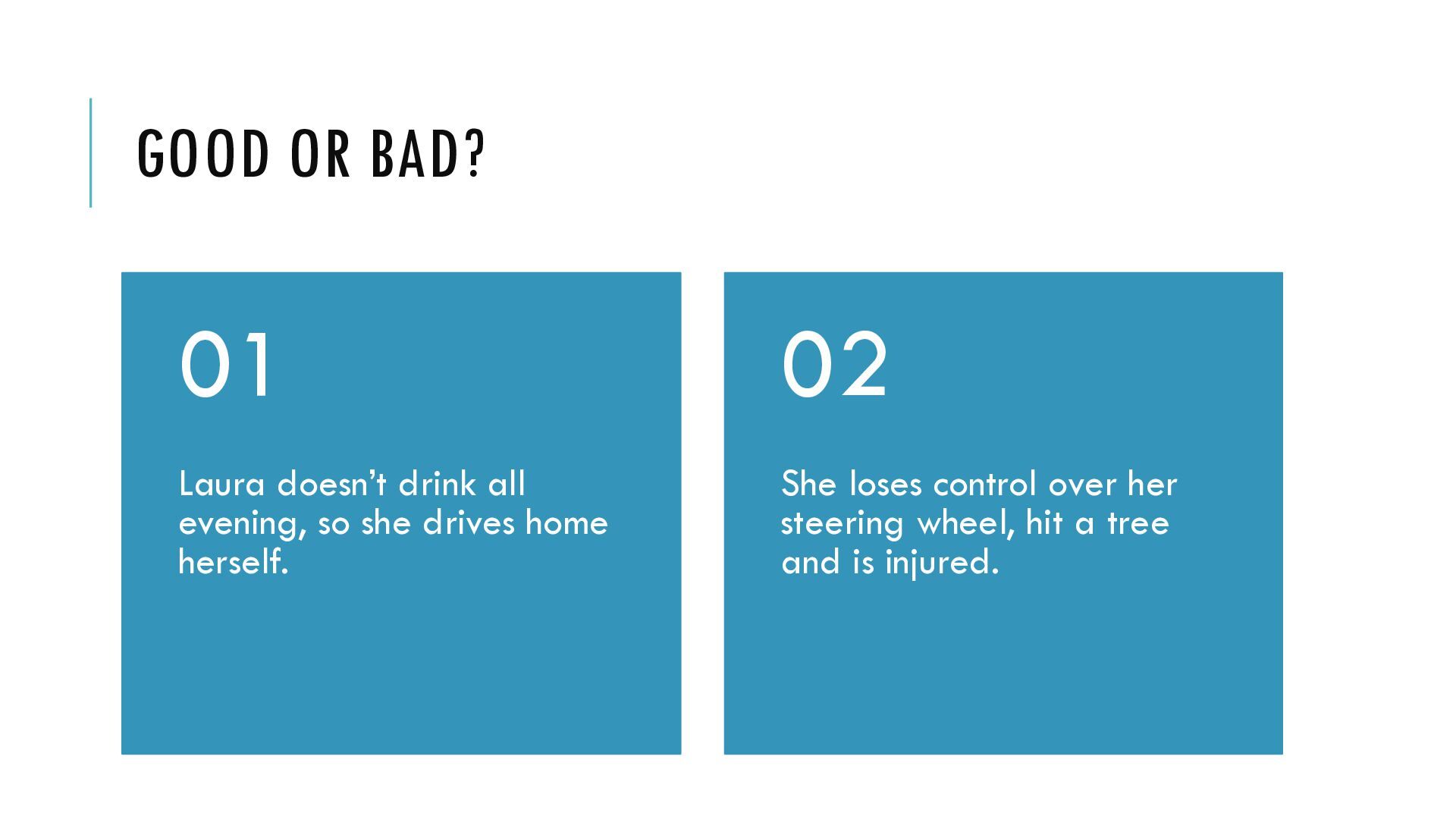
  18. GOOD OR BAD? Laura doesn’t drink all evening, so she

    drives home herself. 01 She loses control over her steering wheel, hit a tree and is injured. 02
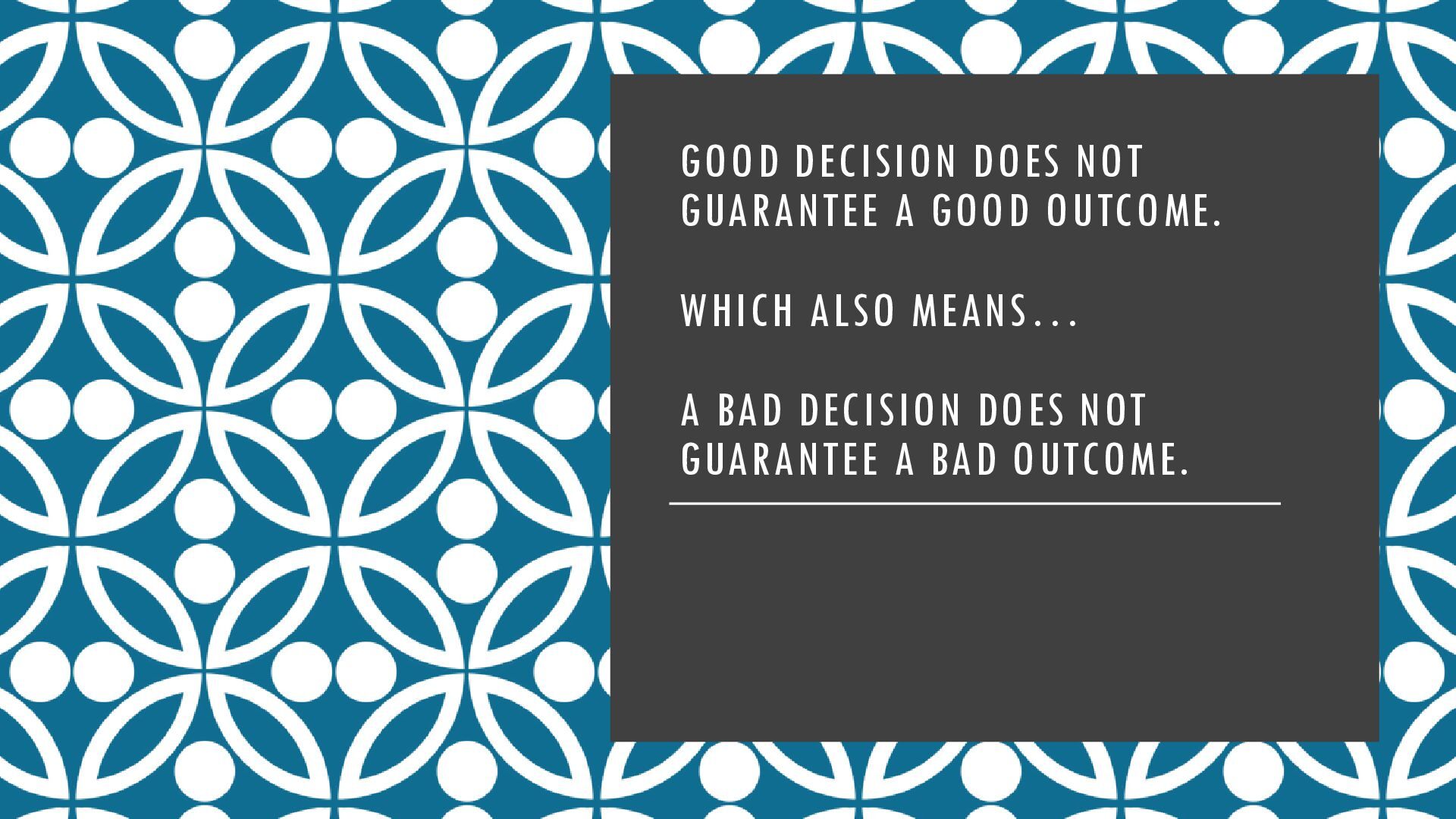
  19. GOOD DECISION DOES NOT GUARANTEE A GOOD OUTCOME. WHICH ALSO

    MEANS… A BAD DECISION DOES NOT GUARANTEE A BAD OUTCOME.
  20. I GOT 99 PROBLEMS… AND NOW I CAN DEAL WITH

    THEM A BIT BETTER! Photo by Caleb Chen on Unsplash