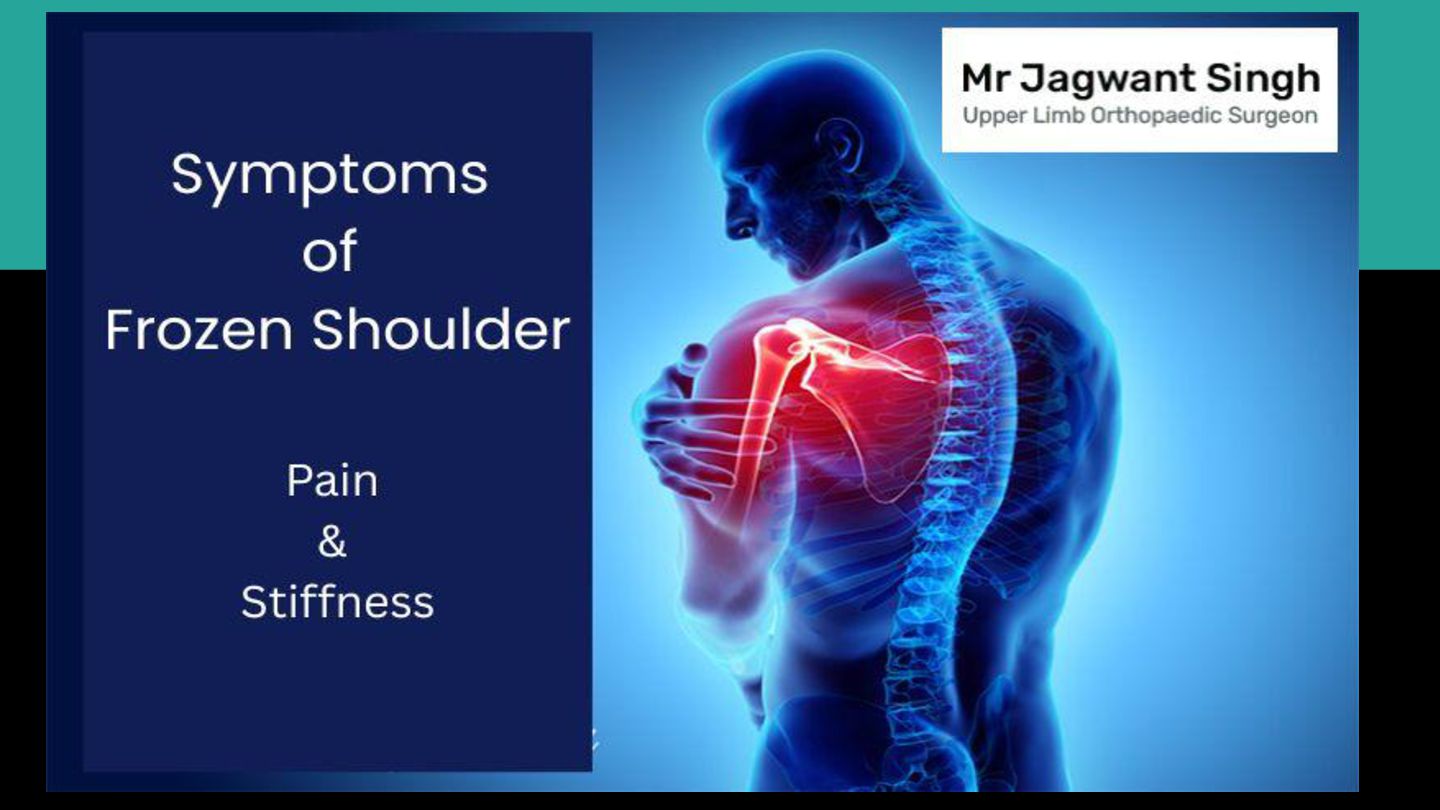
A frozen shoulder, also known as adhesive capsulitis, occurs when the capsule surrounding your shoulder joint becomes inflamed and thickened. This restricts the movement of the joint, causing pain and stiffness.
shoulder, making it difficult to move your arm? This could be a sign of frozen shoulder, a condition affecting the shoulder joint capsule. Frozen Shoulder Physio Treatment
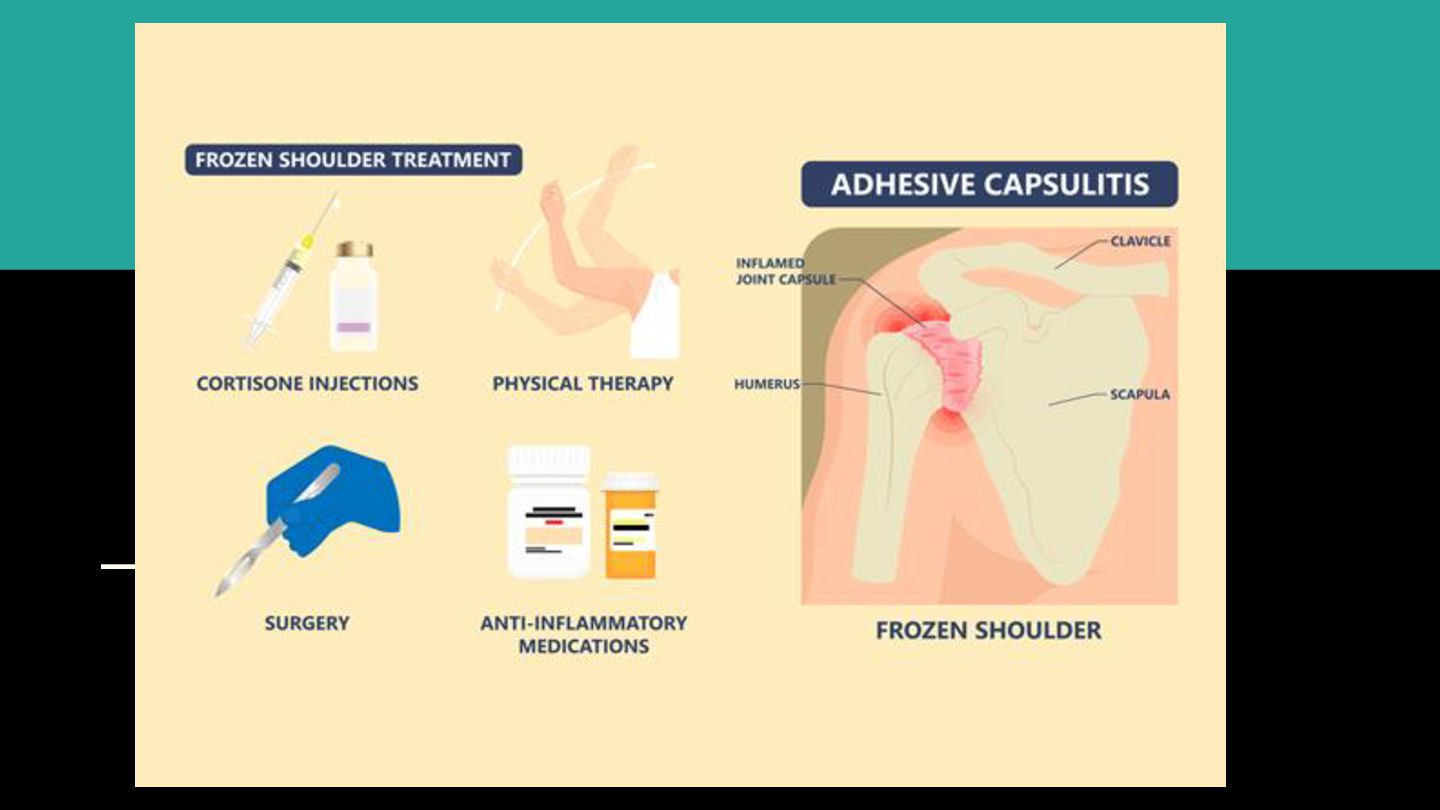
as adhesive capsulitis, occurs when the capsule surrounding your shoulder joint becomes inflamed and thickened. This restricts the movement of the joint, causing pain and stiffness. Understanding Your Shoulder The shoulder is a complex joint formed by three bones – the upper arm bone (humerus), shoulder blade (scapula), and collarbone (clavicle). The capsule surrounding the joint holds everything together and allows for smooth movement.
shoulder is unknown, but several factors can increase your risk, including: A. Age: More common between 40 and 60 years old. B. Gender: Women are slightly more susceptible. C. Medical conditions: Diabetes, heart disease, thyroid issues, or Parkinson’s disease can increase risk. D. Immobility: Recovery from stroke, surgery, or other conditions limiting arm movement can trigger it.
diagnose frozen shoulder based on a physical examination. X-rays, ultrasounds, or MRIs might be used to exclude other conditions like arthritis or torn rotator cuff. Mr. Jagwant Singh is a fellowship-trained upper limb orthopaedic surgeon dedicated to providing every patient with the highest quality of care using the latest techniques. He specialises in shoulder and elbow surgery, including joint preservation, arthroscopic, joint replacement surgery, sports injuries and upper limb trauma.
frozen shoulder is to manage pain and regain shoulder movement. Your doctor may recommend: • Anti-inflammatory medications (NSAIDs): To reduce pain and inflammation. • Physical therapy: Gentle stretching and strengthening exercises to improve mobility. • Corticosteroid injections: To reduce inflammation directly within the joint. • Hydrodilatation: Injecting sterile fluid into the capsule to stretch it and facilitate movement. • Manipulation under anesthesia: Involves controlled stretching of the capsule while under anesthesia. • Arthroscopic surgery: A minimally invasive procedure to remove scar tissue and improve flexibility.
therapy program. Physio treatment for a frozen shoulder is crucial to maintain the regained movement and could take several weeks or months. Frozen shoulder is a manageable condition. Timely diagnosis and adherence to treatment recommendations can help you regain functional and pain-free movement in your shoulder. Remember


.jpg) lychee1223
lychee1223
 trycycle
 jarvist
 neutron63zf
 institutdelelevage
 tomoaki0705
 konakalab
 analokmaus
 hiranabe
 matthewcrist
 kneath
 aleyda
 tammielis
 techseoconnect
 pwiseman
 tanoku
 panda_program
 eileencodes
 samtorres
 honzajavorek
 stephenakadiri