
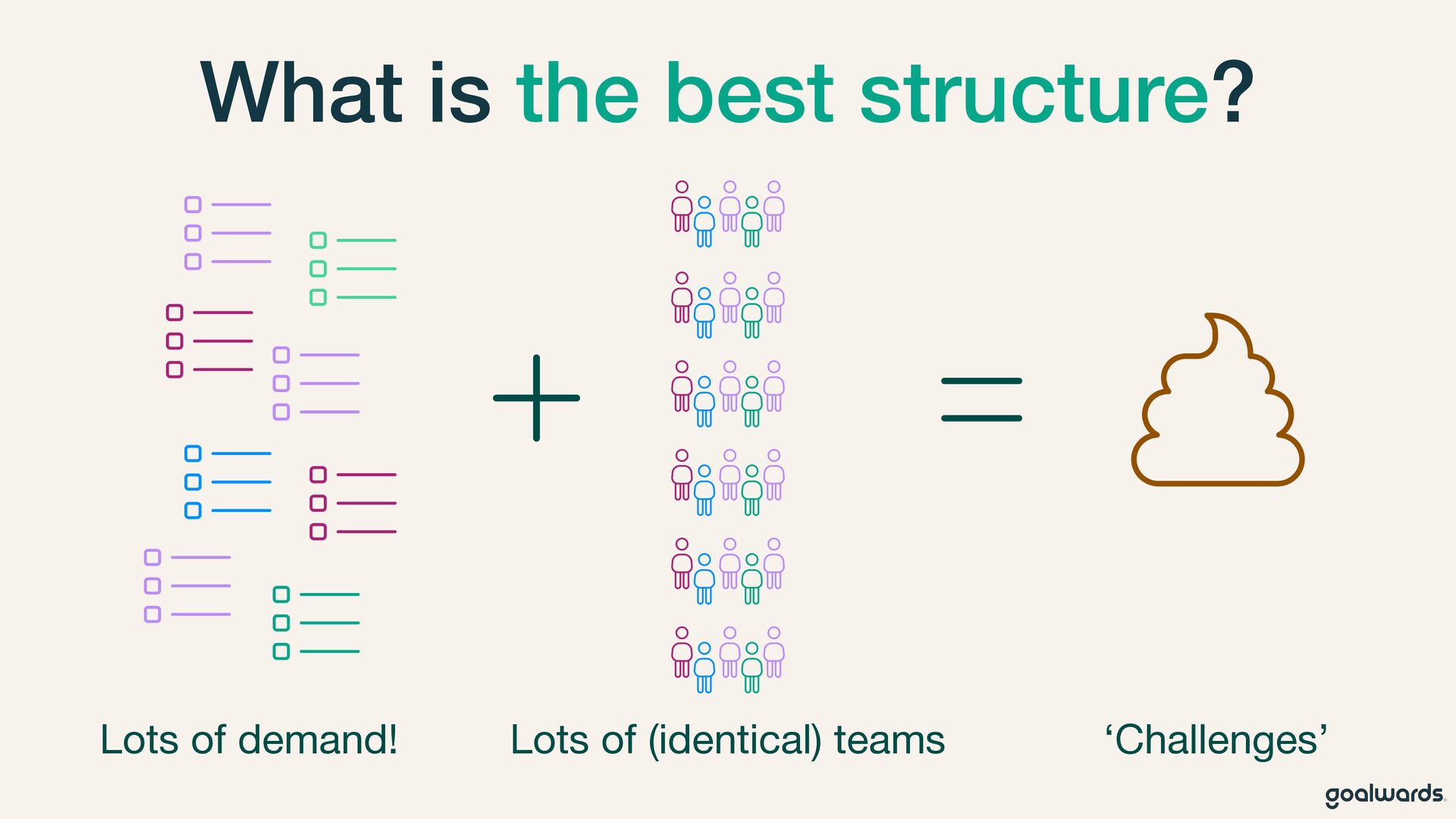
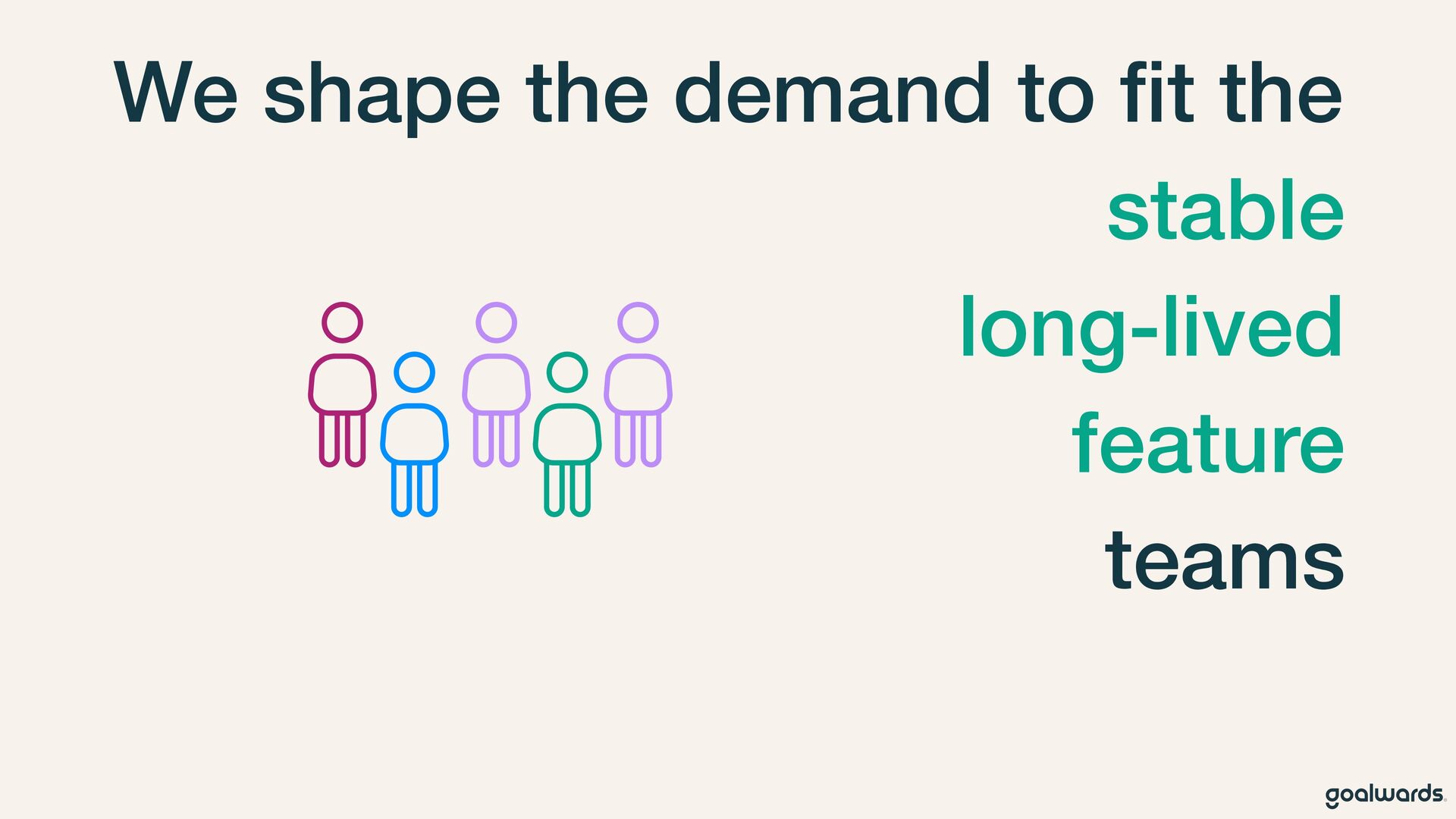
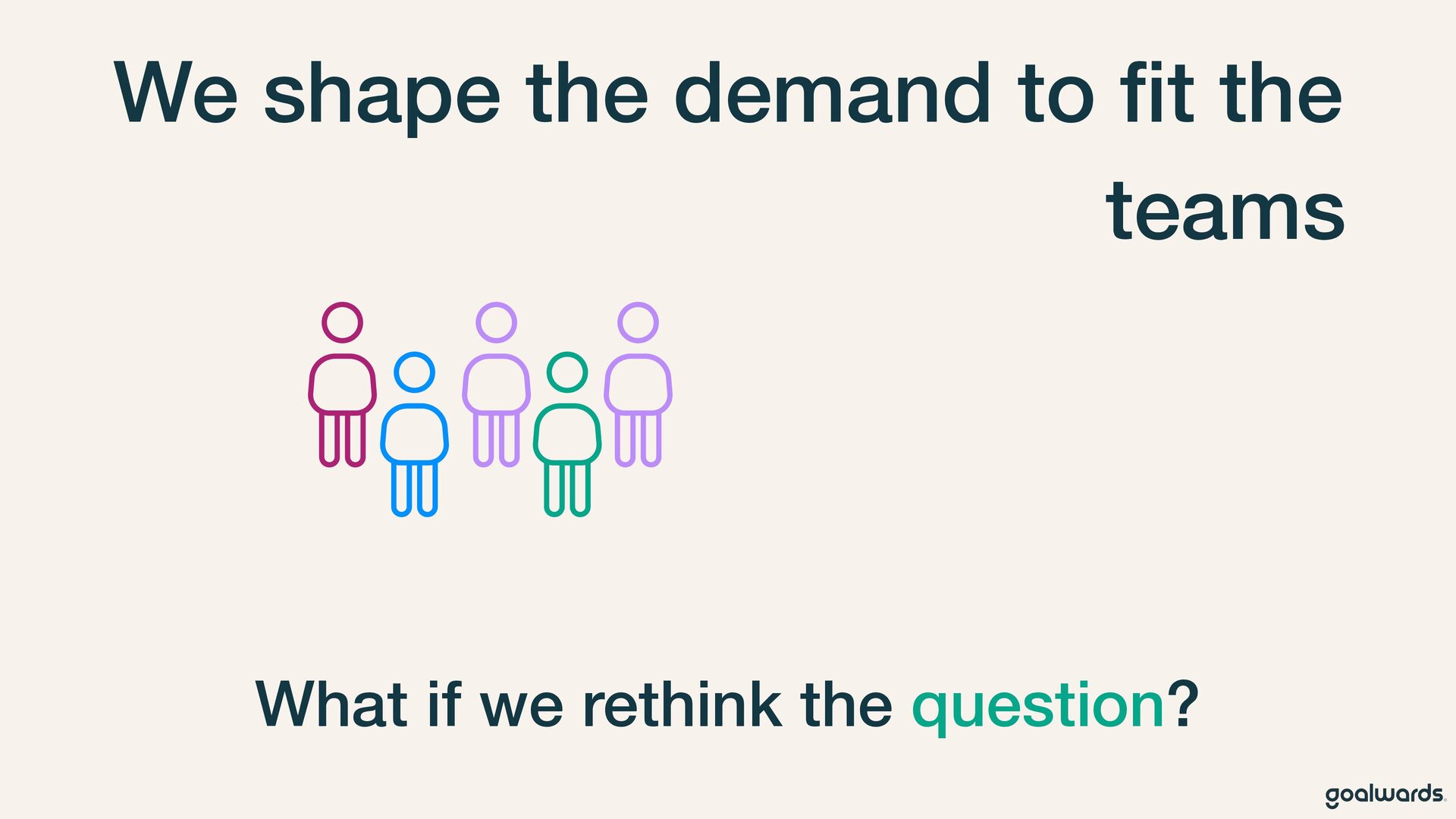
Most software delivery models are designed around ‘stable, long-lived teams’. Most agile methods embrace this as a core assumption, with the possible exception of Team Topologies' short-lived ‘enabling teams’.
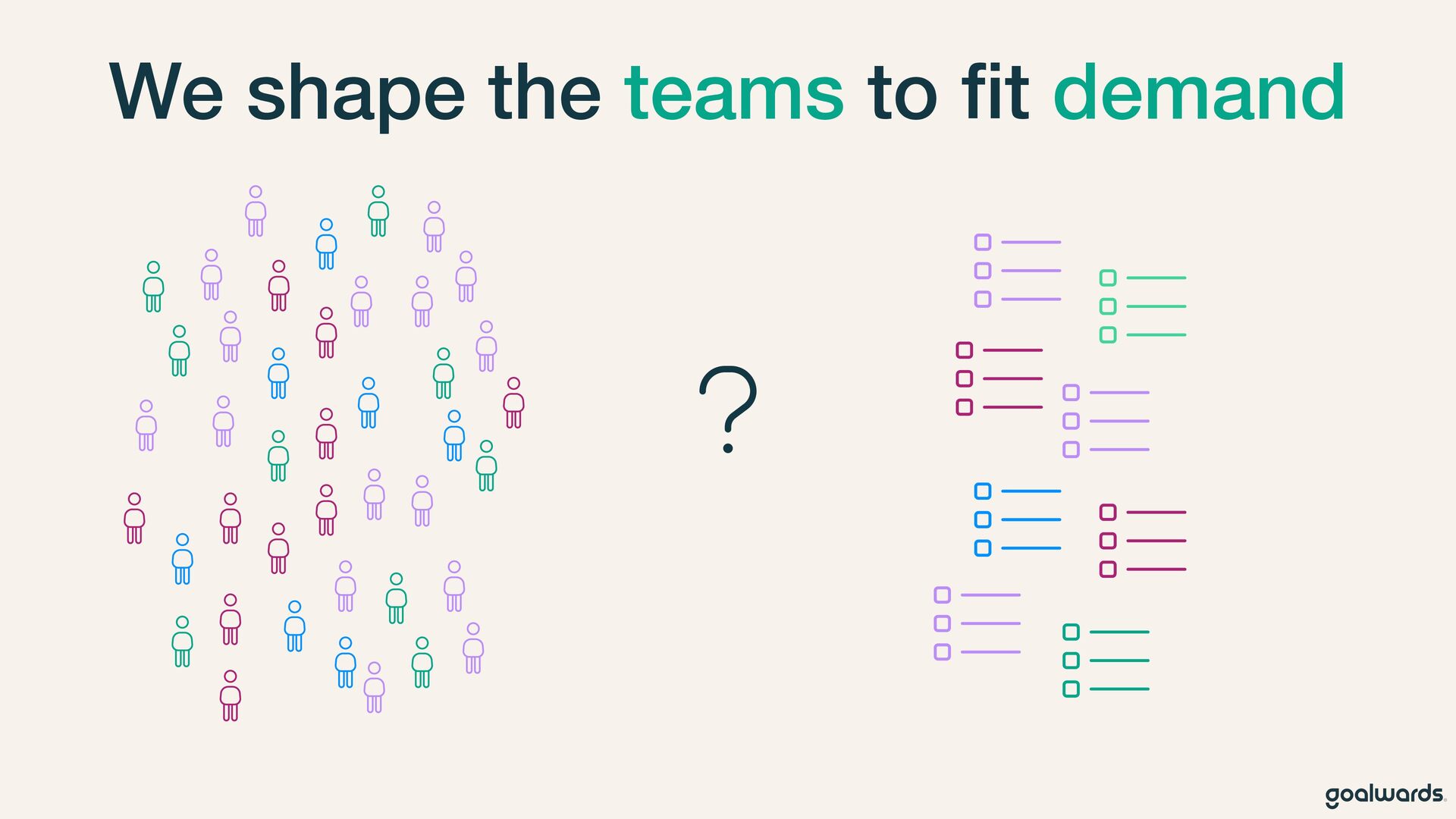
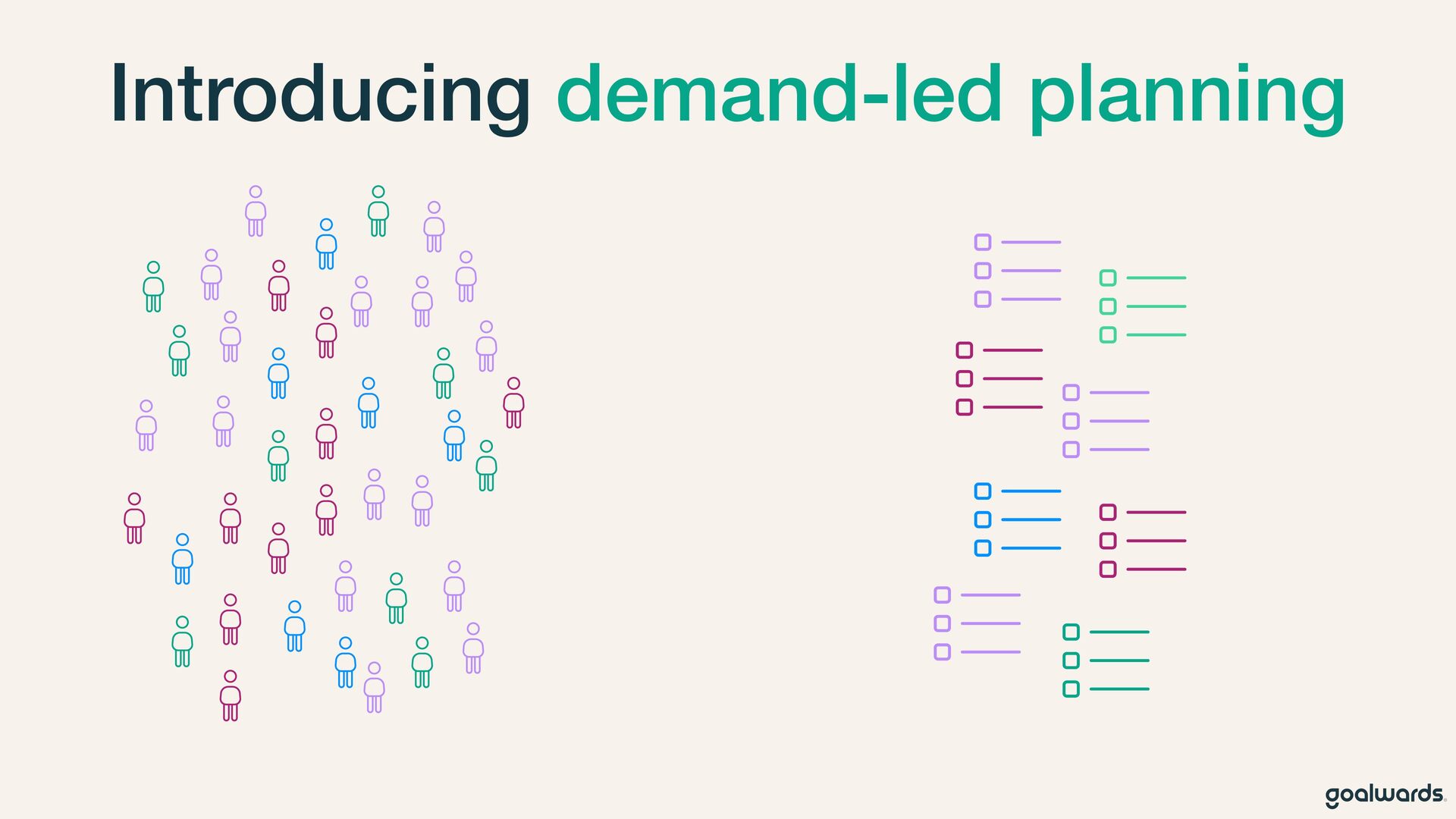
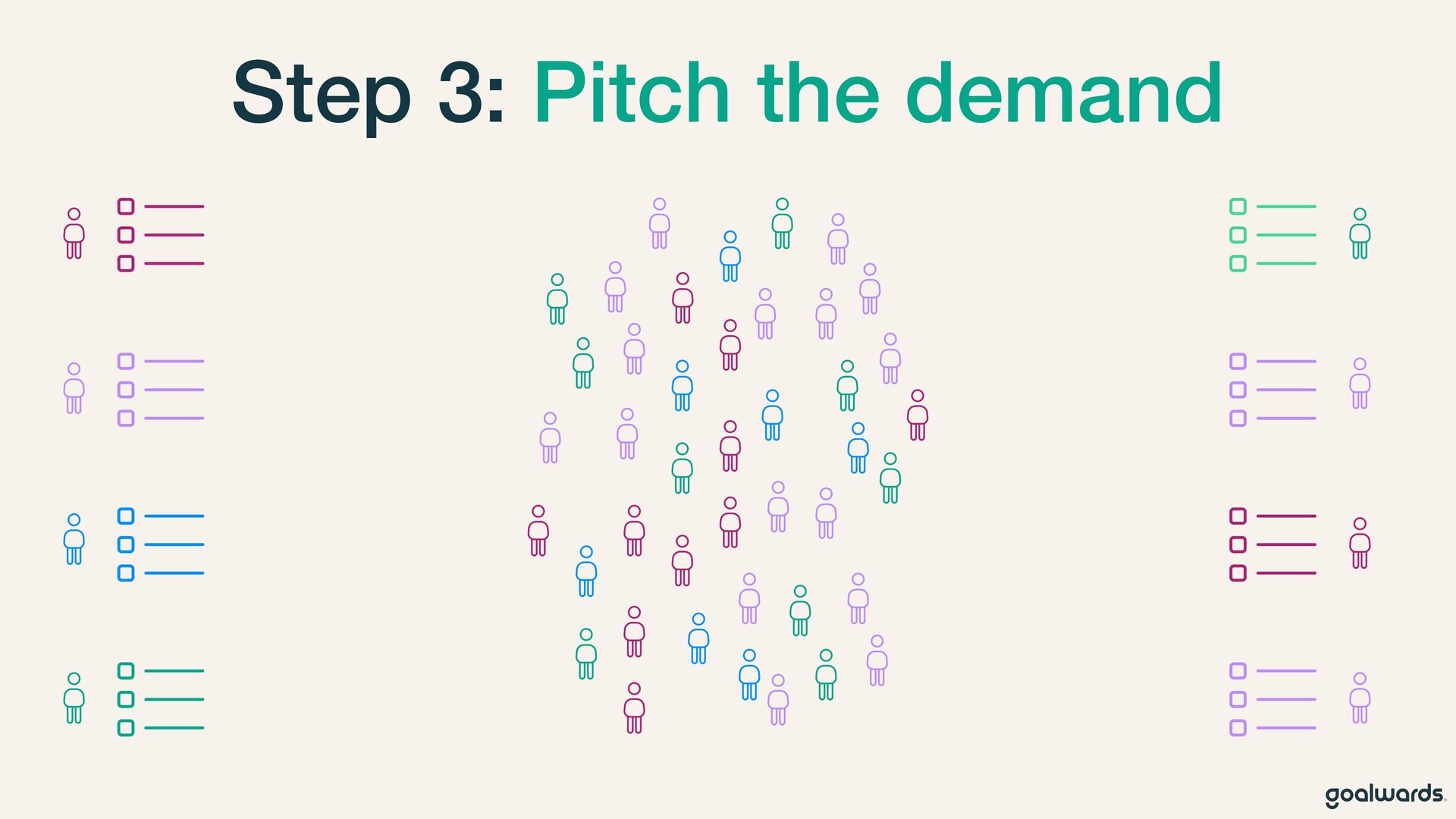
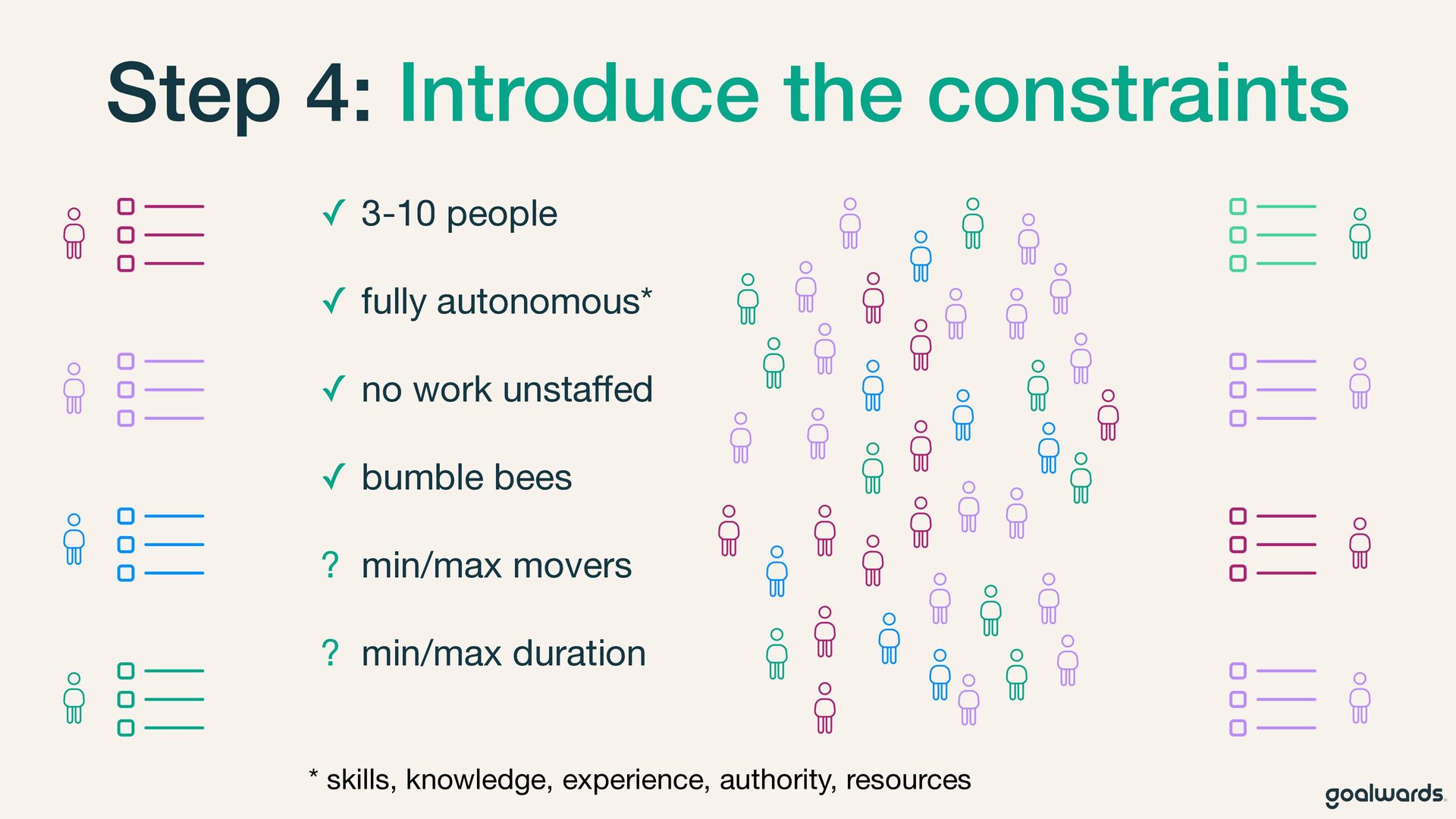
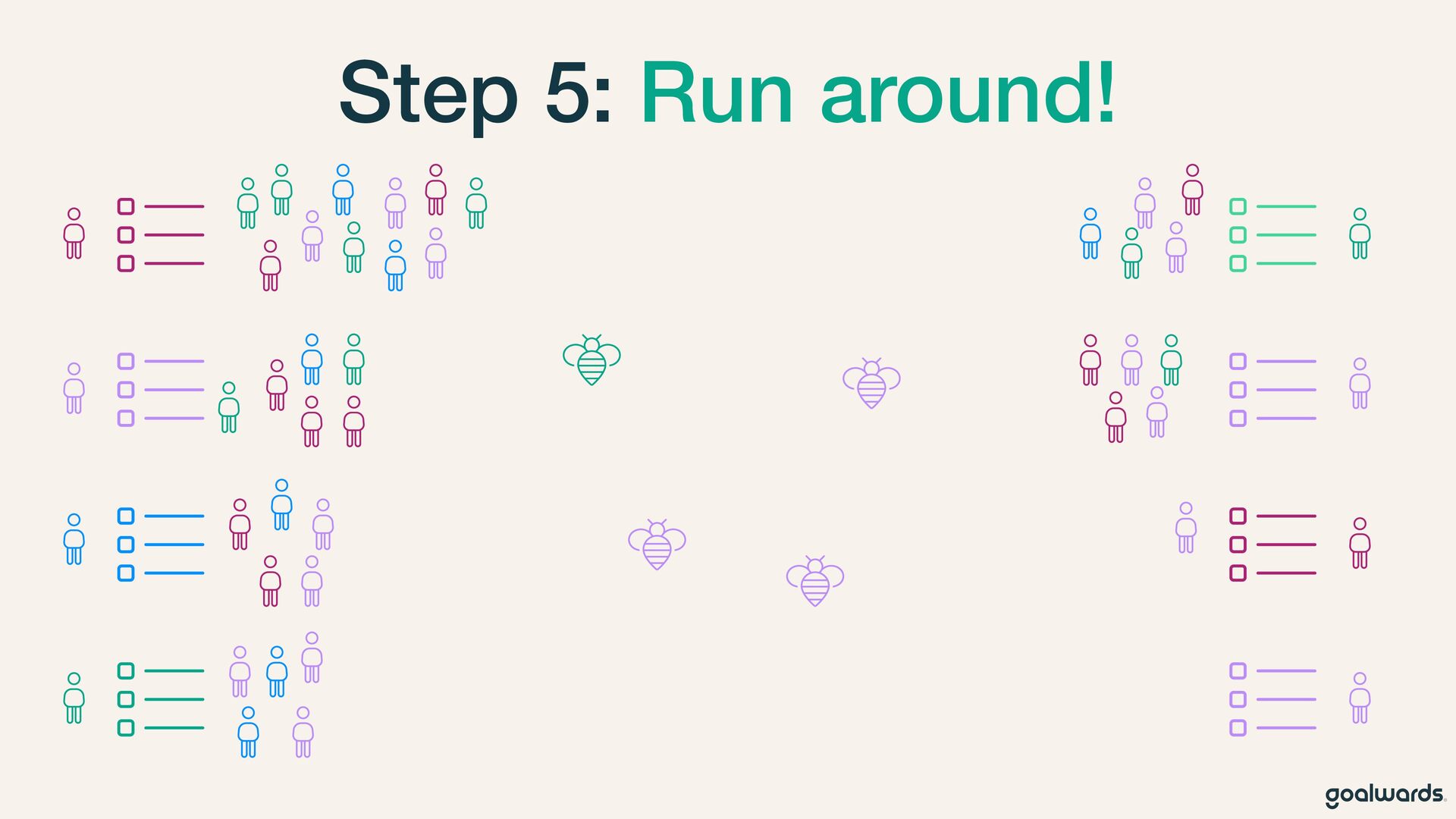
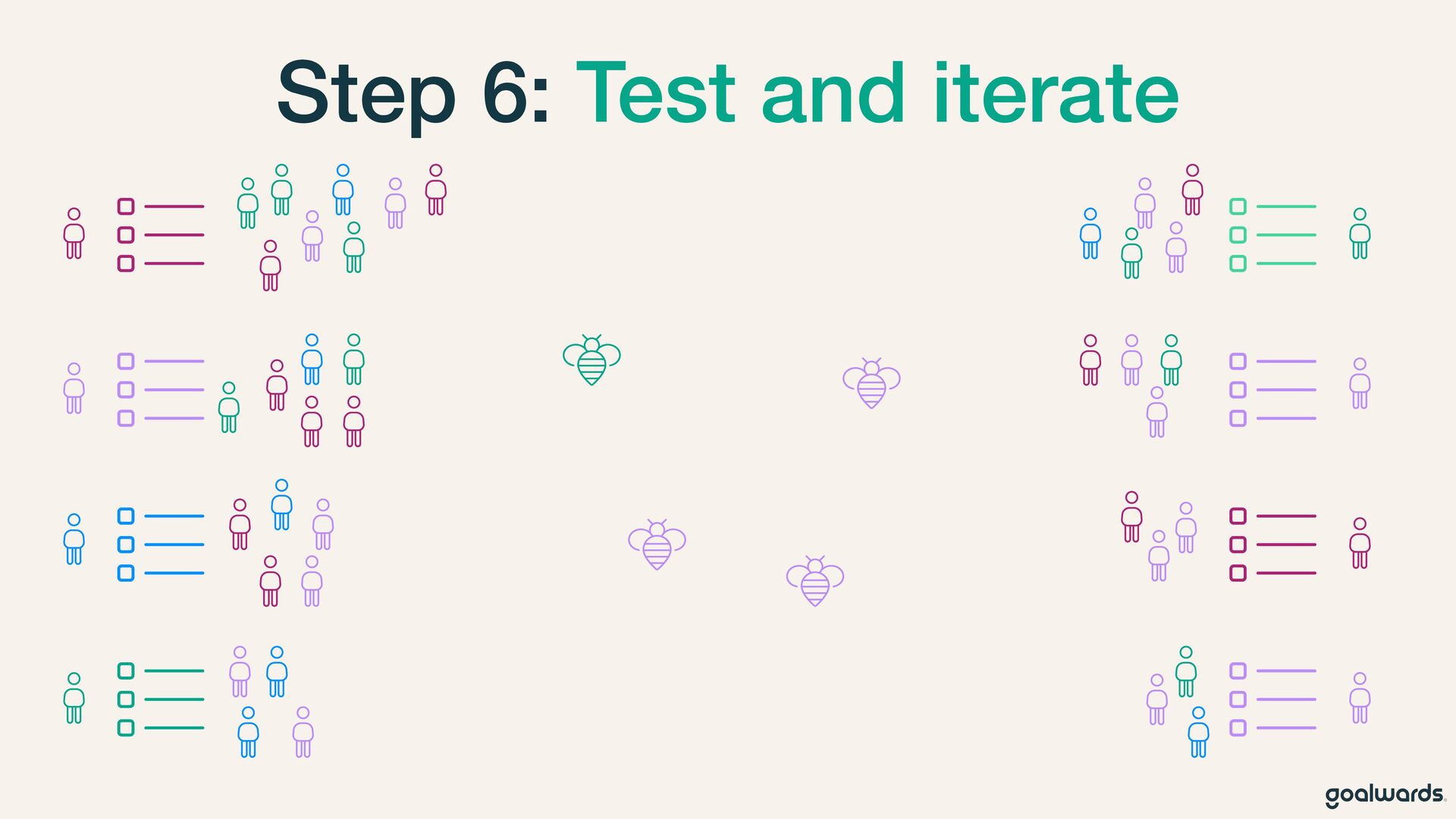
What if we turn this model on its head? Each quarter, the entire programme team, anything from 20 to 200 people, reorganize themselves based on the expected demand for the next quarter. Surely this is a recipe for chaos, confusion and disaster?
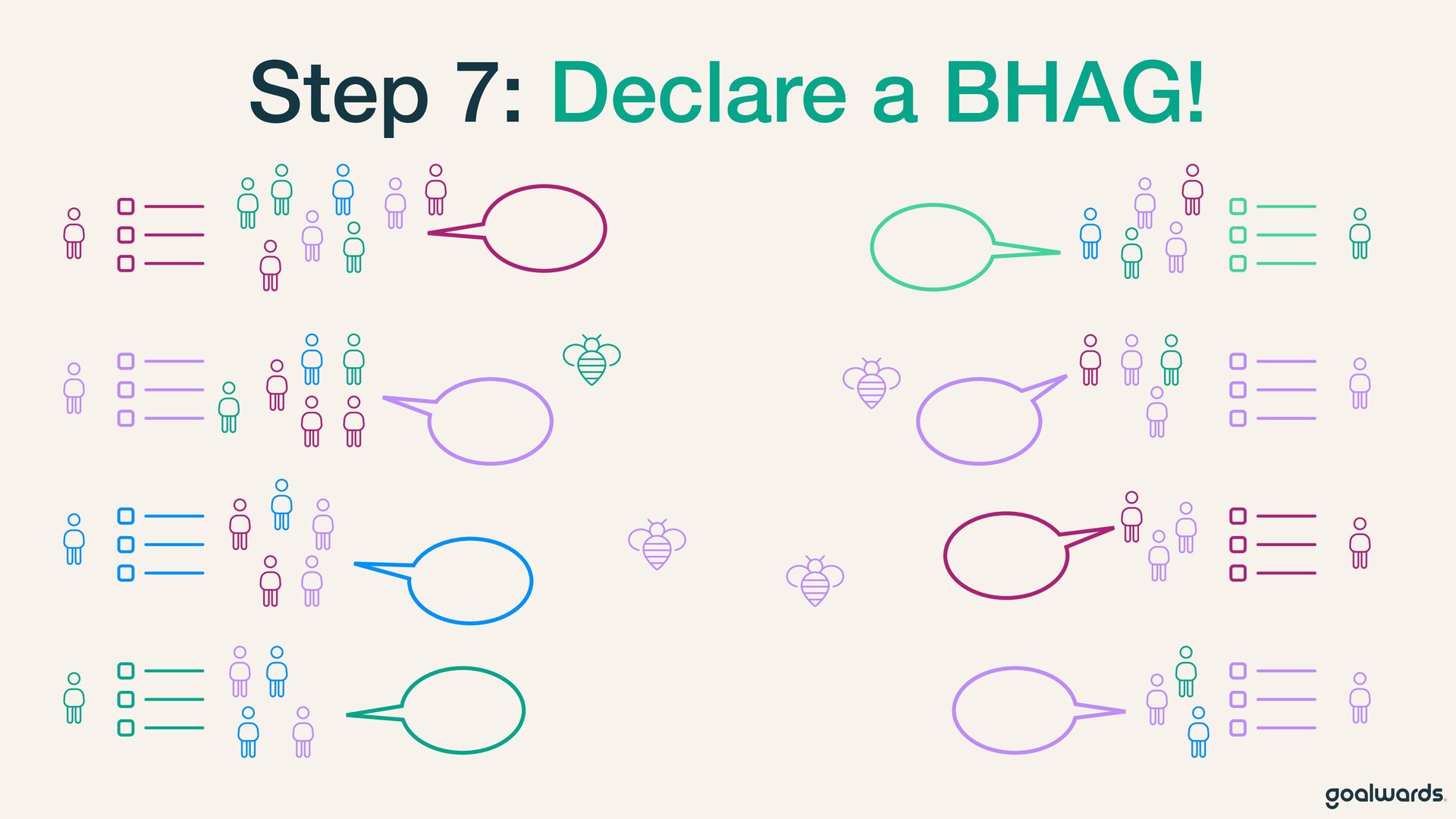
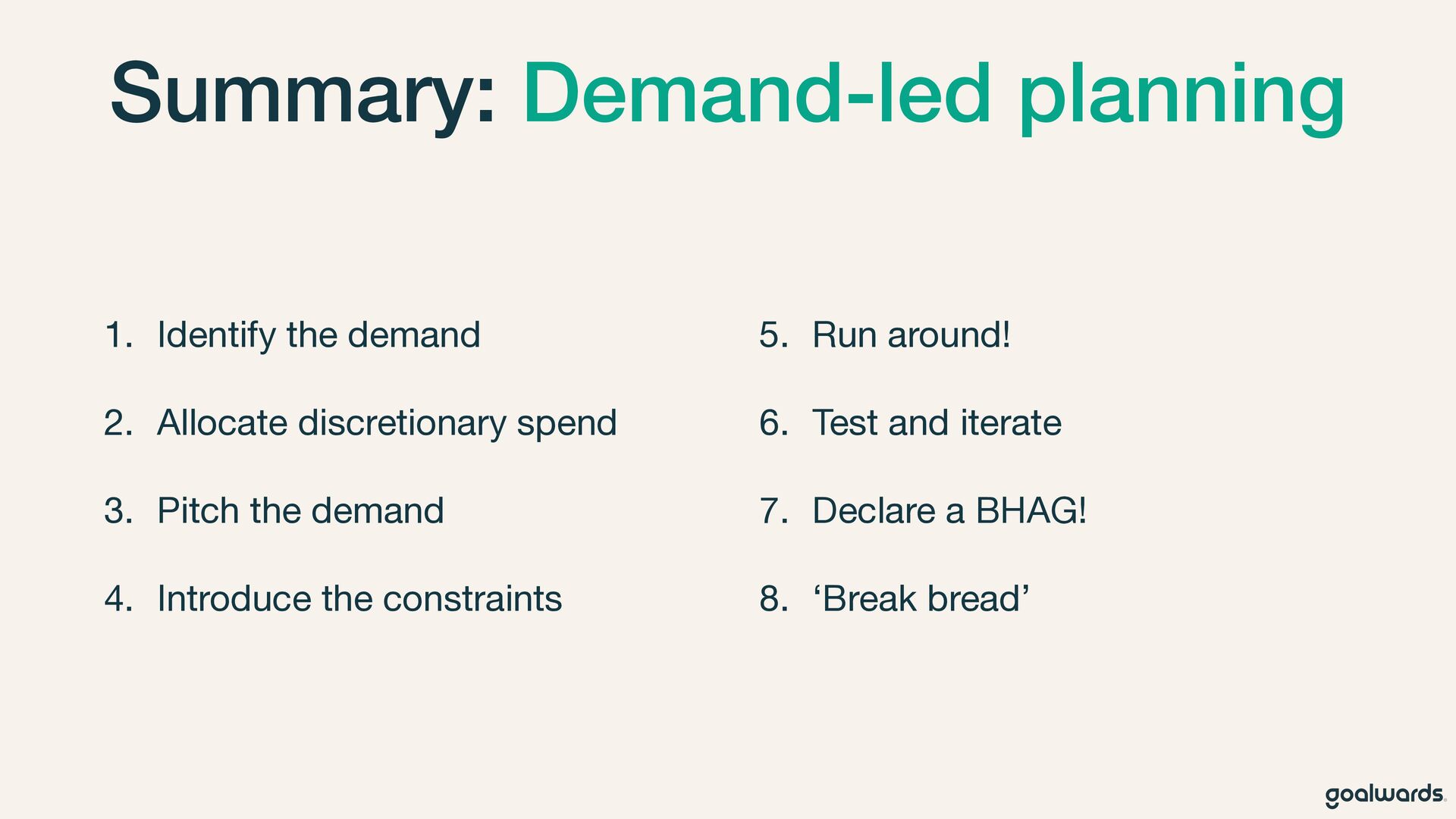
This session describes **Demand-Led Planning**, a model that has evolved over more than a decade to organize the people around the work. We discover why there is no need for teams to be either ‘stable’ or ‘long-lived’, and show how people can be more motivated, aligned and successful through regular re-teaming.


 tastapod
 jyouryuusui
 4o1sobblue
 pfn
pfn
 gree_tech
 kentarofujii
 kenichiodo
 sansantech
 gionn
gionn
 sue445
 ivry_presentationmaterials
 koukihosaka
 rocio
rocio
 holman
 wjessup
 popppiees
 rakko
rakko
 danielanewman
 tamaranovitovic
 aleyda
 ipullrank
 mkilby
 skipperchong
 rabernat
![Thank you https://goalwards.co [email protected] linkedin.com/in/tastapod @[email protected] @tastapod](https://files.speakerdeck.com/presentations/7a93d90c15204d58b19c7dc1ff66bed1/slide_23.jpg)