Upgrade to Pro — share decks privately, control downloads, hide ads and more …

Commercial_Cleaning_Services_Birmingham__4_.pdf

Avatar for ThePristineTeamLtd ThePristineTeamLtd
October 21, 2026
2

 Commercial_Cleaning_Services_Birmingham__4_.pdf

Avatar for ThePristineTeamLtd

ThePristineTeamLtd

October 21, 2026

Transcript

  1. Full Renovation in Paddington | Complete Home Transformations, Start to

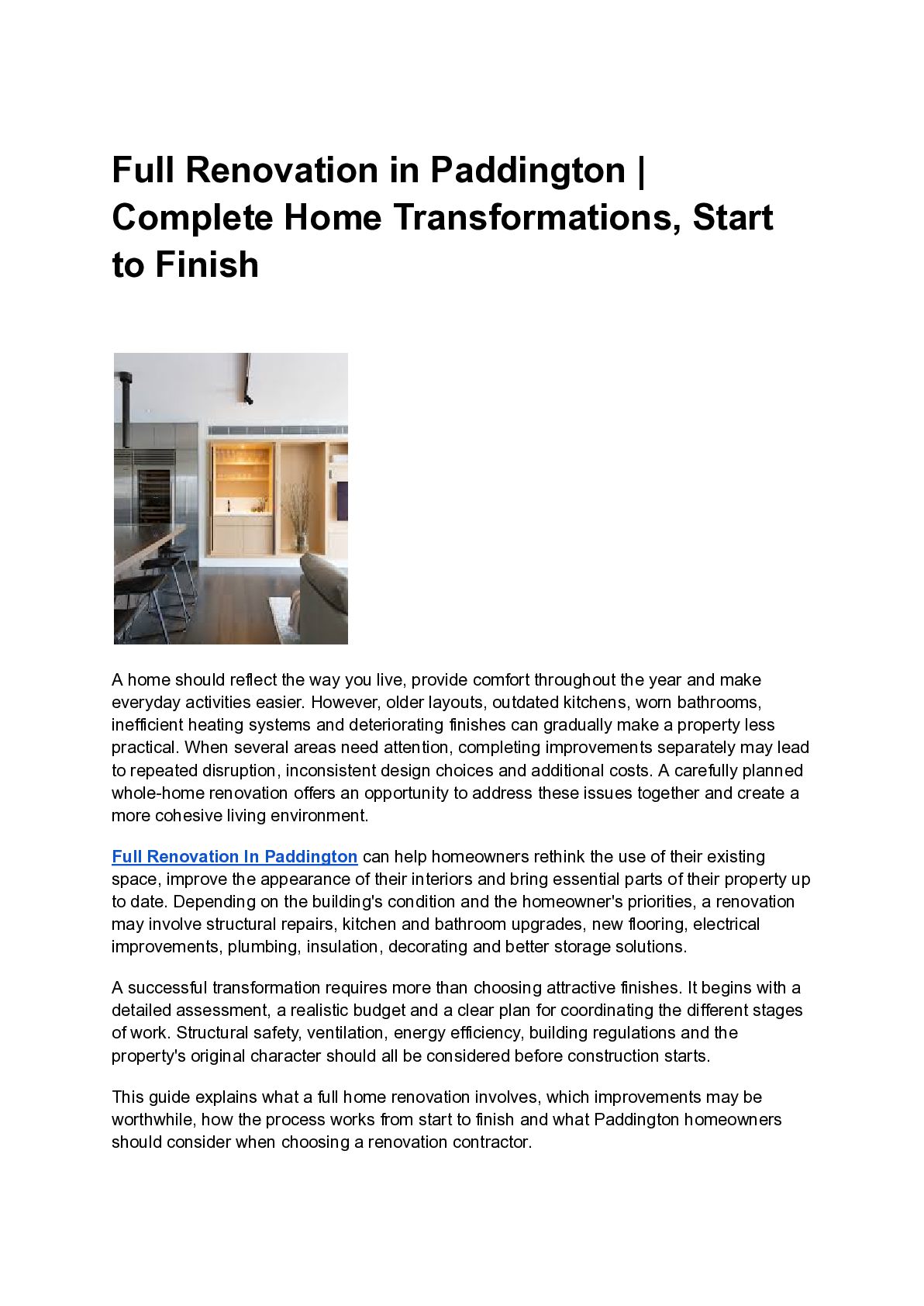
    Finish A home should reflect the way you live, provide comfort throughout the year and make everyday activities easier. However, older layouts, outdated kitchens, worn bathrooms, inefficient heating systems and deteriorating finishes can gradually make a property less practical. When several areas need attention, completing improvements separately may lead to repeated disruption, inconsistent design choices and additional costs. A carefully planned whole-home renovation offers an opportunity to address these issues together and create a more cohesive living environment. Full Renovation In Paddington can help homeowners rethink the use of their existing space, improve the appearance of their interiors and bring essential parts of their property up to date. Depending on the building's condition and the homeowner's priorities, a renovation may involve structural repairs, kitchen and bathroom upgrades, new flooring, electrical improvements, plumbing, insulation, decorating and better storage solutions. A successful transformation requires more than choosing attractive finishes. It begins with a detailed assessment, a realistic budget and a clear plan for coordinating the different stages of work. Structural safety, ventilation, energy efficiency, building regulations and the property's original character should all be considered before construction starts. This guide explains what a full home renovation involves, which improvements may be worthwhile, how the process works from start to finish and what Paddington homeowners should consider when choosing a renovation contractor.
  2. What Does a Full Home Renovation Involve? A full home

    renovation involves improving multiple areas of a property through a coordinated programme of work. The precise scope depends on the building's condition, the homeowner's requirements and the budget available. Some projects focus primarily on updating interiors, while others include structural alterations, new layouts, upgraded services and extensive repairs. Establishing the scope early helps ensure that essential work is not overlooked in favour of cosmetic improvements. Structural Repairs and Building Improvements Before new finishes are installed, the property should be checked for problems that could affect safety or durability. These may include damaged plaster, deteriorating timber, roof leaks, movement, dampness or other defects. The appropriate specialist should investigate any significant concerns before they are covered up. For example, recurring dampness should be assessed to establish its cause rather than simply painting over stained walls. Structural alterations, where required, should be designed and completed using suitable professional advice. Addressing underlying problems at the beginning can reduce the likelihood of having to remove new finishes later. Interior Upgrades and Modern Finishes Interior renovation may include new flooring, fresh plaster, updated doors, replacement skirting boards, improved lighting and coordinated decoration. These changes can make a property feel cleaner, brighter and more consistent. Material choices should reflect the property's use. Durable flooring may be appropriate for busy hallways, while moisture-resistant finishes are important in suitable bathroom areas. Selecting compatible colours and materials across different rooms can also create a more unified appearance. Updating Essential Home Services A full renovation can provide an opportunity to assess electrical installations, plumbing, heating and ventilation. Older systems may need repairs, replacement or improvements to support the planned layout. Any electrical or gas-related work should be completed by appropriately qualified professionals. Where new appliances or fixtures are planned, their service requirements should be considered before walls are closed and finishes are installed. Benefits of a Complete Home Transformation
  3. Renovating several areas through one coordinated project can help homeowners

    improve both the appearance and functionality of their property. The benefits depend on the quality of the planning and the suitability of the work. Create a More Practical Layout Older properties may contain small rooms, awkward passageways or layouts that no longer suit modern lifestyles. A renovation can provide an opportunity to rethink how rooms connect and how available space is used. For example, improving storage, repositioning suitable internal features or opening up selected areas may make daily activities easier. However, removing walls or changing room layouts requires careful checks to establish whether structural support, building regulations or other approvals are involved. Improve Comfort and Energy Efficiency A renovation may reveal opportunities to improve insulation, reduce draughts, upgrade heating controls and replace unsuitable windows or doors where appropriate. These improvements can help maintain more consistent indoor temperatures and may reduce unnecessary energy use. Results depend on the building, the quality of installation and household energy habits, so savings should not be guaranteed without a proper assessment. Ventilation is equally important. Improvements to insulation and airtightness should be planned alongside suitable ventilation to help control indoor moisture and maintain good air quality. Bring Different Rooms Together When kitchens, bathrooms, hallways and living areas are updated at different times, the finishes can become inconsistent. A coordinated renovation allows homeowners to select complementary flooring, colours, lighting and fittings. This does not mean every room must look identical. Instead, repeated design elements can help the home feel connected while allowing individual rooms to serve different purposes. Support Long-Term Property Appeal A well-maintained home with practical layouts, reliable services and attractive finishes may appeal to future buyers. Nevertheless, renovation does not guarantee a particular increase in market value. The financial outcome depends on local property conditions, the quality of the work, the total cost and the preferences of potential buyers. Homeowners should prioritise improvements that suit the property's condition and their own needs rather than assuming every upgrade will deliver a financial return.
  4. Planning a Full Renovation in Paddington Careful preparation is one

    of the most important stages of any whole-home renovation. A clear plan helps homeowners make informed decisions, manage costs and reduce unnecessary changes once construction begins. Assess the Property Before Starting Begin with a thorough review of the property's condition. Depending on the building, this may involve inspecting the roof, walls, floors, windows, plumbing, electrical installation and heating system. Older properties may contain hidden defects or previous alterations that require further investigation. Where there are concerns about structural movement, hazardous materials or other significant issues, seek advice from the appropriate specialist before work begins. The assessment should distinguish between urgent repairs, functional improvements and cosmetic upgrades. This makes it easier to prioritise the work if the budget is limited. Define Your Renovation Goals Decide what the completed property should achieve. Some homeowners want a modern kitchen and improved bathrooms, while others need better storage, more usable living space or an interior that is easier to maintain. Writing down these priorities helps guide decisions about layouts, materials and expenditure. It also provides a clear reference when discussing the project with contractors. Establish a Realistic Budget A renovation budget should cover labour, materials, professional services, approvals where required, waste removal and any temporary accommodation or storage arrangements. It is also sensible to allow a contingency for unexpected problems. Once walls, floors or ceilings are opened, hidden defects may become visible, particularly in older buildings. Agreeing how additional work will be priced and approved helps prevent misunderstandings. A written specification and transparent quotation make it easier to understand what is included and what may cost extra. Renovation Considerations for Paddington Properties Paddington includes a range of residential buildings, from period properties and traditional terraces to apartments and more contemporary homes. Each building presents different opportunities and constraints, so the renovation approach should be tailored to the individual property.
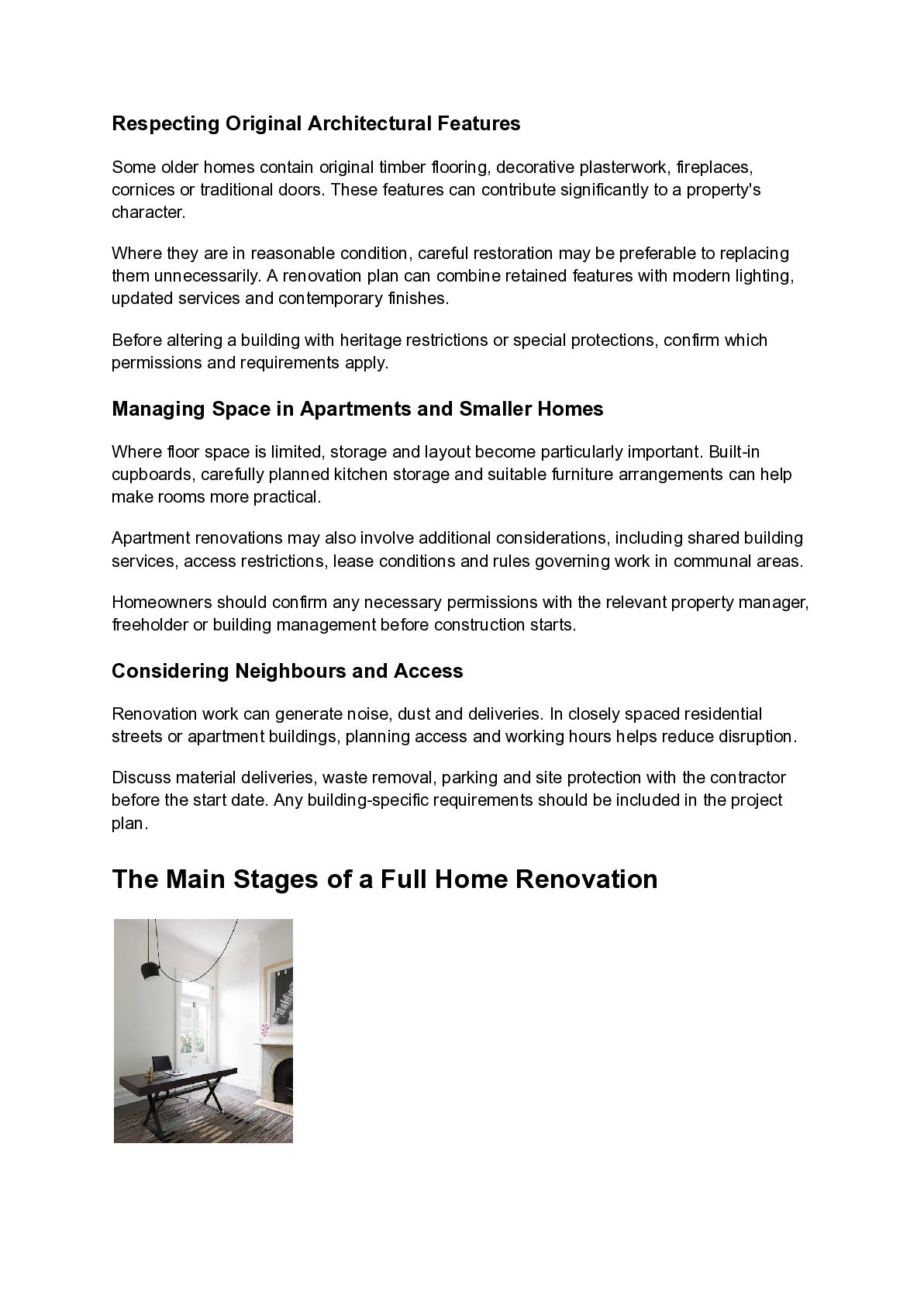
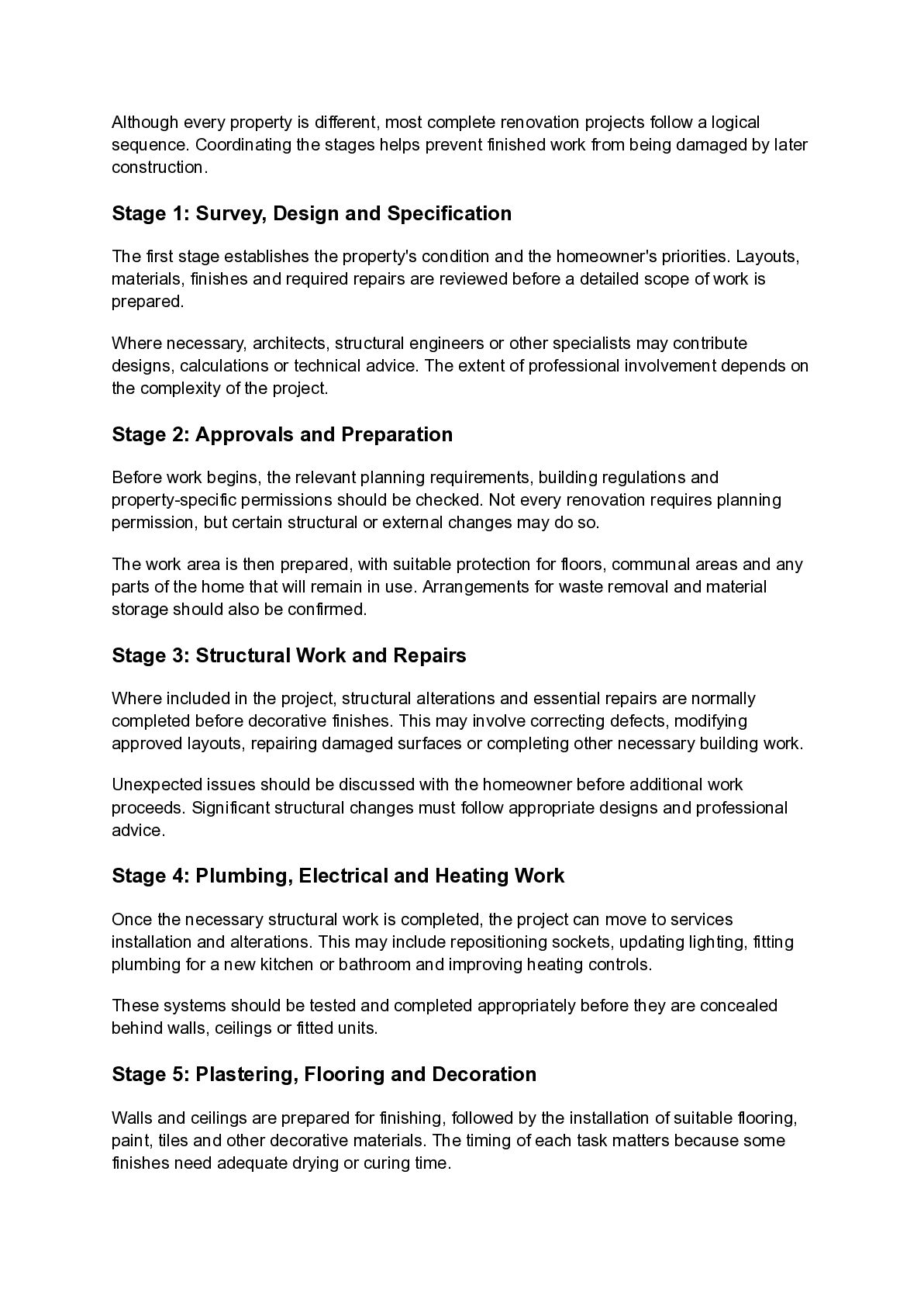
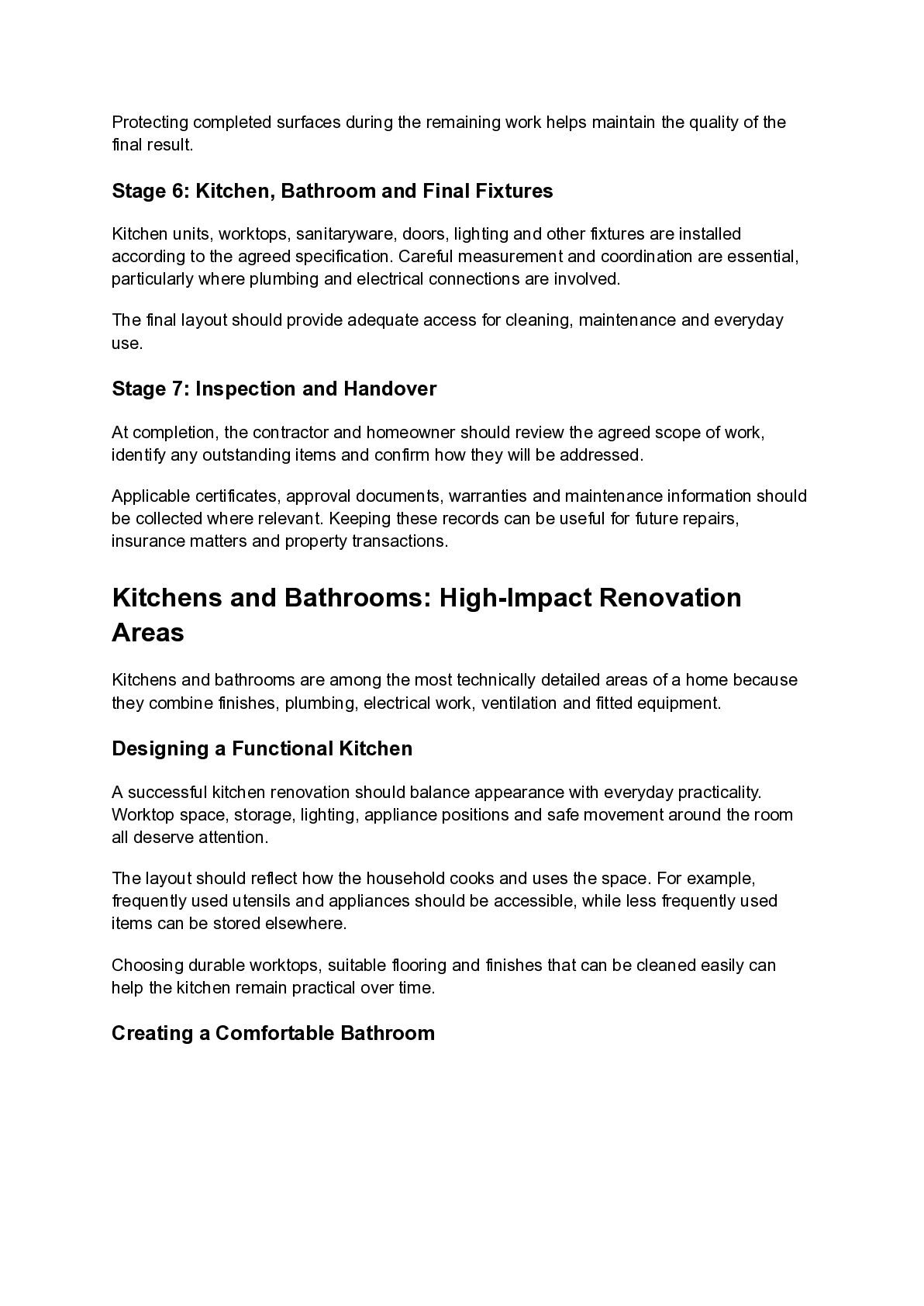
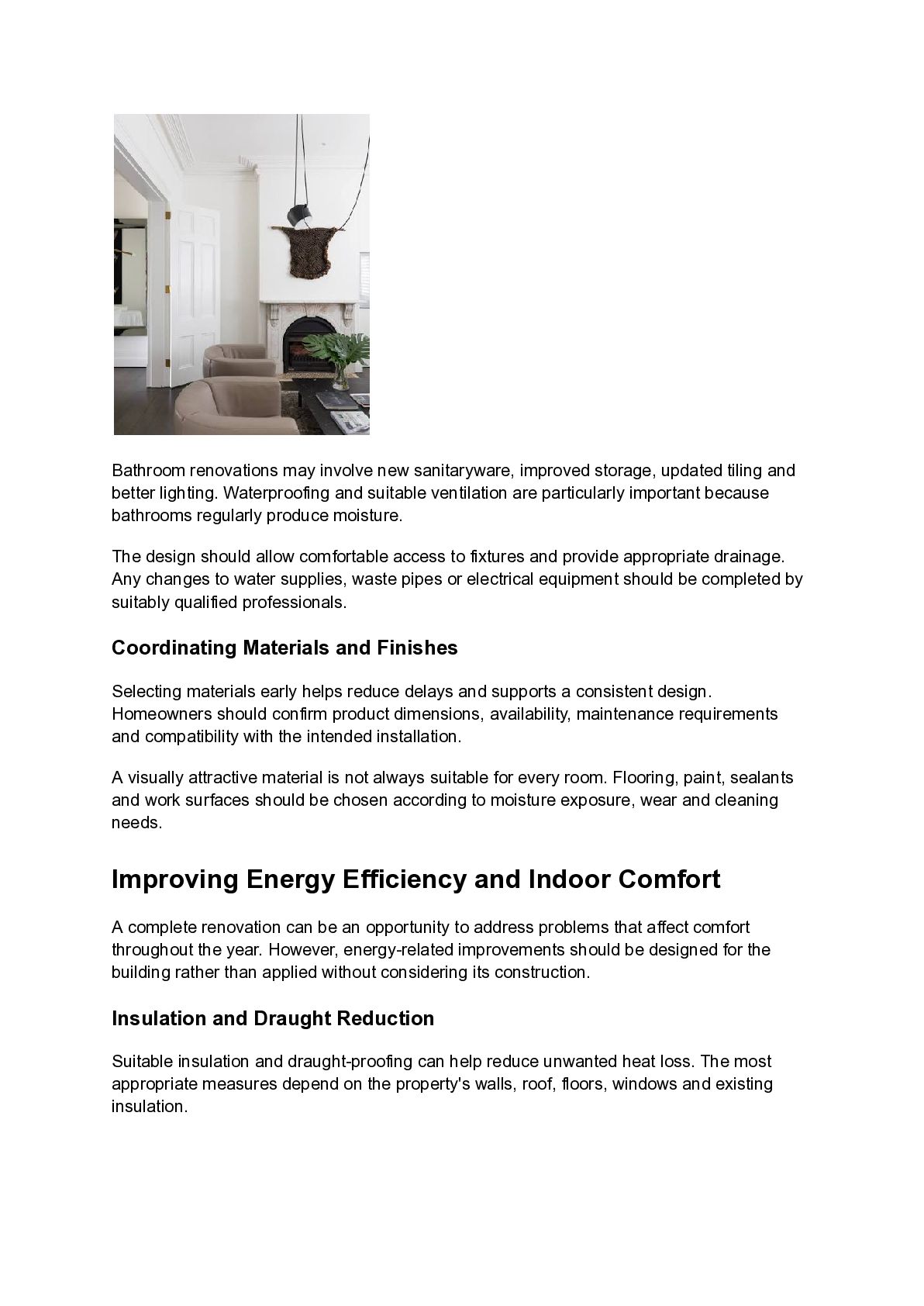
  5. Respecting Original Architectural Features Some older homes contain original timber

    flooring, decorative plasterwork, fireplaces, cornices or traditional doors. These features can contribute significantly to a property's character. Where they are in reasonable condition, careful restoration may be preferable to replacing them unnecessarily. A renovation plan can combine retained features with modern lighting, updated services and contemporary finishes. Before altering a building with heritage restrictions or special protections, confirm which permissions and requirements apply. Managing Space in Apartments and Smaller Homes Where floor space is limited, storage and layout become particularly important. Built-in cupboards, carefully planned kitchen storage and suitable furniture arrangements can help make rooms more practical. Apartment renovations may also involve additional considerations, including shared building services, access restrictions, lease conditions and rules governing work in communal areas. Homeowners should confirm any necessary permissions with the relevant property manager, freeholder or building management before construction starts. Considering Neighbours and Access Renovation work can generate noise, dust and deliveries. In closely spaced residential streets or apartment buildings, planning access and working hours helps reduce disruption. Discuss material deliveries, waste removal, parking and site protection with the contractor before the start date. Any building-specific requirements should be included in the project plan. The Main Stages of a Full Home Renovation
  6. Although every property is different, most complete renovation projects follow

    a logical sequence. Coordinating the stages helps prevent finished work from being damaged by later construction. Stage 1: Survey, Design and Specification The first stage establishes the property's condition and the homeowner's priorities. Layouts, materials, finishes and required repairs are reviewed before a detailed scope of work is prepared. Where necessary, architects, structural engineers or other specialists may contribute designs, calculations or technical advice. The extent of professional involvement depends on the complexity of the project. Stage 2: Approvals and Preparation Before work begins, the relevant planning requirements, building regulations and property-specific permissions should be checked. Not every renovation requires planning permission, but certain structural or external changes may do so. The work area is then prepared, with suitable protection for floors, communal areas and any parts of the home that will remain in use. Arrangements for waste removal and material storage should also be confirmed. Stage 3: Structural Work and Repairs Where included in the project, structural alterations and essential repairs are normally completed before decorative finishes. This may involve correcting defects, modifying approved layouts, repairing damaged surfaces or completing other necessary building work. Unexpected issues should be discussed with the homeowner before additional work proceeds. Significant structural changes must follow appropriate designs and professional advice. Stage 4: Plumbing, Electrical and Heating Work Once the necessary structural work is completed, the project can move to services installation and alterations. This may include repositioning sockets, updating lighting, fitting plumbing for a new kitchen or bathroom and improving heating controls. These systems should be tested and completed appropriately before they are concealed behind walls, ceilings or fitted units. Stage 5: Plastering, Flooring and Decoration Walls and ceilings are prepared for finishing, followed by the installation of suitable flooring, paint, tiles and other decorative materials. The timing of each task matters because some finishes need adequate drying or curing time.
  7. Protecting completed surfaces during the remaining work helps maintain the

    quality of the final result. Stage 6: Kitchen, Bathroom and Final Fixtures Kitchen units, worktops, sanitaryware, doors, lighting and other fixtures are installed according to the agreed specification. Careful measurement and coordination are essential, particularly where plumbing and electrical connections are involved. The final layout should provide adequate access for cleaning, maintenance and everyday use. Stage 7: Inspection and Handover At completion, the contractor and homeowner should review the agreed scope of work, identify any outstanding items and confirm how they will be addressed. Applicable certificates, approval documents, warranties and maintenance information should be collected where relevant. Keeping these records can be useful for future repairs, insurance matters and property transactions. Kitchens and Bathrooms: High-Impact Renovation Areas Kitchens and bathrooms are among the most technically detailed areas of a home because they combine finishes, plumbing, electrical work, ventilation and fitted equipment. Designing a Functional Kitchen A successful kitchen renovation should balance appearance with everyday practicality. Worktop space, storage, lighting, appliance positions and safe movement around the room all deserve attention. The layout should reflect how the household cooks and uses the space. For example, frequently used utensils and appliances should be accessible, while less frequently used items can be stored elsewhere. Choosing durable worktops, suitable flooring and finishes that can be cleaned easily can help the kitchen remain practical over time. Creating a Comfortable Bathroom
  8. Bathroom renovations may involve new sanitaryware, improved storage, updated tiling

    and better lighting. Waterproofing and suitable ventilation are particularly important because bathrooms regularly produce moisture. The design should allow comfortable access to fixtures and provide appropriate drainage. Any changes to water supplies, waste pipes or electrical equipment should be completed by suitably qualified professionals. Coordinating Materials and Finishes Selecting materials early helps reduce delays and supports a consistent design. Homeowners should confirm product dimensions, availability, maintenance requirements and compatibility with the intended installation. A visually attractive material is not always suitable for every room. Flooring, paint, sealants and work surfaces should be chosen according to moisture exposure, wear and cleaning needs. Improving Energy Efficiency and Indoor Comfort A complete renovation can be an opportunity to address problems that affect comfort throughout the year. However, energy-related improvements should be designed for the building rather than applied without considering its construction. Insulation and Draught Reduction Suitable insulation and draught-proofing can help reduce unwanted heat loss. The most appropriate measures depend on the property's walls, roof, floors, windows and existing insulation.
  9. Older buildings may need particular care because unsuitable upgrades can

    affect moisture movement or ventilation. Professional advice is valuable where the correct approach is unclear. Heating and Lighting Improvements Heating controls, appropriately sized equipment and efficient lighting can contribute to a more comfortable home. The best choices depend on the property and the existing systems. Before replacing a boiler or changing heating equipment, the installation should be assessed to establish what is suitable. Electrical work and gas installations must be handled by appropriately qualified professionals. Ventilation and Moisture Control Kitchens, bathrooms and other moisture-producing areas need appropriate ventilation. If a renovation makes the building more airtight, ventilation should be reviewed to ensure indoor moisture can be managed effectively. Persistent condensation, dampness or mould should be investigated rather than hidden behind new decoration. How Much Does a Full Renovation in Paddington Cost? There is no single price for a full home renovation because the cost depends on the property's size, condition, design and required improvements. A project focused on finishes will differ considerably from one involving structural changes and replacement services. Factors That Influence Renovation Costs The main cost considerations include: •​ Property size: Larger homes generally require more materials and labour. •​ Existing condition: Hidden defects, dampness or damaged structures may require additional work. •​ Layout changes: Moving walls, plumbing or electrical points can increase complexity. •​ Material selection: Flooring, tiles, cabinetry, worktops and fixtures vary widely in price. •​ Professional services: Surveys, design work, engineering and approval fees may form part of the budget. •​ Project access: Restricted access, apartment rules and waste removal arrangements can affect labour and logistics. How to Keep the Budget Under Control
  10. Prioritise essential repairs and agree on the scope before ordering

    materials. Choose products that suit both the design and the budget, and avoid unnecessary changes after installation has started. Ask for written quotations that clearly identify inclusions, exclusions, payment stages and the process for approving variations. A realistic contingency can help manage unforeseen work without sacrificing important safety requirements. Choosing a Reliable Renovation Contractor Selecting a suitable contractor is an important decision because full renovations involve several trades and a sequence of connected tasks. Review Relevant Experience Ask about experience with projects similar to yours and request examples of completed work where available. Properties with older structures, restricted access or complicated layouts may require particular experience. References, photographs and detailed explanations of previous projects can help you assess whether a contractor's approach matches your expectations. Confirm Insurance and Professional Qualifications Check that the contractor has appropriate insurance and uses suitably qualified specialists for regulated or technical work. Gas, electrical and structural tasks may require specific qualifications or professional oversight. Do not rely on verbal assurances alone. Ask which responsibilities the contractor will manage and what documentation will be provided. Request a Detailed Written Agreement A written agreement should set out the scope, specifications, expected schedule, costs, payment arrangements and how variations will be handled. It should also explain how site access, waste, protection and outstanding work will be managed. Renova Building can be contacted to discuss renovation requirements and the type of work being considered. Before proceeding, confirm the proposed scope, quotation, relevant experience and project arrangements directly with the business. Frequently Asked Questions How Long Does a Full Home Renovation Take? The timescale depends on the size of the property, the amount of structural work, the availability of materials and the number of trades involved. A project with extensive layout
  11. changes and replacement services will generally require more coordination than

    one focused on decorative improvements. A realistic schedule should be prepared after the property has been assessed. Do I Need Planning Permission for a Full Renovation? Many internal improvements do not require planning permission, but certain extensions, external alterations and structural changes may have additional requirements. Building regulations may apply even when planning permission is unnecessary. Check the specific proposals before starting work. Can I Live in My Home During Renovation? It may be possible, depending on which areas are being renovated and whether essential facilities remain available. However, dust, noise, water or electricity interruptions and restricted access can make daily life difficult. Discuss the work sequence with the contractor and consider temporary accommodation if necessary. Should Repairs Be Completed Before Decorating? Yes. Underlying problems such as leaks, damaged plaster, unsafe wiring or structural defects should be addressed before final finishes are installed. This helps prevent new materials from being damaged by unresolved issues. Can Renovation Improve the Energy Efficiency of an Older Property? It can, provided improvements are suitable for the building. Insulation, draught reduction, heating controls and ventilation upgrades may improve comfort and reduce energy waste. The appropriate combination depends on the property's construction and existing systems. Conclusion
  12. A full home renovation can transform an outdated or impractical

    property into a more comfortable, attractive and functional place to live. From structural repairs and updated services to redesigned kitchens, modern bathrooms and carefully selected finishes, a coordinated approach helps ensure that individual improvements work together. The best results begin with a thorough property assessment, clear priorities and a realistic budget. Homeowners should also check applicable approvals, protect the building's original features where appropriate and ensure that structural, electrical, plumbing and ventilation work is completed correctly. For homeowners considering Full Renovation In Paddington, careful planning and clear communication with experienced professionals can make the process more manageable from the first survey to the final handover. Renova Building can be approached to discuss your goals and explore suitable options for a complete home transformation tailored to your property and everyday needs.