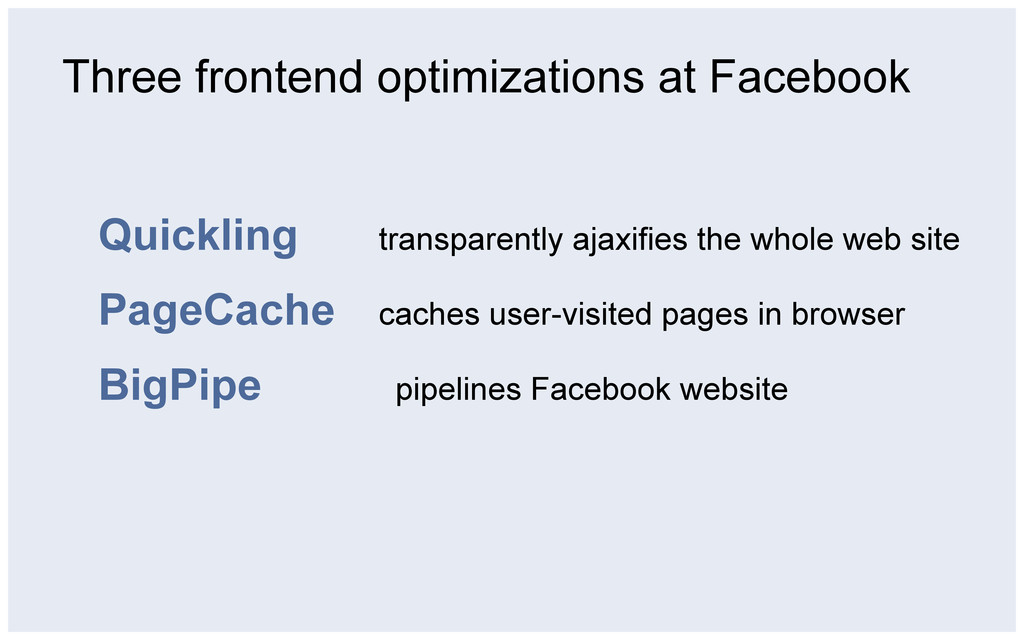
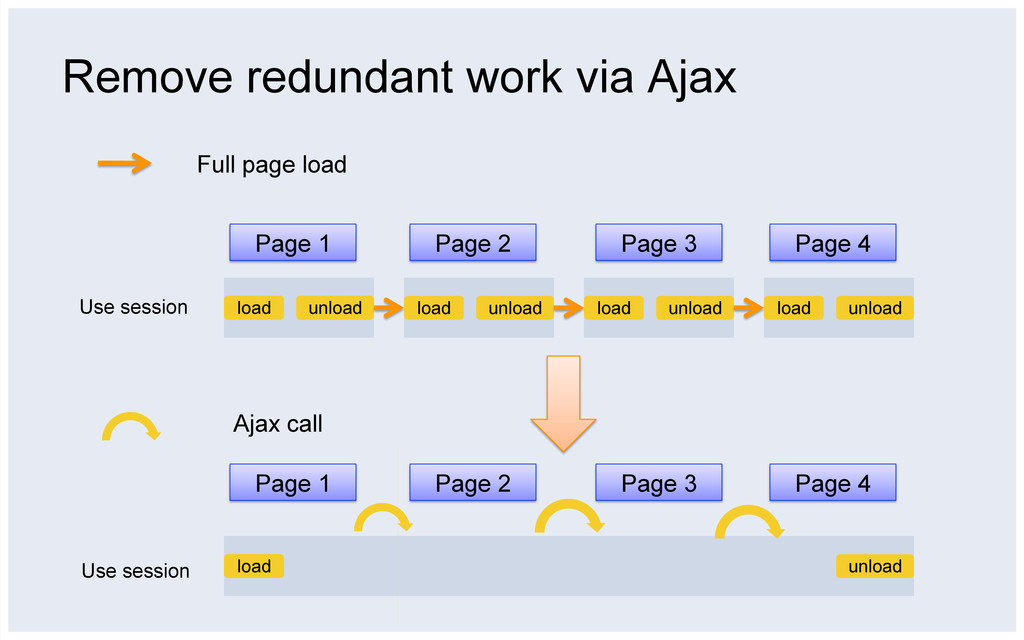
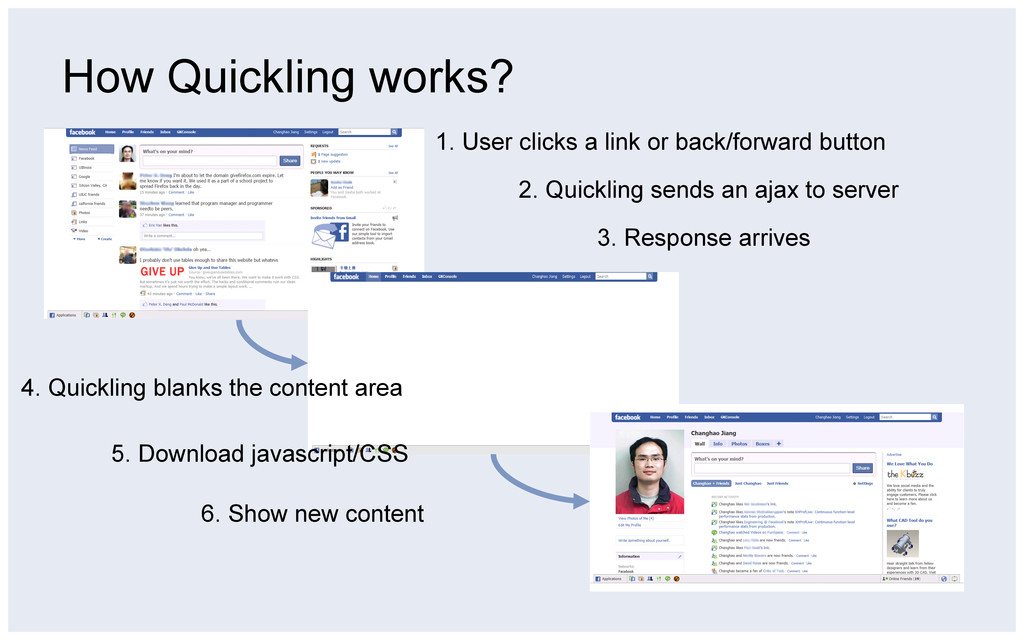
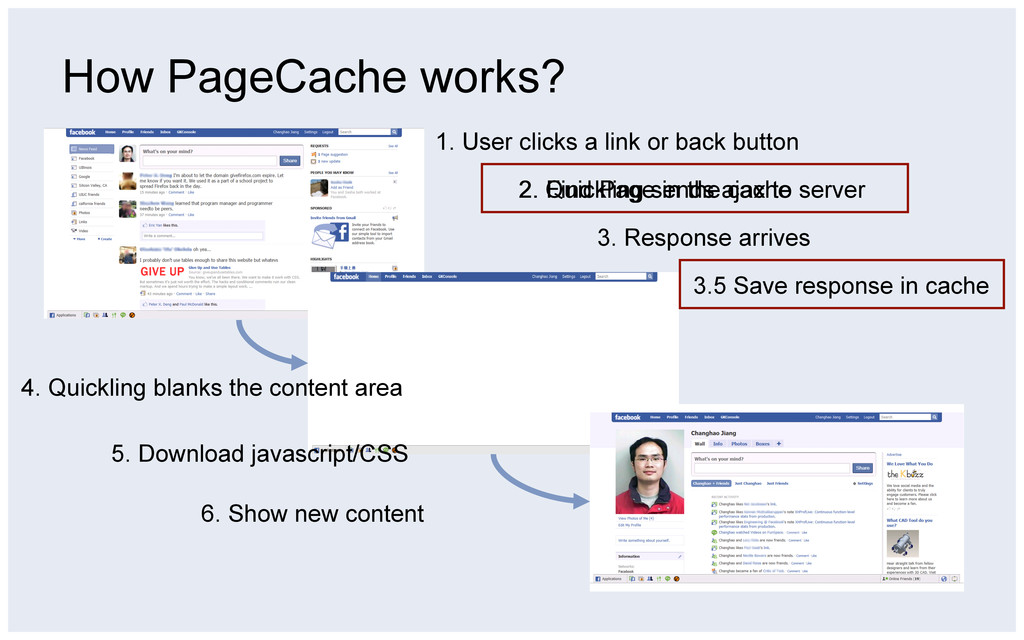
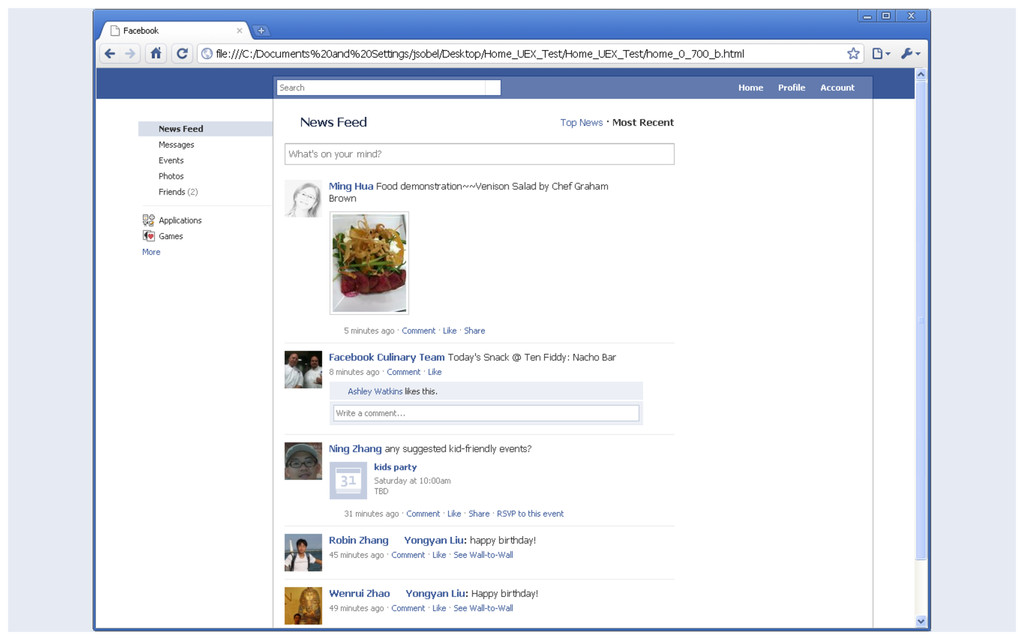
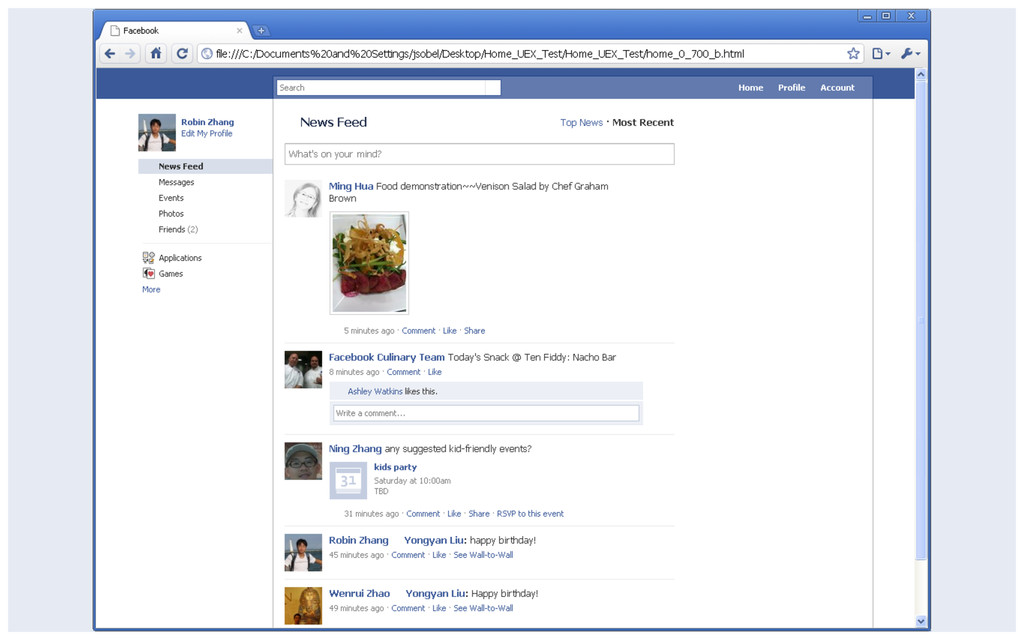
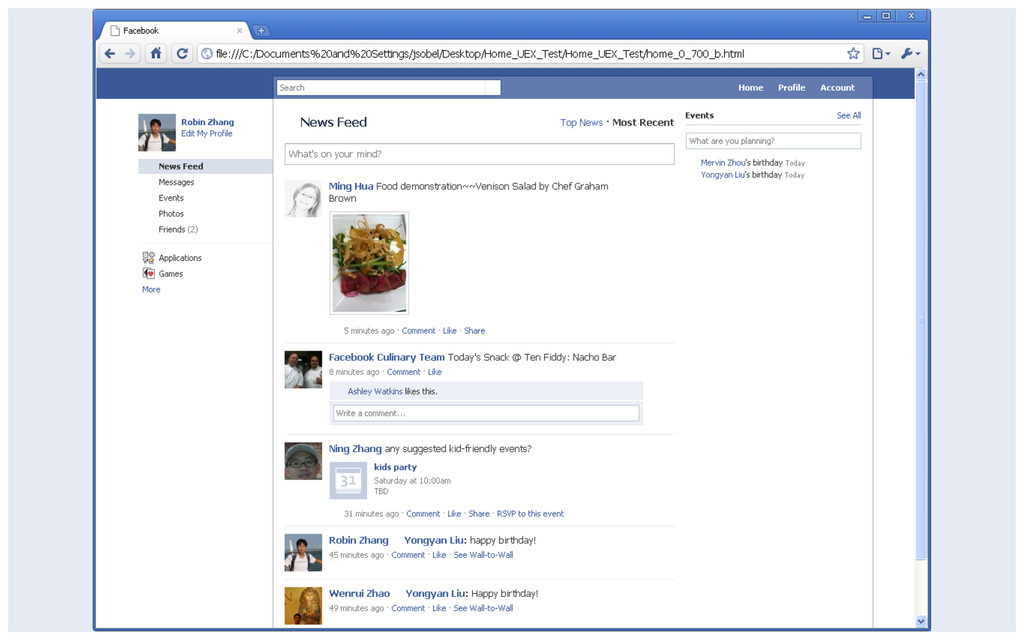
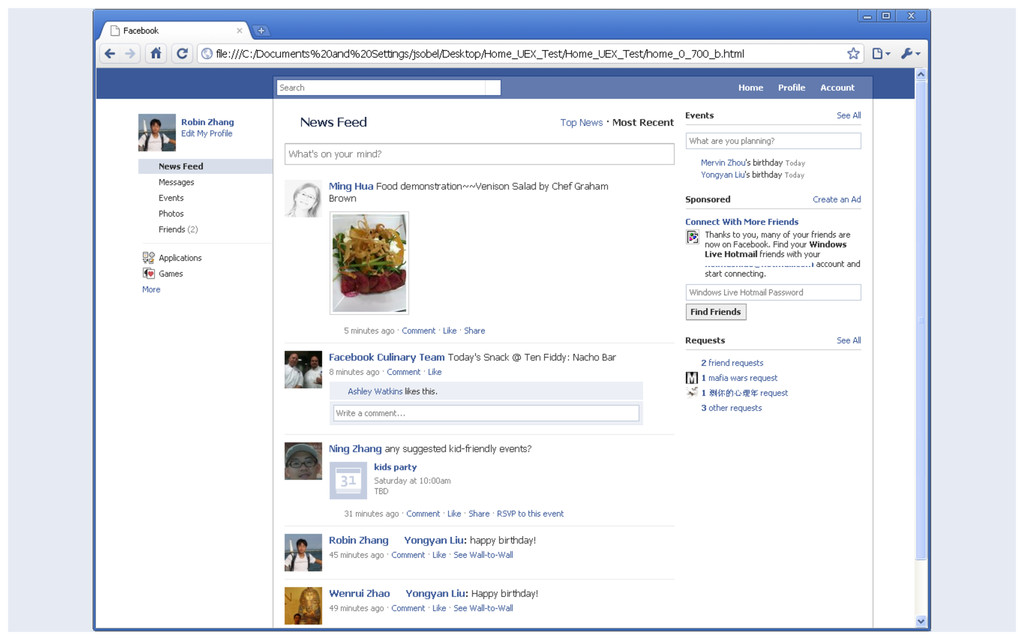
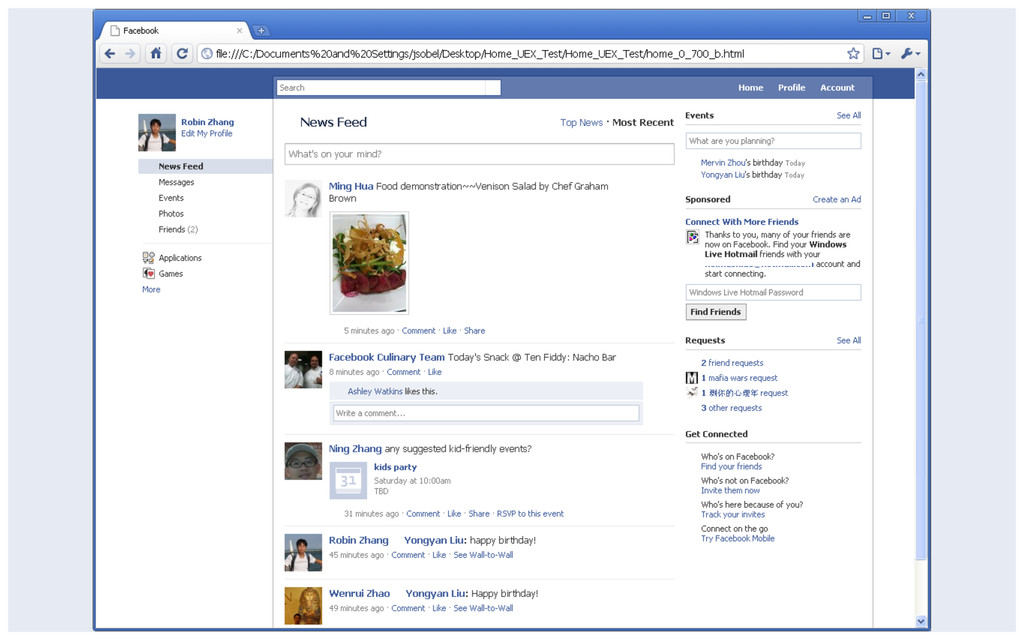
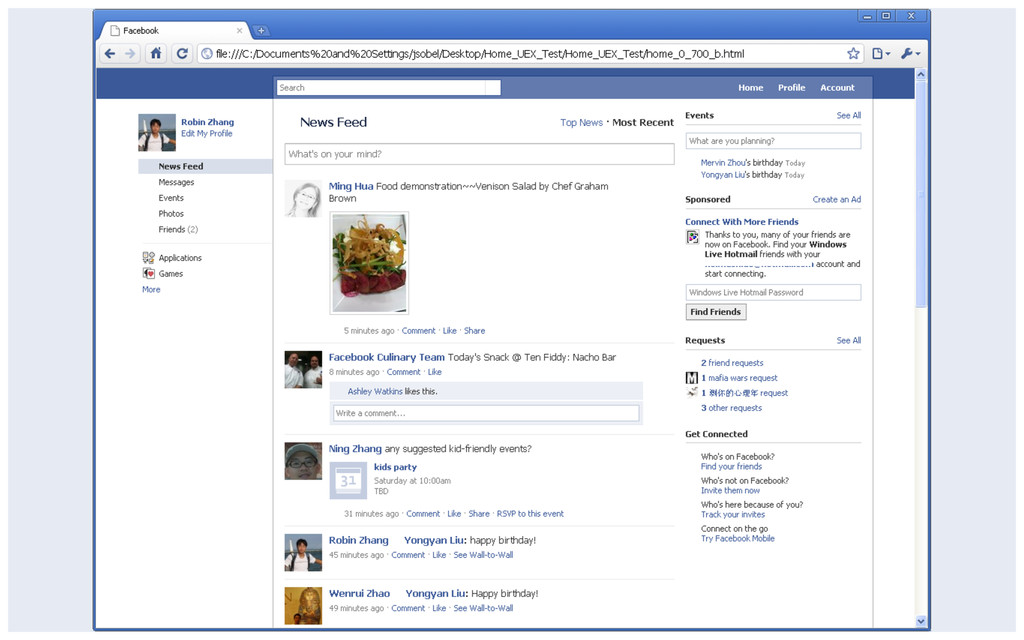
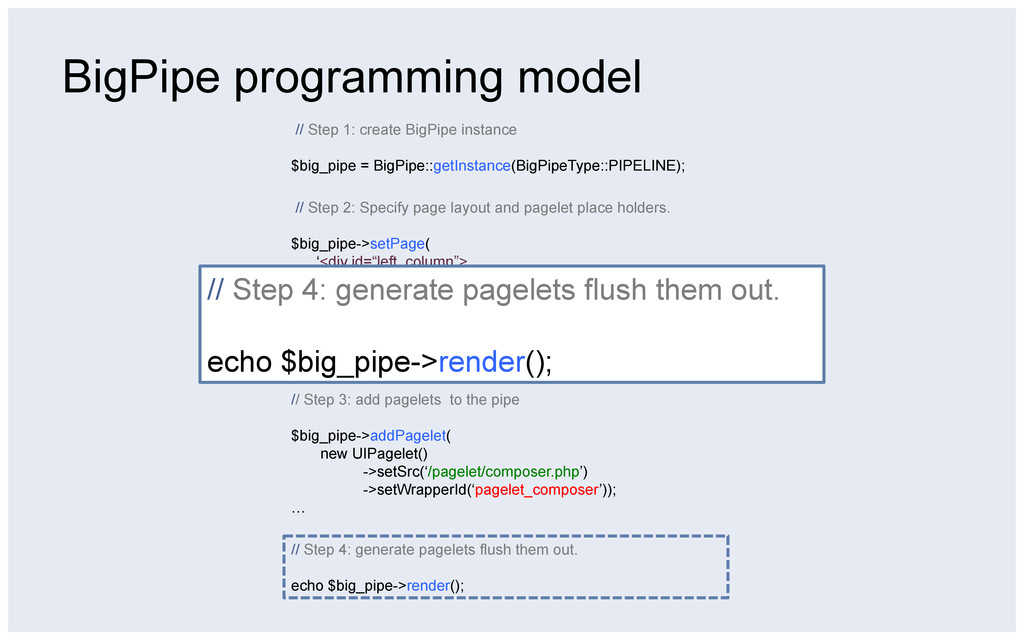
button 2. Quickling sends ajax to server 4. Quickling blanks the content area 3. Response arrives 5. Download javascript/CSS 6. Show new content 2. Find Page in the cache 3.5 Save response in cache
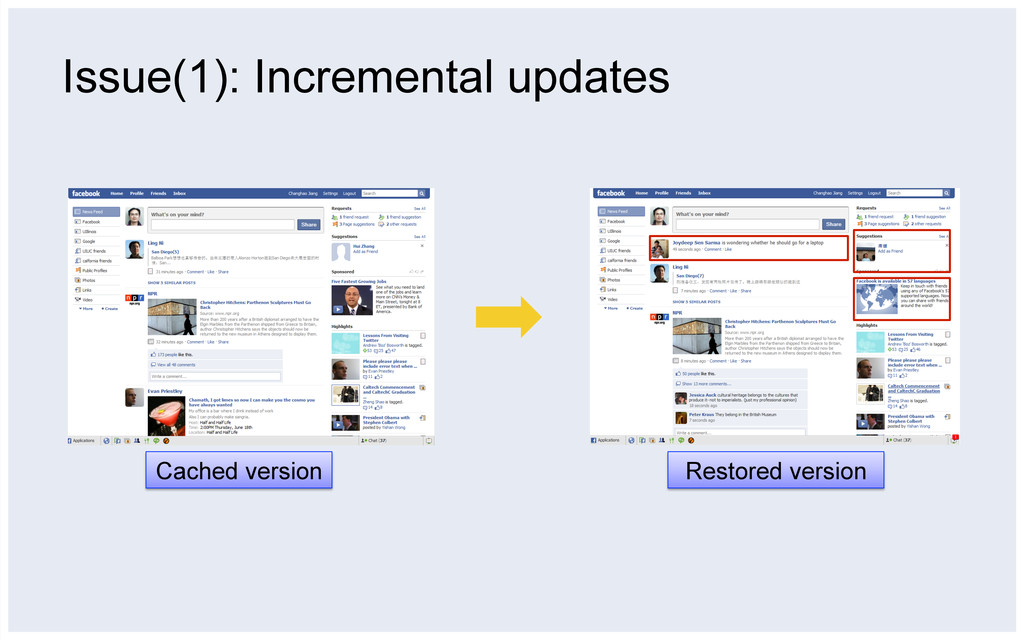
calls ▪ Provides an ‘onpagecacheRegister’ API to developers: ▪ Invoked when a page is restored from cache. ▪ Used to send AJAX to server for incremental updates, refresh ads, etc. ▪ Blank the content area before incremental updates arrive to avoid flash of stale contents.
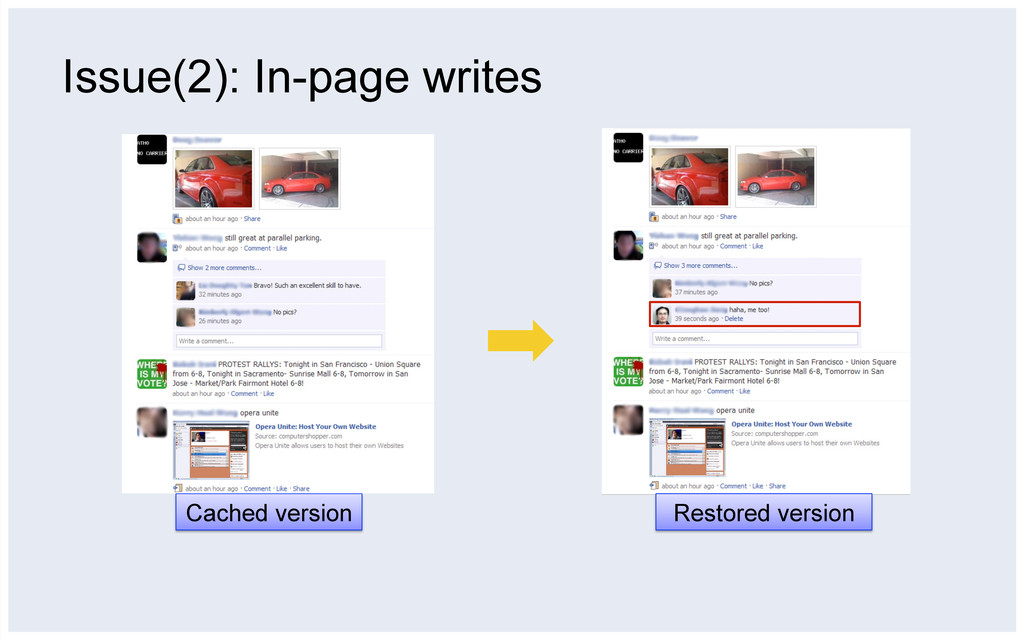
state-changing operations in a cached page ▪ All AJAX calls using ‘POST’ method, or those explicitly specified ‘replayable’ will be added to cached content. ▪ Automatically replay those operations when cached page is restored. ▪ Cached AJAX handler callback functions already contain all the contextual information about the recorded operations due to JavaScript closure.
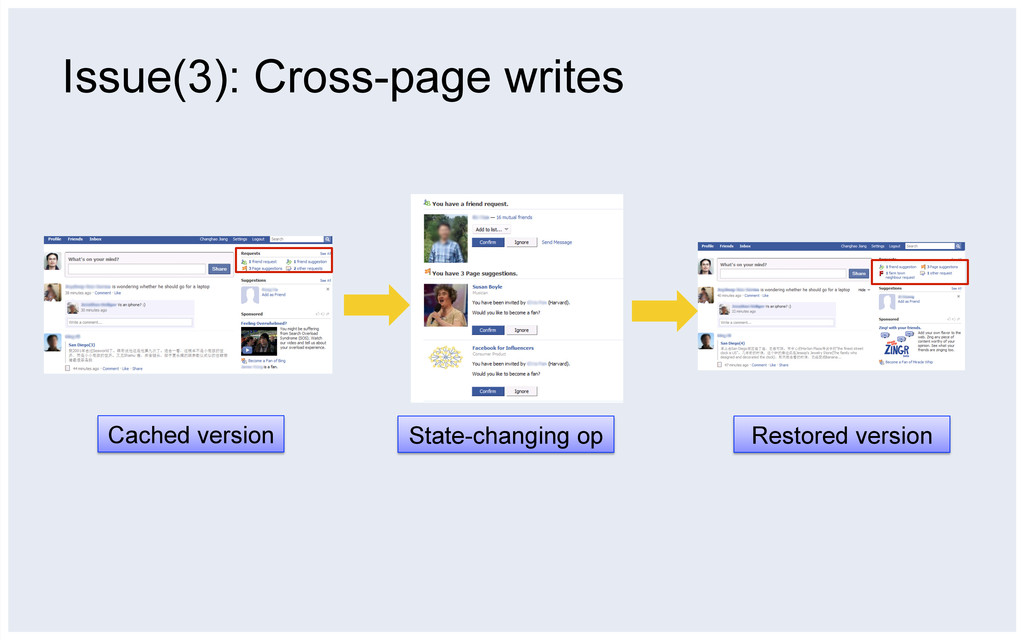
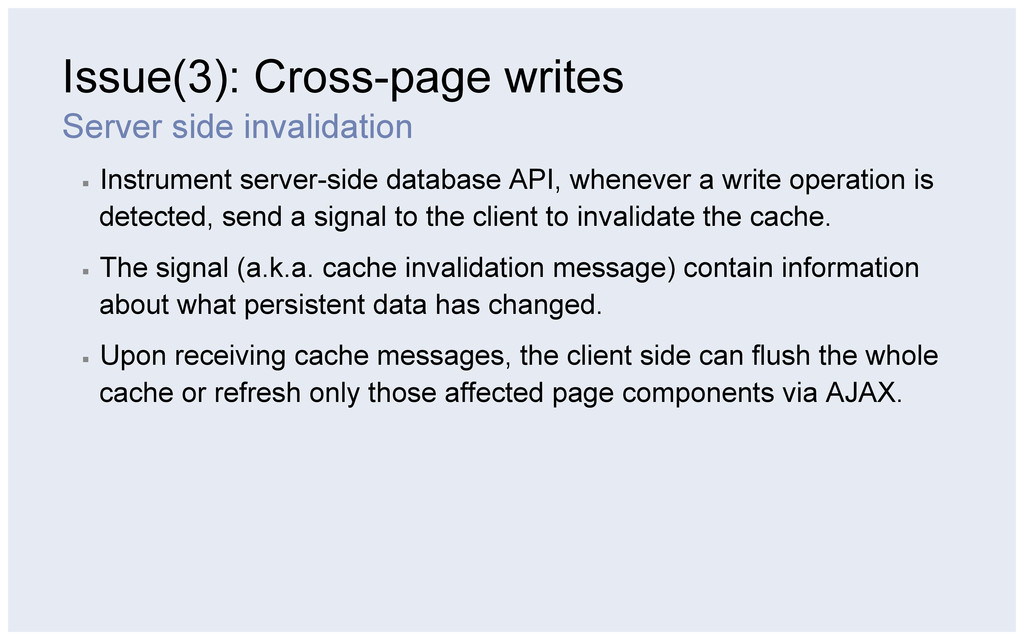
API, whenever a write operation is detected, send a signal to the client to invalidate the cache. ▪ The signal (a.k.a. cache invalidation message) contain information about what persistent data has changed. ▪ Upon receiving cache messages, the client side can flush the whole cache or refresh only those affected page components via AJAX.
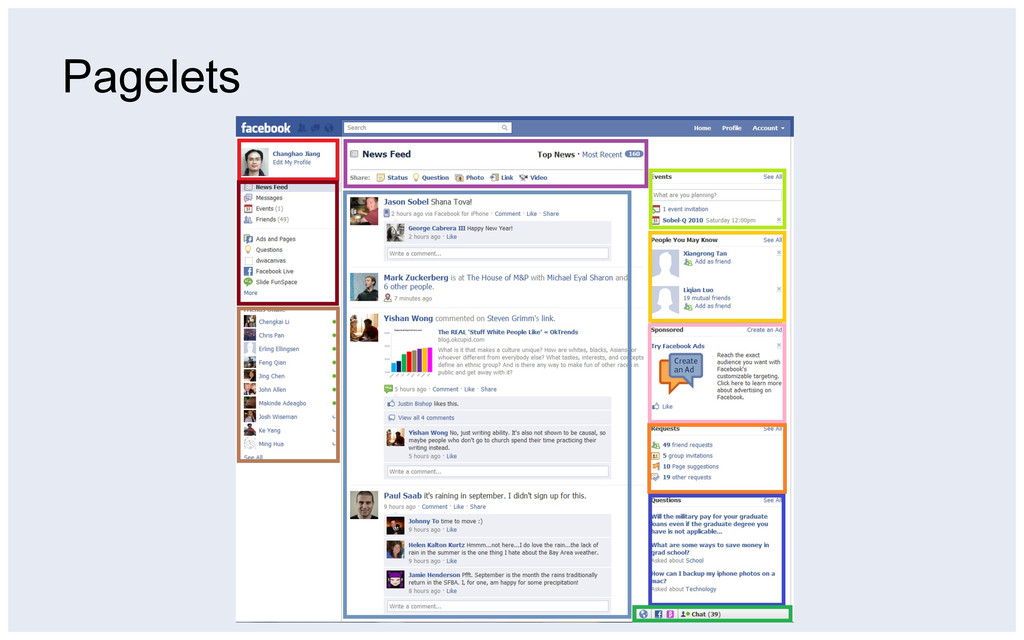
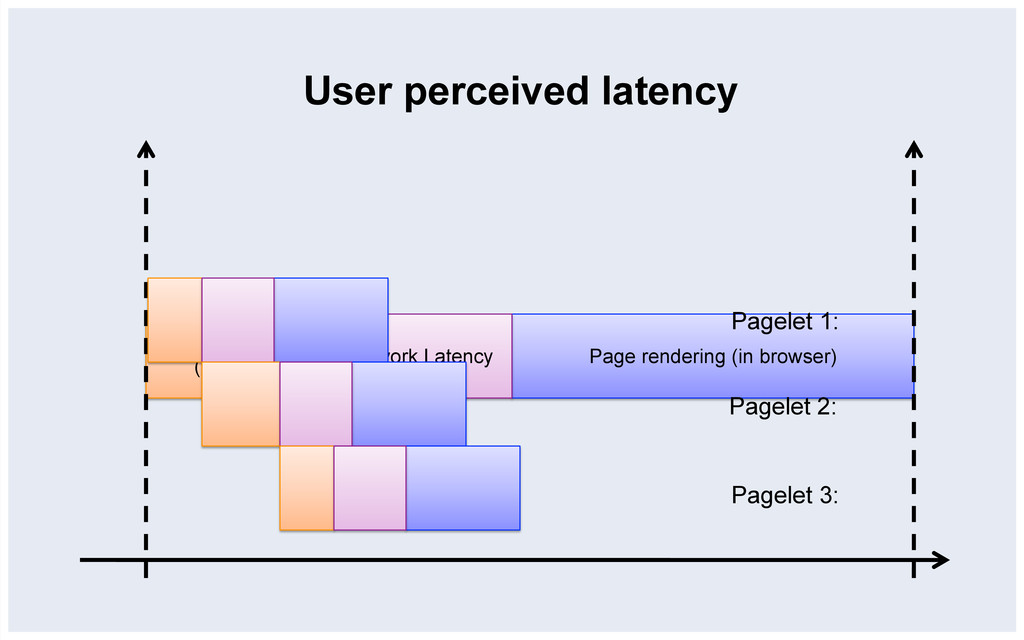
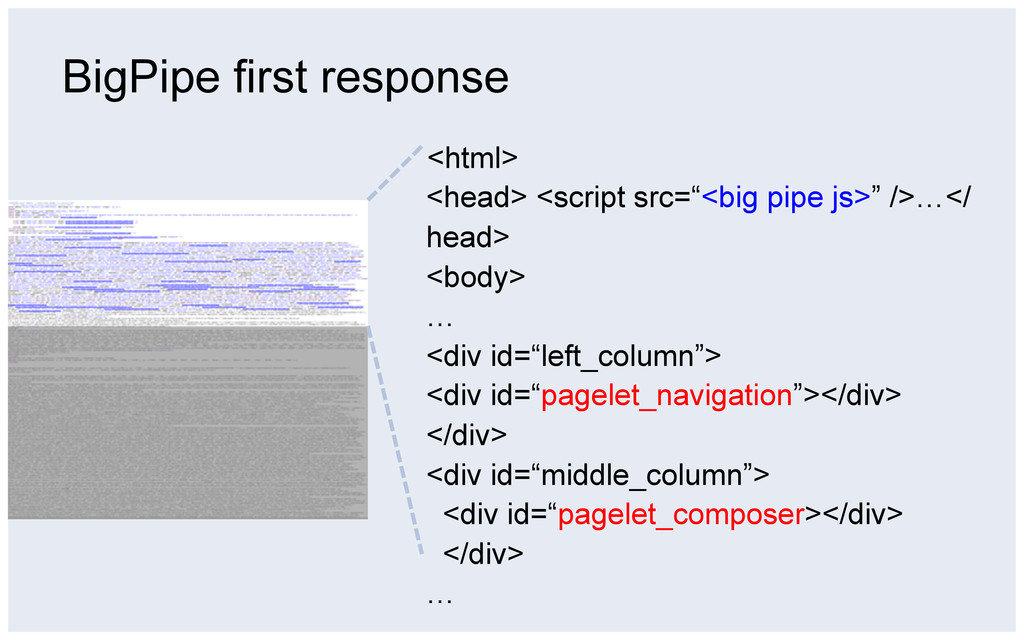
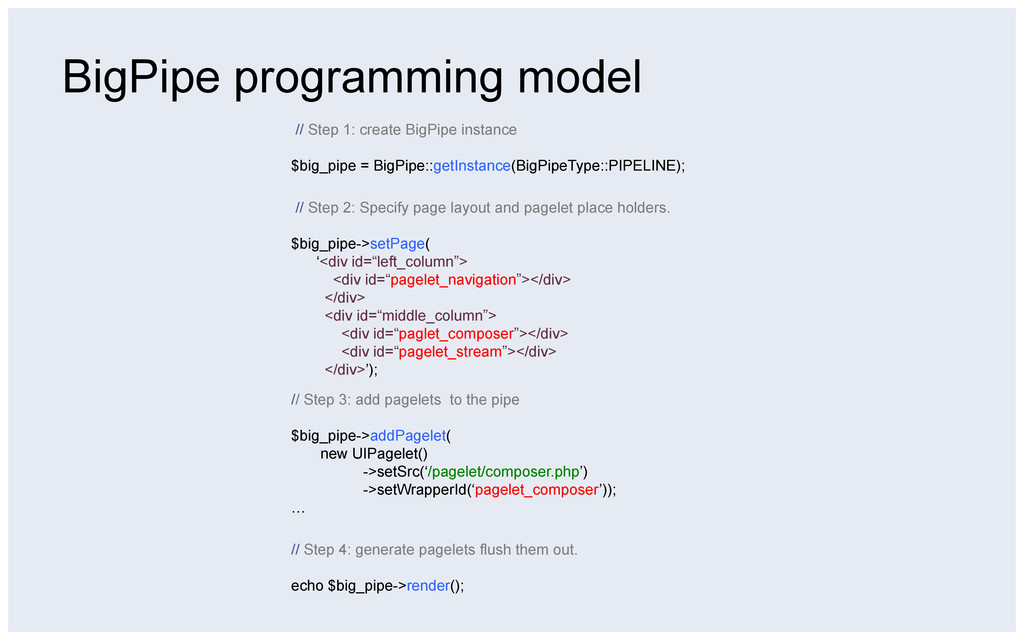
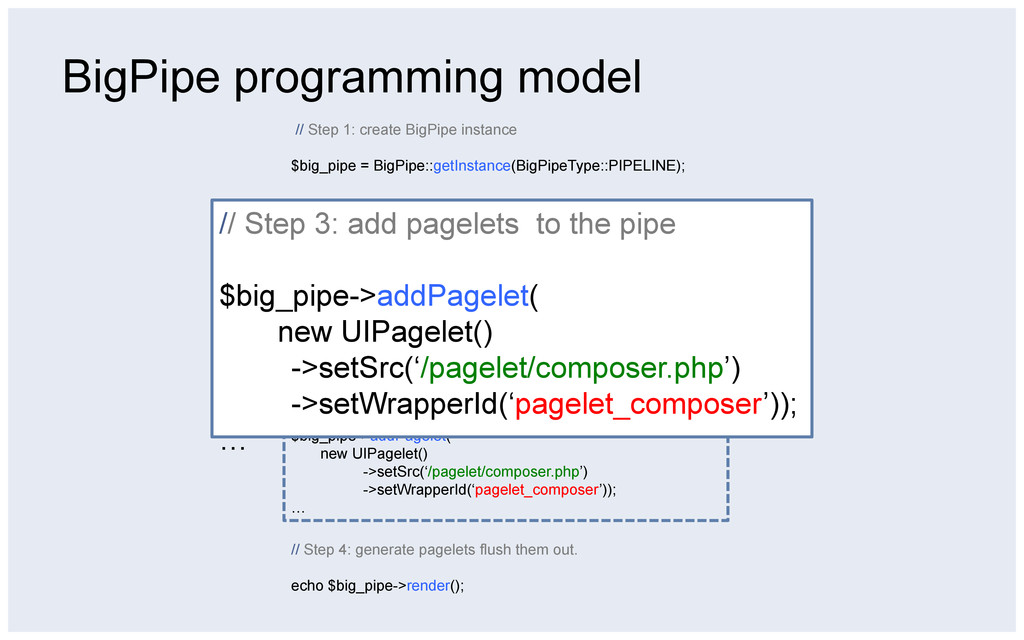
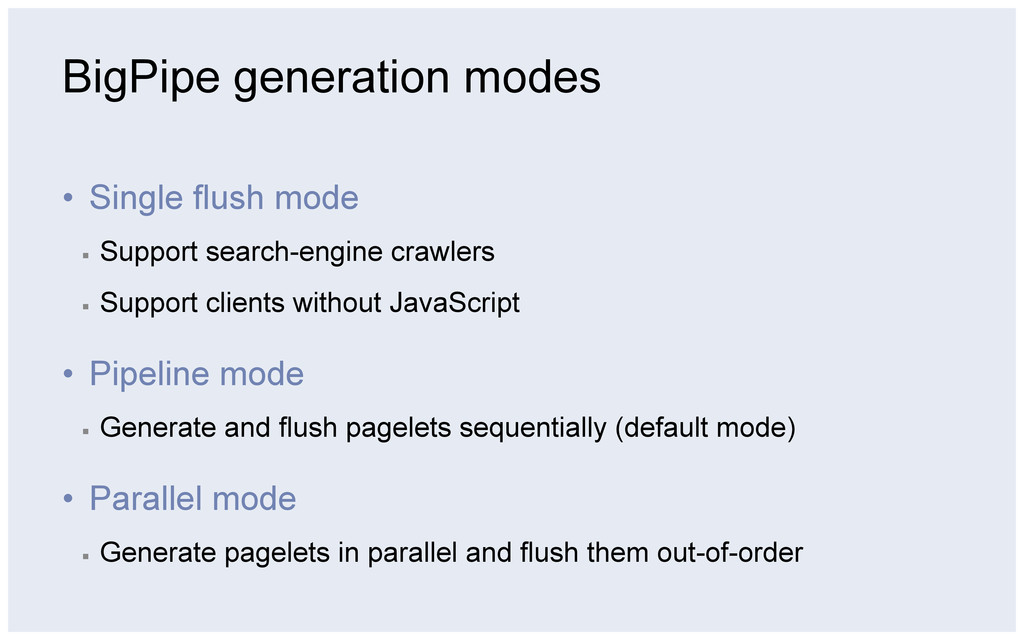
crawlers ▪ Support clients without JavaScript • Pipeline mode ▪ Generate and flush pagelets sequentially (default mode) • Parallel mode ▪ Generate pagelets in parallel and flush them out-of-order
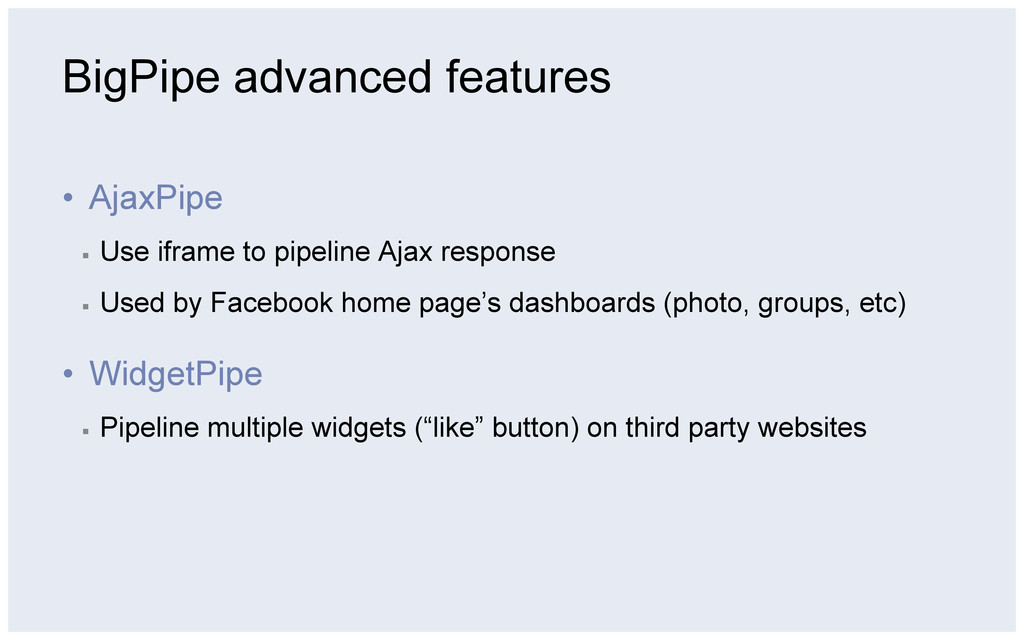
Ajax response ▪ Used by Facebook home page’s dashboards (photo, groups, etc) • WidgetPipe ▪ Pipeline multiple widgets (“like” button) on third party websites


 grimoh
 livesense
 endonanana
 satoshi7
 tetsuya28
 masakane55
 yokawasa
 kash1064
 sudoakiy
 sh_fk2
 y_sera15
 taketakekaho
 gr2m
gr2m
 morganepeng
 aleyda
 3n
3n
 emna__ayadi
 addyosmani
 nwiizo
 kimpetersen
 pauljervisheath
 marktimemedia
 swwweet