Upgrade to Pro — share decks privately, control downloads, hide ads and more …

From eval to prod: How a Service Mesh Helped Us...

From eval to prod: How a Service Mesh Helped Us Build Production Cloud-Native Services

In this talk, Israel Sotomayor (Infrastructure Engineer) covers how Moltin used Linkerd in production from day 0; in other words, this is a look at going from evaluation through running in production.

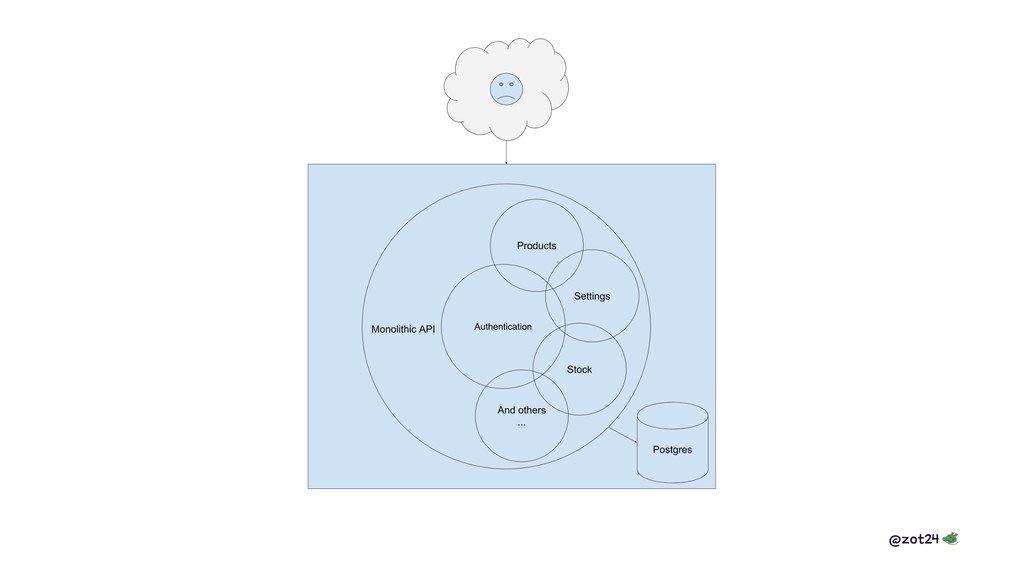
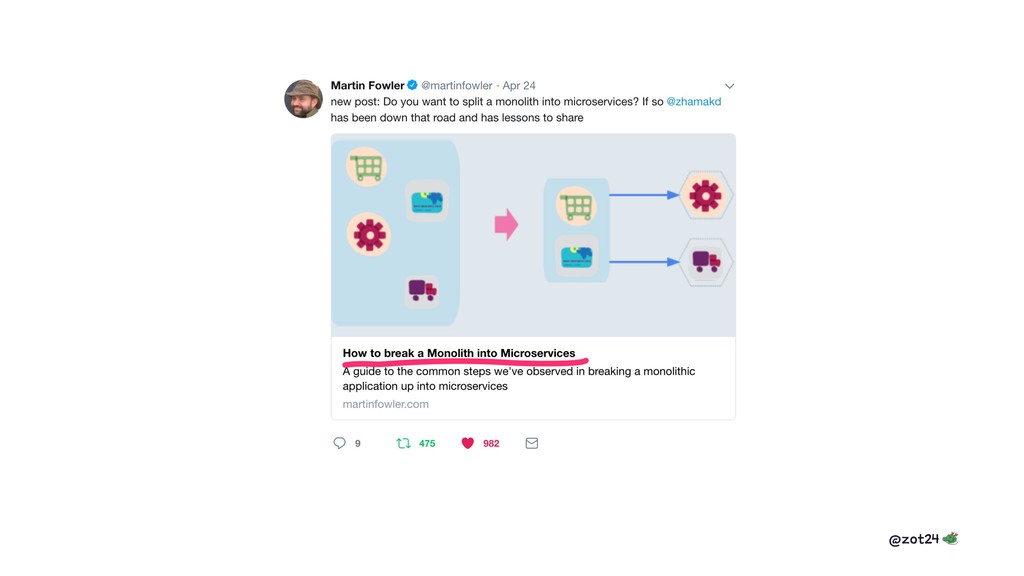
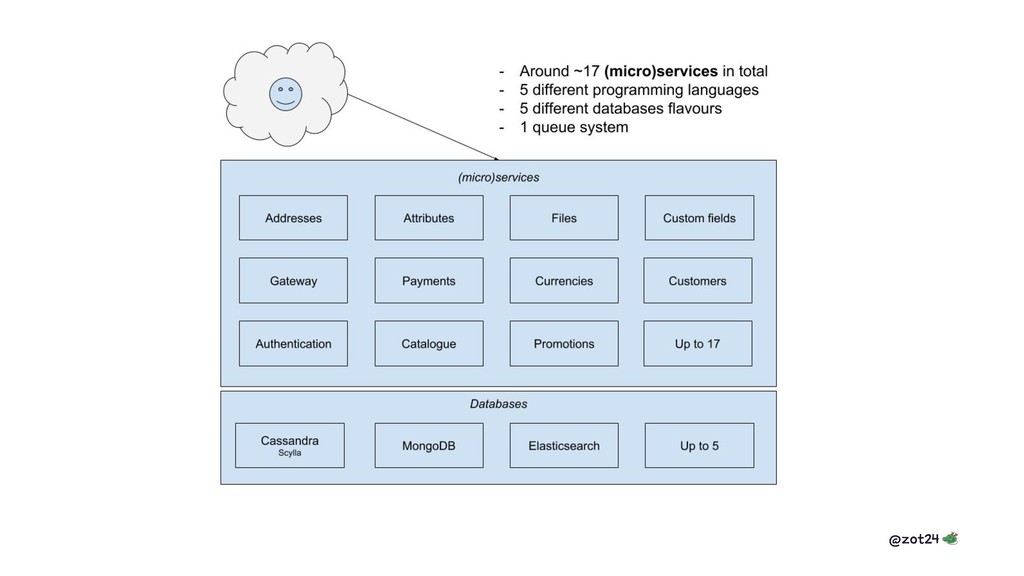
Israel explains how Moltin systems started as a monolithic beast that needed a full architectural revamp to decompose it into microservices. In shifting to microservices, several key concerns presented themselves and his team was able to use Linkerd throughout the process to solve practical problems.

Israel shares his insights, lessons learned, and practical tips you can use to make adopting cloud-native architectures achievable using a service mesh.

https://www.youtube.com/watch?v=VoYAtCVz3Ig

Other Decks in Technology
Transcript

  1. From eval to prod How a service mesh helped us

    build production cloud-native services @zot24 ! from @moltin "
  2. What will you learn today? ! You'll be able to

    understand the needs and problems we faced when we built our distributed system. @zot24 !

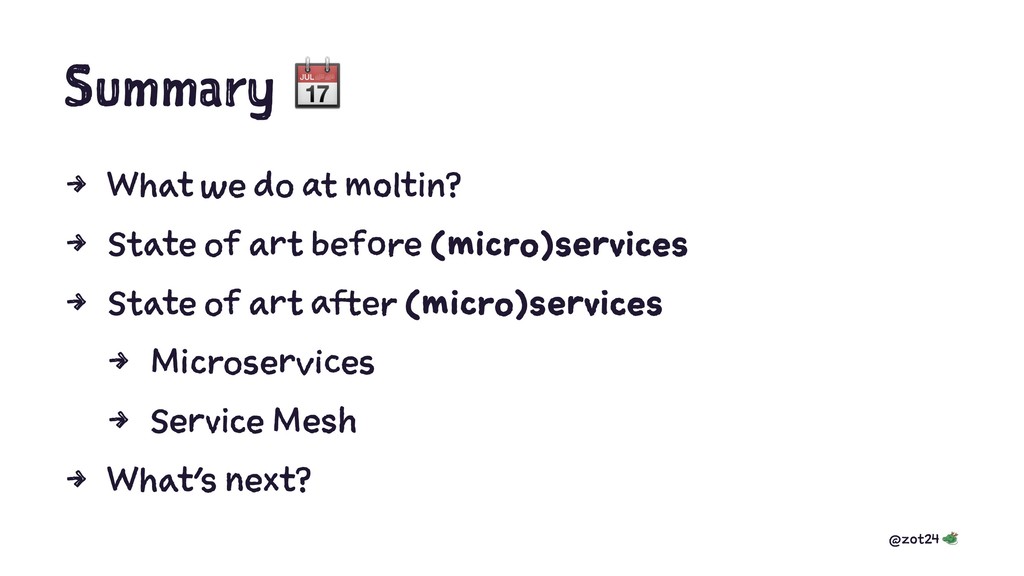
  3. Summary ! 4 What we do at moltin? 4 State

    of art before (micro)services 4 State of art after (micro)services 4 Microservices 4 Service Mesh 4 What's next? @zot24 !
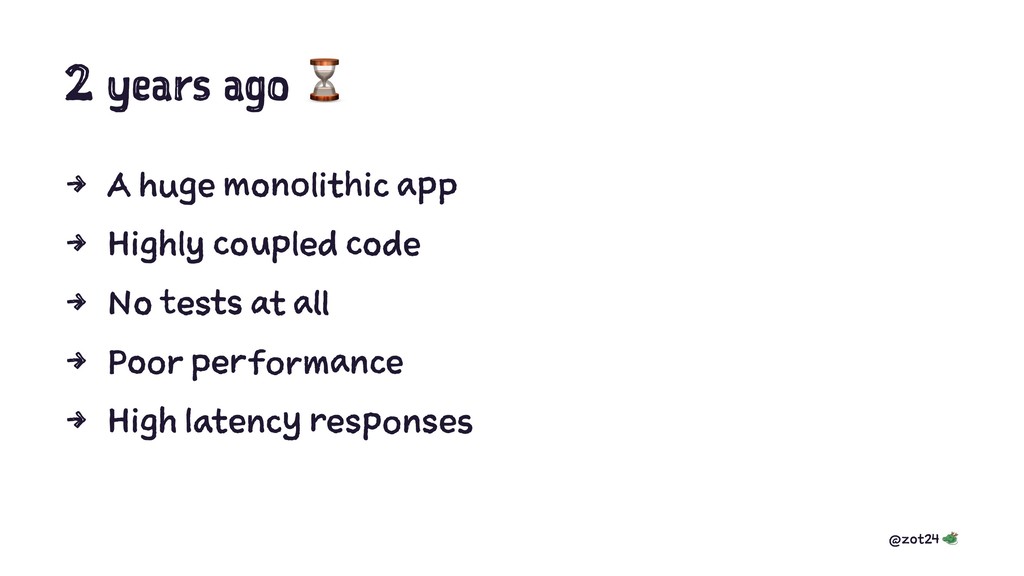
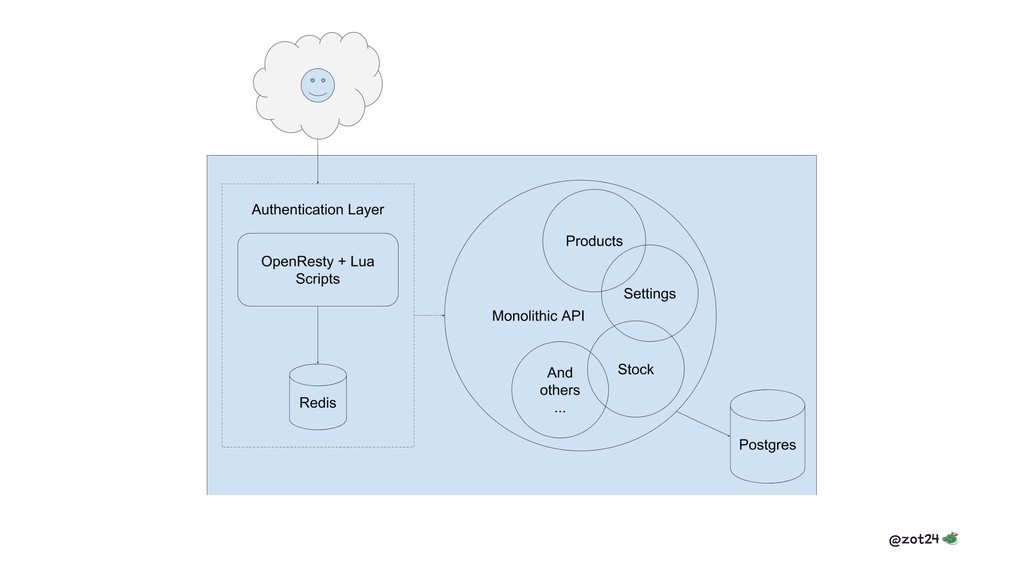
  4. 2 years ago ⌛ 4 A huge monolithic app 4

    Highly coupled code 4 No tests at all 4 Poor performance 4 High latency responses @zot24 !
  5. =

  6. !

  7. !

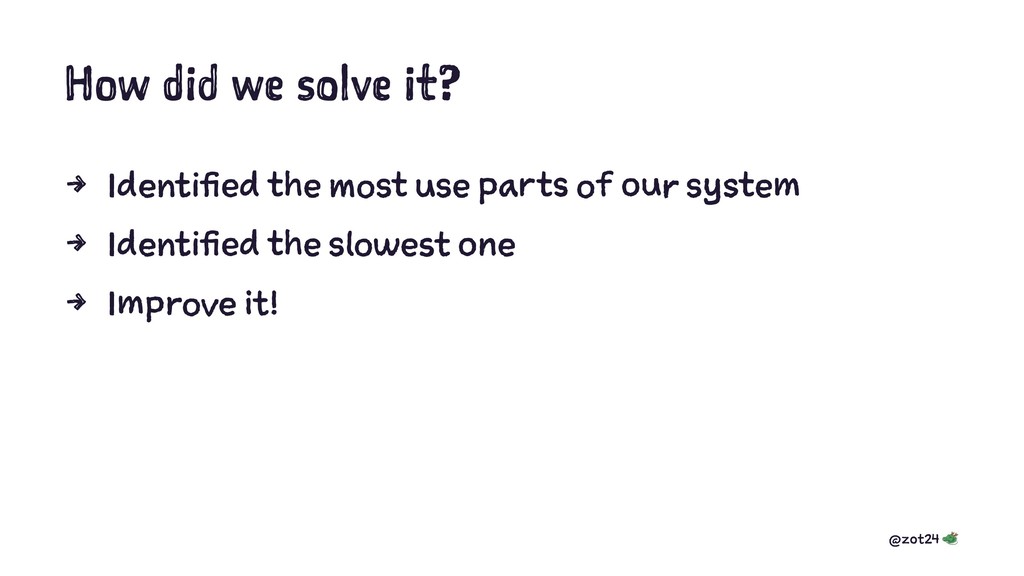
  8. How did we solve it? 4 Identified the most use

    parts of our system 4 Identified the slowest one 4 Improve it! @zot24 !
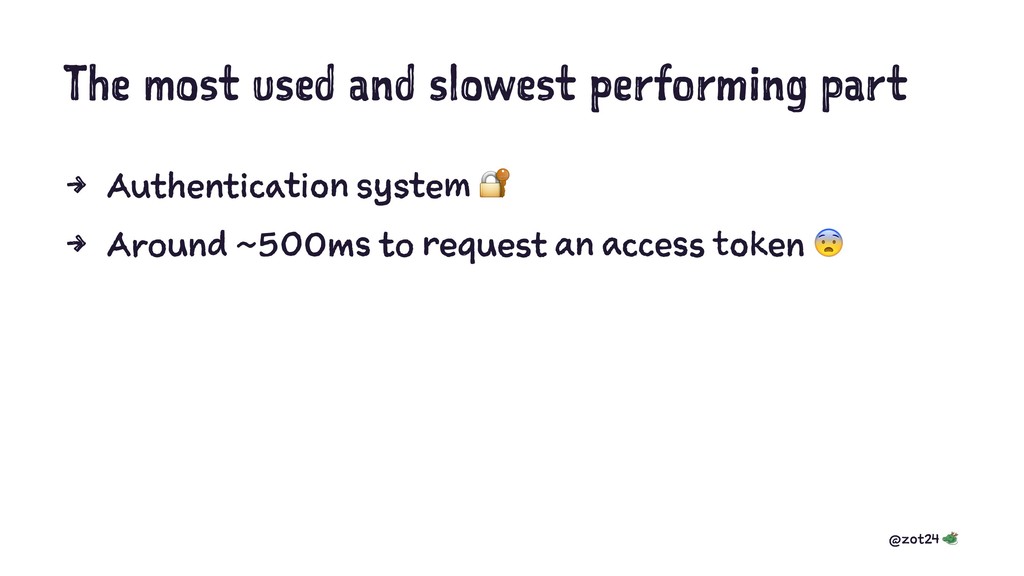
  9. The most used and slowest performing part 4 Authentication system

    ! 4 Around ~500ms to request an access token " @zot24 !
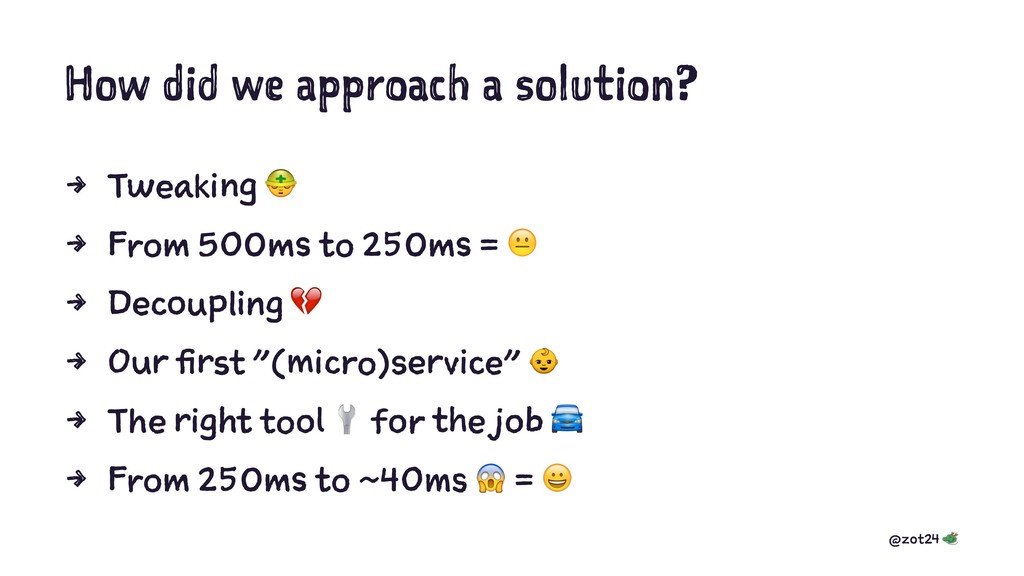
  10. How did we approach a solution? 4 Tweaking ! 4

    From 500ms to 250ms = " 4 Decoupling # 4 Our first "(micro)service" $ 4 The right tool % for the job & 4 From 250ms to ~40ms ' = ( @zot24 !
  11. Why (micro)services? 4 We needed to improve our system performance

    ! and reduce our request latencies " @zot24 !
  12. !

  13. !

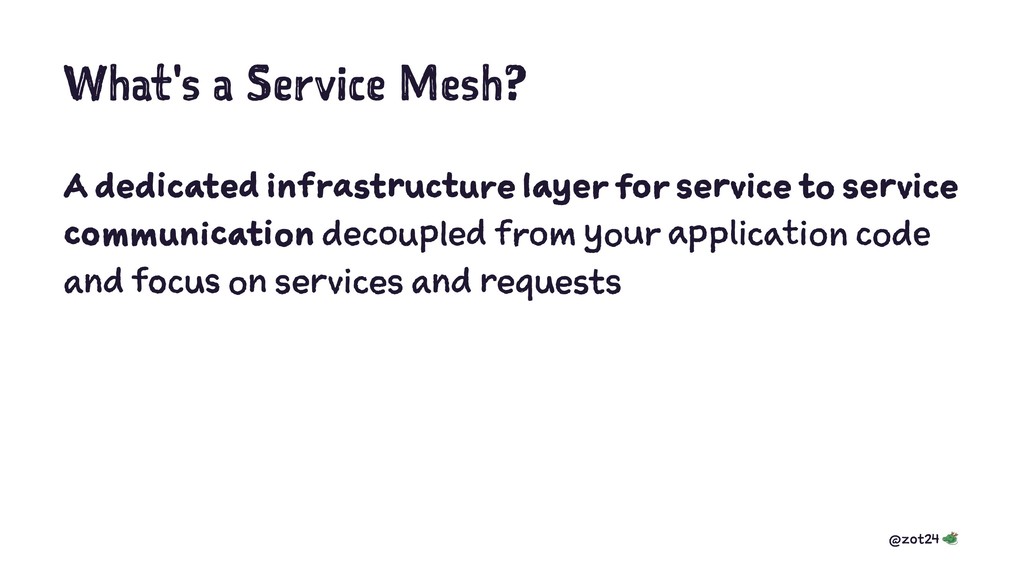
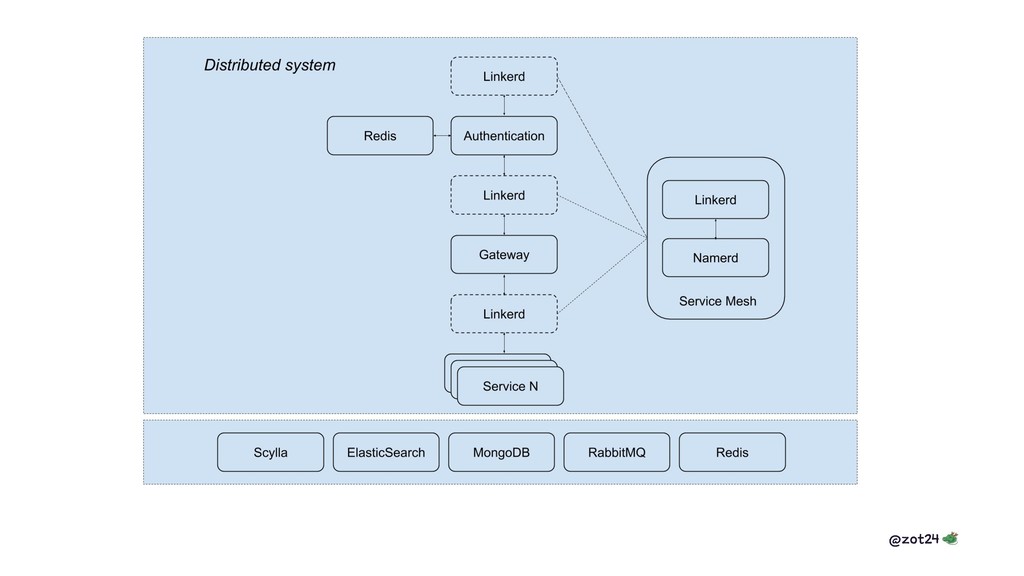
  14. What's a Service Mesh? A dedicated infrastructure layer for service

    to service communication decoupled from your application code and focus on services and requests @zot24 !
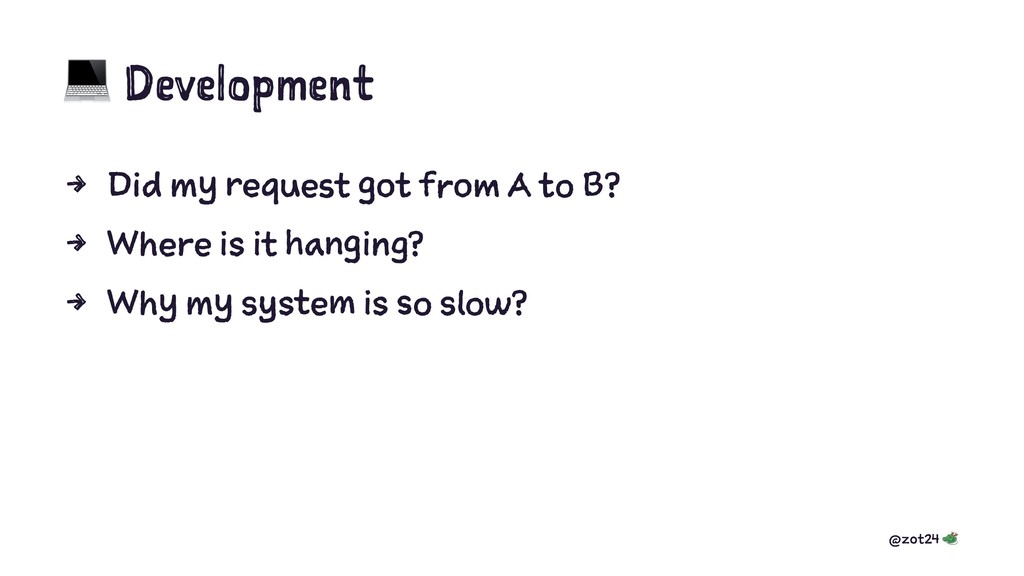
  15. ! Development 4 Did my request got from A to

    B? 4 Where is it hanging? 4 Why my system is so slow? @zot24 !
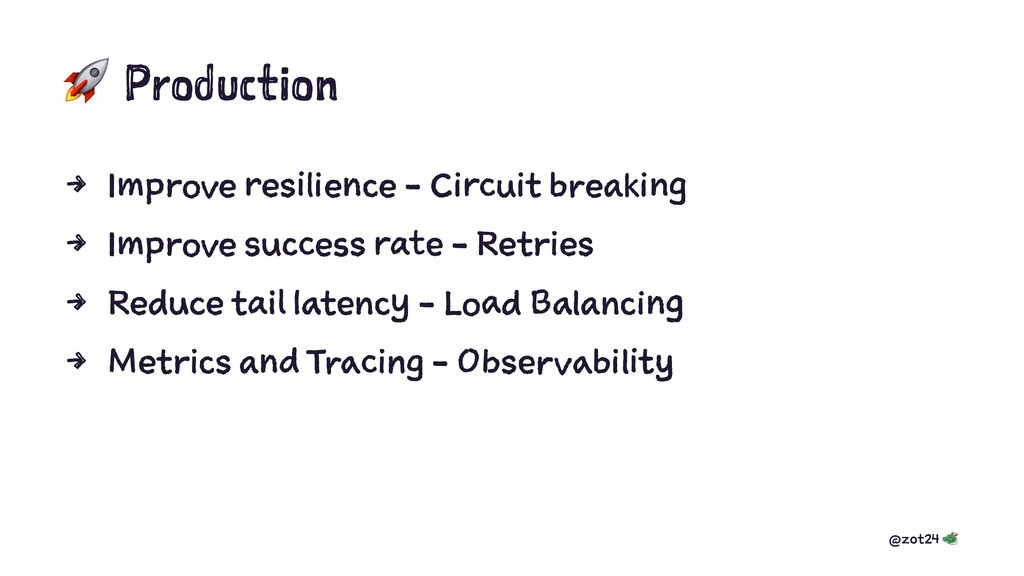
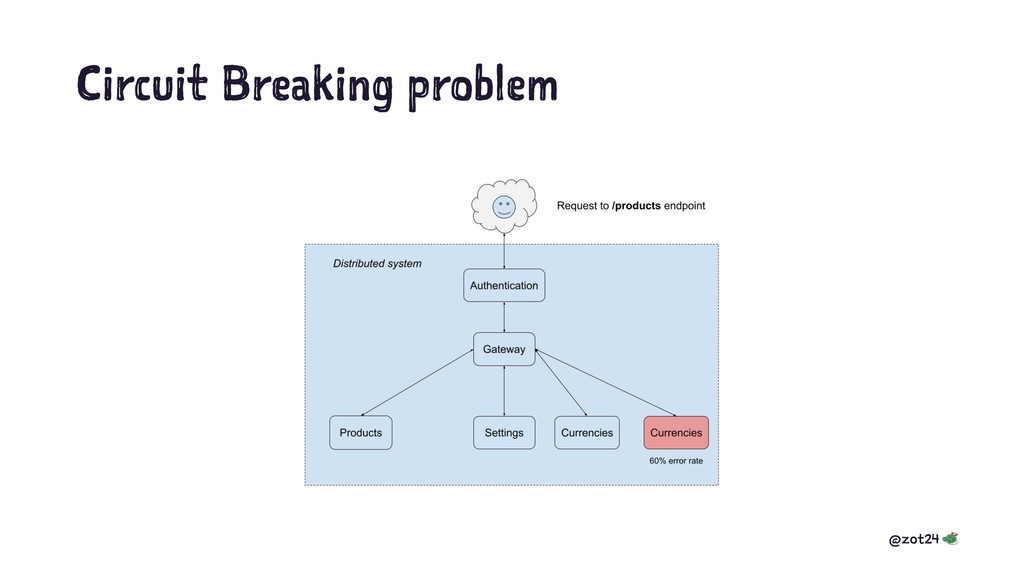
  16. ! Production 4 Improve resilience - Circuit breaking 4 Improve

    success rate - Retries 4 Reduce tail latency - Load Balancing 4 Metrics and Tracing - Observability @zot24 !
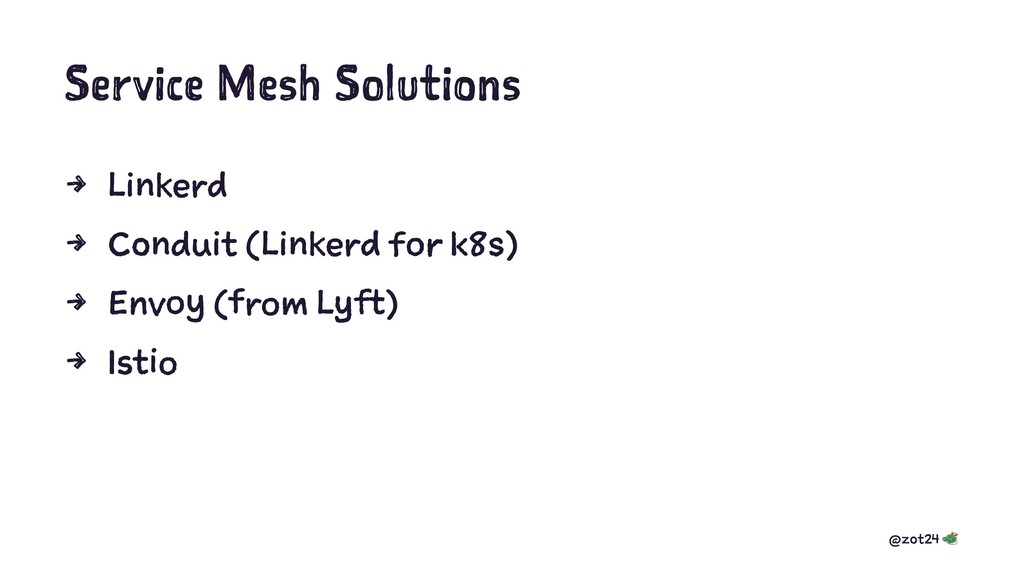
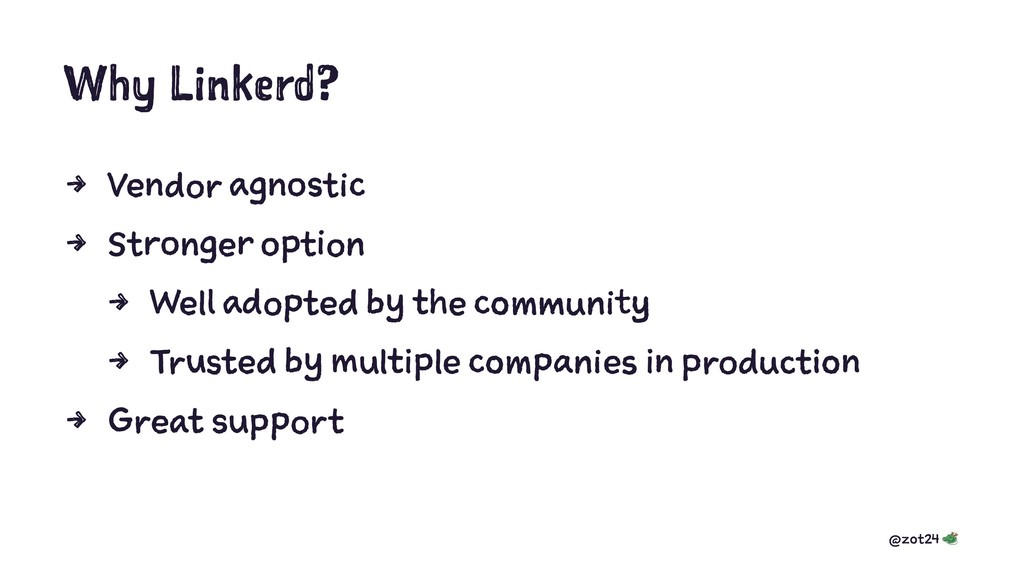
  17. Why Linkerd? 4 Vendor agnostic 4 Stronger option 4 Well

    adopted by the community 4 Trusted by multiple companies in production 4 Great support @zot24 !
  18. What is it really? Is just another proxy but the

    feature set and focus is very different @zot24 !
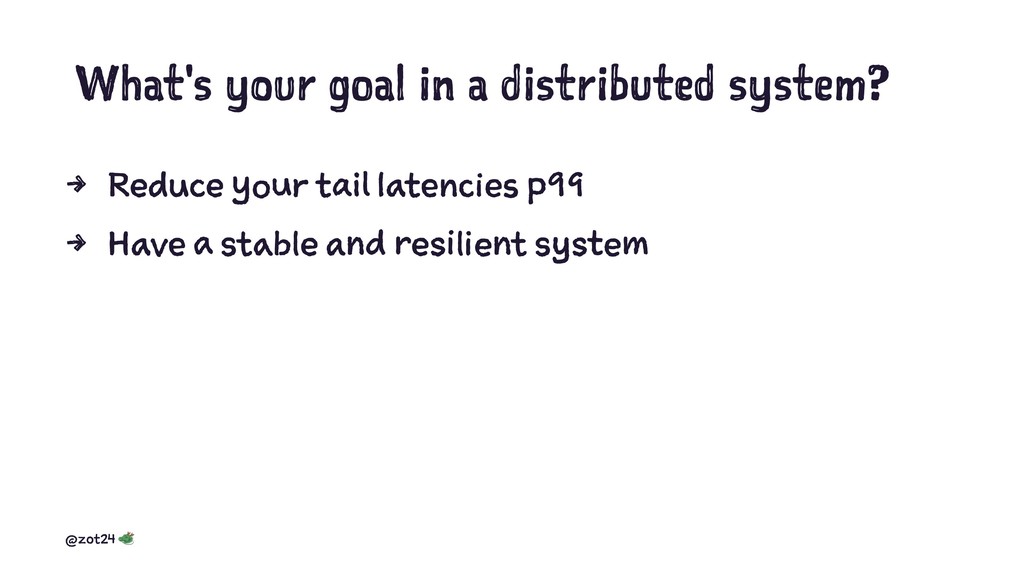
  19. What's your goal in a distributed system? 4 Reduce your

    tail latencies p99 4 Have a stable and resilient system @zot24 !
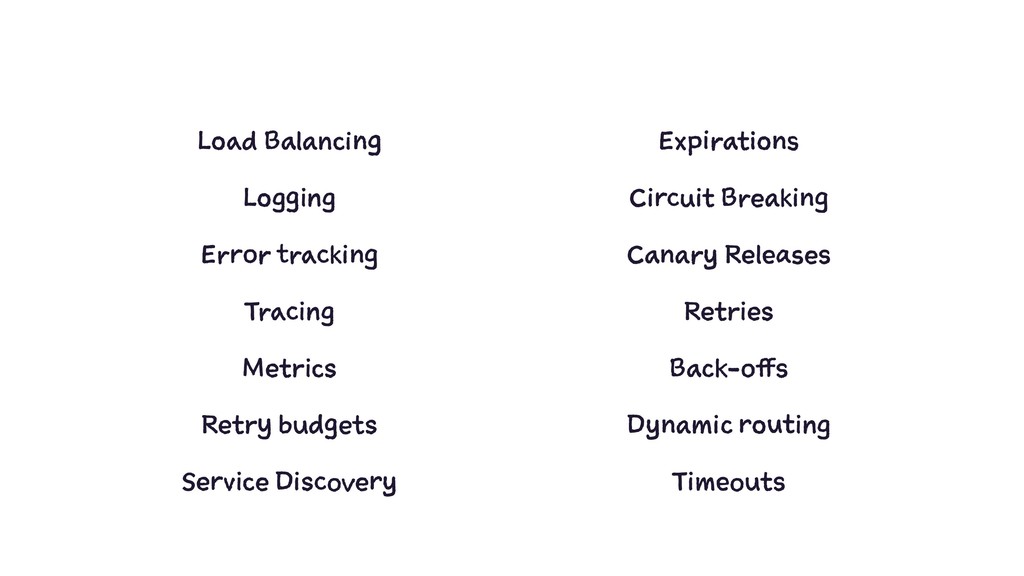
  20. Load Balancing Expirations Logging Circuit Breaking Error tracking Canary Releases

    Tracing Retries Metrics Back-offs Retry budgets Dynamic routing Service Discovery Timeouts
  21. !

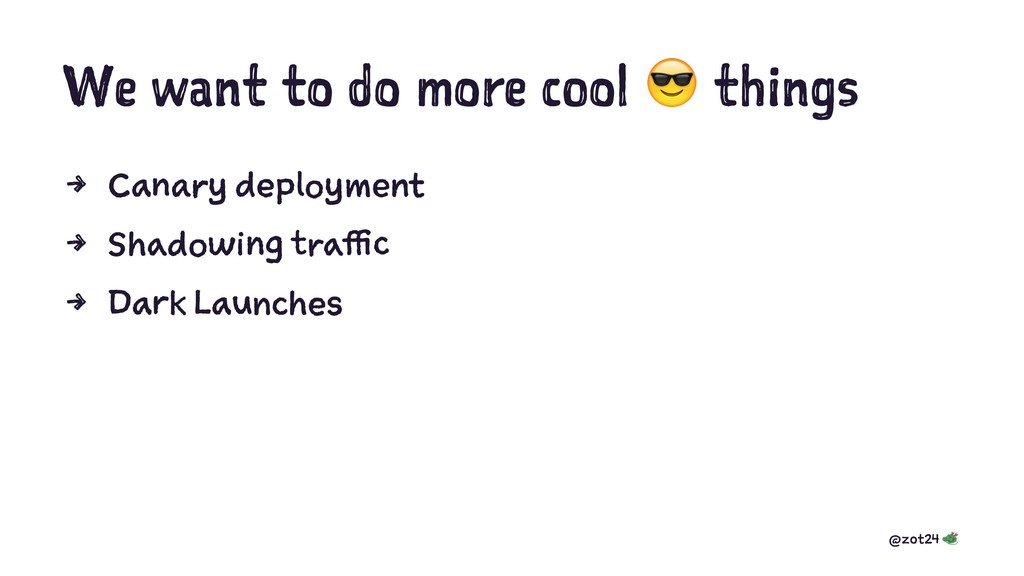
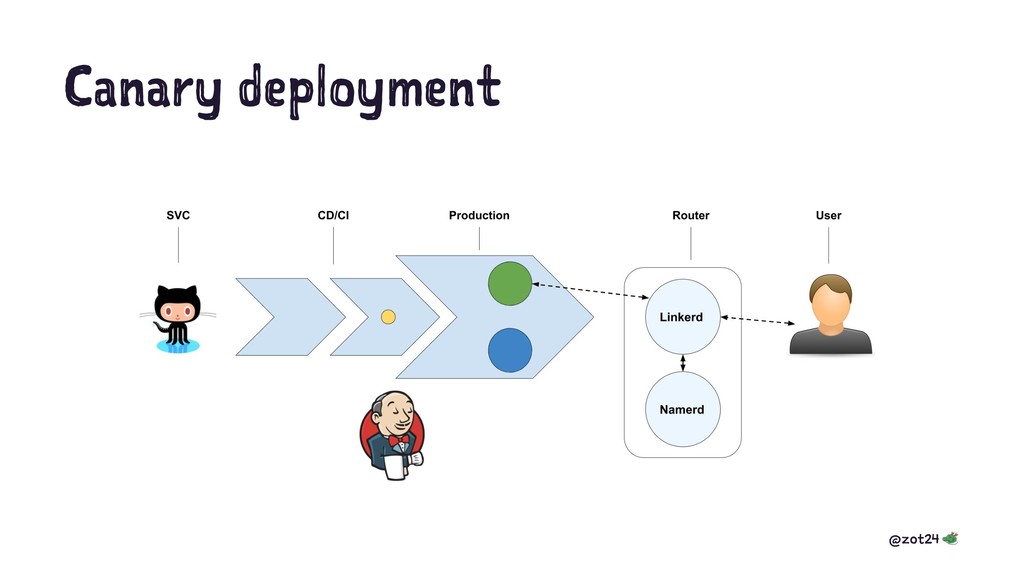
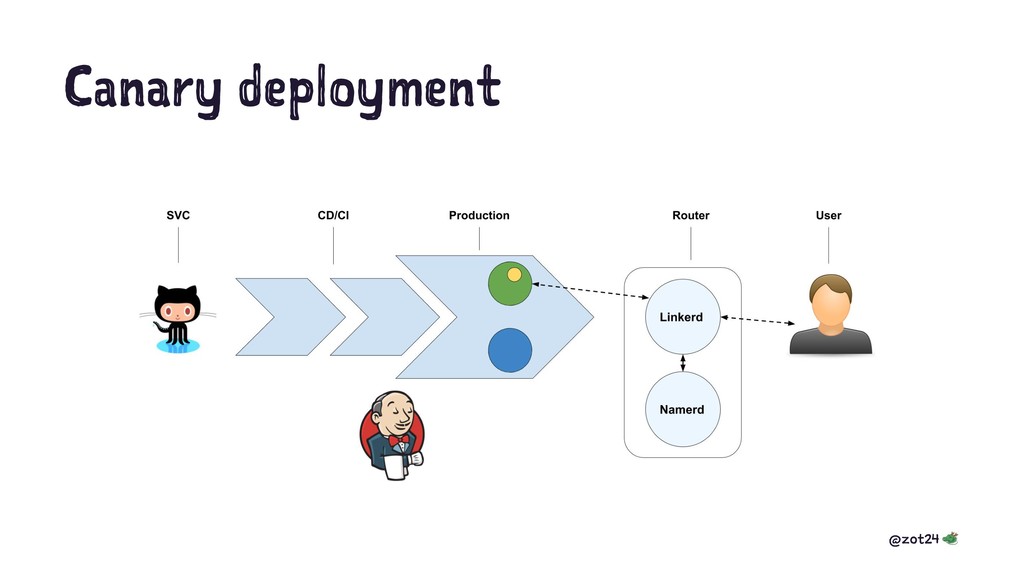
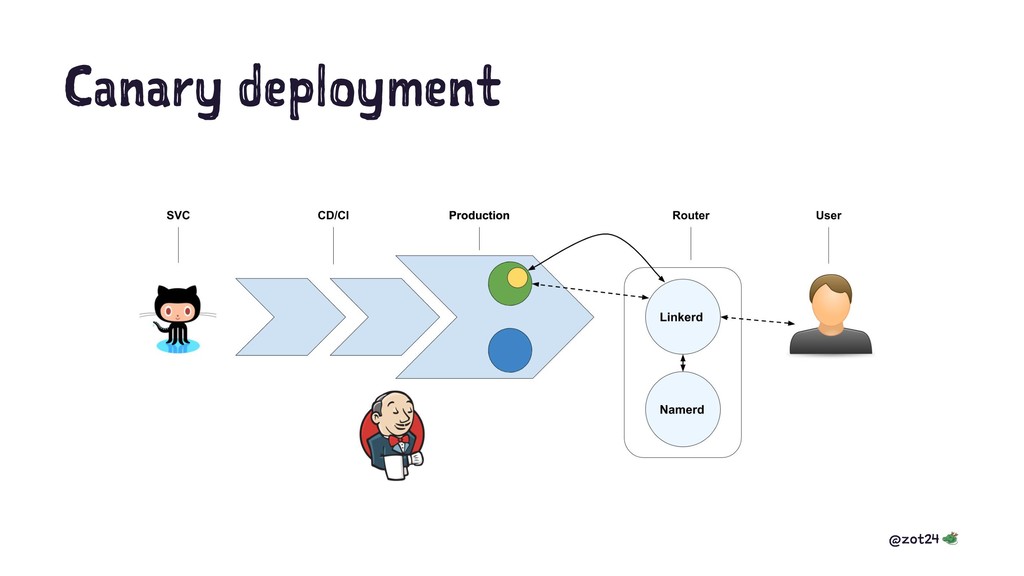
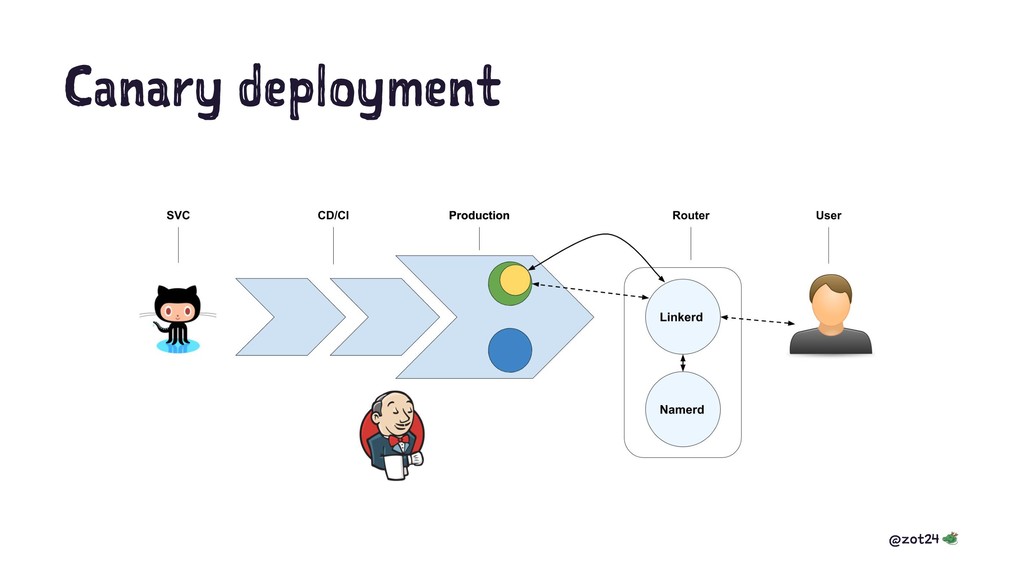
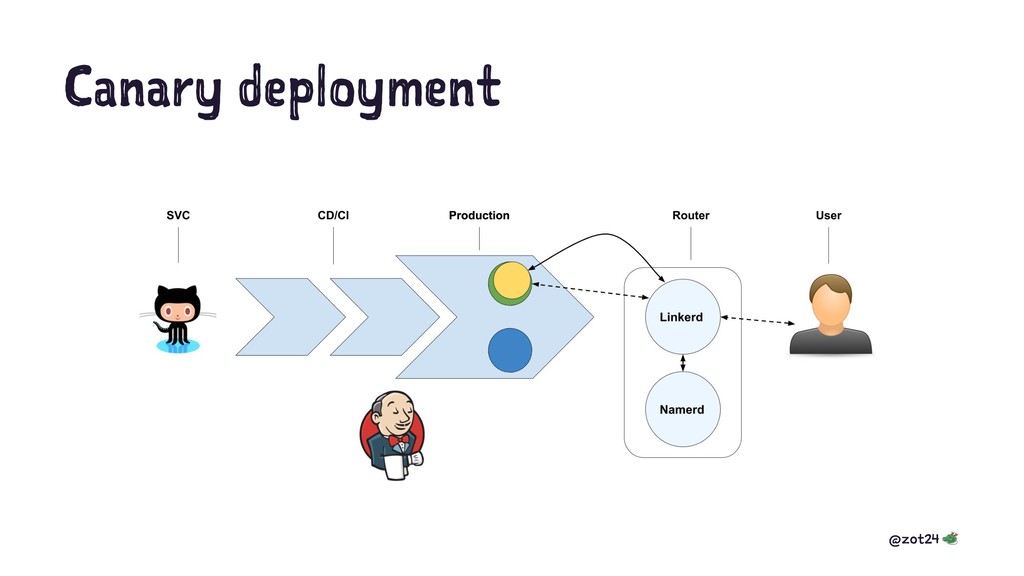
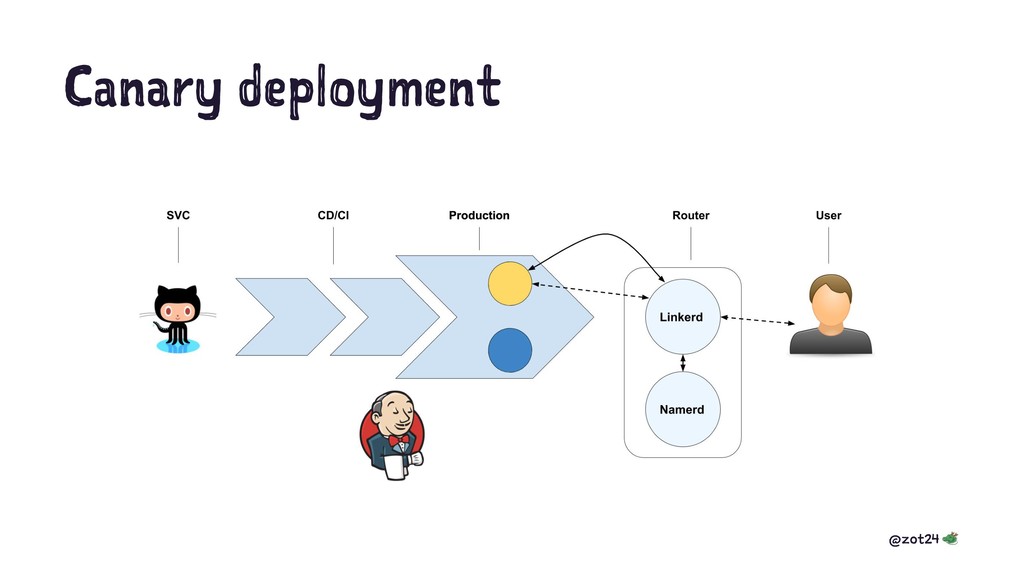
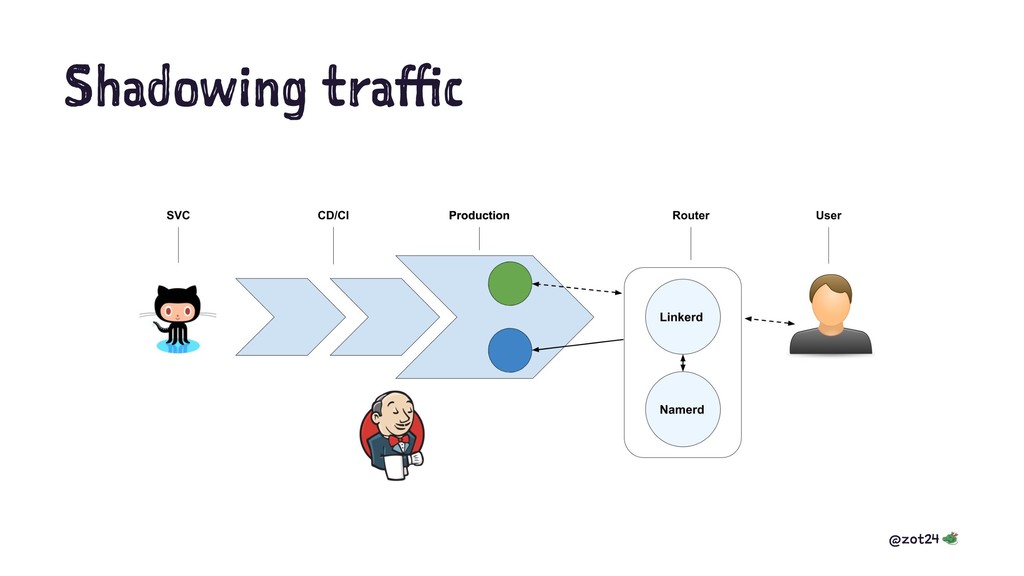
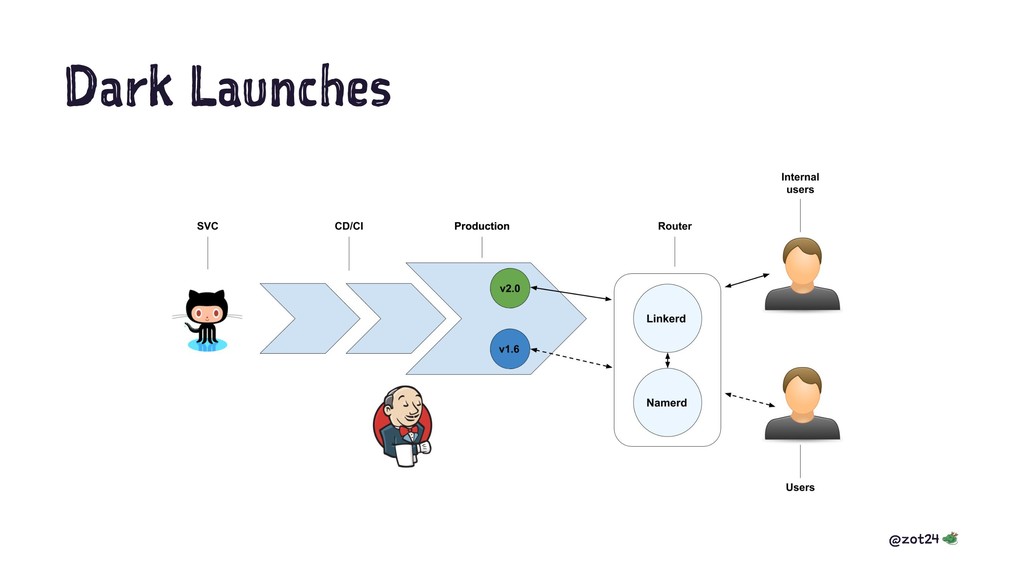
  22. We want to do more cool ! things 4 Canary

    deployment 4 Shadowing traffic 4 Dark Launches @zot24 !
  23. Take Away ! 4 Network communication is complicated 4 Apps

    shouldn't have to reinvent this wheel 4 Libraries are language specific @zot24 !
  24. Thanks you! !" 4 I'm Israel Sotomayor !" 4 Infrastructure

    Engineer # 4 Digital Nomad $ 4 Enjoy automating things % 4 ❤ Traveling ✈ @zot24 ! from @moltin "