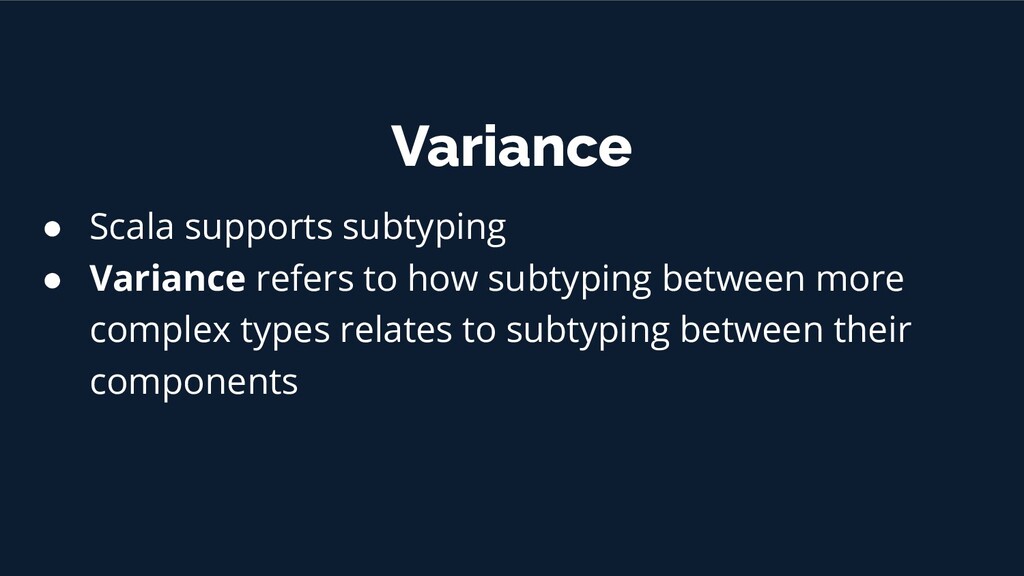
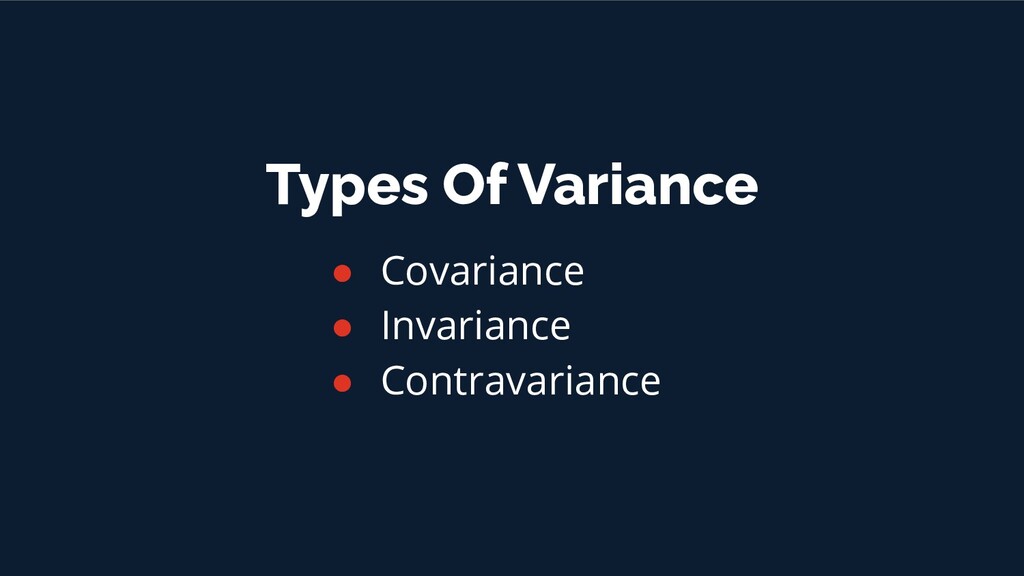
What is Variance, the connection between Types & Variance and how Scala supports it?
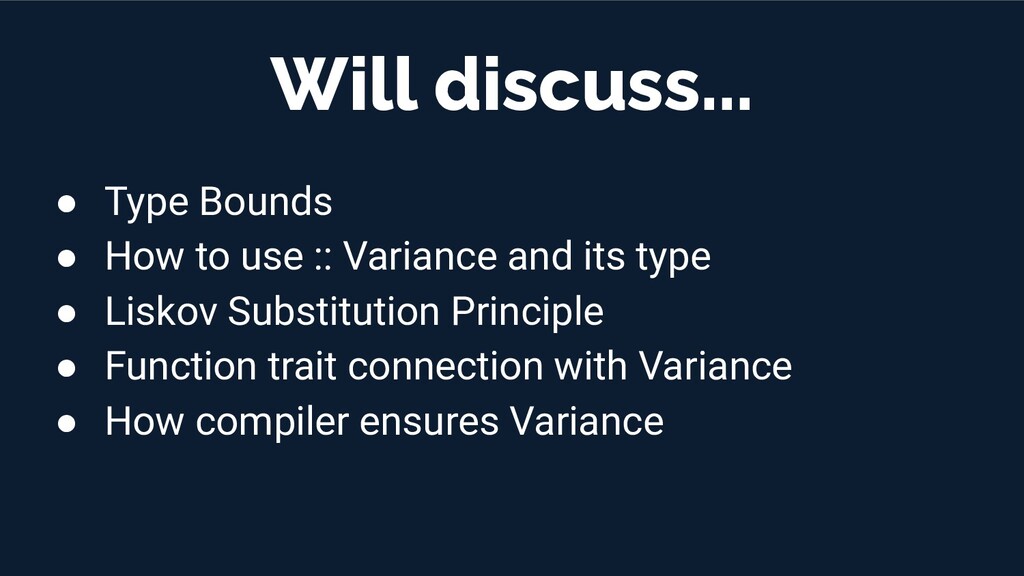
Deep dive into types of Variances and how they relate to Functions.
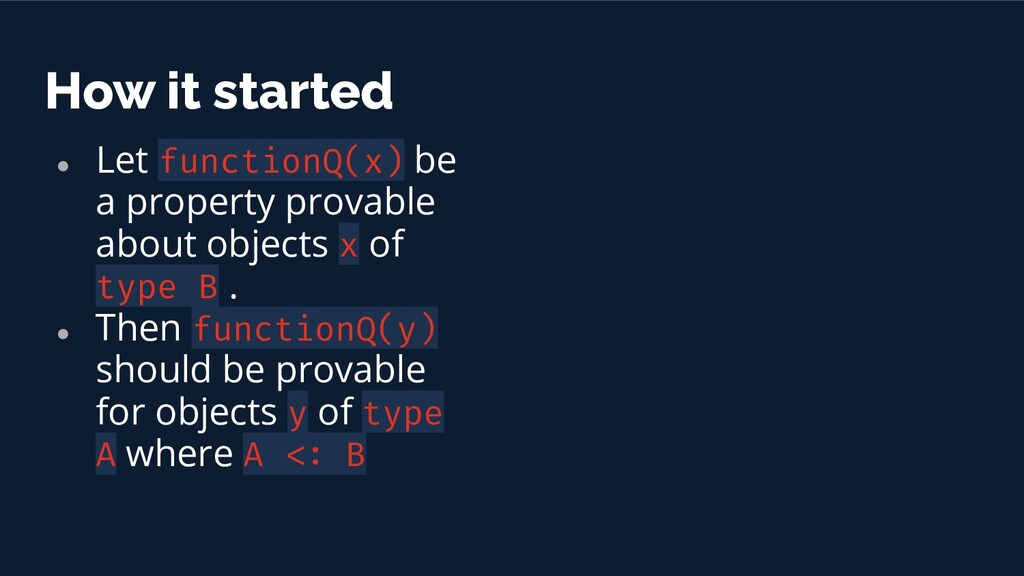
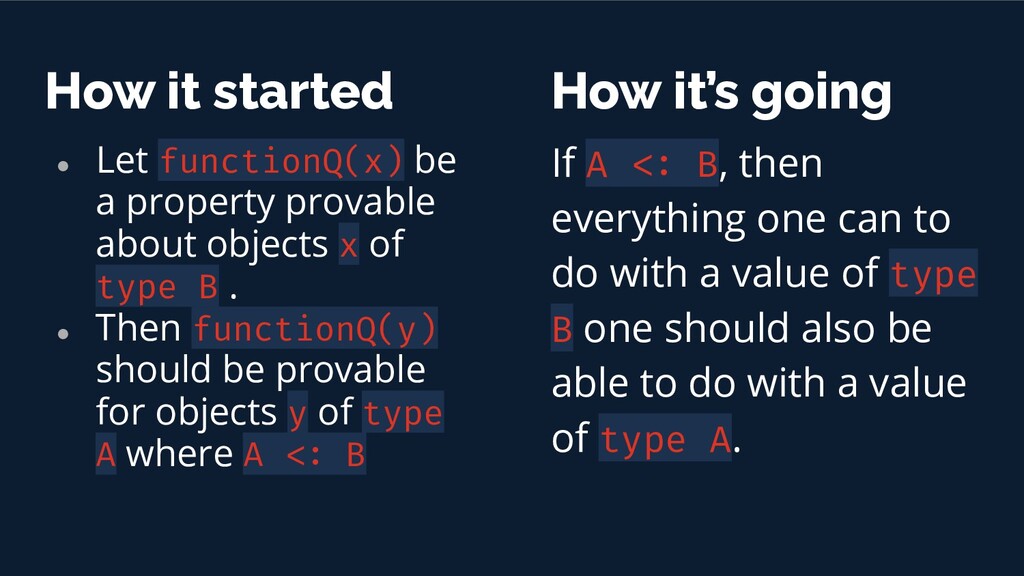
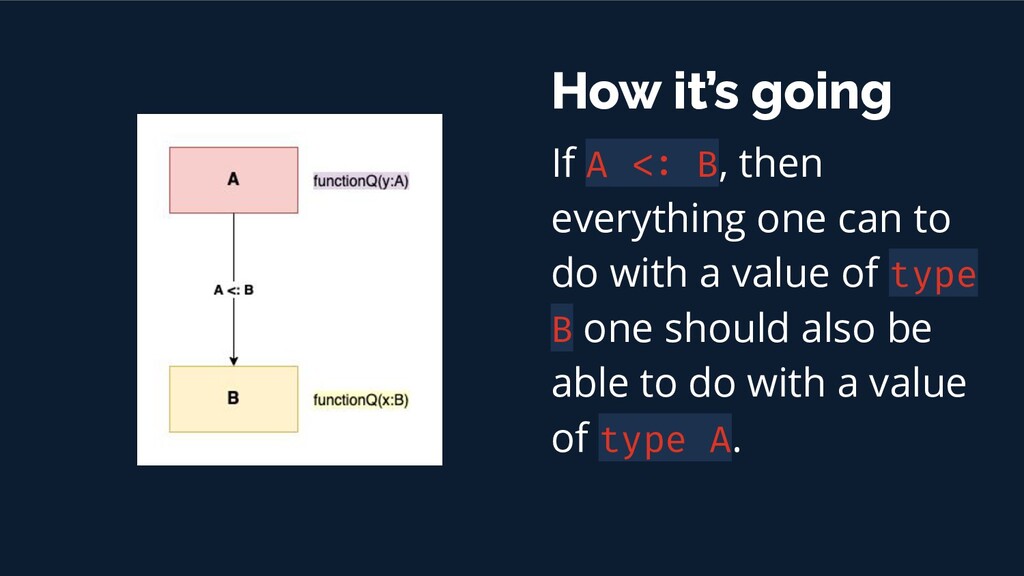
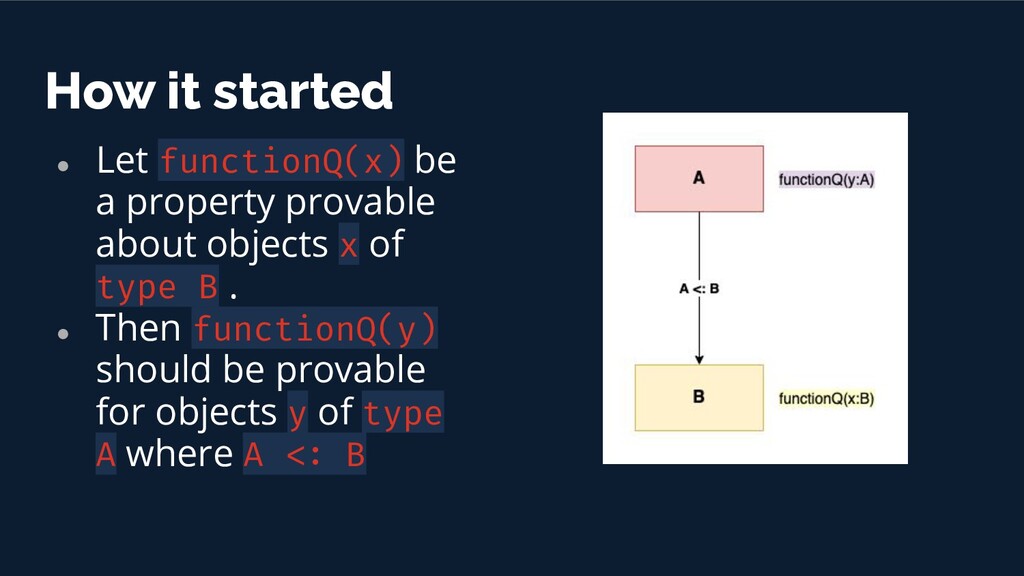
can to do with a value of type B one should also be able to do with a value of type A. How it’s going • Let functionQ(x) be a property provable about objects x of type B . • Then functionQ(y) should be provable for objects y of type A where A .: B


 colorful12
 mixplace
 ivargrimstad
 prota
prota
 nokomoro3
 lef237
 uyuki234
 kishida
 falcon8823
 yuta_onishi_97
 drumath2237
 takai
takai
 62gerente
 destraynor
 rasagy
 helmedeiros
 greggifford
 morganepeng
 jonoalderson
 reverentgeek
 jacobtomlinson
 baasie
 marktimemedia



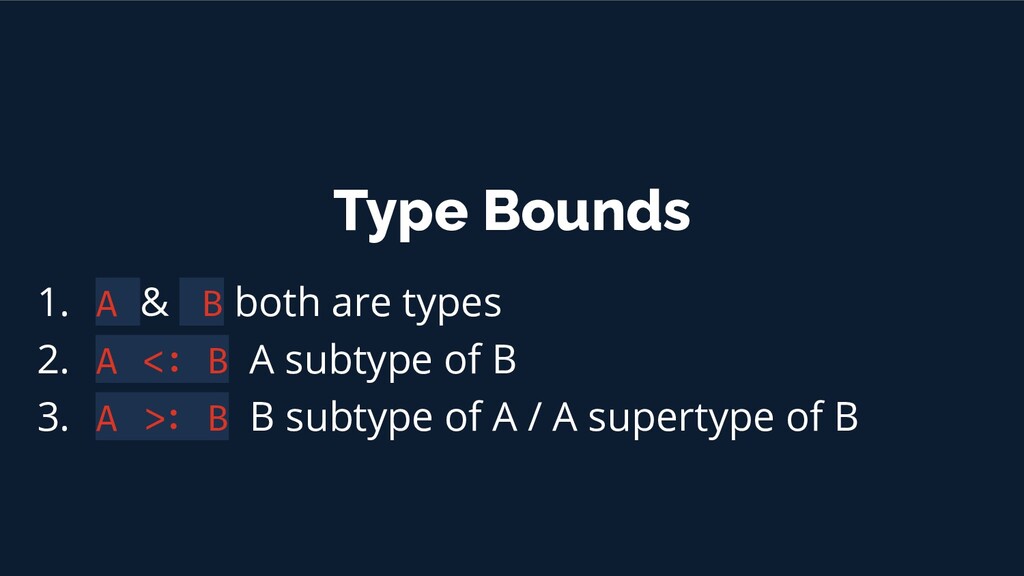
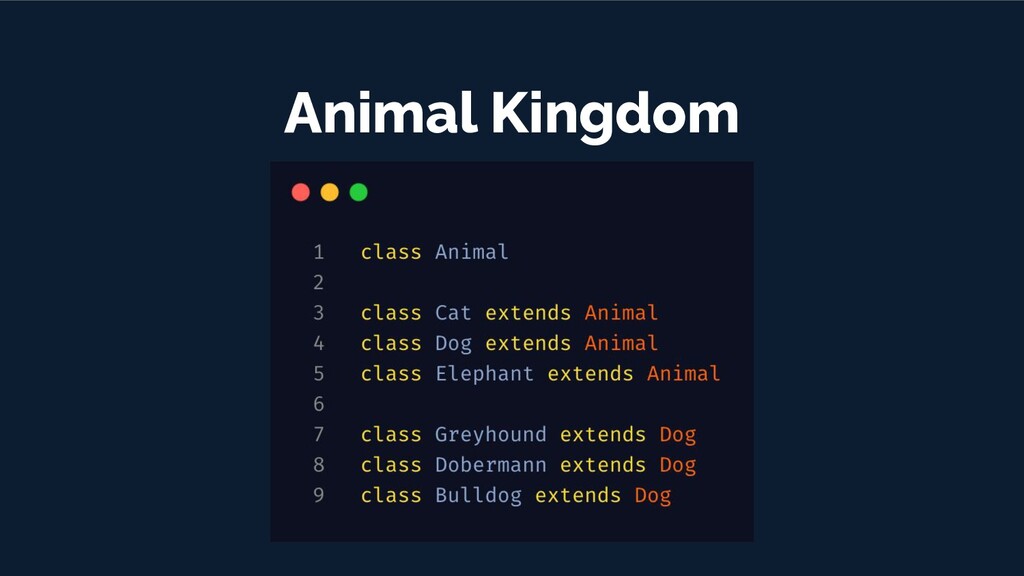
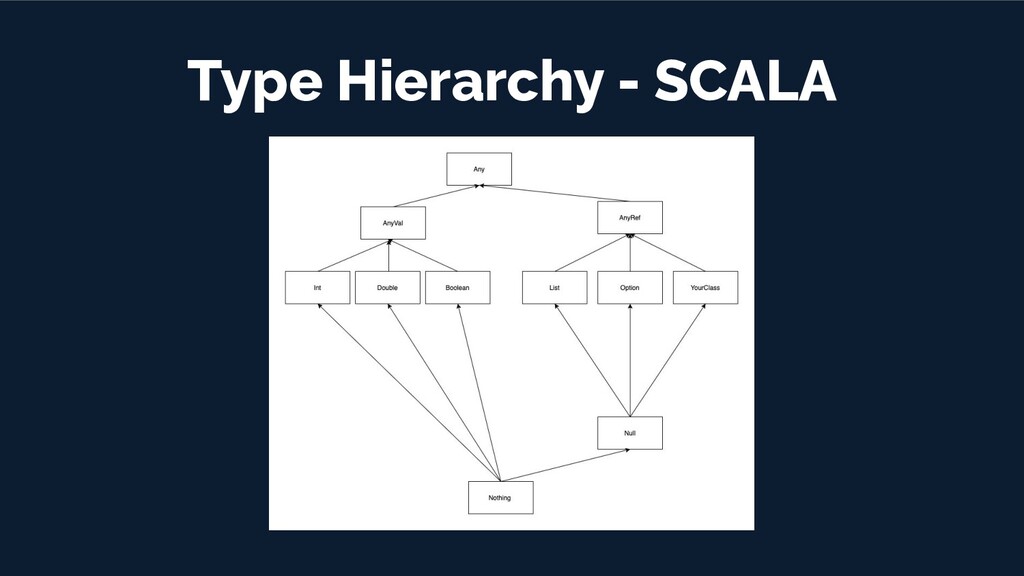
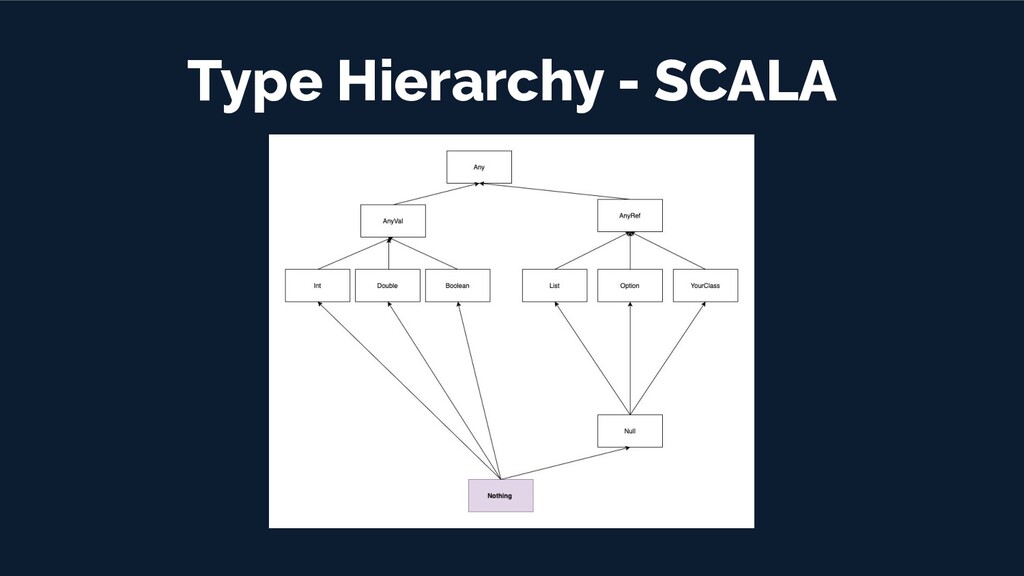
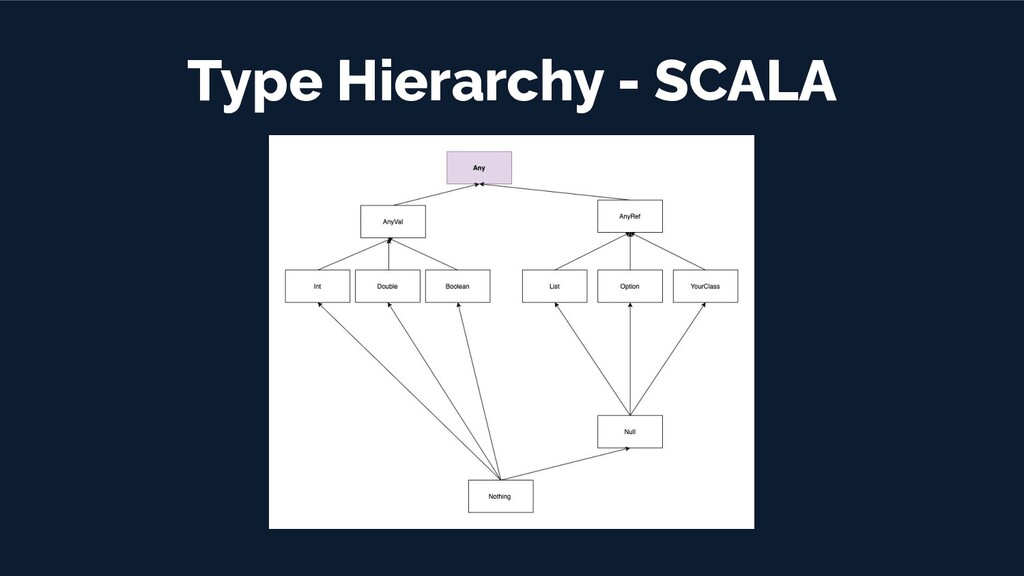
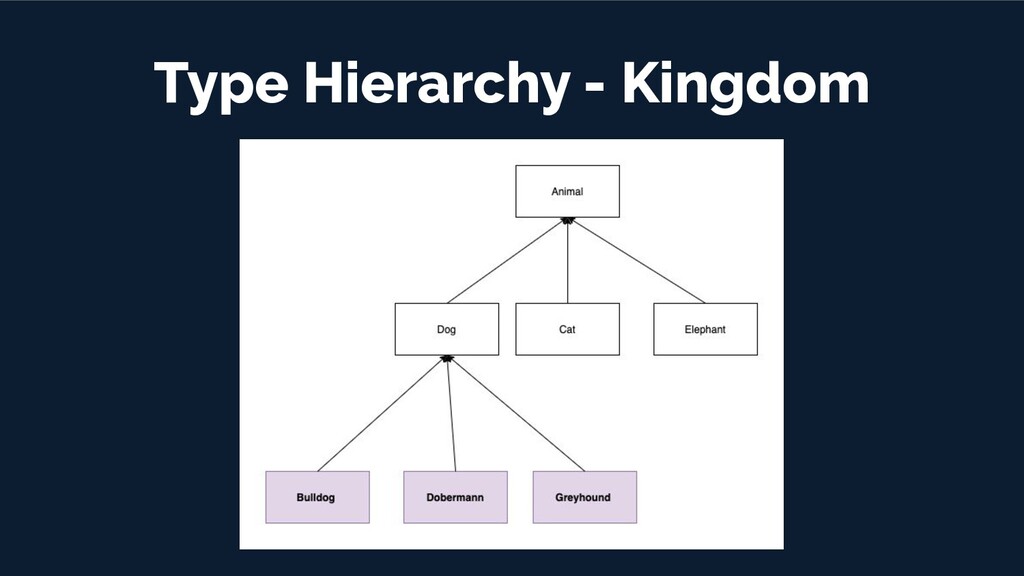
![Lower Bounds • [A .: Bulldog] • Range of possibilities](https://files.speakerdeck.com/presentations/f8472fd78def4b34a5353c622436b4e9/slide_14.jpg)
![Upper Bounds • [A .: Dog] • Range of possibilities](https://files.speakerdeck.com/presentations/f8472fd78def4b34a5353c622436b4e9/slide_15.jpg)
![Multi Bounds • [Animal .: A .: Bulldog] • Range](https://files.speakerdeck.com/presentations/f8472fd78def4b34a5353c622436b4e9/slide_16.jpg)

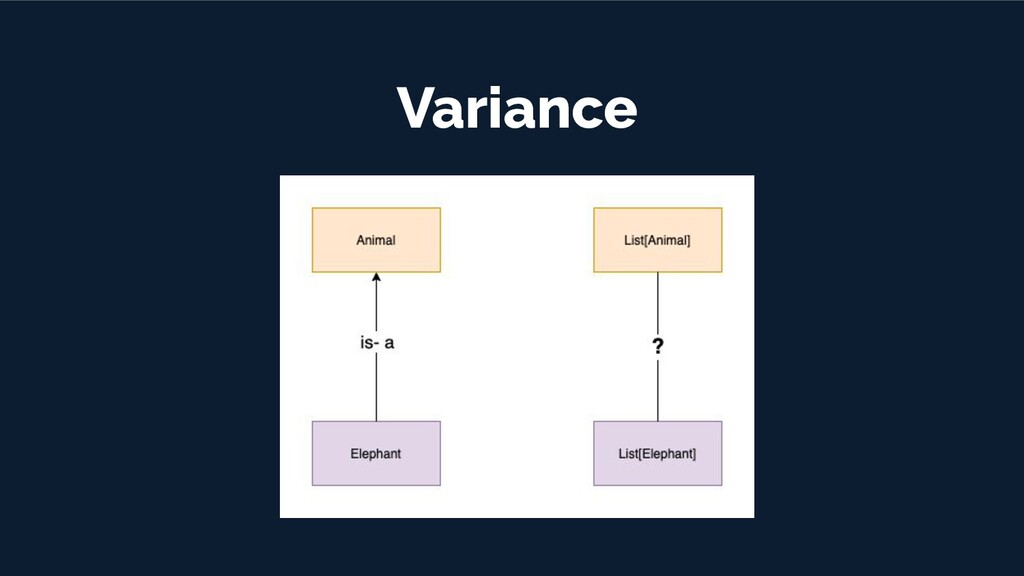
![Pre-Condition • C[T] is a parameterized type • A &](https://files.speakerdeck.com/presentations/f8472fd78def4b34a5353c622436b4e9/slide_21.jpg)
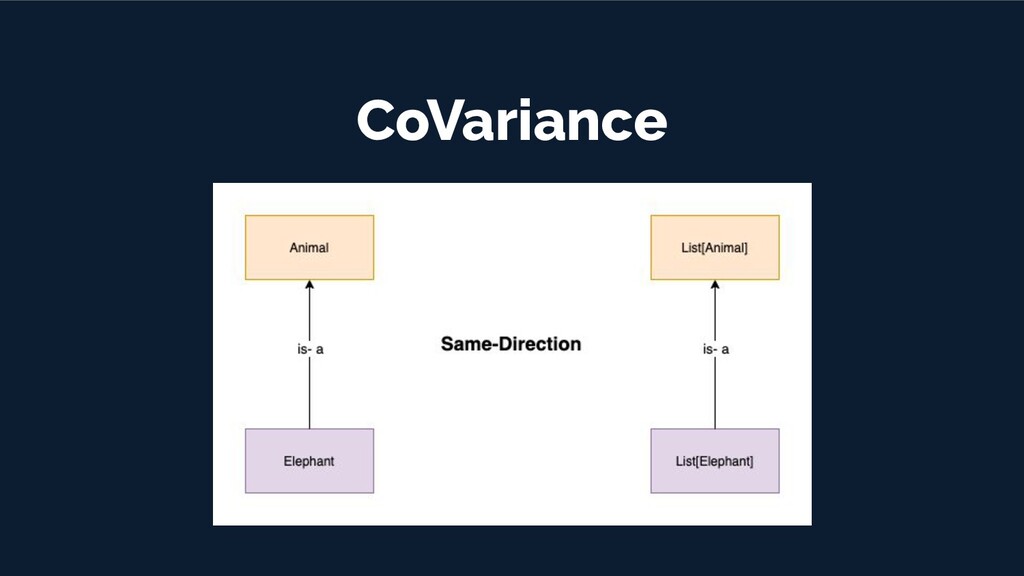
![CoVariance • C[A] .: C[B] • The subtyping relation is](https://files.speakerdeck.com/presentations/f8472fd78def4b34a5353c622436b4e9/slide_22.jpg)
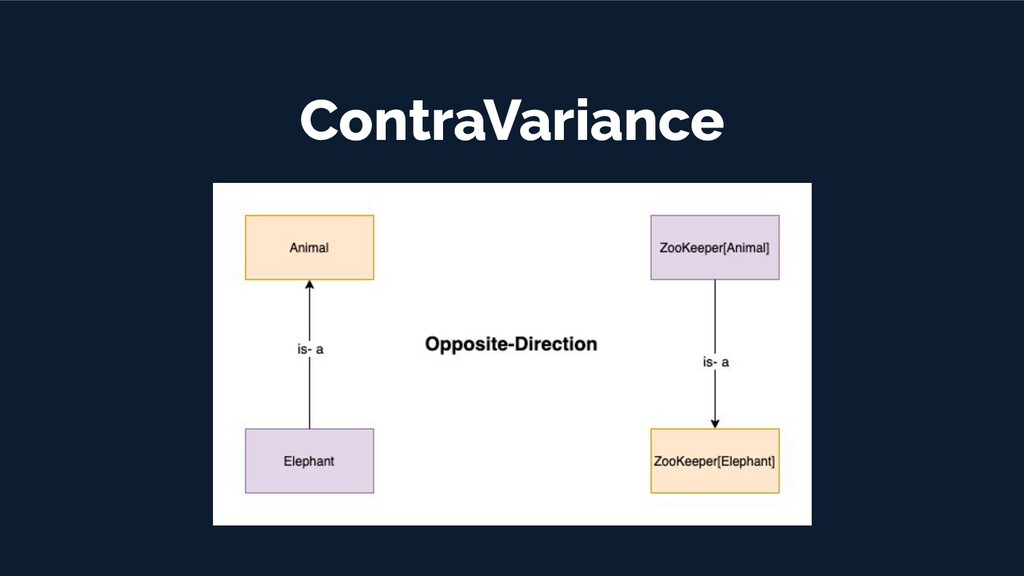
![ContraVariance • C[A] .> C[B] • The subtyping relation is](https://files.speakerdeck.com/presentations/f8472fd78def4b34a5353c622436b4e9/slide_24.jpg)
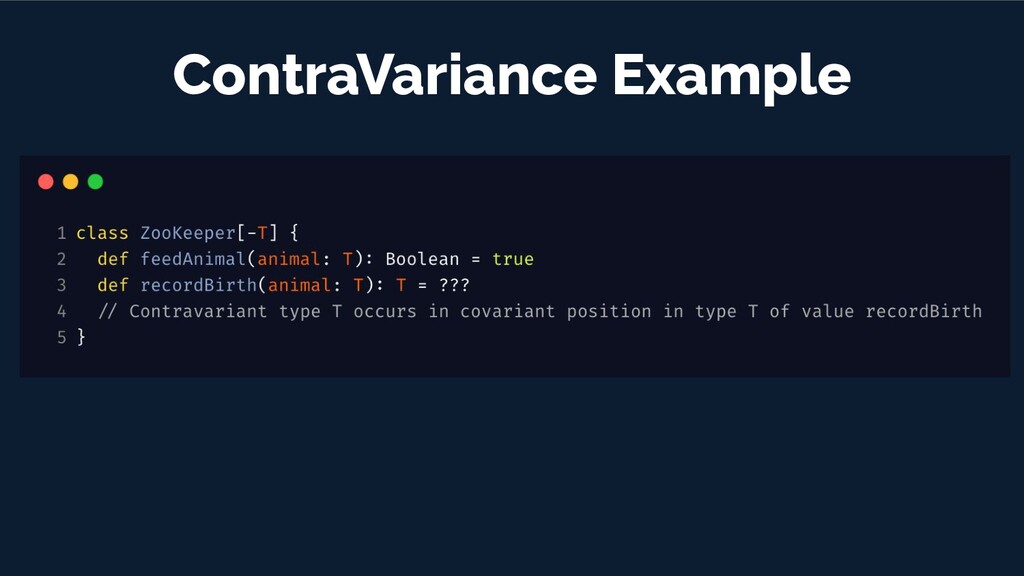
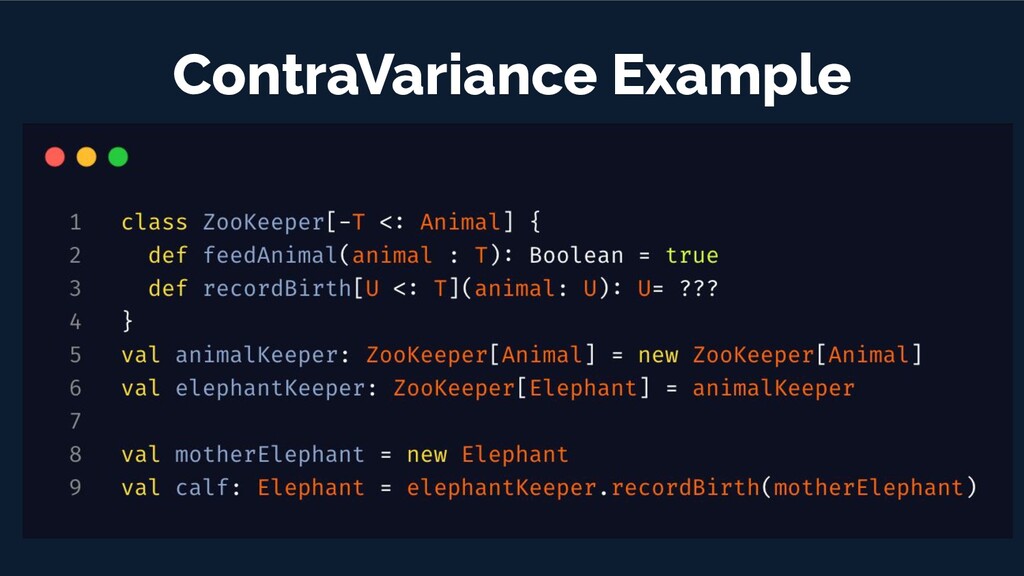
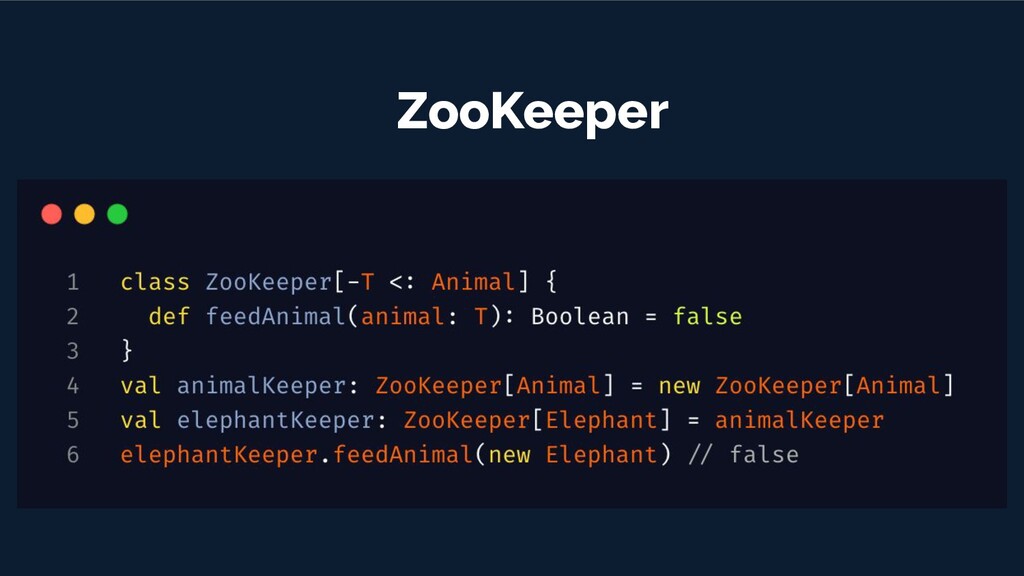
![Modelling ZooKeeper • class ZooKeeper[-T] • Is there a way](https://files.speakerdeck.com/presentations/f8472fd78def4b34a5353c622436b4e9/slide_26.jpg)
![Modelling ZooKeeper • class ZooKeeper[-T] • Is there a way](https://files.speakerdeck.com/presentations/f8472fd78def4b34a5353c622436b4e9/slide_27.jpg)
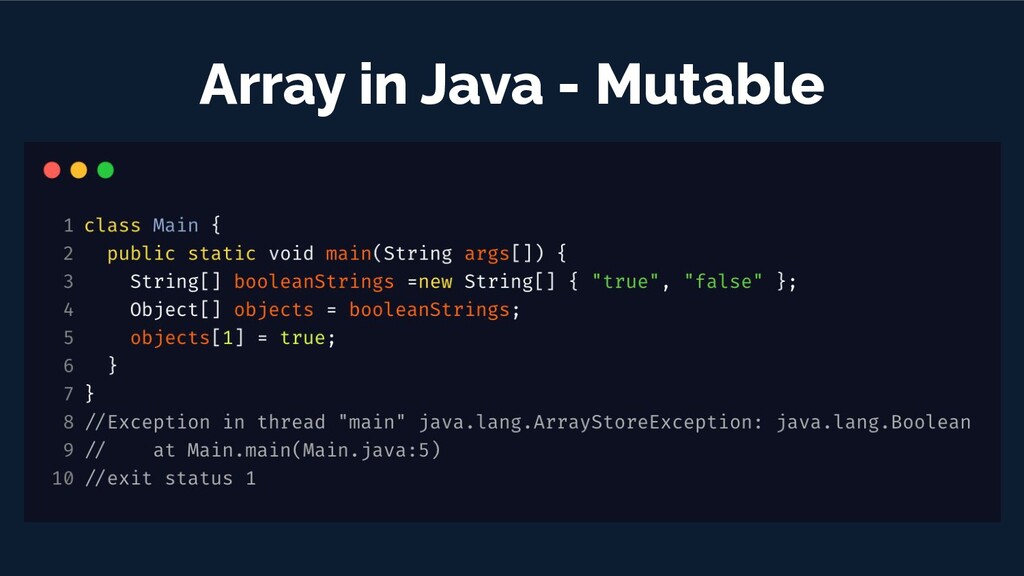
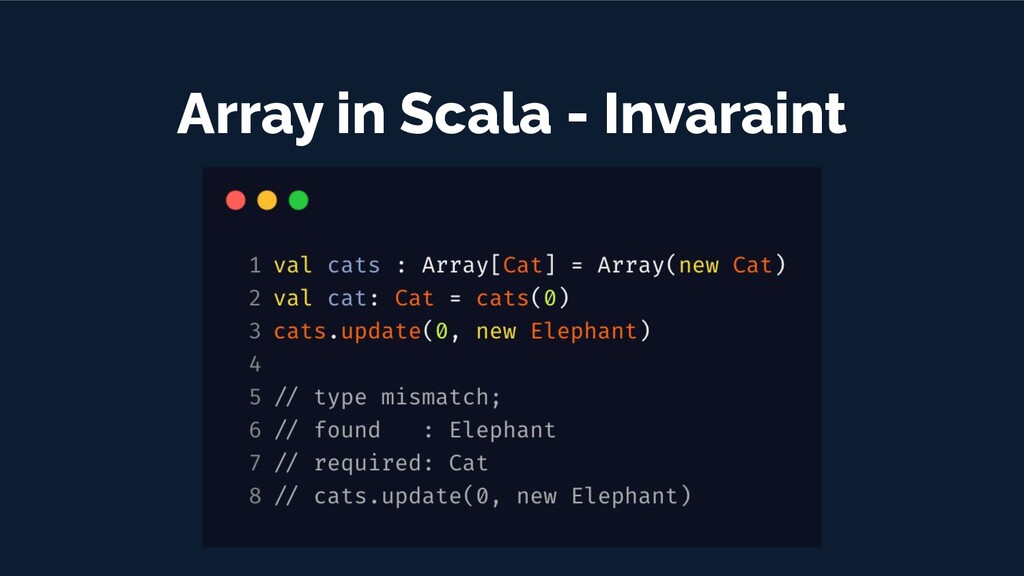
![InVariance • C[A] .= C[B] • There’s no relation with](https://files.speakerdeck.com/presentations/f8472fd78def4b34a5353c622436b4e9/slide_29.jpg)

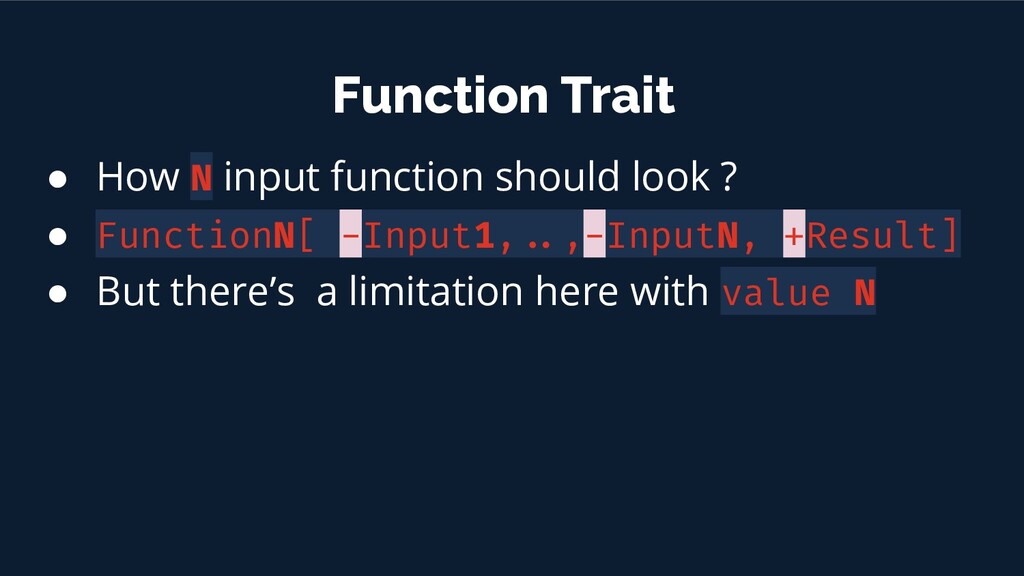
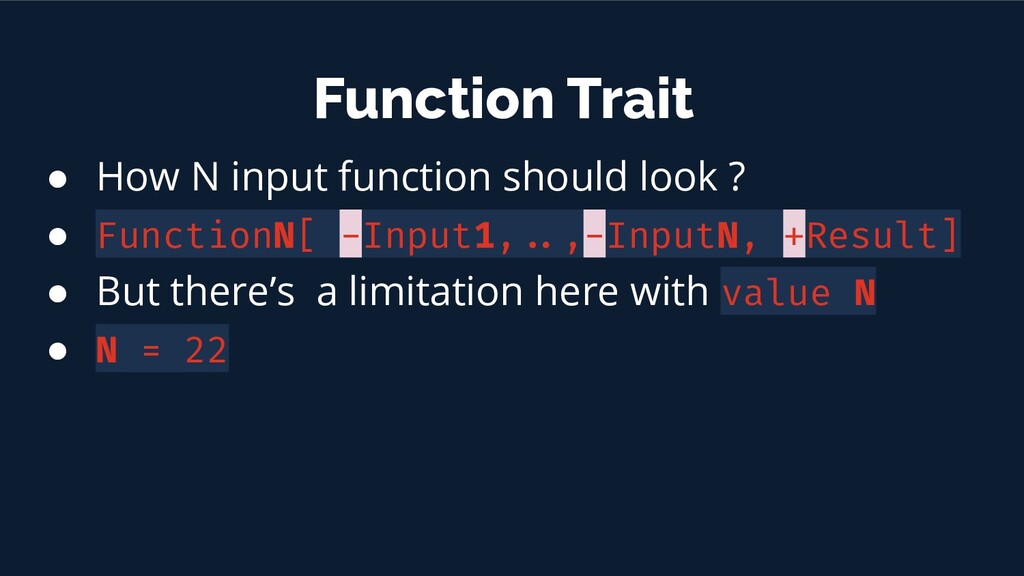
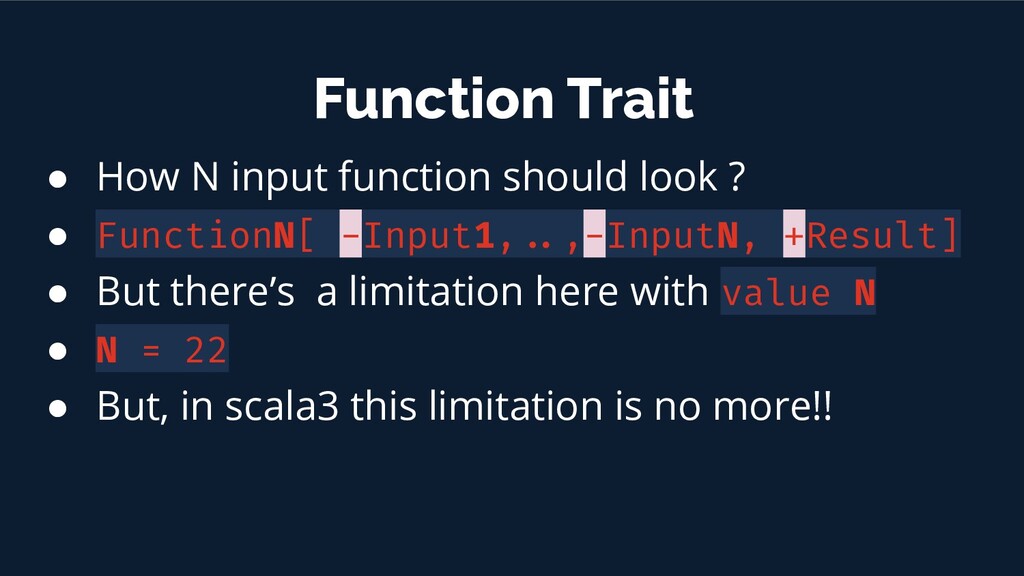
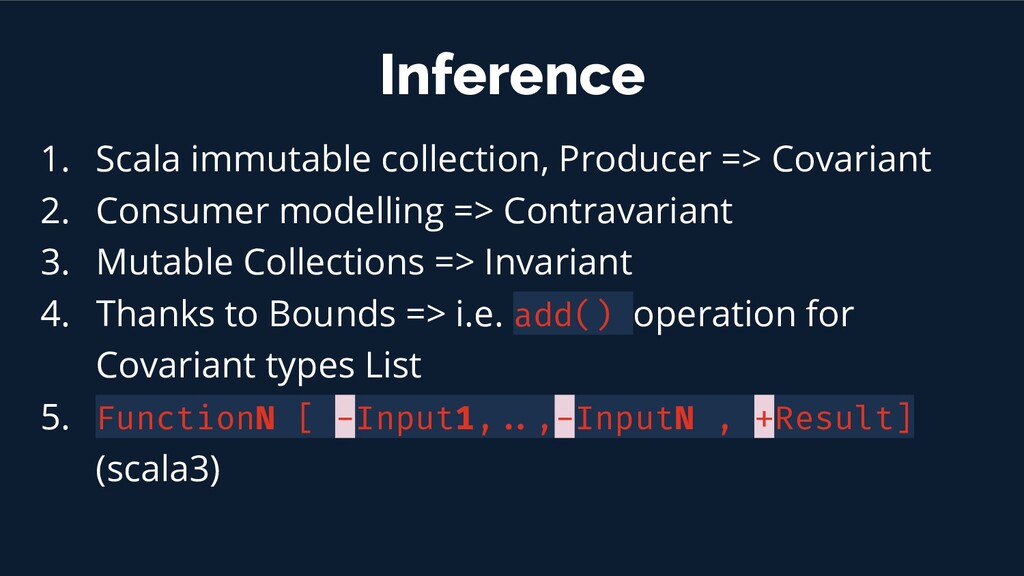
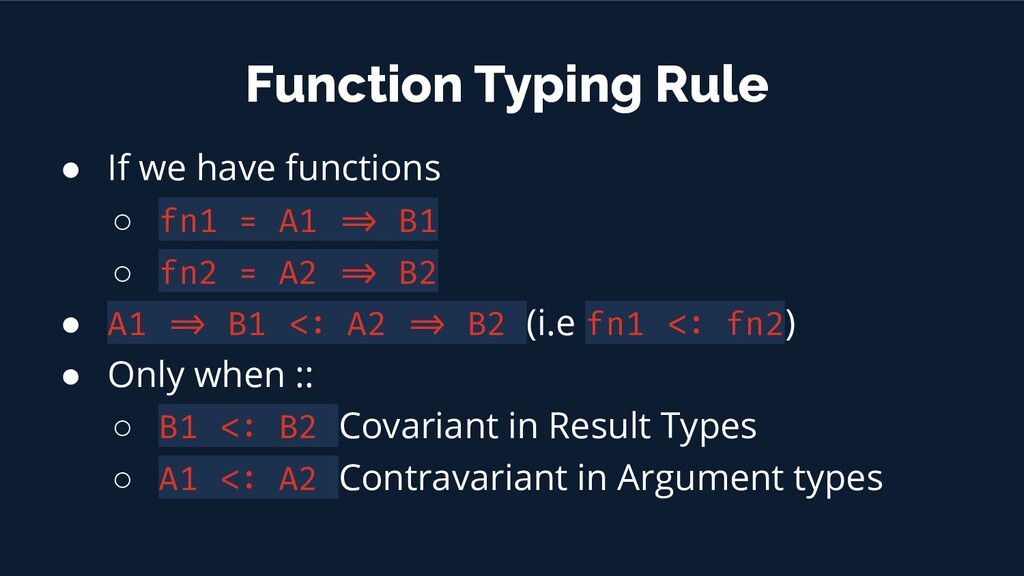
![Function Trait • trait Function1[-T, +R] • Contravariant input (Arguments)](https://files.speakerdeck.com/presentations/f8472fd78def4b34a5353c622436b4e9/slide_38.jpg)
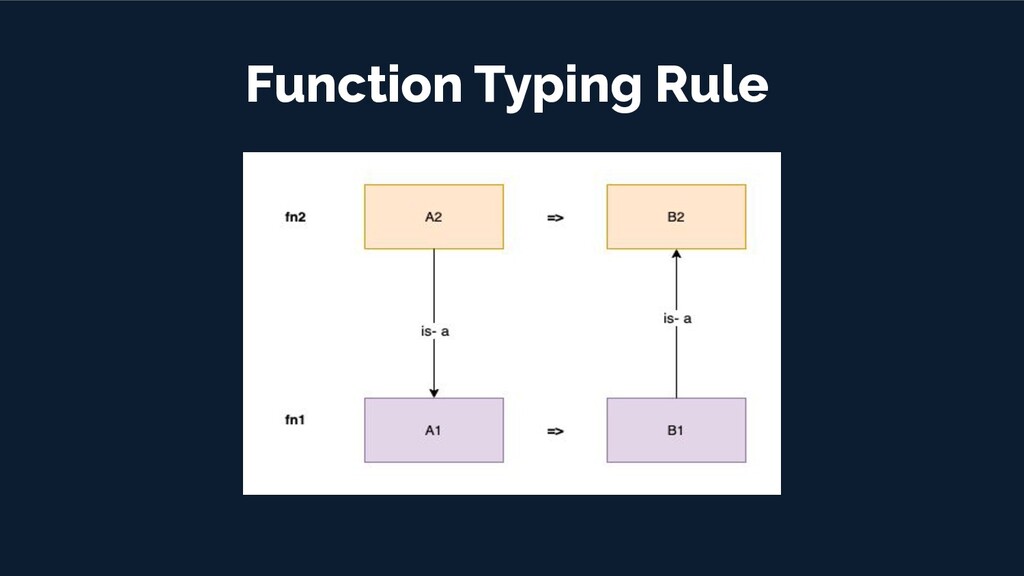
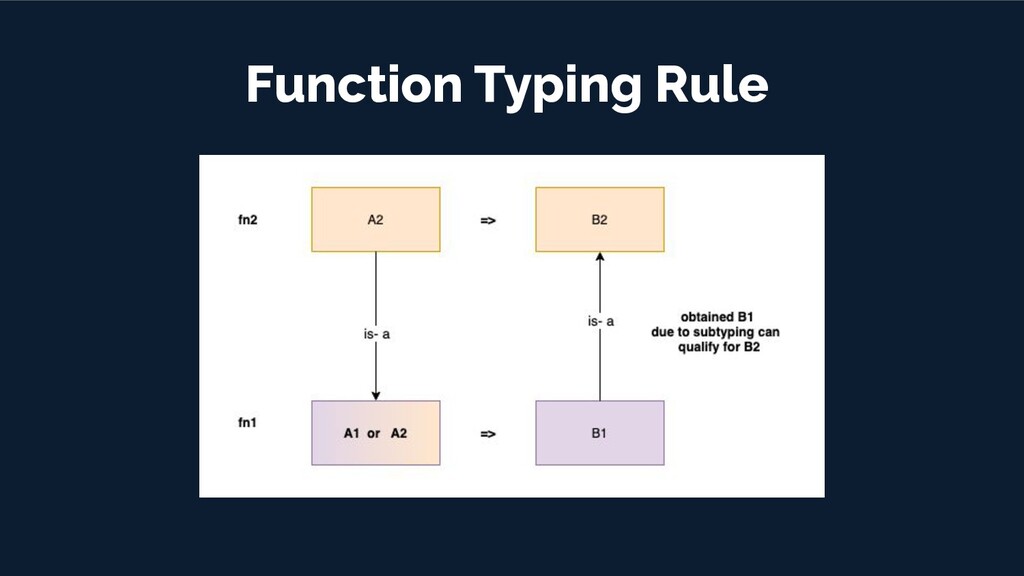
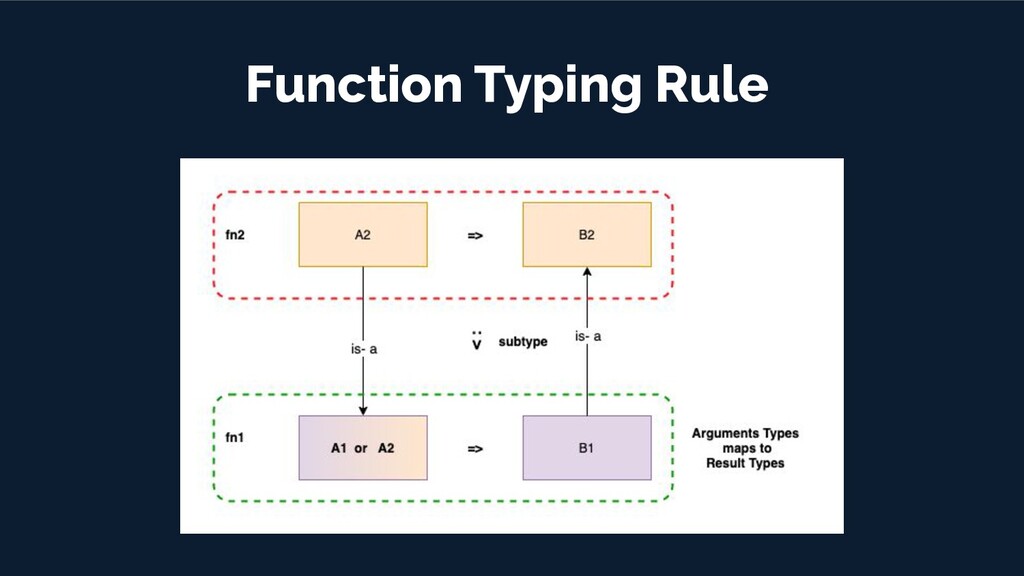
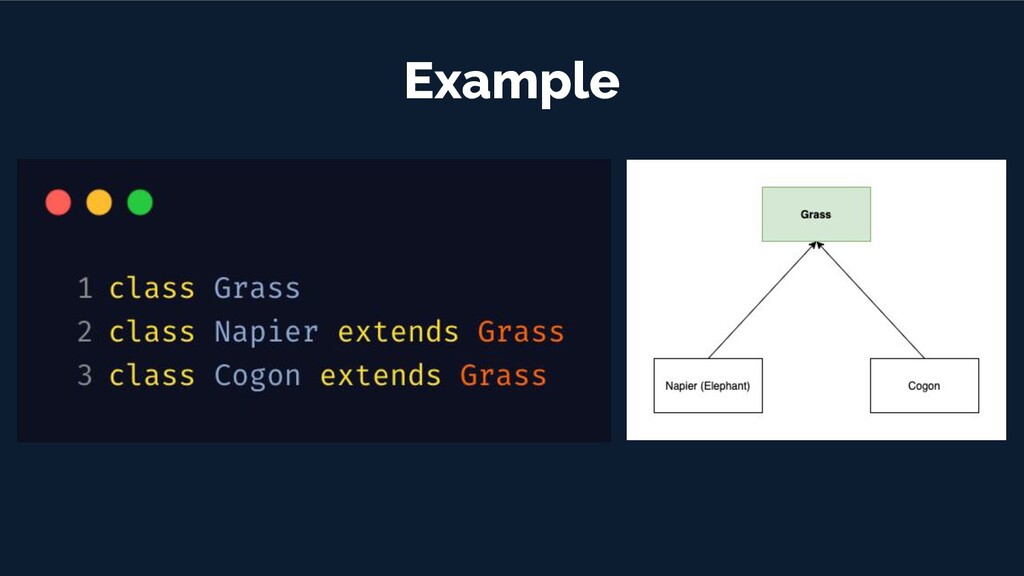
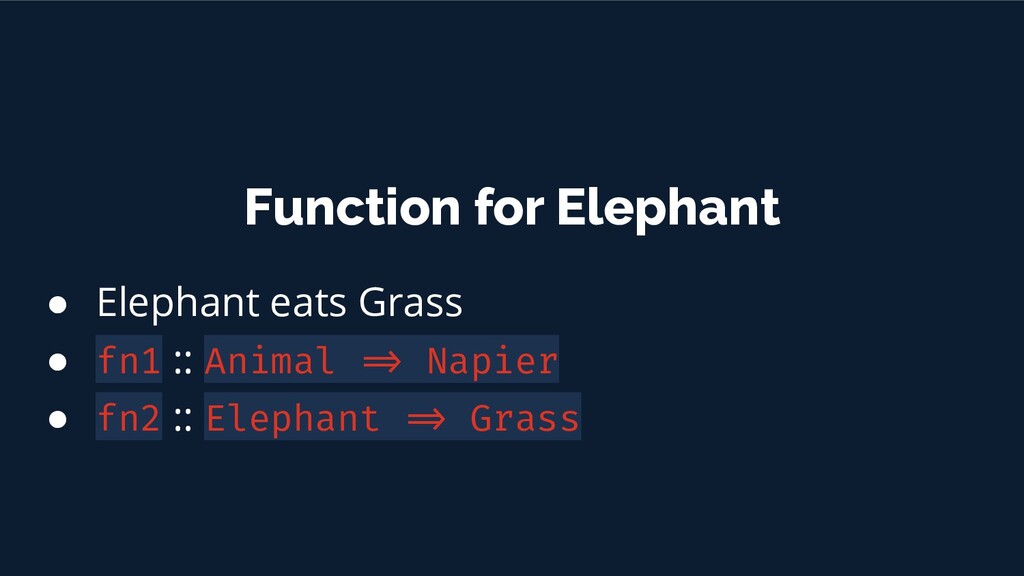
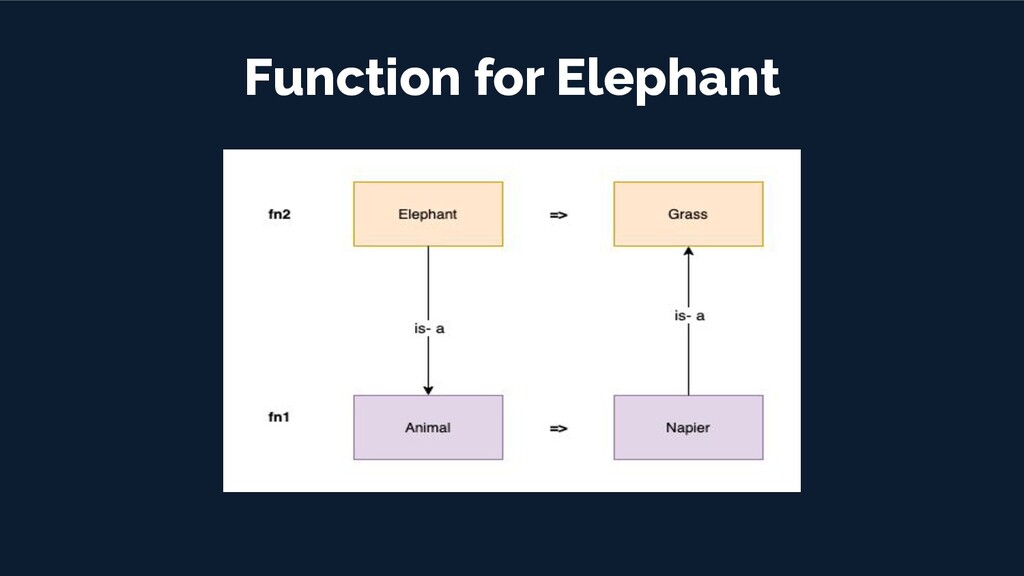
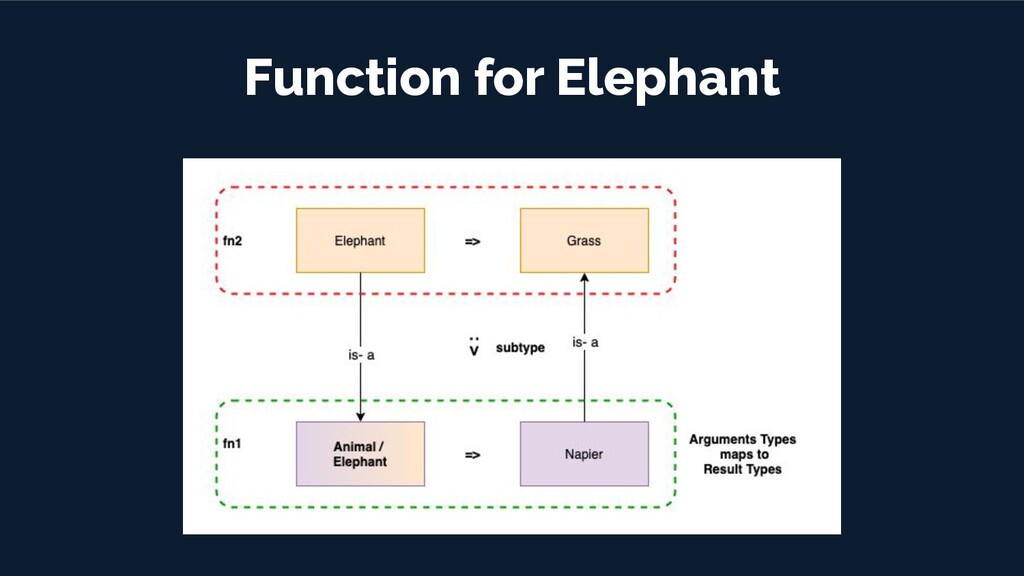
![Function Trait • trait Function1[-T, +R] • Similarly, Function2[ -T1,](https://files.speakerdeck.com/presentations/f8472fd78def4b34a5353c622436b4e9/slide_47.jpg)