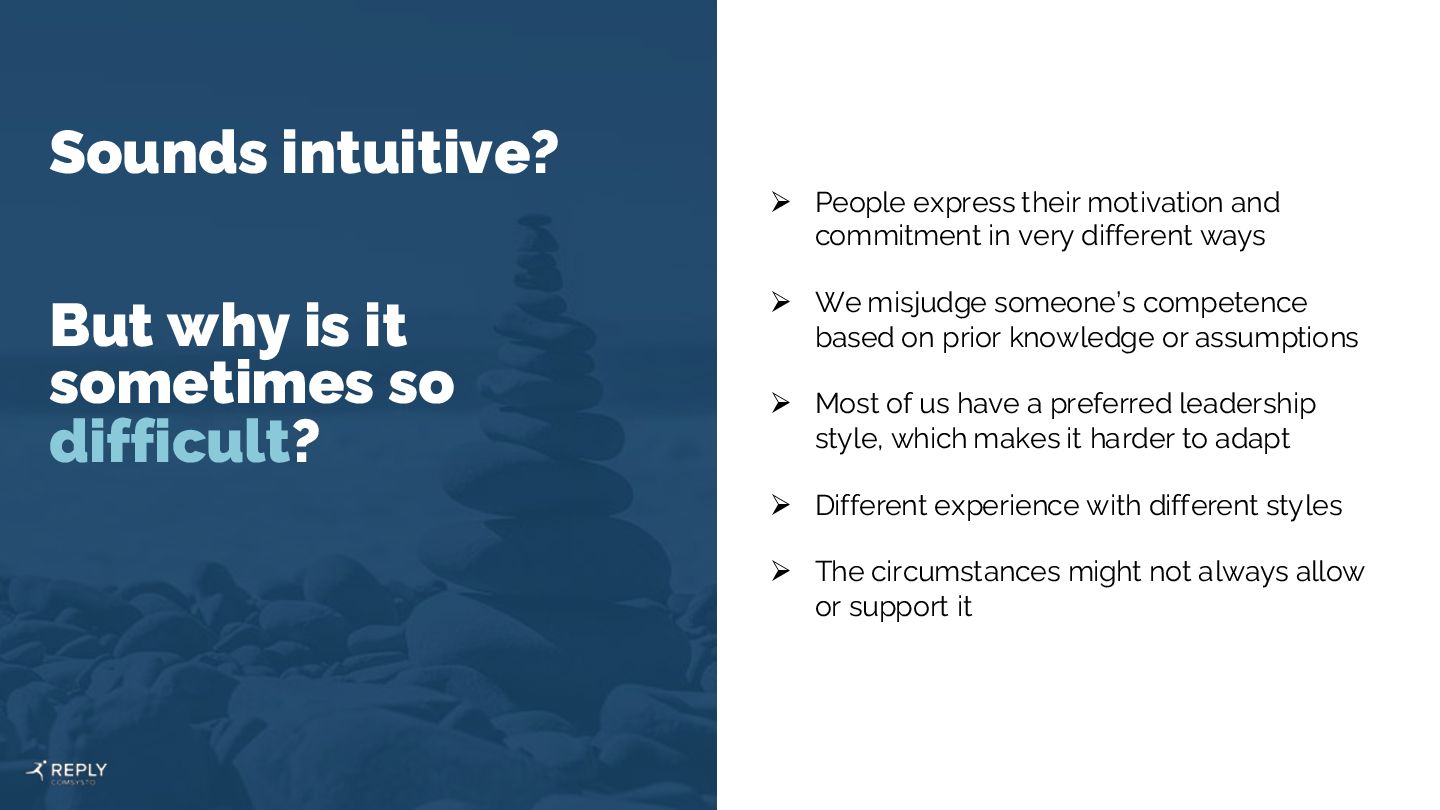
In many companies, experienced developers eventually find themselves in leadership positions, facing the challenge of how best to support their teams. This applies whether it’s a formal role like Tech Lead, Engineering Manager, or Architect, or through informal influence with experience and expertise. What is the secret to success in these demanding roles? Why is it intuitive in some situations and harder in others?
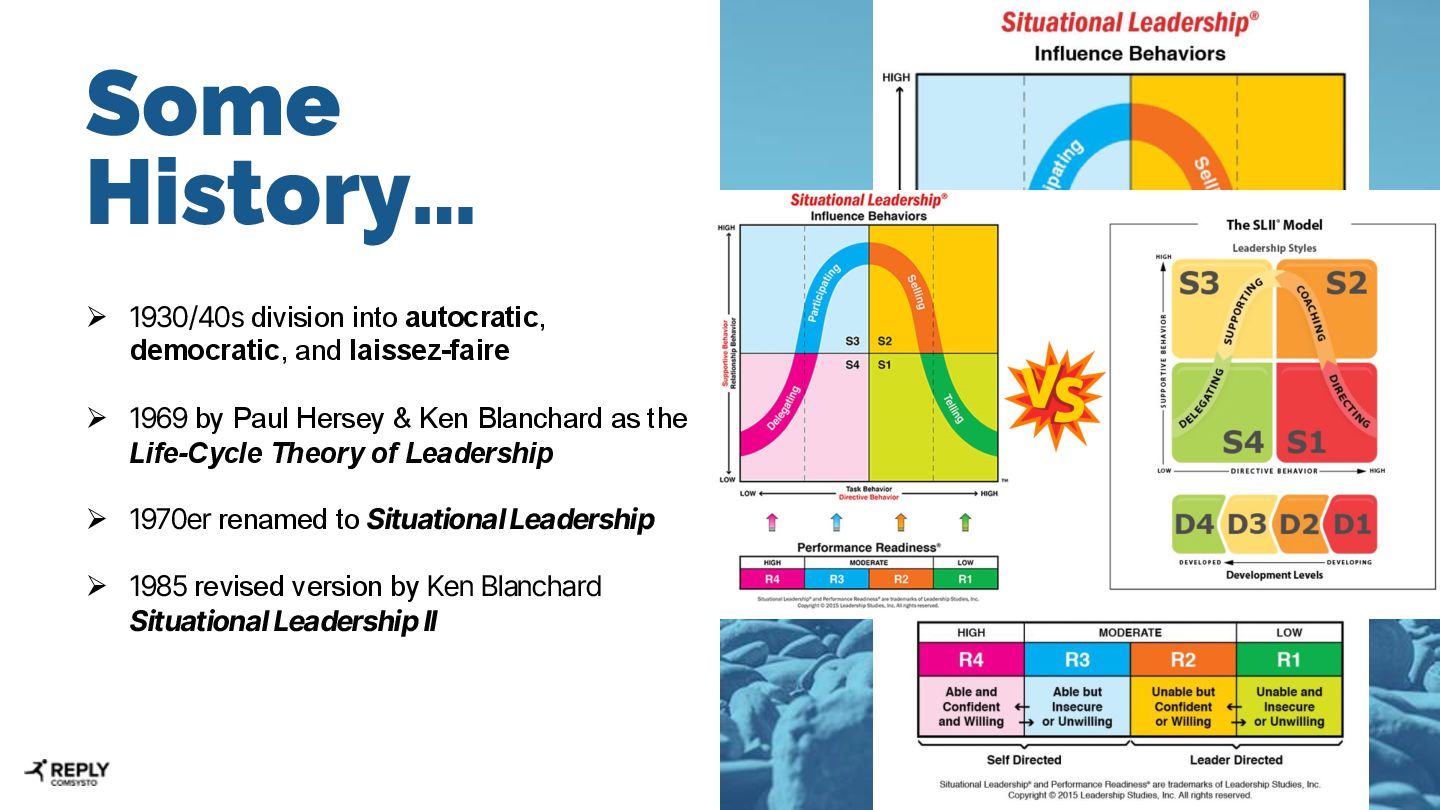
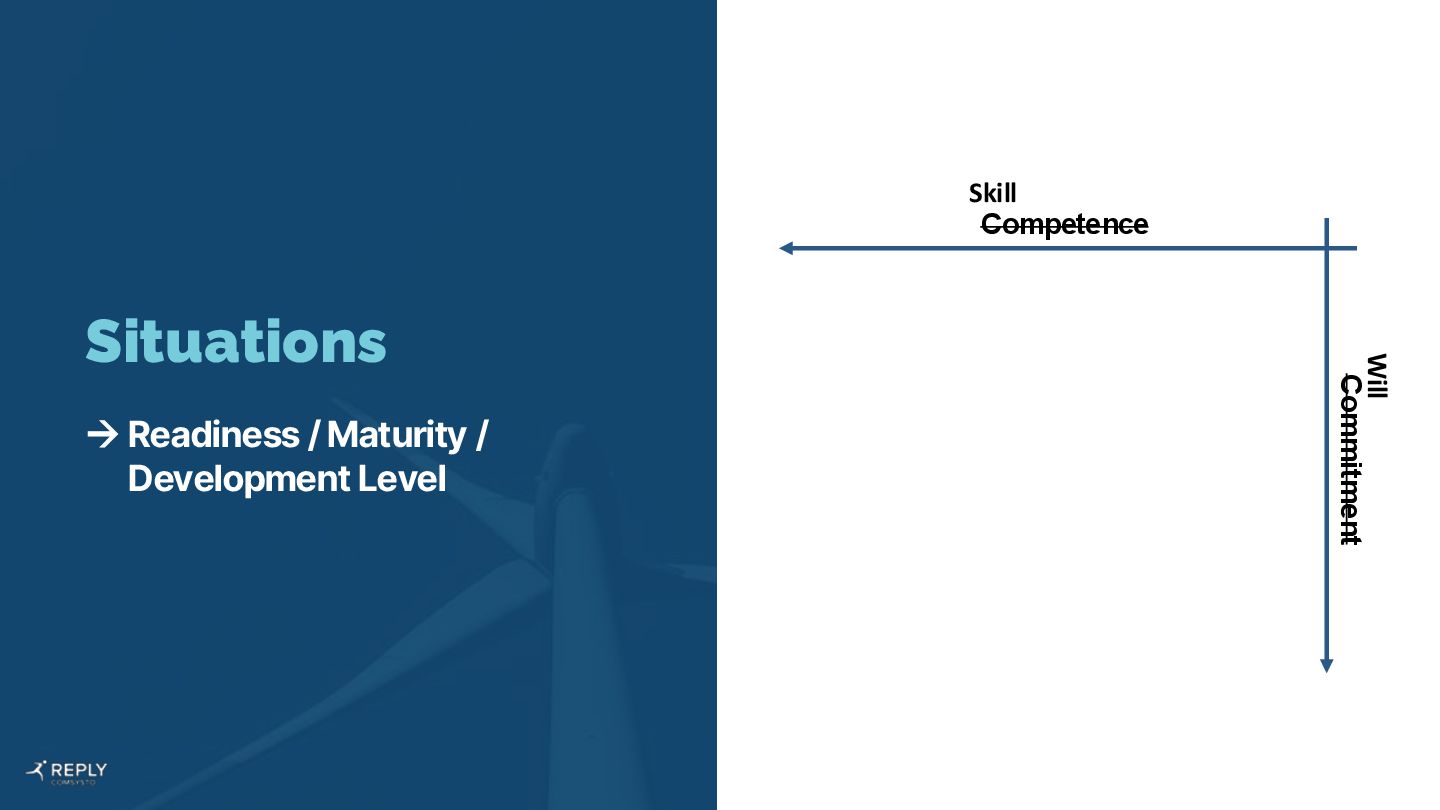
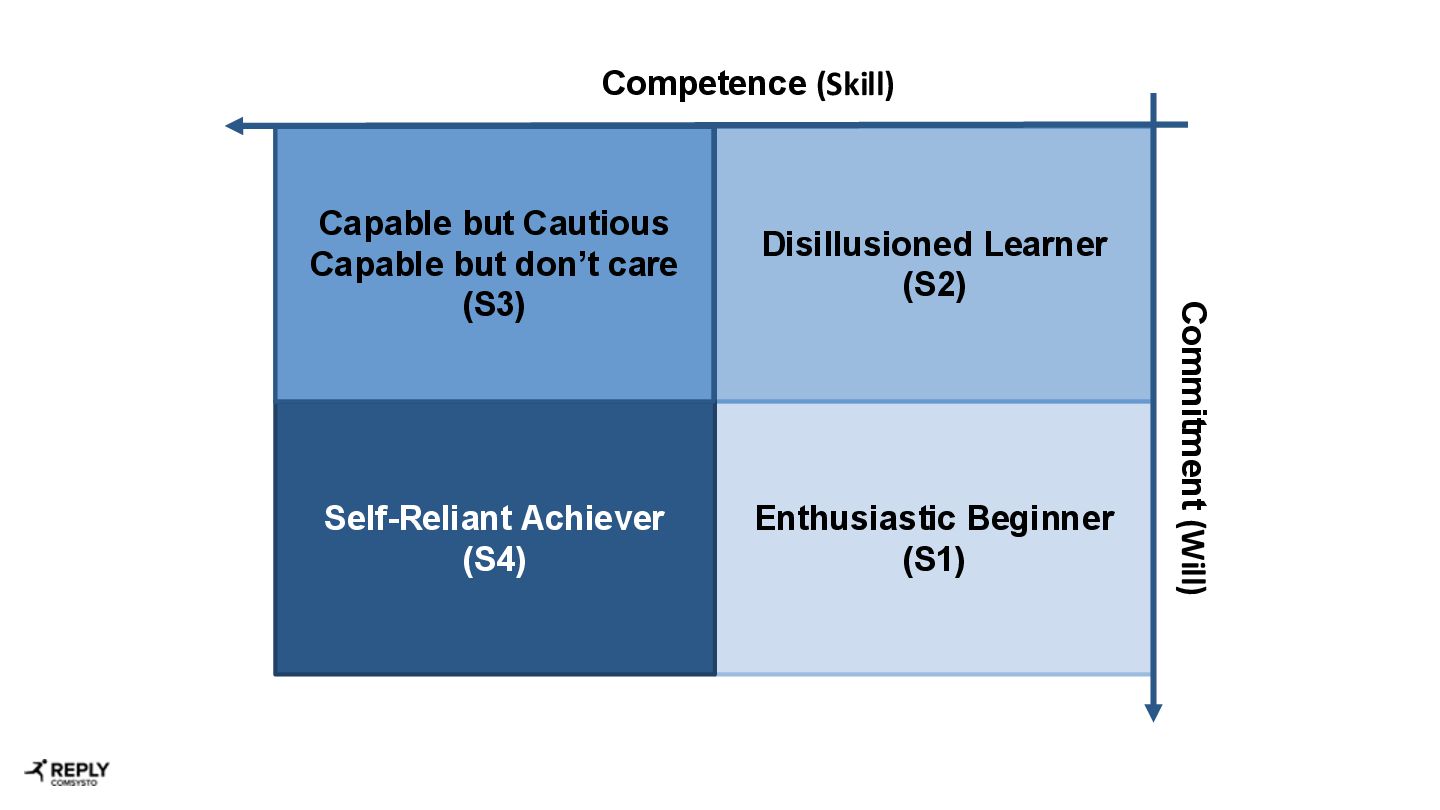
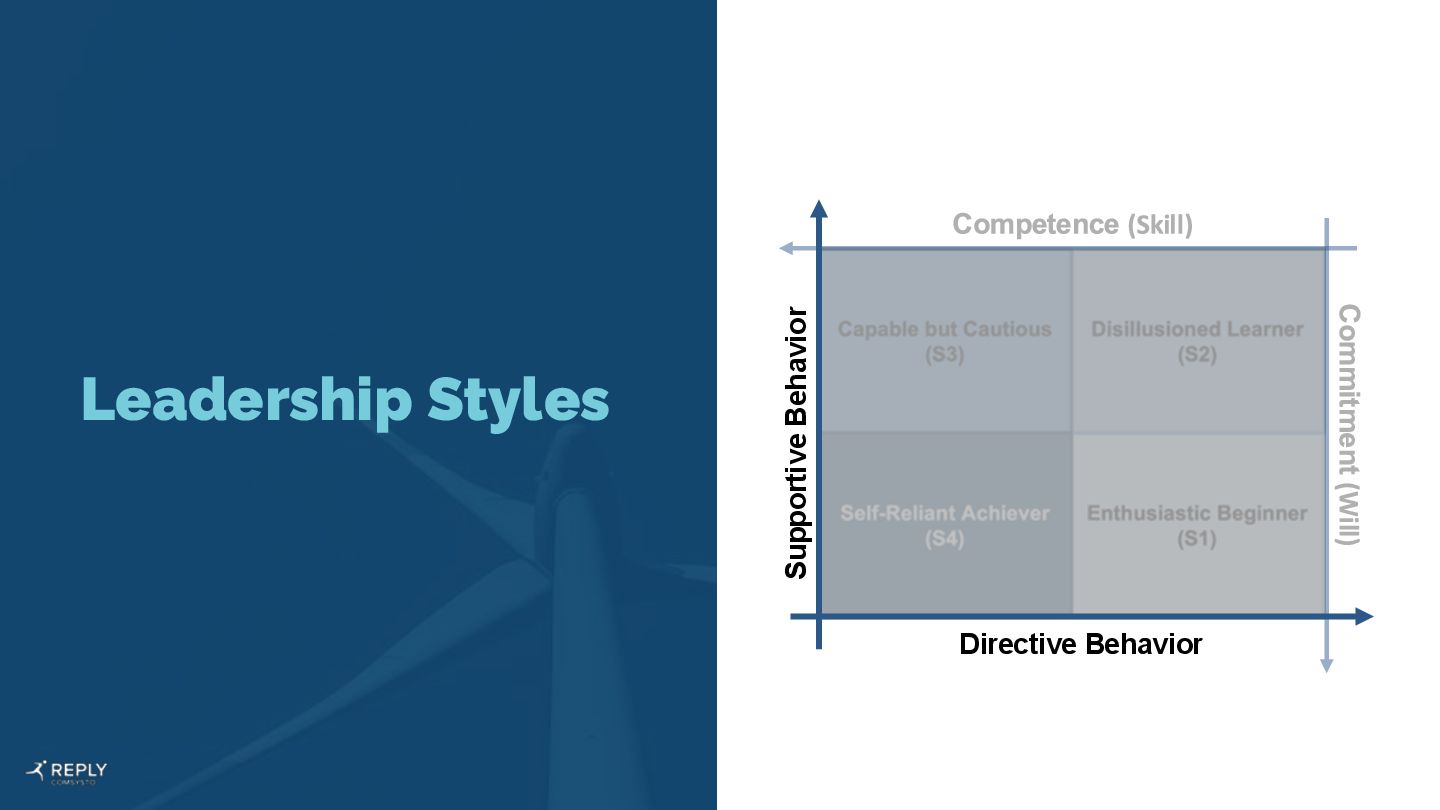
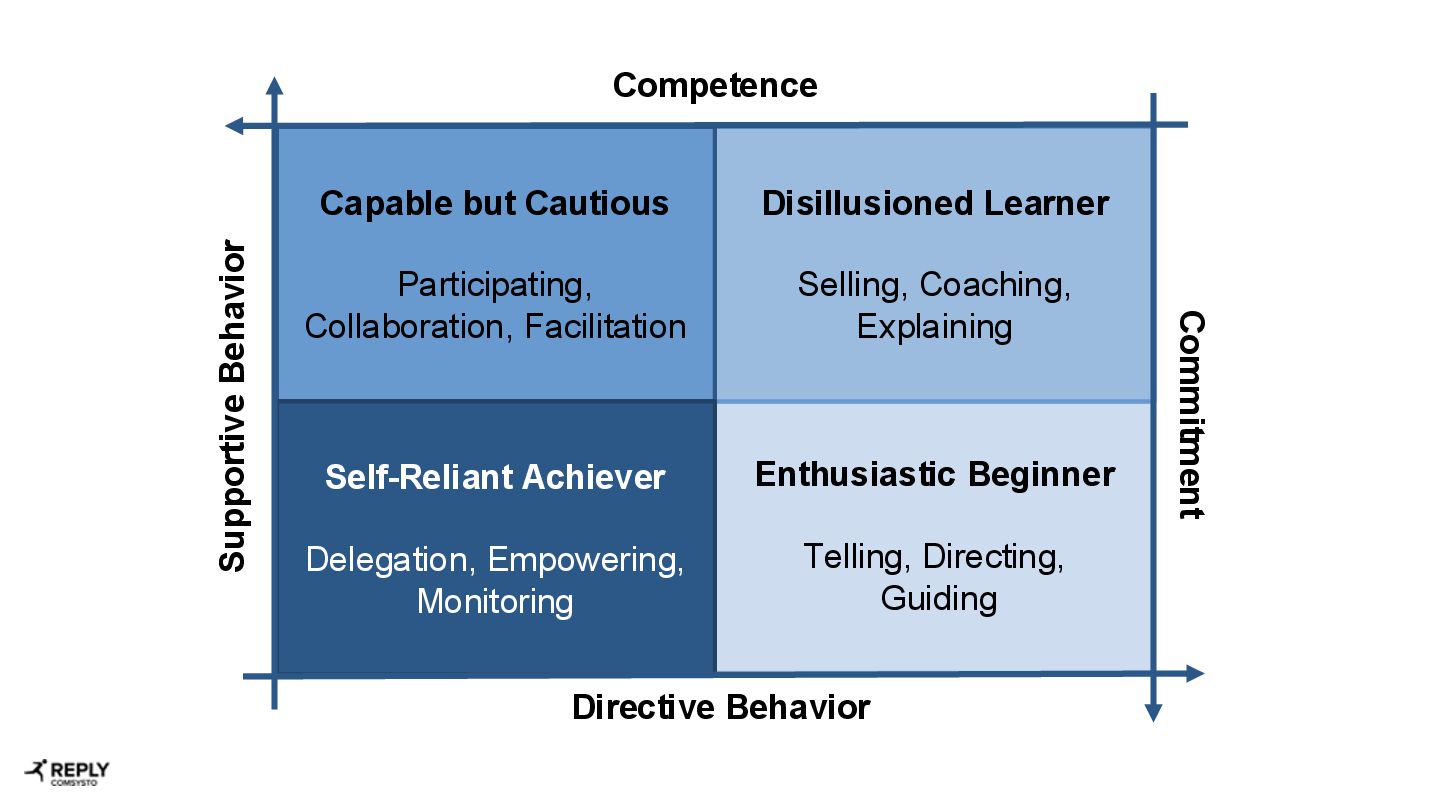
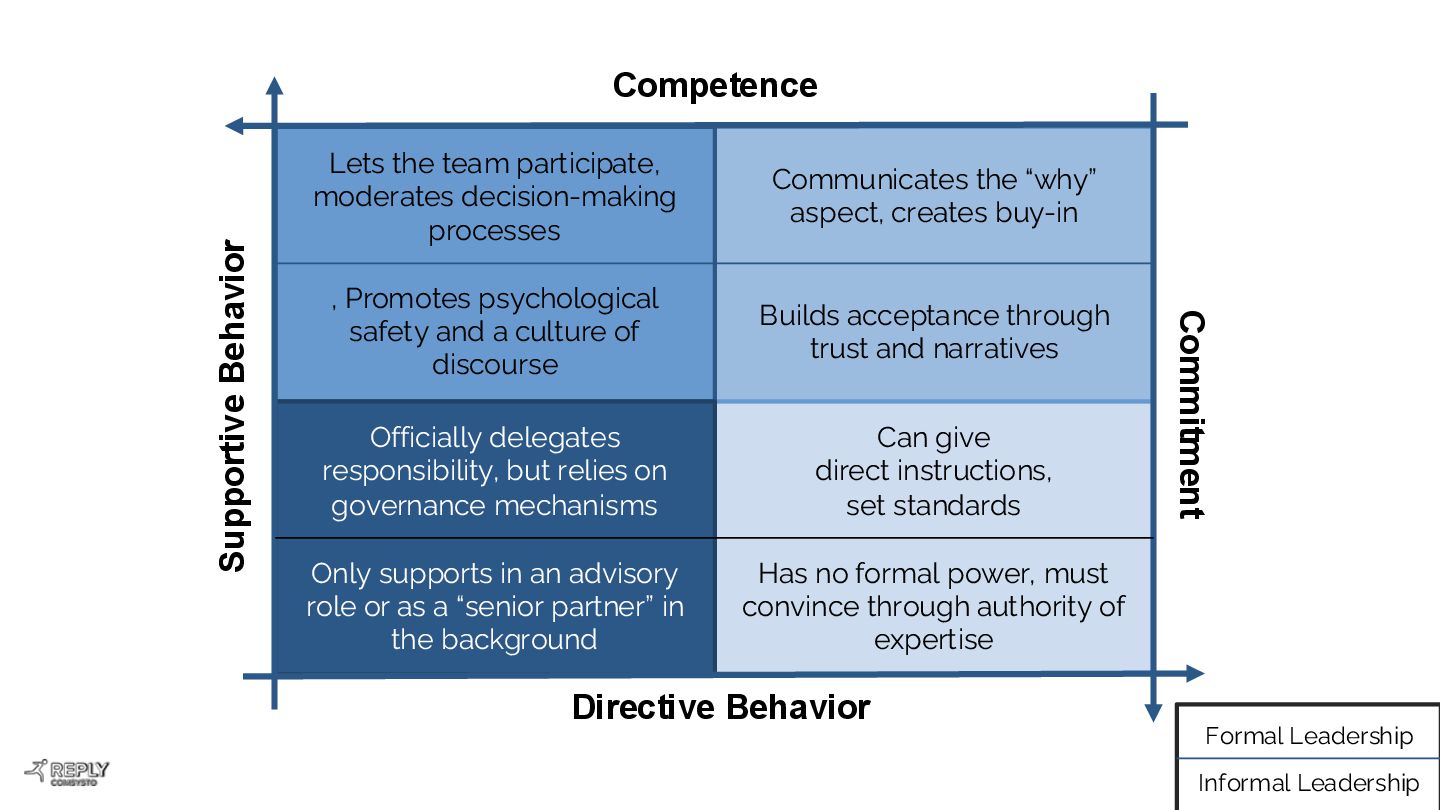
This interactive talk on Situational Leadership in software development explores how P. Hersey and K. Blanchard's model applies to typical engineering team challenges. We will examine various aspects of Situational Leadership and apply them to situations like introducing new technologies, fostering team dynamics, or solving complex architectural problems. You will learn how to adapt your leadership style to your team’s needs and maturity, enhancing project efficiency and improving motivation and teamwork. We dispel the common myth that leadership is rigid and illustrate how the concept of Situational Leadership (II) is practical. Whether you hold a formal leadership position or influence through expertise and experience, this talk is relevant for anyone looking to successfully navigate their teams through the challenges of modern software projects and create the conditions for successful collaboration in your team.
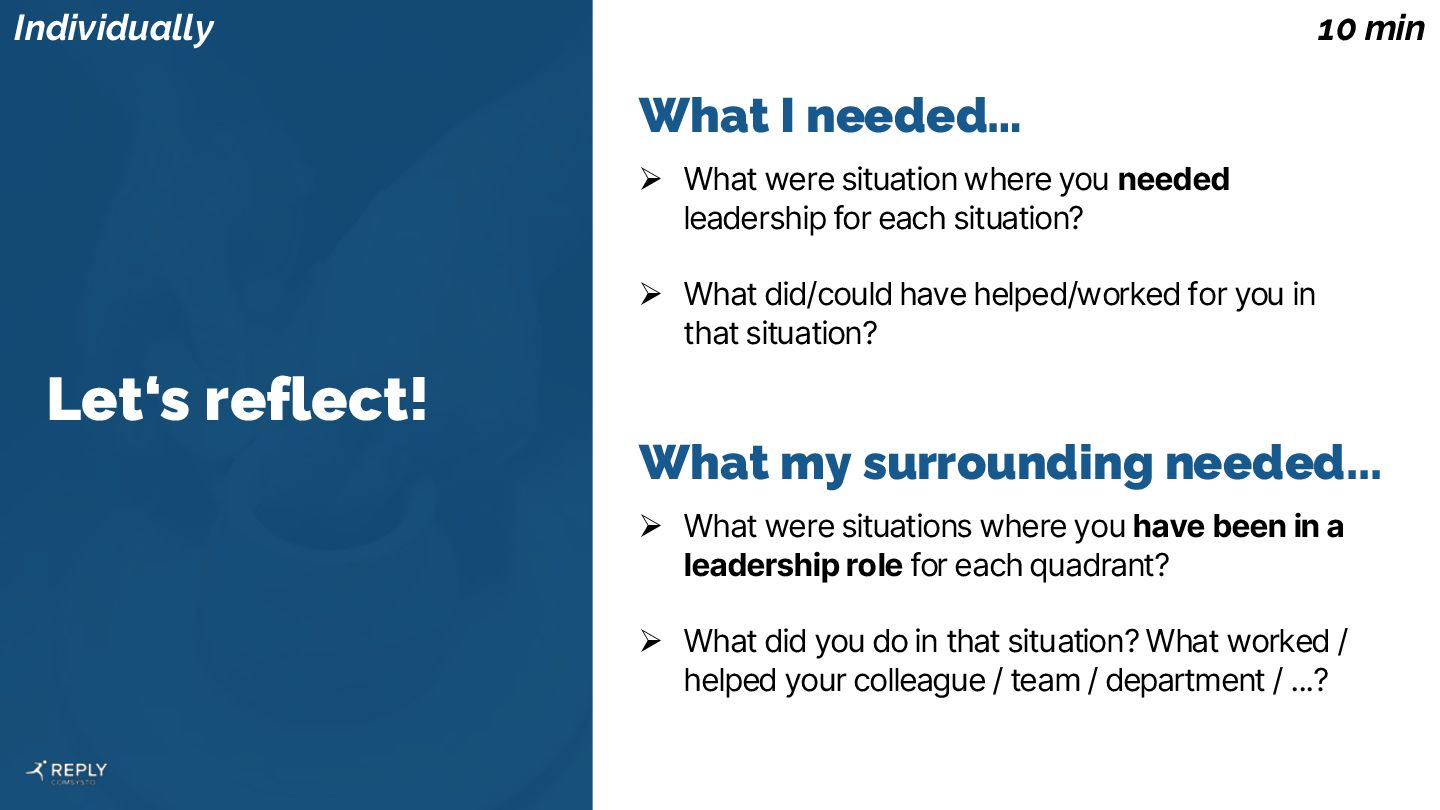
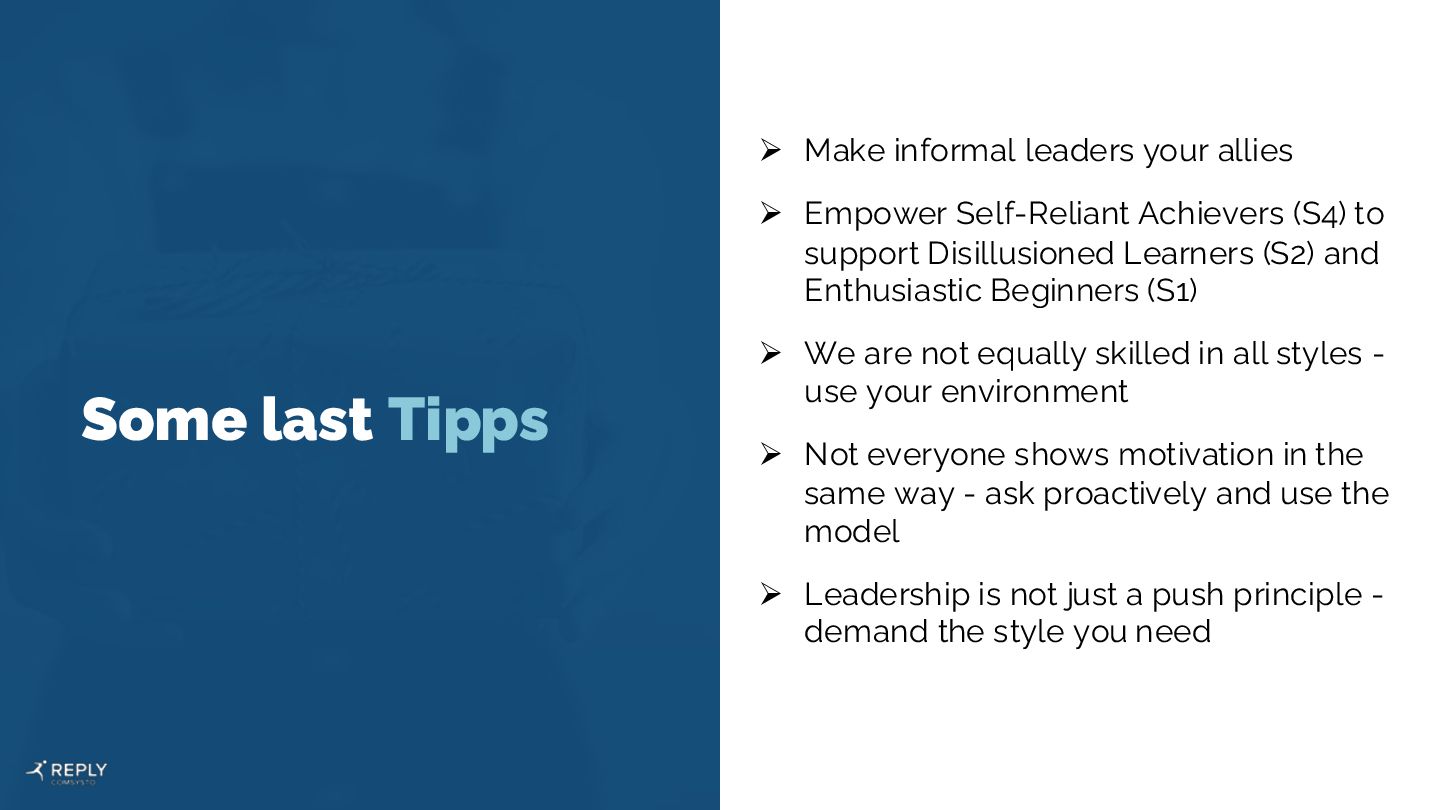
Last but not least, leadership is not only a push principle and sometimes, we find ourselves without the leadership style we need. The Situational Leadership theory also helps you in assessing your situation and proactively seeking the support necessary to tackle your challenge.


 beija
 bryan
 skipperchong
 szymonslowik
 cassininazir
 samanthasiow
 keathley
 tammyeverts
 marcduiker
 hatefulcrawdad
 jmmastey