Upgrade to Pro — share decks privately, control downloads, hide ads and more …

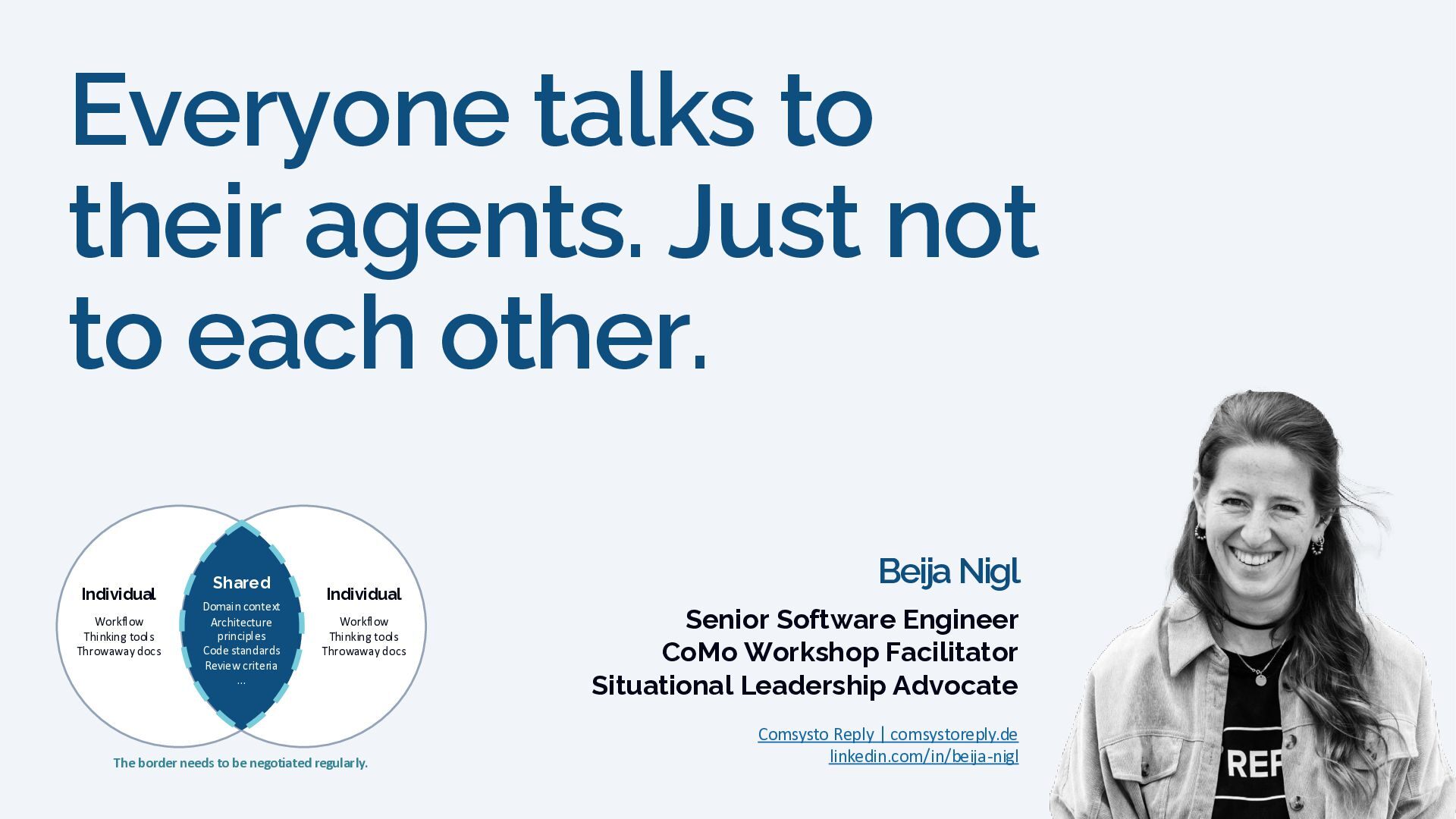
Everyone talks to their agents. Just not to eac...

Everyone talks to their agents. Just not to each other.

Beija Nigl

October 26, 2026

Transcript

57 slides
  1. Two reviews. The same missed bug. Two review skills, two

    checklists. The bug sat in the gap between them.
  2. The problem is not that we talk to machines. It’s

    that the same knowledge grows side by side instead of together.
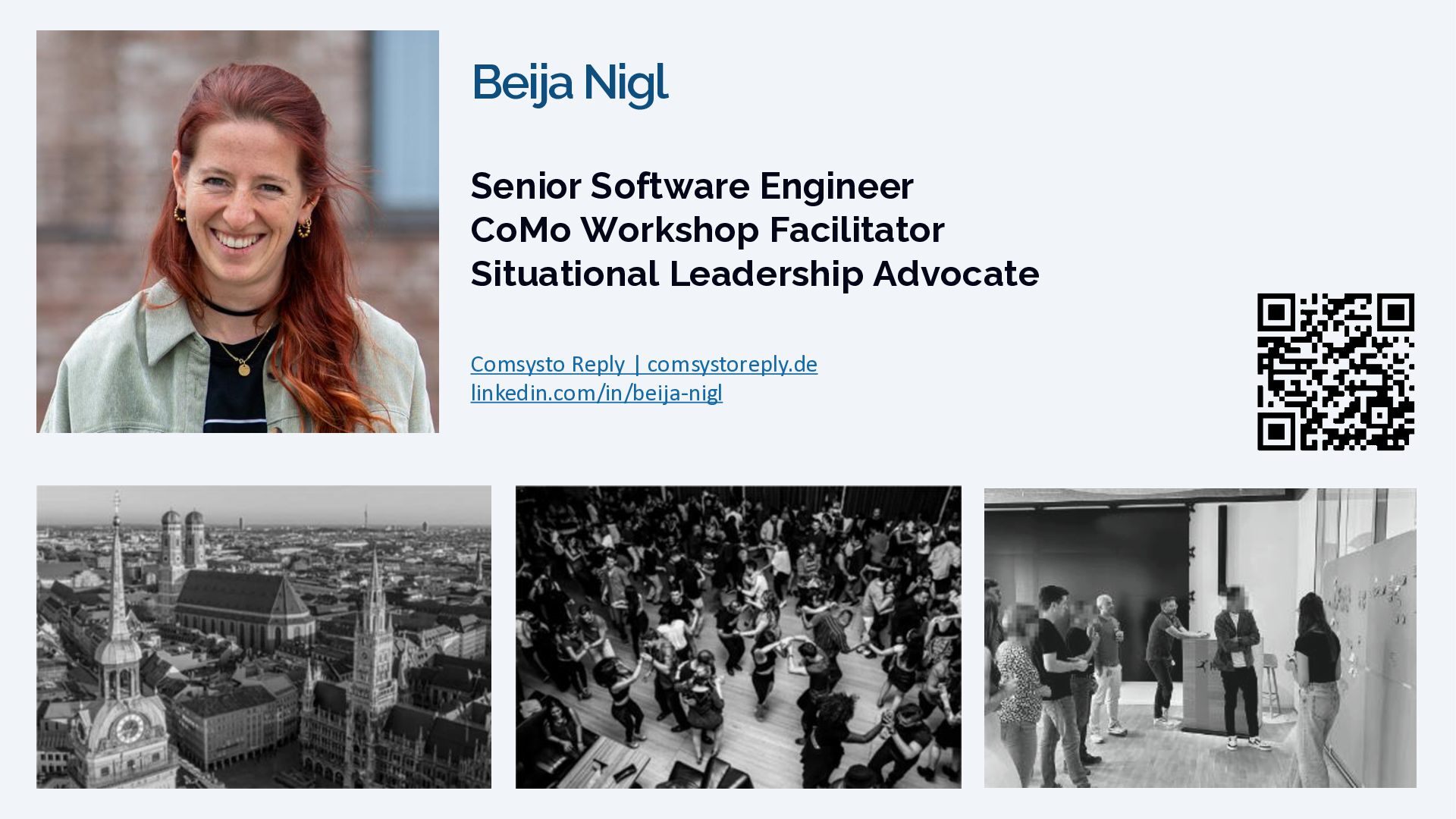
  3. Beija Nigl Senior Software Engineer CoMo Workshop Facilitator Situational Leadership

    Advocate Comsysto Reply | comsystoreply.de linkedin.com/in/beija-nigl
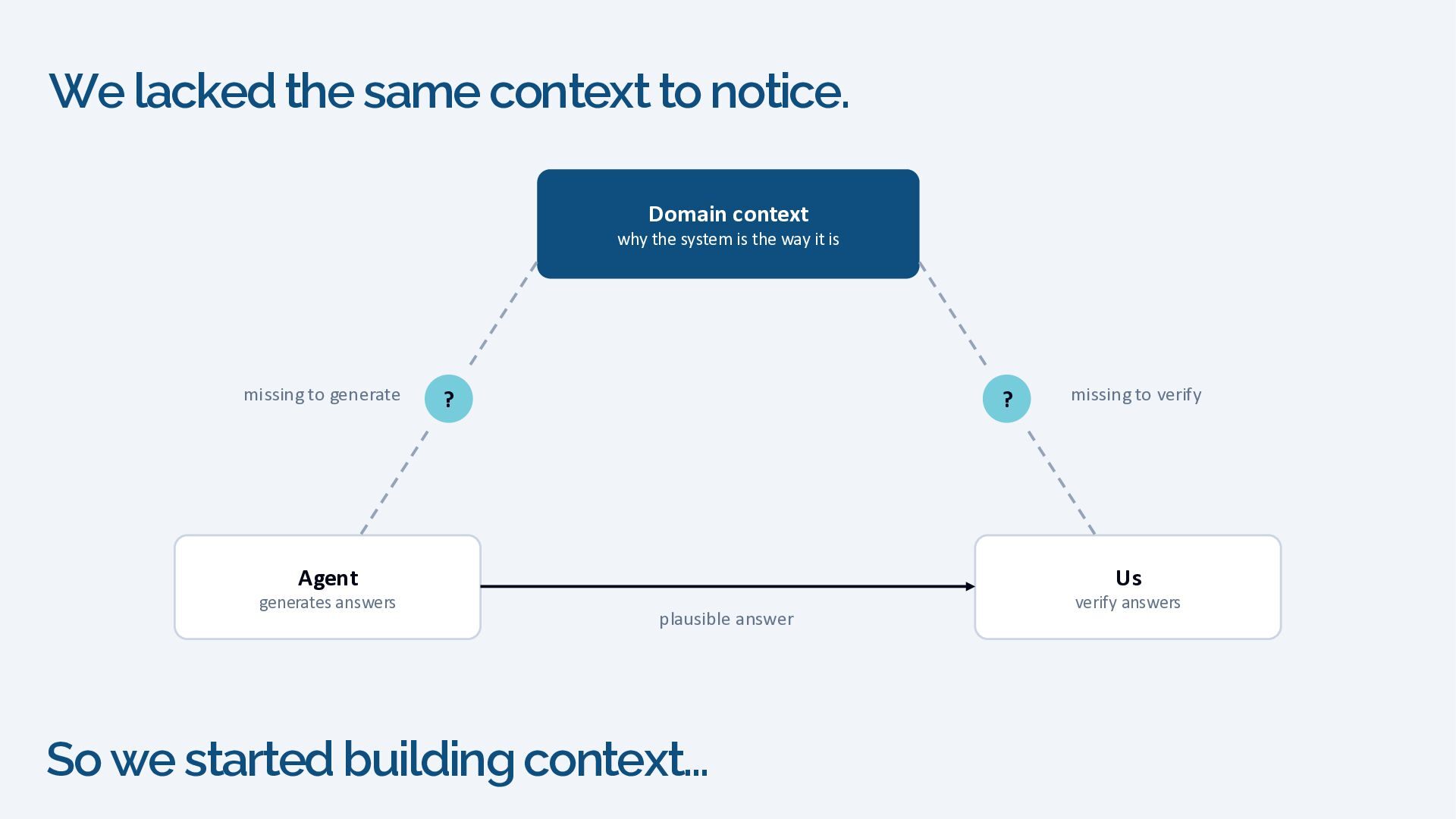
  4. We lacked the same context to notice. Domain context why

    the system is the way it is missing to generate ? ? Agent generates answers missing to verify Us plausible answer So we started building context... verify answers
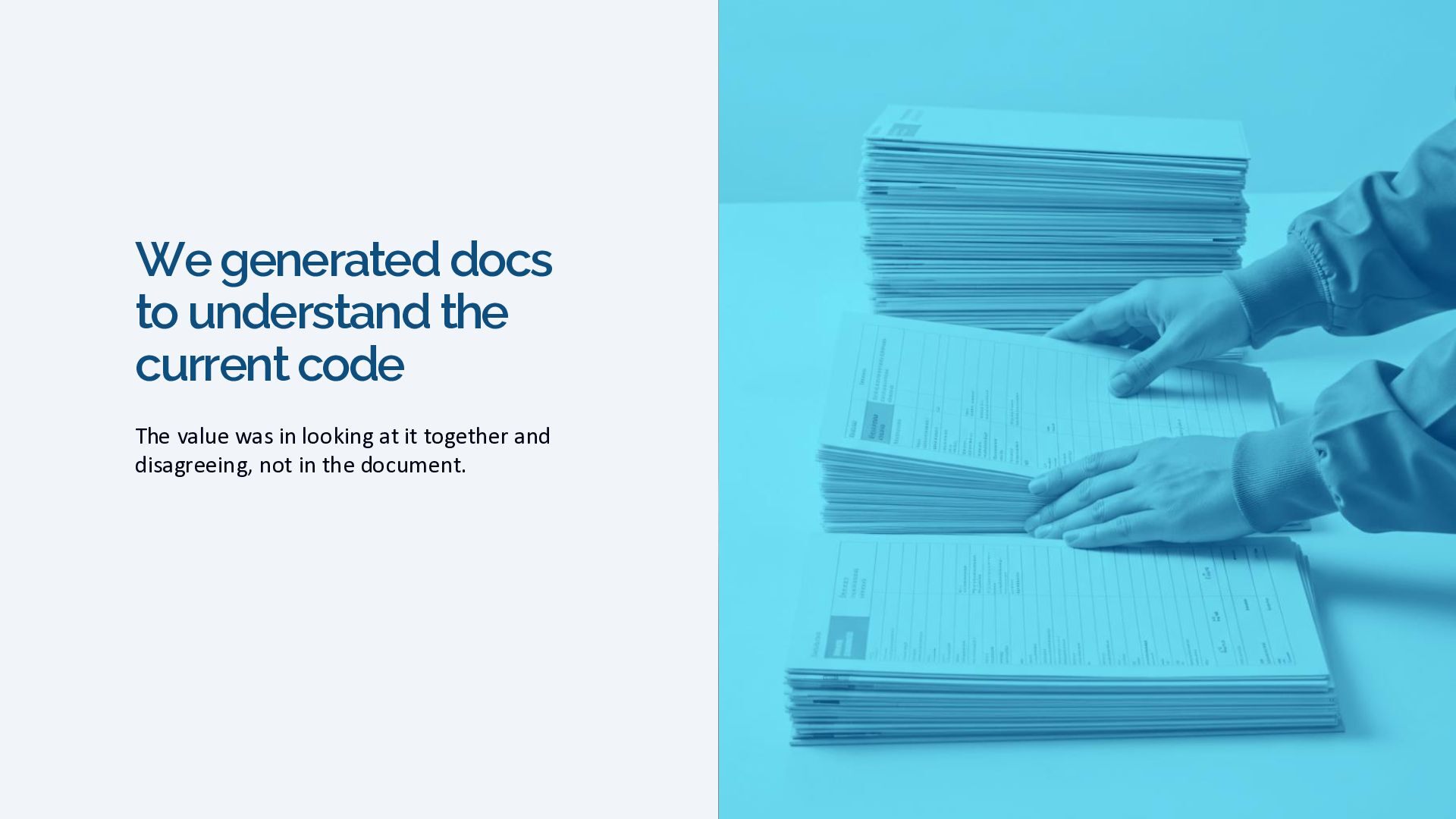
  5. We generated docs to understand the current code The value

    was in looking at it together and disagreeing, not in the document.
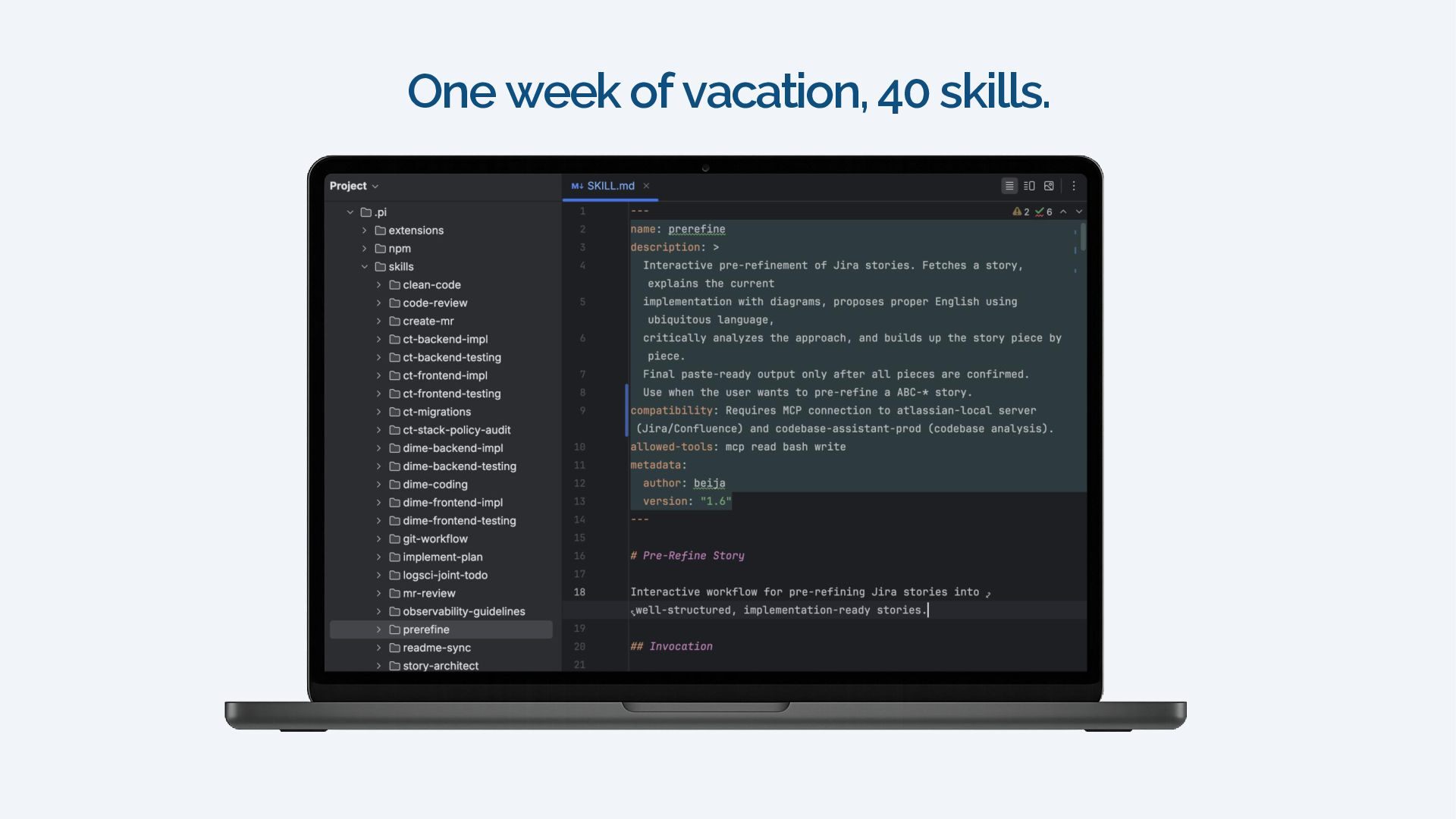
  6. We started to build up our skills suite. Refinement, Coding,

    Review, Architecture, Testing, Task beakdown, …
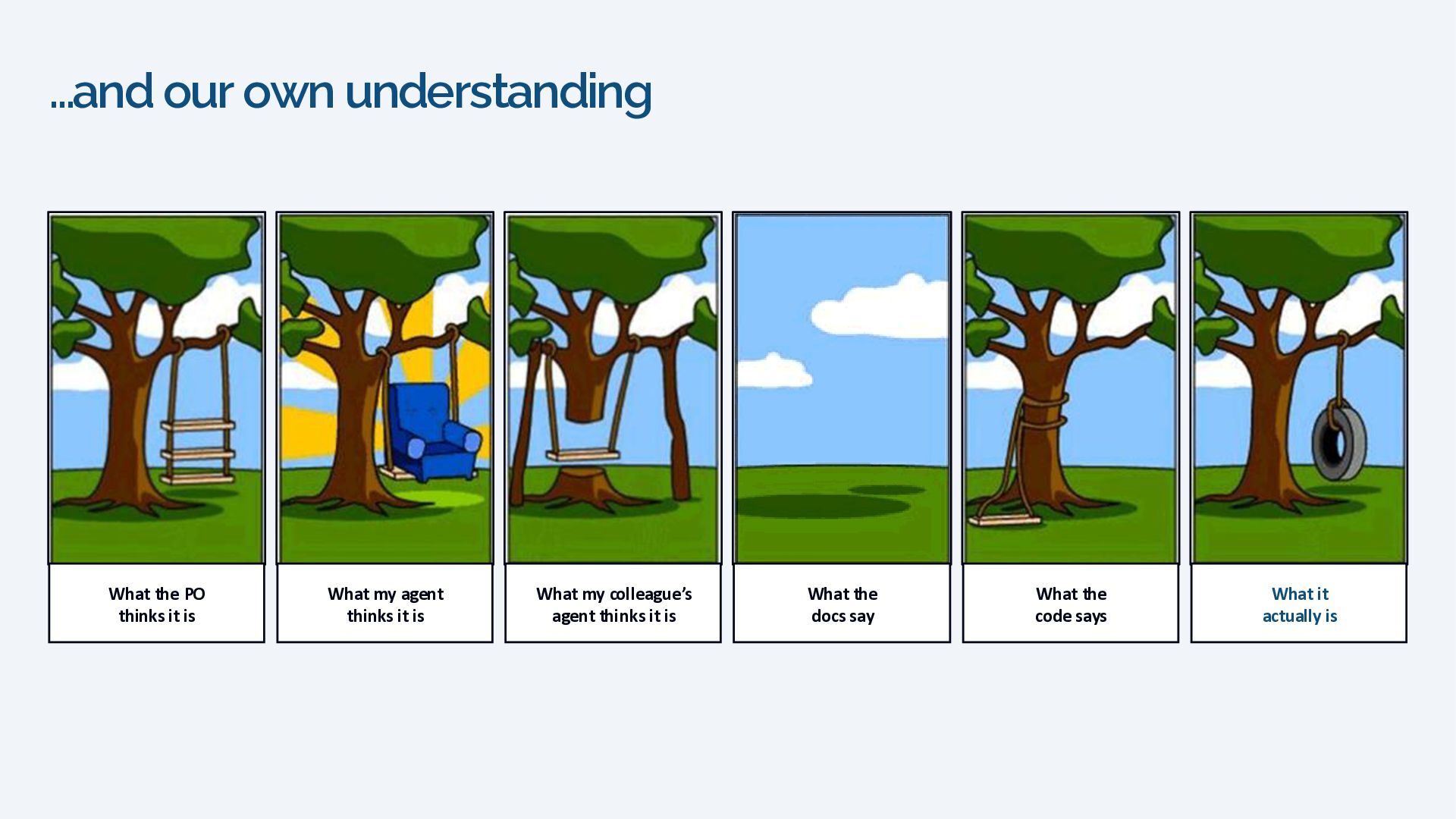
  7. …and our own understanding What the PO thinks it is

    What my agent thinks it is What my colleague’s agent thinks it is What the docs say What the code says What it actually is
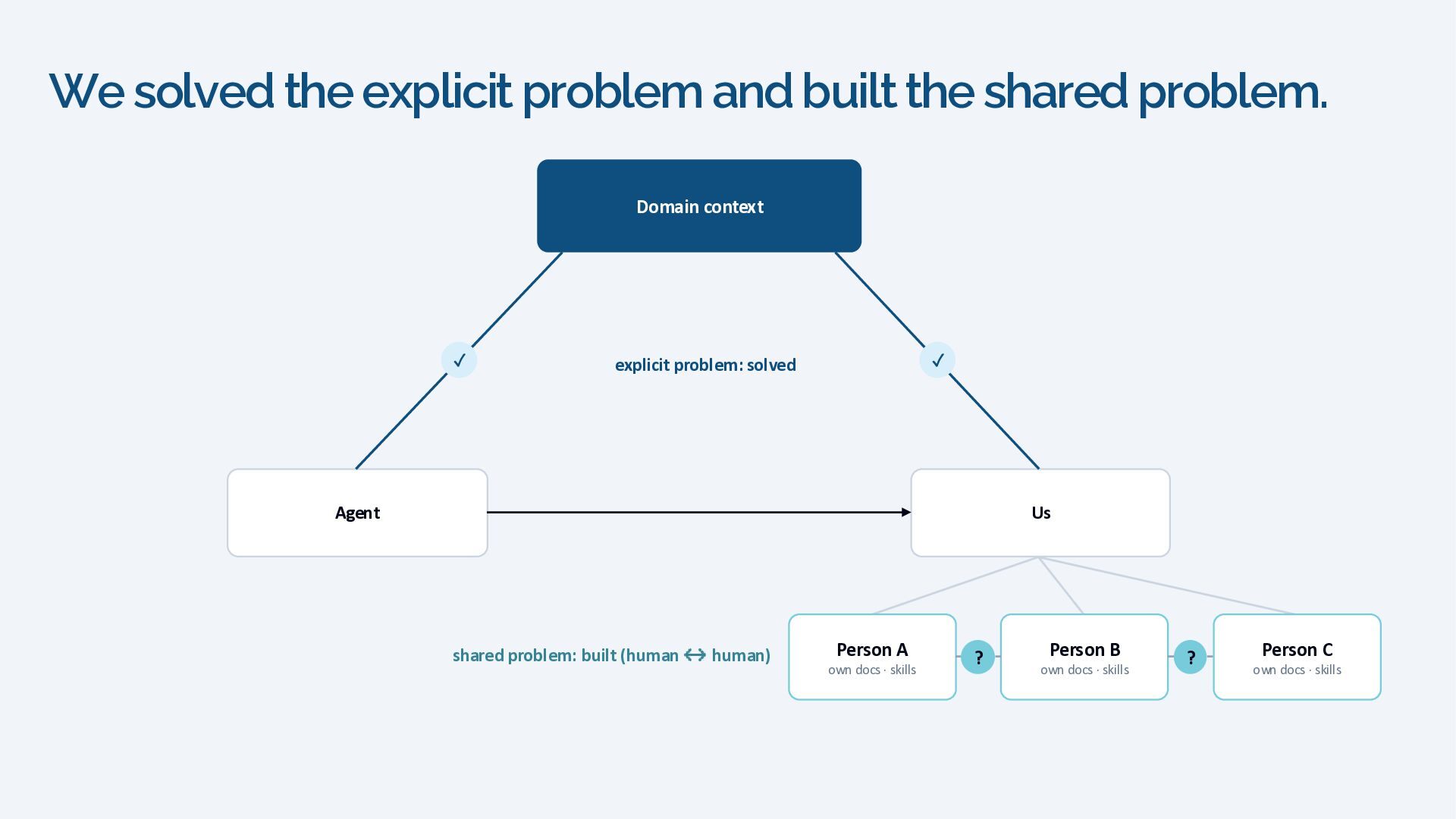
  8. We solved the explicit problem and built the shared problem.

    Domain context ✓ ✓ explicit problem: solved Agent Us shared problem: built (human human) Person A own docs · skills ? Person B own docs · skills ? Person C own docs · skills
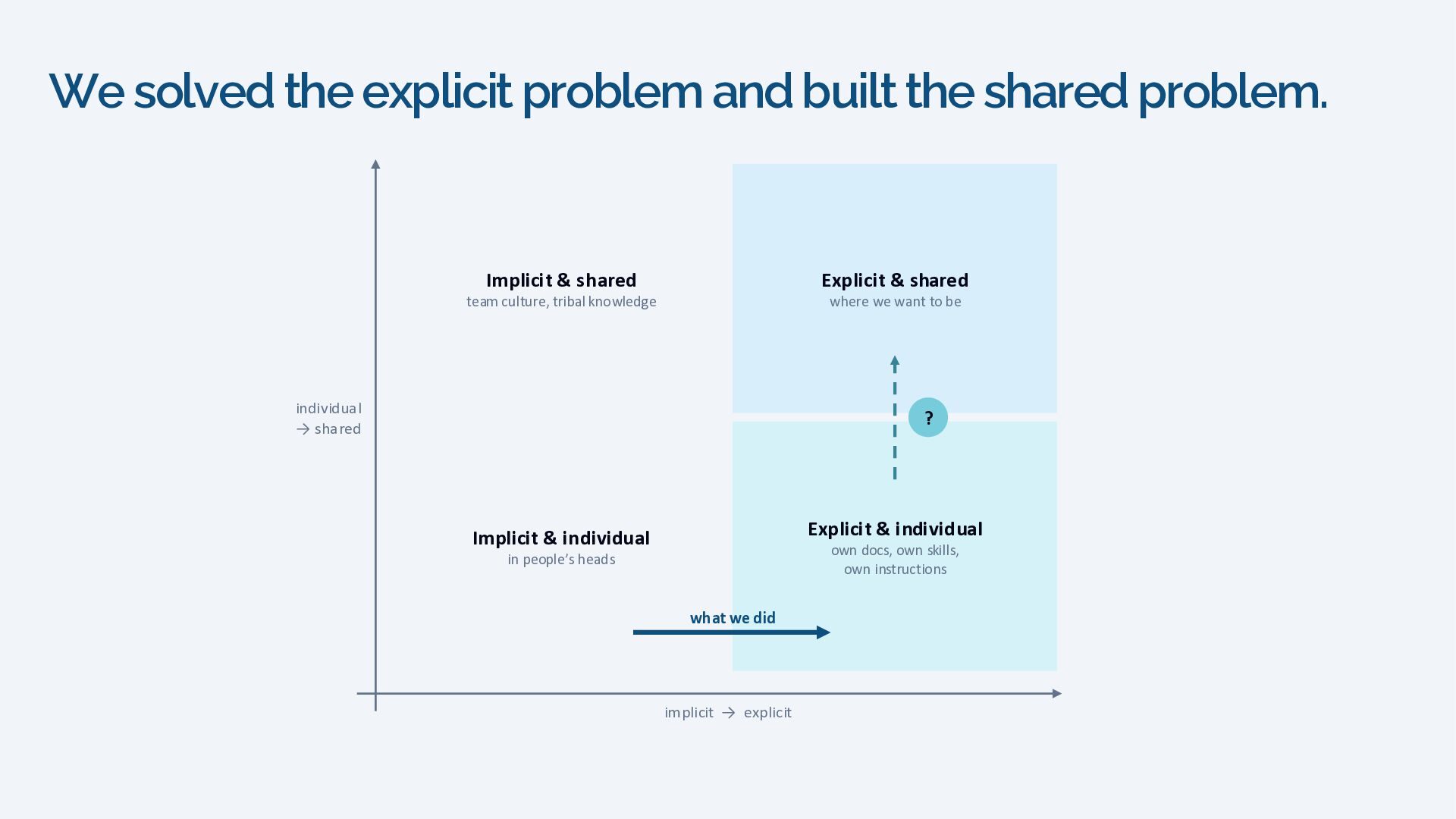
  9. We solved the explicit problem and built the shared problem.

    Implicit & shared Explicit & shared team culture, tribal knowledge where we want to be individual → shared ? Explicit & individual Implicit & individual own docs, own skills, own instructions in people’s heads what we did implicit → explicit
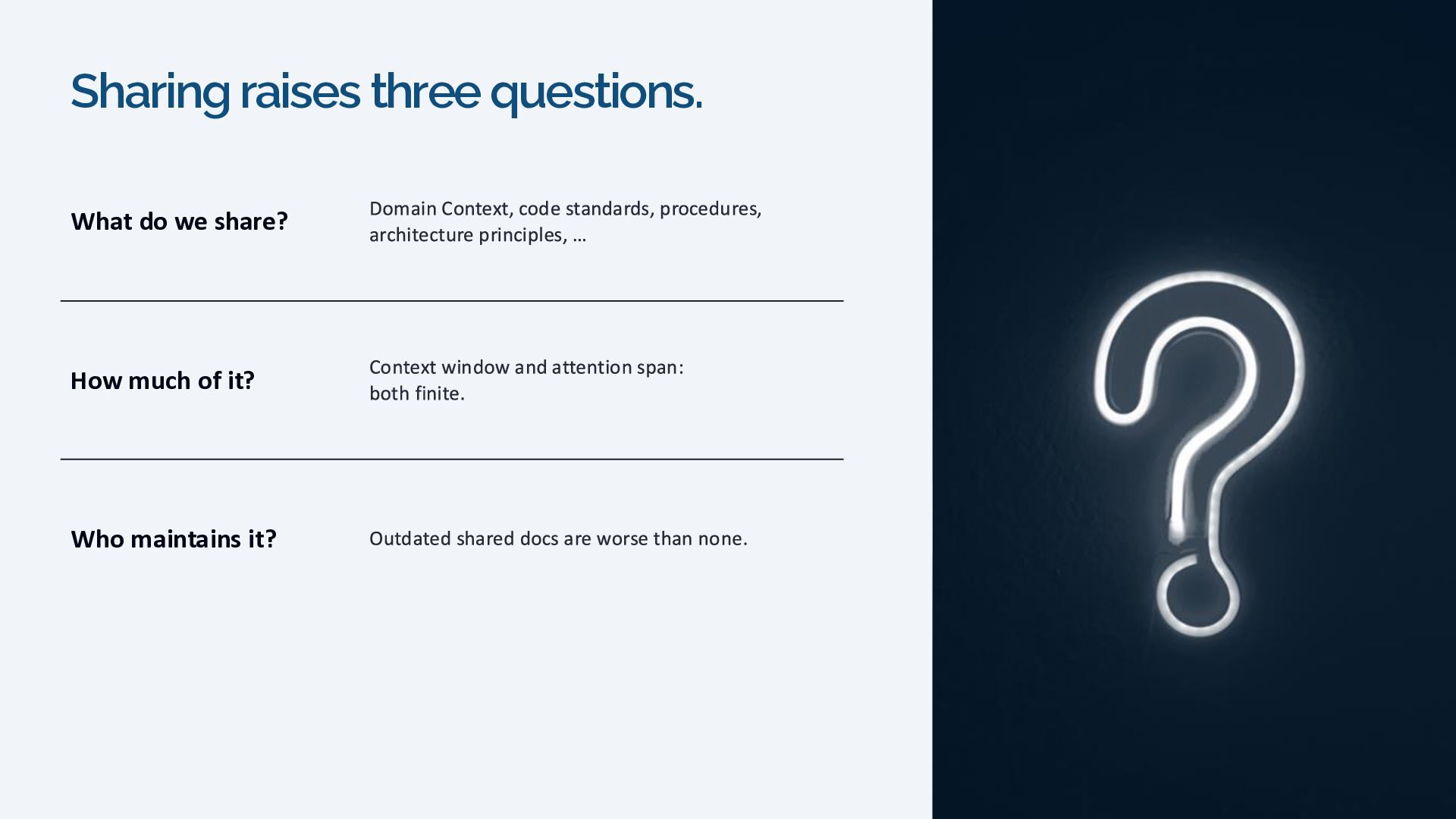
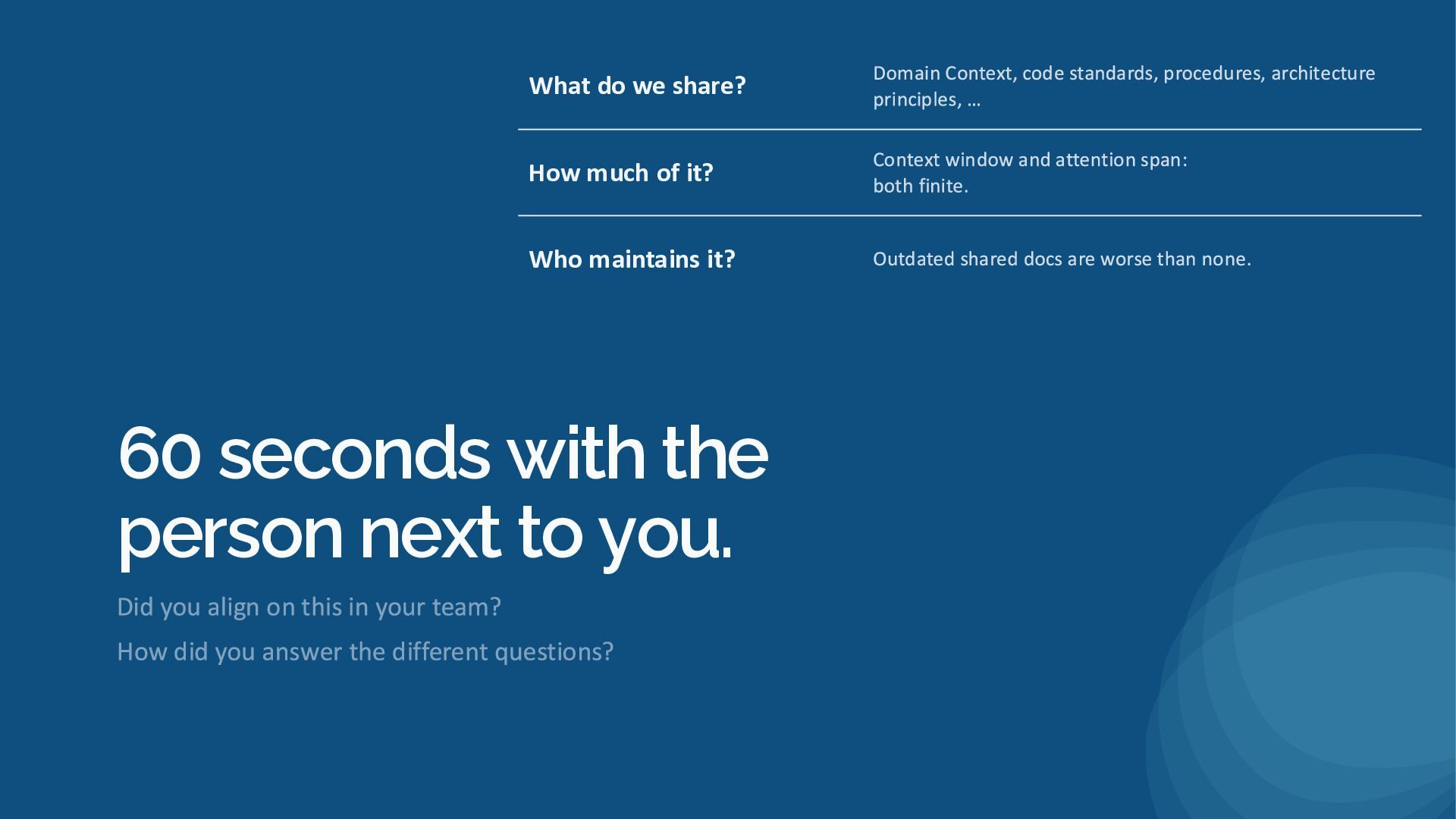
  10. What do we share? How much of it? Who maintains

    it? 60 seconds with the person next to you.
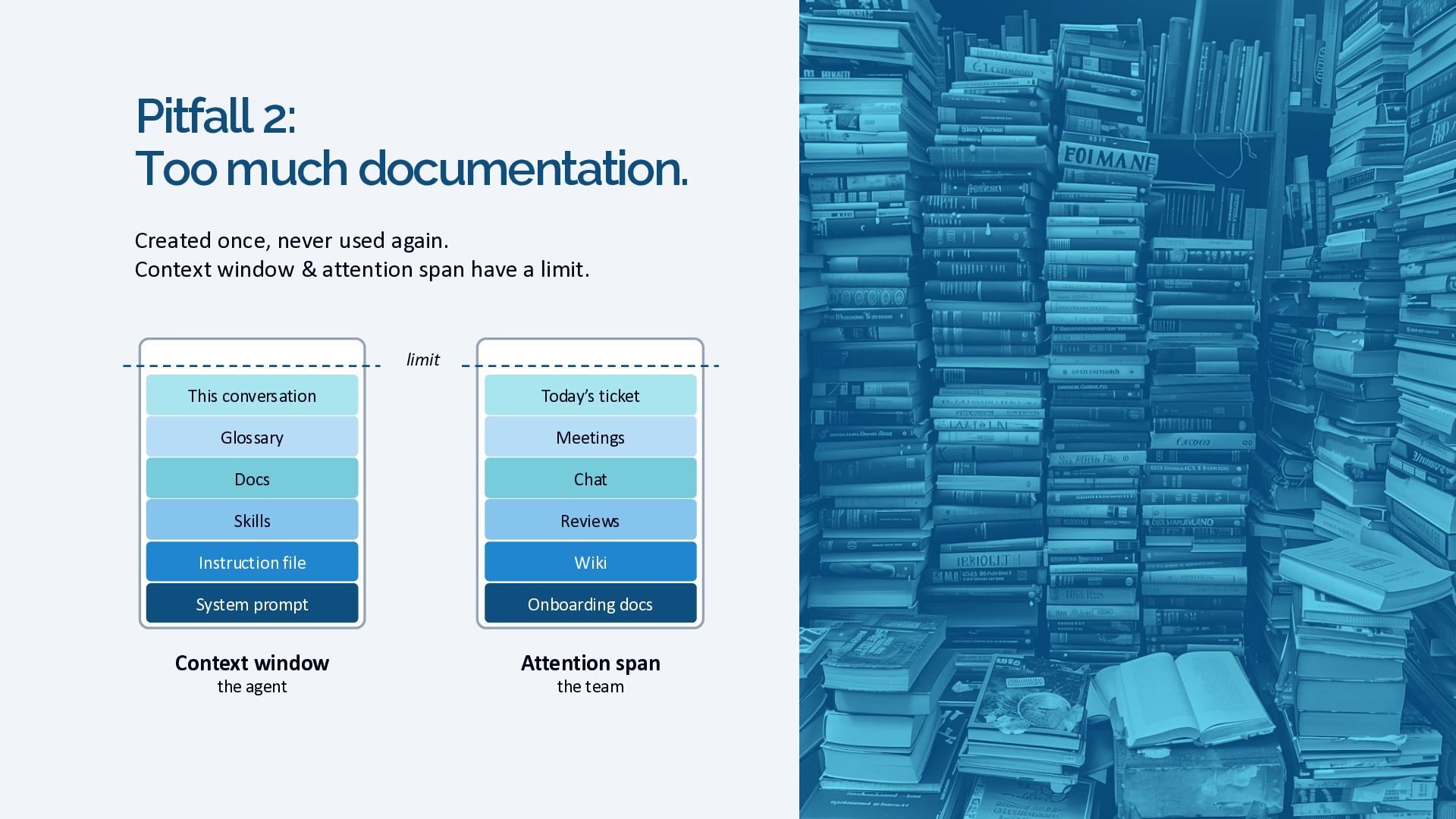
  11. Pitfall 2: Too much documentation. Created once, never used again.

    Context window & attention span have a limit. limit This conversation Today’s ticket Glossary Meetings Docs Chat Skills Reviews Instruction file Wiki System prompt Onboarding docs Context window Attention span the agent the team
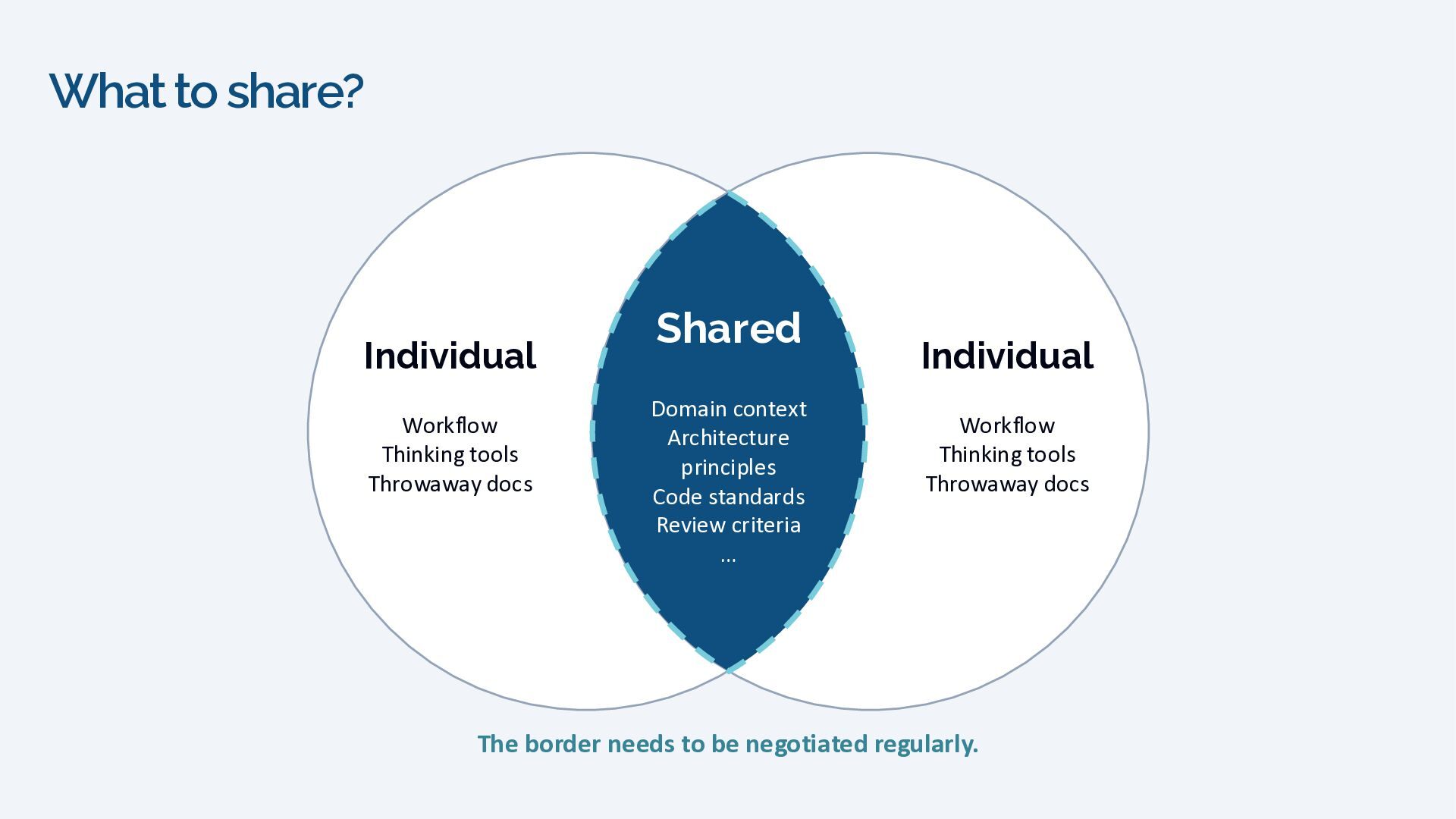
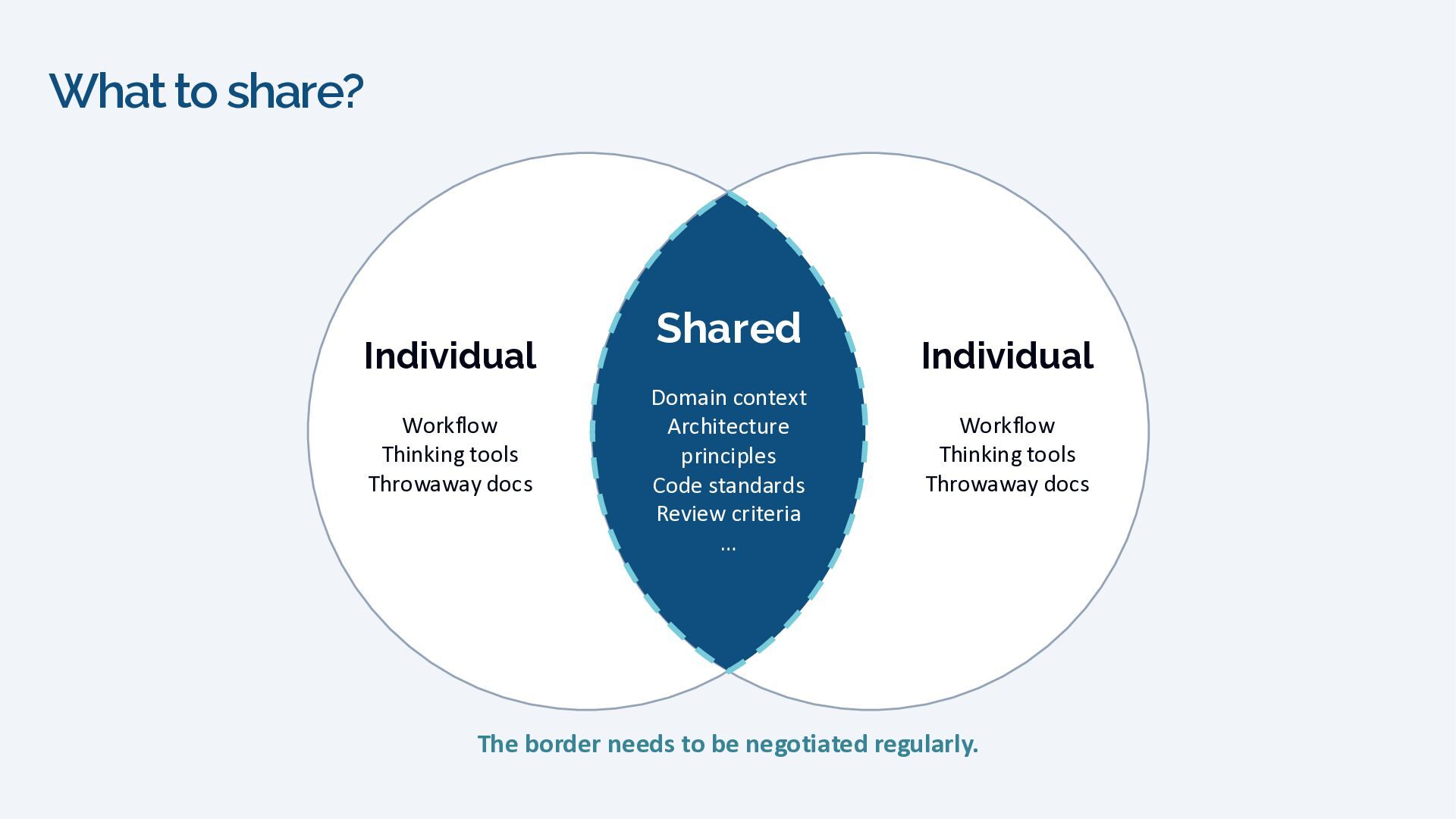
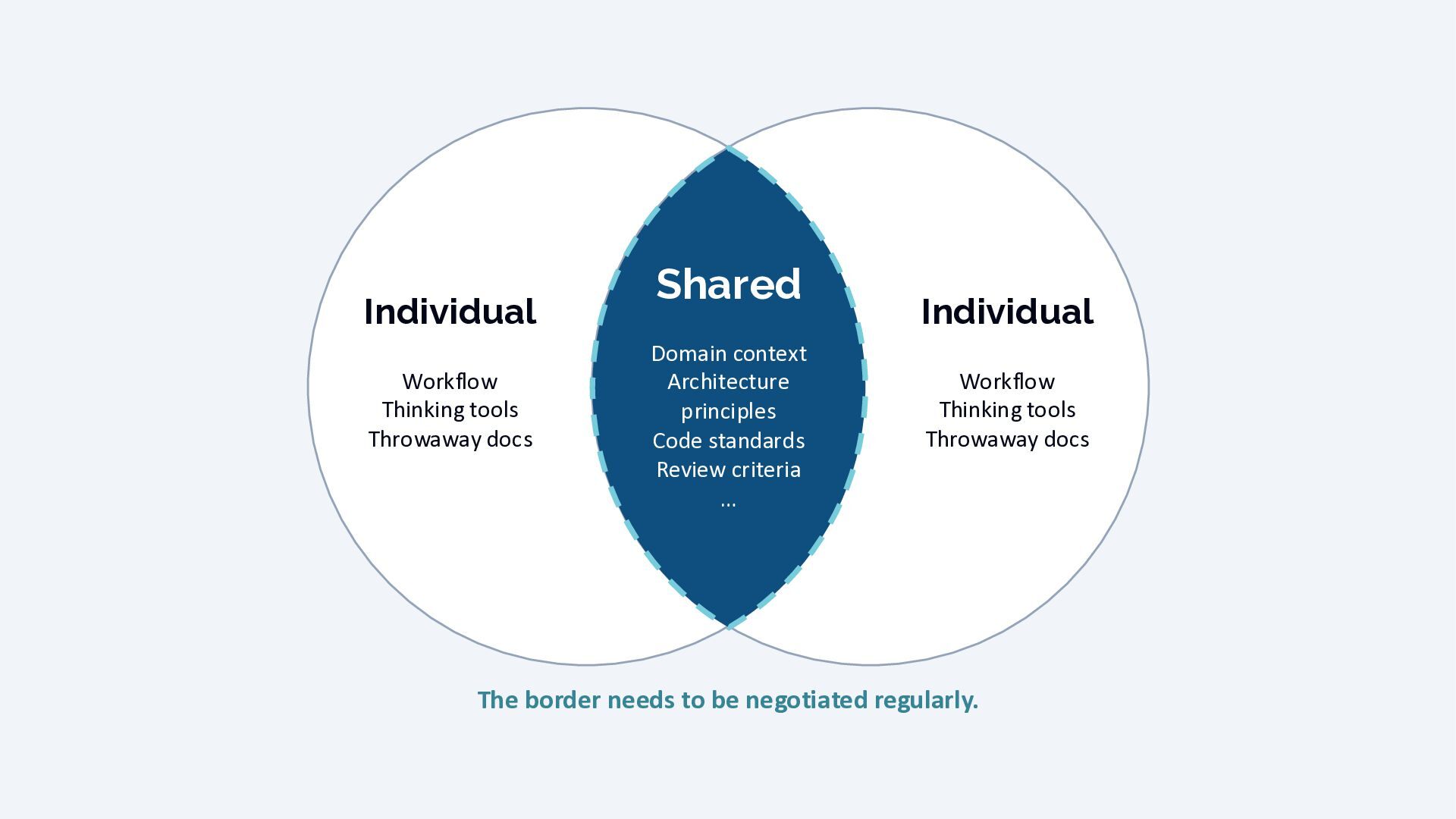
  12. What to share? Individual Workflow Thinking tools Throwaway docs Shared

    Domain context Architecture principles Code standards Review criteria … Individual Workflow Thinking tools Throwaway docs The border needs to be negotiated regularly.
  13. But generated docs describe what is. Not what was meant.

    In the code: the implementation. Not in it: intent, decisions, boundaries, disagreement.
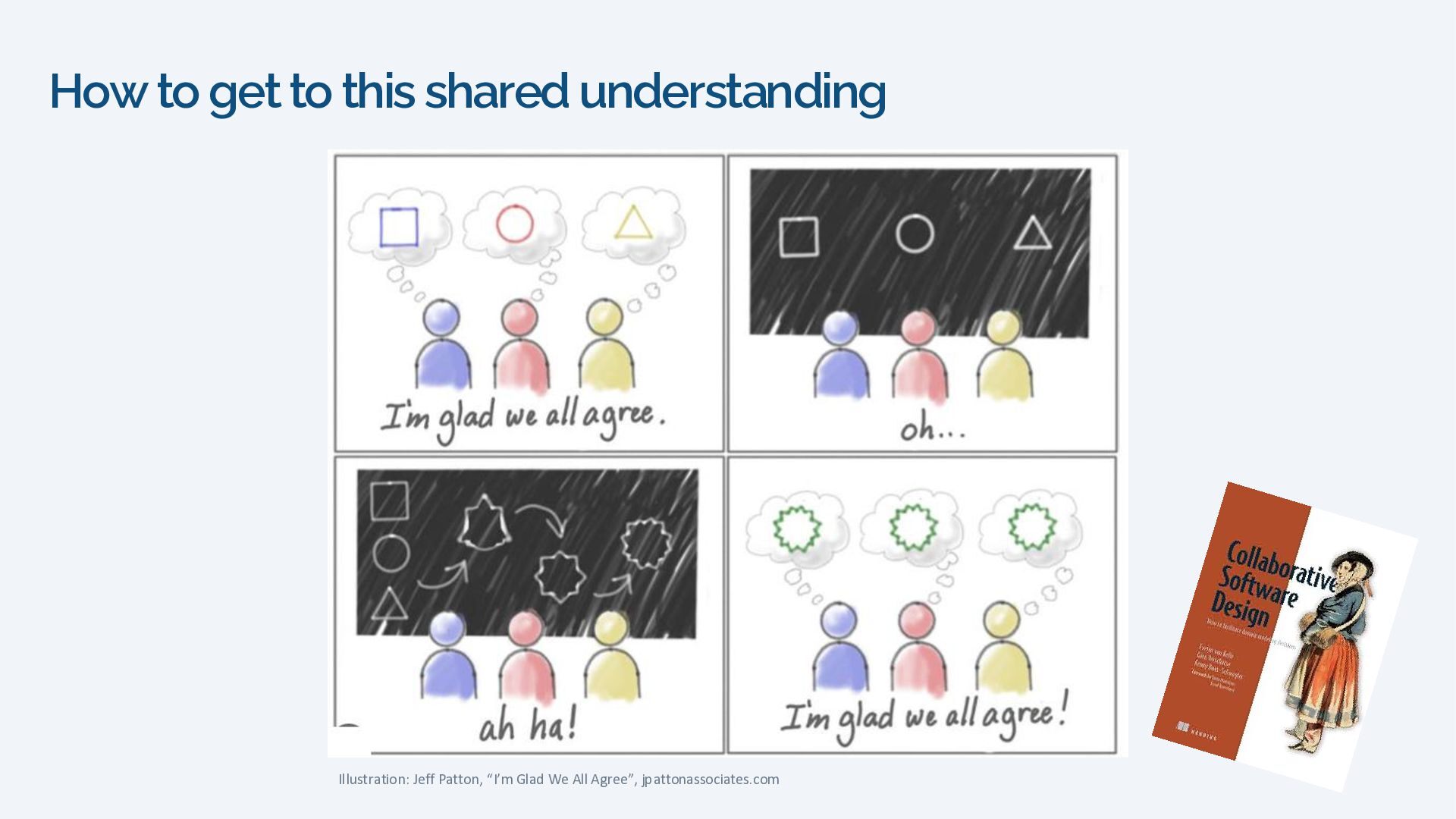
  14. How to get to this shared understanding Illustration: Jeff Patton,

    “I’m Glad We All Agree”, jpattonassociates.com
  15. A file from one person is a proposal. A domain

    model from the session is an agreement.
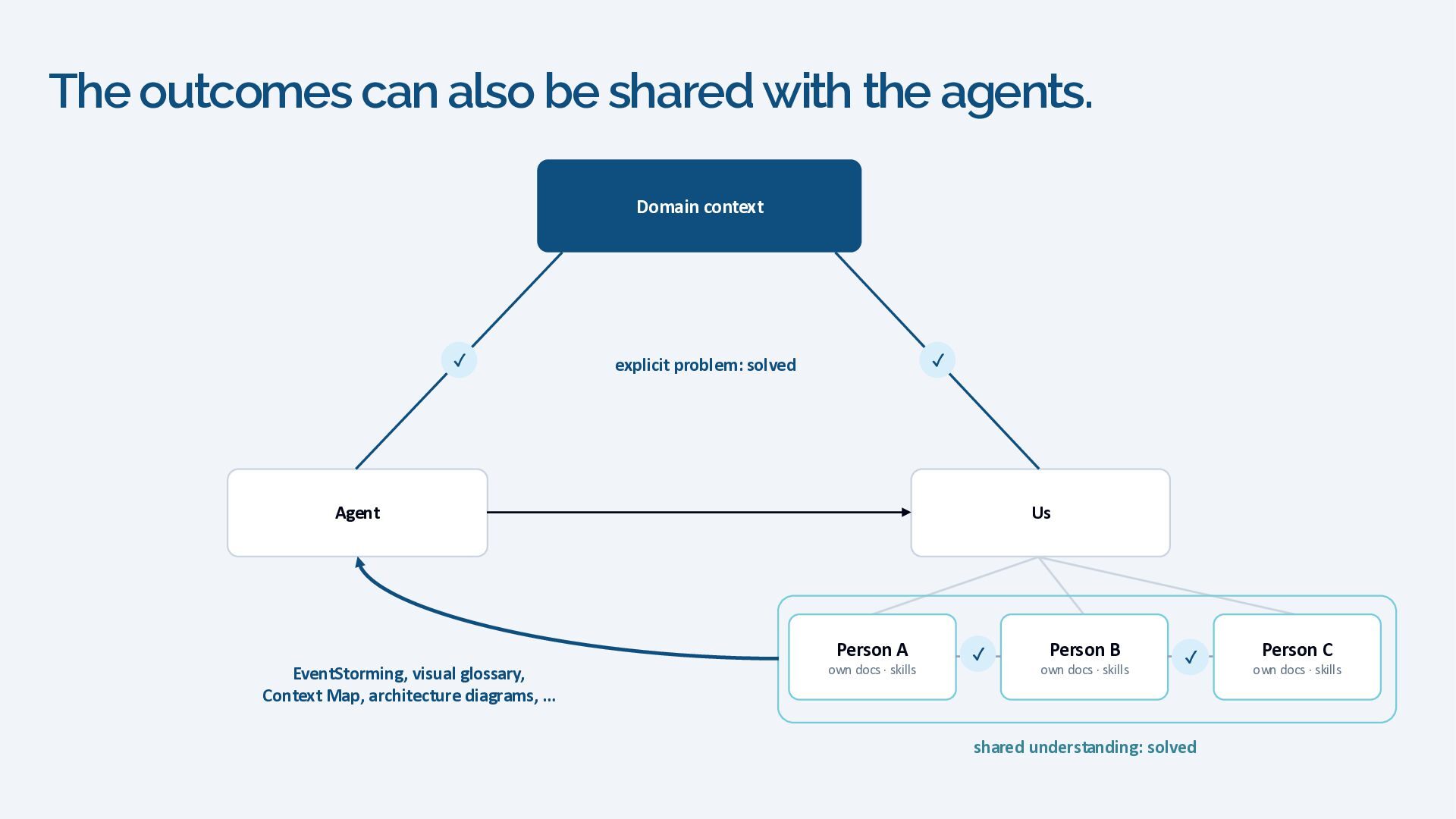
  16. The outcomes can also be shared with the agents. Domain

    context ✓ ✓ explicit problem: solved Agent Us Person A EventStorming, visual glossary, Context Map, architecture diagrams, … own docs · skills ✓ Person B own docs · skills ✓ shared understanding: solved Person C own docs · skills
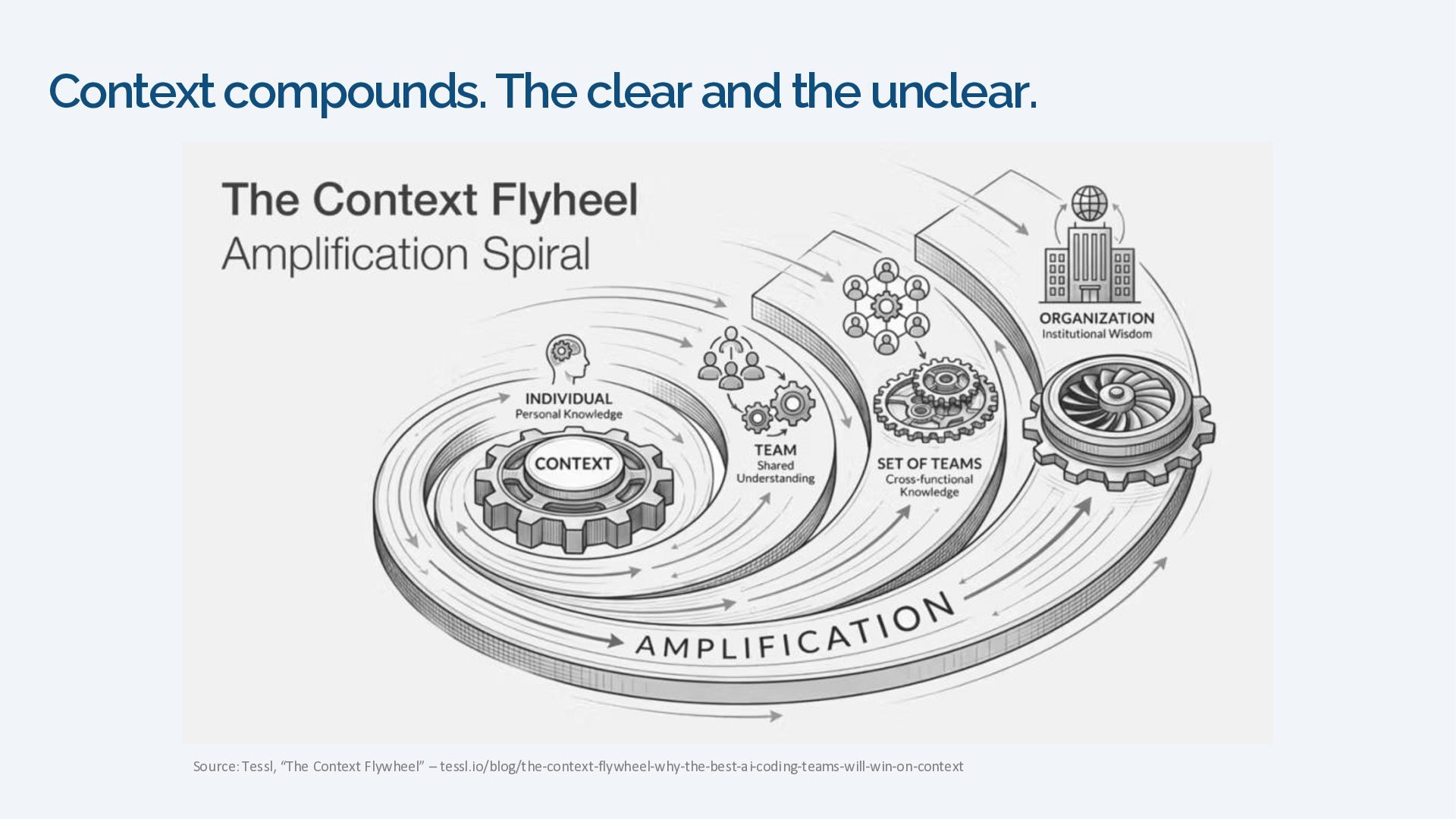
  17. Context compounds. The clear and the unclear. Source: Tessl, “The

    Context Flywheel” – tessl.io/blog/the-context-flywheel-why-the-best-ai-coding-teams-will-win-on-context
  18. What to share? Individual Workflow Thinking tools Throwaway docs Shared

    Domain context Architecture principles Code standards Review criteria … Individual Workflow Thinking tools Throwaway docs The border needs to be negotiated regularly.
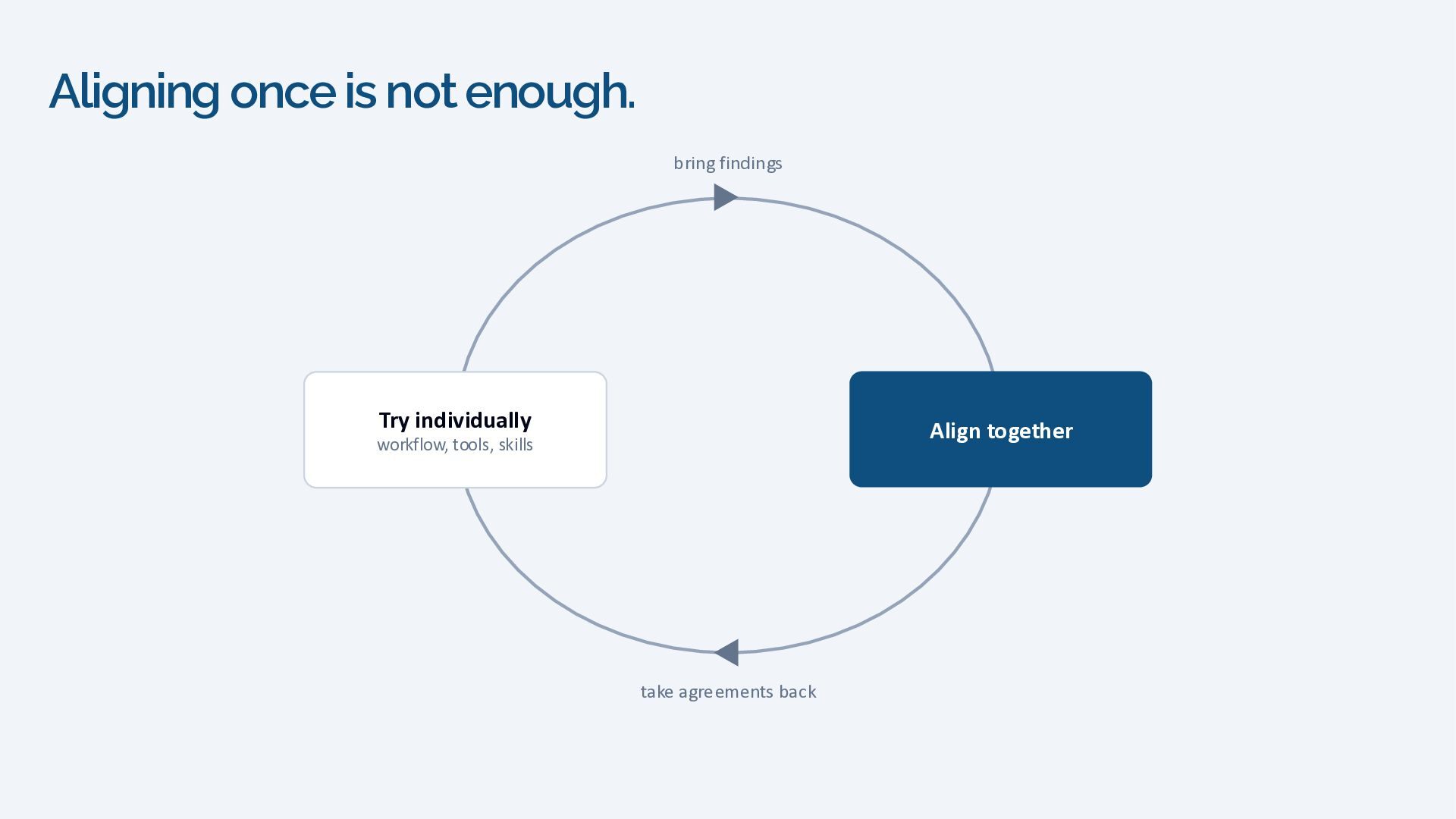
  19. Aligning once is not enough. bring findings Try individually Align

    together workflow, tools, skills take agreements back
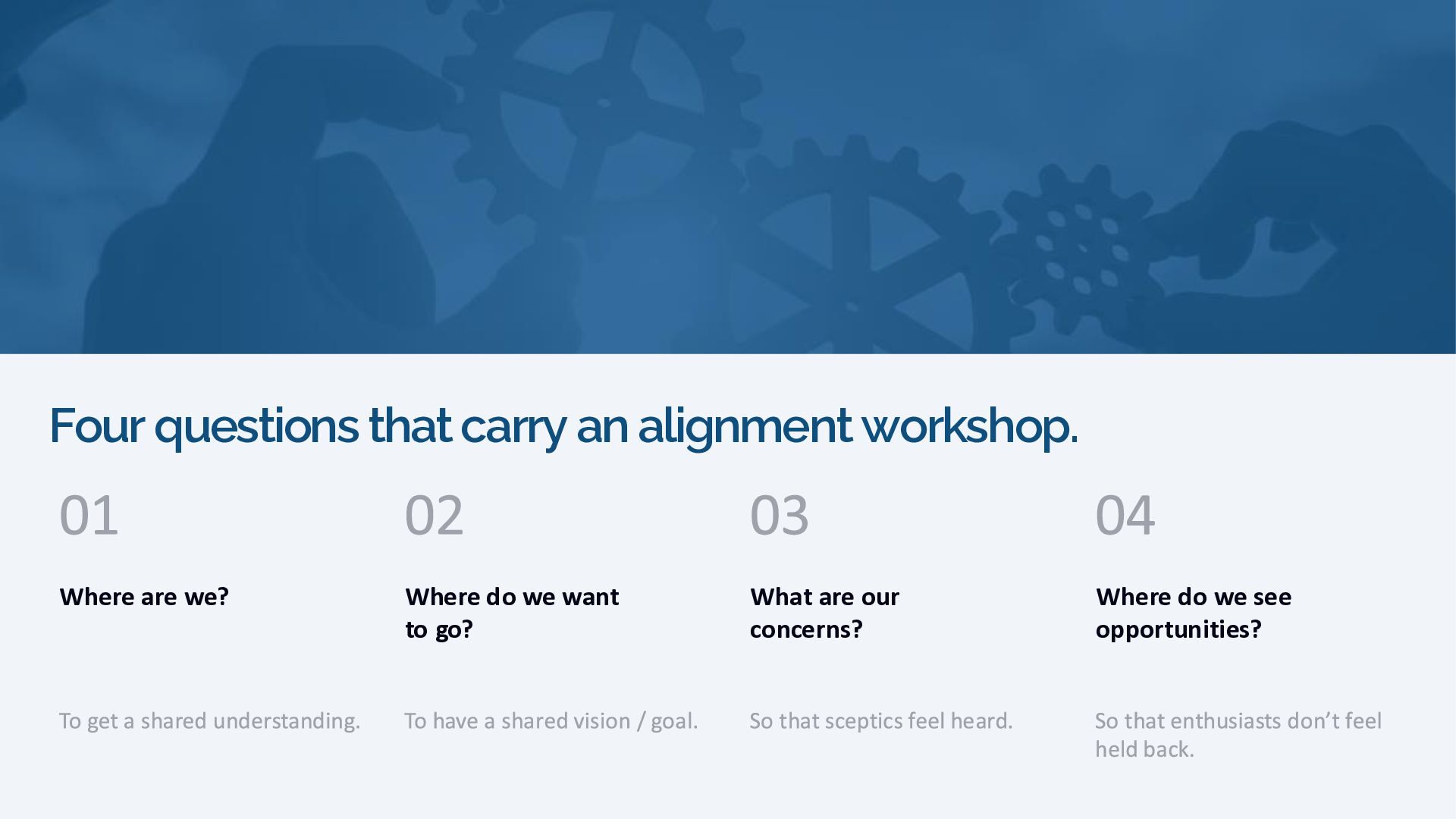
  20. Four questions that carry an alignment workshop. Where are we?

    Where do we want to go? What are our concerns? Where do we see opportunities?
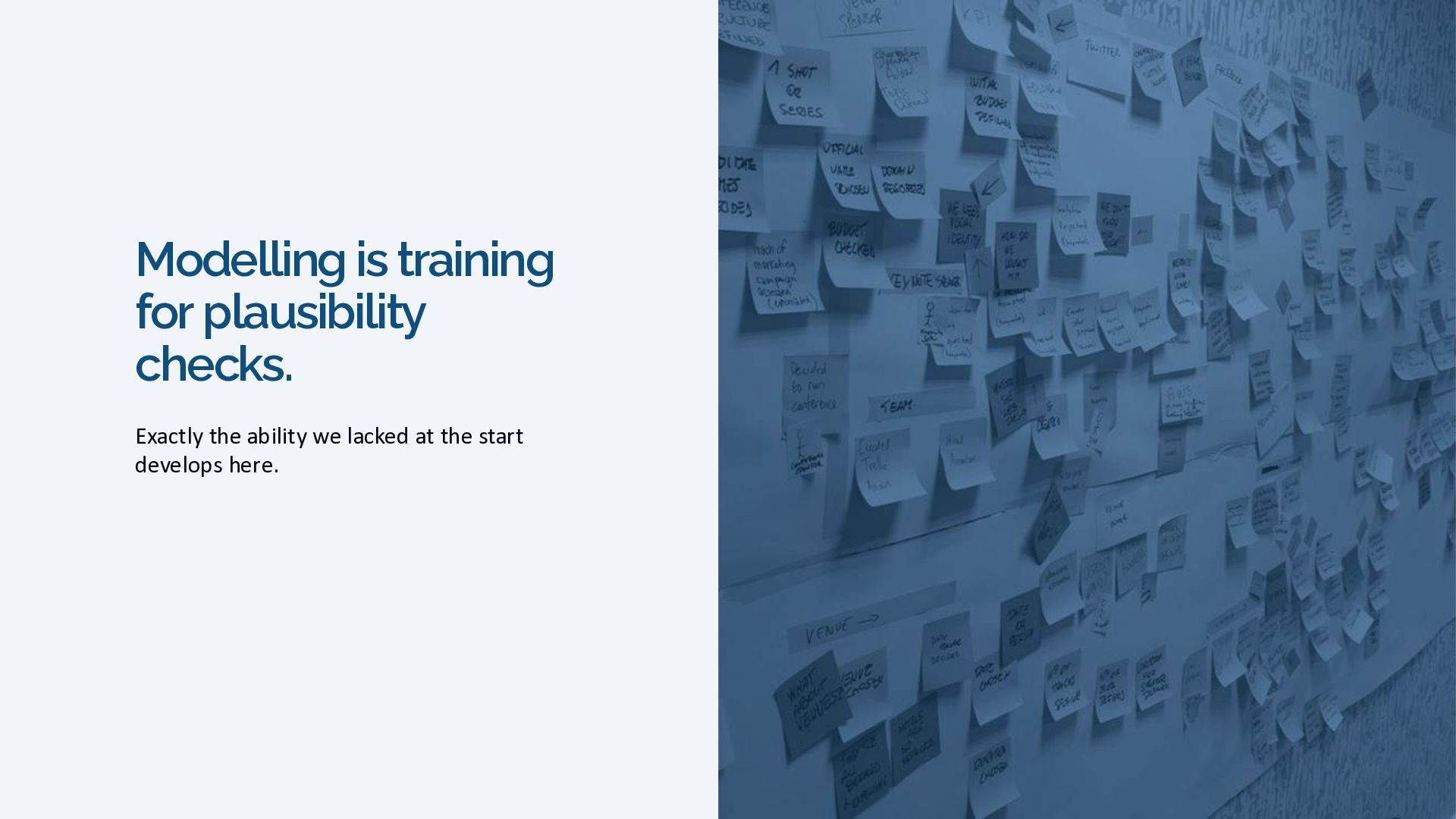
  21. Today the prototype comes from the PO. Click dummy built
    with AI, deliberately in wireframe look. Out of it: user story map, walking skeleton, visual glossary. And those go back into the agents as context.
  22. Shared context pays off in onboarding. Shared skills, documentation and

    an onboarding flow speeded up the onboarding.
  23. People are different. They need workflows and need different thinking

    tools. Whoever works interactively and whoever runs one big analysis don’t need to agree.
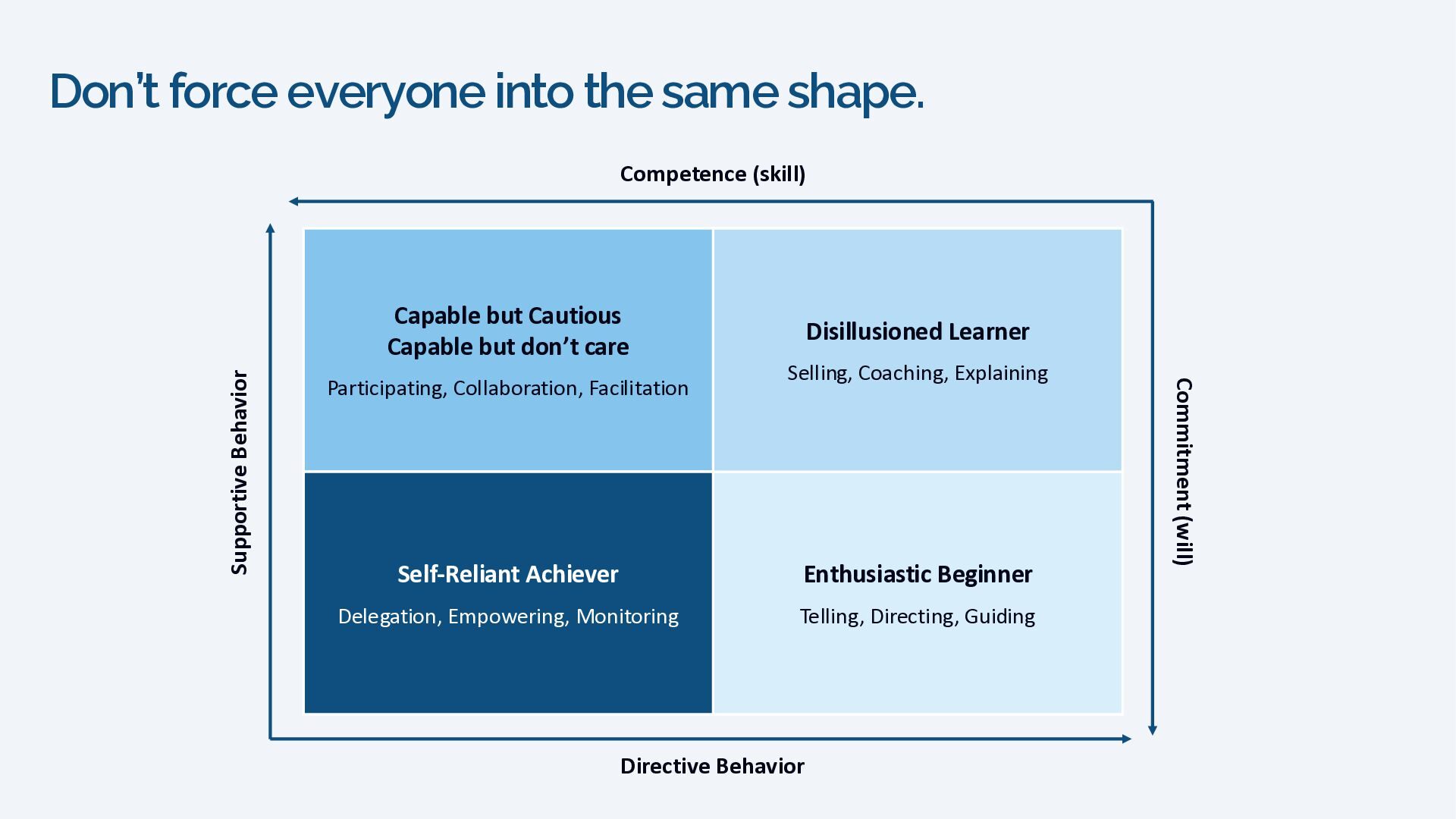
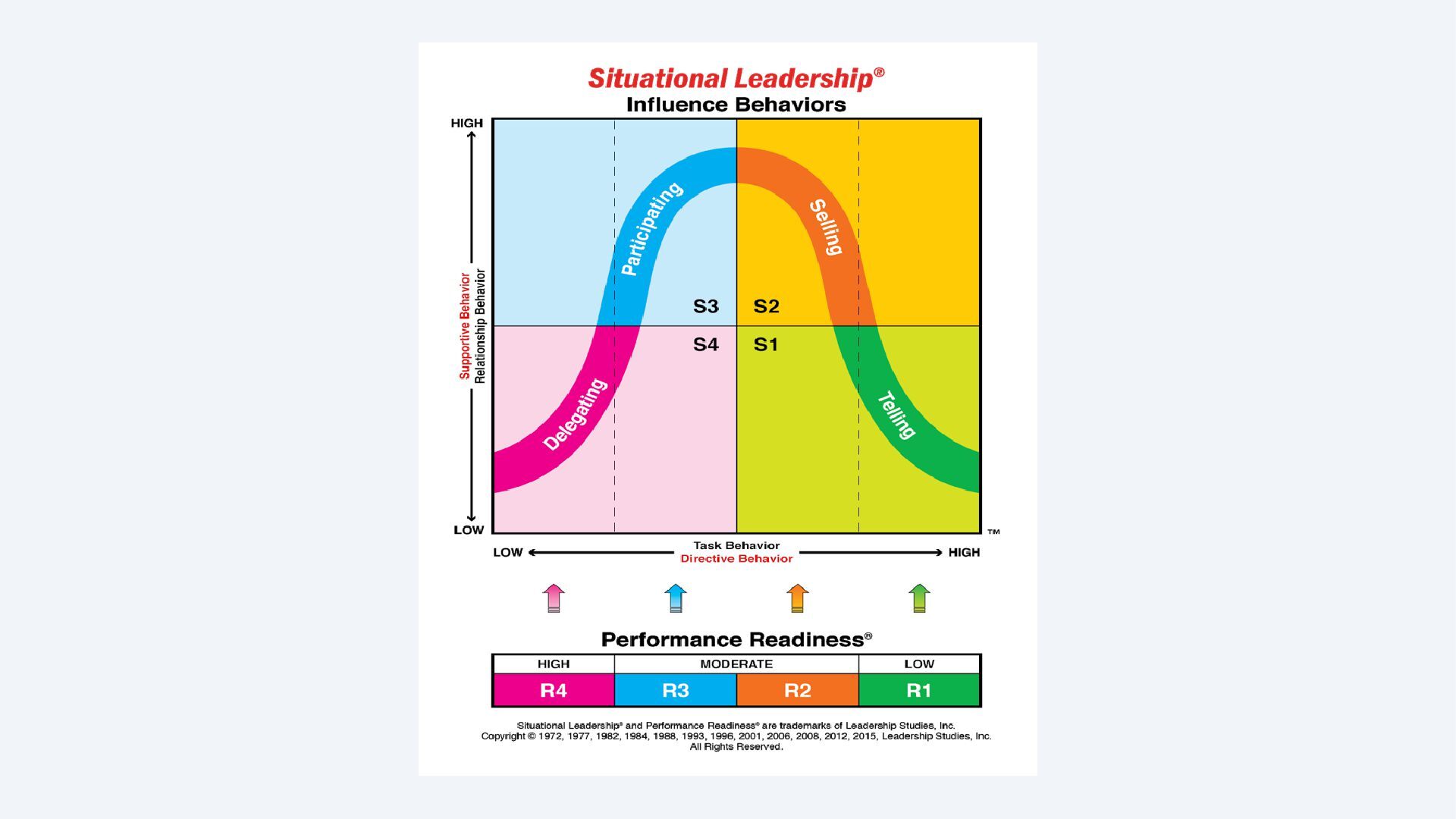
  24. Don’t force everyone into the same shape. Competence (skill) (S3)

    Participating, Collaboration, Facilitation Disillusioned Disillusioned Learner Learner (S2) Explaining Selling, Coaching, Self-Reliant Self-Reliant Achiever Achiever Enthusiastic Enthusiastic Beginner Beginner (S4) Delegation, Empowering, Monitoring (S1) Guiding Telling, Directing, Directive Behavior Commitment (will) Supportive Behavior Capable but Cautious Capable but don’t care
  25. Individual Workflow Thinking tools Throwaway docs Shared Domain context Architecture

    principles Code standards Review criteria … Individual Workflow Thinking tools Throwaway docs The border needs to be negotiated regularly.
  26. Every session of the next two days contains an artefact.

    Think about whose understanding is in there and who agreed on it?
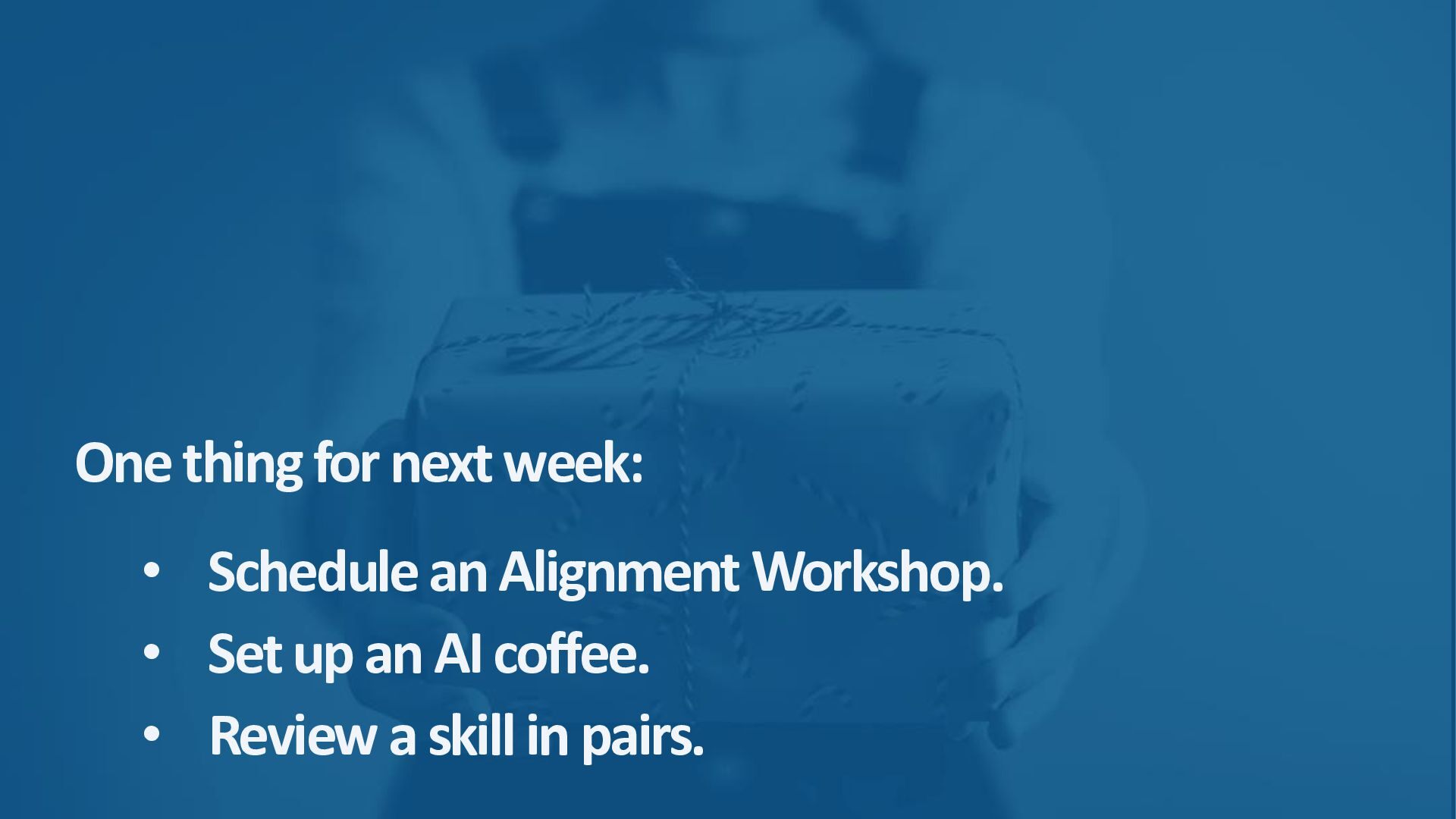
  27. One thing for next week: • Schedule an Alignment Workshop.

    • Set up an AI coffee. • Review a skill in pairs.
  28. Everyone talks to their agents. Just not to each other.

    Individual Workflow Thinking tools Throwaway docs Shared Domain context Architecture principles Code standards Review criteria … Individual Workflow Thinking tools Throwaway docs The border needs to be negotiated regularly. Beija Nigl Senior Software Engineer CoMo Workshop Facilitator Situational Leadership Advocate Comsysto Reply | comsystoreply.de linkedin.com/in/beija-nigl

More Decks by Beija Nigl

Other Decks in Programming