Share
Embed

Transcript
84 slides
-
MyLinearLayout MyButton Button EditText AppCompatTextView LinearLayout RelativeLayout FrameLayout ConstraintLayout Bases
ViewGroup TextView MyView View MyCustomLayout -
• Toma tiempo realizarlos • Complicadas de implementar • Perdemos
las funcionalidades básicas de los componentes nativos Custom Views -
• onDraw • onMeasure • onLayout Custom Views al heredar
de “View” al heredar de “ViewGroup” -
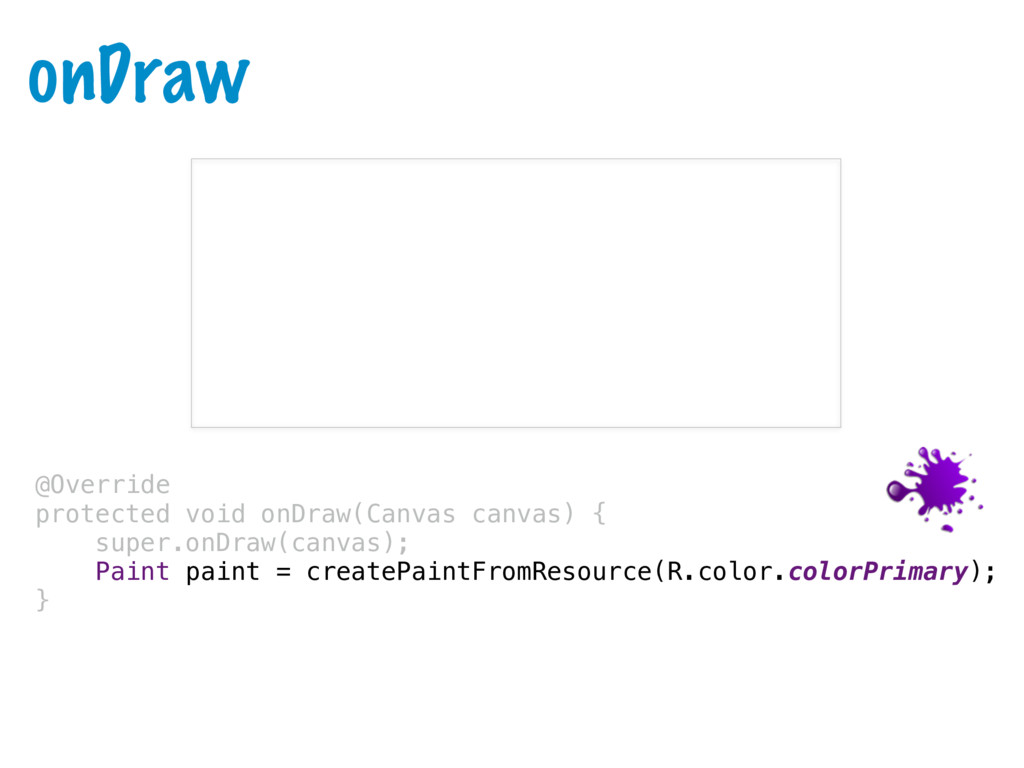
onDraw @Override protected void onDraw(Canvas canvas) { super.onDraw(canvas); Paint paint
= createPaintFromResource(R.color.colorPrimary); } -
onDraw @Override protected void onDraw(Canvas canvas) { super.onDraw(canvas); Paint paint
= createPaintFromResource(R.color.colorPrimary); } createPaintFromResource -
onDraw @Override protected void onDraw(Canvas canvas) { super.onDraw(canvas); Paint paint
= createPaintFromResource(R.color.colorPrimary); } private Paint createPaintFromResource(@ColorRes int color){ Paint paint = new Paint(Paint.ANTI_ALIAS_FLAG); paint.setColor(ContextCompat.getColor(getContext(),color)); return paint; } -
onDraw @Override protected void onDraw(Canvas canvas) { super.onDraw(canvas); Paint paint
= createPaintFromResource(R.color.colorPrimary); canvas.drawLine(1,2,3,4,color); } -
onDraw @Override protected void onDraw(Canvas canvas) { super.onDraw(canvas); Paint paint
= createPaintFromResource(R.color.colorPrimary); canvas.drawLine(startX=1,startY=2,stopX=3,stopX=4,paint); } Y (0;0) X 1 2 3 4 5 6 7 8 9 10 1 2 3 4 (1;2) (3;4) -
onDraw @Override protected void onDraw(Canvas canvas) { super.onDraw(canvas); Paint paint
= createPaintFromResource(R.color.colorPrimary); } Y (0;0) X 1 2 3 4 5 6 7 8 9 10 1 2 3 4 -
onDraw @Override protected void onDraw(Canvas canvas) { super.onDraw(canvas); Paint paint
= createPaintFromResource(R.color.colorPrimary); Path path = new Path(); } Y (0;0) X 1 2 3 4 5 6 7 8 9 10 1 2 3 4 -
onDraw @Override protected void onDraw(Canvas canvas) { super.onDraw(canvas); Paint paint
= createPaintFromResource(R.color.colorPrimary); Path path = new Path(); path.moveTo(1,1); } Y (0;0) X 1 2 3 4 5 6 7 8 9 10 1 2 3 4 -
onDraw @Override protected void onDraw(Canvas canvas) { super.onDraw(canvas); Paint paint
= createPaintFromResource(R.color.colorPrimary); Path path = new Path(); path.moveTo(1,1); path.moveTo(1,3); } Y (0;0) X 1 2 3 4 5 6 7 8 9 10 1 2 3 4 -
onDraw @Override protected void onDraw(Canvas canvas) { super.onDraw(canvas); Paint paint
= createPaintFromResource(R.color.colorPrimary); Path path = new Path(); path.moveTo(1,1); path.moveTo(1,3); path.moveTo(3,3); } Y (0;0) X 1 2 3 4 5 6 7 8 9 10 1 2 3 4 -
onDraw @Override protected void onDraw(Canvas canvas) { super.onDraw(canvas); Paint paint
= createPaintFromResource(R.color.colorPrimary); Path path = new Path(); path.moveTo(1,1); path.moveTo(1,3); path.moveTo(3,3); path.moveTo(1,1); } Y (0;0) X 1 2 3 4 5 6 7 8 9 10 1 2 3 4 -
onDraw @Override protected void onDraw(Canvas canvas) { super.onDraw(canvas); Paint paint
= createPaintFromResource(R.color.colorPrimary); Path path = new Path(); path.moveTo(1,1); path.moveTo(1,3); path.moveTo(3,3); path.moveTo(1,1); canvas.drawPath(path,paint); } Y (0;0) X 1 2 3 4 5 6 7 8 9 10 1 2 3 4 -
onDraw @Override protected void onDraw(Canvas canvas) { super.onDraw(canvas); Paint paint
= createPaintFromResource(R.color.colorPrimary); Path path = new Path(); path.moveTo(1,1); path.moveTo(1,3); path.moveTo(3,3); path.moveTo(1,1); paint.setStyle(Paint.Style.STROKE); canvas.drawPath(path,paint); } Y (0;0) X 1 2 3 4 5 6 7 8 9 10 1 2 3 4 -
onDraw @Override protected void onDraw(Canvas canvas) { super.onDraw(canvas); Paint paint
= createPaintFromResource(R.color.colorPrimary); } Y (0;0) X 1 2 3 4 5 6 7 8 9 10 1 2 3 4 -
onDraw @Override protected void onDraw(Canvas canvas) { super.onDraw(canvas); Paint paint
= createPaintFromResource(R.color.colorPrimary); paint.setTypeface(createTypeface(“myfont.ttf”)); canvas.drawText(“Hola”,x=1,y=2,paint); } Y (0;0) X 1 2 3 4 5 6 7 8 9 10 1 2 3 4 -
onDraw @Override protected void onDraw(Canvas canvas) { super.onDraw(canvas); Paint paint
= createPaintFromResource(R.color.colorPrimary); paint.setTypeface(createTypeface(“myfont.ttf”)); canvas.drawText(“Hola”,x=1,y=2,paint); } Y (0;0) X 1 2 3 4 5 6 7 8 9 10 1 2 3 4 createTypeface -
onDraw @Override protected void onDraw(Canvas canvas) { super.onDraw(canvas); Paint paint
= createPaintFromResource(R.color.colorPrimary); paint.setTypeface(createTypeface(“myfont.ttf”)); canvas.drawText(“Hola”,x=1,y=2,paint); } Y (0;0) X 1 2 3 4 5 6 7 8 9 10 1 2 3 4 private Typeface createTypeface(String s) { return Typeface.createFromAsset(getContext().getAssets(),s); } createTypeface -
onDraw @Override protected void onDraw(Canvas canvas) { super.onDraw(canvas); Paint paint
= createPaintFromResource(R.color.colorPrimary); paint.setTypeface(createTypeface(“myfont.ttf”)); canvas.drawText(“Hola”,x=1,y=4,paint); } Y (0;0) X 1 2 3 4 5 6 7 8 9 10 1 2 3 4 Hola -
onDraw @Override protected void onDraw(Canvas canvas) { super.onDraw(canvas); Paint paint
= createPaintFromResource(R.color.colorPrimary); canvas.drawPoint(...); canvas.drawArc(...); canvas.drawCircle(...); canvas.drawRect(...); ... } Y (0;0) X 1 2 3 4 5 6 7 8 9 10 1 2 3 4 -
• Cada segundo baja el contador en 1 • Al
llegar a 0, sonará una alarma • El contador no puede bajar de 0 ni ser mayor a 24 • Se puede iniciar, detener y resetear el reloj • Por defecto, debe tener un tamaño de 200x200dp Requerimientos -
1 3 5 7 9 11 13 15 17 2
4 6 8 10 12 14 16 18 1 3 5 7 2 4 6 8 9 11 13 15 10 12 14 16 17 18 -
1 3 5 7 9 11 13 15 17 2
4 6 8 10 12 14 16 18 1 3 5 7 2 4 6 8 9 11 13 15 10 12 14 16 17 18 A B C D E F G -
1 3 5 7 9 11 13 15 17 2
4 6 8 10 12 14 16 18 1 3 5 7 2 4 6 8 9 11 13 15 10 12 14 16 17 18 A B C D E F G 4: B,C,D,F -
1 3 5 7 9 11 13 15 17 2
4 6 8 10 12 14 16 18 1 3 5 7 2 4 6 8 9 11 13 15 10 12 14 16 17 18 A B C D E F G 4: B,C,D,F -
public interface IClockView { /** * Inicia la cuenta
regresiva */ void start(); /** * Regresa el reloj a 24 segundos */ void reset(); /** * Detiene el reloj */ void stop(); } -
public class ClockView extends View implements IClockView{ /** *
Se utiliza cuando se crean vistas manualmente, por código * @param context contexto en el cual se infla vista */ public ClockView(Context context) { this(context,null); } /** * Se utiliza cuando se crea la vista desde XML. * @param context * @param attrs */ public ClockView(Context context, @Nullable AttributeSet attrs) { super(context, attrs); init(); } private void init(){ backgroundPaint = createPaintFromResource(R.color.colorPrimary); squarePaint = createPaintFromResource(R.color.green); gridPaint = createPaintFromResource(R.color.blue); activeTextPaint = createPaintFromResource(R.color.colorAccent); inactiveTextPaint = createPaintFromResource(R.color.colorInactive); if(!isInEditMode()) start(); -
public ClockView(Context context, @Nullable AttributeSet attrs) { super(context, attrs); init();
} private void init(){ backgroundPaint = createPaintFromResource(R.color.colorPrimary); squarePaint = createPaintFromResource(R.color.green); gridPaint = createPaintFromResource(R.color.blue); activeTextPaint = createPaintFromResource(R.color.colorAccent); inactiveTextPaint = createPaintFromResource(R.color.colorInactive); if(!isInEditMode()) start(); } @Override protected void onDraw(Canvas canvas) { super.onDraw(canvas); final int canvasWidth = canvas.getWidth(); final int canvasHeight = canvas.getHeight(); setupGrid(canvasWidth,canvasHeight); List<ClockPath> paths = initNumberPaths(); updatePathsStatesForNumber(paths, currentNumber); canvas.drawRect(0,0,canvasWidth,canvasHeight,backgroundPaint); -
@Override protected void onDraw(Canvas canvas) { super.onDraw(canvas); final int
canvasWidth = canvas.getWidth(); final int canvasHeight = canvas.getHeight(); setupGrid(canvasWidth,canvasHeight); List<ClockPath> paths = initNumberPaths(); //prendemos / apagamos los paths para mostrar el numero updatePathsStatesForNumber(paths, currentNumber); //pintamos el fondo canvas.drawRect(0,0,canvasWidth,canvasHeight,backgroundPaint); if(showGridBackground) { canvas.drawRect(0, 0, canvasSize, canvasSize, squarePaint); } if(showGrid) paintGrid(canvas); for(ClockPath clockPath : paths){ Paint pathPaint = clockPath.isActive ? activePaint : inactivePaint; canvas.drawPath(clockPath.path,pathPaint); } } private class ClockPath{ Path path; boolean isActive; ClockPath(Path path, boolean isActive) { this.path = path; this.isActive = isActive; } } -
<?xml version="1.0" encoding="utf-8"?> <LinearLayout xmlns:android=“http://schemas...” android:layout_width="match_parent" android:layout_height="match_parent"> <com.example.customviews.ClockView
android:layout_width=“match_parent" android:layout_height=“match_parent" /> </LinearLayout> -
//region //Timer manager private Runnable updateRunnable = new Runnable()
{ @Override public void run() { updateClock(); } }; @Override public void start() { updateClock(); } @Override public void stop() { removeCallbacks(updateRunnable); } @Override public void reset() { currentNumber = 24; } private void updateClock() { if(currentNumber > 0) { currentNumber--; invalidate(); if(currentNumber != 0) { //sigue actualizando postDelayed(updateRunnable, 1000L); }else{ //suena la bocina MediaPlayer mp = MediaPlayer.create(getContext(), R.raw.buzzer); mp.start(); } } } //endregion -
//region //Timer manager private Runnable updateRunnable = new Runnable()
{ @Override public void run() { updateClock(); } }; @Override public void start() { updateClock(); } @Override public void stop() { removeCallbacks(updateRunnable); } @Override public void reset() { currentNumber = 24; } private void updateClock() { if(currentNumber > 0) { currentNumber--; invalidate(); if(currentNumber != 0) { //sigue actualizando postDelayed(updateRunnable, 1000L); }else{ //suena la vocina MediaPlayer mp = MediaPlayer.create(getContext(), R.raw.buzzer); mp.start(); } } } //endregion -
<?xml version="1.0" encoding="utf-8"?> <LinearLayout xmlns:android=“http://schemas...” android:layout_width="match_parent" android:layout_height="match_parent"> <com.example.customviews.ClockView
android:layout_width=“match_parent" android:layout_height=“match_parent” android:padding=“16dp" /> </LinearLayout> Se ignora el padding! -
/** * Setea los valores necesarios para dibujar los numeros,
en base al espacio disponible para dibujar * @param availableWidth ancho disponible para dibujar * @param availableHeight alto disponible para dibujar */ private void setupGrid(float availableWidth, float availableHeight){ canvasSize = Math.min(availableWidth, availableHeight); if(canvasSize < 0) canvasSize = 0; nColumns = 18; cellSize = canvasSize / nColumns * 1.0f; } -
/** * Setea los valores necesarios para dibujar los numeros,
en base al espacio disponible para dibujar * @param availableWidth ancho disponible para dibujar * @param availableHeight alto disponible para dibujar */ private void setupGrid(float availableWidth, float availableHeight){ canvasSize = Math.min( availableWidth - getPaddingLeft() - getPaddingRight(), availableHeight - getPaddingTop() - getPaddingTop()); if(canvasSize < 0) canvasSize = 0; nColumns = 18; cellSize = canvasSize / nColumns * 1.0f; horizontalOffset = getPaddingLeft(); verticalOffset = getPaddingTop(); } -
<?xml version="1.0" encoding="utf-8"?> <LinearLayout xmlns:android=“http://schemas...” android:layout_width="match_parent" android:layout_height="match_parent"> <com.example.customviews.PaddingClockView
android:layout_width="match_parent" android:layout_height="match_parent" android:padding="30dp" /> </LinearLayout> -
<?xml version="1.0" encoding="utf-8"?> <LinearLayout xmlns:android=“http://schemas...” android:layout_width="match_parent" android:layout_height="match_parent"> <com.example.customviews.ClockView
android:layout_width=“wrap_content” android:layout_height=“wrap_content” /> </LinearLayout> Ocupa todo el espacio! -
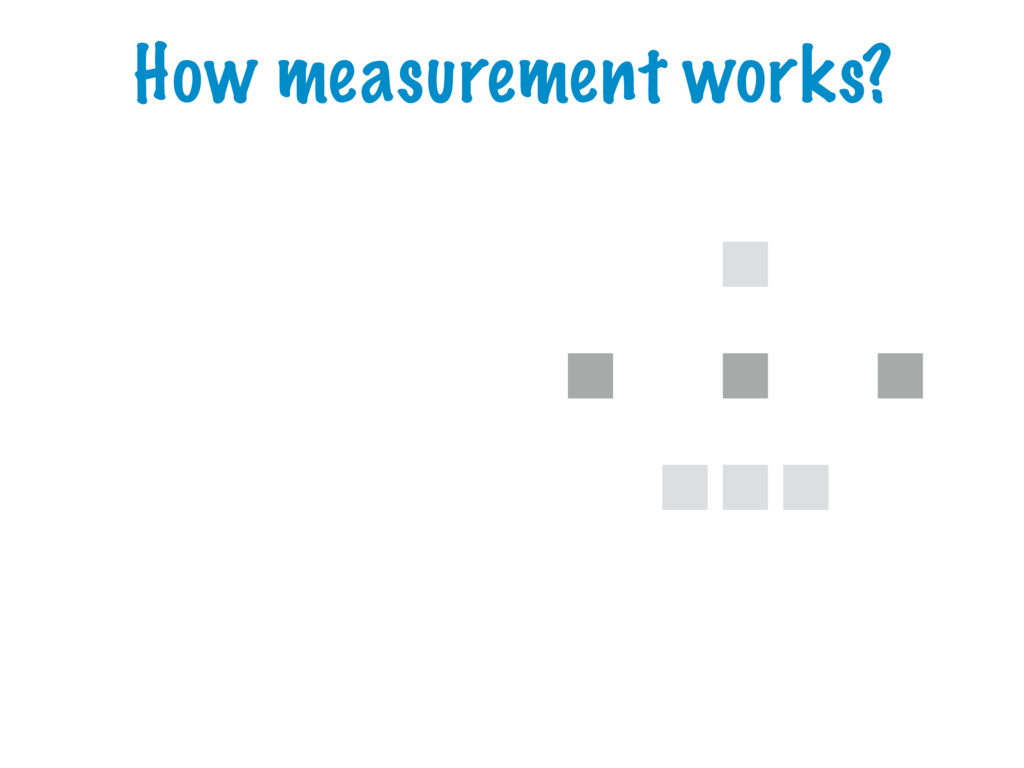
How measurement works? Child defines LayoutParams in XML or
Java 1 <com.example.customviews.ClockView android:layout_width=“wrap_content” android:layout_height=“wrap_content” /> val params = ViewGroup.LayoutParams( width = LayoutParams.WRAP_CONTENT, height = LayoutParams.WRAP_CONTENT) child.setLayoutParams(params) Child Parent -
How measurement works? Child defines LayoutParams in XML or
Java 1 <com.example.customviews.ClockView android:layout_width=“wrap_content” android:layout_height=“wrap_content” /> Child Parent val params = ViewGroup.MarginLayoutParams( width = LayoutParams.WRAP_CONTENT, height = LayoutParams.WRAP_CONTENT) params.setMargins(…) child.setLayoutParams(params) -
How measurement works? Child defines LayoutParams in XML or
Java 1 <com.example.customviews.ClockView android:layout_width=“wrap_content” android:layout_height=“wrap_content” /> Child Parent val params = LinearLayout.LayoutParams( width = LayoutParams.WRAP_CONTENT, height = LayoutParams.WRAP_CONTENT) params.gravity = Gravity.CENTER child.setLayoutParams(params) -
How measurement works? Child defines LayoutParams in XML or
Java 1 <com.example.customviews.ClockView android:layout_width=“wrap_content” android:layout_height=“wrap_content” /> Child Parent val params = ConstraintLayout.LayoutParams( width = LayoutParams.WRAP_CONTENT, height = LayoutParams.WRAP_CONTENT) params.dimensionRatio = “1:1”; child.setLayoutParams(params) -
How measurement works? Child defines LayoutParams in XML or
Java 1 <com.example.customviews.ClockView android:layout_width=“wrap_content” android:layout_height=“wrap_content” /> Child Parent val params = ConstraintLayout.LayoutParams( width = LayoutParams.WRAP_CONTENT, height = LayoutParams.WRAP_CONTENT) params.dimensionRatio = “1:1”; child.setLayoutParams(params) child.getLayoutParams() -
How measurement works? Child defines LayoutParams in XML or
Java 1 Child Parent Parent calculates MeasureSpecs and passes to child.onMeasure() 2 child.onMeasure() @Override protected void onMeasure(int widthMeasureSpec, int heightMeasureSpec) AT_MOST X como máximo X EXACTLY X debe medir exactamente X UNSPECIFIED sin restricciones! spec { mode | size } -
How measurement works? Child defines LayoutParams in XML or
Java 1 Child Parent Parent calculates MeasureSpecs and passes to child.onMeasure() 2 setMeasuredDimension() @Override protected void onMeasure(int widthMeasureSpec, int heightMeasureSpec){ //la vista hija calcula cuan grande quiere //ser en base a los specs que recibe int measuredW = … int measuredH = ... setMeasuredDimension(measuredW, measuredH) } obligatorio!! Child calculates width / height; setMeasureDimension() 3 -
How measurement works? Child defines LayoutParams in XML or
Java 1 Child Parent Parent calculates MeasureSpecs and passes to child.onMeasure() 2 @Override protected void onMeasure(int widthMeasureSpec, int heightMeasureSpec){ //la vista hija calcula cuan grande quiere //ser en base a los specs que recibe int measuredW = … int measuredH = ... setMeasuredDimension(measuredW, measuredH) } obligatorio!! Child calculates width / height; setMeasureDimension() 3 child.getMeasuredWidth() child.getMeasuredHeight() -
How measurement works? Child defines LayoutParams in XML or
Java 1 Child Parent Parent calculates MeasureSpecs and passes to child.onMeasure() 2 Child calculates width / height; setMeasureDimension() 3 Parent calls child.layout(); Final child size / position 4 child.layout() child.getWidth() child.getHeight() -
public class MeasuredClockView extends PaddingClockView { private int defaultSize;
public MeasuredClockView(Context context) { this(context,null); } public MeasuredClockView(Context context, @Nullable AttributeSet attrs) { super(context, attrs); init(); } private void init(){ int density = getContext().getResources().getDisplayMetrics().density; defaultSize = (int) (200 * density); } @Override protected void onMeasure(int widthMeasureSpec, int heightMeasureSpec) { int resolvedWidth = resolveSize(defaultSize,widthMeasureSpec); int resolvedHeight = resolveSize(defaultSize,heightMeasureSpec); setMeasuredDimension(resolvedWidth,resolvedHeight); } } -
@Override protected void onMeasure(int widthMeasureSpec, int heightMeasureSpec) { int resolvedWidth
= resolveSize(defaultSize,widthMeasureSpec); int resolvedHeight = resolveSize(defaultSize,heightMeasureSpec); setMeasuredDimension(resolvedWidth,resolvedHeight); } } -
@Override protected void onMeasure(int widthMeasureSpec, int heightMeasureSpec) { int resolvedWidth
= resolveSize(defaultSize,widthMeasureSpec); int resolvedHeight = resolveSize(defaultSize,heightMeasureSpec); setMeasuredDimension(resolvedWidth,resolvedHeight); } } resolveSize -
@Override protected void onMeasure(int widthMeasureSpec, int heightMeasureSpec) { int resolvedWidth
= resolveSize(defaultSize,widthMeasureSpec); int resolvedHeight = resolveSize(defaultSize,heightMeasureSpec); setMeasuredDimension(resolvedWidth,resolvedHeight); } } resolveSize public static int resolveSizeAndState(int size, int measureSpec, int state) { int specMode = MeasureSpec.getMode(measureSpec); int specSize = MeasureSpec.getSize(measureSpec); final int result; switch (specMode) { case MeasureSpec.AT_MOST: if (specSize < size) result = specSize | MEASURED_STATE_TOO_SMALL; else result = size; case MeasureSpec.EXACTLY: result = specSize; case MeasureSpec.UNSPECIFIED: default: result = size; } return result | (state & MEASURED_STATE_MASK); } public static int resolveSize(int size, int measureSpec) { return resolveSizeAndState(size, measureSpec, 0) & MEASURED_SIZE_MASK; } -
@Override protected void onMeasure(int widthMeasureSpec, int heightMeasureSpec) { int resolvedWidth
= resolveSize(defaultSize,widthMeasureSpec); int resolvedHeight = resolveSize(defaultSize,heightMeasureSpec); setMeasuredDimension(resolvedWidth,resolvedHeight); } } -
<?xml version="1.0" encoding="utf-8"?> <LinearLayout xmlns:android=“http://schemas...” android:layout_width="match_parent" android:layout_height="match_parent"> <com.example.customviews.MeasuredClockView
android:layout_width=“wrap_content" android:layout_height=“wrap_content" /> </LinearLayout> -
<?xml version="1.0" encoding="utf-8"?> <LinearLayout xmlns:android=“http://schemas...” android:layout_width="match_parent" android:layout_height="match_parent"> <com.example.customviews.MeasuredClockView
android:layout_width=“120dp" android:layout_height=“200dp" /> </LinearLayout> -
<?xml version="1.0" encoding="utf-8"?> <LinearLayout xmlns:android=“http://schemas...” android:layout_width="match_parent" android:layout_height="match_parent"> <com.example.customviews.AdaptableClockView
android:layout_width=“120dp" android:layout_height=“200dp" /> </LinearLayout> Check out the code! -
@Override protected void onDraw(Canvas canvas) { super.onDraw(canvas); final int
canvasWidth = canvas.getWidth(); final int canvasHeight = canvas.getHeight(); setupGrid(canvasWidth,canvasHeight); List<ClockPath> paths = initNumberPaths(); updatePathsStatesForNumber(paths, currentNumber); canvas.drawRect(0,0,canvasWidth,canvasHeight,backgroundPaint); if(showGridBackground) { canvas.drawRect(0, 0, canvasSize, canvasSize, squarePaint); } if(showGrid) paintGrid(canvas); for(ClockPath clockPath : paths){ Paint pathPaint = clockPath.isActive ? activePaint : inactivePaint; canvas.drawPath(clockPath.path,pathPaint); } } -
@Override protected void onDraw(Canvas canvas) { super.onDraw(canvas); final int
canvasWidth = canvas.getWidth(); final int canvasHeight = canvas.getHeight(); (canvasWidth,canvasHeight); List<ClockPath> paths = updatePathsStatesForNumber(paths, currentNumber); canvas.drawRect(0,0,canvasWidth,canvasHeight,backgroundPaint); if(showGridBackground) { canvas.drawRect(0, 0, canvasSize, canvasSize, squarePaint); } if(showGrid) paintGrid(canvas); for(ClockPath clockPath : paths){ Paint pathPaint = clockPath.isActive ? activePaint : inactivePaint; canvas.drawPath(clockPath.path,pathPaint); } } initNumberPaths(); setupGrid -
@Override protected void onMeasure(int widthMeasureSpec, int heightMeasureSpec) { int resolvedWidth
= resolveSize(defaultSize,widthMeasureSpec); int resolvedHeight = resolveSize(defaultSize,heightMeasureSpec); setMeasuredDimension(resolvedWidth,resolvedHeight); } initNumberPaths(); setupGrid -
@Override protected void onMeasure(int widthMeasureSpec, int heightMeasureSpec) { int resolvedWidth
= resolveSize(defaultSize,widthMeasureSpec); int resolvedHeight = resolveSize(defaultSize,heightMeasureSpec); setupGrid(resolvedWidth,resolvedHeight); paths = initNumberPaths(); setMeasuredDimension(resolvedWidth,resolvedHeight); } initNumberPaths(); setupGrid @Override protected void onMeasure(int widthMeasureSpec, int heightMeasureSpec) { int resolvedWidth = resolveSize(defaultSize,widthMeasureSpec); int resolvedHeight = resolveSize(defaultSize,heightMeasureSpec); setMeasuredDimension(resolvedWidth,resolvedHeight); } -
<?xml version="1.0" encoding="utf-8"?> <LinearLayout xmlns:android=“http://schemas...” android:layout_width="match_parent" android:layout_height="match_parent"> <com.example.customviews.OptimizedClockView
android:layout_width=“wrap_content" android:layout_height=“wrap_content" /> </LinearLayout> -
Personalizando nuestro view <?xml version="1.0" encoding="utf-8"?> <resources> <declare-styleable name="clock_view">
<attr name="background_color" format="color"/> <attr name="active_text_color" format="color"/> <attr name="inactive_text_color" format="color"/> <attr name="show_grid" format="boolean"/> <attr name="show_square" format="boolean"/> <attr name="default_value" format="integer"/> </declare-styleable> </resources> attrs.xml -
public class CustomizableClockView extends OptimizedClockView { public CustomizableClockView(Context context) {
this(context, null); } public CustomizableClockView(Context context, @Nullable AttributeSet attrs) { super(context, attrs); init(attrs); } private void init(@Nullable AttributeSet attrs){ TypedArray a = getContext().getTheme().obtainStyledAttributes( attrs, R.styleable.clock_view, 0, 0); try { //Read custom background color int backColor = a.getColor(R.styleable.clock_view_background_color, -1) if(backColor != -1){ mBackgroundColor = backColor; } //Read custom active text color int activeColor = a.getColor(R.styleable.clock_view_active_text_color, -1); if(activeColor != -1){ mActiveTextColor = activeColor; } //Read custom inactive text color int inactiveColor = a.getColor(R.styleable.clock_view_inactive_text_color, -1); if(inactiveColor != -1){ mInactiveTextColor = inactiveColor; } //Set grid mShowGrid = a.getBoolean(R.styleable.clock_view_show_grid,false); mShowGridBackground = a.getBoolean(R.styleable.clock_view_show_square,false); -
private void init(@Nullable AttributeSet attrs){ TypedArray a =
getContext().getTheme().obtainStyledAttributes( attrs, R.styleable.clock_view, 0, 0); try { //Read custom background color int backColor = a.getColor(R.styleable.clock_view_background_color, -1) if(backColor != -1){ mBackgroundColor = backColor; } //Read custom active text color int activeColor = a.getColor(R.styleable.clock_view_active_text_color, -1); if(activeColor != -1){ mActiveTextColor = activeColor; } //Read custom inactive text color int inactiveColor = a.getColor(R.styleable.clock_view_inactive_text_color, -1); if(inactiveColor != -1){ mInactiveTextColor = inactiveColor; } //Set grid mShowGrid = a.getBoolean(R.styleable.clock_view_show_grid,false); mShowGridBackground = a.getBoolean(R.styleable.clock_view_show_square,false); //Set default number int defaultNumber = a.getInt(R.styleable.clock_view_default_value,24); if(defaultNumber >= 0 && defaultNumber < 25) mCurrentNumber = defaultNumber; } finally { a.recycle(); } super.init(); } -
<?xml version="1.0" encoding="utf-8"?> <LinearLayout xmlns:android="http://schemas.android.com/apk/res/android" android:layout_width="match_parent" android:layout_height="match_parent" xmlns:app="http://schemas.android.com/apk/res-auto" android:background="#fff" android:orientation="vertical">
<com.example.customviews.CustomizableClockView android:layout_width="240dp" android:layout_height="240dp" android:layout_gravity="center_horizontal" android:layout_margin="8dp" app:background_color=“#ff0" //amarillo app:active_text_color=“#00f" //azul app:inactive_text_color=“#ffa500" //naranja app:show_grid="true" app:default_value="20" /> </LinearLayout> -
Recapitulando… • Nos dan flexibilidad, pero no son sencillos de
crear • Para los custom views, importante: • onDraw • onMeasure • Para los custom view groups, importante: • onMeasure • onLayout -
Info adicional • Huyen Tue Dao (@queencodemonkey) Measure, Layout, Draw,
Repeat • Caster.IO Custom Views & View Groups • Android Docs Creating a View Class • Alberto Ballano (@aballano) Android layouts to the next level: Custom Views, Compound ViewGroups and Custom ViewGroups • Caren Chang (@calren24) Advanced Android Touches
 bruno125
 nextbeatdev
 youto
 ternbusty
 nnaka2992
 yosuke_furukawa
 akihisaikeda
 j5ik2o
 sakawe_ee
 utakaha
 kinakomoti321
 shogogg
 takai
 eileencodes
 ryanjones
 nmsamuel
 panda_program
 addyosmani
 axbom
 aleyda
 codingconduct
 konakalab
 cassininazir
 morganepeng