without Computers, Software, > 25 yrs ▸ "Mr. KEYCLOAK" since 2015 (v1.x) ▸ Organizer of KEYCLOAK DevDay Conf (keycloak-day.dev) ▸ Member of various IAM Expert groups & communities ▸ Co-Lead of JUG DA (www.jug-da.de / @JUG_DA) ▸ Web: www.n-k.de / Social: @dasniko YouTube: youtube.com/@dasniko ▸ Road Cyclist 🚵
THAT 90% OF ALL DEVELOPERS GET WRONG RFC 9068 - JSON WEB TOKEN (JWT) PROFILE FOR OAUTH 2.0 ACCESS TOKENS Chapter 6: Privacy Considerations: The client MUST NOT inspect the content of the access token: the authorization server and the resource server might decide to change the token format at any time. … The OAuth 2.0 framework assumes that access tokens are treated as opaque by clients. Administrators of authorization servers should also take into account that the content of an access token is visible to the client. … In every scenario, the content of the JWT access token will eventually be accessible to the resource server. It's important to evaluate whether the resource server gained the proper entitlement to have access to any content received in the form of claims, for example, through user consent in some form, policies and agreements with the organization running the authorization servers, and so on. https://www.rfc-editor.org/info/rfc9068/
THAT 90% OF ALL DEVELOPERS GET WRONG RFC 9068 - JSON WEB TOKEN (JWT) PROFILE FOR OAUTH 2.0 ACCESS TOKENS Chapter 4: Validating JWT Access Tokens: Resource servers receiving a JWT access token MUST validate it in the following manner. ‣ … ‣ The resource server MUST validate that the "aud" claim contains a resource indicator value corresponding to an identi er the resource server expects for itself. The JWT access token MUST be rejected if "aud" does not contain a resource indicator of the current resource server as a valid audience. ‣ … fi https://www.rfc-editor.org/info/rfc9068/
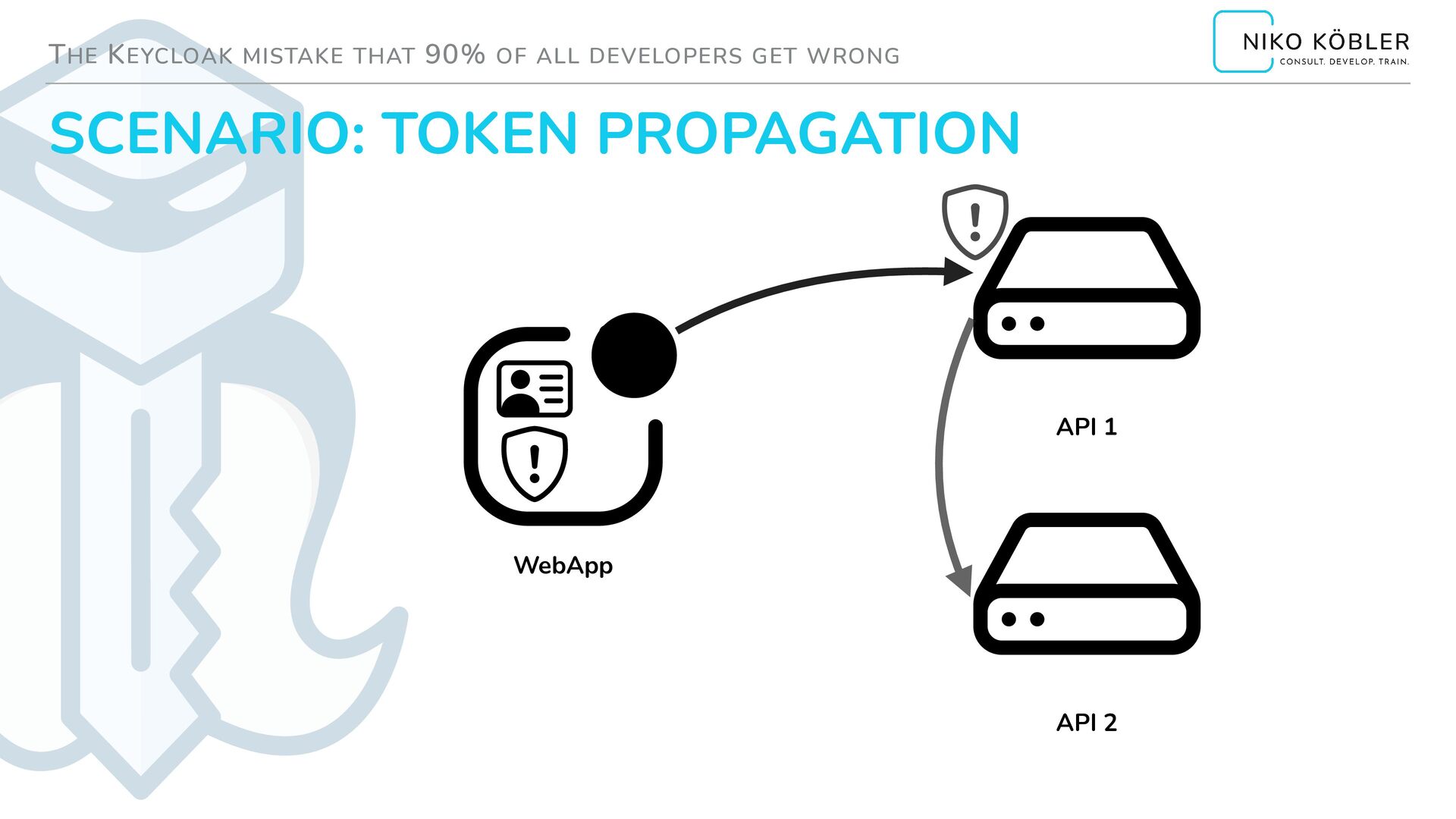
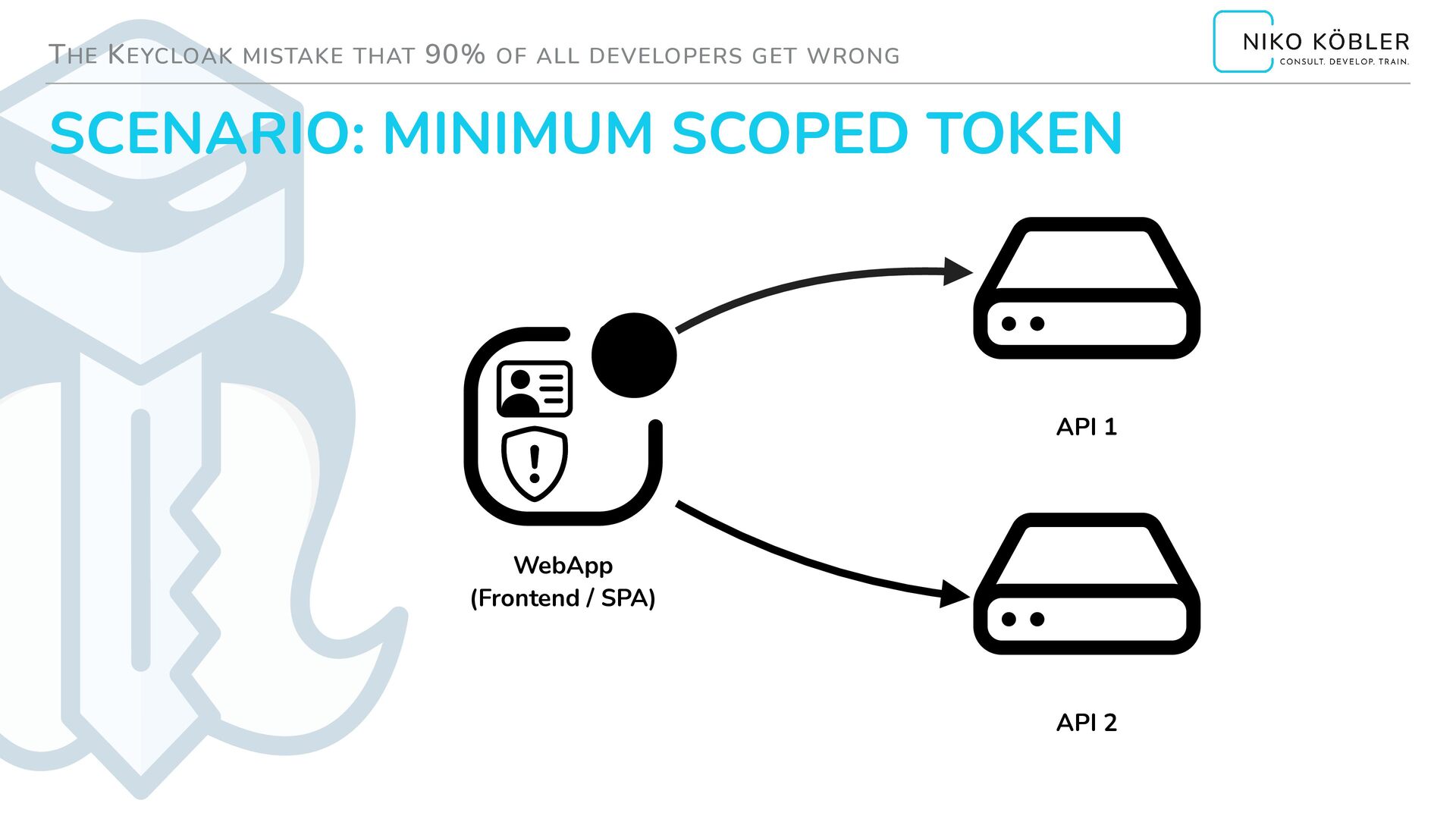
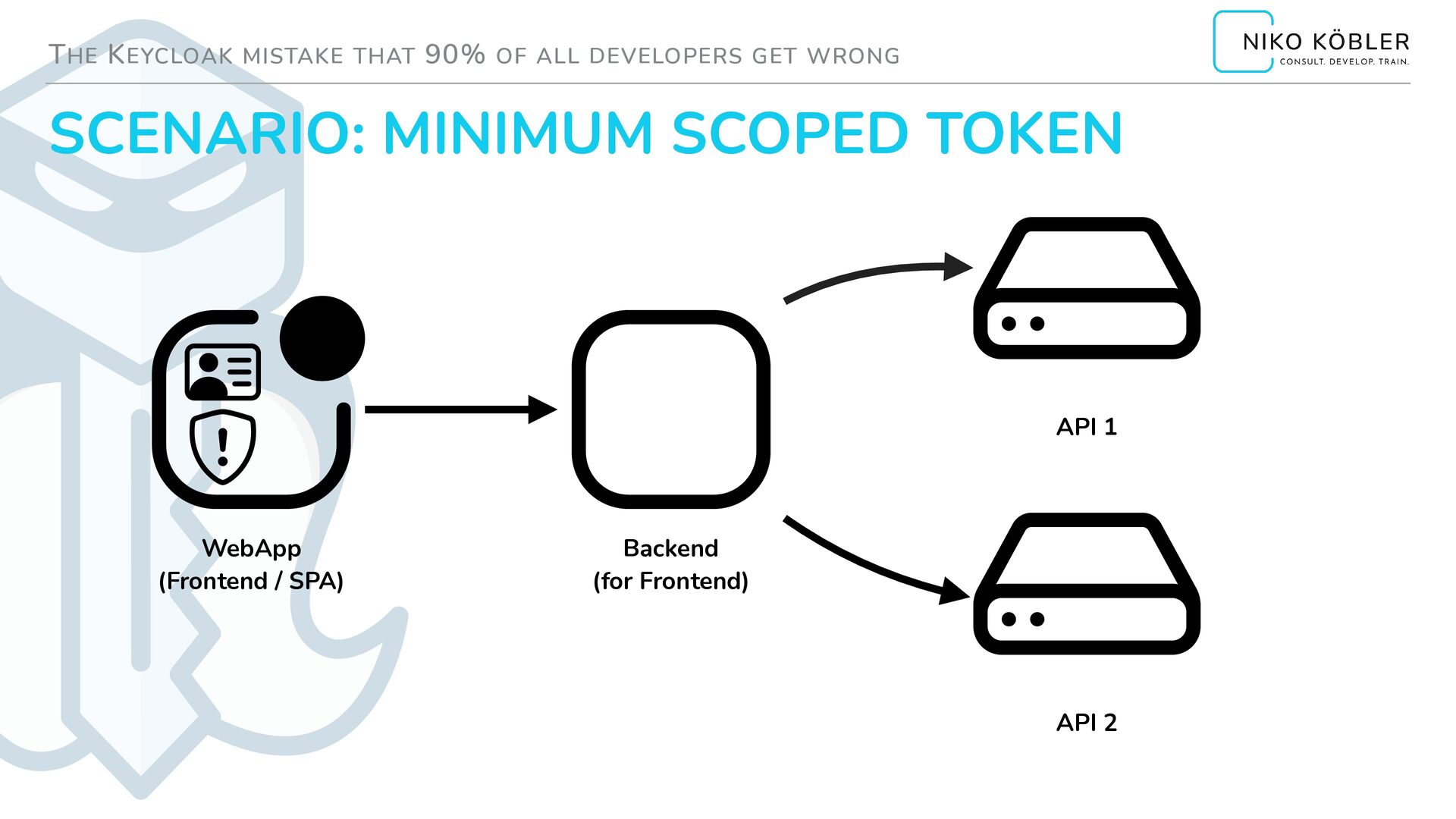
THAT 90% OF ALL DEVELOPERS GET WRONG RFC 8693: OAUTH 2.0 TOKEN EXCHANGE Why Token Exchange matters: ‣ No "God"-tokens, 1 token = 1 purpose ‣ No replay in all directions (if client X can call resource Y and resource Z, it’s also possible vice-versa) ‣ Don’t expose/leak internals into the client (client needs to know all of the resource servers) ‣ Keep "Least Privilege" approach (only roles and scopes of one resource server are in the token) ‣ Enforce proper authorization rules (only client X is allowed to access resource Y) As an illustration: "Multi-Audience" is a master key that you give to the guest - one that also opens the data center - in the hope that the guest won’t nd his way there. "Token Exchange" means: The guest has a key for the front desk, and only the receptionist can retrieve a one-time key for the data center using their own ID and the guest’s authorization. fi https://www.rfc-editor.org/info/rfc8693/
THAT 90% OF ALL DEVELOPERS GET WRONG THANK YOU. ANY QUESTIONS? More info / slides: https://linktr.ee/dasniko NIKO KÖBLER | www.n-k.de | [email protected] | @dasniko


 dasniko
 sorah
sorah
 n_takehata
 htkym
htkym
 koic
koic
 kishida
 uyuki234
 drumath2237
 tanahiro2010
 syumai
 steliosf
 yub0n
yub0n
 addyosmani
 charlesmeaden
 trallard
 bluesmoon
 kristinabergwall1
 jnunemaker
 sergeychernyshev
 hatefulcrawdad
 chikuwait
 aki_iinuma
 ammeep
 axbom
axbom