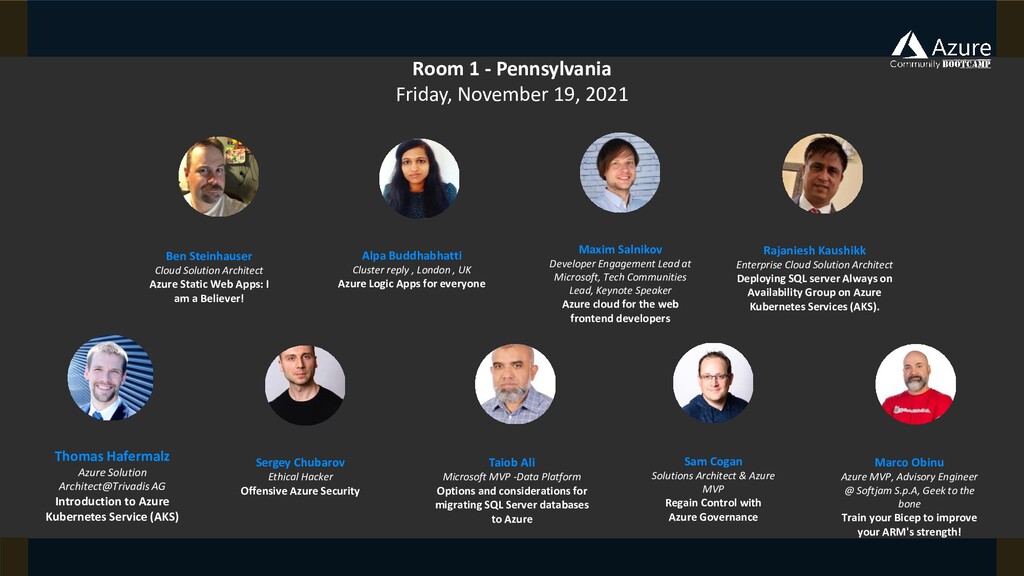
Cloud Solution Architect Azure Static Web Apps: I am a Believer! Sergey Chubarov Ethical Hacker Offensive Azure Security Alpa Buddhabhatti Cluster reply , London , UK Azure Logic Apps for everyone Taiob Ali Microsoft MVP -Data Platform Options and considerations for migrating SQL Server databases to Azure Maxim Salnikov Developer Engagement Lead at Microsoft, Tech Communities Lead, Keynote Speaker Azure cloud for the web frontend developers Sam Cogan Solutions Architect & Azure MVP Regain Control with Azure Governance Rajaniesh Kaushikk Enterprise Cloud Solution Architect Deploying SQL server Always on Availability Group on Azure Kubernetes Services (AKS). Marco Obinu Azure MVP, Advisory Engineer @ Softjam S.p.A, Geek to the bone Train your Bicep to improve your ARM's strength! Thomas Hafermalz Azure Solution Architect@Trivadis AG Introduction to Azure Kubernetes Service (AKS)
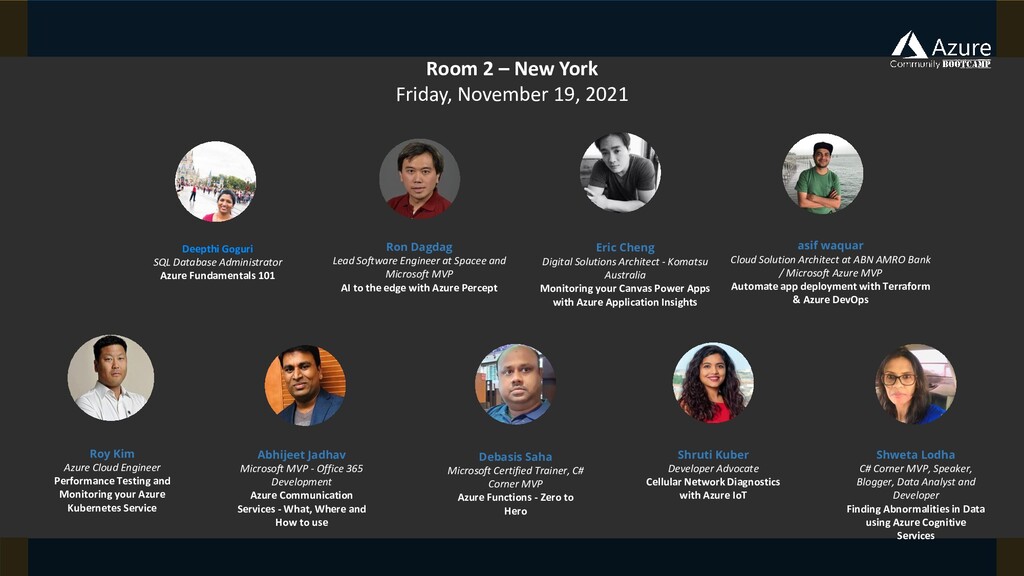
Goguri SQL Database Administrator Azure Fundamentals 101 Roy Kim Azure Cloud Engineer Performance Testing and Monitoring your Azure Kubernetes Service Abhijeet Jadhav Microsoft MVP - Office 365 Development Azure Communication Services - What, Where and How to use Debasis Saha Microsoft Certified Trainer, C# Corner MVP Azure Functions - Zero to Hero Shruti Kuber Developer Advocate Cellular Network Diagnostics with Azure IoT Shweta Lodha C# Corner MVP, Speaker, Blogger, Data Analyst and Developer Finding Abnormalities in Data using Azure Cognitive Services Ron Dagdag Lead Software Engineer at Spacee and Microsoft MVP AI to the edge with Azure Percept Eric Cheng Digital Solutions Architect - Komatsu Australia Monitoring your Canvas Power Apps with Azure Application Insights asif waquar Cloud Solution Architect at ABN AMRO Bank / Microsoft Azure MVP Automate app deployment with Terraform & Azure DevOps
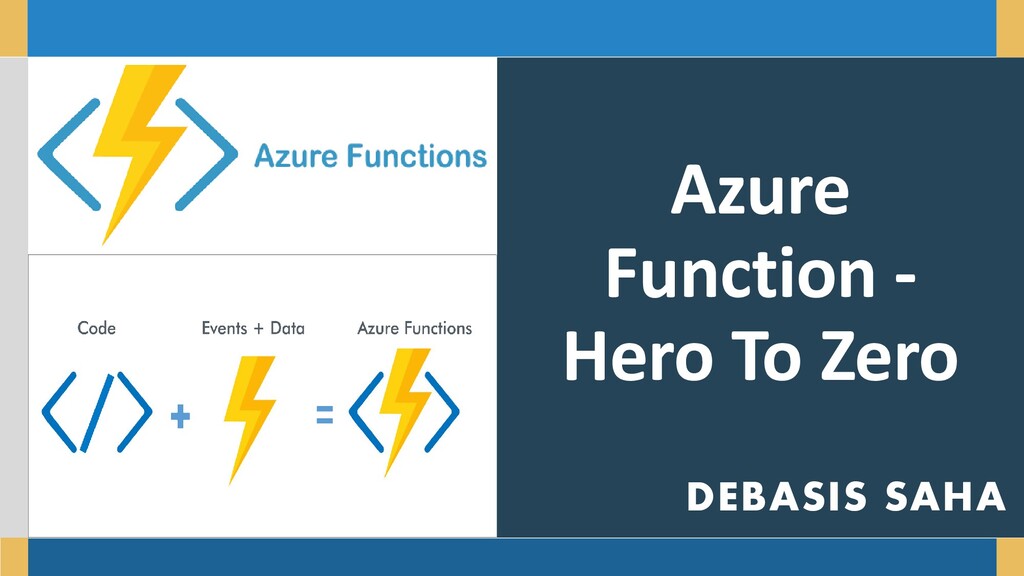
❖Benefits of Using Azure Functions ❖Hosting Plans for Azure Functions ❖Azure Function Architecture ❖Create Azure Function using Azure Portal ❖Create Azure Function using Visual Studio ❖Deploy Azure Function using Visual Studio 2019 ❖QnA
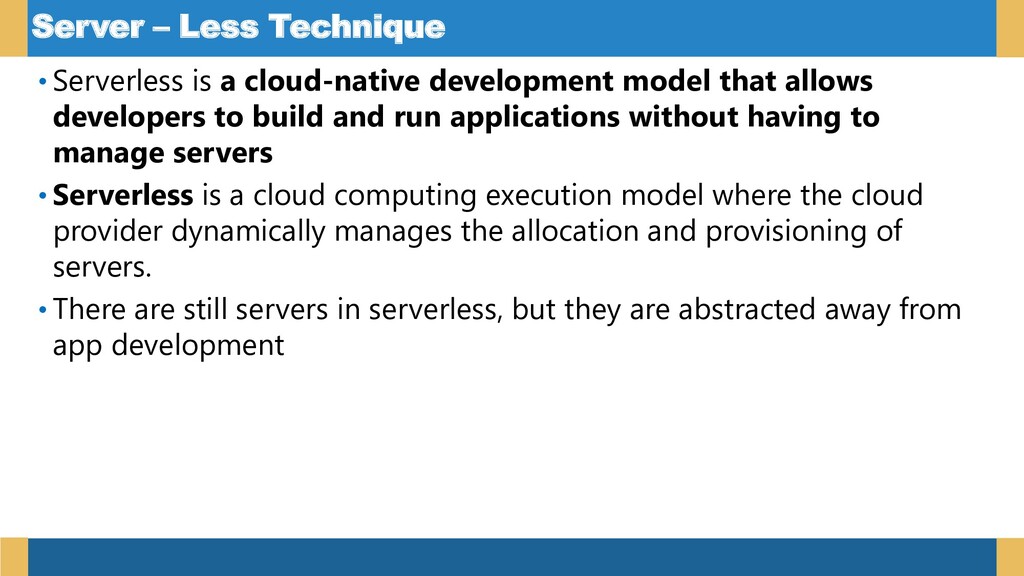
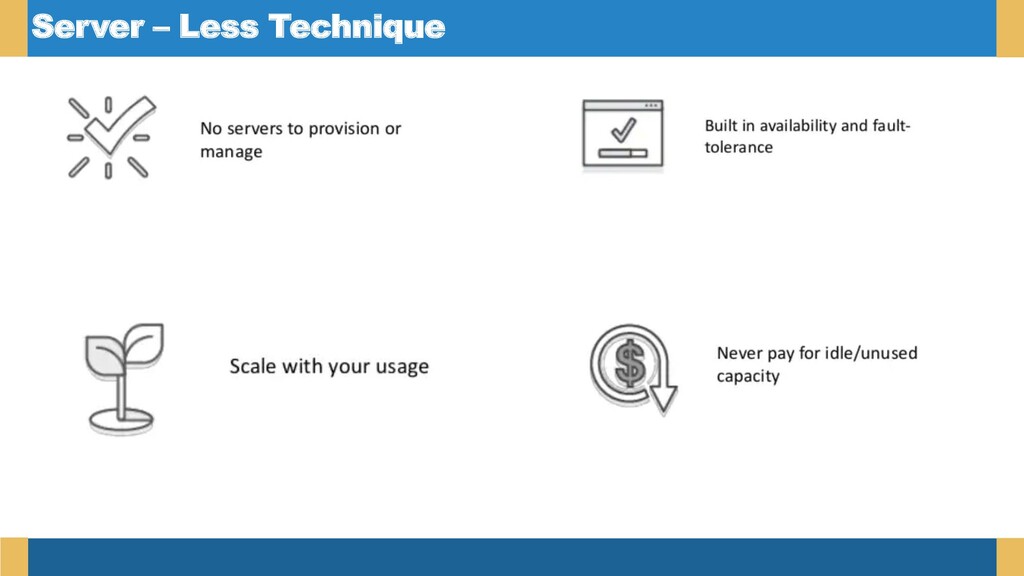
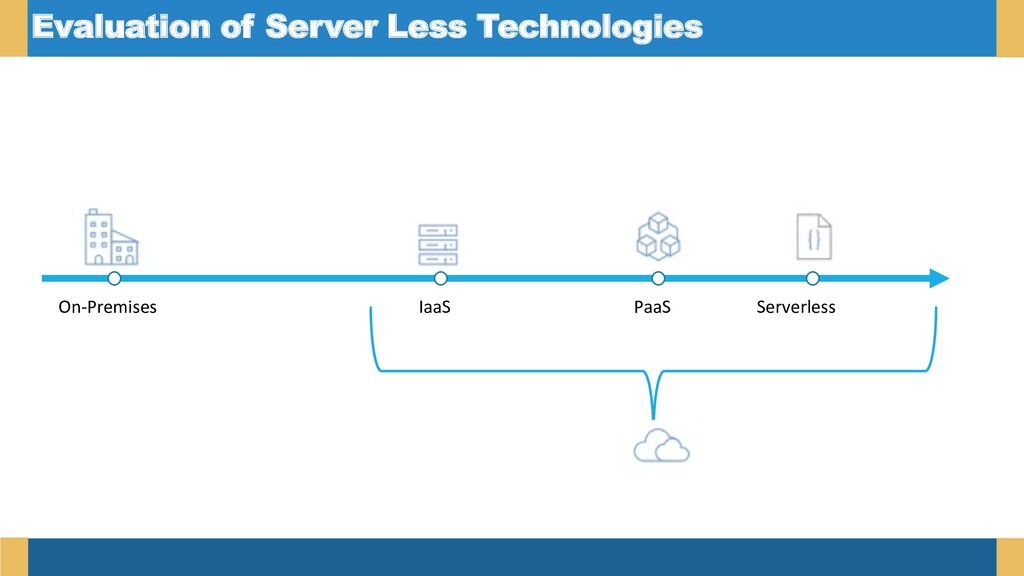
model that allows developers to build and run applications without having to manage servers • Serverless is a cloud computing execution model where the cloud provider dynamically manages the allocation and provisioning of servers. • There are still servers in serverless, but they are abstracted away from app development
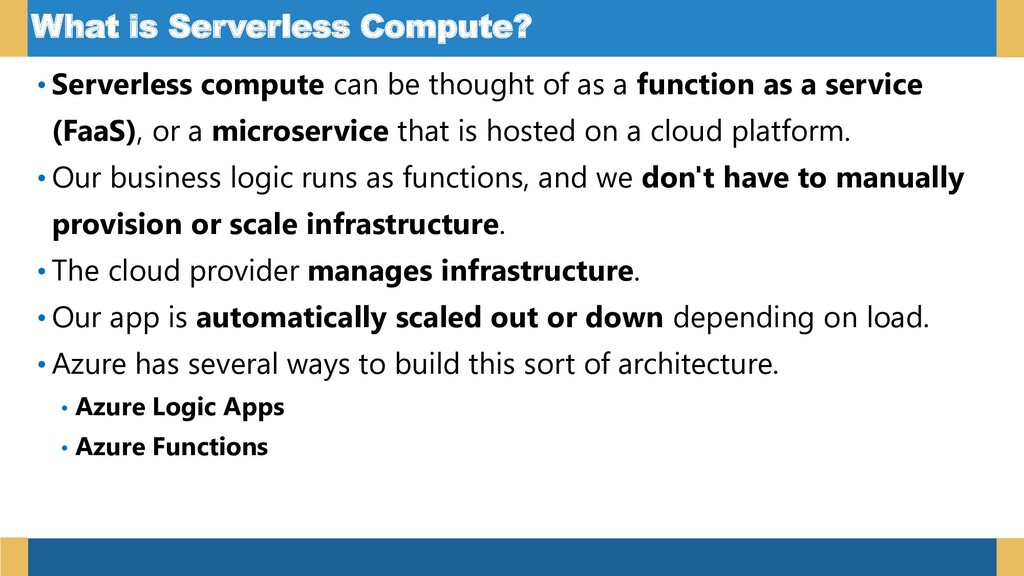
of as a function as a service (FaaS), or a microservice that is hosted on a cloud platform. • Our business logic runs as functions, and we don't have to manually provision or scale infrastructure. • The cloud provider manages infrastructure. • Our app is automatically scaled out or down depending on load. • Azure has several ways to build this sort of architecture. • Azure Logic Apps • Azure Functions
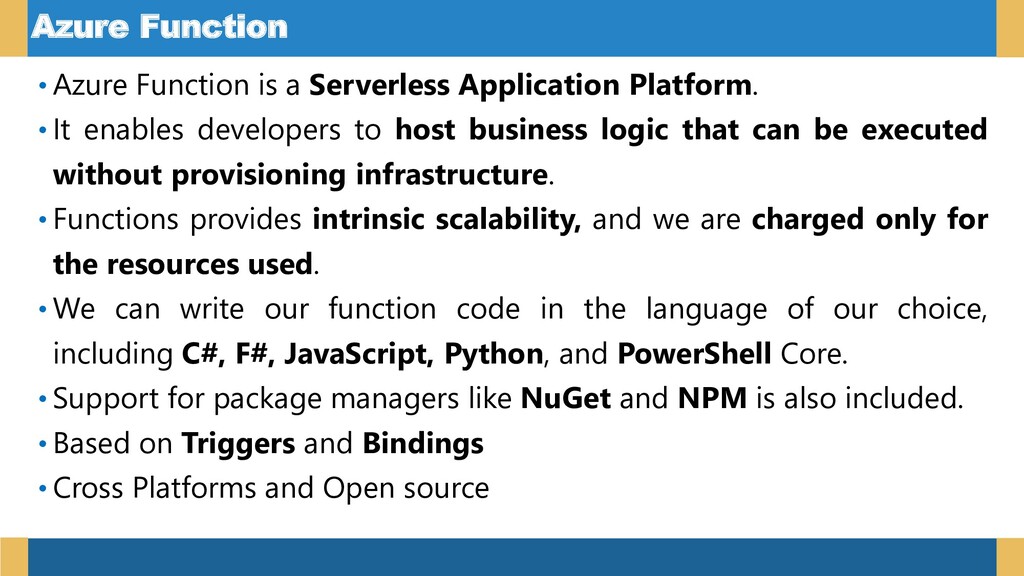
• It enables developers to host business logic that can be executed without provisioning infrastructure. • Functions provides intrinsic scalability, and we are charged only for the resources used. • We can write our function code in the language of our choice, including C#, F#, JavaScript, Python, and PowerShell Core. • Support for package managers like NuGet and NPM is also included. • Based on Triggers and Bindings • Cross Platforms and Open source
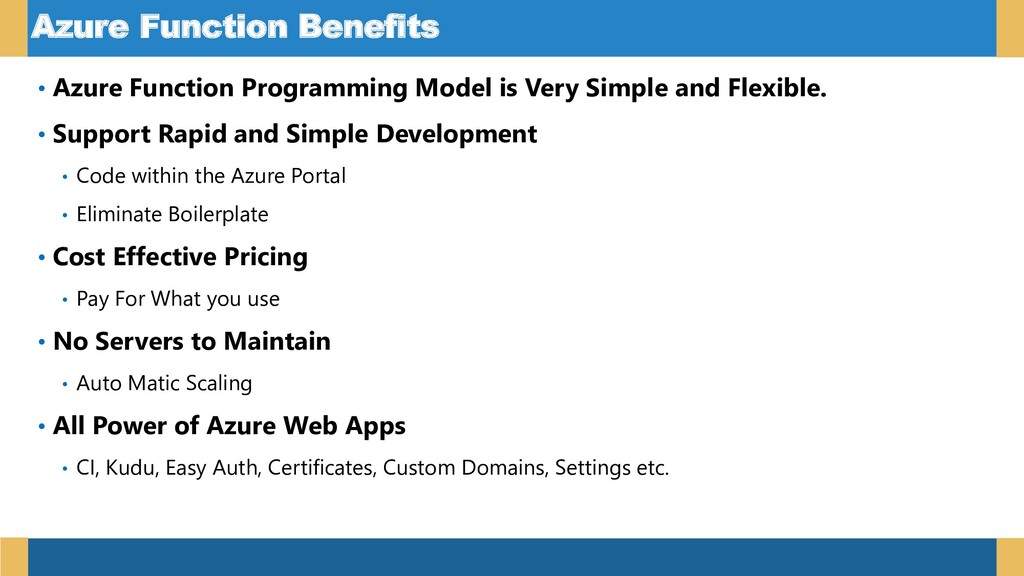
Simple and Flexible. • Support Rapid and Simple Development • Code within the Azure Portal • Eliminate Boilerplate • Cost Effective Pricing • Pay For What you use • No Servers to Maintain • Auto Matic Scaling • All Power of Azure Web Apps • CI, Kudu, Easy Auth, Certificates, Custom Domains, Settings etc.
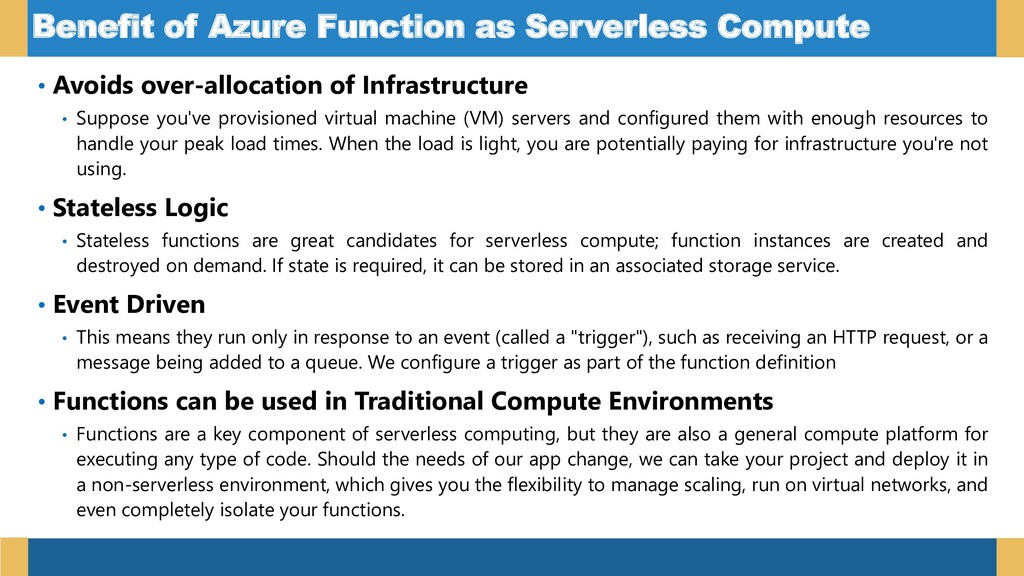
of Infrastructure • Suppose you've provisioned virtual machine (VM) servers and configured them with enough resources to handle your peak load times. When the load is light, you are potentially paying for infrastructure you're not using. • Stateless Logic • Stateless functions are great candidates for serverless compute; function instances are created and destroyed on demand. If state is required, it can be stored in an associated storage service. • Event Driven • This means they run only in response to an event (called a "trigger"), such as receiving an HTTP request, or a message being added to a queue. We configure a trigger as part of the function definition • Functions can be used in Traditional Compute Environments • Functions are a key component of serverless computing, but they are also a general compute platform for executing any type of code. Should the needs of our app change, we can take your project and deploy it in a non-serverless environment, which gives you the flexibility to manage scaling, run on virtual networks, and even completely isolate your functions.
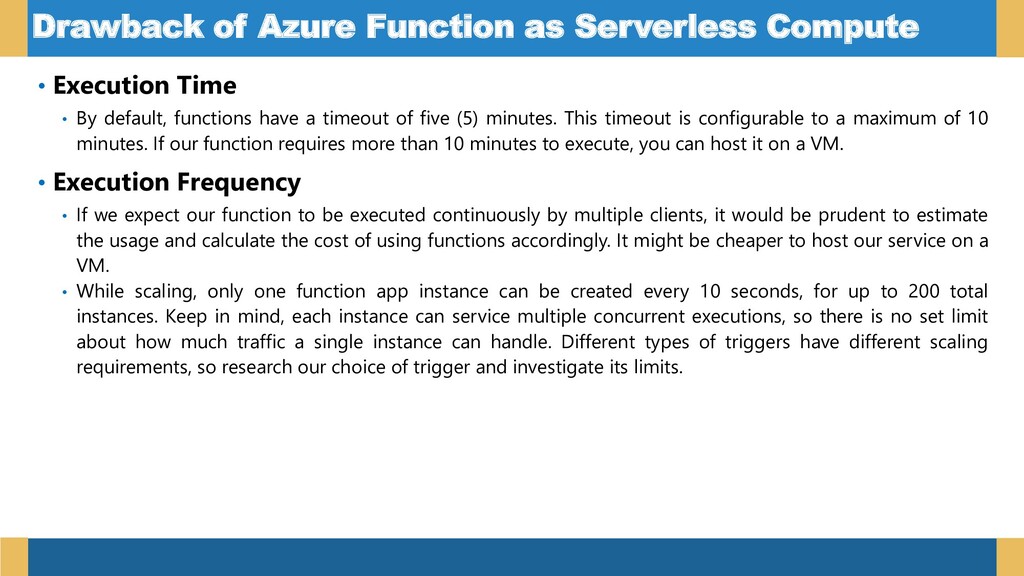
• By default, functions have a timeout of five (5) minutes. This timeout is configurable to a maximum of 10 minutes. If our function requires more than 10 minutes to execute, you can host it on a VM. • Execution Frequency • If we expect our function to be executed continuously by multiple clients, it would be prudent to estimate the usage and calculate the cost of using functions accordingly. It might be cheaper to host our service on a VM. • While scaling, only one function app instance can be created every 10 seconds, for up to 200 total instances. Keep in mind, each instance can service multiple concurrent executions, so there is no set limit about how much traffic a single instance can handle. Different types of triggers have different scaling requirements, so research our choice of trigger and investigate its limits.
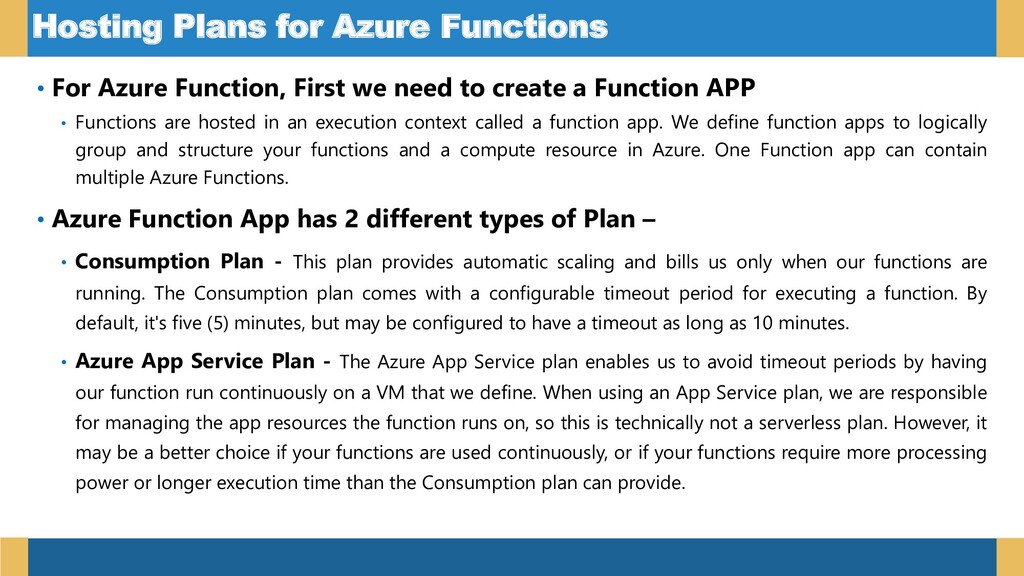
we need to create a Function APP • Functions are hosted in an execution context called a function app. We define function apps to logically group and structure your functions and a compute resource in Azure. One Function app can contain multiple Azure Functions. • Azure Function App has 2 different types of Plan – • Consumption Plan - This plan provides automatic scaling and bills us only when our functions are running. The Consumption plan comes with a configurable timeout period for executing a function. By default, it's five (5) minutes, but may be configured to have a timeout as long as 10 minutes. • Azure App Service Plan - The Azure App Service plan enables us to avoid timeout periods by having our function run continuously on a VM that we define. When using an App Service plan, we are responsible for managing the app resources the function runs on, so this is technically not a serverless plan. However, it may be a better choice if your functions are used continuously, or if your functions require more processing power or longer execution time than the Consumption plan can provide.
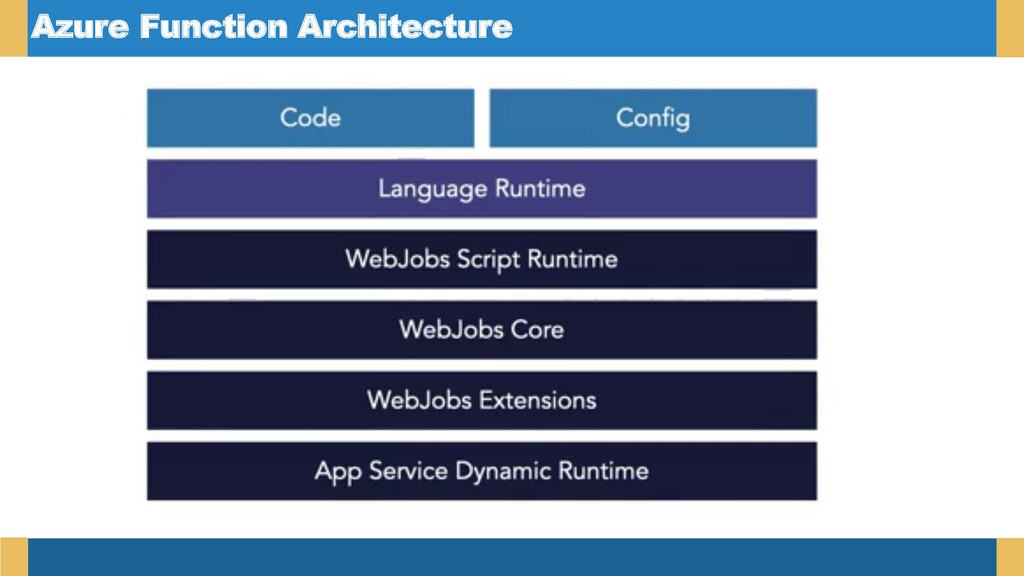
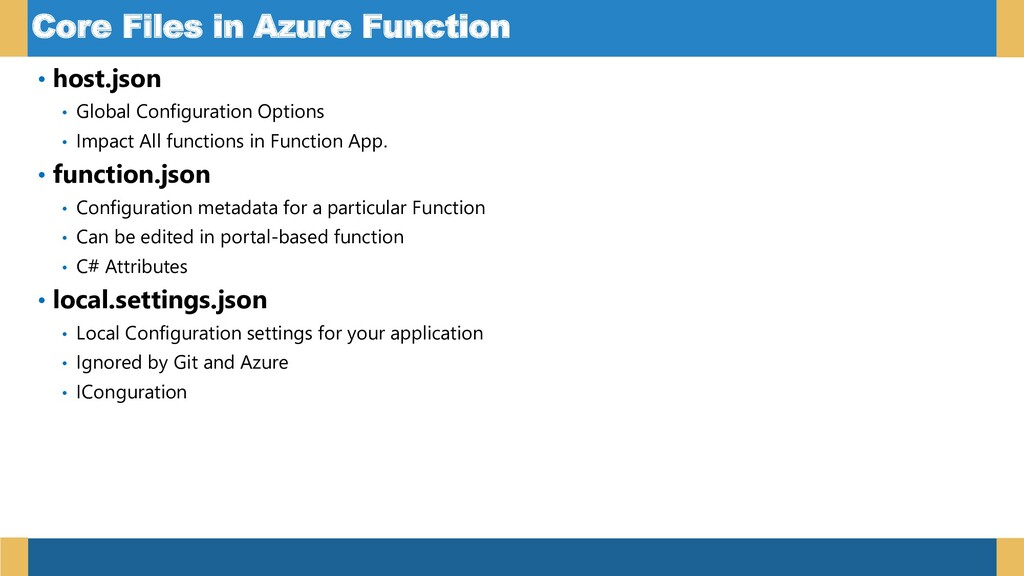
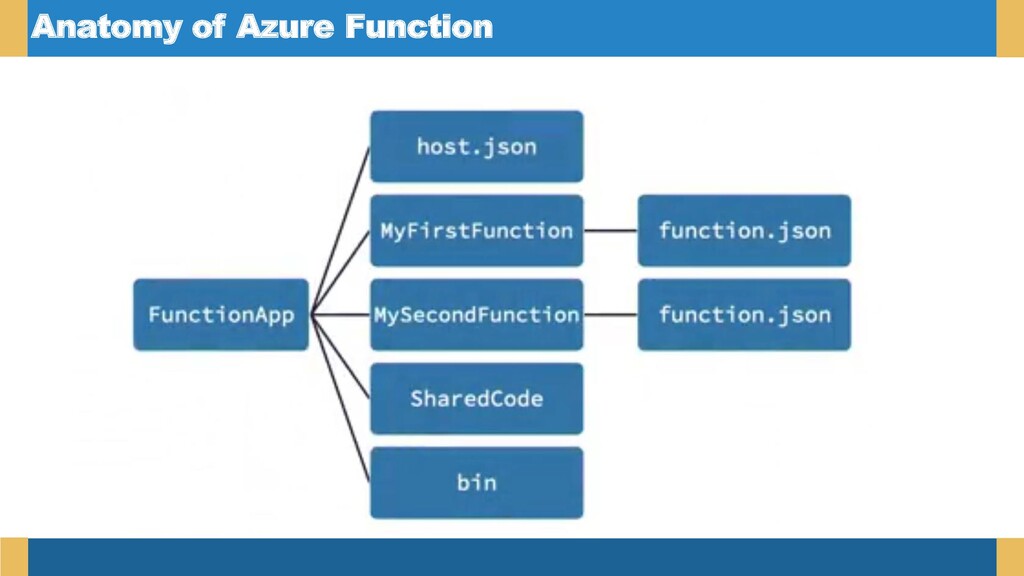
Options • Impact All functions in Function App. • function.json • Configuration metadata for a particular Function • Can be edited in portal-based function • C# Attributes • local.settings.json • Local Configuration settings for your application • Ignored by Git and Azure • IConguration


 427marketing
 morganepeng
 frankvandijk
 palkan
 garrettdimon
 codingconduct
 rkendrick25
 tmiket
 eileencodes
 ryanjones
 mraible
 orderedlist