Upgrade to Pro
— share decks privately, control downloads, hide ads and more …
Speaker Deck
Sign up for free
Menu
Search
Features
All features
Private URLs
Password Protection
Custom URLS
Scheduled publishing
Remove Branding
Restrict embedding
Deck Collections
Notes
Features
All features
Private URLs
Password Protection
Custom URLS
Scheduled publishing
Remove Branding
Restrict embedding
Deck Collections
Notes
Explore
Featured decks
Featured speakers
Programming
Technology
Storyboards
Explore
Featured decks
Featured speakers
Programming
Technology
Storyboards
Pricing
Search
Sign in
Sign up for free
Treinamento de testes em JavaScript :: Parte 1
Search
Eduardo Matos
August 22, 2019
Technology
270
0
Share
Embed
Copy iframe code
Copy JS code
Copy link
Start on current slide
Treinamento de testes em JavaScript :: Parte 1
Eduardo Matos
August 22, 2019
More Decks by Eduardo Matos
See All by Eduardo Matos
Innovation and Leadership: Two sides of the same coin
eduardomatos
0
70
Como se tornar o líder que sua equipe precisa e merece
eduardomatos
0
37
Oito Habilidades do(a) dev indispensável
eduardomatos
2
110
Retrospectivas Eficazes
eduardomatos
0
31
Treinamento de testes em JavaScript :: Parte 4
eduardomatos
2
44
Treinamento de testes em JavaScript :: Parte 3
eduardomatos
0
38
Treinamento de testes em JavaScript :: Parte 2
eduardomatos
0
37
Introdução Ao Kubernetes Para Devs
eduardomatos
0
39
10 Formas De Voltar No Tempo Sem Quebrar As Leis Da Física
eduardomatos
0
55
Other Decks in Technology
See All in Technology
AIがコードを書く時代に、エンジニアは何で自分の価値を証明するのか / In an era where AI writes code how do engineers prove their value
carta_engineering
3
1.1k
会社説明資料
persolserverworks
0
9.8k
Active Record Connection Adaptersにおける長年の課題に再び取り組む
yahonda
0
140
初海外で注意すべきこと12選!!!安全快適なre:invent生活にするために
yuuuuuuu168
1
160
Gemini Intelligence 入門 ― AppFunctions と Gemini Nano
takuroabe
0
250
オントロジーって 結局なにもの? AI エージェントに「意味」を渡す知識設計の話
greenmidori
0
180
事業成長とデータ活用を止めないためのマネジメントへ挑戦
hiracky16
0
390
二歩目のフロントエンド・ウェブアクセシビリティ
camiha
2
570
Rustuna: Rustによる高速なOptuna実装
pfn
PRO
0
190
フロントエンドカンファレンス関西2026 - 速すぎるUIに、待ち時間を
teamlab
PRO
0
130
「事実」を「計測」して、「解釈」する 〜AWS Lambdaのメモリ最適解の見つけ方〜
maimyyym
0
170
USB PDを使ってスマホを労わりたい
raspython3
0
180
Featured
See All Featured
Measuring Dark Social's Impact On Conversion and Attribution
stephenakadiri
2
310
Skip the Path - Find Your Career Trail
mkilby
1
260
Prompt Engineering for Job Search
mfonobong
0
520
コードの90%をAIが書く世界で何が待っているのか / What awaits us in a world where 90% of the code is written by AI
rkaga
63
46k
Effective software design: The role of men in debugging patriarchy in IT @ Voxxed Days AMS
baasie
1
570
The SEO identity crisis: Don't let AI make you average
varn
0
590
jQuery: Nuts, Bolts and Bling
dougneiner
66
8.6k
Why Our Code Smells
bkeepers
PRO
340
58k
ラッコキーワード サービス紹介資料
rakko
1
5.3M
Automating Front-end Workflow
addyosmani
1369
210k
How to Build an AI Search Optimization Roadmap - Criteria and Steps to Take #SEOIRL
aleyda
1
2.2k
How STYLIGHT went responsive
nonsquared
100
6.3k
Transcript
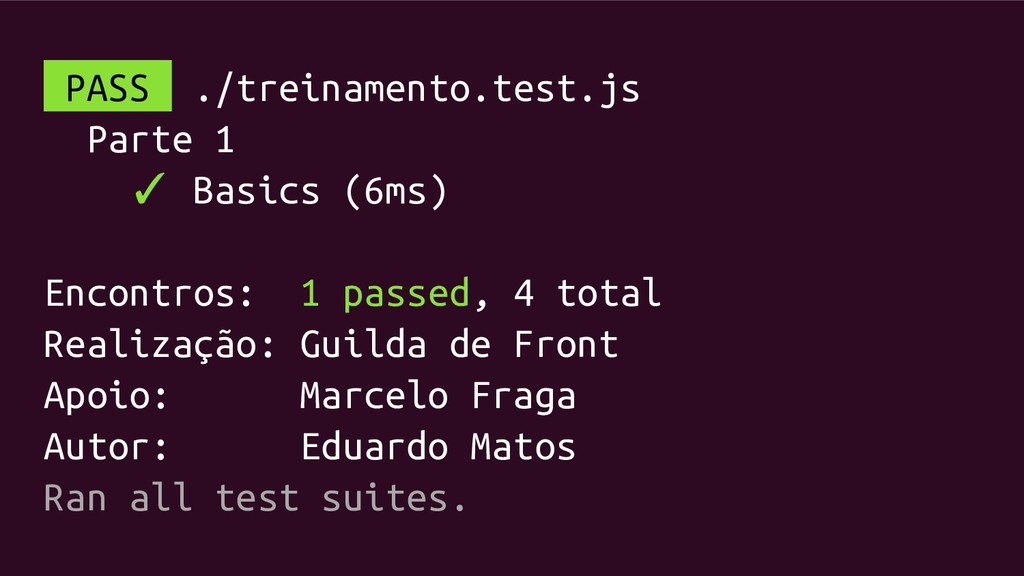
PASS ./treinamento.test.js Parte 1 ✓ Basics (6ms) Encontros: 1 passed,
4 total Realização: Guilda de Front Apoio: Marcelo Fraga Autor: Eduardo Matos Ran all test suites.
O que são testes automatizados?
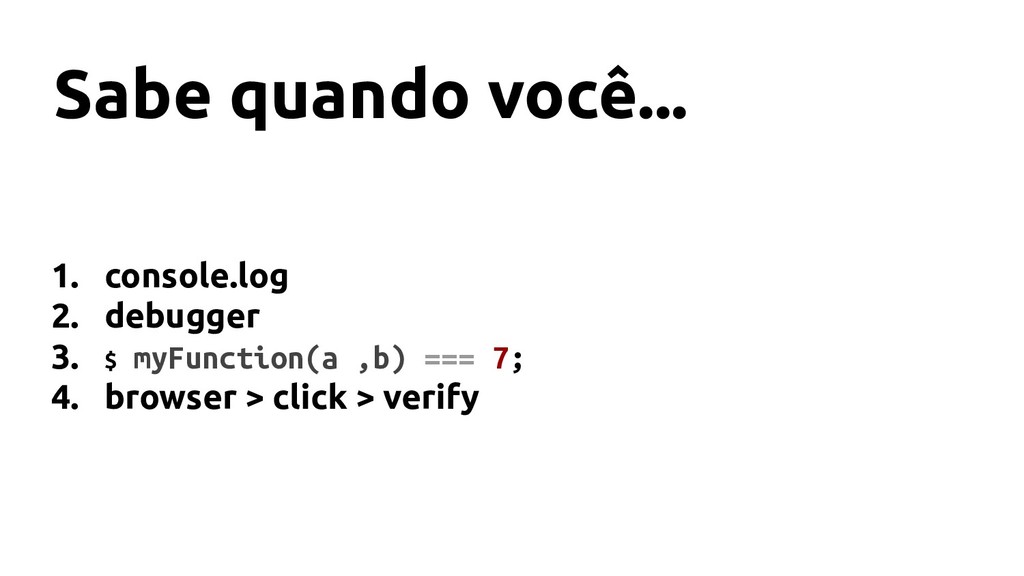
Sabe quando você... 1. console.log 2. debugger 3. $ myFunction(a
,b) === 7; 4. browser > click > verify
Você está testando, mas você joga fora todos os testes
depois de ver que o código está ok
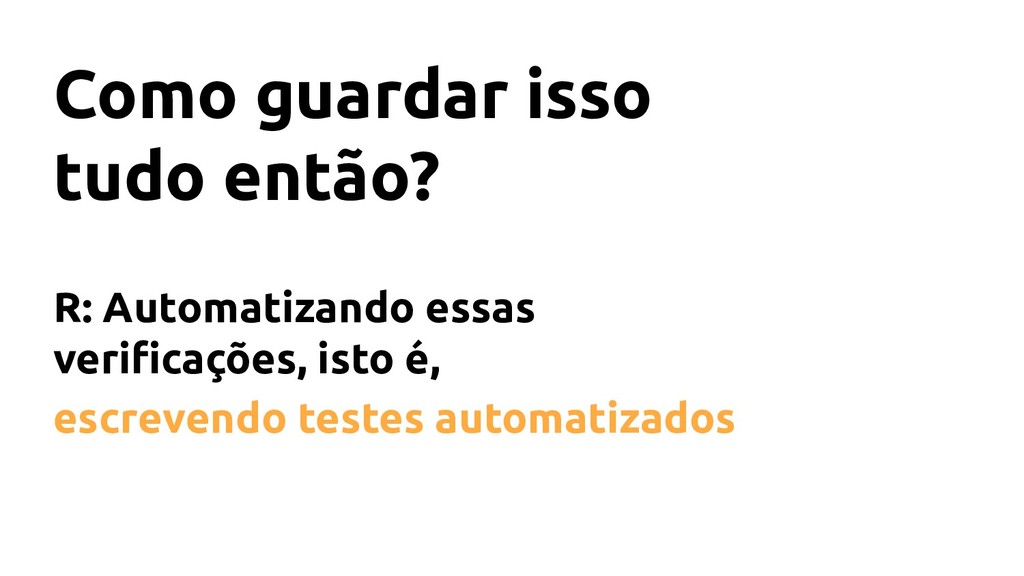
Como guardar isso tudo então? R: Automatizando essas verificações, isto
é, escrevendo testes automatizados
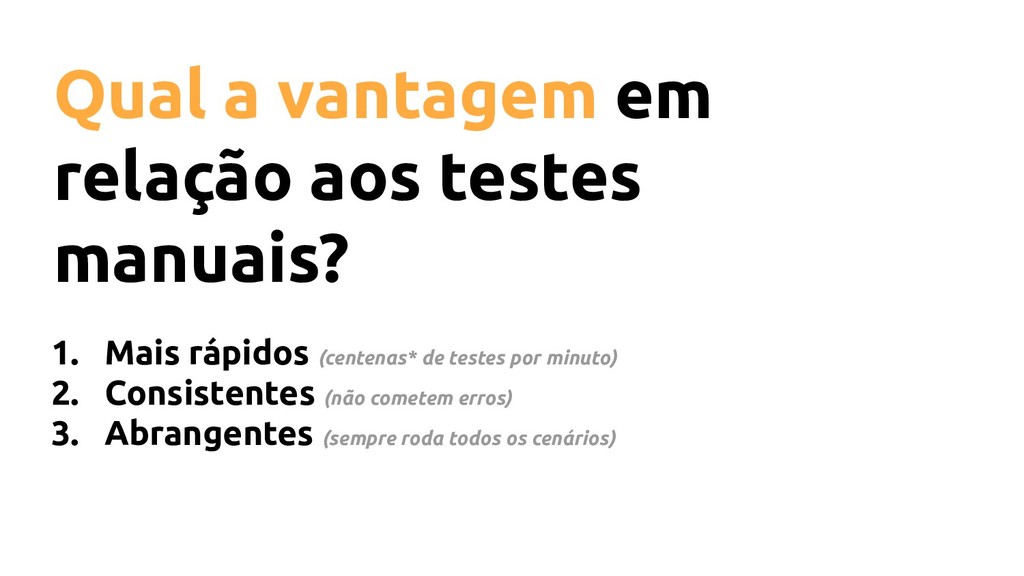
Qual a vantagem em relação aos testes manuais? 1. Mais
rápidos (centenas* de testes por minuto) 2. Consistentes (não cometem erros) 3. Abrangentes (sempre roda todos os cenários)
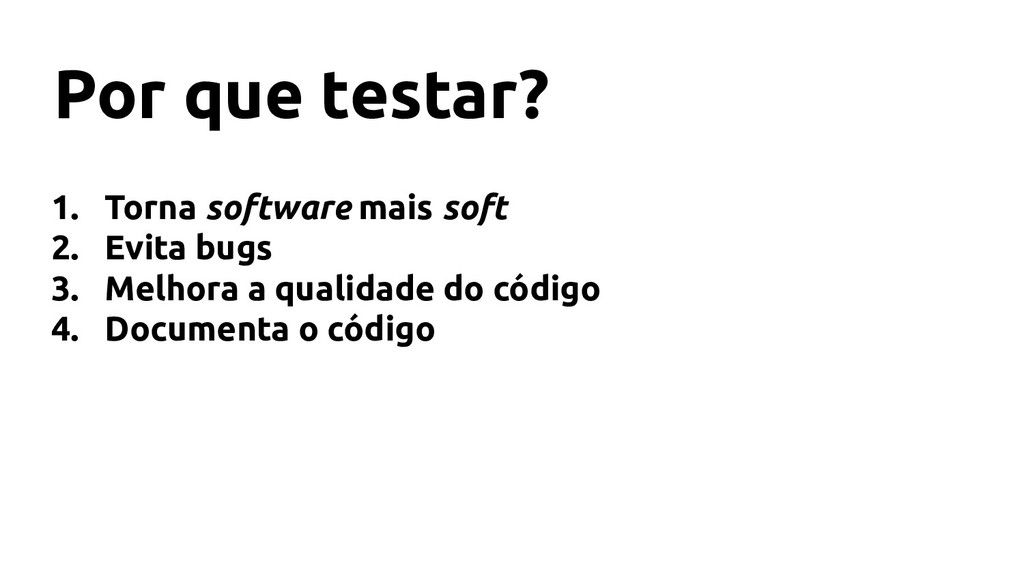
Por que testar? 1. Torna software mais soft 2. Evita
bugs 3. Melhora a qualidade do código 4. Documenta o código
O que testar?
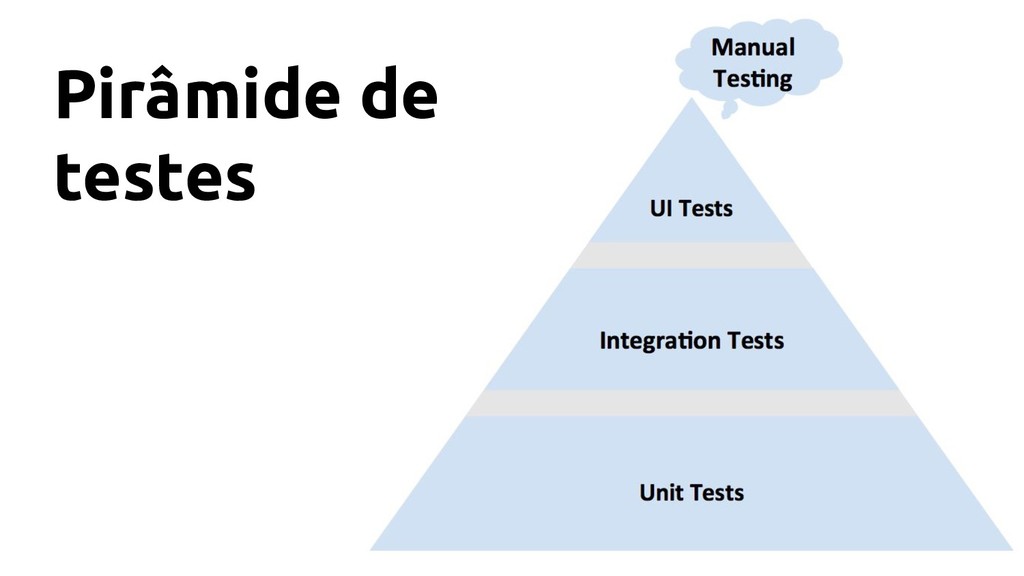
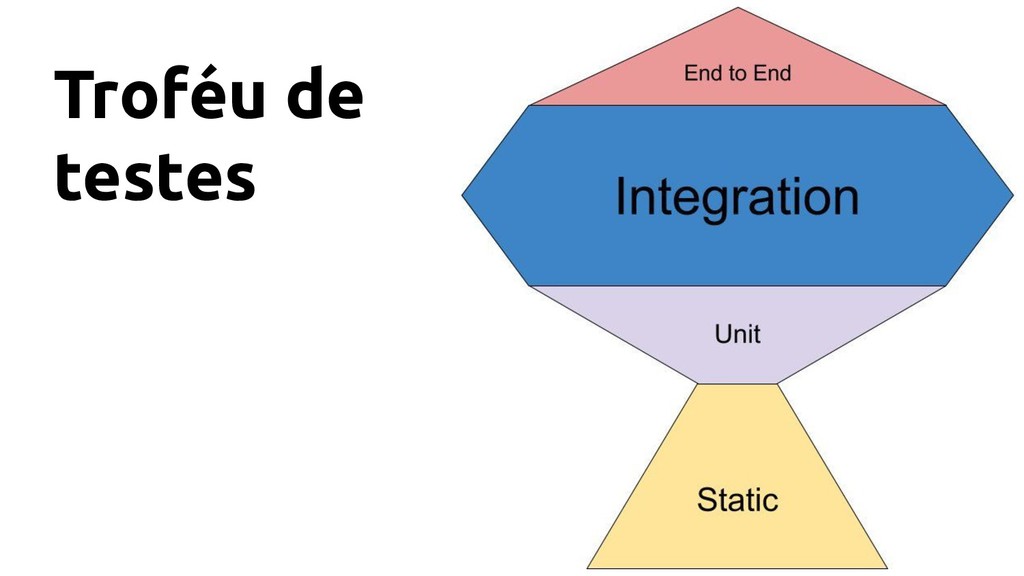
Pirâmide de testes
Troféu de testes
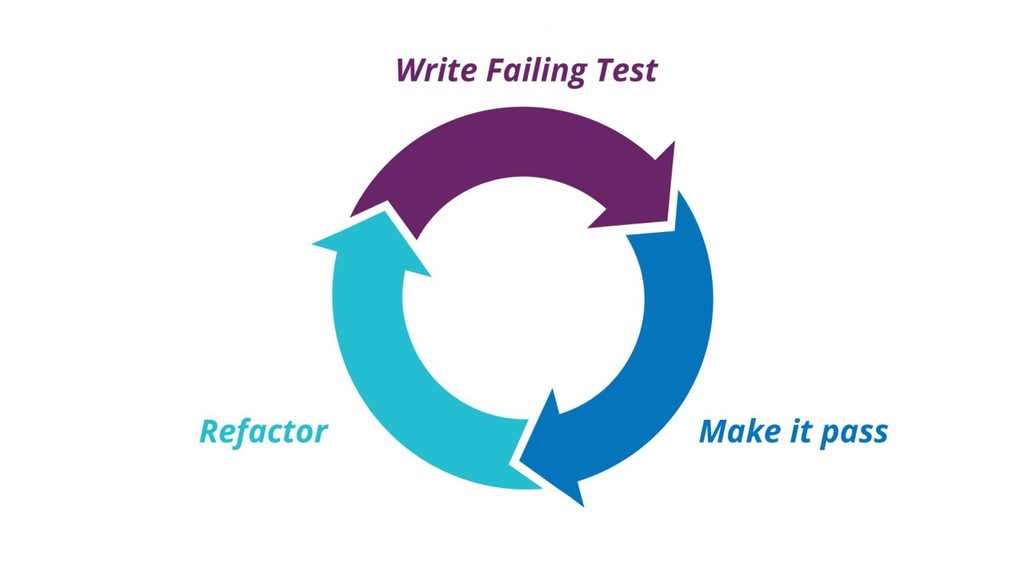
TDD Test Driven Development
None
None
[Intencionalmente deixado em branco]
Iremos criar um parser de URL
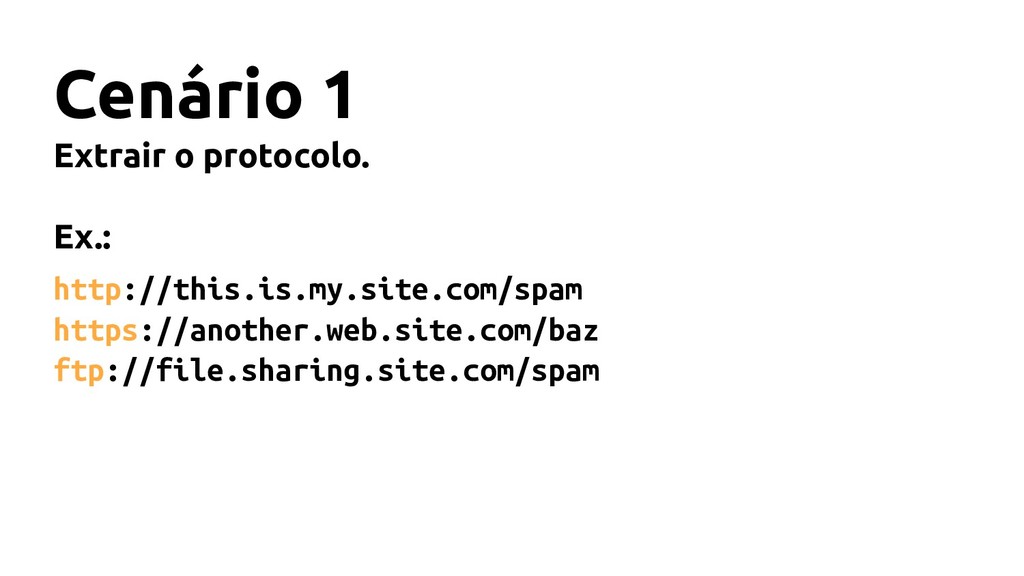
Cenário 1 Extrair o protocolo. Ex.: http://this.is.my.site.com/spam https://another.web.site.com/baz ftp://file.sharing.site.com/spam
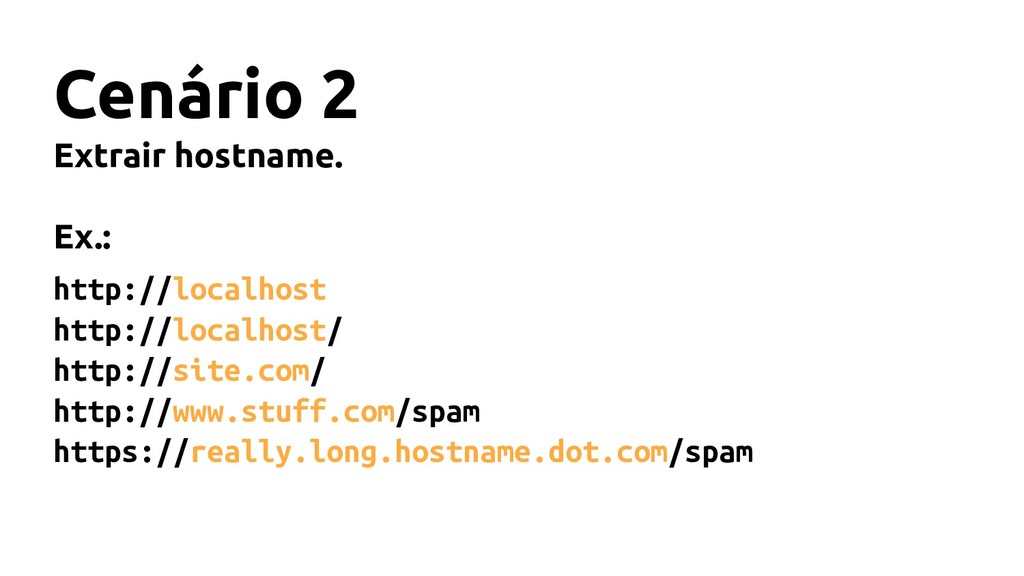
Cenário 2 Extrair hostname. Ex.: http://localhost http://localhost/ http://site.com/ http://www.stuff.com/spam https://really.long.hostname.dot.com/spam
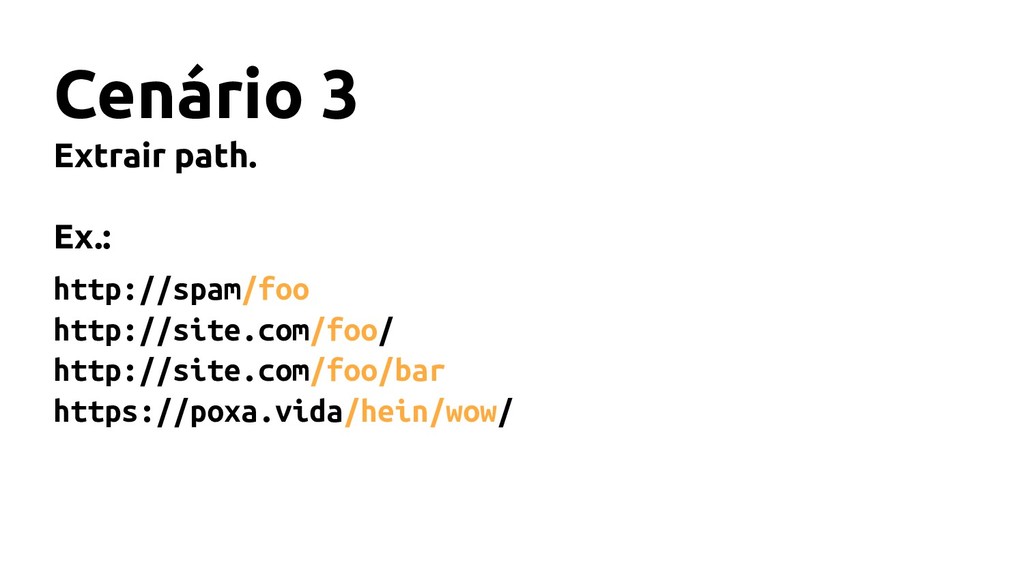
Cenário 3 Extrair path. Ex.: http://spam/foo http://site.com/foo/ http://site.com/foo/bar https://poxa.vida/hein/wow/
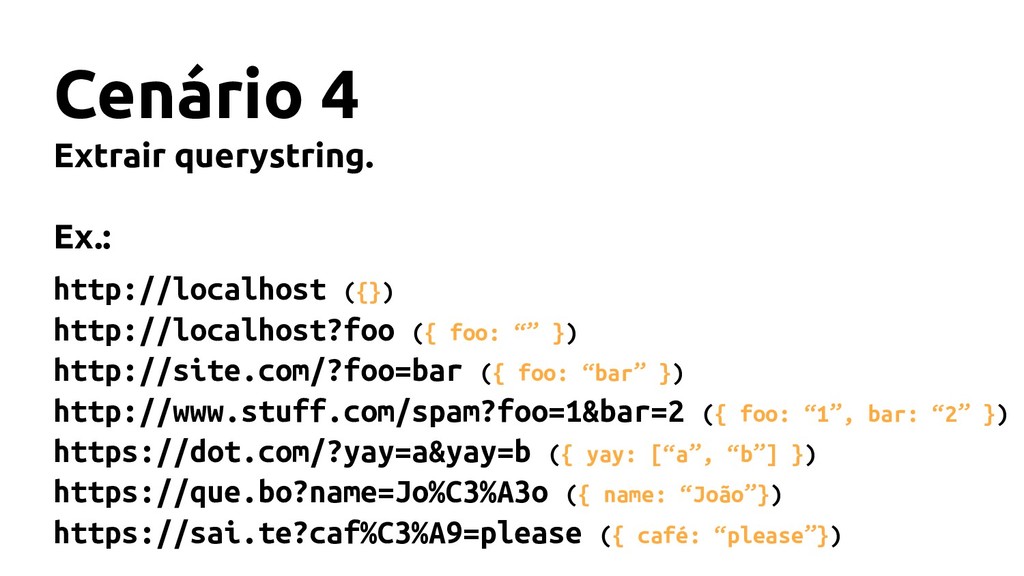
Cenário 4 Extrair querystring. Ex.: http://localhost ({}) http://localhost?foo ({ foo:
“” }) http://site.com/?foo=bar ({ foo: “bar” }) http://www.stuff.com/spam?foo=1&bar=2 ({ foo: “1”, bar: “2” }) https://dot.com/?yay=a&yay=b ({ yay: [“a”, “b”] }) https://que.bo?name=Jo%C3%A3o ({ name: “João”}) https://sai.te?caf%C3%A9=please ({ café: “please”})
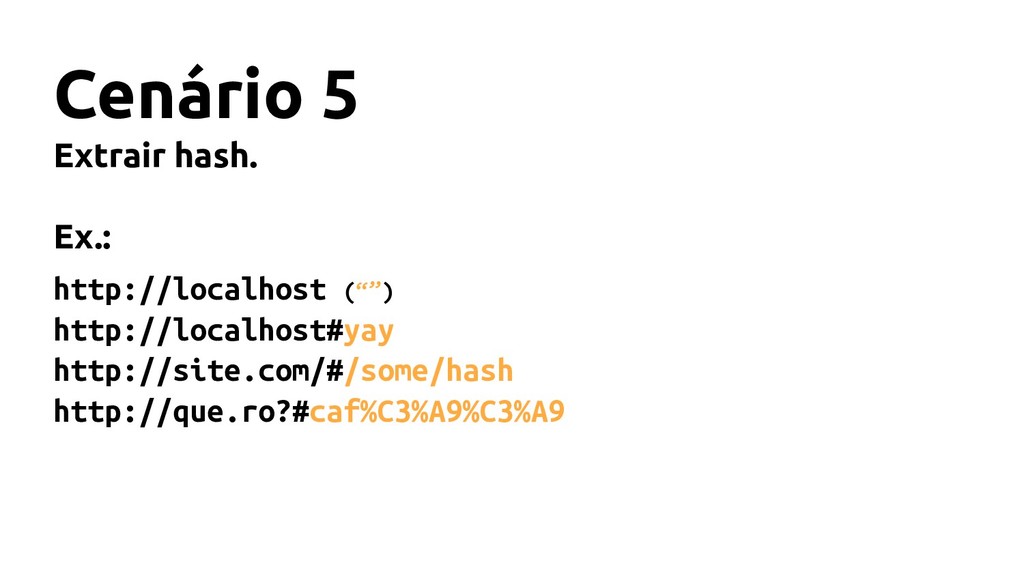
Cenário 5 Extrair hash. Ex.: http://localhost (“”) http://localhost#yay http://site.com/#/some/hash http://que.ro?#caf%C3%A9%C3%A9
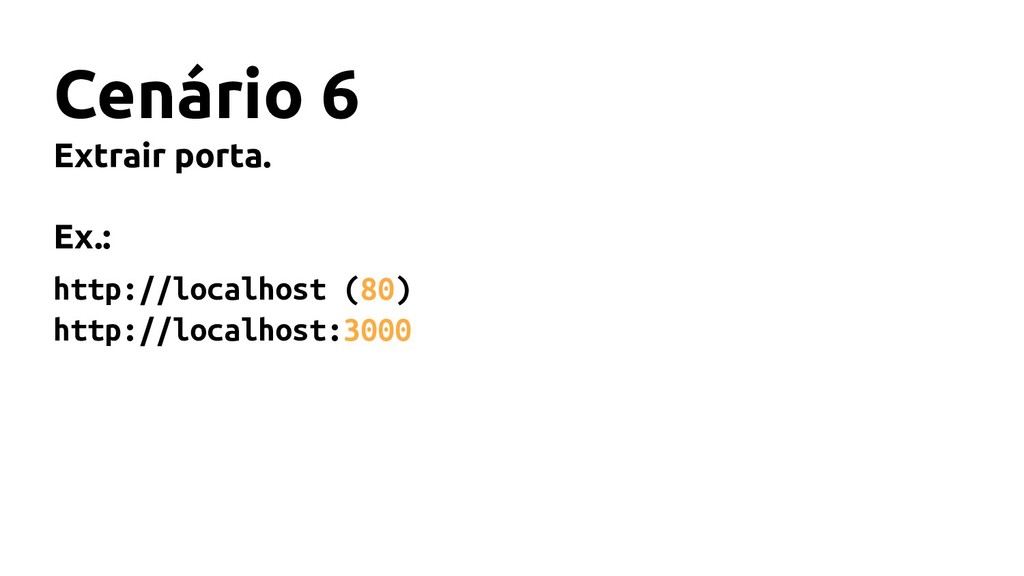
Cenário 6 Extrair porta. Ex.: http://localhost (80) http://localhost:3000
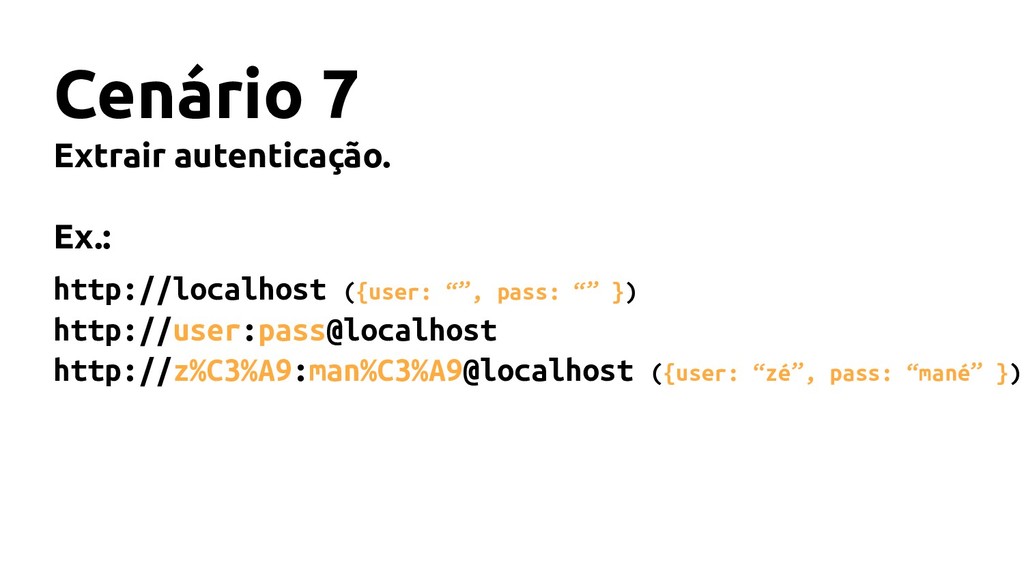
Cenário 7 Extrair autenticação. Ex.: http://localhost ({user: “”, pass: “”
}) http://user:pass@localhost http://z%C3%A9:man%C3%A9@localhost ({user: “zé”, pass: “mané” })
Cenário 8 Juntando tudo. Ex.: sftp://poxa:
[email protected]
:3000/yay/wow/?spam=egg&spam=r%C3%A3&pat%C3%AA=cream#something


 eduardomatos
 carta_engineering
 persolserverworks
 yahonda
 yuuuuuuu168
 takuroabe
 greenmidori
 hiracky16
 camiha
 pfn
pfn
 teamlab
 maimyyym
 raspython3
 stephenakadiri
 mkilby
 mfonobong
 rkaga
rkaga
 baasie
 varn
varn
 dougneiner
 bkeepers
 rakko
rakko
 addyosmani
 aleyda
 nonsquared



![[Intencionalmente deixado em branco]](https://files.speakerdeck.com/presentations/e4994bf2597547ccb0eb3c75885e720e/slide_13.jpg)

![Cenário 8 Juntando tudo. Ex.: sftp://poxa:[email protected]:3000/yay/wow/?spam=egg&spam=r%C3%A3&pat%C3%AA=cream#something](https://files.speakerdeck.com/presentations/e4994bf2597547ccb0eb3c75885e720e/slide_22.jpg)