Upgrade to Pro — share decks privately, control downloads, hide ads and more …

The Myth of the Monocluster (KubeCon NA, 2019)

The Myth of the Monocluster (KubeCon NA, 2019)

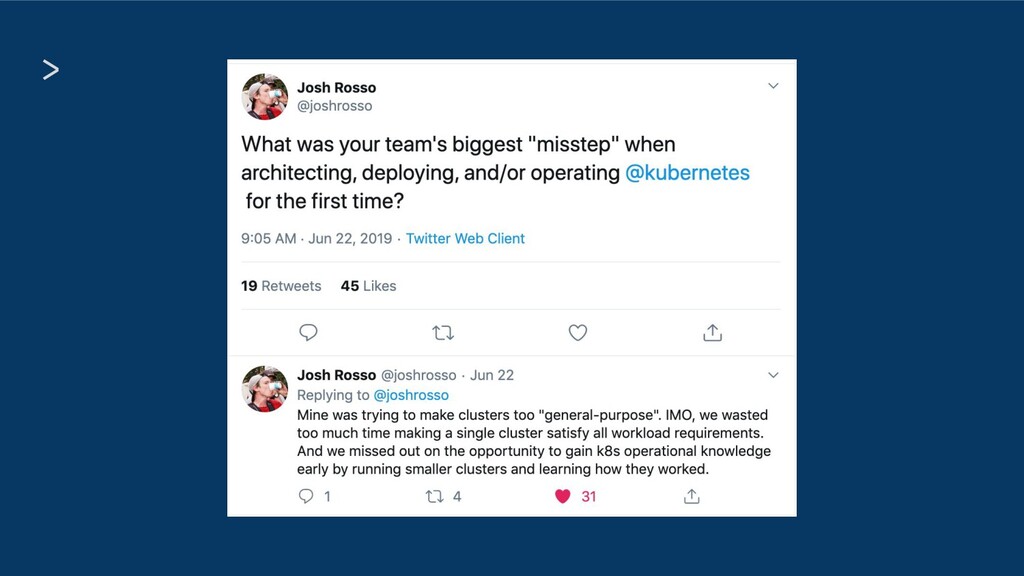
Building out a single monolithic Kubernetes cluster and trying to migrate all the things rarely, if ever, works out, and Kubernetes doesn't change that. It becomes harder to gather non-conflicting requirements, or avoid scope creep as new teams have what seem like reasonable asks (to them). Not to mention the technical challenges & increased blast radius of a big cluster.

How can we start with smaller teams, help them migrate and operationalize their clusters, learn from the inevitable mistakes, document the shortcuts, and use that as the framework for future teams?

Presented at KubeCon North America, 2019: https://kccncna19.sched.com/event/Uady/the-myth-of-the-monocluster-matt-silverlock-google

Avatar for Matt Silverlock

Matt Silverlock

November 20, 2019

Other Decks in Technology

Transcript

  1. > whoami • pm for cdn @ google. • open-source

    maintainer (github.com/gorilla) • still unsure whether writing conf talks is a good idea.
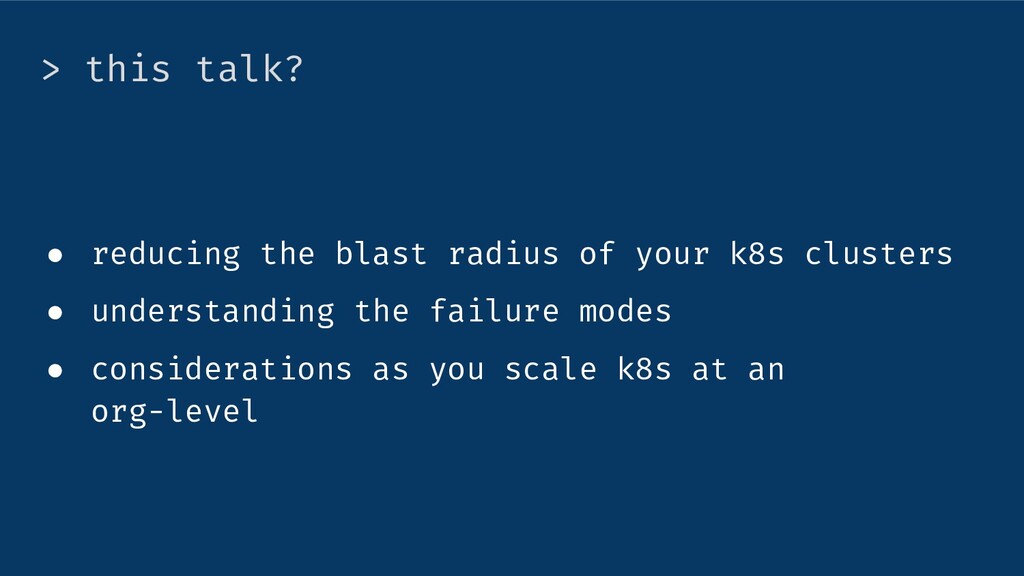
  2. > this talk? • reducing the blast radius of your
    k8s clusters • understanding the failure modes • considerations as you scale k8s at an org-level
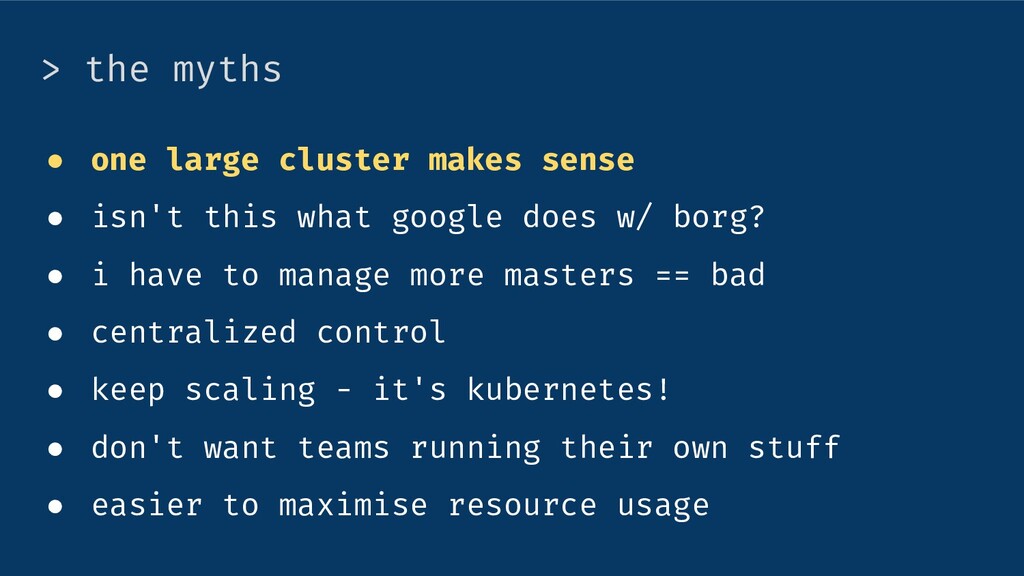
  3. > the myths • one large cluster makes sense •

    isn't this what google does w/ borg? • i have to manage more masters == bad • centralized control • keep scaling - it's kubernetes! • don't want teams running their own stuff • easier to maximise resource usage
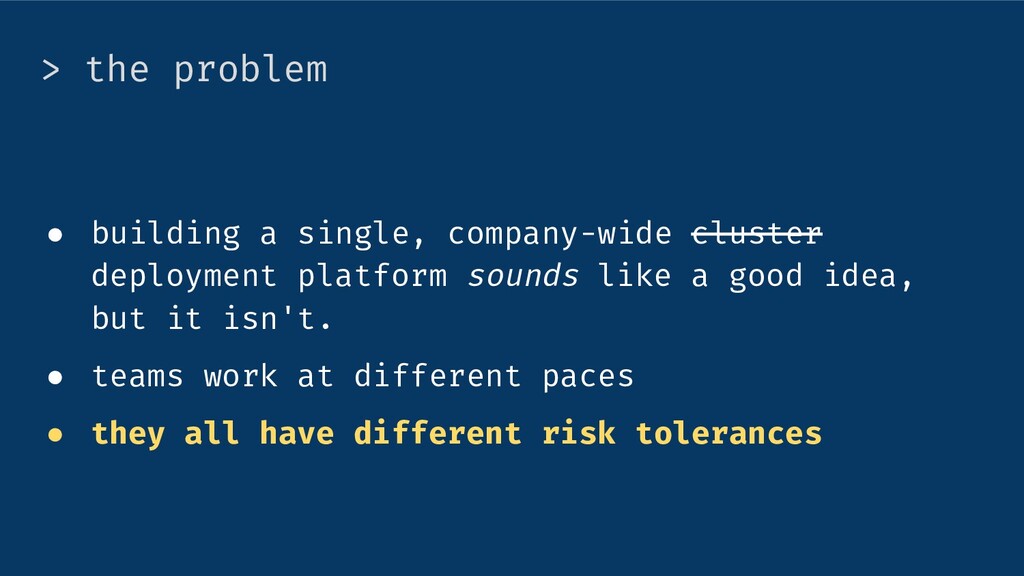
  4. > the problem • building a single, company-wide cluster deployment

    platform sounds like a good idea, but it isn't. • teams work at different paces • they all have different risk tolerances
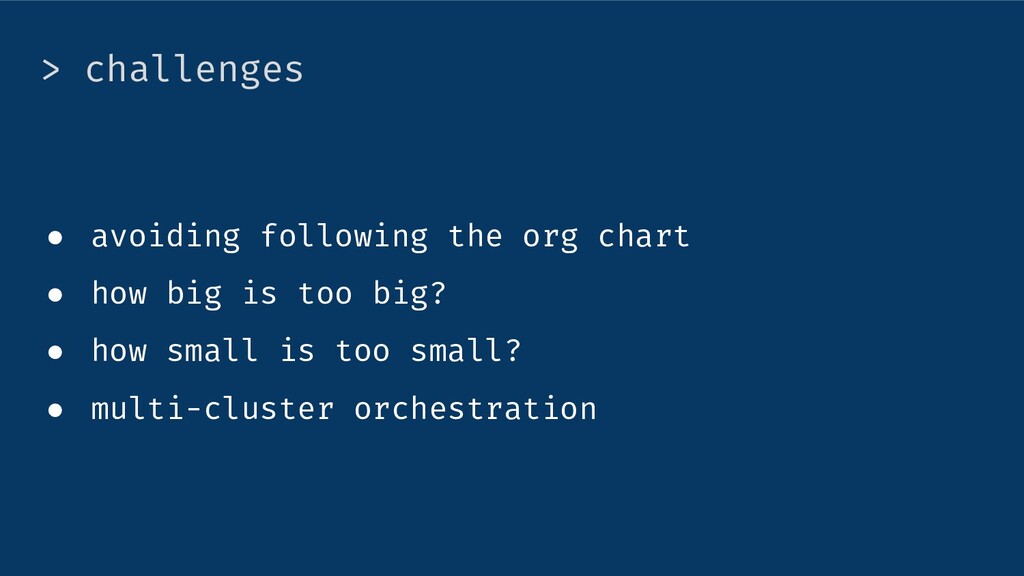
  5. > challenges • avoiding following the org chart • how

    big is too big? • how small is too small? • multi-cluster orchestration
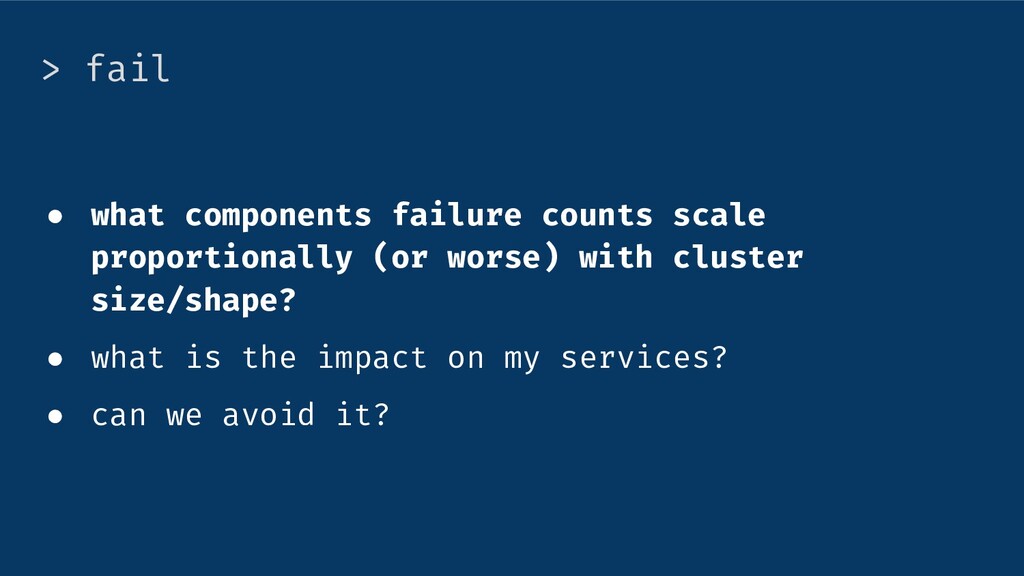
  6. > fail • what components failure counts scale proportionally (or

    worse) with cluster size/shape? • what is the impact on my services? • can we avoid it?
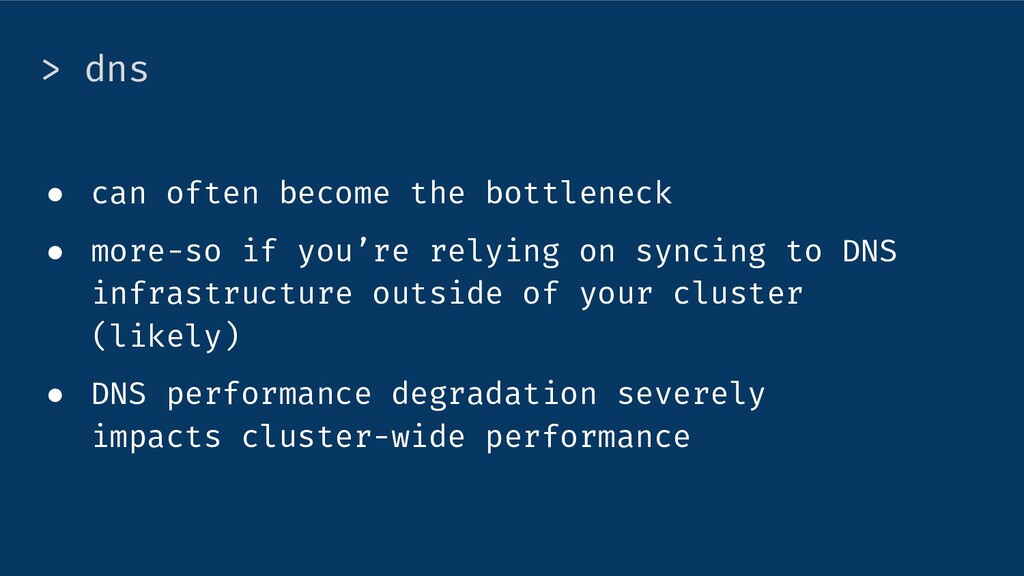
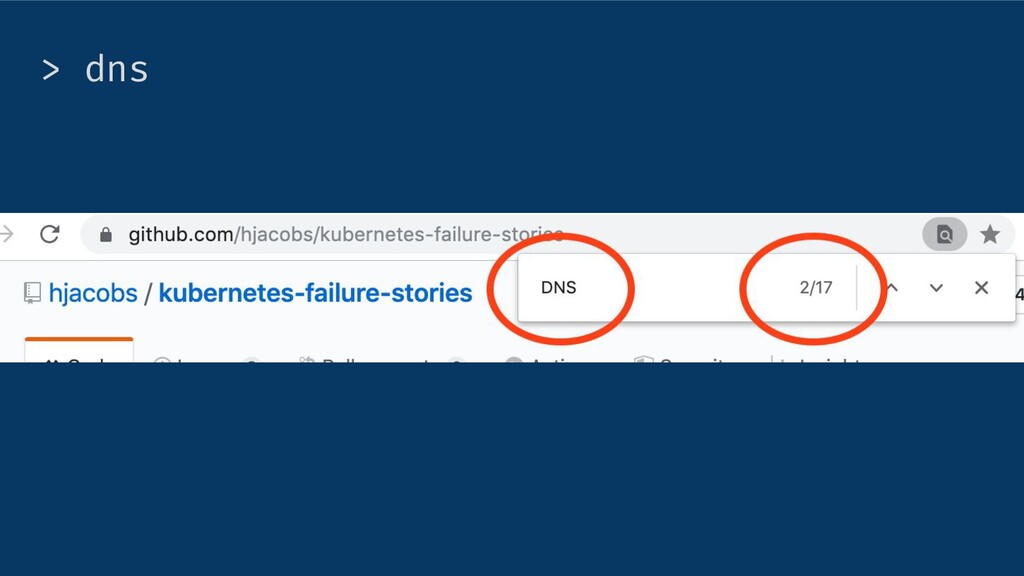
  7. > dns • can often become the bottleneck • more-so

    if you’re relying on syncing to DNS infrastructure outside of your cluster (likely) • DNS performance degradation severely impacts cluster-wide performance
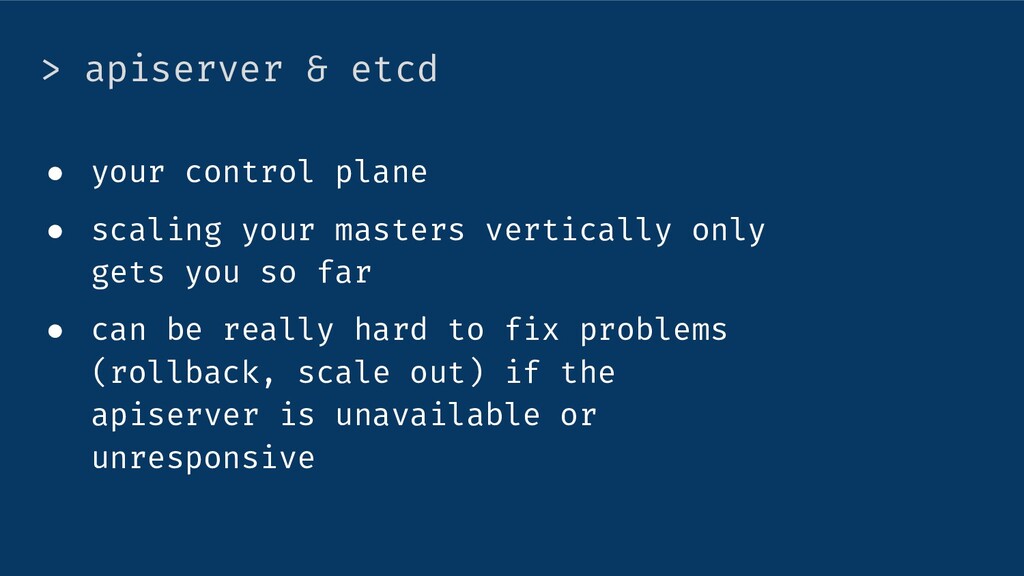
  8. > apiserver & etcd • your control plane • scaling

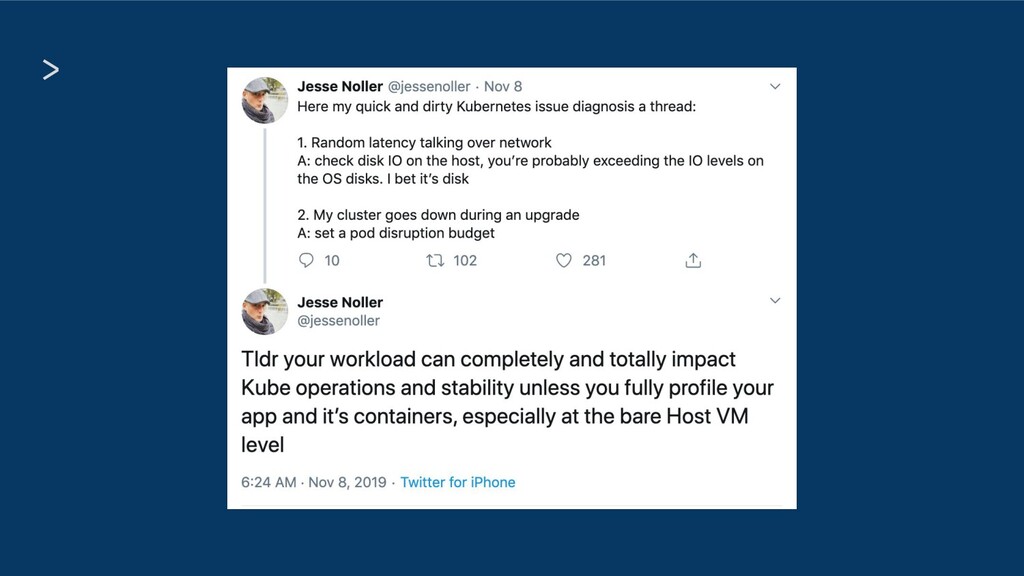
    your masters vertically only gets you so far • can be really hard to fix problems (rollback, scale out) if the apiserver is unavailable or unresponsive
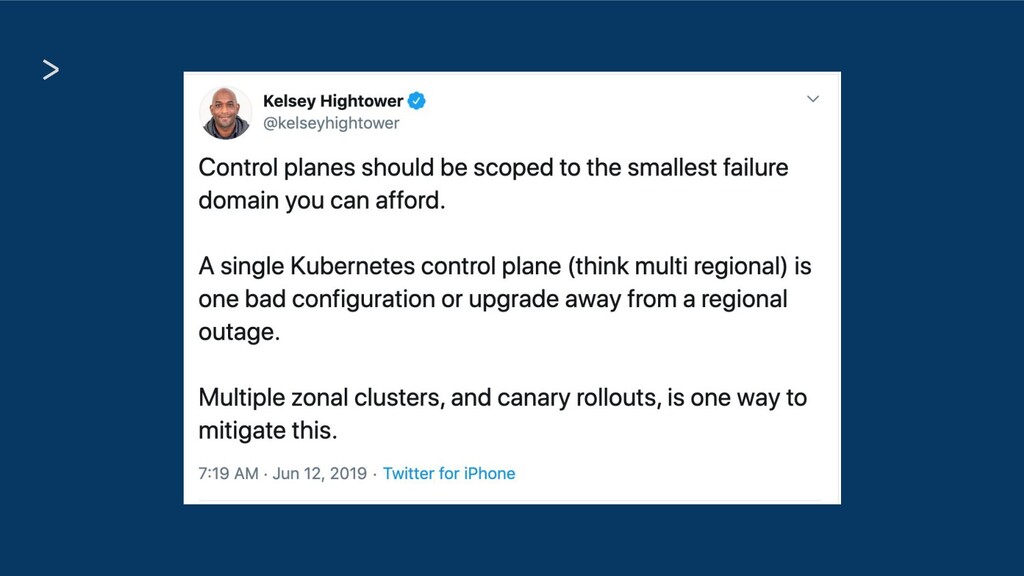
  9. >

  10. >

  11. >

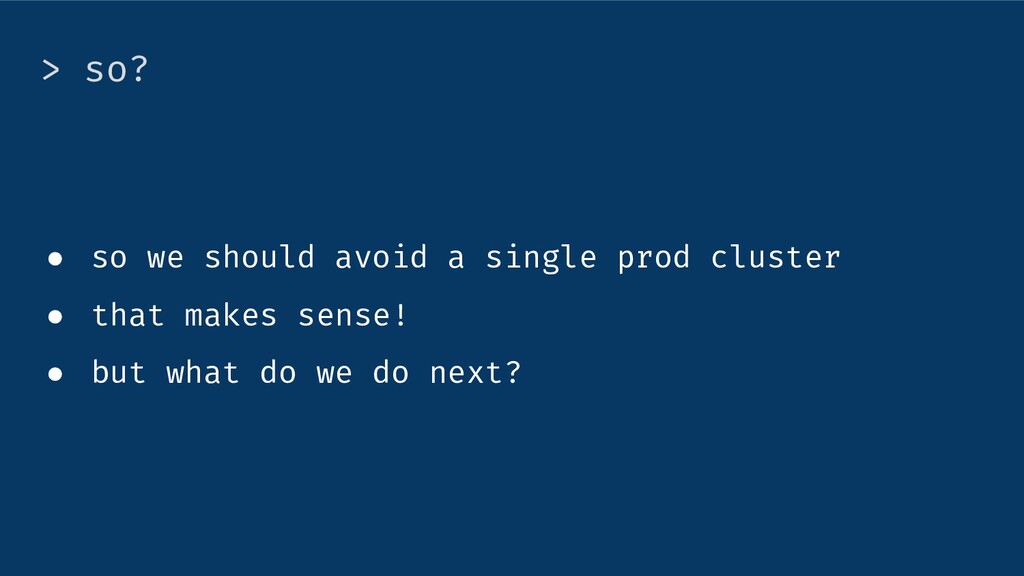
  12. > so? • so we should avoid a single prod

    cluster • that makes sense! • but what do we do next?
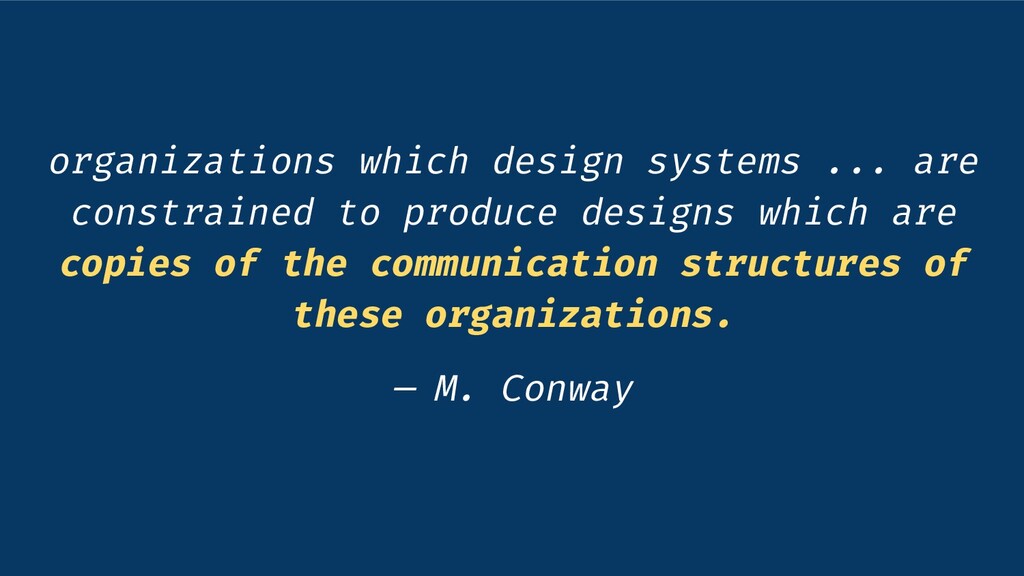
  13. organizations which design systems ... are constrained to produce designs

    which are copies of the communication structures of these organizations. — M. Conway
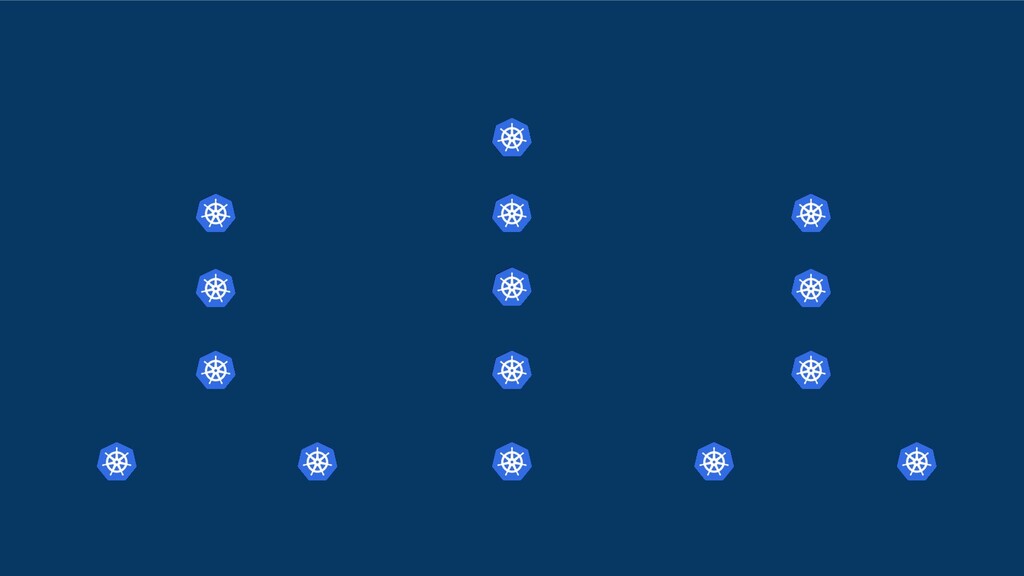
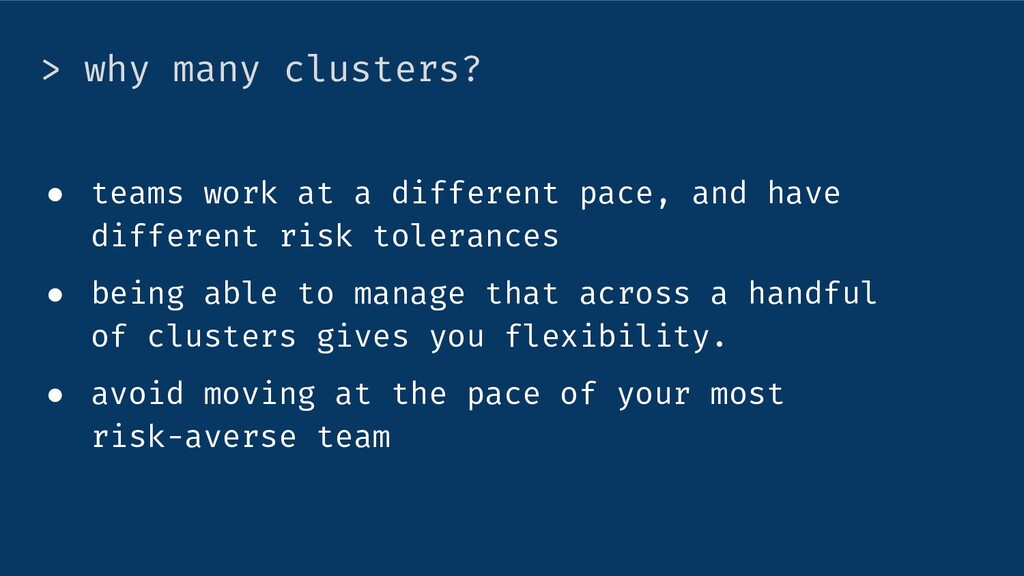
  14. > why many clusters? • teams work at a different

    pace, and have different risk tolerances • being able to manage that across a handful of clusters gives you flexibility. • avoid moving at the pace of your most risk-averse team
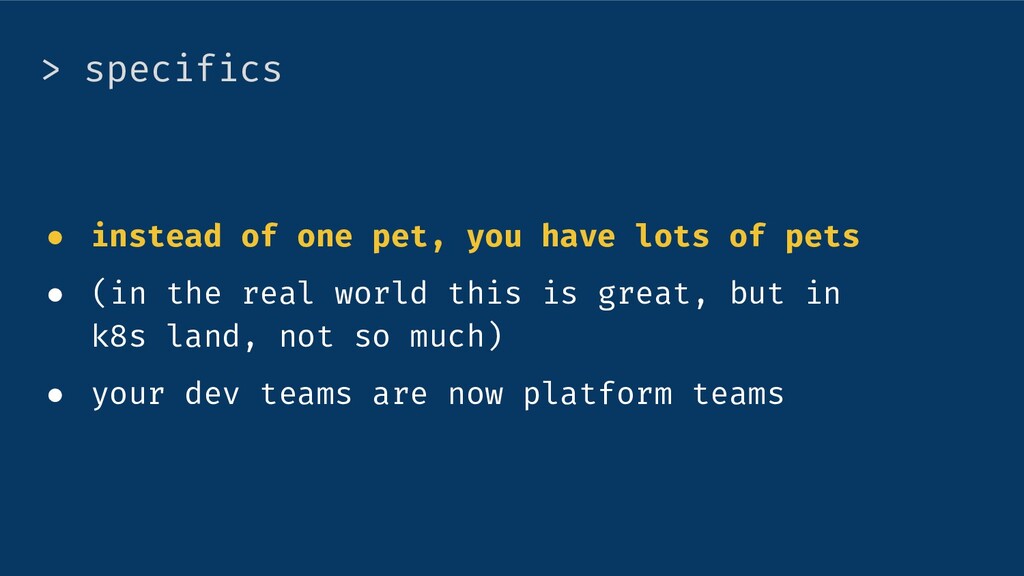
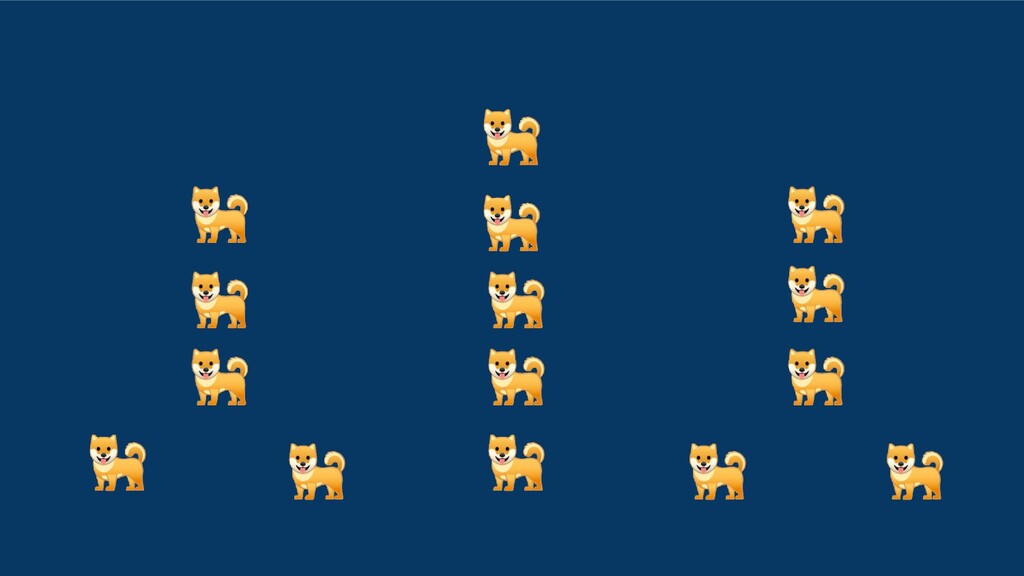
  15. > specifics • instead of one pet, you have lots

    of pets • (in the real world this is great, but in k8s land, not so much) • your dev teams are now platform teams
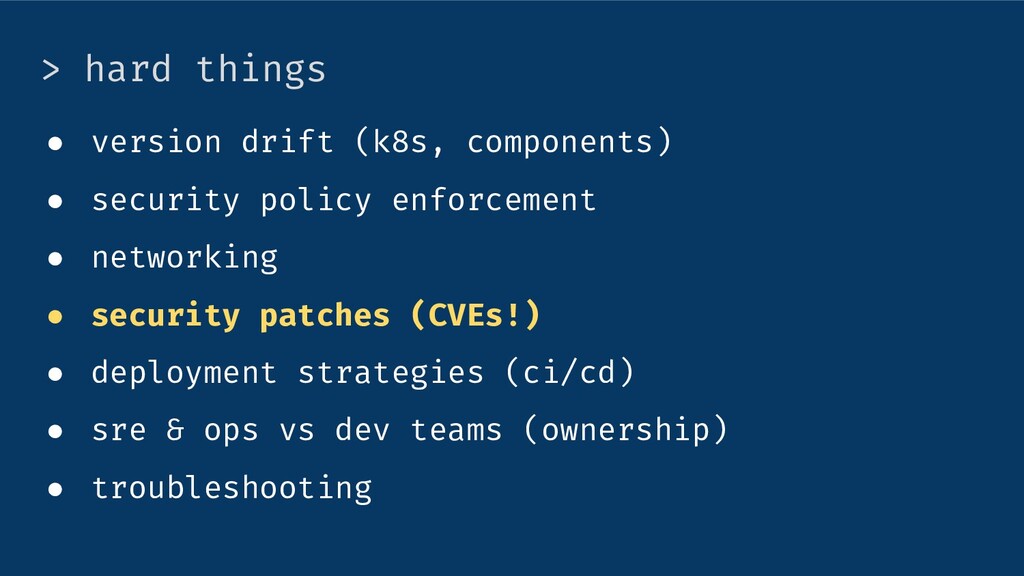
  16. > hard things • version drift (k8s, components) • security

    policy enforcement • networking • security patches (CVEs!) • deployment strategies (ci/cd) • sre & ops vs dev teams (ownership) • troubleshooting
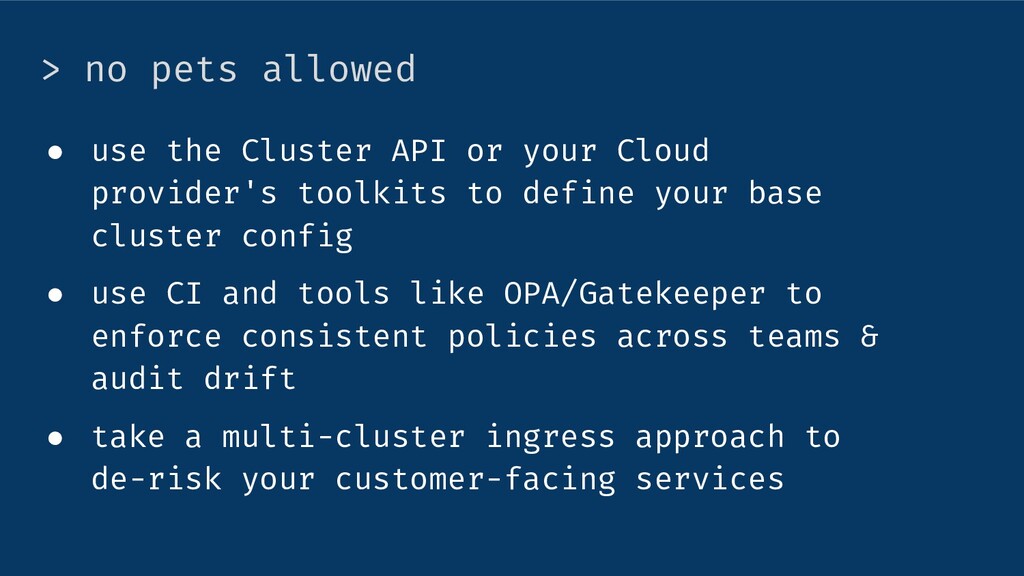
  17. > no pets allowed • use the Cluster API or

    your Cloud provider's toolkits to define your base cluster config • use CI and tools like OPA/Gatekeeper to enforce consistent policies across teams & audit drift • take a multi-cluster ingress approach to de-risk your customer-facing services
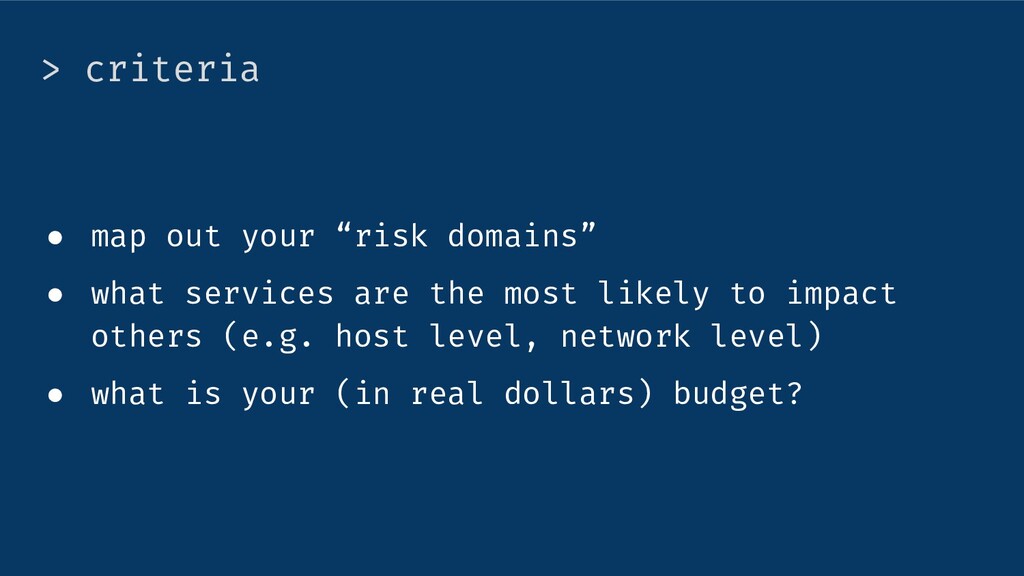
  18. > criteria • map out your “risk domains” • what

    services are the most likely to impact others (e.g. host level, network level) • what is your (in real dollars) budget?
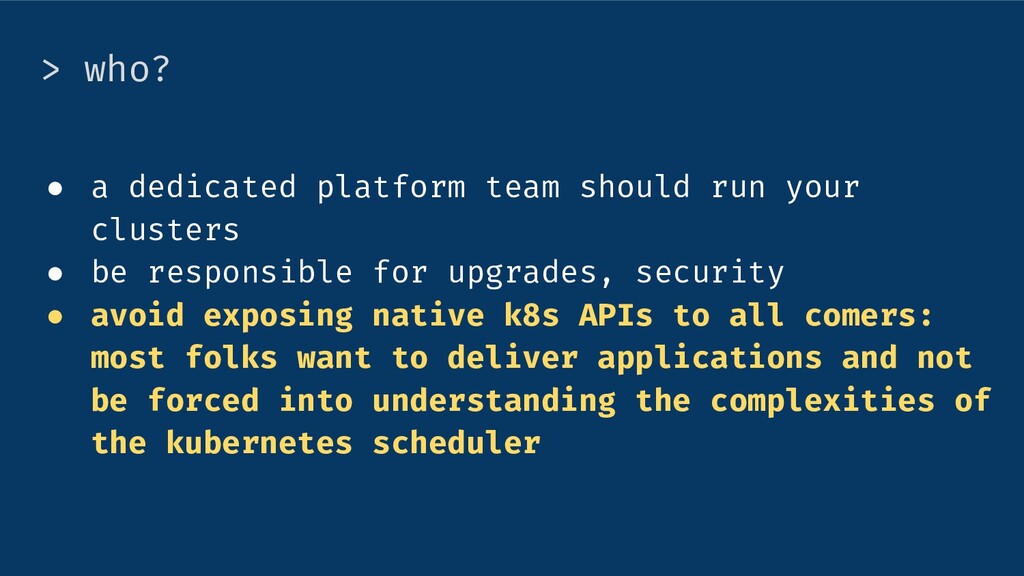
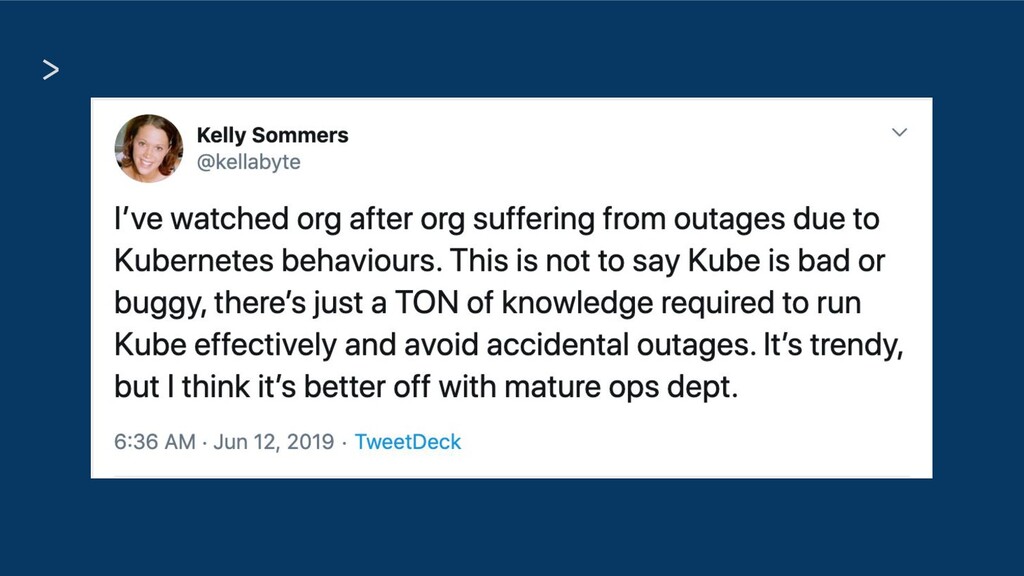
  19. > who? • a dedicated platform team should run your

    clusters • be responsible for upgrades, security • avoid exposing native k8s APIs to all comers: most folks want to deliver applications and not be forced into understanding the complexities of the kubernetes scheduler
  20. >

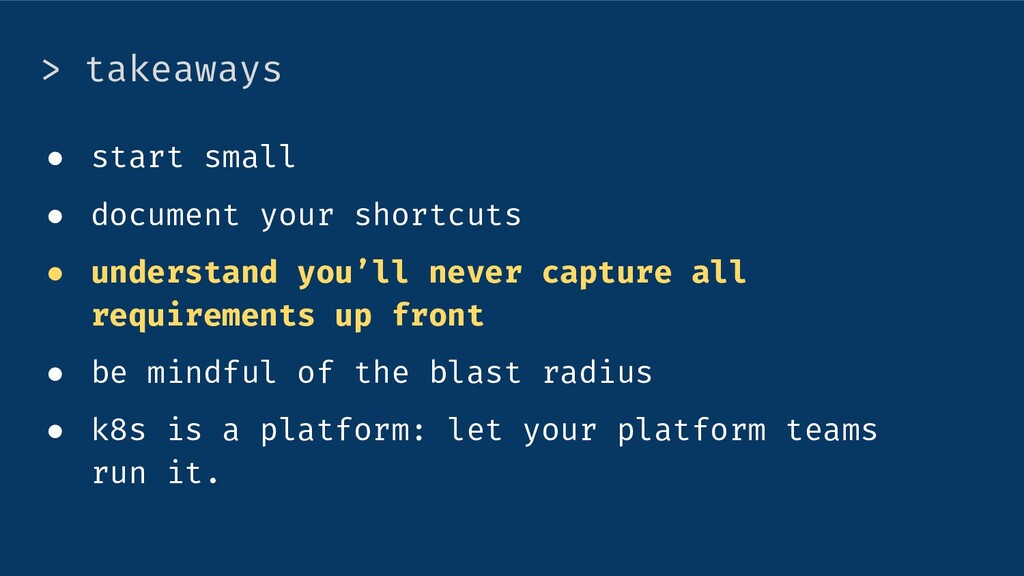
  21. > takeaways • start small • document your shortcuts •

    understand you’ll never capture all requirements up front • be mindful of the blast radius • k8s is a platform: let your platform teams run it.
  22. > thanks • thank you! • see my admission control

    micro-framework at github.com/elithrar/admission- control • enjoy the rest of kubecon! !