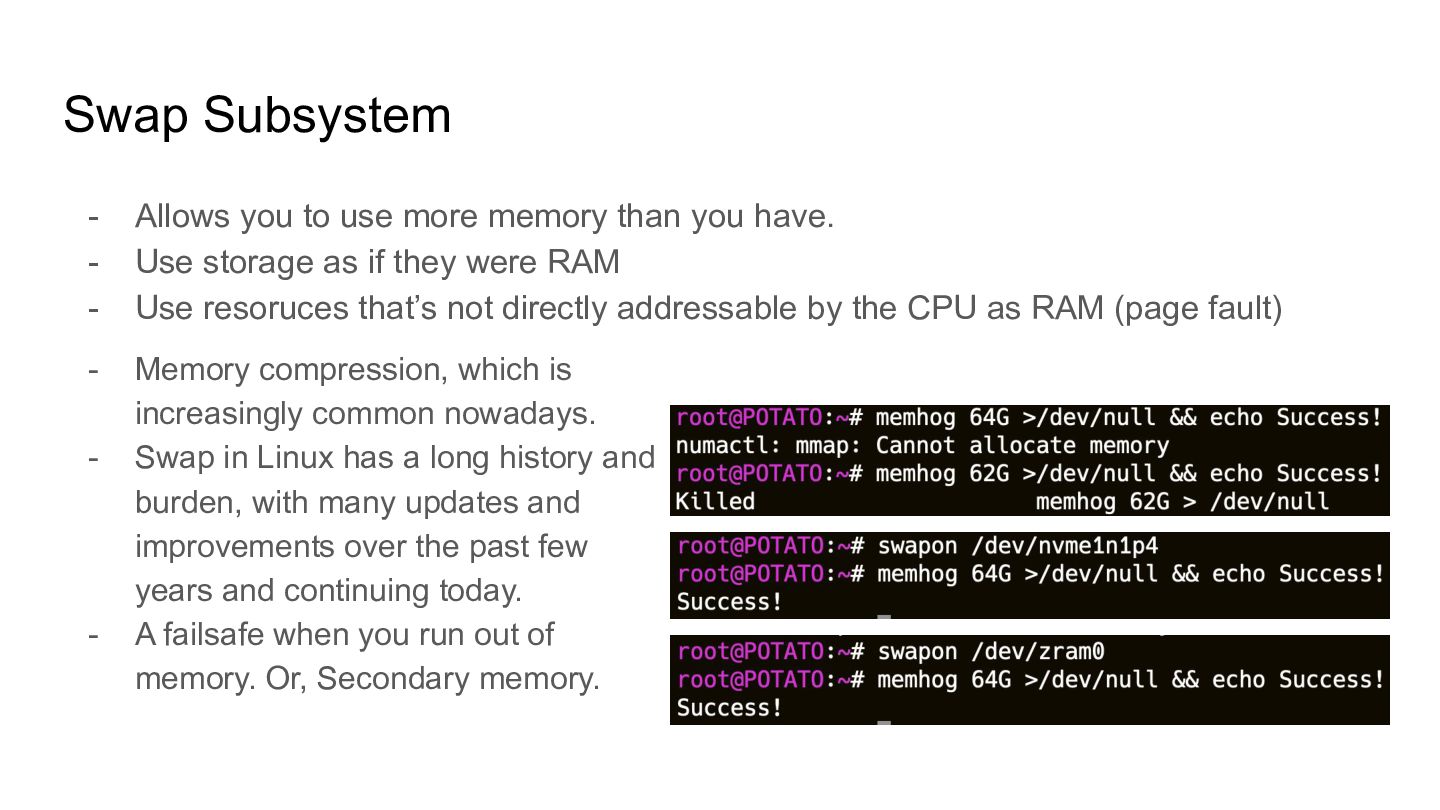
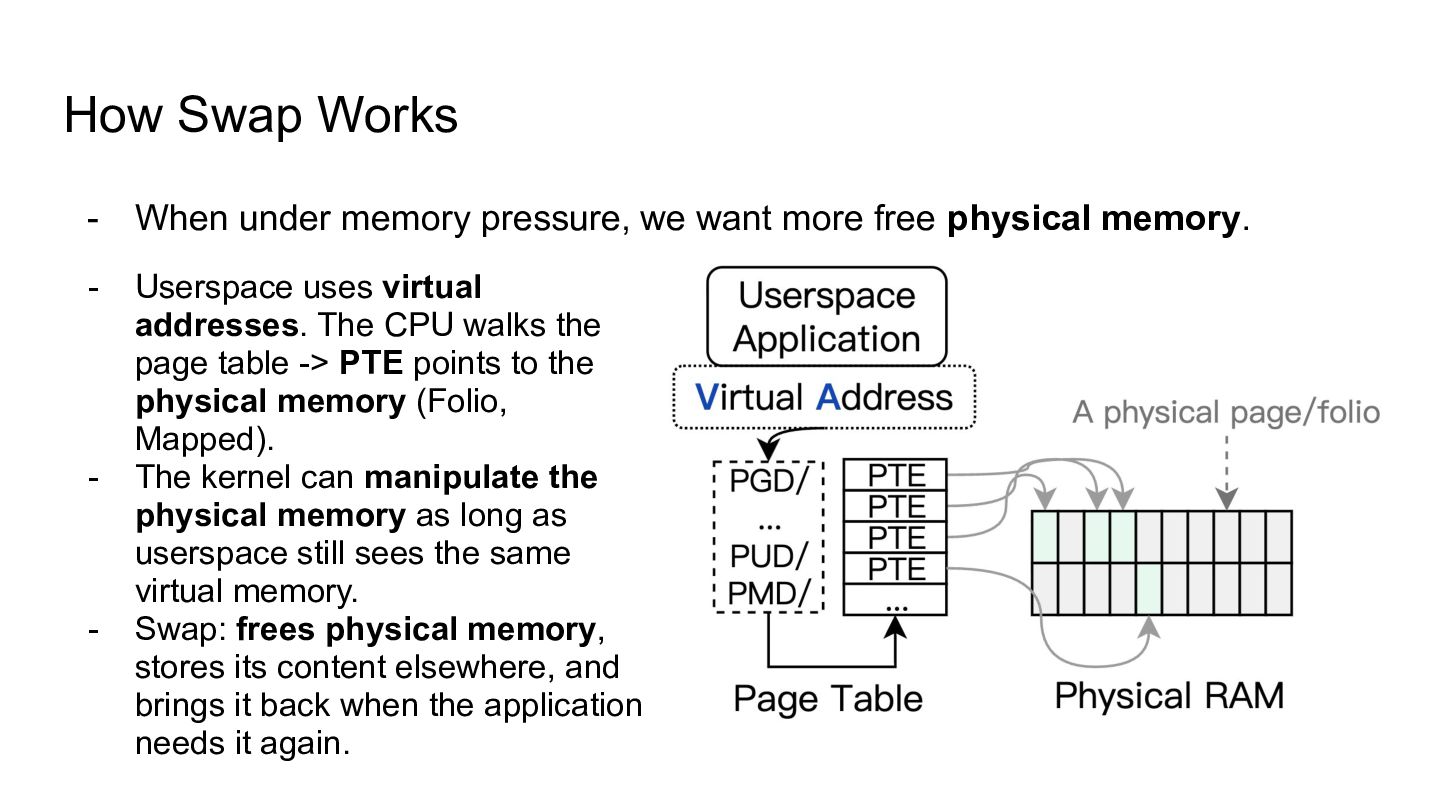
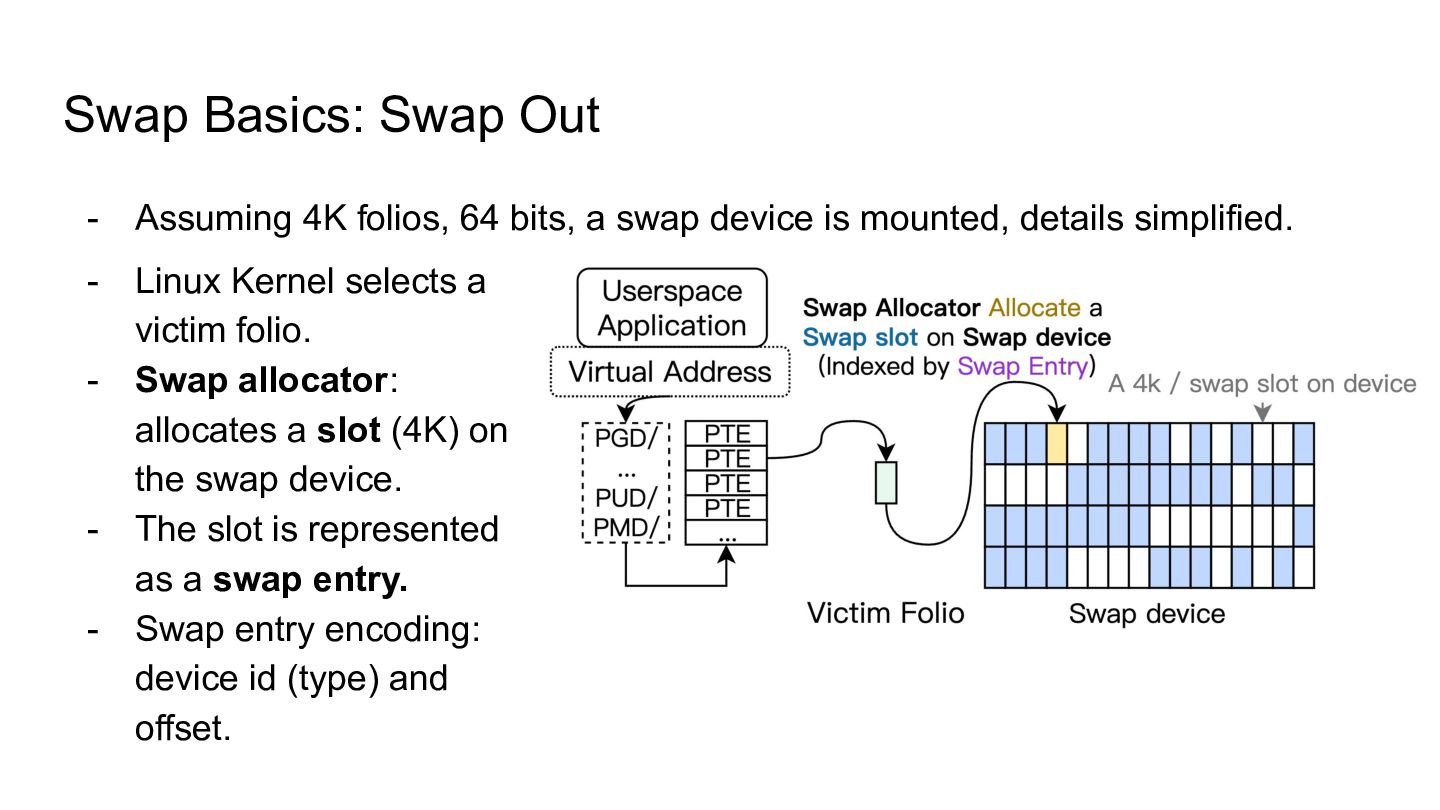
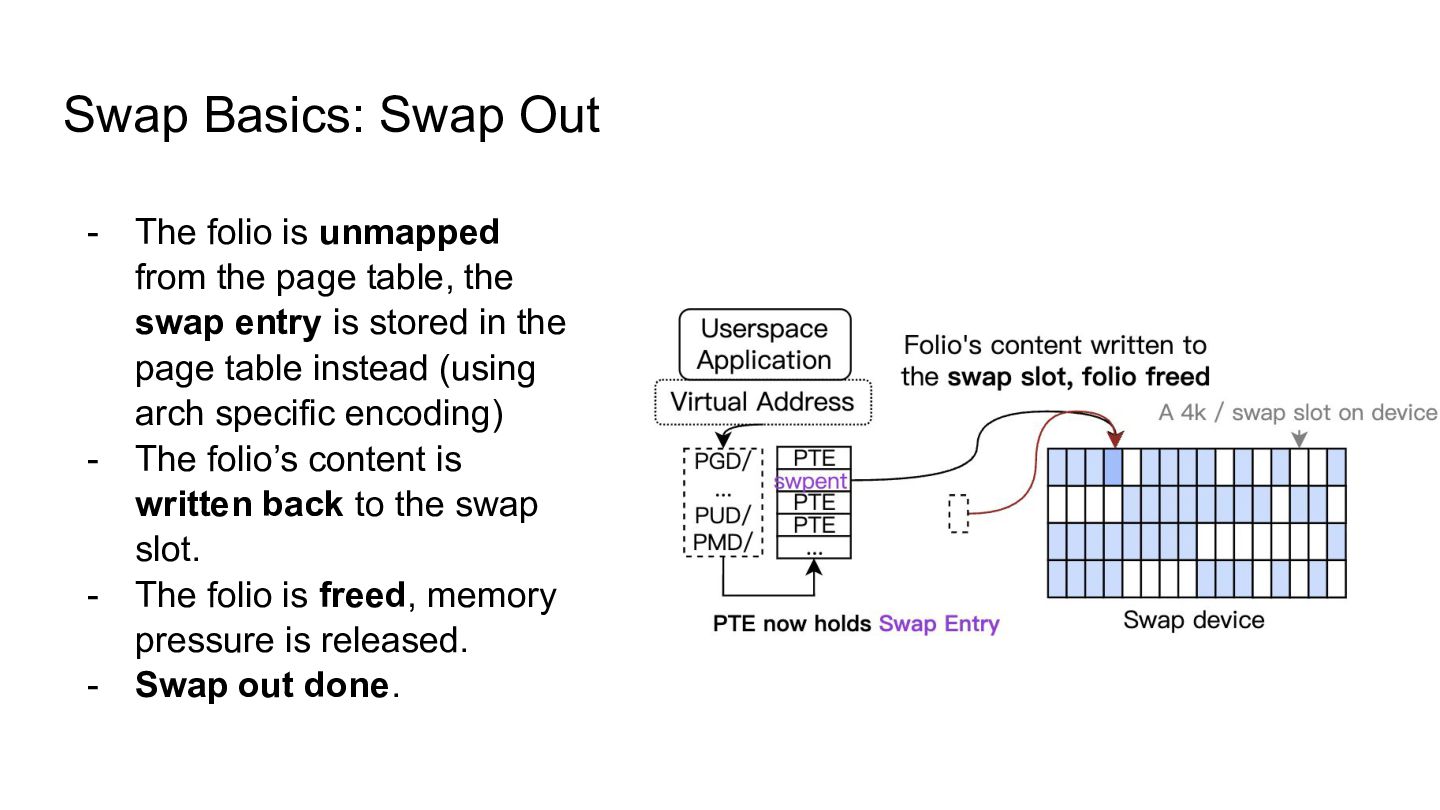
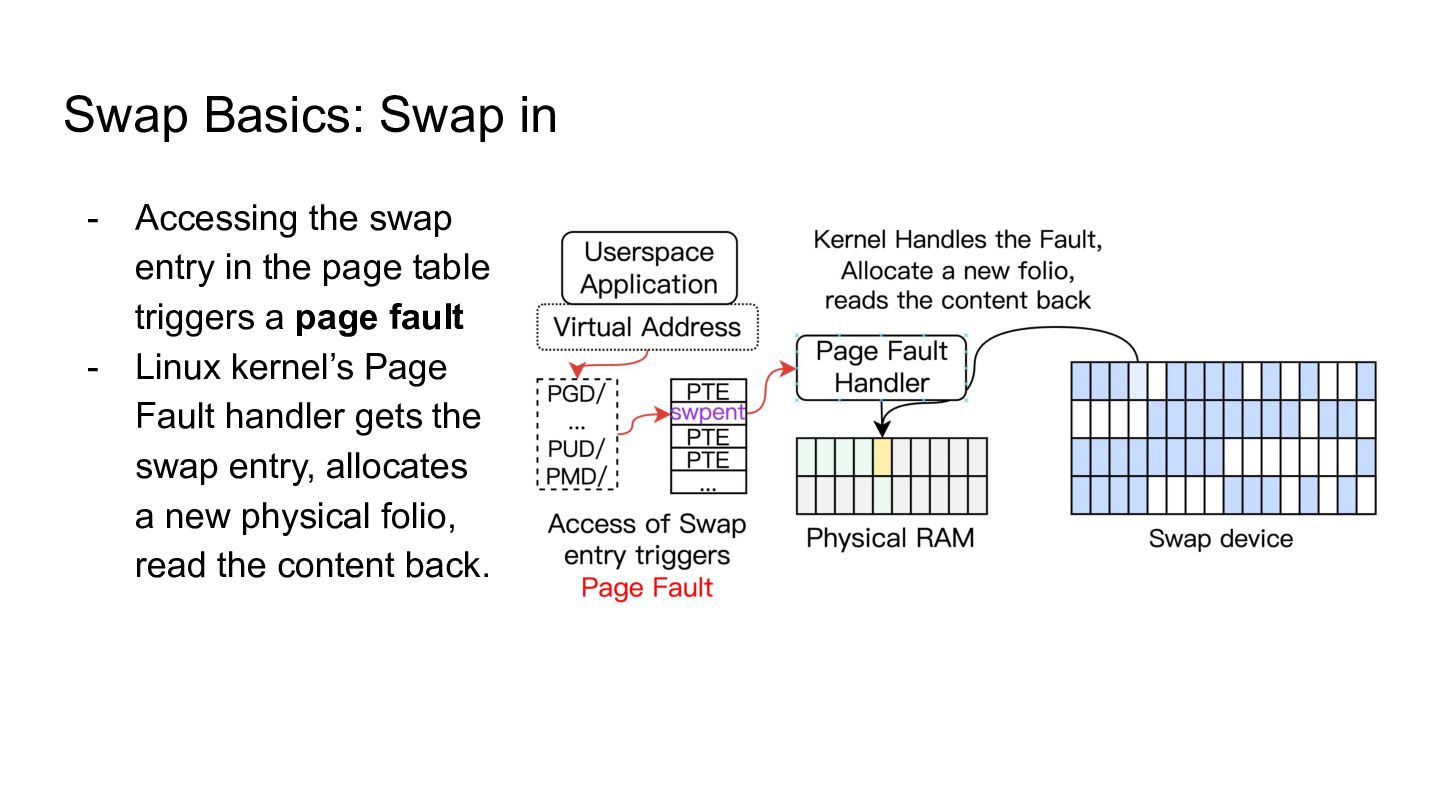
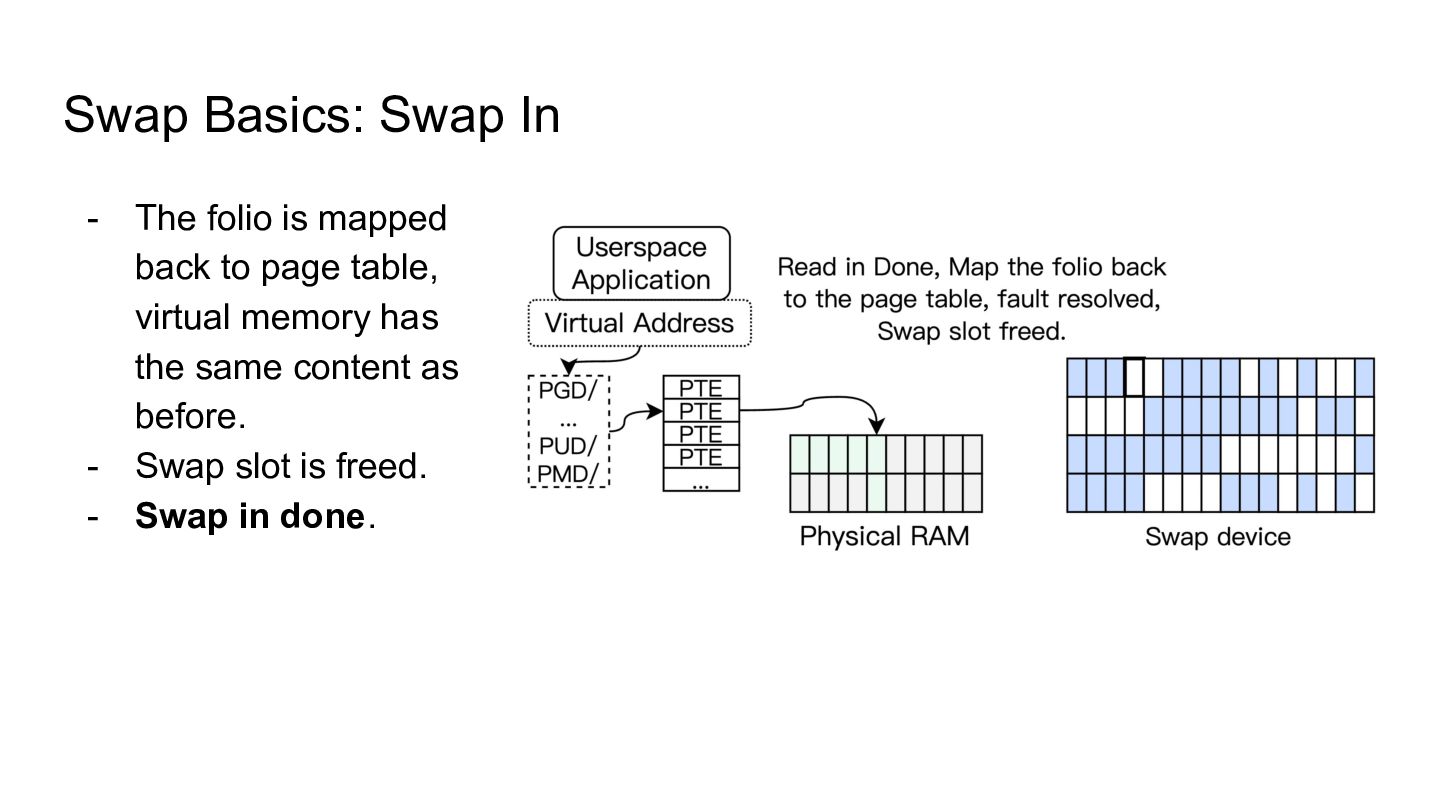
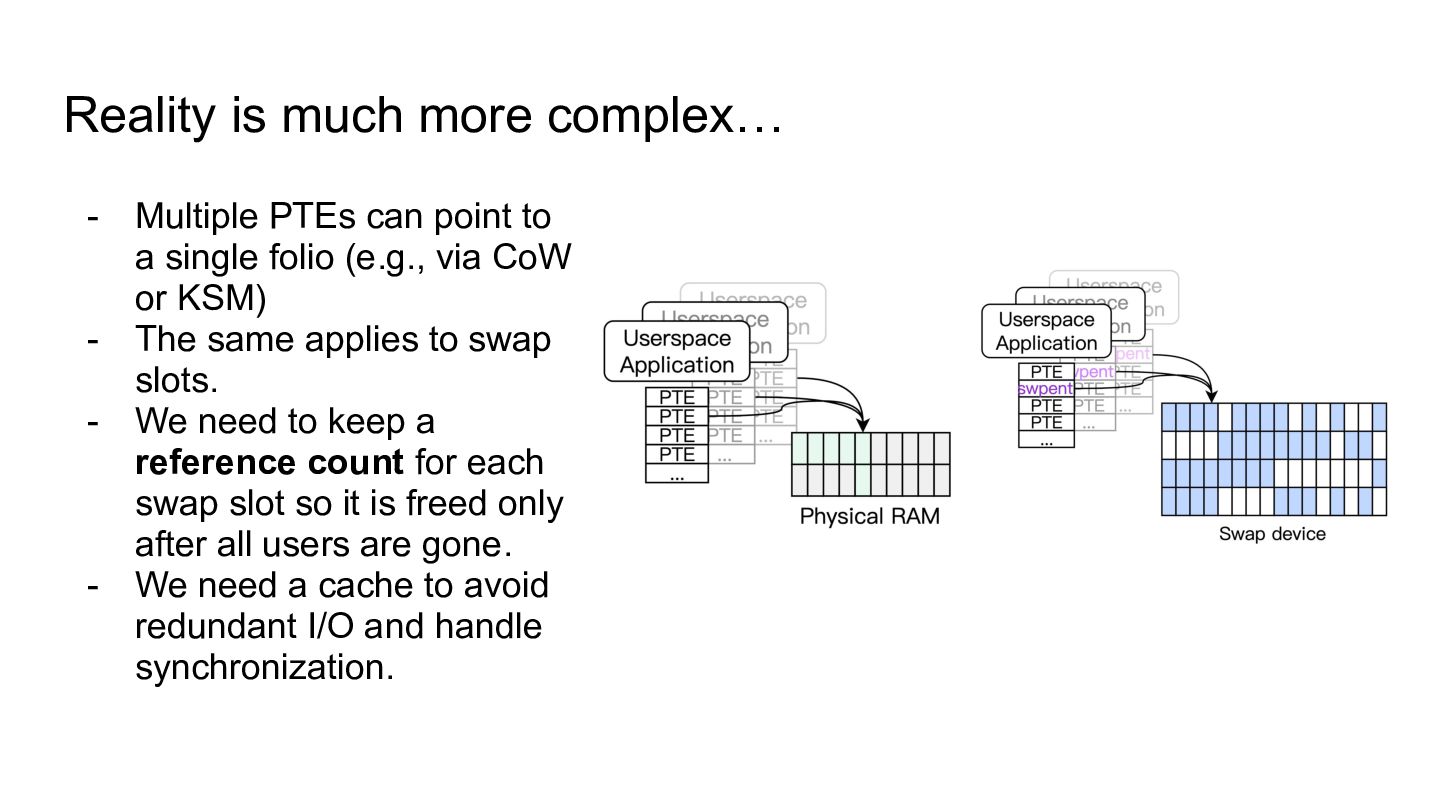
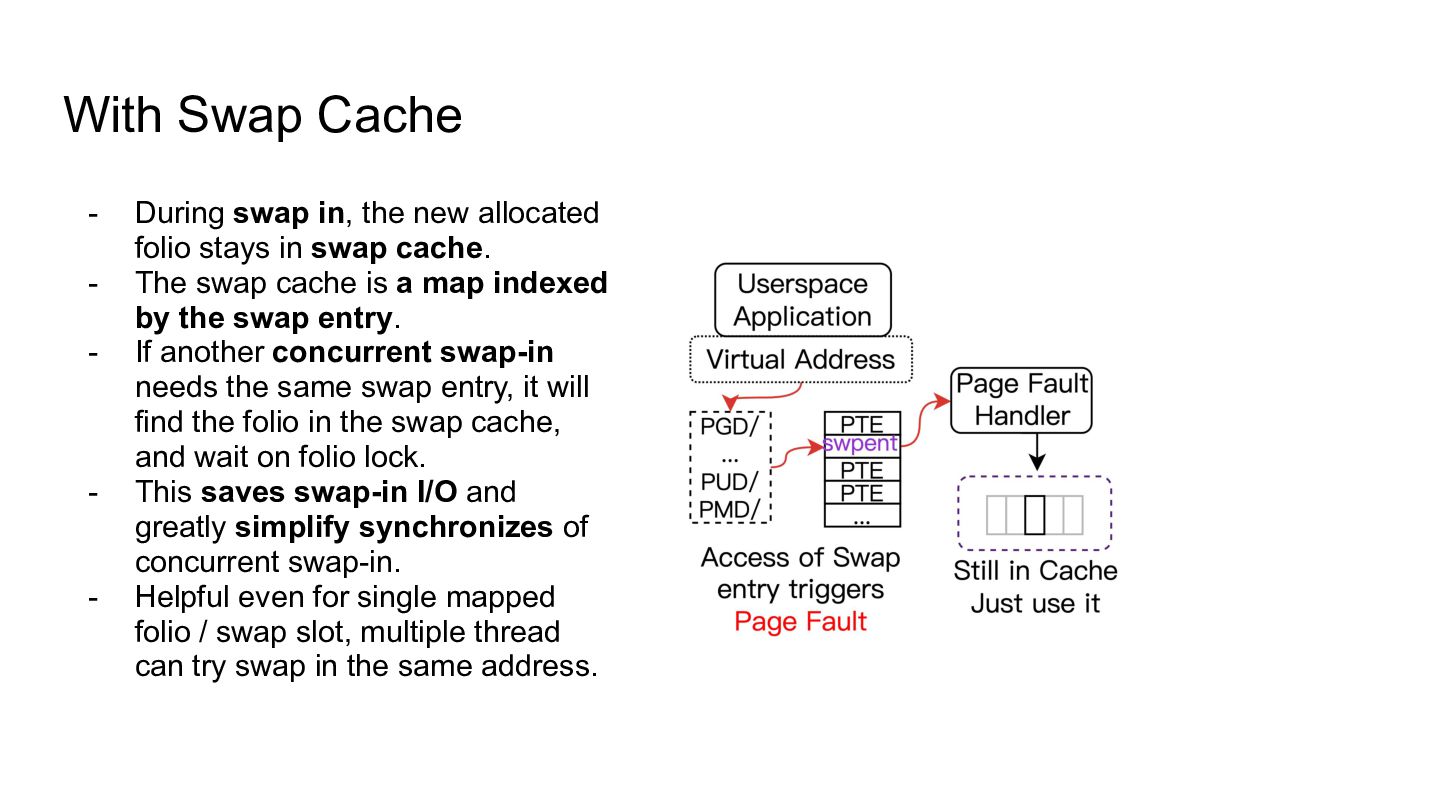
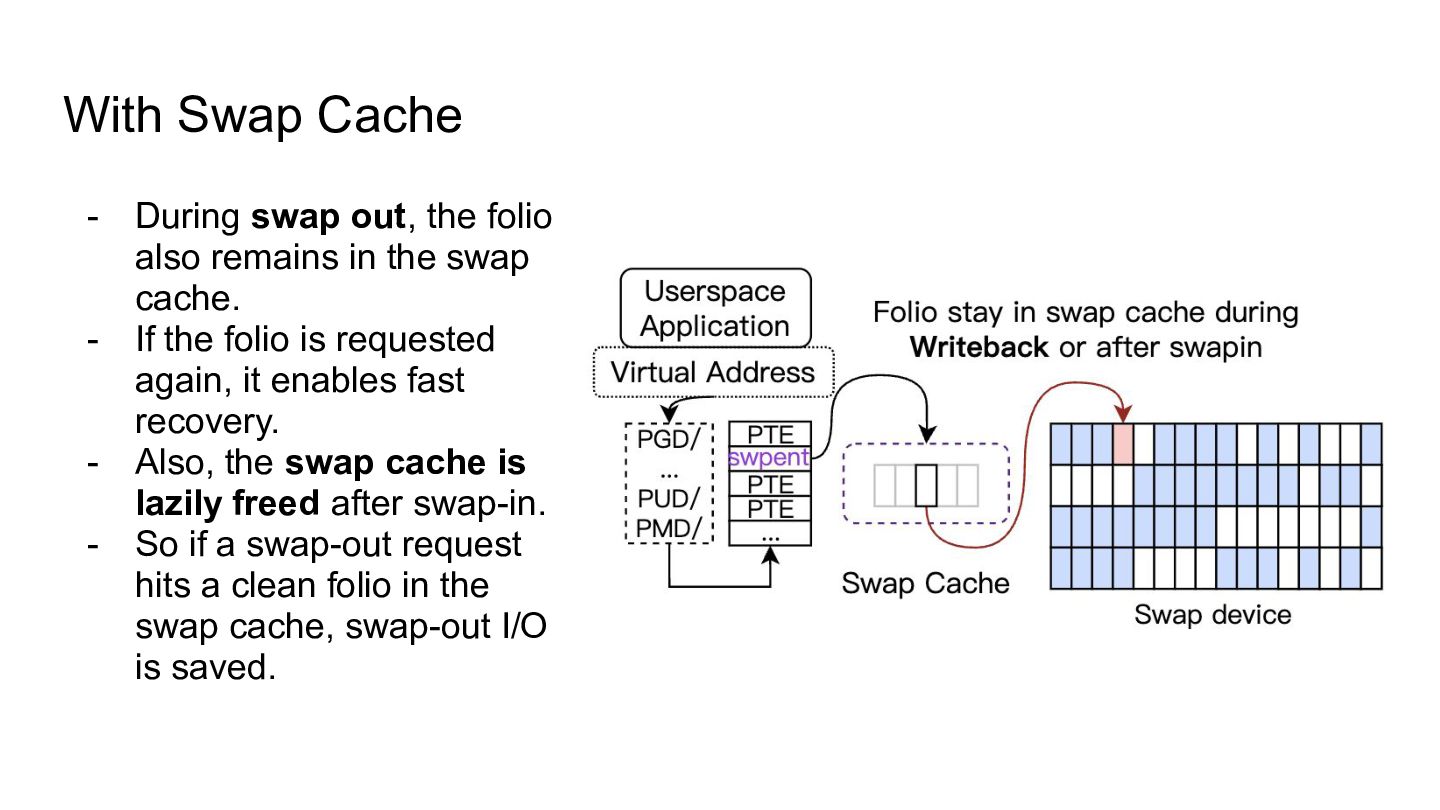
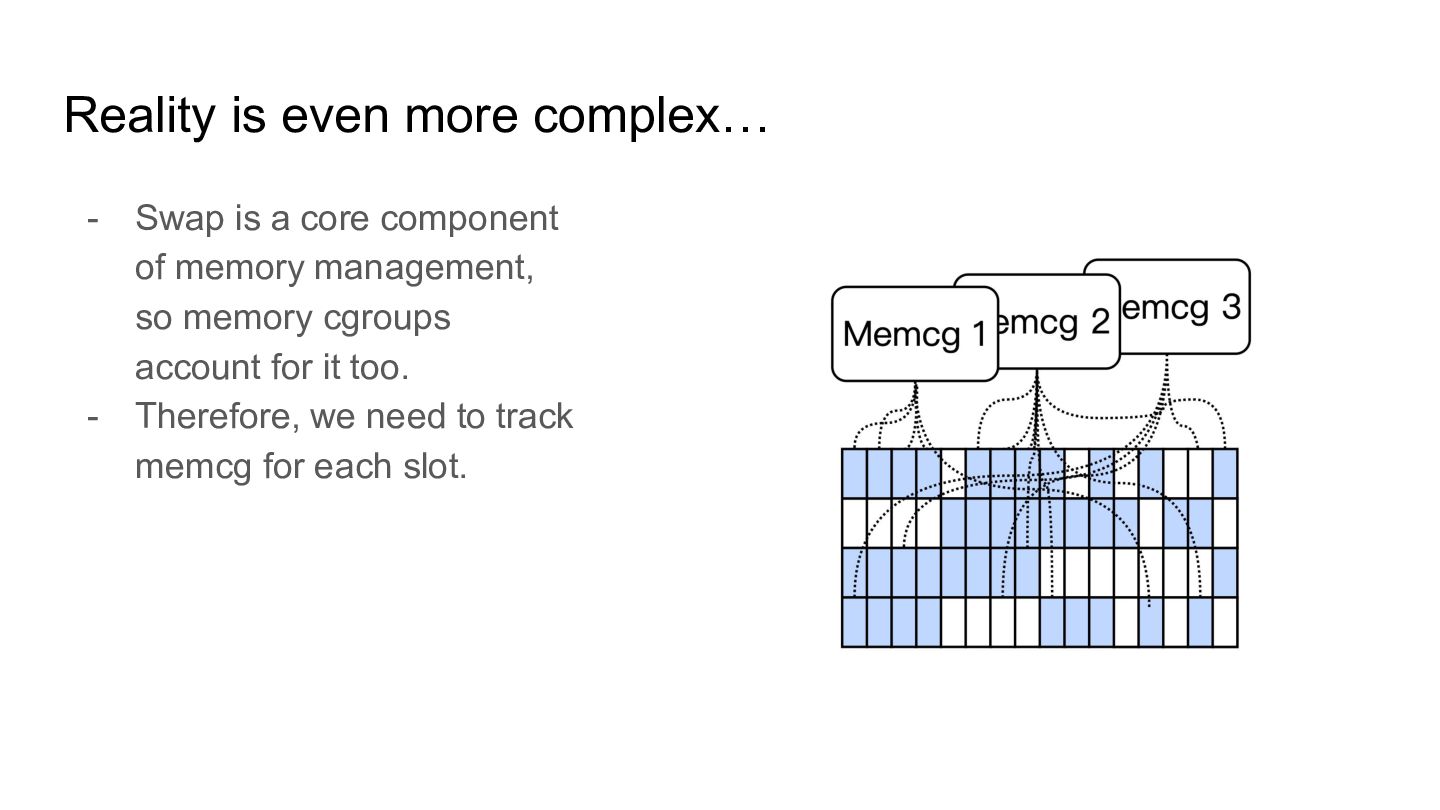
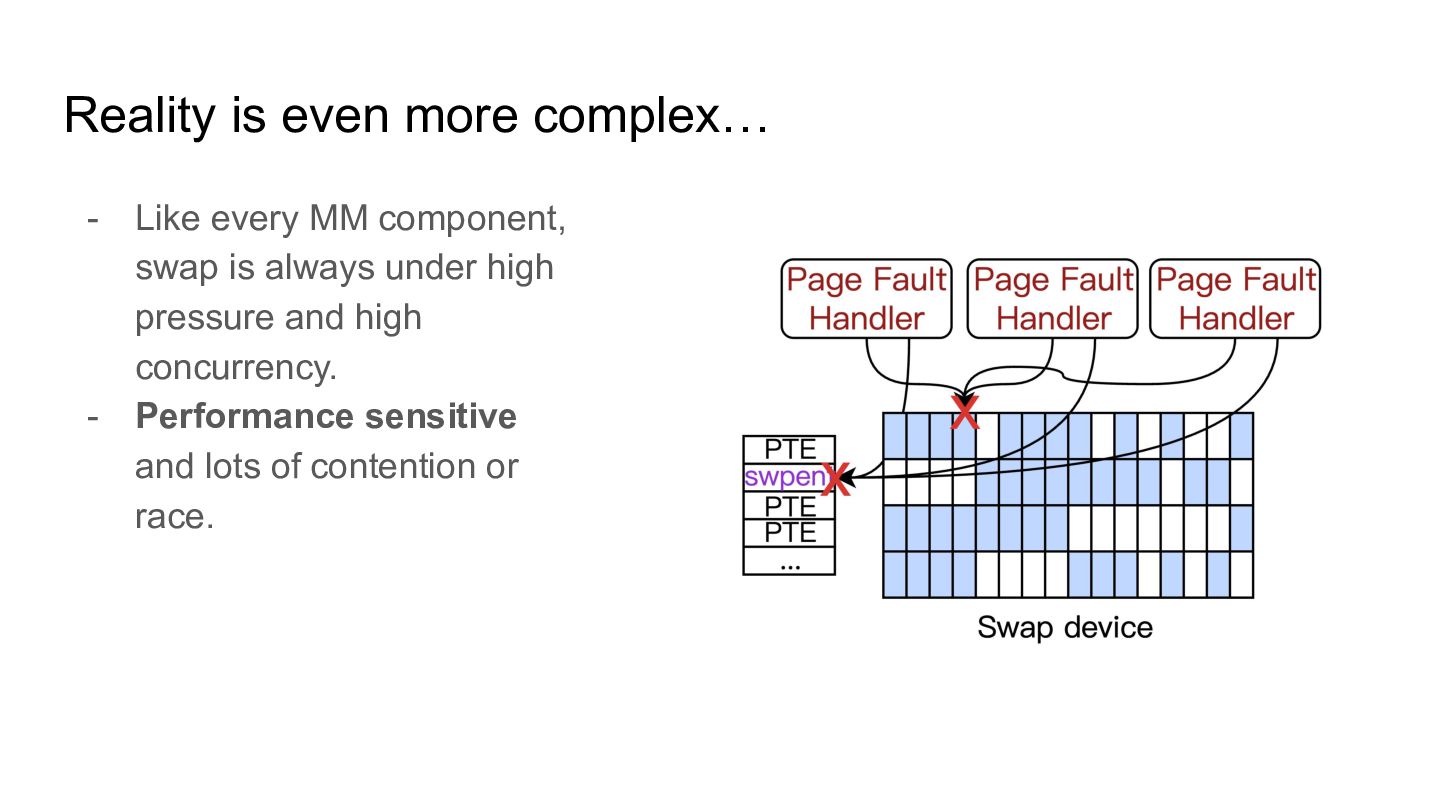
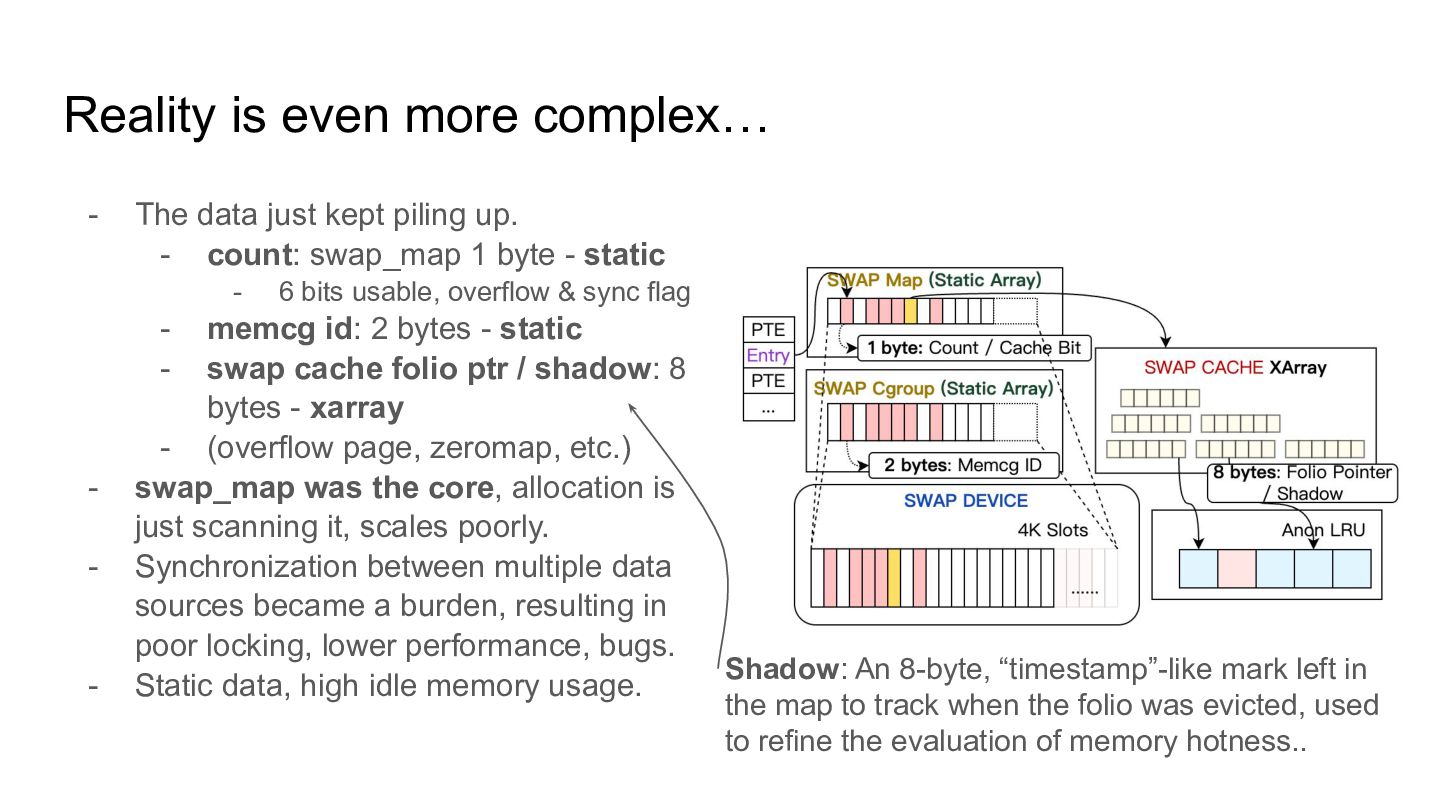
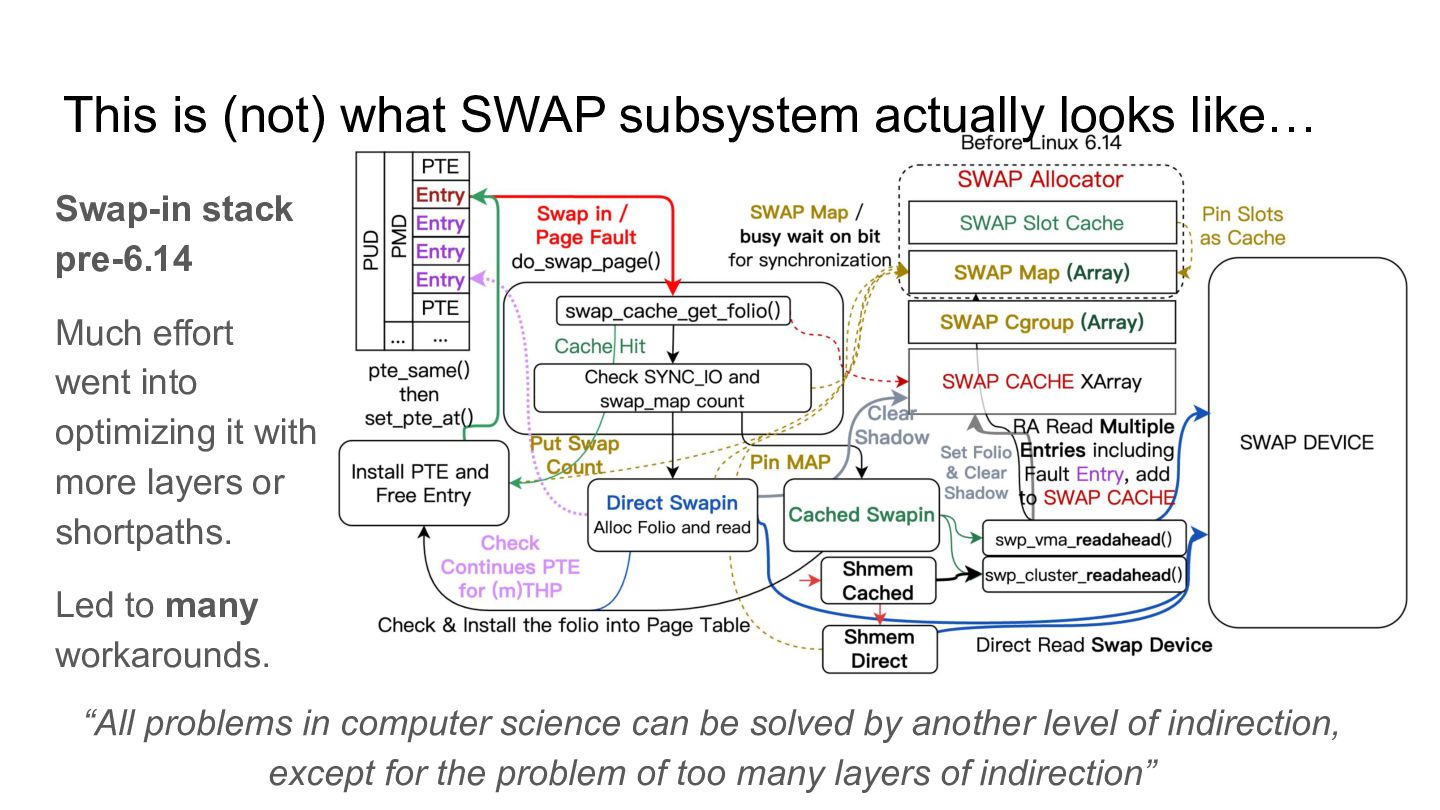
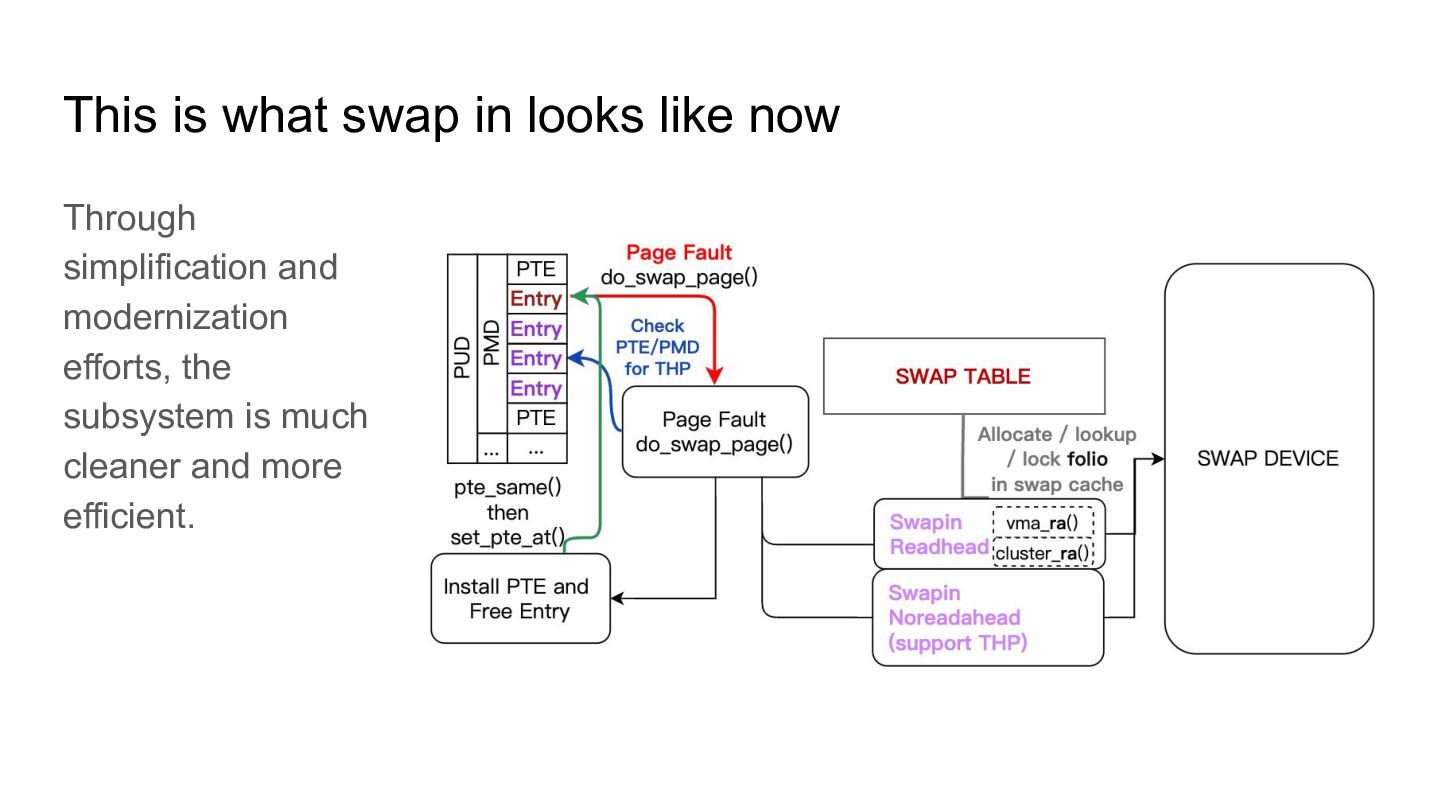
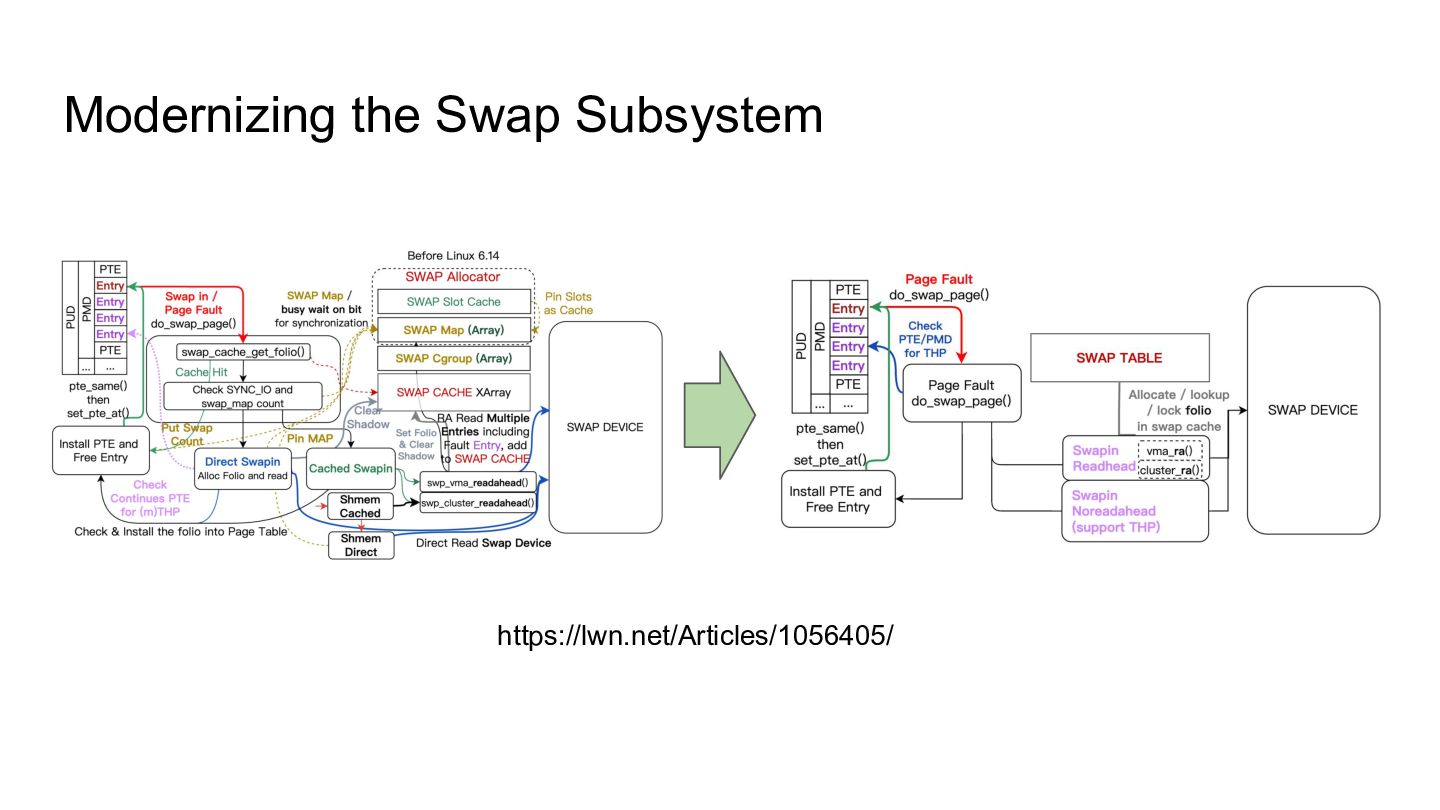
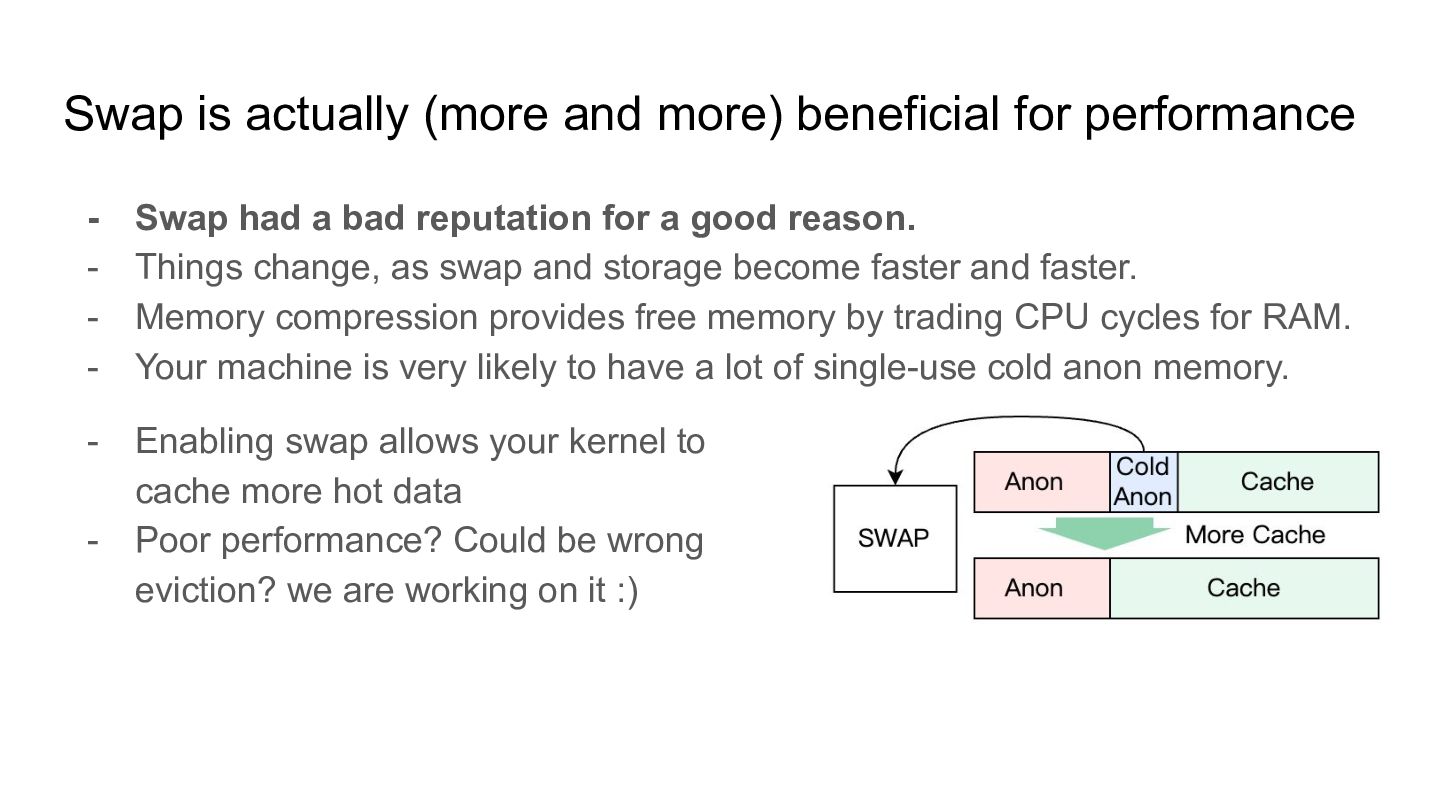
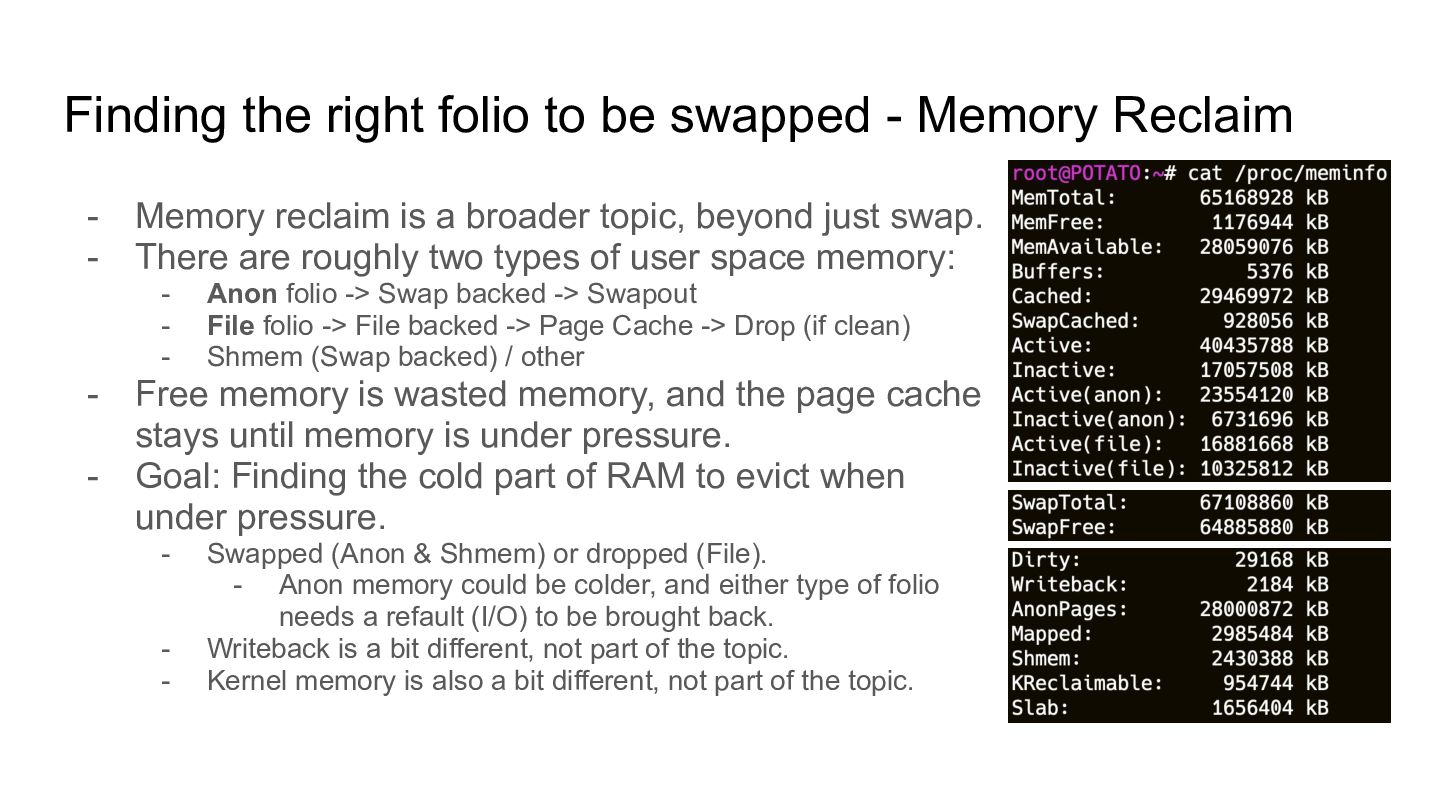
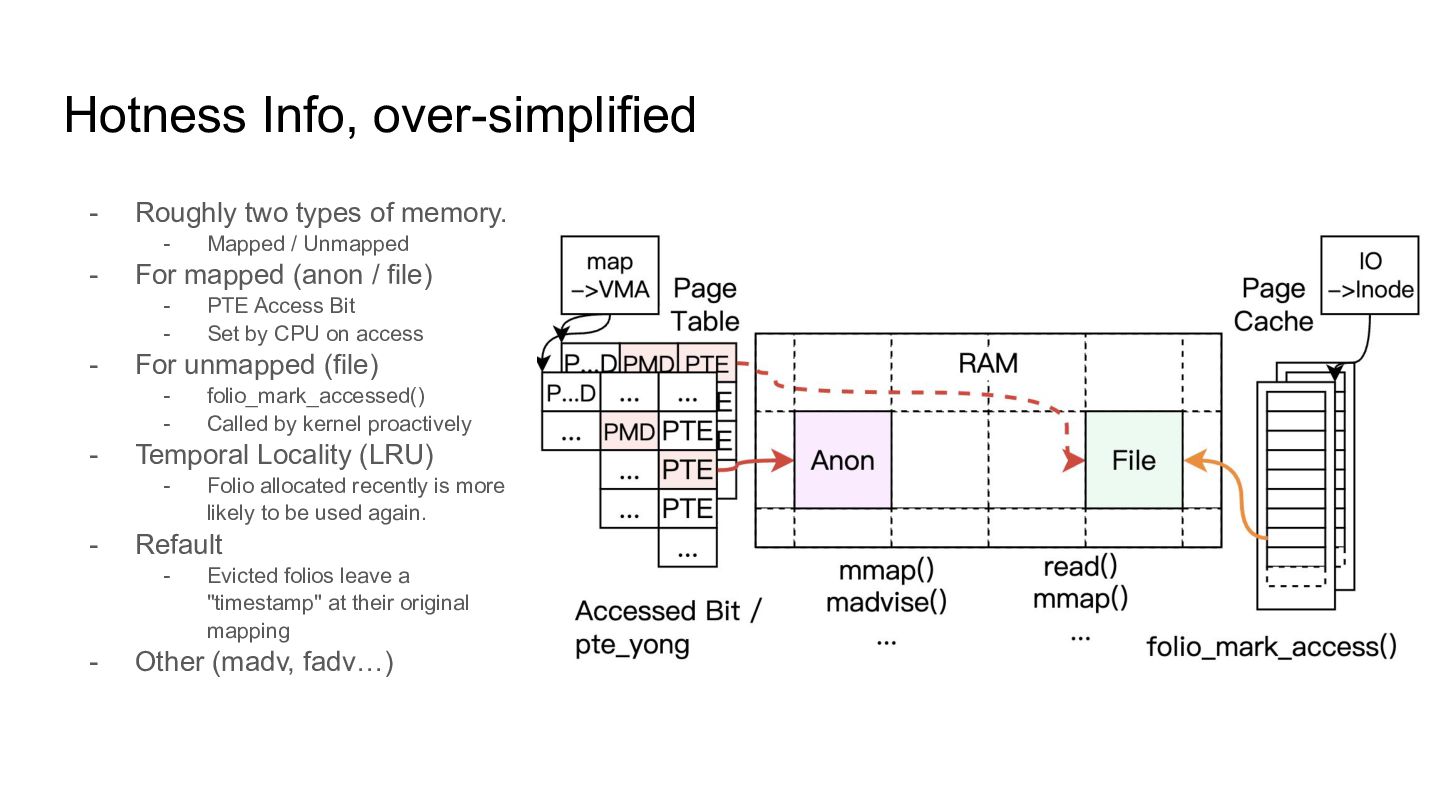
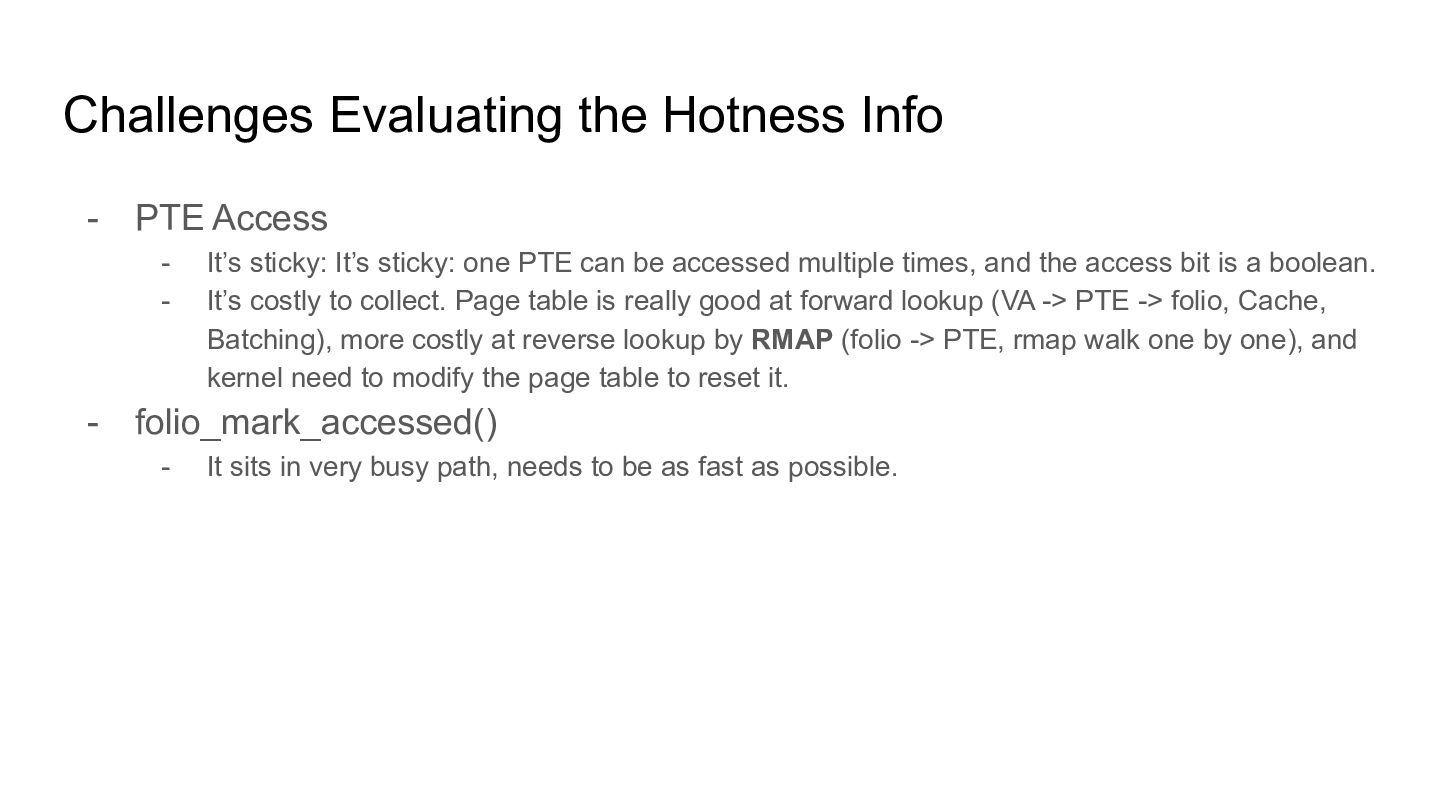
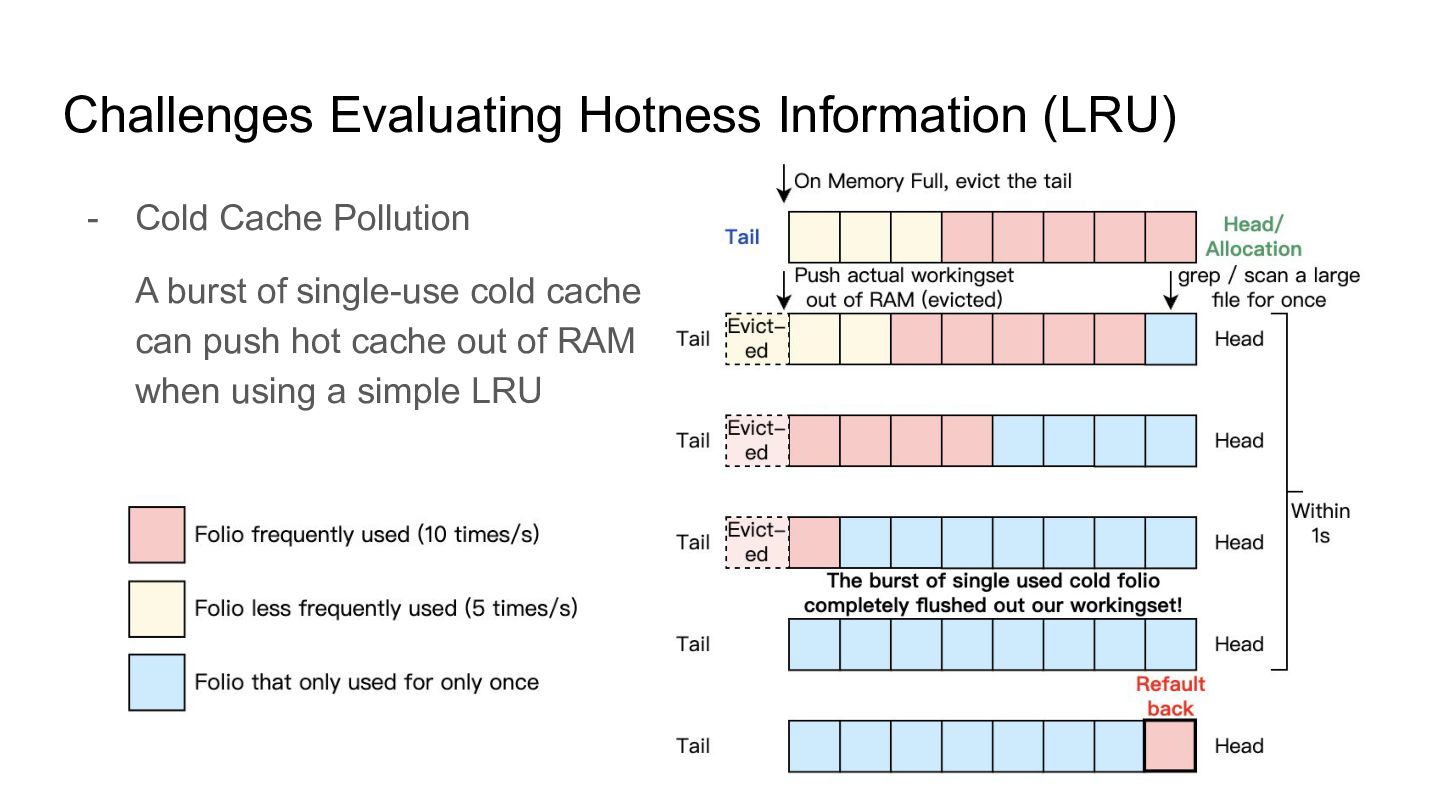
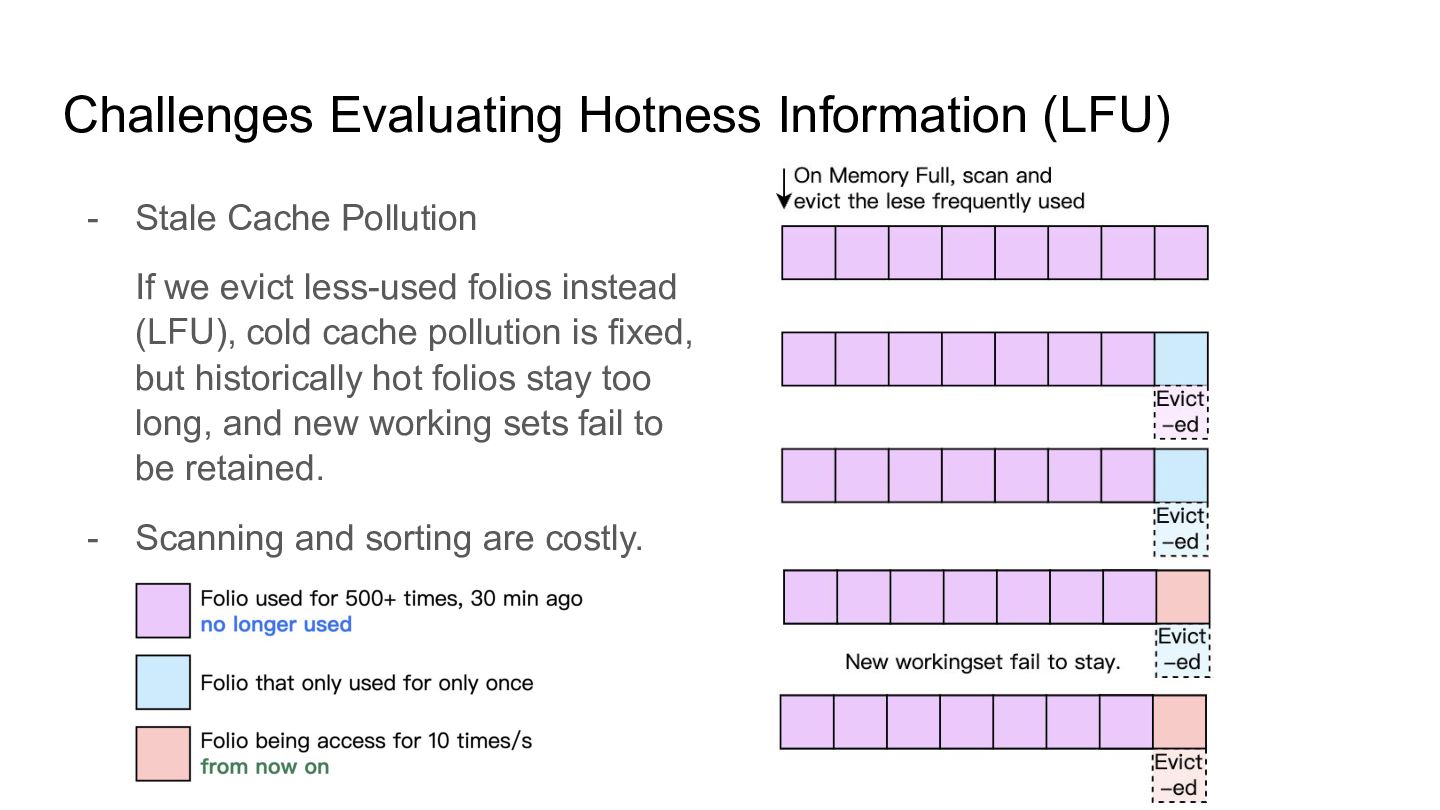
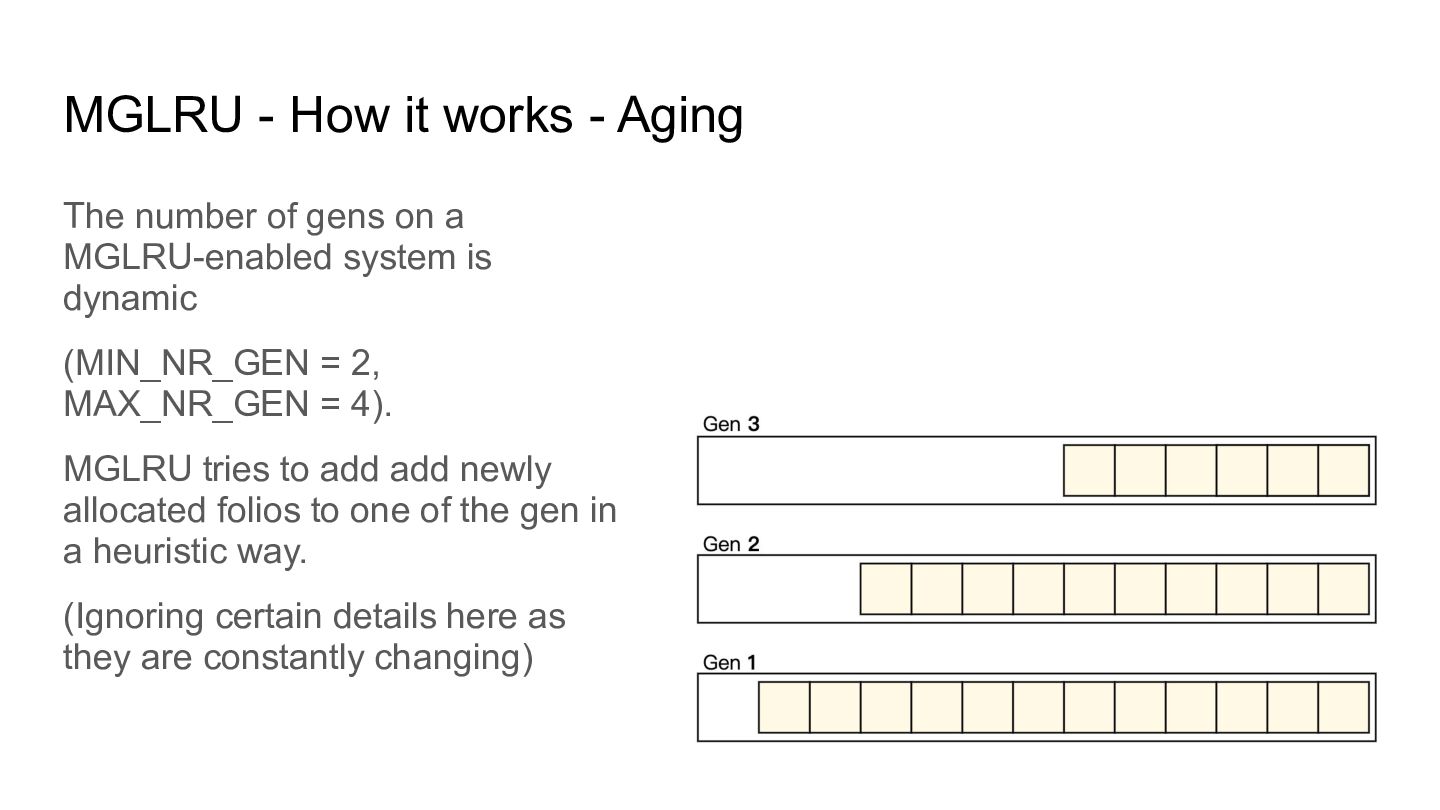
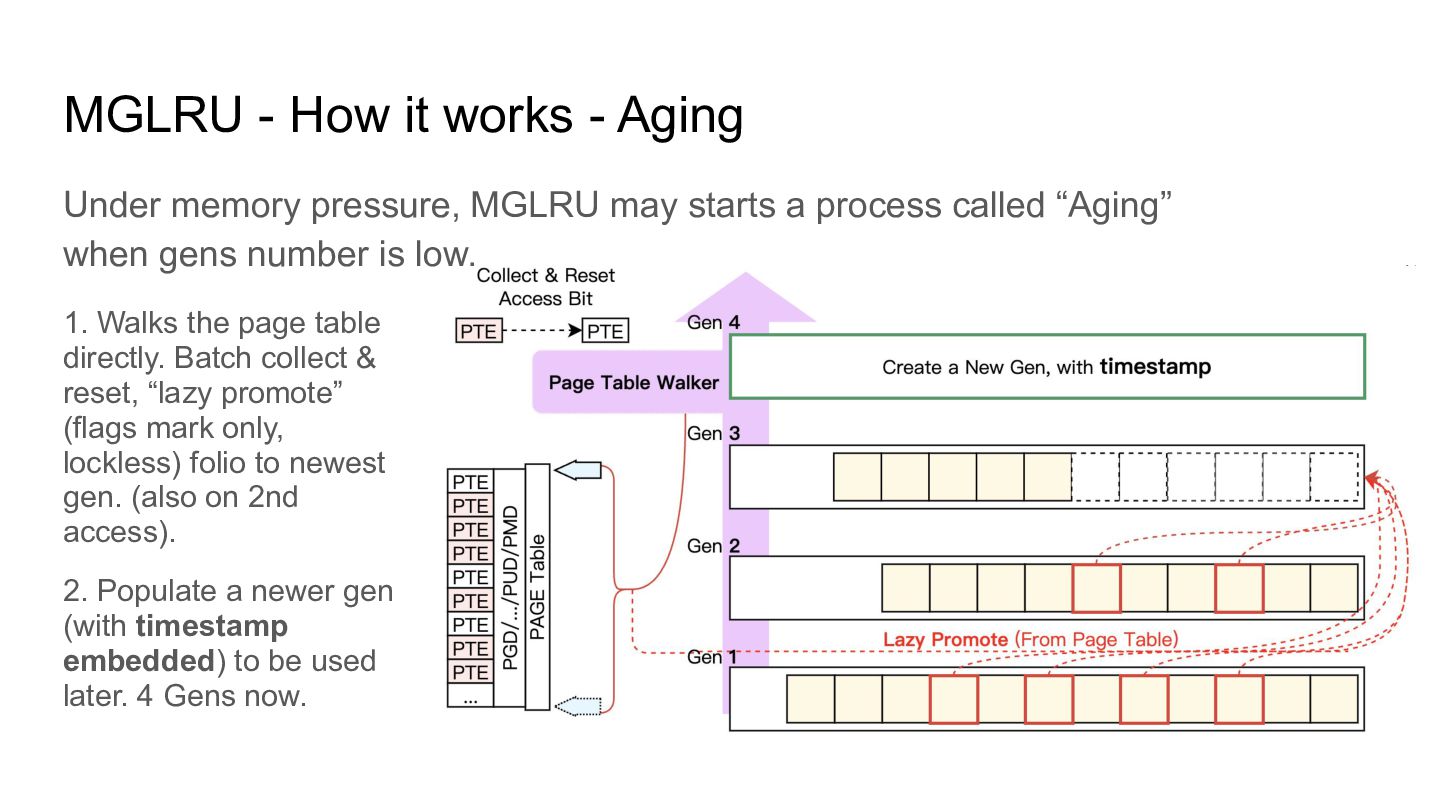
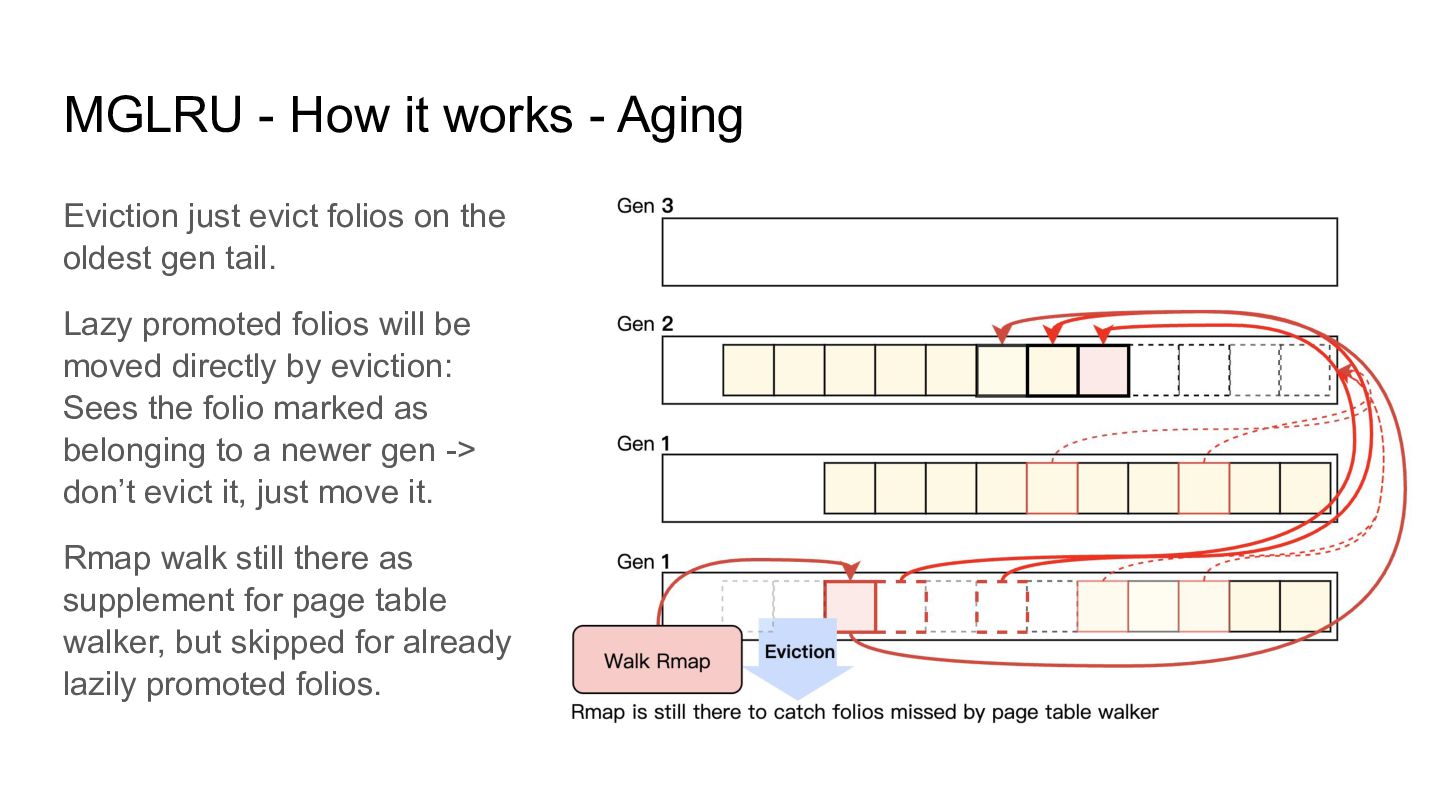
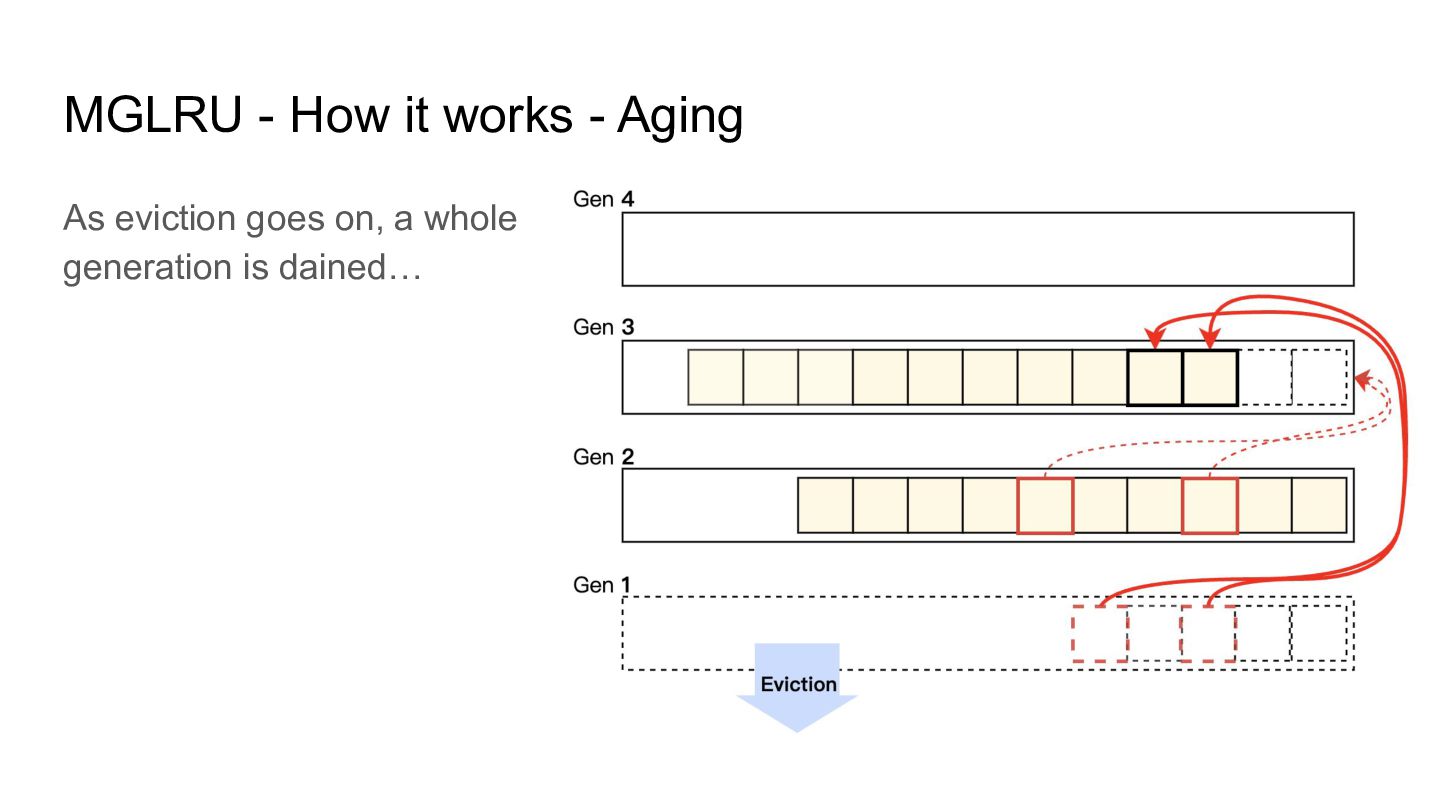
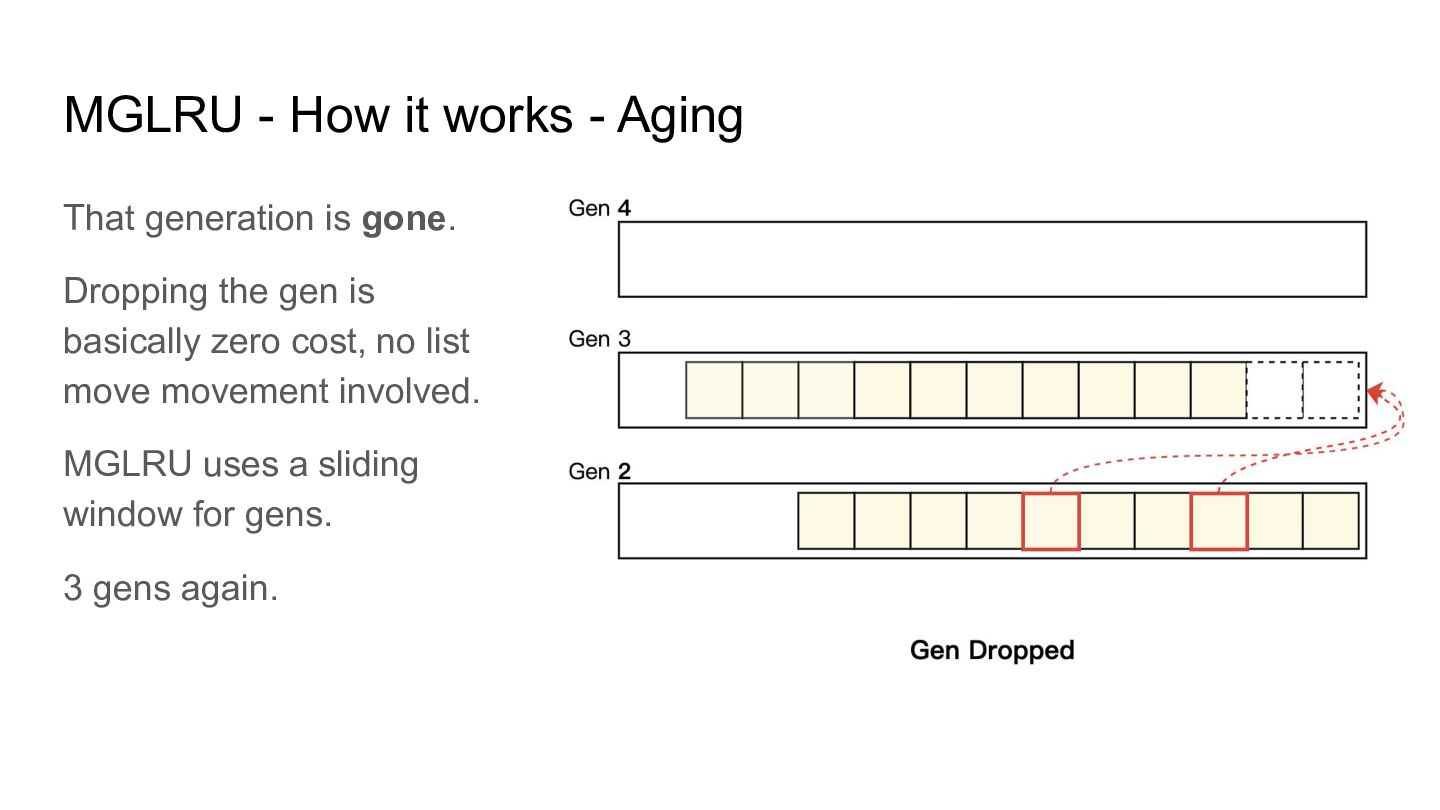
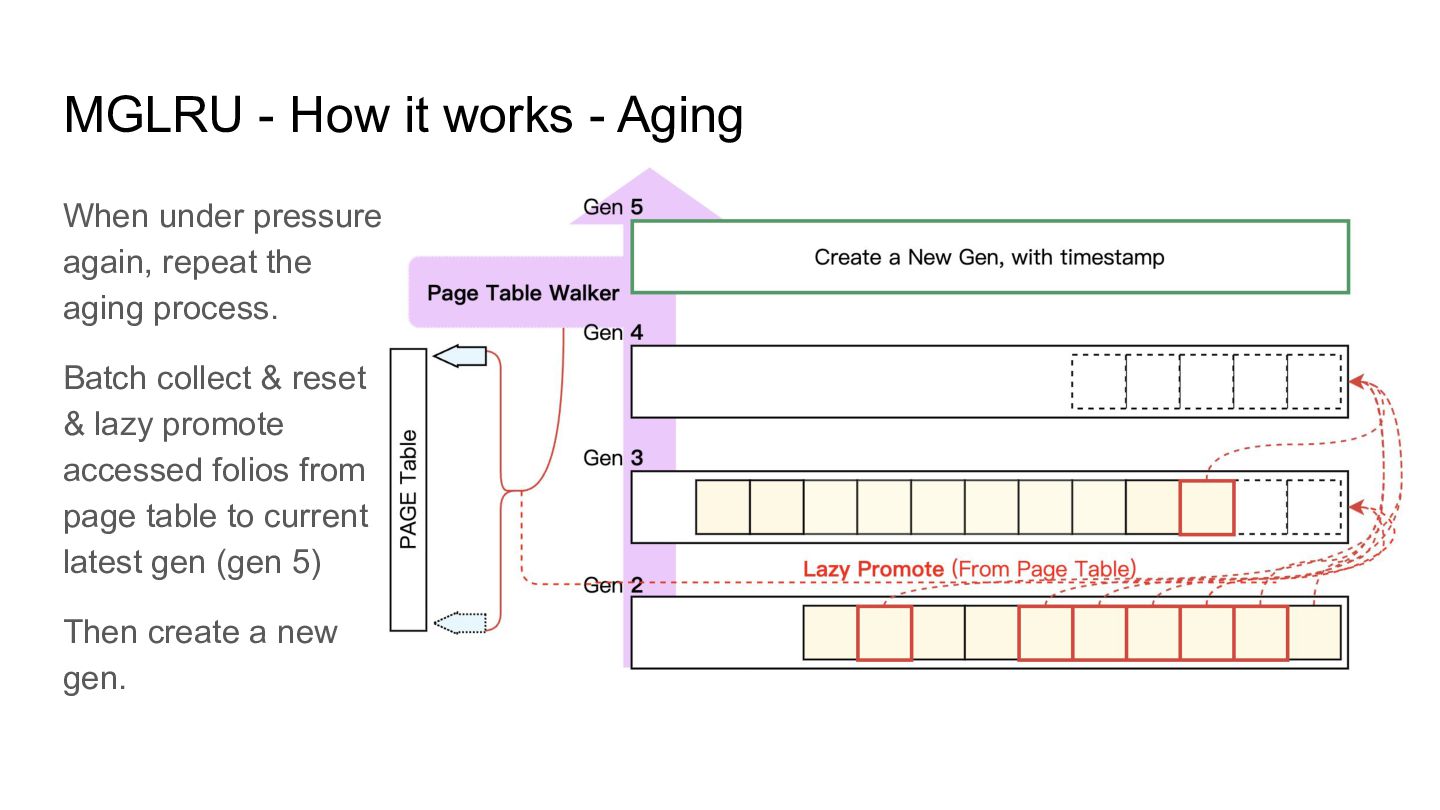
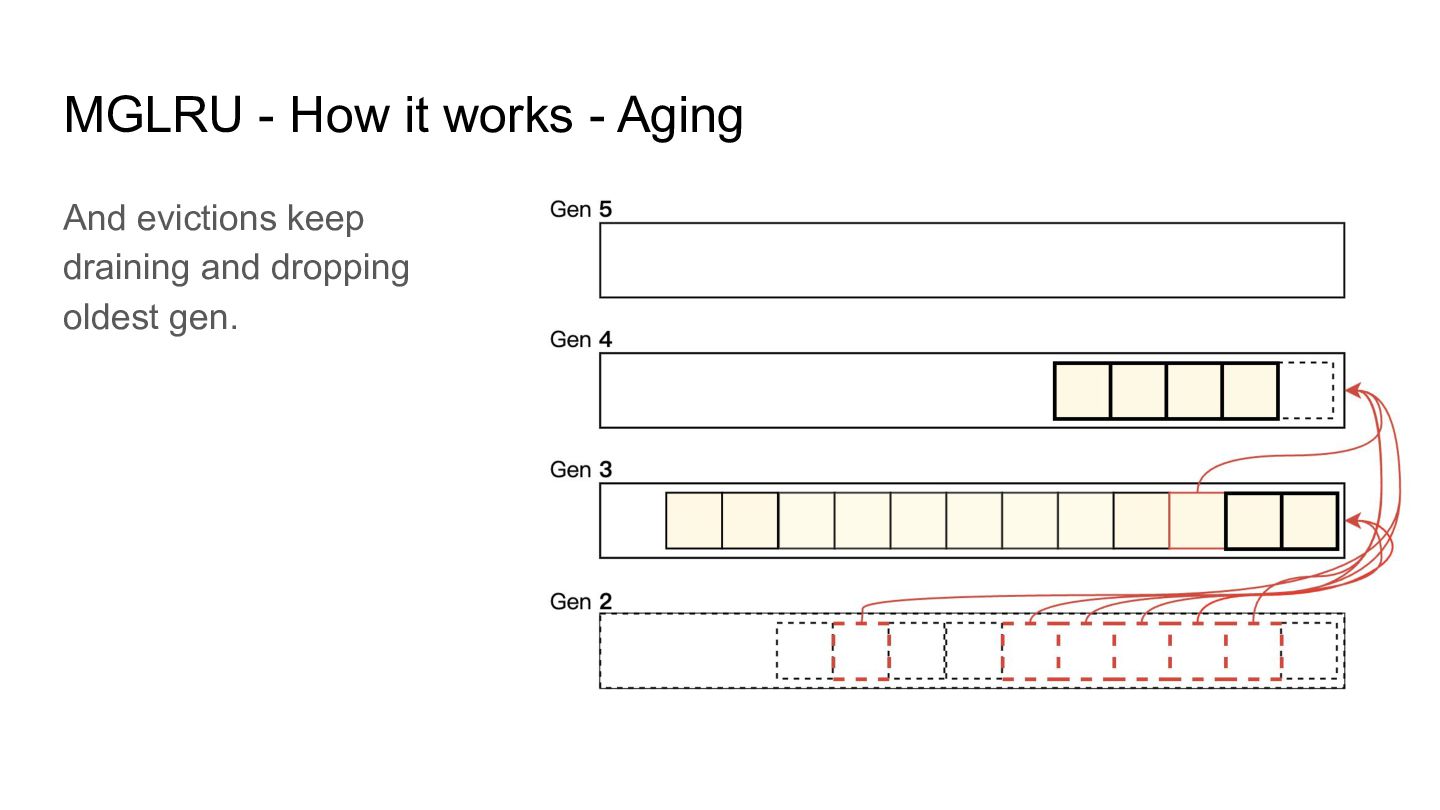
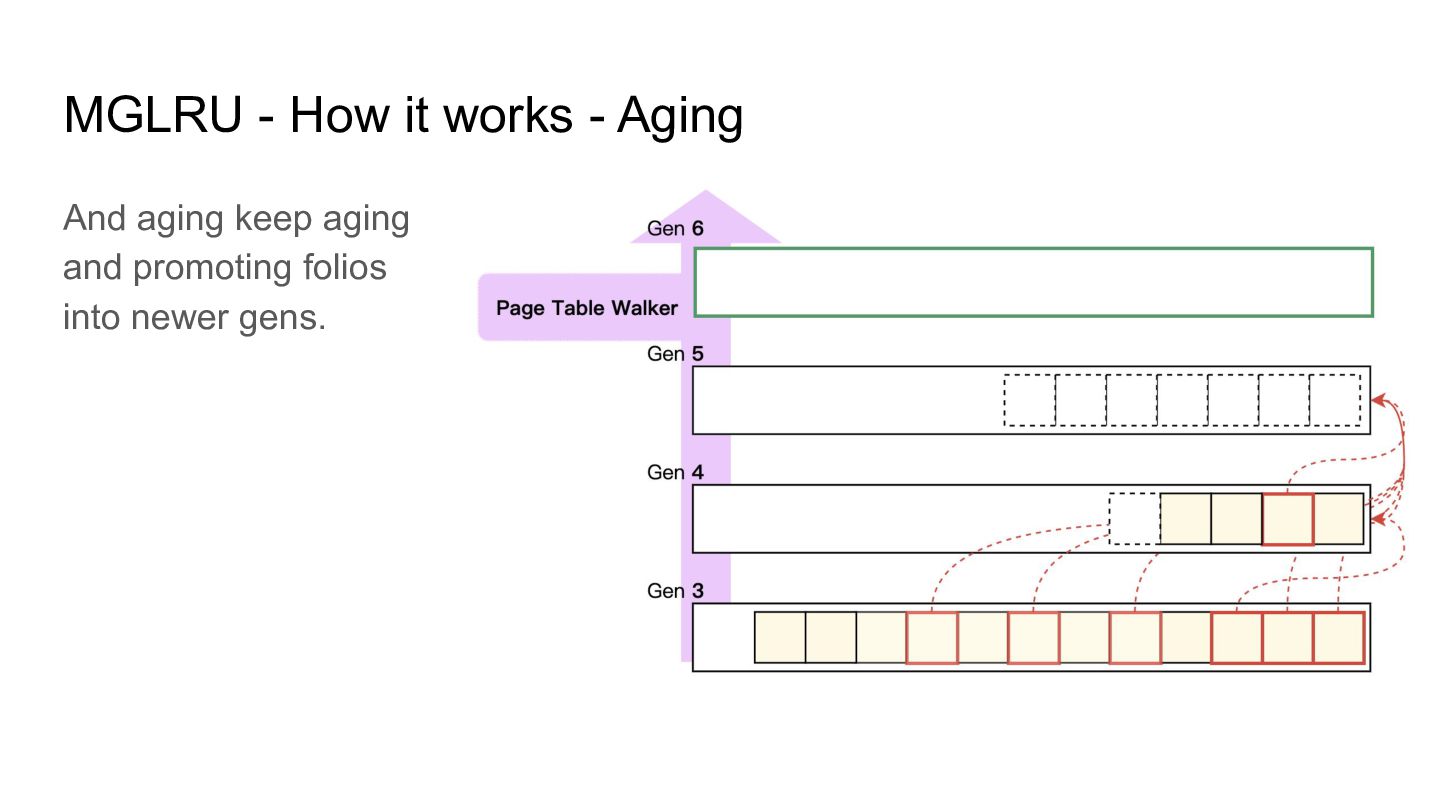
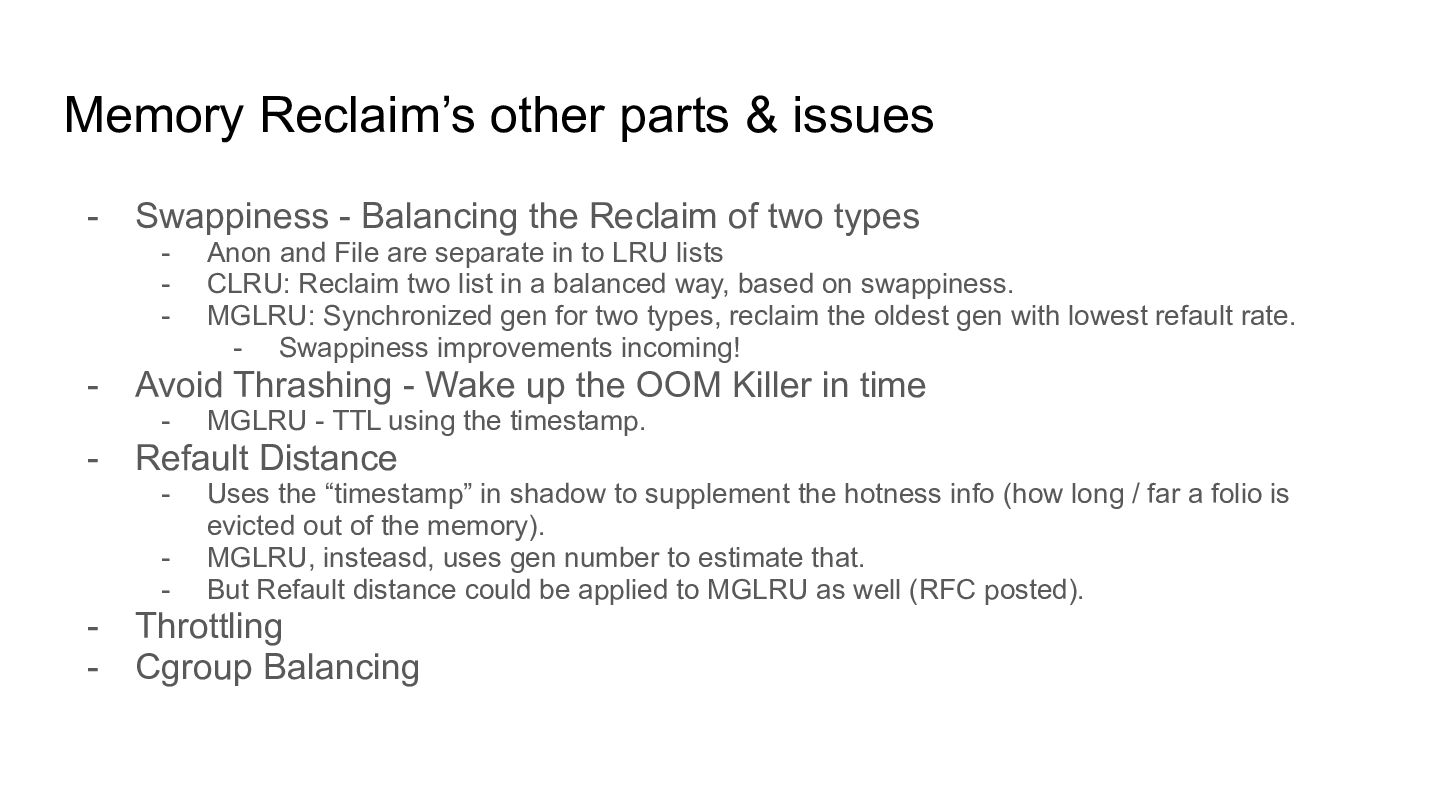
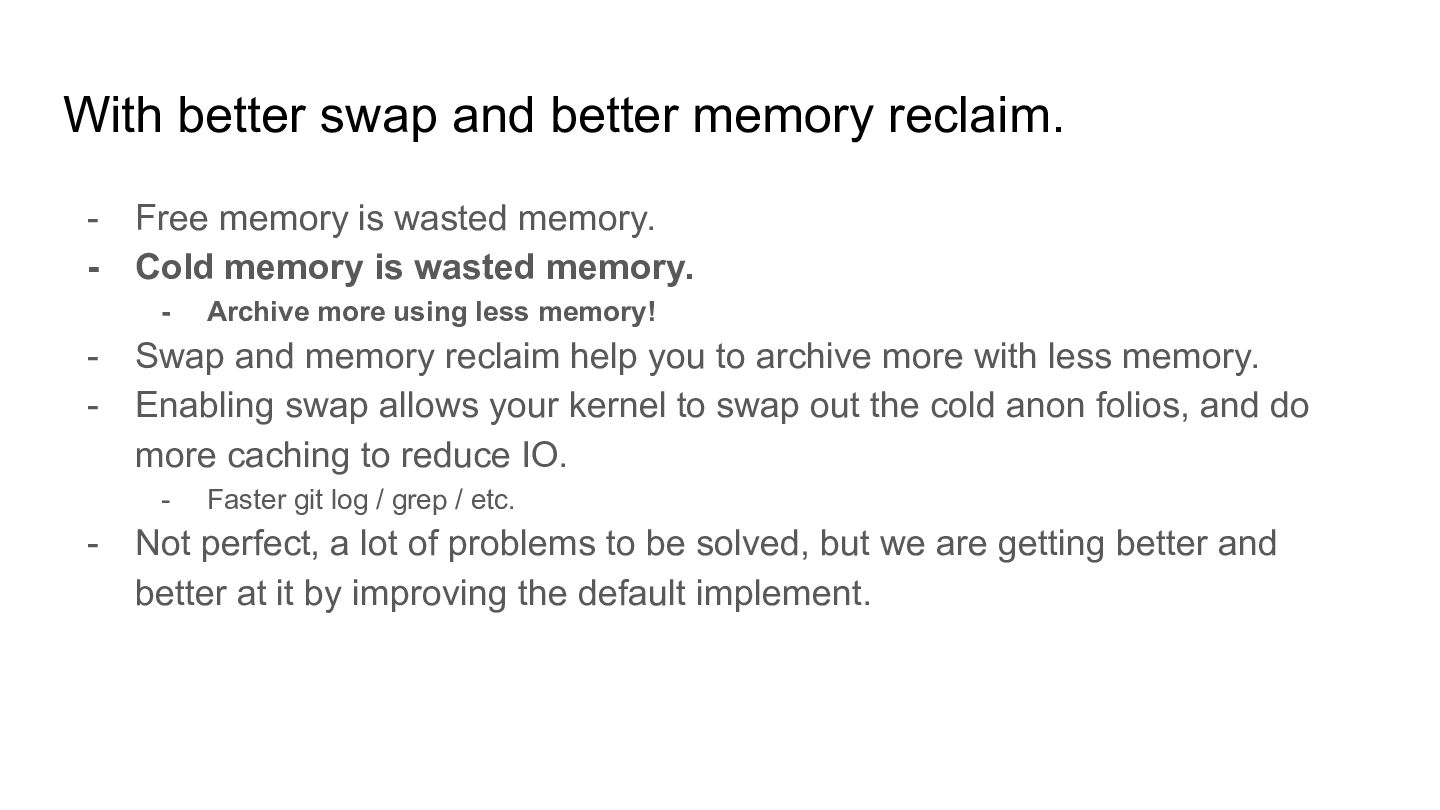
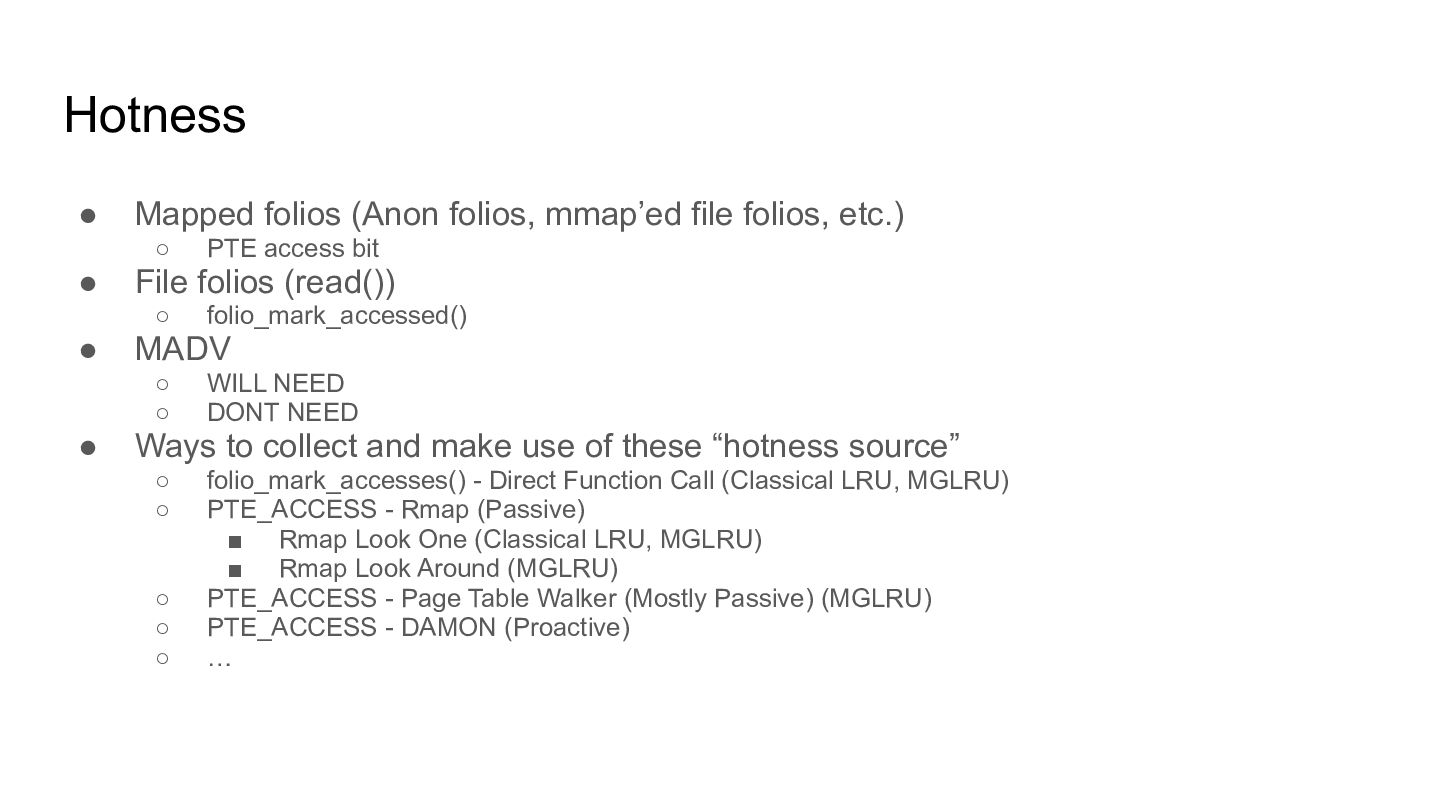
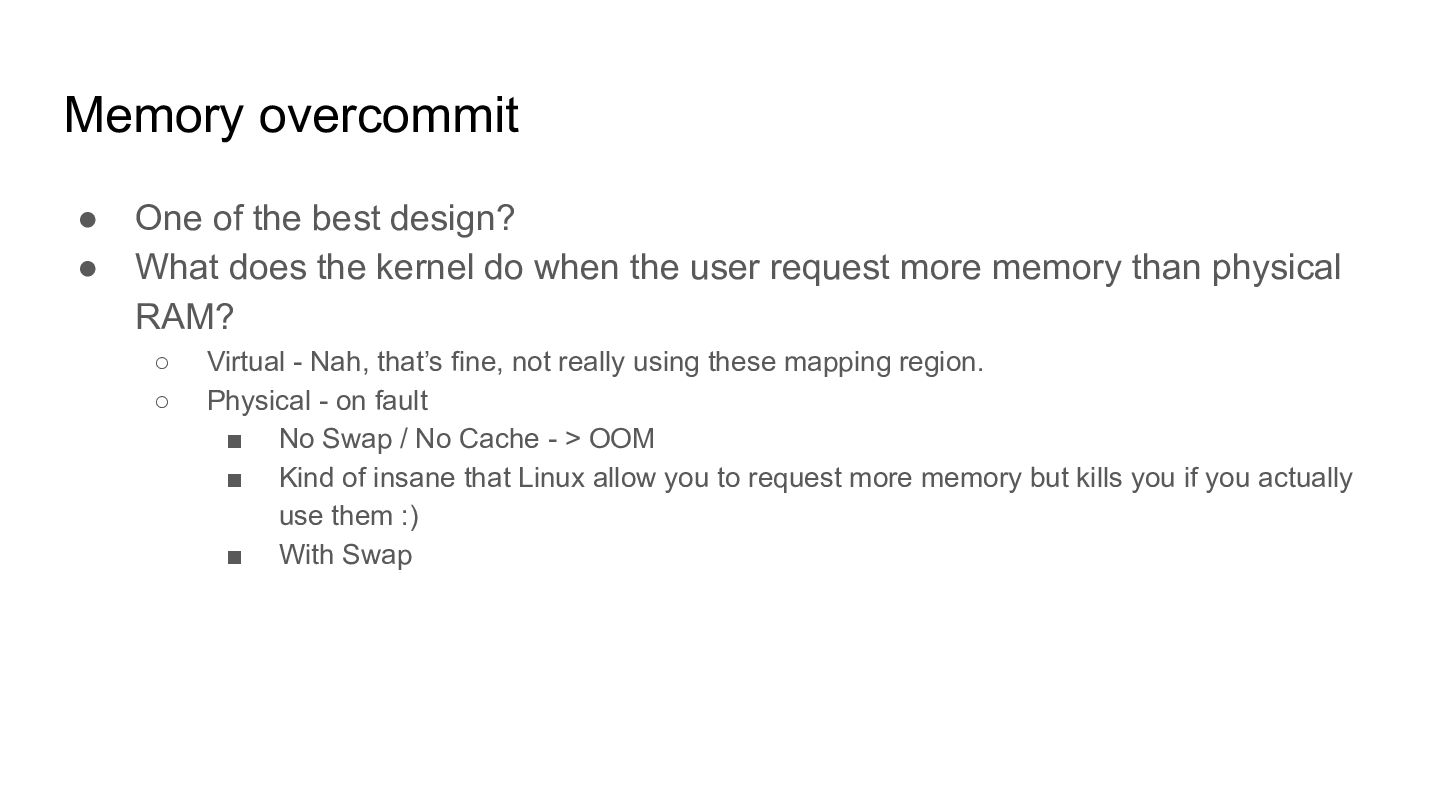
Making better use of physical memory is a continuous, long-term effort within the kernel community. Immense effort has been directed toward this goal via offloading and compressing cold memory, caching and evicting file cache, and many more. Swap and memory reclaim are two of the key subsystems in the Linux kernel.
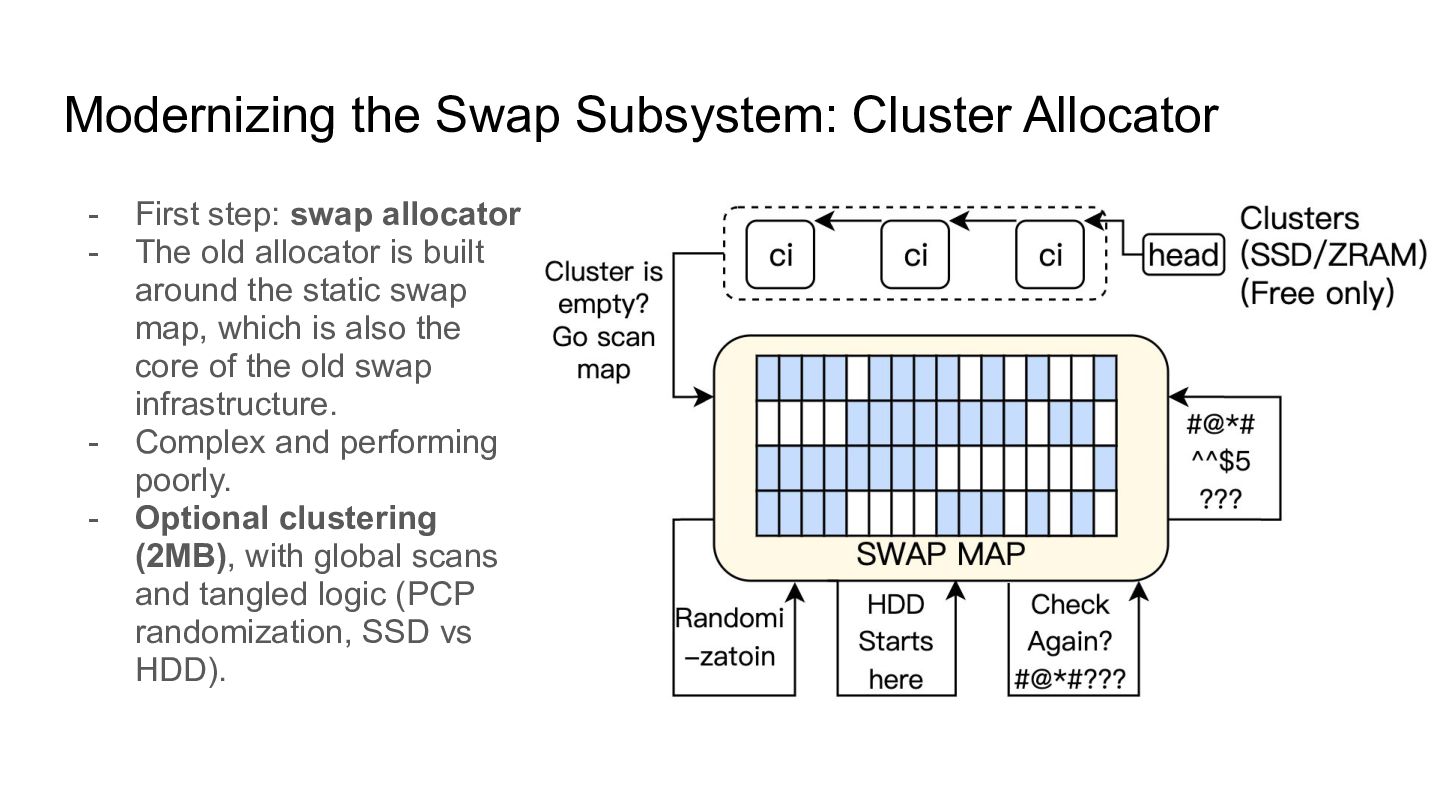
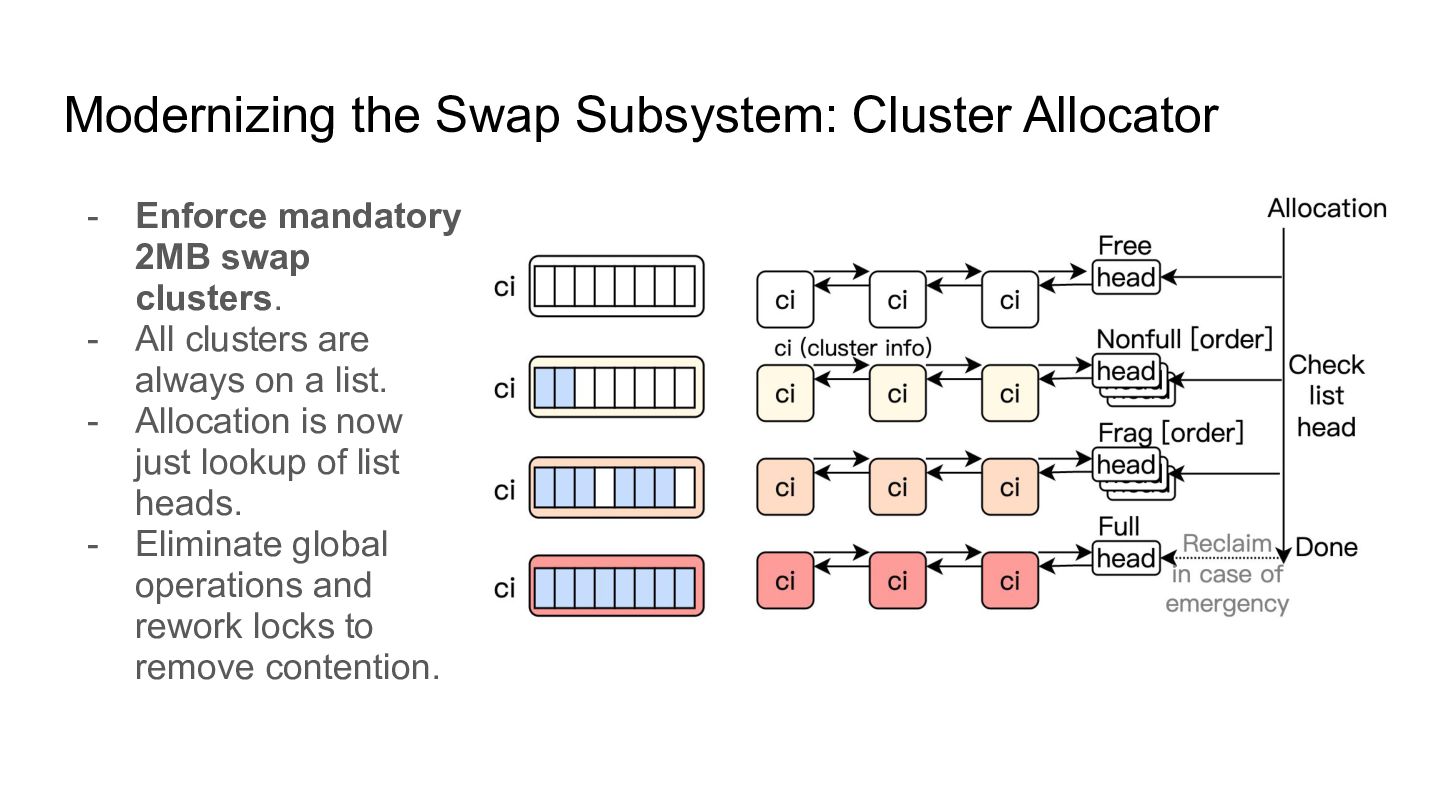
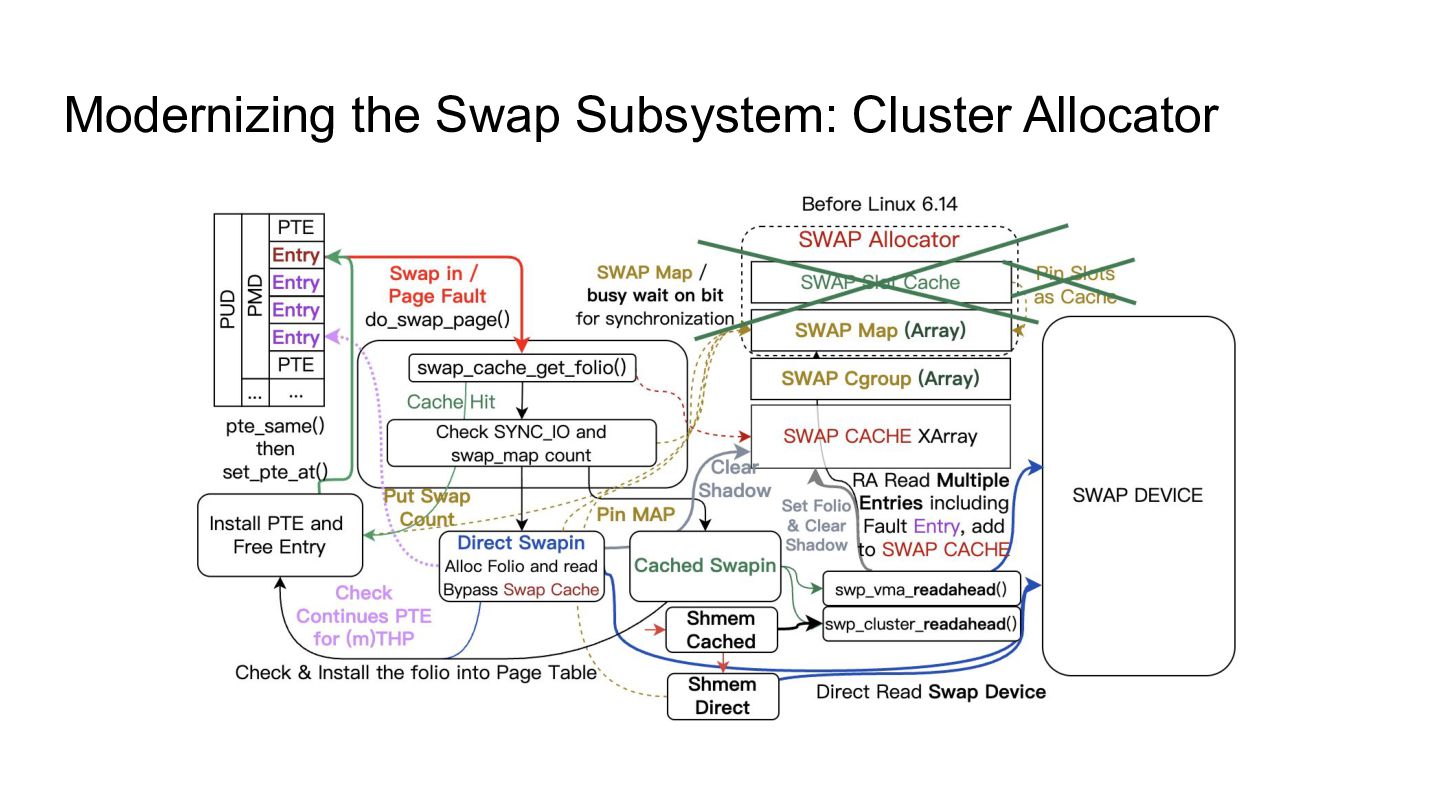
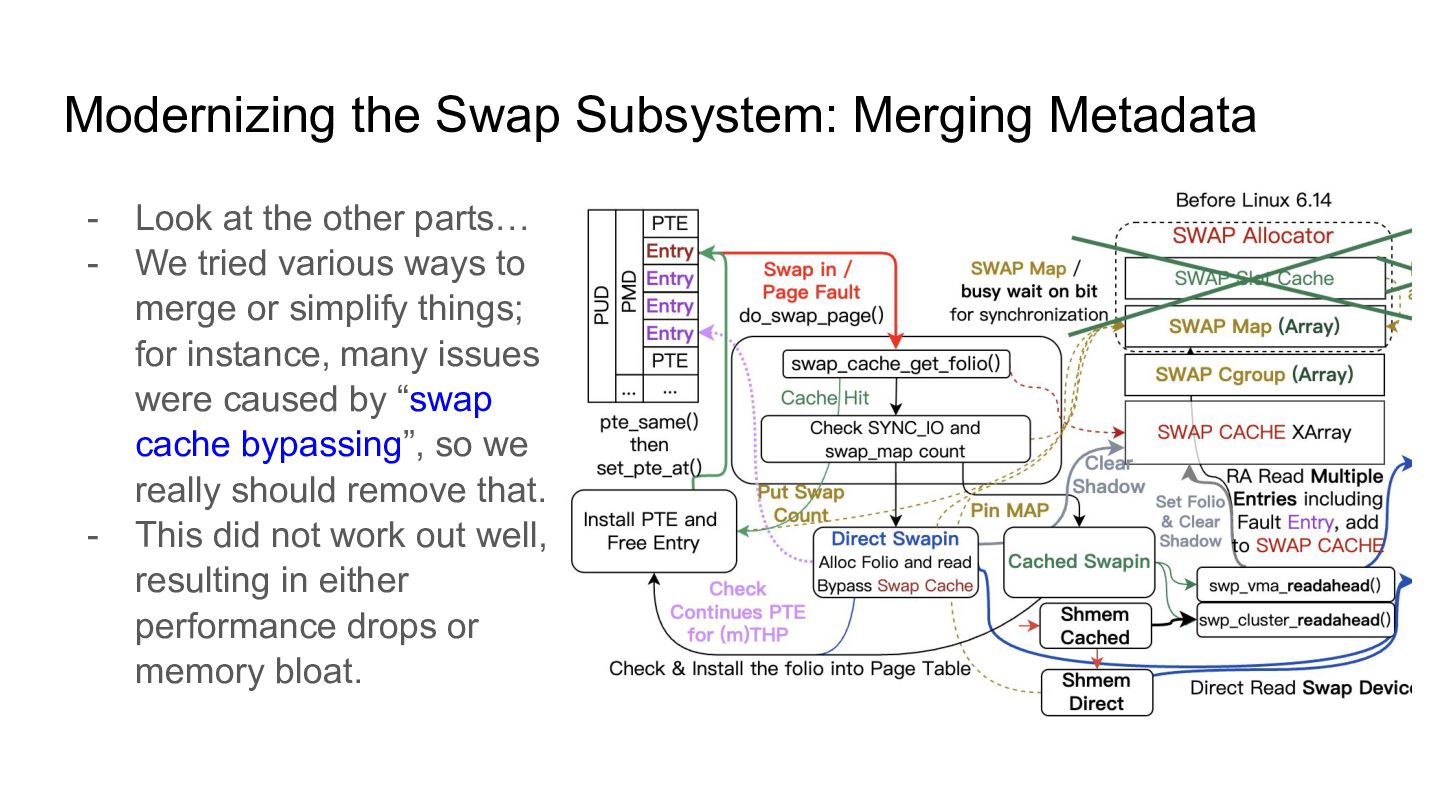
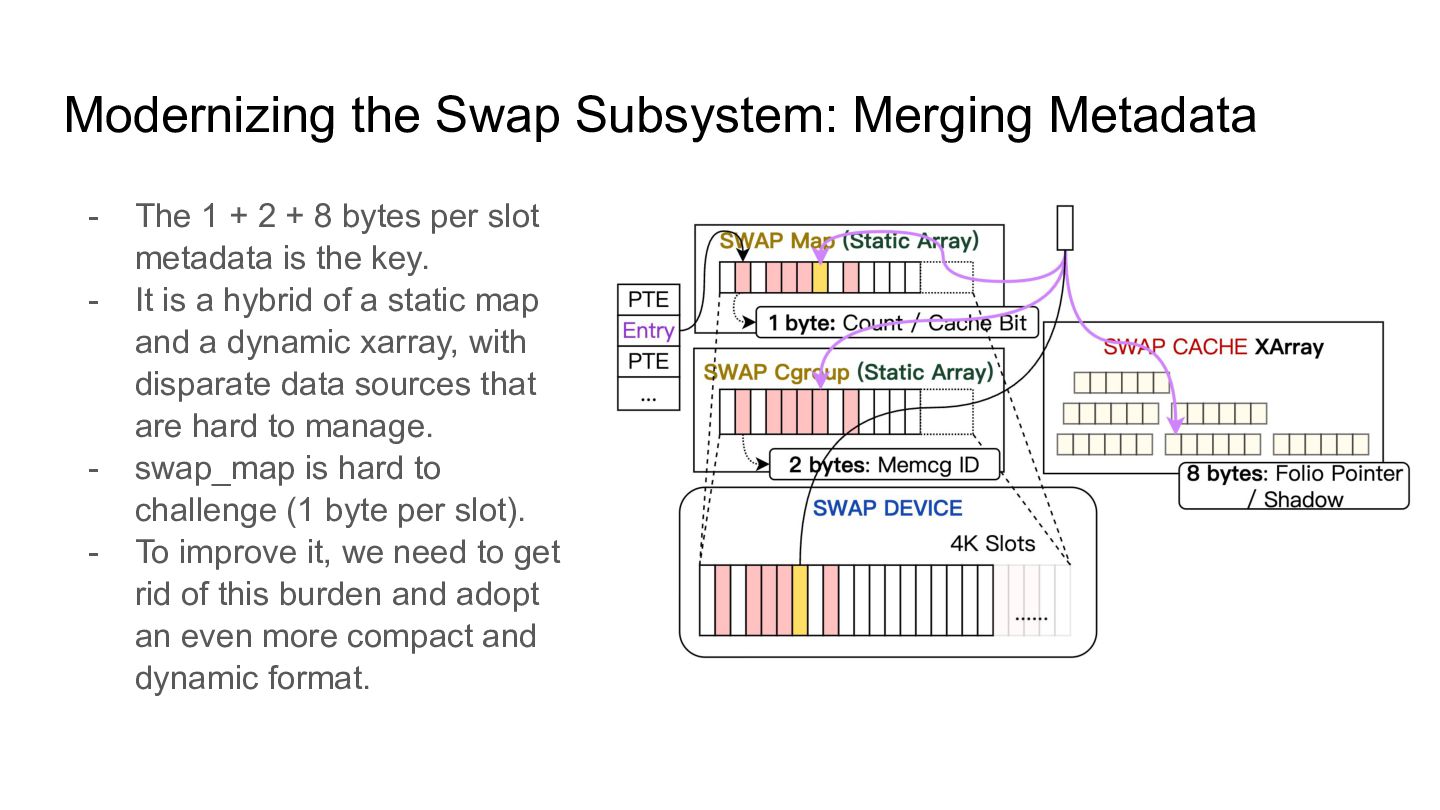
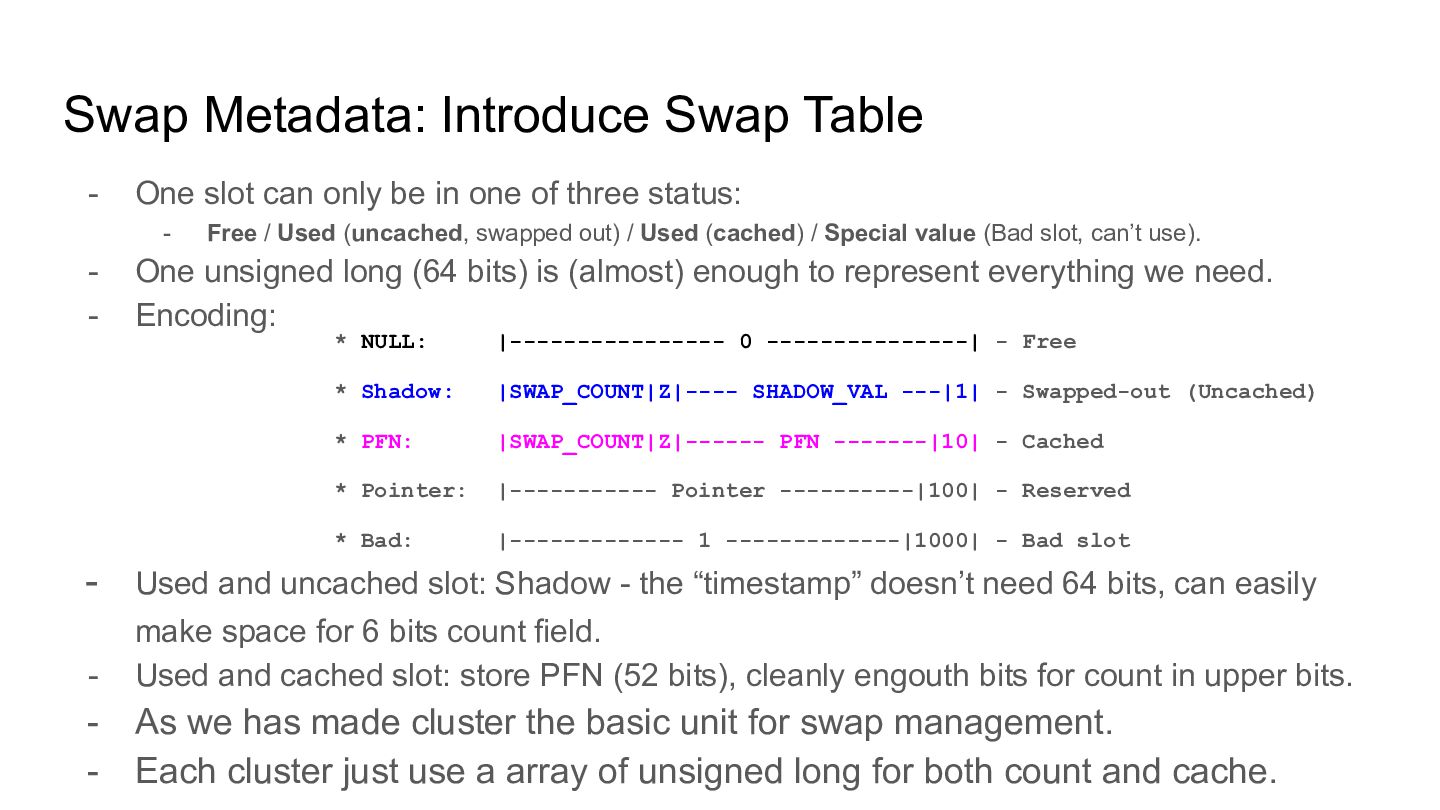
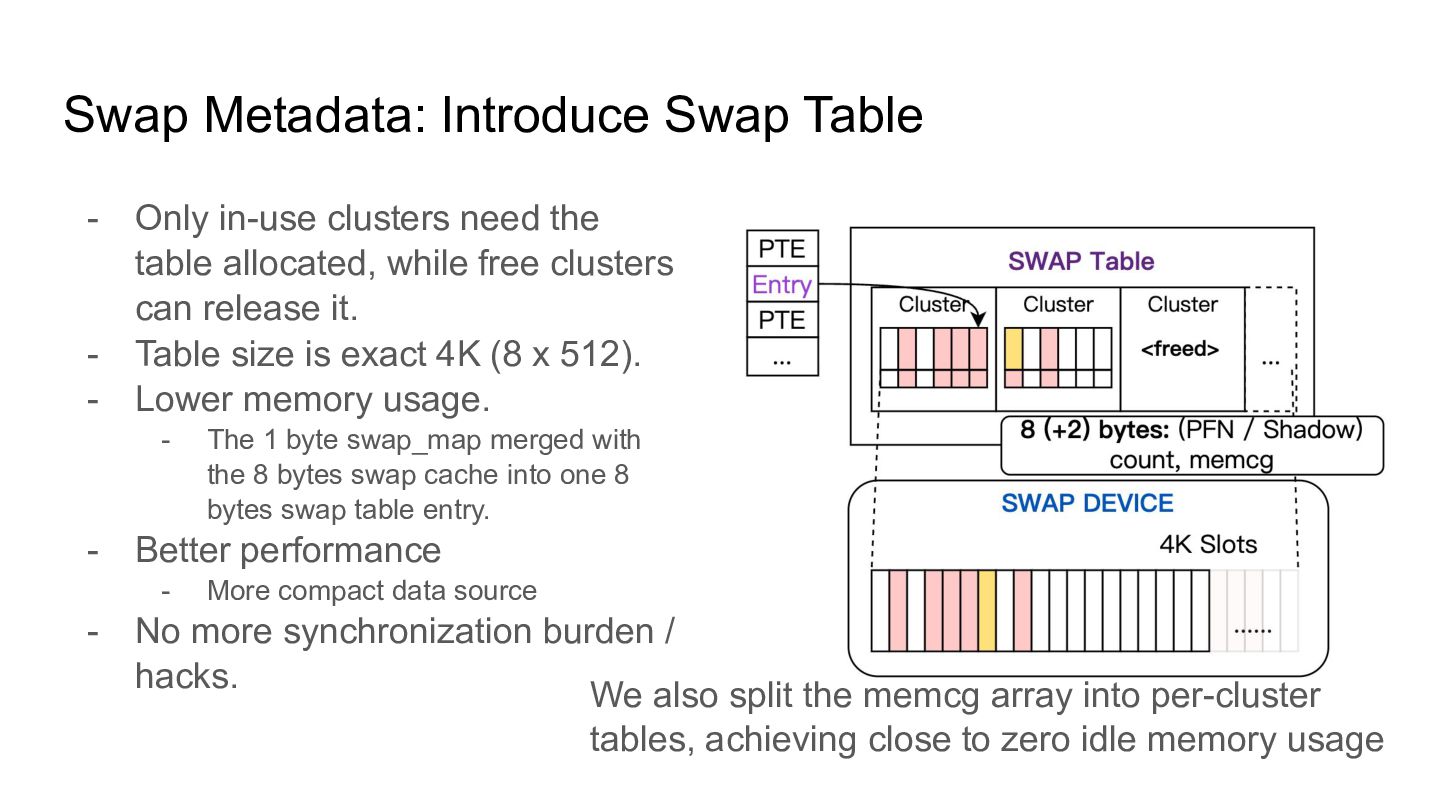
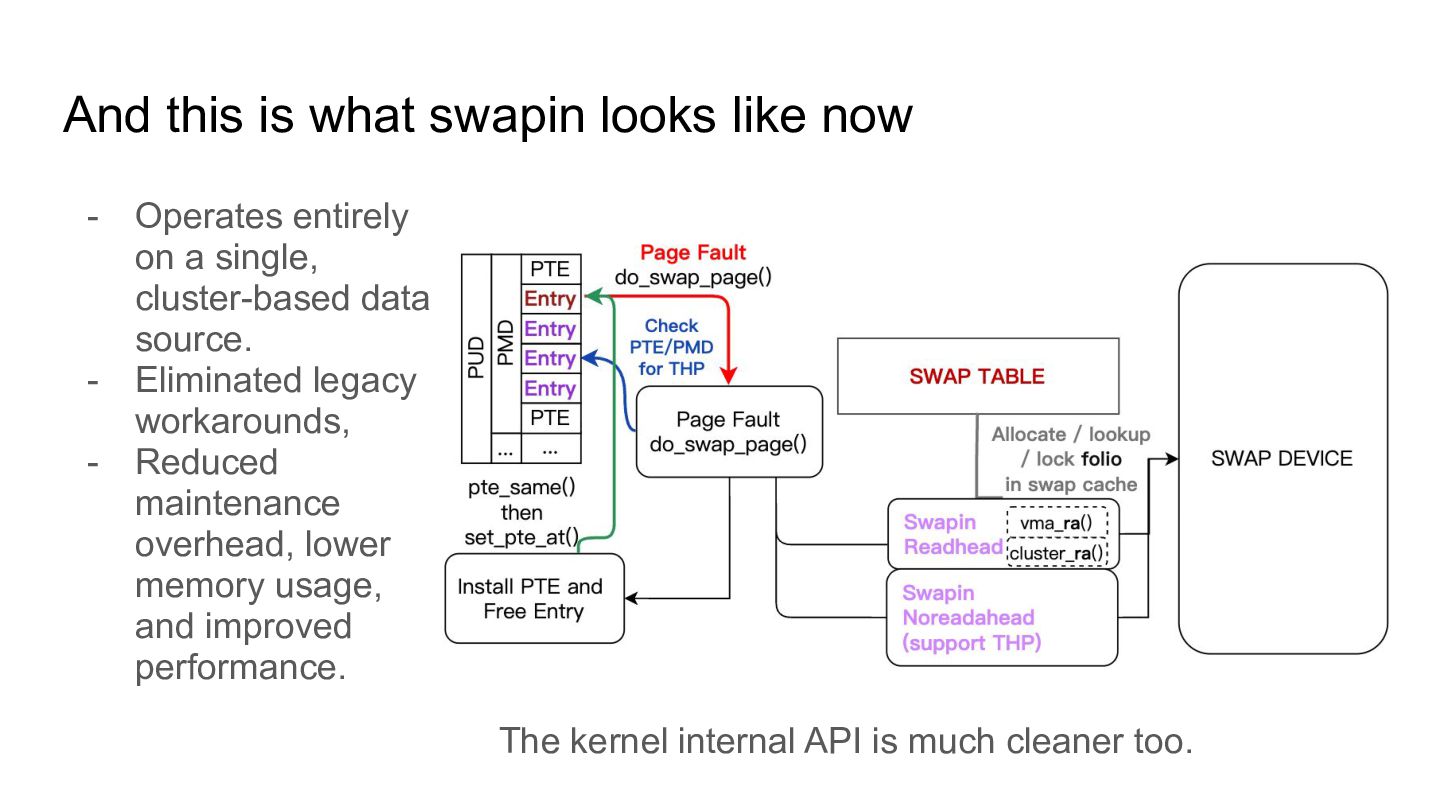
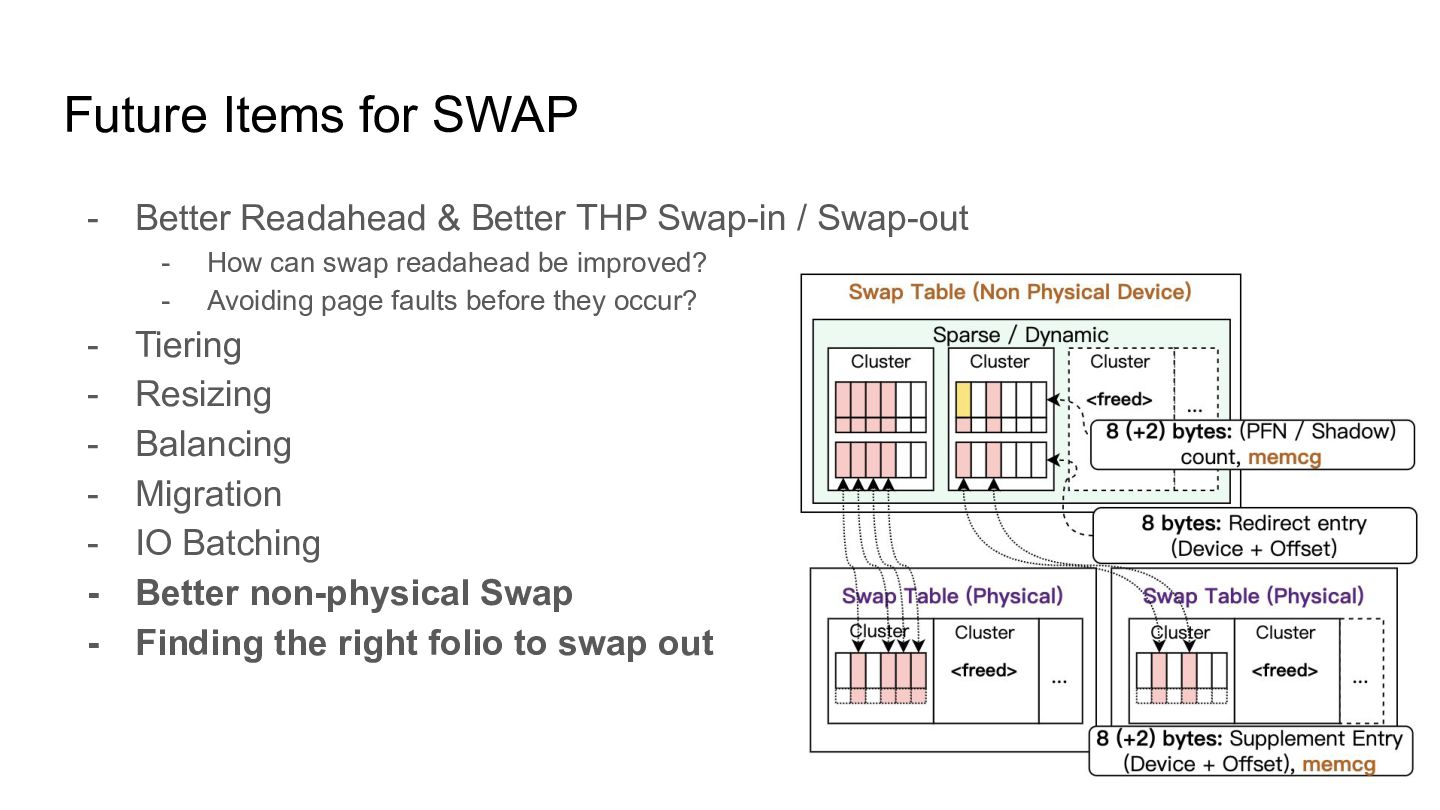
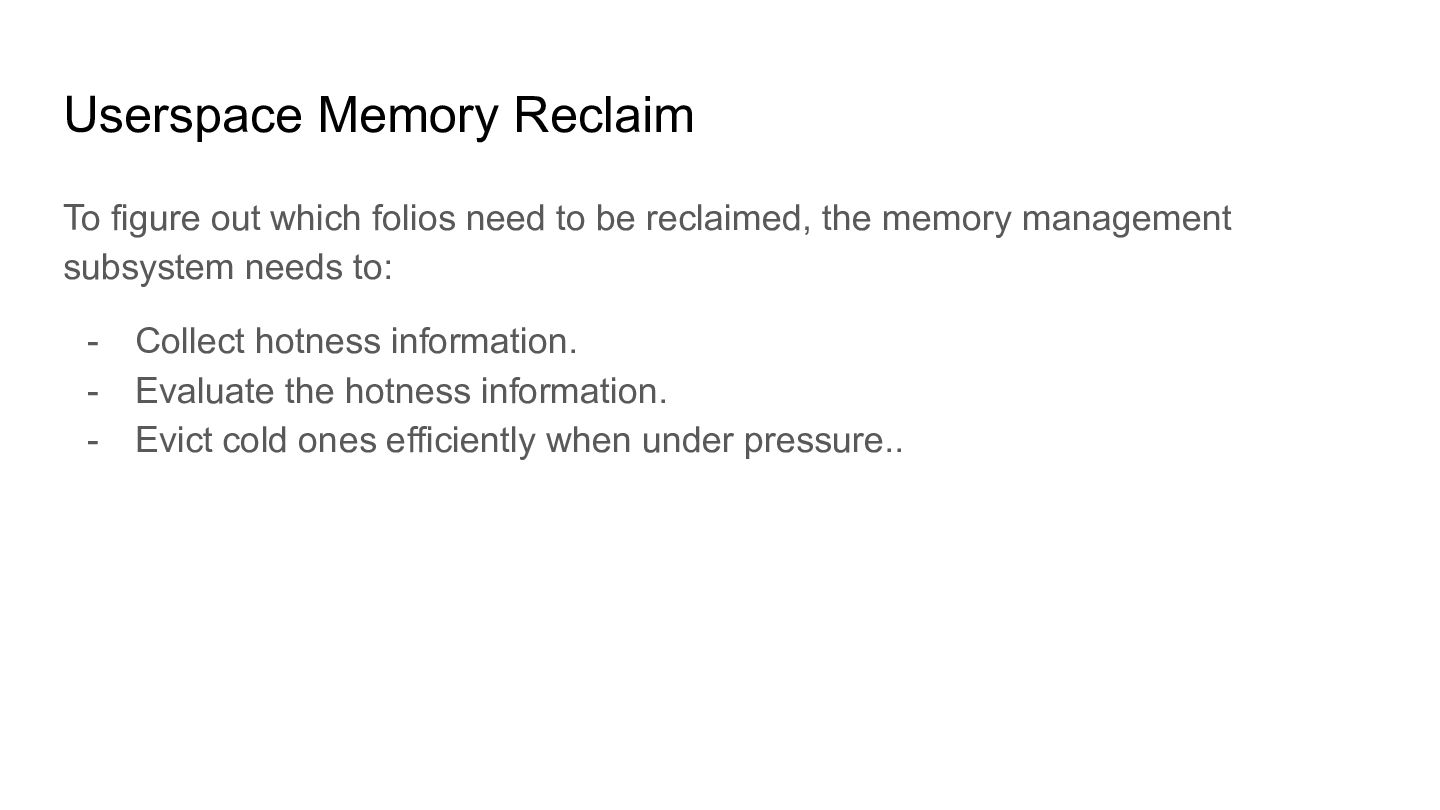
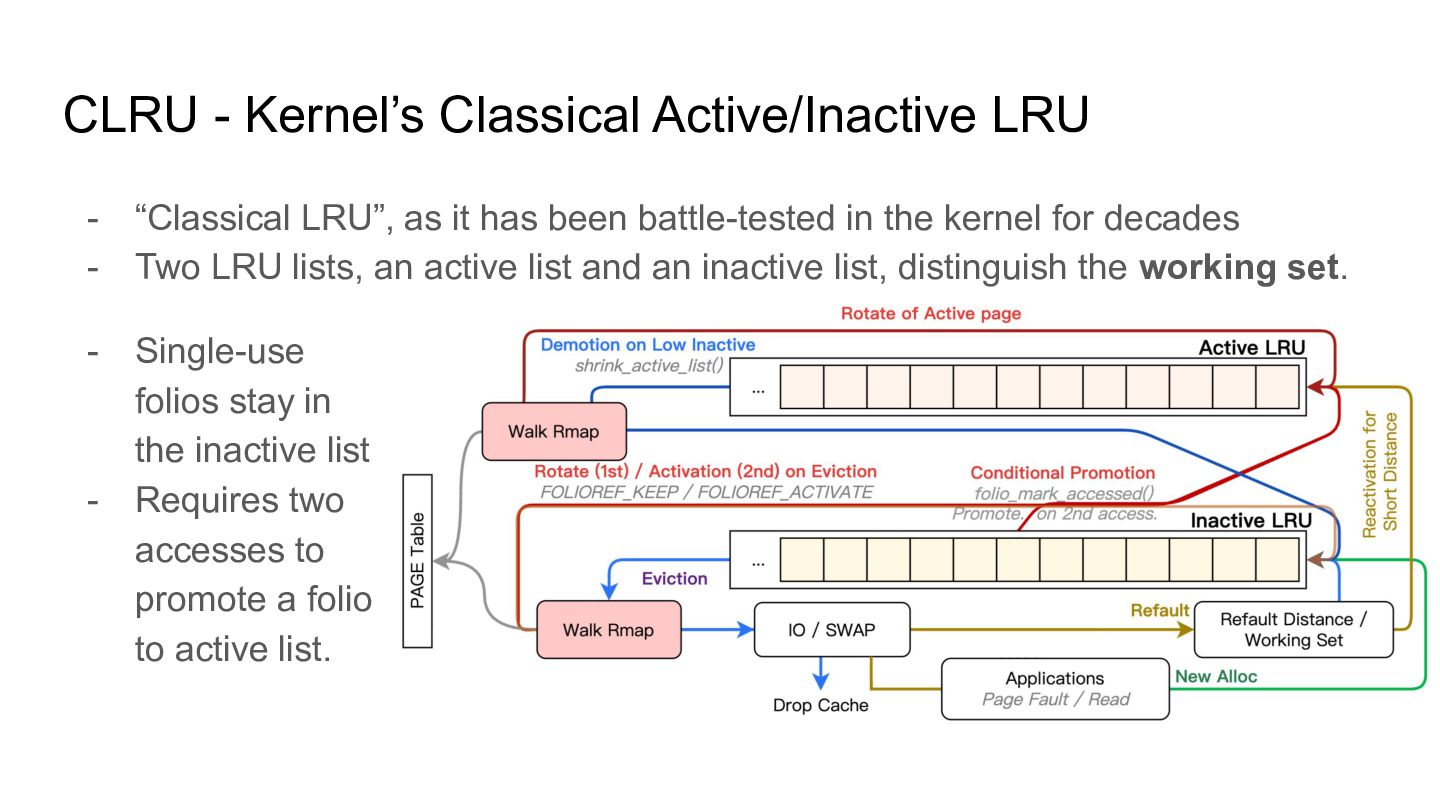
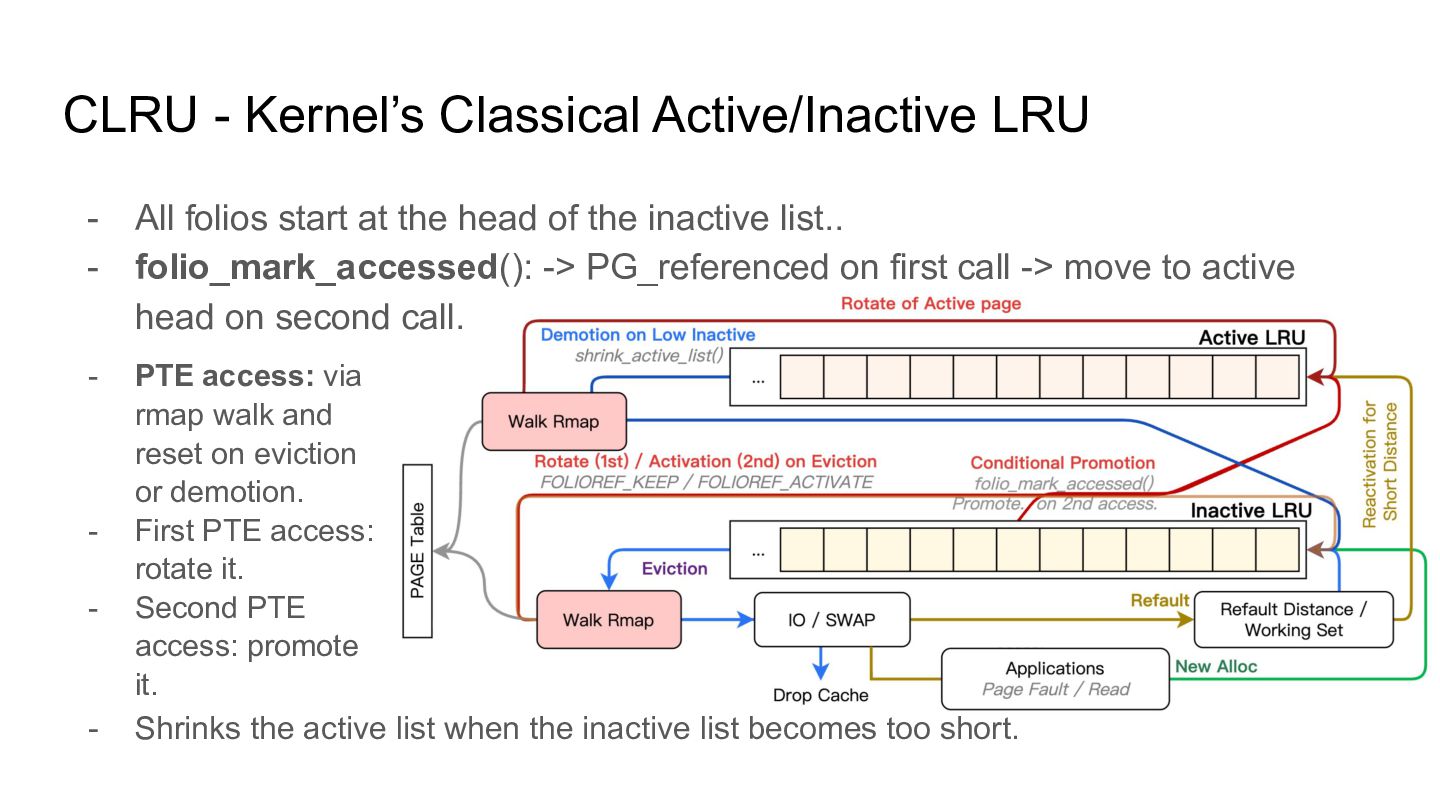
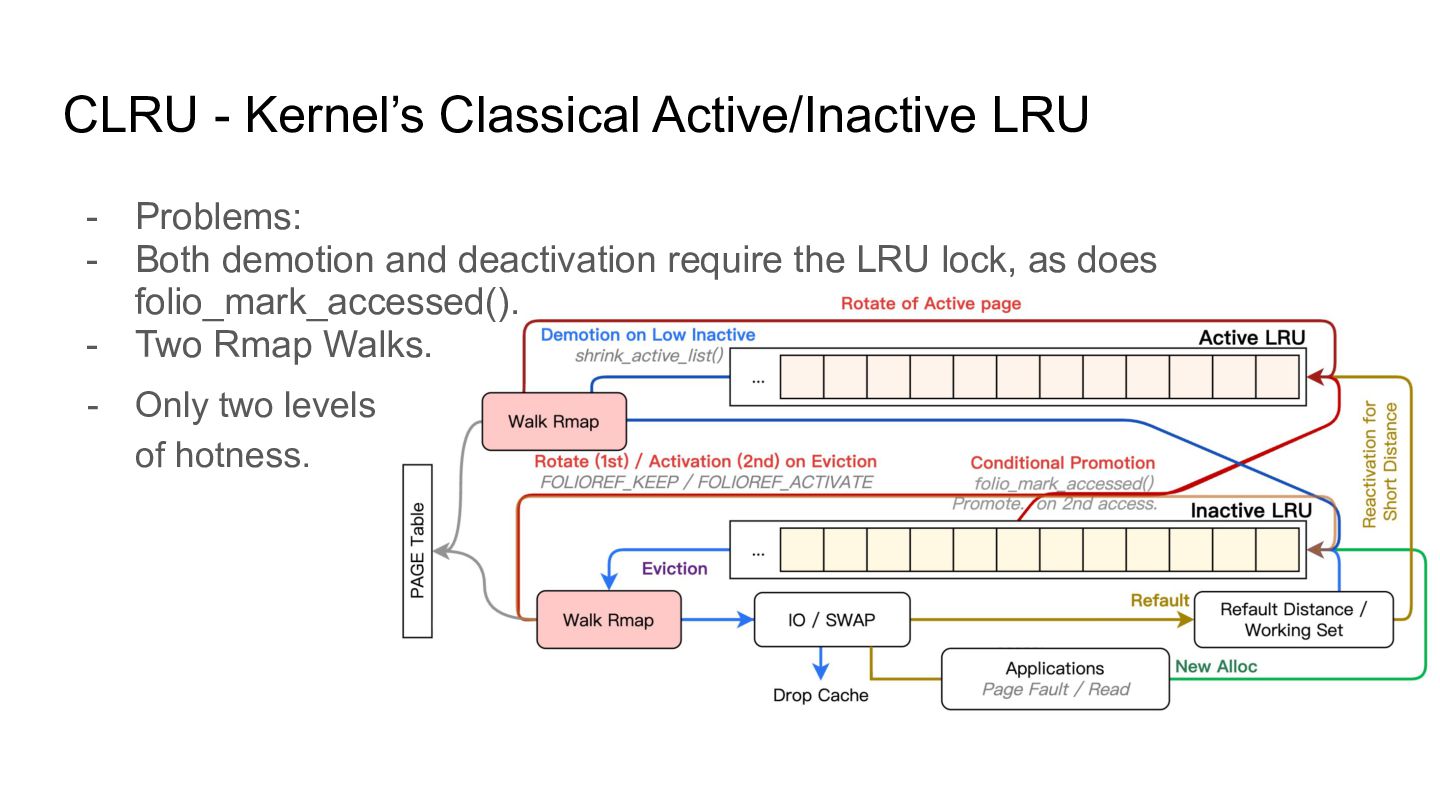
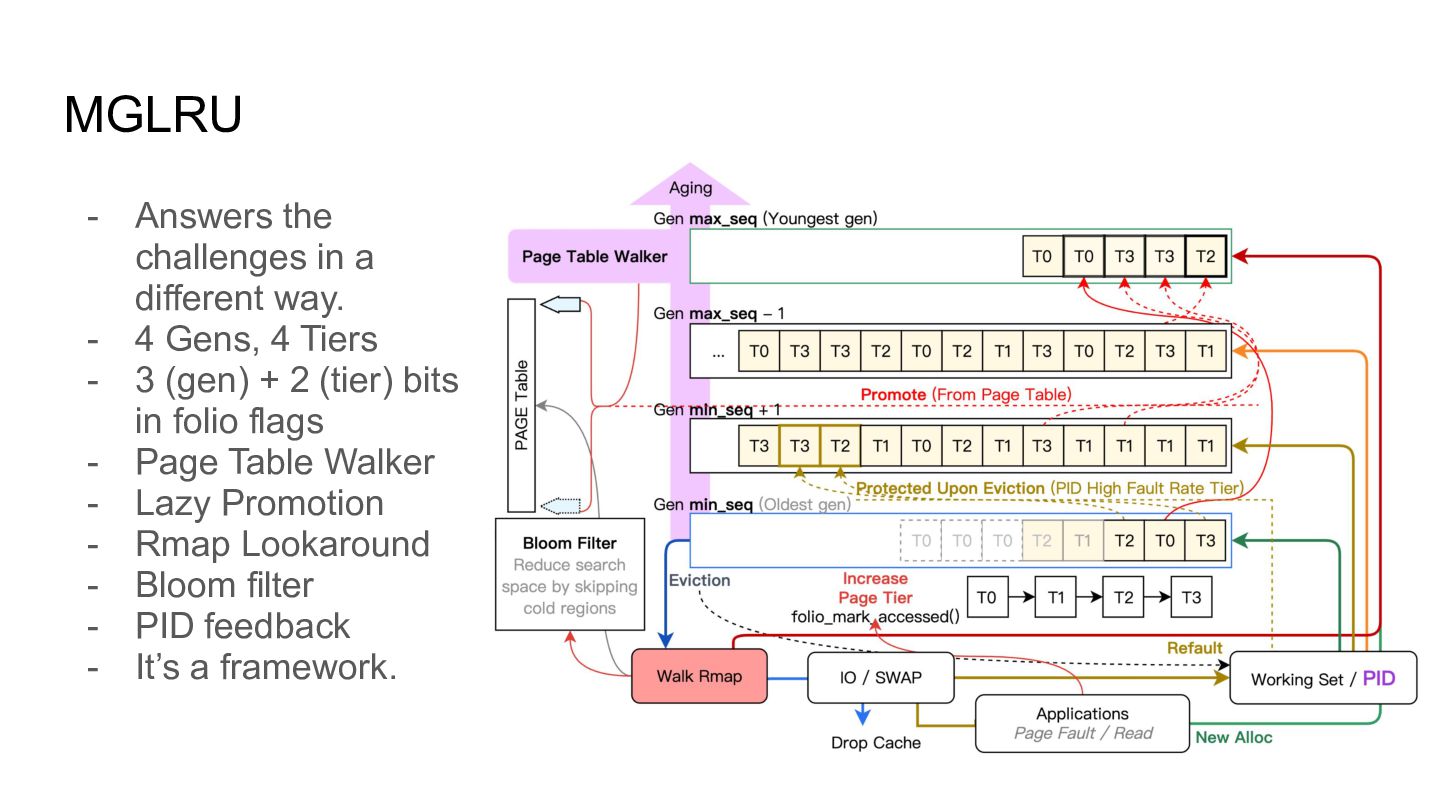
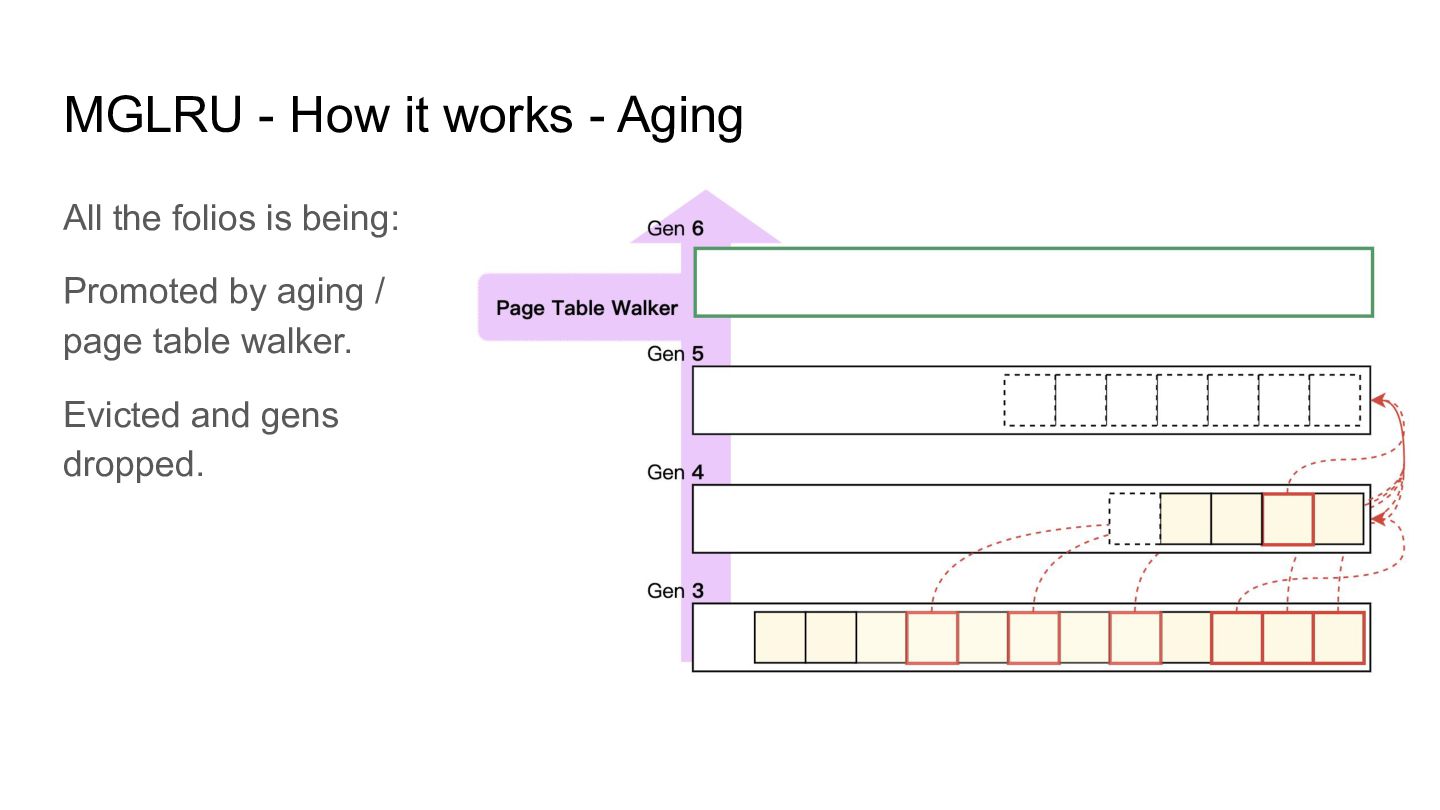
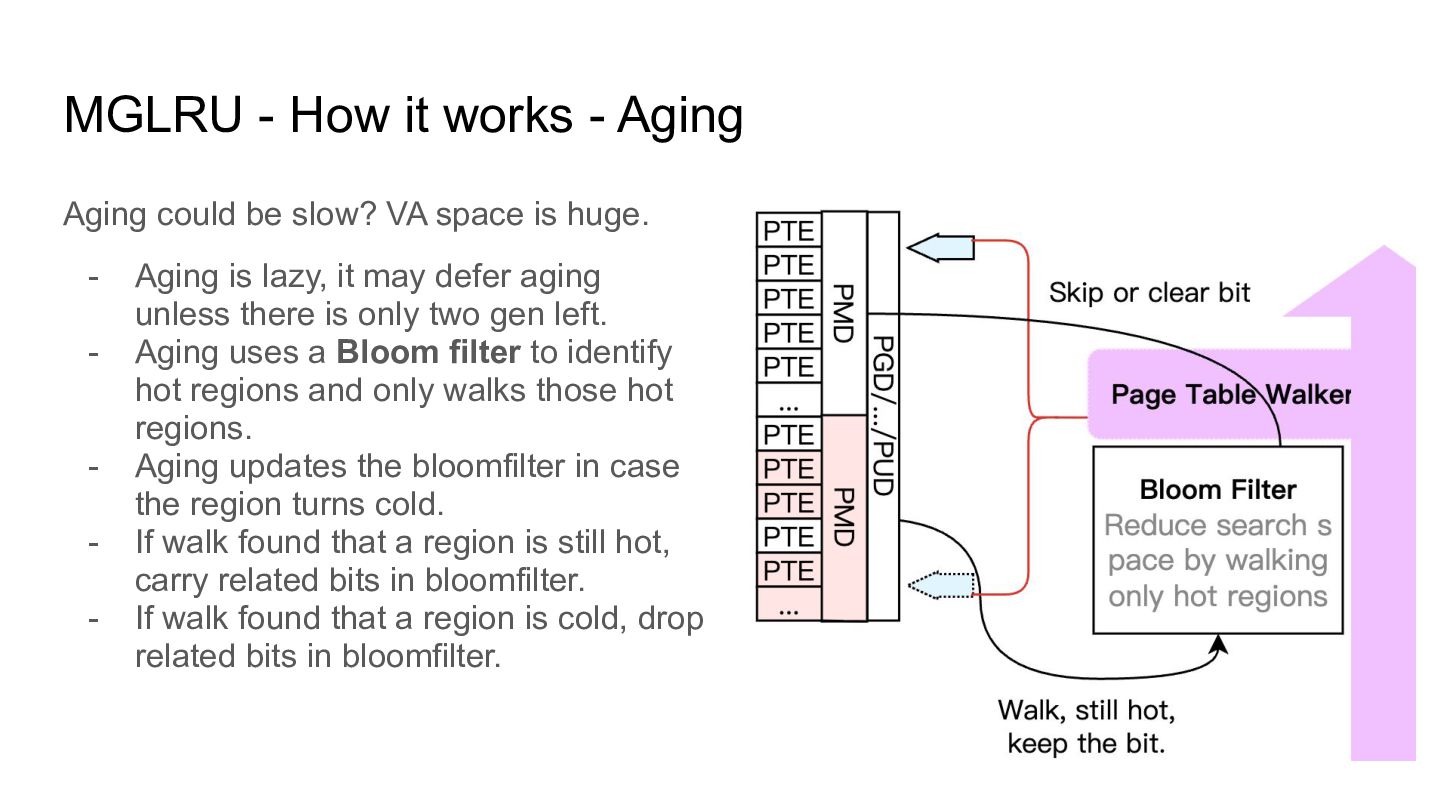
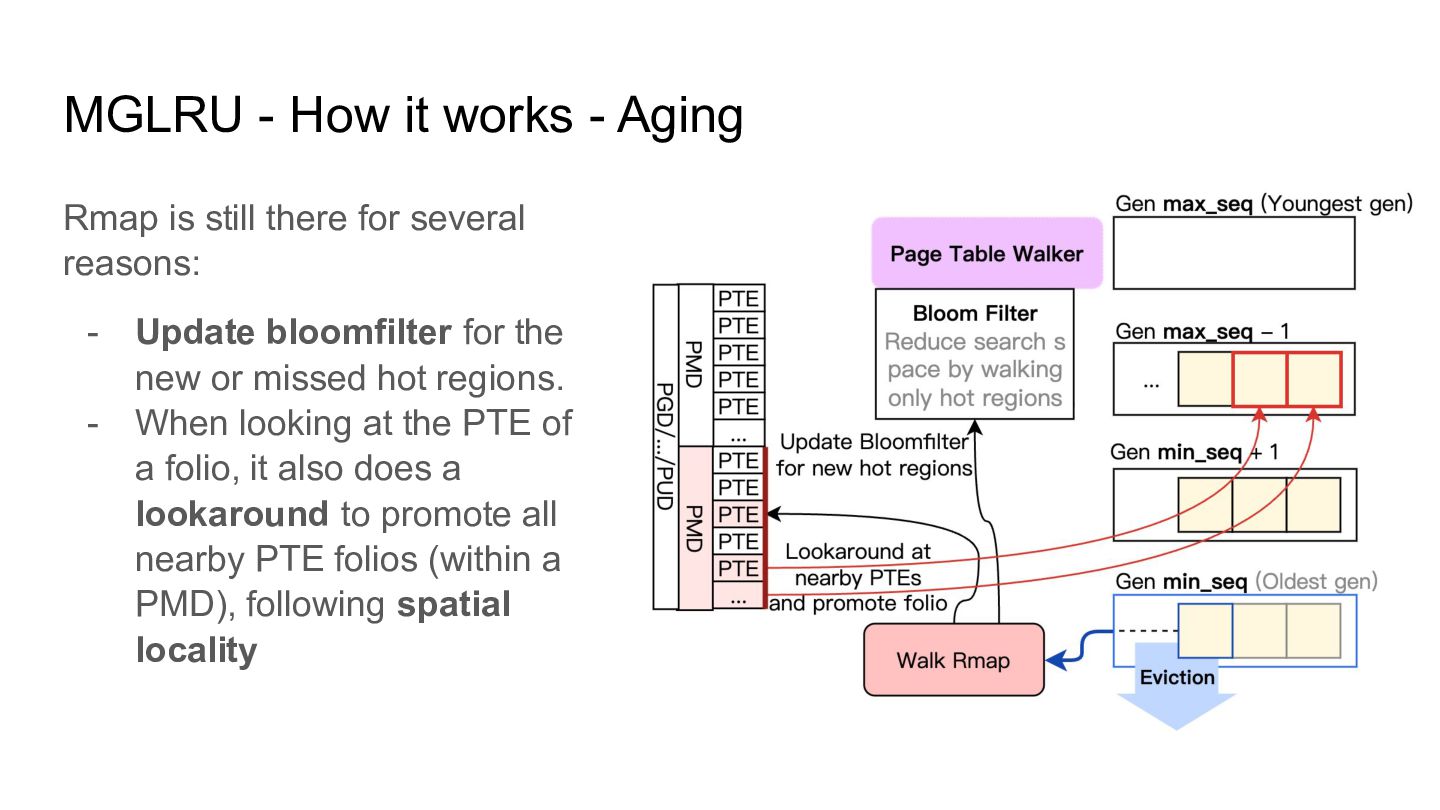
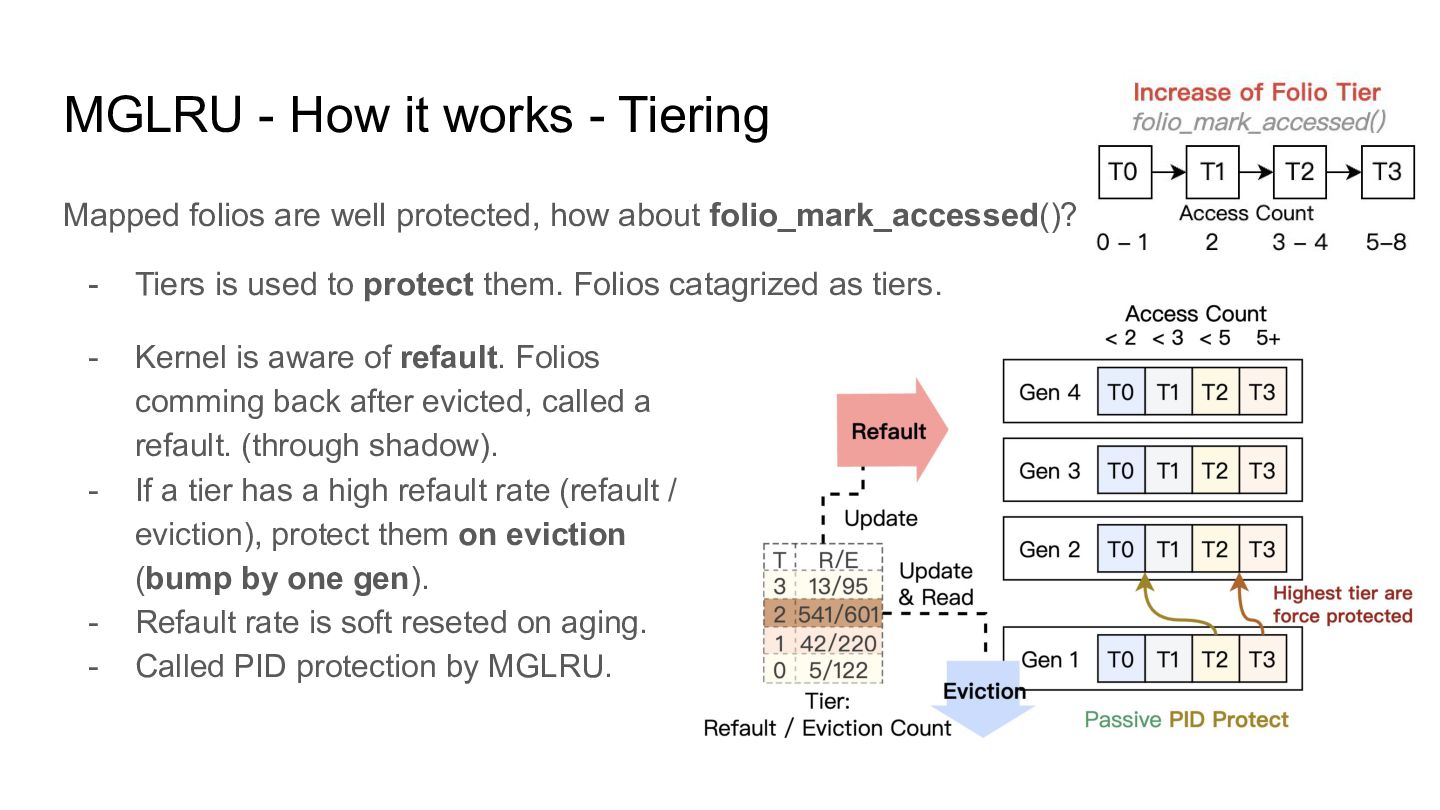
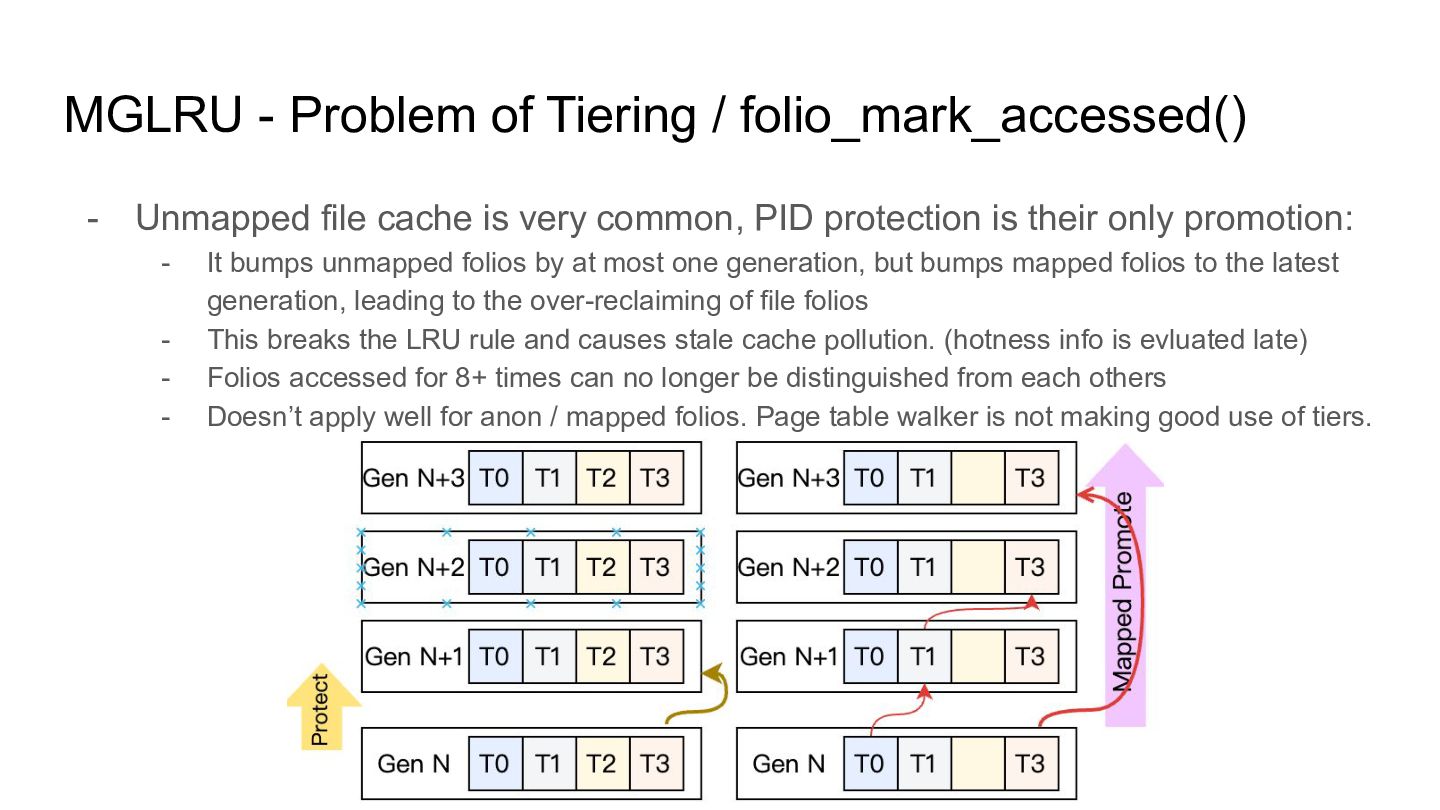
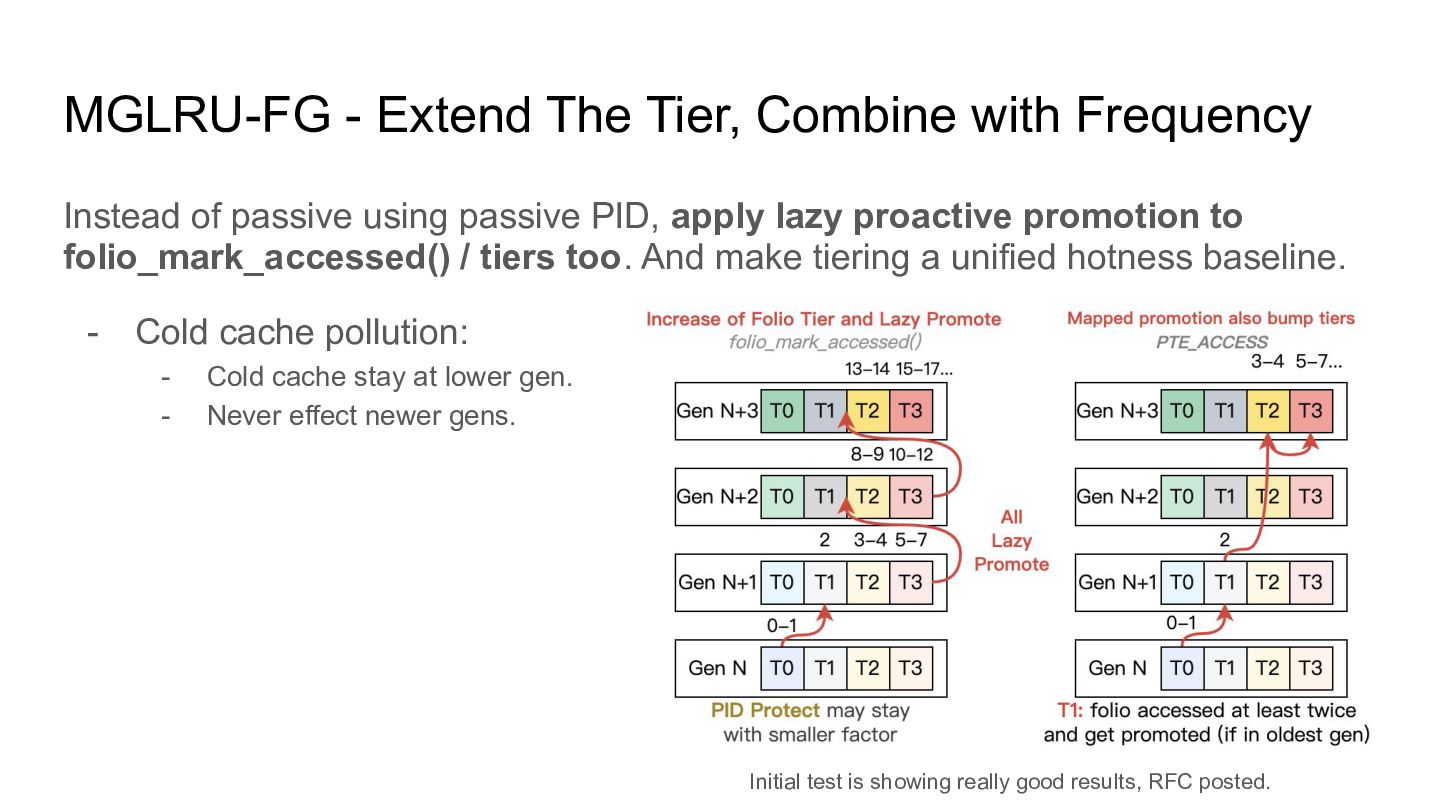
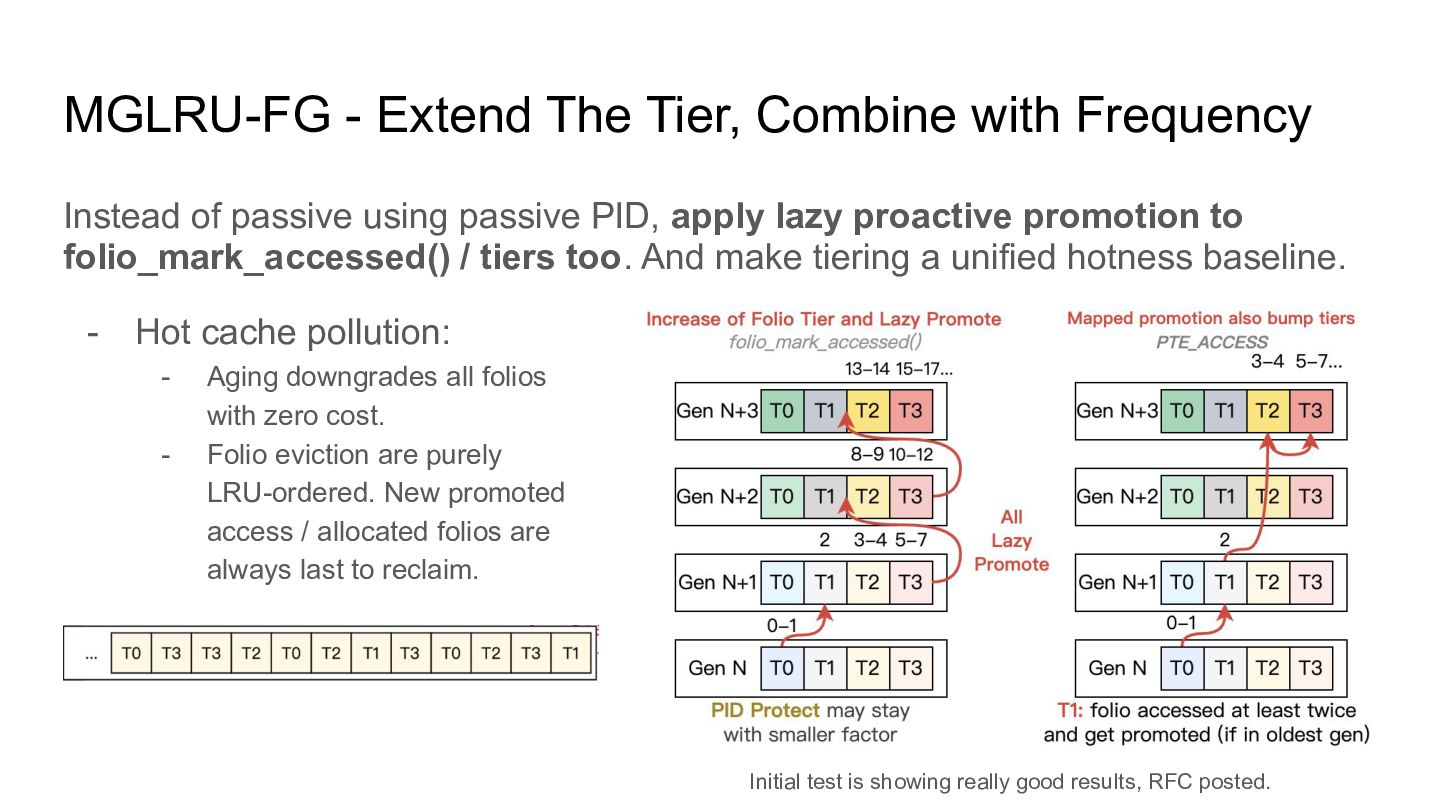
This session will provide an overview of current reclaim and swap strategies along with a bit of historical context, covering the reclaim pathways for both anonymous and file folios. We will discuss new developments in the swap subsystem, and the recent debates and progress surrounding traditional LRU and the Multi-Gen LRU (MGLRU), and how they may reshape system behavior under memory pressure.
Historically, heavy memory pressure often led to dramatic performance degradation and catastrophic latency spikes, making it difficult for many workloads to remain usable. We will look at how upstream work and usage may make it worth reconsidering.


 ennael
 furuton
.png) codatum
codatum
 shugo
shugo
 shumei_ito
 jozono
 470715
 codmoninc
 kizawa2020
 daidaidai
 kworkdev
 kaminashi
 shuta13
 nmsamuel
 notwaldorf
 lcolladotor
 jacobtomlinson
 asonas
 iamctodd
 holman
 baasie
 ivargrimstad
 aleyda
 cassininazir
 moore
moore